



Search the Media Repository
Discover the curated images, videos, and primary sources featured throughout Foundations and Futures
History is more than just text on a page; it is the photographs, voices, and artifacts of the people who lived it. The images and recordings featured across Foundations and Futures are part of a meticulously curated media repository. Whether you are building a lesson plan or investigating an artifact, you can use this database to trace the provenance of our media: discover who created an asset, the historical context behind it, and how it can be used to bring Asian American and Pacific Islander experiences into your classroom.
Multimedia
Chapters
-
Text
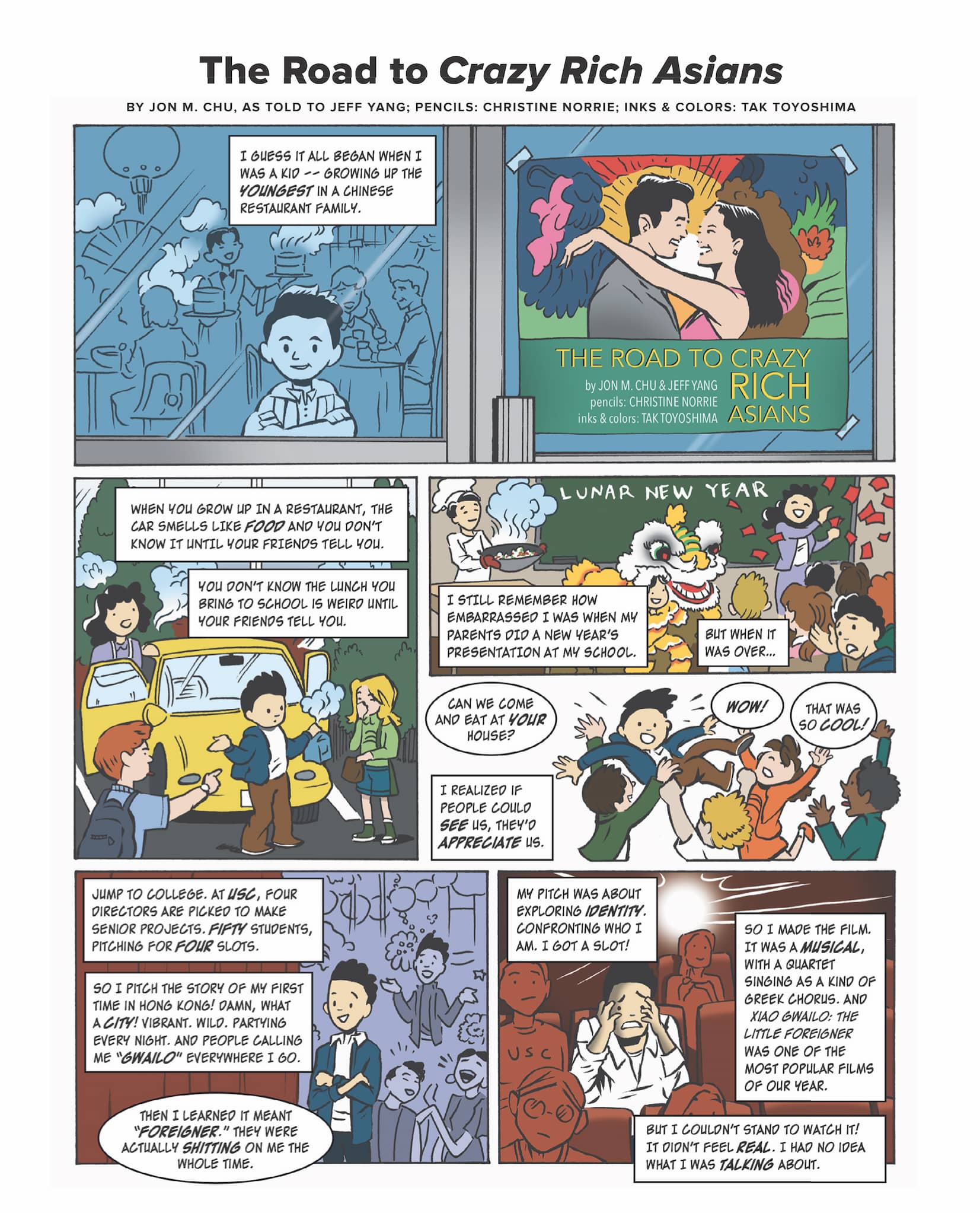
“The Road To Crazy Rich Asians” Page 1
Page 1 of The Road to Crazy Rich Asians from the book RISE: A Pop History of Asian America from the Nineties to Now, by Jeff Yang, Phil Yu and Philip Wang. Comic by Jon M. Chu, as told to Jeff Yang.
Featured in:
Asian American Popular Culture, Module 3
-
Video
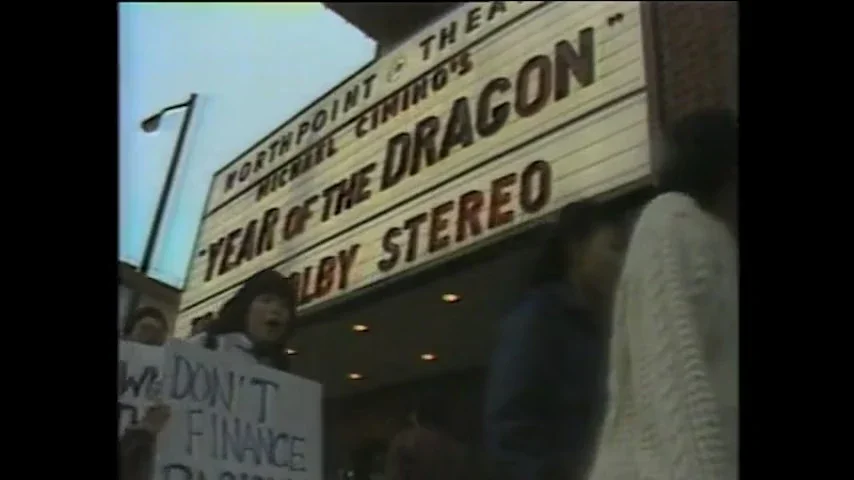
Year Of The Dragon Community Reaction
The history of Asian American media activism is as long as the history of Hollywood itself. The community protests the film Year of the Dragon in 1985.
Featured in:
Asian American Popular Culture, Module 3
-
Text
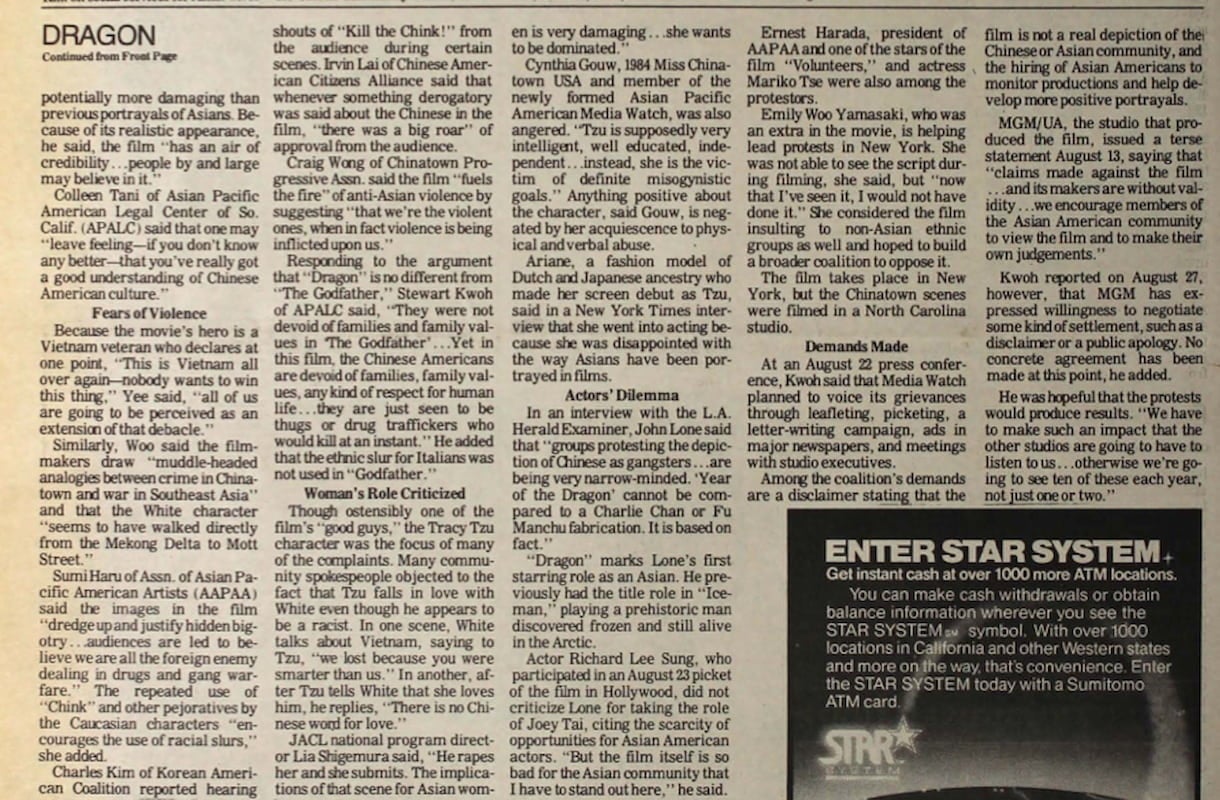
Year Of The Dragon Protests
The Japanese American Citizens League’s Pacific Citizen newspaper detailed the “coast to coast protests” in response to Year of the Dragon.
Featured in:
Asian American Popular Culture, Module 3
-
Text
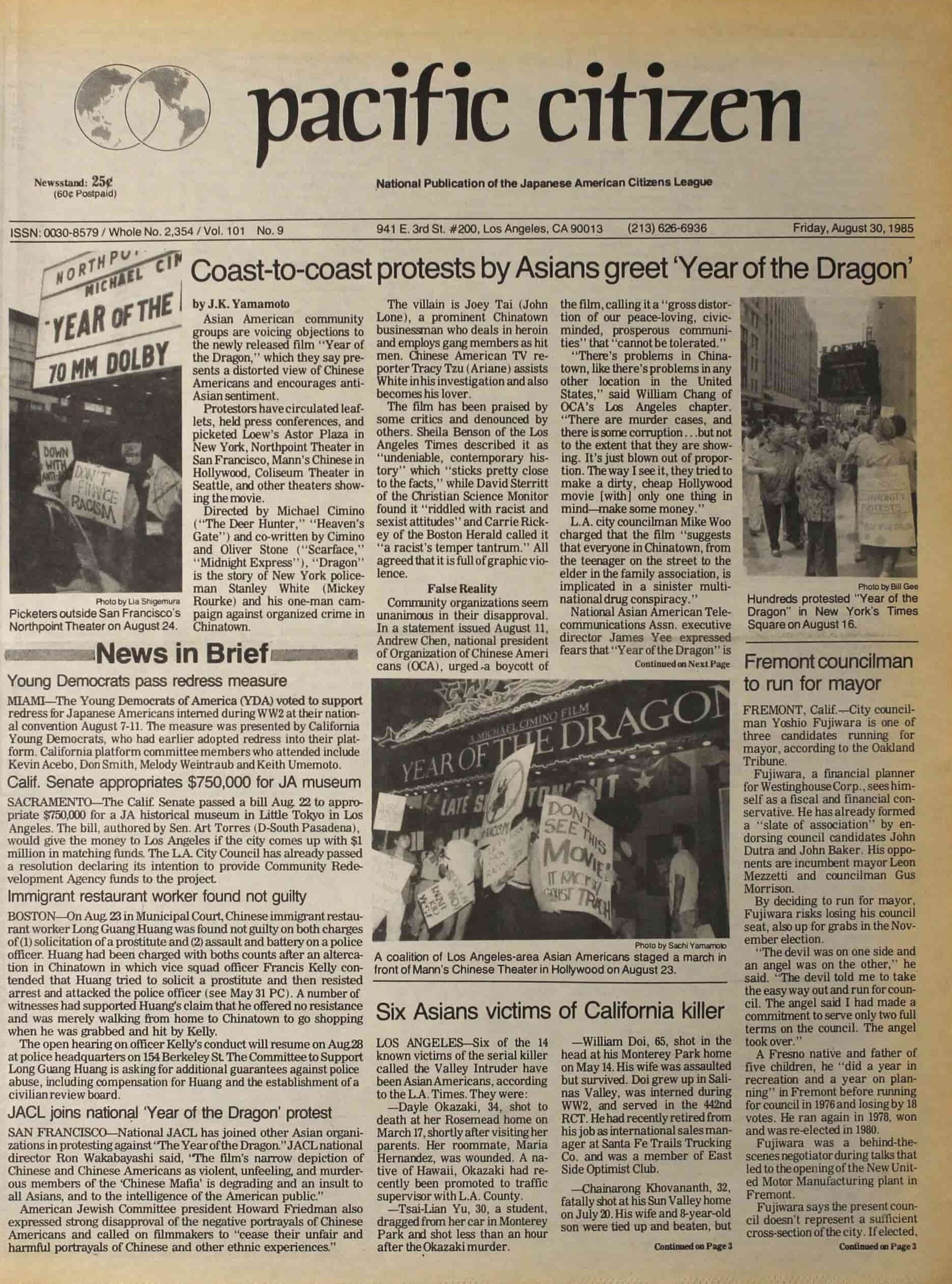
Year Of The Dragon Protests
The Japanese American Citizens League’s Pacific Citizen newspaper detailed the “coast to coast protests” in response to Year of the Dragon.
Featured in:
Asian American Popular Culture, Module 3
-
Image
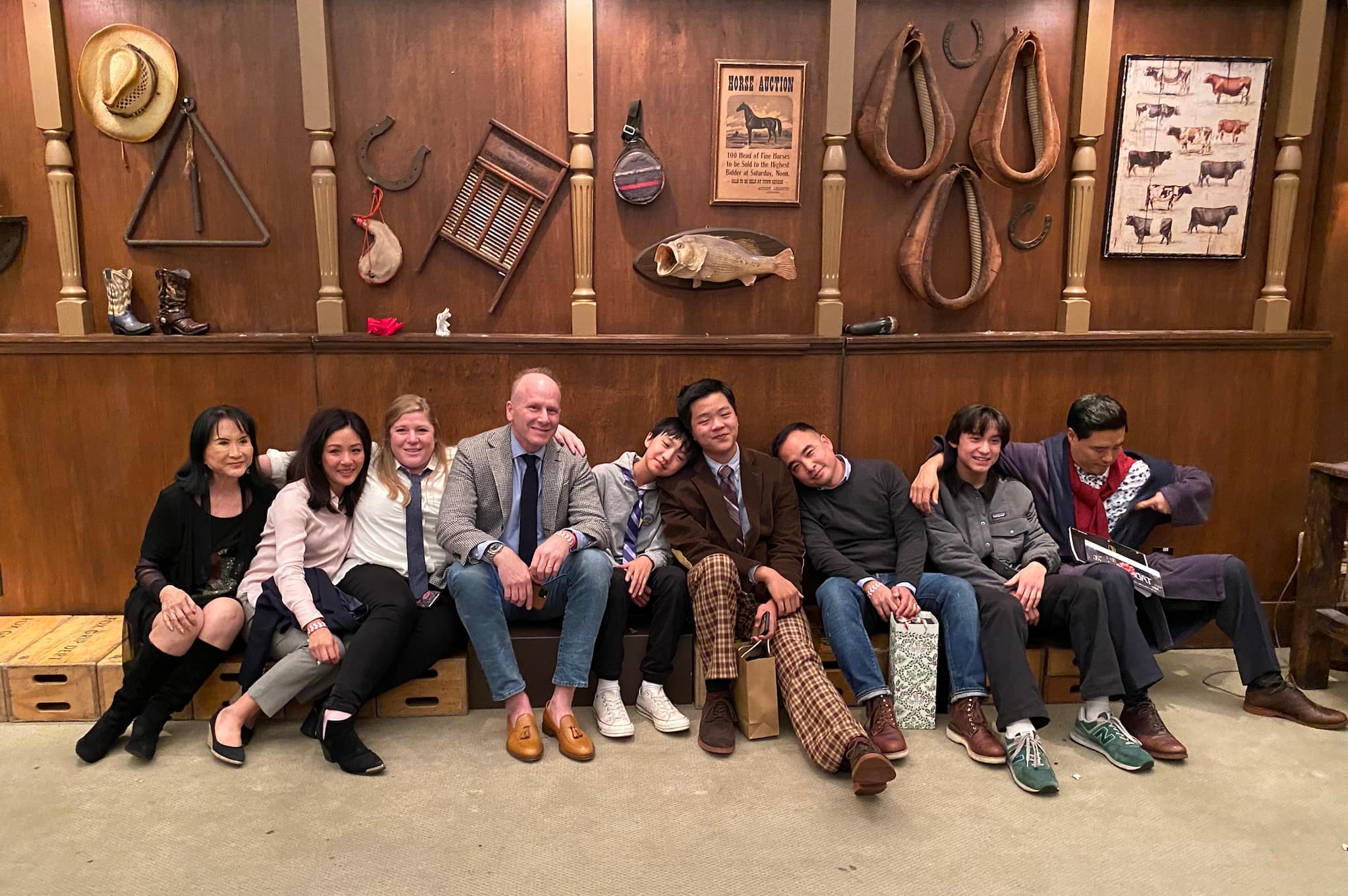
Fresh Off The Boat Last Day on Set
The last day on set with members of the cast and crew of Fresh Off the Boat, wrapping up 116 episodes and six seasons.
Featured in:
Asian American Popular Culture, Module 2
-
Video
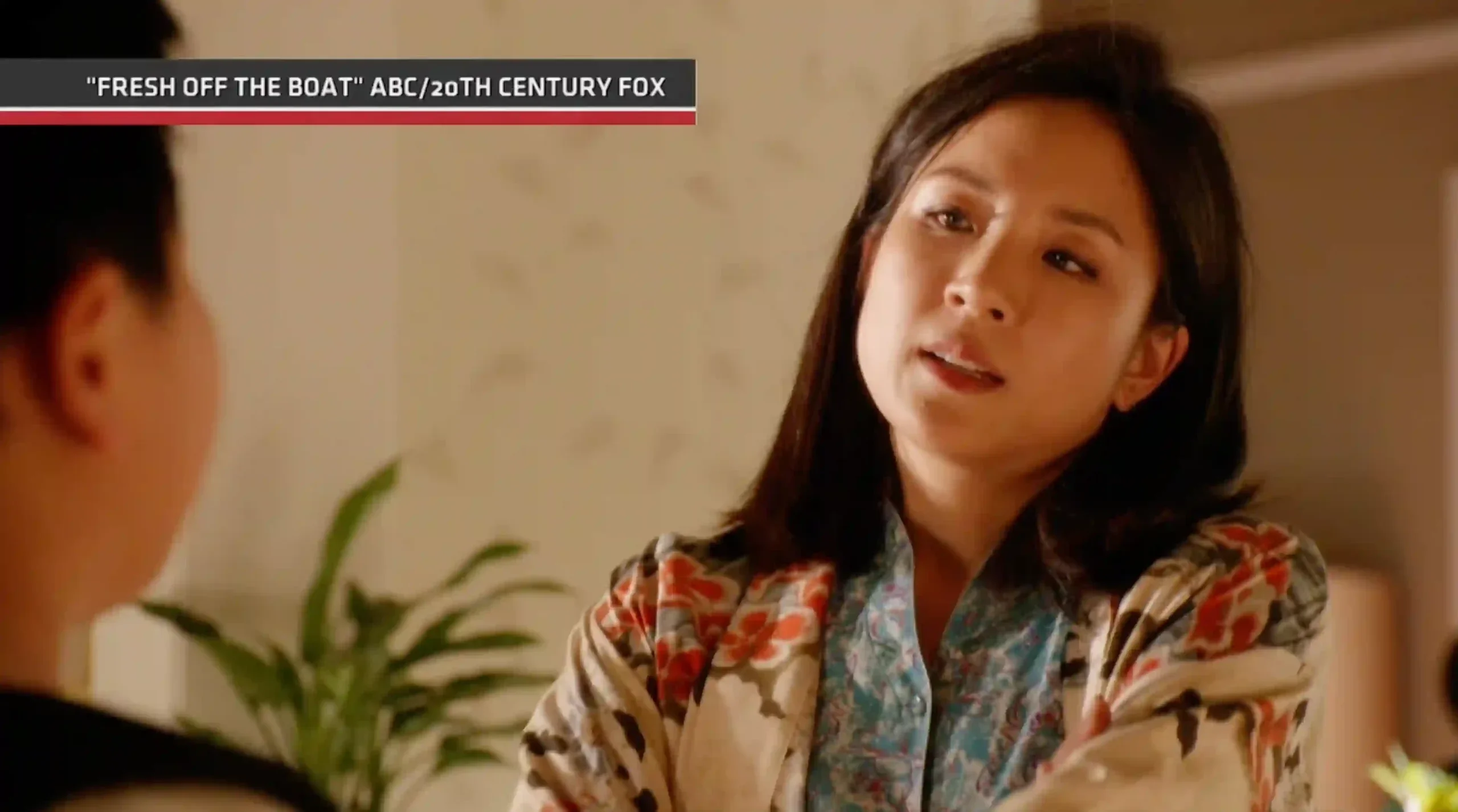
Fresh Off The Boat and AAPI Actors On Screen
Based on chef Eddie Huang’s memoir, and featuring talents including Randall Park and Constance Wu, Fresh Off the Boat premiered in 2015 as the first network TV sitcom to focus on an Asian American family since Margaret Cho’s All-American Girl in 1994.
Featured in:
Asian American Popular Culture, Module 2
-

Audio
They Call Us Bruce featuring Hudson Yang
Hudson Yang, star of Fresh Off the Boat (and chapter author Jeff Yang’s son) and They Call Us Bruce hosts Jeff Yang and Phil Yu look back at 10 years of the groundbreaking Asian American family sitcom.
Featured in:
Asian American Popular Culture, Module 2
-
Text
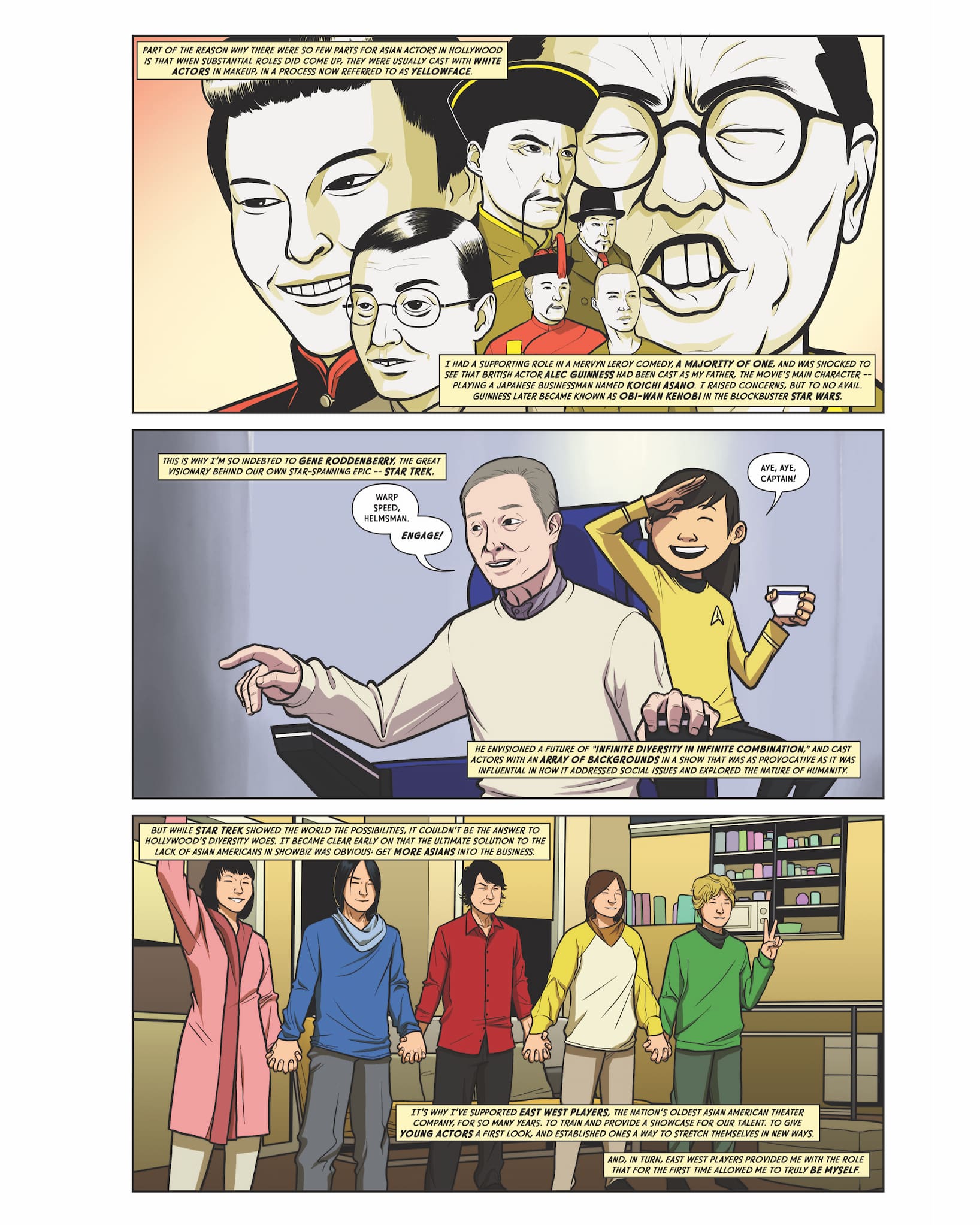
“George Takei: Framed!”
Page 3 of FRAMED from the graphic novel anthology NEW FRONTIERS, story by Jeff Yang, art by Jamie Noguchi.
Featured in:
Asian American Popular Culture, Module 2
-
Text
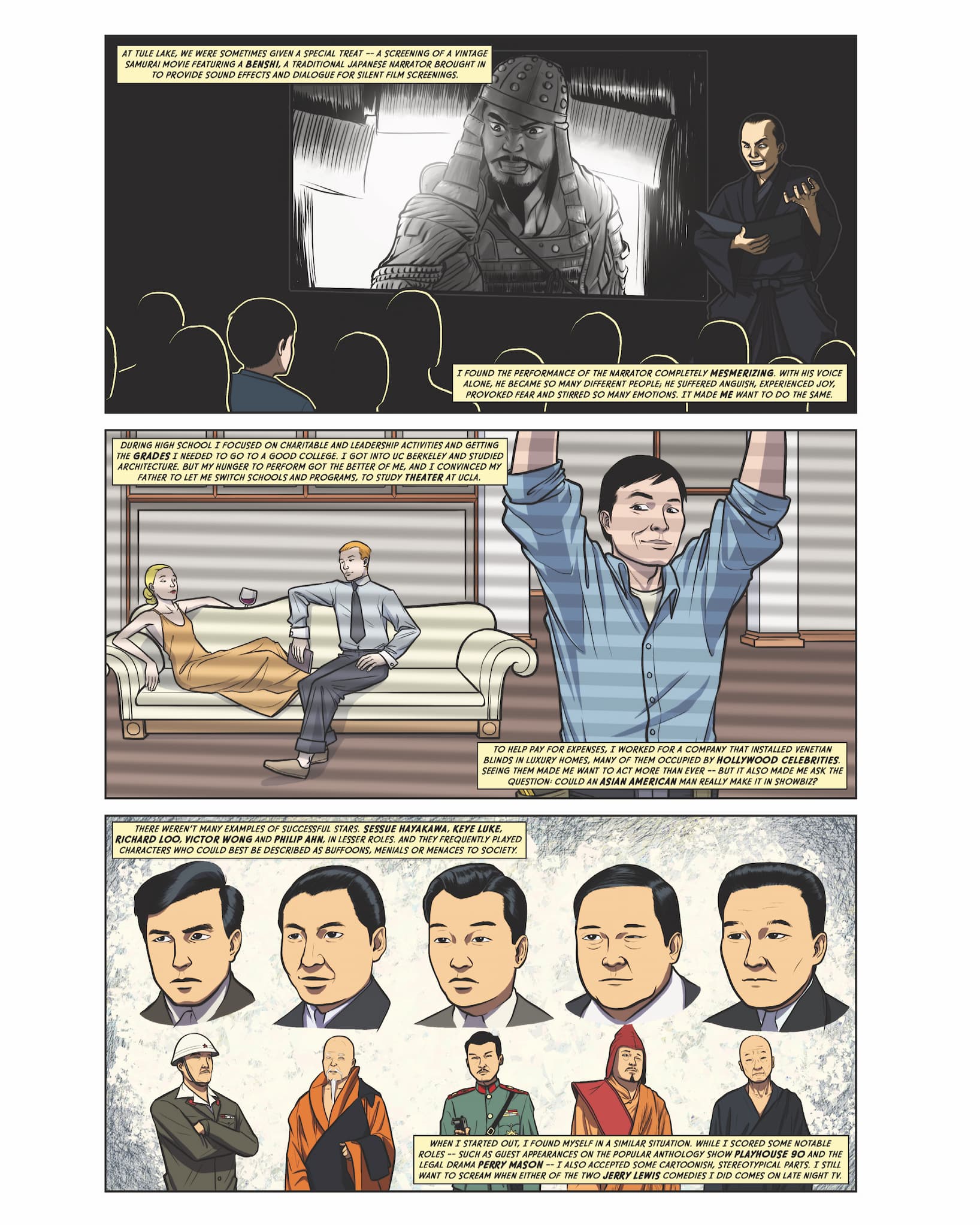
“George Takei: Framed!”
Page 2 of FRAMED from the graphic novel anthology NEW FRONTIERS, story by Jeff Yang, art by Jamie Noguchi.
Featured in:
Asian American Popular Culture, Module 2
-
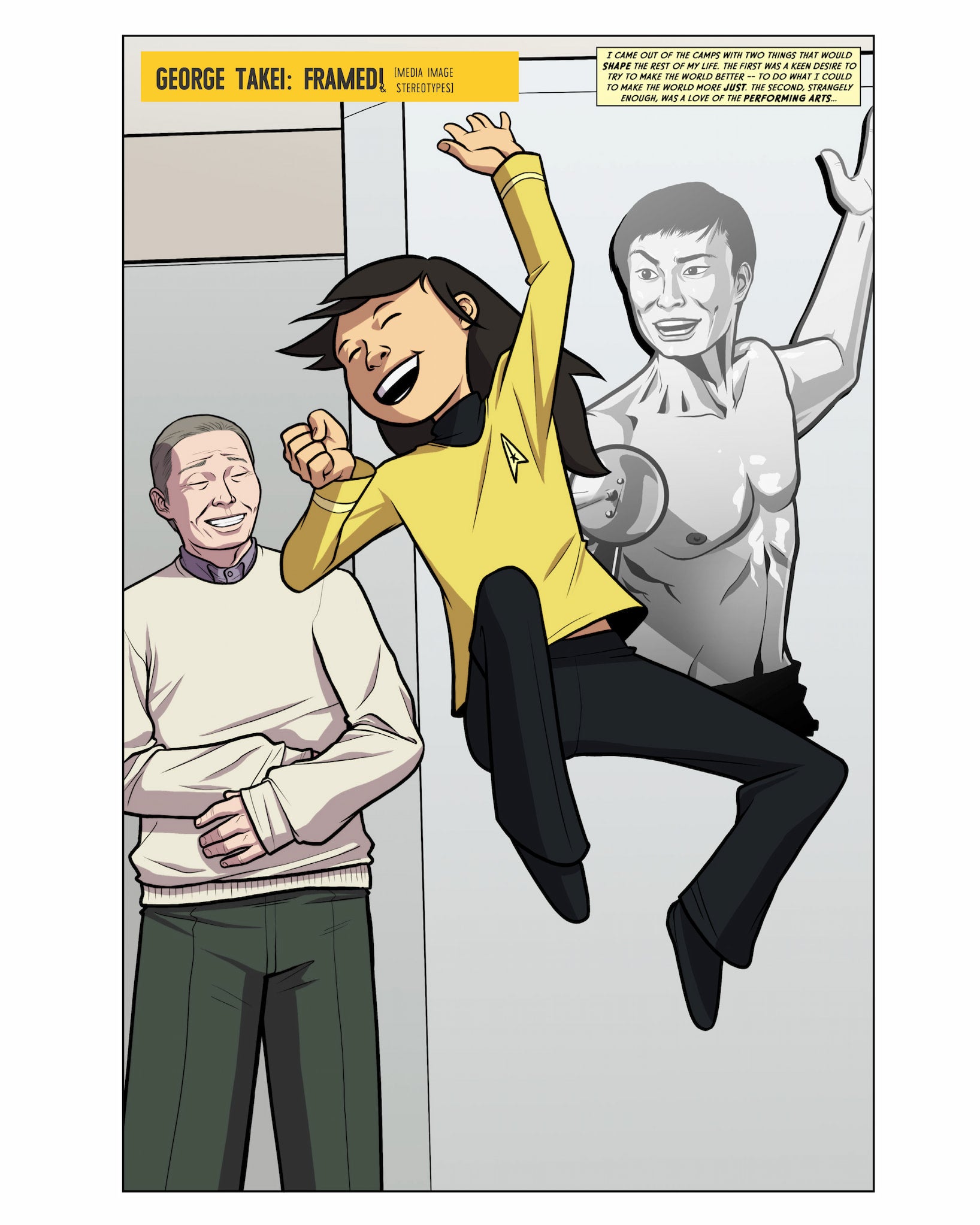
Text
“George Takei: Framed!”
Page 1 of FRAMED from the graphic novel anthology NEW FRONTIERS, story by Jeff Yang, art by Jamie Noguchi.
Featured in:
Asian American Popular Culture, Module 2
-
Audio
They Call Us Bruce featuring Daniel Wu and W. Kamau Bell
Actor Daniel Wu, comedian W. Kamau Bell and hosts Jeff Yang and Phil Yu discuss the multicultural history and lasting legacy of Bruce Lee on the podcast They Call us Bruce.
Featured in:
Asian American Popular Culture, Module 2
-
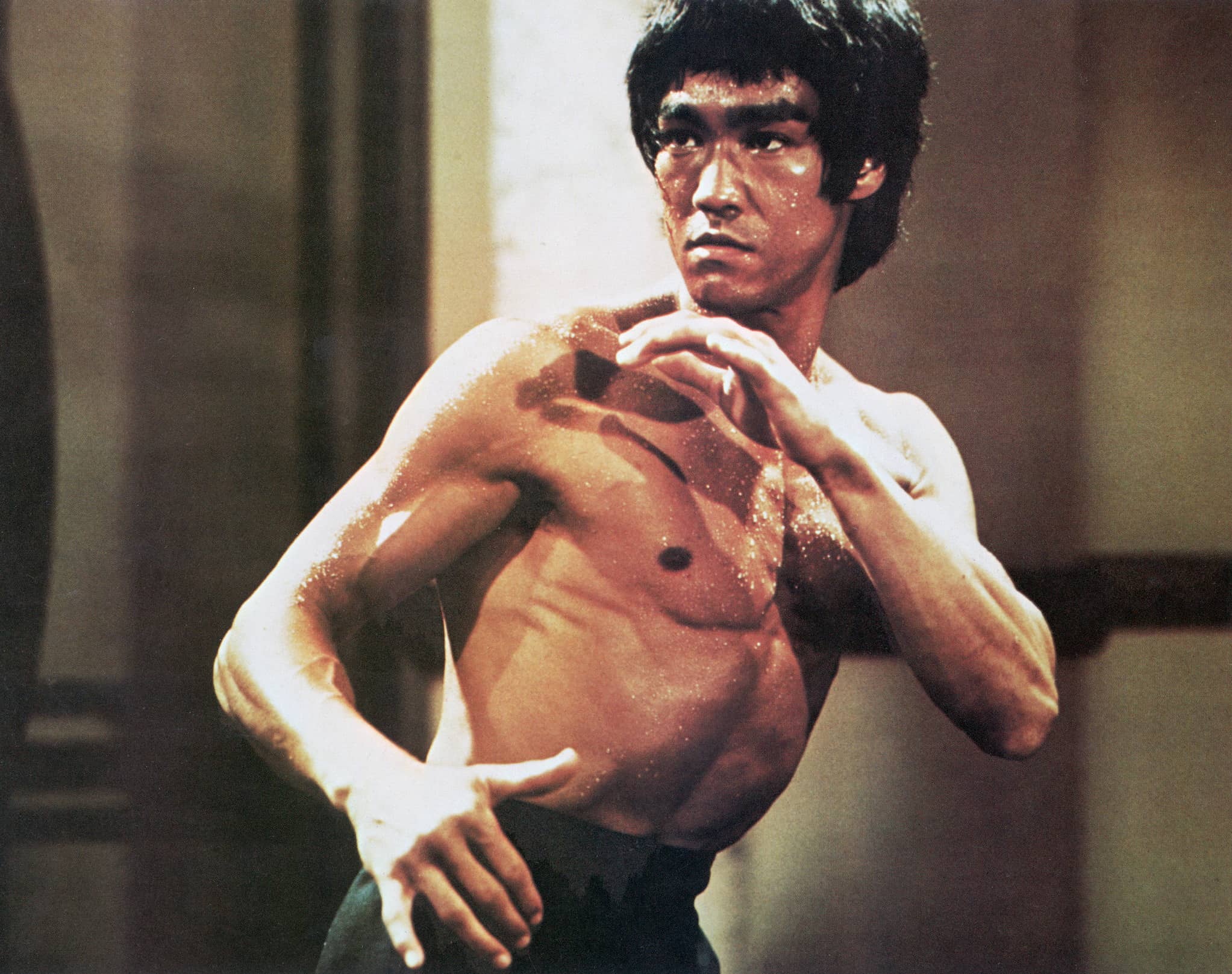
Image
Bruce Lee
Actor and martial artist Bruce Lee’s drive, discipline, potent fighting skills and undeniable charisma quickly brought him to Hollywood where his attempts to become a leading man were frustrated. He thrived back in Hong Kong before returning for Enter the Dragon (1973).
Featured in:
Asian American Popular Culture, Module 2
-
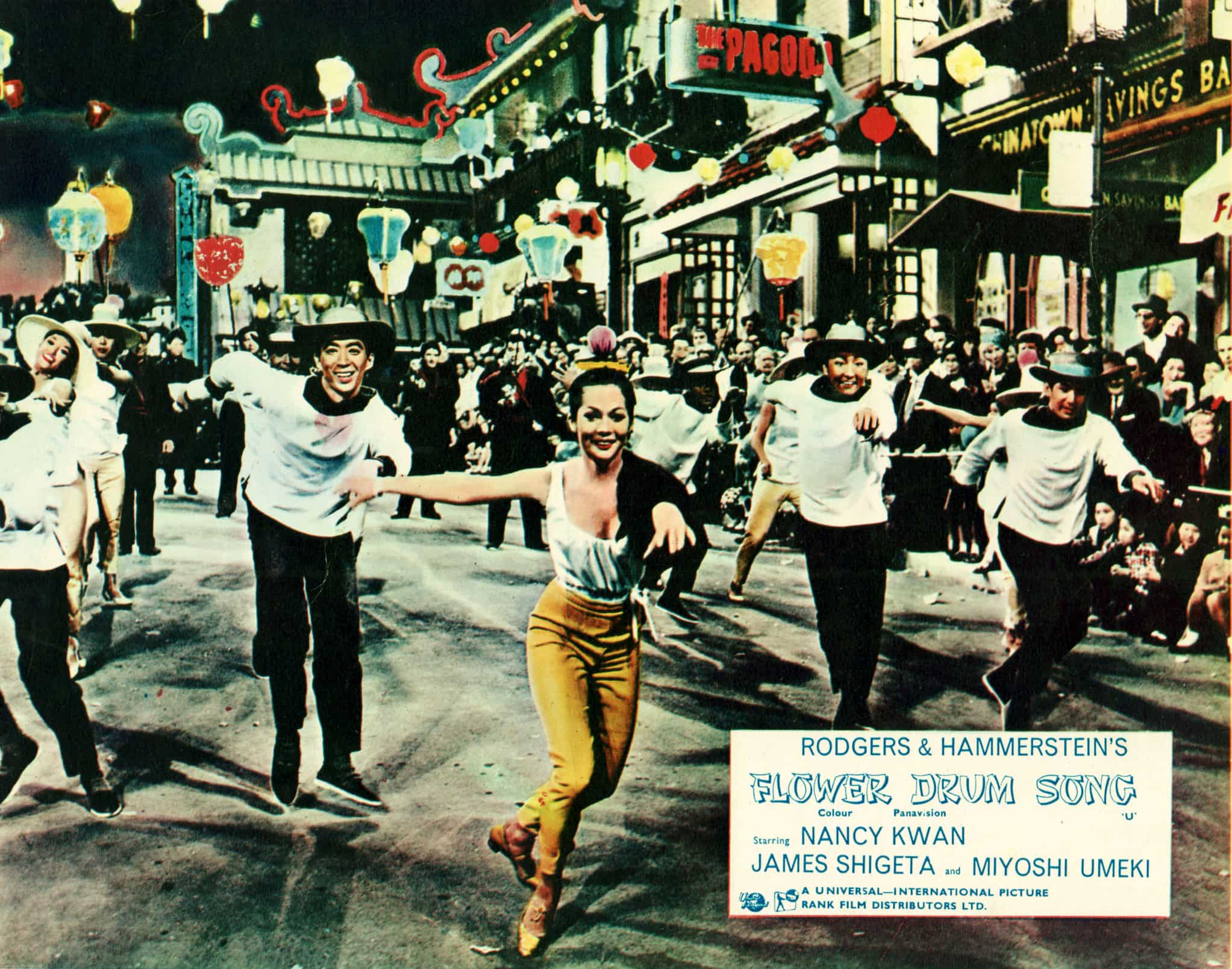
Image
Flower Drum Song
A still from the movie adaptation of Rodgers and Hammerstein’s musical Flower Drum Song (1961). For many, the film was the first time they saw Asian Americans singing, dancing, and taking the spotlight.
Featured in:
Asian American Popular Culture, Module 2
-
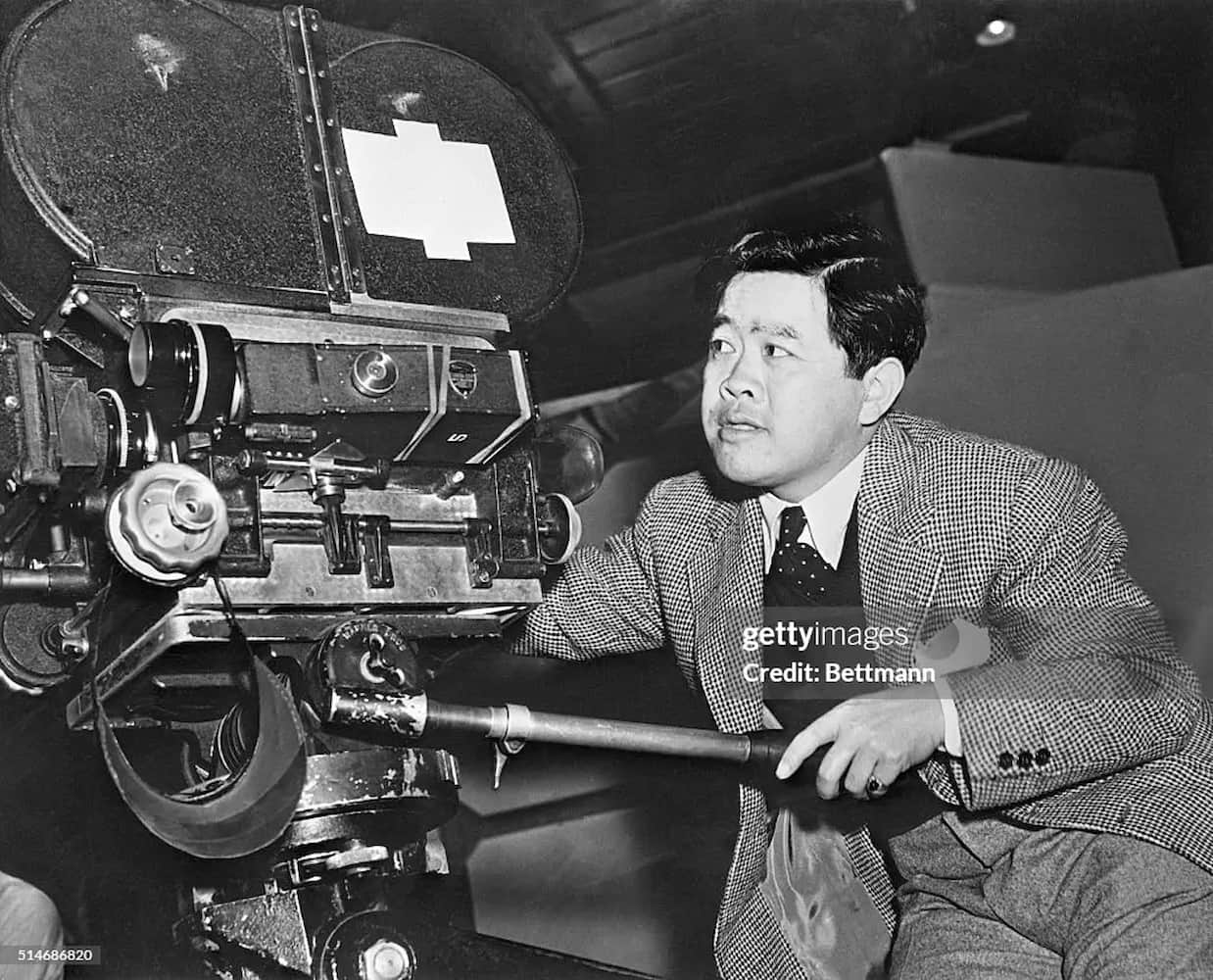
Image
James Wong Howe
James Wong Howe, the premier cinematographer of the 1930s and 1940s, was known for his innovative camera techniques. He shot over 120 films, was nominated for ten Academy Awards, and won for The Rose Tattoo (1955) and Hud (1963).
Featured in:
Asian American Popular Culture, Module 2
-
Image
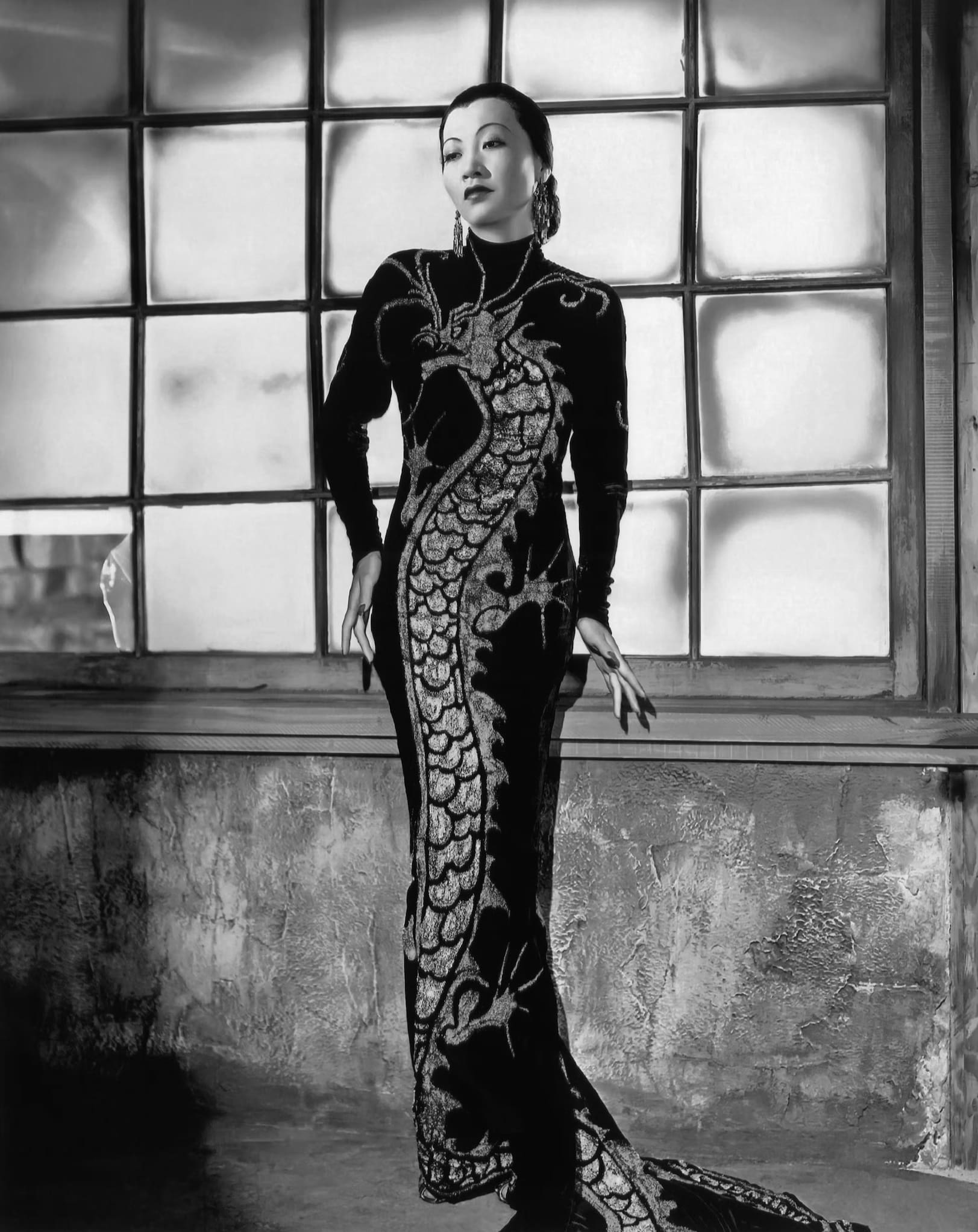
Anna May Wong
Actress Anna May Wong is regarded as the first Chinese American Hollywood film star. Her frustration with being pigeonholed into “dragon lady” roles that cast a negative light on Asians led her to move to Europe in the late 1920s.
Featured in:
Asian American Popular Culture, Module 2
-
Image
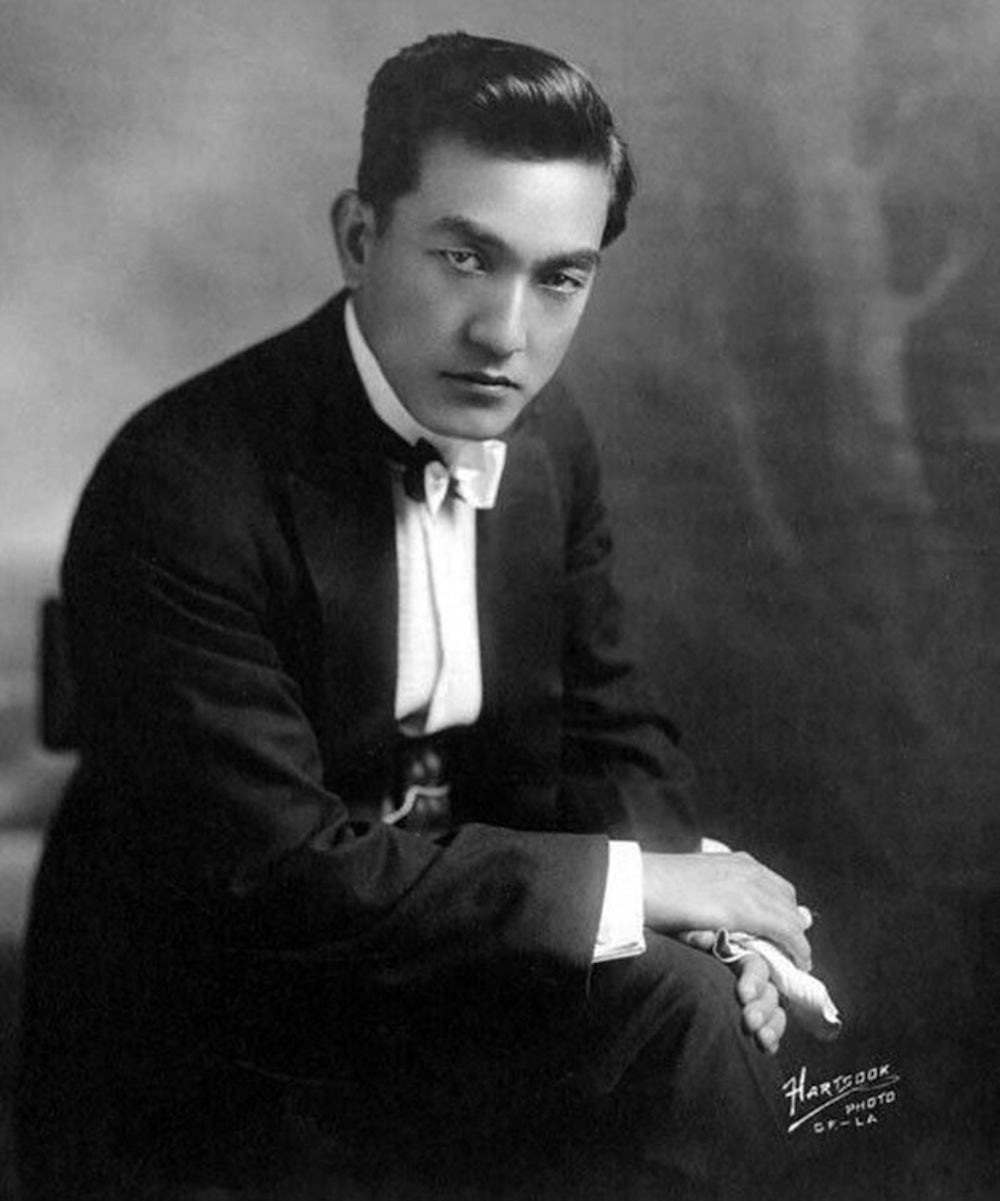
Sessue Hayakawa
Sessue Hayakawa, the Japanese-born actor who became one of Hollywood’s most in-demand screen icons during the silent film era, despite spending much of his career playing villainous or disreputable characters.
Featured in:
Asian American Popular Culture, Module 2
-
Video
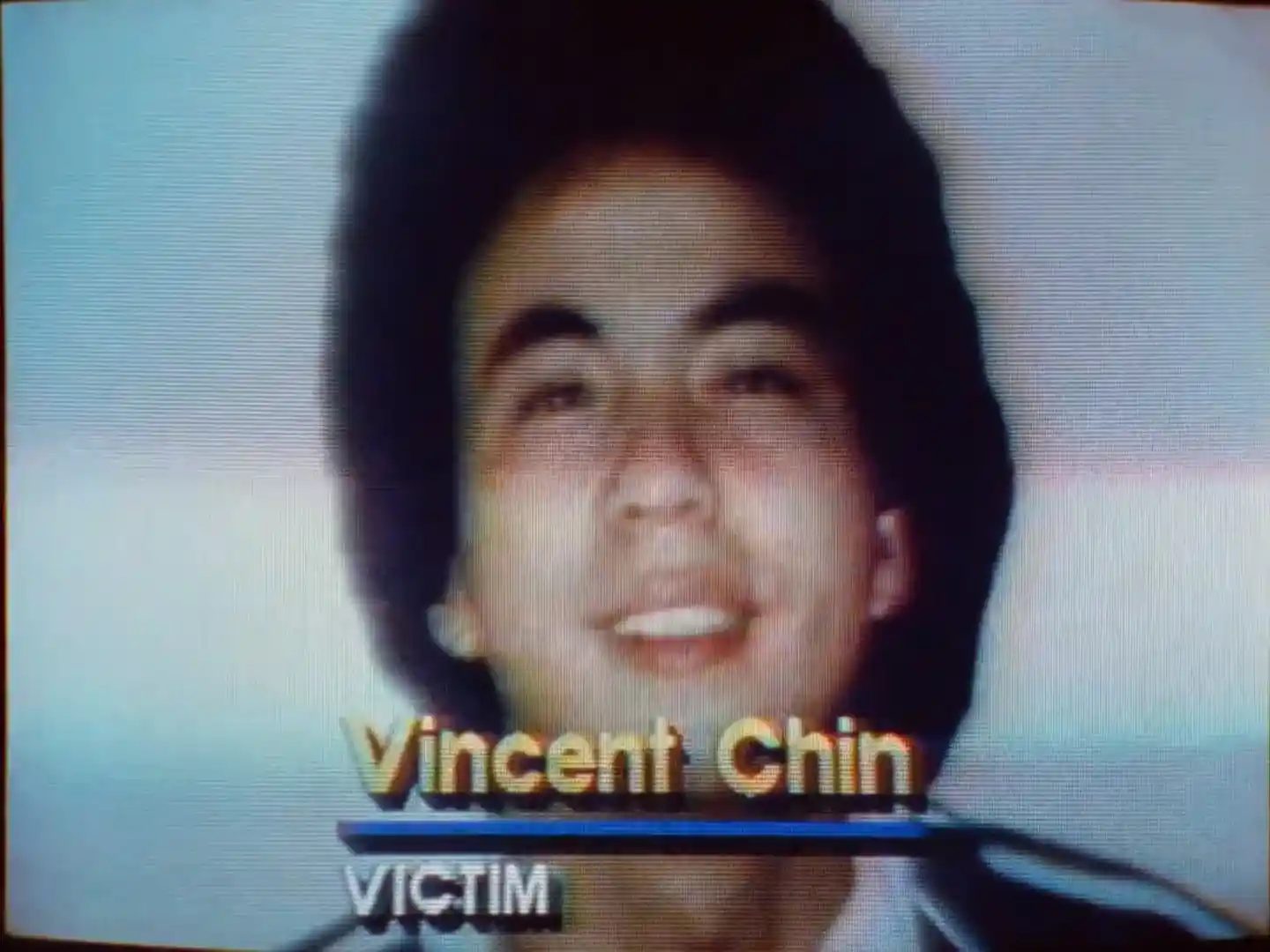
Who Killed Vincent Chin? Clip
A clip from the documentary Who Killed Vincent Chin? (1987), directed by Christine Choy and Renee Tajima-Peña. The case of Vincent Chin became a national rallying cry for Asian Americans.
Featured in:
Asian American Popular Culture, Module 1
-
Image
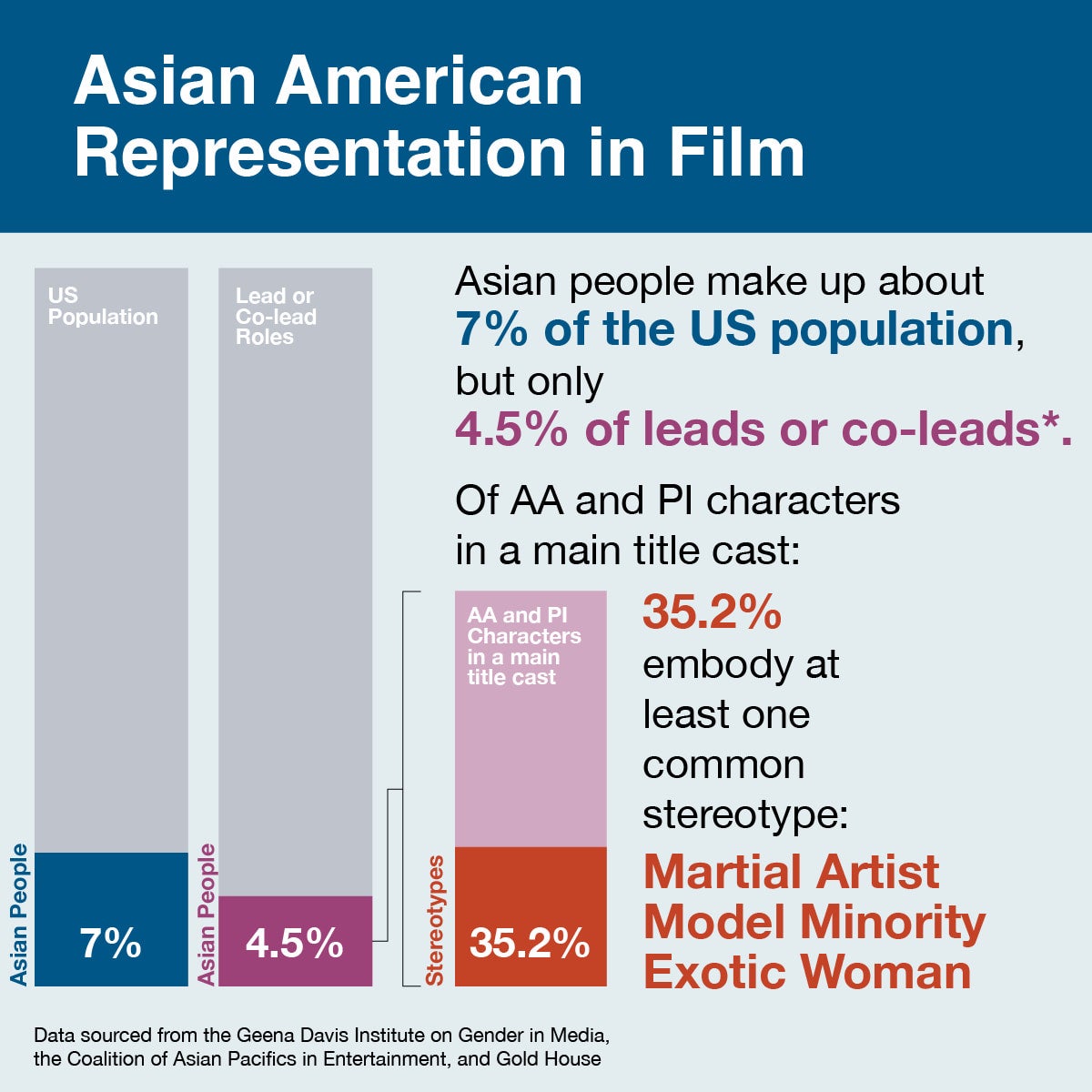
Asian American Underrepresentation in Film
Asian Americans remain significantly underrepresented in film and other mass visual media, and when they do appear, they are frequently depicted in stereotypical fashion. (Source: Geena Davis Institute on Gender in Media; CAPE; Gold House)
Featured in:
Asian American Popular Culture, Module 1
-
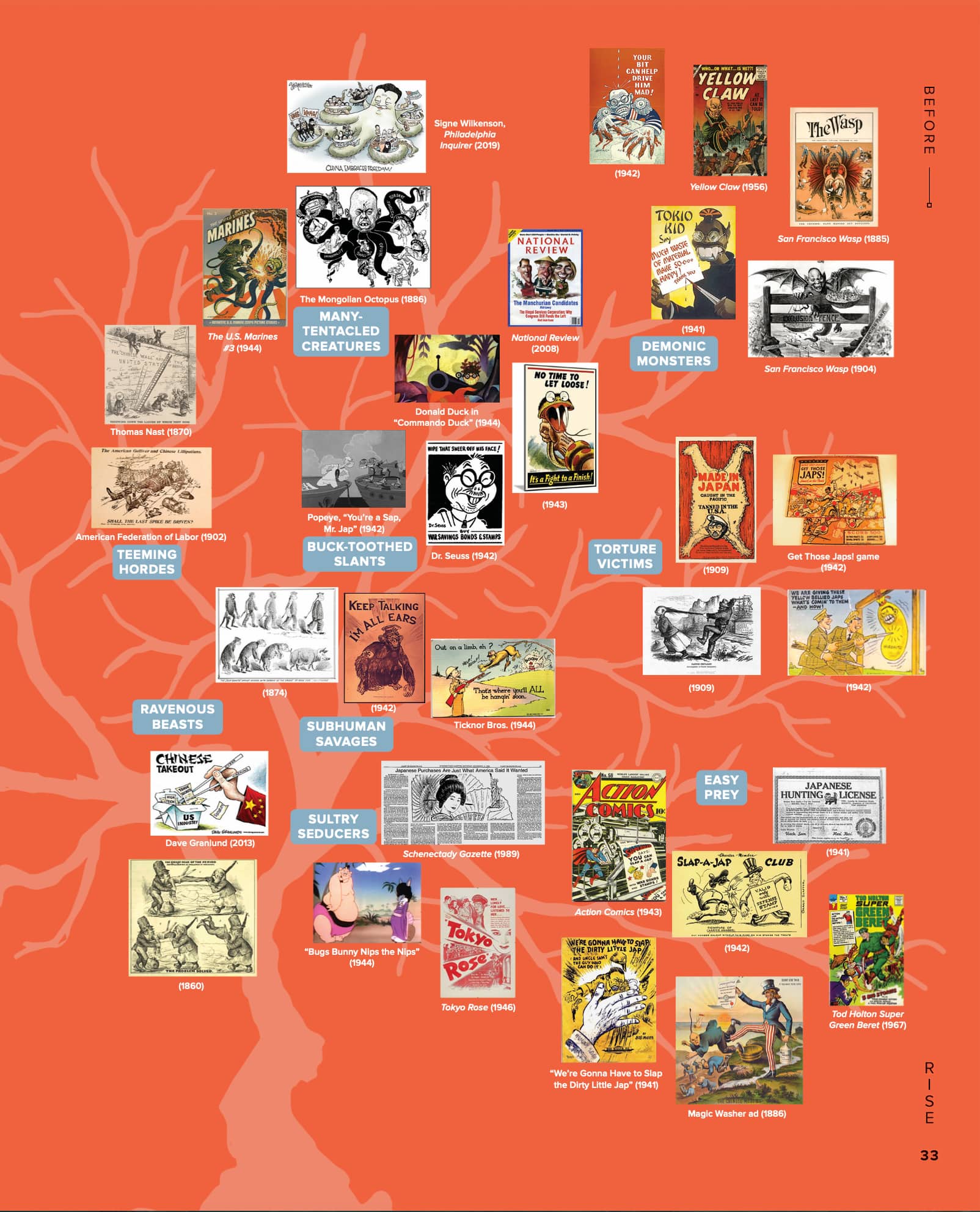
Text
Propaganda Family Tree p2
A spread from the book RISE, the “Propaganda Family Tree,” depicting the ways that propaganda images have persisted over the decades, and been repurposed for subsequent conflicts.
Featured in:
Asian American Popular Culture, Module 1
-
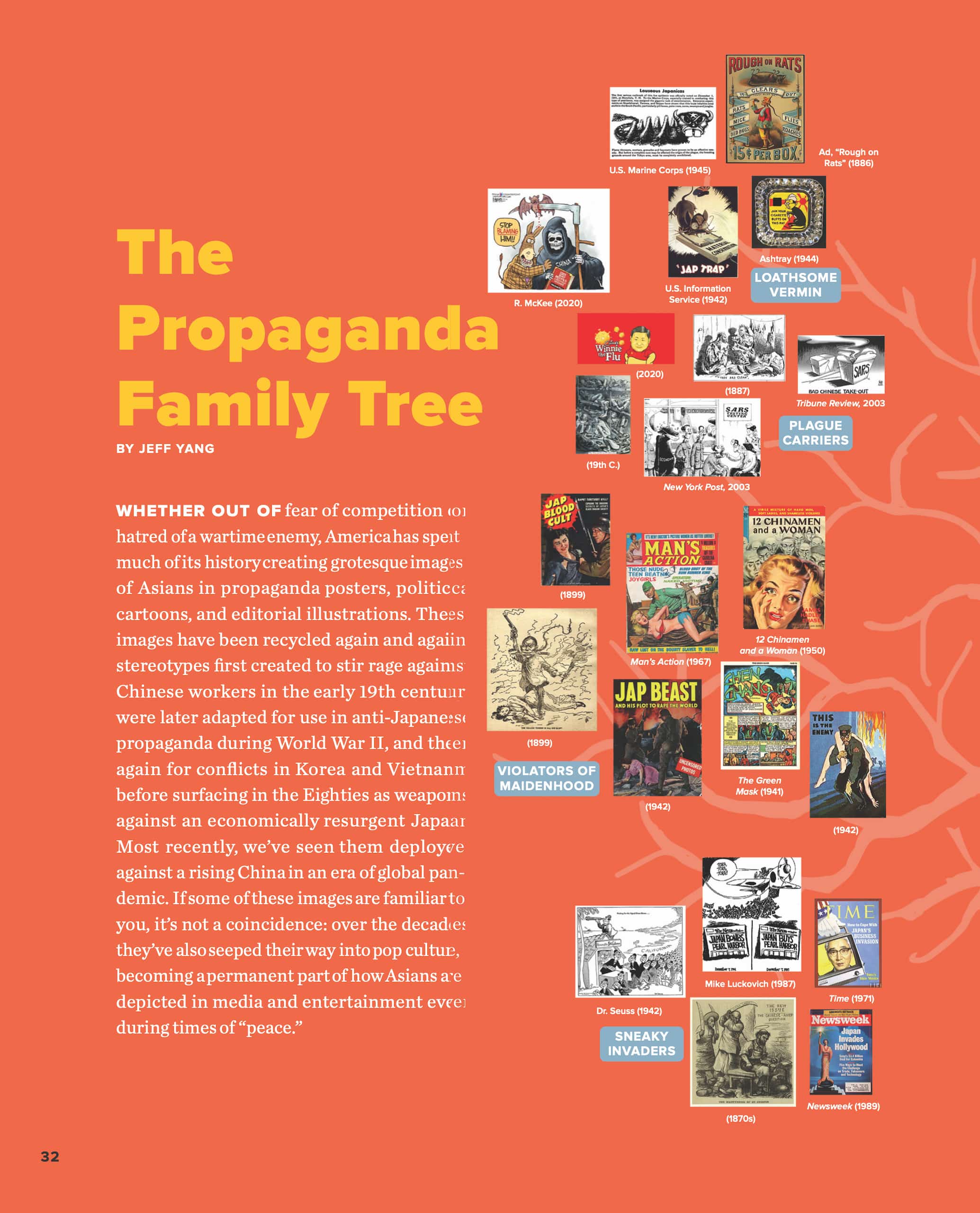
Text
Propaganda Family Tree
A spread from the book RISE, the “Propaganda Family Tree,” depicting the ways that propaganda images have persisted over the decades, and been repurposed for subsequent conflicts.
Featured in:
Asian American Popular Culture, Module 1