





Search the Media Repository
Discover the curated images, videos, and primary sources featured throughout Foundations and Futures
History is more than just text on a page; it is the photographs, voices, and artifacts of the people who lived it. The images and recordings featured across Foundations and Futures are part of a meticulously curated media repository. Whether you are building a lesson plan or investigating an artifact, you can use this database to trace the provenance of our media: discover who created an asset, the historical context behind it, and how it can be used to bring Asian American and Pacific Islander experiences into your classroom.
Multimedia
Chapters
-
Image
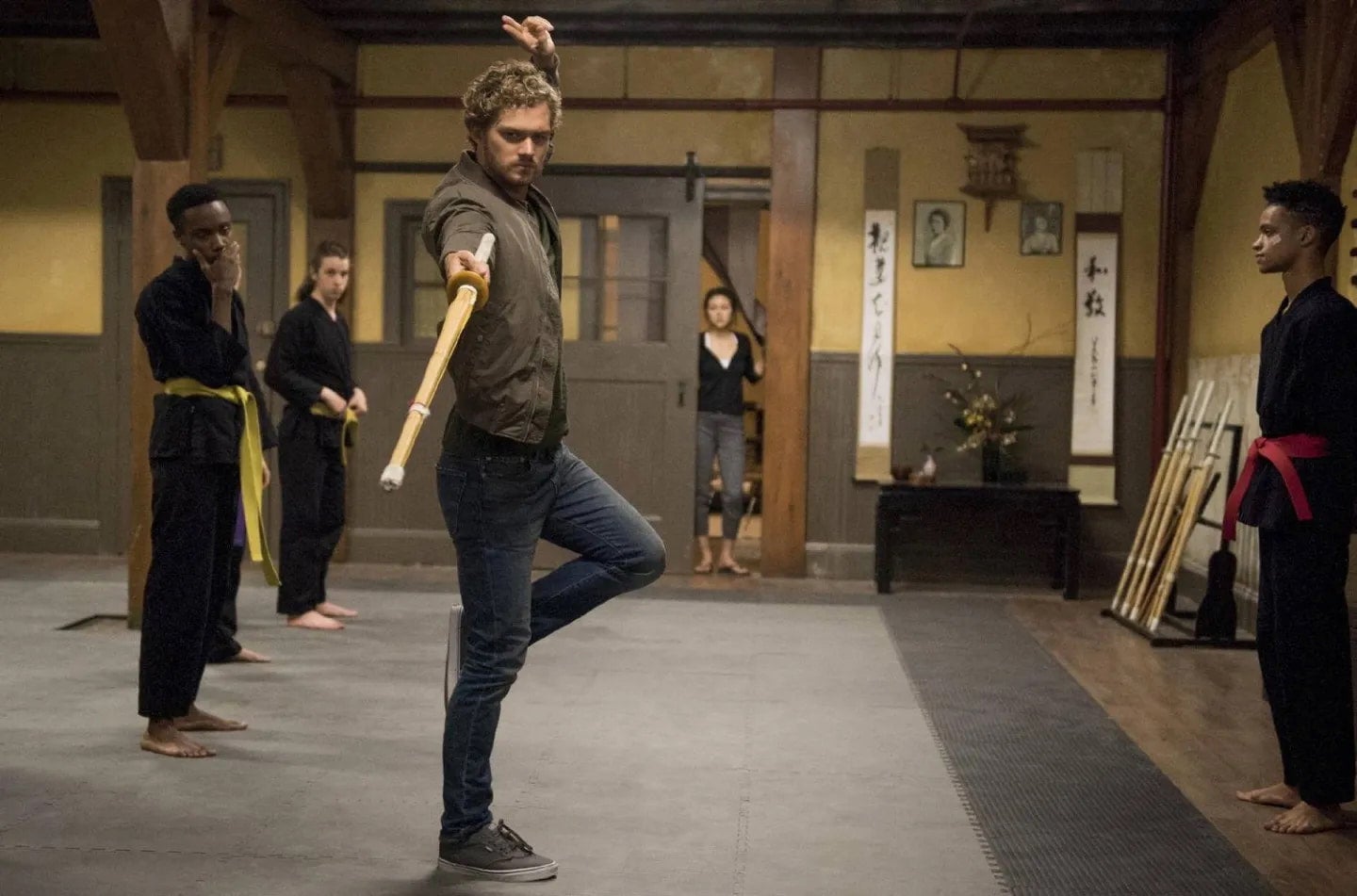
Finn Jones in Iron Fist
White actor Finn Jones was cast in Marvel’s TV adaptation of Iron Fist (2017–2018) as protagonist Danny Rand—a martial artist who wields an ancient, mystical force called the Iron Fist that allows him to harness “chi” energy.
-

Video
Box Office Boost for Crazy Rich Asians
The #GoldOpen campaign encouraged Asian American and Pacific Islander donors to buy out theaters screening Crazy Rich Asians (2018). The film became a box office success as a result, making over twenty-five million dollars during its opening weekend.
-
Image
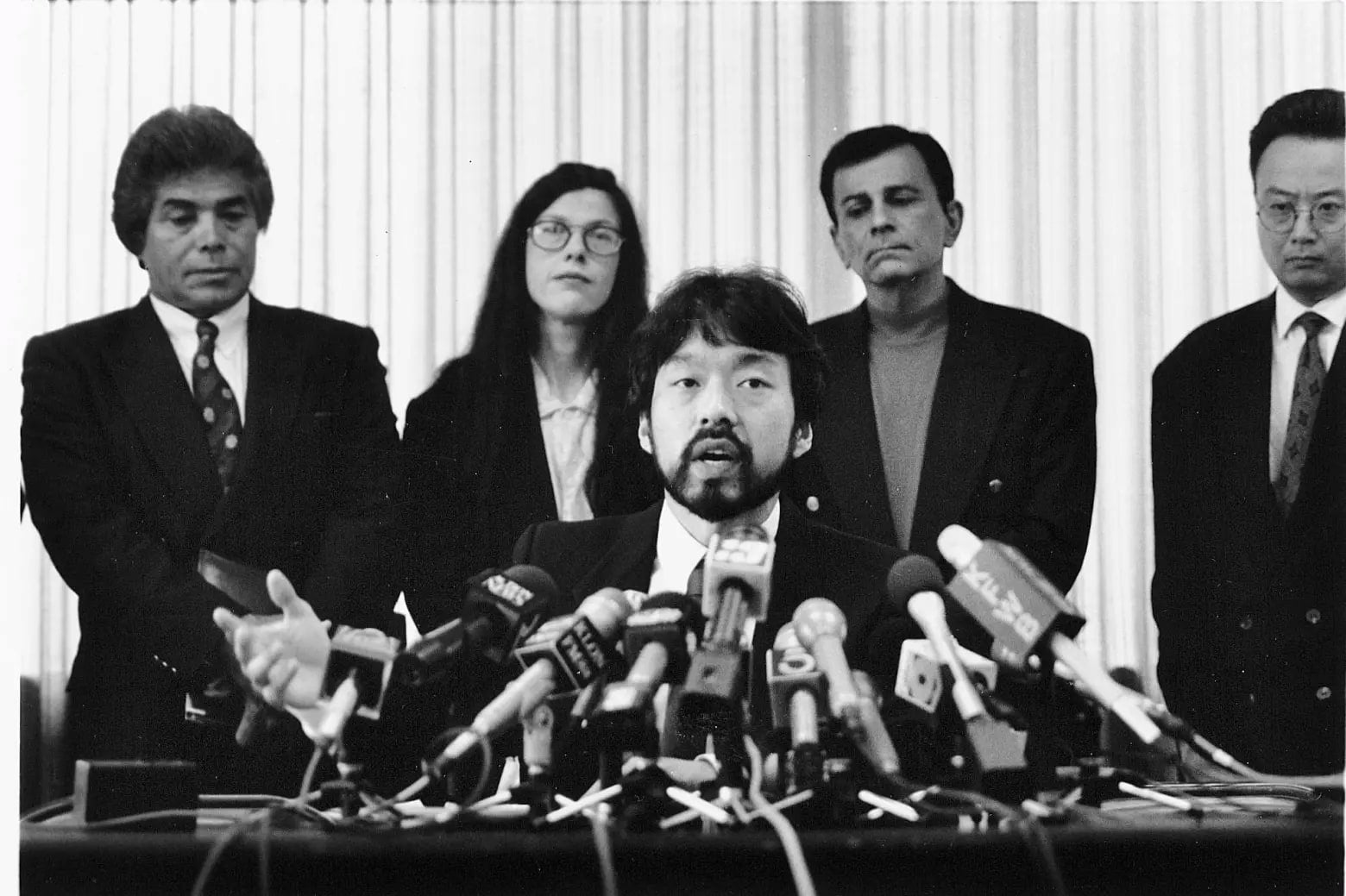
Media Action Network Press Conference
Guy Aoki, president of the Media Action Network for Asian Americans, addressing the offensive portrayal of Japanese characters in the film Rising Sun at a 1993 press conference.
-

Video
Pronunciation Guide for Victims of Atlanta Spa Shooting
Reporters Janice Yu and Frances Wang, on behalf of the Asian American Journalists Association, released a pronunciation guide for the Chinese and Korean names of the 2021 spa shooting victims in Atlanta, Georgia.
-
Image
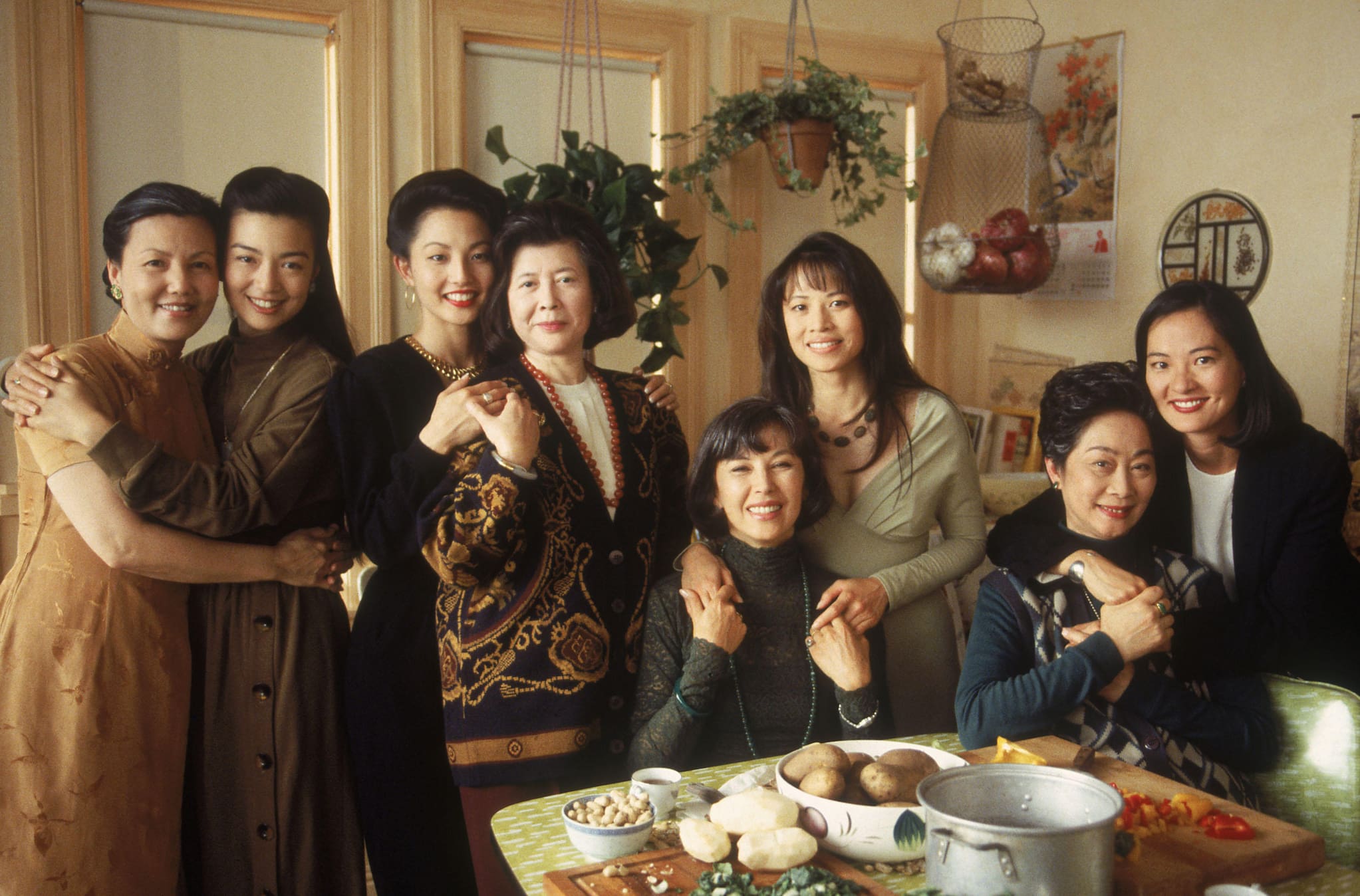
The Joy Luck Club Cast
Joy Luck Club (1993), based on the novel by Amy Tan, was the first major Hollywood studio film to feature an all-Asian cast.
-

Image
Top Chef Judges
The cooking competition show Top Chef has featured the expertise of Asian American and Pacific Islander hosts Padma Lakshmi (center, middle) and Kristen Kish (second from left) alongside the talents of emerging Asian American and Pacific Islander chefs.
-
Image
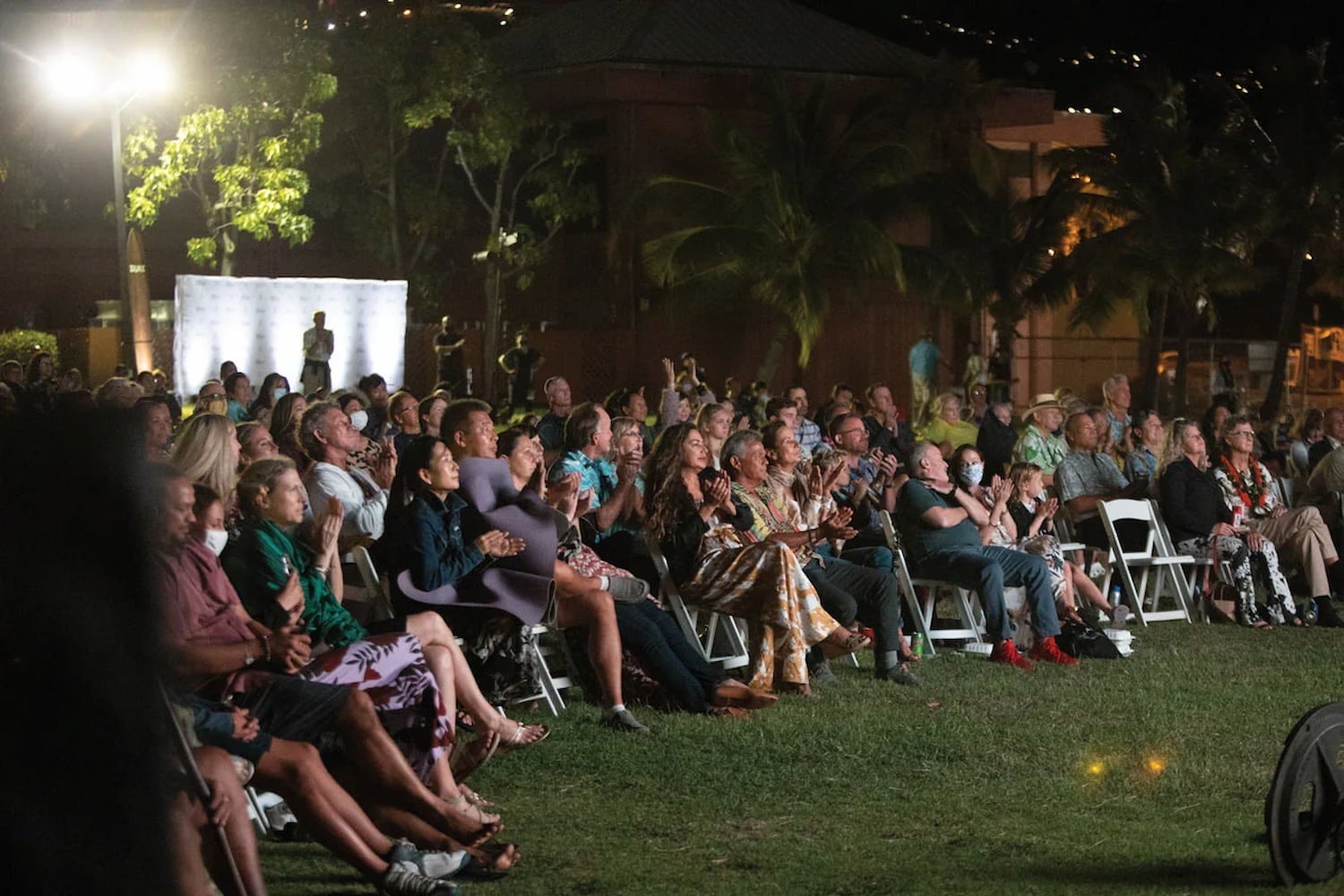
Hawaiʻi International Film Festival Audience
Since 1981, the Hawaiʻi International Film Festival has been a platform for Asian American and Pacific Islander filmmakers and international cinema across the Asia-Pacific region.
-

Video
Visual Communications on Self-Representation in Media
Founded by filmmakers from the University of California, Los Angeles’ EthnoCommunications program, Visual Communications is a media arts organization dedicated to the self-representation of Asian Americans and Pacific Islanders through photography, documentary films, educational exhibits, audio records, narrative cinema, and other media.
-
Image
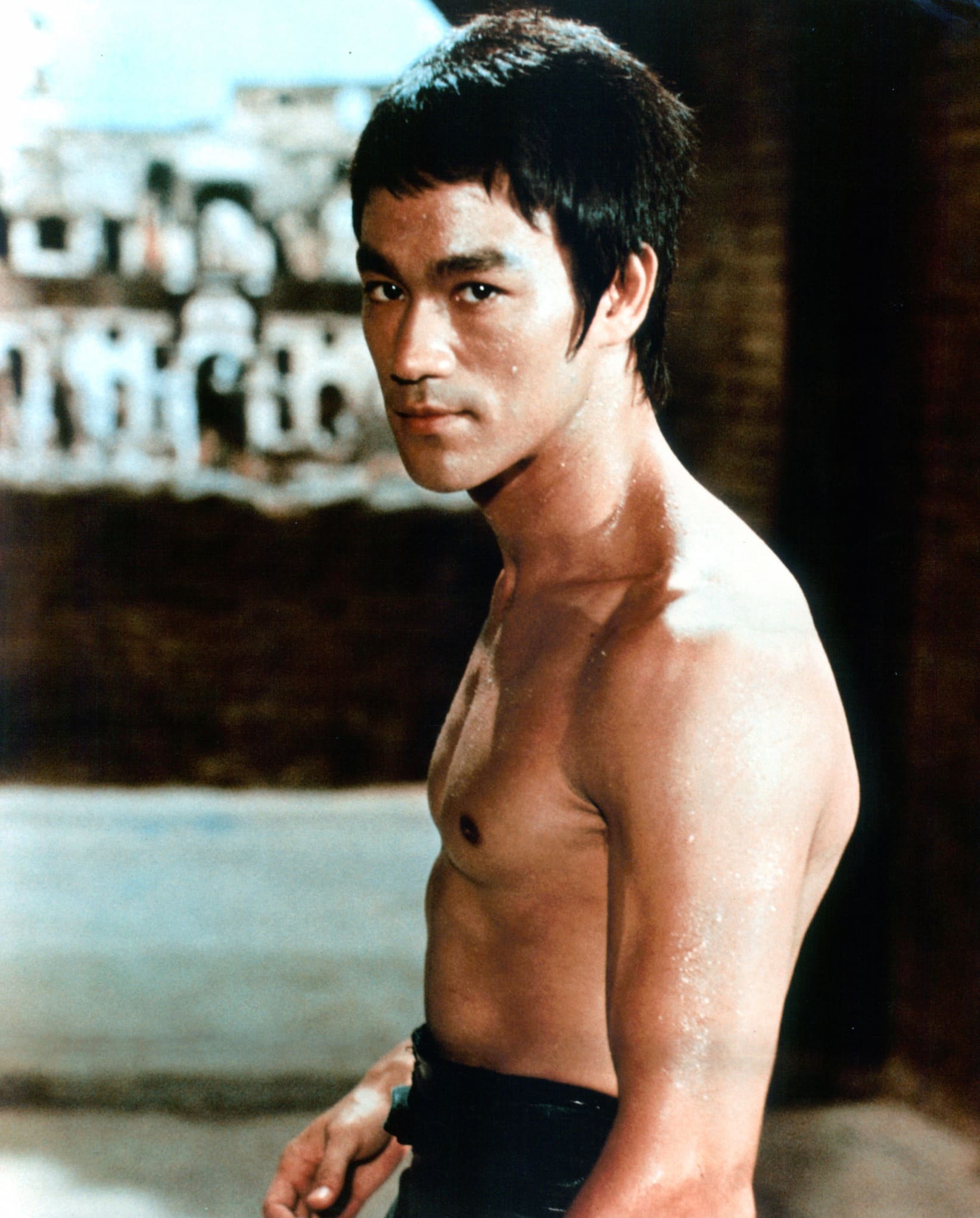
Bruce Lee in The Way Of The Dragon
Hong Kong American martial artist and actor Bruce Lee’s performances had a lasting influence on future generations of martial arts filmmaking.
-
Image
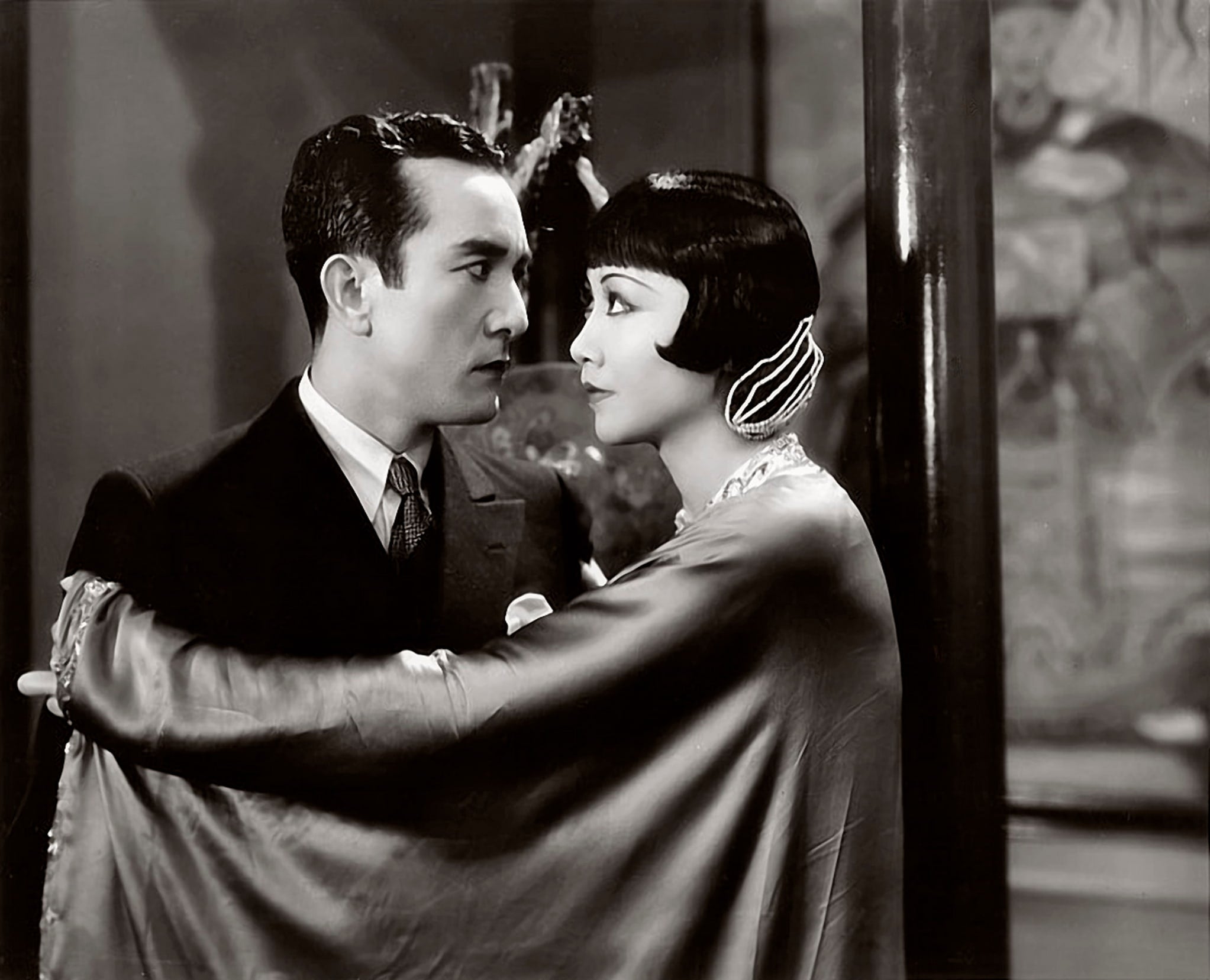
Sessue Hayakawa and Anna May Wong in Daughter Of The Dragon
Sessue Hayakawa (left) and Anna May Wong (right)—two pioneering Asian American performers of the silent film era, a time when Asian Americans and Pacific Islanders were not widely represented—starring alongside each other in Daughter of the Dragon (1931).
-
Text
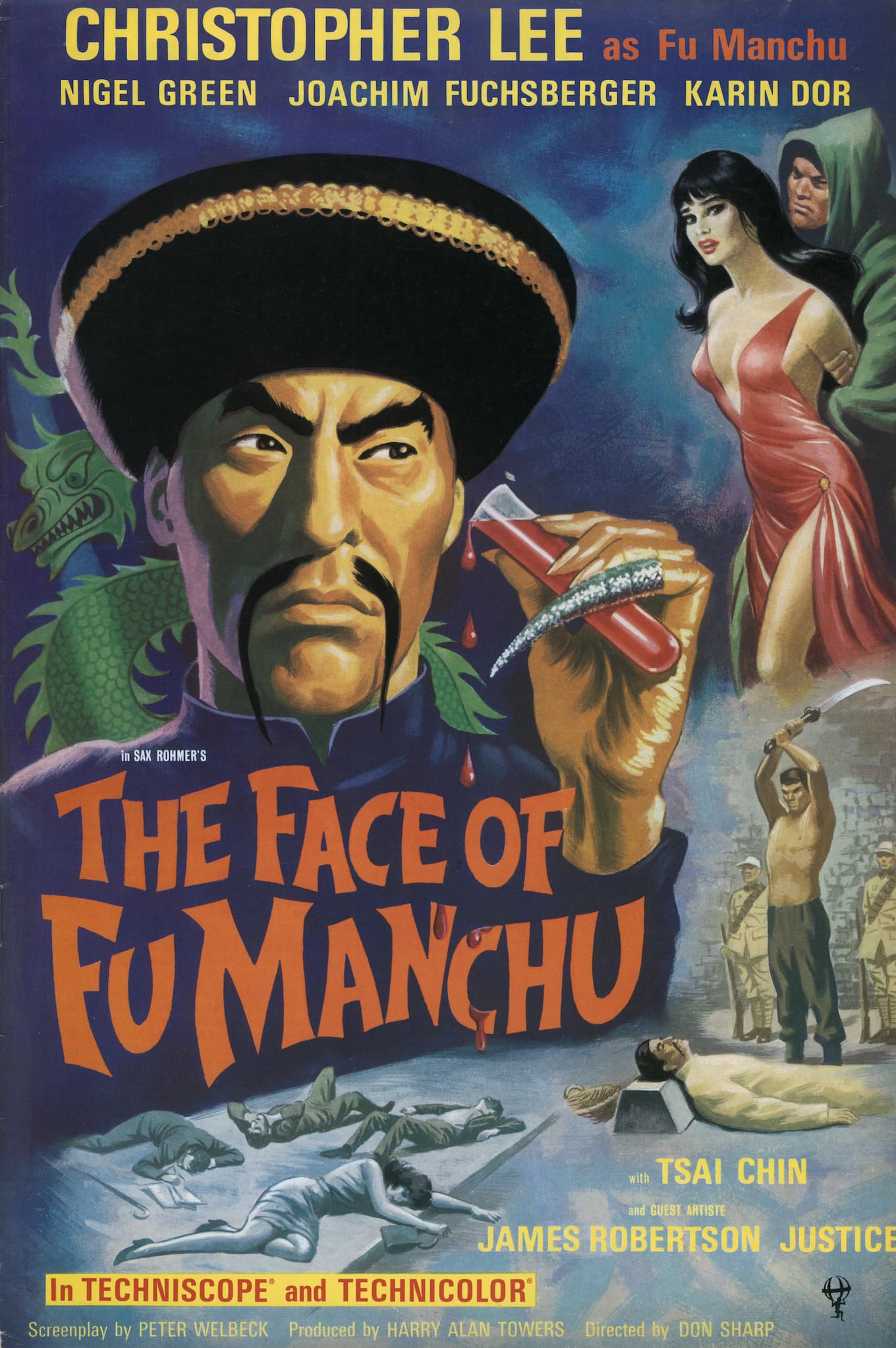
The Face of Fu Manchu Movie Poster
Bent on world domination, the fictional supervillain Dr. Fu Manchu perpetuated fear of the Yellow Peril to wide audiences—as seen in various novels, comics, TV shows, and films, such as The Face of Fu Manchu (1965).
-

Text
Aloha Movie Poster
The 2015 film Aloha caused controversy by casting white actress Emma Stone (lower right) as the role of Allison Ng—a character whose heritage is mixed race Native Hawaiian, Chinese, and white.
-
Image
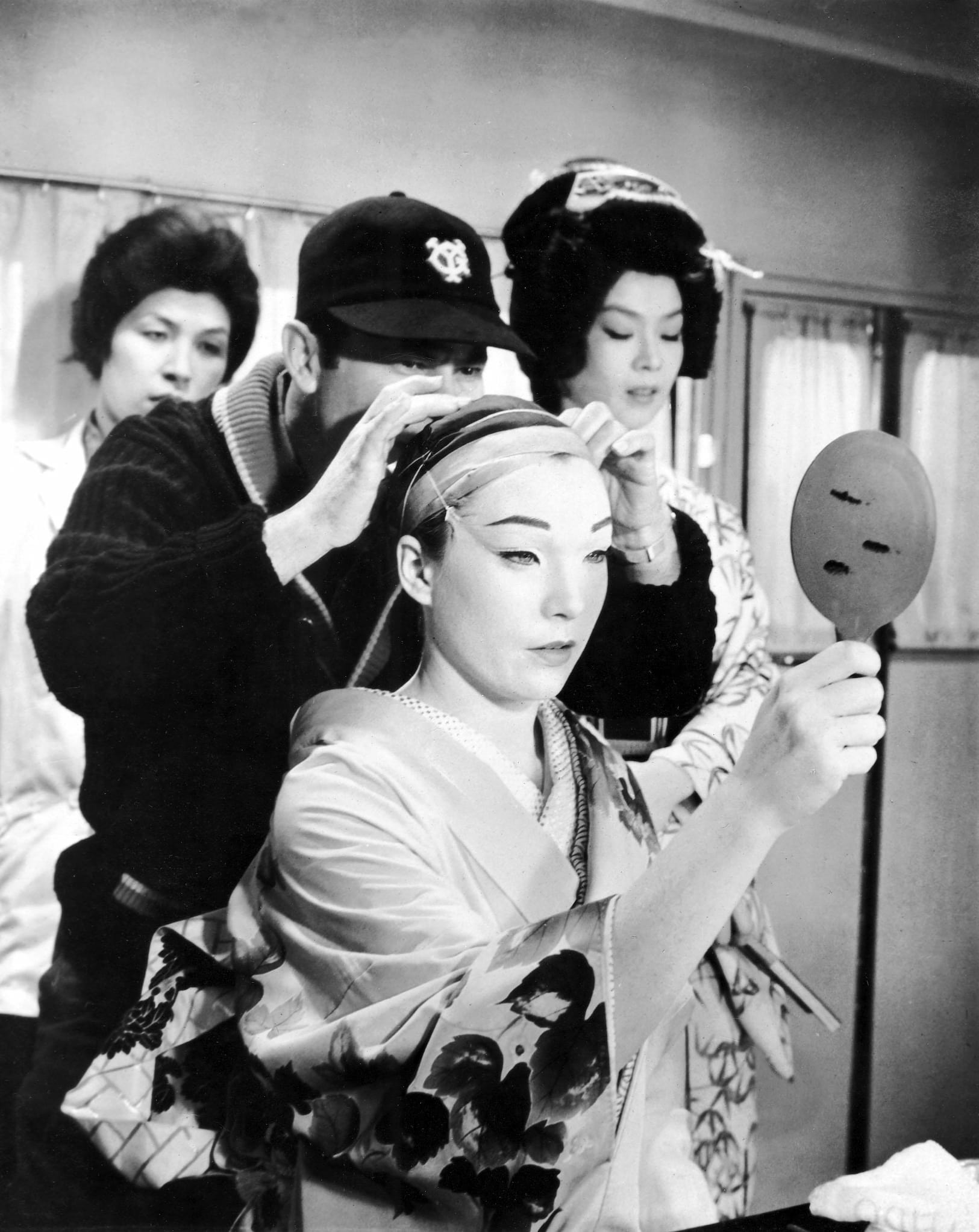
Shirley Maclaine Applying Yellowface for My Geisha
The troubling practice of yellowface often relies on using makeup and prosthetics to create Asian-looking eye shapes, as seen here with Shirley Maclaine (center, holding mirror) on the set of My Geisha (1962).
-
Video
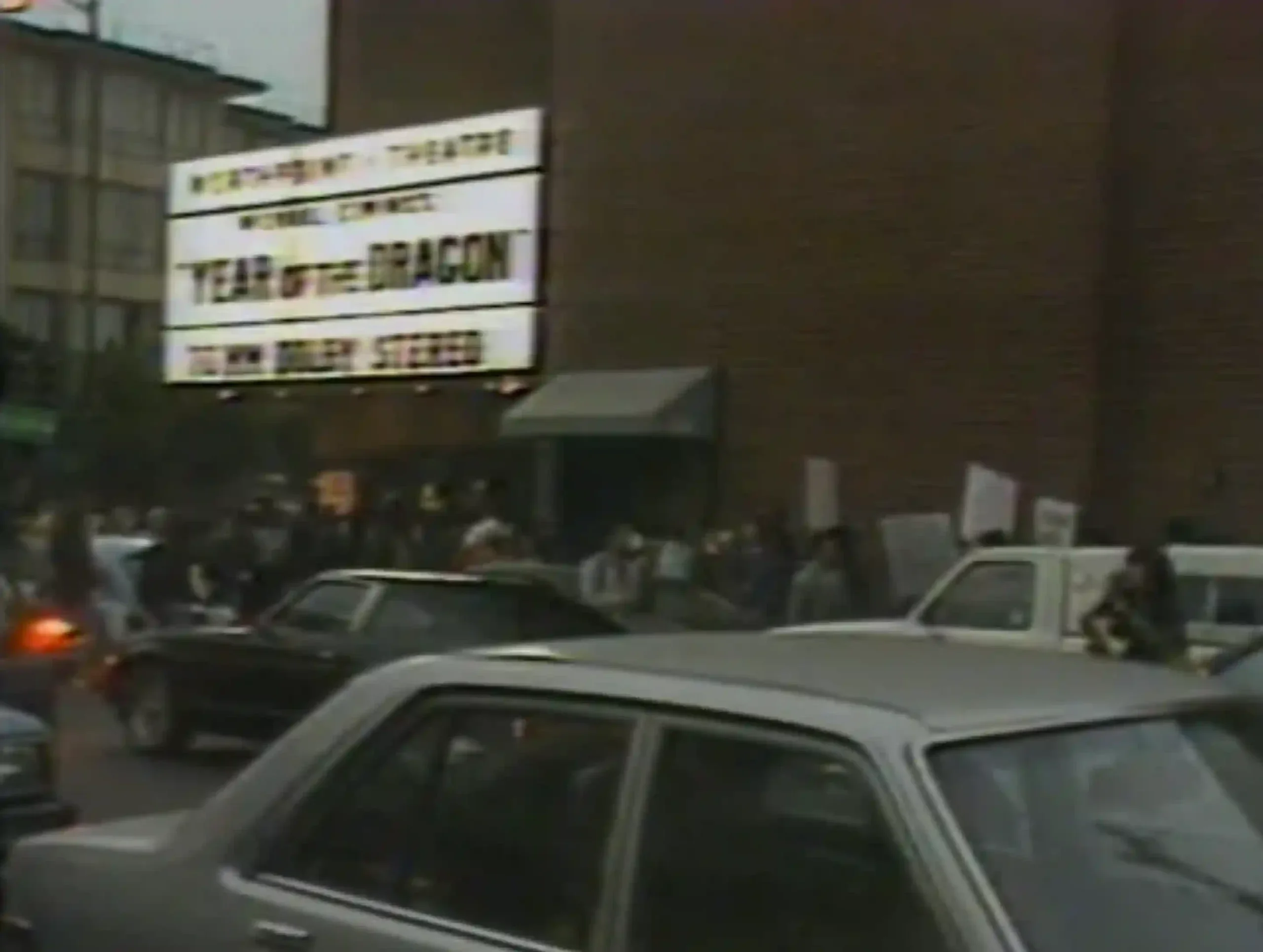
Year Of The Dragon Community Reaction
Year of the Dragon (1985) was protested for its depictions of Asian Americans as violent criminals and drug dealers. Others, however, argued that such protests jeopardized the careers of the film’s Asian American actors.
-
Image
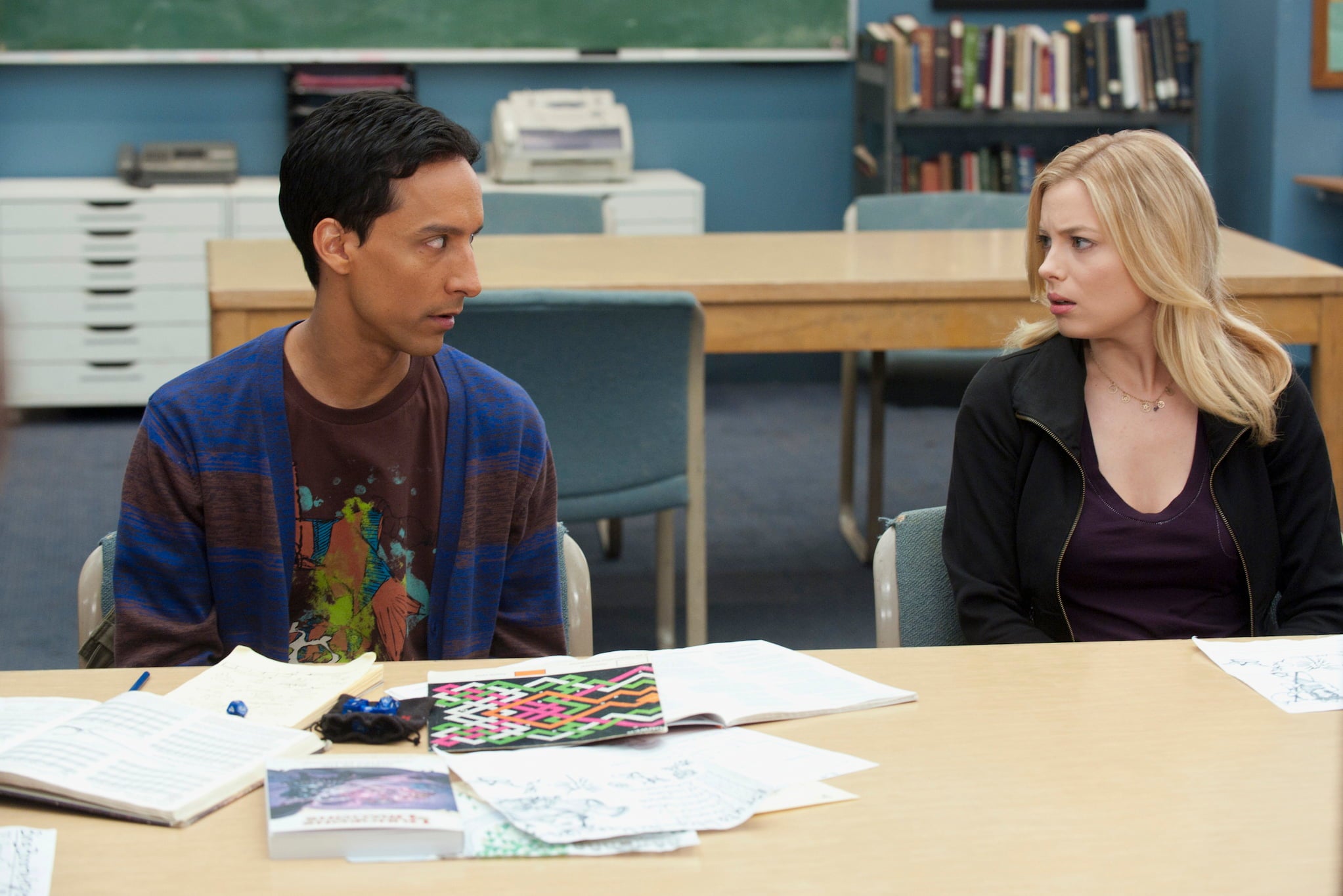
Community Character Abed Nadir
Community’s Palestinian-Polish American character Abed Nadir—while written as a seemingly archetypical nerd lacking in social skills and a penchant for pop culture and filmmaking—is beloved by and has deep relationships with the rest of the cast.
-
Video
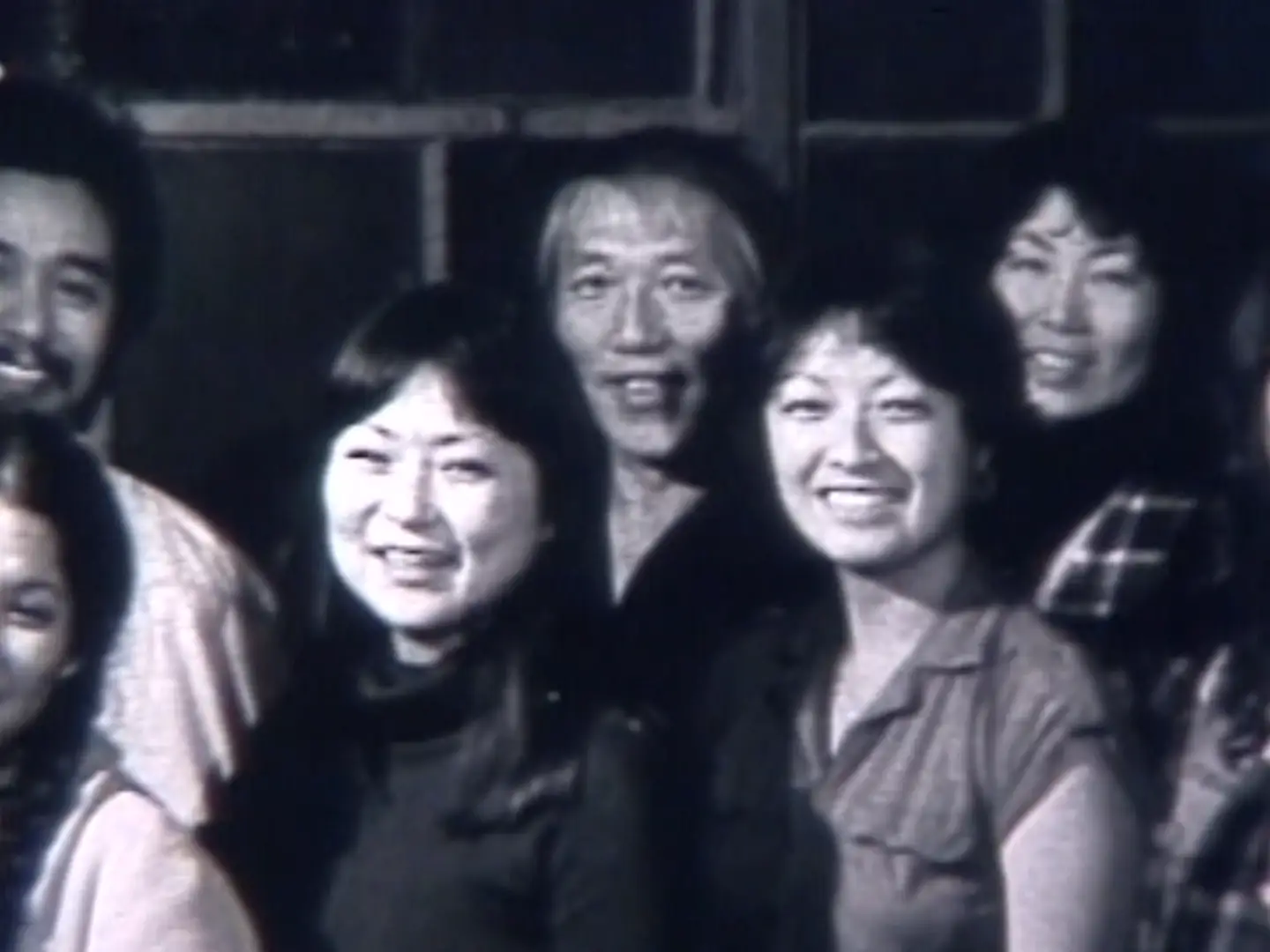
Early Years of Visual Communications
Visual Communications was founded in 1970 as one of the first Asian American and Pacific Islander media arts organizations in the US. Hito Hata: Raise The Banner (1980) is considered the first feature-length film by and about Asian Americans and Pacific Islanders.
-
Image
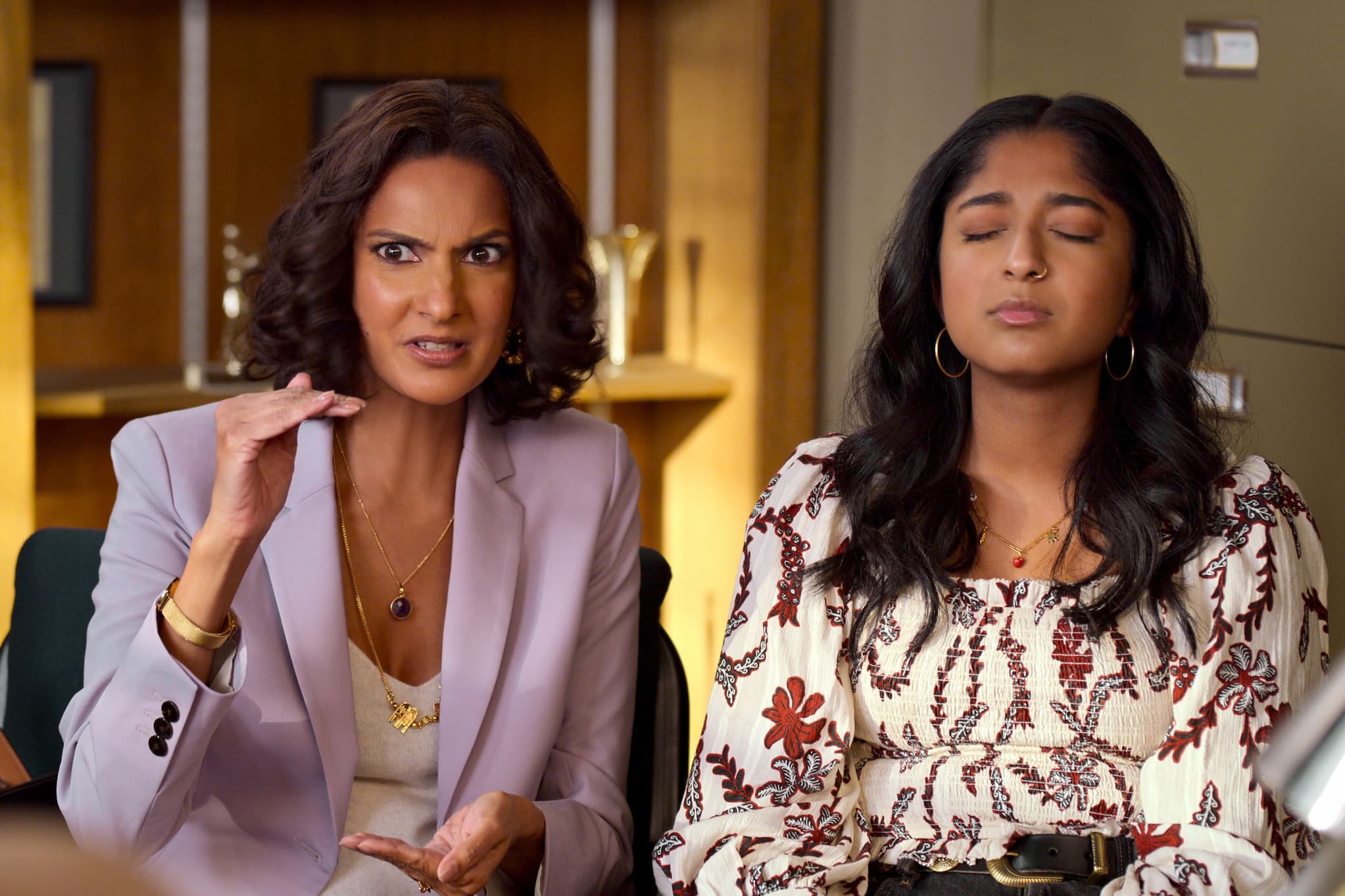
Never Have I Ever Characters Nalini and Devi Vishwakumar
In the Netflix TV show Never Have I Ever, the character of Nalini Vishwakumar (left) is portrayed as a hard-working dermatologist who is strict with her strong-willed teenage daughter Devi (right). She might be seen as a Tiger Mom.
-
Image
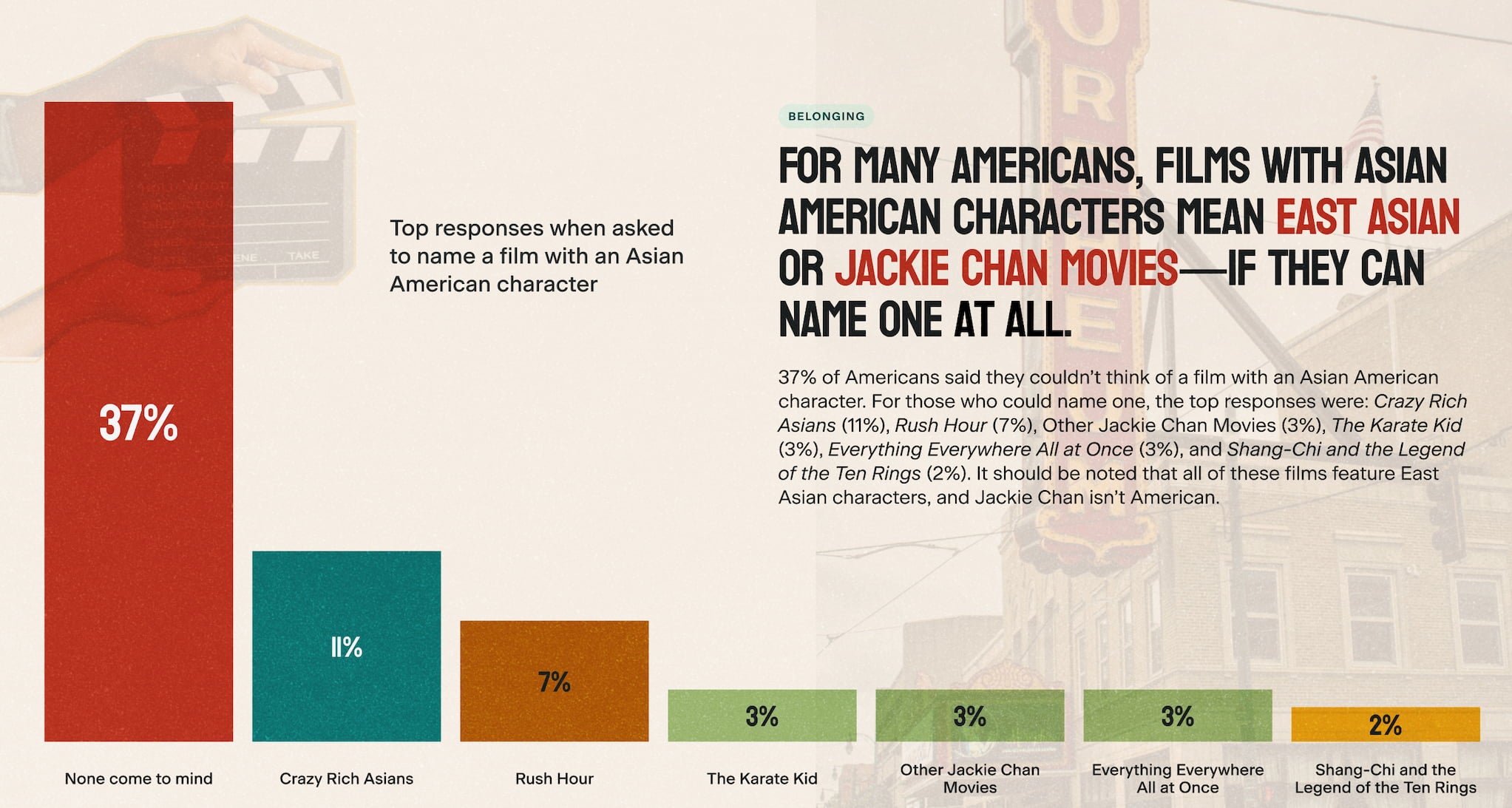
2025 STAATUS Index Bar Graph
Thirty-seven percent of 4,909 Americans surveyed said they couldn’t think of a film with an Asian American character, according to the 2025 STAATUS Index (Social Tracking of Asian Americans in the United States produced by The Asian American Foundation (TAAF).
-
Image
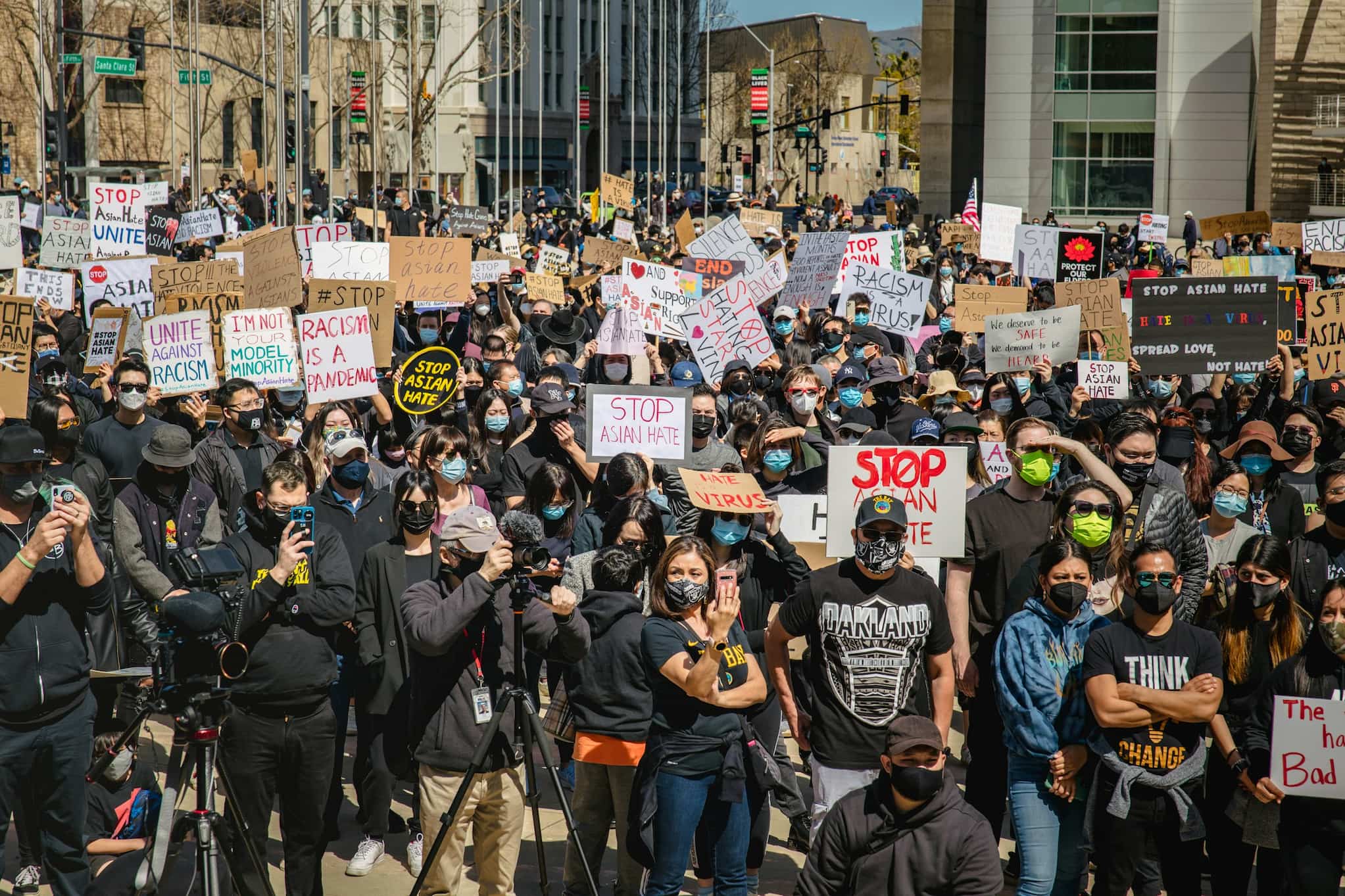
Stop Asian Hate Rally in San Jose
A group of protestors in Spring 2021 call national attention to the rise in hate crimes against Asian Americans, fueled by racist rhetoric surrounding the COVID-19 pandemic.
-
Image
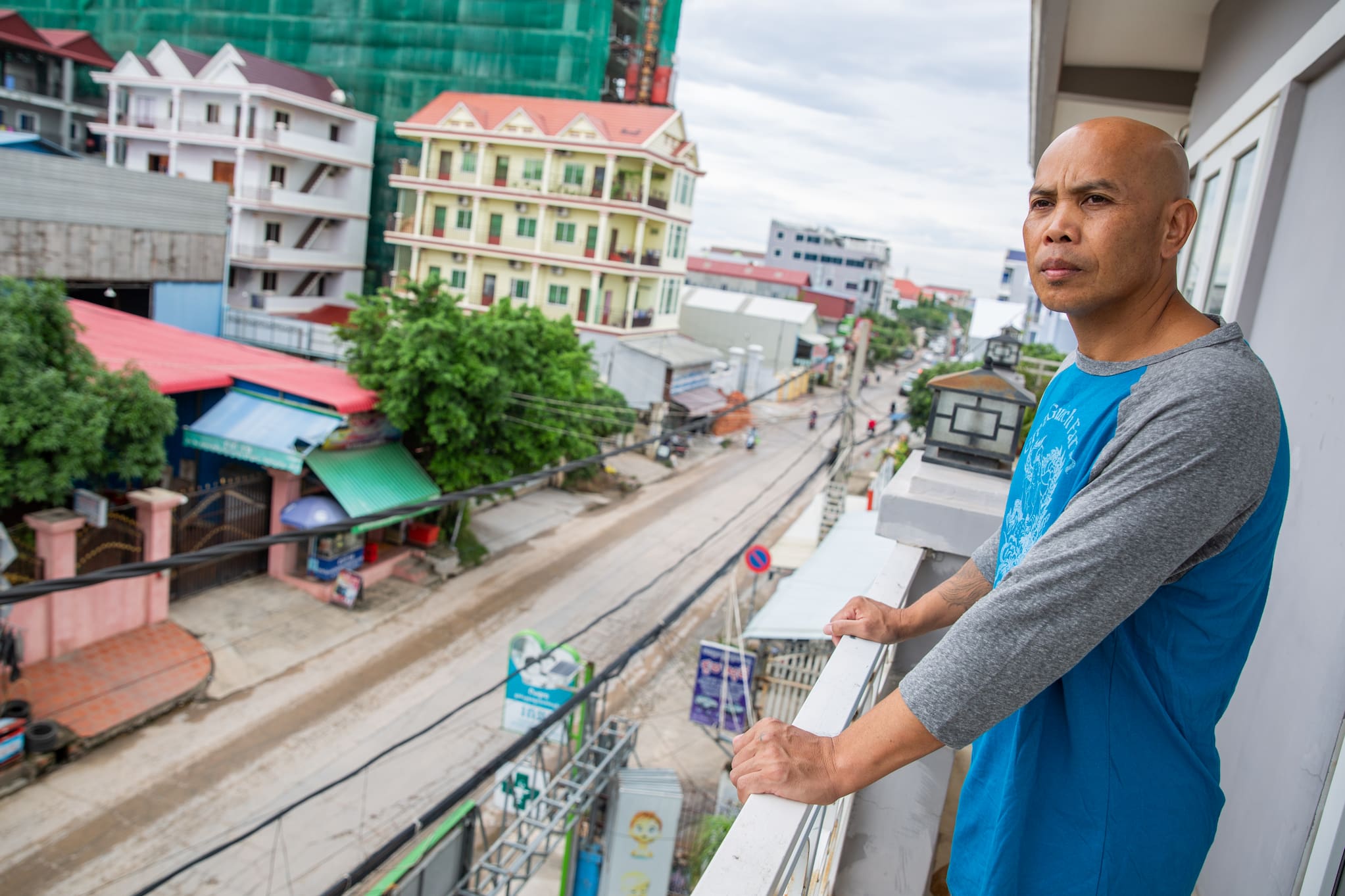
Phoeun You On Balcony
After serving twenty-eight years in prison, Phoeun You was released on parole in 2021, but ultimately deported to Cambodia as a result of IIRIRA.


