



Search the Media Repository
Discover the curated images, videos, and primary sources featured throughout Foundations and Futures
History is more than just text on a page; it is the photographs, voices, and artifacts of the people who lived it. The images and recordings featured across Foundations and Futures are part of a meticulously curated media repository. Whether you are building a lesson plan or investigating an artifact, you can use this database to trace the provenance of our media: discover who created an asset, the historical context behind it, and how it can be used to bring Asian American and Pacific Islander experiences into your classroom.
Multimedia
Chapters
-
Image
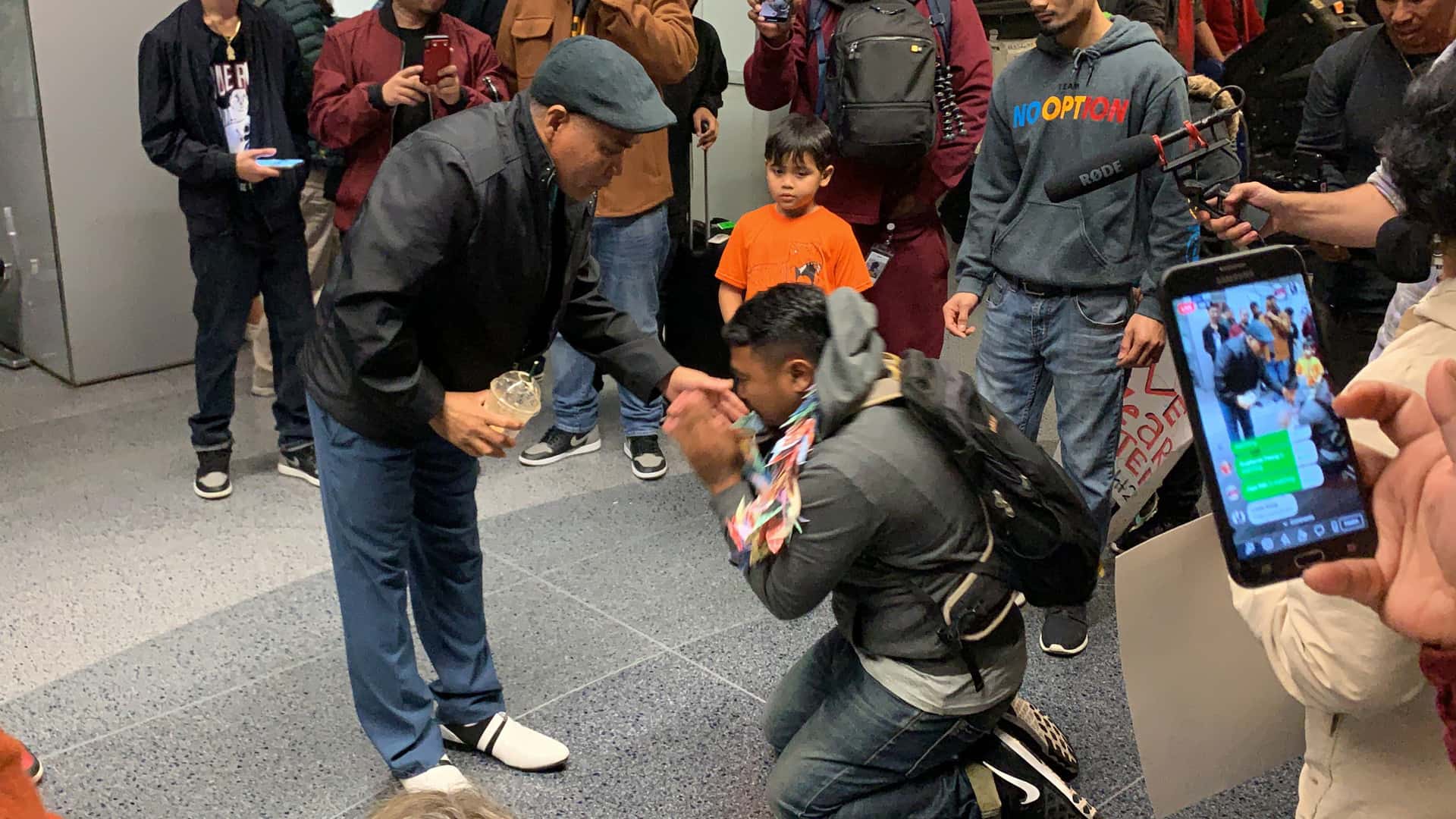
Sok Loeun Arriving in the US
Sok Loeun (kneeling), a US. citizen, voluntarily self-deported to Cambodia in 2015. As of 2024, more than 17,000 Southeast Asian Americans have received notice of final deportation as a result of the 1996 Illegal Immigrant Reform and Immigrant Responsibility Act (IIRIRA).
-
Image
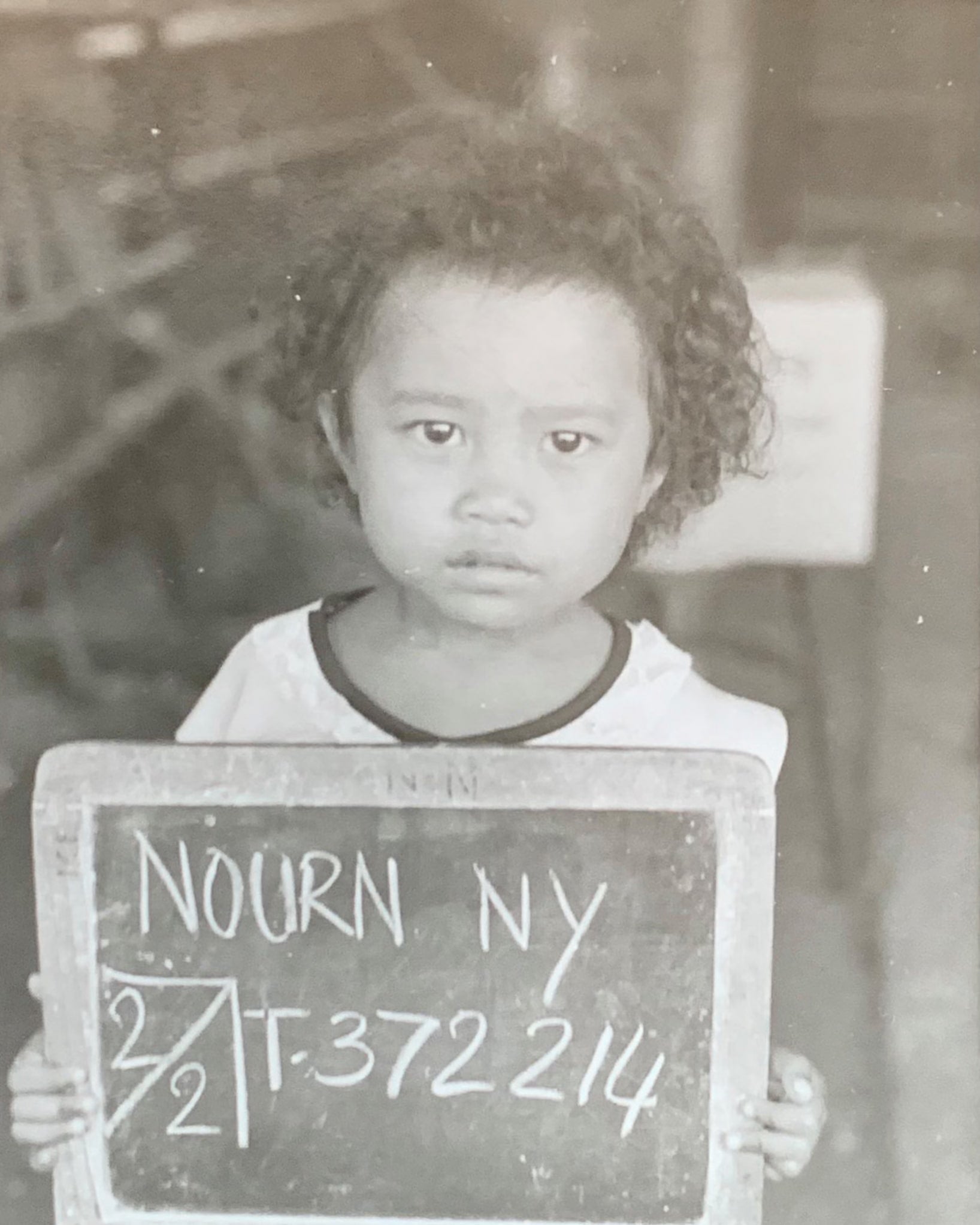
Photo of Ny Nourn as a Child
After her mother fled from the Khmer Rouge regime on foot from Cambodia, Ny Nourn was born in a refugee camp in Thailand. She and her mother eventually resettled in San Diego, California, when she was five years old.
-
Image
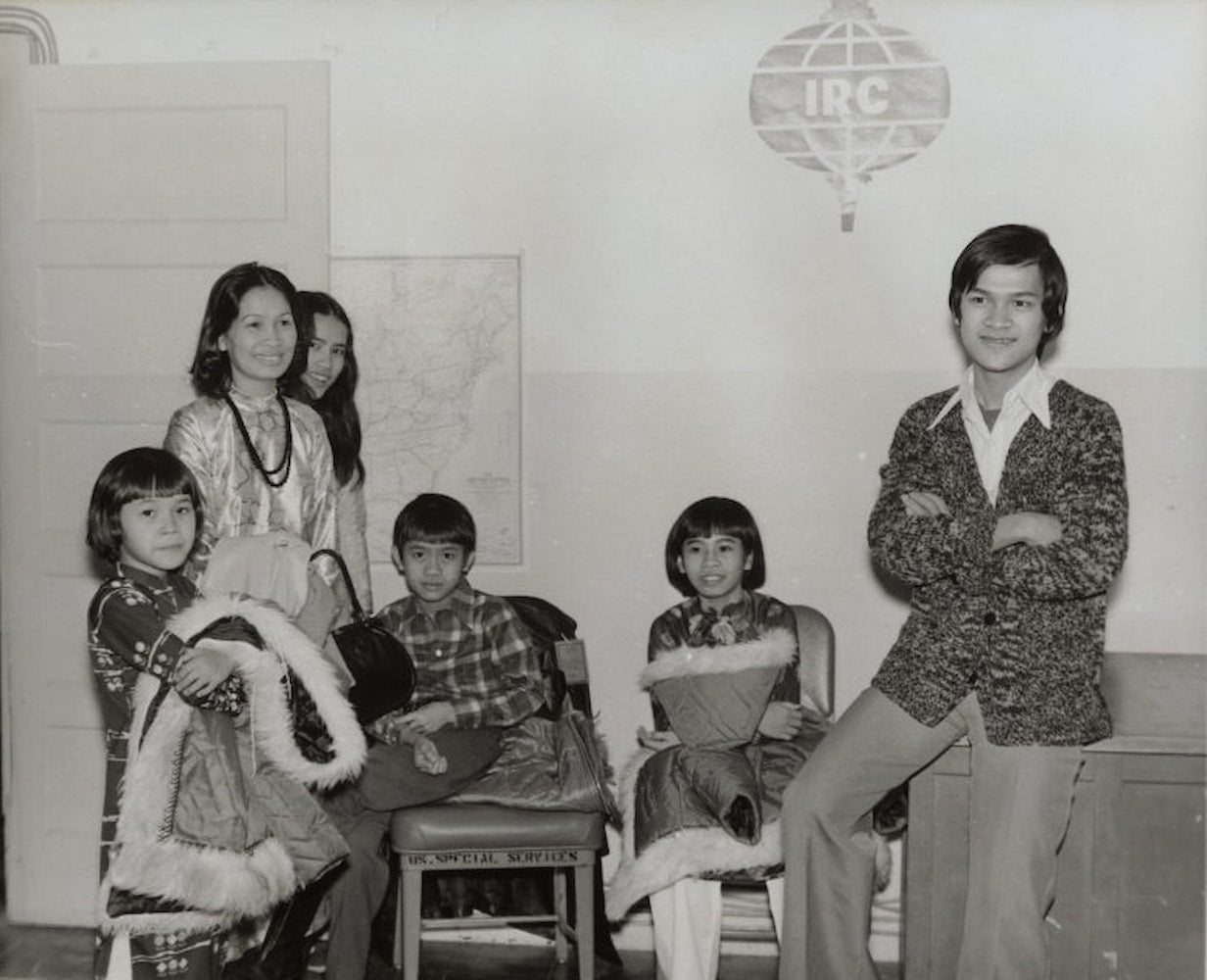
Vietnamese Family at Fort Chaffee
Between 1975 and 1996, 1.2 million Southeast Asian Americans arrived in the United States as refugees. In this photo, a Vietnamese family is seen at an arriving center in Fort Chaffee, Arkansas, under the auspices of the International Rescue Committee (IRC).
-
Image
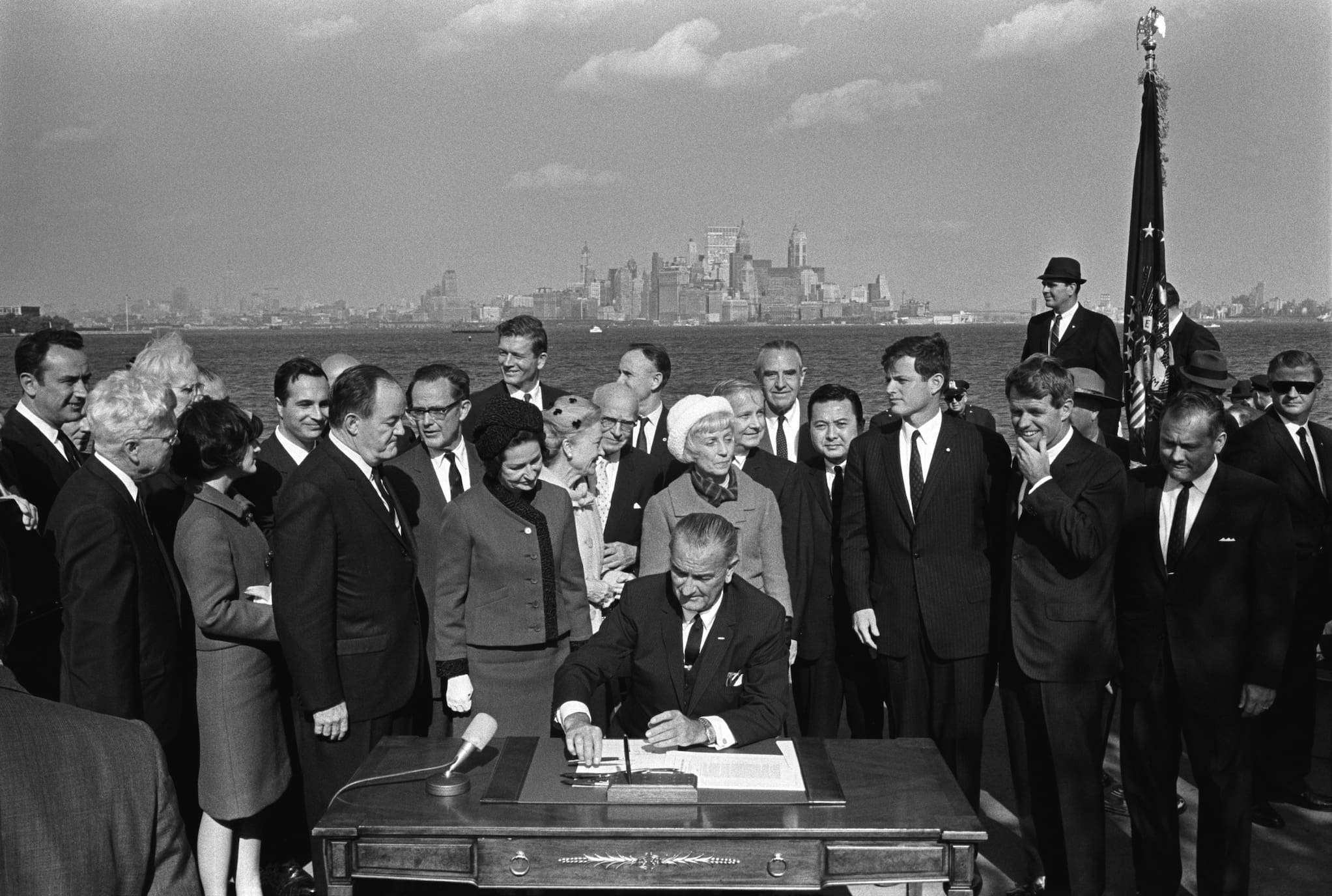
President Lydon B. Johnson Signing Immigration Act
President Lyndon B. Johnson signed the Immigration and Nationality Act of 1965 (also known as the Hart-Celler Act) on Ellis Island, ending decades of race-based categories for immigration.
-
Image
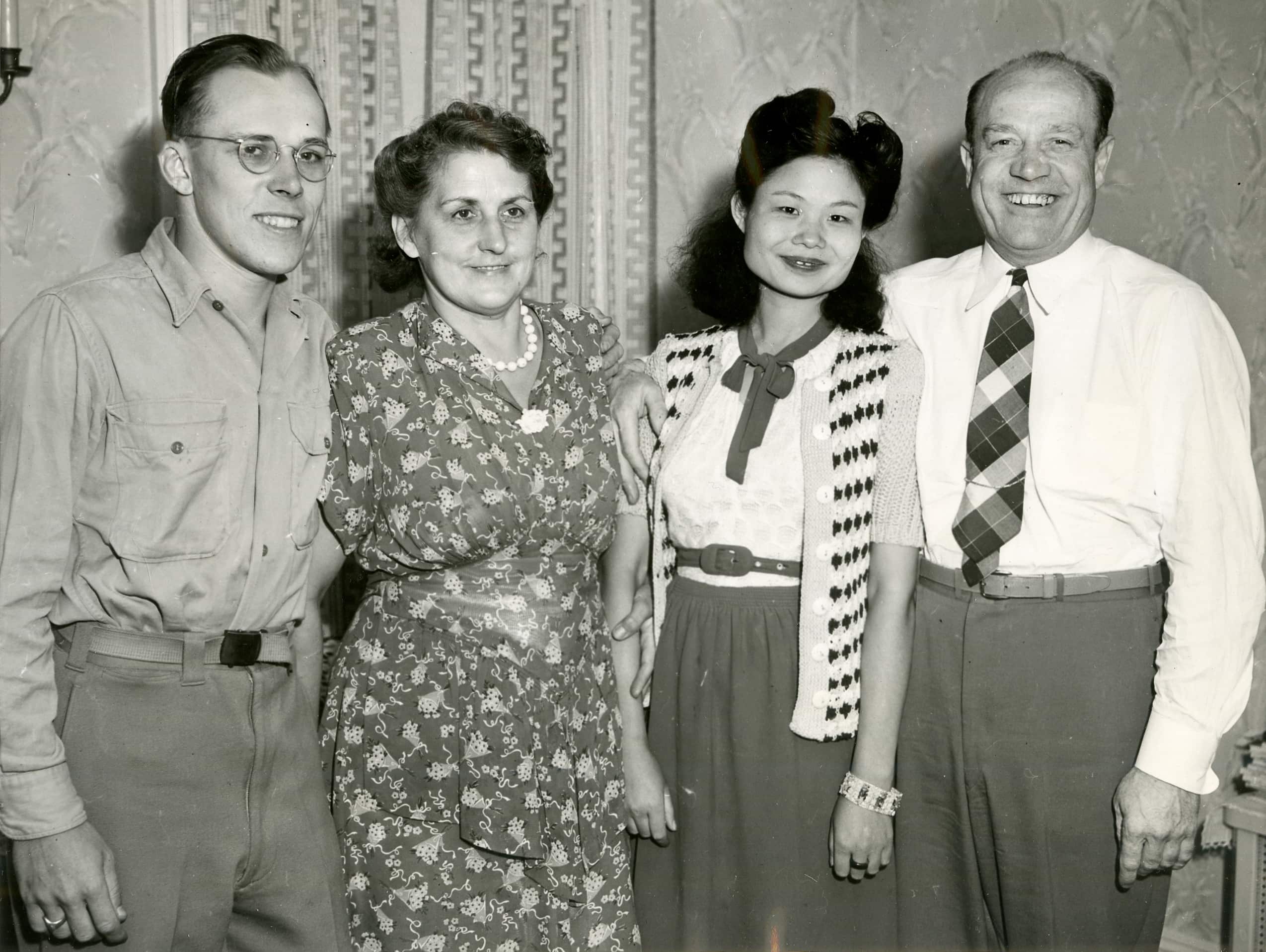
War Bride and Inlaws
Some three hundred thousand Chinese, Filipino, Korean and Japanese “war brides” came to the United States as spouses of US servicemen stationed in Asia. They helped to shift the demographic of the Asian American population.
-
Image
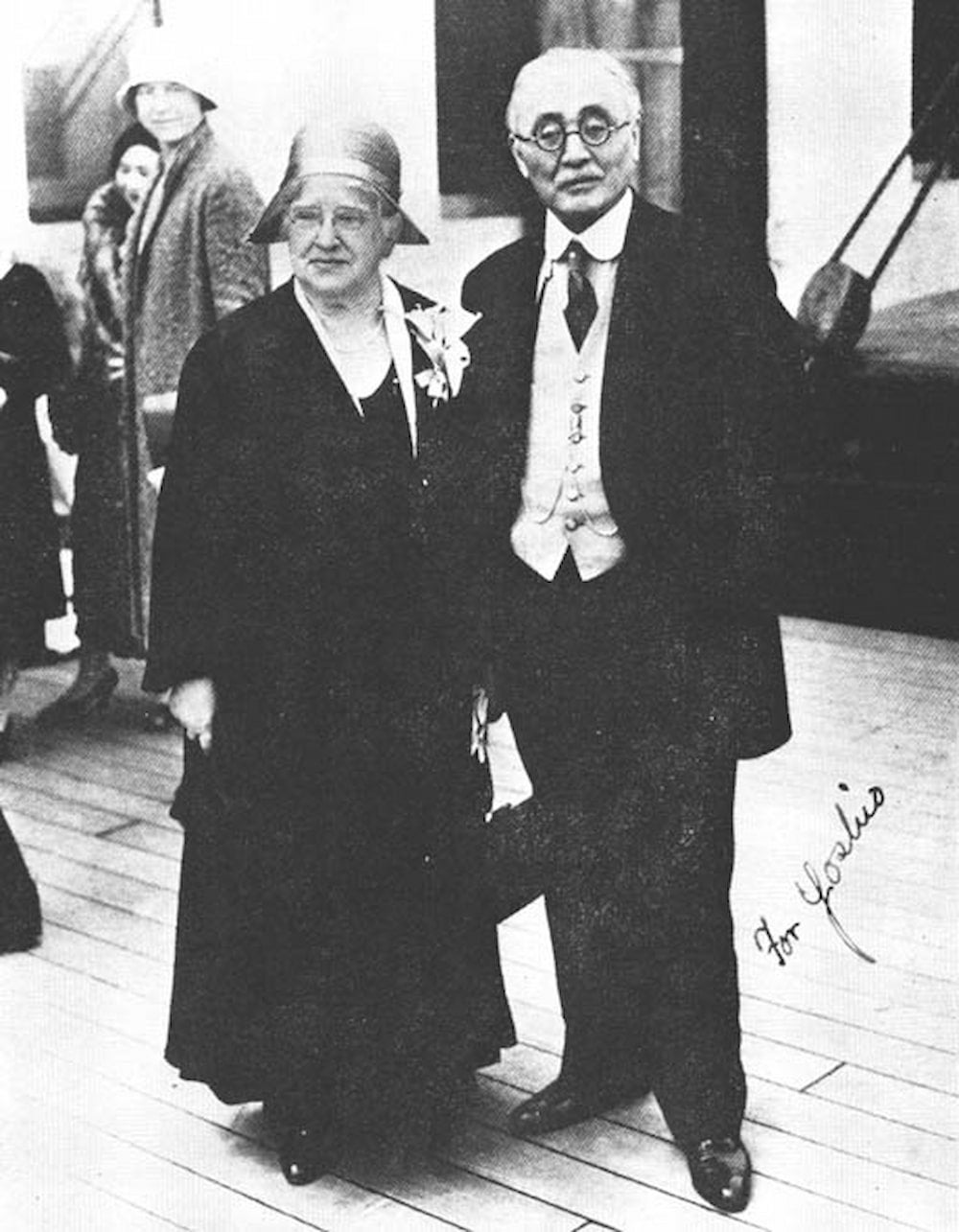
Inazo Nitobe and Mary Elkinton
A Japanese American diplomat Inazo Nitobe was able to marry a white woman Mary Elkinton in the 1880s at a time when interracial marriages were frowned upon by society or outright prohibited through state-by-state anti-miscegenation laws.
-
Image
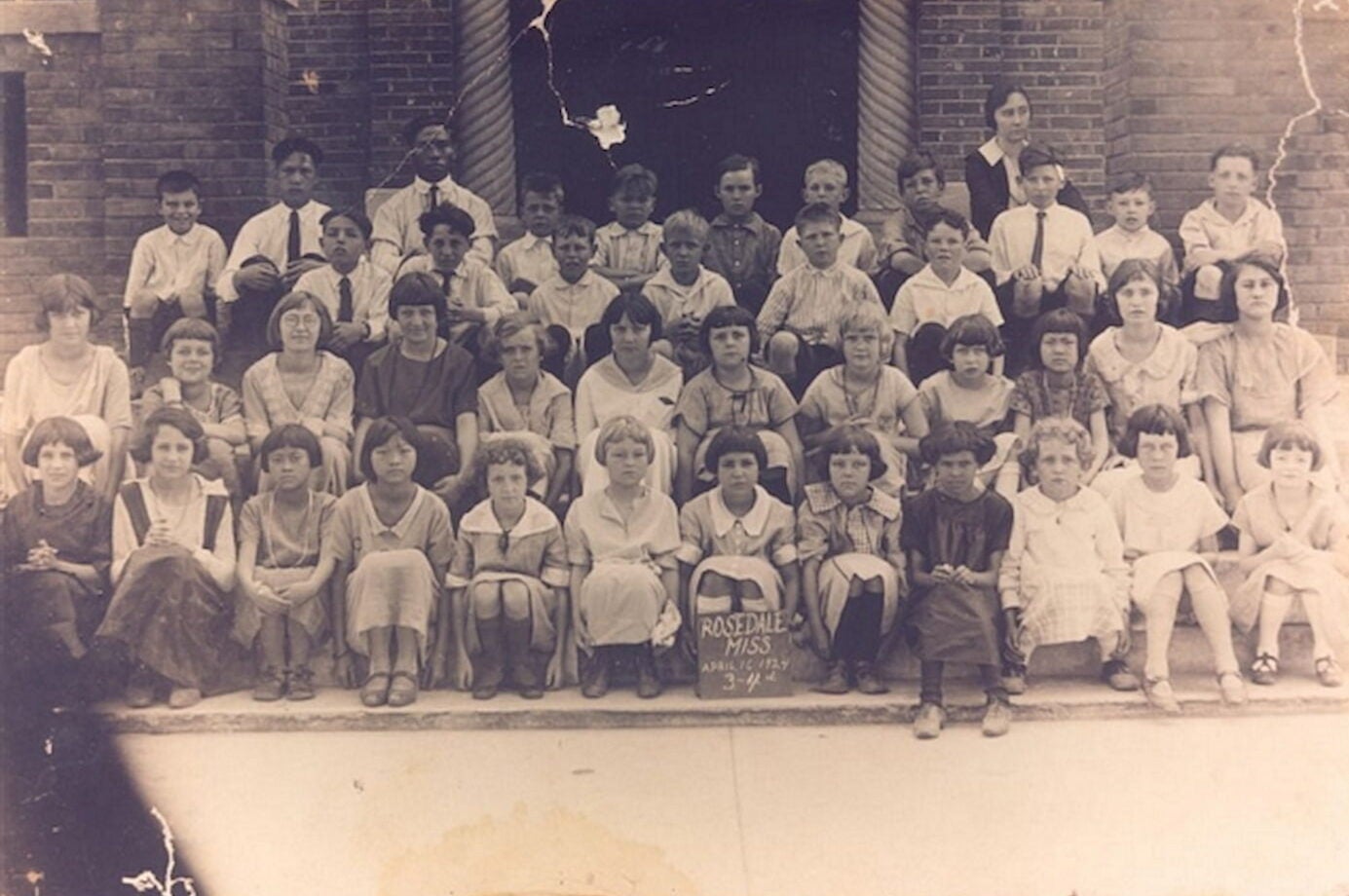
Martha Lum with Class
In 1927, the Supreme Court ruled in Gong Lum v. Rice that Chinese Americans were not allowed schooling in white schools. Martha Lum is shown in her second grade class at a school in Bolivar County, Mississippi, before the ruling took place.
-
Text
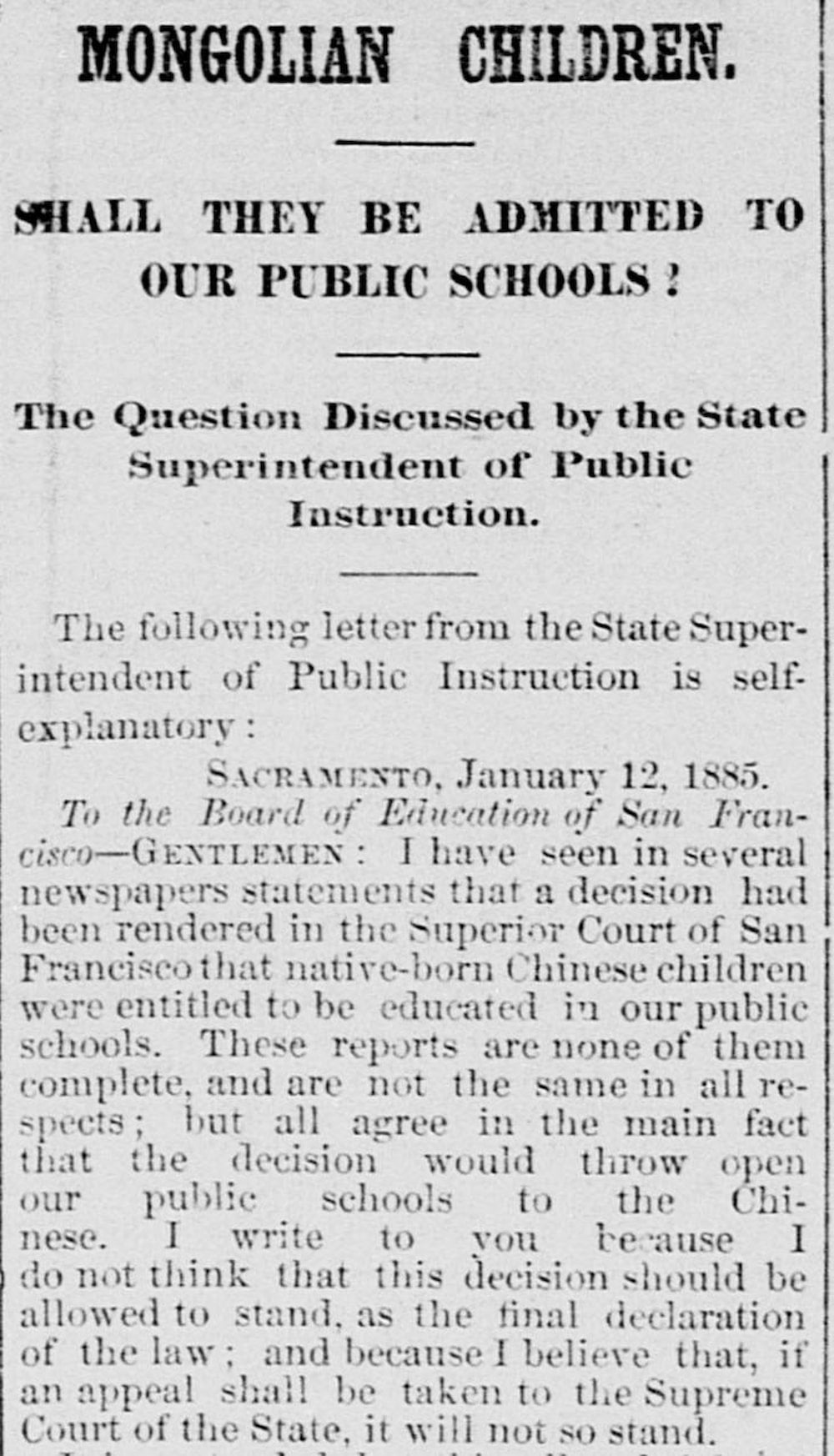
Letter From State Superintendent of Public Instruction
In 1885, the State Superintendent of Public Instruction in California published a letter in the Daily Record-Union with the opinion that the Tape case will “throw open our public schools to the Chinese.”
-
Image
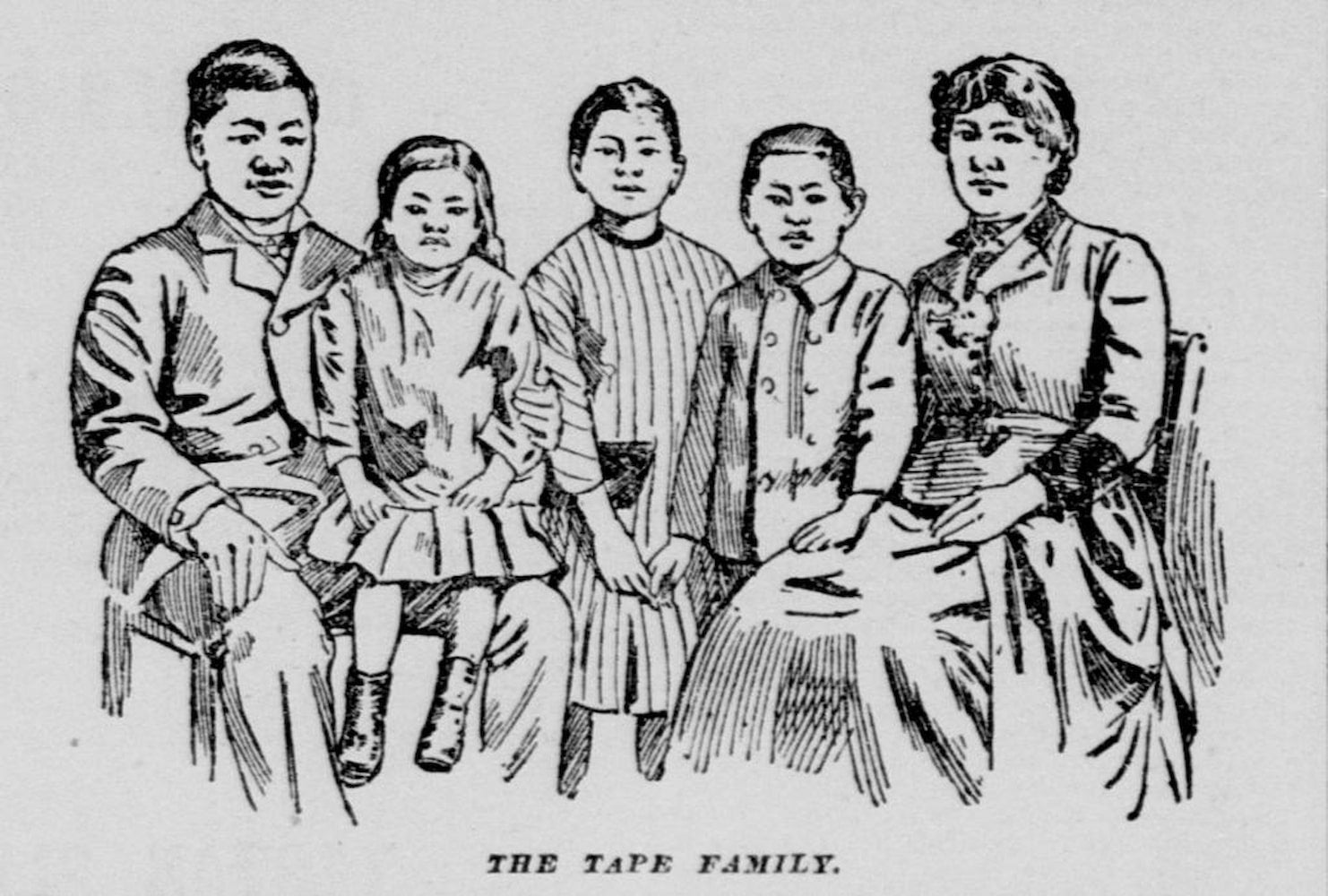
Illustration of Tape Family
Joseph and Mary Tape married in 1875 and lived in San Francisco, California, where they attempted to enroll their daughter Maimie in the all-white school. The Tapes sued the Spring Valley Primary Schools for refusing enrollment to their daughter, and the California Supreme Court ruled in their favor.
-
Image
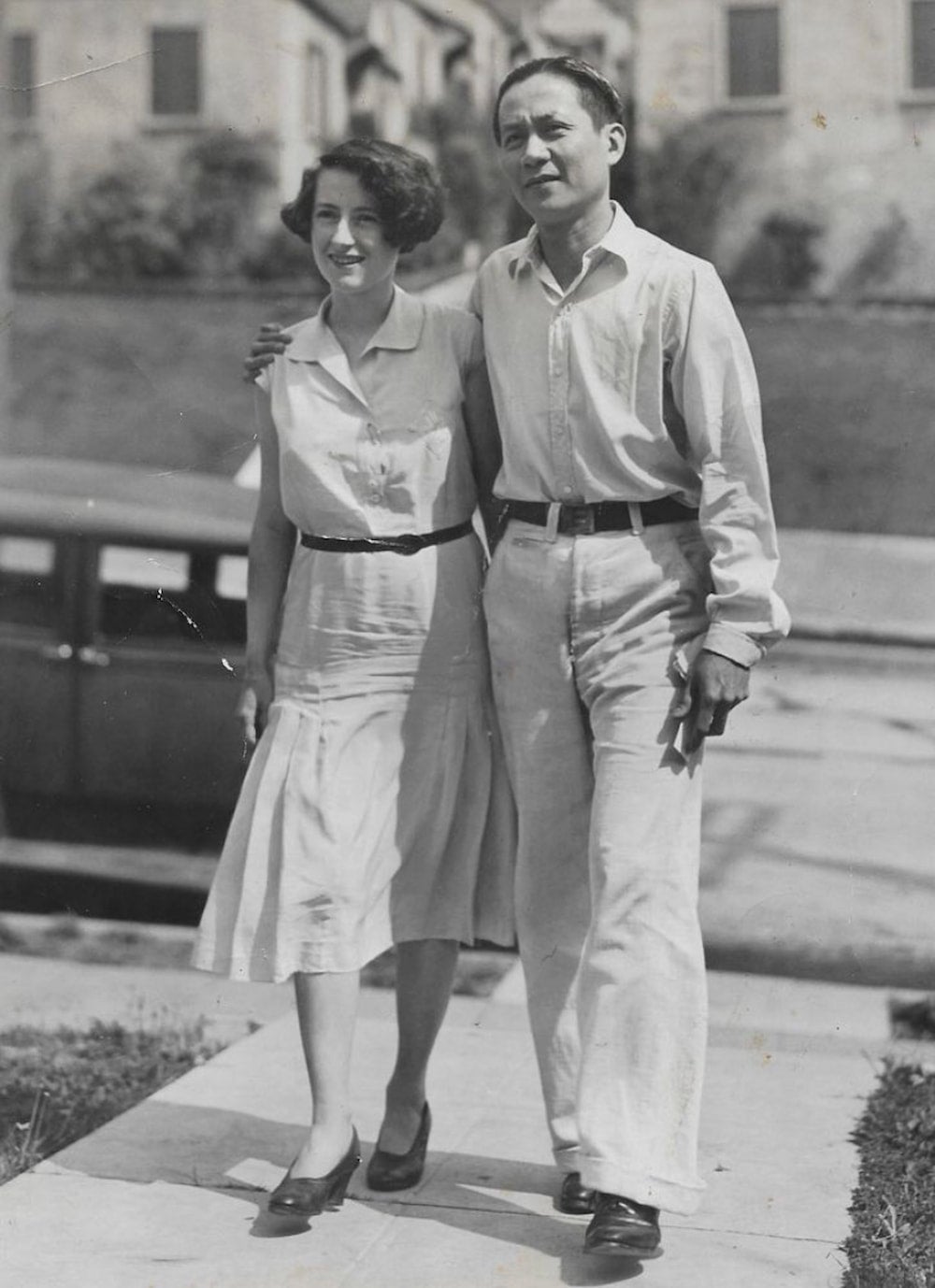
Salvador Roldan and Marjorie Rogers
Salvador Roldan (right), a Filipino immigrant, and Marjorie Rogers (left), a white Englishwoman, had their marriage license revoked in 1933 due to California’s anti-miscegenation laws.
-
Image
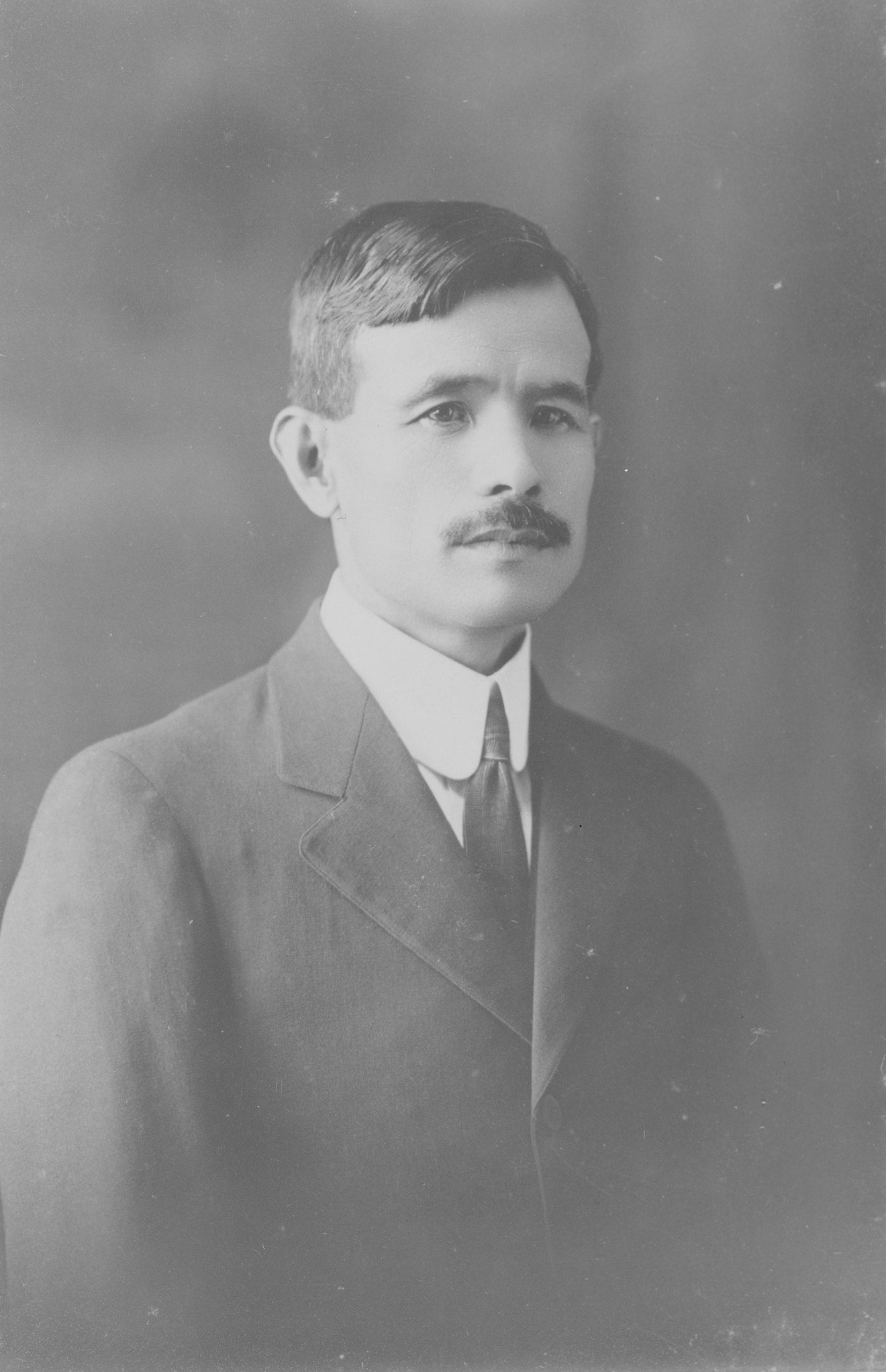
Portrait of Takao Ozawa
Portrait of Takao Ozawa, a Japanese immigrant who argued that his education, employment, and way of life proved his assimilation and right to naturalized citizenship. In 1922, the Supreme Court denied him citizenship because he was not white.
-
Text
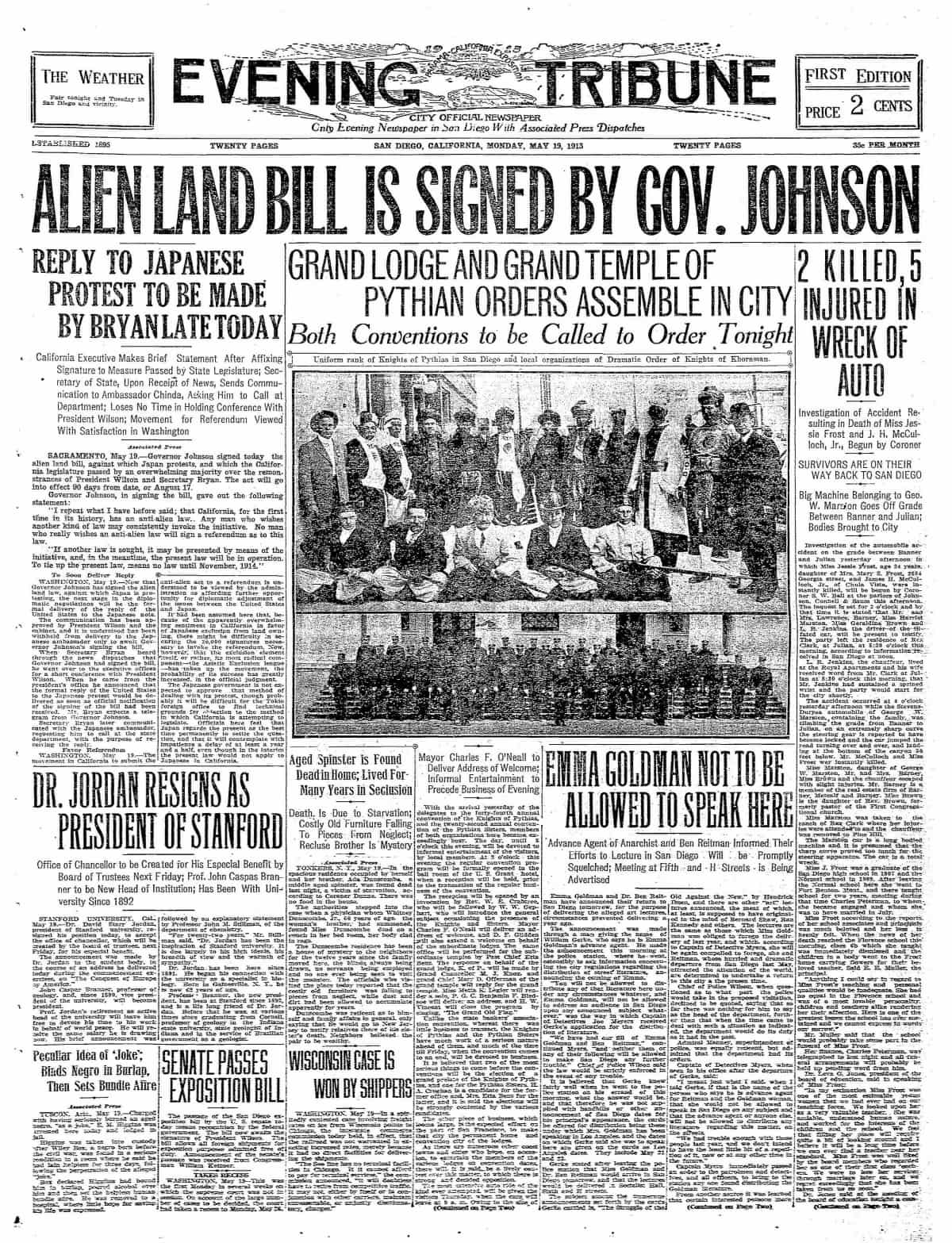
Alien Land Bill Is Signed By Gov. Johnson
Several states including California passed alien land laws prohibiting non-citizens from owning farmland. This headline from a San Diego newspaper announces the passage of a 1913 law in California that specifically targets Asian migrants. The law was renewed in 1920 and not invalidated until 1952 by the California Supreme Court.
-
Image
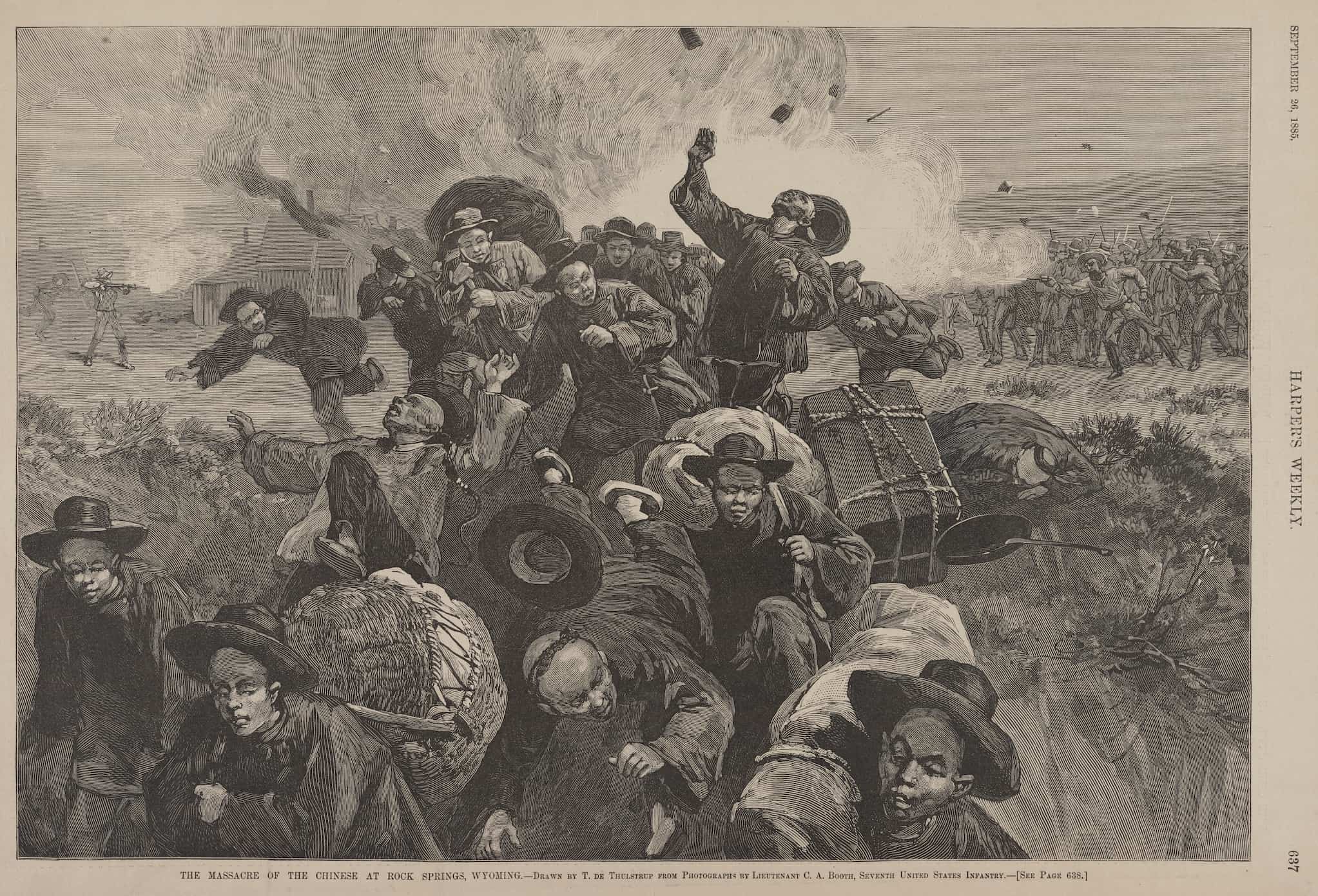
The Massacre of the Chinese at Rock Springs, Wyoming
Anti-Chinese violence increased in the late 1800s. In 1885 in Rock Springs, Wyoming, armed white miners attacked and expelled Chinese immigrant miners working for the Union Pacific Coal Company, blaming the Chinese for taking their jobs.
-
Image
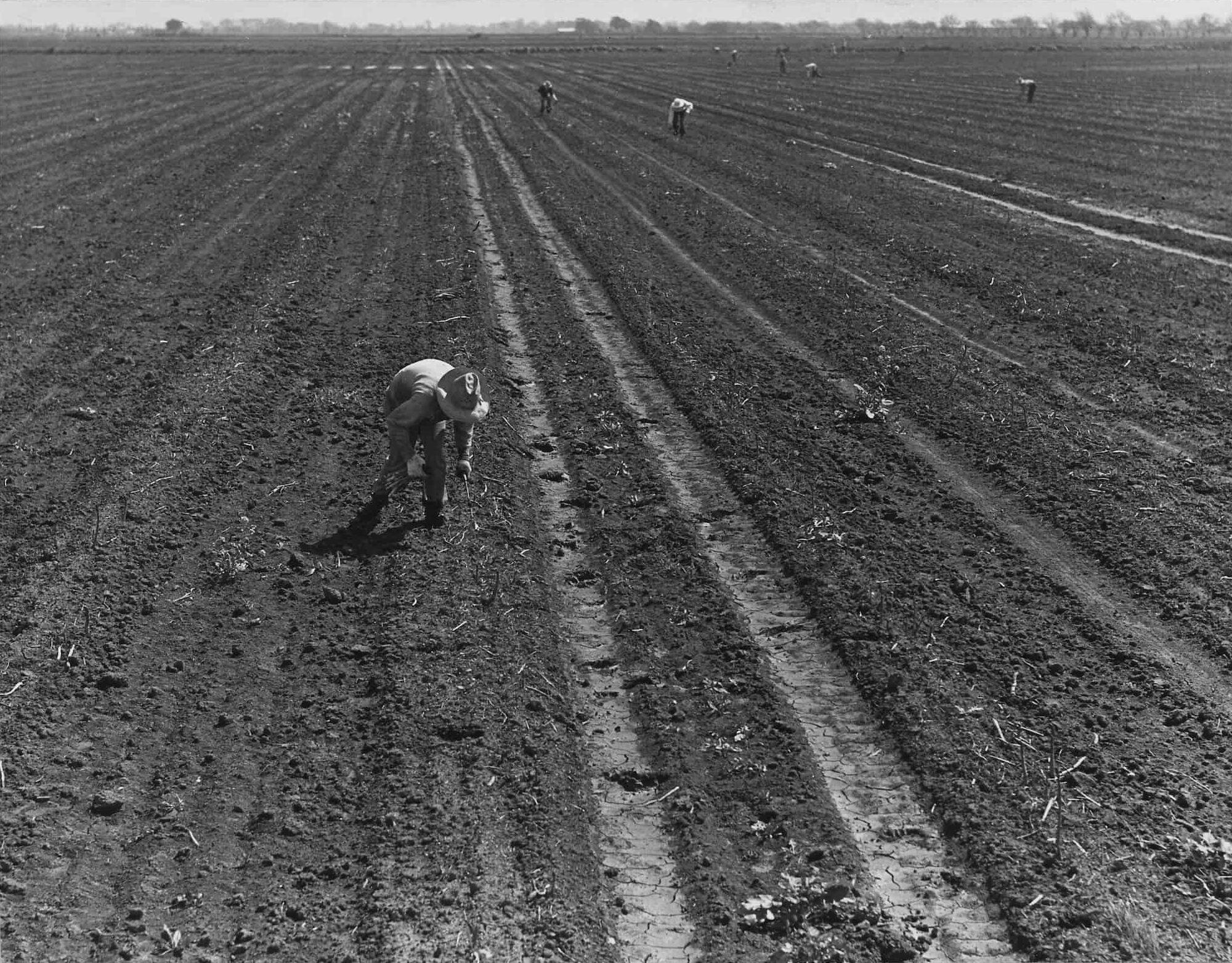
Filipino Farmworkers in Asparagus Field
Filipino farmworkers, shown here working asparagus fields in Sacramento County, played a significant role in California agriculture while routinely facing discrimination and violence.
-
Text
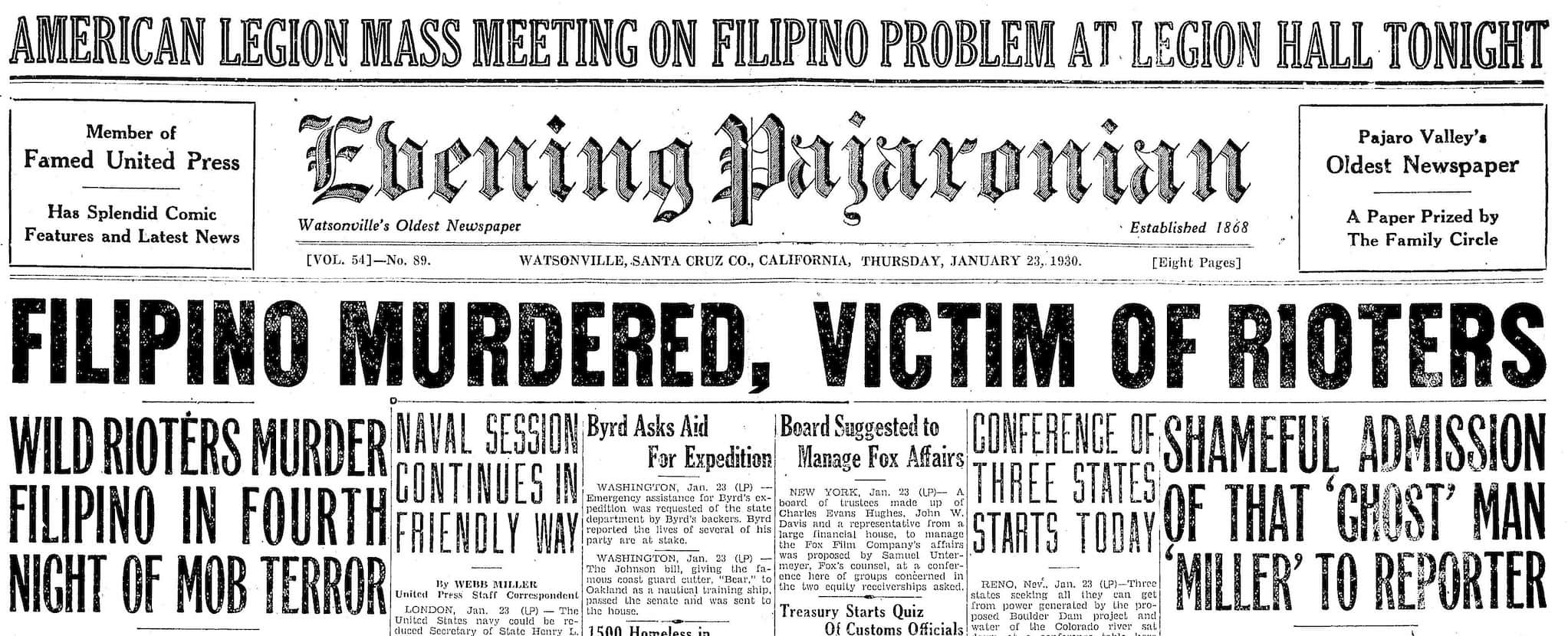
Filipino Murdered, Victim of Rioters
During the 1930 Watsonville Riots, Fermin Tobera, a twenty-two year old farmworker, was shot and killed by white mobs in a five-day wave of anti-Filipino violence. His murderer was never apprehended.
-
Image
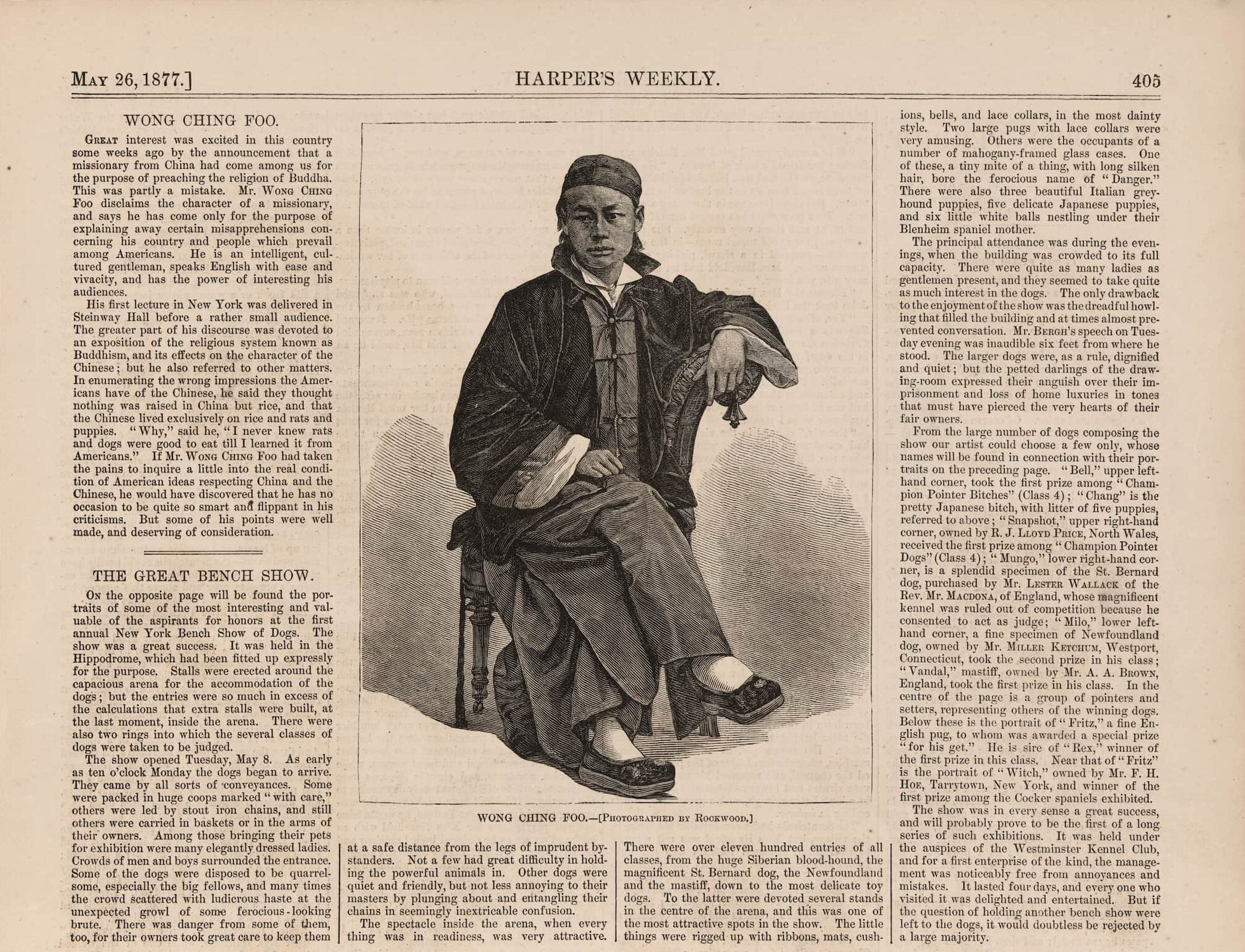
Illustration of Wong Chin Foo
Wong Chin Foo (Chin Foo Wong) was a prominent Chinese American journalist and activist. He challenged the 1892 Geary Act, which required Chinese residents to carry proof of residence.
-
Text
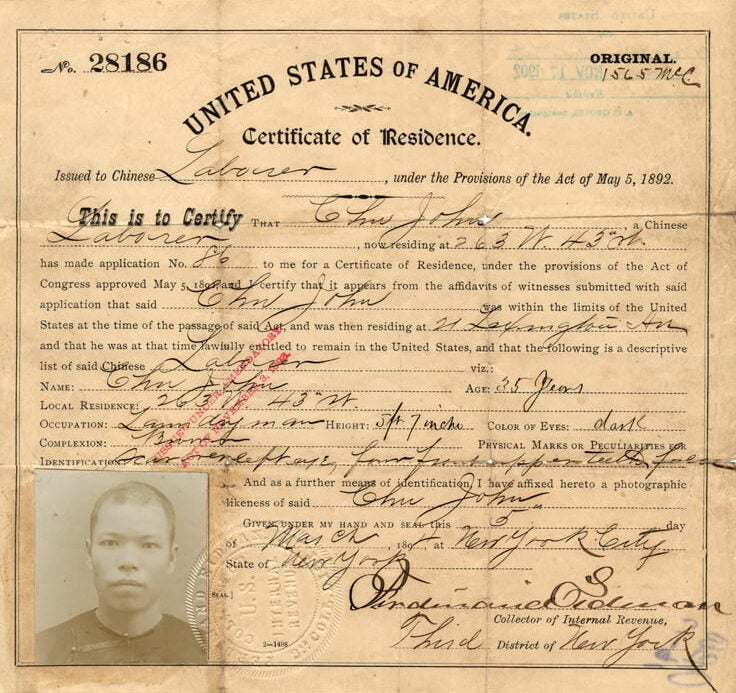
John Chu Certificate of Residence
The stipulations of the 1892 Geary Act required Chinese Americans to carry proof of residence. This certificate was granted in March 1894 in New York City to John Chu.
-
Image
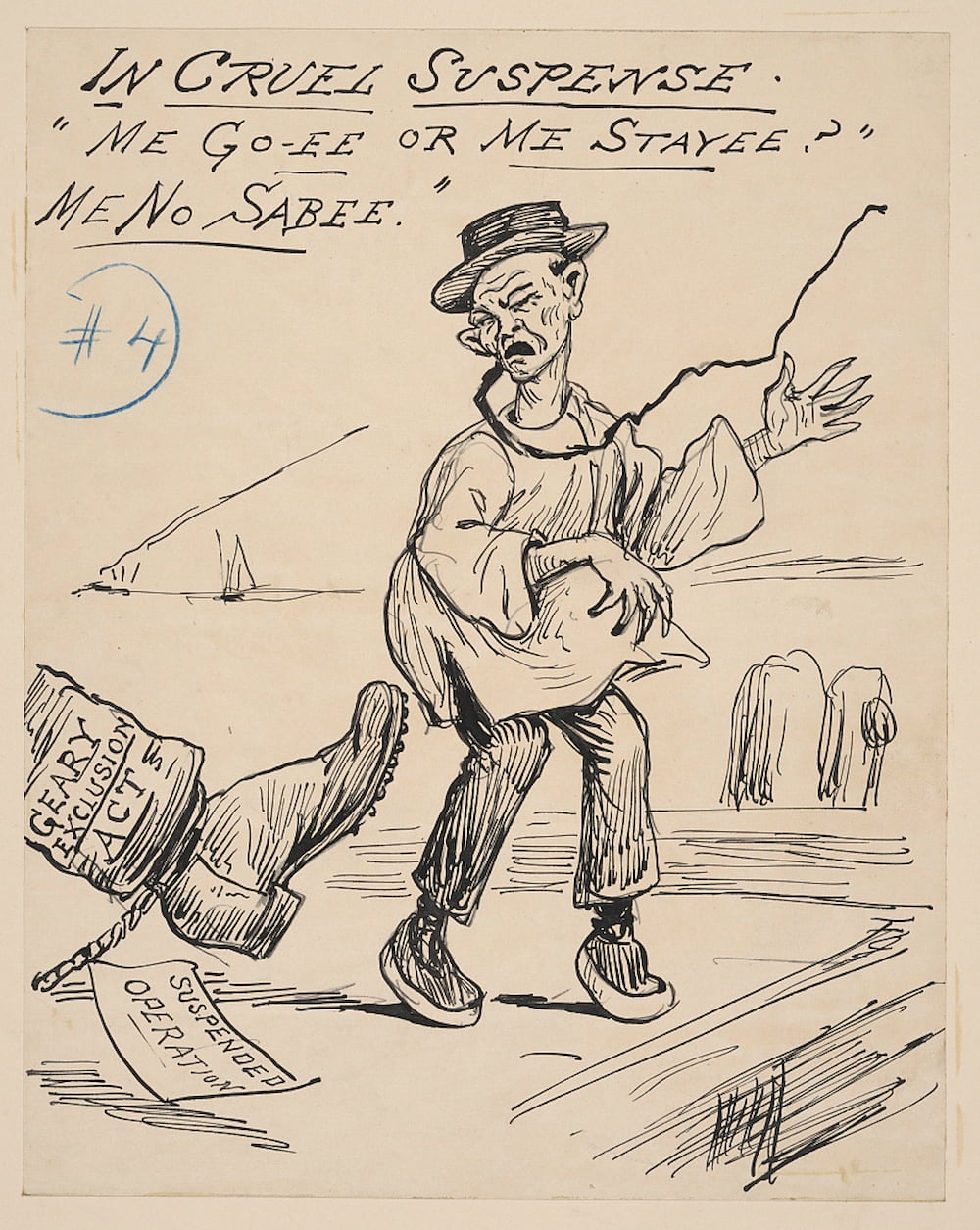
In Cruel Suspense Cartoon
The 1892 Geary Act extended the 1882 Chinese Exclusion Act for another ten years and required Chinese Americans to carry proof of residency in the US. This political cartoon uses racist caricature and stereotyped speech to depict a Chinese migrant as being booted out of the US.
-
Image
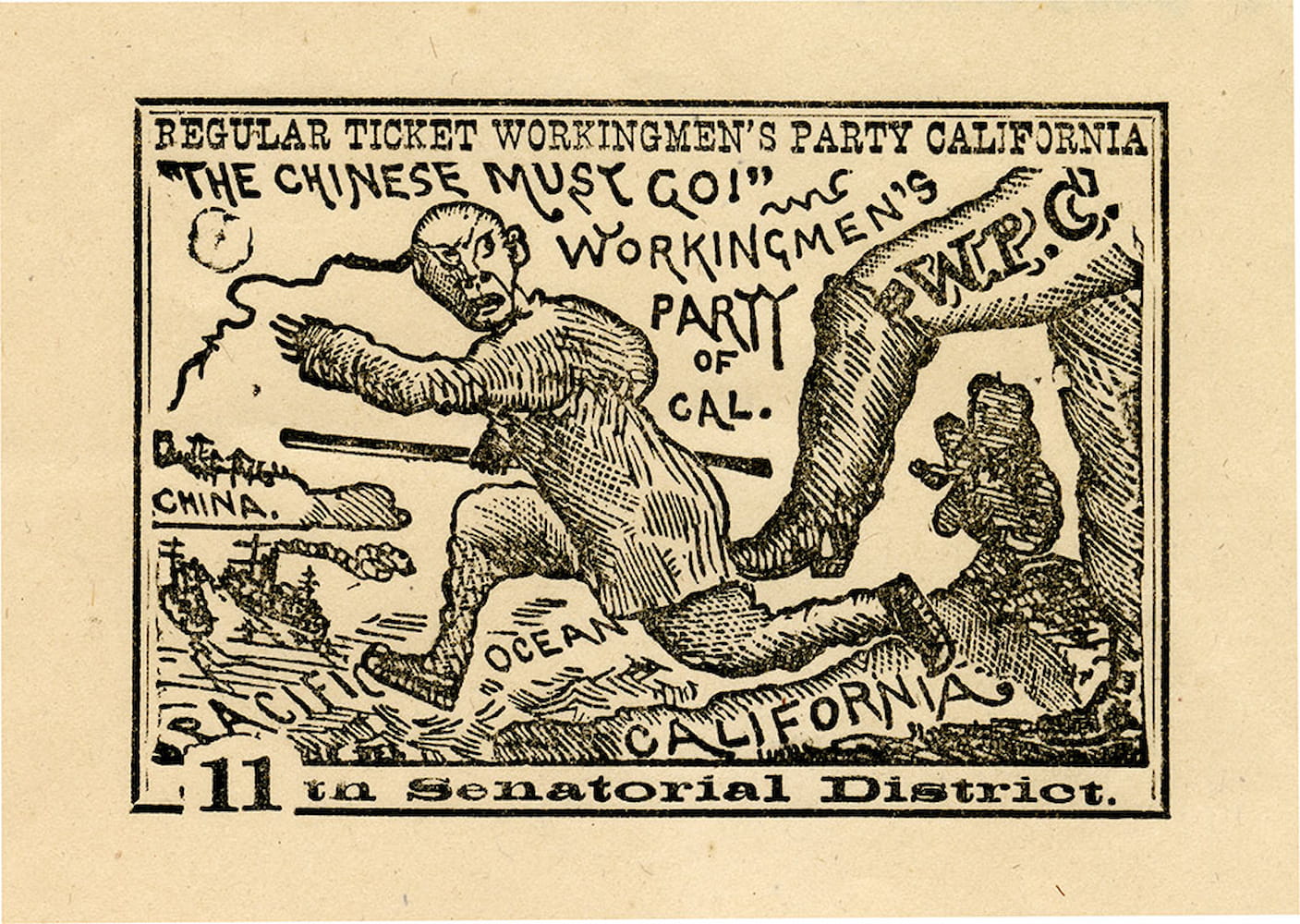
Workingmen’s Party of California Ticket
An 1879 regular ticket for the Workingmen’s Party of California, which ran on the slogan, “The Chinese must go!”
-
Text
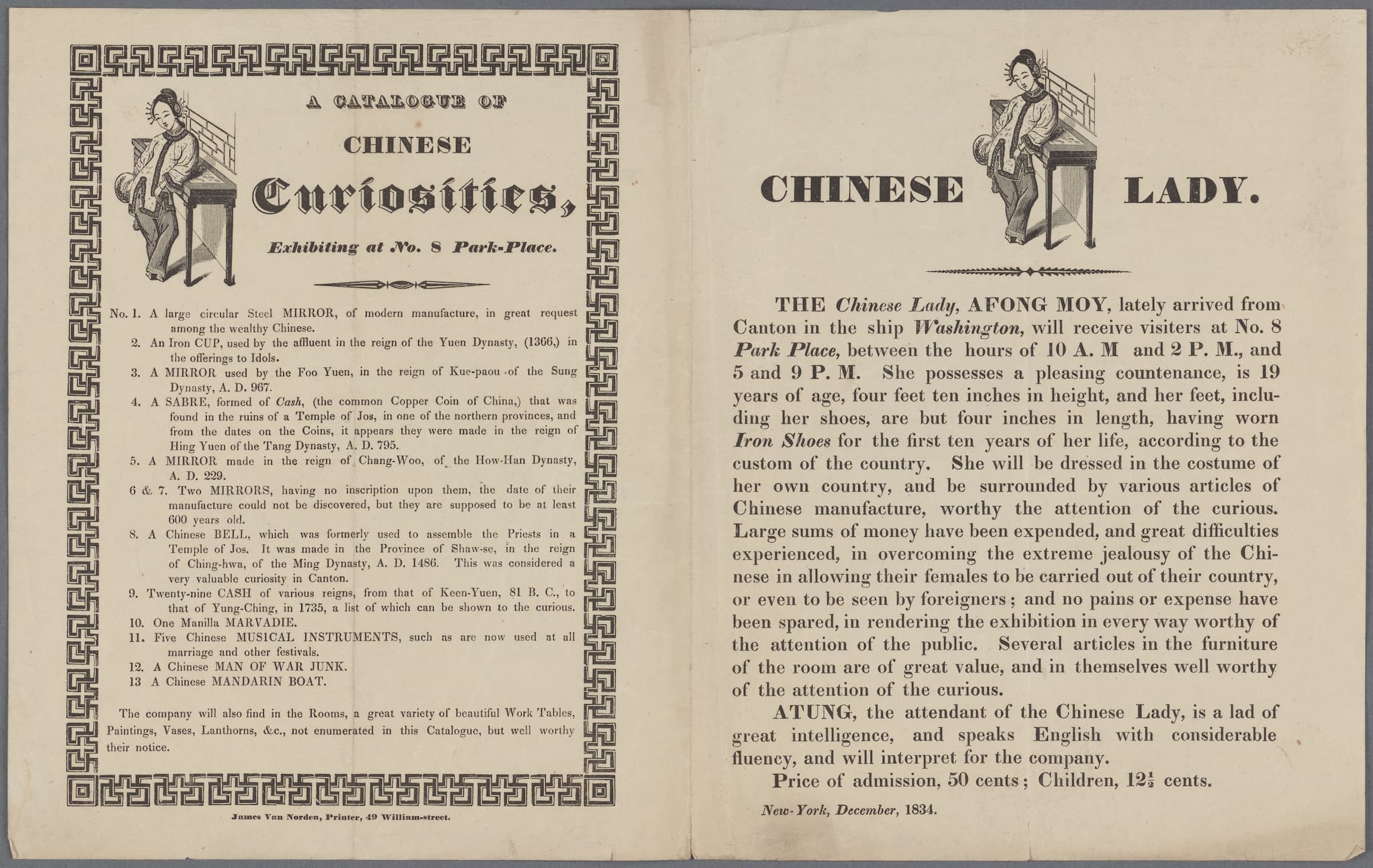
A Catalogue of Chinese Curiosities
A catalog of “Chinese Curiosities” that were brought to New York by the Carnes Brothers in the early nineteenth century including Afong Moy, the “Chinese Lady” who was exhibited as a museum object for the general public.