



Search the Media Repository
Discover the curated images, videos, and primary sources featured throughout Foundations and Futures
History is more than just text on a page; it is the photographs, voices, and artifacts of the people who lived it. The images and recordings featured across Foundations and Futures are part of a meticulously curated media repository. Whether you are building a lesson plan or investigating an artifact, you can use this database to trace the provenance of our media: discover who created an asset, the historical context behind it, and how it can be used to bring Asian American and Pacific Islander experiences into your classroom.
Multimedia
Chapters
-
Video
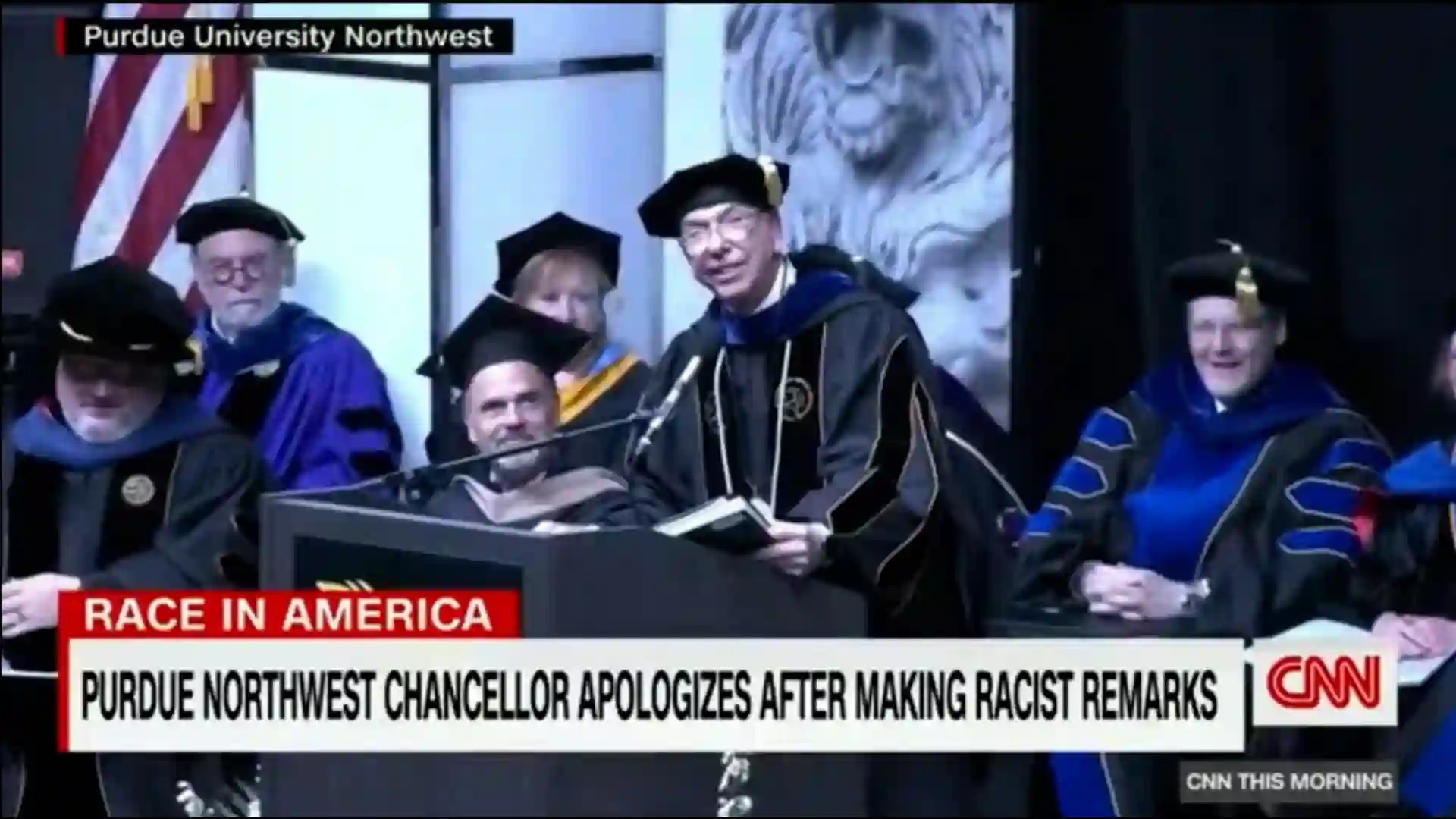
University Chancellor Mocks Asian People During Graduation
In December 2021 during the COVID-19 pandemic, Purdue University Northwest Chancellor Thomas Keon mocks Asian people during his commencement speech, as his board of trustees laughs in response. As CNN This Morning reports, after the video went viral, Keon apologized.
-
Text
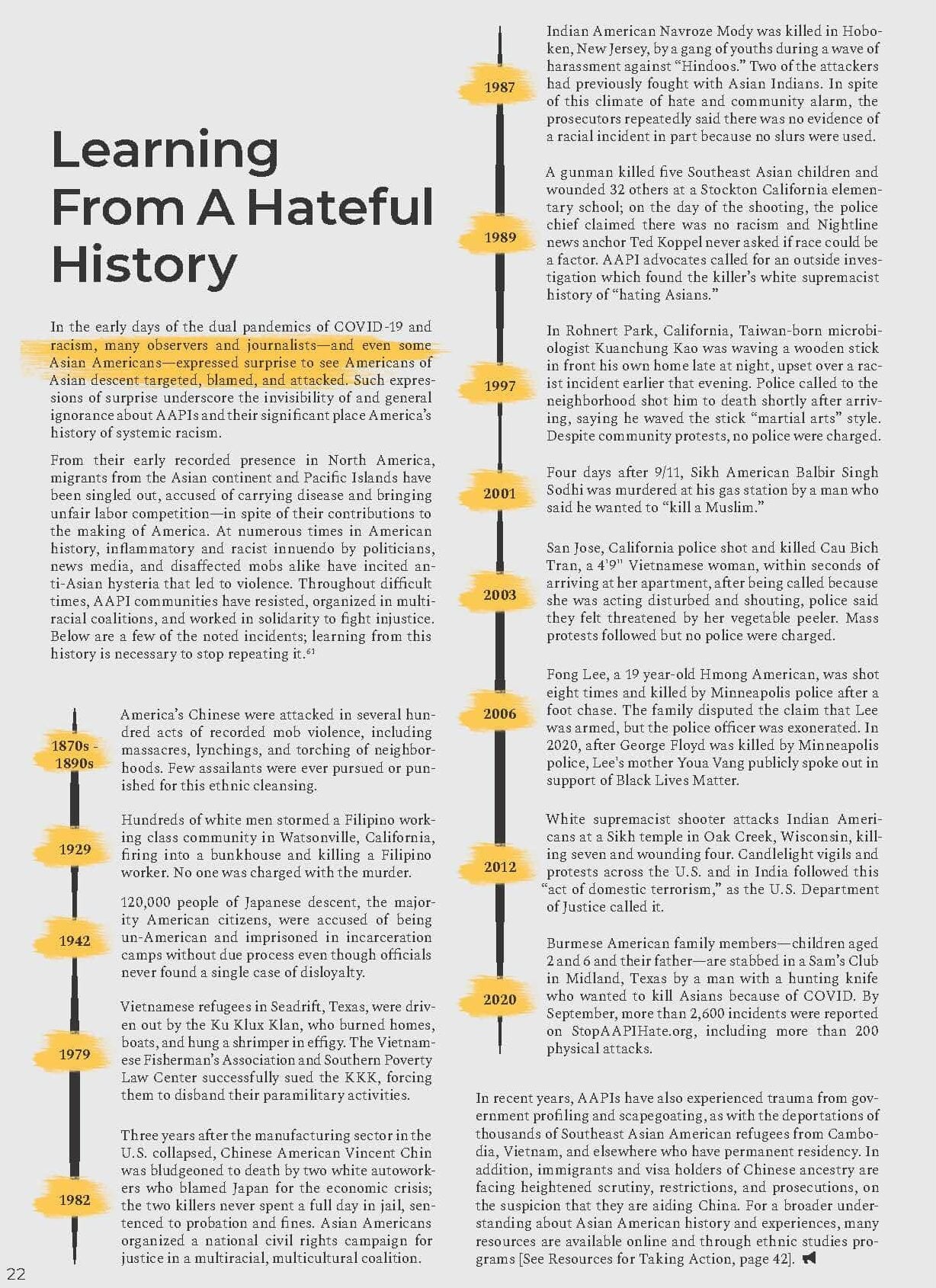
Timeline of Anti-Asian Violence
Created by One Nation Commission, this timeline traces notable dates in the long thread of anti-Asian violence and prejudice that preceded the massive wave of hate that accompanied the COVID-19 pandemic, when Asian American communities were blamed for the virus.
-

Video
Interview with Juror for Civil Rights Trial
The foreperson who headed the twelve-person jury of the federal civil rights trial in Detroit gives the reasons for finding Ronald Ebens guilty of violating Vincent Chin’s civil rights.
-
Image
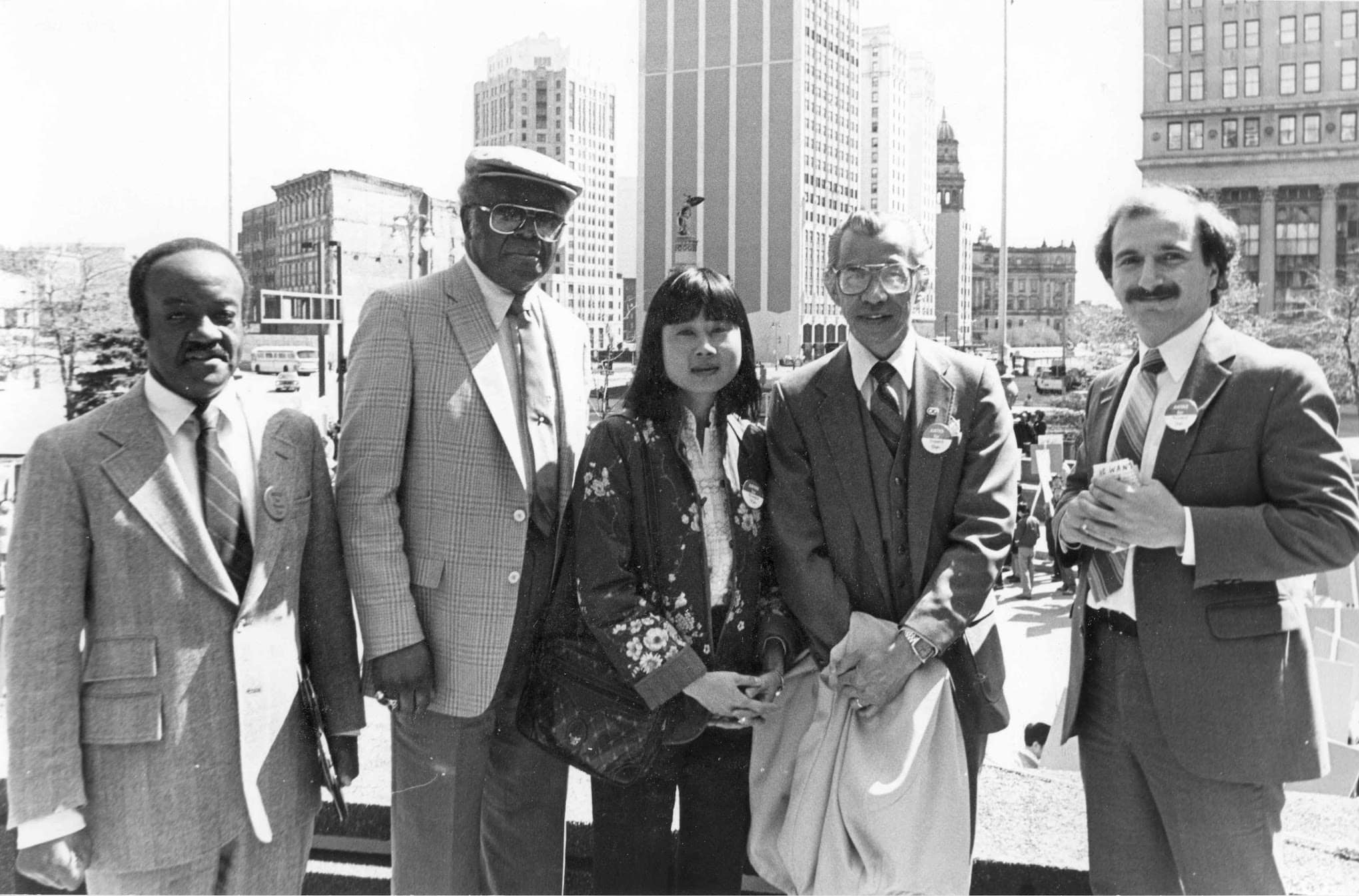
1983 Rally in Detroit
The 1983 Asian American-led rally had multiracial, cross-cultural, and inter-faith support, including (from left to right) Winston Lang, NAACP Detroit; Horace Sheffield Jr., founder of Detroit Association of Black Organizations; attorney Liza Chan; and Kin Yee, first president of American Citizens for Justice.
-
Text
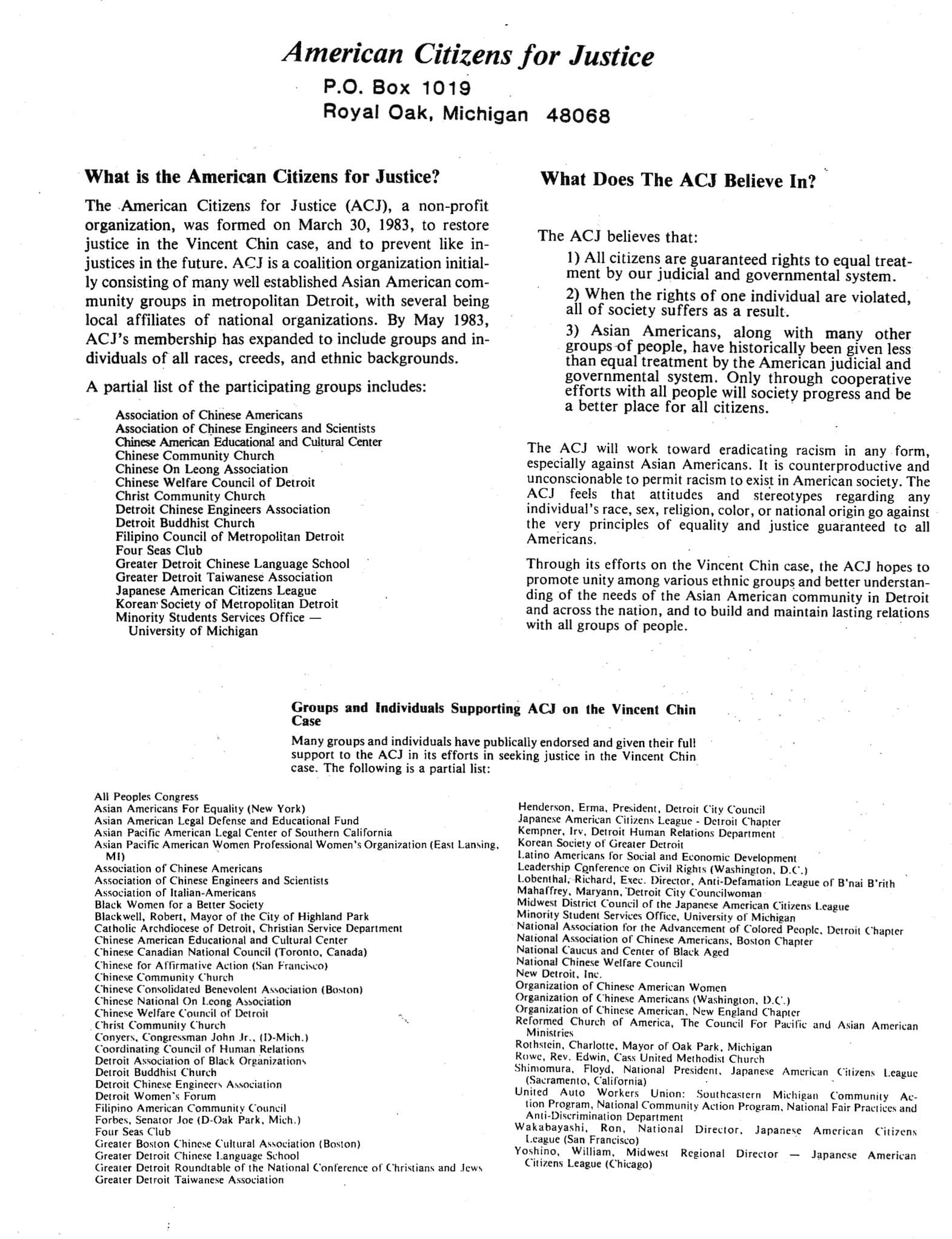
The American Citizens for Justice (Page 4)
The newly formed pan-Asian civil rights organization reached out to every Asian ethnic group it could find. Within weeks, the broad list of endorsing groups showed that a multi-ethnic, pan-Asian advocacy movement under the umbrella concept “Asian American” was possible.
-
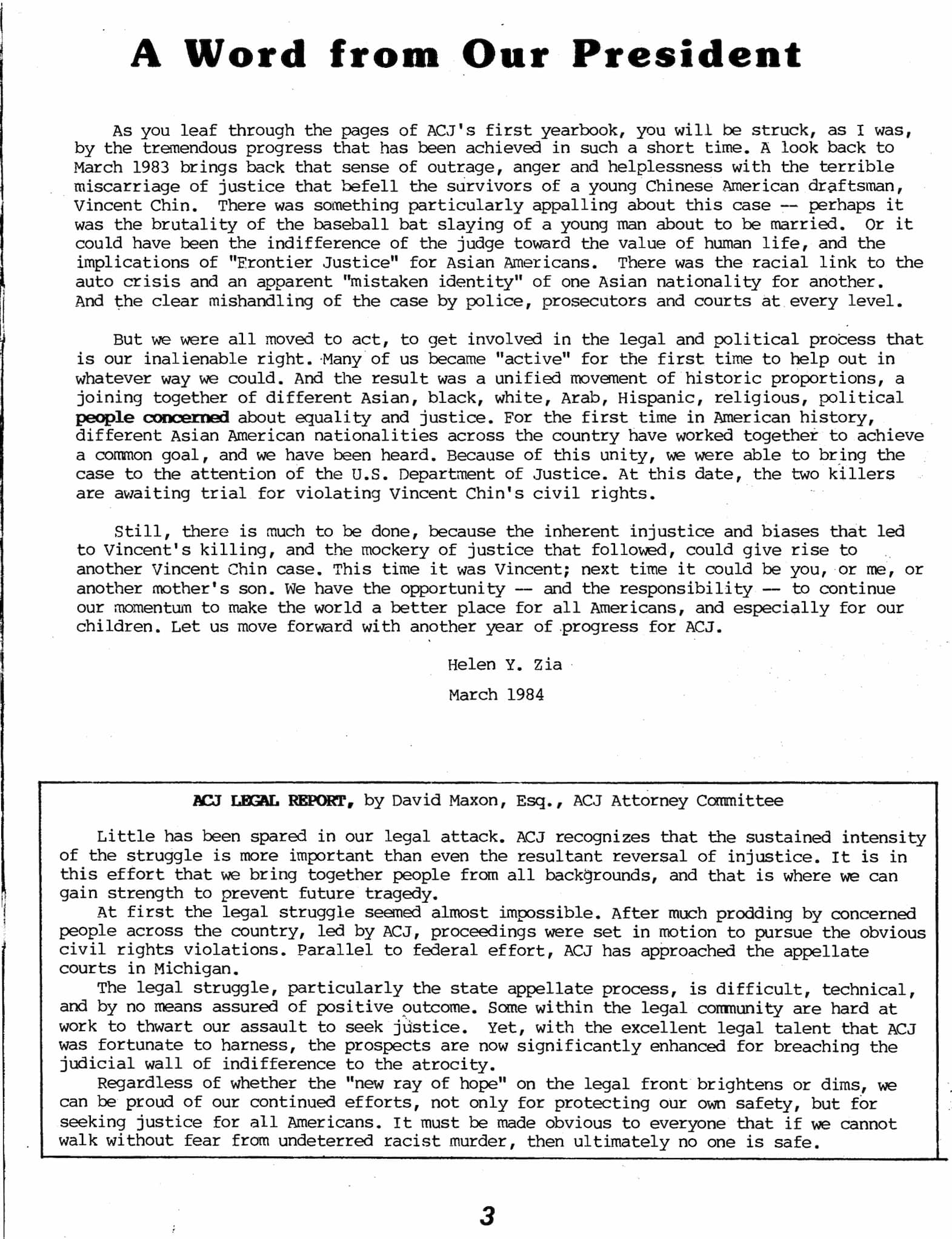
Text
The American Citizens for Justice (Page 3)
The newly formed pan-Asian civil rights organization reached out to every Asian ethnic group it could find. Within weeks, the broad list of endorsing groups showed that a multi-ethnic, pan-Asian advocacy movement under the umbrella concept “Asian American” was possible.
-
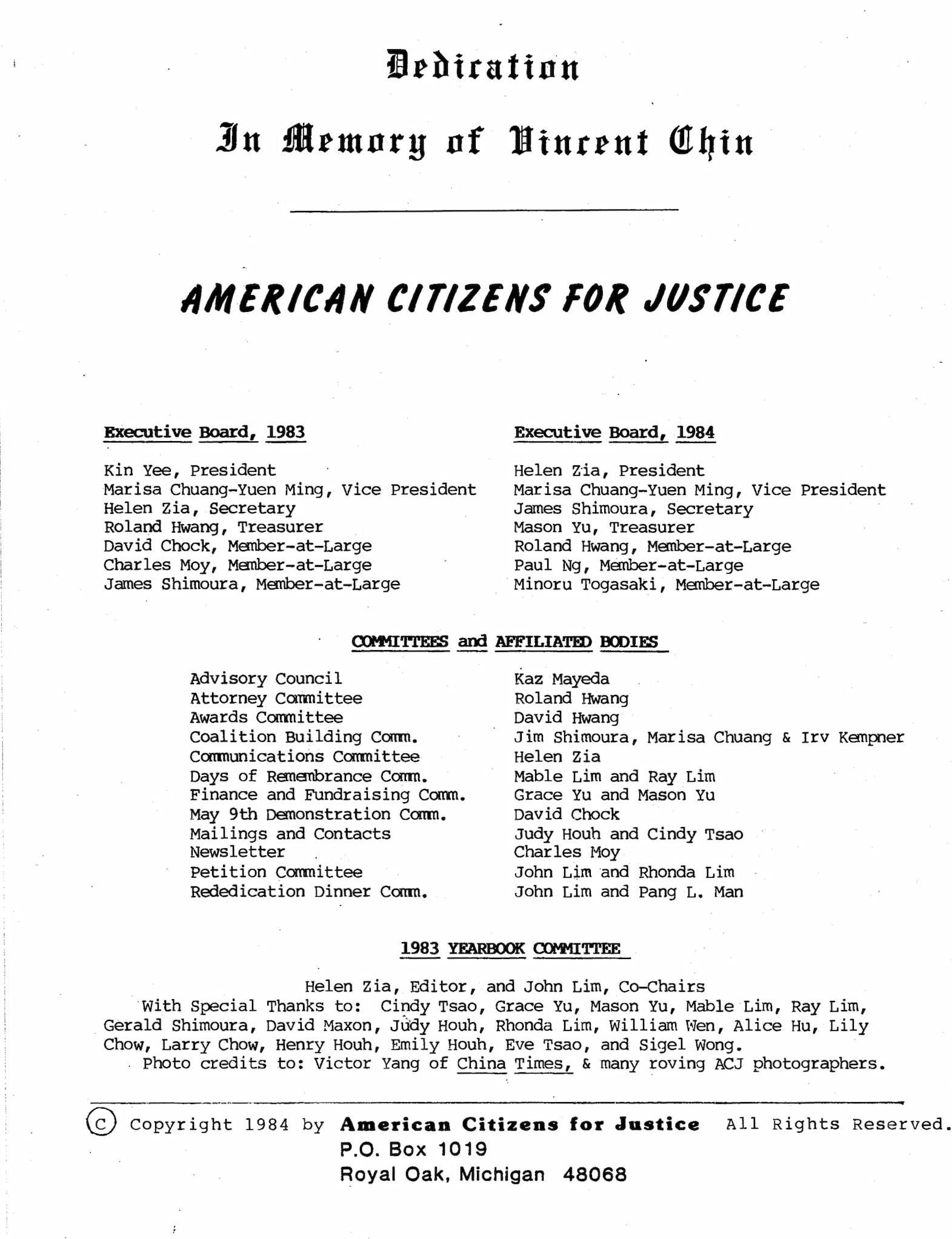
Text
The American Citizens for Justice (Page 2)
The newly formed pan-Asian civil rights organization reached out to every Asian ethnic group it could find. Within weeks, the broad list of endorsing groups showed that a multi-ethnic, pan-Asian advocacy movement under the umbrella concept “Asian American” was possible.
-
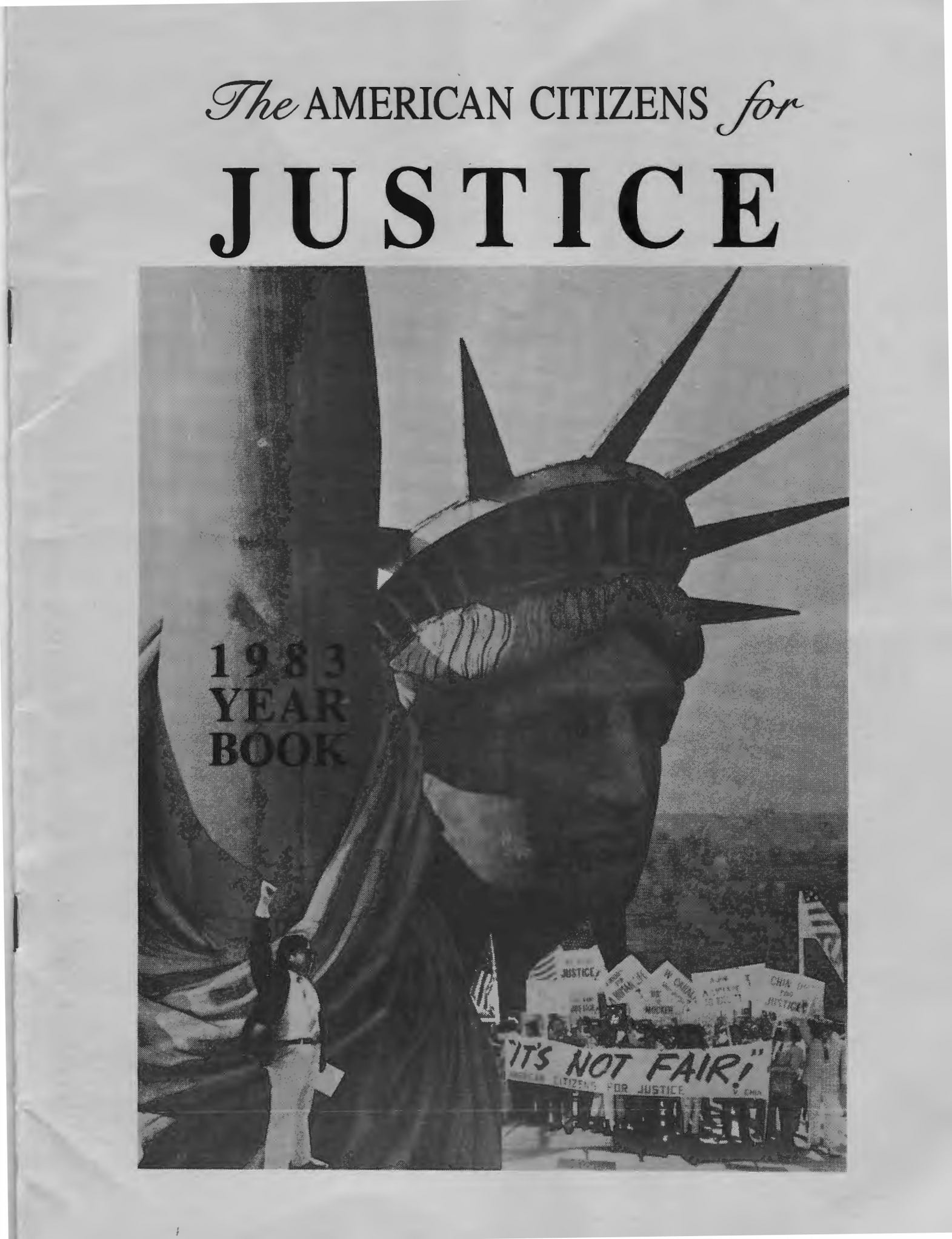
Text
The American Citizens for Justice (Page 1)
The newly formed pan-Asian civil rights organization reached out to every Asian ethnic group it could find. Within weeks, the broad list of endorsing groups showed that a multi-ethnic, pan-Asian advocacy movement under the umbrella concept “Asian American” was possible.
-
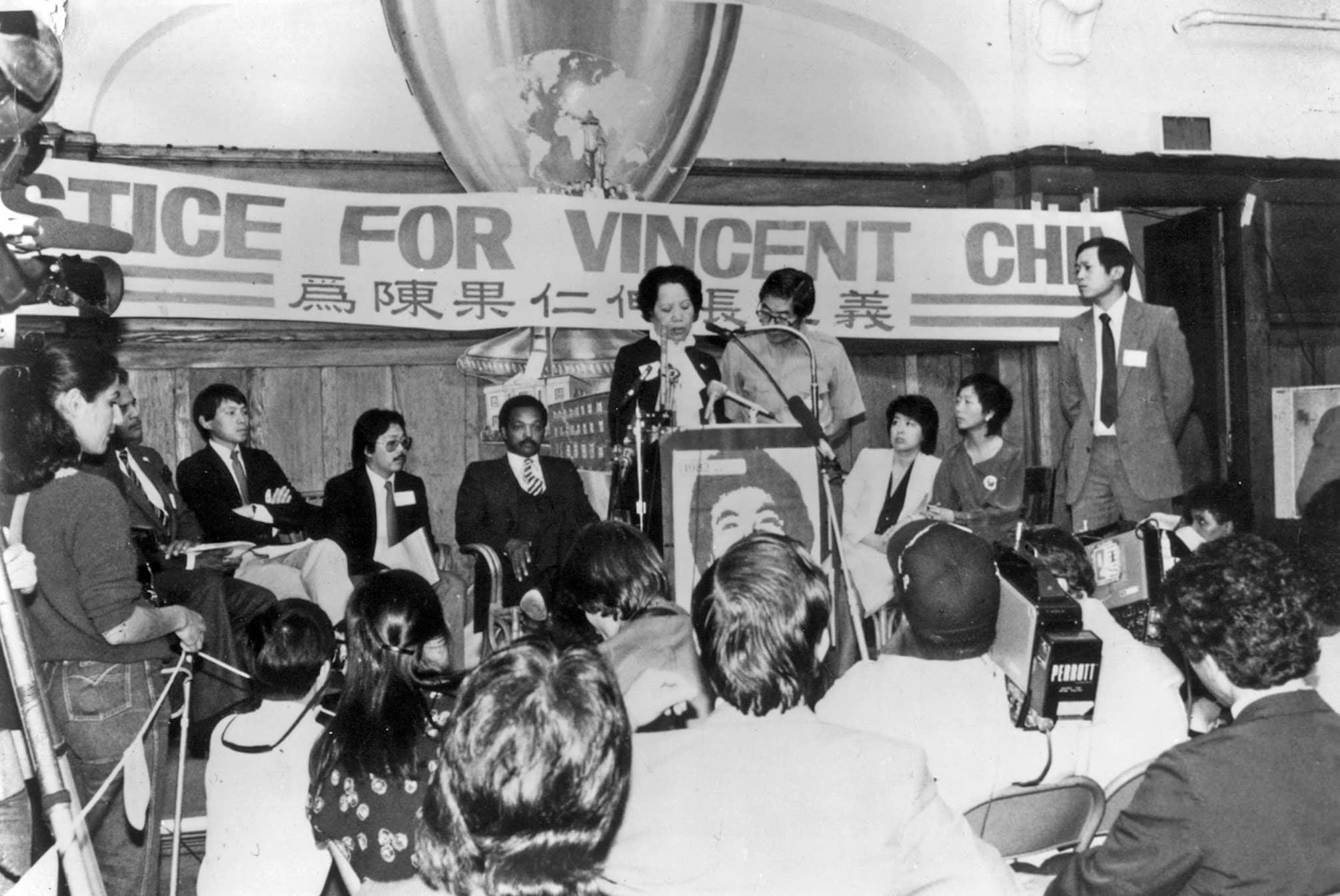
Image
Jesse Jackson with Lily Chin
In a show of Black-Asian solidarity, Rev. Jesse Jackson (center back row, seated) stops at San Francisco’s Cameron House during his 1984 presidential campaign to support Lily Chin, Vincent’s mother (standing at podium), and the national civil rights campaign for justice that began in Detroit.
-
Text
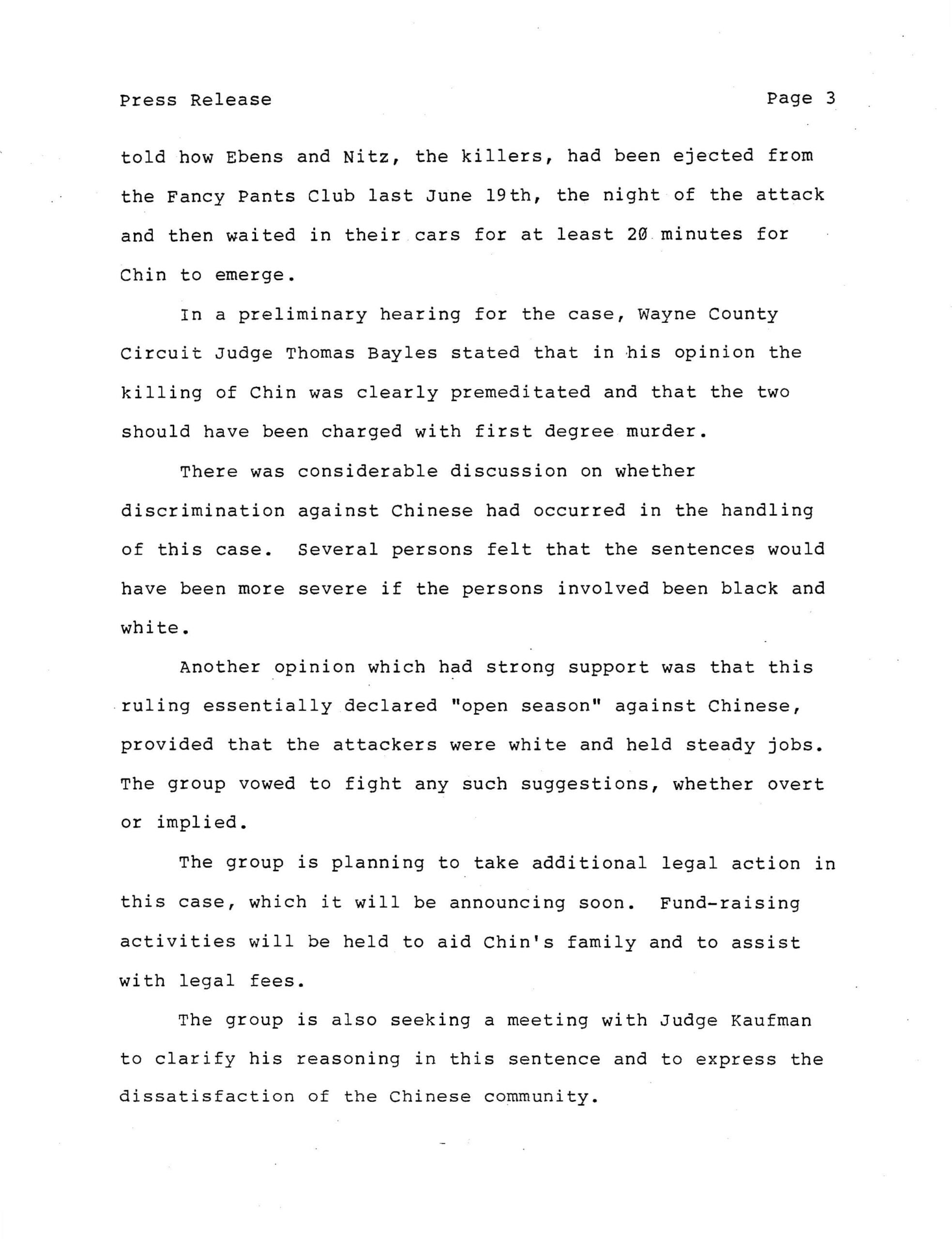
Press Release On Sentence for Vincent Chin’s Killers (Page 3)
This first press release from the Asian American community protested the injustice to Vincent Chin when his killers received probation was issued before American Citizens for Justice was established, but that did not stop the community from speaking out.
-
Text
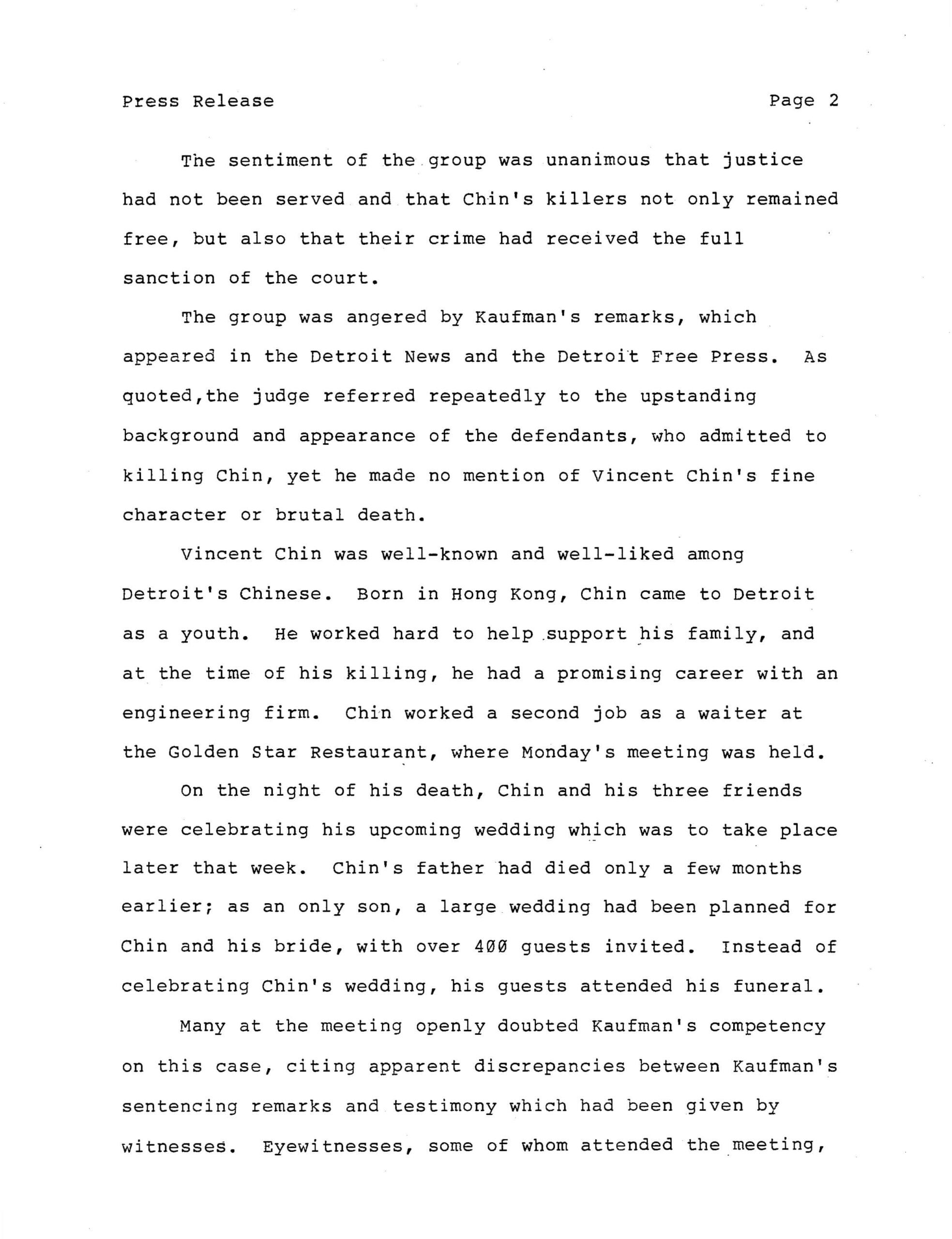
Press Release On Sentence for Vincent Chin’s Killers (Page 2)
This first press release from the Asian American community protested the injustice to Vincent Chin when his killers received probation was issued before American Citizens for Justice was established, but that did not stop the community from speaking out.
-
Text
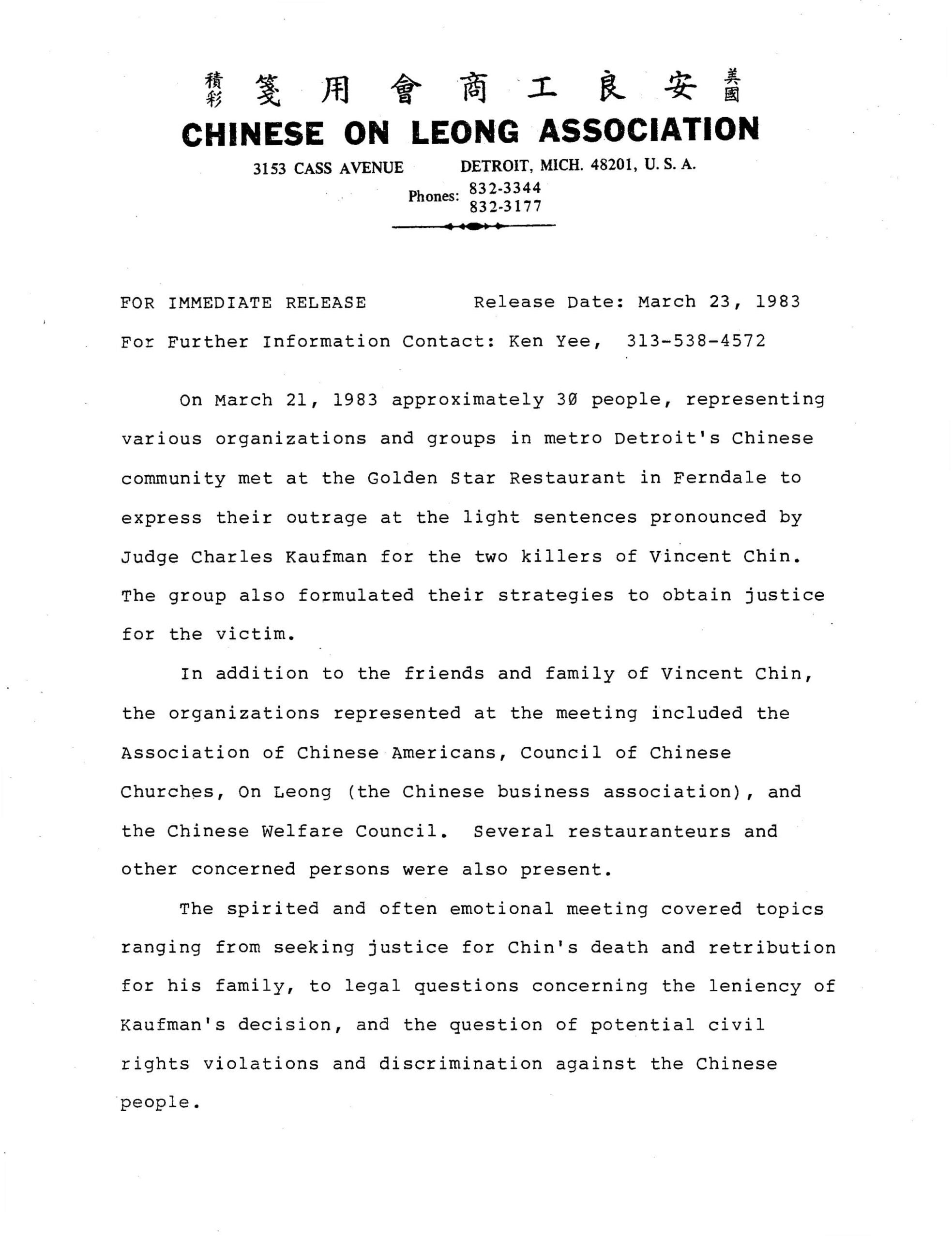
Press Release On Sentence for Vincent Chin’s Killers (Page 1)
This first press release from the Asian American community protested the injustice to Vincent Chin when his killers received probation was issued before American Citizens for Justice was established, but that did not stop the community from speaking out.
-
Image
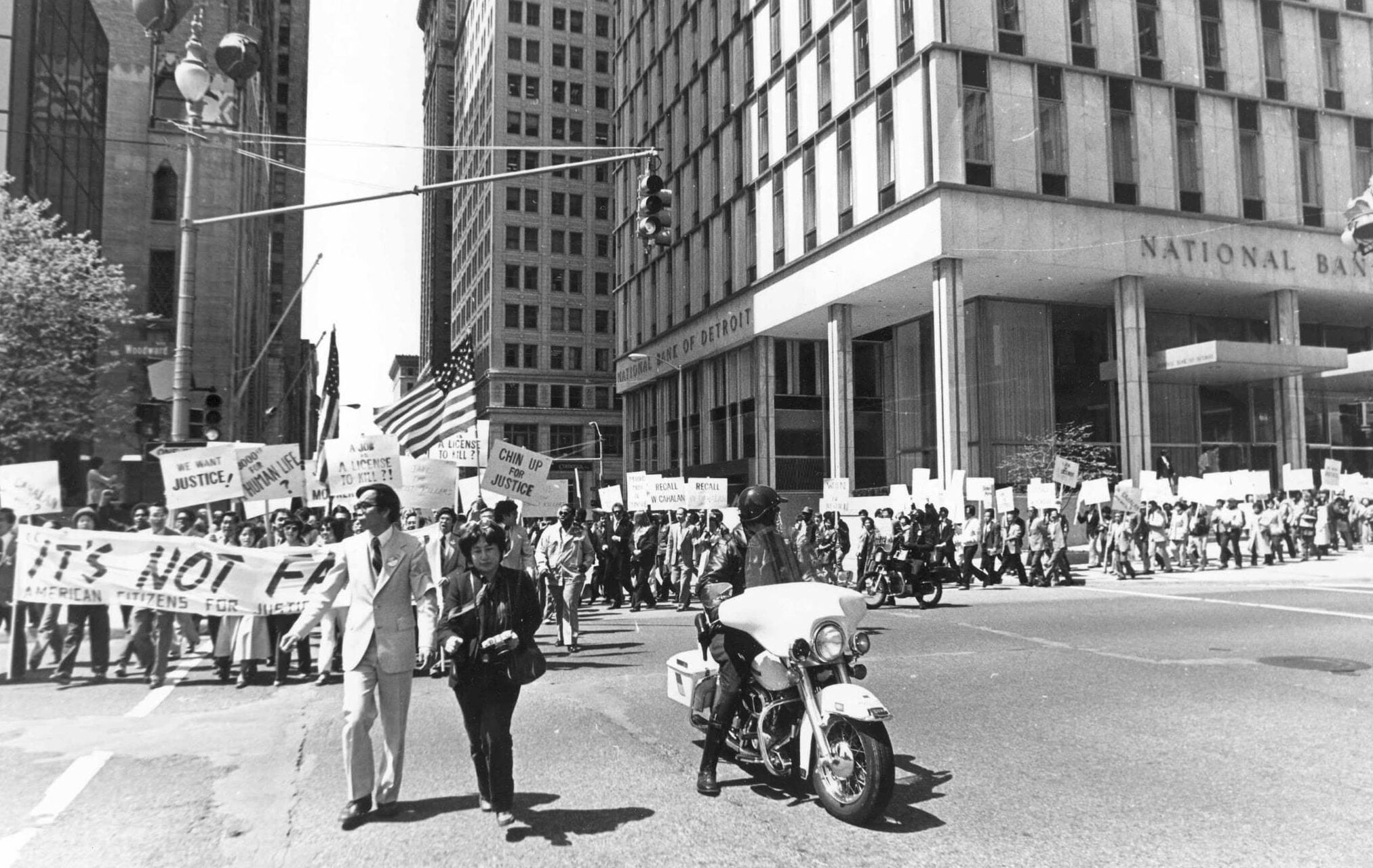
March Through Detroit’s Downtown
Detroit-area Asian Americans lead an historic civil rights protest march through downtown to the Federal building to condemn the probation sentences of Vincent Chin’s killers and to demand a federal civil rights investigation.
-
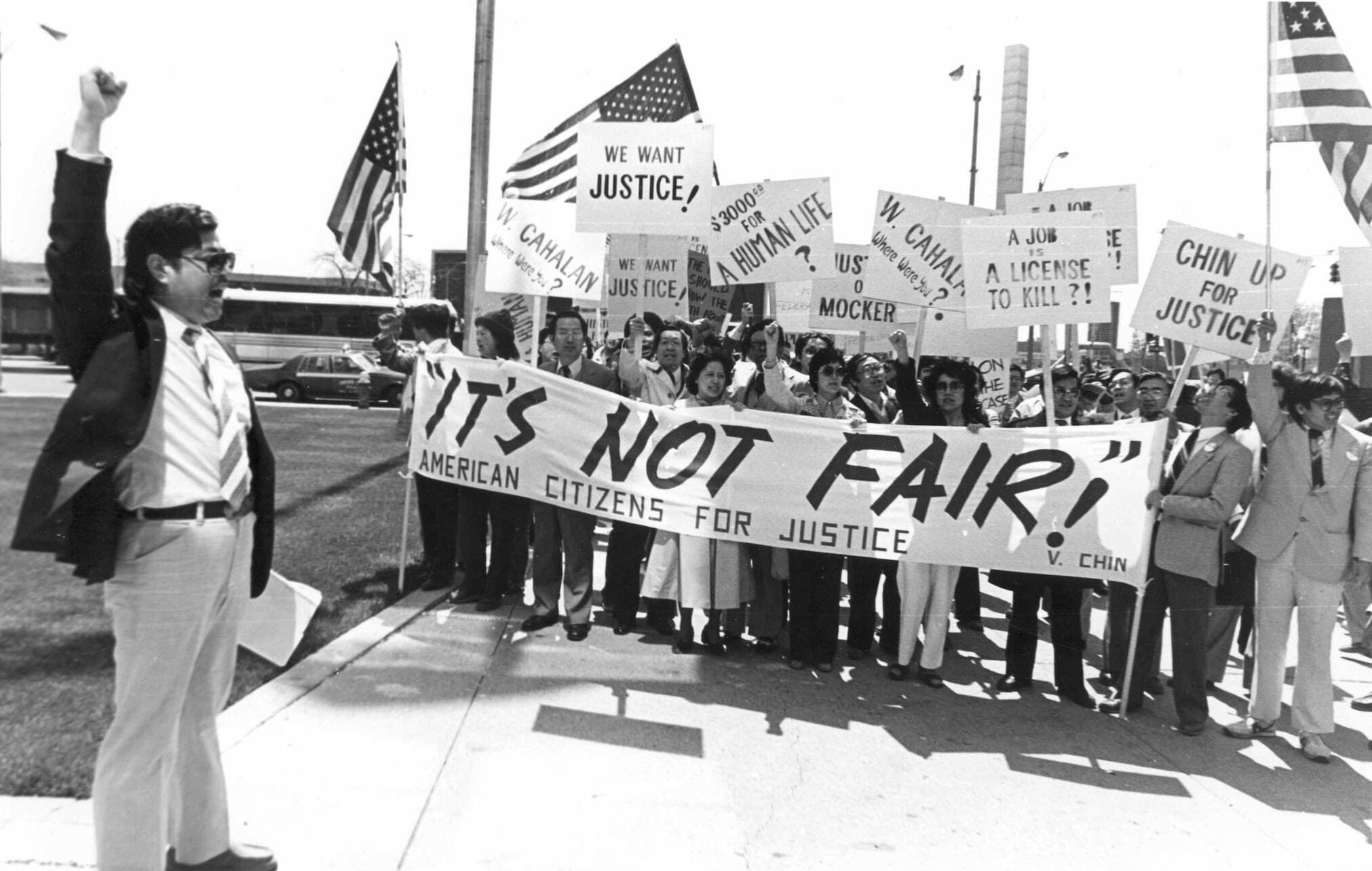
Image
Asian Americans Protest in Detroit
May 9, 1983: With raised fists, Detroit’s Asian Americans led a region-wide demonstration, declaring, “It’s not fair,” the last words of Vincent Chin, to protest the probationary sentence for the two white assailants who killed him with a baseball bat.
-
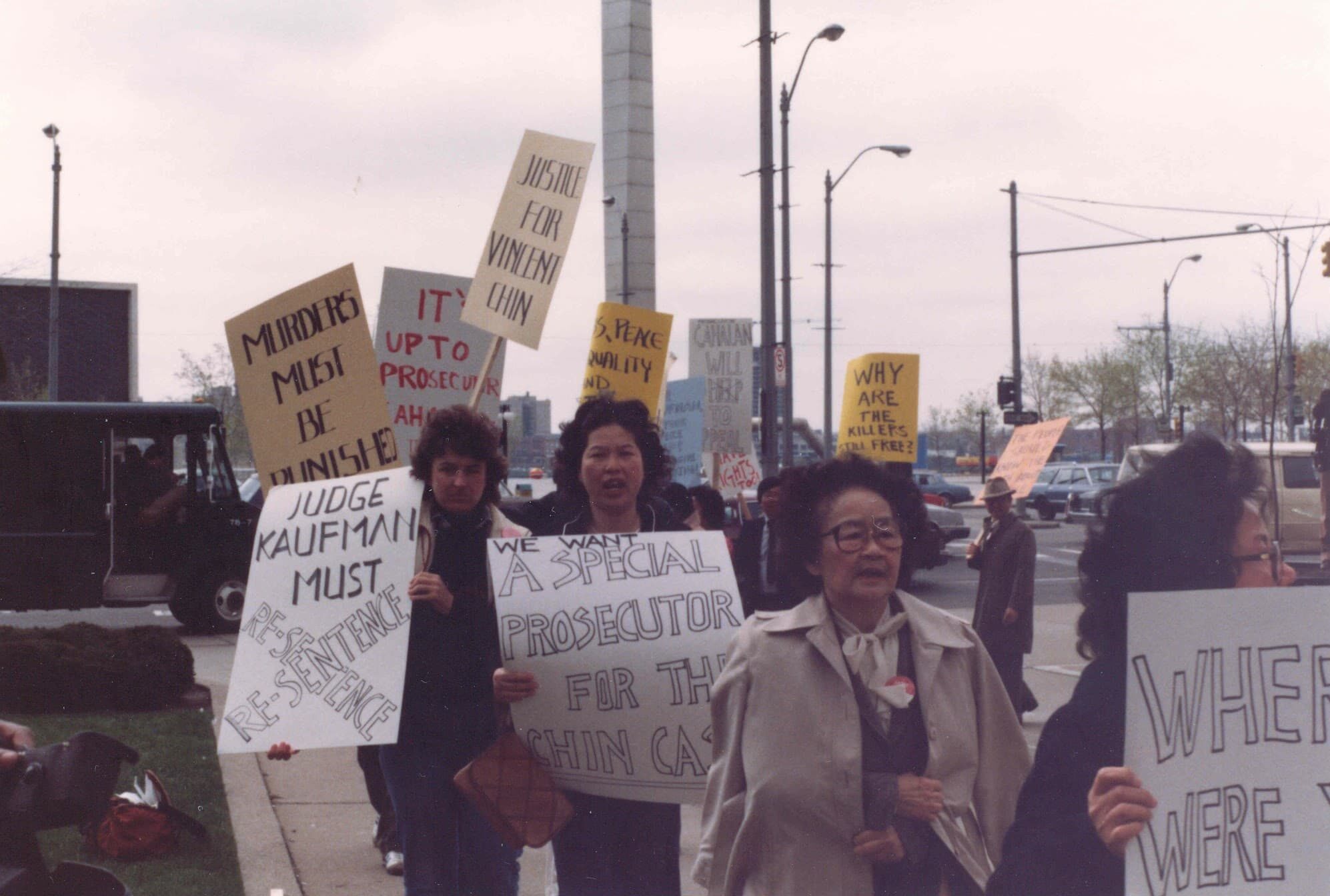
Image
American Citizens for Justice Picket Line
Throughout the Asian American community’s multipronged legal efforts, American Citizens for Justice (ACJ) organized outspoken, out-and-proud pickets in front of the courthouse to draw attention to the devaluation of Vincent Chin’s life and to call for a fair rehearing.
-
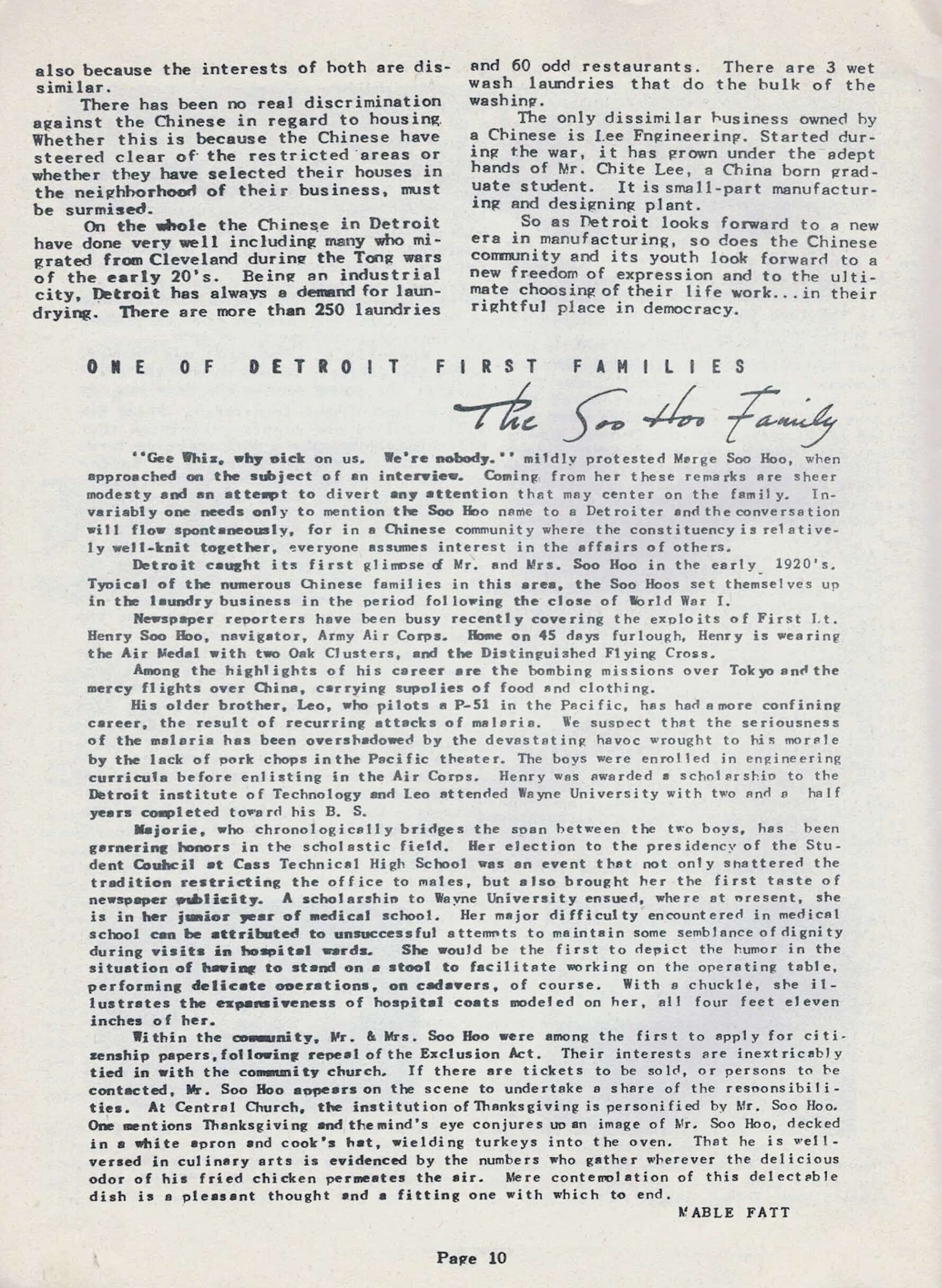
Text
Chinese Community in Detroit (Page 3)
Second-generation Detroiter Mabel (Fatt) Lim, wrote this article in the late 1940s for her church newsletter, describing the dynamic Chinese American community. Mabel and Ray Lim, her husband, were active volunteers with the 1980s Justice for Vincent Chin campaign.
-
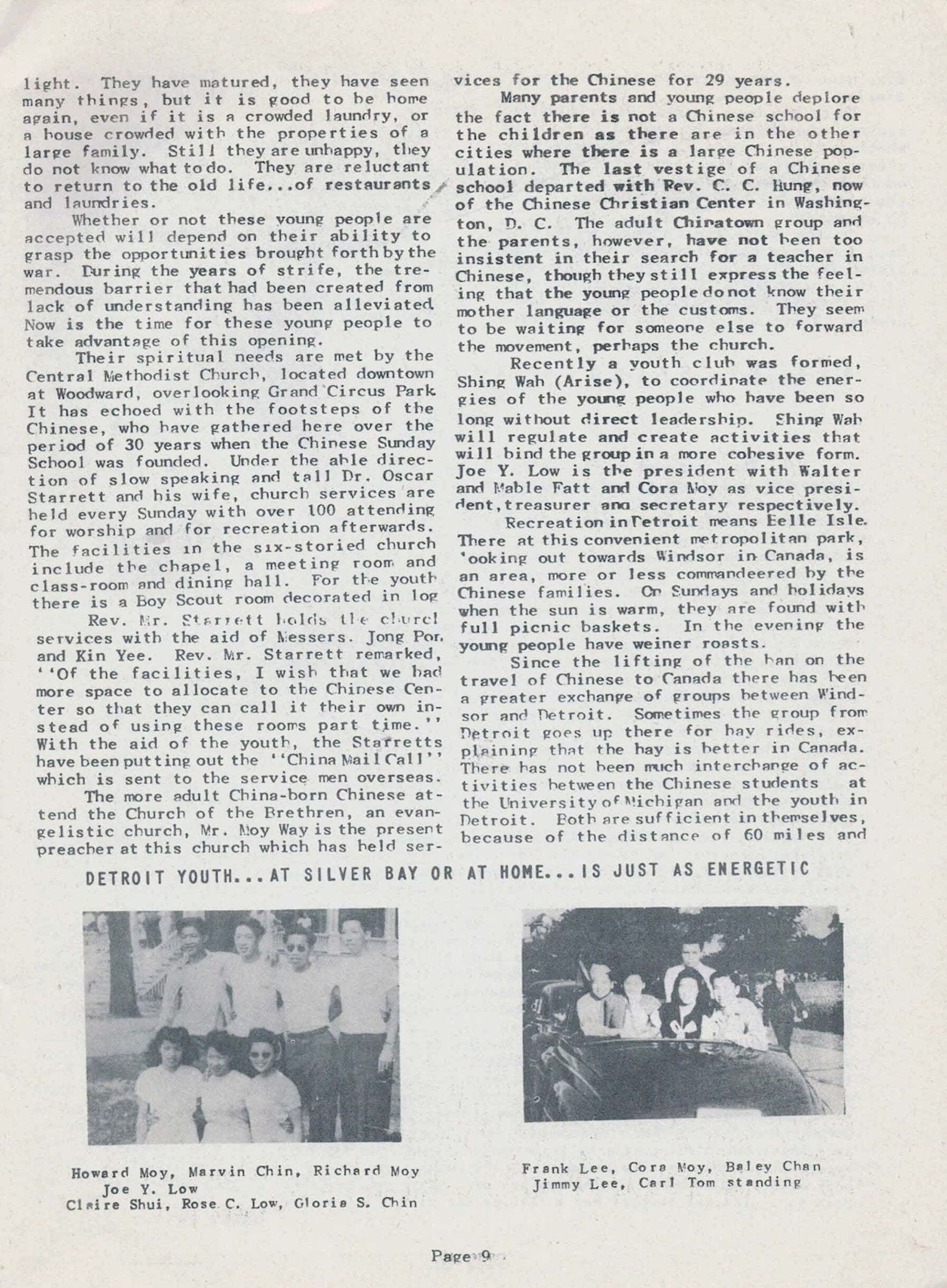
Text
Chinese Community in Detroit (Page 2)
Second-generation Detroiter Mabel (Fatt) Lim, wrote this article in the late 1940s for her church newsletter, describing the dynamic Chinese American community. Mabel and Ray Lim, her husband, were active volunteers with the 1980s Justice for Vincent Chin campaign.
-
Text
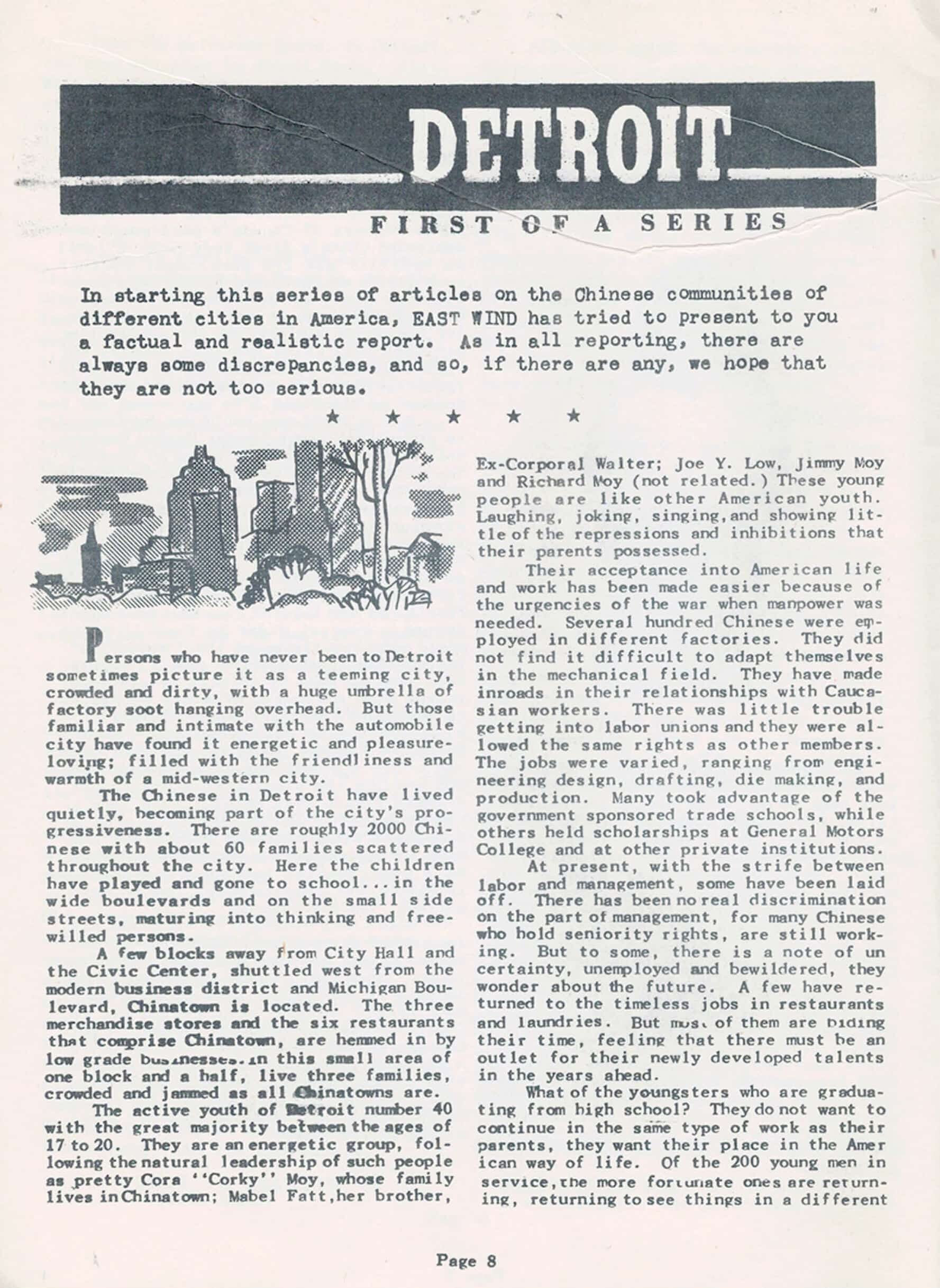
Chinese Community in Detroit (Page 1)
Second-generation Detroiter Mabel (Fatt) Lim, wrote this article in the late 1940s for her church newsletter, describing the dynamic Chinese American community. Mabel and Ray Lim, her husband, were active volunteers with the 1980s Justice for Vincent Chin campaign.
-
Image
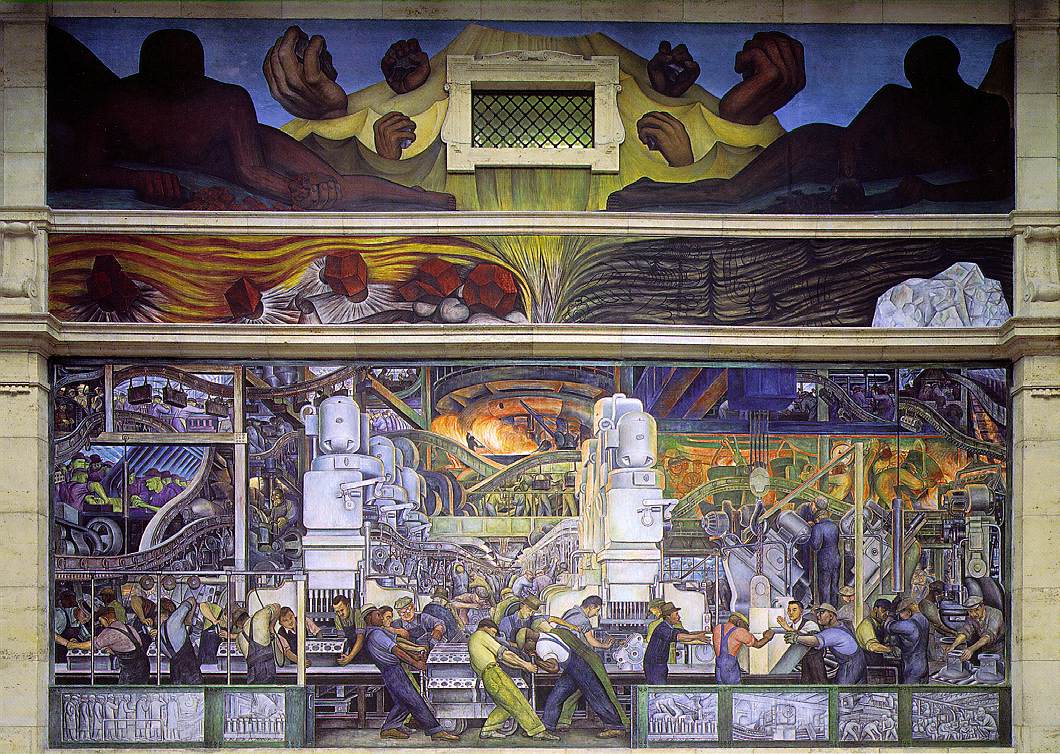
Detroit Industry Mural
Diego Rivera’s iconic 1930’s Detroit Industry Murals depict the evolution of Detroit’s industry and labor. Though few Asians worked in Detroit’s high-paying auto industry, a sole Asian American is depicted (lower right) working for Ford Motor Company.
-

Text
Those Asian-American Whiz Kids
TIME magazine cover, August 31, 1987: News media, books, industry, and government leaders often perpetuate the harmful “model minority” myth, which falsely portrays all Asians as the “good” minority that has no problems and never speaks up for community needs.