



Search the Media Repository
Discover the curated images, videos, and primary sources featured throughout Foundations and Futures
History is more than just text on a page; it is the photographs, voices, and artifacts of the people who lived it. The images and recordings featured across Foundations and Futures are part of a meticulously curated media repository. Whether you are building a lesson plan or investigating an artifact, you can use this database to trace the provenance of our media: discover who created an asset, the historical context behind it, and how it can be used to bring Asian American and Pacific Islander experiences into your classroom.
Multimedia
Chapters
-
Image
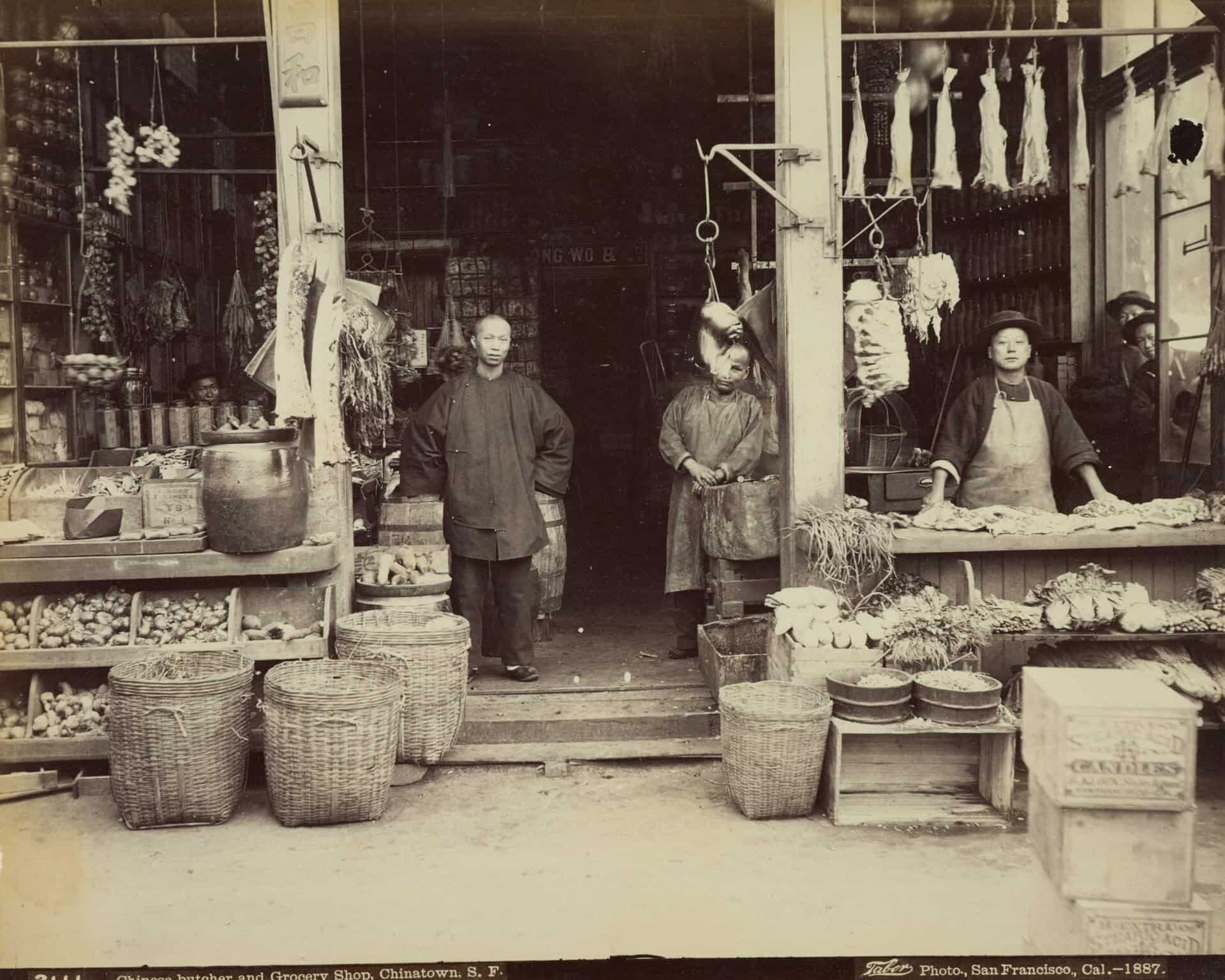
Chinese Grocery
This undated photograph depicts a vendor standing before a Chinese grocery store in San Francisco Chinatown around the turn of the twentieth century.
-
Image
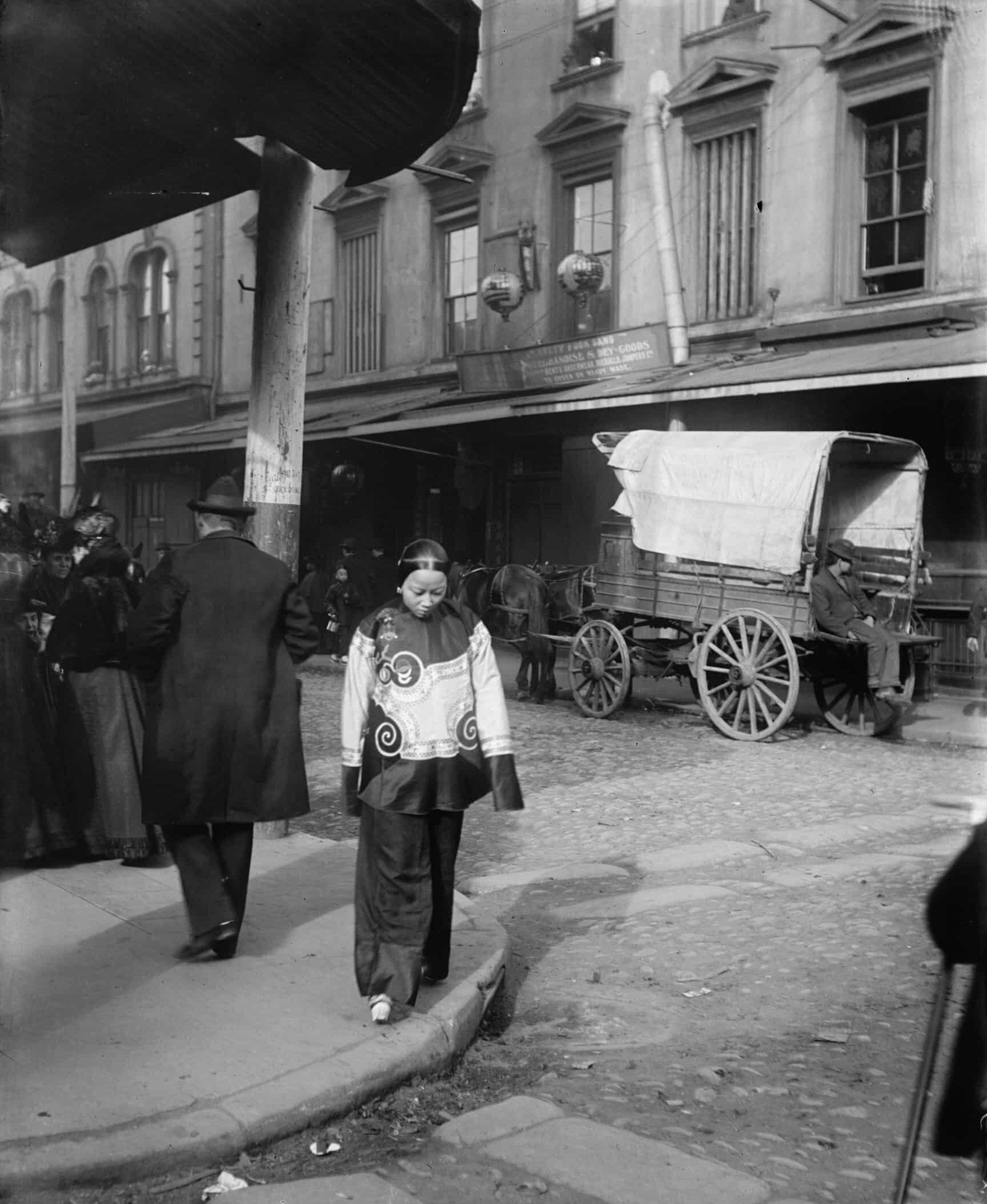
Young Woman in Chinatown
A young woman in holiday attire in Chinatown, San Francisco c. 1895-1906. Few Chinese women lived in the US in the nineteenth century, many of whom were trafficked into the sex work industry.
-
Image
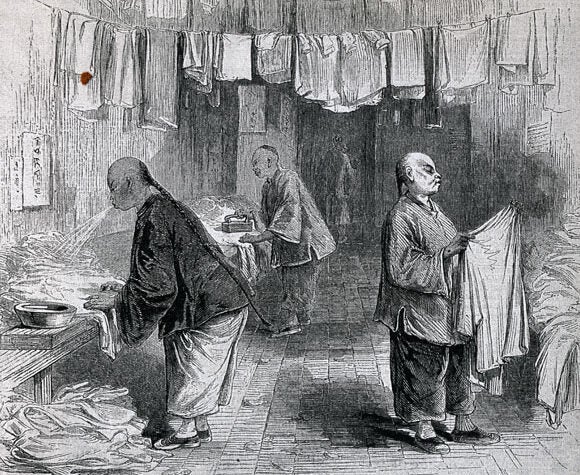
San Francisco Laundry
By 1870, Chinese made up 72 percent of all laundry workers in California. While owning a laundry allowed Chinese immigrants to run their own business, Chinese men were stereotyped with anti-Chinese rhetoric as doing “women’s work.”
-
Image
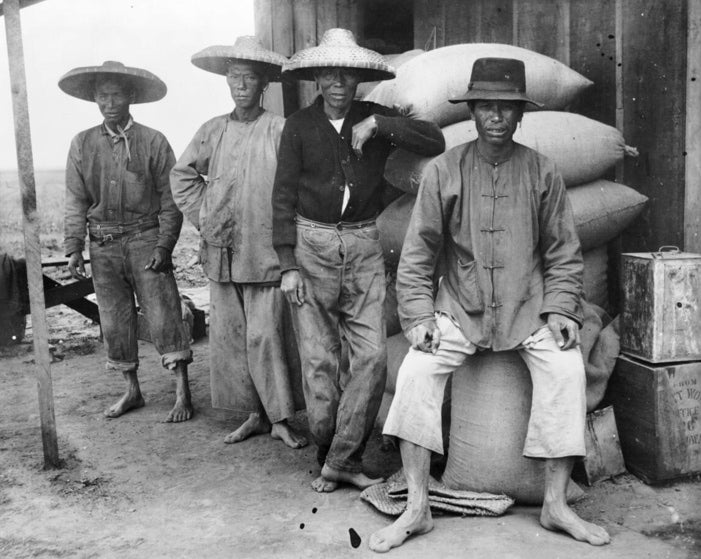
Chinese Field Hands
Four Chinese field hands, ca. 1898. By the 1880s, Chinese field workers were involved in nearly every aspect of California’s agricultural production.
-
Image
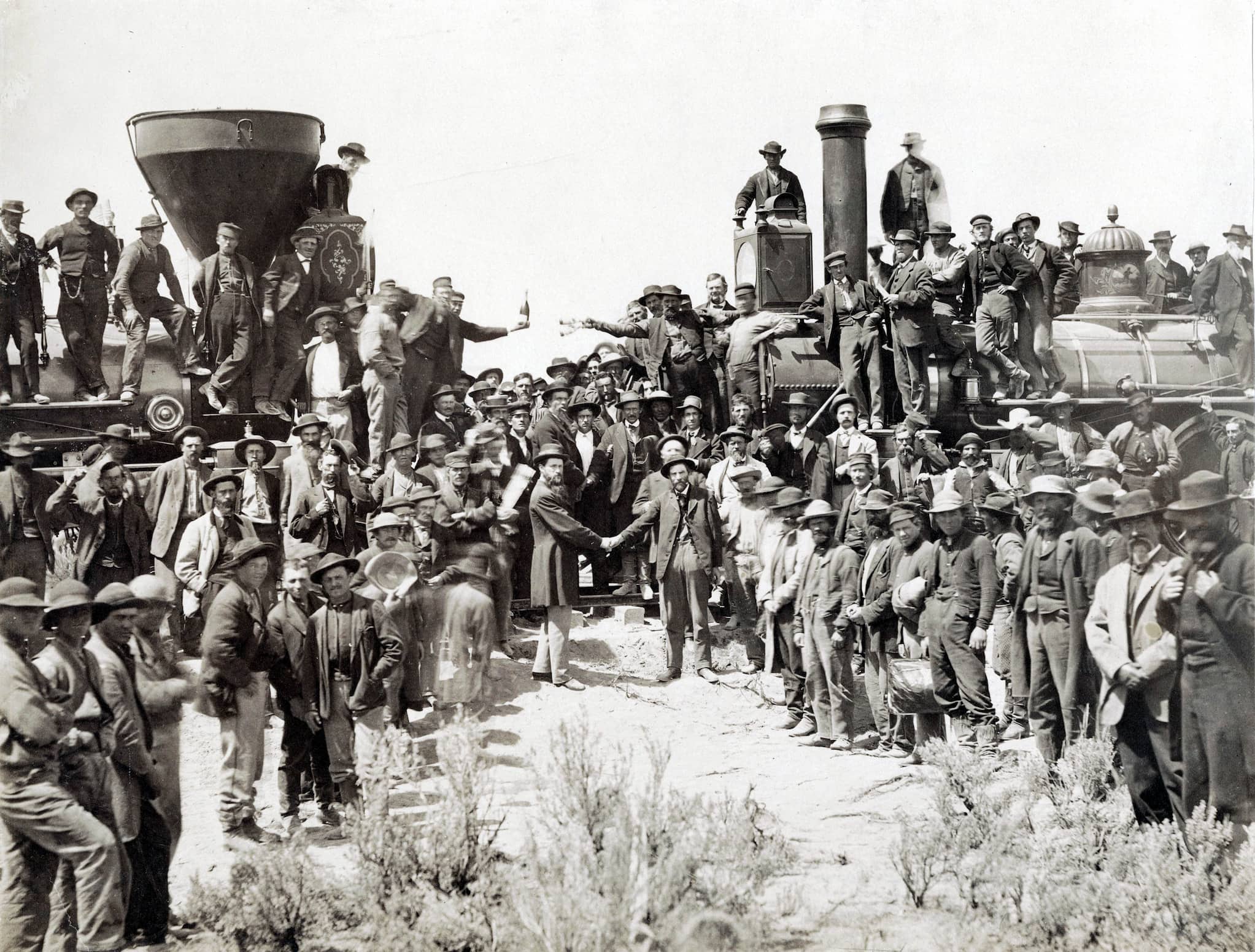
Golden Spike
When the Central Pacific and Union Pacific rails were officially joined at Promontory Point, Utah, photographer Andrew J. Russell commemorated the moment in this famous photo. Chinese workers were excluded from the photo despite their contribution to this feat.
-
Image
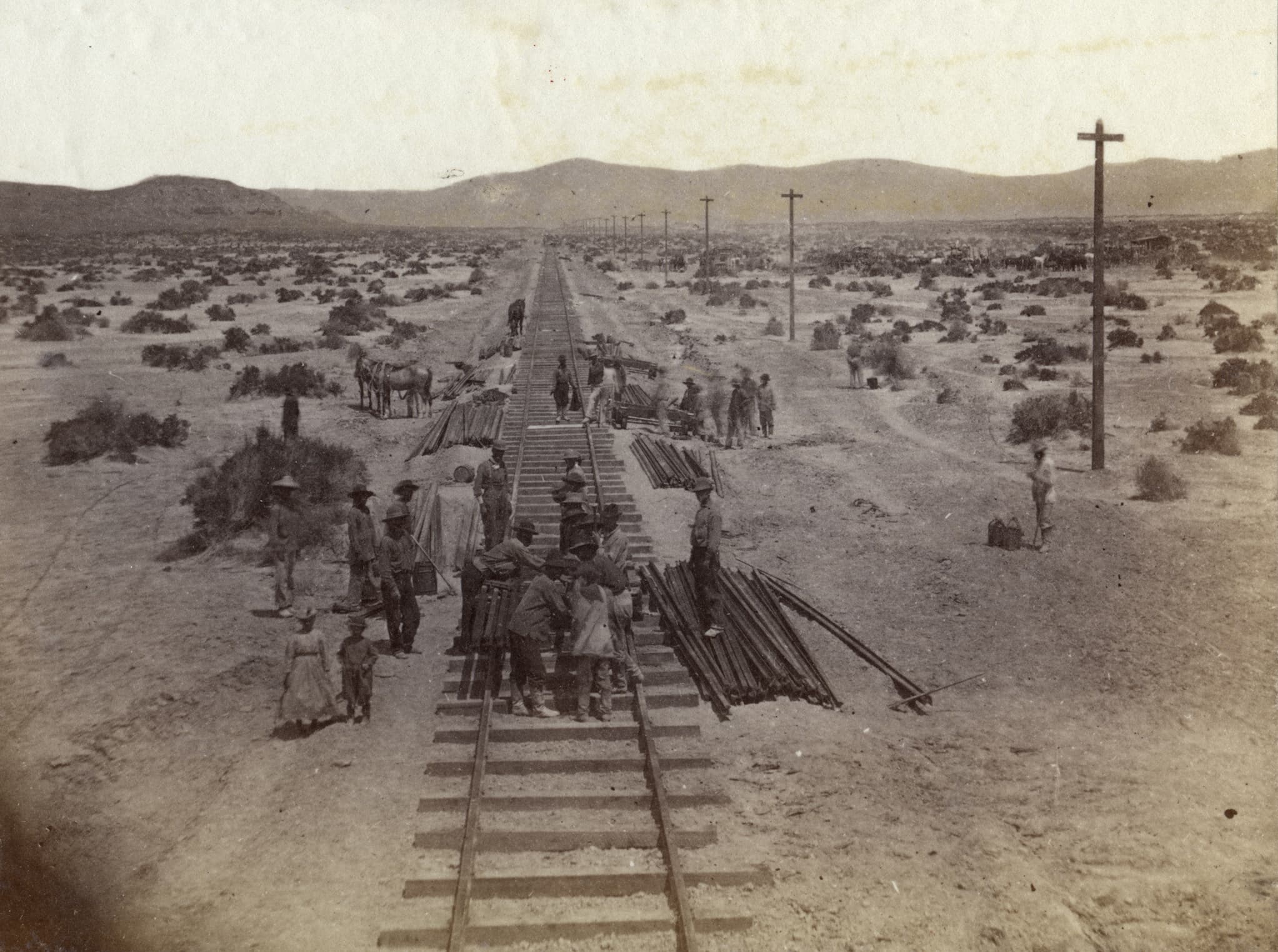
End of Track
Chinese railroad workers on the Humboldt Plains. The railroad connected the Union Pacific railroad at Promontory Point, Utah, creating the first transcontinental railroad. Contributions of Chinese laborers were often obscured or omitted, leading to historians referring to them as “Silent Spikes.”
-
Image
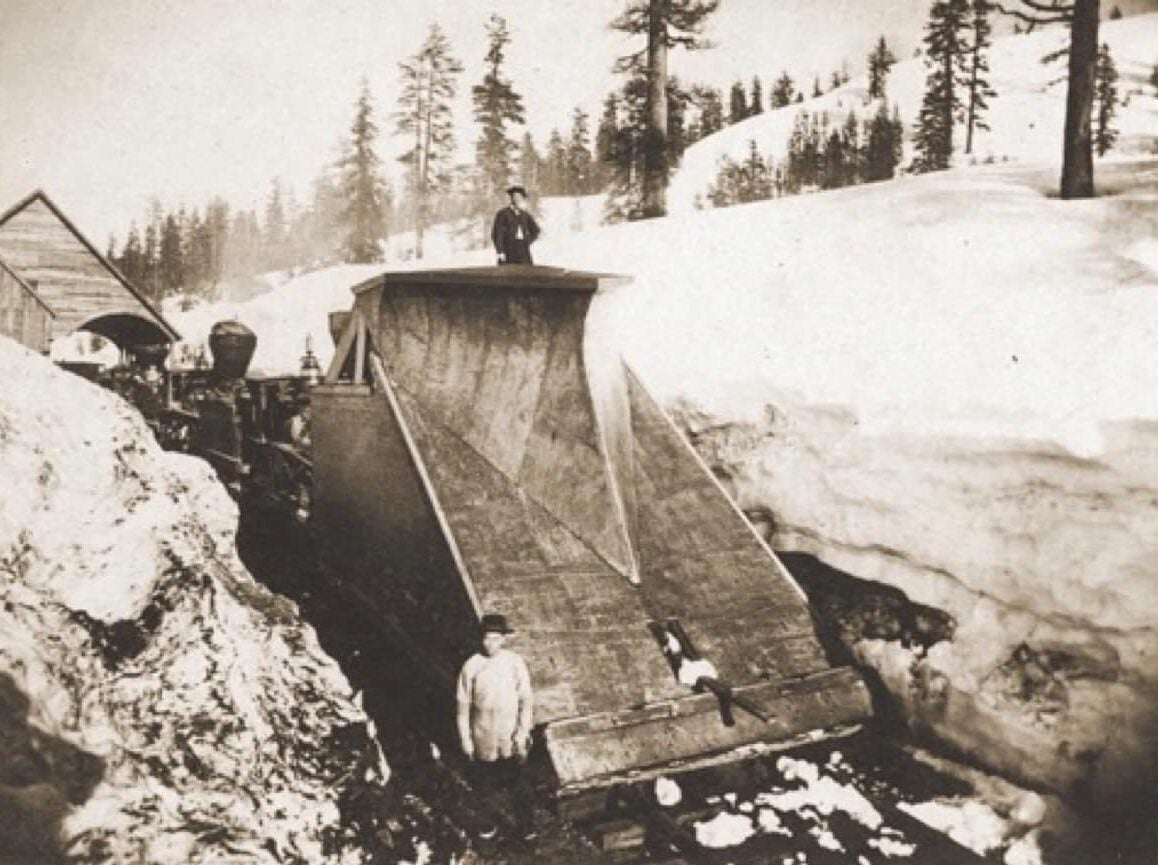
Snow Plow at Cisco
Winter construction of the Transcontinental Railroad in the Sierra Nevada mountains, c. 1867-1868. Avalanches and other accidents were some of the threats to workers enduring deadly blizzards and long winters.
-
Image
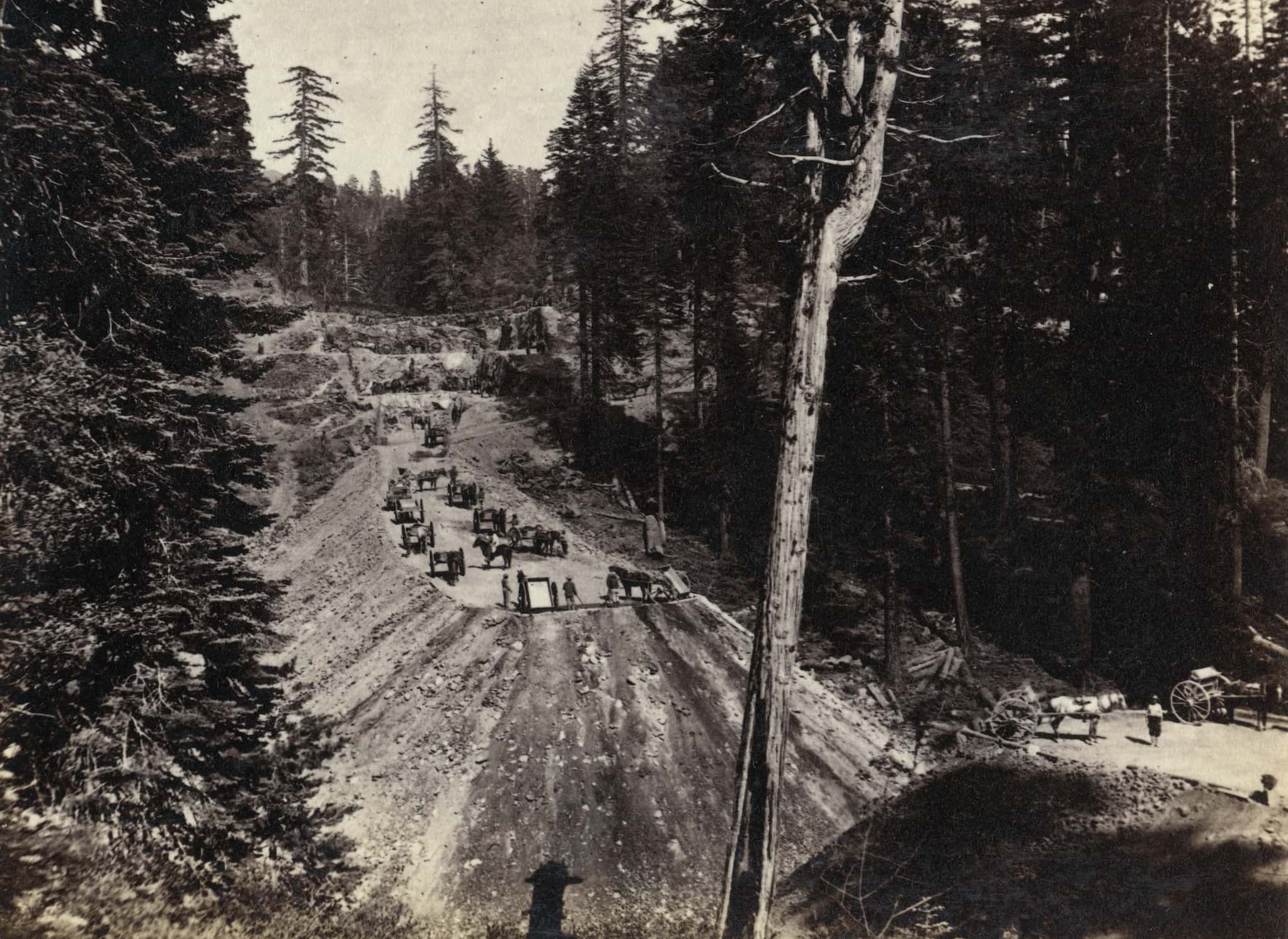
Chinese Workers
It took more than two years of constant, grueling, and often deadly work to excavate and lay tracks. This photo was taken approximately 80 miles from Sacramento, CA, c. 1866-1869.
-
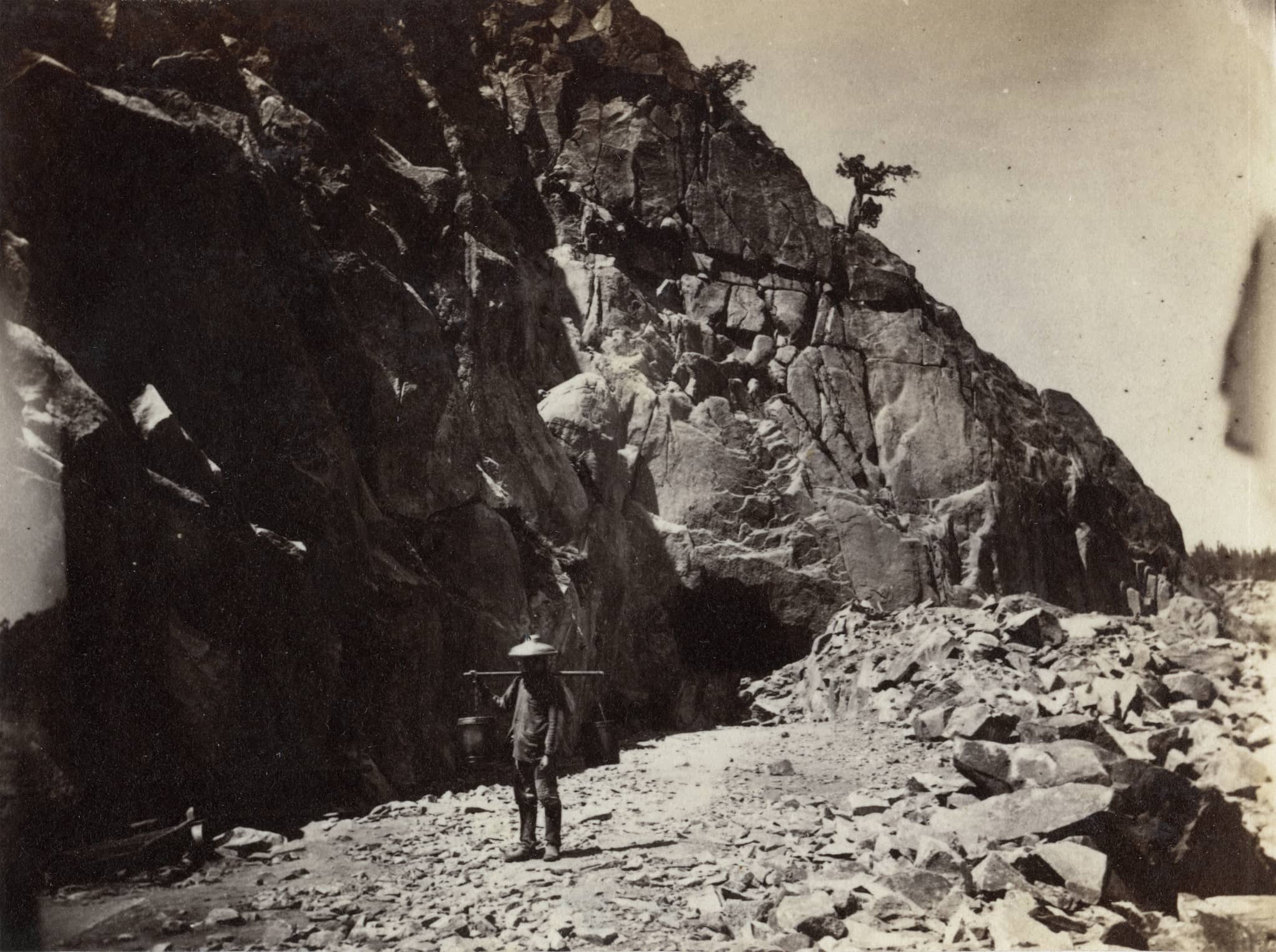
Image
Central Pacific Railroad Worker
The Central Pacific Railroad (CPRR) relied heavily on Chinese immigrant labor to build the western portion of the Transcontinental Railroad. The CPRR employed 12,000 Chinese workers by 1867.
-
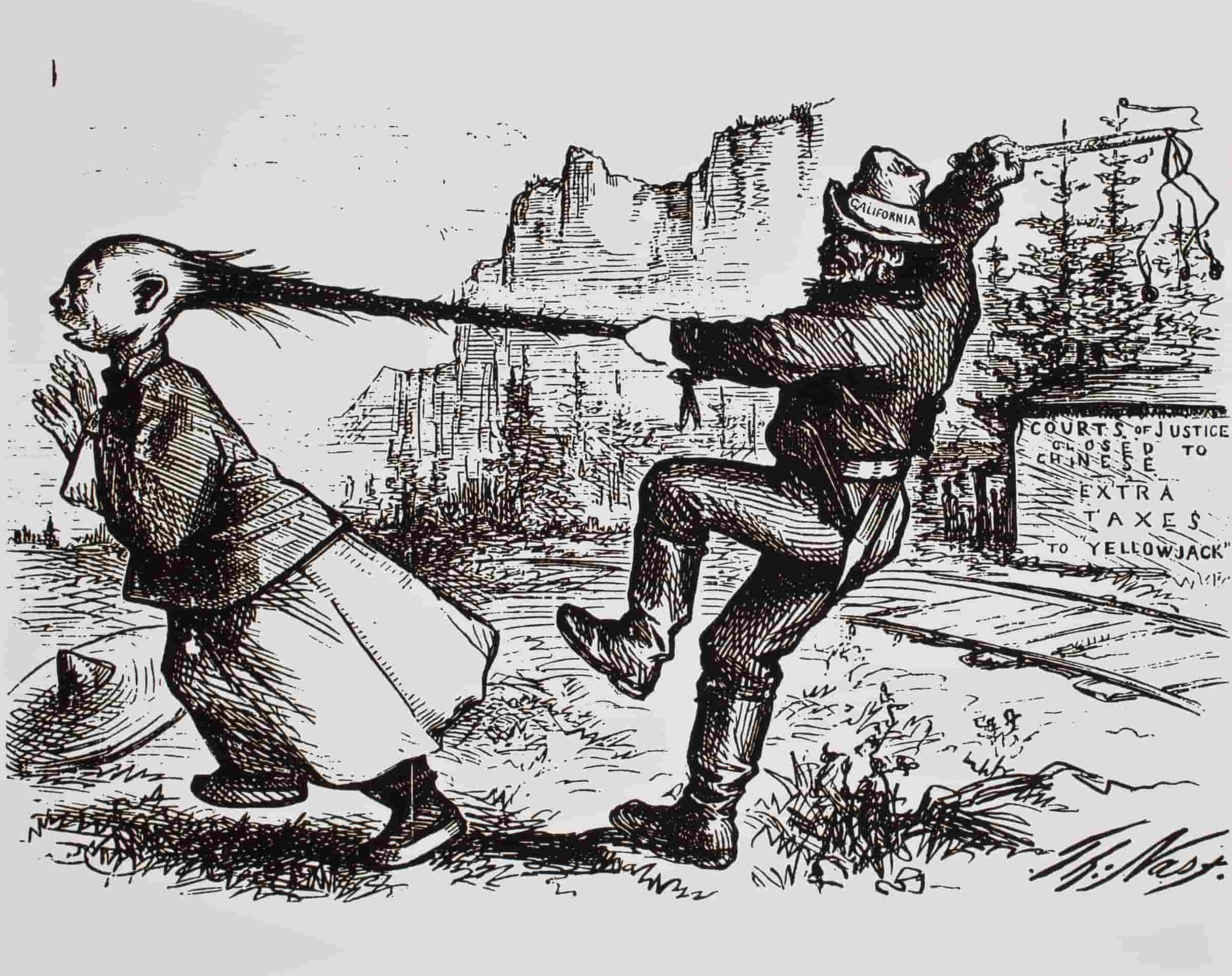
Image
Anti-Chinese Cartoon
An 1869 political cartoon in Harper’s Weekly by Thomas Nash, titled “Pacific Chivalry,” illustrates anti-Chinese sentiment among white miners in California.
-
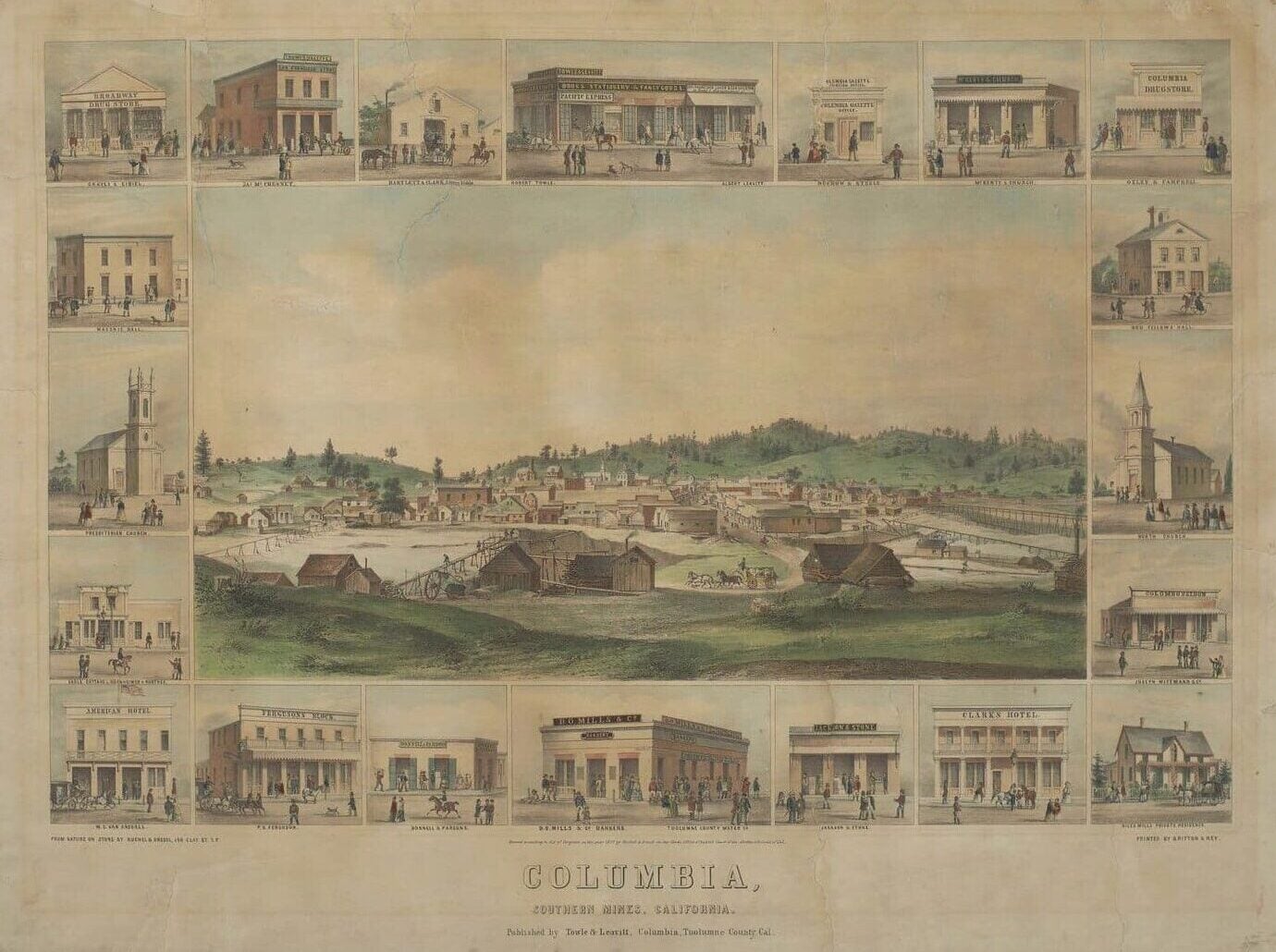
Image
Tuolumne Mines
Sketch of Chinese miners during the California Gold Rush, Tuolumne County, Southern Mines, California, 1858.
-
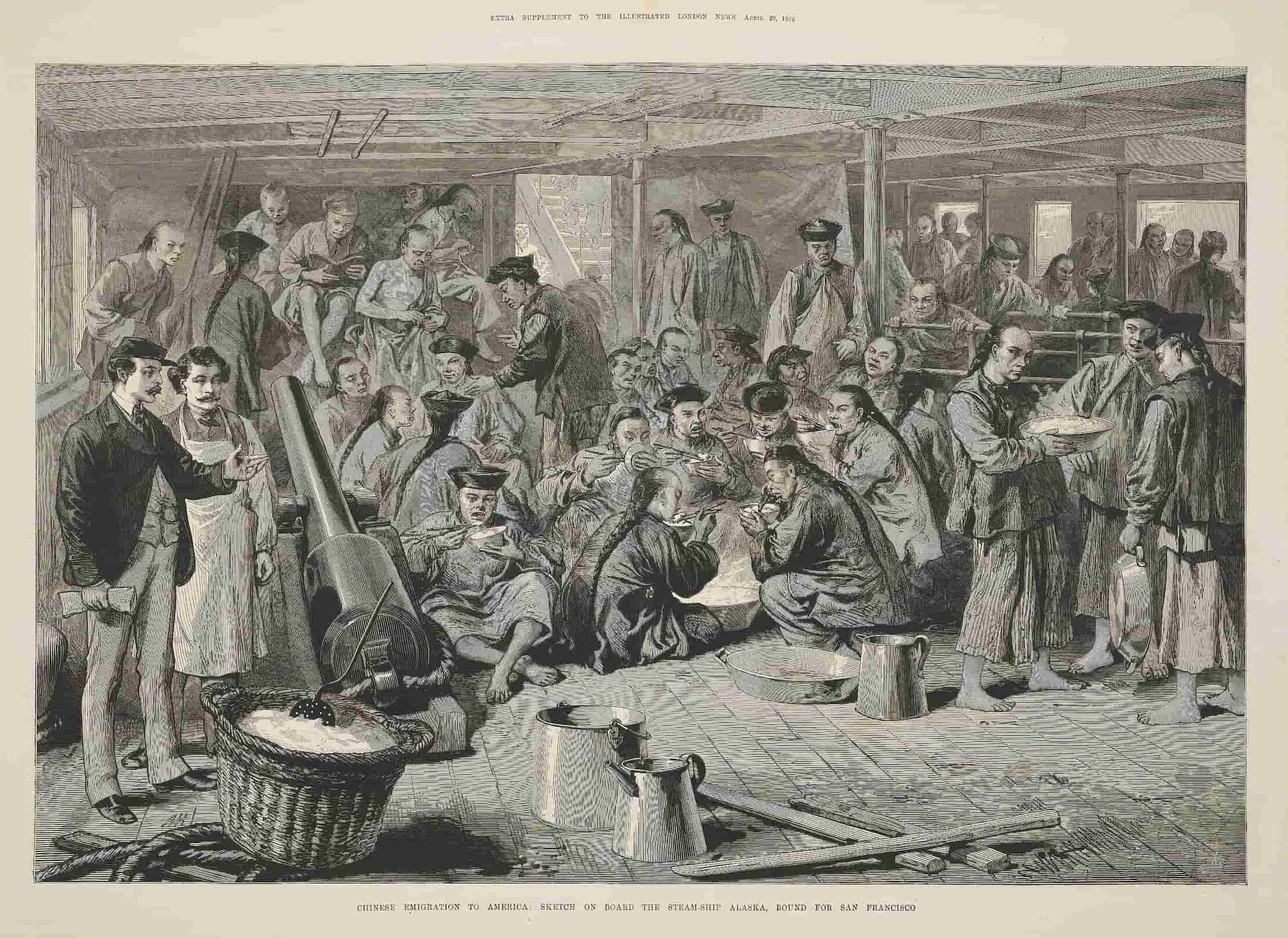
Image
Chinese Emigration
Chinese emigration to America: sketch on board the steamship Alaska, bound for San Francisco.
-
Image
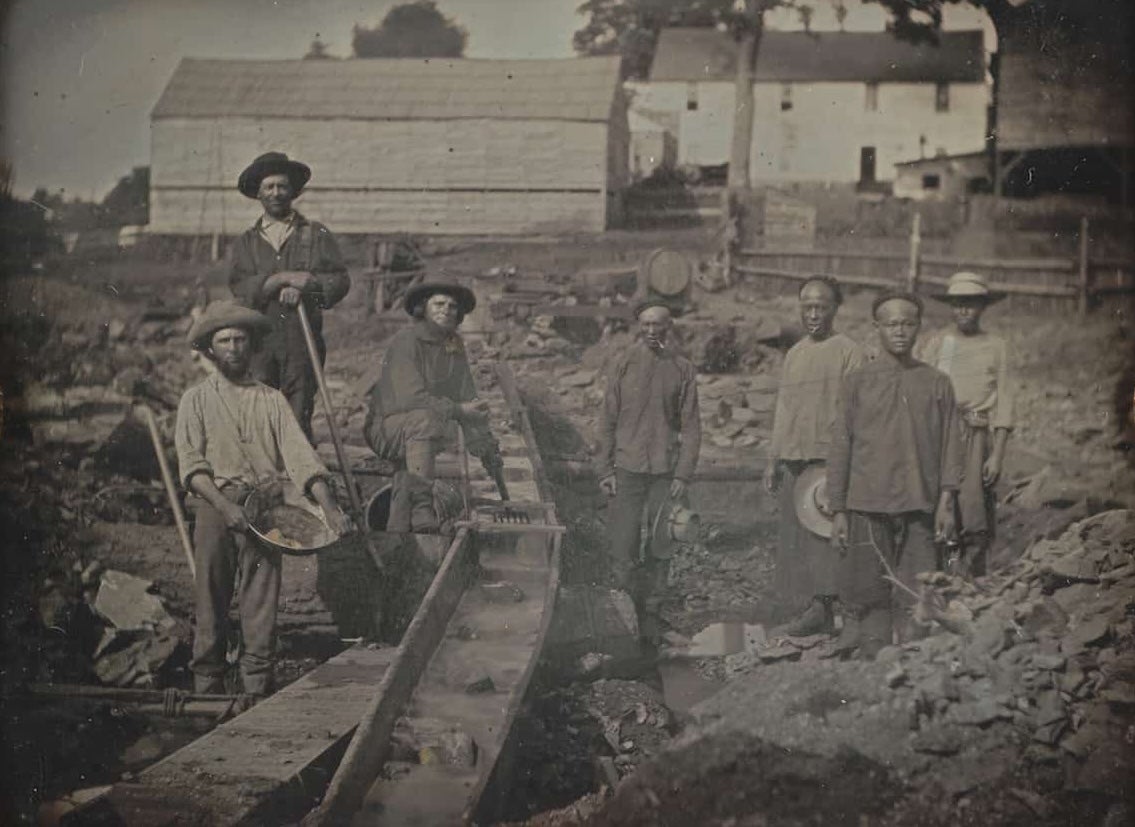
Miners at Sluice Box
White and Chinese miners at a sluice box in Auburn Ravine, California, 1852. By 1860, Chinese immigrants made up twenty percent of the mining population in California.
-
Image
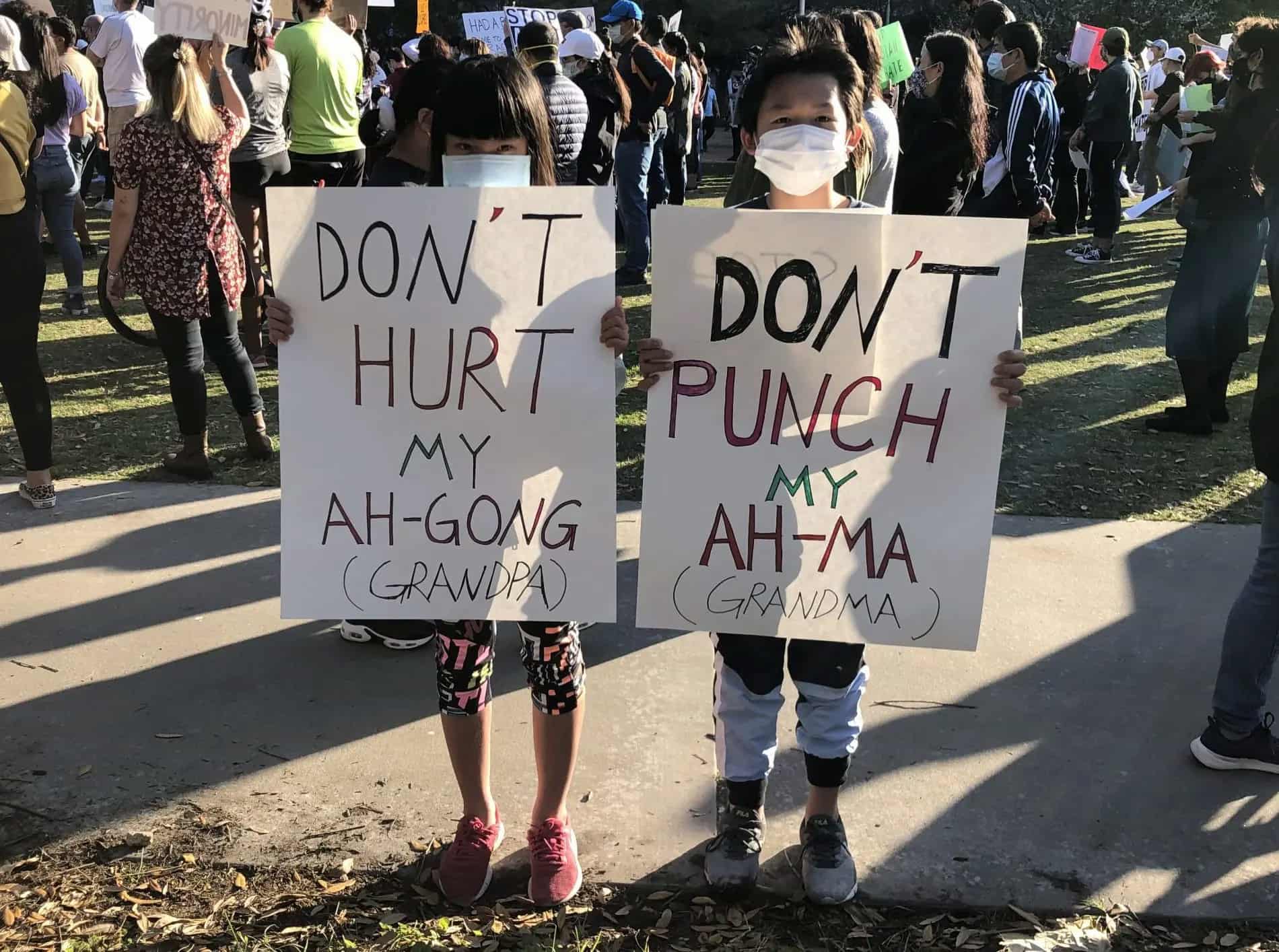
Anti-Asian Violence Rally
Two children rally against anti-Asian violence in Houston, March 2021. Asian Americans experienced heightened levels of racism and violence during the COVID-19 pandemic.
-
Text
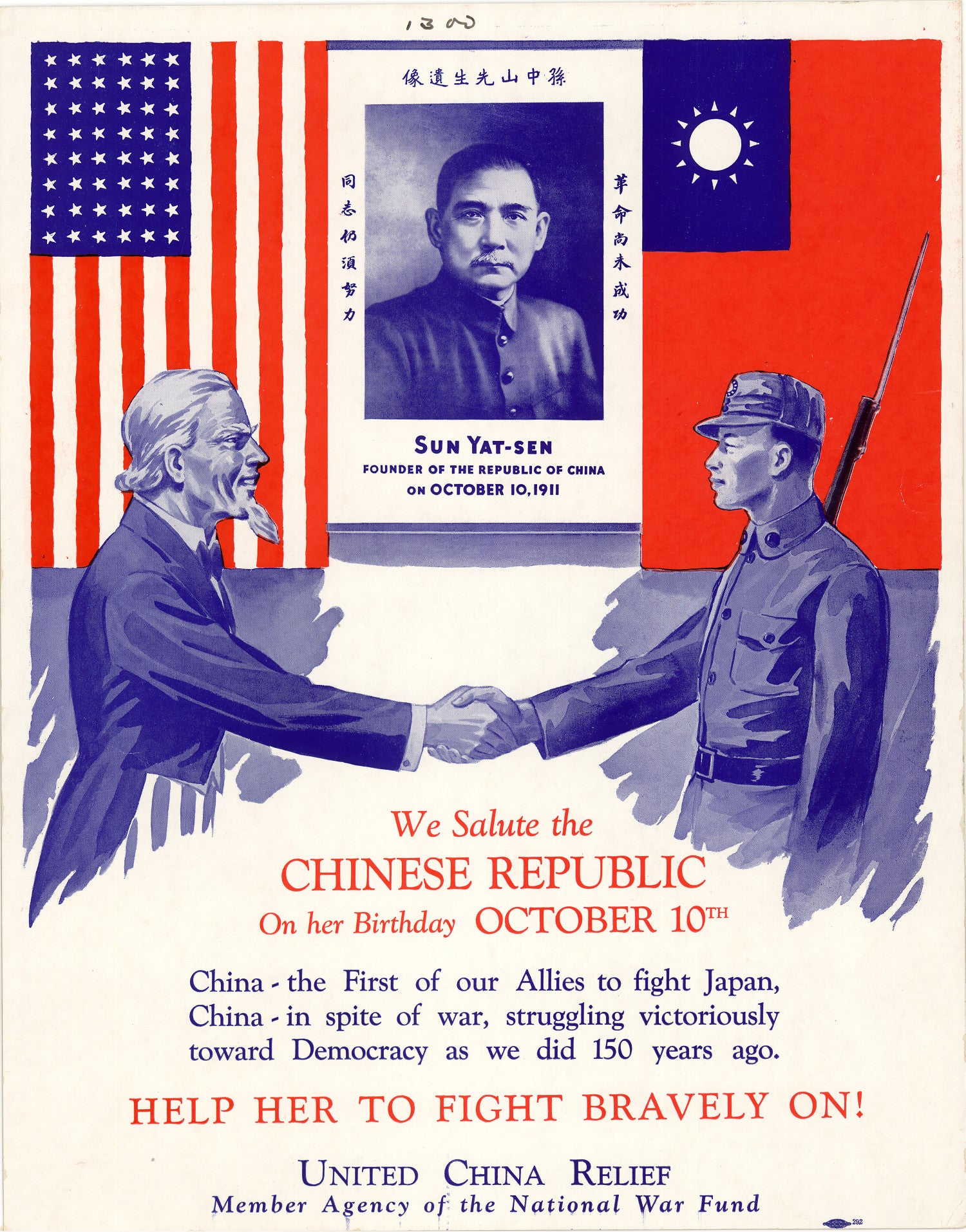
United China Relief
An American poster from 1942 advocating for foreign aid to China. China was a key ally of the United States against Japan during World War II.
-
Image
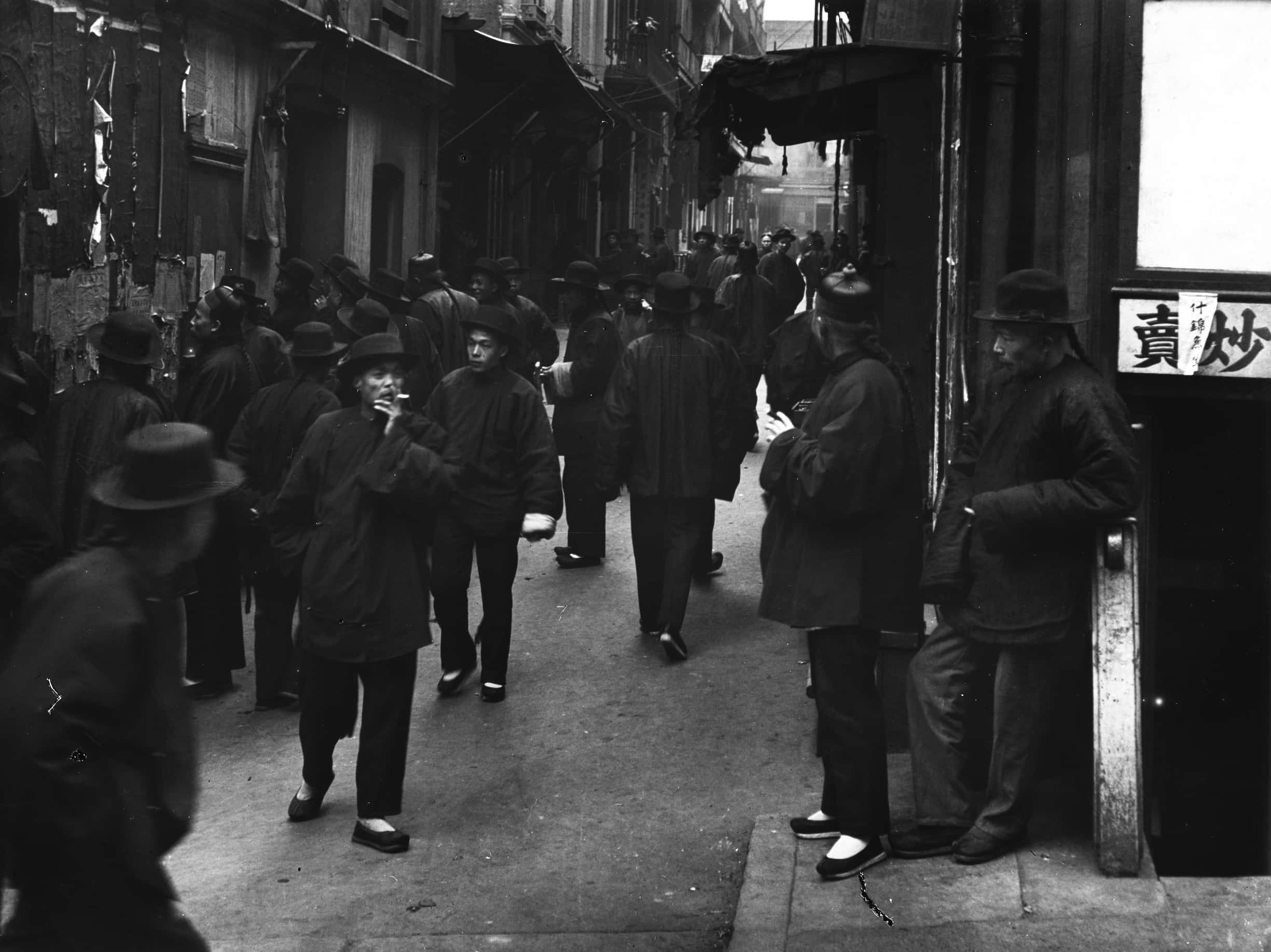
The Street of the Gamblers
The Street of the Gamblers (Ross Alley) reveals street life in San Francisco’s Chinatown, 1898. Chinatowns became important places for Chinese immigrants to live, find work, and form communities.
-
Image
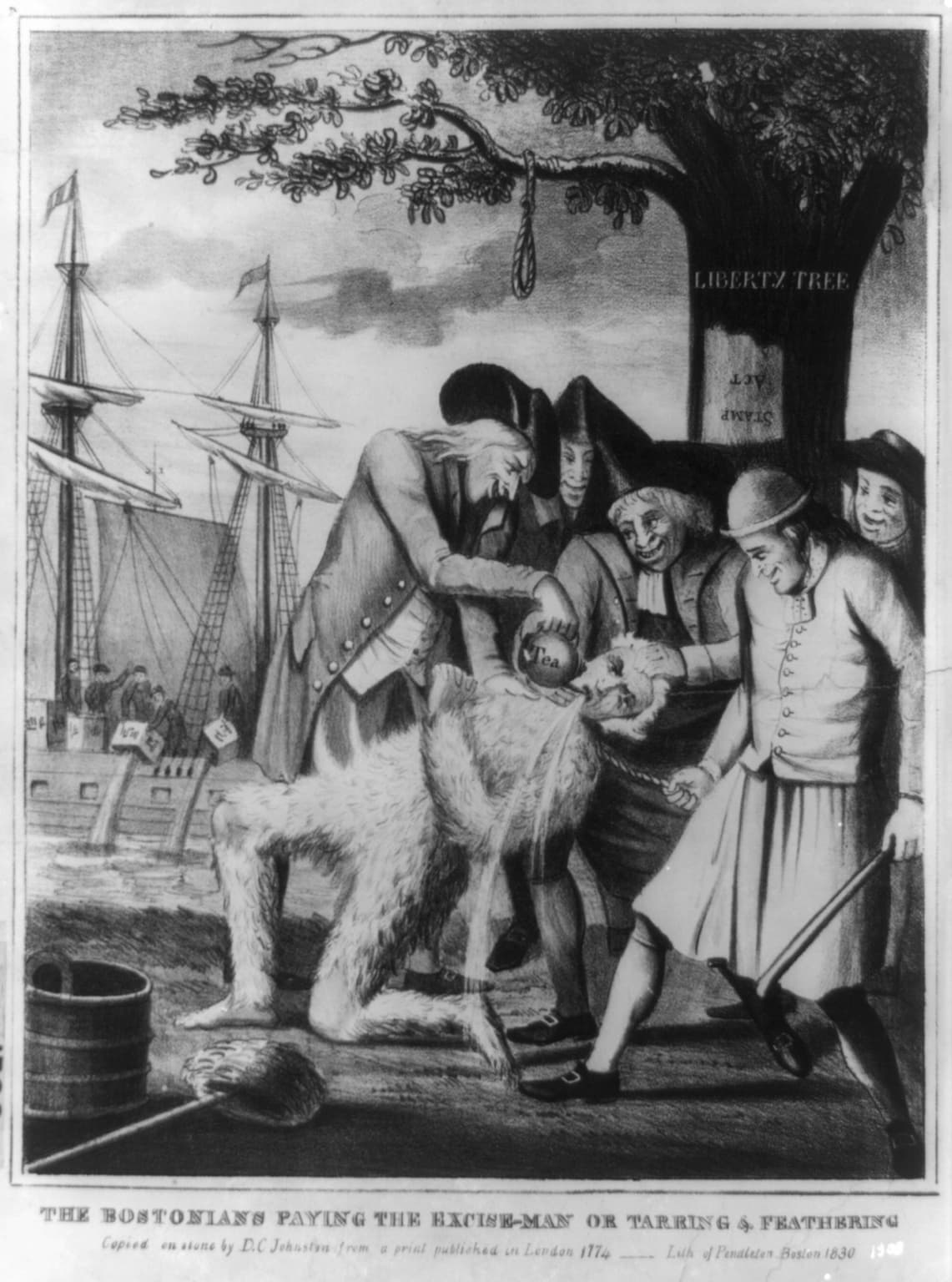
Tarred and Feathered
A Boston mob forcibly pours tea into the mouth of a Loyalist they have tarred and feathered. On the left, revolutionaries pour British tea into the harbor in response to what they viewed as oppressive taxes.
-
Image
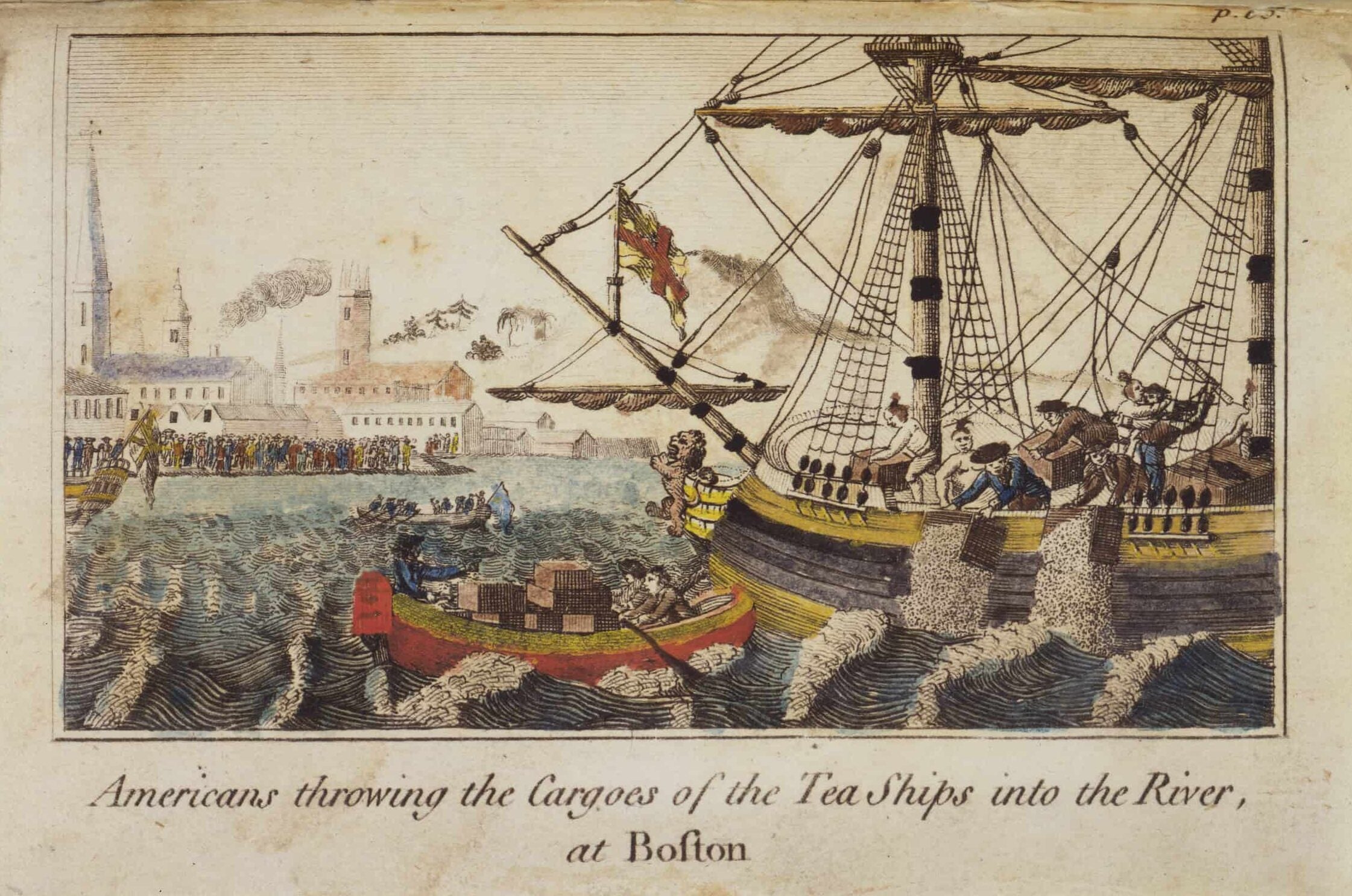
The Boston Tea Party
The Boston Tea party saw Americans throwing the cargoes of British merchant ships into Boston Harbor, 1773.
-
Image
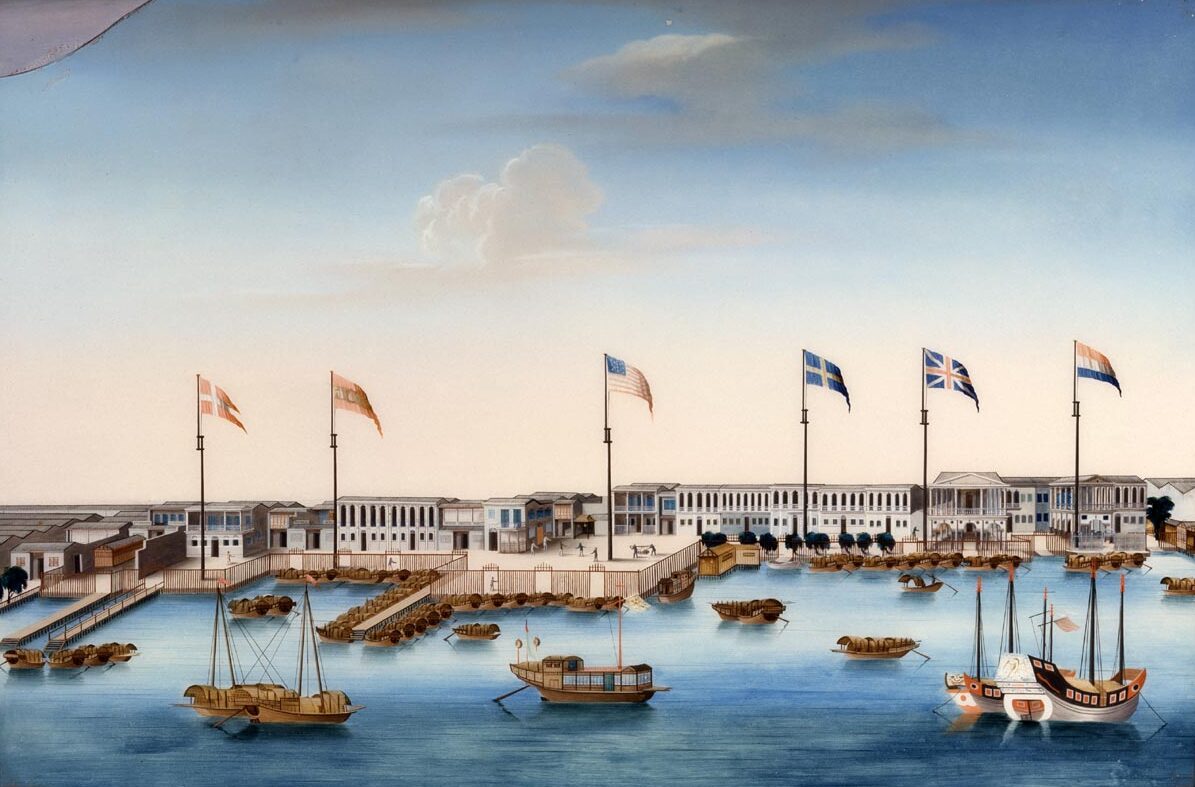
Canton Harbor
Canton Harbor and factories (with foreign flags, 1805) was a port on the banks of the Pearl River in Guangzhou that became China’s main trading hub with the West.
-

Text
Typhoon Mawar Mutual Aid Benefit Concert Flyer
This Mutual Aid Benefit Concert flyer promotes a fundraiser for those affected by Super Typhoon Mawar in Guåhan (Guam) and Luta (Rota). The 2023 fundraiser was hosted by the Sons and Daughters of Guam Club and Kutturan CHamoru Foundation of Long Beach.
Featured in:
CHamoru Movement and Diasporic Communities, Module 5