





Search the Media Repository
Discover the curated images, videos, and primary sources featured throughout Foundations and Futures
History is more than just text on a page; it is the photographs, voices, and artifacts of the people who lived it. The images and recordings featured across Foundations and Futures are part of a meticulously curated media repository. Whether you are building a lesson plan or investigating an artifact, you can use this database to trace the provenance of our media: discover who created an asset, the historical context behind it, and how it can be used to bring Asian American and Pacific Islander experiences into your classroom.
Multimedia
Chapters
-
Video
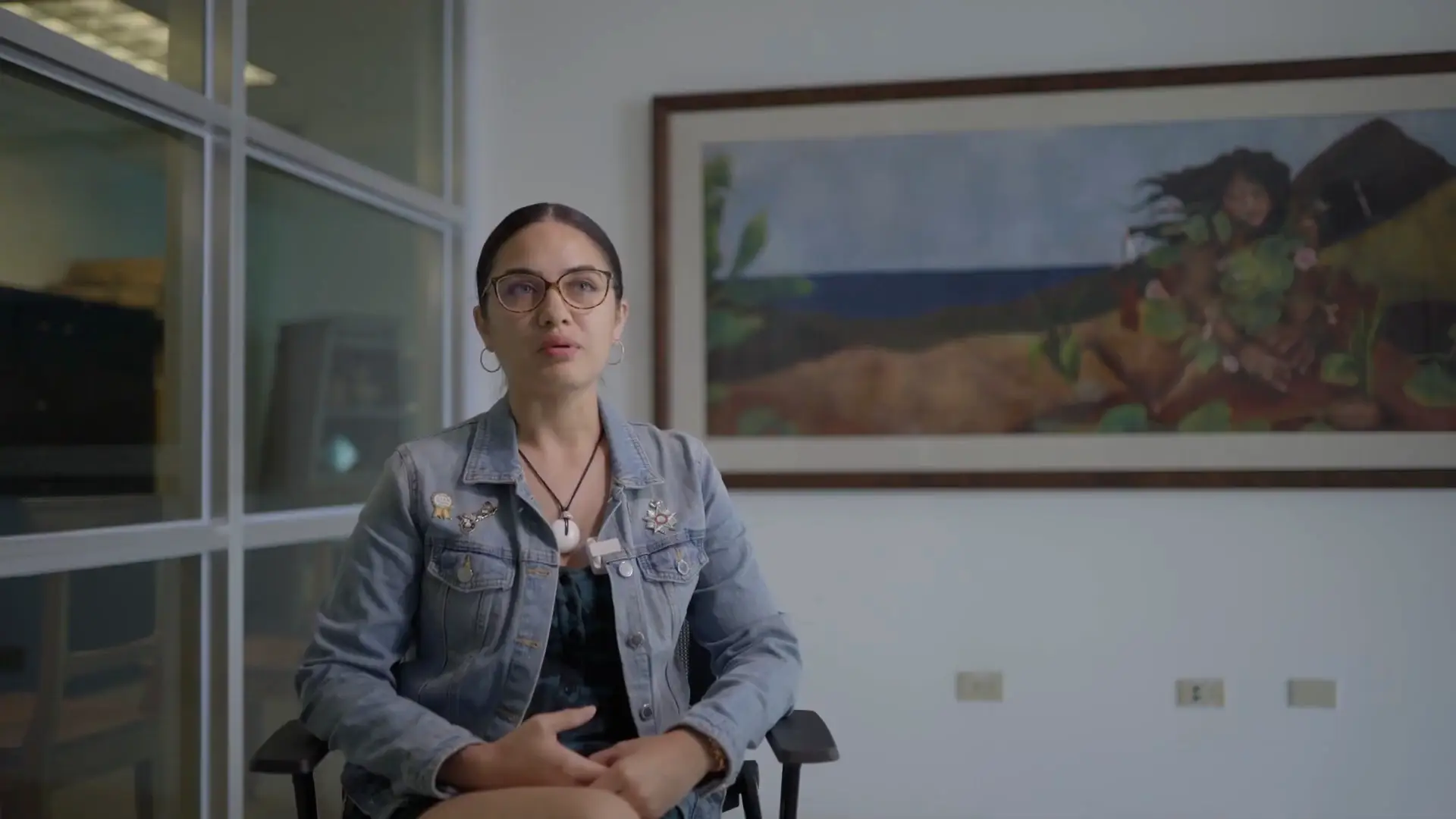
CHamoru Language Learning
In this clip, members of the first Prugråman Sinipok CHamorun Sanlagu (PSCH) cohort in Guåhan (Guam) from 2022 share their motivations for immersing themselves on a CHamoru language learning journey.
Featured in:
CHamoru Movement and Diasporic Communities, Module 5
-
Image
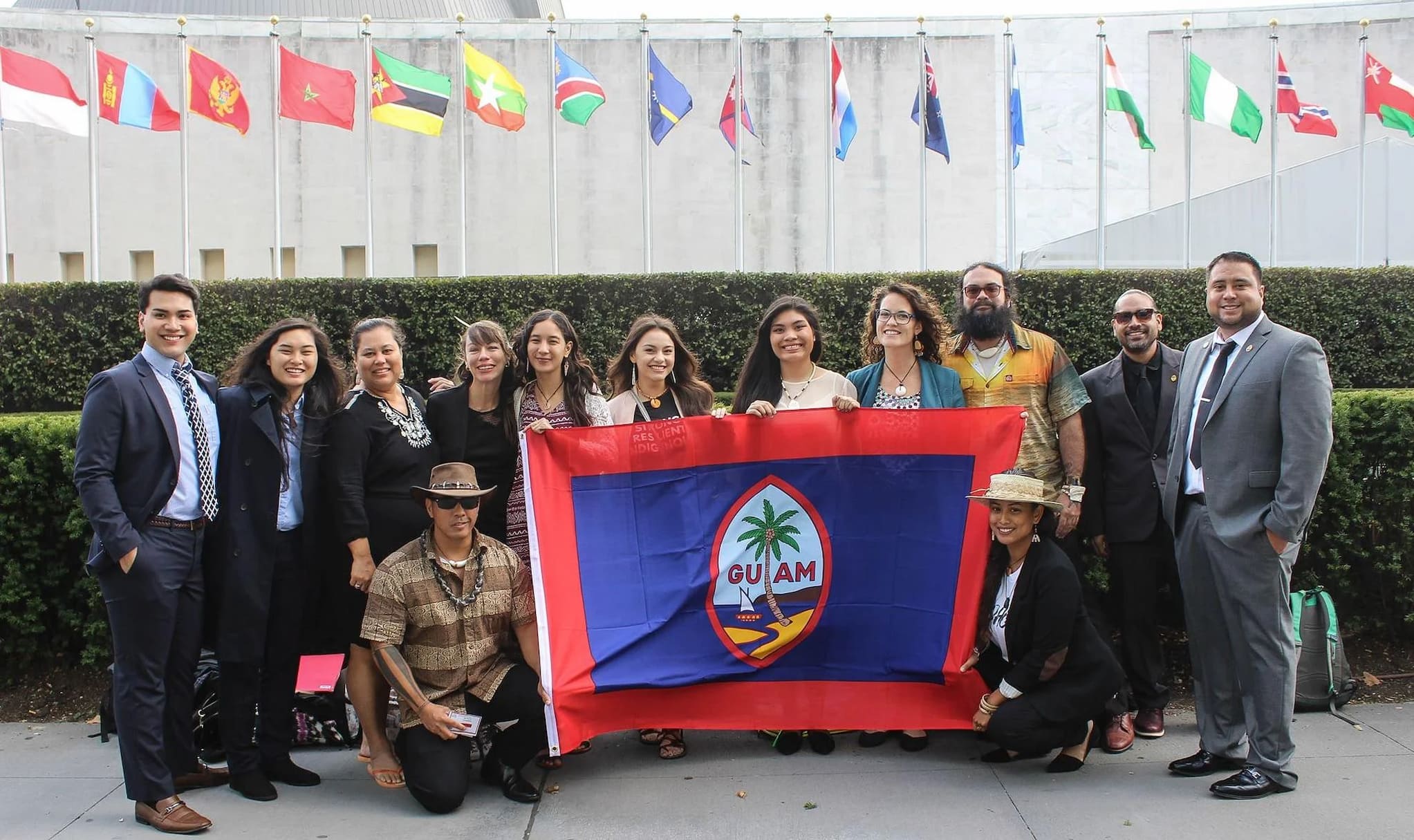
Guam Delegates at the United Nations
This image shows several members of the 16 CHamoru delegates that testified at the Fourth Committee of the UN General Assembly in 2017.
Featured in:
CHamoru Movement and Diasporic Communities, Module 5
-
Video
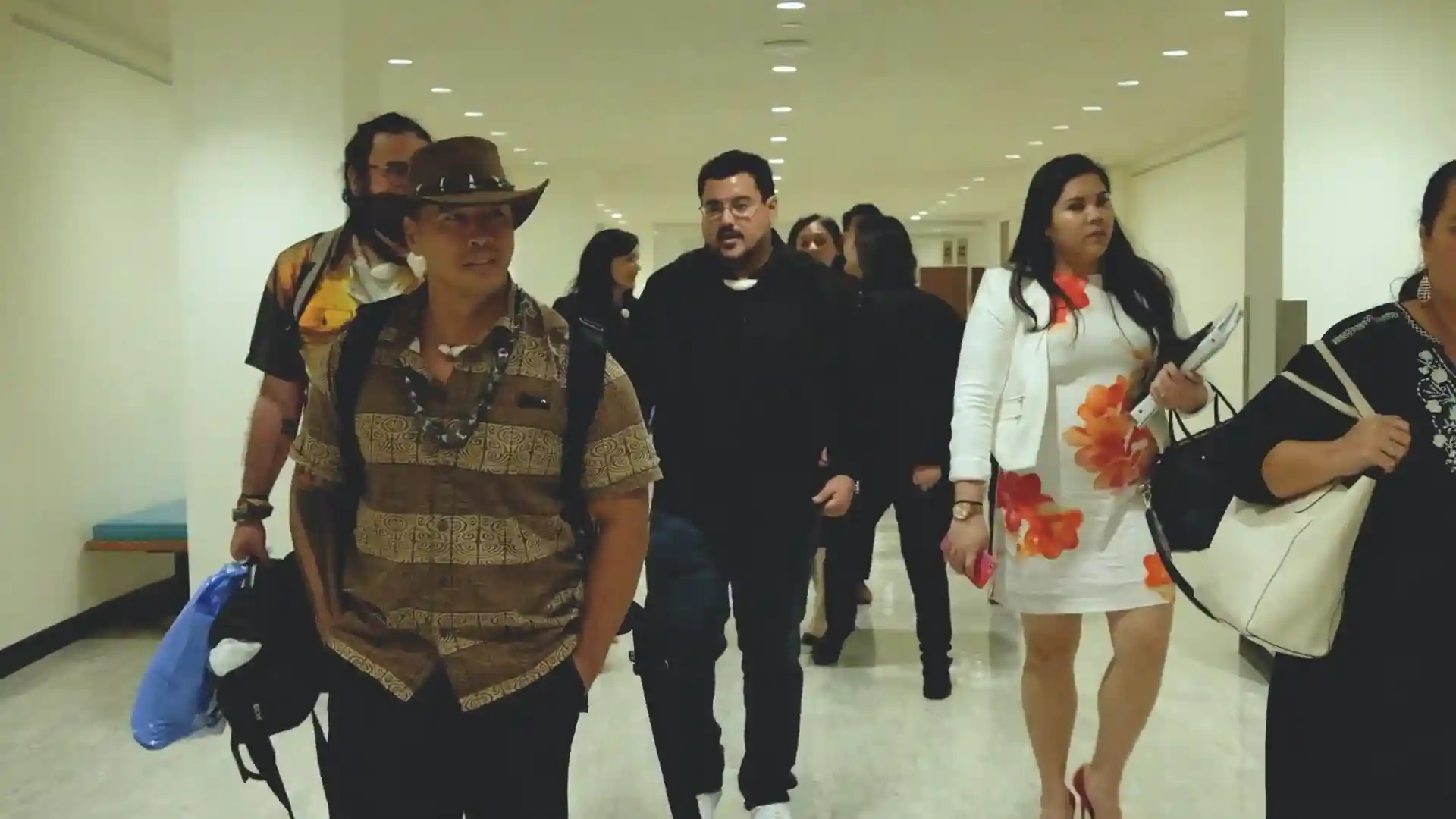
Decolonize: A People’s Quest for Self-Determination
The documentary Decolonize: A People’s Quest for Self-determination, shows CHamoru delegates testifying at the Fourth Committee of the UN General Assembly in 2017. This clip features state-side based CHamoru Dr. Tiara Na’puti discussing the importance of testifying.
Featured in:
CHamoru Movement and Diasporic Communities, Module 5
-
Image
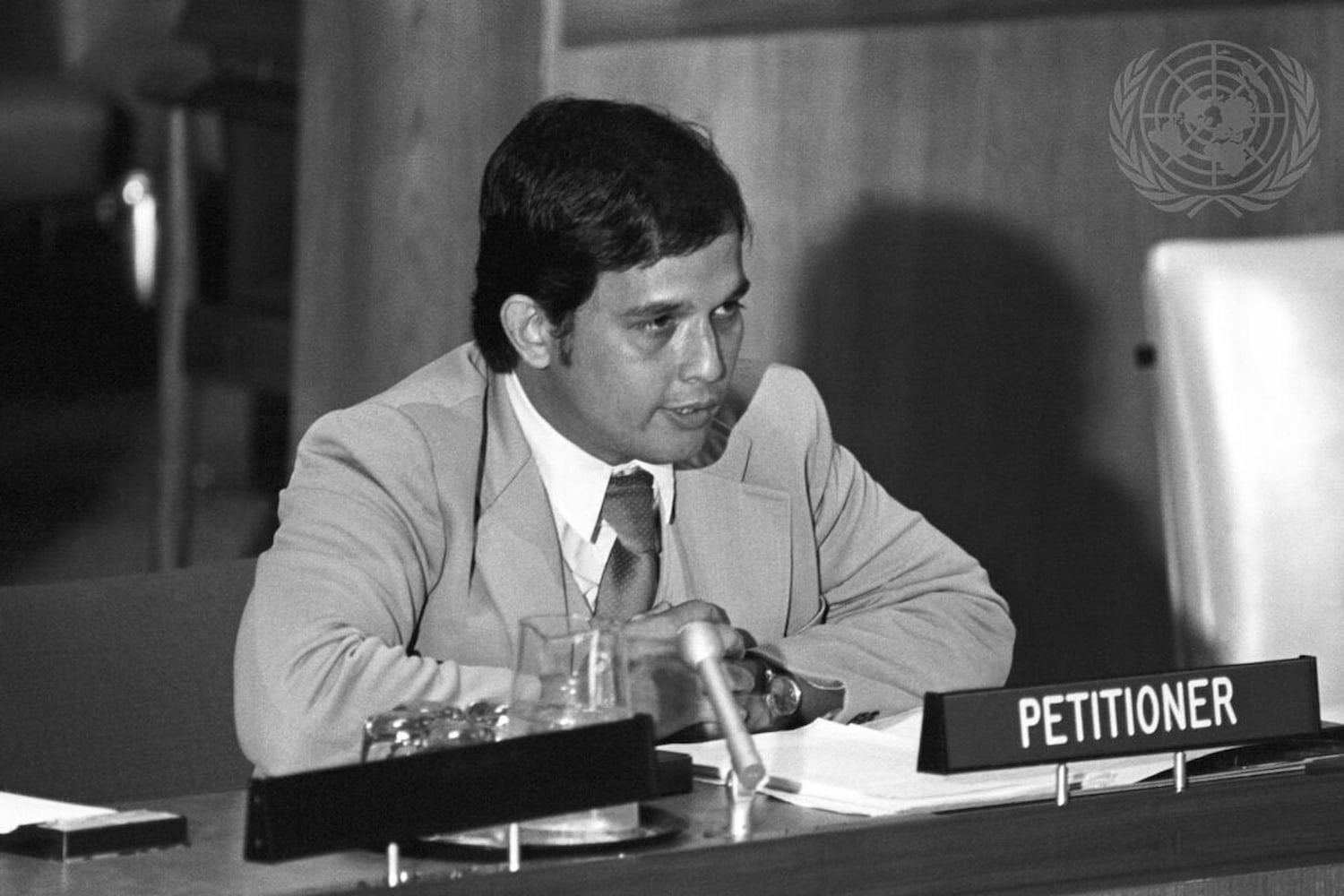
Robert Underwood
In 1982, CHamoru Dr. Robert Underwood traveled to the UN to speak out on CHamoru self-determination to put public pressure on the US and the UN to further support decolonization efforts on Guåhan (Guam). Dr. Underwood served as the Guåhan Delegate to the US Congress from 1993-2003.
Featured in:
CHamoru Movement and Diasporic Communities, Module 5
-
Text
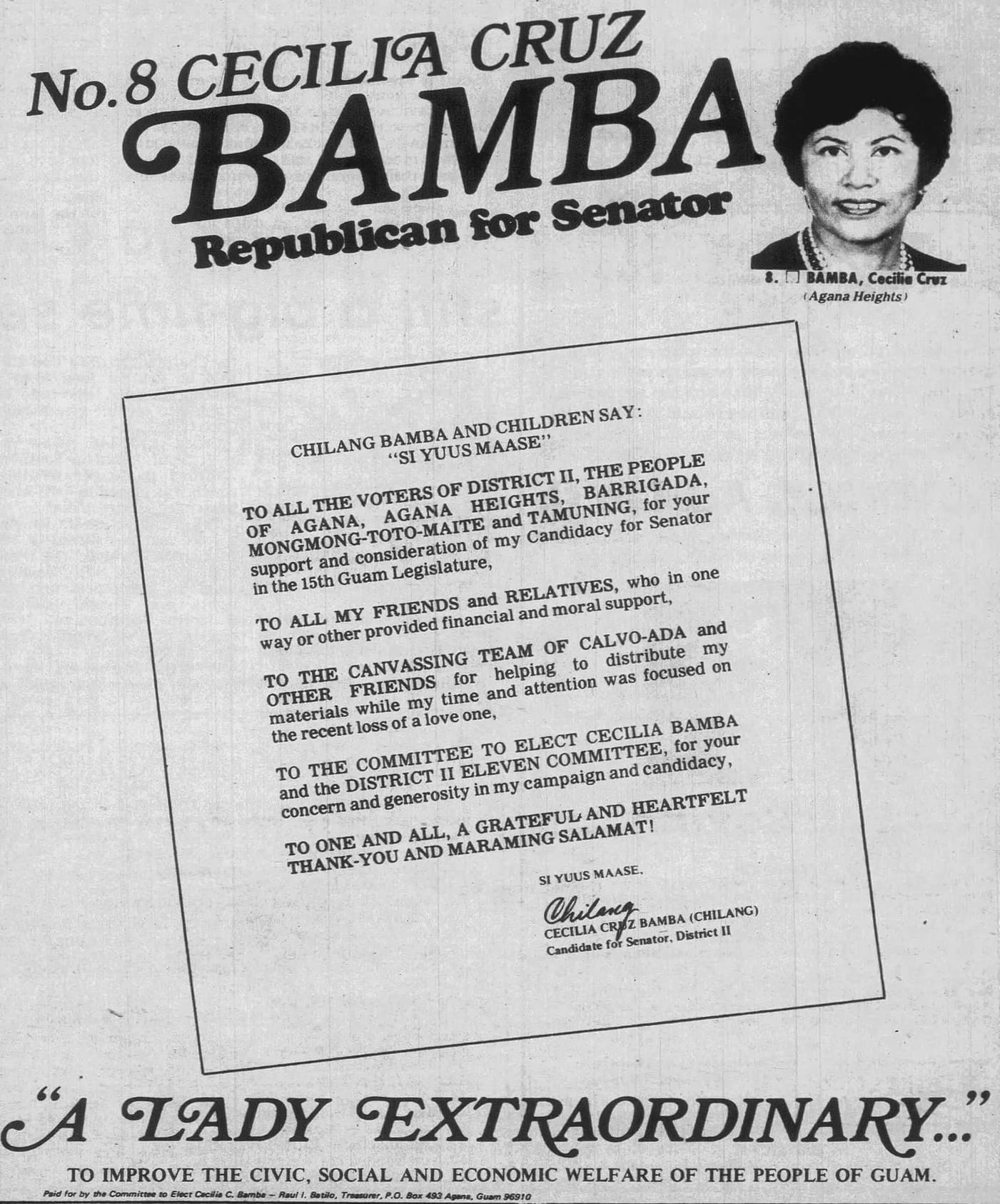
Flyer for Cecilia Cruz Bamba
An election flyer for Cecilia Cruz Bamba, c. 1978.
Featured in:
CHamoru Movement and Diasporic Communities, Module 5
-
Image
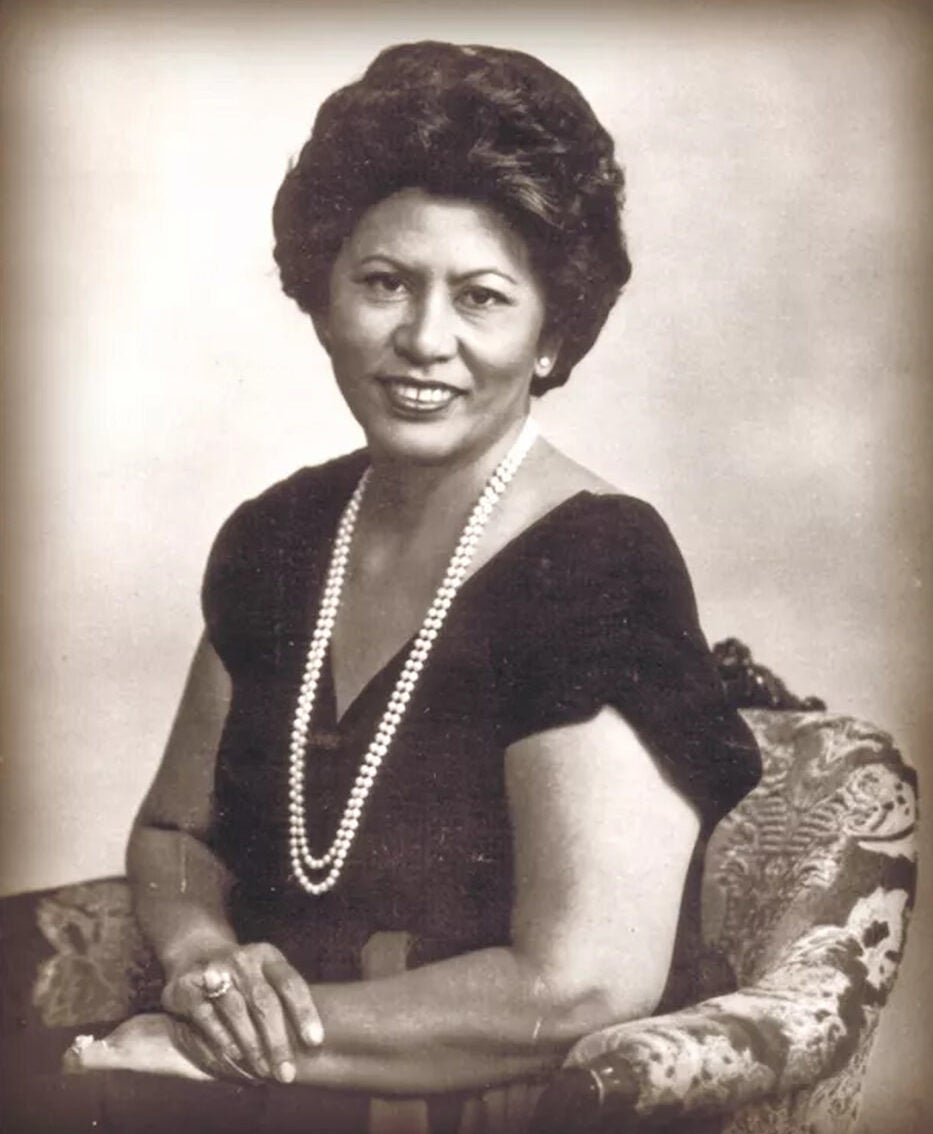
Cecilia Bamba
Cecilia Bamba was a strong advocate for Land Claims and War Reparations for CHamoru families. In 1983, she became the first CHamoru woman to testify before the US Congress.
Featured in:
CHamoru Movement and Diasporic Communities, Module 5
-
Video
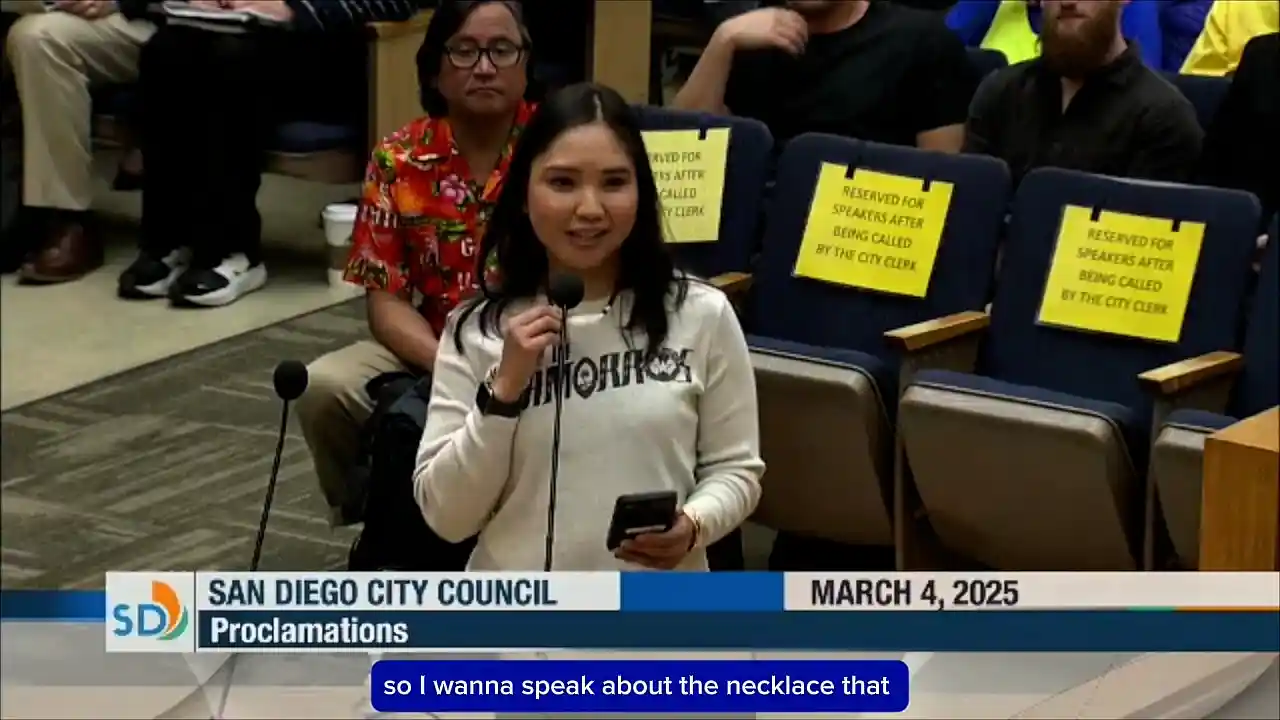
Guam History and Heritage Day
In 2025, the San Diego City Council recognized March 3 as Guam History and Chamorro Heritage Day. In this clip, Kylie Taitano shares the cultural importance of her sinahi, providing an example of the importance of history to the resilient CHamorus.
Featured in:
CHamoru Movement and Diasporic Communities, Module 4
-
Video
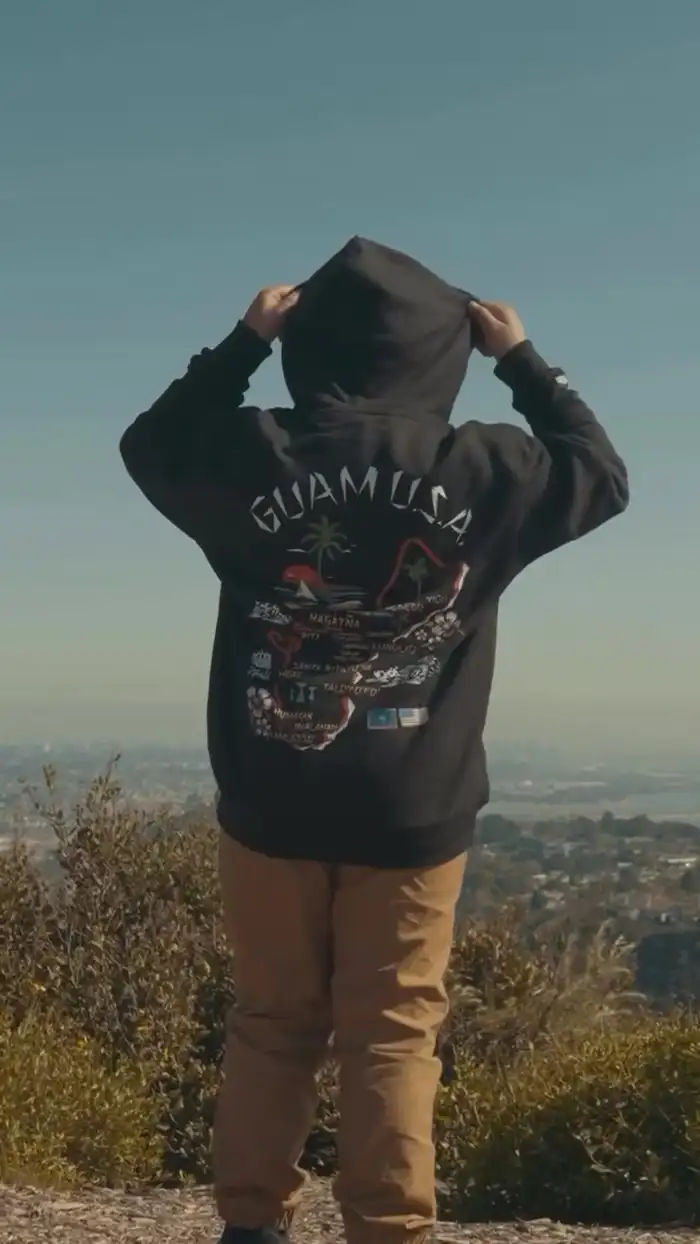
Crowns Special Collection
Guåhan (Guam)-based clothing brand Crowns attends the CCF yearly and offers exclusive clothing only available at the festival. This Instagram reel from Crowns highlights the special San Diego collection releasing at the 2024 CCF.
Featured in:
CHamoru Movement and Diasporic Communities, Module 4
-
Text
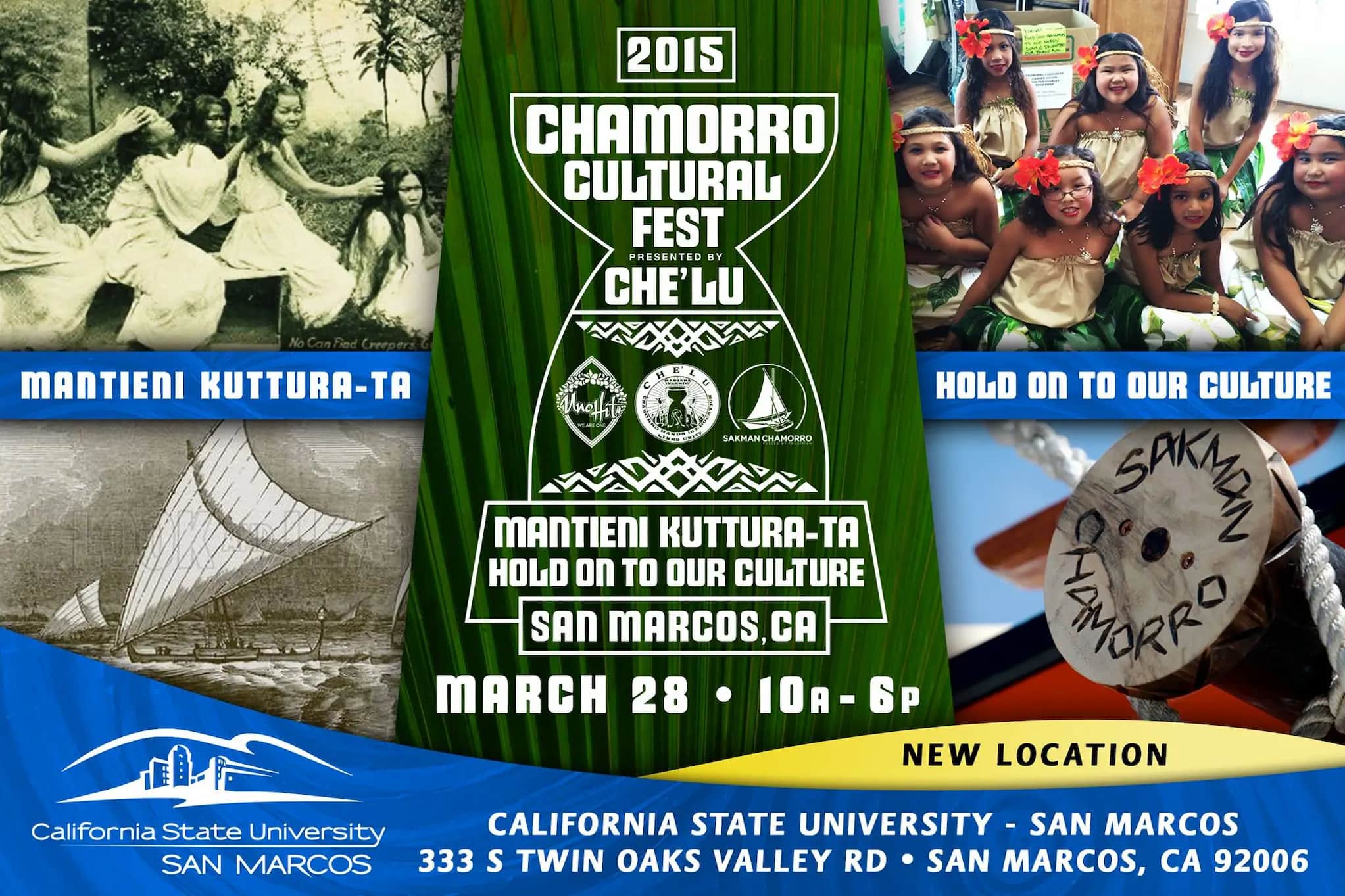
2015 CCF Flyer
Although programs and flyers for the CCF change in design from year to year, they consistently emphasize cultural celebration and connections to the Mariana Islands.
Featured in:
CHamoru Movement and Diasporic Communities, Module 4
-
Video
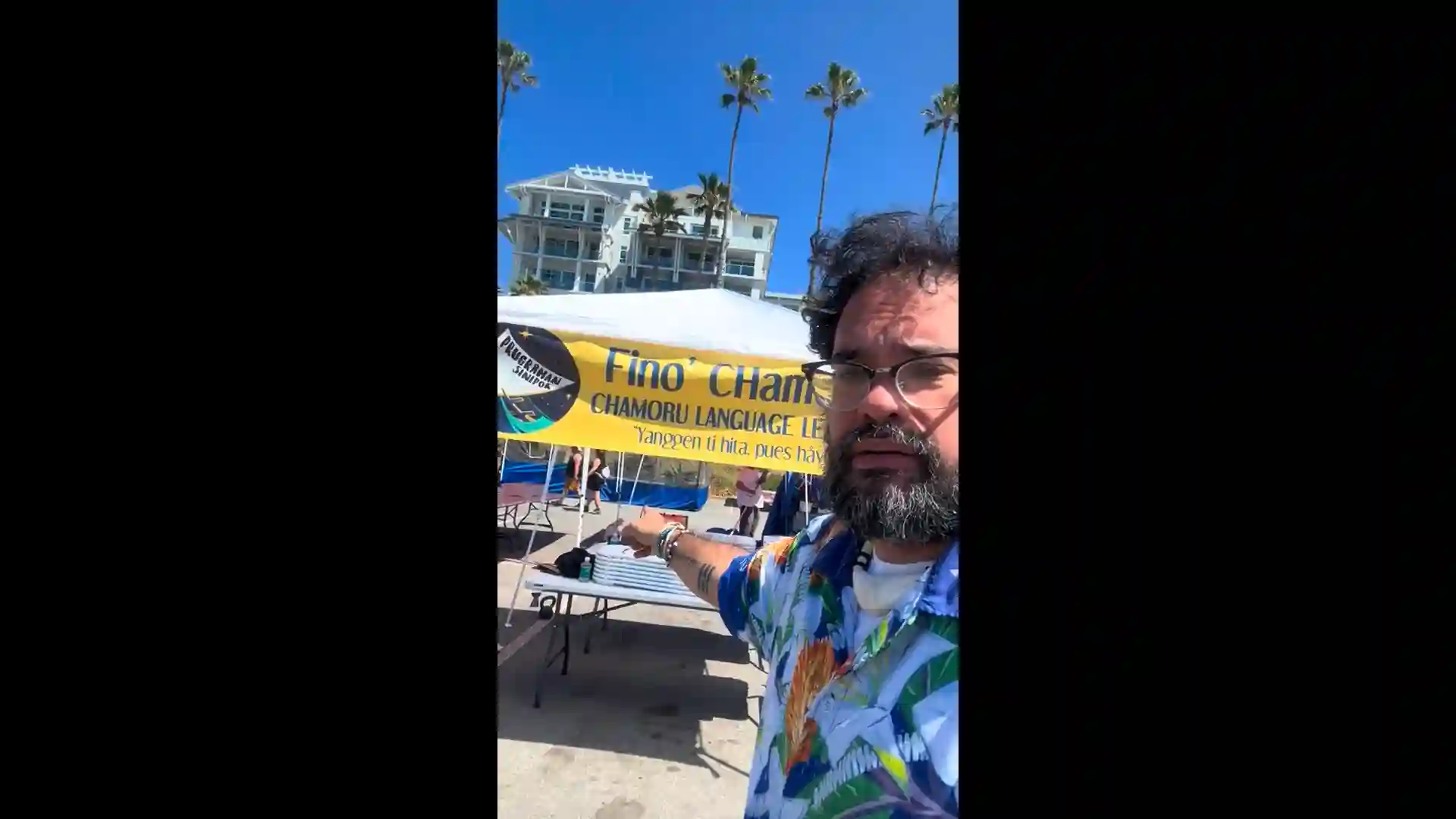
Prugråman Sinipok Workshop
Dr. Michael Lujan Bevacqua encourages the CCF attendees in English and CHamoru to join his workshops that include language lessons, histories, and storytelling.
Featured in:
CHamoru Movement and Diasporic Communities, Module 4
-
Video
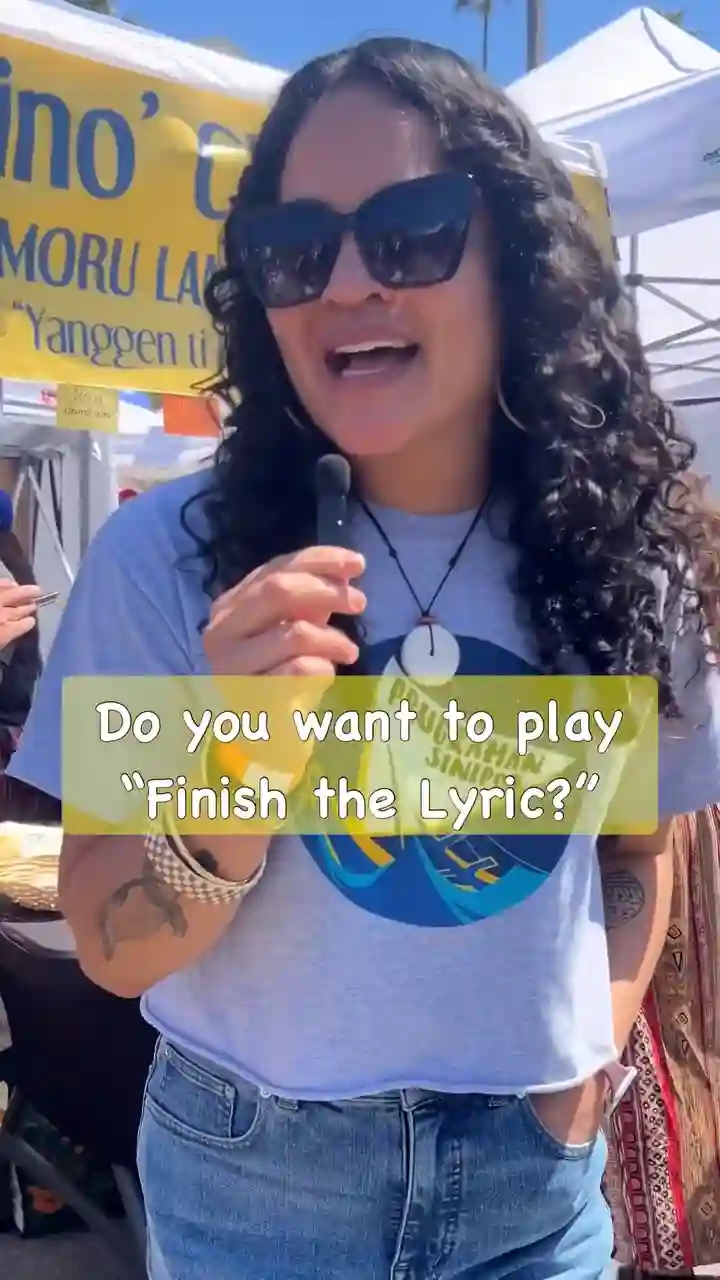
CCF Attendees
CHamoru language is an important workshop and overall component of the CCF. Here, attendees are encouraged to complete a line to a famous CHamoru song in the CHamoru language.
Featured in:
CHamoru Movement and Diasporic Communities, Module 4
-
Image
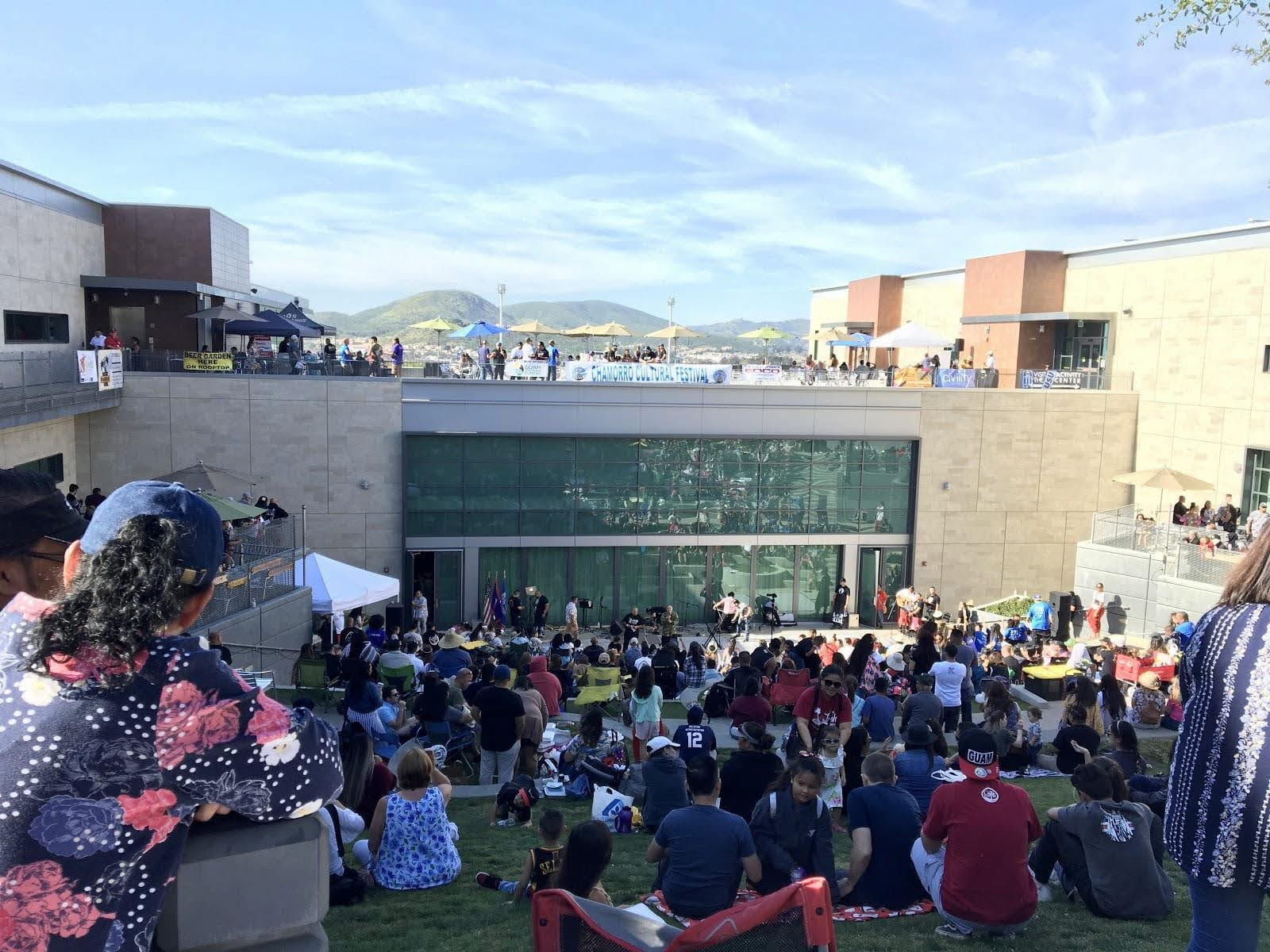
2019 CCF
The CCF brings together thousands of festival attendees as seen in this picture from 2019 at California State University San Marcos.
Featured in:
CHamoru Movement and Diasporic Communities, Module 4
-
Video
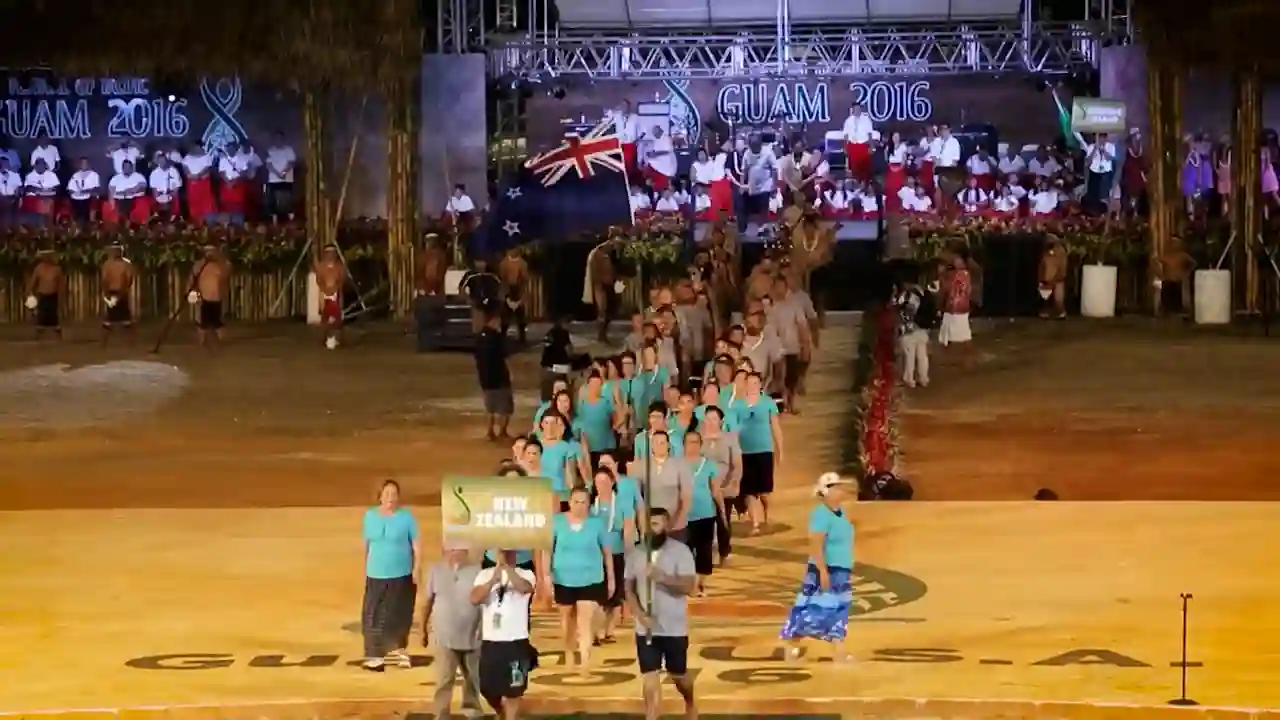
2016 Festival of Pacific Arts
A member of the Commonwealth of the Northern Mariana Islands (CNMI) delegation shares highlights of attending the first Festival of Pacific Arts and Culture hosted in Guåhan (Guam) (2016).
Featured in:
CHamoru Movement and Diasporic Communities, Module 4
-
Video
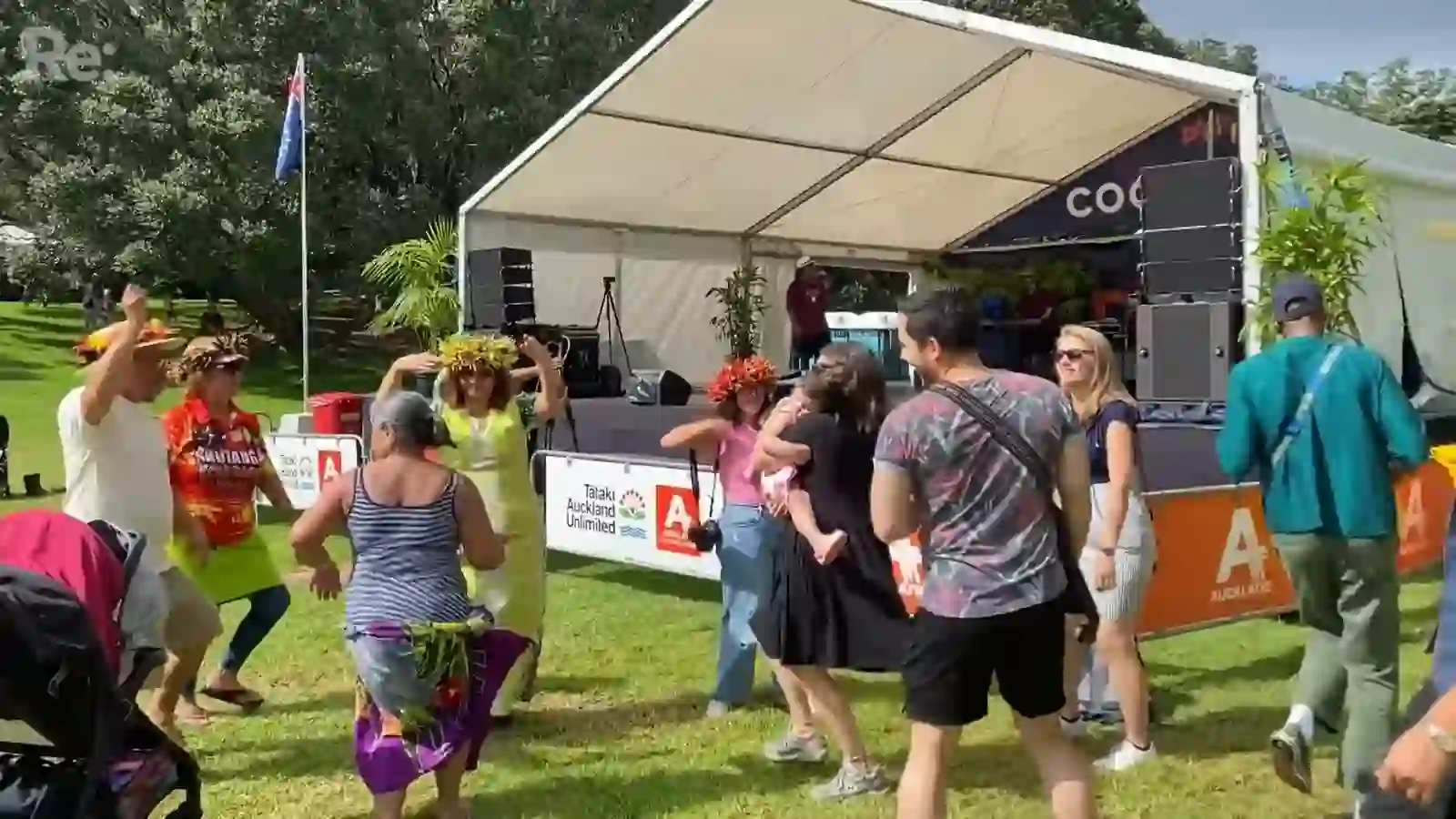
Pasifika Festival Attendees
Pasifika Festival attendees in Auckland, New Zealand explain how it feels to be part of the community festivities.
Featured in:
CHamoru Movement and Diasporic Communities, Module 4
-
Video
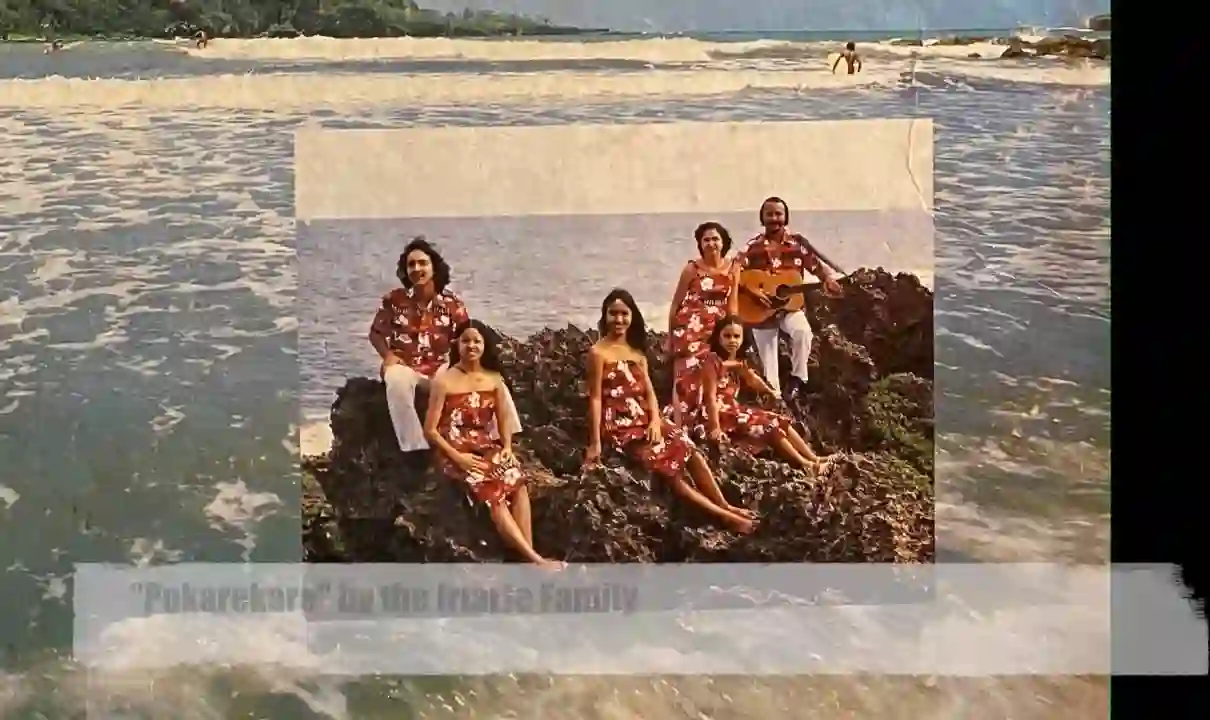
“Pokarekare”
An excerpt of the first verse of The Iriarte Family singing the Māori song “Pokarekare” after representing Guåhan (Guam) at the 1976 Festival of Pacific Arts and Culture in Aotearoa New Zealand.
Featured in:
CHamoru Movement and Diasporic Communities, Module 4
-
Image
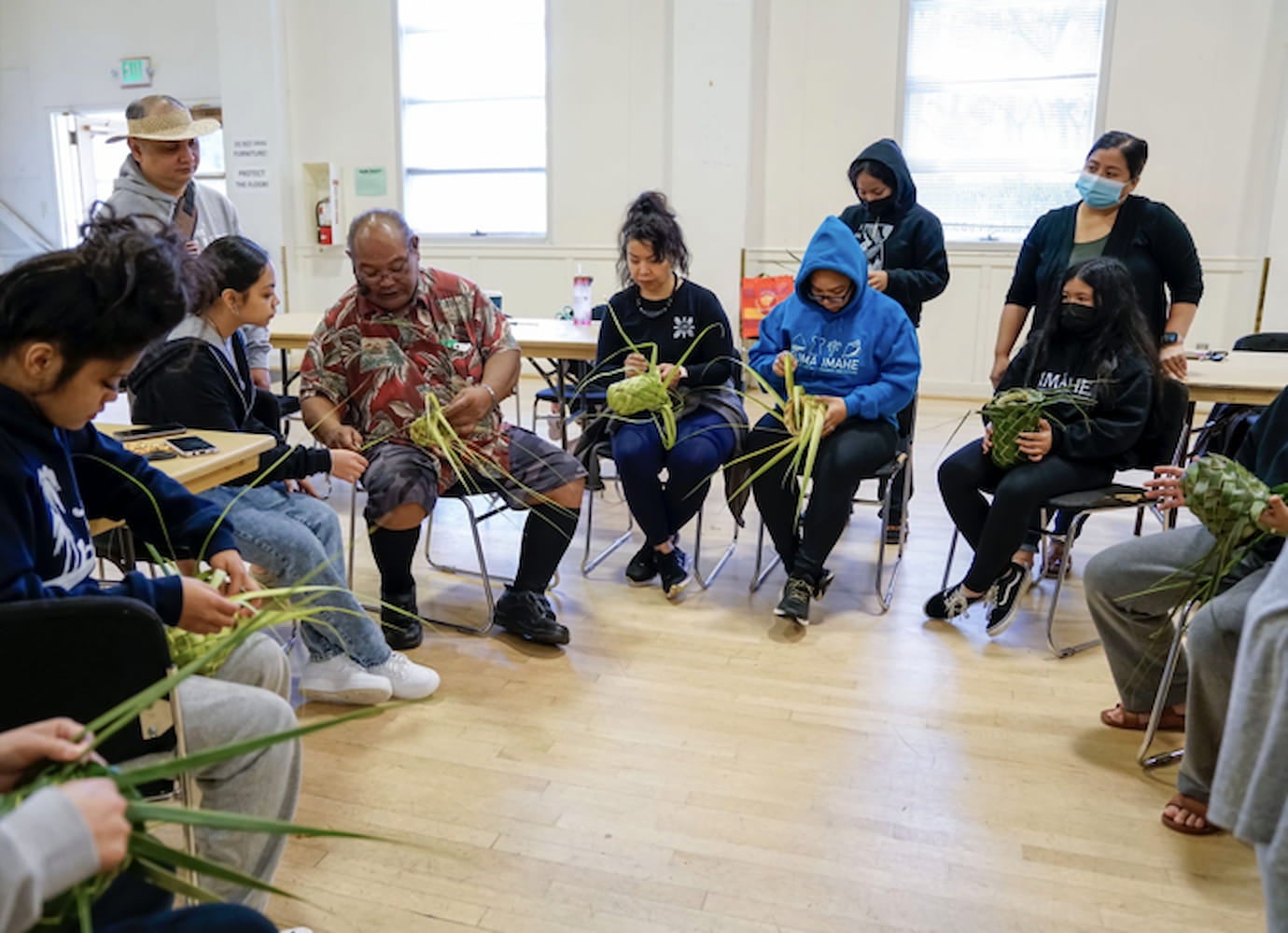
CHamoru Weaving Workshops
Anthony “Tony” Mantanona (fourth from left), CHamoru weaver and cultural practitioner, brought weaving workshops to diasporic CHamoru communities in California and Washington to help them further connect to their roots.
Featured in:
CHamoru Movement and Diasporic Communities, Module 3
-
Video
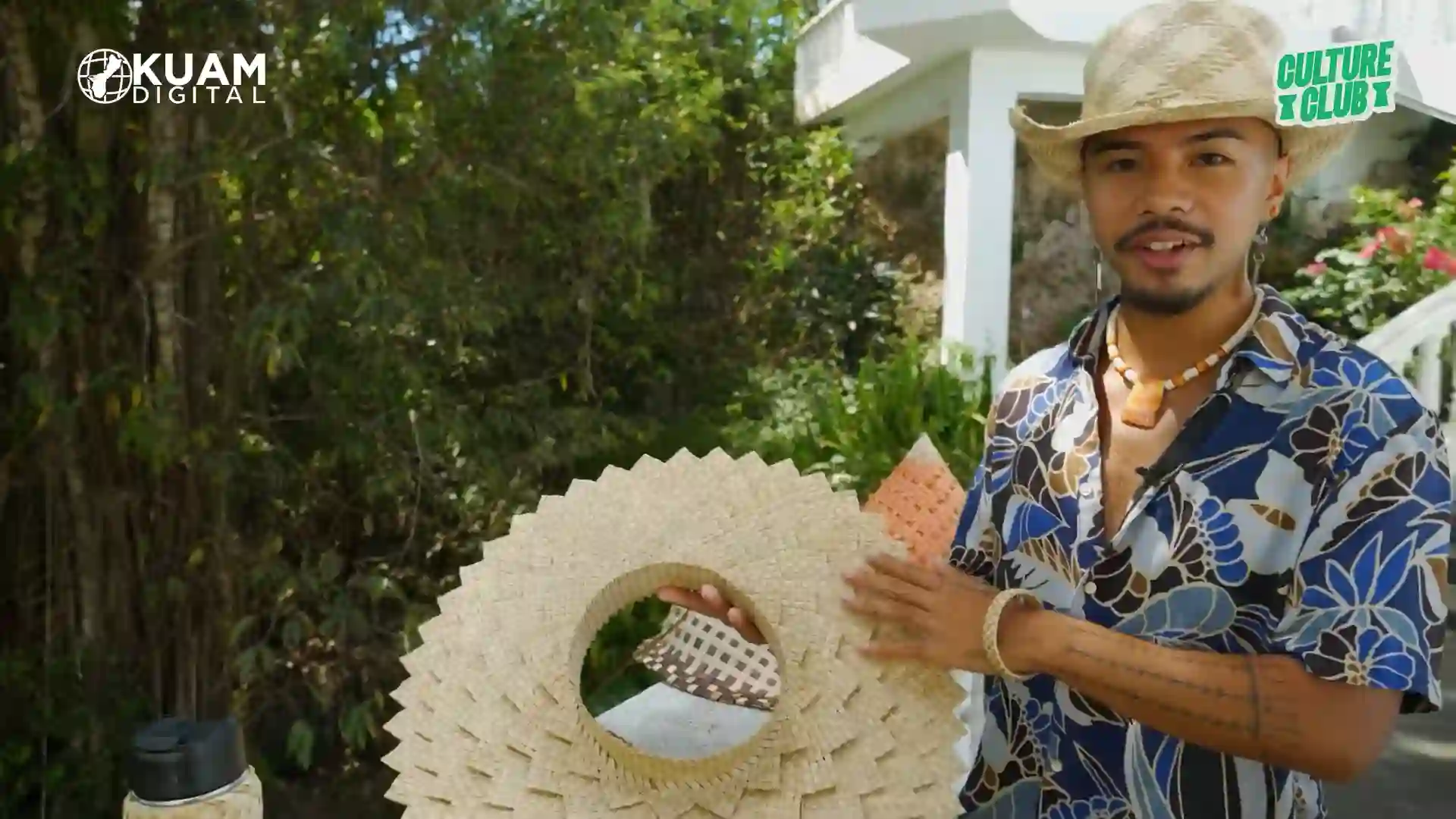
CHamoru Weaver Roquin-Jon Quichocho Siongco
CHamoru weaver Roquin-Jon Quichocho Siongco discusses the practice of blending both traditional techniques and modern materials with modern techniques and traditional materials in his work.
Featured in:
CHamoru Movement and Diasporic Communities, Module 3
-
Video
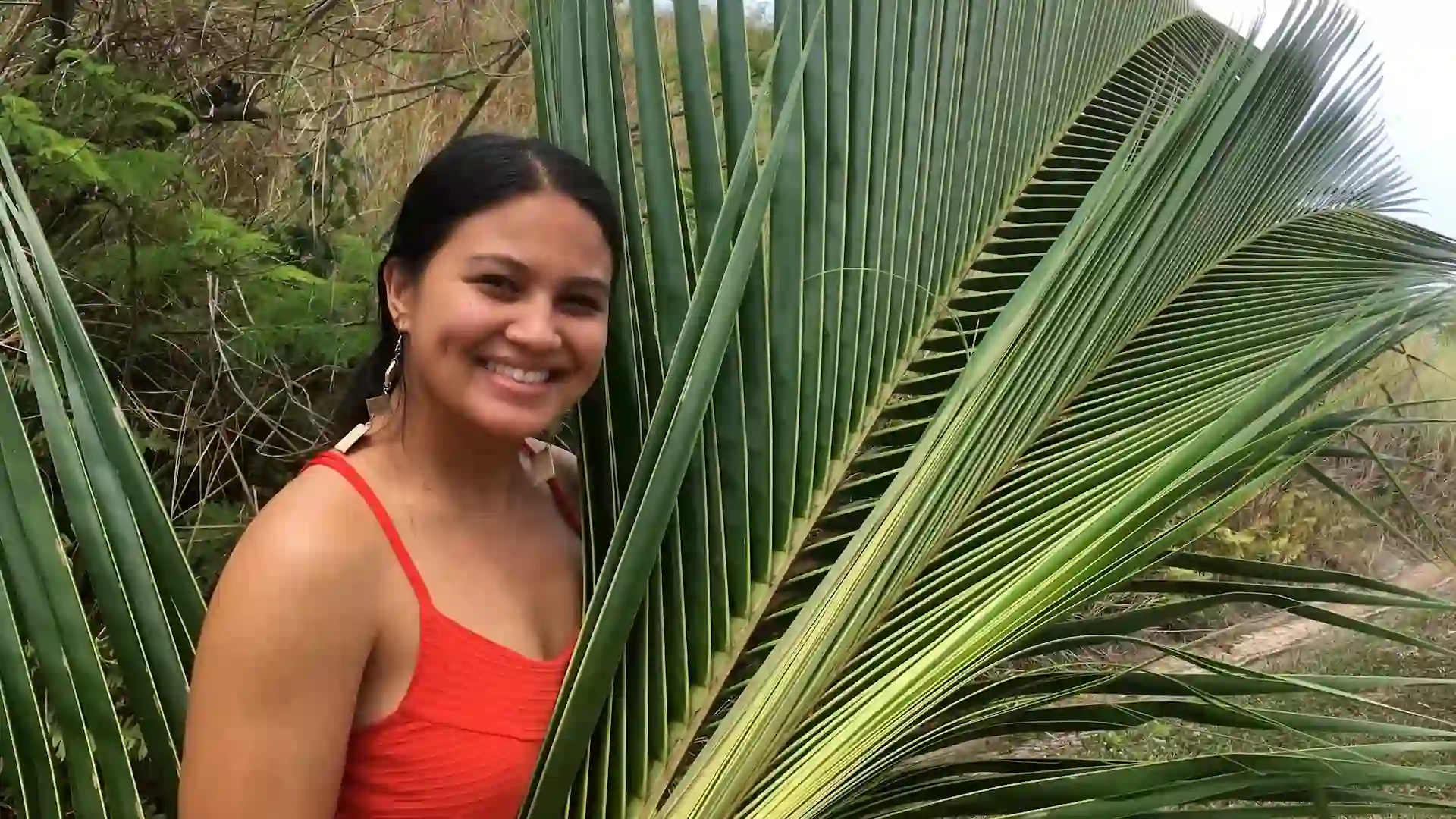
CHamoru Weaver Lia Barcinas
In this clip, CHamoru weaver Lia Barcinas explores contemporary weaving using modern materials such as recycled plastics and discarded tarps during an artist residency with National History Museum of Los Angeles County and the Pacific Island Ethnic Art Museum (PIEAM).
Featured in:
CHamoru Movement and Diasporic Communities, Module 3
-
Image
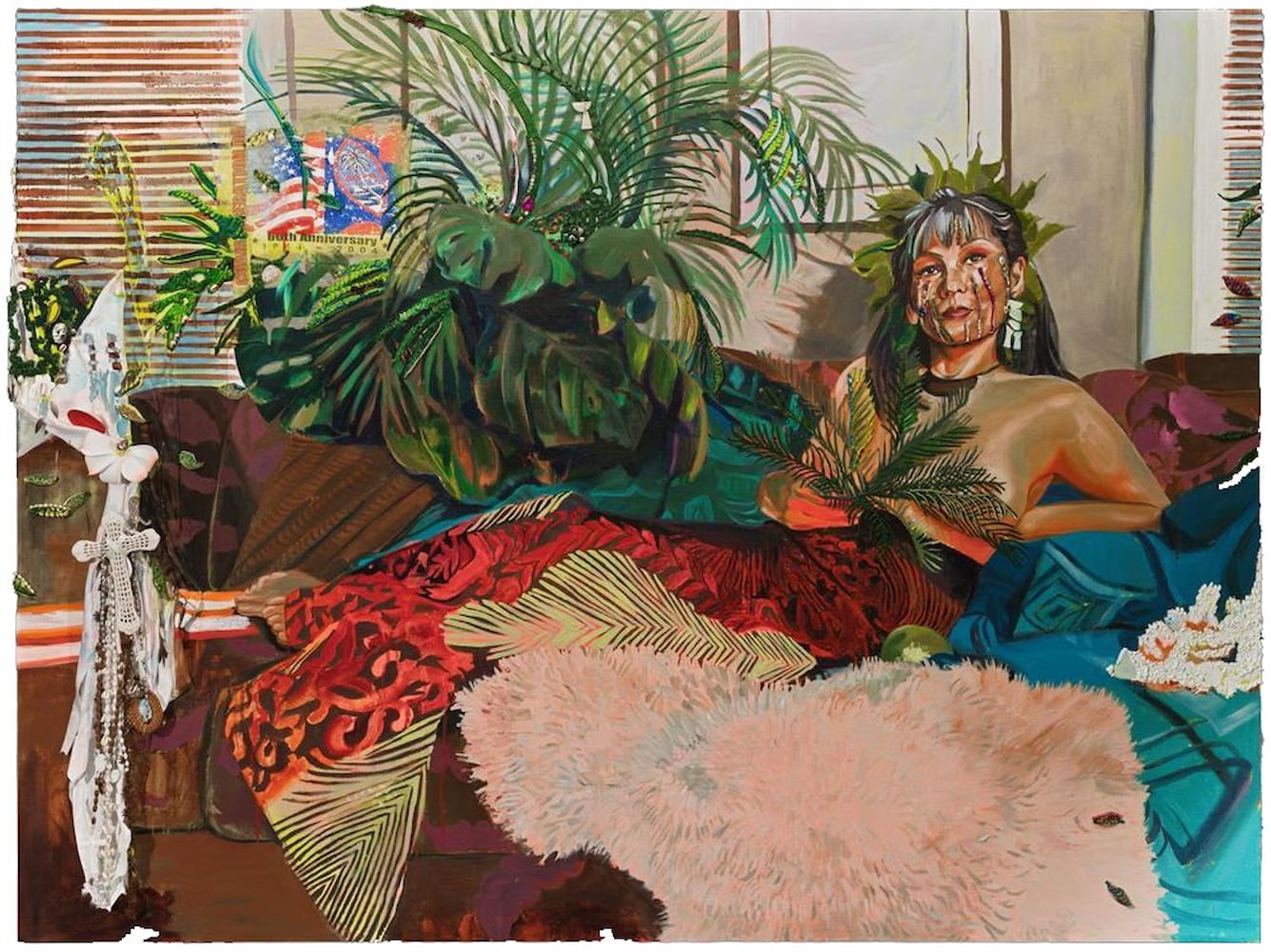
Tiningo’ si Sirena
Gisela Charfauros McDaniel’s painting Tiningo’ si Sirena, or “Knowledge of Sirena,” explores the impacts of US colonization on her mother’s life and what American control means for those in the Mariana Islands and in the diaspora.
Featured in:
CHamoru Movement and Diasporic Communities, Module 3
-
Audio
“Munga Yu’ Ma Fino Inglesi”
This song, “Munga Yu’ Ma Fino Inglesi,” or “Don’t Speak English to Me,” was written by Johnny Sablan upon returning home to Guam after attending college in California. His diasporic experience made him aware of the cultural loss CHamorus experienced post-World War II.
Featured in:
CHamoru Movement and Diasporic Communities, Module 3


