



Search the Media Repository
Discover the curated images, videos, and primary sources featured throughout Foundations and Futures
History is more than just text on a page; it is the photographs, voices, and artifacts of the people who lived it. The images and recordings featured across Foundations and Futures are part of a meticulously curated media repository. Whether you are building a lesson plan or investigating an artifact, you can use this database to trace the provenance of our media: discover who created an asset, the historical context behind it, and how it can be used to bring Asian American and Pacific Islander experiences into your classroom.
Multimedia
Chapters
-
Video
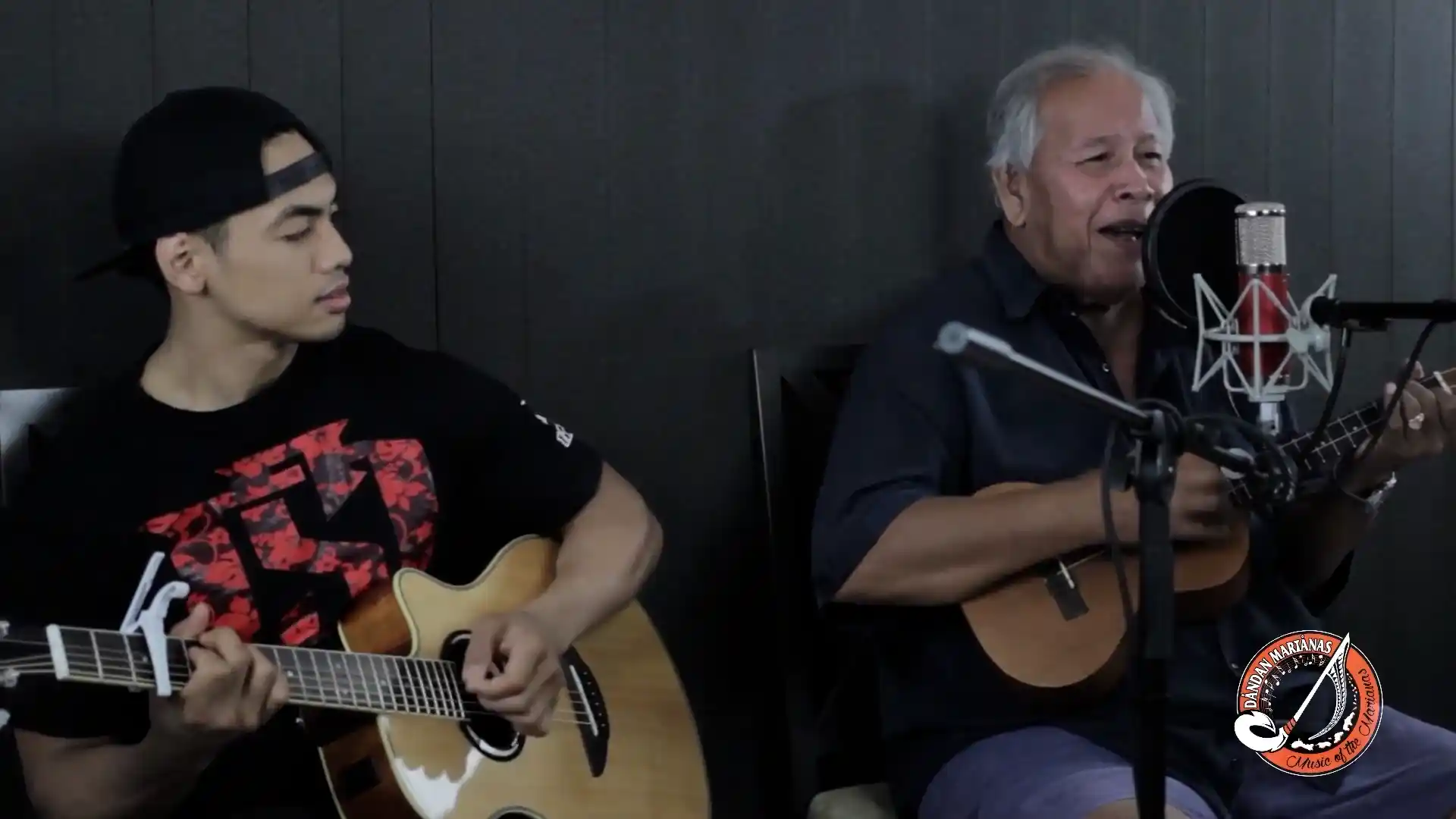
“Amerikan Pau Asu”
Dåndan Mariånas is a project that aims to preserve and promote CHamoru music by making music accessible to CHamorus within and outside of the Mariana Islands. This clip of the 1985 song, “Amerikan Pau Asu,” by Candido Babauta Taman, reminds CHamorus in diaspora not to forget where they come from.
Featured in:
CHamoru Movement and Diasporic Communities, Module 3
-
Audio
“Låhi Amerikanu”
In “Låhi Amerikanu,” translated to English as “American Son,” Micah Manaitai sings about the struggles of finding a sense of belonging and feeling invisible as a CHamoru living in the US.
Featured in:
CHamoru Movement and Diasporic Communities, Module 3
-
Audio
“A Love Letter to the CHamoru People in the Twenty-first Century,” written and performed by Lehua M. Taitano
Lehua Taitano’s poem, “A Love Letter to the CHamoru People in the Twenty-first Century,” explores ideas of love, kinship, and solidarity. In this clip, Taitano uses the format of a letter to bridge connections between CHamorus in the home islands and those in the diaspora.
Featured in:
CHamoru Movement and Diasporic Communities, Module 3
-
Video
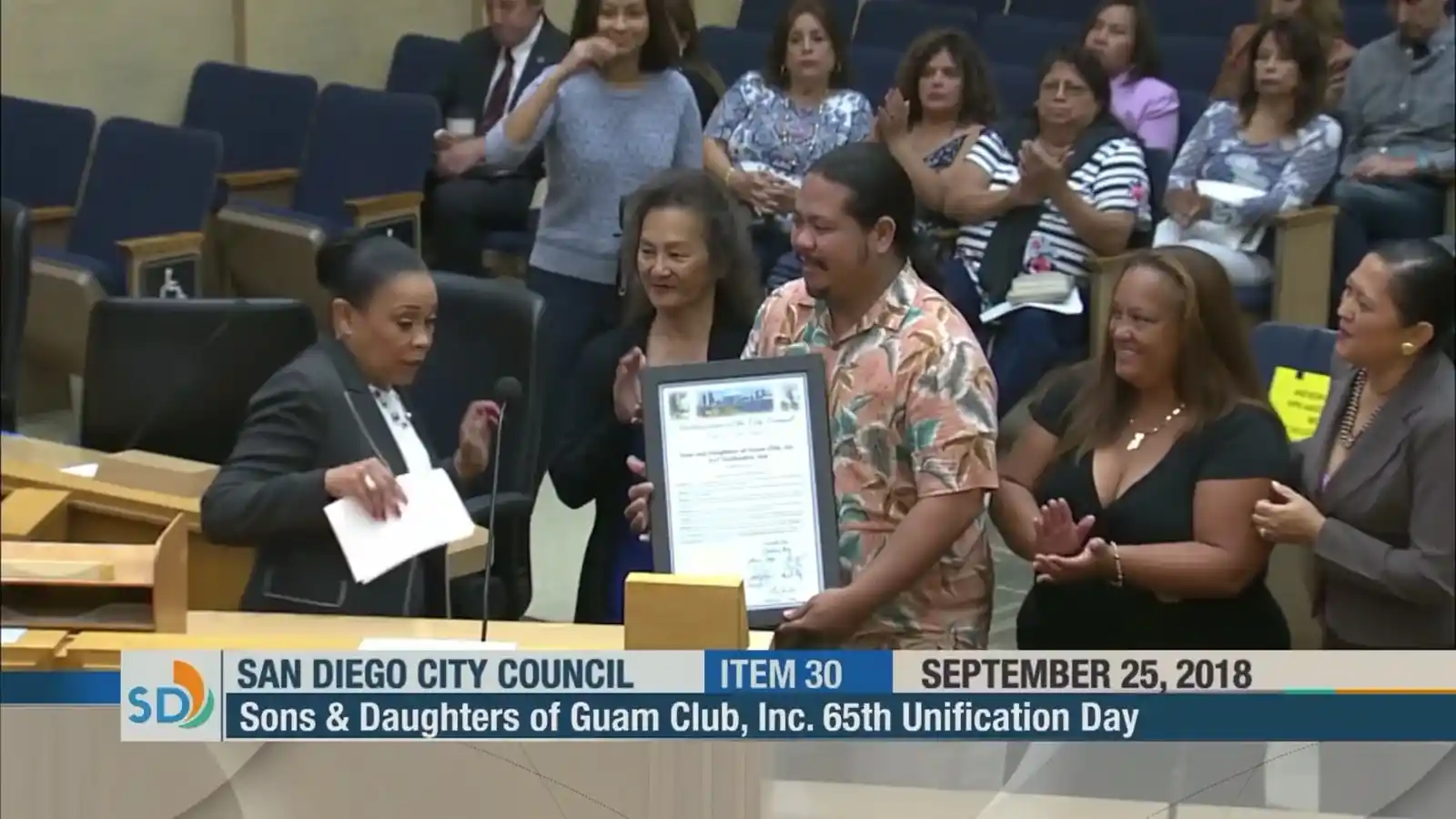
Sons and Daughters of Guam Club Proclamation
In September 2018, San Diego City Council presented a proclamation acknowledging the Sons and Daughters of Guam Club for upholding CHamoru culture. Upon receiving it, Josh Borja, the club’s Vice President, reflected on how the organization was “the original cultural center of San Diego.”
Featured in:
CHamoru Movement and Diasporic Communities, Module 2
-
Image
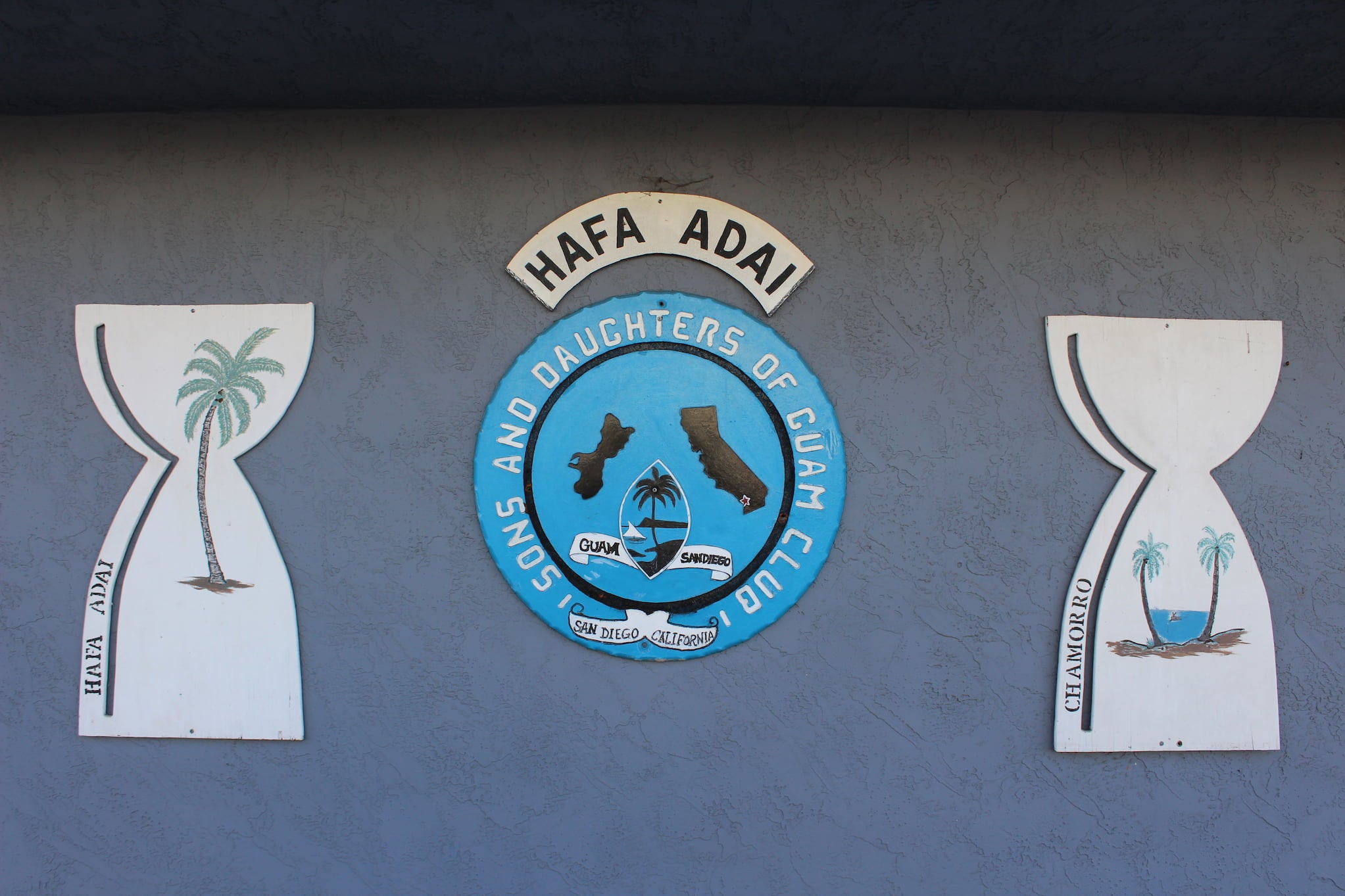
Seal of the Sons and Daughters of Guam Club
The seal of the Sons and Daughters of Guam Club of San Diego, California with the island of Guåhan (Guam) and the state of California represented in the design.
Featured in:
CHamoru Movement and Diasporic Communities, Module 2
-
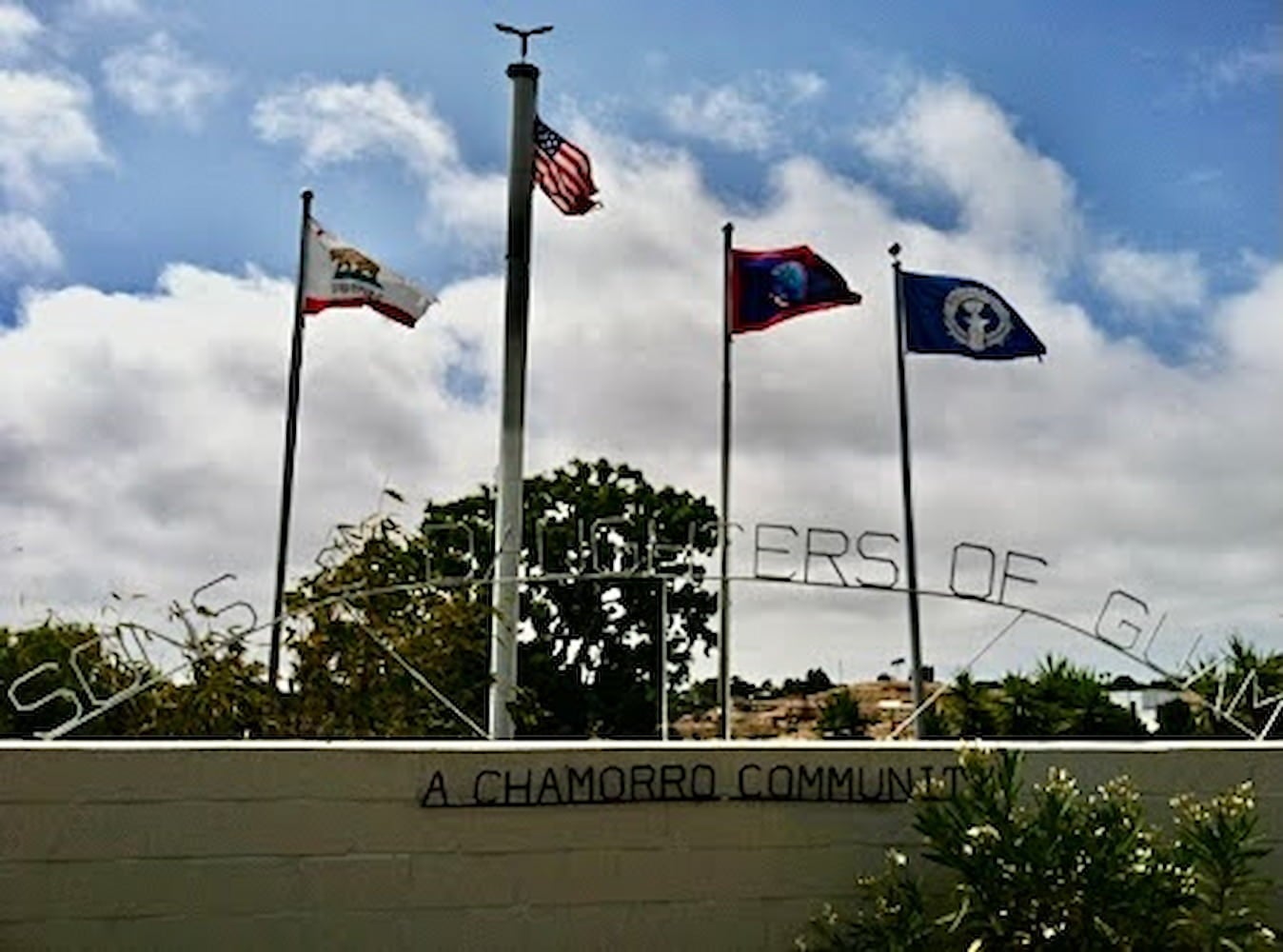
Image
Sons and Daughters of Guam Club Entrance
The entrance of San Diego’s Sons and Daughters of Guam Club with the flags of Guåhan (Guam), the Northern Mariana Islands, California, and the US on display.
Featured in:
CHamoru Movement and Diasporic Communities, Module 2
-
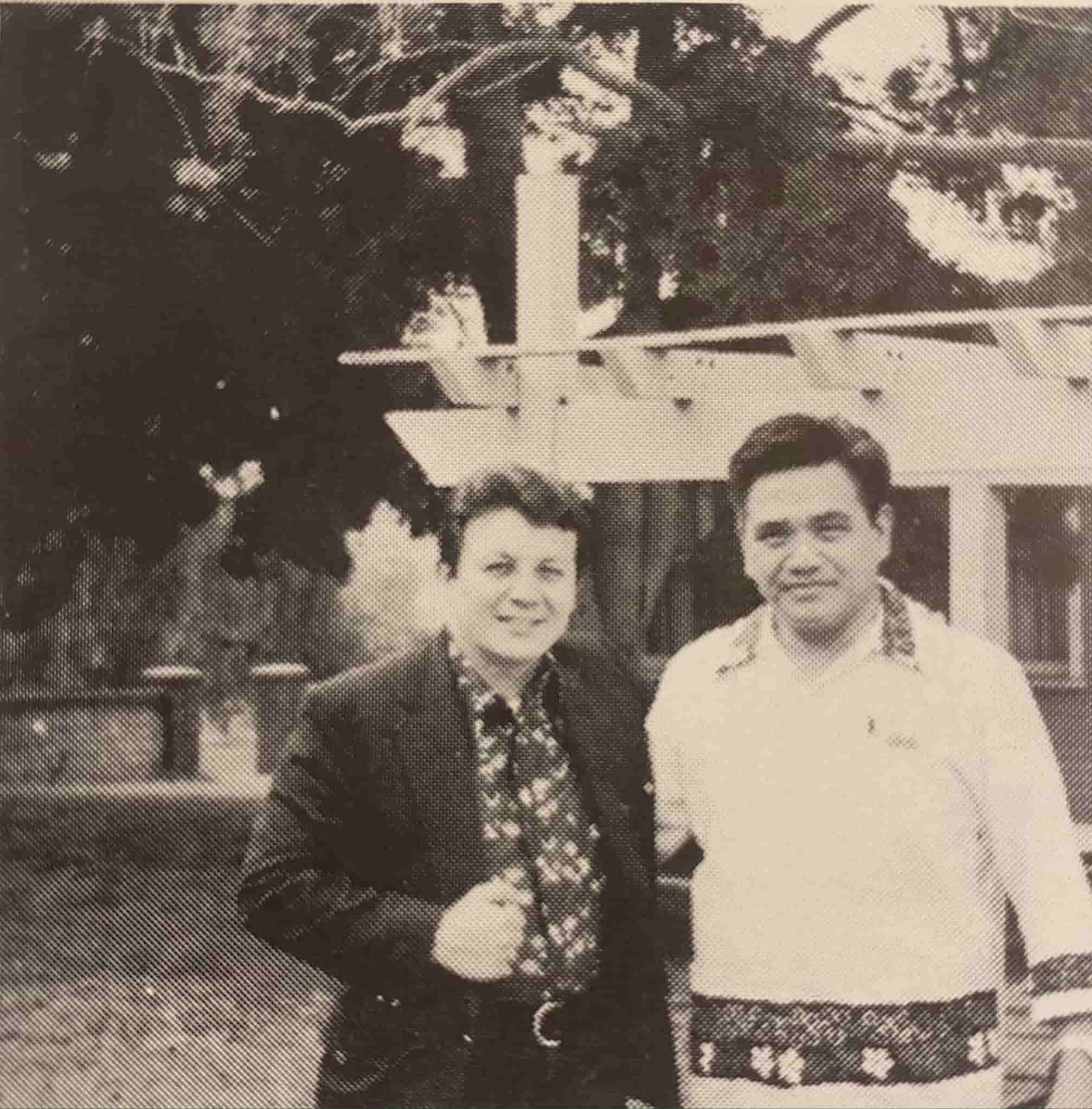
Image
Paul Calvo and Jose Untalan at Sons and Daughters of Guam Club
Guam Senator Paul Calvo (left) and former Guam Club president Jose Untalan (right) at the new club site in 1973. Together these figures show the continued relationship between CHamoru in the Mariana Islands with those in sanlagu (overseas) in the US.
Featured in:
CHamoru Movement and Diasporic Communities, Module 2
-
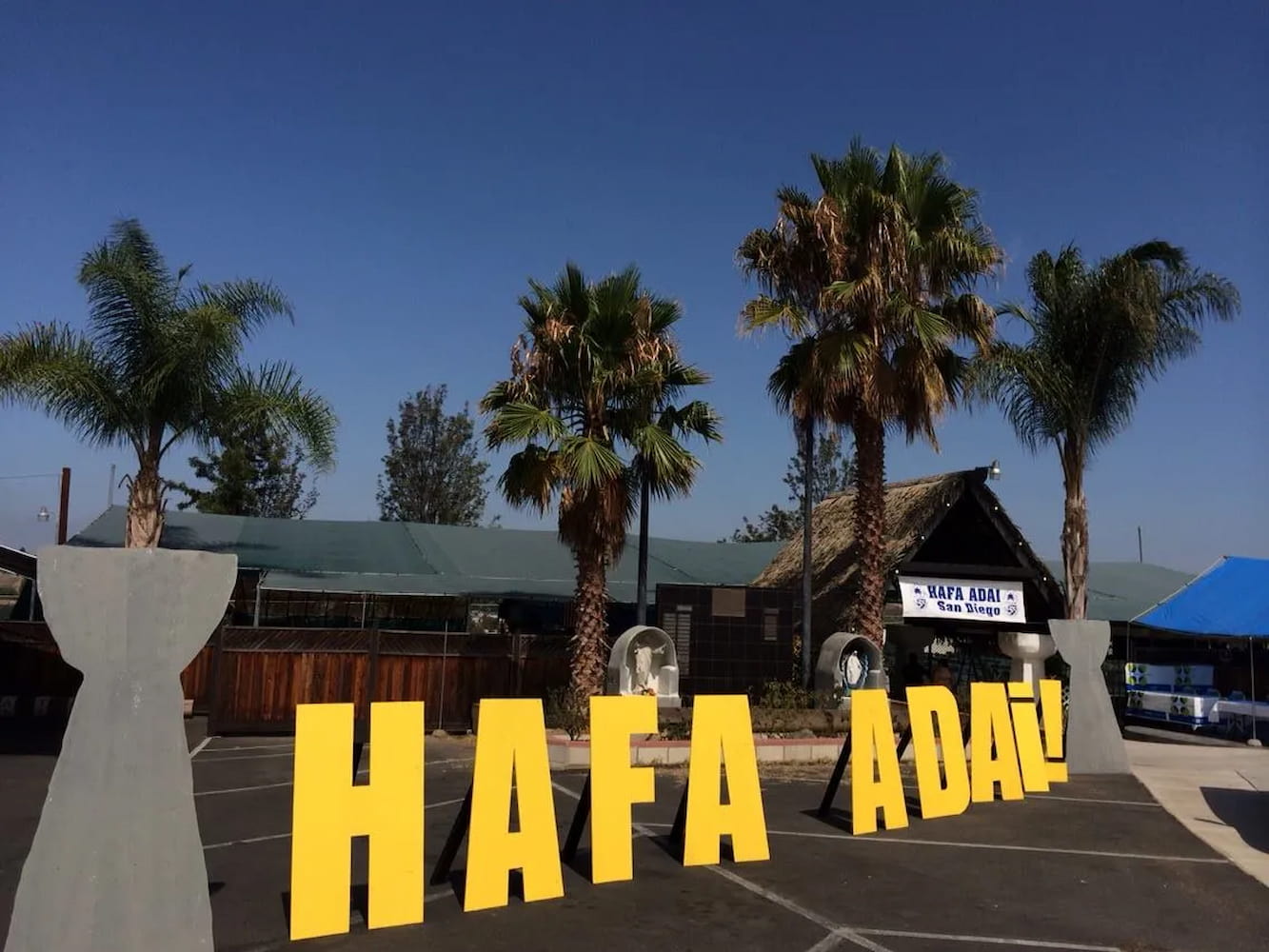
Image
Sons and Daughters of Guam Club
Exterior of Sons and Daughters of Guam Club site in San Diego. Håfa Adai is an expression of “welcome,” or “hello,” in CHamoru. In this image, two latte, or stone pillar, reproductions bookend the greeting letters.
Featured in:
CHamoru Movement and Diasporic Communities, Module 2
-
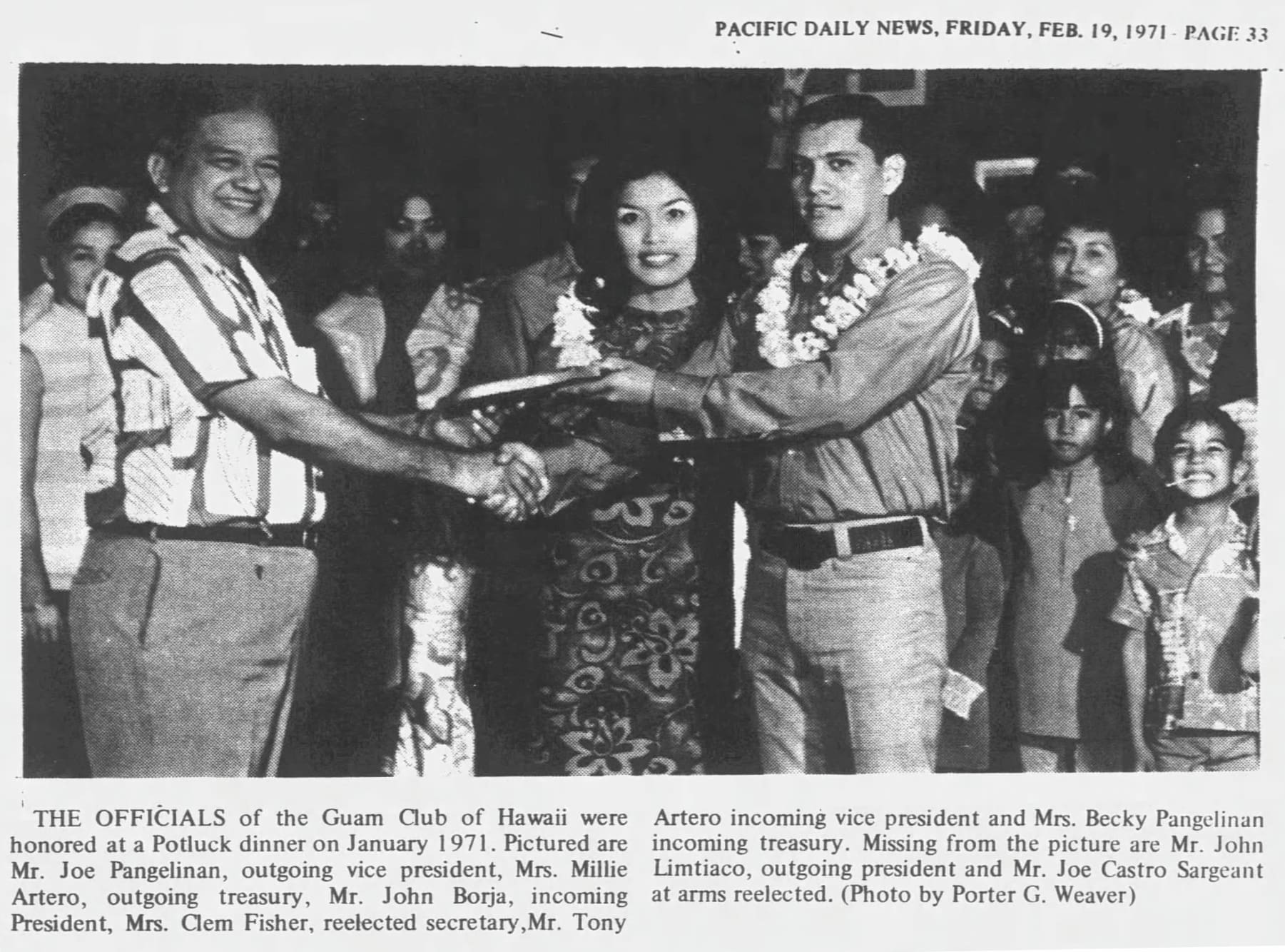
Text
Guam Club of Hawaiʻi
CHamoru-led organizations were created and flourishing during the 1960s and 1970s. These groups sprang up around US military bases, including in Hawaiʻi. The Guam Club of Hawaiʻi still exists today.
Featured in:
CHamoru Movement and Diasporic Communities, Module 2
-
Image
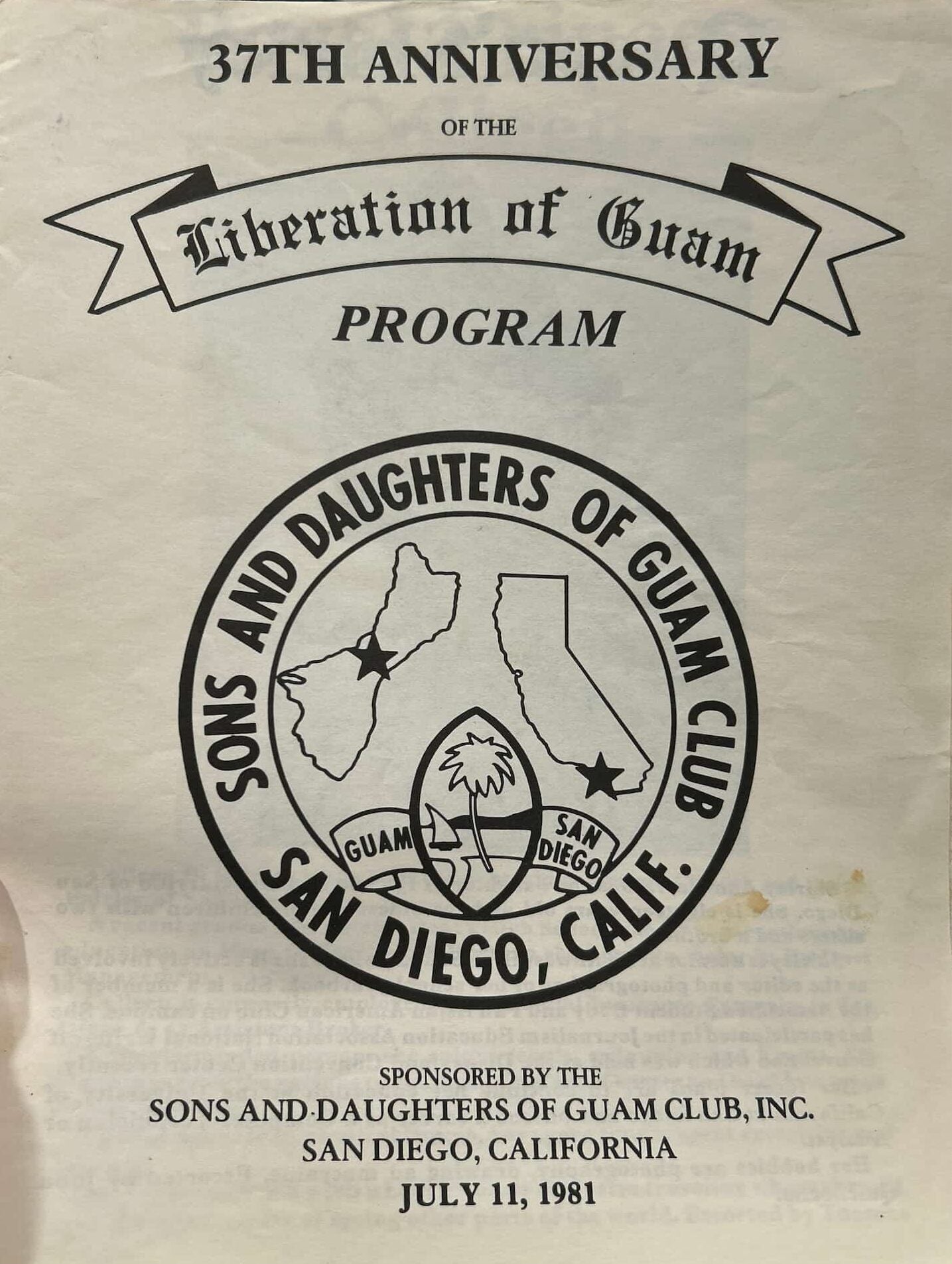
37th Anniversary of the Liberation of Guam Program
Program cover for the 37th Anniversary of the Liberation of Guam hosted by Sons and Daughters of Guam Club.
Featured in:
CHamoru Movement and Diasporic Communities, Module 2
-
Image
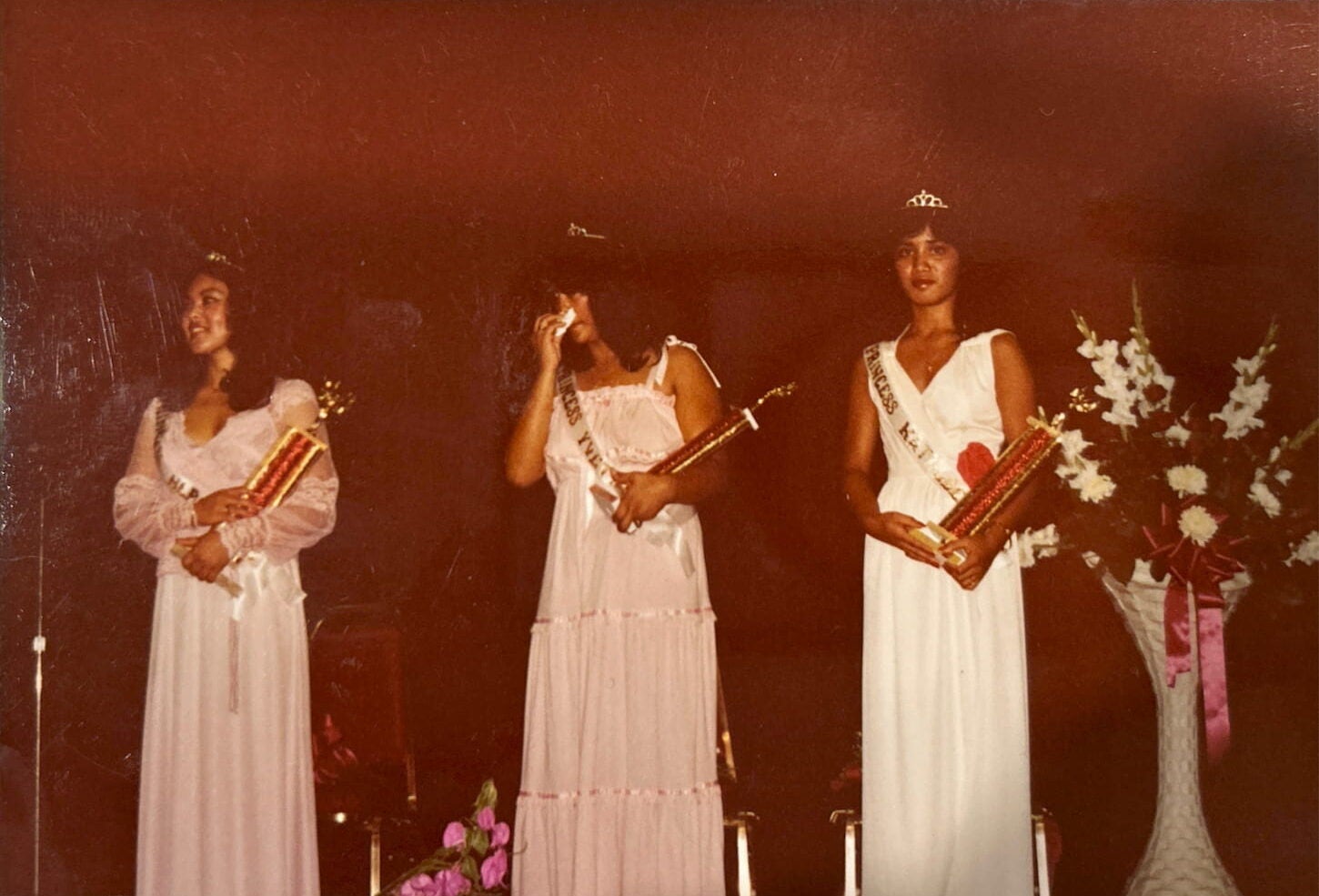
1981 Miss Liberation Queen
My mother, Kathleen Lujan, is pictured running for Miss Liberation Queen at the 1981 Sons and Daughters of Guam Club’s Liberation of Guam celebration in San Diego.
Featured in:
CHamoru Movement and Diasporic Communities, Module 2
-
Video
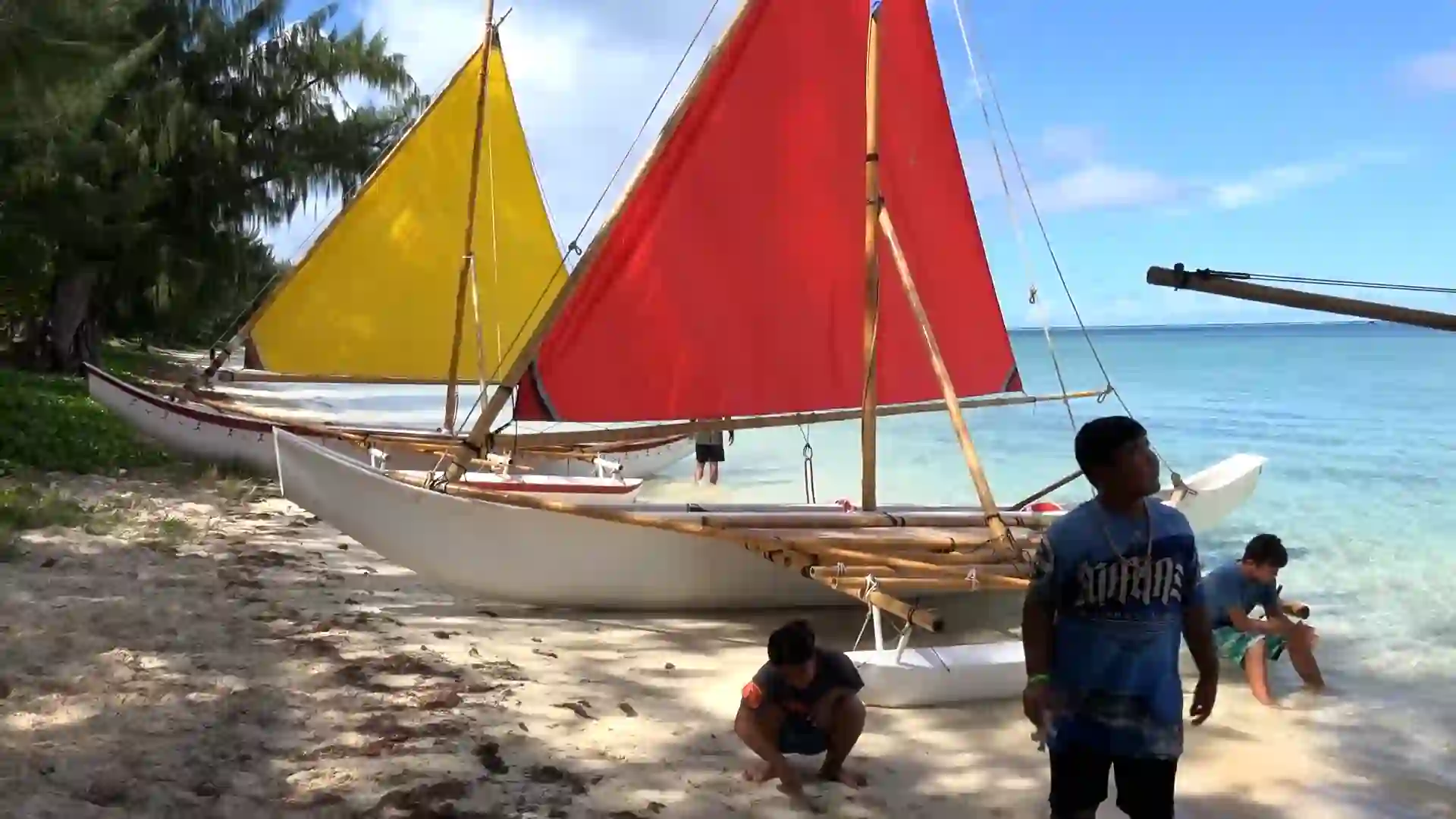
500 Sails Launches Canoe
500 Sails is a nonprofit organization based out of the Northern Mariana Islands committed to the revival and practice of maritime cultural traditions. This clip features an outrigger canoe, and executive director Pete Perez talks about bringing back canoe culture to the Marianas.
Featured in:
CHamoru Movement and Diasporic Communities, Module 1
-
Video
Pacific Navigation and Canoes
While a faculty member at University of Minnesota, Dr. Vicente Diaz directed the Native Canoe Program. Here, he highlights the significance of indigenous knowledge systems that canoes can bring to new generations.
Featured in:
CHamoru Movement and Diasporic Communities, Module 1
-
Video
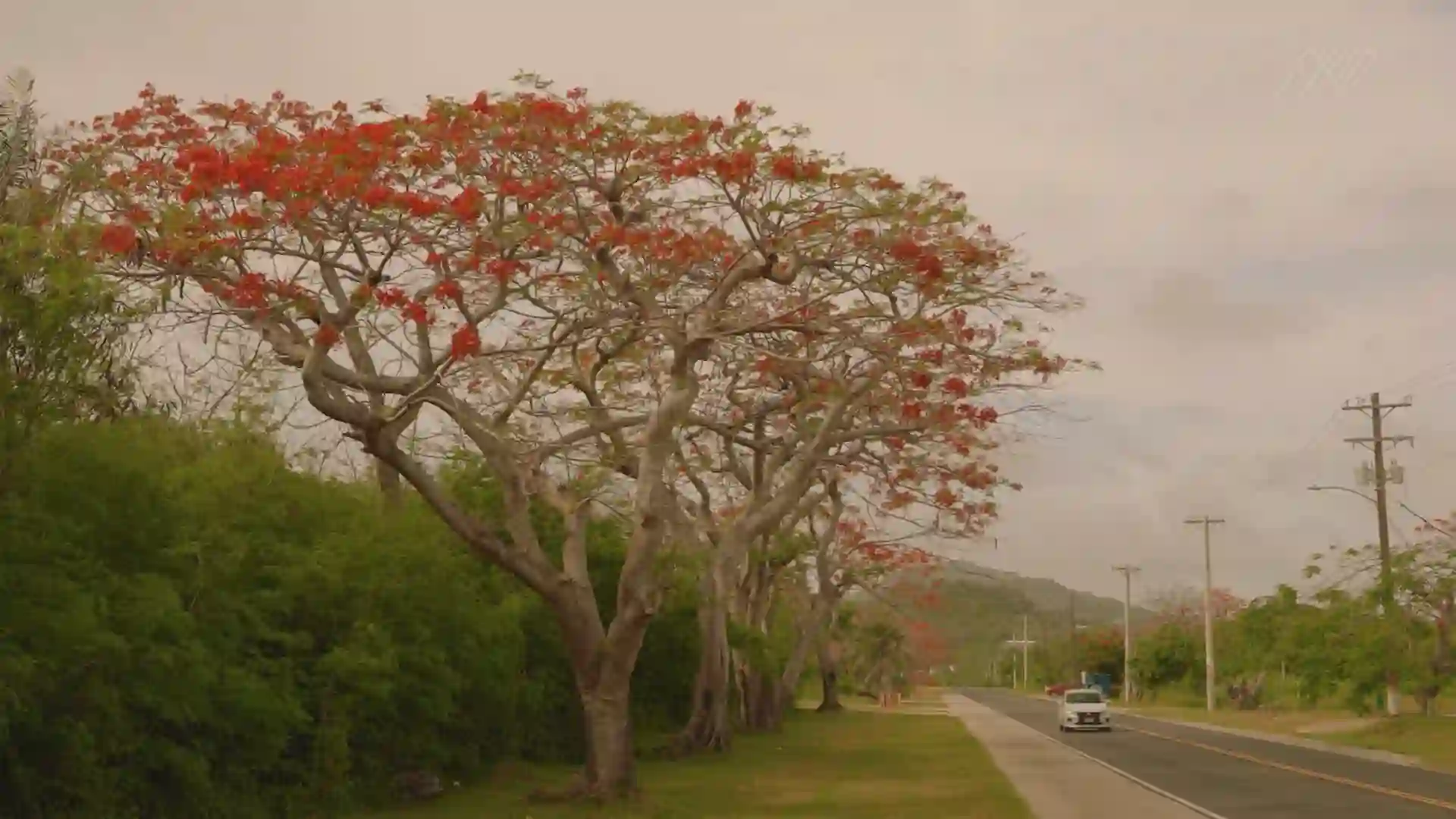
Saipan
This clip offers a brief introduction to Ina’s home island Saipan, highlighting the tropical climate through locally grown dragonfruit and the vibrant flame tree, the official state tree of the Northern Mariana Islands.
Featured in:
CHamoru Movement and Diasporic Communities, Module 1
-
Video
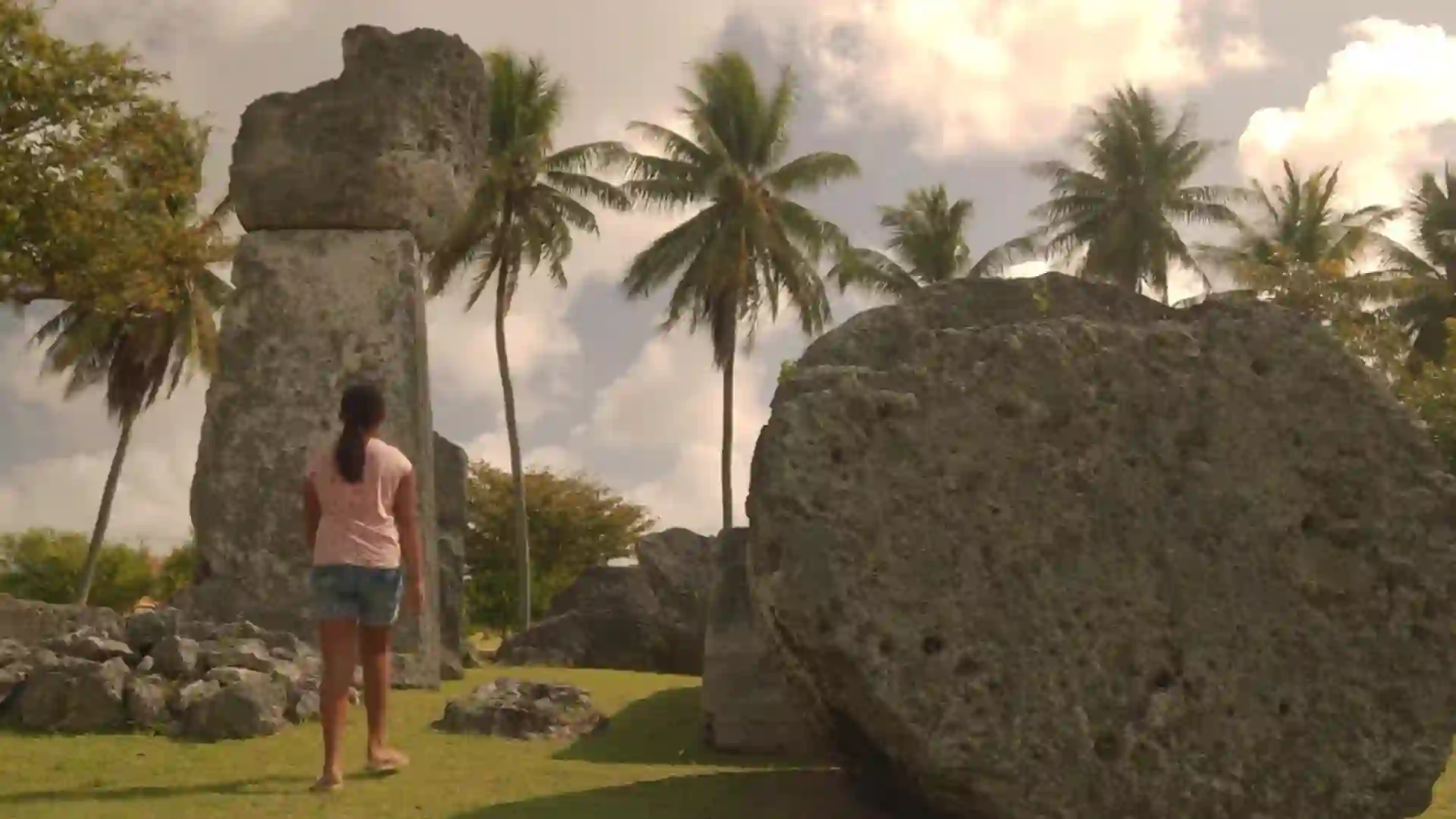
Tinian
CHamoru youth Celeste sits with the ancient latte stone structures on her home island Tinian. Guma Taga is the largest standing latte structure across the Mariana Islands.
Featured in:
CHamoru Movement and Diasporic Communities, Module 1
-
Video
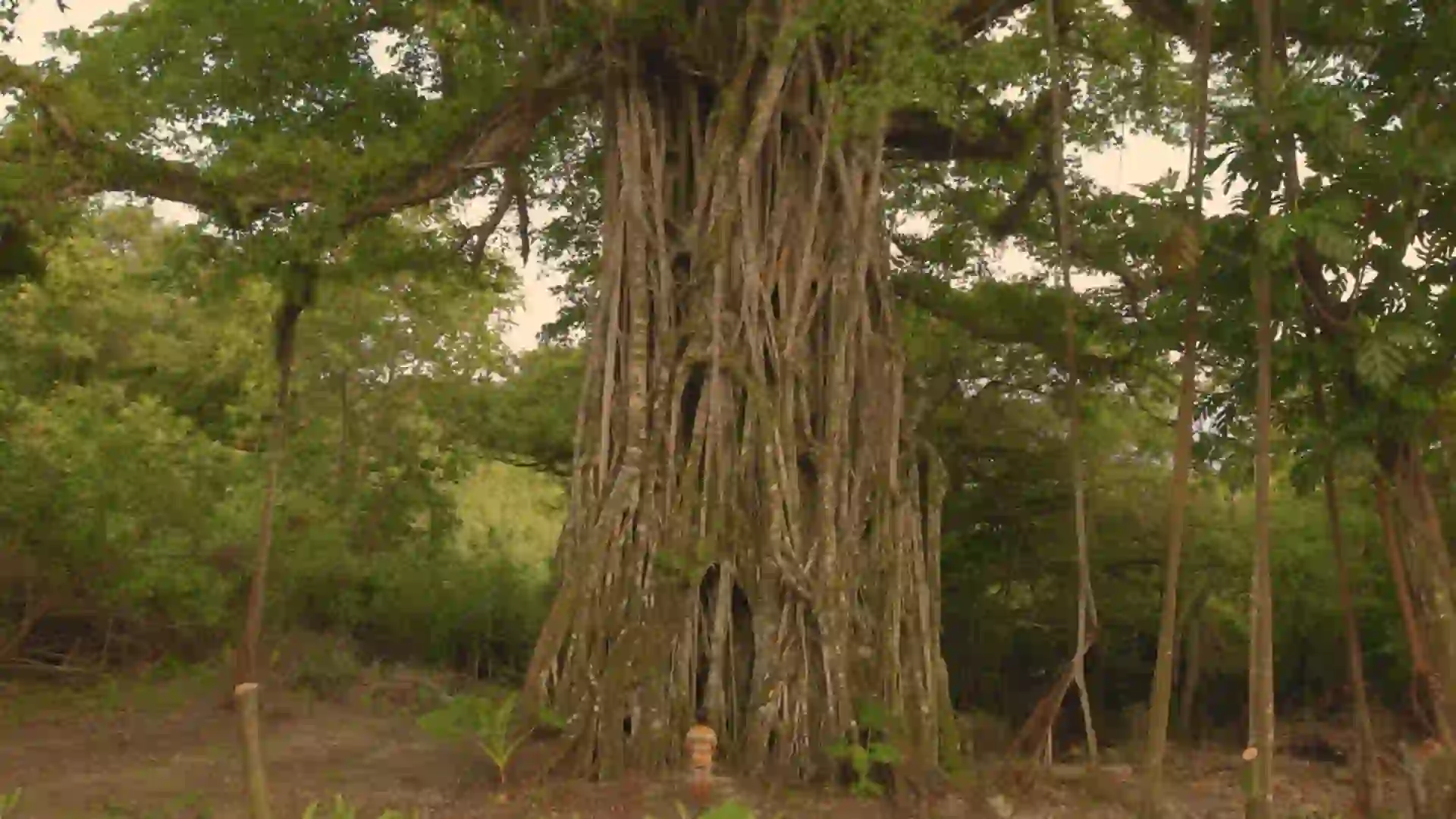
Luta (Rota)
On Luta (Rota) of the Mariana Islands, Isaiah introduces us to the largest Nunu (Banyan) tree in the Marianas, located in Malilok. The Nunu holds deep cultural significance for CHamorus — its roots and sap are used by traditional healers. It is considered a sacred place where ancestral spirits reside.
Featured in:
CHamoru Movement and Diasporic Communities, Module 1
-
Video
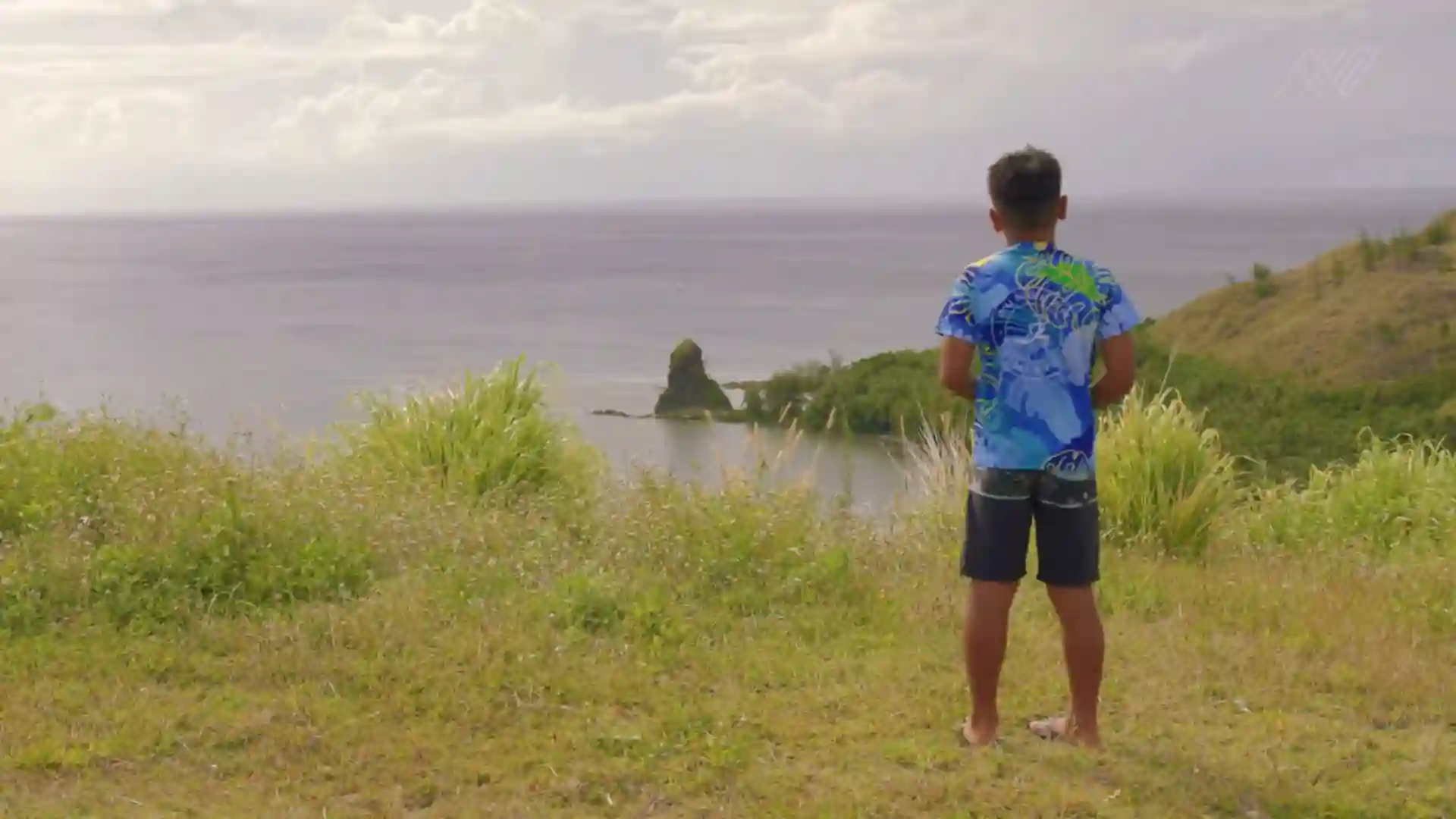
Humåtak
Guåhan (Guam) of the Mariana Islands. Tånom, a CHamoru youth, takes us to Humåtak, a village in the southwestern region of the island of Guåhan. Humåtak is home to Fouha Rock, an important location in the CHamoru creation story.
Featured in:
CHamoru Movement and Diasporic Communities, Module 1
-
Image
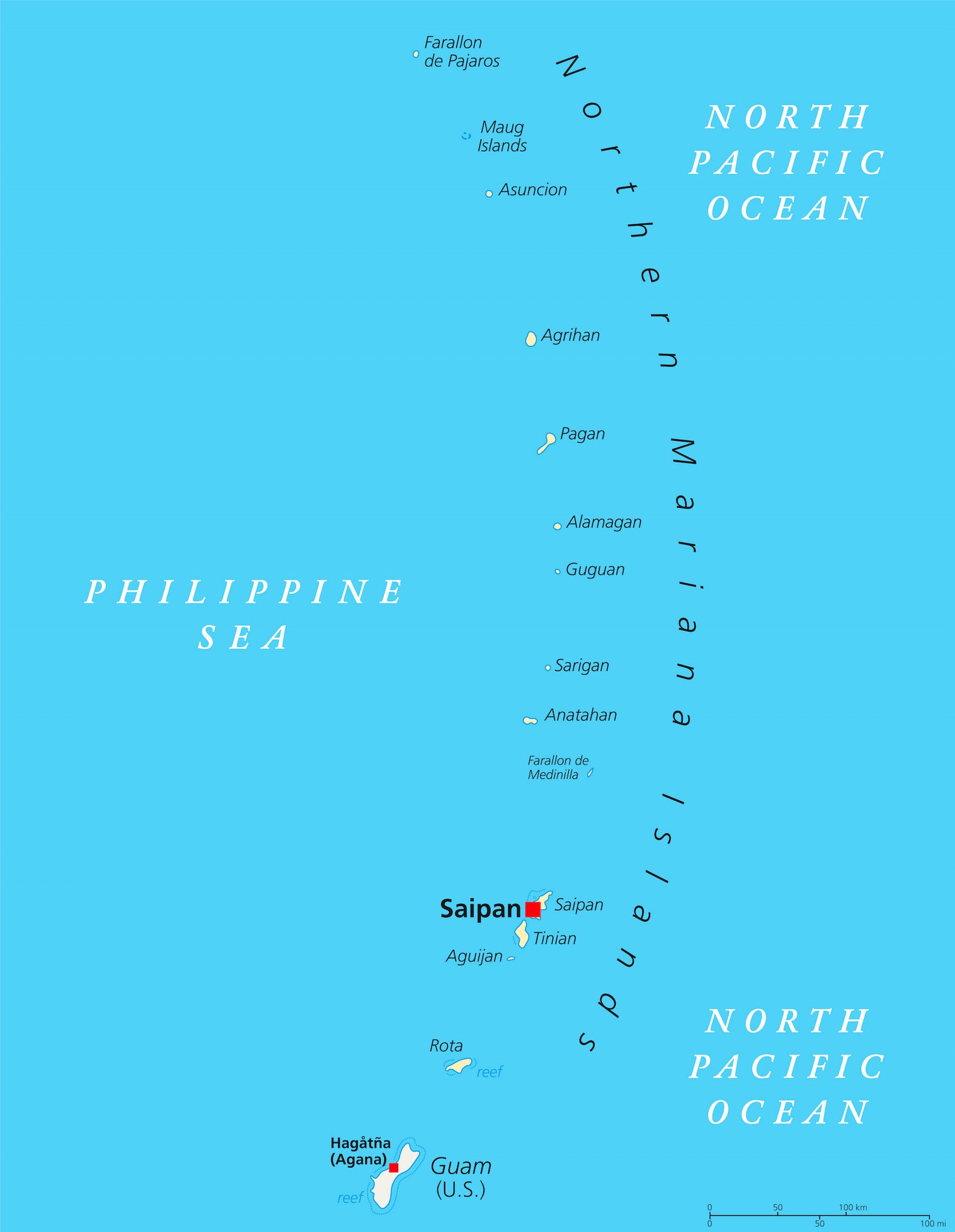
Map of the Mariana Islands
This map of the Mariana Islands shows the entire archipelago consisting of fifteen islands, four of which are lived on today: Guåhan (Guam), Luta (Rota), Tinian, and Saipan.
Featured in:
CHamoru Movement and Diasporic Communities, Module 1
-
Audio
“Off-Island Chamorros”
Listen to Dr. Craig Santos Perez, CHamoru poet and 2023 US National Book Award Winner, read the above excerpt from his poem, “Off-Island Chamorros.”
Featured in:
CHamoru Movement and Diasporic Communities, Module 1
-
Image
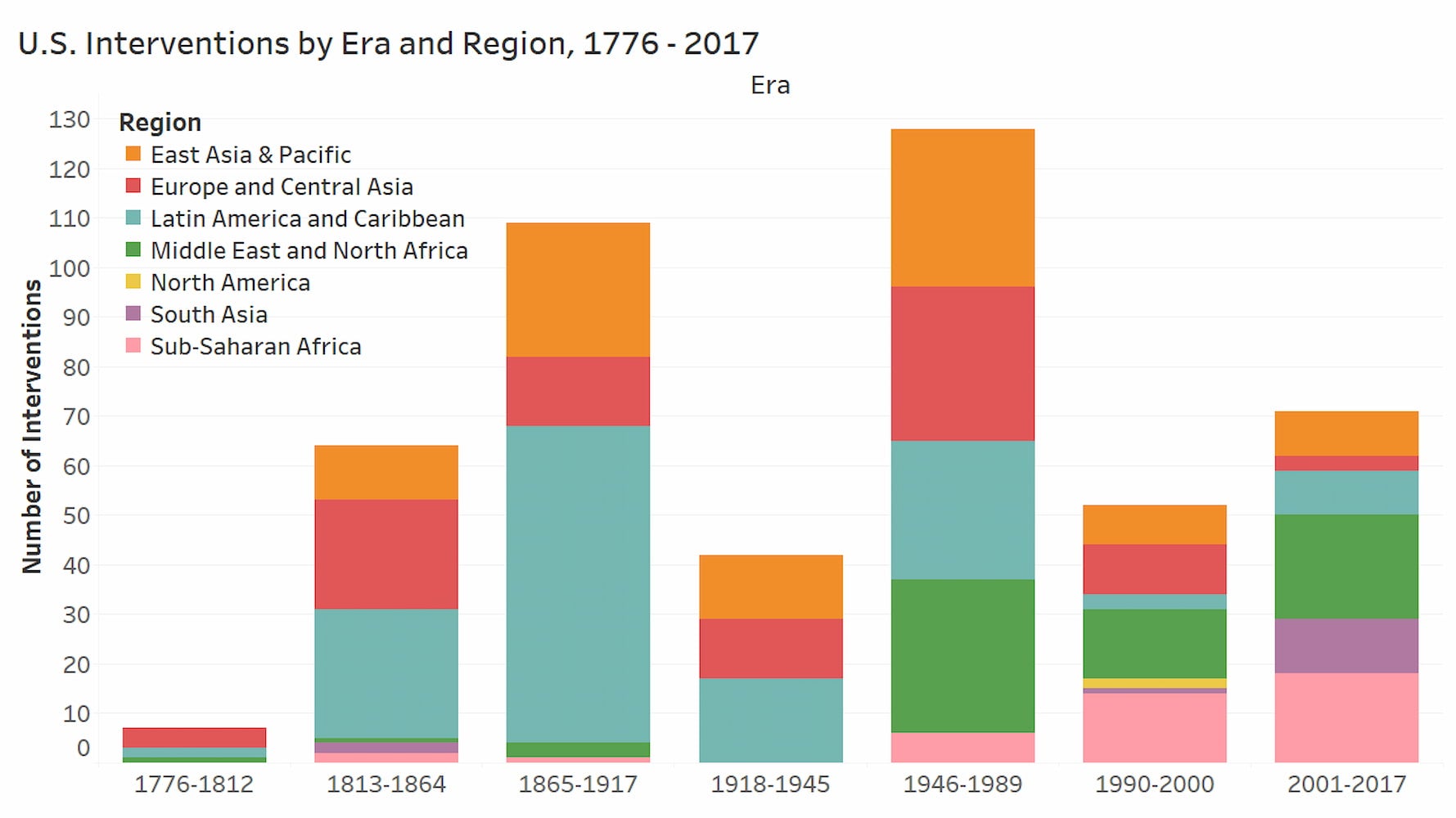
U.S. Military Interventions by Era and Region
This graph from the Fletcher School of Law and Diplomacy at Tufts University illustrates the number of US interventions by period and region. Since 1776, the US has undertaken over five hundred international military interventions, with the largest number taking place during the Cold War.
Featured in:
Cambodian Americans, Module 5