



Search the Media Repository
Discover the curated images, videos, and primary sources featured throughout Foundations and Futures
History is more than just text on a page; it is the photographs, voices, and artifacts of the people who lived it. The images and recordings featured across Foundations and Futures are part of a meticulously curated media repository. Whether you are building a lesson plan or investigating an artifact, you can use this database to trace the provenance of our media: discover who created an asset, the historical context behind it, and how it can be used to bring Asian American and Pacific Islander experiences into your classroom.
Multimedia
Chapters
-
Video
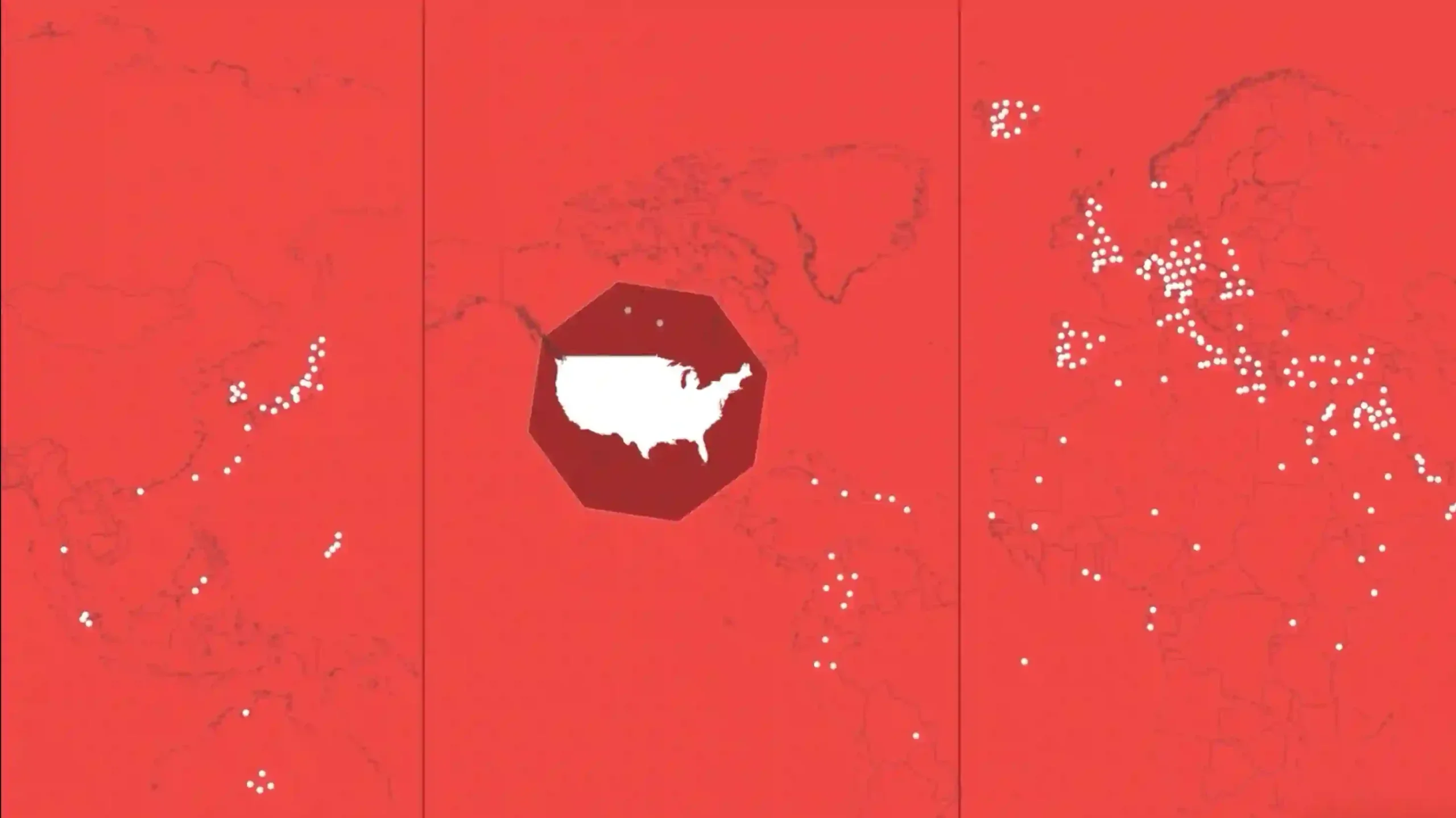
U.S. Military Bases Around the World
This excerpt illustrates the global reach of the US through overseas military bases. Understanding the pervasiveness of US militarism is critical to a transnational approach to Cambodian American history.
Featured in:
Cambodian Americans, Module 5
-
Video
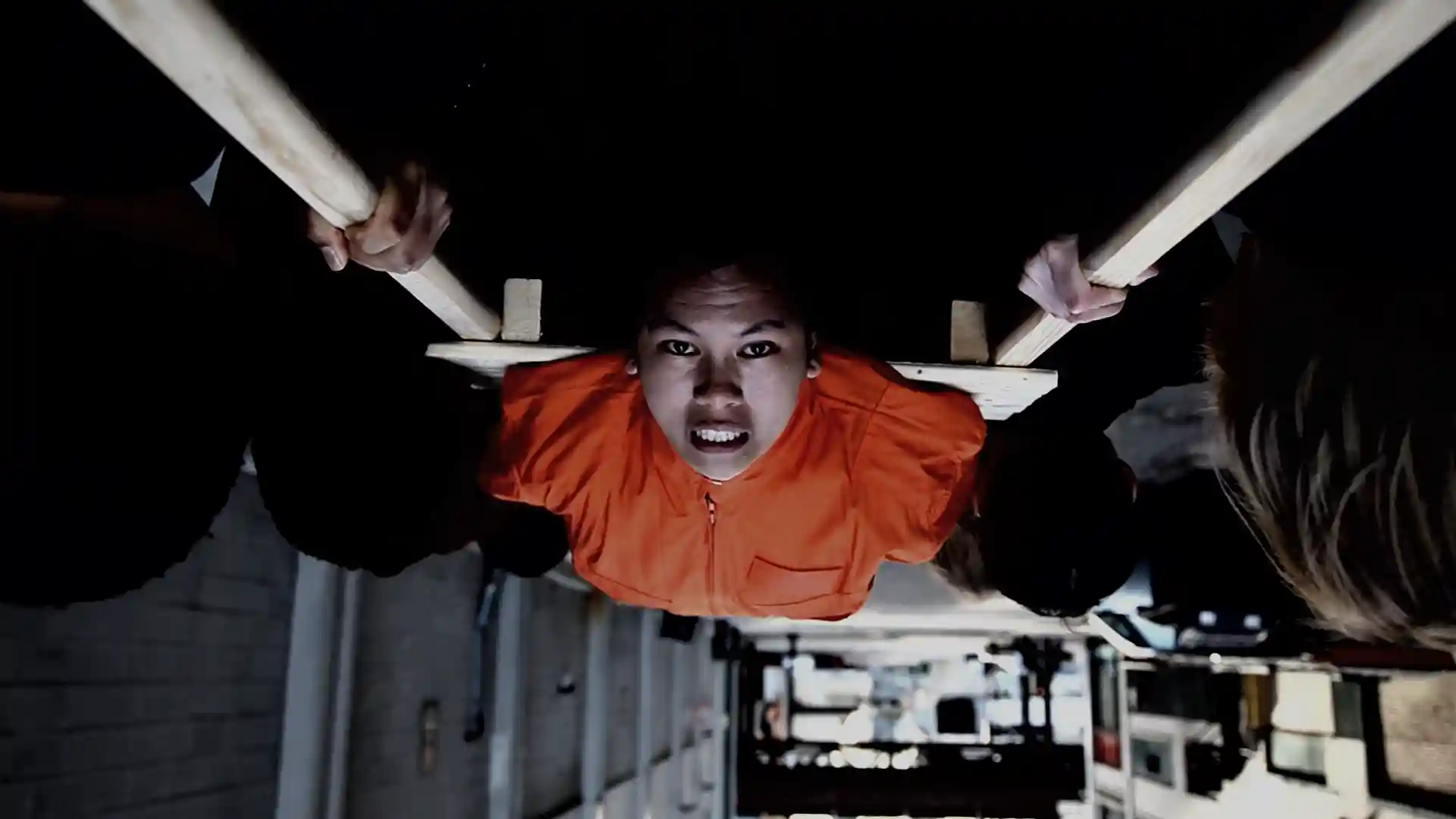
Mistaken for Muslim
1700% Project: Mistaken for Muslim consists of a poem, video, audio recording, and performance. The poem is a cento (made up of 100 lines) and is based on reports of hate crimes against those assumed to be Arabs and/or Muslim.
Featured in:
Cambodian Americans, Module 5
-
Video
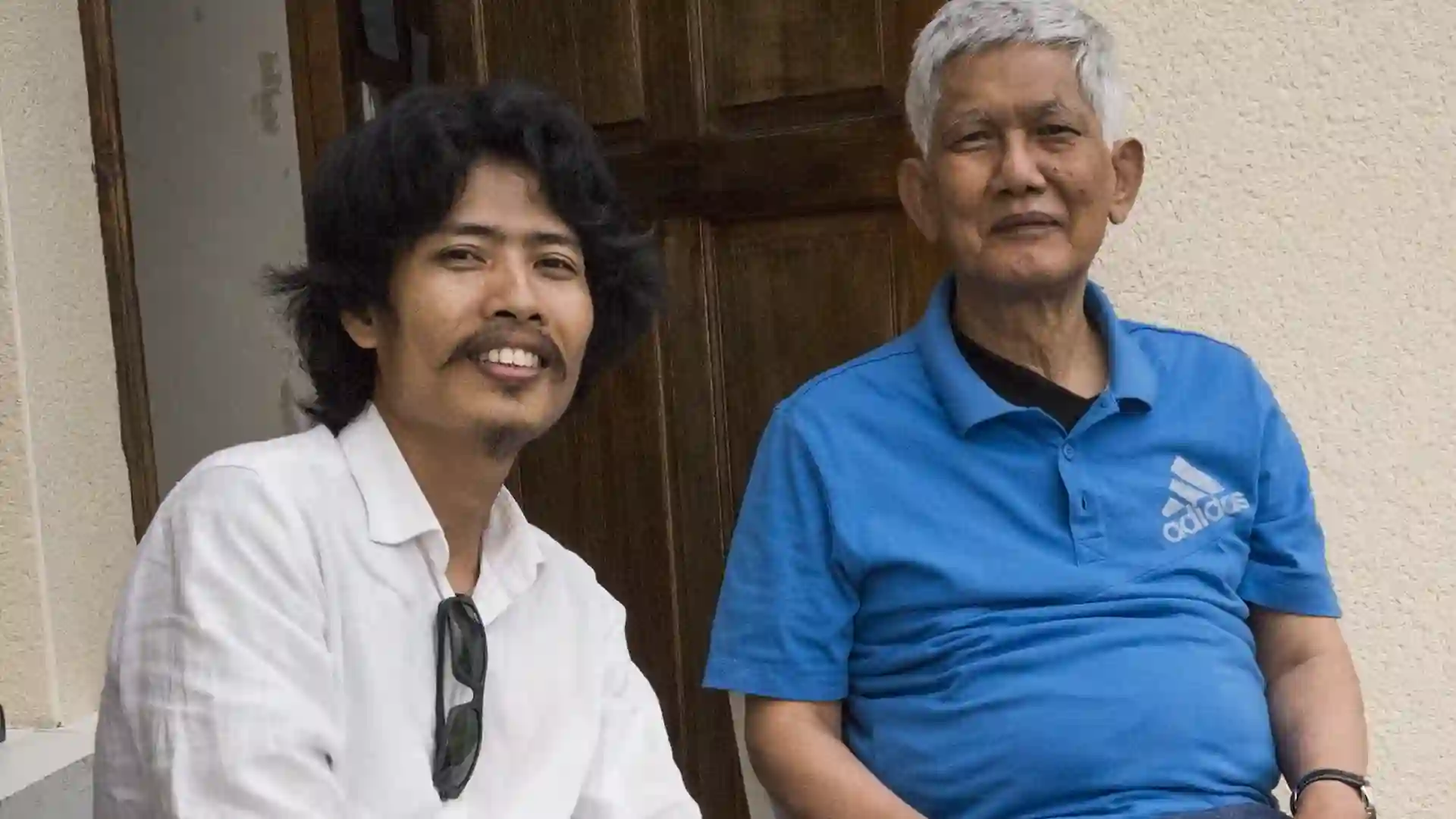
Vandy Rattana Profile
In this excerpt, Cambodian diasporic artist Vandy Rattana describes his personal research to learn about “bomb ponds” caused by US bombing of Cambodia. His lack of awareness demonstrates the absence of this narrative from state-sponsored institutional memory work, underscoring the importance of cultural productions by Cambodian artists.
Featured in:
Cambodian Americans, Module 5
-
Image
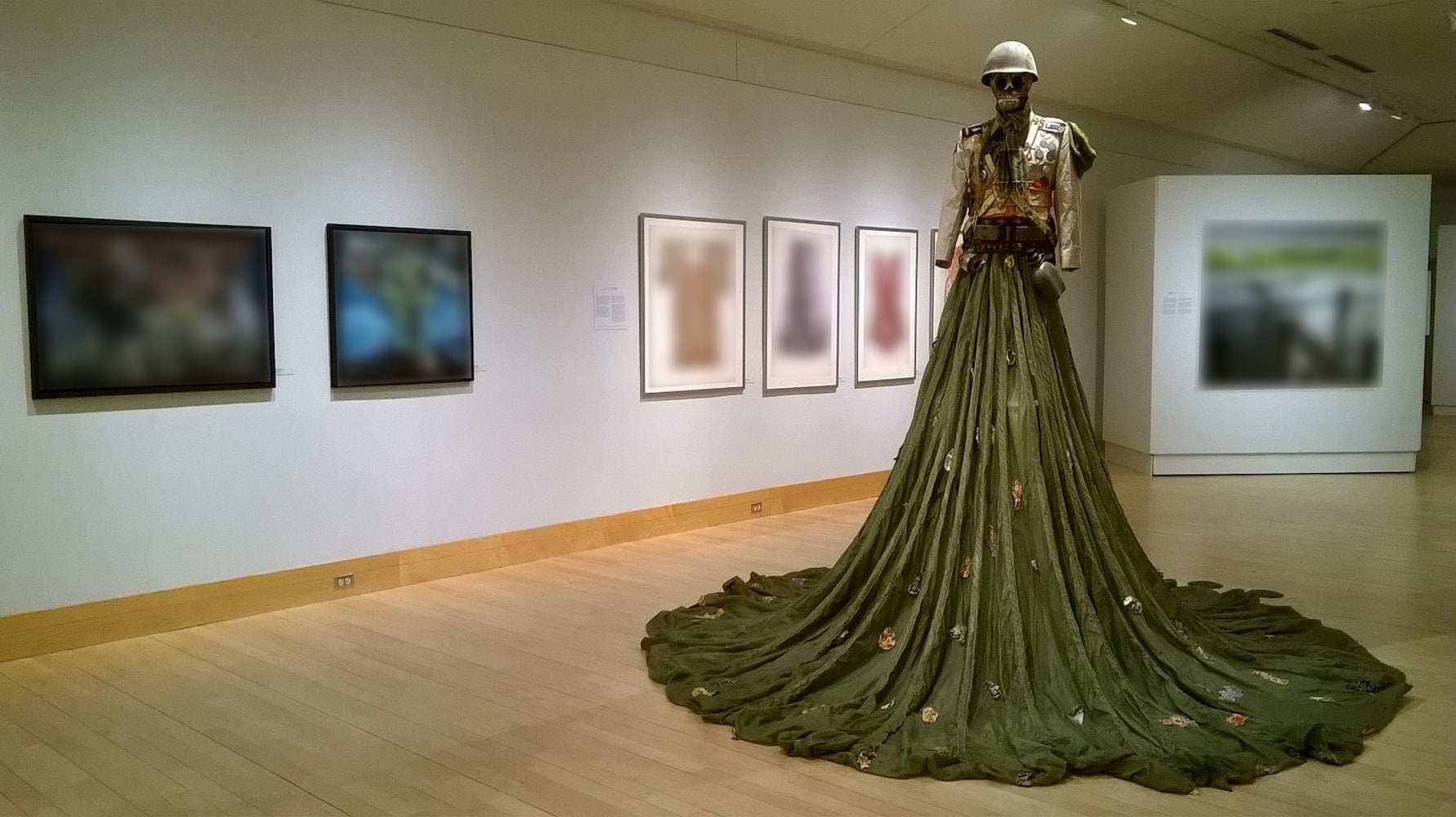
Leang Seckon’s Flowering Parachute Skirt
Leang Seckon is a leading member of the Cambodian contemporary art scene. His Flowering Parachute Skirt (2012) is constructed from mixed materials, including a military parachute that fell onto his village during the US bombings of Cambodia.
Featured in:
Cambodian Americans, Module 5
-
Video
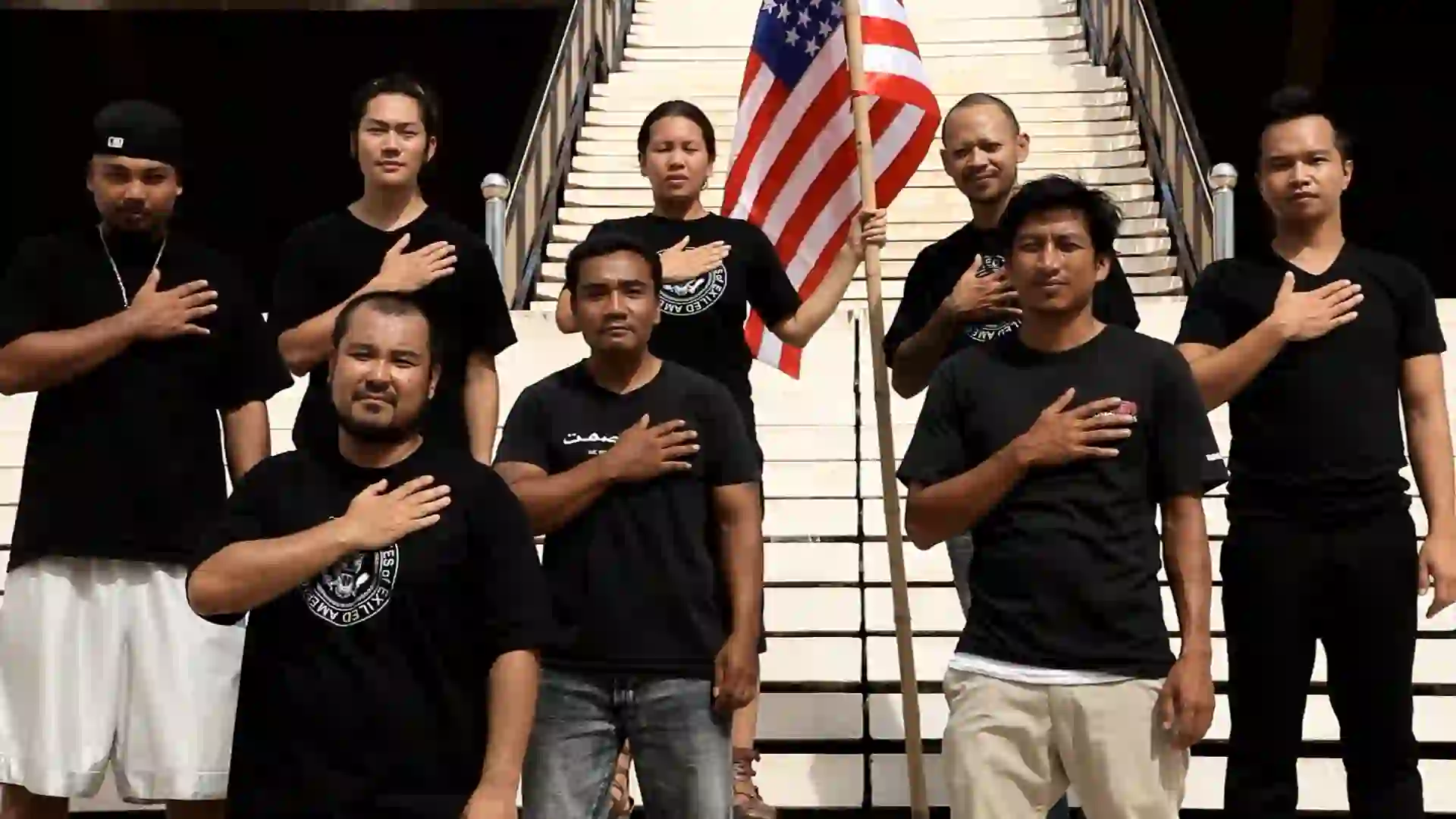
My Asian Americana
In this video, Cambodian American ex-pats and exiles describe the memories and cultural mannerisms that define their idea of ‘Asian Americana’, bringing awareness to the stories of individuals impacted by U.S. deportation policies.
Featured in:
Cambodian Americans, Module 5
-
Video
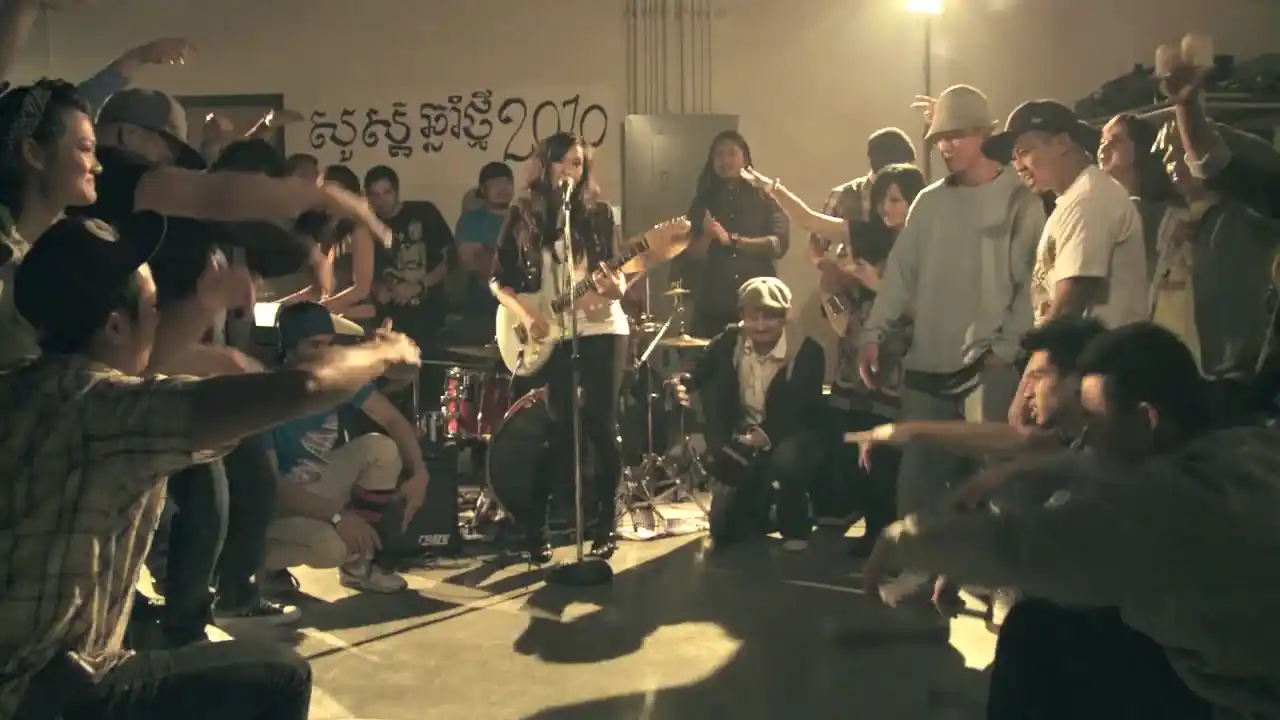
“Sva Rom Monkiss” by Laura Mam and The Like Me’s
Laura Mam is a Cambodian American artist born in San Jose, California, and one of the leaders of the Cambodian Original Music Movement. Mam’s music is known for melding Khmer and Western styles and sound, as shown in this clip from her “Sva Rom Monkiss” music video.
Featured in:
Cambodian Americans, Module 4
-
Image
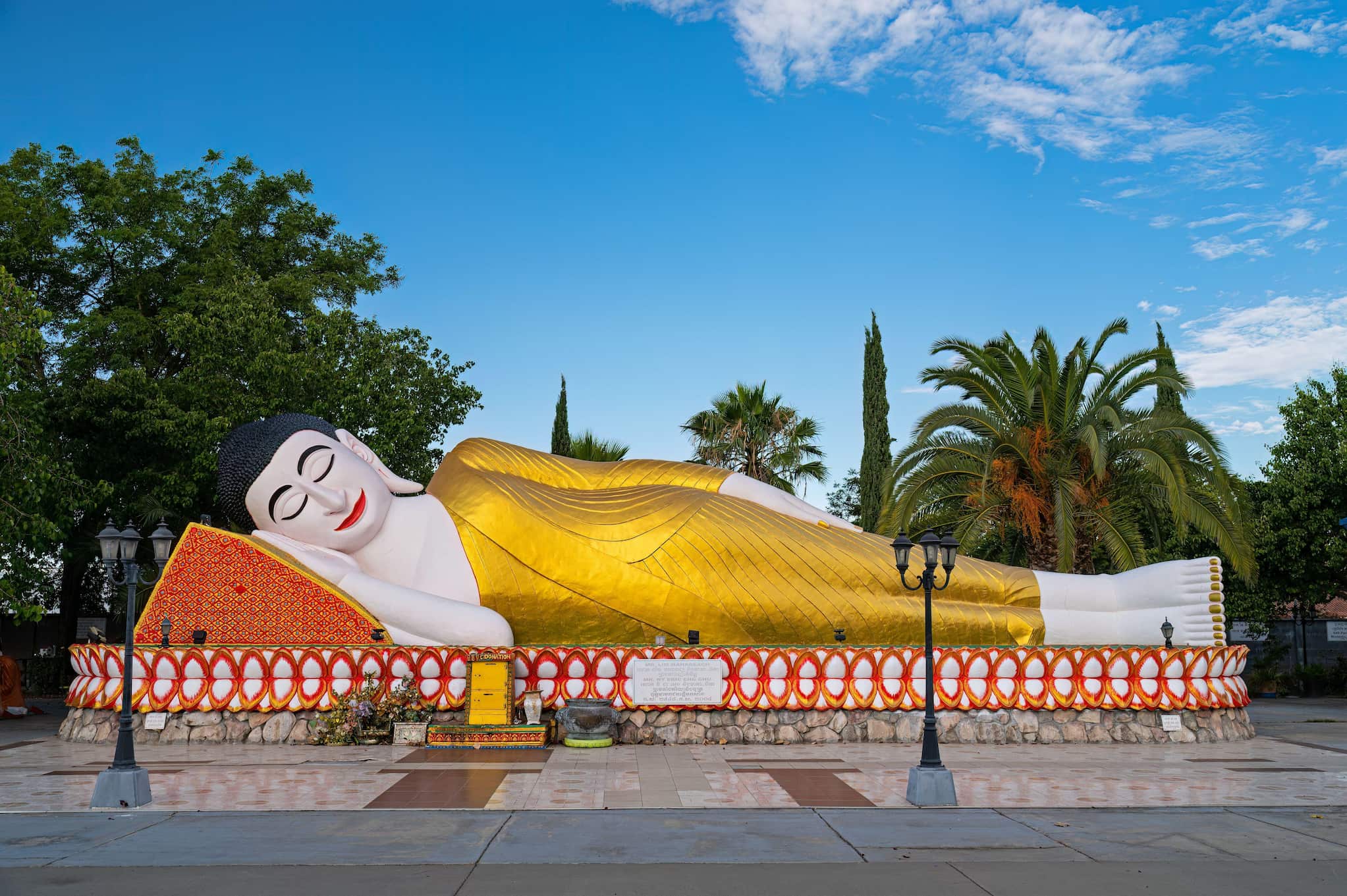
Reclining Buddha at Stockton Temple
A sculpture of a fifty-foot reclining Buddha is one of several large statues on the grounds of the Cambodian Buddhist Temple (Wat Dhammararam) in Stockton, California.
Featured in:
Cambodian Americans, Module 4
-
Video
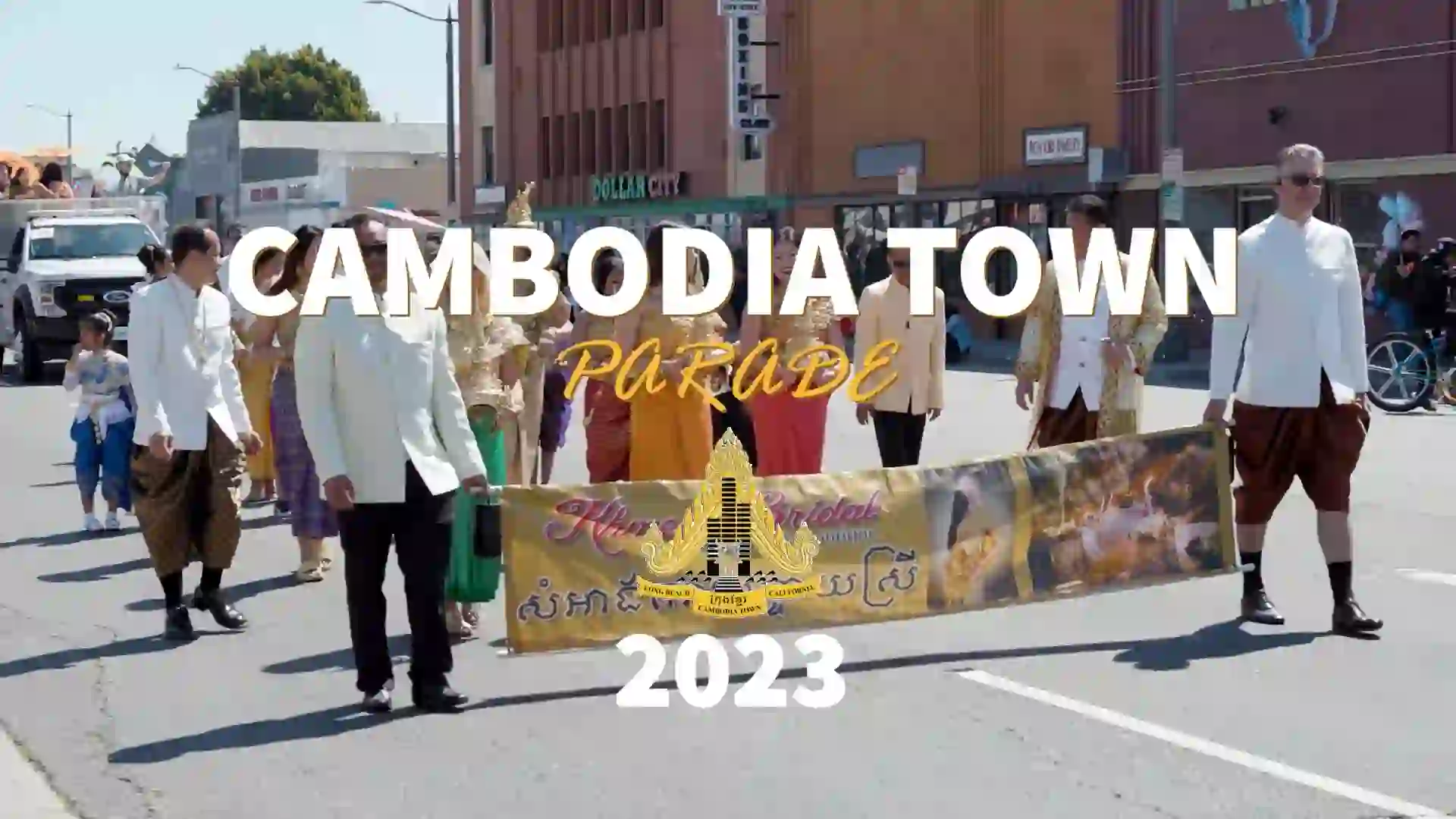
2023 Cambodia Town Parade
Footage from the 2023 Cambodia Town Parade in Long Beach, California.
Featured in:
Cambodian Americans, Module 4
-
Image
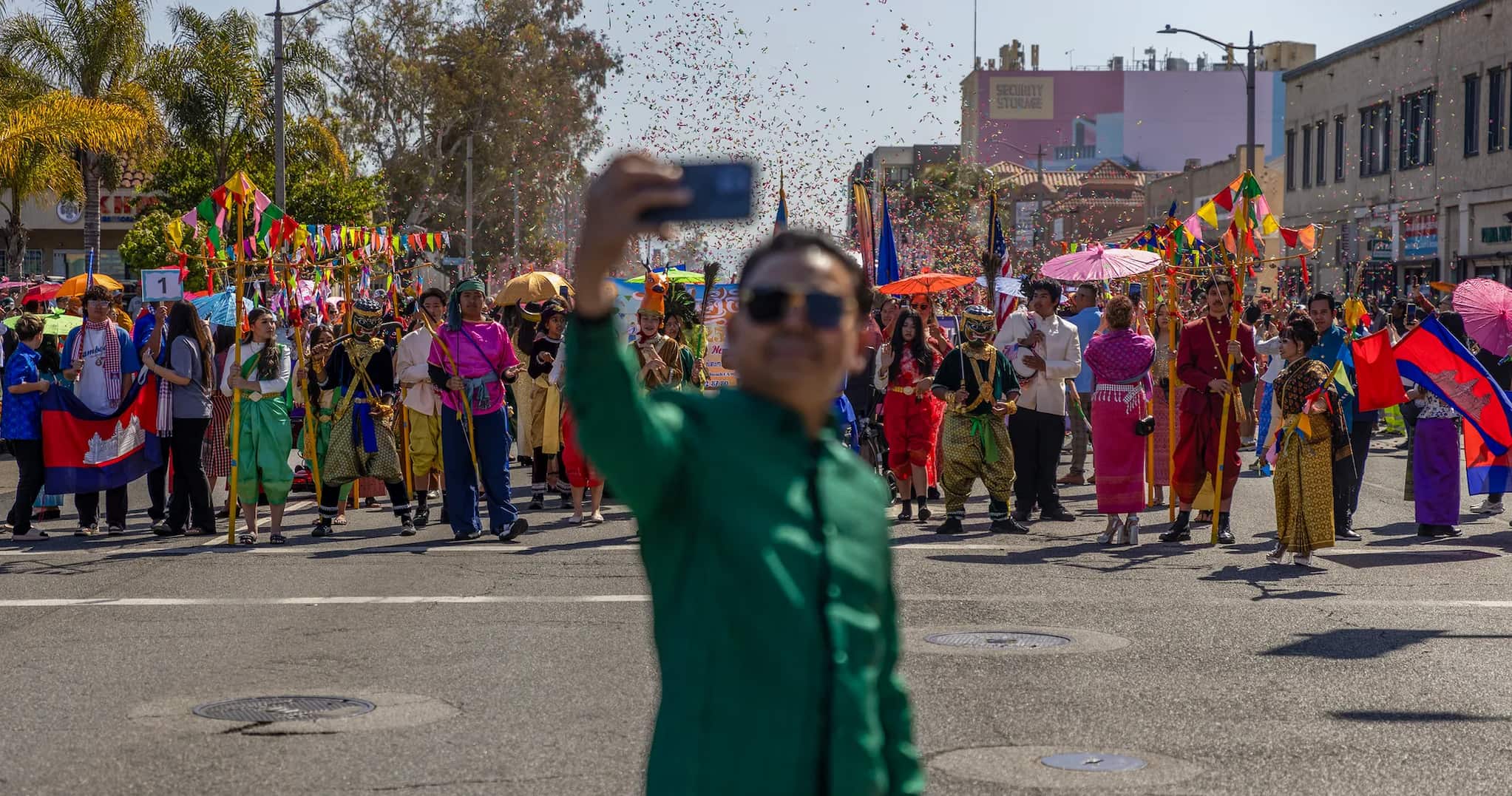
17th Annual Cambodian Town Parade
The start of the 17th annual Cambodia Town Parade in Long Beach, California. Long Beach has the largest concentration of residents of Cambodian descent outside of Cambodia.
Featured in:
Cambodian Americans, Module 4
-
Text
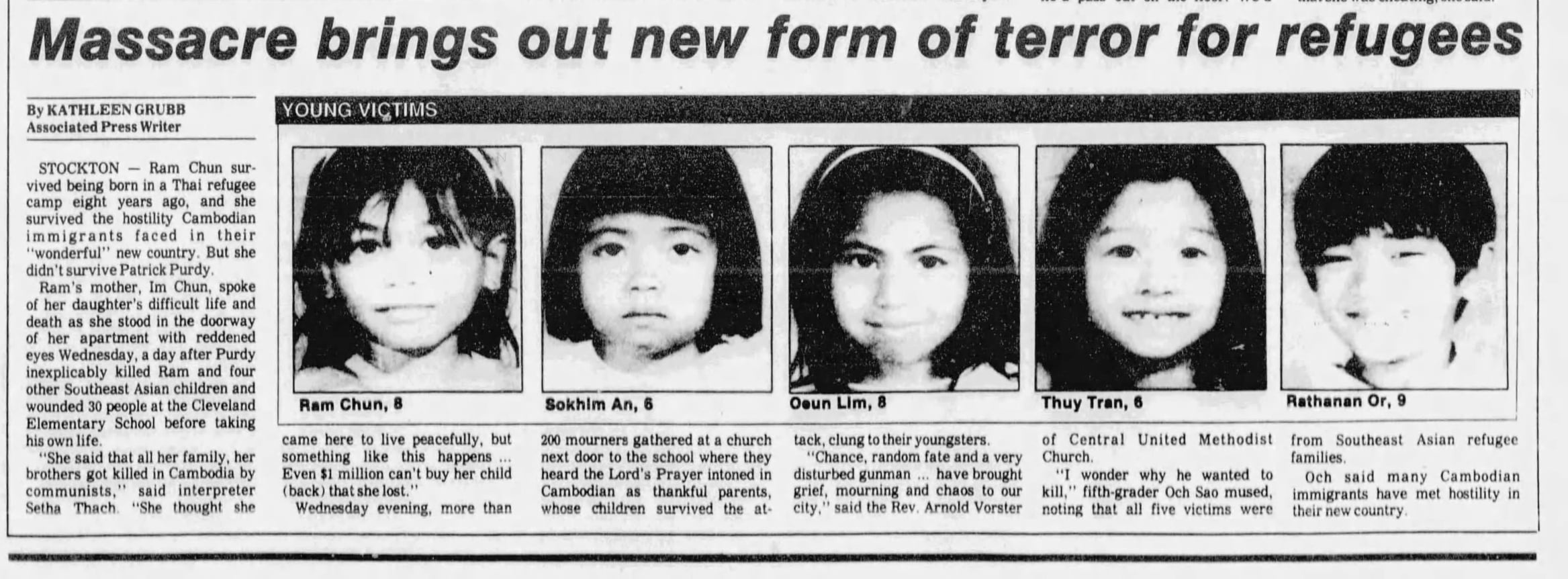
“Massacre Brings Out New Form of Teror for Refugees”
On January 17, 1989, Patrick Purdy shot and killed five students—four Cambodian Americans and one Vietnamese American—and wounded thirty-two others at Cleveland Elementary School in Stockton, California. This was the deadliest mass shooting at an elementary school until Sandy Hook in 2012.
Featured in:
Cambodian Americans, Module 4
-
Image
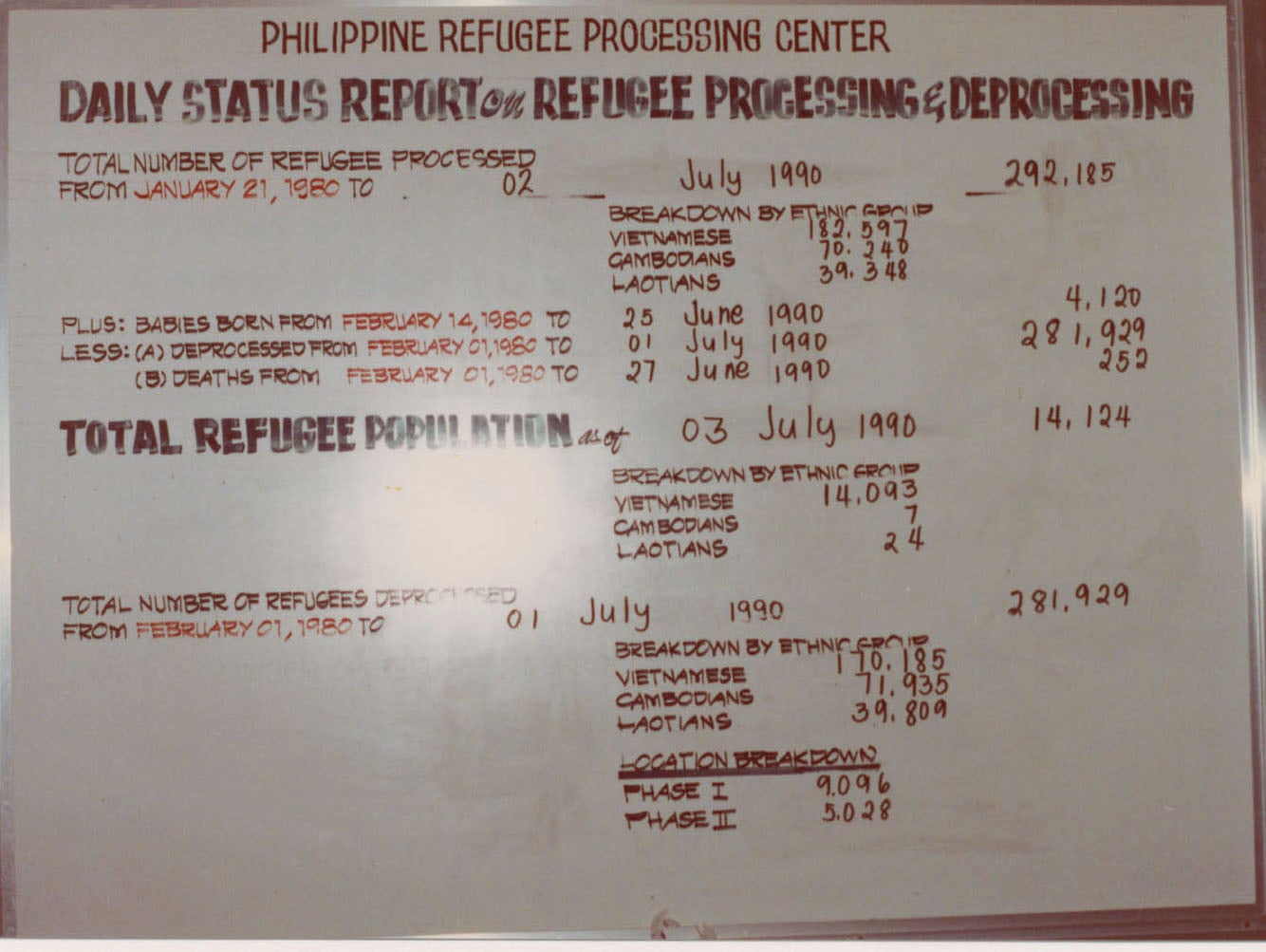
The Philippine Refugee Processing Center
The Philippine Refugee Processing Center (PRPC) opened in 1980 and prepared Vietnamese, Cambodian, and Laotian refugees for immigration to resettlement nations, primarily the US. The processing center closed in the early 1990s.
Featured in:
Cambodian Americans, Module 4
-
Image
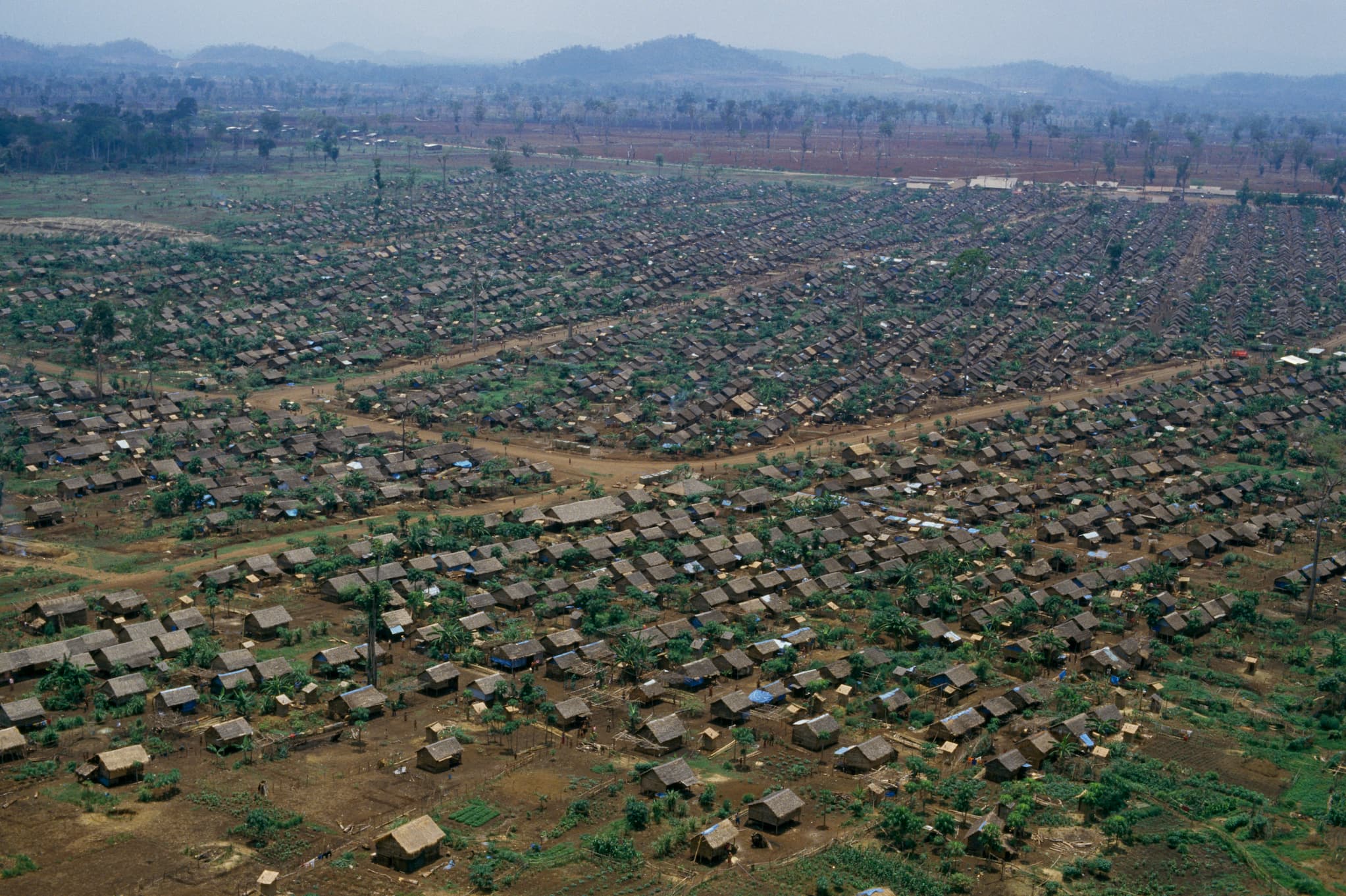
Khao-I-Dang Refugee Camp
Khao-I-Dang refugee camp opened in 1979 on the Thailand–Cambodia border after the fall of the Khmer Rouge. At its height, the camp sheltered nearly 140,000 refugees. After closing in 1993, it has since reopened as an educational center.
Featured in:
Cambodian Americans, Module 4
-
Image
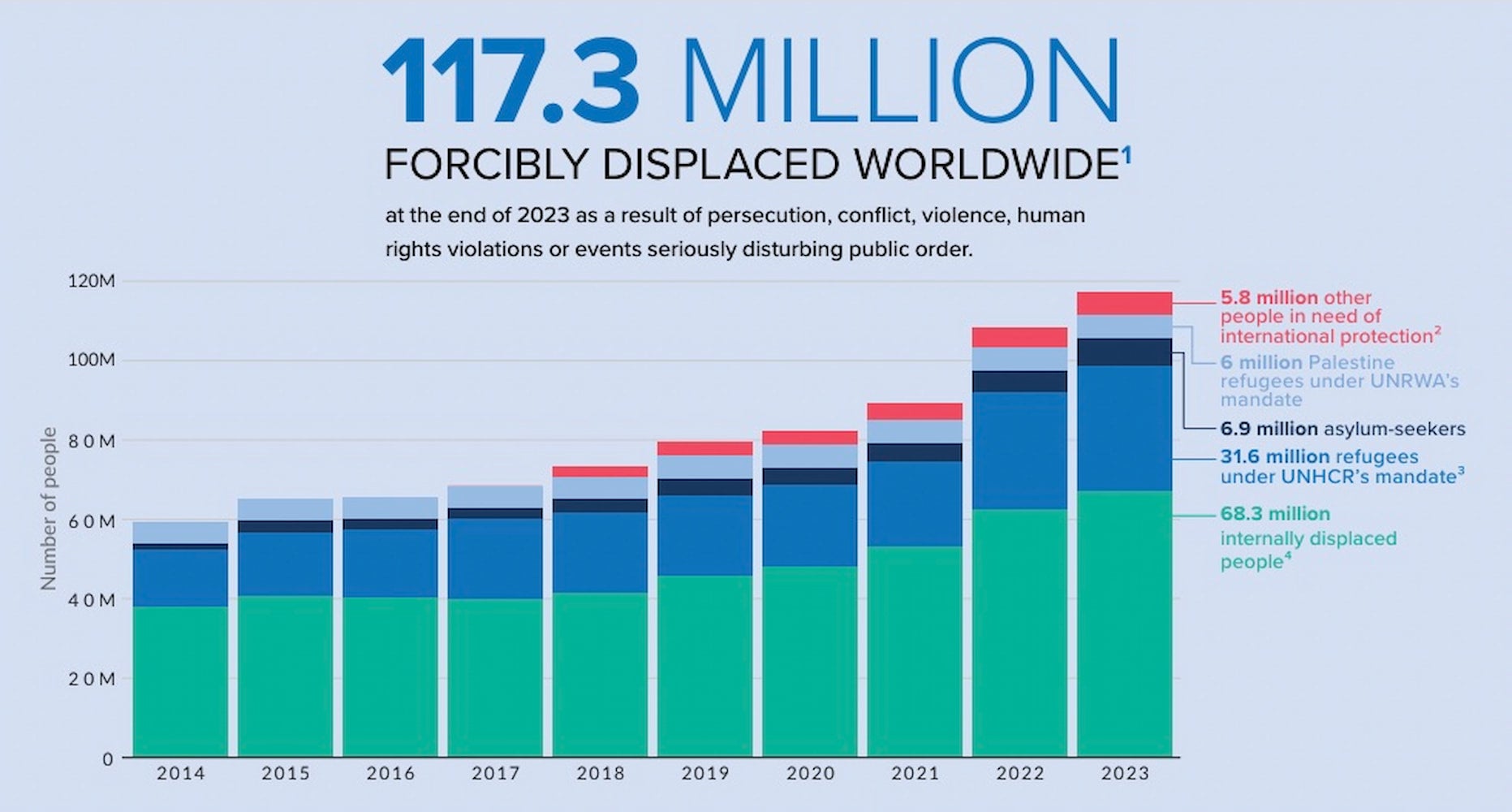
2023 Report on Forcibly Displaced People
UNHCR’s Global Trends report presents the latest official statistics on forcibly displaced people worldwide, including refugees, asylum seekers, and internally displaced and stateless people. The graph illustrates the massive increase since 2014, and identifies displaced populations by their respective legal categories.
Featured in:
Cambodian Americans, Module 4
-
Audio
Heang Chhun Interview: Constrained Choices
In this clip, the author’s father considers the importance of context and constrained choices to the actions he and others took during that time. Moving away from inflexible measures of right and wrong, he makes space for a more complete understanding of different experiences of violence.
Featured in:
Cambodian Americans, Module 3
-
Audio
Heang Chhun Interview: Threat of Starvation
In this clip, the author’s father transitions from discussing the strict rationing of food and the threat of starvation during the Cambodian Genocide to talking about the clandestine practice of “stealing” he utilized in order to survive.
Featured in:
Cambodian Americans, Module 3
-
Audio
Heang Chhun Interview: Surveillance and Fear
This clip is excerpted from an oral history interview with the author’s father, Heang Chhun, conducted in 2009. In this discussion of surveillance and fear during the Cambodian Genocide, he explains the importance and value of silence to survival.
Featured in:
Cambodian Americans, Module 3
-
Image
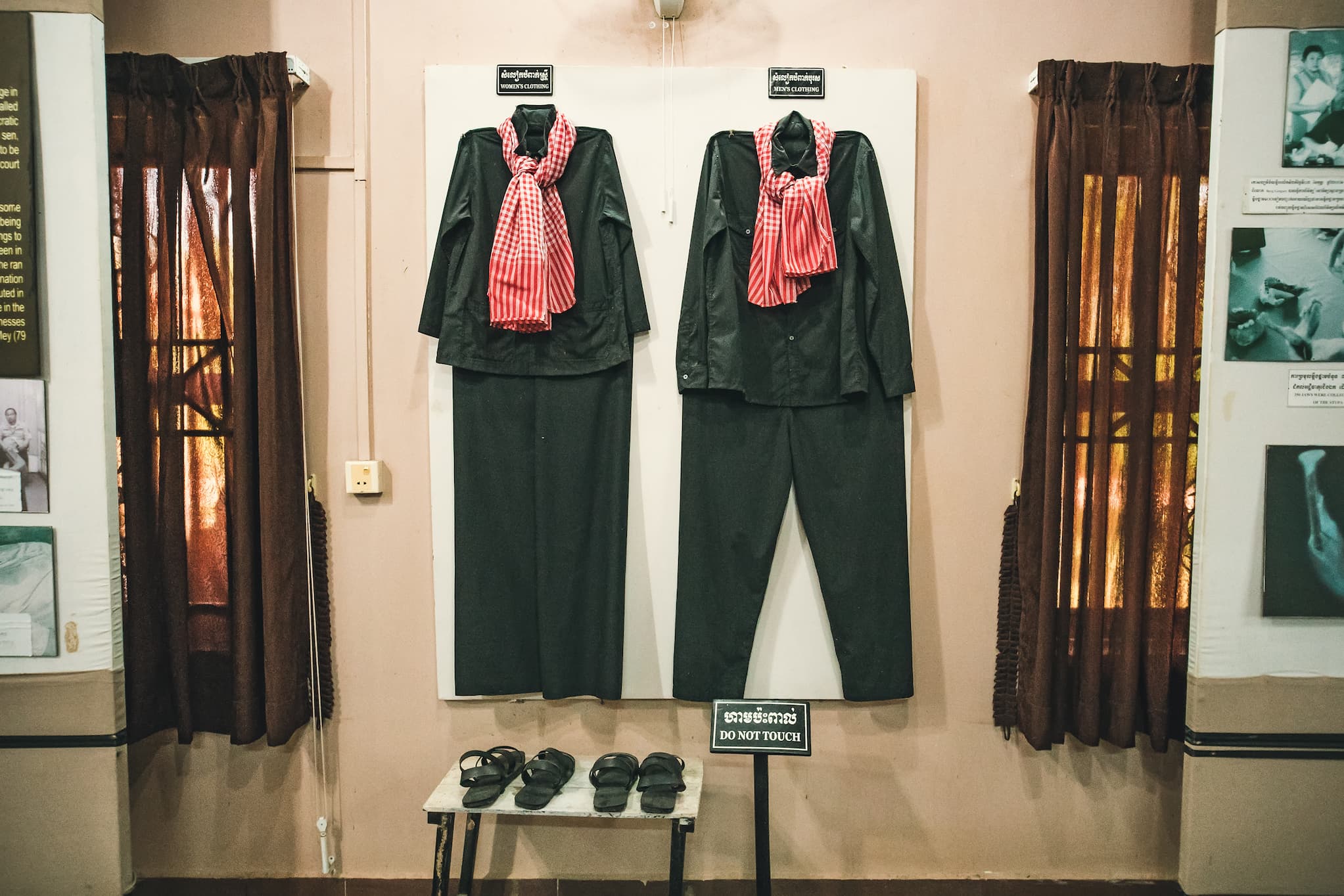
Khmer Rouge Uniforms
Khmer Rouge uniforms on display at the museum of Choeung Ek, near Phnom Penh in Cambodia. The shapeless, black, gender-neutral clothes were inspired by peasant garb and were required for men, women, and children enrolled in Khmer Rouge militias.
Featured in:
Cambodian Americans, Module 3
-
Image
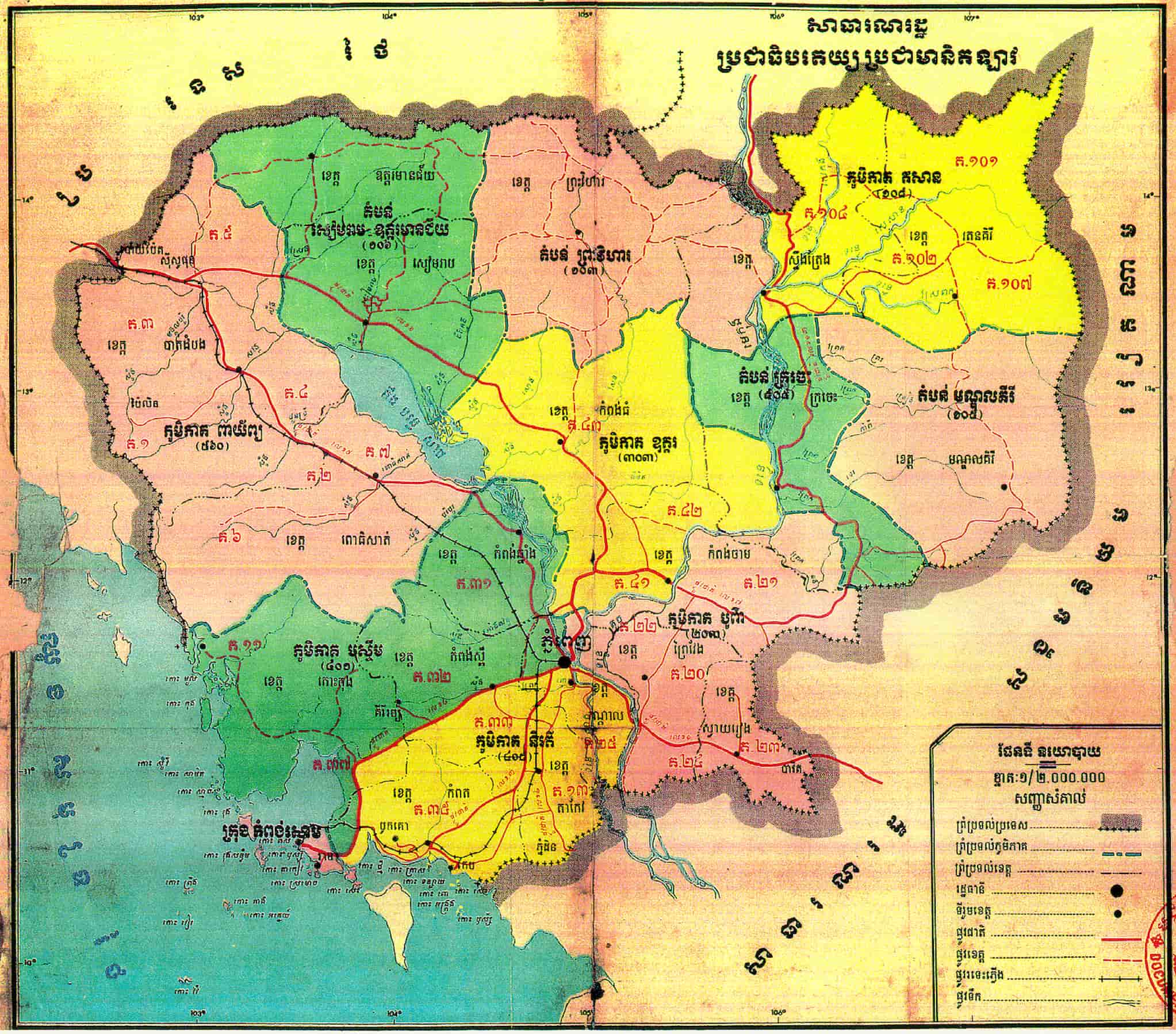
Democratic Kampuchea’s Administrative and Political Geography
This map was first published by Democratic Kampuchea’s Ministry of Education in a 1977 Khmer Rouge text that described the regime’s administrative and political geography for a level-2 elementary class.
Featured in:
Cambodian Americans, Module 3
-
Audio
National Anthem of Democratic Kampuchea
“Dap Prampi Mesa Moha Chokchey” was proclaimed the national anthem of Democratic Kampuchea under the Khmer Rouge on January 5, 1976. Although some claim that Pol Pot himself might have written the piece, its origins remain unknown.
Featured in:
Cambodian Americans, Module 3
-
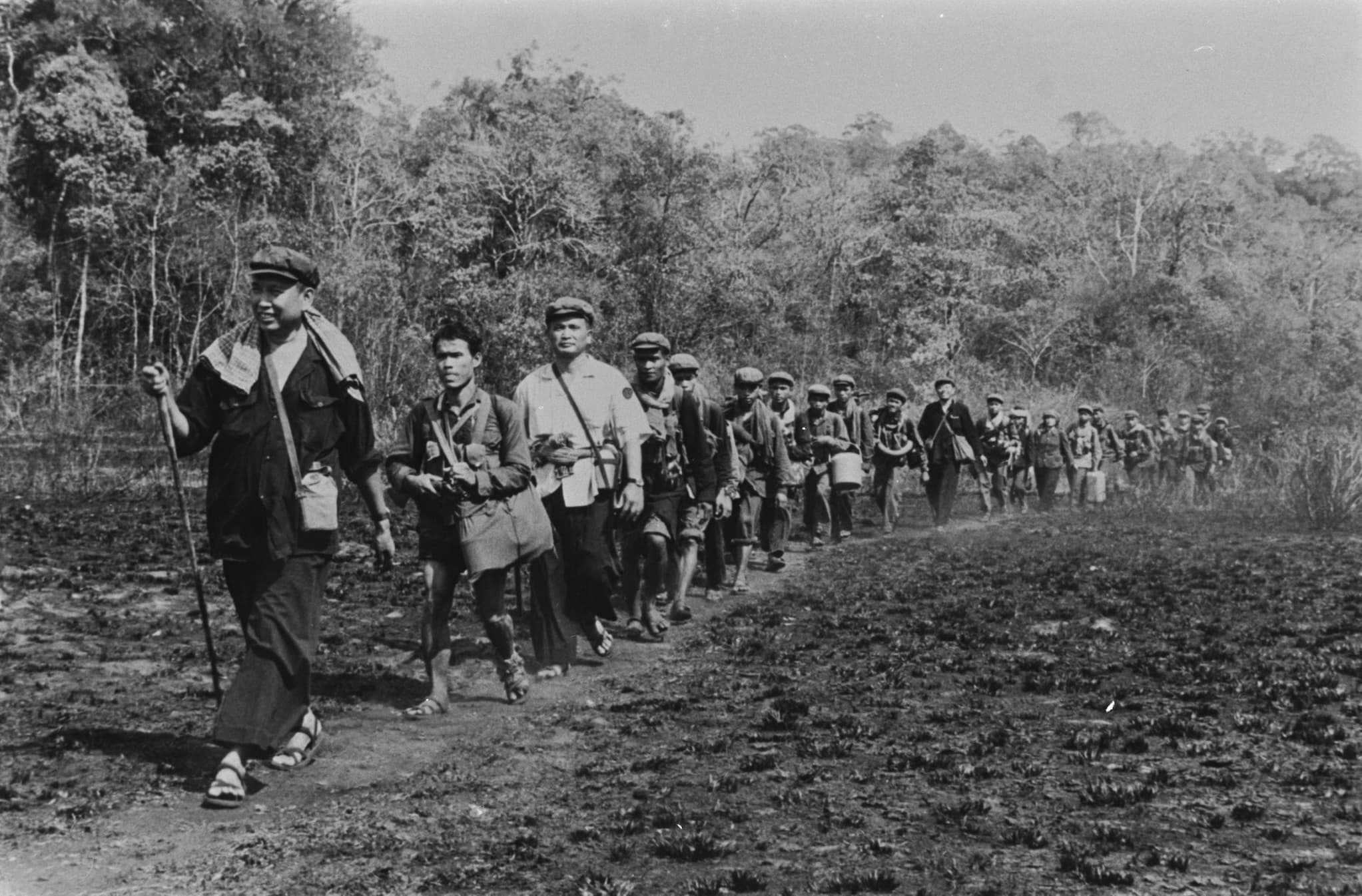
Image
Pol Pot and the Khmer Rouge
The Communist leader Pol Pot (far left) and members of the Khmer Rouge in May, 1979. The regime, defined by militarism, racism, and territorial expansion, was responsible for the horrific Cambodian Holocaust that claimed the lives of up to two million people.
Featured in:
Cambodian Americans, Module 3