



Search the Media Repository
Discover the curated images, videos, and primary sources featured throughout Foundations and Futures
History is more than just text on a page; it is the photographs, voices, and artifacts of the people who lived it. The images and recordings featured across Foundations and Futures are part of a meticulously curated media repository. Whether you are building a lesson plan or investigating an artifact, you can use this database to trace the provenance of our media: discover who created an asset, the historical context behind it, and how it can be used to bring Asian American and Pacific Islander experiences into your classroom.
Multimedia
Chapters
-
Image
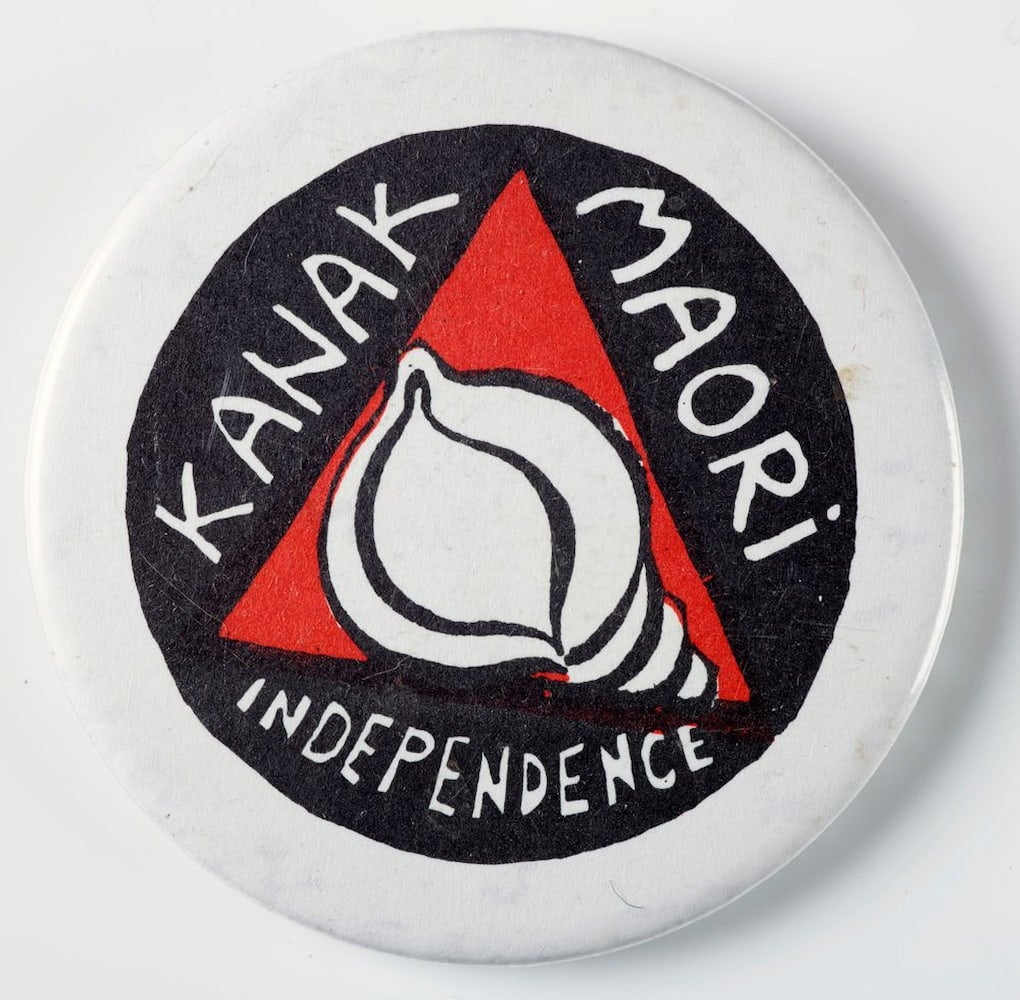
Kanak Independence Badge
This badge from the 1980s calls for Kanak independence in New Caledonia, a French territory where Kanak are Indigenous peoples, in solidarity with Māori of Aotearoa New Zealand, a former British Crown colony.
Featured in:
Pacific Islanders, Module 1
-
Image
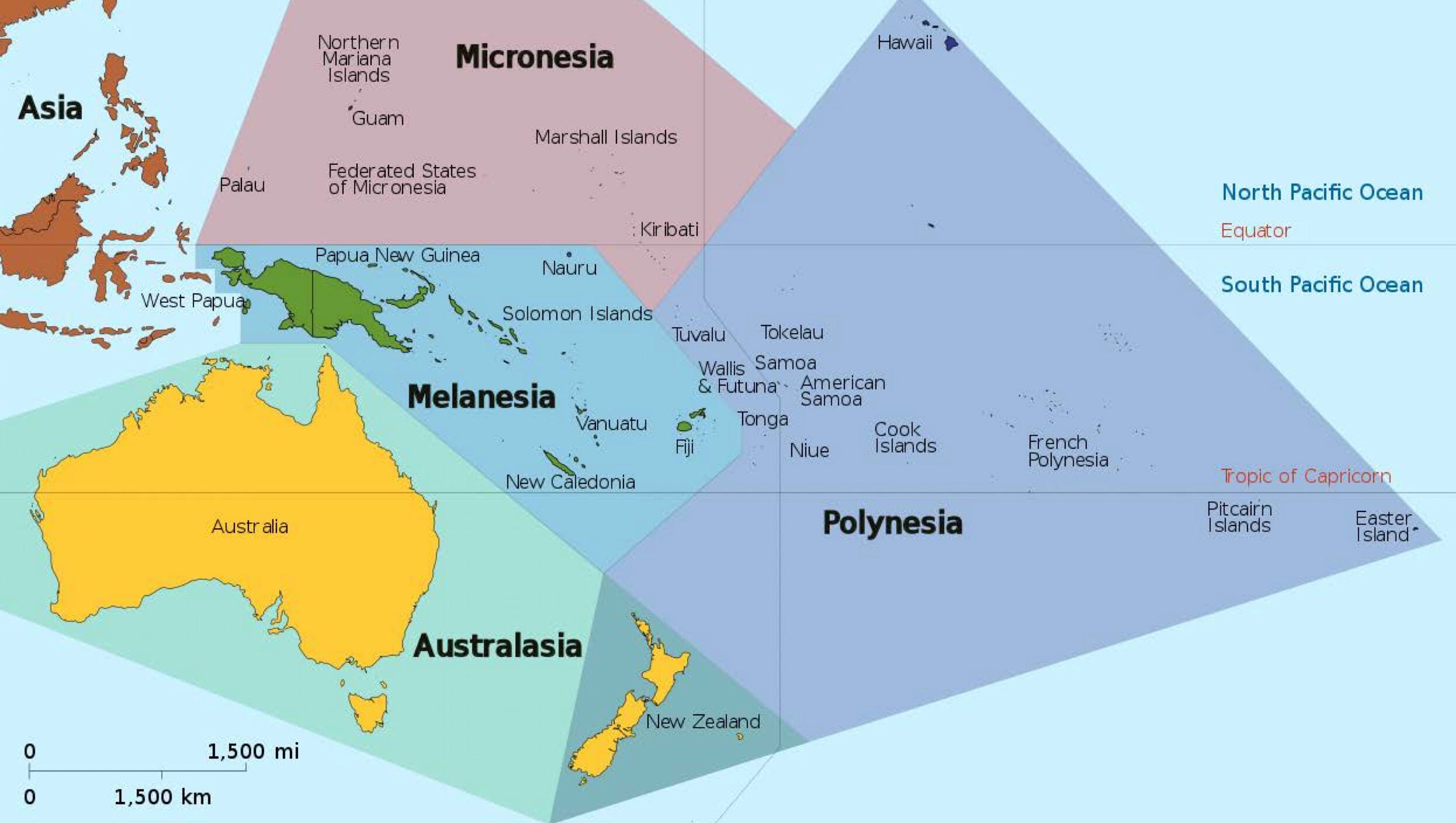
Map of Oceania
Another map of Oceania with the subregions Melanesia, Micronesia, and Polynesia identified. Compared to the map above, how might categorization be used to both divide and unite?
Featured in:
Pacific Islanders, Module 1
-
Image
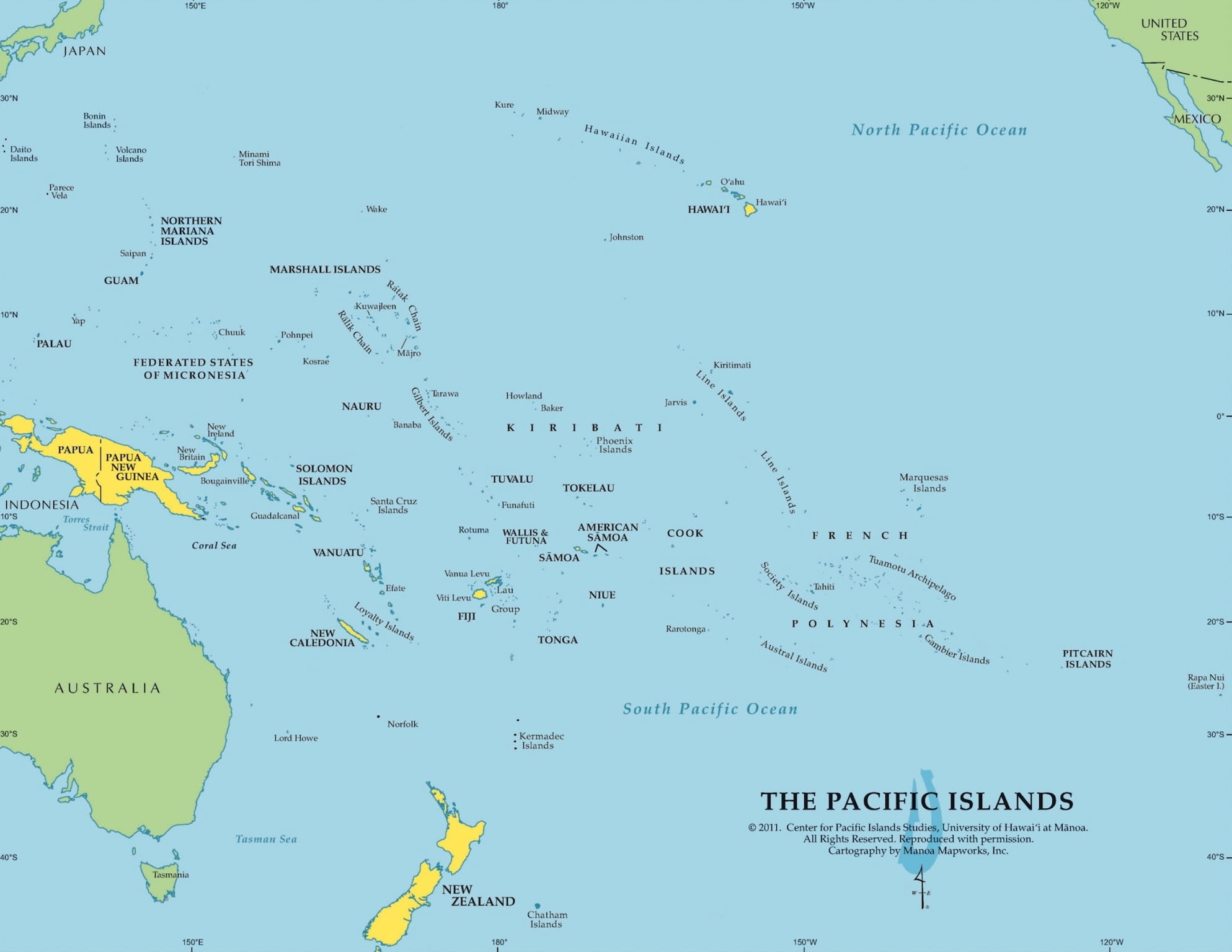
Map of the Pacific Islands
Map of the Pacific Islands, from the Center for Pacific Islands Studies, University of Hawaiʻi at Mānoa. Reproduced with permission.
Featured in:
Pacific Islanders, Module 1
-
Image
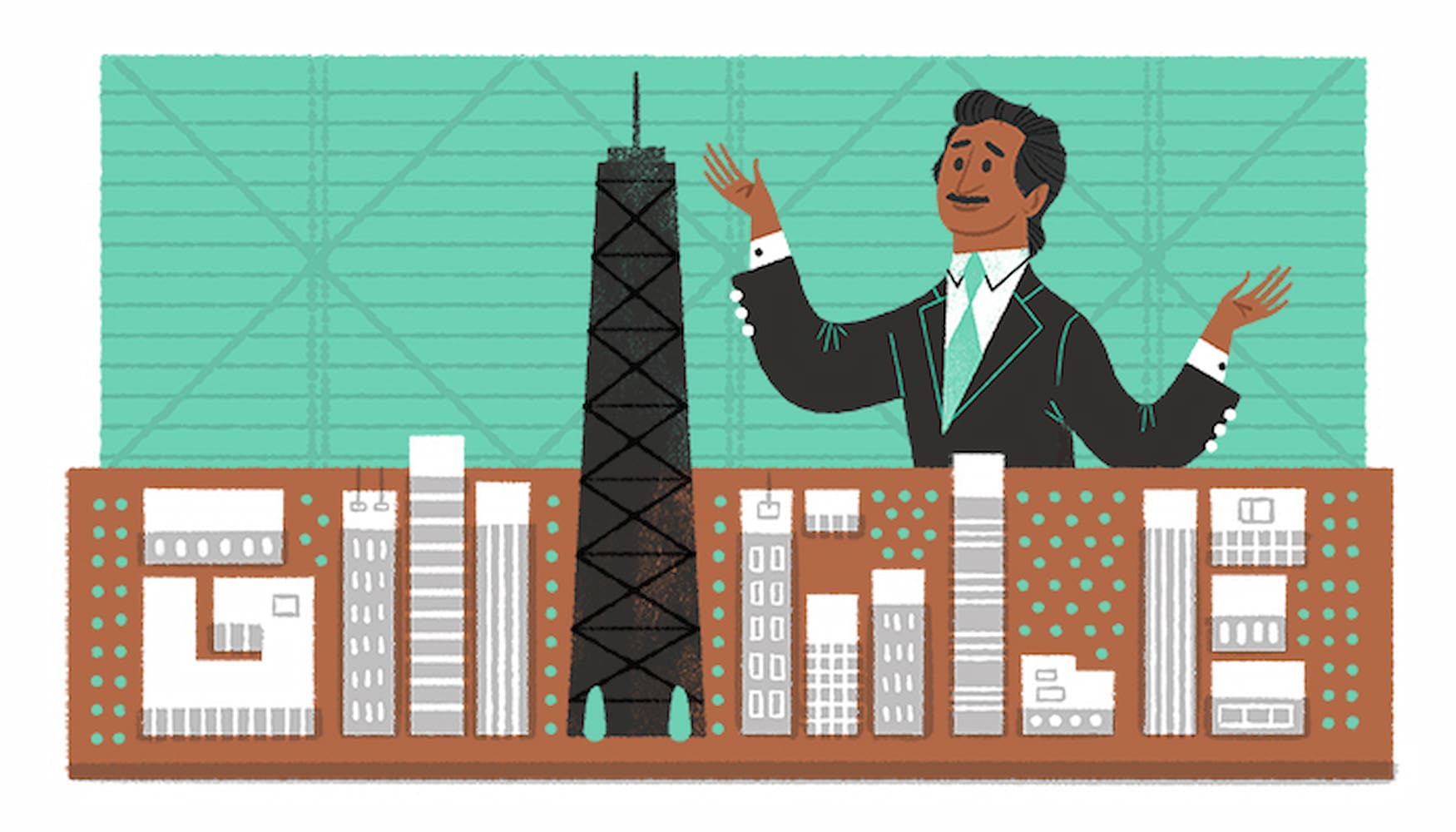
Google Doodle of Fazlur Rahman Khan
Google celebrated what would have been Khan’s eighty-eighth birthday in 2017 with a Google Doodle that shows Chicago’s John Hancock Center, designed by Khan.
Featured in:
Bangladeshi Americans, Module 5
-
Image
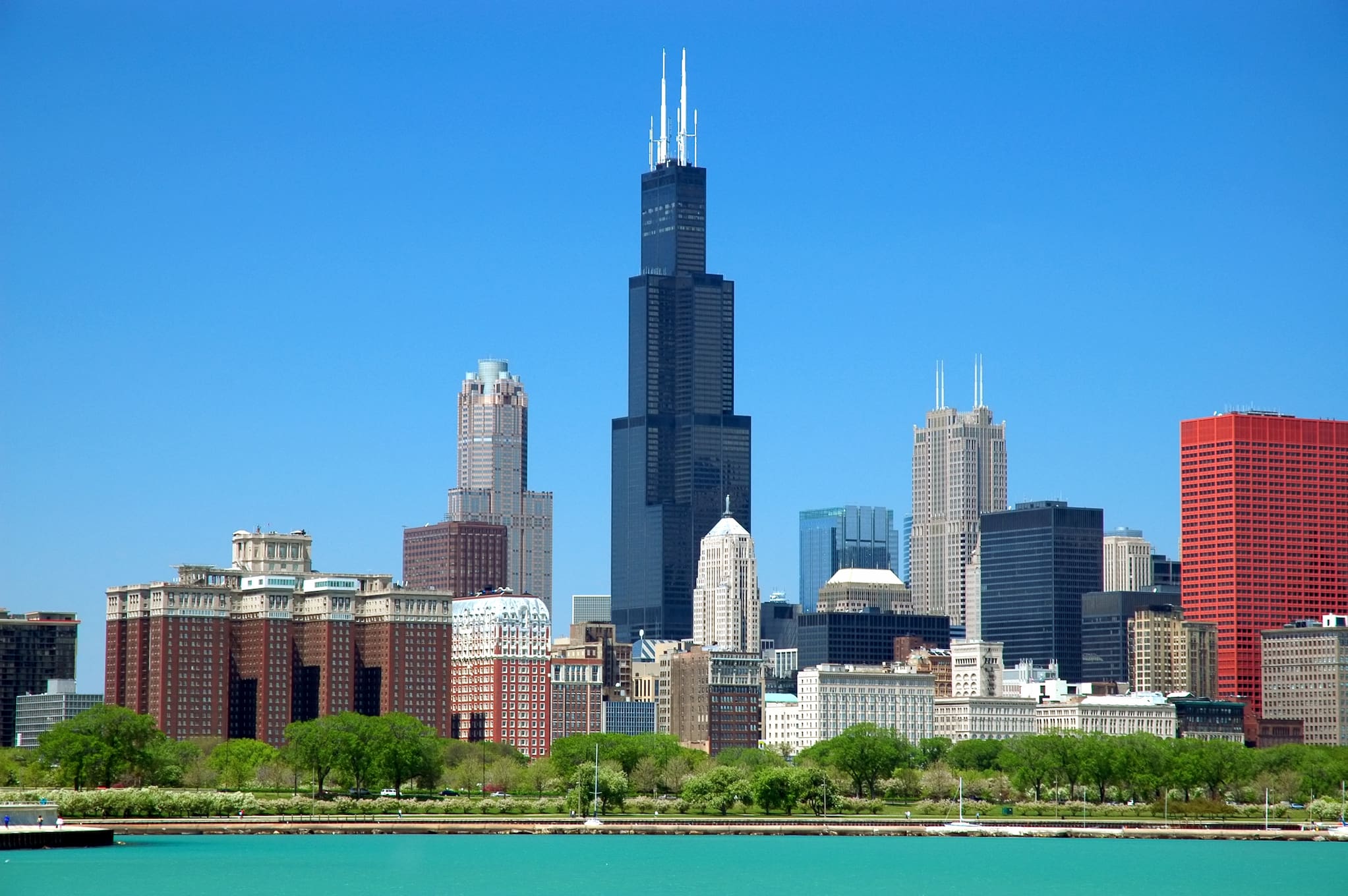
Chicago Loop Skyline
The iconic Willis Tower in Chicago, Illinois, designed by Fazlur Rahman Khan. Originally known as the Sears Tower, it was the tallest building in the world for over twenty-five years.
Featured in:
Bangladeshi Americans, Module 5
-
Image
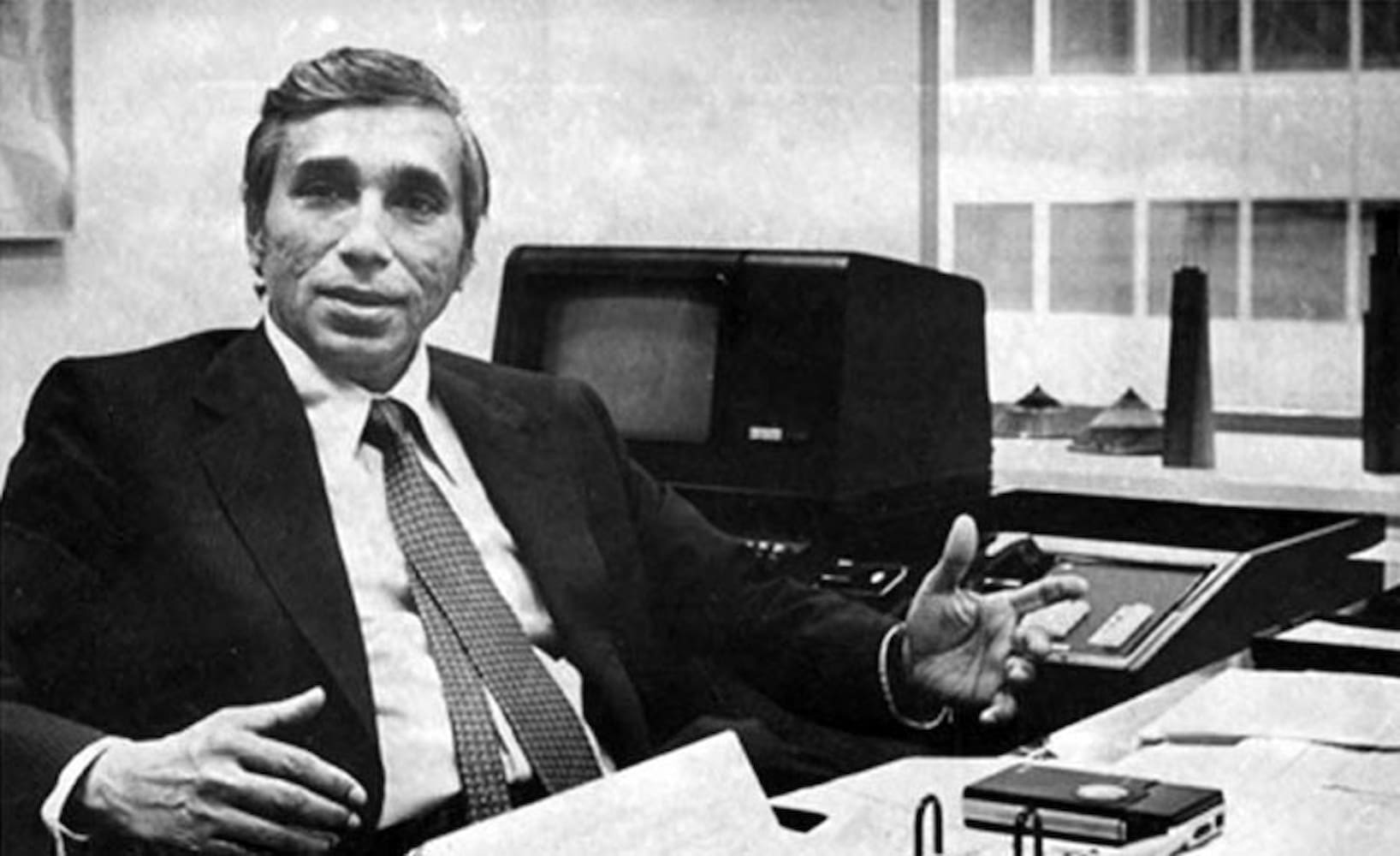
Fazlur Khan Sitting At His Desk
Bangladeshi architect Fazlur Rahman Khan revolutionized the modern skyscraper with his use of tubular systems.
Featured in:
Bangladeshi Americans, Module 5
-
Image
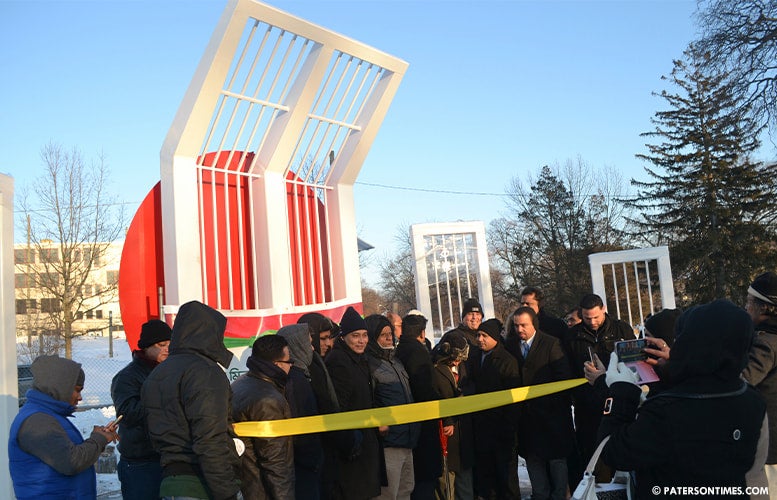
Unveiling the Replica of the Shaheed Minar
Bangladeshi Americans unveil a replica of the Shaheed Minar in Paterson, New Jersey, in 2015.
Featured in:
Bangladeshi Americans, Module 5
-
Image
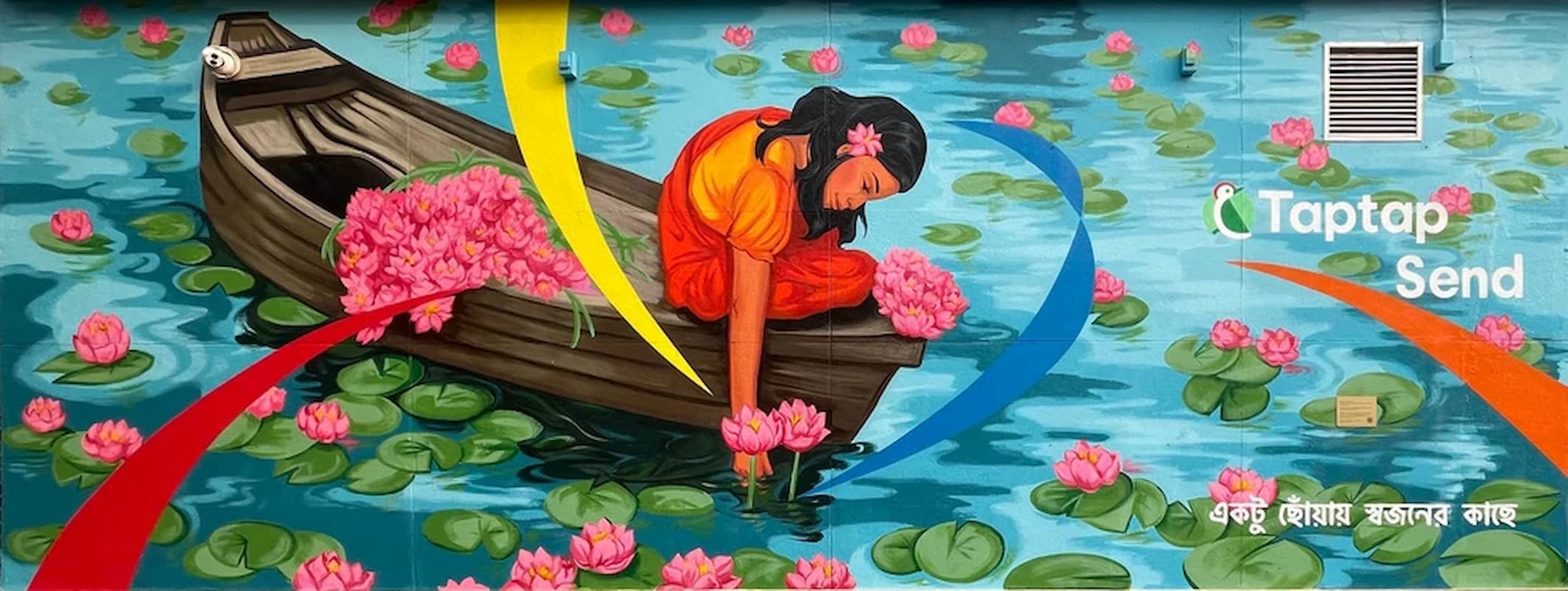
Memory of Bangladesh Mural
A young girl picks “shapla”, a water lily and the national flower of Bangladesh, in a mural by artist Zeehan Wazed in Jackson Heights, Queens, New York.
Featured in:
Bangladeshi Americans, Module 5
-
Image
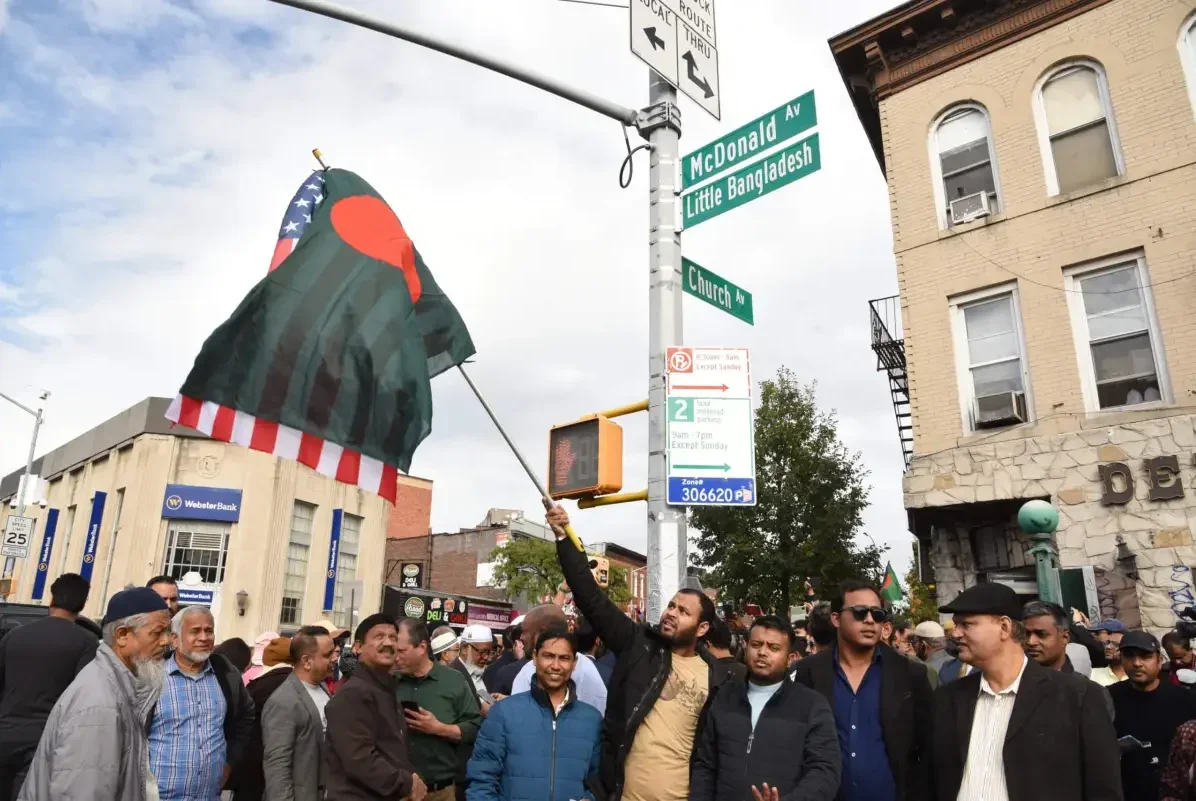
Naming of Little Bangladesh in Brooklyn
Bangladeshi Americans in 2022 celebrate the naming of the neighborhood “Little Bangladesh” in Brooklyn, New York.
Featured in:
Bangladeshi Americans, Module 5
-
Image
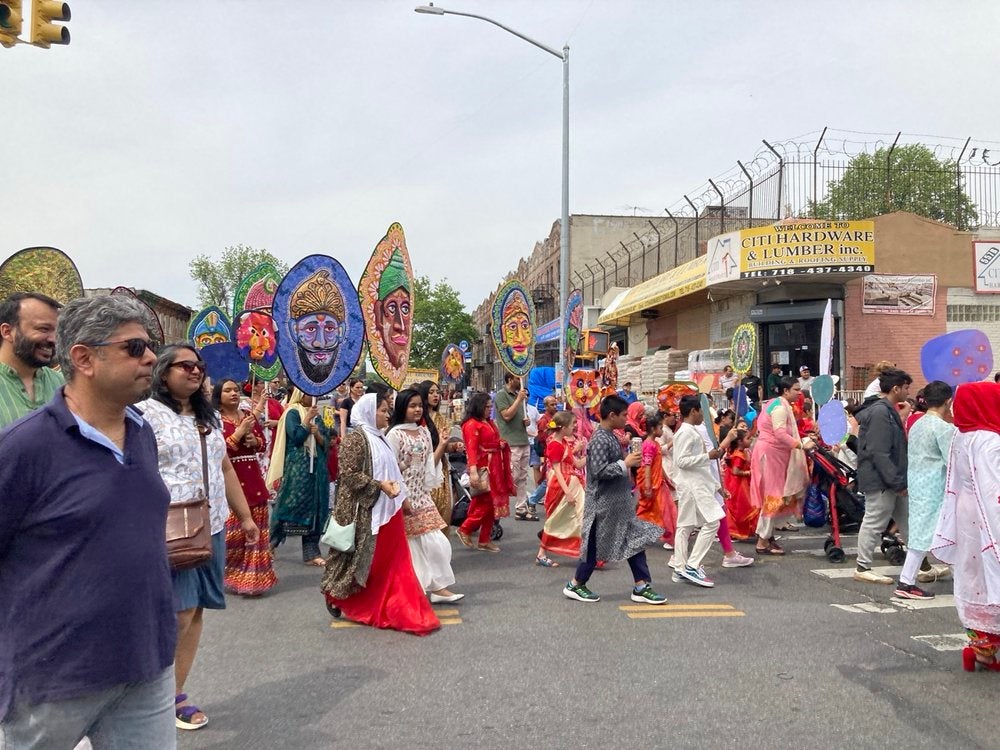
Pohela Boishakh Parade
Bangladeshi Americans celebrate Boishakh, the Bengali New Year, near Avenue C Plaza in Kensington, Brooklyn, New York.
Featured in:
Bangladeshi Americans, Module 5
-
Image
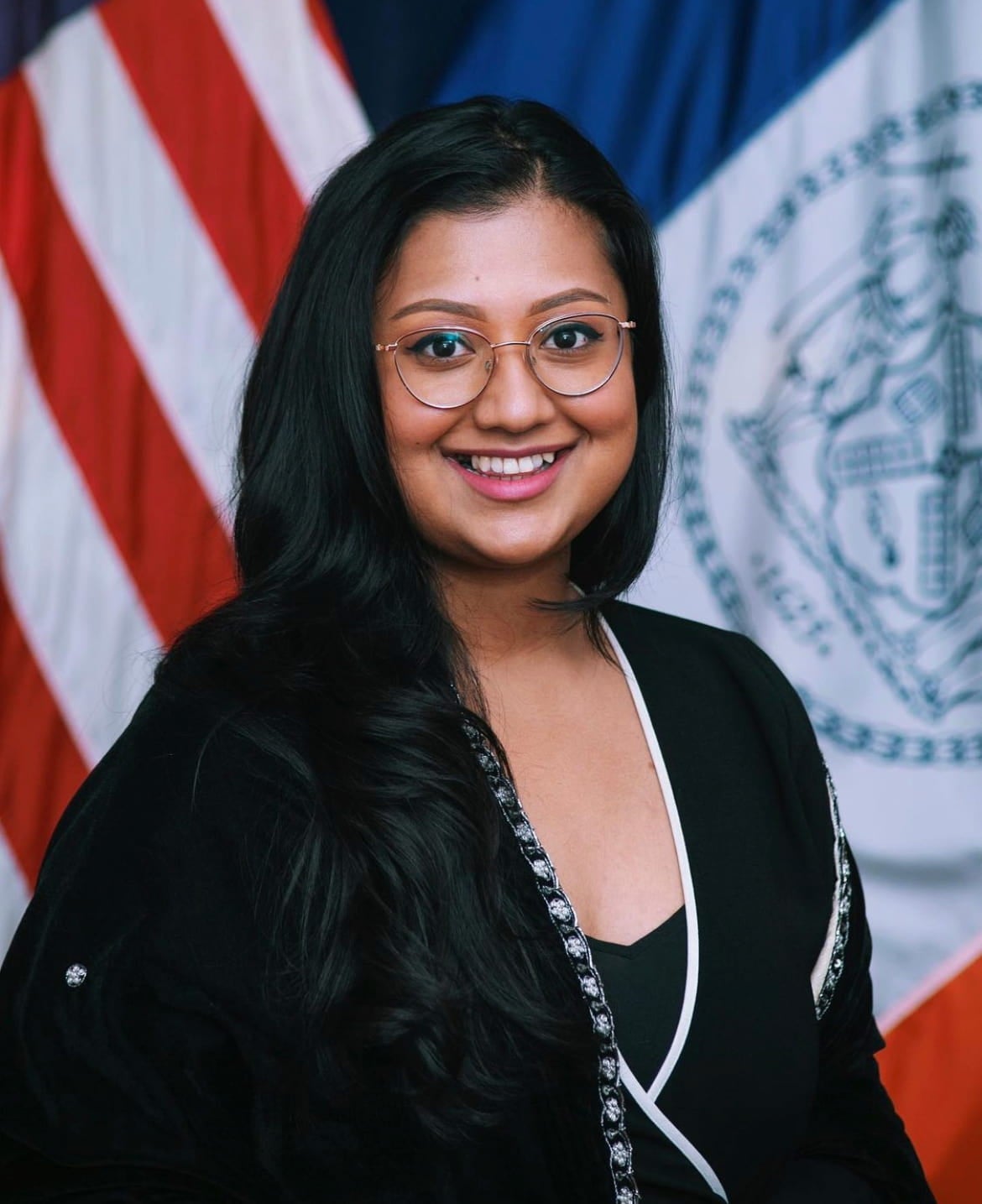
Headshot of Shahana K. Hanif
Shahana K. Hanif, a Bangladeshi American member of the New York City Council since 2022 for the 39th district, which covers neighborhoods in central Brooklyn including “Little Bangladesh.”
Featured in:
Bangladeshi Americans, Module 5
-
Image
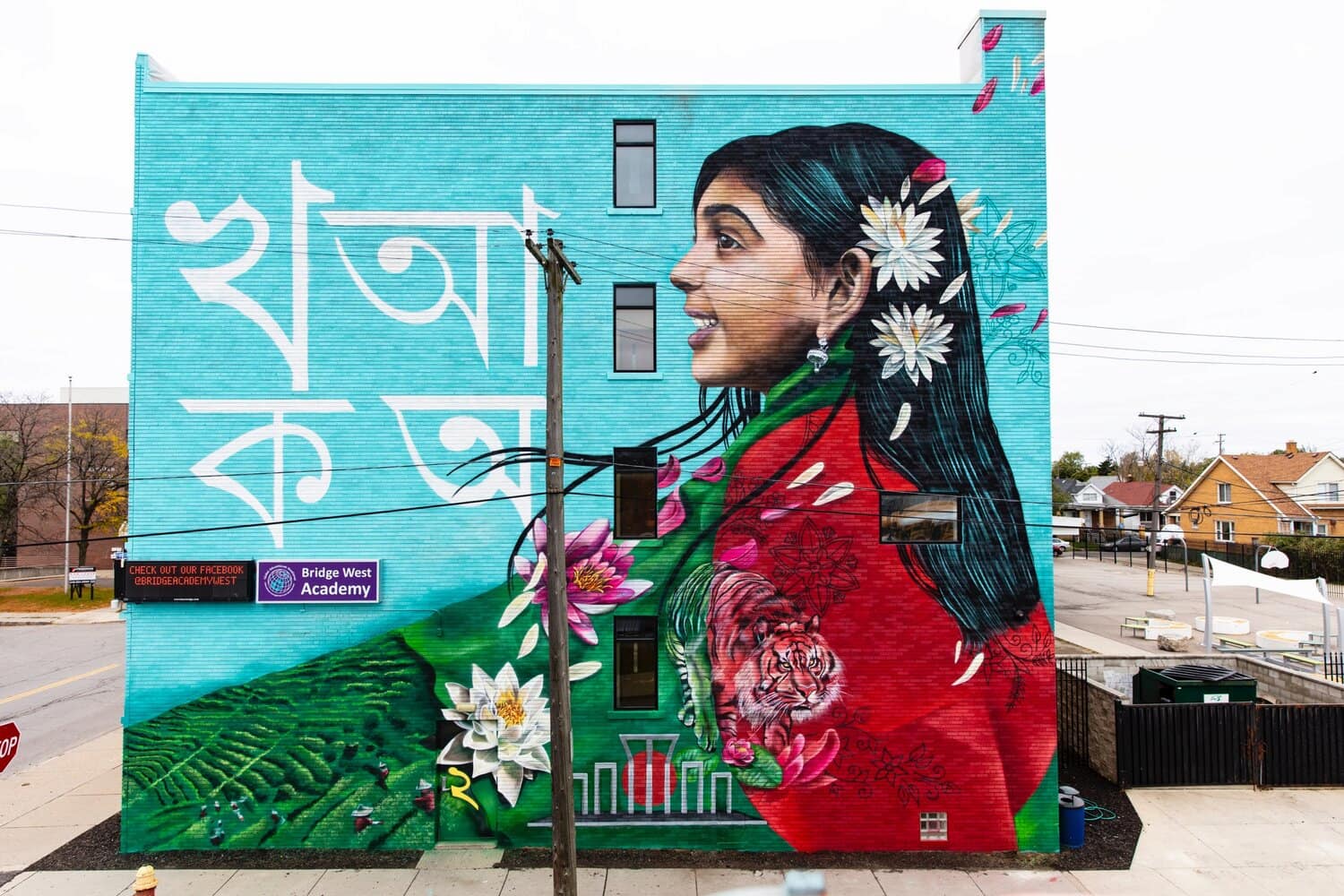
“Bangladesh, Coming To America” Mural
A large mural titled “Bangladesh, Coming to America,” painted by artist Victor “MARKA27” Quiñonez in 2018, as part of the OneHamtramck mural project in Detroit, Michigan.
Featured in:
Bangladeshi Americans, Module 5
-
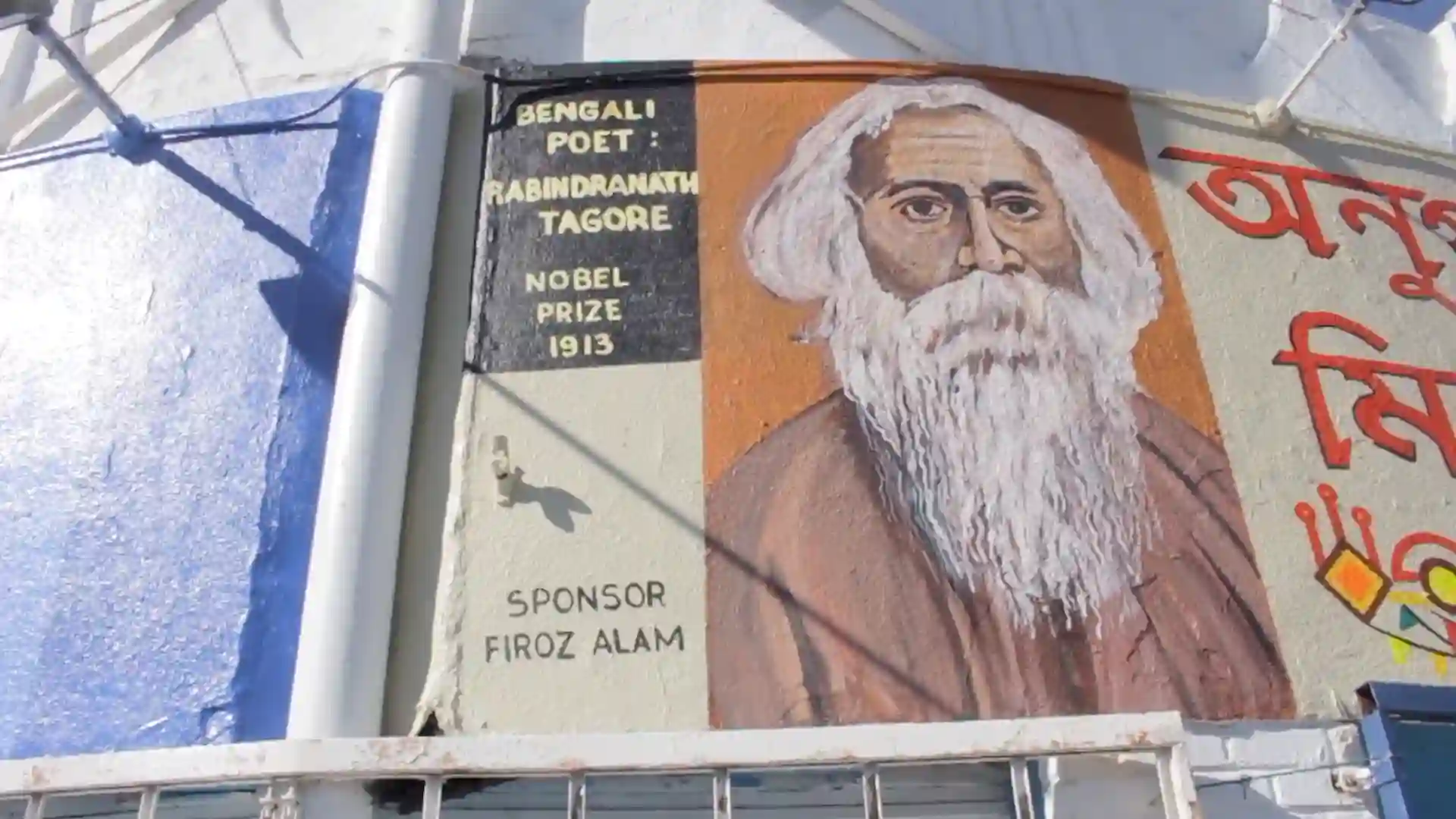
Video
The Little Bangladesh Neighborhood in Los Angeles
Murals of prominent historic Bangladeshi leaders in Little Bangladesh, Los Angeles, California.
Featured in:
Bangladeshi Americans, Module 5
-
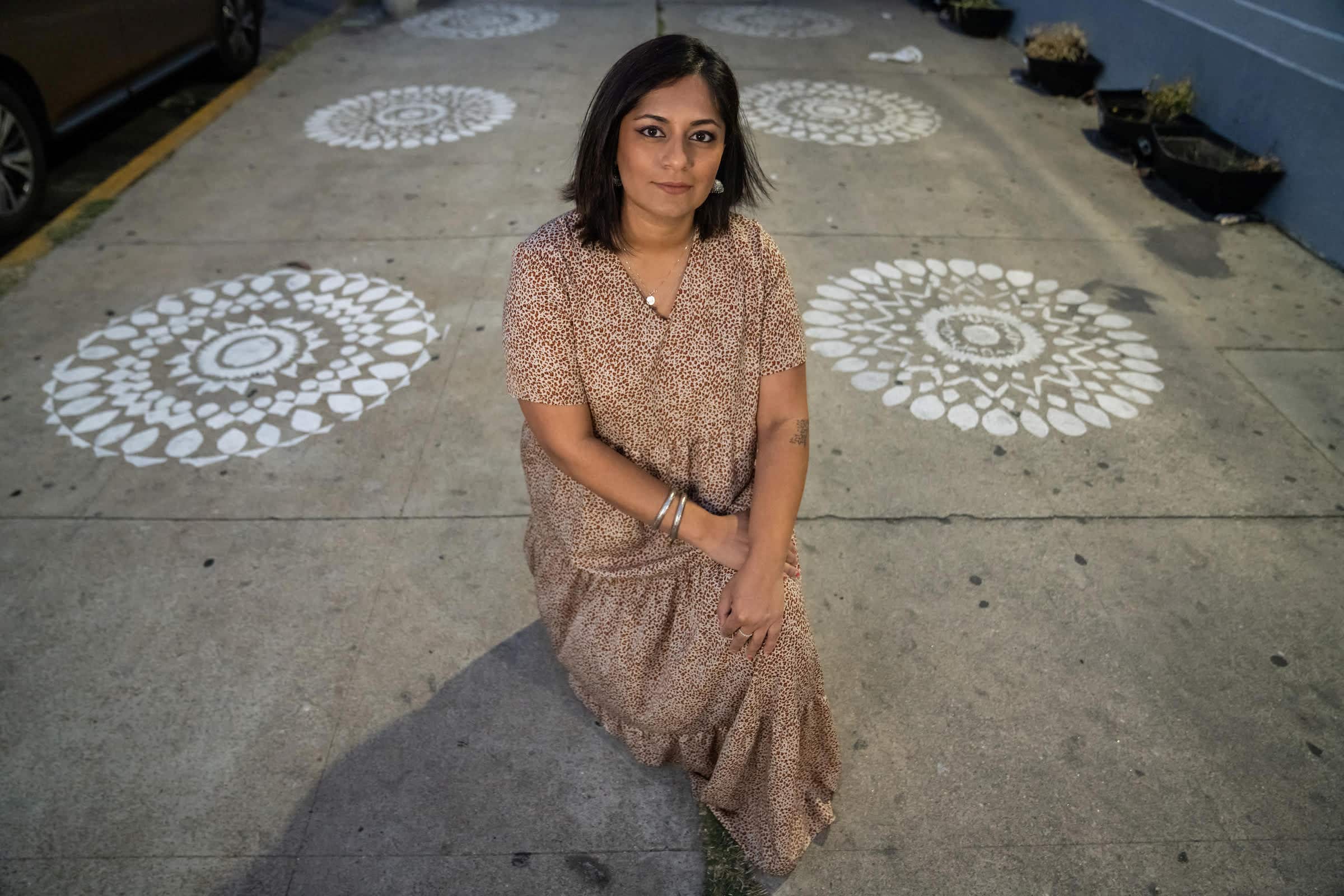
Image
Tanzila Ahmed Posing with Hand-Painted Alponas
Tanzila Ahmed, a political activist born and raised in Los Angeles, California, poses with hand-painted alponas (traditional Bengali folk art) in the neighborhood of Little Bangladesh in Los Angeles.
Featured in:
Bangladeshi Americans, Module 5
-
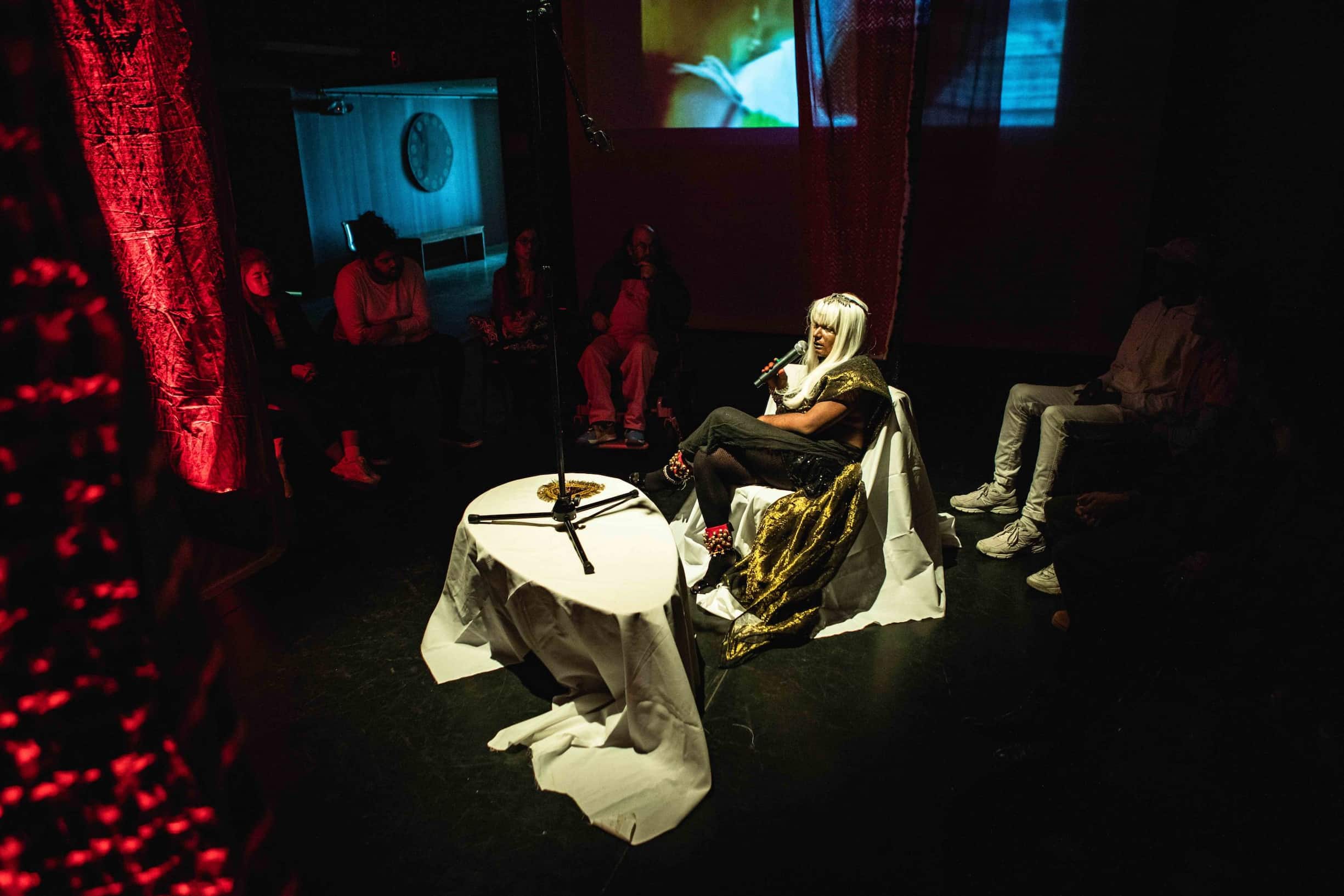
Image
Tara Asgar in Performance
Tara Asgar during a performance in the US: “Coming to the US was a loss, and I had to start from zero, reshape my work.”
Featured in:
Bangladeshi Americans, Module 4
-
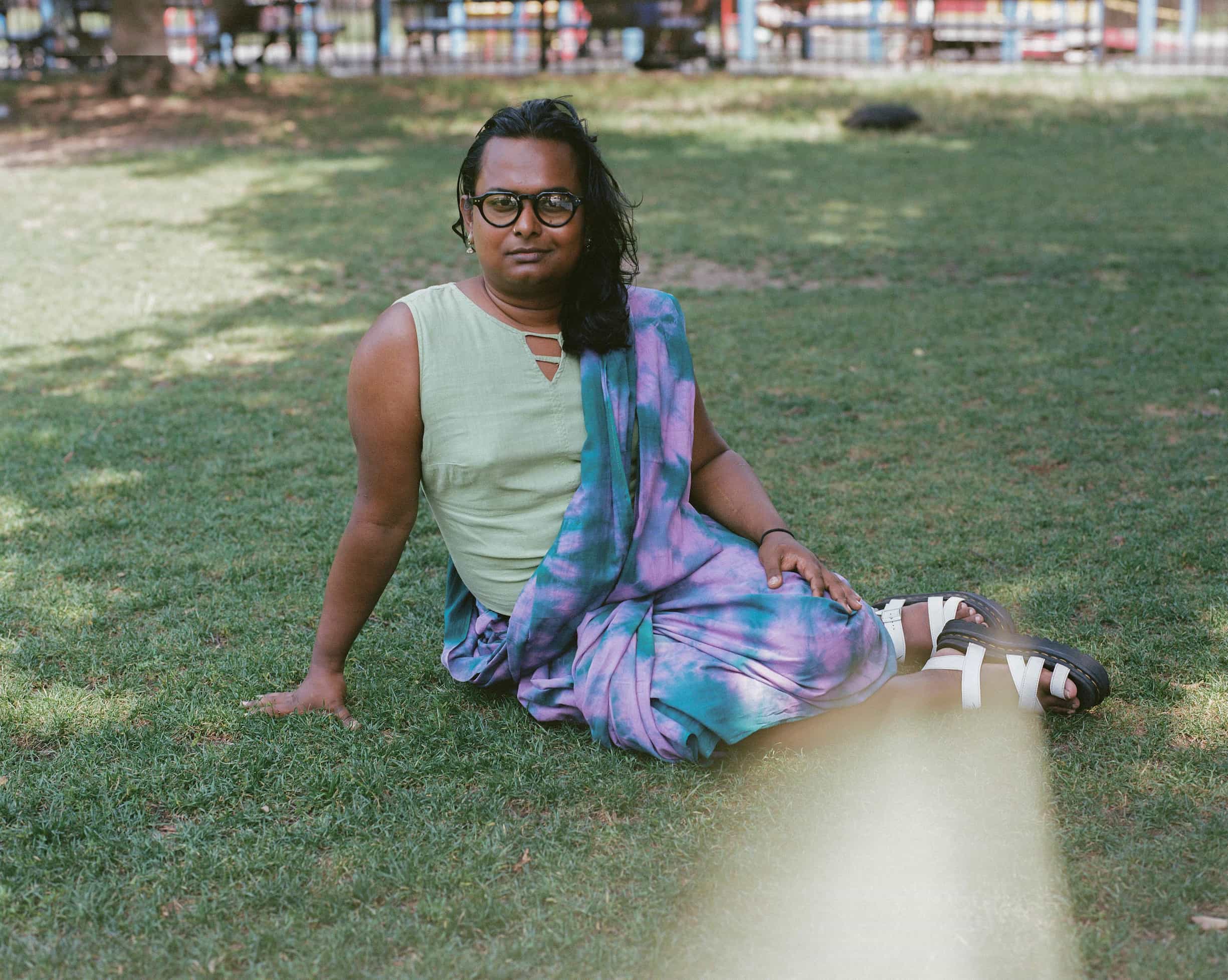
Image
Portrait of Tara Asgar
Tara Asgar, a Bangladeshi artist, is deeply influenced by her connections to African American and Latinx communities in New York.
Featured in:
Bangladeshi Americans, Module 4
-
Image
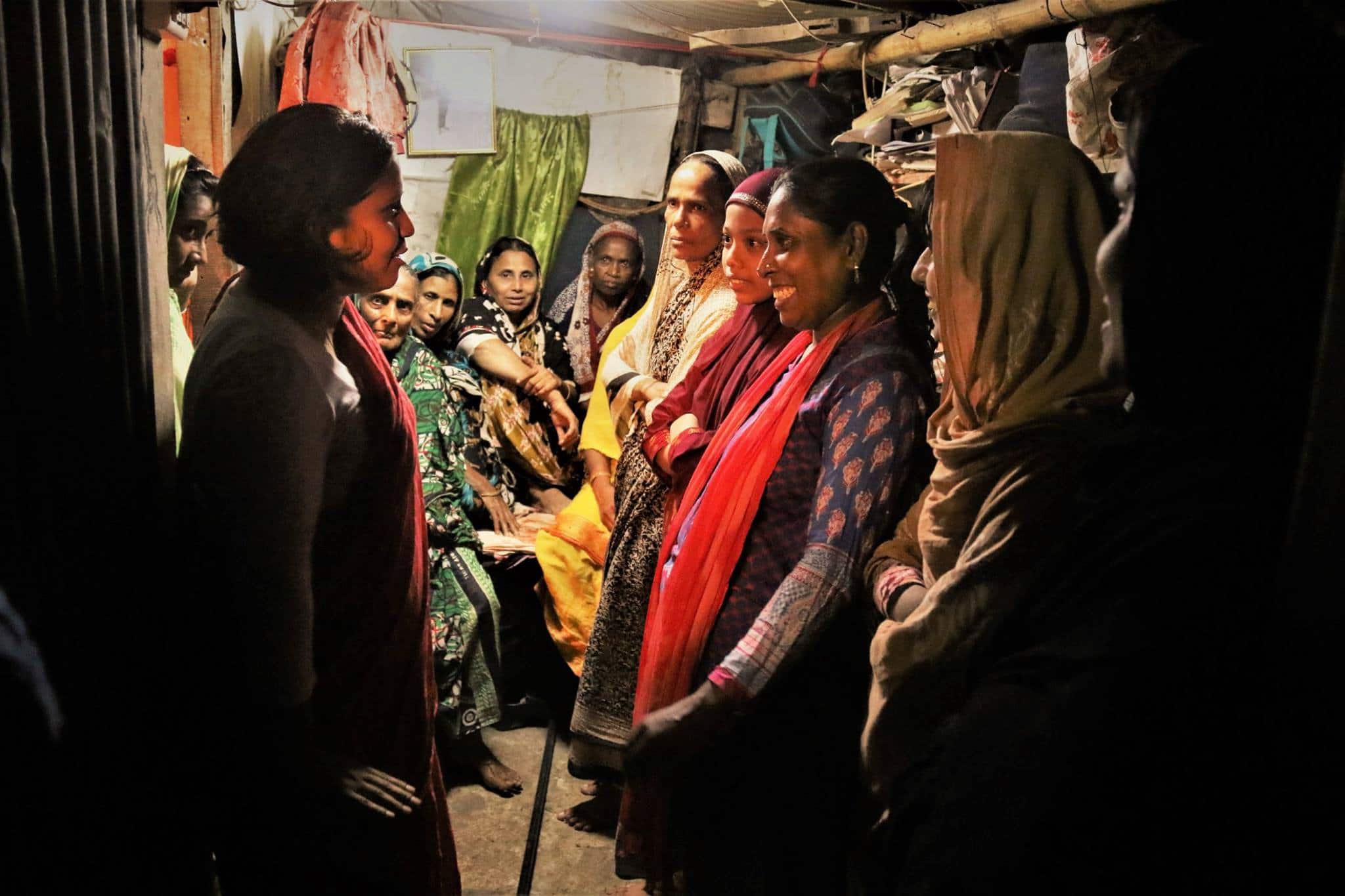
Chaumtoli Huq with Garment Workers and Organizers
Huq (left) with women workers and organizers in the apparel industry in Bangladesh, filming for her documentary Sramik Awaaz: Workers Voices (2017).
Featured in:
Bangladeshi Americans, Module 4
-
Image
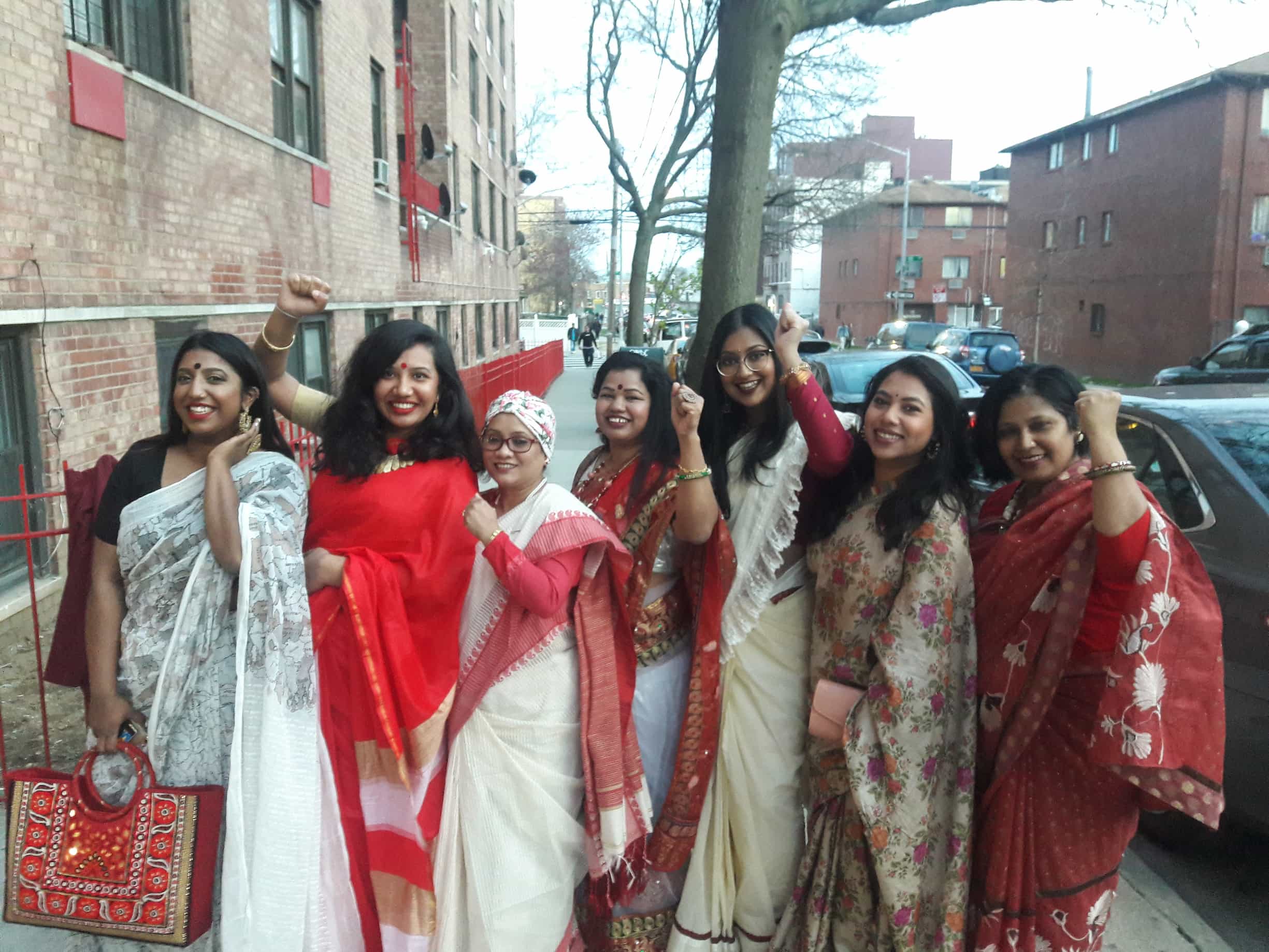
Shahana K. Hanif and Sharmin Hossain with Organizers
Bangladeshi American organizers in New York, including Huq (far right), alongside NYC Council member Shahana K. Hanif (third from right), and Sharmin Hossain of 18 Million Rising (far left).
Featured in:
Bangladeshi Americans, Module 4
-
Image
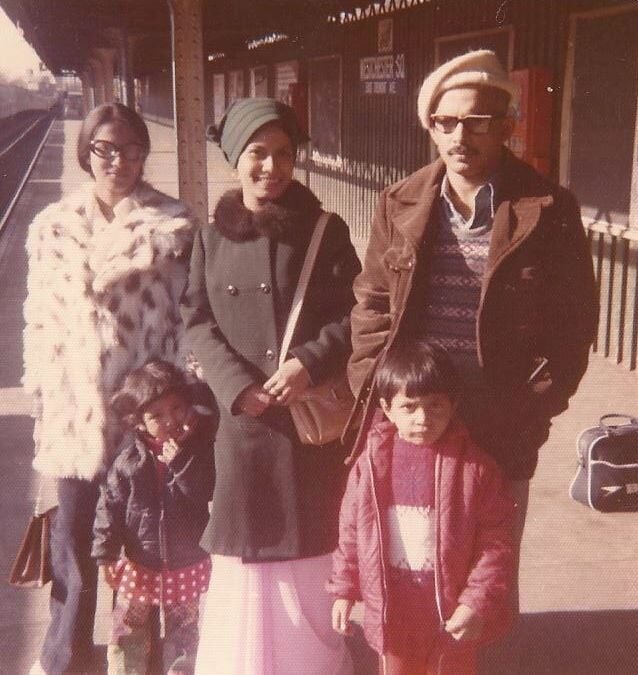
Chaumtoli Huq and Family in New York City
Chaumtoli Huq and her family moved in the early 1970s to the Bronx, New York, after the Bangladesh Liberation War.
Featured in:
Bangladeshi Americans, Module 4
-
Image
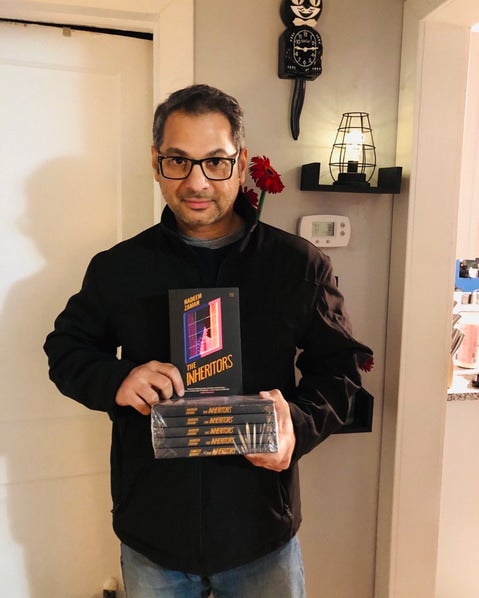
Nadeem Zaman Holding a Stack of His Book The Inheritors
Author Nadeem Zaman with his book, The Inheritors (2023). An English professor at St. Mary’s College of Maryland, Zaman arrived in the US in 1991 at fifteen. The legacy of the 1971 Bangladesh Liberation War features heavily in his writing.
Featured in:
Bangladeshi Americans, Module 3