



Search the Media Repository
Discover the curated images, videos, and primary sources featured throughout Foundations and Futures
History is more than just text on a page; it is the photographs, voices, and artifacts of the people who lived it. The images and recordings featured across Foundations and Futures are part of a meticulously curated media repository. Whether you are building a lesson plan or investigating an artifact, you can use this database to trace the provenance of our media: discover who created an asset, the historical context behind it, and how it can be used to bring Asian American and Pacific Islander experiences into your classroom.
Multimedia
Chapters
-
Image
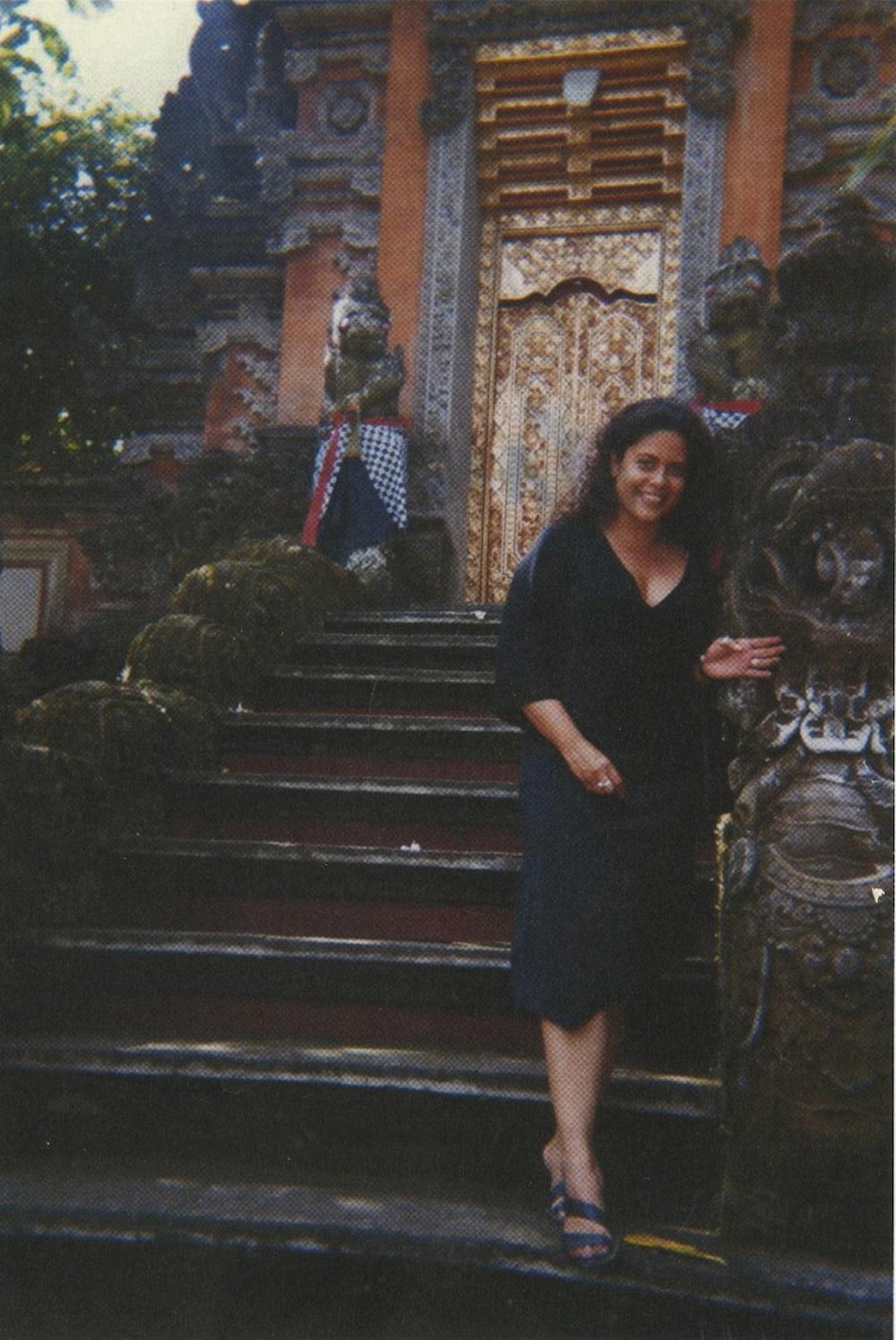
Maya in Bali, Indonesia, early 2000s
Maya in Bali, Indonesia, early 2000s. Maya spent her summers in Bali from 2001 top 2003, working with schools to diversify curriculum following the Suharto era.
-
Image
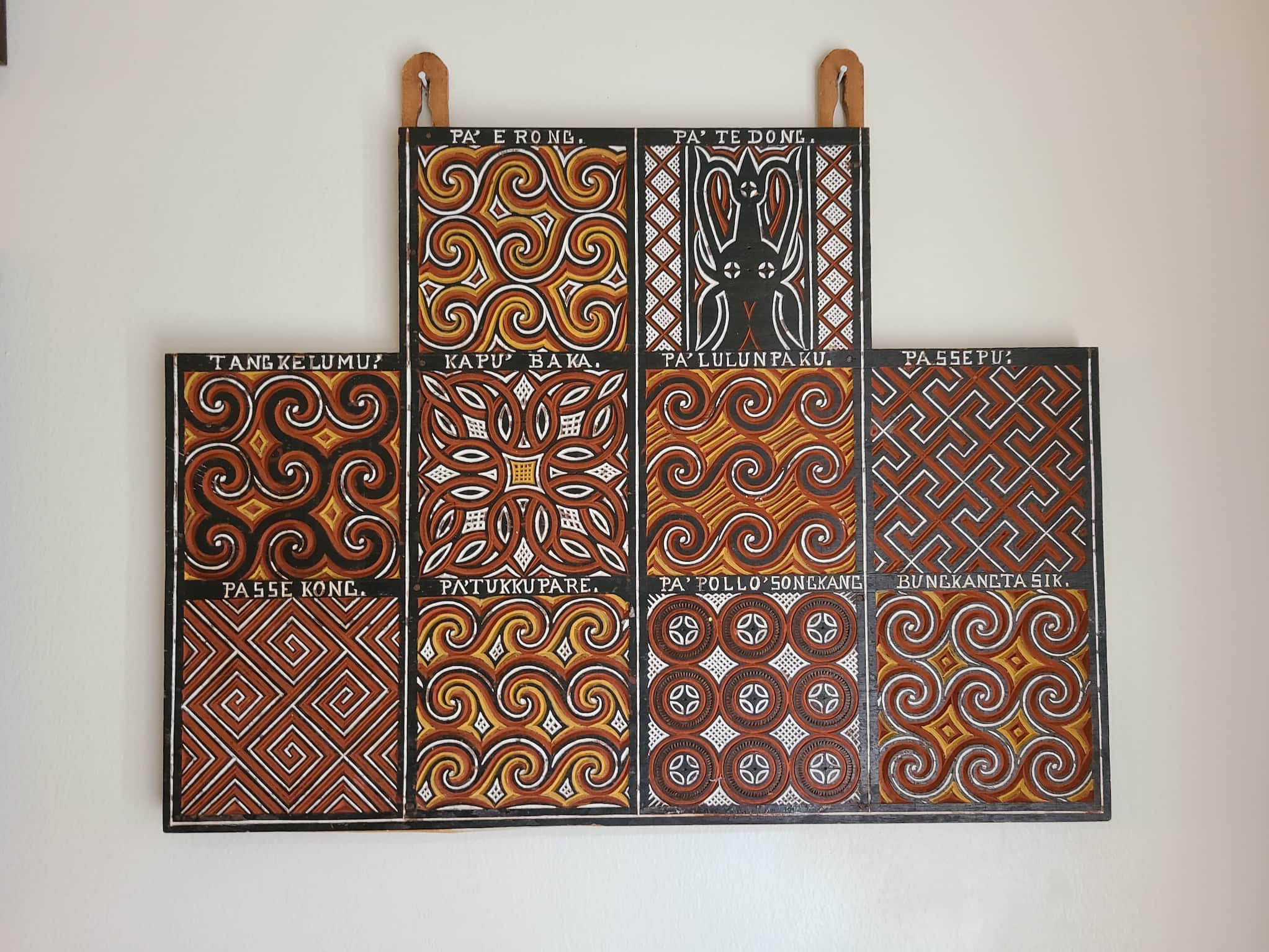
Toraja art
Toraja art from a traditional house displayed in Maya’s home. This art was part
-
Image
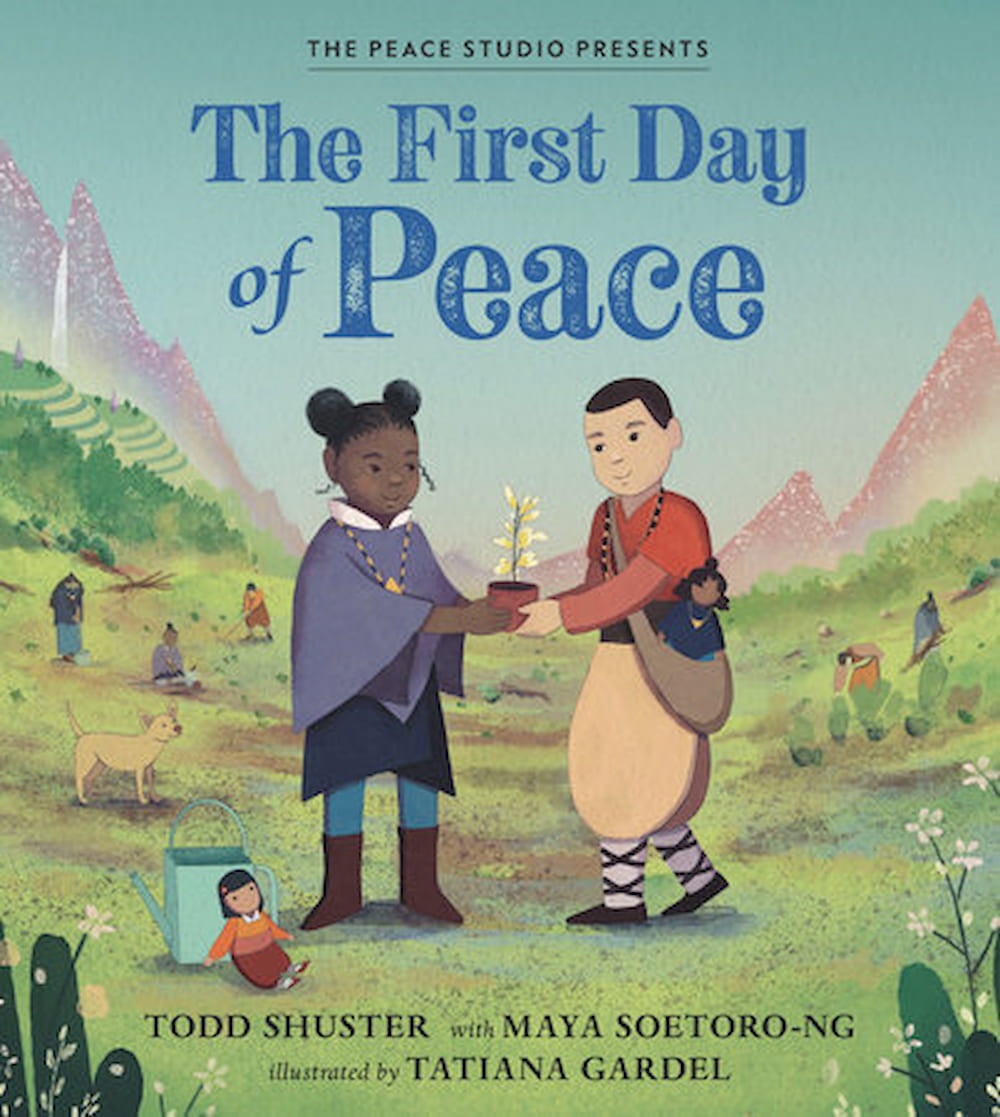
Book cover of The First day of Peace
This 2023 children’s book by Maya and Todd Schuster, illustrated by Tatiana Gardel, emphasizes the importance of building peace through being kind and sharing with others. As a global peace leader, Maya is profoundly committed to teaching younger generations how to build a better world for the future.
-
Video
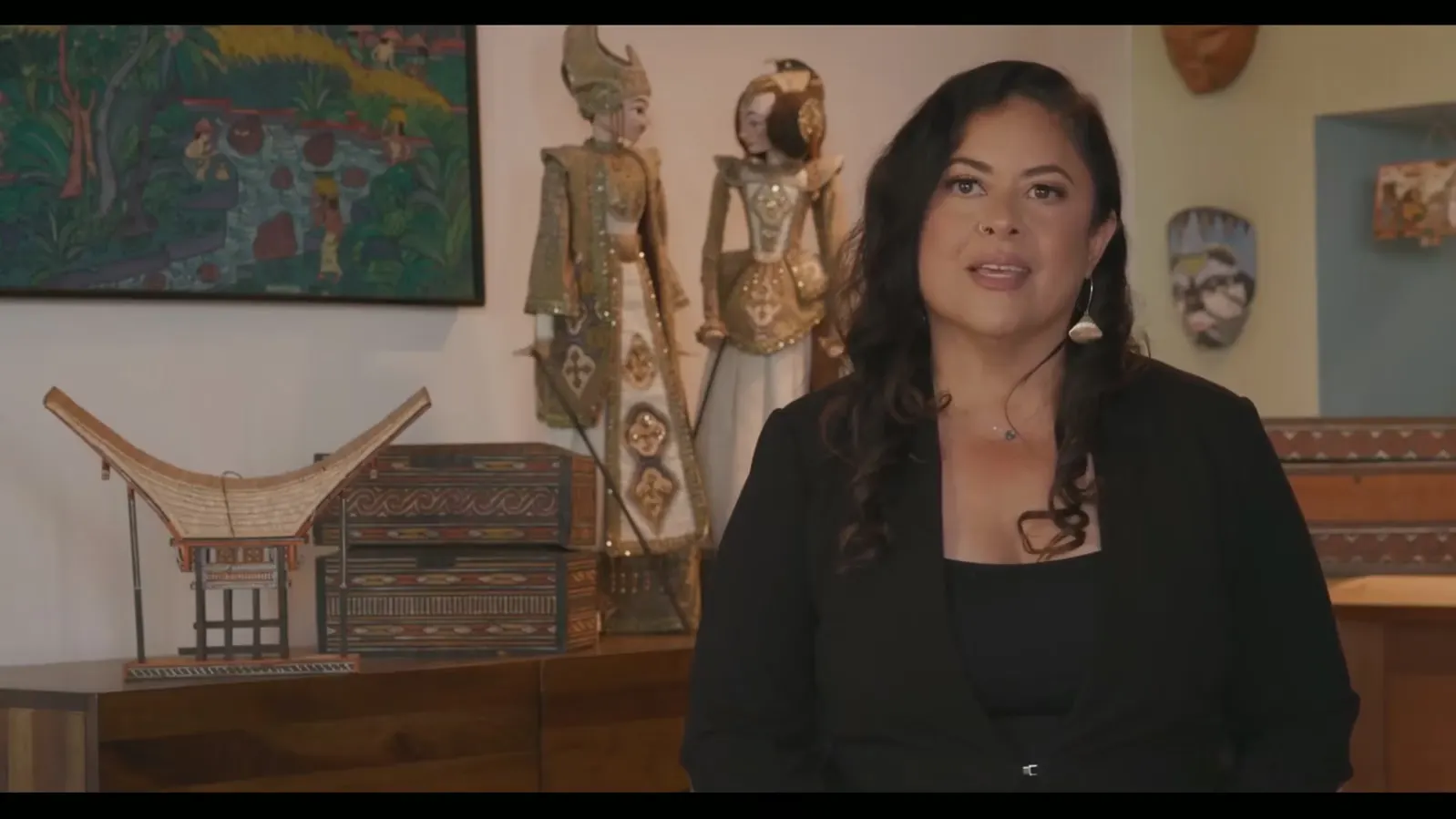
Maya speaks about seeking community and connection
Here, Maya talks about learning from her mother the importance of always seeking community and connection, which taught her and her brother to become bridge-builders.
-
Image
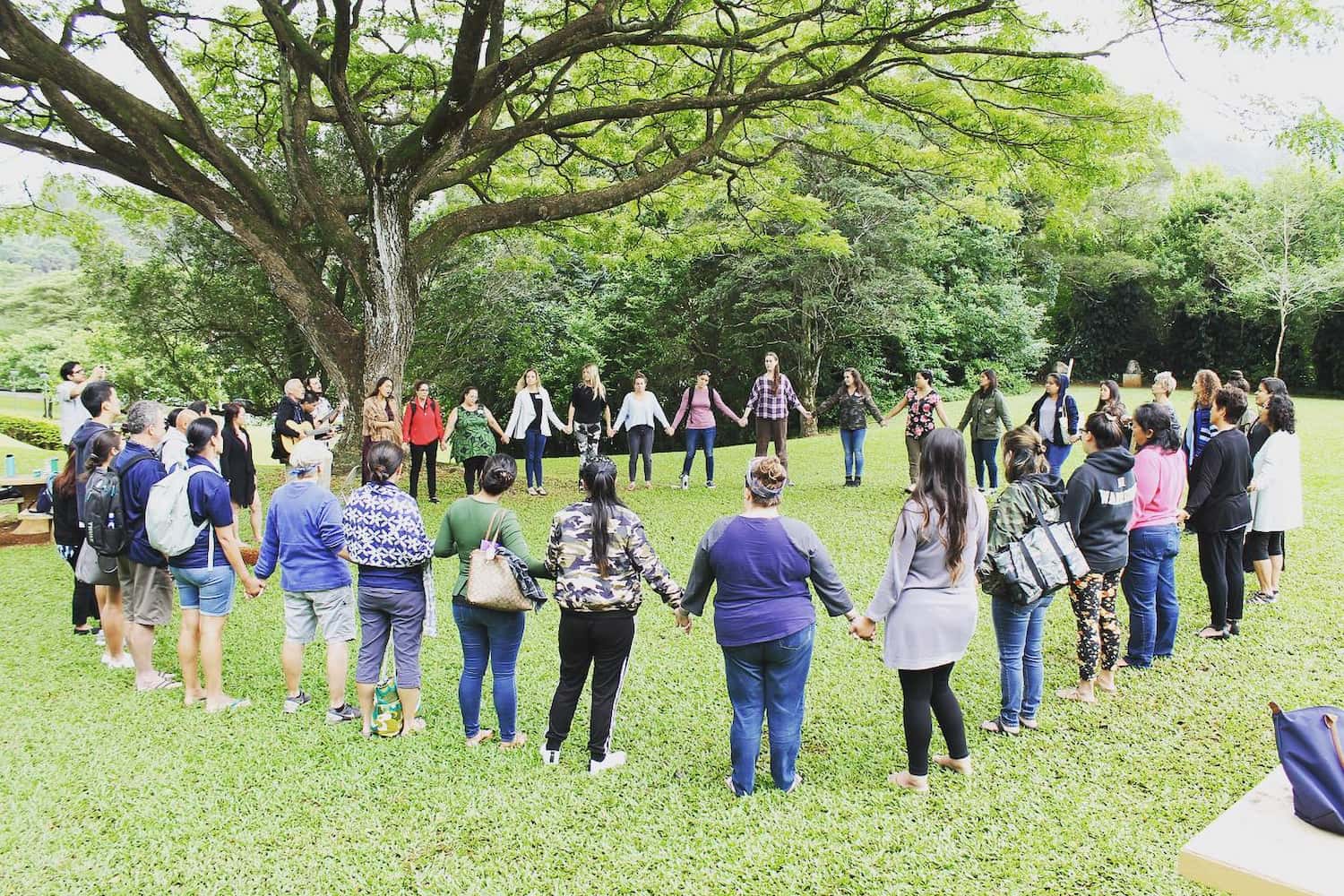
Ceeds of Peace circle
Ceeds of Peace circle, Windward side of Oʻahu, Hawaiʻi, in 2015. As a teacher and global leader, Maya regularly focuses on the importance of positive peacebuilding, especially in developing leadership skills among young generations.
-
Image
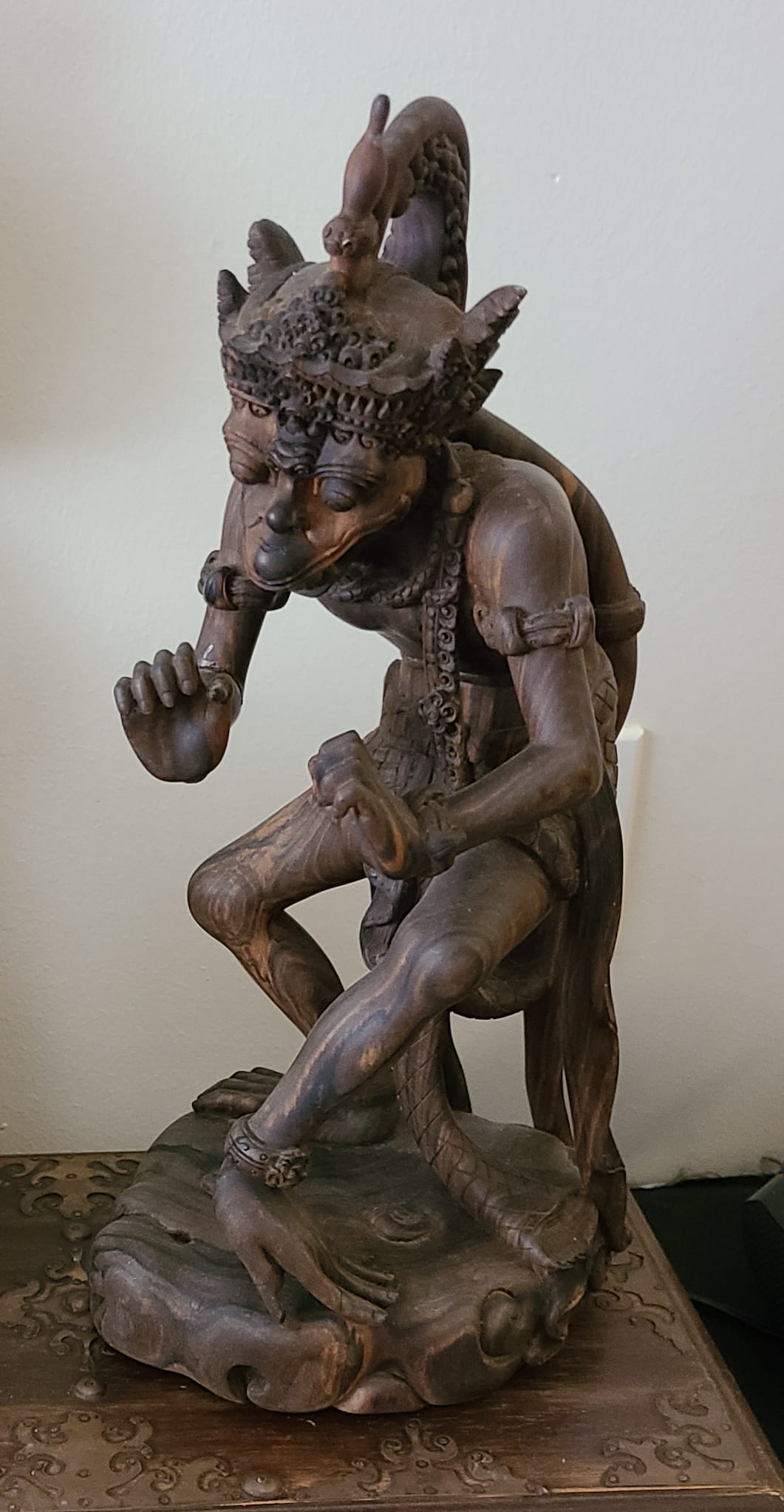
Wood carving art piece from Indonesia
Wood carving in Maya’s home. Indonesian culture remains a cherished part of Maya’s life every day. Maya’s mother brought many art pieces from Indonesia, and Maya continues to display these objects in her home
-
Image
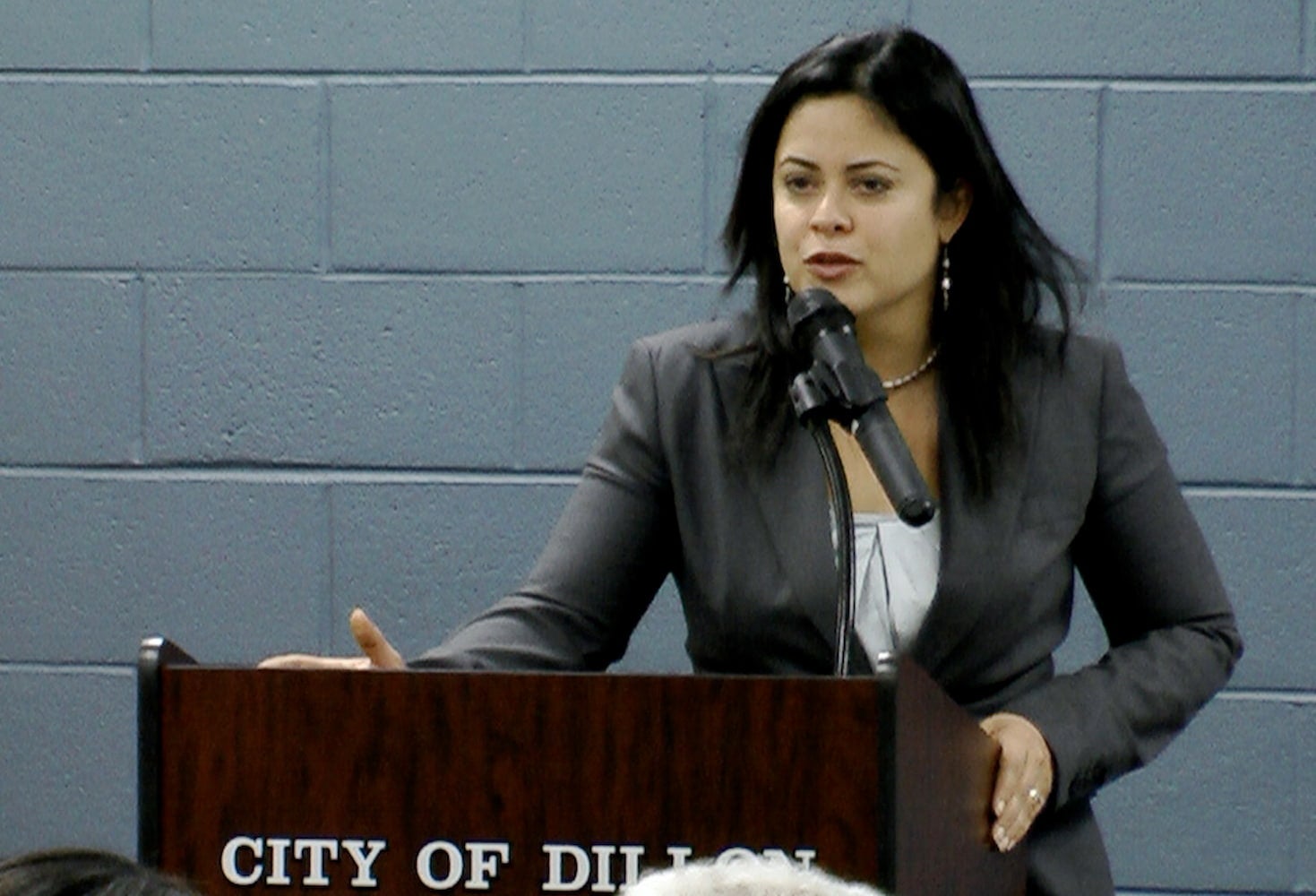
Maya as Global Peace leader
As a global peace leader, Maya makes presentations around the world.
-
Image
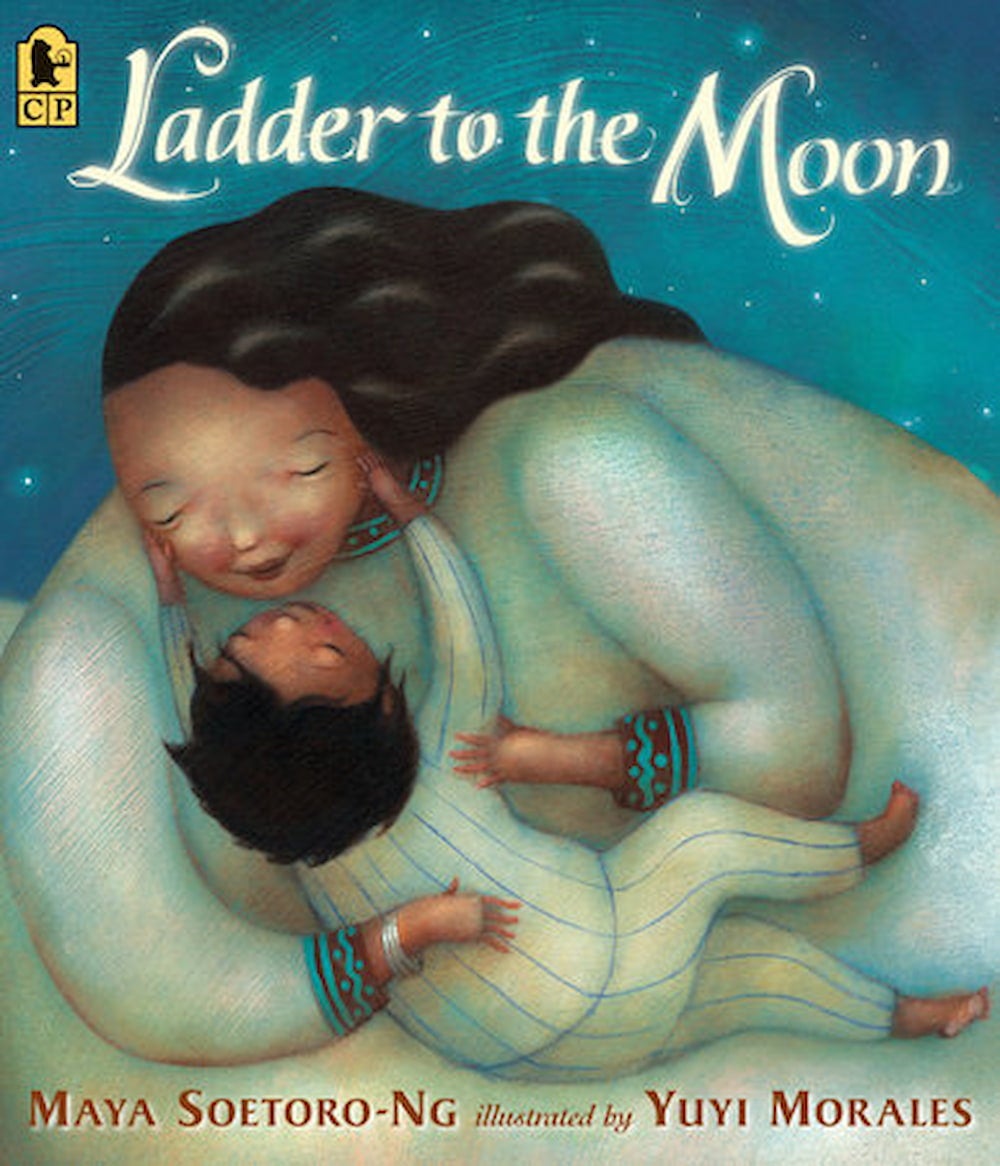
Maya’s first children’s book, Ladder to the Moon
In her first children’s book, Ladder to the Moon (2011; illustrated by Yuyi Morales), Maya imagines what her mother would have taught her daughter, Suhaila, about the world. In the story, a young girl takes a magical journey with her grandmother and learns about the importance of world peace.
-
Image
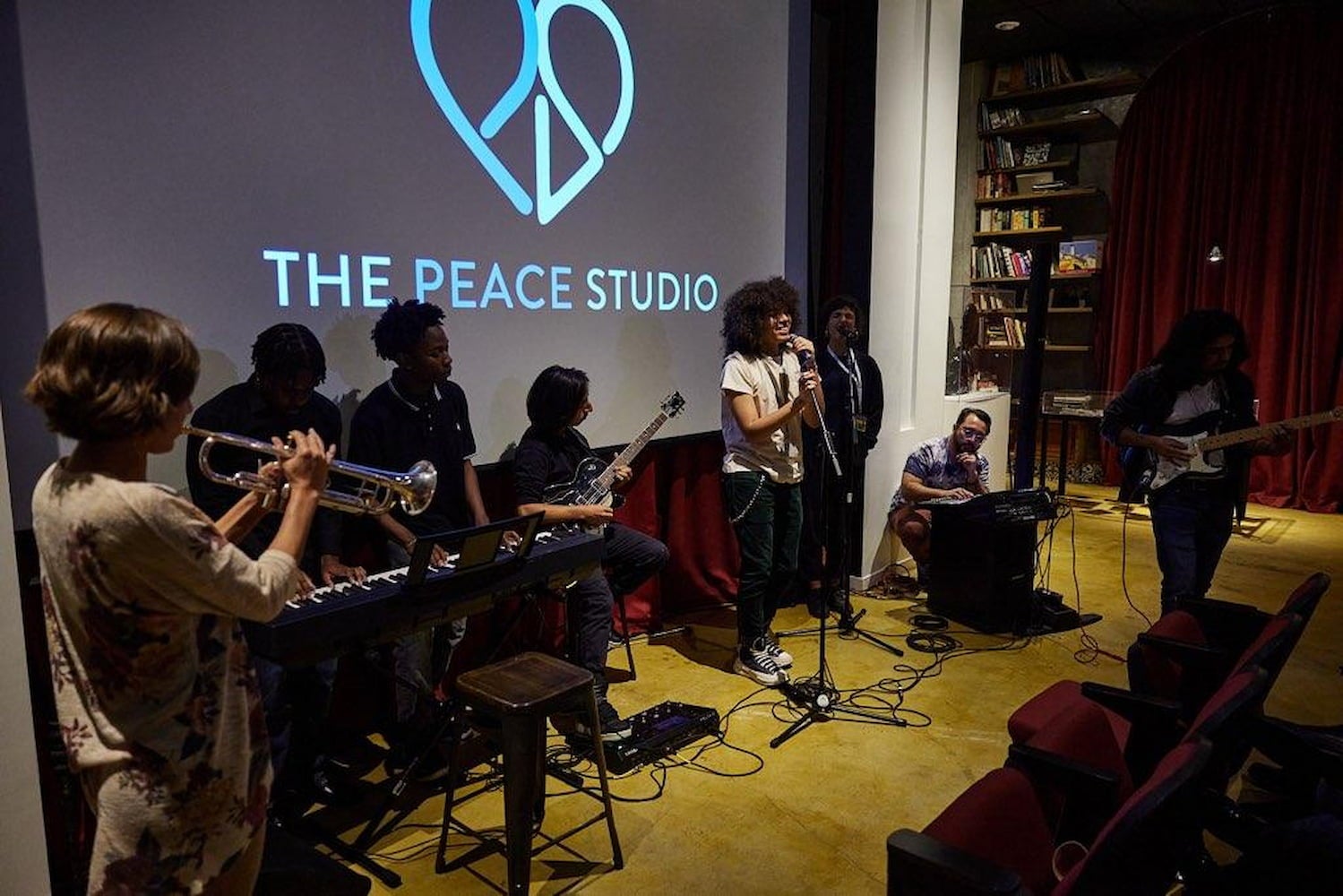
The Peace Studio
The Peace Studio, a nonprofit organization cofounded by Maya, focuses on working with artists and journalists to develop restorative narratives and create social change.
-
Image
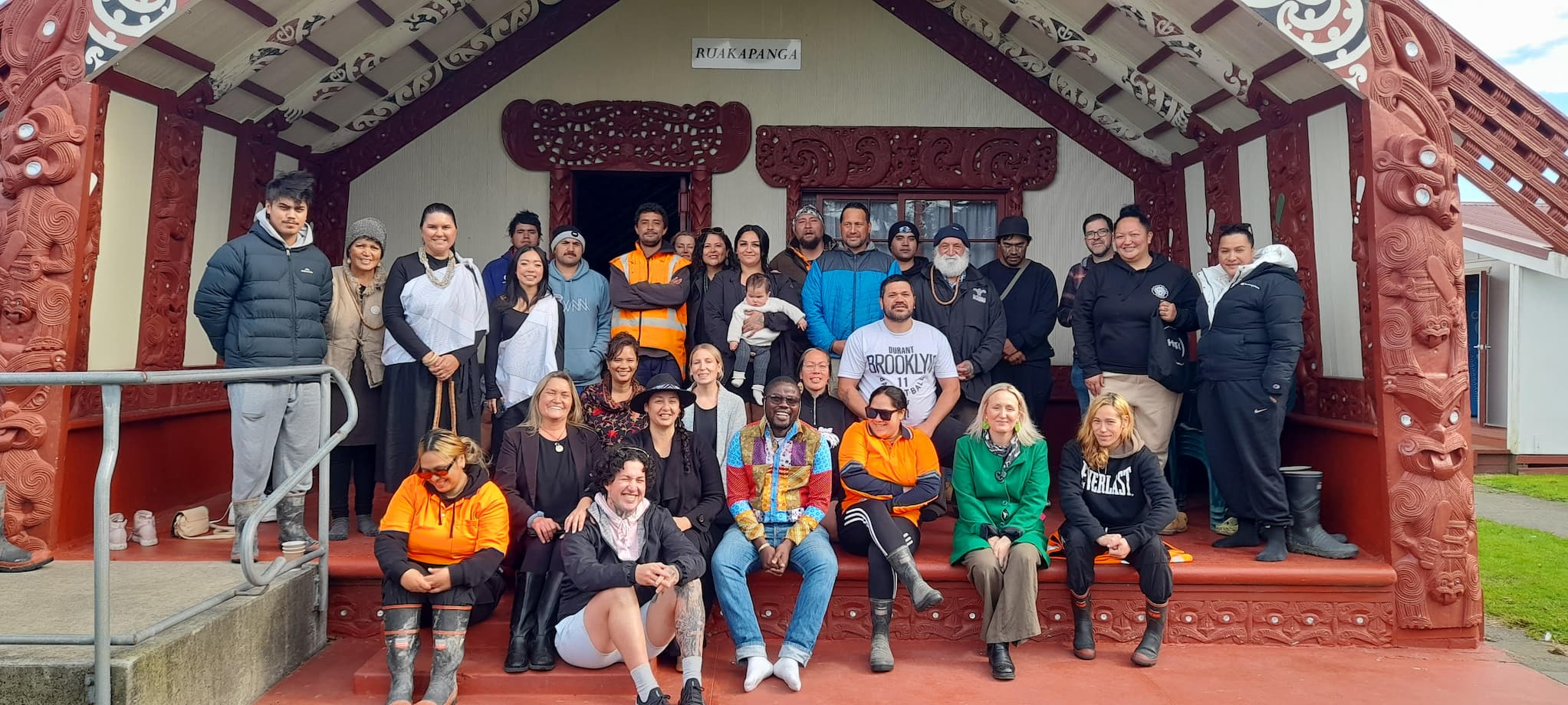
The Institute for Climate and Peace (ICP)
The Institute for Climate and Peace (ICP) ….. ICP foregrounds the importance of Indigenous practices and women’s leadership in addressing climate change.
-
Video
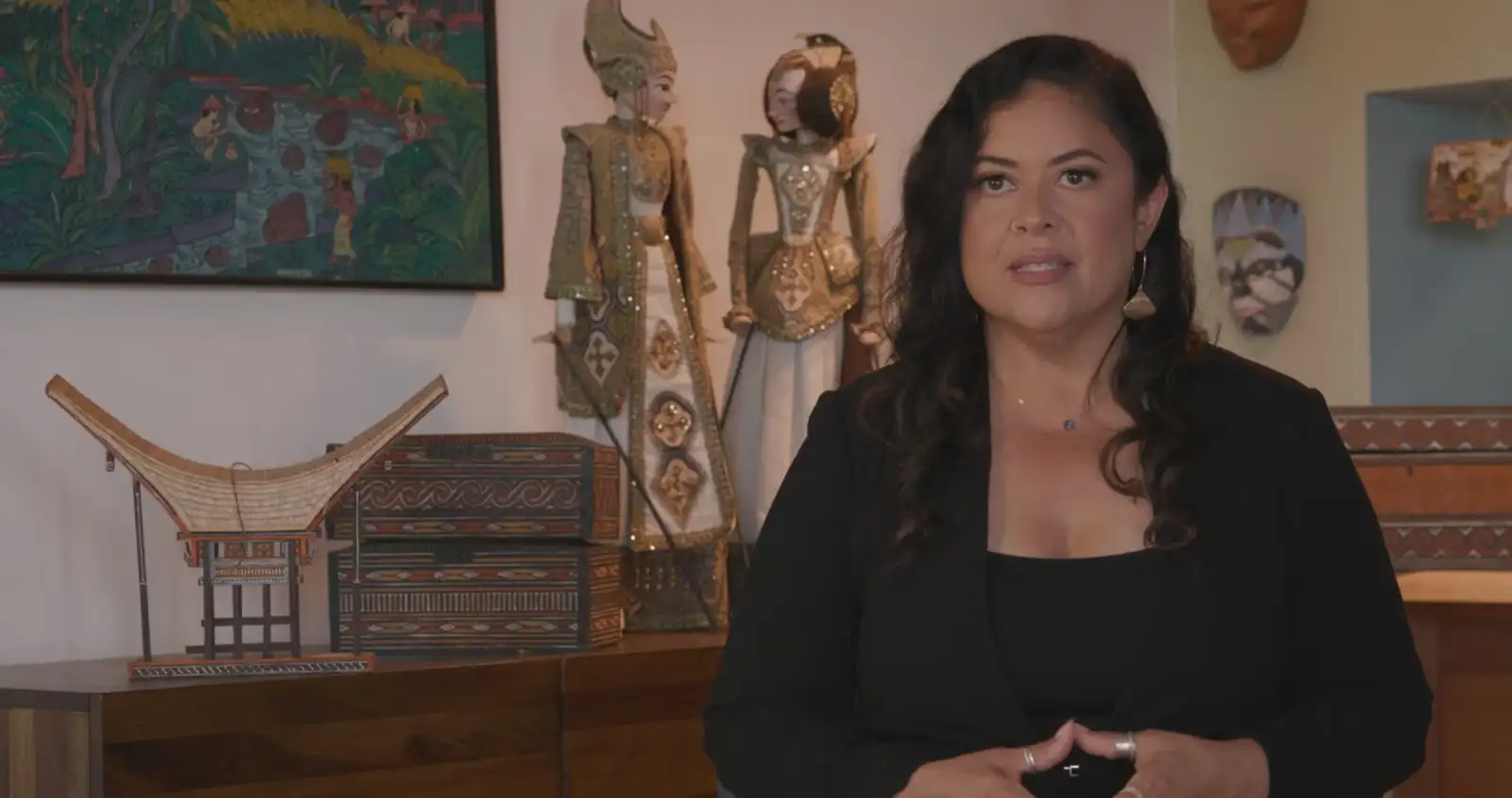
Peace as action
Watch as Maya talks about “peace as action,” and why she decided to found and build community-focused non-profit organizations.
-
Image
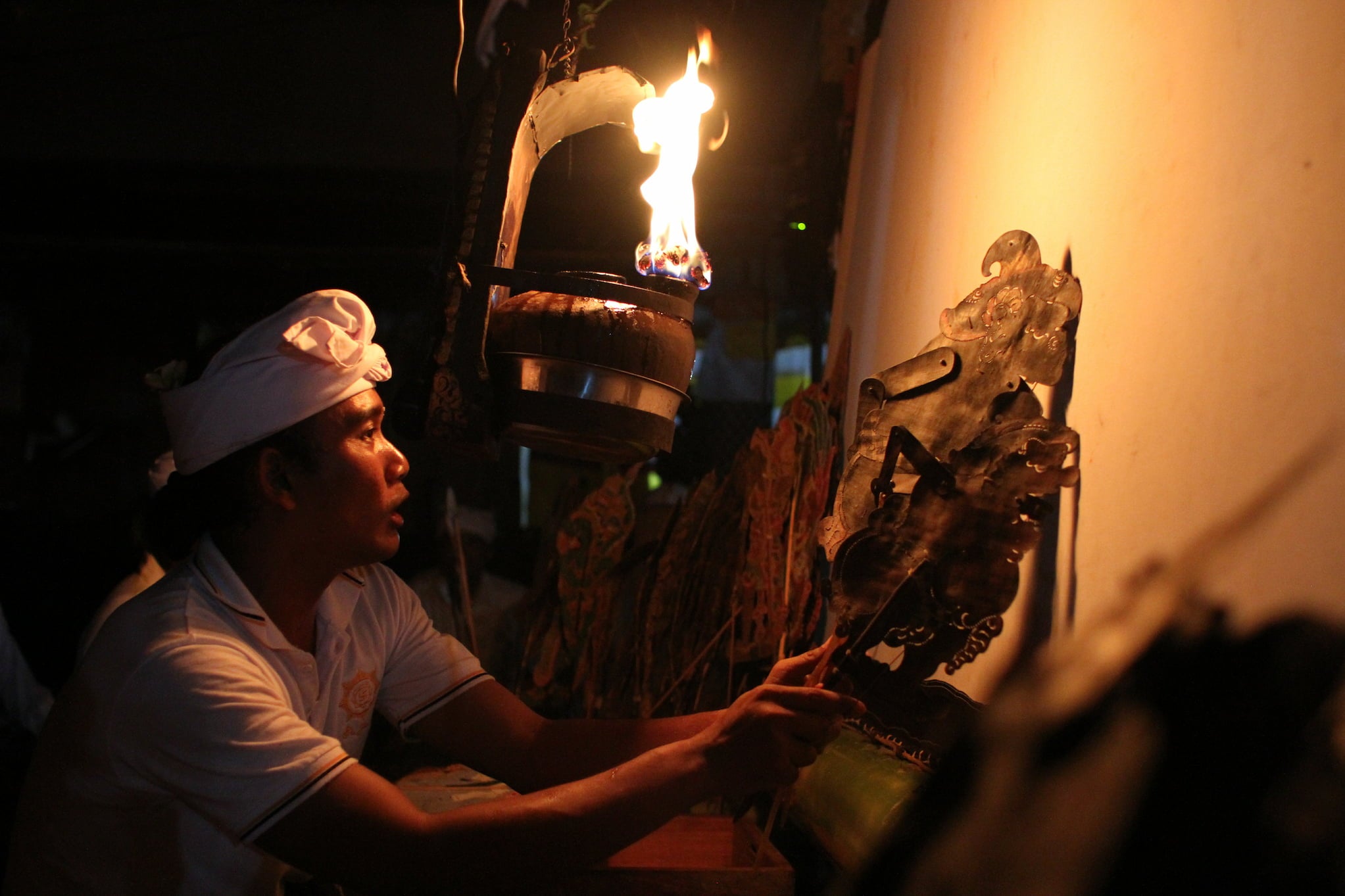
Wayang kulit performance
As a child, Maya grew up surrounded by Indonesian artisans and Javanese culture. Her childhood memories are filled with watching painters, batik makers, woodcarvers, and other artists. This early exposure to art and culture in everyday life would shape Maya’s conviction about art’s importance for connection and healing.
-
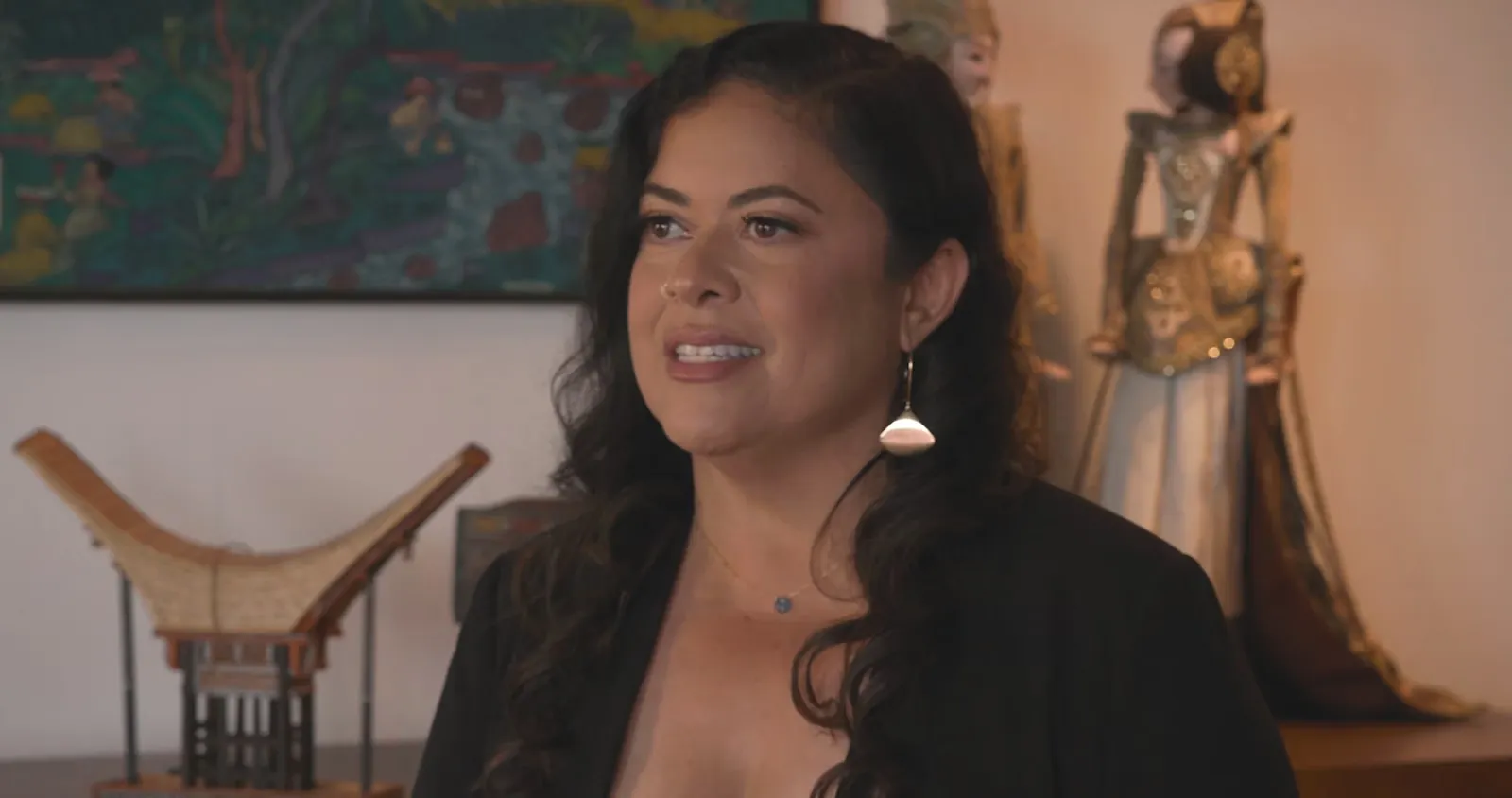
Video
Maya describe moving to New York for college
Watch Maya describe moving to New York for college, and embracing Latino culture while living and working among Dominican and Puerto Rican communities.
-
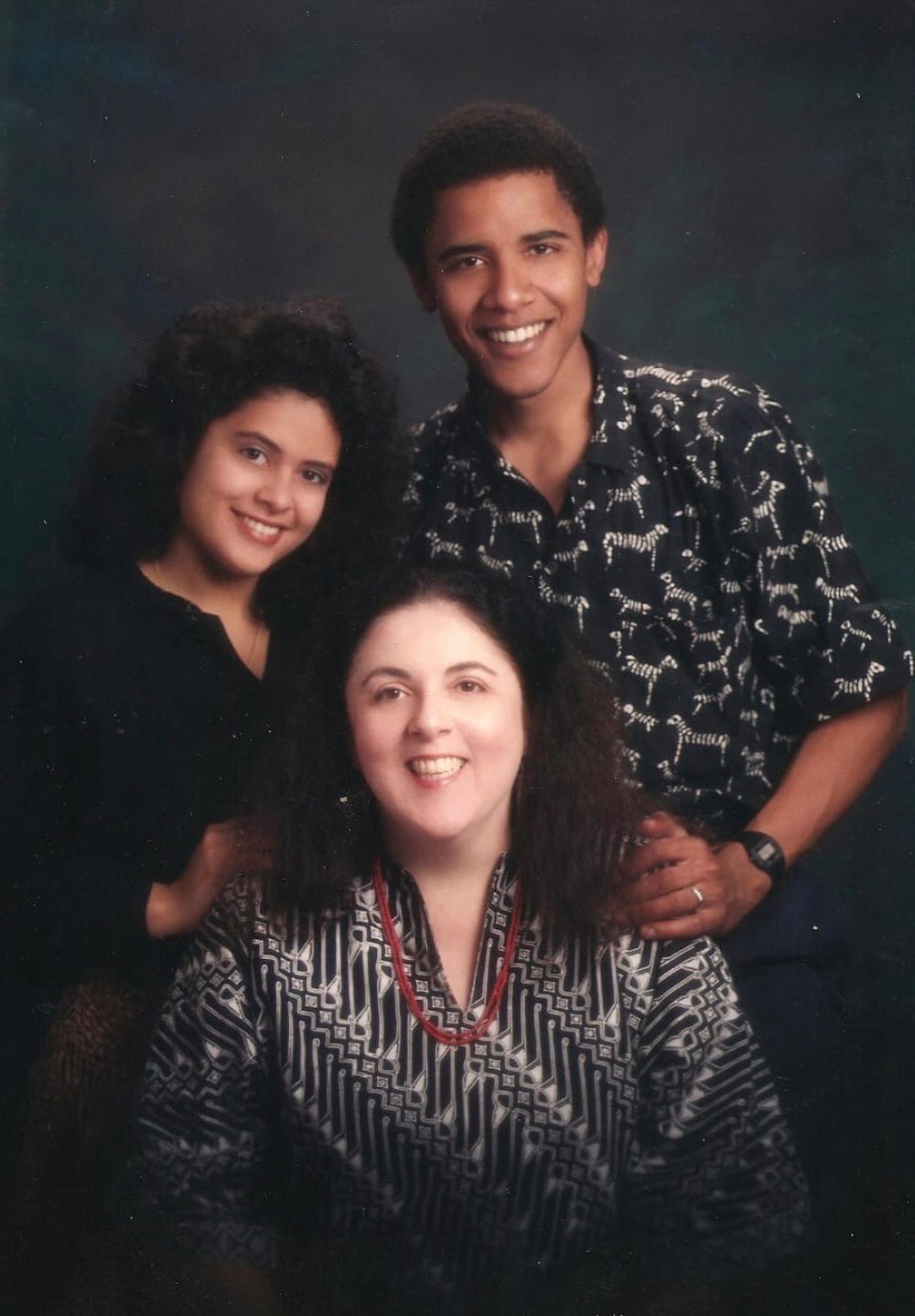
Image
Maya, Ann, and Barack in Honolulu, Hawaiʻi, ca. 1987.
(Left to right) Maya, Ann, and Barack in Honolulu, Hawaiʻi, ca. 1987.
-
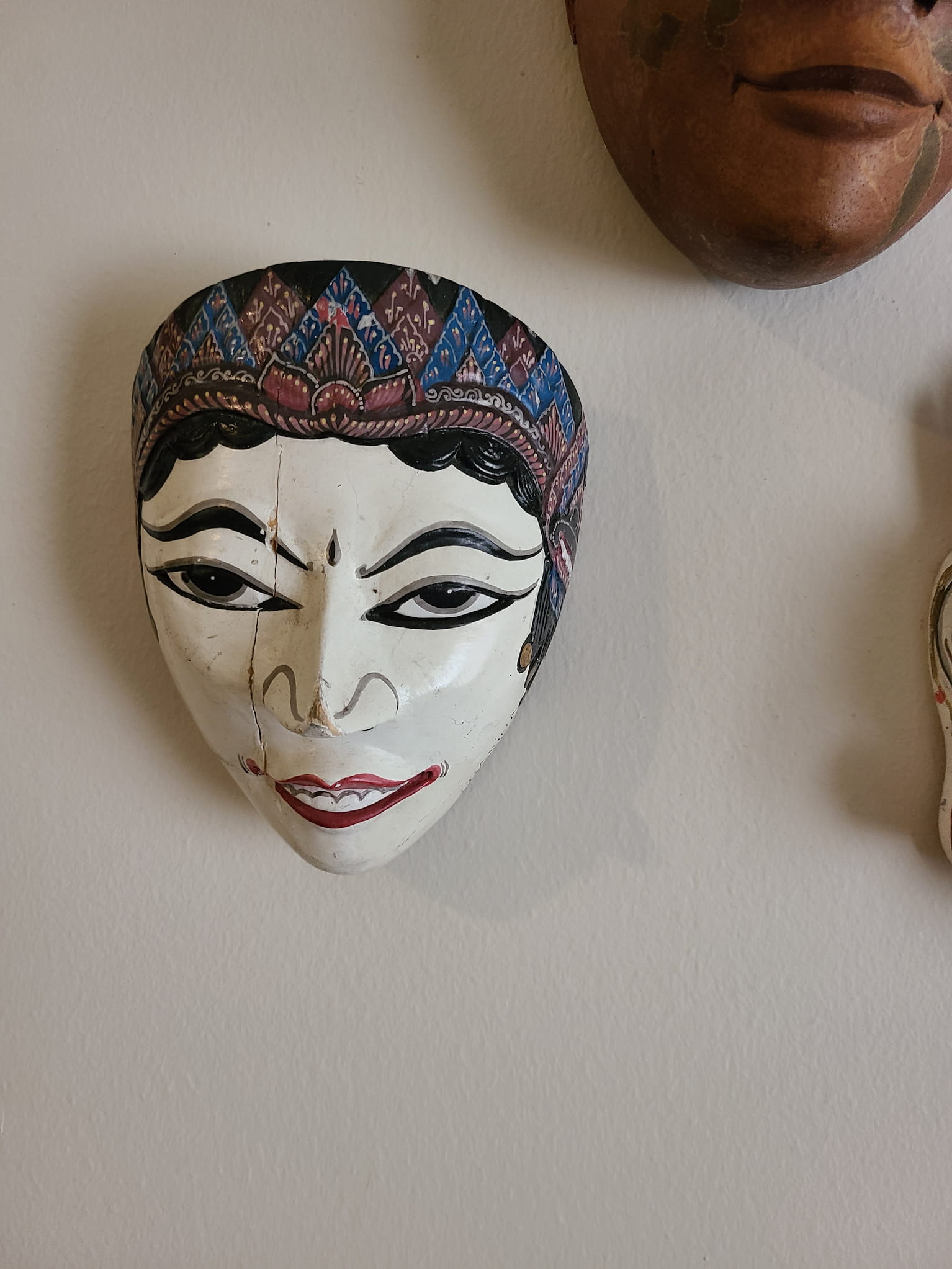
Image
Indonesian artifacts
Different topeng, or wooden masks, that Maya cherishes. Today, these masks are displayed in Maya’s home, reflecting the great respect and love that she has for Indonesian culture.
-
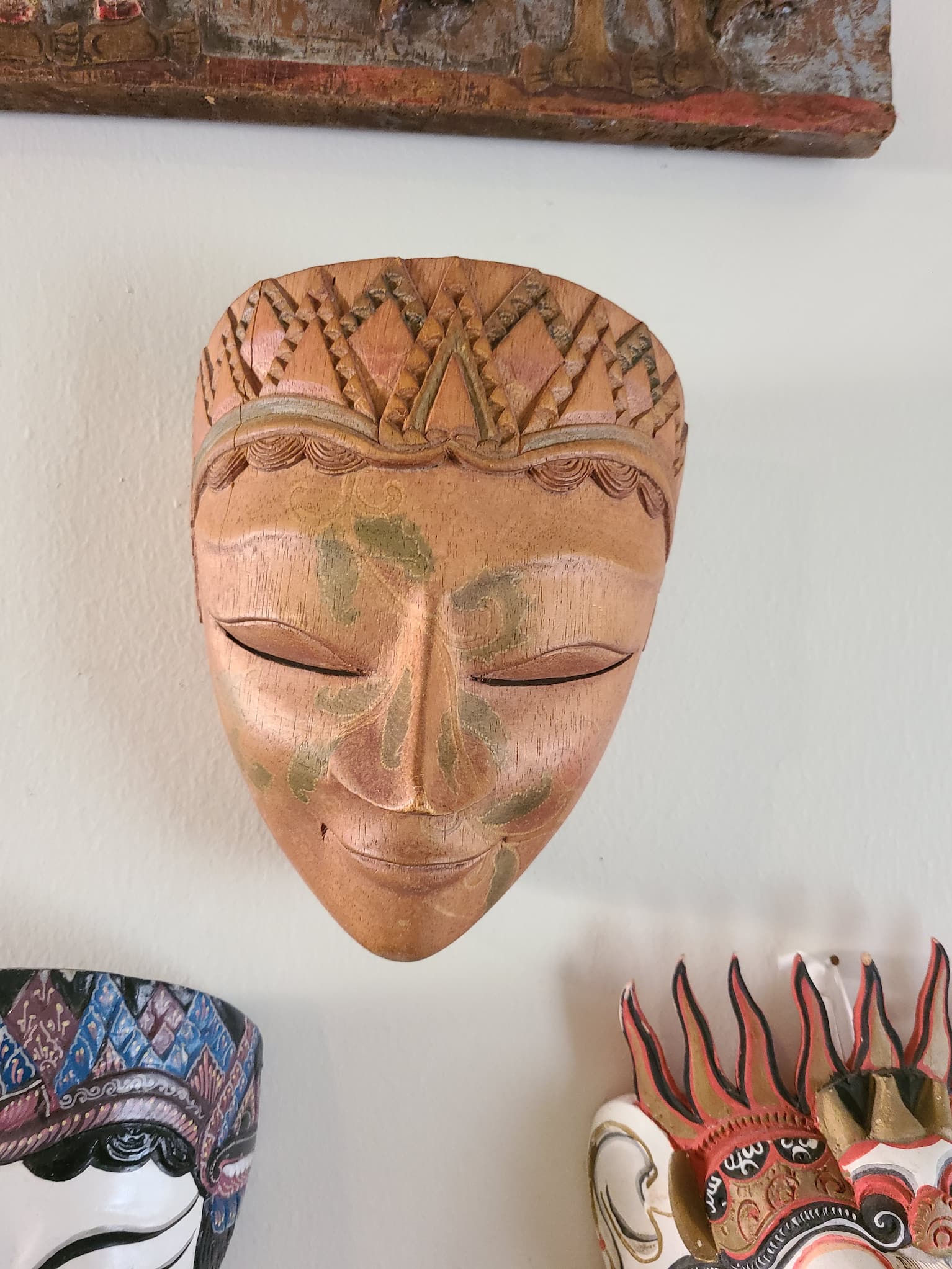
Image
Indonesian artifacts
Different topeng, or wooden masks, that Maya cherishes. Today, these masks are displayed in Maya’s home, reflecting the great respect and love that she has for Indonesian culture.
-
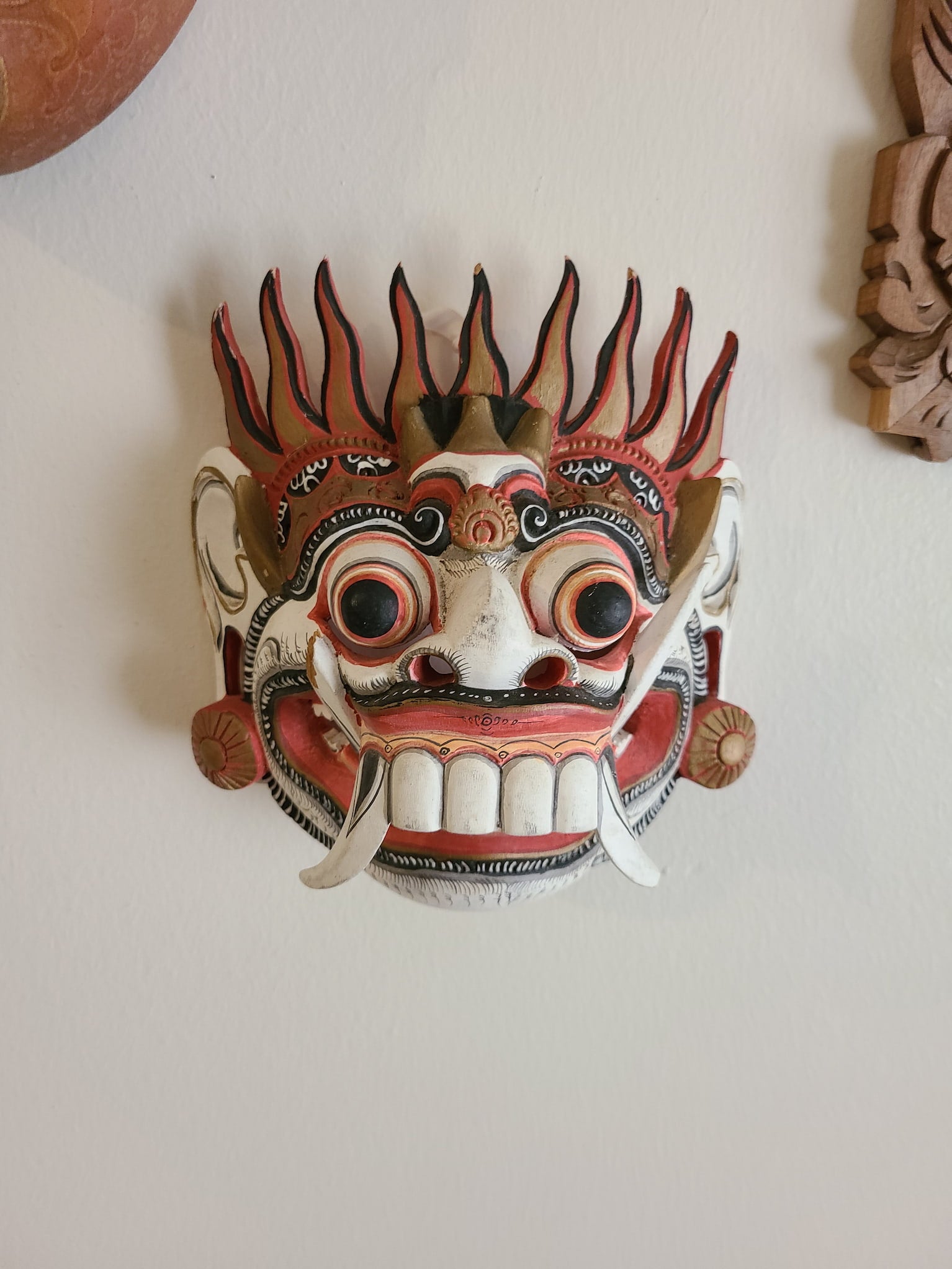
Image
Indonesian artifacts
Different topeng, or wooden masks, that Maya cherishes. Today, these masks are displayed in Maya’s home, reflecting the great respect and love that she has for Indonesian culture.
-
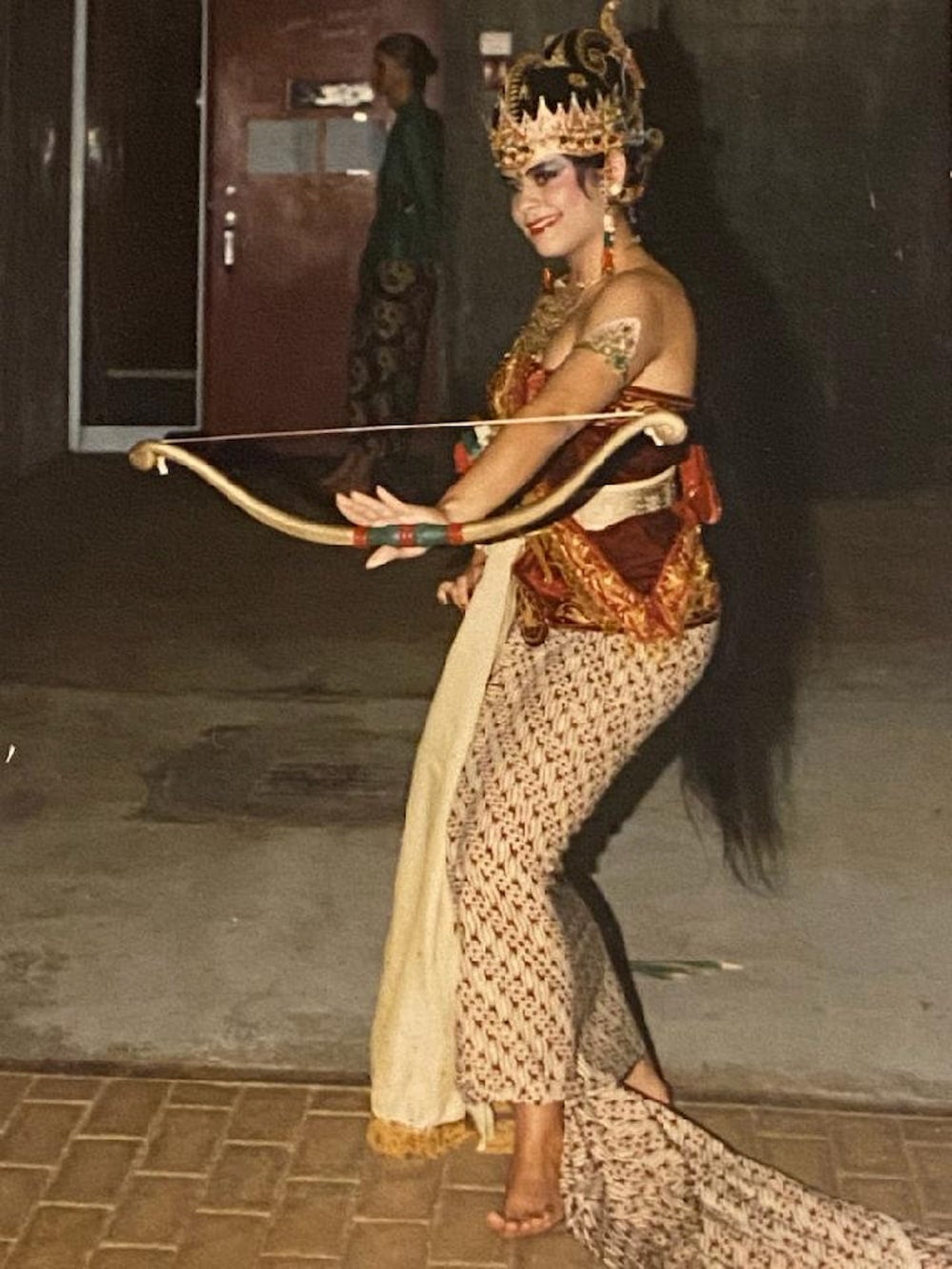
Image
Maya performing as a teenager
Maya performing as a teenager at the East-West Center at the University of Hawaiʻi at Mānoa in 1986. While she was a teenager, her mother continued to encourage her to cherish and strengthen her knowledge of Indonesian culture. This photograph was taken by Maya’s mother.
-
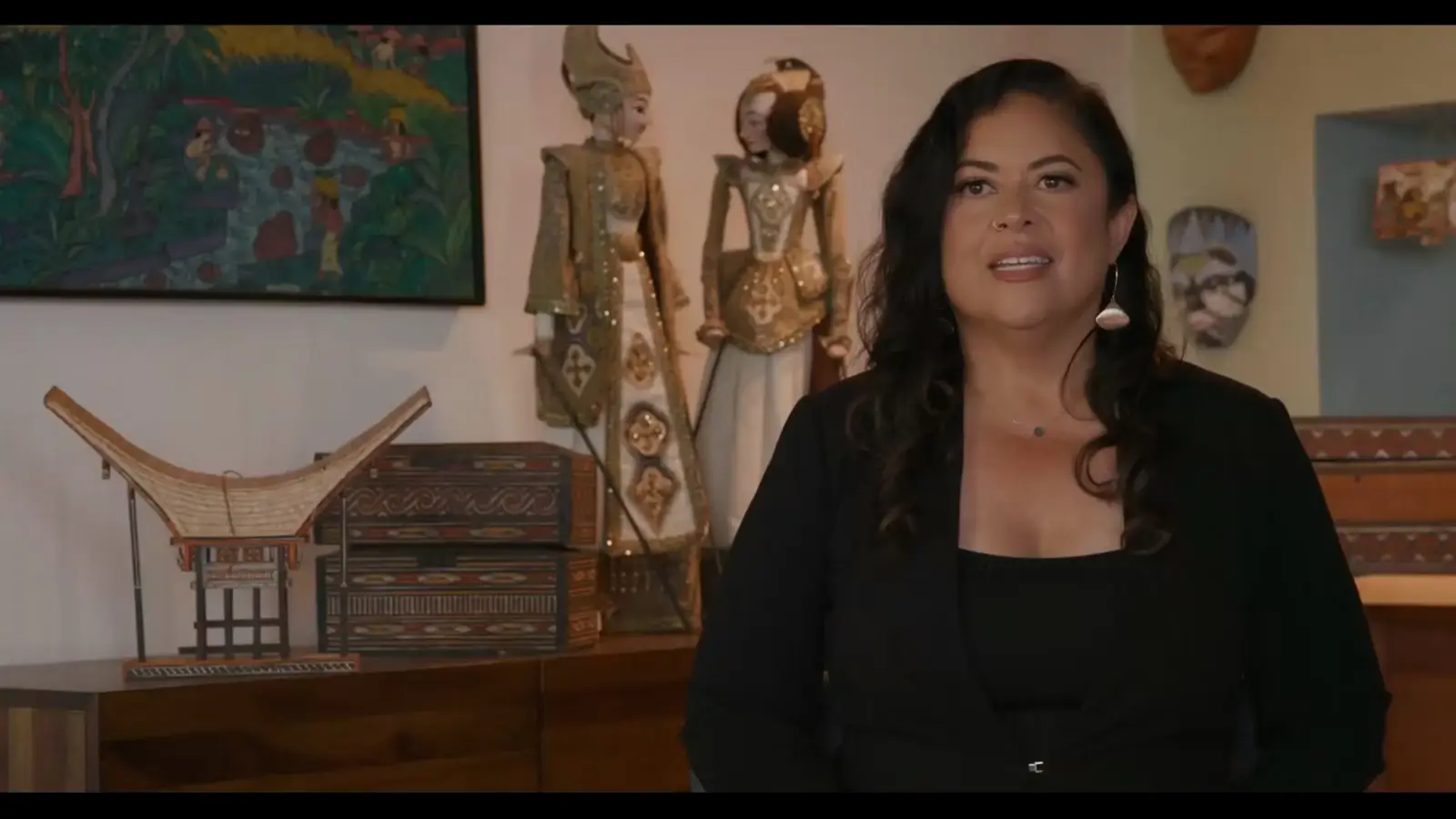
Video
Maya describe moving back to Hawai‘i as a teenager
Watch Maya describe moving back to Hawai‘i as a teenager, and how discovered a new community as she maintained her connection to Indonesian culture.
-
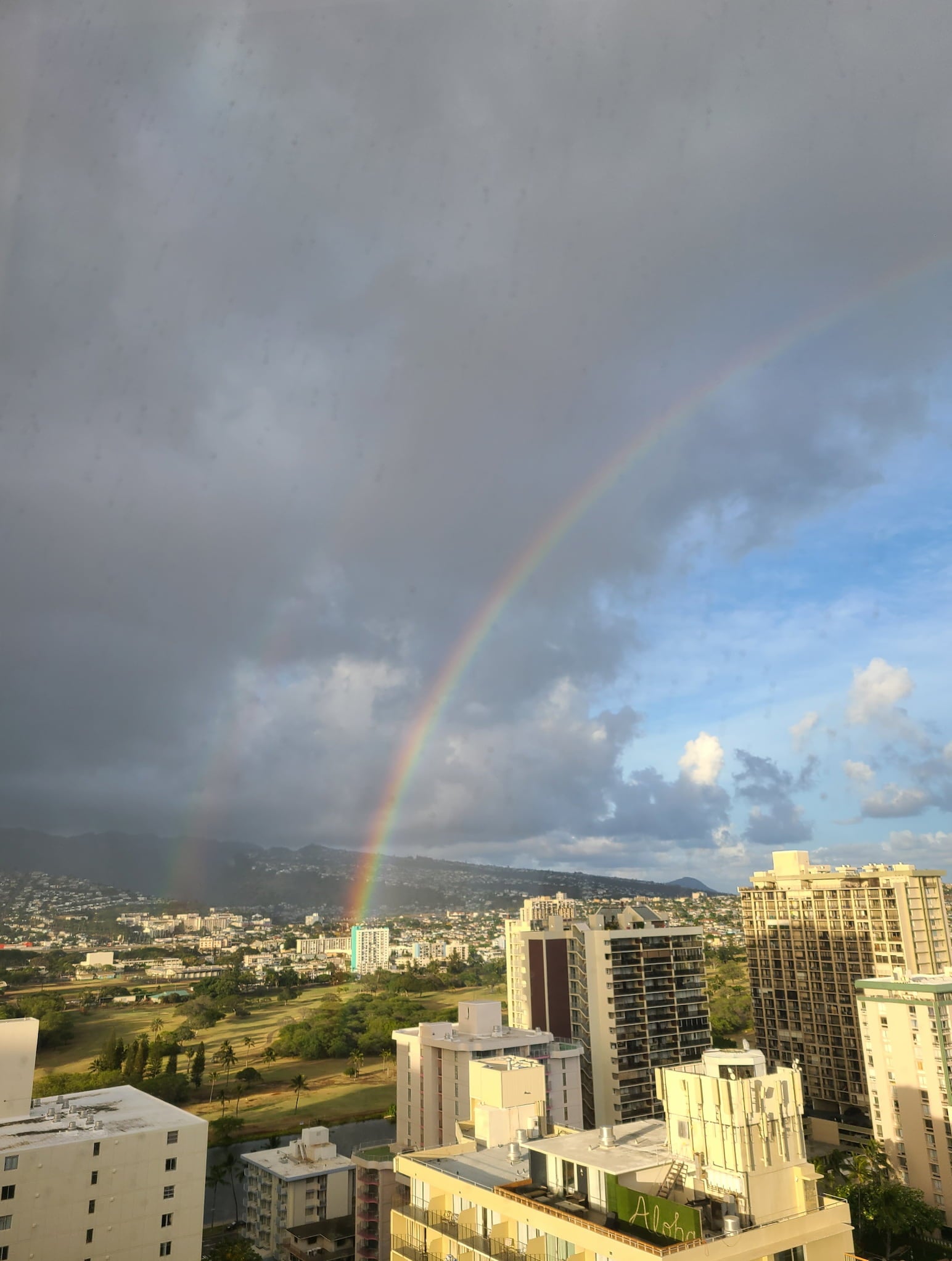
Image
Rainbow over Present day Honolulu, Hawaiʻi
Present day Honolulu, Hawaiʻi, as viewed from Waikīkī. Maya attended college and graduate school in New York City and has traveled around the world, but Honolulu remains her home; it is where she continued her graduate education and later raised her family.