




Painting: An Asian woman and a soldier with a blacked-out face sit with their 4 children in front of a map shows bits of Bible verses.
Module 2: Anti-Miscegenation Laws and the Rise of Multiracial People
Does learning about the experiences of multiracial Pacific Islanders and Asian Americans reveal ways to combat racism?
During the colonial era, many laws on the Eastern Seaboard of the United States regulated trade, slavery, and even witchcraft. A central concern of the original thirteen British colonies—all of which practiced slavery—was preventing marriages between Black and white people, especially between Black men and white women. People in power used these restrictive laws to limit others’ access to resources.
In this module, we explore how laws governing race—such as those governing US citizenship, land ownership, voting rights, and marriage—have shaped how we think about race today. During the period of slavery and the dispossession and genocide of Native Americans, elite white lawmakers criminalized marriages between white and Black people, and sometimes Native Americans as well. We will explore how these laws expanded to include people of Asian and Pacific Islander descent, and learn how these laws affected their lives, including multiracial Pacific Islanders and Asian Americans.
How have laws regulating marriage shaped our ideas of race?
What ideas about interracial couples and their mixed children supported these laws?
How did people, including Mildred and Richard Loving, resist anti-miscegenation laws?
Early Anti-Miscegenation Laws
In 1661, a Maryland legislative statute, which is similar to but more specific than a law, stated that “free-born English women, forgetful of their free conditions, and to the disgrace of our nation do intermarry with Negro slaves.” 1 It ruled that these women and their children “should themselves become slaves.” 2 Nearly two centuries later, building on an earlier Missouri statute that prohibited all marriages between whites and “Negroes,” an 1879 statute clarified that “persons with one-eighth or more Negro blood were prohibited from marrying White persons.” For marrying across these developing racial lines, the “penalty was two years in the penitentiary, or a fine, up to $100, or imprisonment in the county jail for three months, or both fine and imprisonment.” 3
If so many laws controlled unions between Black and white people, how could someone become “1/8th Negro”? And what records would prove someone’s fraction of “Negro blood”? These contradictions between the law and daily life reveal that people, not biology or nature, give meaning to “race.” Race is created through social human interaction and deliberation and can, therefore, change. This explains why different racial categories exist at different times in American history.
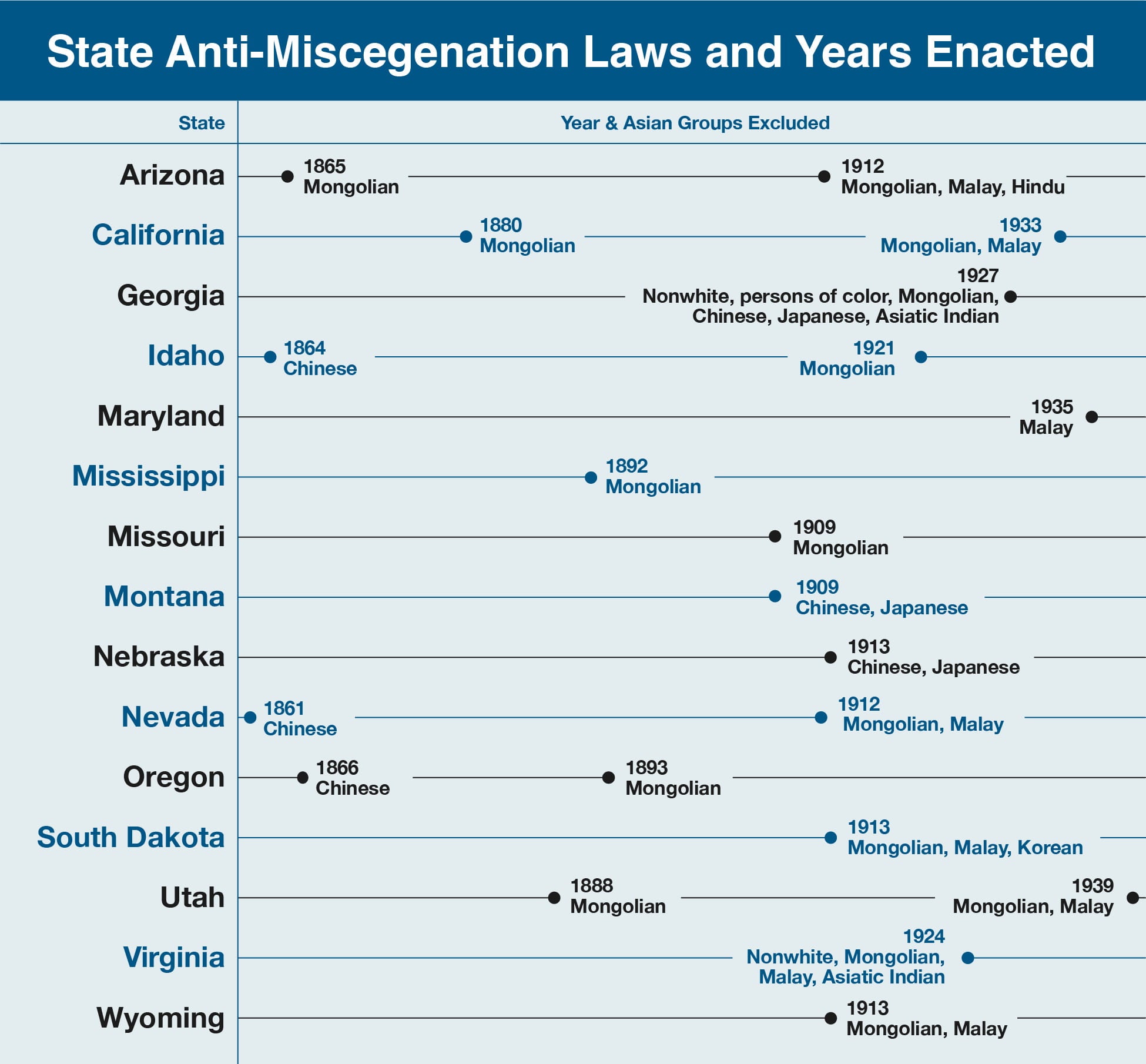
Image 34.02.01 — This table lists US states in the chronology by which they enacted Asian anti-miscegenation laws.
Race and the Emergence of Anti-Miscegenation Laws
The regulation of marriage between races was directly tied to the idea of white supremacy, including the belief in separate and unequal races. People in power during colonial era America believed that white people were superior to Black and other non-white people and, therefore, had the right to power and control. These ideas were used to justify the enslavement of Black people by white slave owners, the genocide of Native Americans and theft of their land, and the exploitation and exclusion of Mexican labor and Asian immigrants.
A 1967 US Supreme Court statement struck down anti-miscegenation across the nation, stating, “The fact that Virginia prohibits only interracial marriages involving white persons demonstrates that the racial classifications must stand on their own justification, as measures designed to maintain White Supremacy.” 4 At the heart of this concern were the mixed race children who could upend these false ideas, including the ideas that separate races were in fact separate species, and that the racial order was God-granted or determined by nature and thus couldn’t be changed.
Anti-miscegenation laws were region-specific and shifted as populations changed. The first law preventing Asian intermarriage specifically prevented Chinese people from marrying whites in Nevada in 1861. When California became a state in 1850, it passed a law similar to other states, declaring that “marriages of white persons with negroes” were prohibited. The law also added “Mongolians” to the list of groups who couldn’t intermarry with whites. But consider this: Why could “Mongolians” marry “negroes,” but neither could marry whites? What does this tell us about what these laws were attempting to protect?
Resisting Anti-Miscegenation Laws
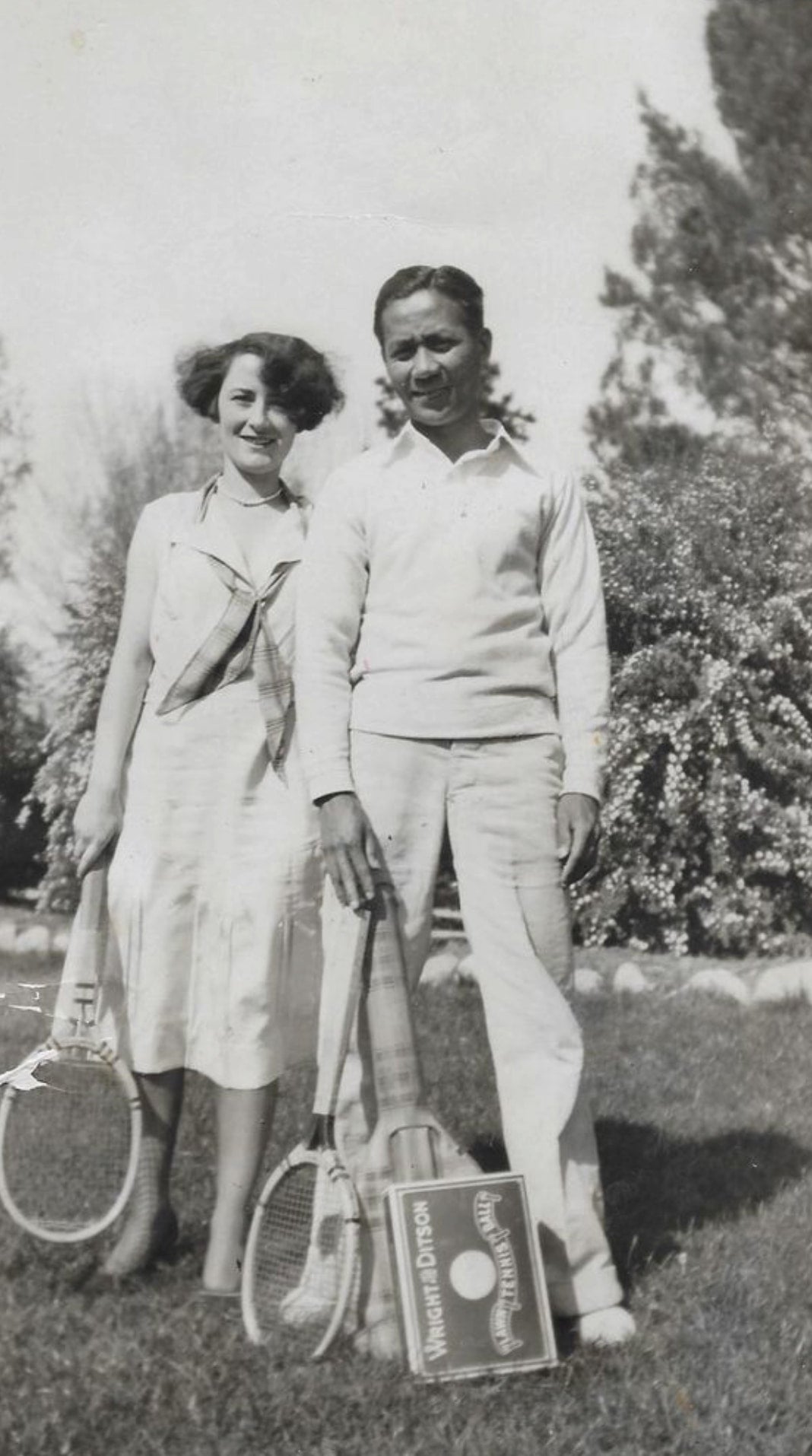
Image 34.02.02 — Salvador Roldan, a Filipino immigrant, fought for his right to marry Marjorie Rogers, a white woman who had immigrated from England. Photo circa 1933.
Expressing their agency, some people from India and the Philippines argued that they were not “Mongolian” and were therefore exempt from these laws. In a key California court case, a Filipino immigrant, Salvador Roldan, argued for his right to marry Marjorie Rogers, a white woman who immigrated from England, because Filipinos were considered “Malay” and not “Mongolian.”
Roldan won his case, but in 1933, California changed the law to add “Malay,” stating that, “All marriages of white persons with Negroes, Mongolians, members of the Malay race, or mulattoes are illegal and void.” 5 Laws like this attempted to keep up with people’s choices, but people’s agency often could not be curtailed.
Hawaiʻi, a place with large Pacific Islander and Asian populations that became a US state in 1959, did not enact anti-miscegenation laws. However, American and European colonists and travelers imported their ideas about race across the Pacific. For example, the United States implemented anti-miscegenation laws in American Sāmoa that disallowed Samoan women from marrying white sailors.
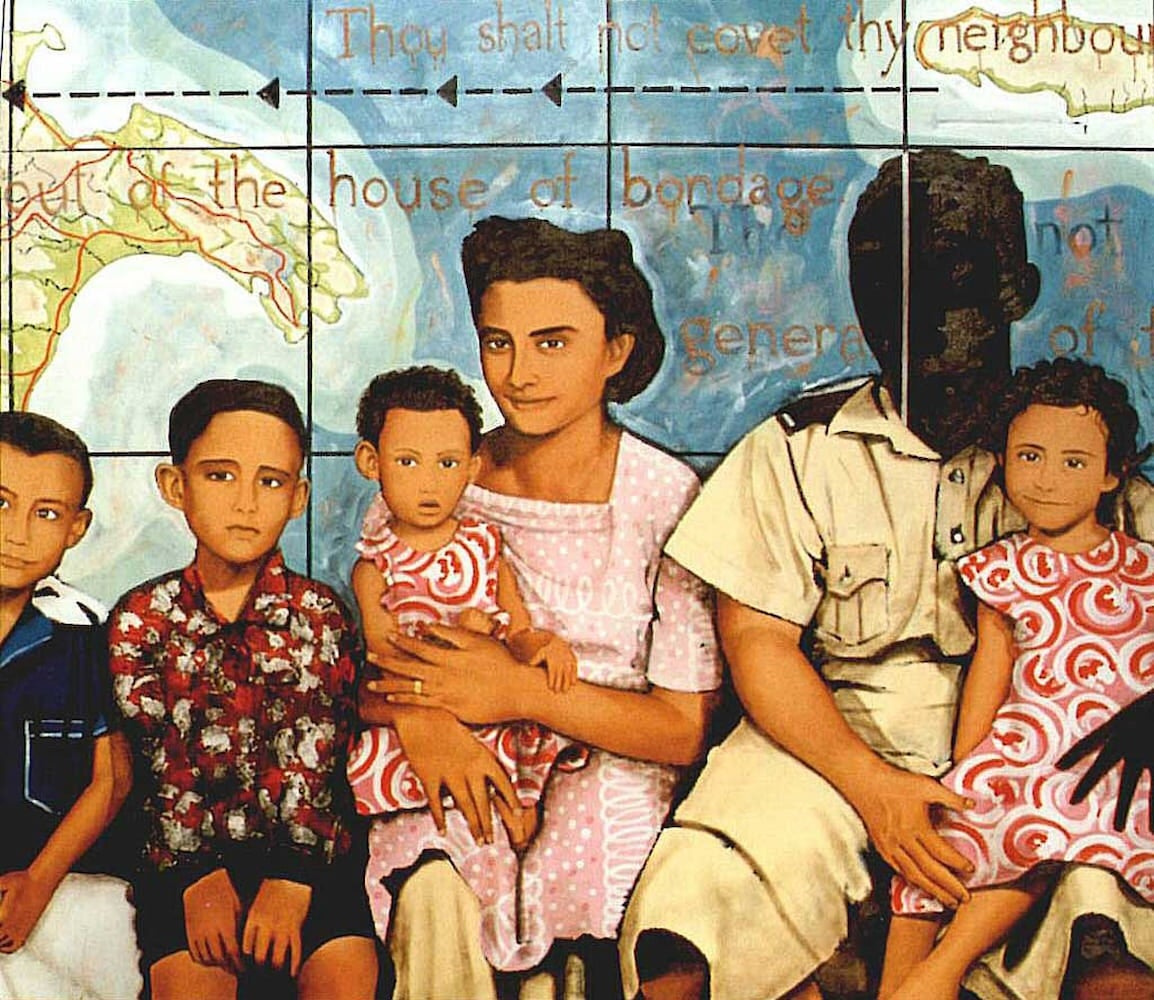
Image 34.02.03a — The painting Out of Fa’a Samoa (2000) by artist Nanette Lela’ulu reflects the lived experience of the mixed children of Pacific Islander women and American soldiers.
Image 34.02.03b — The “Mothers’ Darlings” project at the University of Otago in Aotearoa/New Zealand helps Pacific Islander children trace their American fathers from the over two million American servicemen who were stationed in the Pacific during World War II. Arthur Beren of Kerikeri (right) reunited with his paternal family in the US after sixty-four years.


“What About the Children?”
Laws prohibiting interracial marriage were centrally concerned with avoiding the creation of multiracial children, who would challenge the idea of racial purity and the separation of races. To support these laws, judges and scholars turned to nature. In 1883, Judge Henry of Missouri claimed, “It is stated as a well authenticated fact that if the issue of a black man and white woman, and a white man and a black woman, intermarry, they cannot possibly have any progeny, and such a fact sufficiently justifies those laws which forbid the intermarriage of blacks and whites.” 6 This is called pseudoscience—erroneous statements and beliefs interpreted as scientific fact.
Despite ample evidence to the contrary, this law incorrectly and unscientifically advocated the idea that Black and white people were different species, unable to create viable offspring—referred to as “mulattos,” stemming from the word for mule. Judge Henry’s statement reveals a central concern many people still hold today: What about the children?
Pseudoscience and Contradictions
In the late 1800s, thinkers developed the theory of Social Darwinism by applying Charles Darwin’s findings on evolution to humans. Today, popular media celebrates biracial people as “beautiful” and unique “bridges” between different social worlds, but this has not always been the case. Social eugenicists, like Charles Davenport, tried to prove that the children of two races exhibited hybrid degeneracy, referring to the idea that mixed people were racially inferior to the “superior” genes of the “pure” white population.
For instance, in his study of the children of Black and white couples in Jamaica, Davenport claimed, “It is frequently stated that hybrids are inferior to either parental stock, that they inherit the worst traits of both.” 7 Discussing mental capacity, the proportion of arms to legs, and even rhythmic ability, this study reflected the kind of pseudoscience lawmakers drew upon to justify laws restricting interracial marriage.
The very existence of “fractions” of Black people shows how reality often directly contradicts laws that try to erase the existence of some people. Thomas Jefferson, who signed the Declaration of Independence on July 4, 1776, declaring “all men are created equal,” himself wrote: “This unfortunate difference of color, and perhaps of faculty, is a powerful obstacle to the emancipation of these people…. When freed, he [the Black man] is to be removed beyond the reach of mixture.” 8
And yet Jefferson, later a US president, had numerous children with Sally Hemings, one of the hundreds of people whom he enslaved and treated brutally. Jefferson’s example also reminds us that not all interracial unions were prohibited or consensual. Within the context of slavery, we know that Jefferson was just one of many white slave owners who had children with enslaved women.
Regulating Marriage Across the Pacific
The histories of Pacific Islanders and Asian Americans reveal some exceptions to the ban on intermarriage. Immigration laws and anti-miscegenation laws together affected US soldiers’ choices in Asia and the Pacific during World War II. Soldiers who wanted to marry Pacific Islander and Asian women while they were stationed abroad had to get approval from their commanding officers. Many of these wives, however, were still unable to migrate to the United States unless they could show they had “at least 51 percent” European or white ancestry.
The 1945 War Brides Act provided a temporary exception that allowed Asian wives of American soldiers to enter the United States. However, over four thousand multiracial children across the Pacific were left by their American fathers to be orphaned, adopted by other families, or raised by their Pacific Islander mothers. In 1982, Congress passed the Amerasian Immigration Act, allowing the children of US soldiers in Korea, Thailand, Vietnam, Cambodia, and Laos to enter the United States. The mothers of these children were denied entry until the 1987 Amerasian Homecoming Act, which focused on family members in Vietnam.
The incorporation of Asians into these laws and concerns particularly affected the US West Coast, where many Asian immigrants settled. In 1947, thirty states had laws making it a crime to marry across racial lines, including those targeting growing Asian male populations. By the 1960s, the picture of race in the United States had begun to shift, culminating in the 1967 Supreme Court case, Loving v. Virginia.
Loving v. Virginia
Mildred Jeter, a pregnant eighteen-year-old woman who identified as Native American Rappahannock, but was often described as Black, and Richard Loving, a twenty-three-year-old white man, wanted to wed. Since laws in their home state of Virginia prohibited interracial marriage in 1958, they drove to Washington, DC, to get married.
When they returned to Virginia, they were arrested in their home, unprotected by the marriage certificate that hung on their wall. Mildred and Richard were put in jail and fined by the state for violating the Racial Integrity Act of 1924, prohibiting a white person from marrying a nonwhite person. According to Judge Bazile, “Almighty God created the races white, black, yellow, malay and red, and he placed them on separate continents.… The fact that he separated the races shows that he did not intend for the races to mix.” 9 The Lovings were forced to leave Virginia for twenty-five years.
The Loving family raised three children in Washington, DC, where, in the context of the Civil Rights Movement, they pursued their right to live together back in Virginia. Their historic case was upheld by the Supreme Court, making interracial marriage legal across the nation, on June 12, 1967—now celebrated as “Loving Day.”
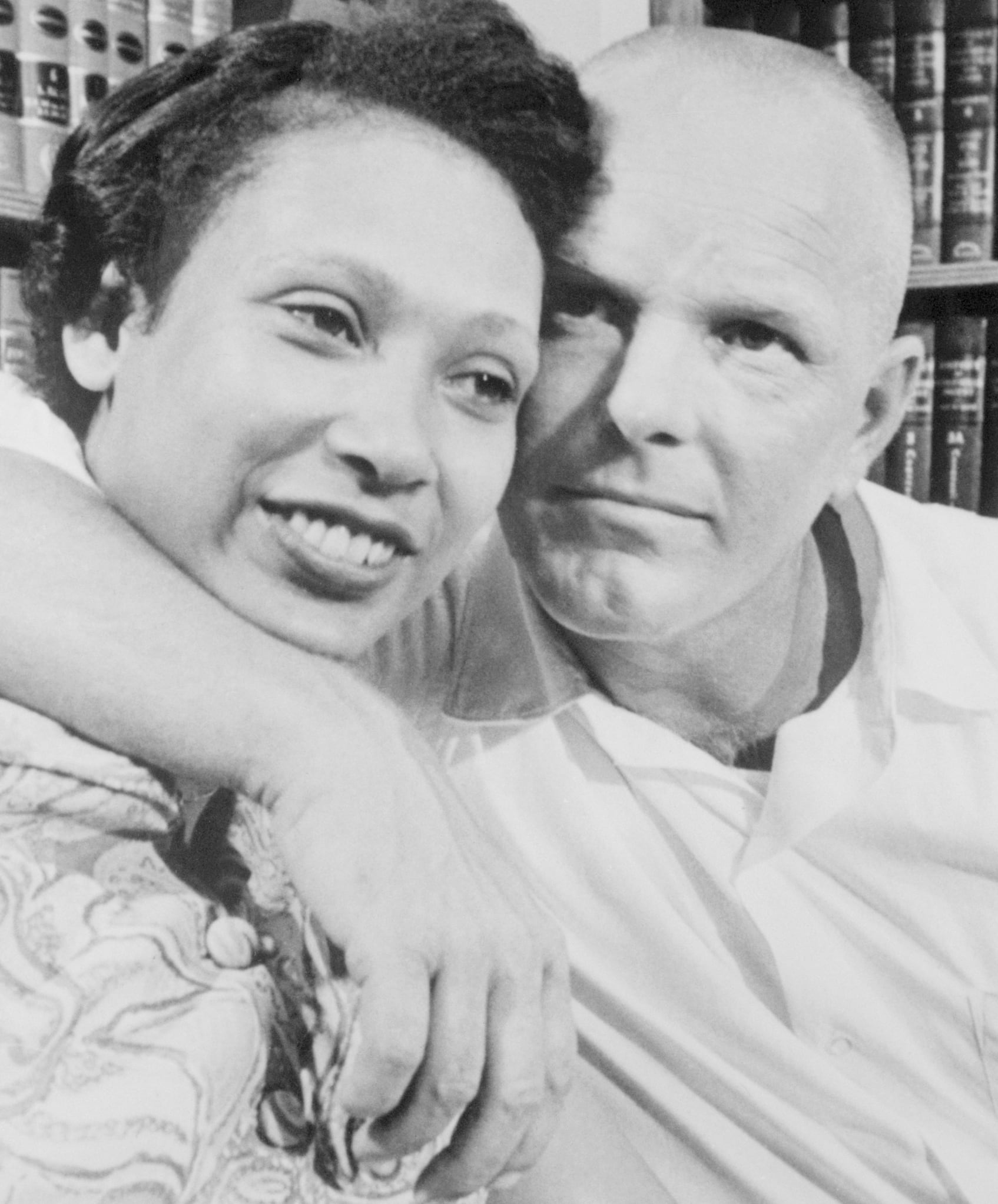
Image 34.02.04a — Mildred Loving (left) and her husband Richard Loving (right), January 26, 1965. The couple’s legal battle for the right to marry each other resulted in the legalization of interracial marriage nationwide.
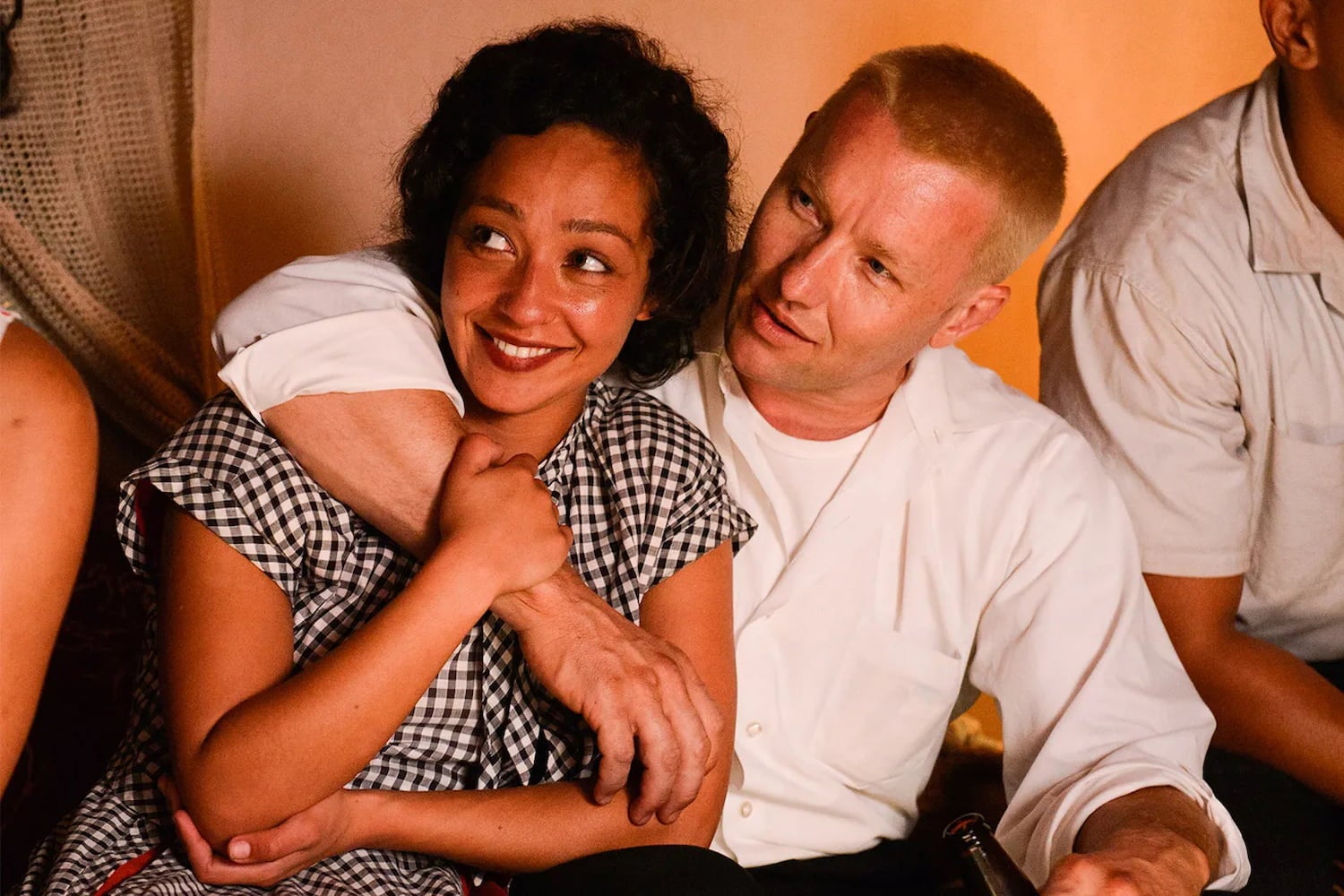
Image 34.02.04b — The Hollywood film Loving portrayed the social, legal, and personal challenges the Lovings had to overcome. The 2016 movie featured Ruth Negga (left) in the role of Mildred Loving and Joel Edgerton (right) as Richard Loving.


The Lovings did not intend to become national icons for equality. Mildred often refused interviews. Although described as a civil rights activist, she is also quoted saying, “I wasn’t involved with the civil rights movement…. We were trying to get back to Virginia.” Richard insisted, “Tell the court I love my wife, and it’s just unfair that I can’t live with her in Virginia.” 10 However modest their goals, the couple’s agency changed the demographic future of the country.
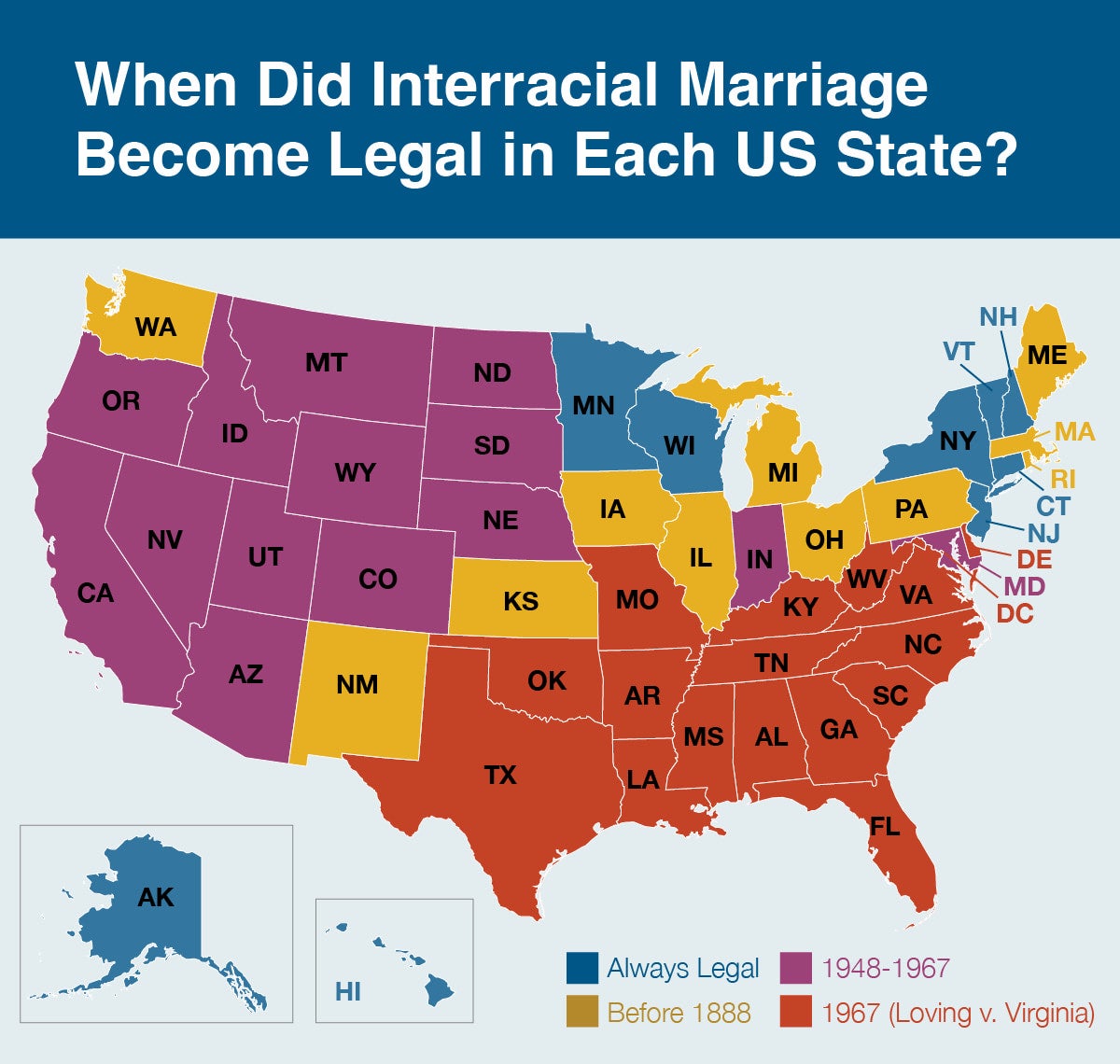
Image 34.02.05 — This map shows when interracial marriage became legal in each state. (Source: US Census Bureau, 2020)
Laws also impacted Pacific Islanders and Asians. American soldiers of all racial backgrounds who were stationed across Asia and the Pacific during World War II brought racial ideas and US law with them, including those that regulated marriage. Anti-miscegenation laws also contributed to the creation of the category “Asian,” which we still use today to lump together a large range of different ethnicities and regions. 11
Conclusion
Dominant groups have used the law to maintain their power by regulating populations. Anti-miscegenation laws, which supported the system of slavery and the exclusion of Asian immigrants, is one key example of this. Drawing on pseudoscience and motivated by concerns about mixed children, scientists and lawmakers shaped our understanding of race and multiracial people. These laws impacted Asian and Pacific Islander communities in the US and across the Pacific, especially during World War II.
While laws expanded anti-miscegenation laws to include other groups such as Chinese and Filipinos, couples such as Filipino immigrant Salvador Roldan and European immigrant Marjorie Rogers successfully challenged California law, until the law itself was changed. Later in 1967, Richard and Mildred Loving won their Supreme Court case, overturning anti-miscegenation laws across the nation. They represent the agency that individuals have to challenge discriminatory laws.
Glossary terms in this module
agency Where it’s used
The ability and capacity of an individual to make their own choices regarding their lives, beliefs, and actions.
anti-miscegenation laws Where it’s used
Laws from as early as the 1660s that deemed marriages between white people and non-white people as illegal. More than thirty US states adopted these laws with the primary goal of preventing white women from marrying Black men, until these laws were expanded to include other populations like Chinese, Filipinos, and other nonwhite groups.
hybrid degeneracy Where it’s used
The idea that multiracial offspring are less genetically fit than their parents, and that the offspring will eventually die out. Popularized in the early twentieth century, this idea argued that multiracial people would “dilute” the white race and would produce children who were less capable—biologically as well as socially and physically—than monoracial people.
Loving v. Virginia Where it’s used
A US Supreme Court case in June 1967 that legalized interracial marriage on the basis that it violated the Equal Protection Clause of the Fourteenth Amendment of the Constitution.
multiracial Where it’s used
People who identify with more than one racial background, including people whose parents identify with different racial backgrounds.
race Where it’s used
A socially constructed classification of people based on perceived physical traits and ancestry that, in practice, organizes societies into hierarchical groups and operates as a system of power that distributes resources, rights, and opportunities unevenly.
Endnotes
1 Peter Cumminos, “Race, Marriage, and Law,” Harvard Crimson, December 17, 1963, https://www.thecrimson.com/article/1963/12/17/race-marriage-and-law-pamerican-racism/.
2 Cumminos, “Race, Marriage and Law.”
3 “Jim Crow Laws: Missouri, Montana, Nebraska, Nevada and New Hampshire,” Americans All, accessed April 7, 2025, https://americansall.org/legacy-story-group/jim-crow-laws-missouri-montana-nebraska-nevada-and-new-hampshire.
4 “Loving v. Virginia, 388 U.S. 1 (1967),” Justia U.S. Supreme Court, accessed February 3, 2025, https://supreme.justia.com/cases/federal/us/388/1/.
5 “Perez v. Sharp,” Justia U.S. Law, accessed April 2, 2025, https://law.justia.com/cases/california/supreme-court/2d/32/711.html.
6 Judge Henry, in Peter Wallenstein, Tell the Court I Love My Wife: Race, Marriage, and Law—An American History (Palgrave MacMillan, 2002), 102.
7 Charles Davenport and Morris Steggerda, Race Crossing in Jamaica (Carnegie Institution of Washington, 1929), 469.
8 Thomas Jefferson, Notes on the State of Virginia, William Peden, ed. (University of North Carolina Press, [1781] 1954), 143.
9 Judge Leon M. Bazile, Indictment for Felony, Carole County (Va.) Commonwealth v. Richard Perry Loving and Mildred Delores Jeter, 1958–1966. Caroline County (Va.) Reel 79. Local Government Records Collection, Caroline County Court Records, Library of Virginia. January 6, 1959, https://lva.omeka.net/items/show/54.
10 Kate Sheppard, “‘The Loving Story’: How an Interracial Couple Changed a Nation,” Mother Jones, February 13, 2012, http://www.motherjones.com/media/2012/02/the-loving-story-documentary-hbo.
11 Deenesh Sohoni, “Unsuitable Suitors: Anti-Miscegenation Laws, Naturalization Laws, and the Construction of Asian Identities,” Law & Society Review 41, no. 3 (2007): pp. 587–618.