






Module 1: Overview
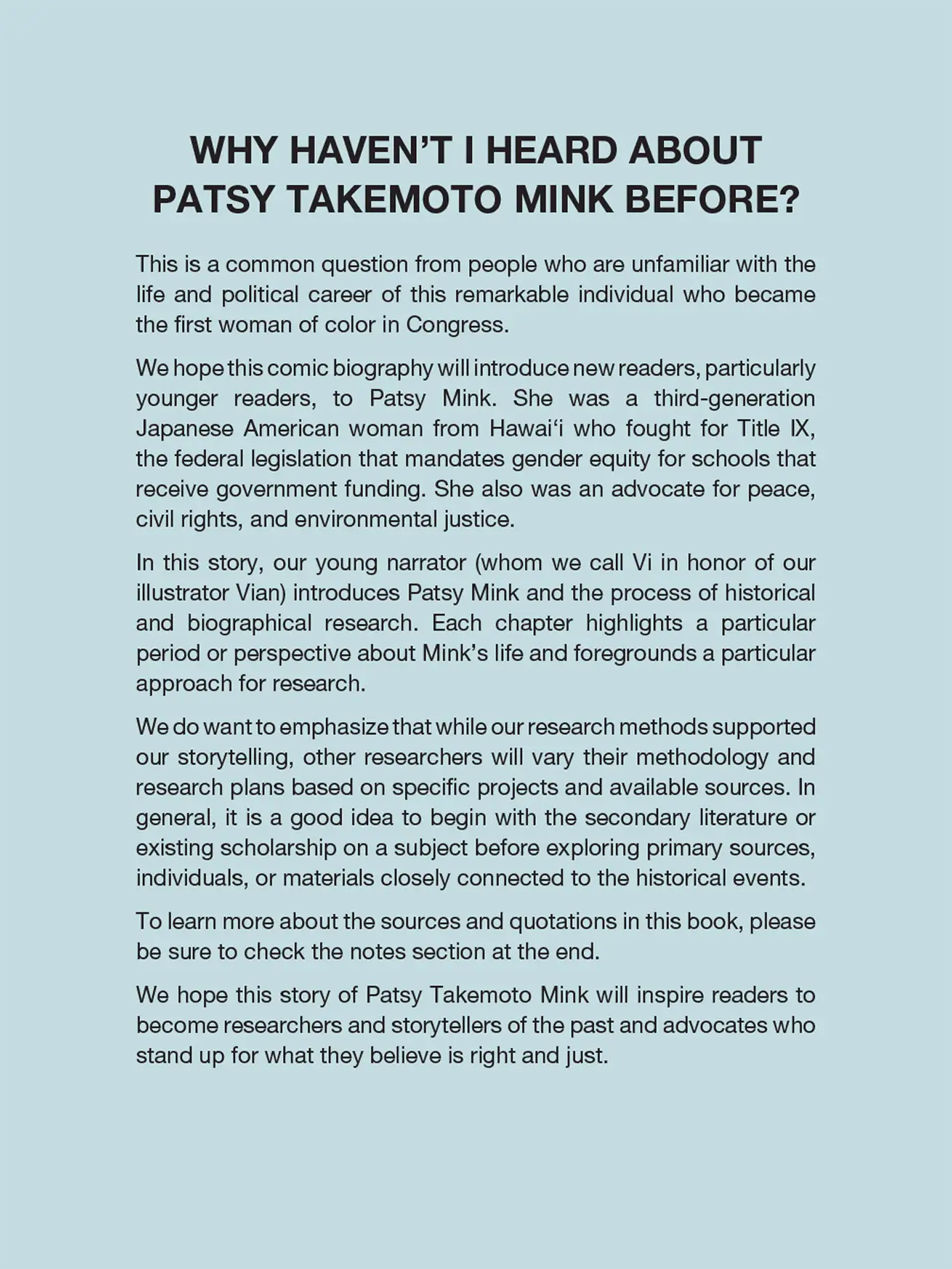
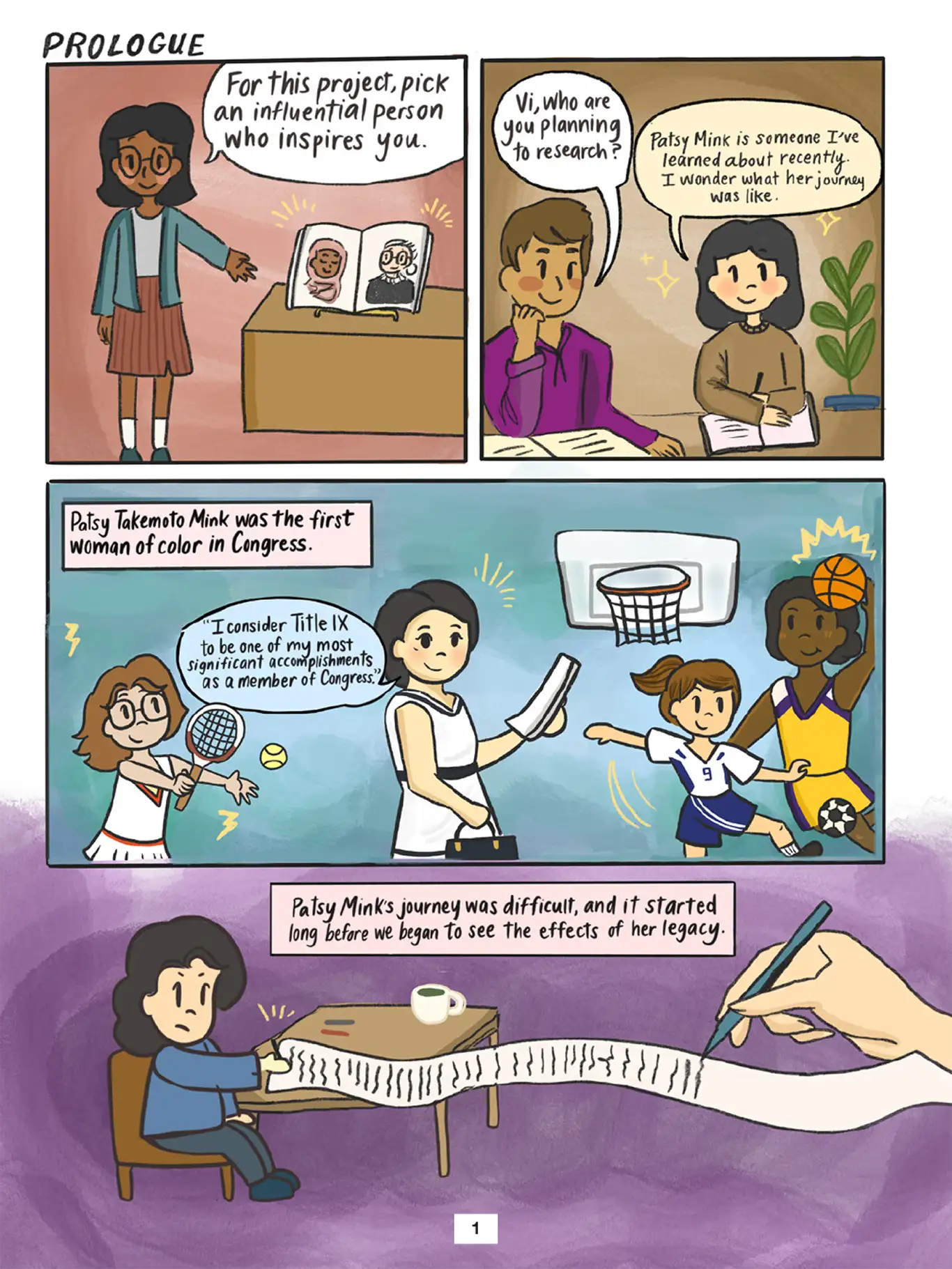
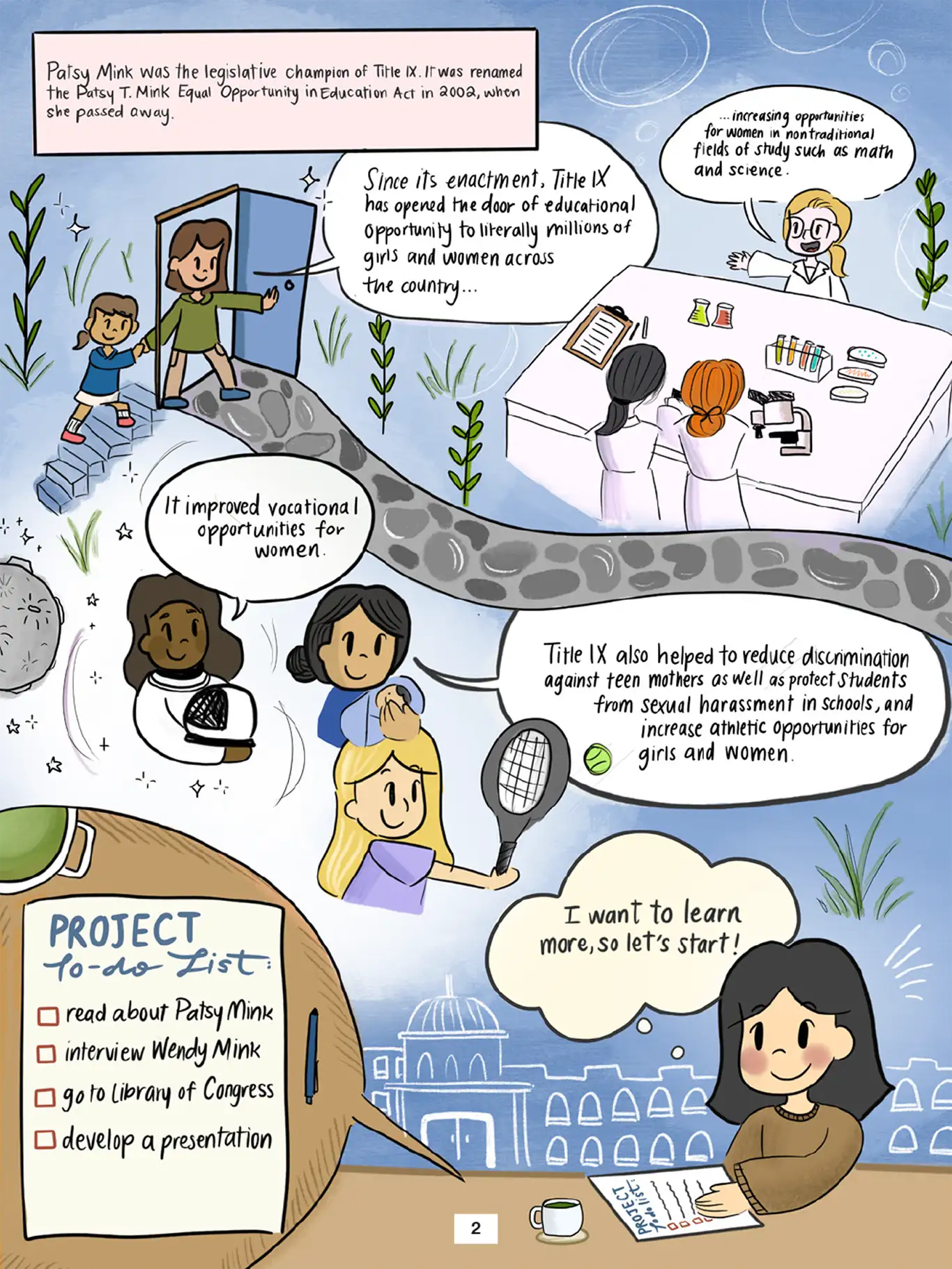

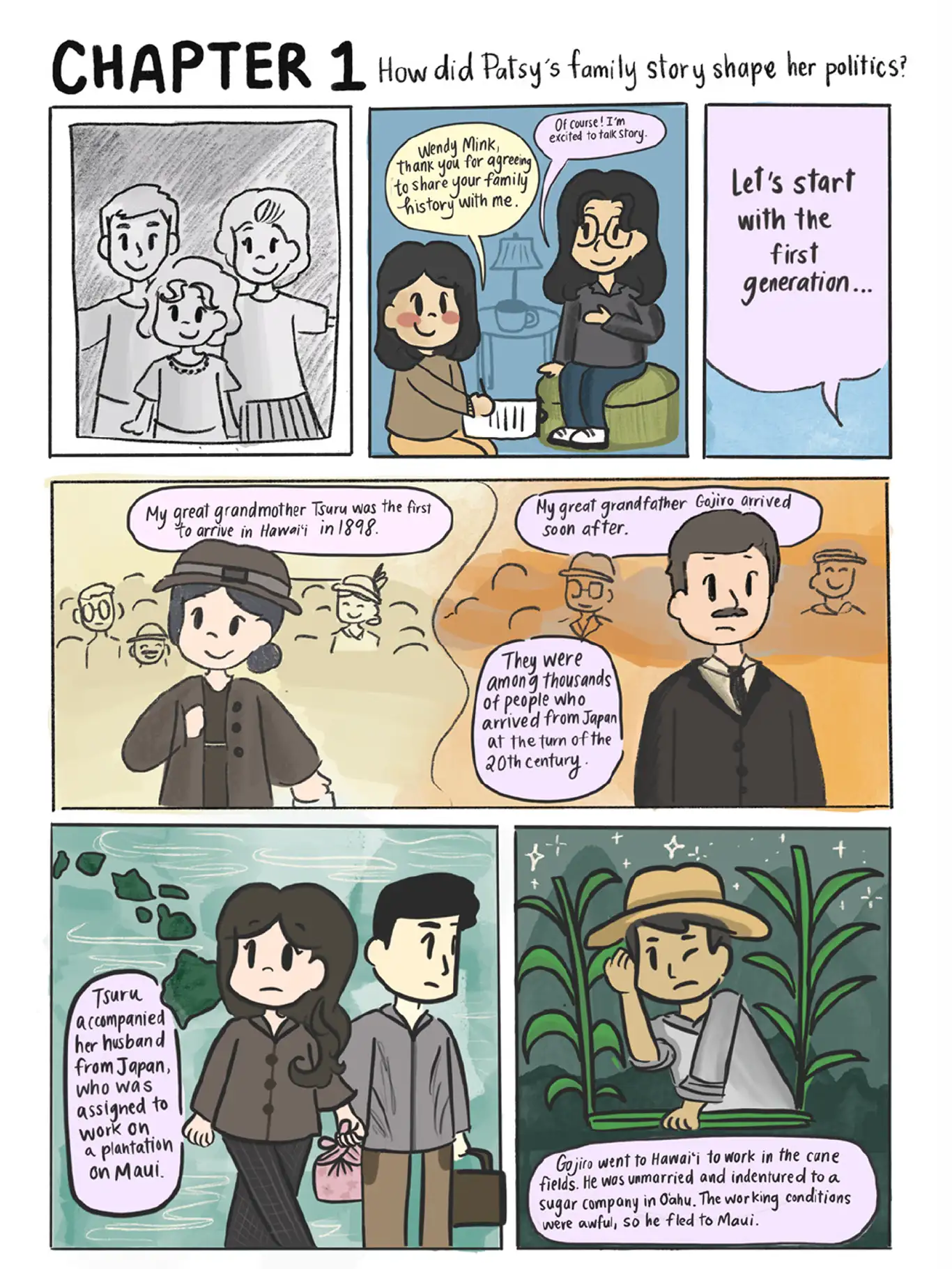
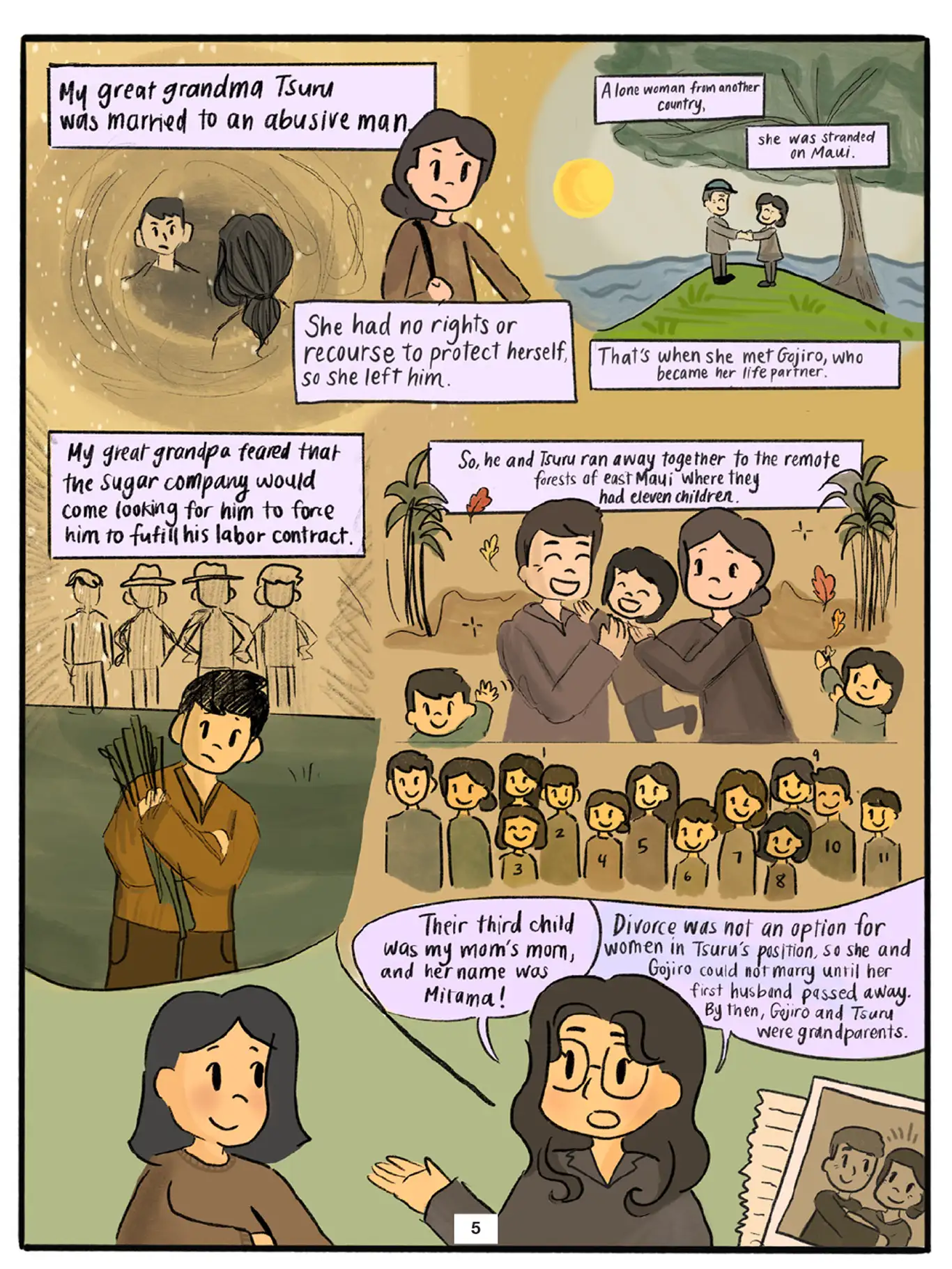
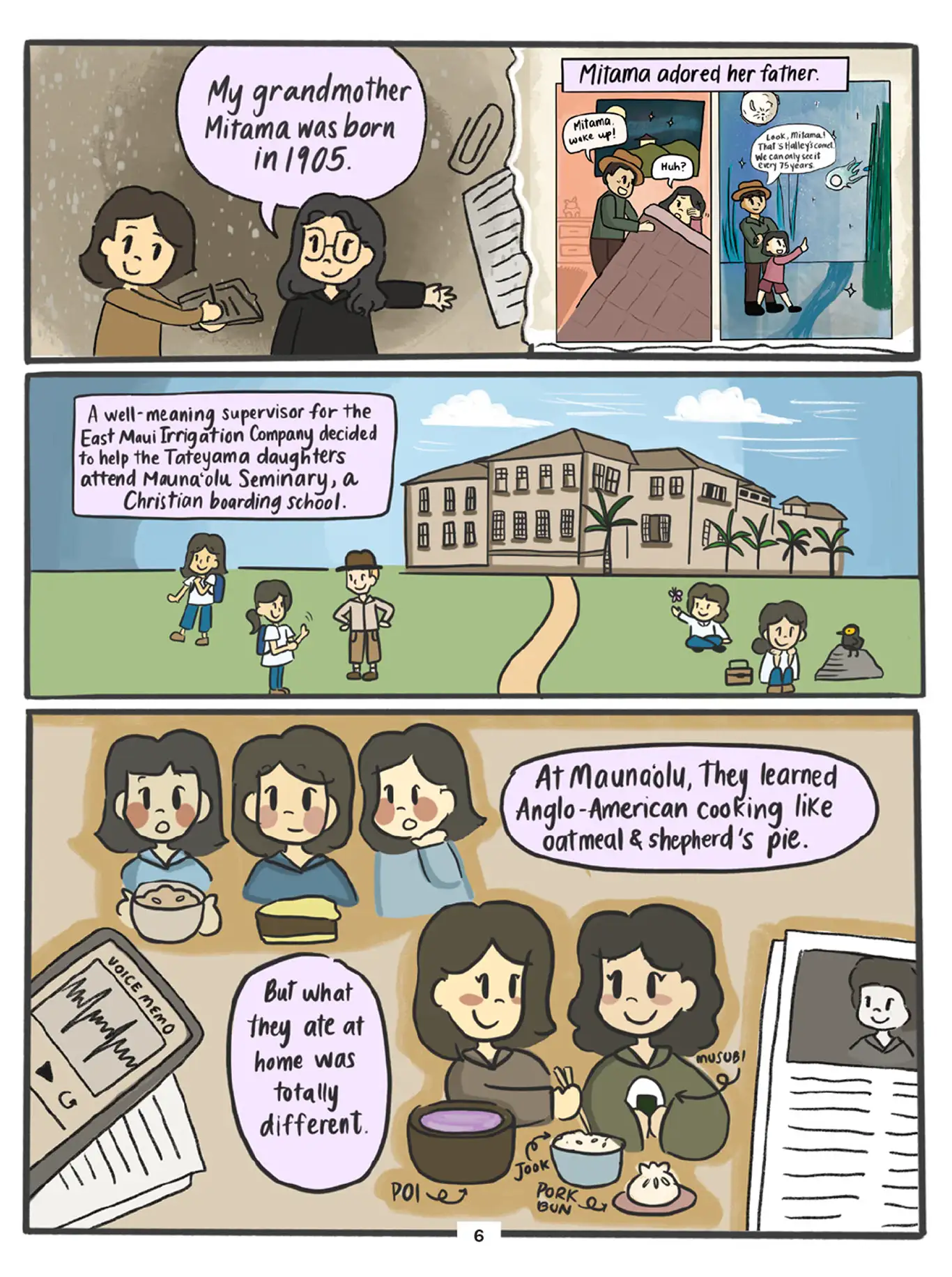
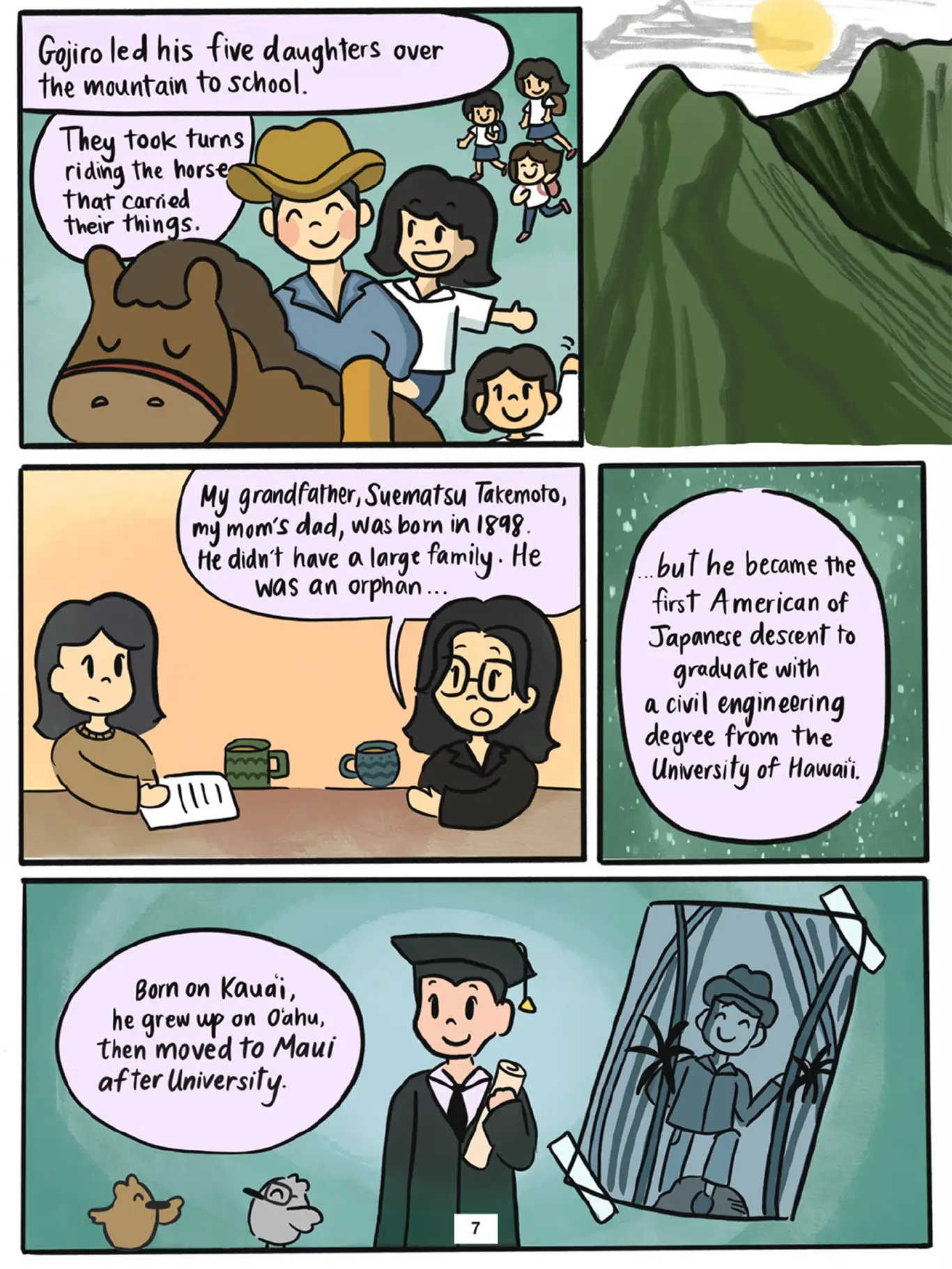
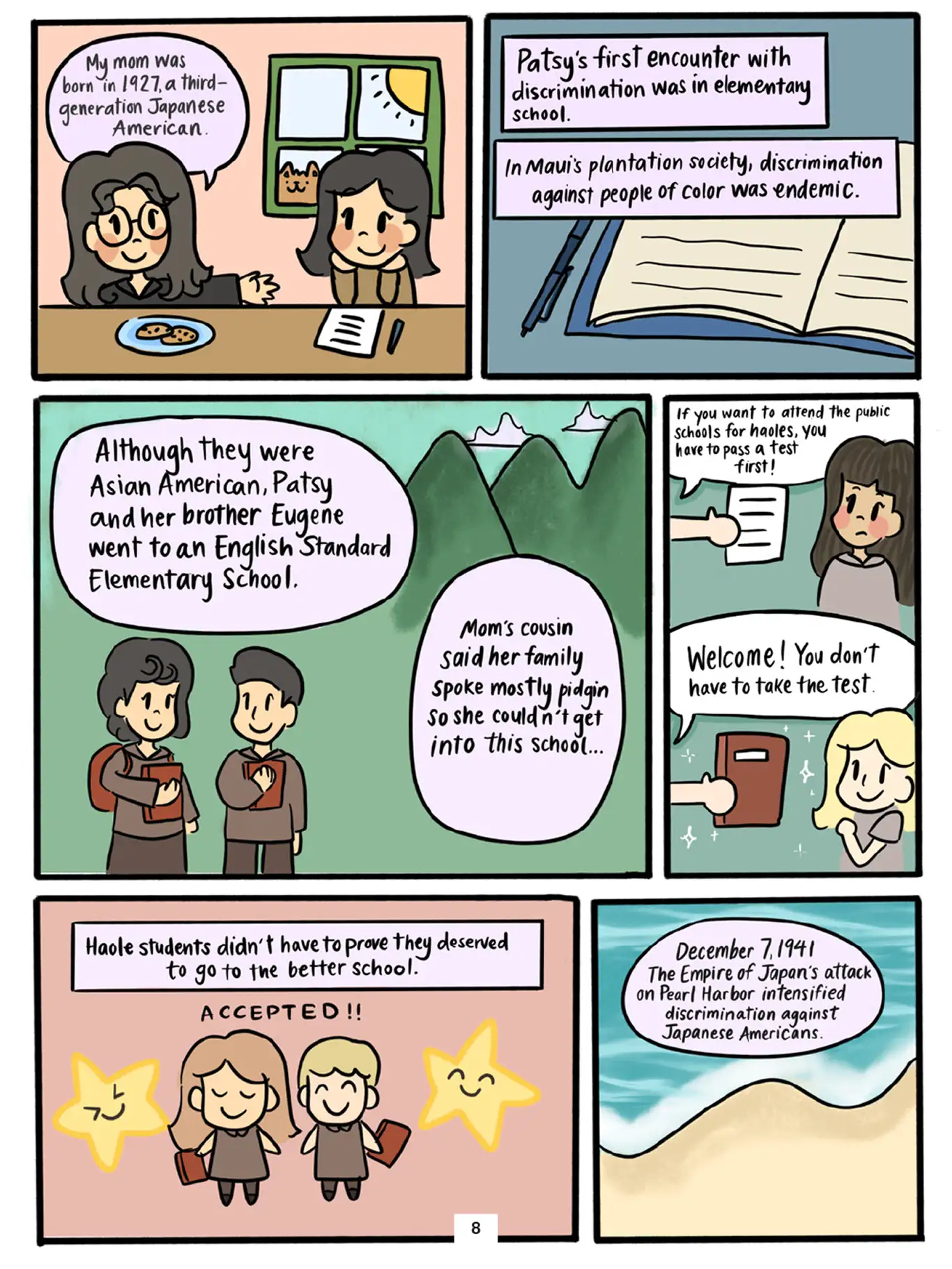
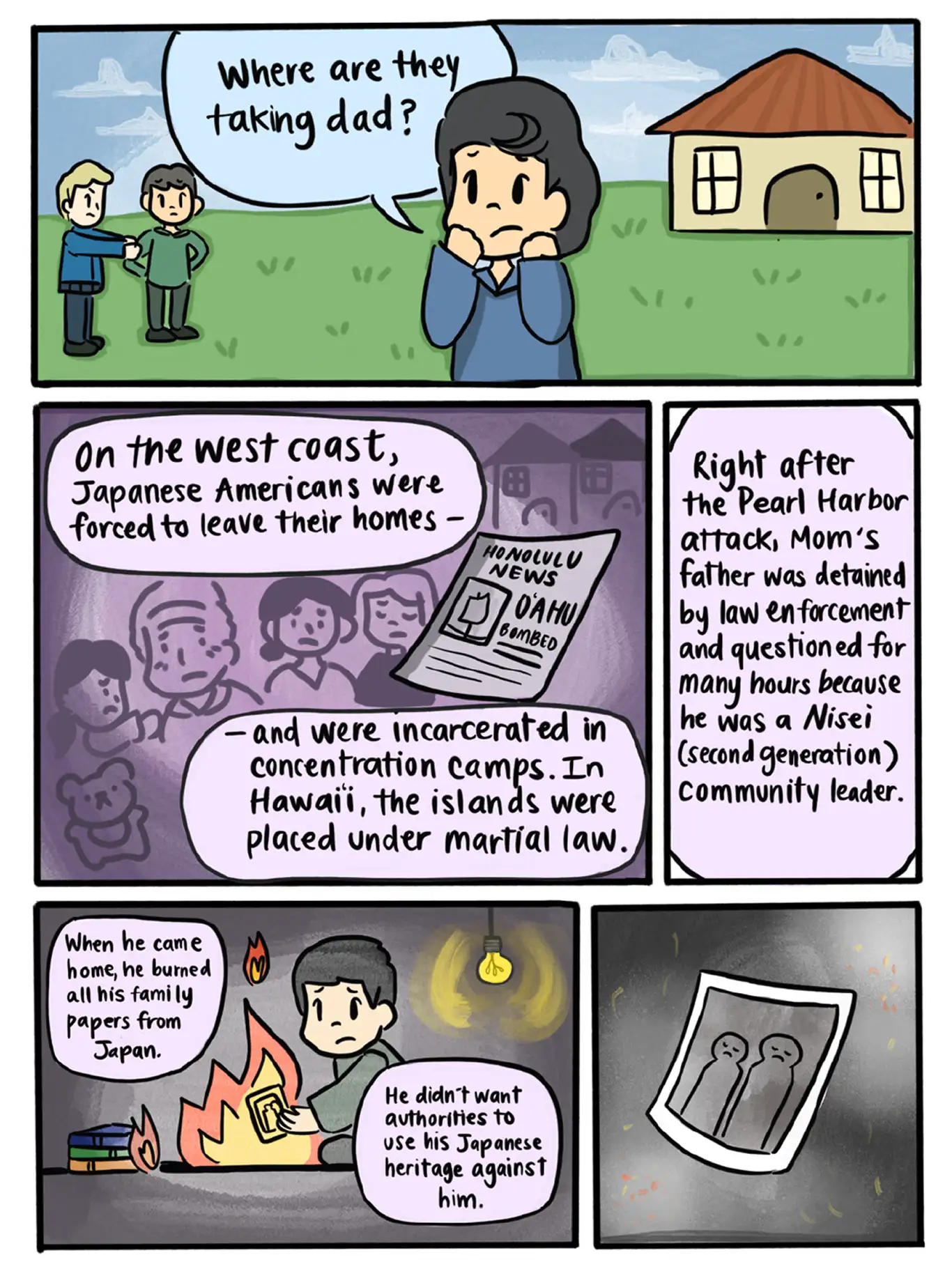
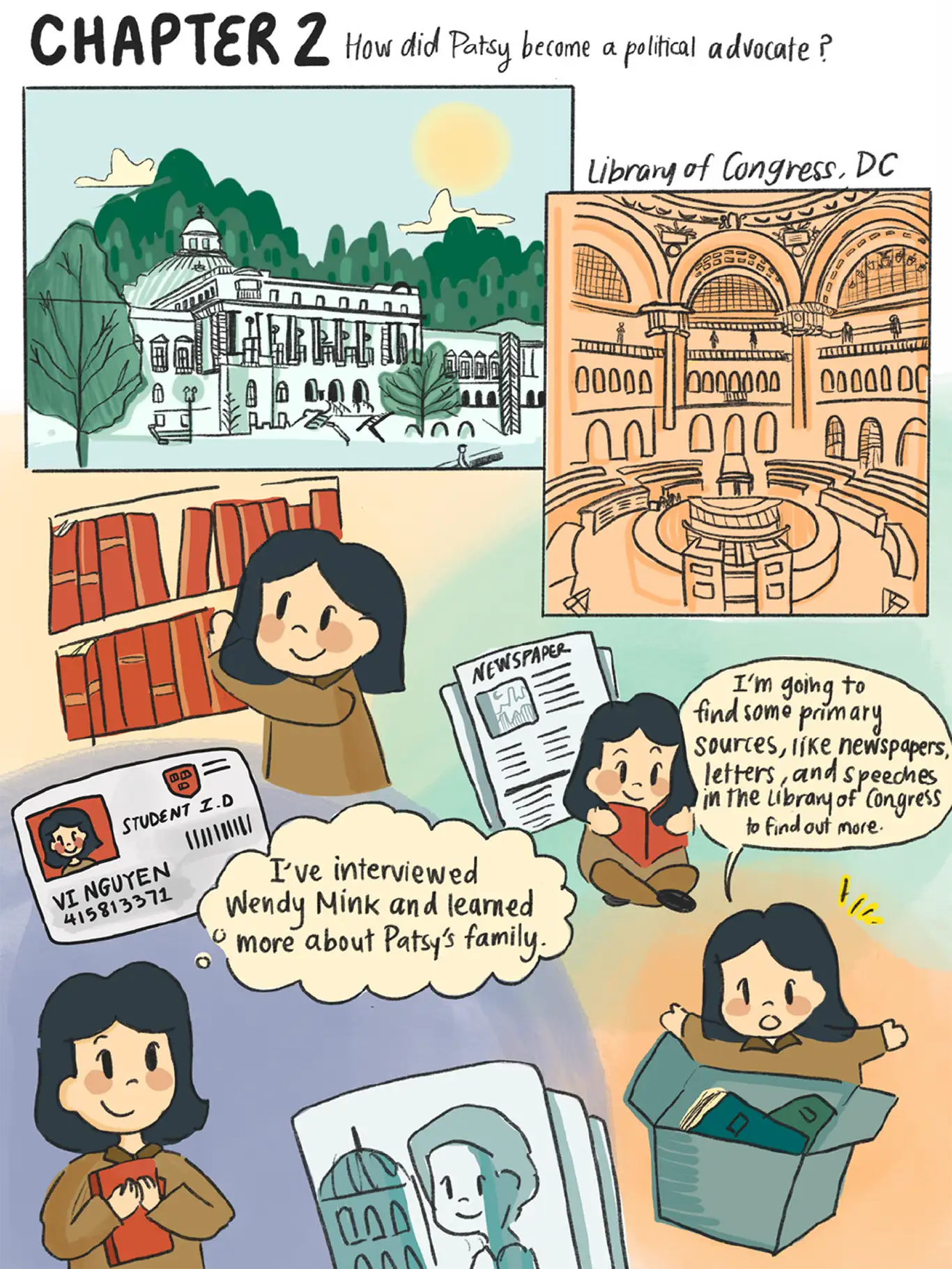
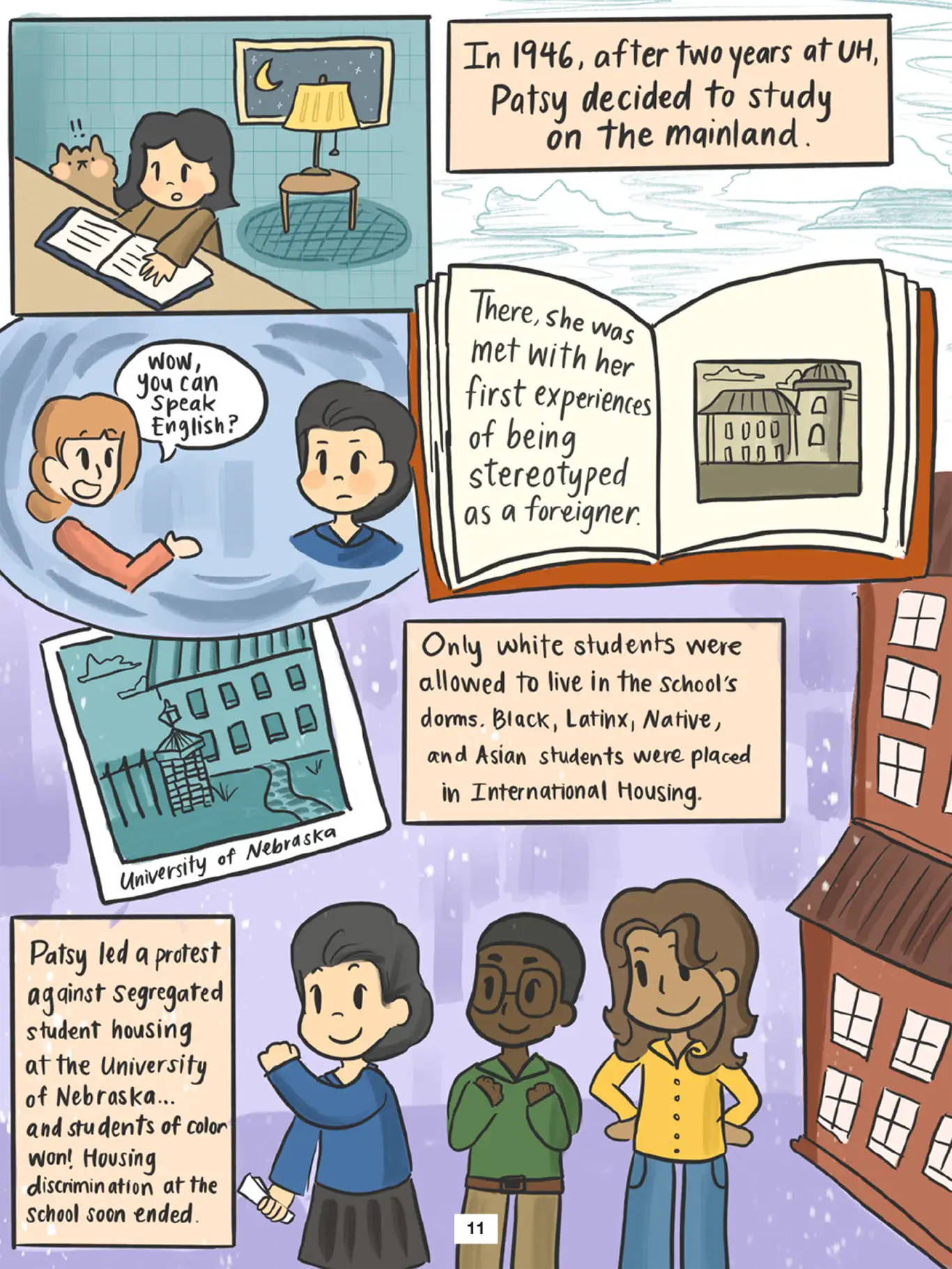
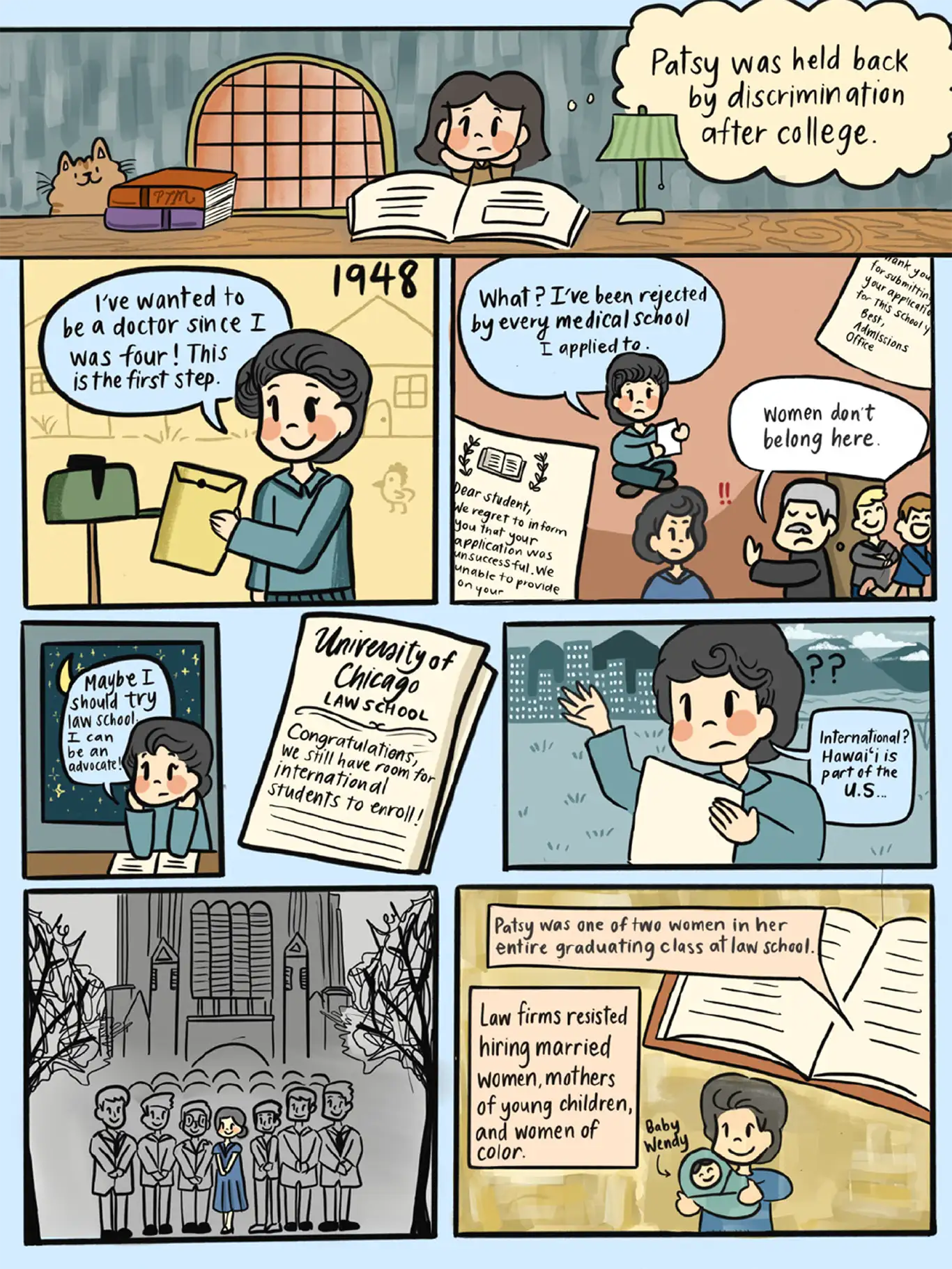
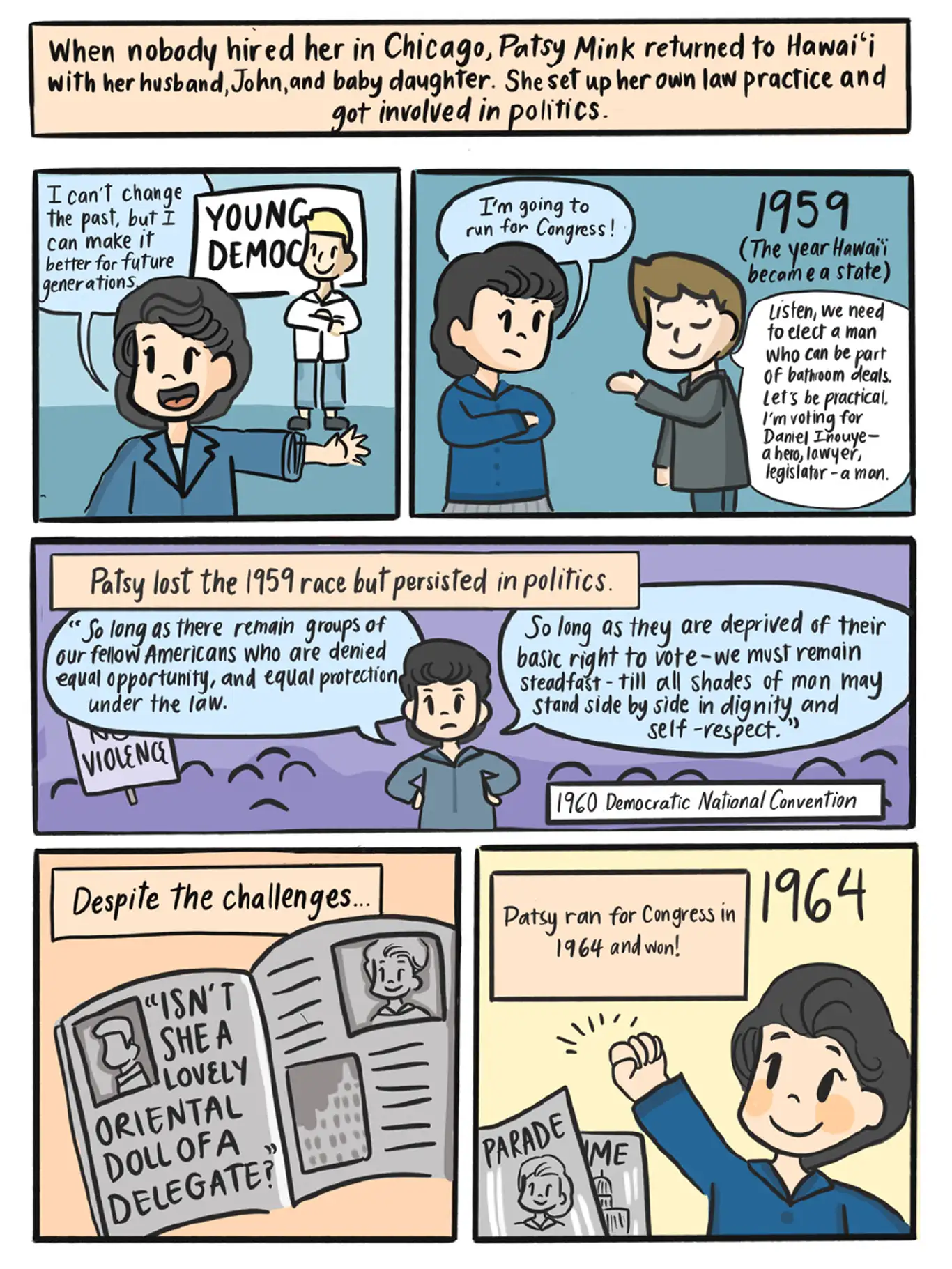
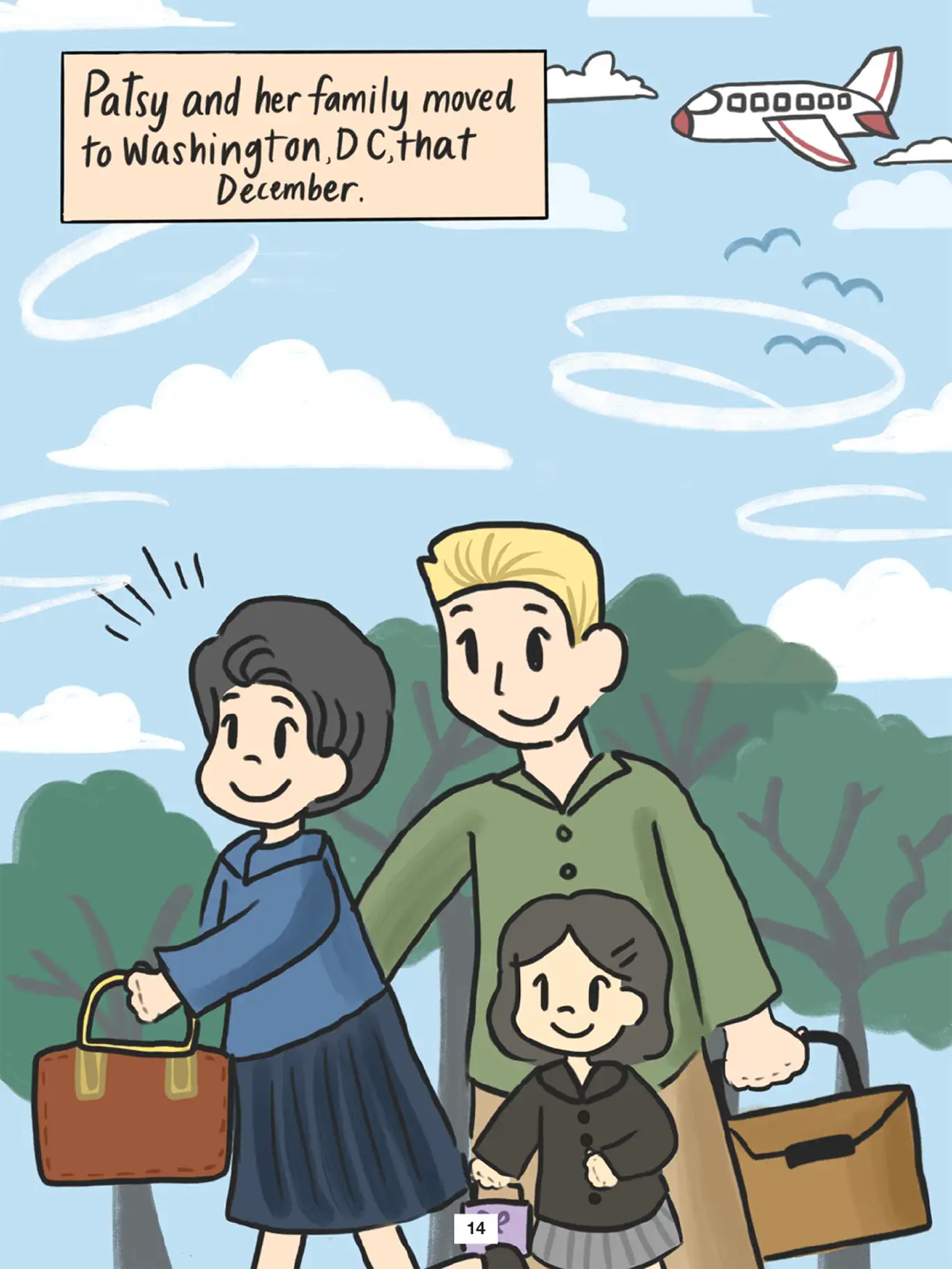
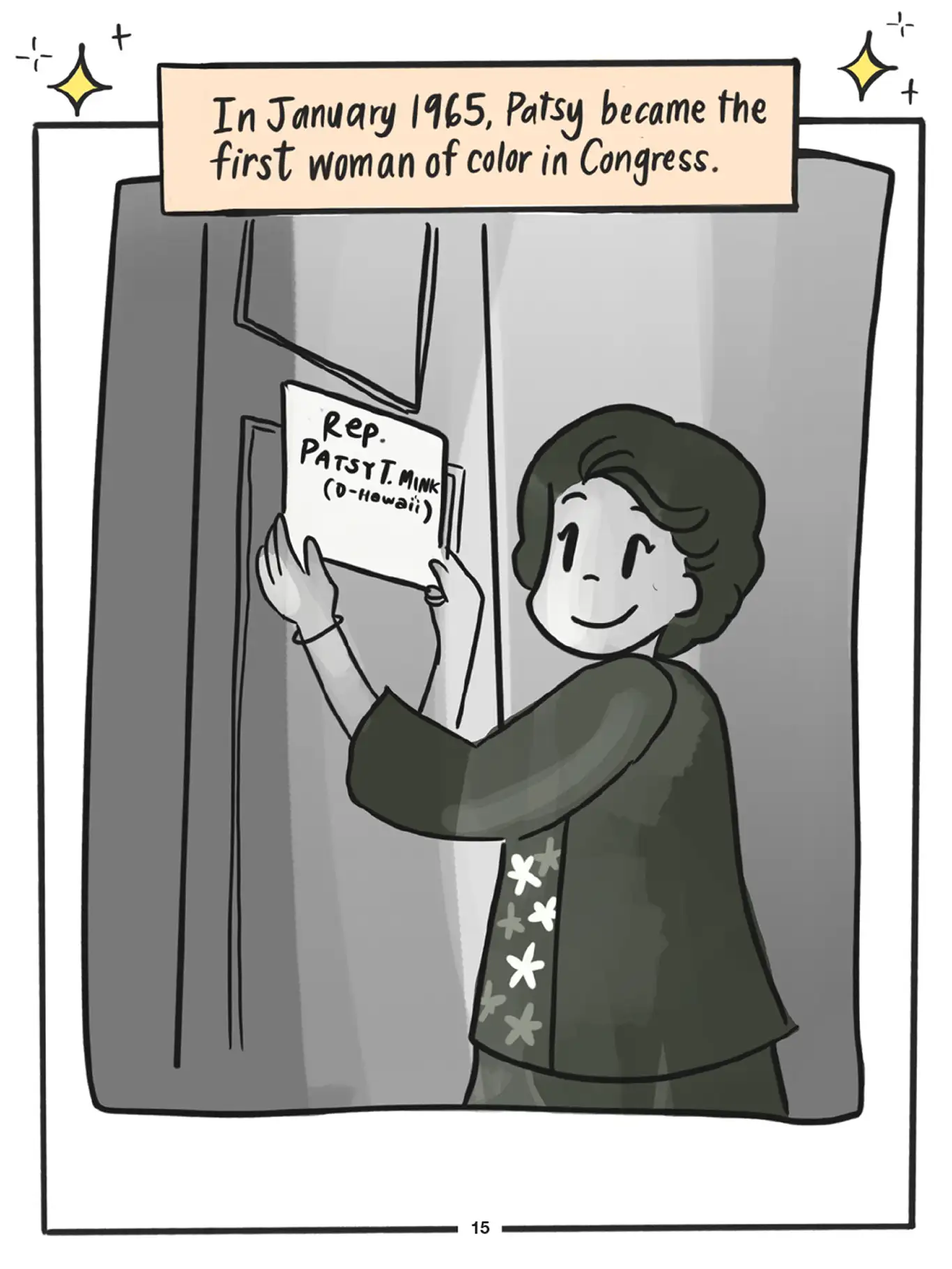
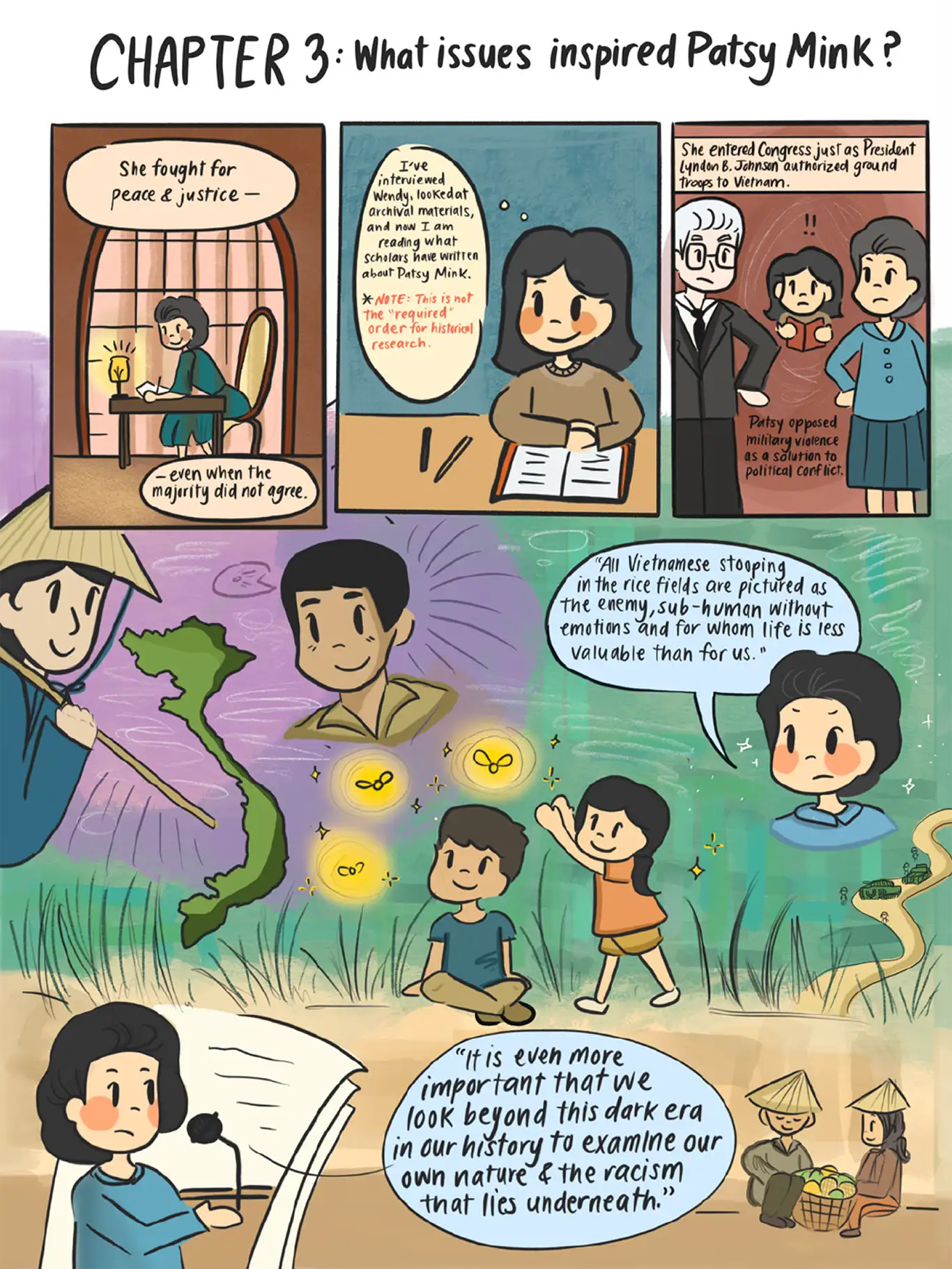
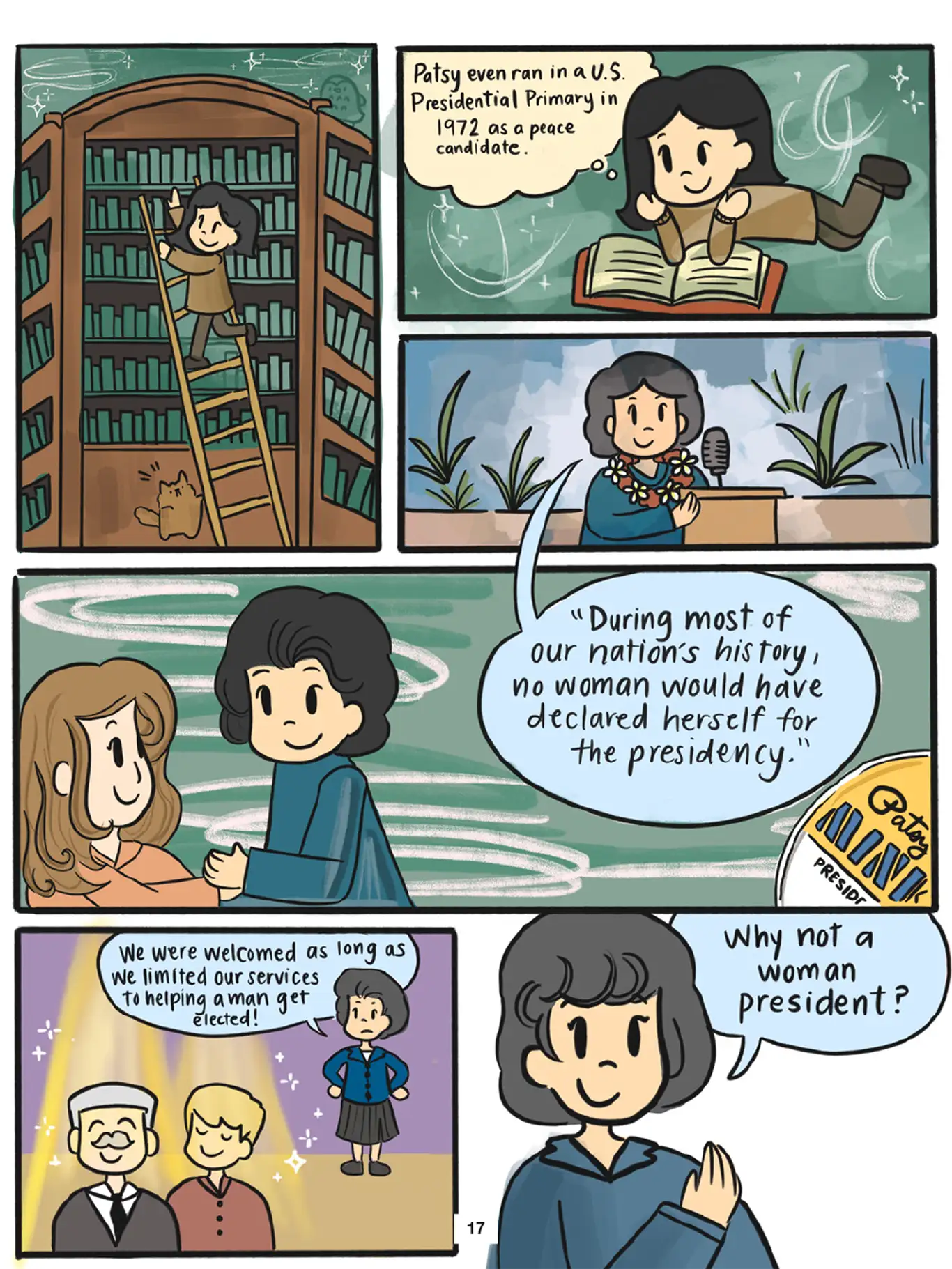
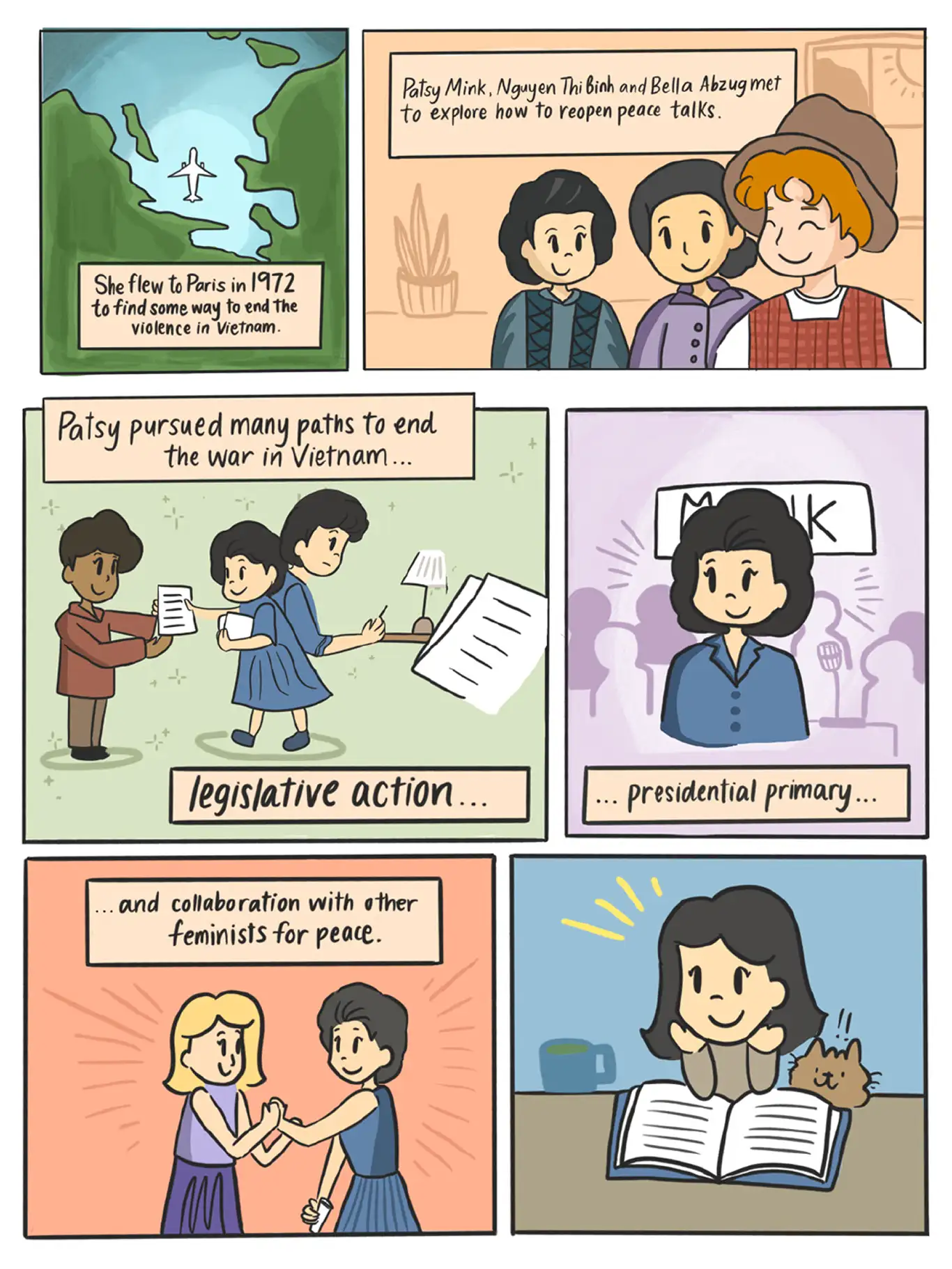
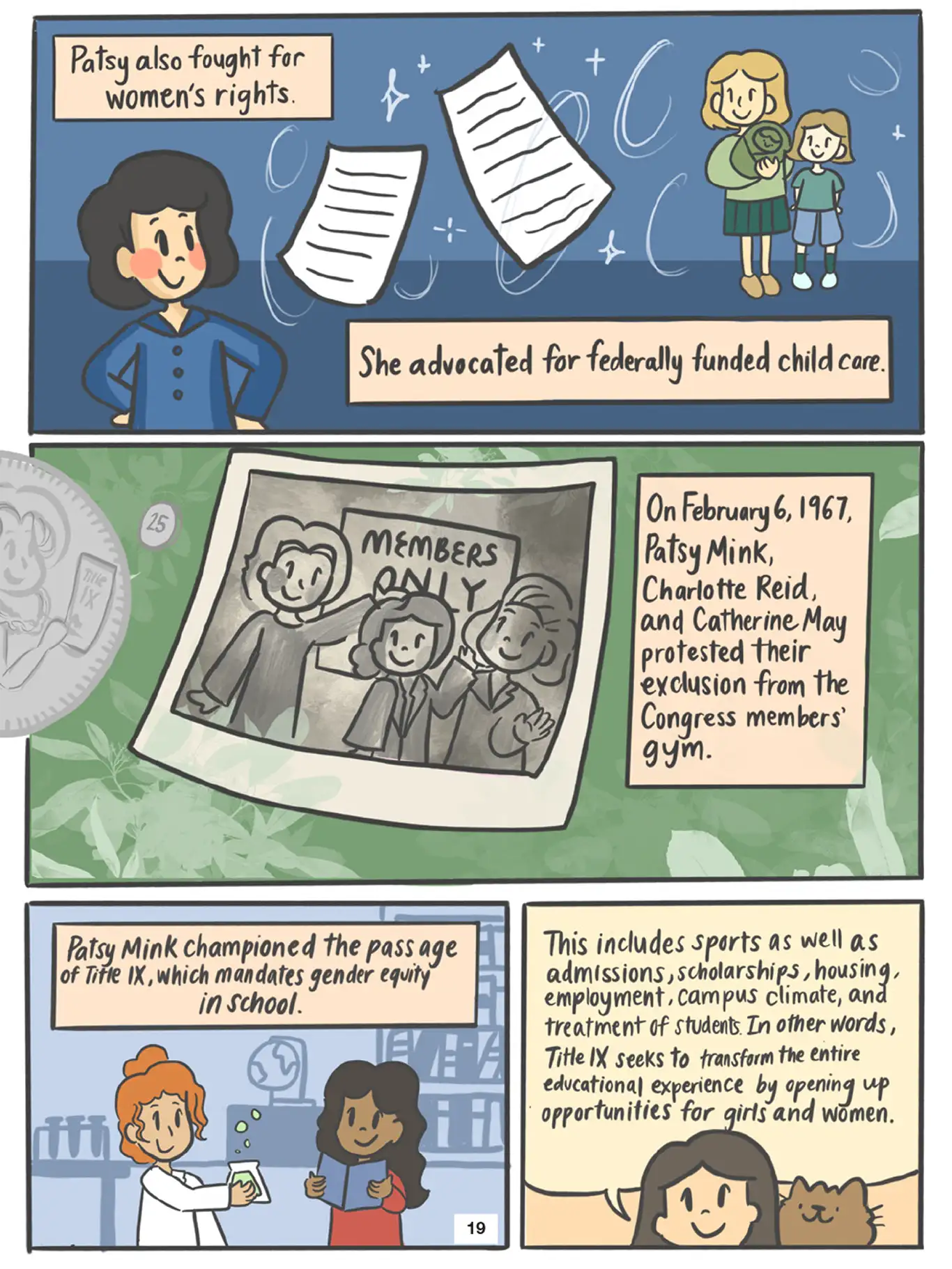
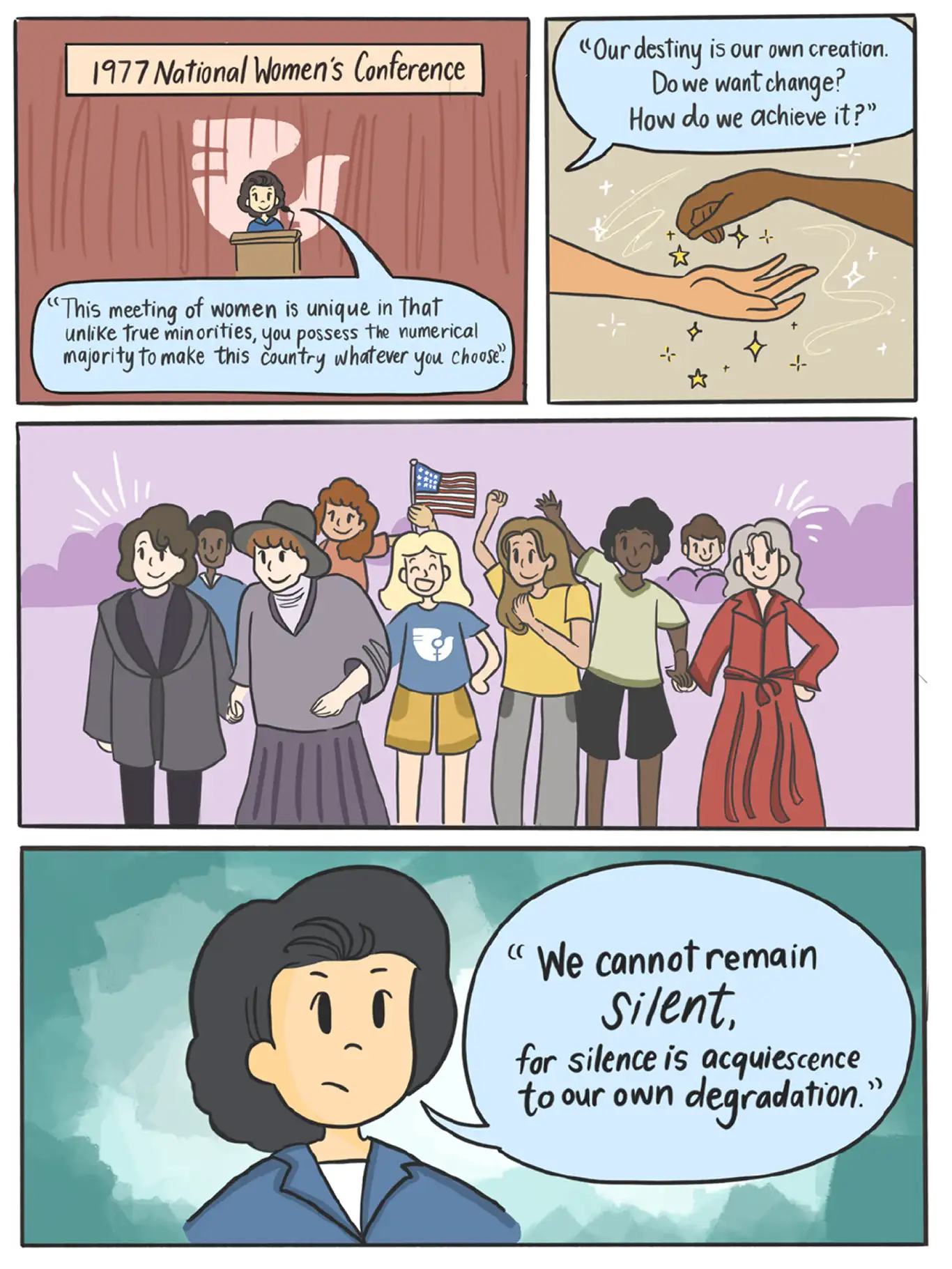
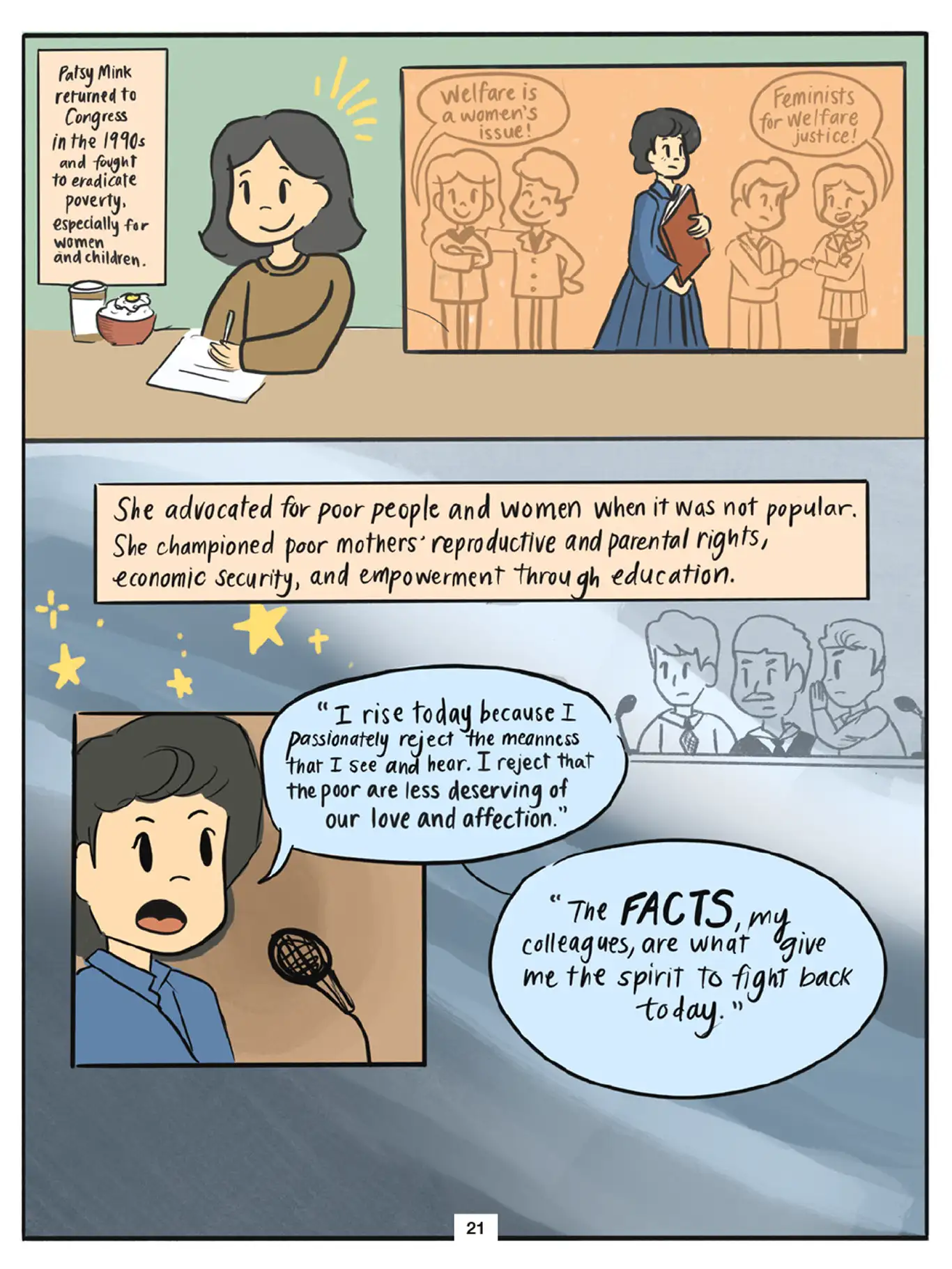
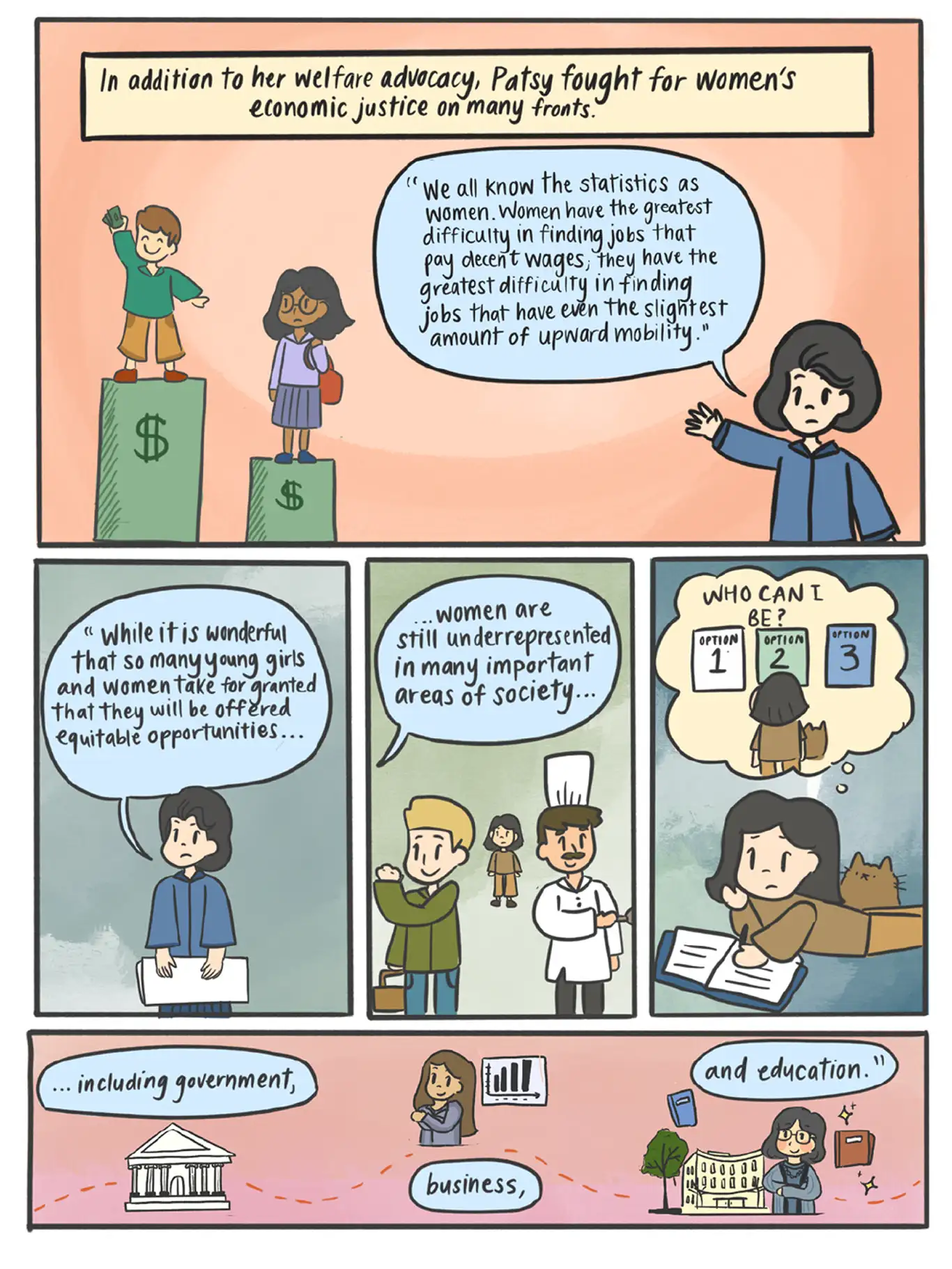
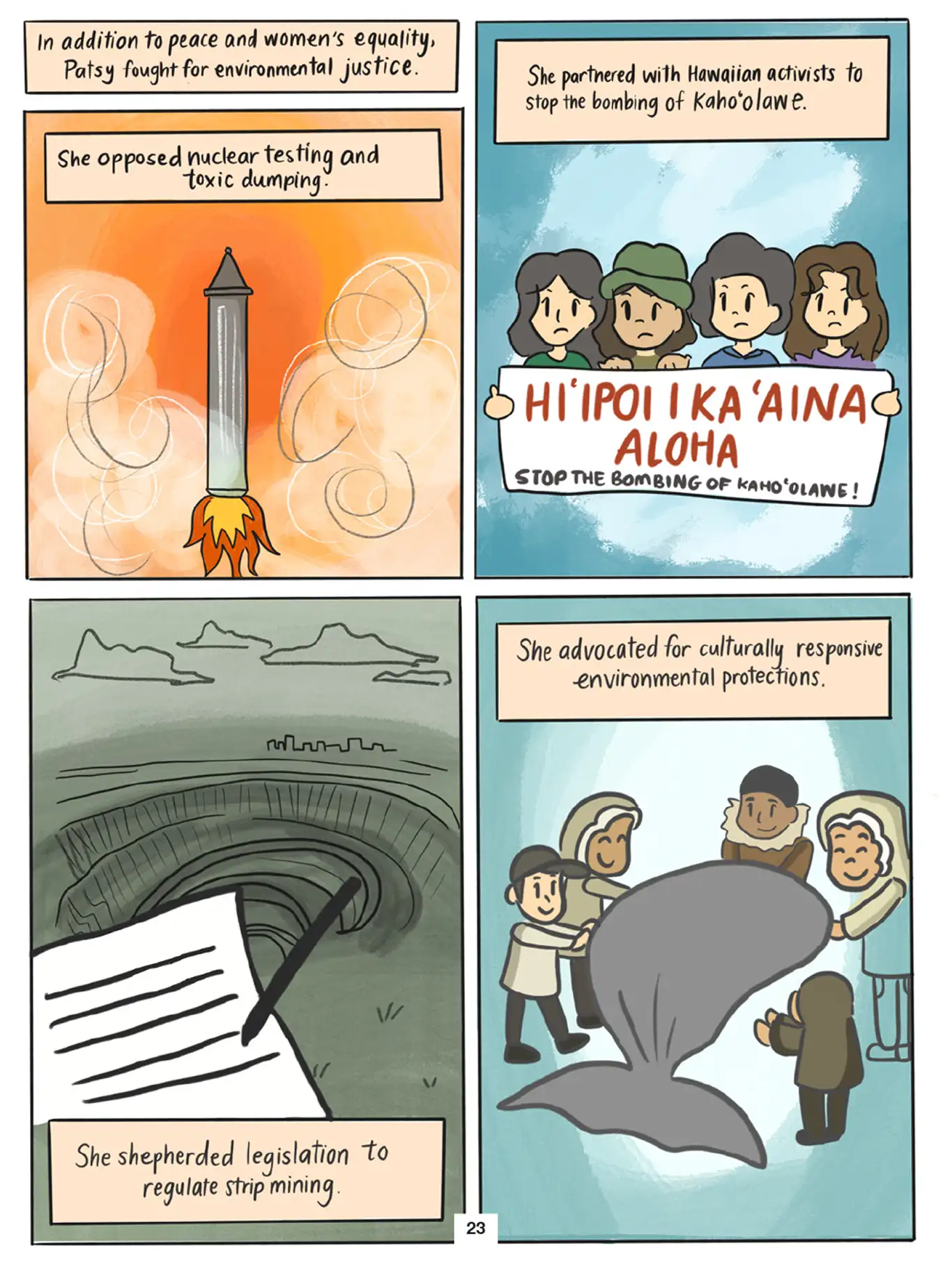
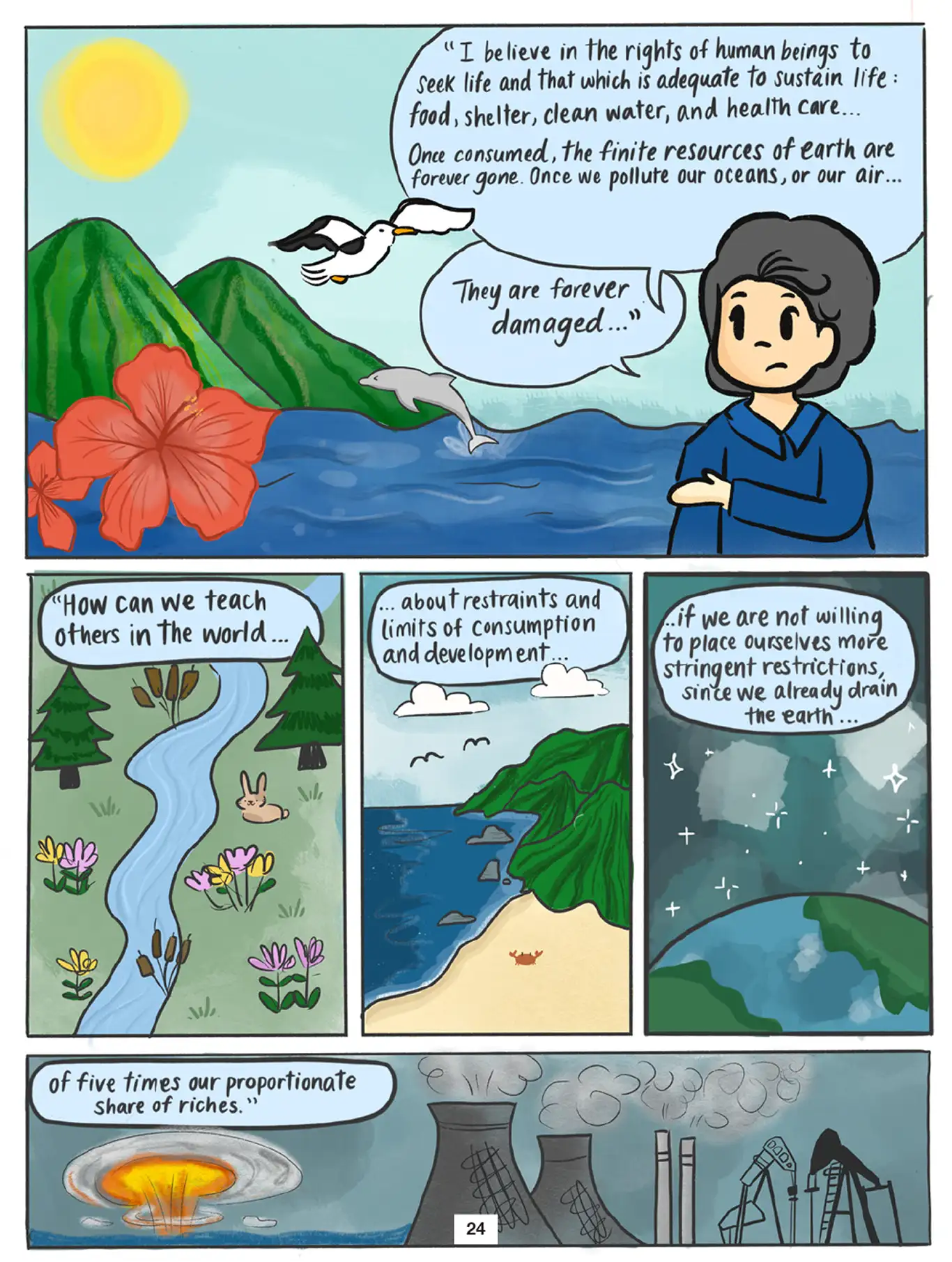
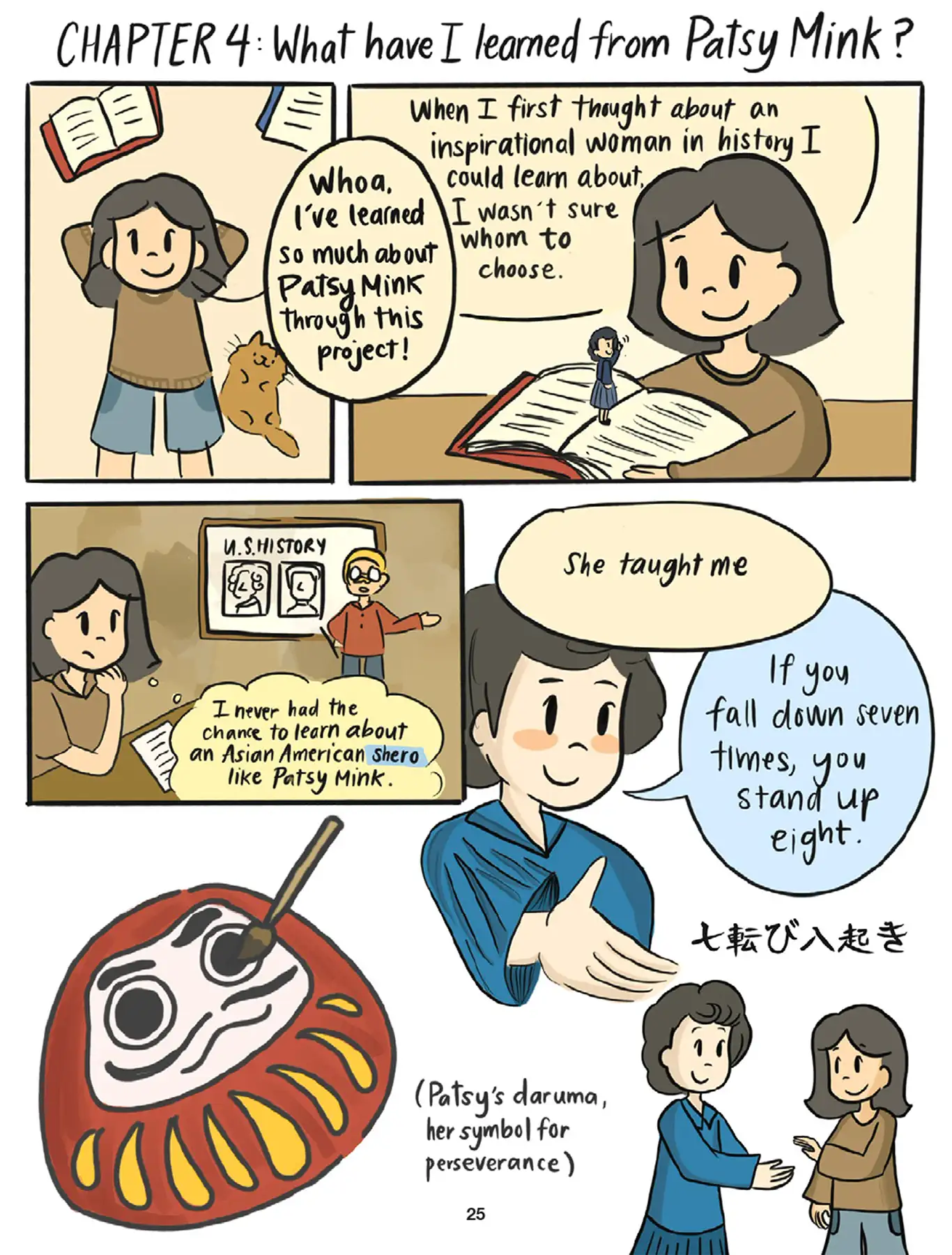
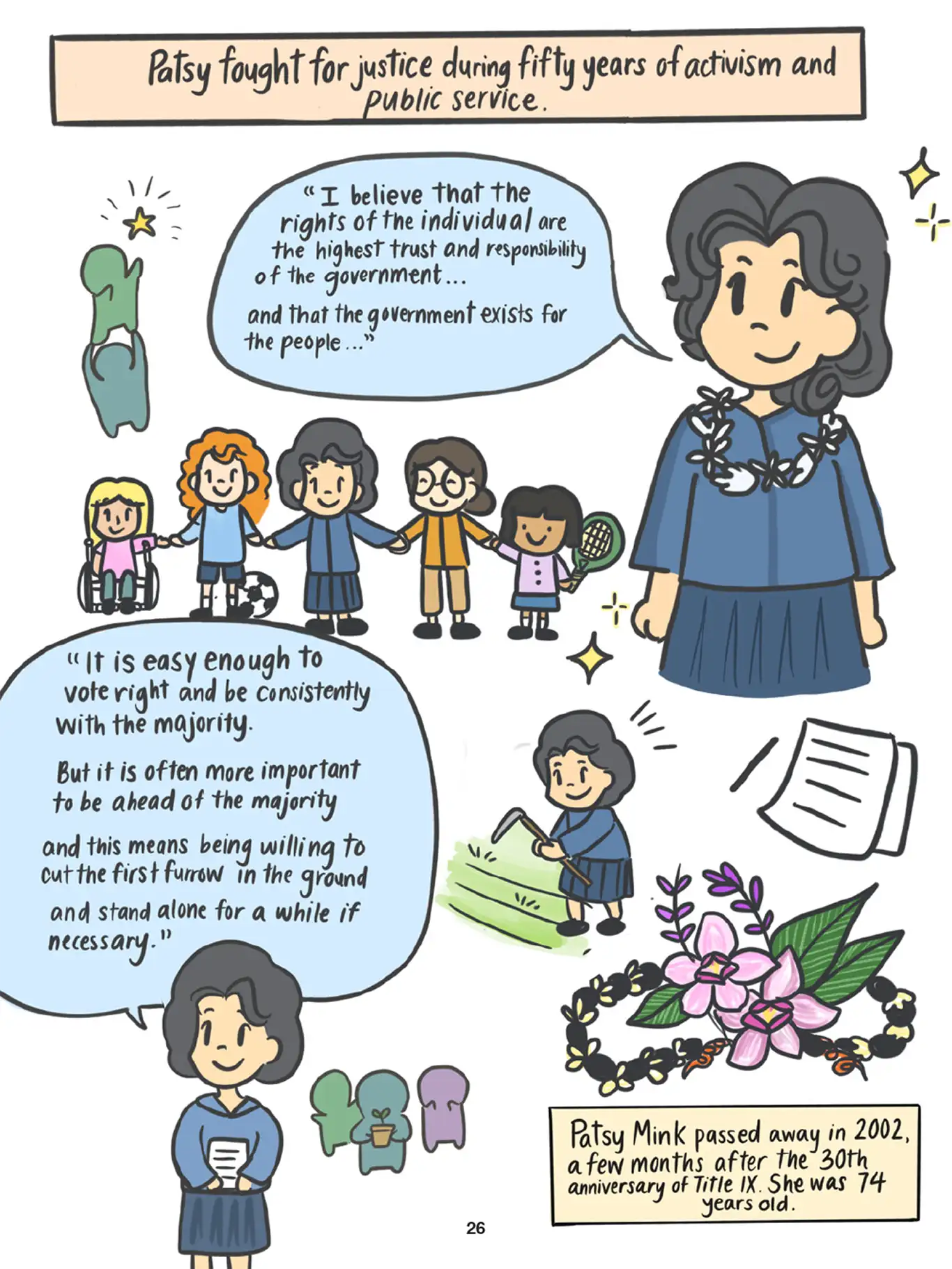
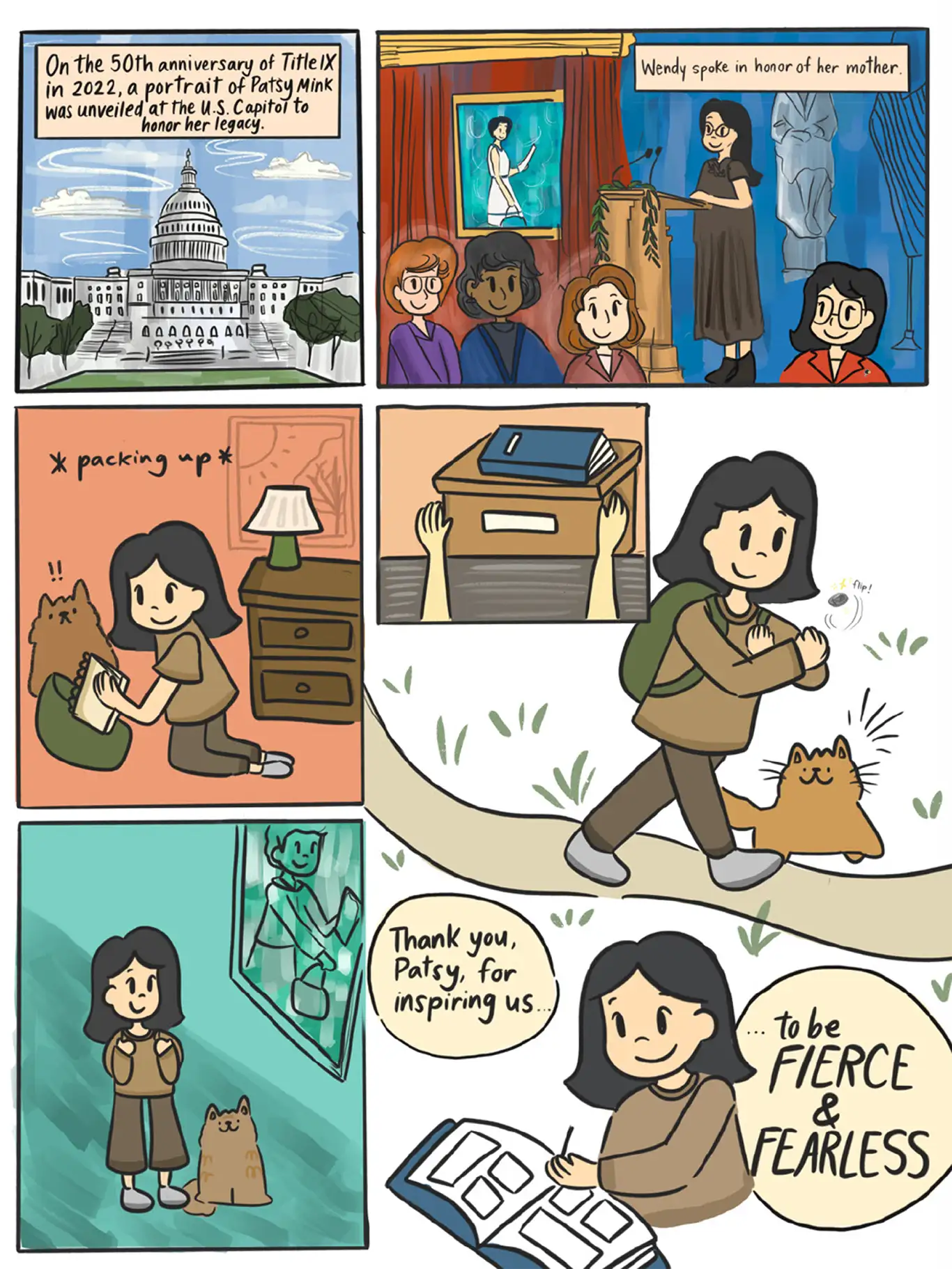
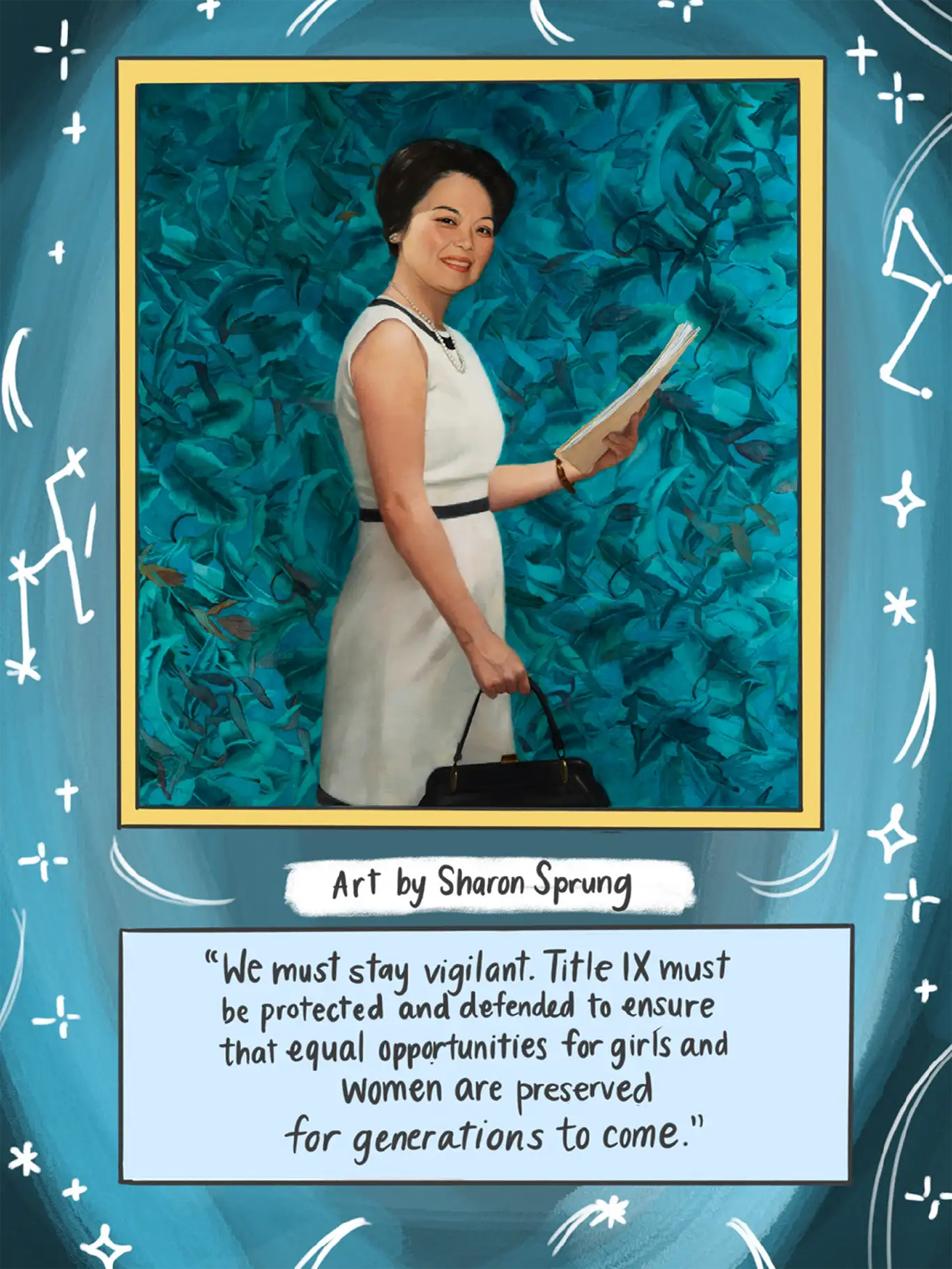

Text 36.01.01 — Created by Judy Tzu-Chun Wu, Wendy Mink, and Abigail Chun, and illustrated by Vian Nguyen, this comic book details the life and career of Patsy Mink.
Does having an Asian American in the US House of Representatives positively impact the lives of Asian Americans?
What is it like to be the first? When Patsy Takemoto Mink entered Congress in 1965, she was the first woman of color and the first Asian American woman to serve in the House of Representatives. Mink faced numerous challenges to get elected, and they did not end once she was in office. Many made negative assumptions about her based on her race and gender.
This module is an overview of the life and career of Patsy Mink.
Who was Patsy Mink?
What obstacles did she face to become the first woman of color in Congress?
What strategies did she deploy to overcome these challenges?
The Life of Patsy Mink
After Hawaiʻi became the fiftieth state in 1959, Patsy Mink wanted to run for the US House of Representatives. However, members of her own political party selected Daniel Inouye to run instead. Political institutions like the Democratic Party were largely run by men. Mink insisted on running anyway, but she lost the election without the support of the Democratic Party and their allies.
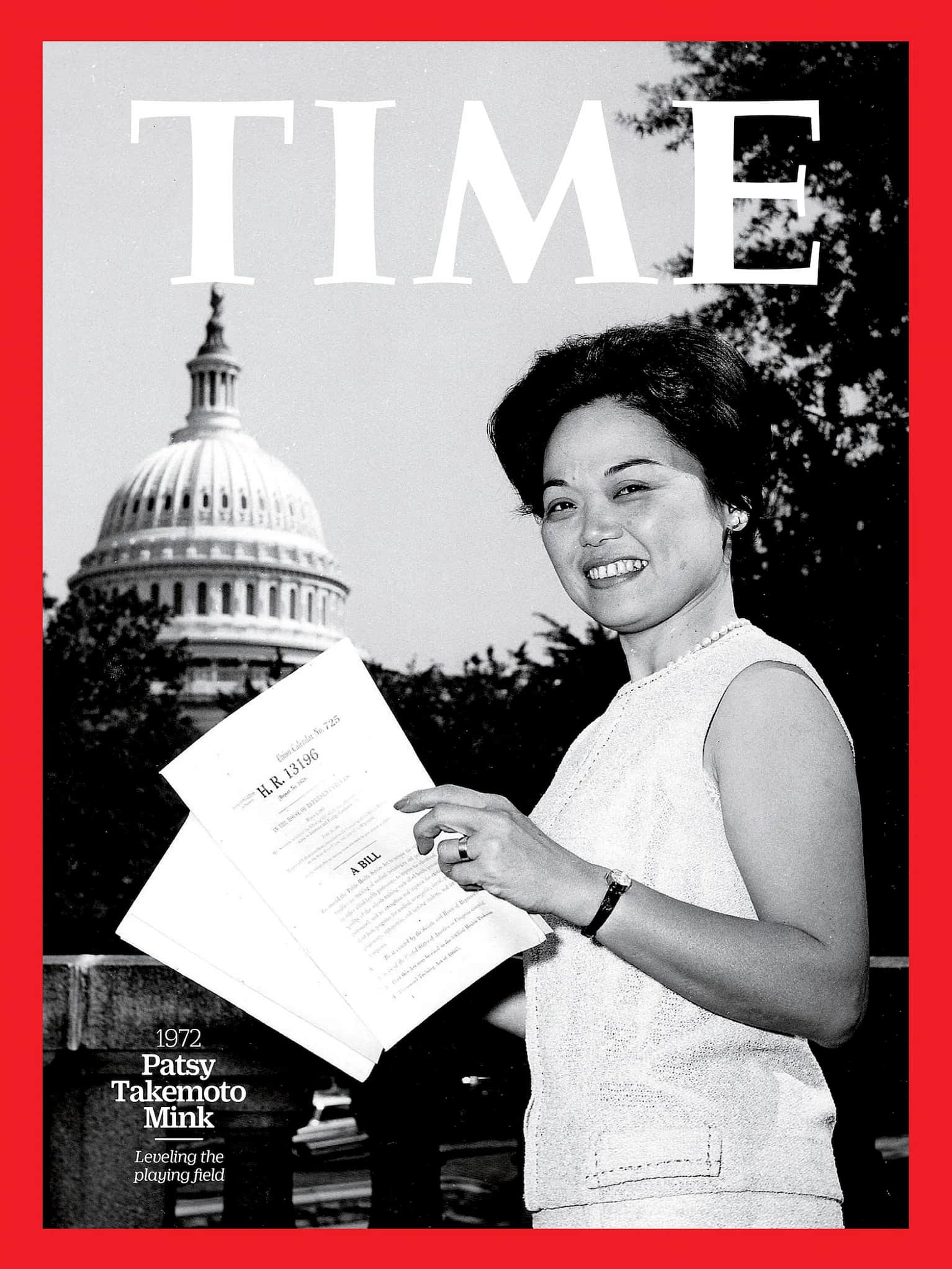
Image 36.01.02 — In 1965, Patsy Mink entered Congress as the first woman of color and the first Asian American woman to serve in the US House of Representatives.
People who voted for Inouye stated they supported him, because he was a man. As one voter expressed,
“My vote and only my vote will go to Dan Inouye, the candidate. For me, there would be no choice if the consideration were between Dan Inouye the person and Patsy Mink the person. Why? With everything else being equal only because he is a man.” 1
This voter admitted that while Inouye and Mink were equal, they could only see a man in public office.
At the time, political leaders were mainly men, and many wanted it to stay that way. At an election rally, a speaker for Inouye encouraged the crowd to be “practical” and elect a man, implying that electing a woman was unrealistic. He noted that “Congressmen often held meetings in the corridors, the cloak room,” and even the restroom. 2 In other words, since politics was already dominated by men, being male would be an advantage in brokering backroom deals.
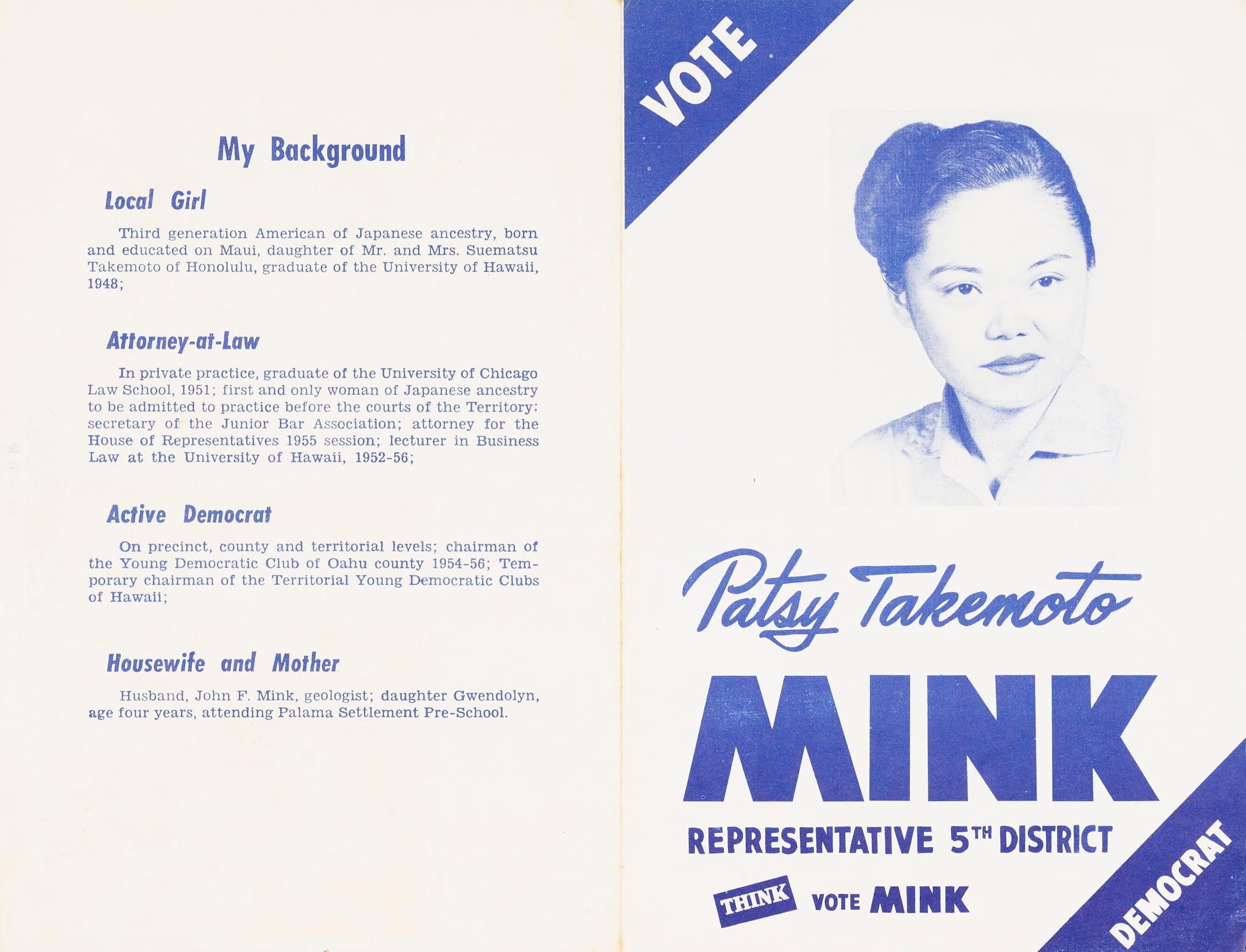
Image 36.01.03 — Patsy Mink’s campaign literature when running for the Hawaiʻi House of Representatives. Patsy Mink worked to debunk negative assumptions about her based on her race and gender.
Inouye’s supporters strengthened this assumption that Mink and other women were not suited for politics. They questioned her ability to be a politician, wife, and mother. In John Mink’s diaries, Patsy’s husband listed the gossip that the opposition spread, “with excellent results”:
- She [Patsy] was pregnant.
- We were to be divorced after the election.
- She had a nervous breakdown due to the strain of campaigning. 3
These rumors suggested that she did not have the mental or emotional stamina to combine her role as a mother, wife, and political candidate.
Some of these assumptions were not just about being a woman, but about being an Asian American woman. When Mink spoke to the 1960 Democratic National Convention about the importance of civil rights, a political commentator called her a “lovely Oriental doll of a delegate.” 4
Rather than focus on the important content of her speech, the commentator emphasized her physical appearance. He found her to be alluring and amusing, especially in comparison to the typical political leader: a tall, white man. Despite others constantly dismissing her due to her race and gender, Mink demanded to be taken seriously.
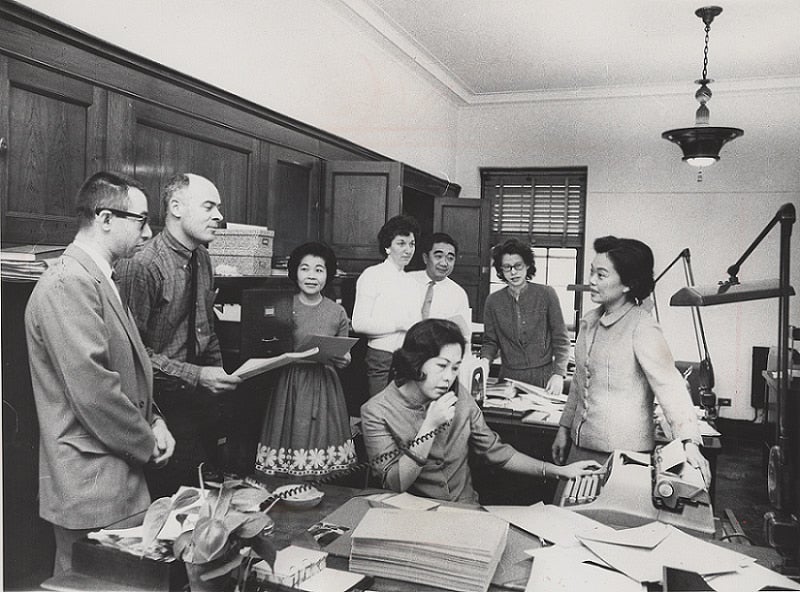
Image 36.01.04 — With her staff, Patsy Mink requested that they pay attention to the tendency to credit Asian American male congressional leaders, reminding them to “always take the time to educate these guys.”
Mink directly challenged everyday language that presumed that all political leaders were men. In 1963 she wrote a letter to the state chairman of the Hawaiʻi Democratic Party, who had sent out a memo addressed to the “gentlemen” of a committee she was a part of. “Thank you,” she started, continuing on to say,
“I wonder whether you intended it for me, though since I notice it was addressed only to ‘Gentlemen,’ of which I will never be. In the event you did not mean to discriminate against the women of the Democratic Party, may I suggest . . .” 5
Mink also corrected historical records because the media tended to overlook her contributions. Although she led the charge against military weapons testing, Hawaiian media sources and constituents often credited Asian American male congressmembers. In reality, Mink was one of the earliest and most consistent critics. In a note to her staff, she requested that they pay attention to this important fact, and that they “always take the time to educate these guys.” 6
Mink presented herself with dignity and demanded attention to issues she found important. She was concerned with war, the environment, and racial and gender equality, among many other issues. As she stated, “I’ve never given up a feeling that I as an individual and you as an individual can make the difference.” 7
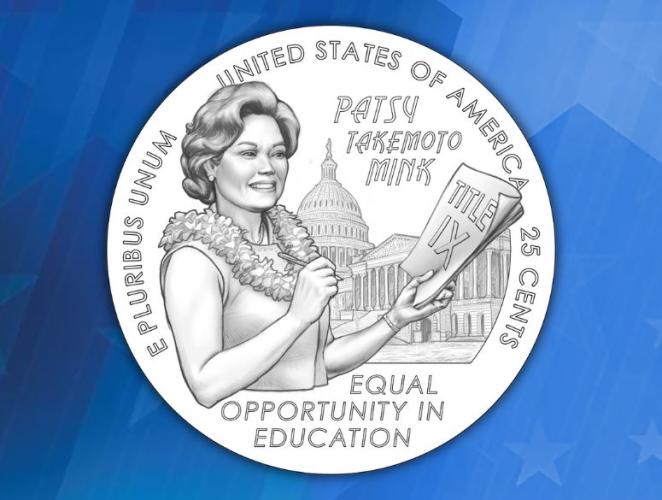
Image 36.01.05 — Dedicated to the environment, racial and gender equality, and many other issues, Patsy Mink was commemorated by the US Mint in 2024.
Reflection Questions
What are you fierce and fearless about? Is there something you want to change? What obstacles might you potentially encounter in advocating for this change? What strategies might you employ to overcome these challenges?
Endnotes
1 K.T., June 18, 1959, “Letter,” Patsy T. Mink Papers, Box 2, folder 16, Library of Congress, Manuscript Division, Washington, D.C. (emphasis in the original).
2 Hank Sato, “Democrats in ‘Battle of Sexes’: Inouye Supporter and Mrs. Mink ‘Spar’ at Puunene Rally,” Maui News, June 20, 1959.
3 Hank Sato, “Democrats in ‘Battle of Sexes’: Inouye Supporter and Mrs. Mink ‘Spar’ at Puunene Rally,” Maui News, June 20, 1959.
4 Hank Sato, “Democrats in ‘Battle of Sexes’: Inouye Supporter and Mrs. Mink ‘Spar’ at Puunene Rally,” Maui News, June 20, 1959.
5 Patsy T. Mink, September 19, 1963, “Letter,” Patsy T. Mink Papers, Box 6, folder 4.
6 Patsy T. Mink, May 31, 1975, Letter to G.M., Patsy T. Mink Papers, Box 128, folder 9.
7 Patsy Takemoto Mink, speech in Patsy Mink: Ahead of the Majority, directed by Kimberlee Bassford (Women Make Movies, 2008), DVD.