




Exterior of the Sons and Daughters of Guam Club. Palm trees line the building. Parking lot has tall, yellow letters spelling out “Håfa Adai.”
Module 2: Sons and Daughters of Guam Club
Is CHamoru migration a choice?
Contemporary CHamoru migration is complicated by the heavy US militarization of the islands, prompting many CHamoru families to enlist and move to the continental United States. The chapter author’s family is also part of a network of similar CHamorus that came to San Diego, California, in the 1970s as young families enlisting in the US Navy. Beginning in the 1950s, this pattern of migration led to CHamorus being the most widely dispersed Pacific Islander group living in the US. Following World War II, San Diego became an important location for early migrations of CHamorus employed as US military laborers.
This module is about CHamoru history being deeply tied to mobility and shaped by colonial powers staking their claims to the islands.
Why are social and cultural organizations important to diasporic CHamoru communities?
What is the role of the US military within the CHamoru diaspora?
What does “home” mean in a diasporic CHamoru community?
Changes in the Mariana Islands Under US Military Rule
Este i hinanao-måmi,
Esta i pantalan San Diego,
This trip of ours is to
The San Diego pier 1
The CHamoru population is dispersed throughout San Diego county, yet remains a close-knit group when it comes to celebrating and maintaining cultural connections to the Mariana Islands. They come together through social and cultural organizations, such as the Sons and Daughters of Guam Club in San Diego, California. These organizations continue to be the backbone for building community away from our home islands.
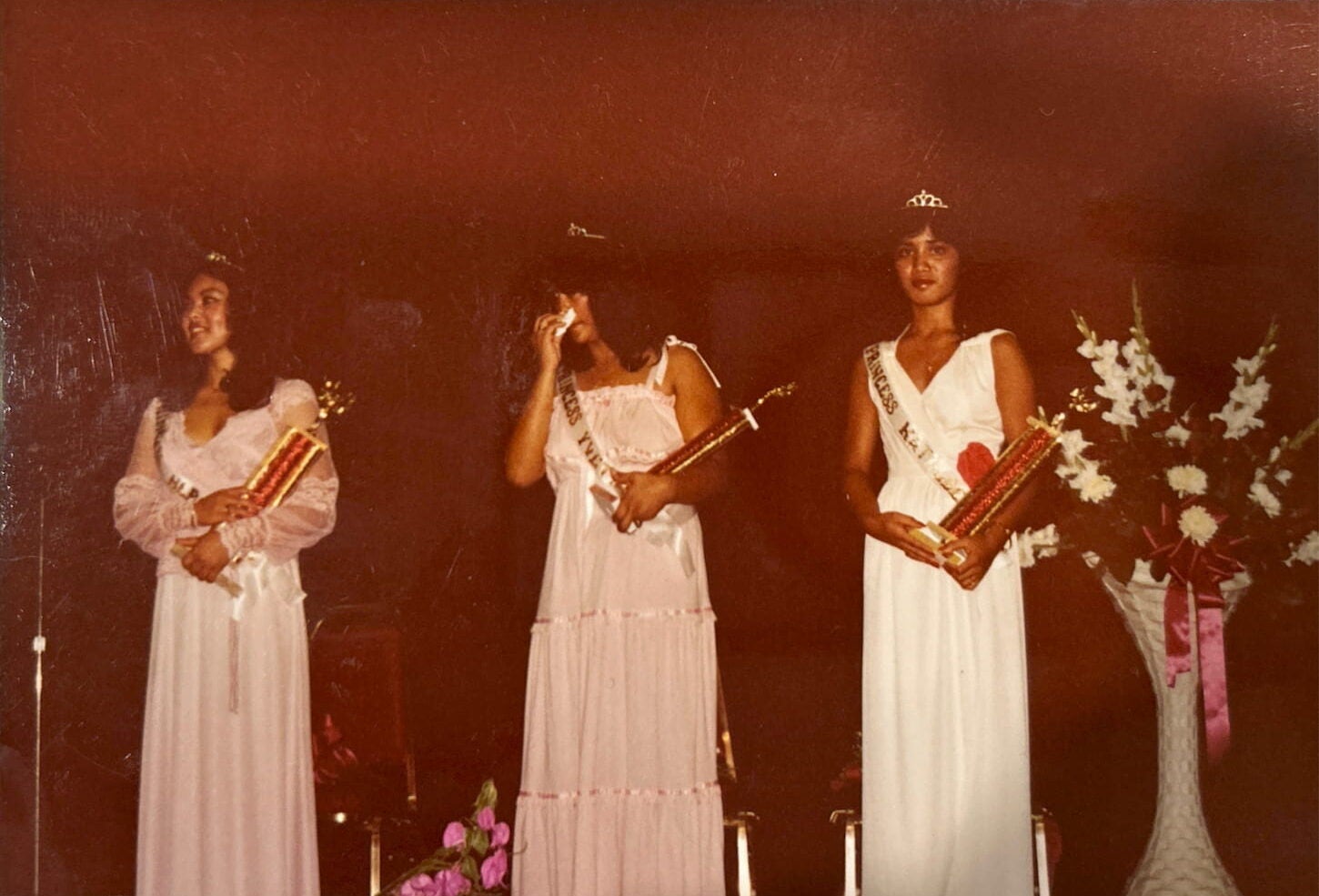
Image 21.02.01a — The author’s mother, Kathleen Lujan (right), is pictured running for Miss Liberation Queen at the 1981 Sons and Daughters of Guam Club’s Liberation of Guam celebration in San Diego.
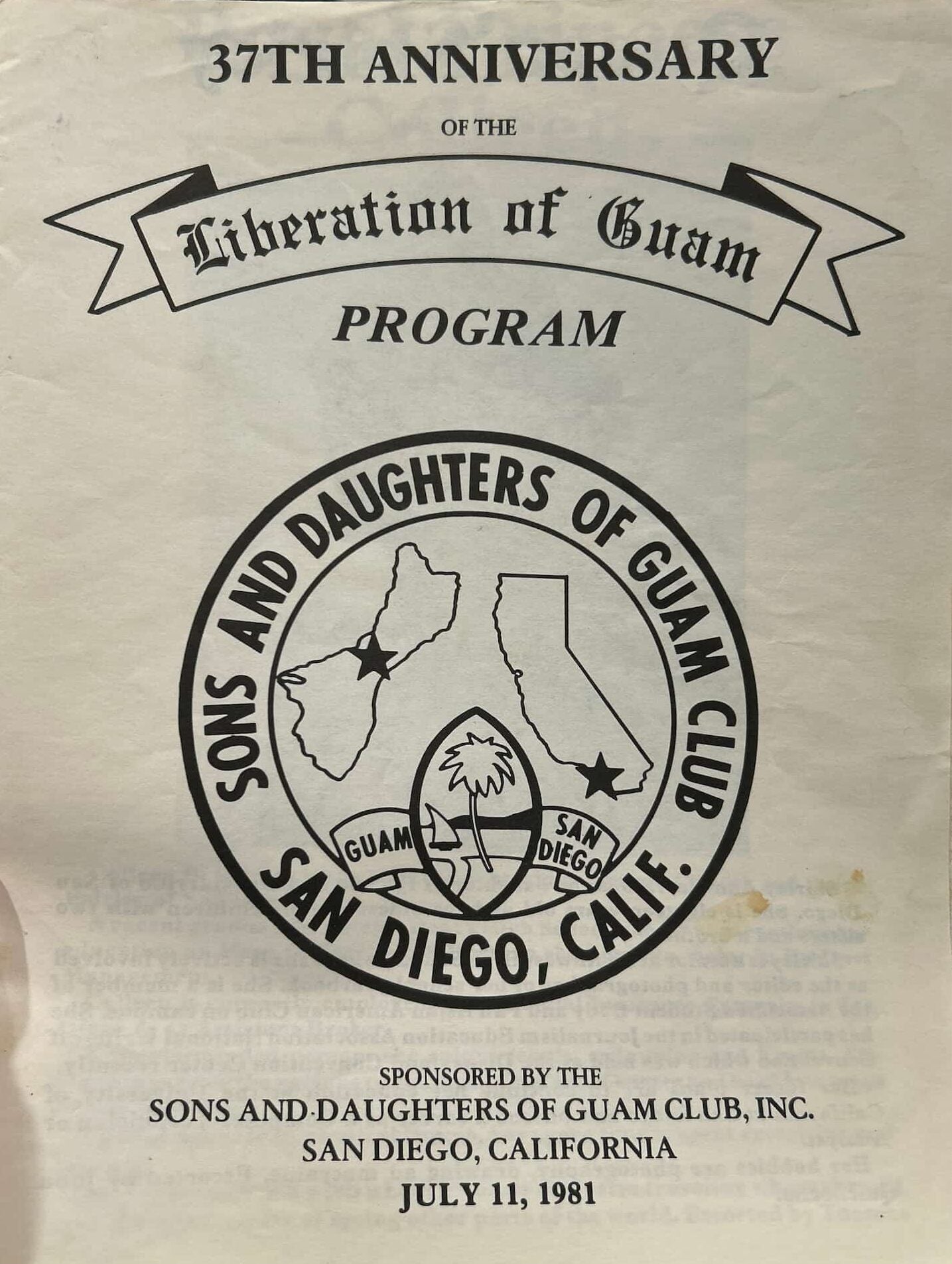
Image 21.02.01b — Program cover for the 37th Anniversary of the Liberation of Guam hosted by the Sons and Daughters of Guam Club.


The Sons and Daughters of Guam Club hosts events like the Liberation Queen competition and various fiestas for patron saints for the different villages of Guam (Guåhan). Preserving another tradition, they hold nobenas (also known as novenas or rosaries) in the months of May and October at different CHamoru homes every night. These activities provide opportunities to be around our CHamoru language, cultural practices, and people. The city of San Diego could be considered “i Sengsong San Diego”—another village of the Marianas archipelago.
As early as the 1930s, San Diego was part of the growing CHamoru diaspora, even appearing in Islander folk songs. The more recent mobilization of CHamorus was deeply influenced by the insurmountable damage caused to the Mariana Islands during the destructive campaigns by the US and Japan during World War II to retake control of the islands.
Post-war rebuilding changed the living conditions for CHamorus. These changes included the introduction of a wage-based economy with discriminatory practices against CHamoru laborers, a new education system that pushed English-only was used in Guam, (though Chamoru remained the primary language of educational instruction in the Northern Mariana Islands), and prompted CHamorus to look to the US to access higher education, and the US militarization of the archipelago. This reconstruction period spurred a displacement of many CHamorus from their ancestral lands, resulting in an unprecedented migration to the continental US, mostly through military service.
By the 1970s, there was a steady stream of migration of CHamorus to the US through their connection to the US military. CHamoru communities emerged across the country, typically around military installations. San Diego became a major point of entry and started the trend of CHamorus concentrating in communities nearby major naval facilities. Close to three-quarters of all CHamorus living outside of the archipelago are currently or previously associated with the armed services. In 2010, the Department of War (formerly the Department of Defense) estimated that 5 percent of Guam’s residents were in the military; approximately twelve times the national average.
CHamorus became comfortable with an American lifestyle having been exposed to American-style democracy and rule in the islands following World War II. This made it easier for them to acclimate to life in the US. Although they did not have their own neighborhoods or ethnic enclaves, like a Chinatown or Little Italy, CHamorus stayed closely connected through continuing social and cultural obligations and maintaining relationships with extended family and friends.
Building CHamorus Community in the United States
CHamorus that migrated to the US sought out and maintained kinship ties with the diasporas through organizing social clubs. These clubs trace back to pre-WWII and originated with former whalers, their descendants, and servicemen. The growth in clubs paralleled the steady outmigration of CHamorus from Guam and the Northern Mariana Islands (NMI) to the US as military enlistment increased.
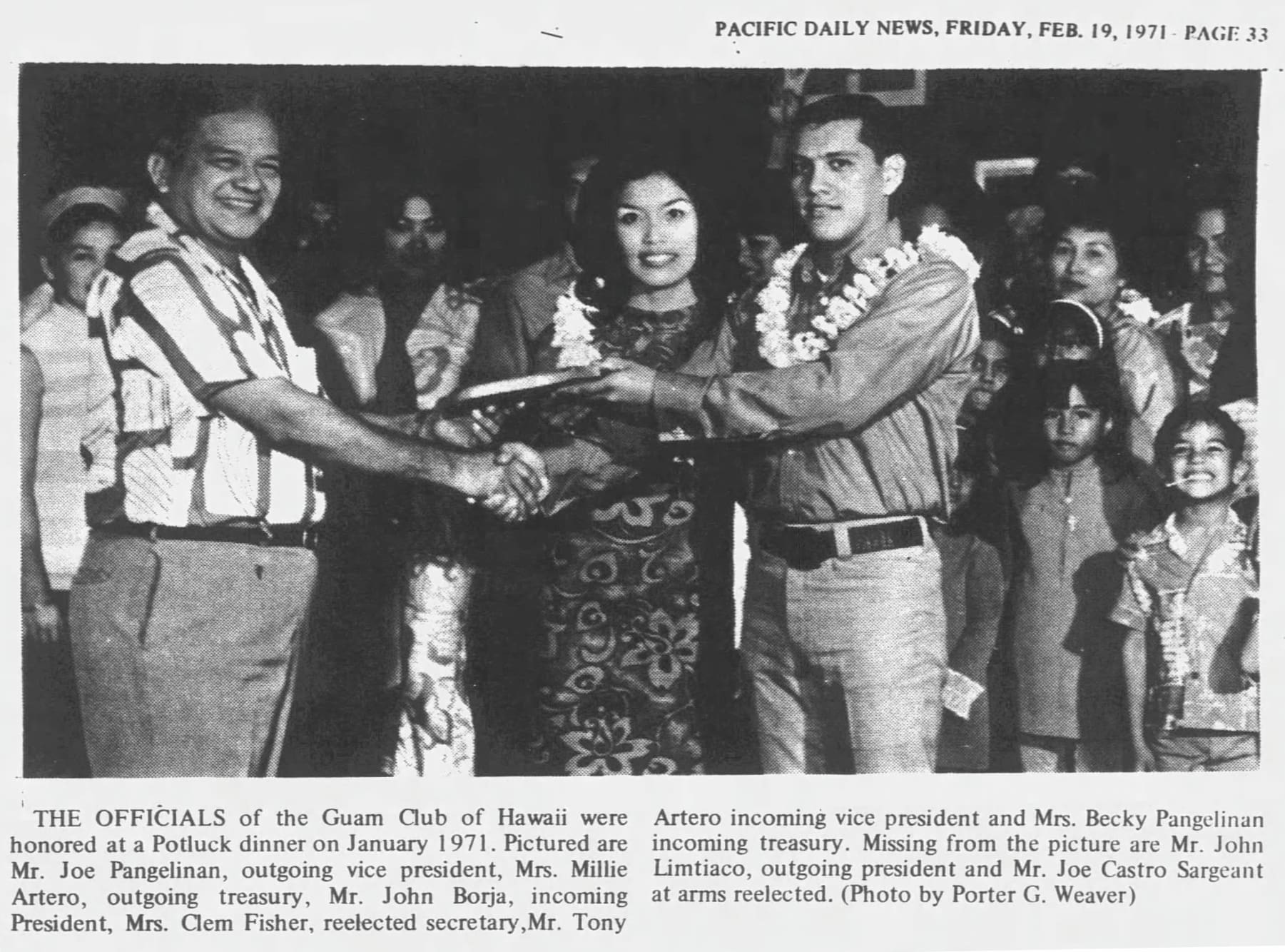
Image 21.02.02 — CHamoru-led organizations were created and flourishing during the 1960s and 1970s. These groups sprang up around US military bases, including in Hawaiʻi. The Guam Club of Hawaiʻi still exists today.
For example, the Federation of Guamanian Associations (FGA) formalized CHamoru gatherings with meetings around CHamoru holidays and cultural obligations. Another club was the Guam Territorial Society in Washington, DC. By the early 1980s in California, there were twelve such clubs.
The early success of building community in California inspired the creation of more CHamoru-based groups in the states of Washington and Florida, and in the Washington, DC area. These Islander-led organizations help CHamorus maintain their sense of self, community, and connection to their home islands even after migration. Among the numerous CHamoru organizations in existence, the Sons and Daughters of Guam in San Diego, with a peak membership of 550 in the 1970s, is the most active club and continues to be the anchor of the city’s CHamoru community.
The Sons and Daughters of Guam Club, San Diego
Like other Pacific Islander groups, the CHamoru have a long history of migration throughout Oceania and of expanding their global reach. The ancestors of the chapter author were skilled navigators that observed wave patterns, the rising and setting of stars, changes in the ocean’s color, and noted the presence of birds and sea life that enabled their mobility.
The club’s original purpose was to be “A Home Away from Home” for newly arrived CHamorus, helping them assimilate to life in the US while also maintaining their cultural roots and connection to the Mariana Islands. It served common interests like learning English and offered a recreational outlet with a softball team that played on the weekends.
The Guam Club’s inaugural event was a Liberation Day dinner and dance held on July 18, 1953. This Liberation Day commemorated the end of WWII when the US military recaptured Guam from Japanese occupation on July 21, 1944. The Northern Mariana Islands also have a Liberation Day, however it remembers the end of Japanese internment camps and the freeing of CHamorus to their land. The club’s membership steadily grew and became an official organization in the early 1970s. In 1973 the club purchased the two-and-a-half acre estate of Orval L. and Alverna T. Tokle. The property included an office, meeting room, guest house, and trophy room. The organization remains at this site today, with additional facilities, including a pavilion, outdoor kitchen, and bar.
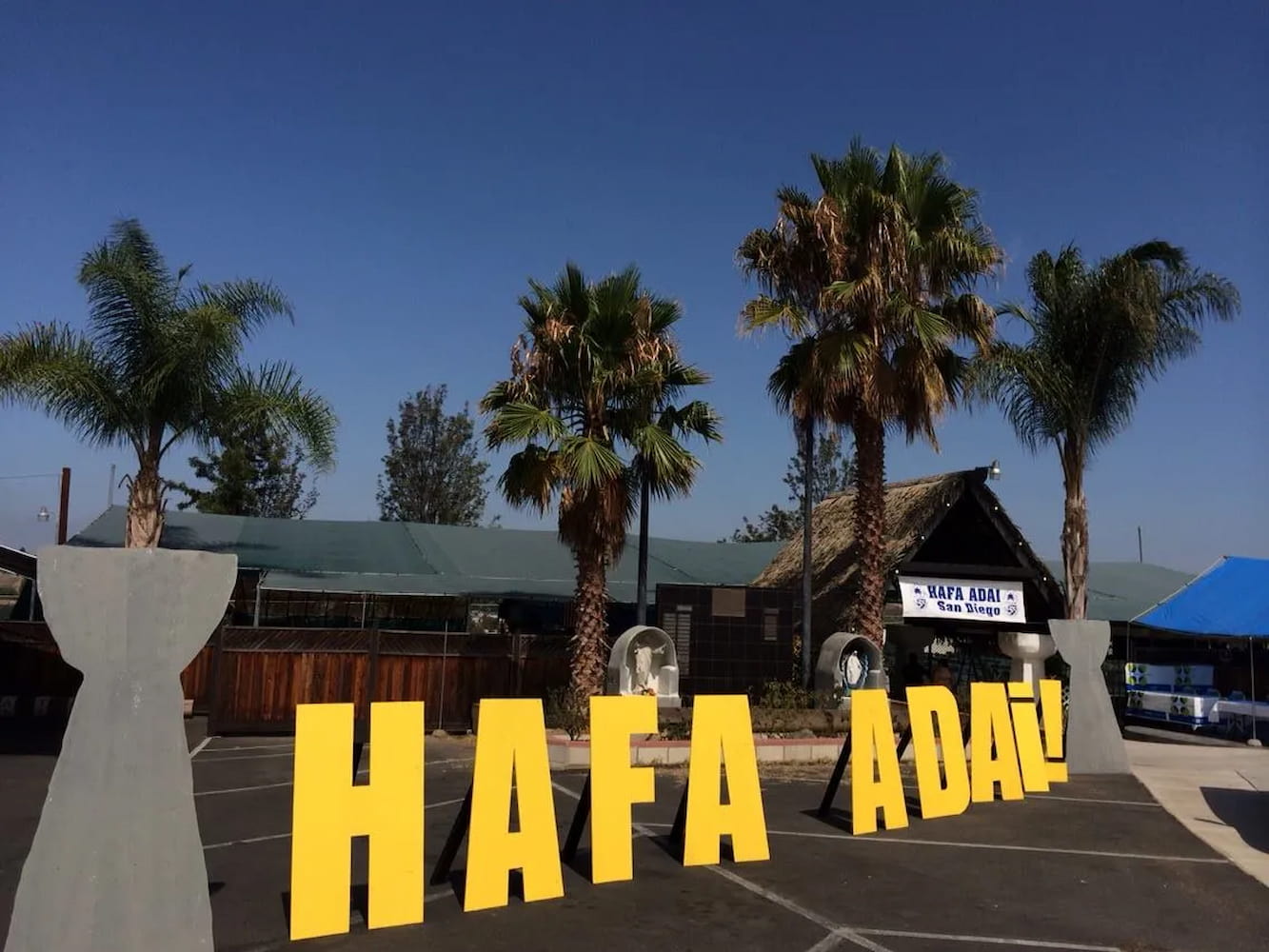
Image 21.02.03 — Exterior of the Sons and Daughters of Guam Club site in San Diego, California. Håfa Adai is an expression of “welcome” or “hello” in CHamoru. In this image, two latte, or stone pillar, reproductions bookend the greeting letters.
For decades, CHamorus have gathered at the Guam Club to partake in fiestas, nobenas, Liberation Day celebrations, and Catholic Church feast days. The club also organizes fundraisers, bowling and softball teams, language classes, senior meals, bingo, cultural talk, veteran groups, and Mes CHamoru (CHamoru Month) events. Early newsletters for the Guam Club had a “Guamanians in the News” column, which included blurbs about Guam on the Tonight Show, CHamorus receiving advanced degrees at American universities, and CHamorus in stateside politics.
Along with the happenings in the continental US, the Guam Club stayed closely connected to the issues taking place within the Mariana Islands. Their 1976 mid-year report included a letter written by the Guam Club’s President, Jose B. Untalan, to the Chairman of the House of Subcommittee and other California Congressmen to garner support to keep the Navy Ship Repair Facility (SRF) on Guam open. During the 1970s the US experienced a recession, and Guam’s dependency on the US meant that an economic downturn also affected the island.
Untalan explained to the club members that:
Congressman A.B. Won Pat is working hard to gather Congressional support for keeping open the Navy SRF on Guam … Many of us have friends or relatives who would be directly affected by a cutback in Navy activity, and everyone on the island would be indirectly hurt by such a big increase in unemployment. We strongly urge you to write to your Congressman and let him know how you feel about this matter. 2
The subsequent two pages of the report included the typed responses of support for the SRF from two California Senators—Alan Cranston and John Tunney.
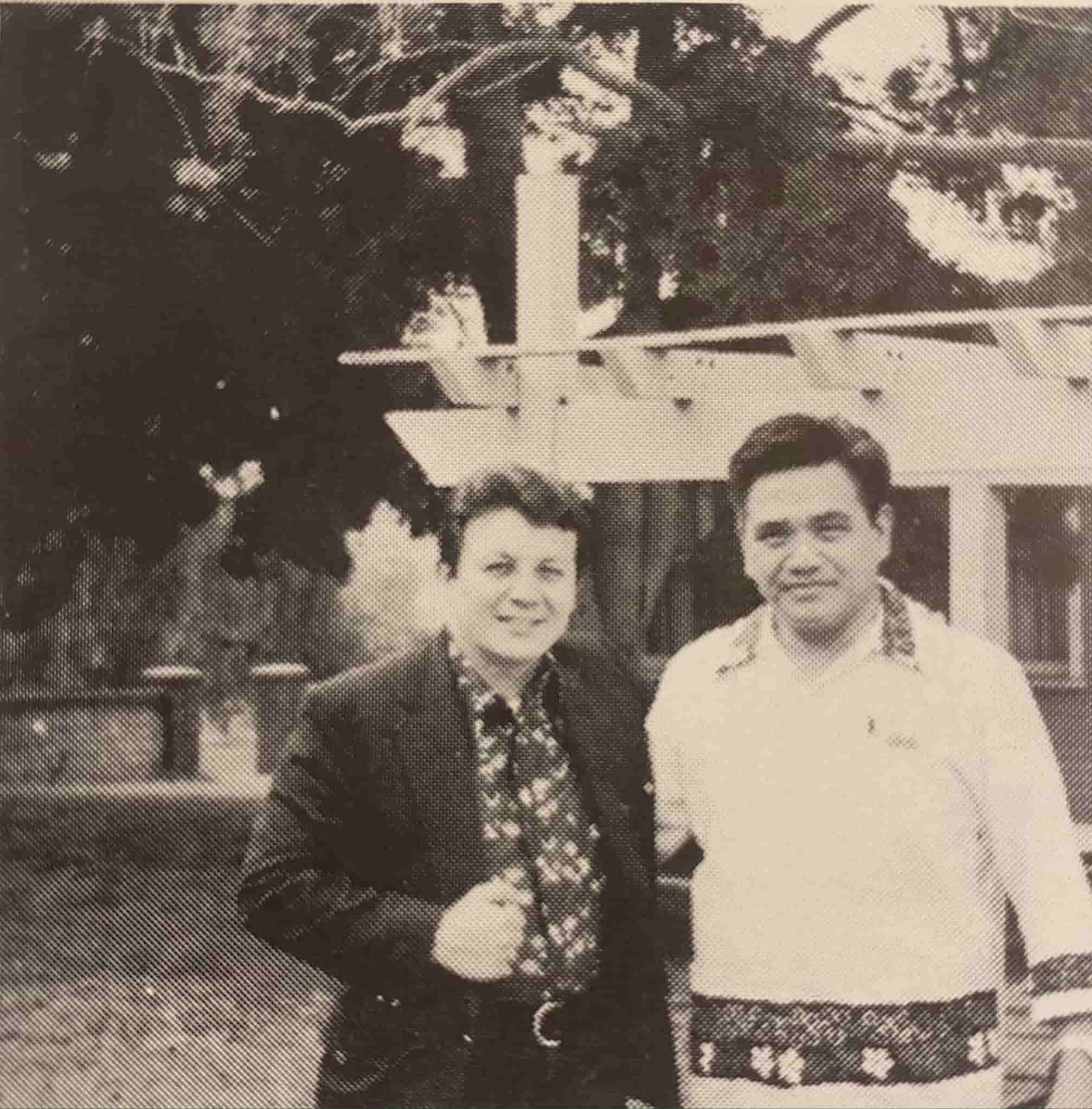
Image 21.02.04 — Guam Senator Paul Calvo (left) and former Guam Club president Jose Untalan (right) at the new club site in 1973. Together these figures show the continued relationship between CHamorus in the Mariana Islands with those in sanlagu (overseas) in the US.
Often diasporic communities are discussed as cutting ties with their homelands and investing their energy solely in rebuilding lives in their new country. In the case of CHamoru diasporic communities, effort is placed into understanding issues in the Marianas despite being in a new locale. The bonds are strengthened between CHamorus in the US and those at home through collaborative action on economic and political issues in the Mariana Islands.
Historically, this type of cooperation amongst CHamorus not only brought Islanders from the US west coast to San Diego for events, it also made the city a stop off for Marianas-based church leaders, musicians, and politicians. In the Guam Club’s December 1973 report, the “President’s Column” included a speech by Jose Untalan at the 29th Liberation Day Celebration in San Diego, which drew in nearly two thousand people from San Diego, the wider US, and Guam.
Untalan began by addressing the Guam-based politicians who were the club’s distinguished guests:
“Governor Carlos Camacho, Congressman A.B. Won Pat, and Legislators Paul Calvo and Adrian Sanchez. To take time off from their busy schedule and travel these many thousands of miles to be with us is dramatic evidence of the unity among our people … Our most important bond of unity therefore, is between the Guamanian people in the states and our brothers and sisters who reside on our beloved islands.” 3
These leaders visited CHamoru organizations in the US to garner support for their causes at home and to build relationships with these new communities. These trips also demonstrated the value CHamorus in the US and in the home islands found in maintaining connections to each other.
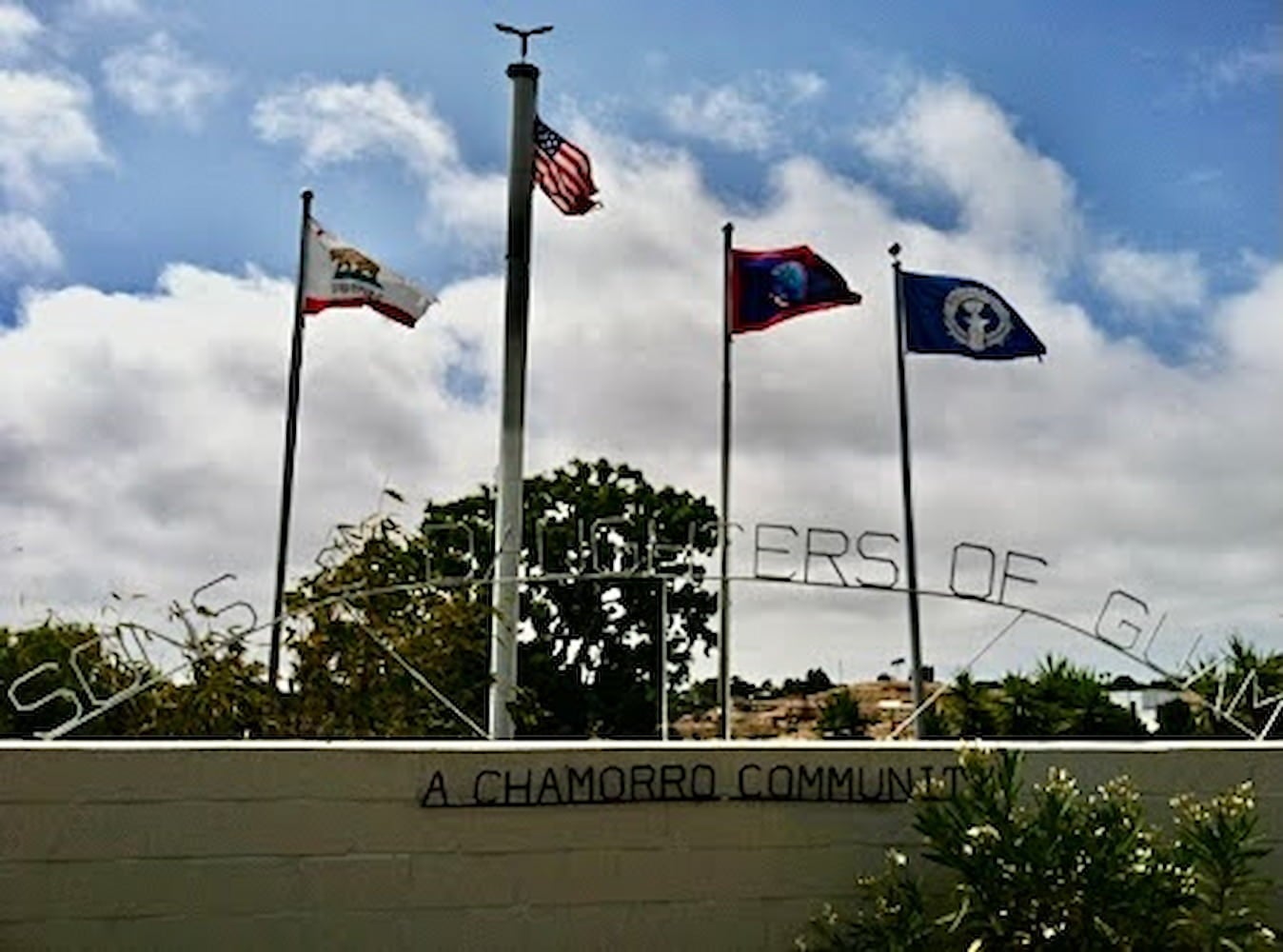
Image 21.02.05a — The entrance of San Diego’s Sons and Daughters of Guam Club with the flags of Guåhan (Guam), the Northern Mariana Islands, California, and the US on display.
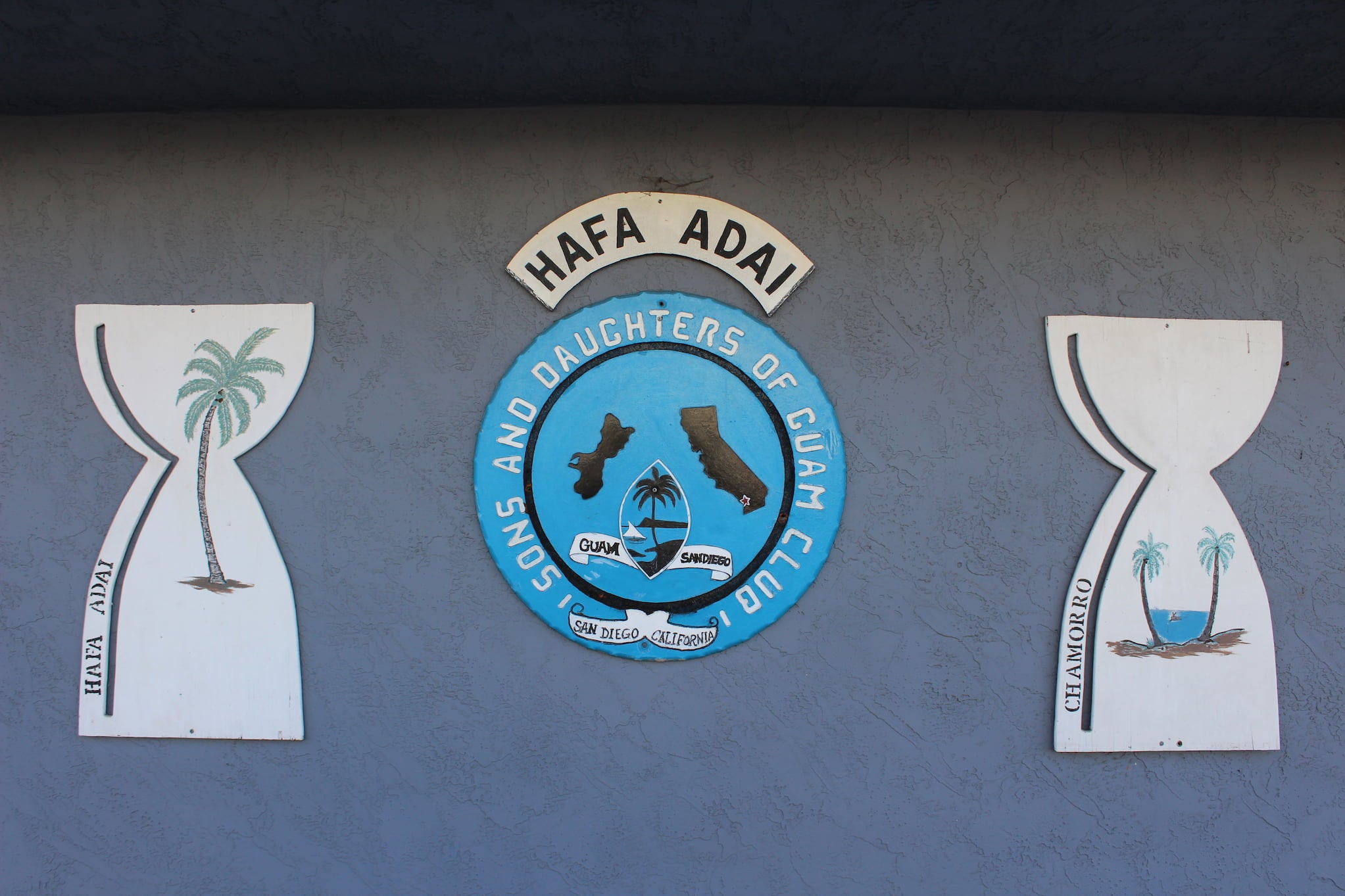
Image 21.02.05b — The seal of the Sons and Daughters of Guam Club of San Diego, California with the island of Guåhan (Guam) and the state of California represented in the design.


The 1973 report included a print of a certificate stating that the Guam Club was an “Honorary Ambassador-At-Large for Guam and is duly authorized and empowered to execute and fulfill the duties of the office.” 4 The document was signed by then Governor of Guam, Carlos Camacho, and awarded to the club by the Administrator of the Governor of Guam office in San Francisco. This gesture signified the importance of CHamorus away from Guam and recognized how the club was making its mark in the US.
The Guam Club had its finger on the pulse of CHamorus in the US, and was the center of social life for CHamorus in San Diego looking to express their “CHamoru-ness.” The Guam Club continues its role as “Honorary Ambassador-At-Large for Guam” and an anchor for CHamorus in San Diego. As of 2025, the club has more than three hundred active members.
The Guam Club is an example of the strong kinship ties among CHamorus in San Diego and those living in the Mariana Islands. Without a distinct CHamoru neighborhood in San Diego County, the club and its facilities served as a way for CHamorus to socialize and reaffirm their cultural roots. This was important because it now provided them a space with roots in their new environment.
Glossary terms in this module
diaspora Where it’s used
The dispersal, movement, migration, or scattering of a people from their established or ancestral homeland.
displacement Where it’s used
The movement of persons who have been forced or obliged to flee or to leave their ancestral lands, in particular as a result of or in order to avoid the effects of war, persecution, or natural disaster.
militarization Where it’s used
The process in which a country orders an increase in military presence to organize and prepare for war.