



Thirteen CHamoru delegates pose for a picture in front of the flags at the United Nations’ entrance. Together they hold up a large Guam flag.
Module 5: Sustained Connection to the Mariana Islands
Is CHamoru migration a choice?
As discussed in prior modules, diasporic CHamorus maintain strong connections to the Mariana Islands through a variety of cultural, familial, artistic, and technological means. Family ties remain strong through frequent communication, visits, and the sending of goods that reinforce kinship networks. Cultural practices, such as language, food, music, dance, and participation in CHamoru community events are actively preserved and passed on in the diaspora.
Social media and other digital platforms are vital tools that enable real-time connections to news, events, and family on Guam (Guåhan). These connections foster a sense of belonging and shared identity, ensuring the cultural heart of the Mariana Islands continues to beat strongly within its dispersed communities.
This module explores the various ways diasporic CHamorus support the decolonization movement of the Mariana Islands, contribute to language revitalization, and carry out humanitarian actions in times of need. The module also focuses specifically on the ongoing decolonization efforts by CHamorus with genealogical ties to Guam.
How do diasporic CHamorus maintain connections with the Mariana Islands?
How are diasporic CHamorus important to the decolonization movement in the Mariana Islands?
What is the role of reciprocity in CHamoru relationships?
Extending Our Political Voice
The foundational cultural value that keeps CHamorus connected over vast distances is inafa’maolek, literally meaning “to make good.” It emphasizes interdependence, harmony, and getting along. This cultural value is crucial in shaping and maintaining strong CHamoru relationships, guiding how individuals interact within families, communities, and social networks.
This principle promotes cooperation, mutual respect, and the deep sense of collective responsibility that fosters an environment where individuals prioritize the well-being of the group. By upholding inafa’maolek, CHamorus nurture supportive relationships built on trust, reciprocity, and a shared commitment to maintaining balance and unity.
Within the decolonization movement of the Mariana Islands, diasporic CHamorus play a significant role by amplifying the voices and concerns of their people on a global stage. They advocate for self-determination and raise awareness about the ongoing effects of colonialism, including militarization, land disputes, and cultural suppression. There are two distinct decolonization movements that take place within the archipelago: First, from the 1960s-1980s, the Northern Mariana Islands decolonization efforts resulted in their unique political relationship of being a commonwealth of the US. Second, from the 1960s to today, Guam’s movement has yet to be recognized by the United Nations (UN) and US.
Through activism, scholarship, and artistic expression, diasporic CHamorus build solidarity with other Indigenous movements and challenge dominant narratives, contributing to a broader push for political change and cultural revitalization in their homeland. Their unique position—both connected to and distanced from the islands—allows them to bring valuable perspectives and resources to the decolonization struggle.
Many of the political issues that brought CHamoru communities together, regardless of location, started in the 1970s. The diasporic movements during this period especially helped to empower CHamoru women in the continental US. These women became a resource for addressing the complexities and pressures of colonial issues that continue to impact the Marianas.
One such woman is Cecilia Bamba, a former senator and community organizer who spearheaded legislation for land claims and war reparations for CHamoru families impacted by World War II. Bamba was inspired by the US Congress’ passage of the Micronesian Claims Act of 1971 to investigate claims from Micronesian communities within the Trust Territories for compensation for damage to and taking of their land.
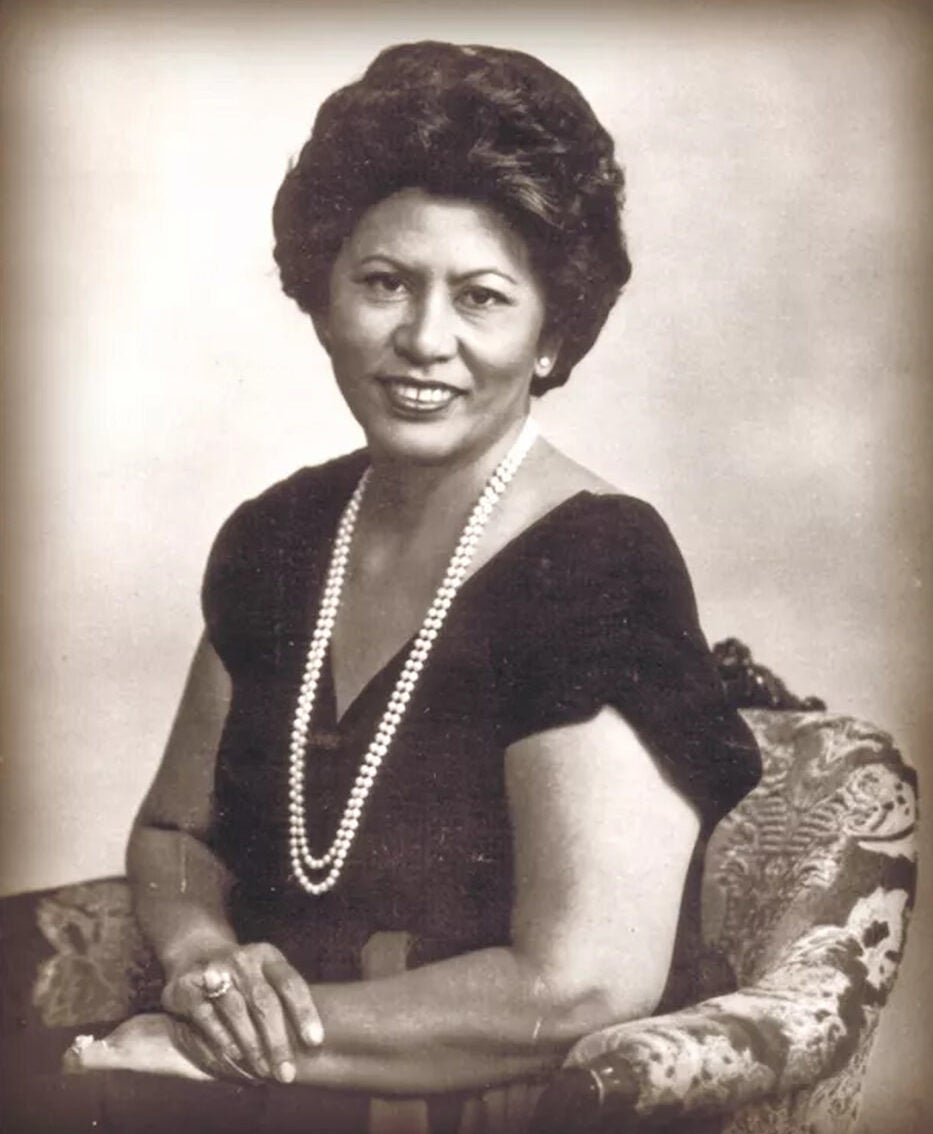
Image 21.05.01a — Cecilia Bamba was a strong advocate for land claims and war reparations for CHamoru families. In 1983, she became the first CHamoru woman to testify before the US Congress.
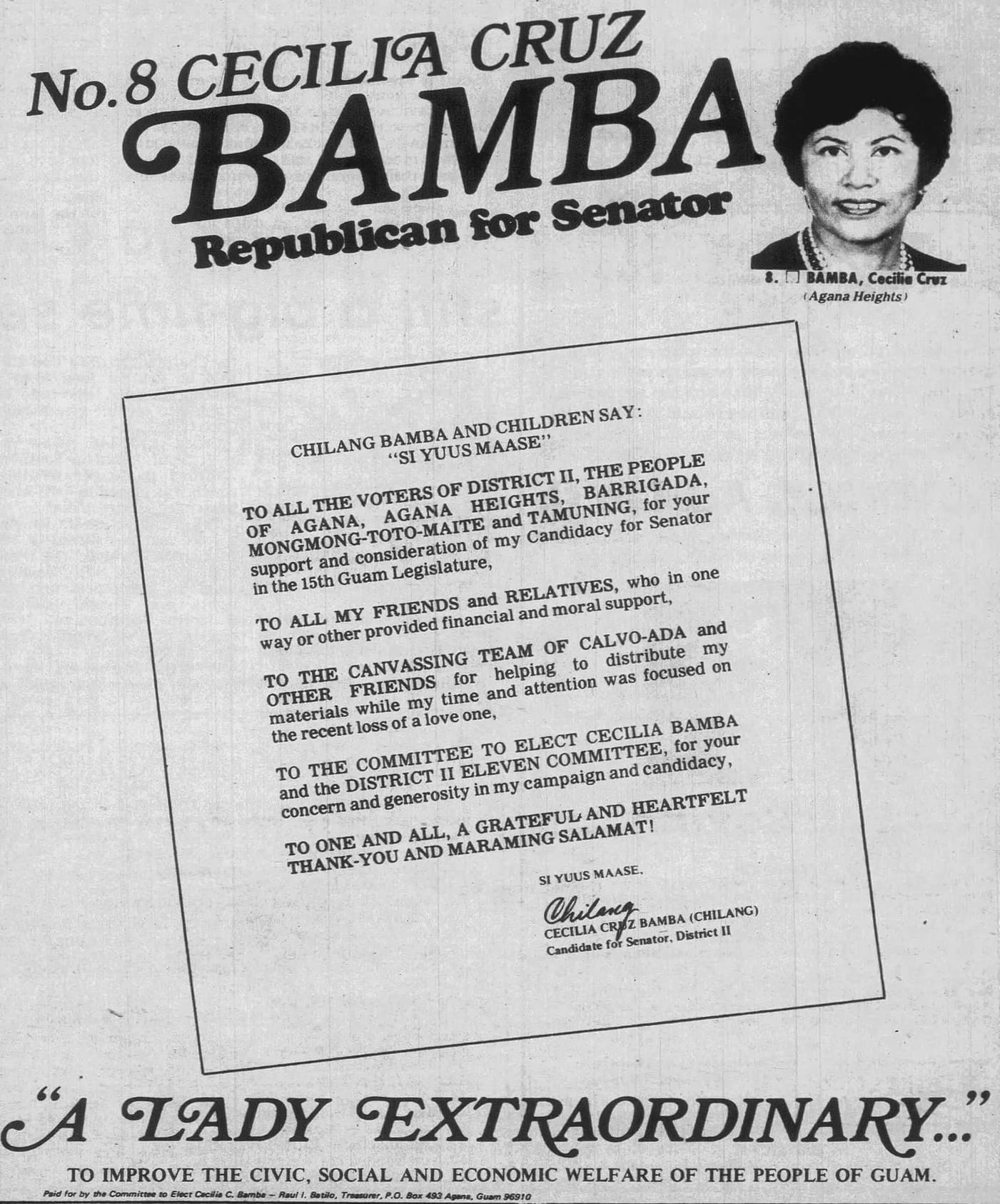
Image 21.05.01b — An election flyer for Cecilia Cruz Bamba, the first CHamoru woman to testify before the US Congress, c. 1978.


In 1976, Bamba began to campaign for similar legislation and compensation for CHamorus. She created the Guam Landowners Association and began a membership drive to support the initiative. She gathered stories from CHamorus about the atrocities they experienced, and loss of family land, during and after World War II. As president of the association, Bamba personally funded her travel to several cities in the US to speak to Guam Clubs, including in Honolulu, Hawaiʻi.
Bamba noted the growth of CHamoru communities abroad and made the journey to the US to galvanize support. She recognized CHamoru outmigration as more than just forced displacement in the 1970s. She embraced the strong connection between diasporic CHamorus and those on the home islands, and built an inclusive form of political empowerment to support collective causes in the Mariana Islands.
In the tradition of CHamorus traveling to the US, Bamba journeyed to Washington, DC, to become the first CHamoru woman to testify at a congressional hearing in support of a major bill. She made multiple trips to the US to meet with CHamoru organizations, and to Washington, DC, specifically, to continue her work in support of CHamoru land claims. Her work led to the introduction of numerous congressional bills calling for compensation to CHamoru war claims. Bamba was known for her commitment to intense lobbying as Laura Souder details:
“She was prepared to meet the demands of organizing this massive networking effort. Cecilia did meet with all 27 Guamanian Associations through the US mainland and Hawaii. She drafted a resolution to be adopted by these organizations, which outlined the atrocities and the need for reparation once adopted, each resolution was to be sent to the organization membership’s respective representative in Congress.” 1
A Push for Sovereignty
Cecilia Bamba’s work is an example of how the growing CHamoru diasporic community can aid in policymaking efforts for the Marianas. Asserting the experiences of CHamorus in diasporic contexts is a decolonial act. Uncovering these important stories shows how CHamorus not only resist imposed colonial structures, but also find ways to use the movements of their people to address issues within the home islands.
The 1960s were a time for those based in the home islands to journey to the US to pursue issues of self-determination. Since then, CHamorus have made the annual trip to New York City, New York, to testify at the UN’s Special Committee on Decolonization (Fourth Committee). This annual hearing allows petitioners from non-self-governing territories to submit recommendations in regards to decolonization to the UN General Assembly.
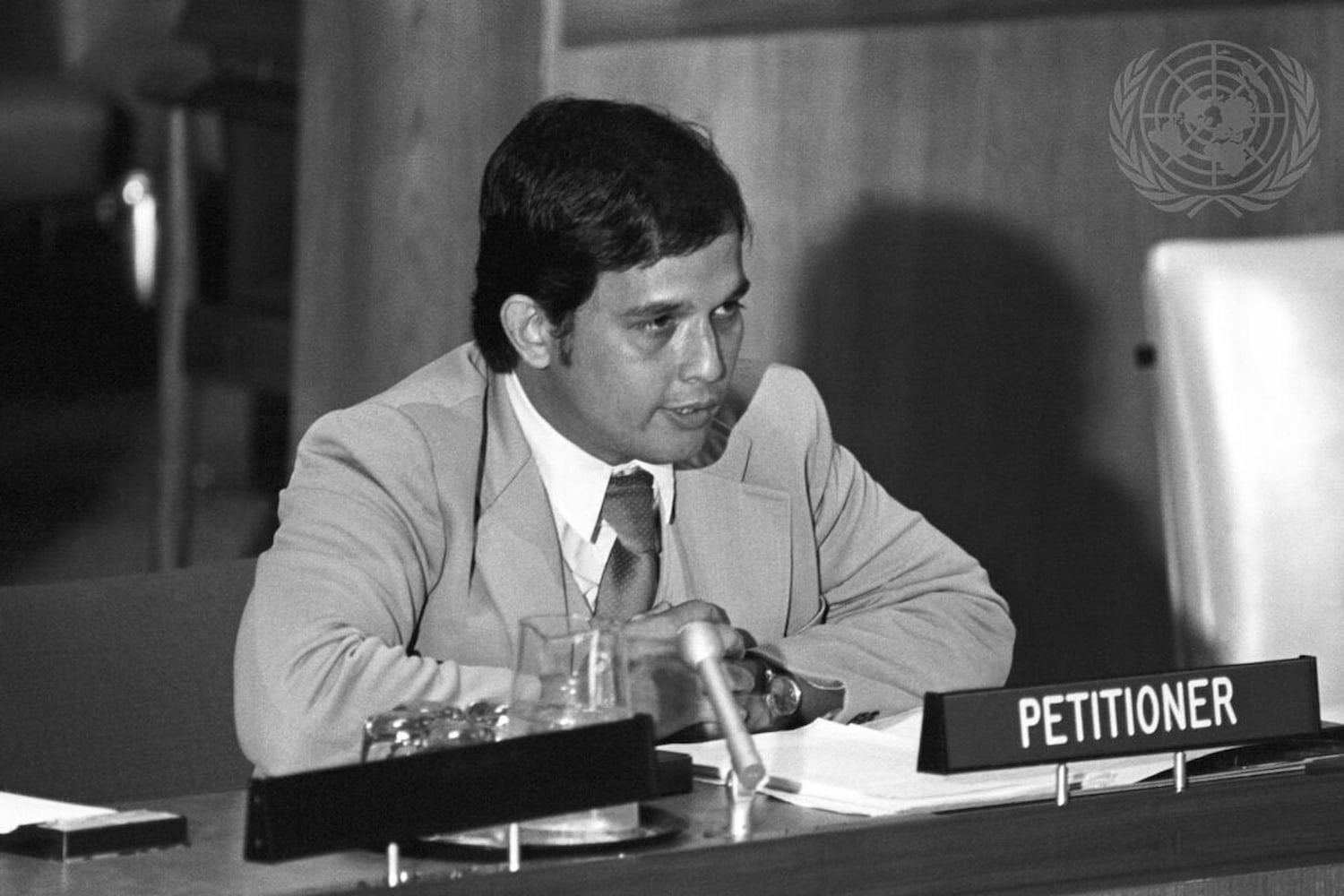
Image 21.05.02a — In 1982, Dr. Robert Underwood spoke to the UN on CHamoru self-determination to put public pressure on the US and the UN to further support decolonization efforts in Guåhan (Guam). Dr. Underwood served as the Guåhan Delegate to the US Congress from 1993 to 2003.
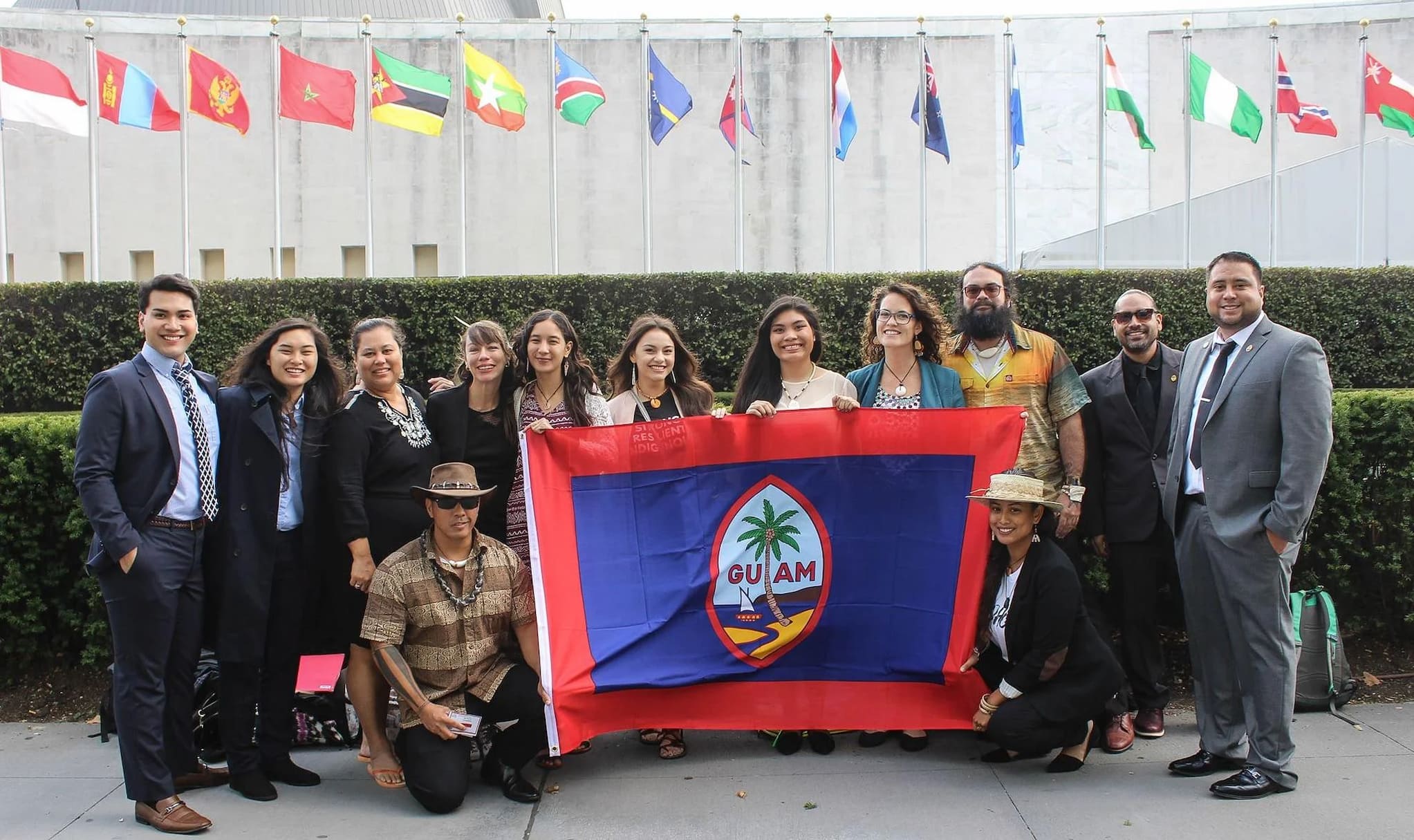
Image 21.05.02c — This image shows several members of the sixteen CHamoru delegates that testified at the Fourth Committee of the UN General Assembly in 2017.


Testifying before the Fourth Committee has become a forum for CHamorus in both the diaspora and from the home islands to work together to fight for sovereignty. Alfred Flores reflects on his 2010 experiences supporting CHamoru decolonization efforts. He details his work as a diasporic CHamoru, using literary and collaborative efforts with fellow CHamoru graduate students and Islanders traveling from Guam.
These efforts are supported by CHamorus in New York City who house Islanders that made the journey from Guam, or by reading testimonies of those that could not make the expensive journey. CHamorus in the US also joined those from Guam as petitioners with recommendations. Similarly, Guam-based politicians, Baltazar J. Bordallo and Francisco B. Leon Guerrero (Mr. Organic Act), took the extraordinary step of fundraising and taking out loans against their land to travel to Washington, DC, to fight for CHamorus’ right to American citizenship.
These examples highlight the depth of commitment CHamorus have to their homeland and each other. Unfortunately, the struggle for self-determination remains at the whim of the current US administration, forcing CHamorus to continue sacrificing to make the journey, even today.
Language Revitalization
Language revitalization plays an important role in the pursuit of sovereignty. The CHamoru diaspora plays a vital role in this revitalization, employing a range of strategies to keep the CHamoru language (Fino’ CHamoru) alive and thriving. They create online resources, organize language workshops and classes in their communities, and develop educational materials for both children and adults. Diasporic CHamorus also utilize social media and other digital platforms to connect with other speakers, share language learning content, and promote the use of CHamoru in everyday life.
By actively engaging in these initiatives, they not only preserve the language for future generations but also strengthen their cultural identity and connection to the homeland, ensuring that CHamoru remains a living language, even across geographical distances.
Though the loss of the CHamoru language has been significant under US colonialism, movements resisting language decline and revitalizing Fino’ CHamoru have gained strength across generations and geography. Revitalization projects date back to the 1960s with the establishment of Kumisión I Fino’ CHamorro (the CHamorro Language Commission) in Guam and have since taken root across schools, cultural programs, radio, print, and digital media throughout the Mariana Islands.
CHamoru language revitalization has also proliferated in the diaspora, with hundreds of CHamoru language learners from around the world participating digitally in classes, such as Dr. Michael Lujan Bevacqua’s free online Zoom course.
Another diasporic effort to maintain their heritage language is through the Prugråman Sinipok CHamorun Sanlagu (PSCHS). This annual two-week immersion program began in 2022 and is specifically designed for CHamorus from the continental US. It is the first-ever CHamoru language immersion program conducted in Guam for adults. Many of the participants started their language journeys through Dr. Bevacqua’s Zoom courses and continued strengthening their skills through the annual immersion program, and all but one participant were from the diaspora.
Support in Times of Need
The CHamoru diaspora has and continues to play a crucial role in the relief efforts following the devastating effects of super typhoons. The Mariana Islands are located in a “typhoon alley,” where the rainy season often includes the threat of strong storms and typhoons. Due to climate change, it is experiencing more super typhoons. These super typhoons, with sustained surface winds reaching 150 miles per hour, have become a serious seasonal concern.
In response to storm devastation, CHamorus in the diaspora have galvanized their efforts to support those back home by organizing fundraising drives, collecting and shipping essential supplies, and using social media to raise awareness and coordinate aid. Many have traveled to the affected areas to provide direct assistance, working alongside local communities in the recovery process.
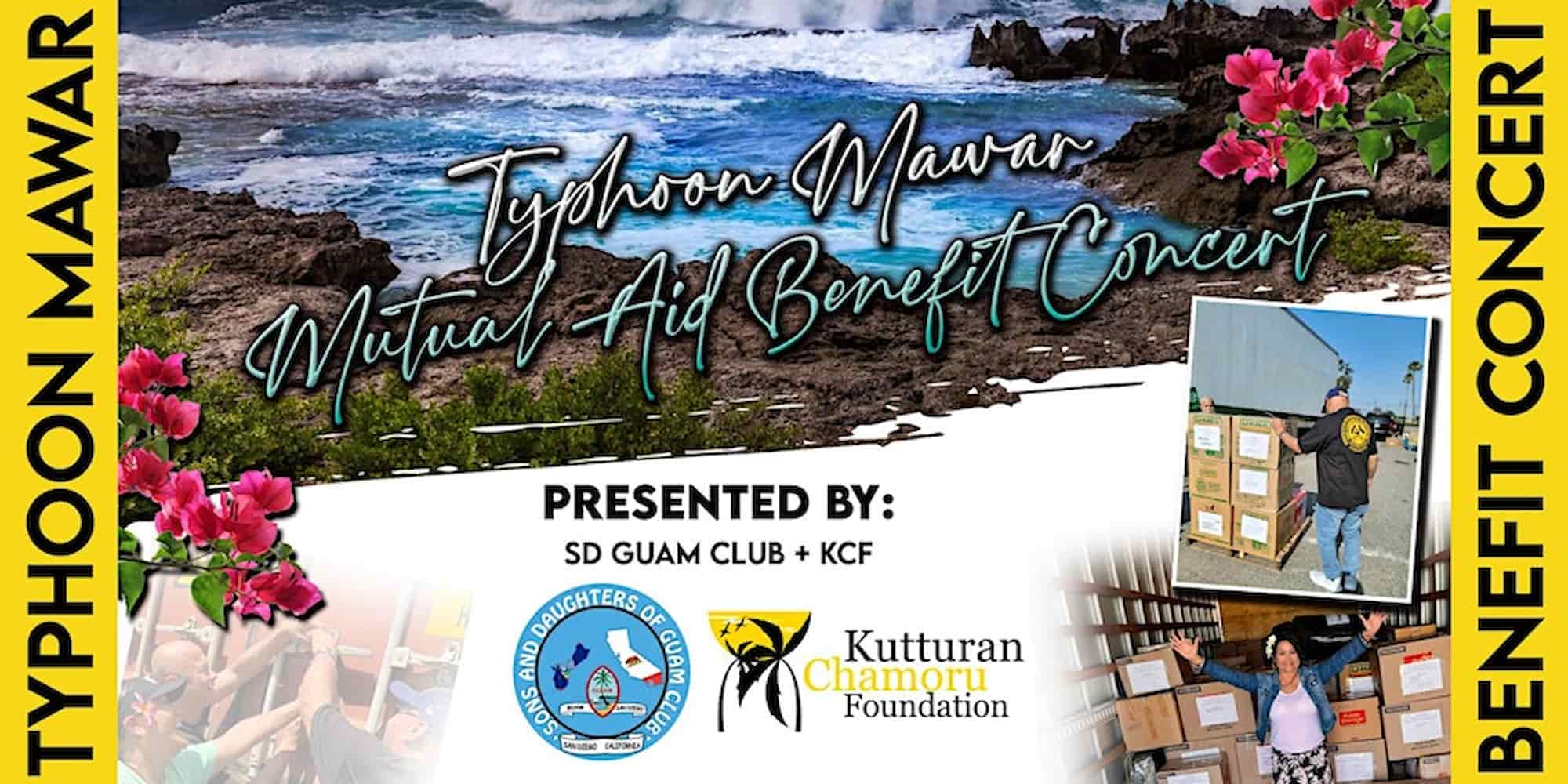
Image 21.05.04 — This Mutual Aid Benefit Concert flyer promotes a fundraiser for those affected by Super Typhoon Mawar in Guåhan (Guam) and Luta (Rota). The 2023 fundraiser was hosted by the Sons and Daughters of Guam Club and Kutturan CHamoru Foundation of Long Beach.
For example in 2023, in the aftermath of Super Typhoon Mawar, the CHamoru diaspora mobilized resources, organized relief efforts, and provided support to their homeland, demonstrating their crucial role in times of crisis. This outpouring of support from afar highlights the vital role of the diaspora in times of need and underscores our enduring commitment to the well-being of the Mariana Islands. The connectedness of diasporic CHamorus to their homeland forms a literal lifeline.
Colonial pathways have led many CHamorus to extend the reach of the Mariana Islands to places far beyond its shores. Today, they continue to stay rooted in our home islands despite intergenerational decisions to move away or colonial conditions that may have forced them to migrate. These diasporic accounts are largely absent from current written narratives about CHamoru historic and contemporary issues. As Lehua M. Taitano reminds us, “much more than wind carries so many of us away from our islands.” 2
This module builds off of Taitano’s sentiment to consider the abundant stories of movement and how they portray a close relationship based in inafa’maolek (making things good for each other) with those in the home islands. Together these modules help us to consider just how does the wind carry CHamorus abroad.
CHamorus abroad offer new and unexpected ways to understand centuries of struggle, adaptation, and resilience in the face of colonialism. CHamoru perspectives in the home islands and in the diaspora can also put forward new possibilities in thinking about CHamoru identity and movements toward the true liberation of our islands.
Glossary terms in this module
colonialism Where it’s used
The process in which one country or people controls another place or people through partial or full political control for an extended period. Colonialism has lasting economic, social, and cultural effects even after the period of formal colonization is over.
decolonization Where it’s used
The process by which a place reaches a full measure of self-government. It is the remedy to restore the right of self-determination.
diaspora Where it’s used
The dispersal, movement, migration, or scattering of a people from their established or ancestral homeland.
displacement Where it’s used
The movement of persons who have been forced or obliged to flee or to leave their ancestral lands, in particular as a result of or in order to avoid the effects of war, persecution, or natural disaster.
Micronesian Claims Act of 1971 Where it’s used
1971 Act that established the Micronesian Claims Commission (MCC) to settle claims against the US or the Trust Territory of the Pacific Islands for personal injury or death, including those arising out of hostilities during World War II or arising after the islands were secured by the US but before July 1, 1951. The Act authorized the MCC to provide payments to claimants, which, if accepted, would be in full and final settlement of the claims.
militarization Where it’s used
The process in which a country orders an increase in military presence to organize and prepare for war.
super typhoons Where it’s used
Tropical cyclones that form in the West Pacific Ocean with sustained surface-wind strength of at least 240 kilometers (150 miles) per hour.