



Search the Media Repository
Discover the curated images, videos, and primary sources featured throughout Foundations and Futures
History is more than just text on a page; it is the photographs, voices, and artifacts of the people who lived it. The images and recordings featured across Foundations and Futures are part of a meticulously curated media repository. Whether you are building a lesson plan or investigating an artifact, you can use this database to trace the provenance of our media: discover who created an asset, the historical context behind it, and how it can be used to bring Asian American and Pacific Islander experiences into your classroom.
Multimedia
Chapters
-
Image
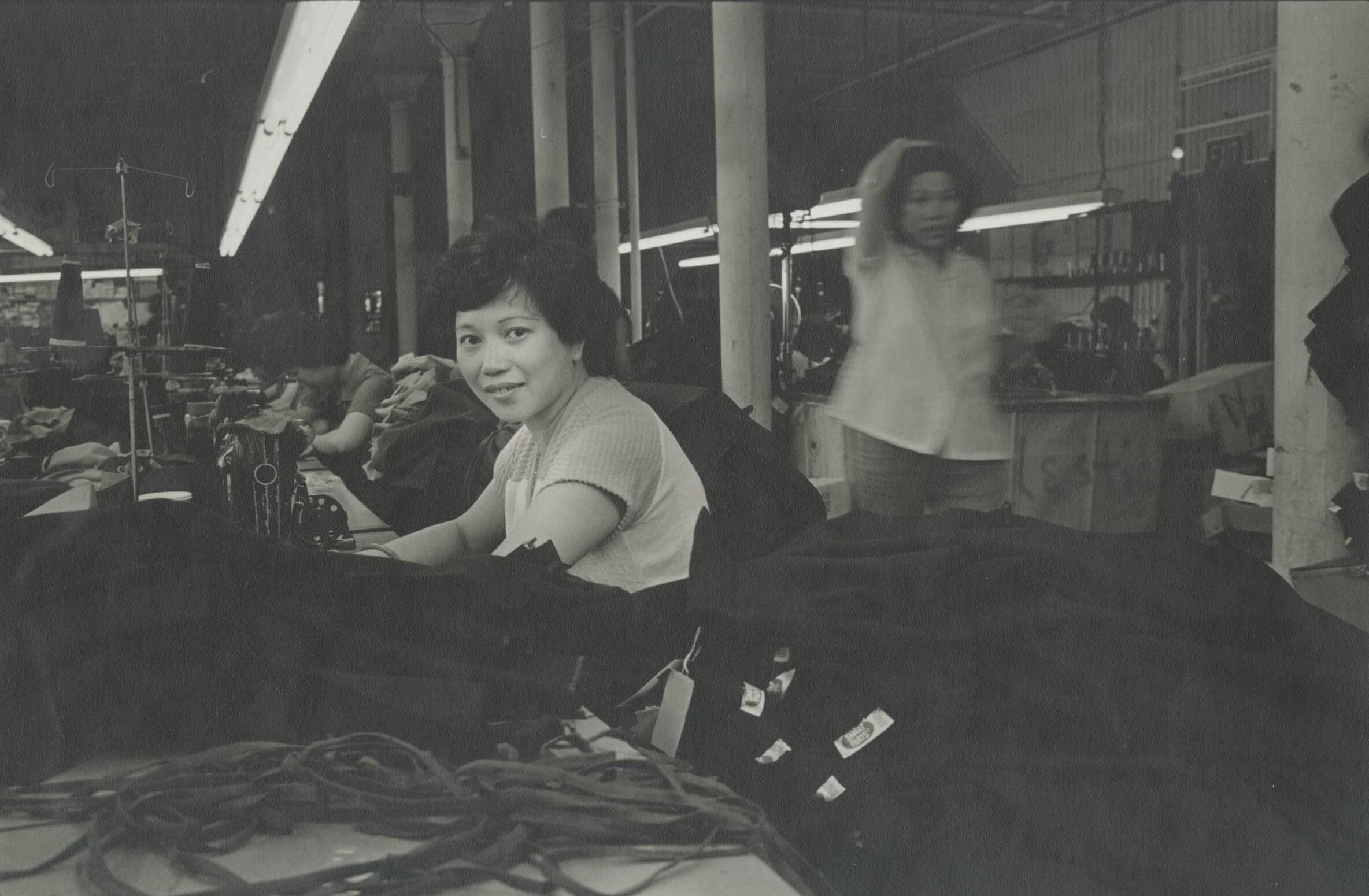
Woman At Work in Chinatown Factory
A woman working at a garment factory on Canal Street in New York City’s Chinatown.
-
Image
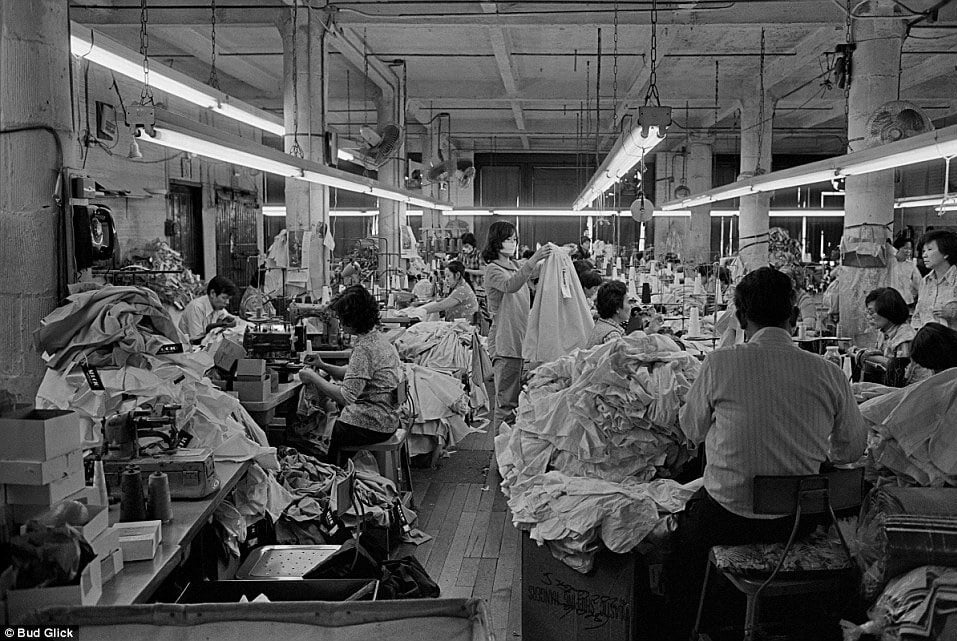
Chinatown Garment Factory Floor
An inside look of the floor layout in a garment factory located in New York City’s Chinatown, c. 1980.
-
Text
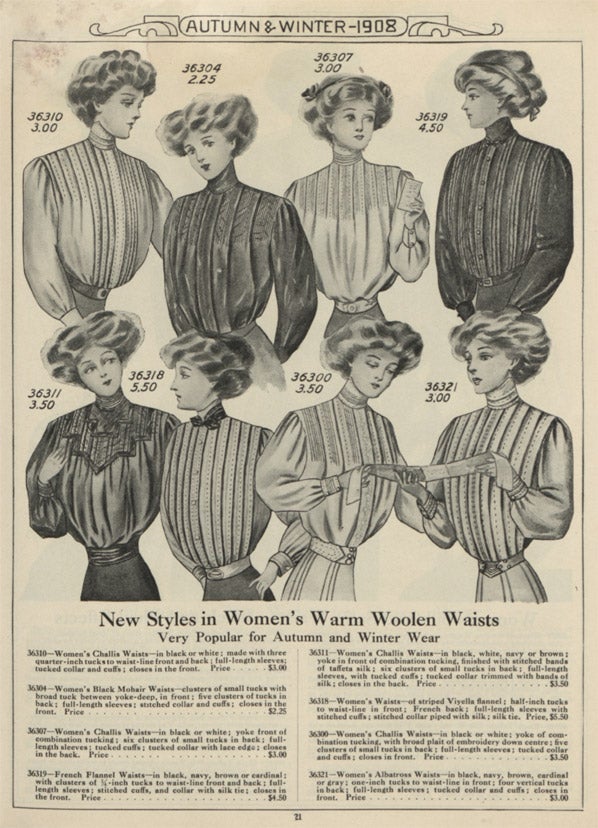
1910 Ad for Shirtwaists
A 1910 advertisement for shirtwaists, a relatively simple and functional ready-to-wear garment that was inexpensive to manufacture. At the time, over a third of the nation’s ready-to-wear clothing was produced by New York City’s garment industry.
-
Image
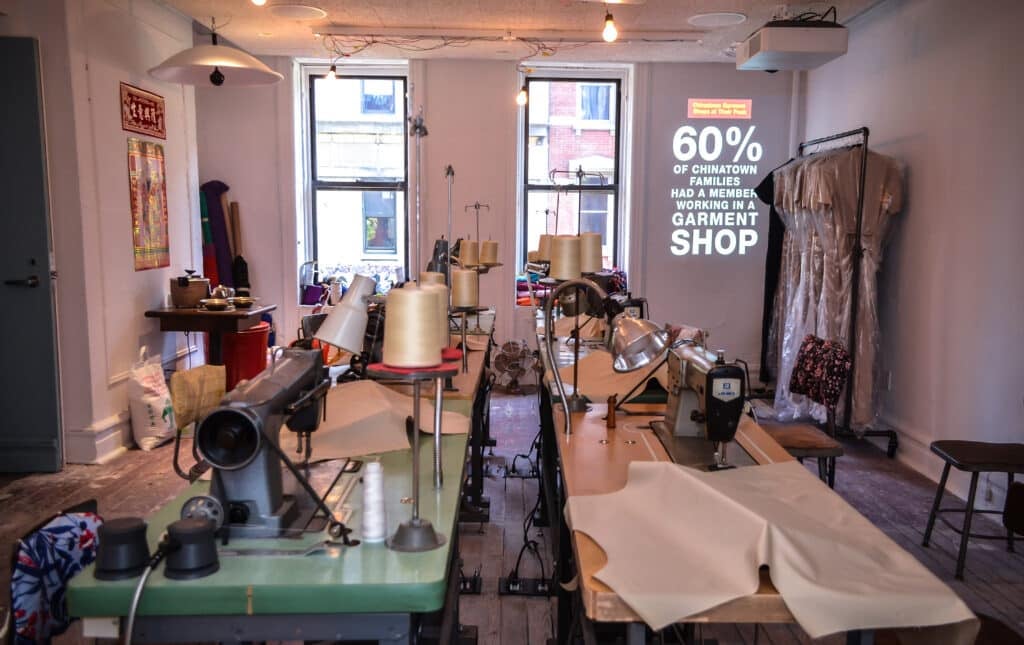
Museum Exhibit of Chinatown Sewing Factory
This photograph of a permanent exhibit at the Tenement Museum depicts a replica of a typical New York Chinatown sewing factory from the 1980s.
-
Image
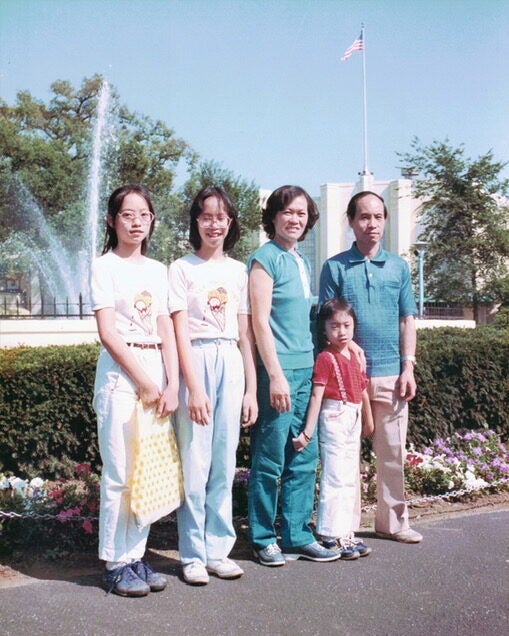
Chinese Garment Worker and Family
Mrs. Ma (third from left) and her family on a 1983 family vacation to Philadelphia and Washington, DC. The Ma family immigrated to the US from Hong Kong in August of 1982.
-
Image
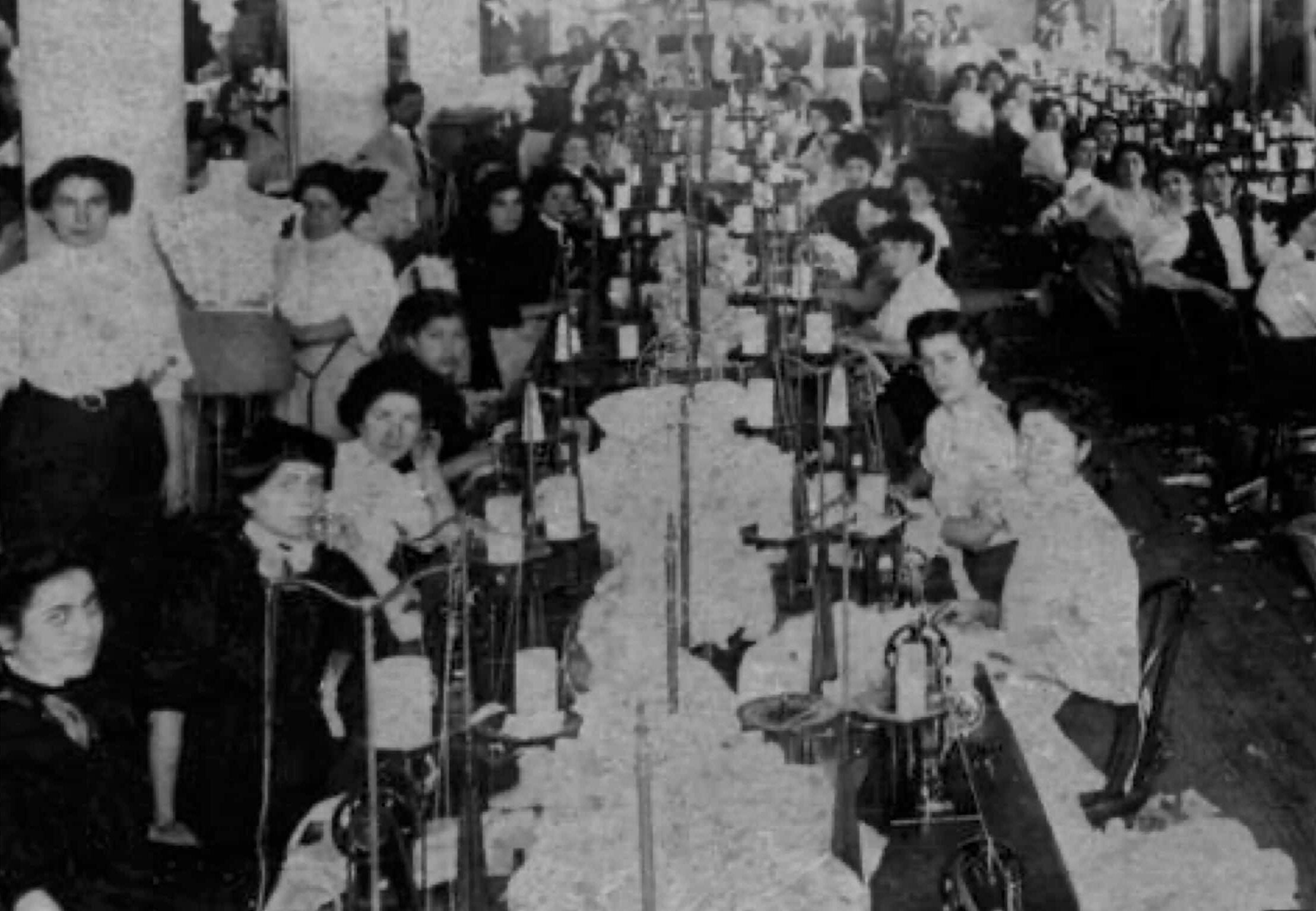
1910 Garment Factory
This 1910 garment factory photo looks a little different from the other photographs in this chapter, which were taken in the 1970s—1980s. What are the differences? What are the similarities?
-

Text
Honoring Chinatown’s Garment Workers
-
Video
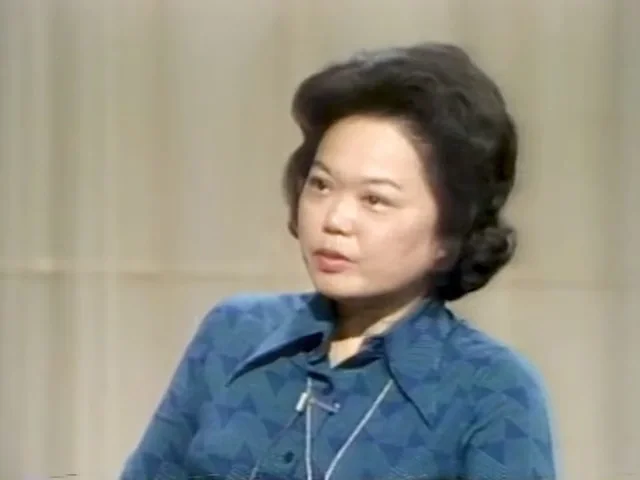
Patsy Mink Interview
In this 1974 interview with Wendy Ross of the US Information Service, alongside Congresswoman Martha Griffiths, Mink speaks passionately about her bill, the Women’s Educational Equity Act, which she proposed as a curricular companion to Title IX, expanding the vision and dream of women in various professional roles.
Featured in:
Patsy Takemoto Mink: Fierce and Fearless, Module 4
-
Image
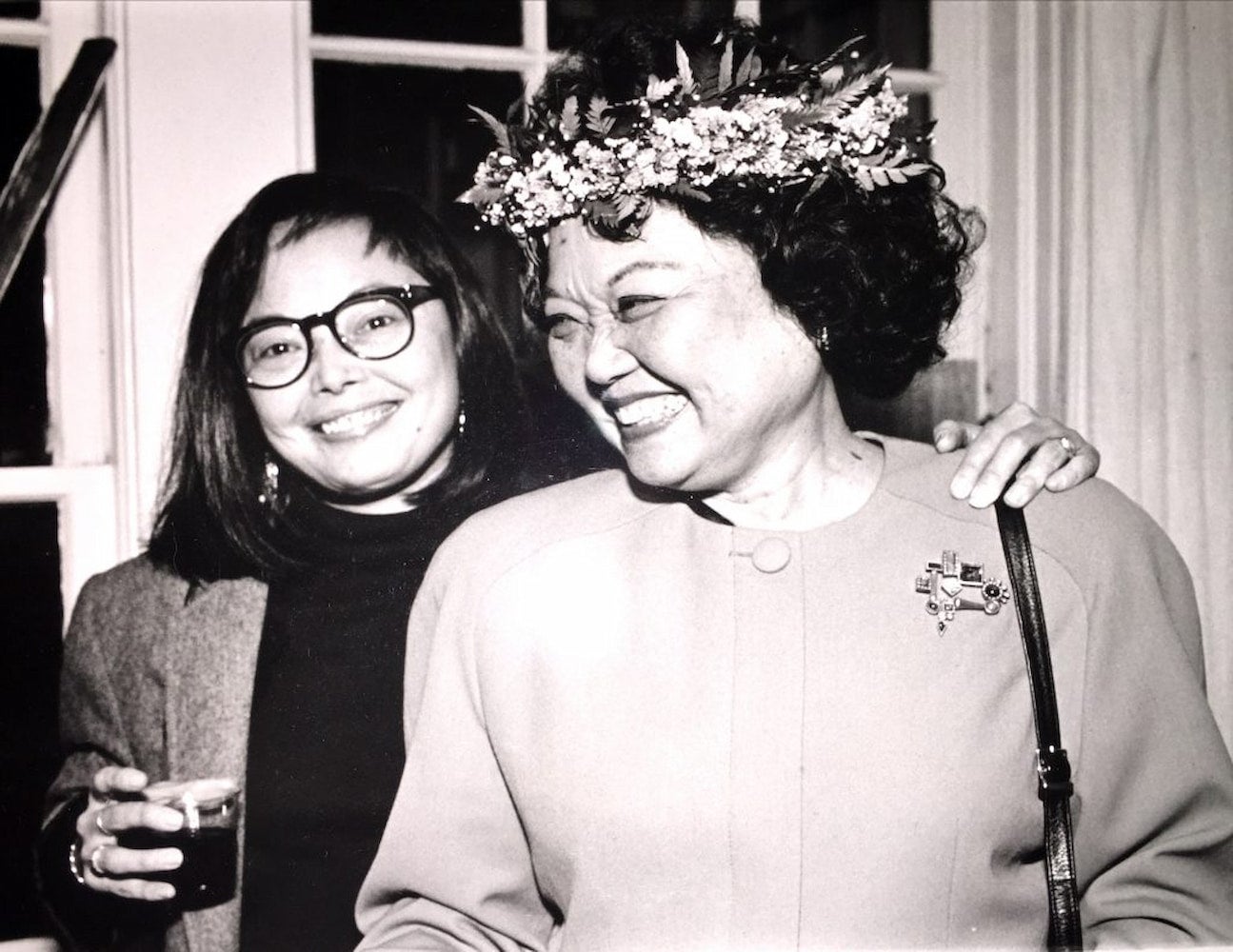
Mink With Daughter Gwendolyn
While Mink dealt with exclusion when applying for medical schools, little would she know that her daughter, Gwendolyn or “Wendy,” (left) would, too, face quotas that capped admission for women. Mink aimed to expand these opportunities.
Featured in:
Patsy Takemoto Mink: Fierce and Fearless, Module 4
-
Image
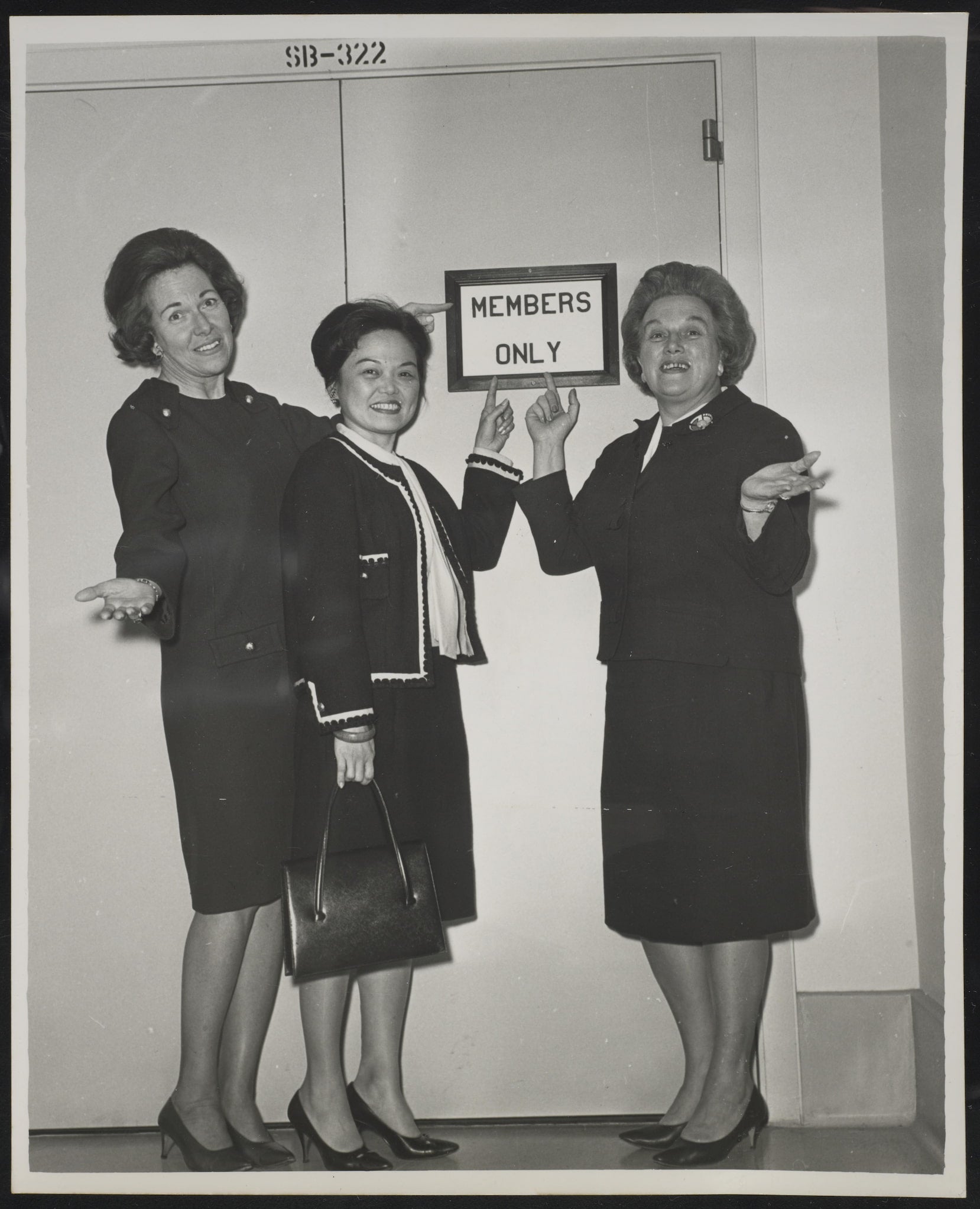
“Members Only” Sign
Mink (center) built bridges with many, including Congresswomen Charlotte Reid (left) and Catherine May (right), to advocate for equal opportunity.
Featured in:
Patsy Takemoto Mink: Fierce and Fearless, Module 4
-
Image
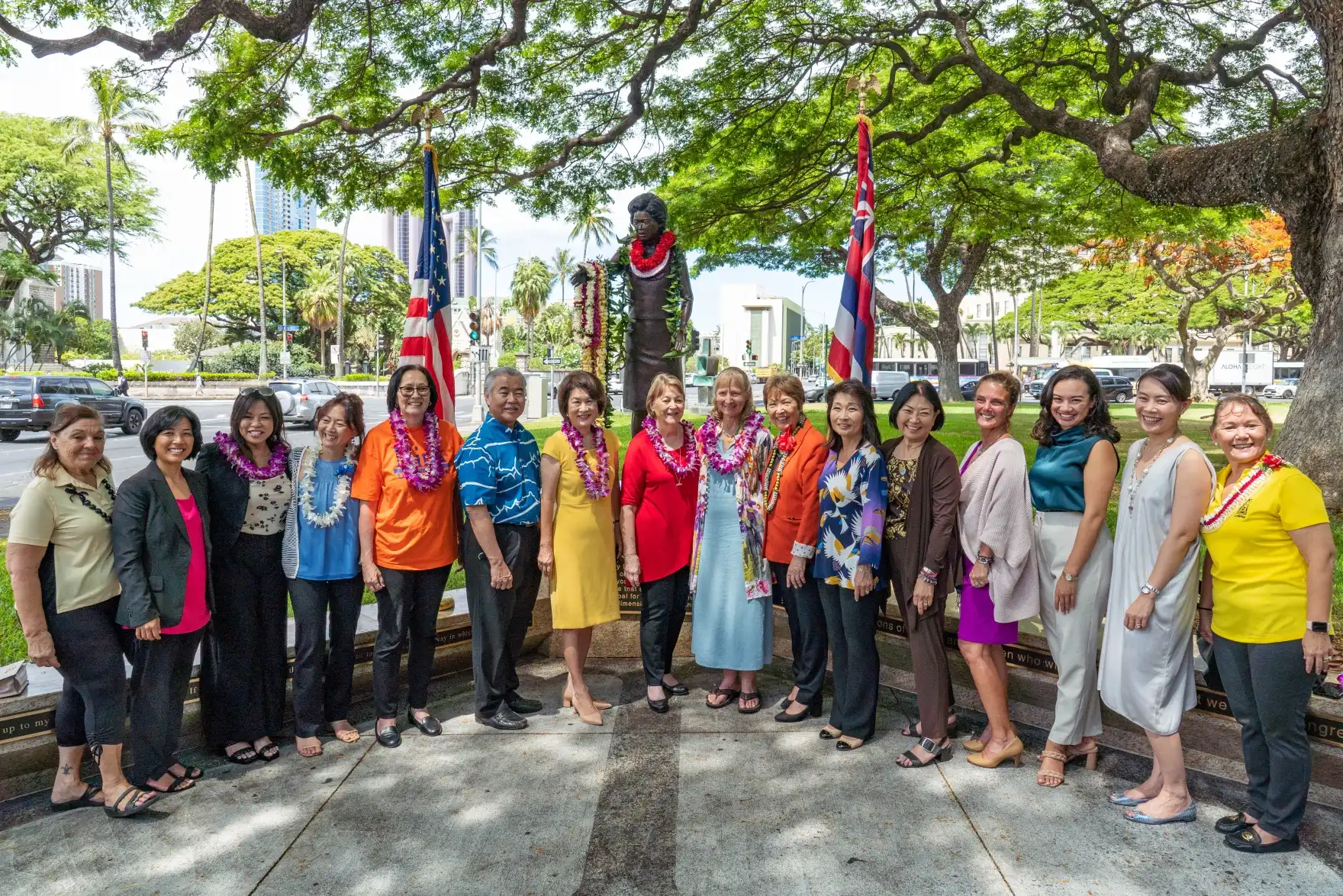
Local Women’s Organizations Celebrate Mink
With her many contributions to the Hawaiian people and the land, a statue of Mink was erected in front of the Hawaiʻi State Library. She continues to be represented by both the American and Hawaiian flag, surrounded by past and present local communities.
Featured in:
Patsy Takemoto Mink: Fierce and Fearless, Module 3
-
Image
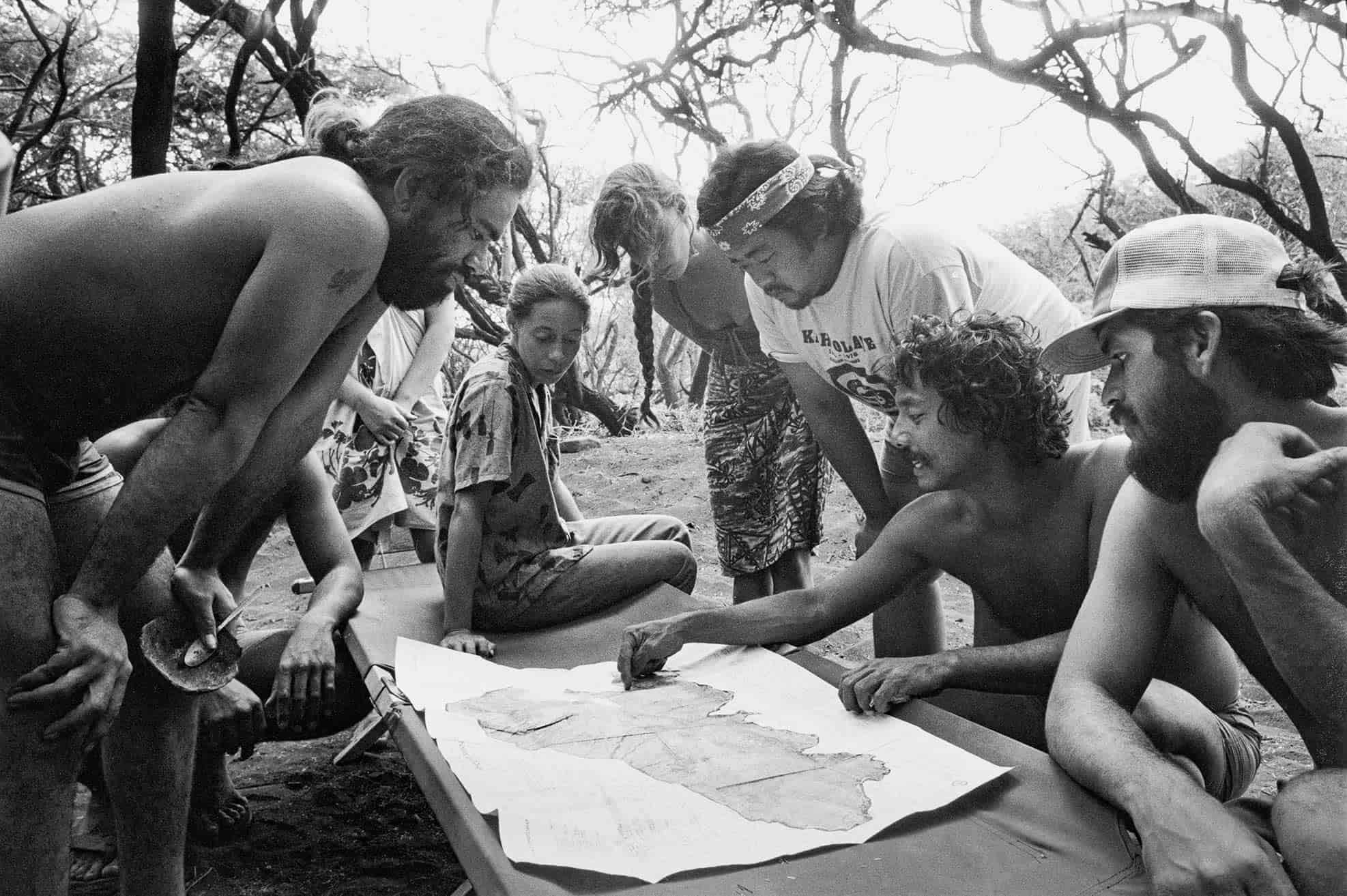
Preparing To Hike Kahoʻolawe
Grassroots activists prepare to survey Kahoʻolawe in 1976. Thanks in part to Mink’s advocacy, Congress finally voted to return the sacred land back to Hawaiʻi and end military testing there in 1993 after decades of sustained resistance.
Featured in:
Patsy Takemoto Mink: Fierce and Fearless, Module 3
-
Text
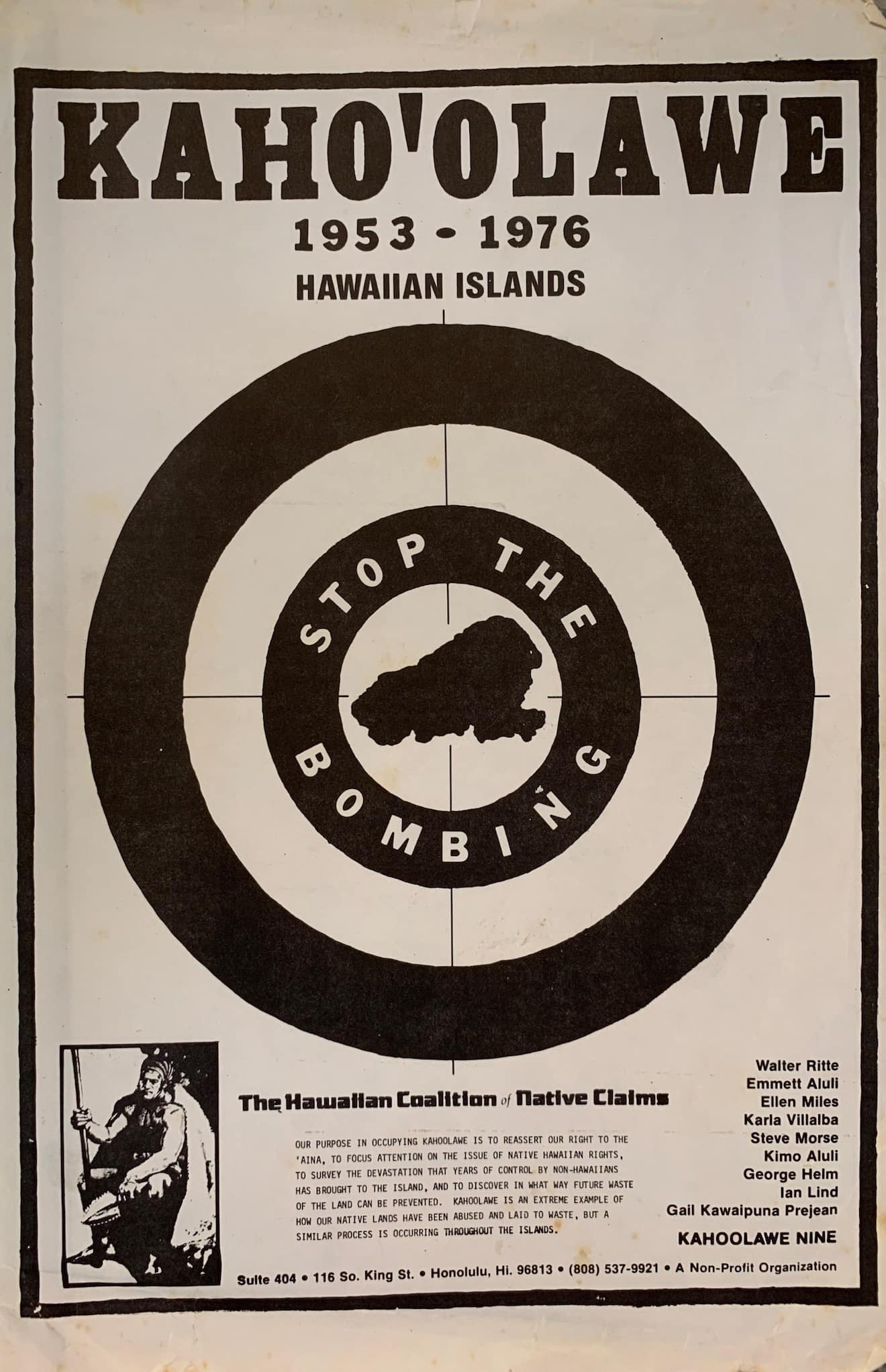
Stop The Bombing
The Protect Kahoʻolawe ‘Ohana movement spread as a grassroots and island-led initiative representing Native Hawaiian rights. Together, Mink and the Native activists in Hawai‘i sought to protect the environment from bombing and excessive commercial development.
Featured in:
Patsy Takemoto Mink: Fierce and Fearless, Module 3
-
Image
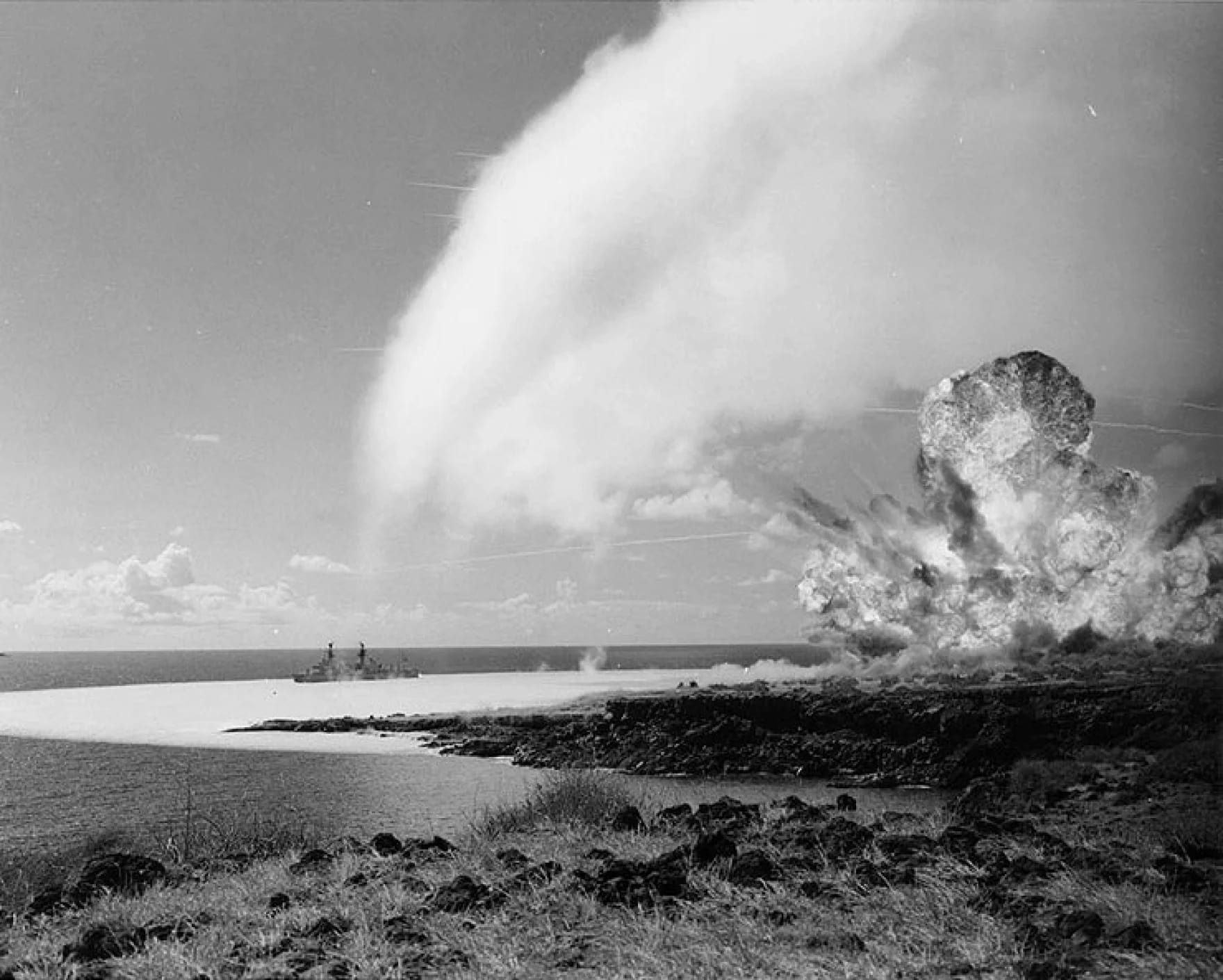
Kahoʻolawe Bombing
The movement to stop military testing on Kahoʻolawe became part of a broader movement for Native Hawaiian sovereignty. In the modern era, the 45 square mile area has been dubbed “the most shot island in the world.”
Featured in:
Patsy Takemoto Mink: Fierce and Fearless, Module 3
-
Image
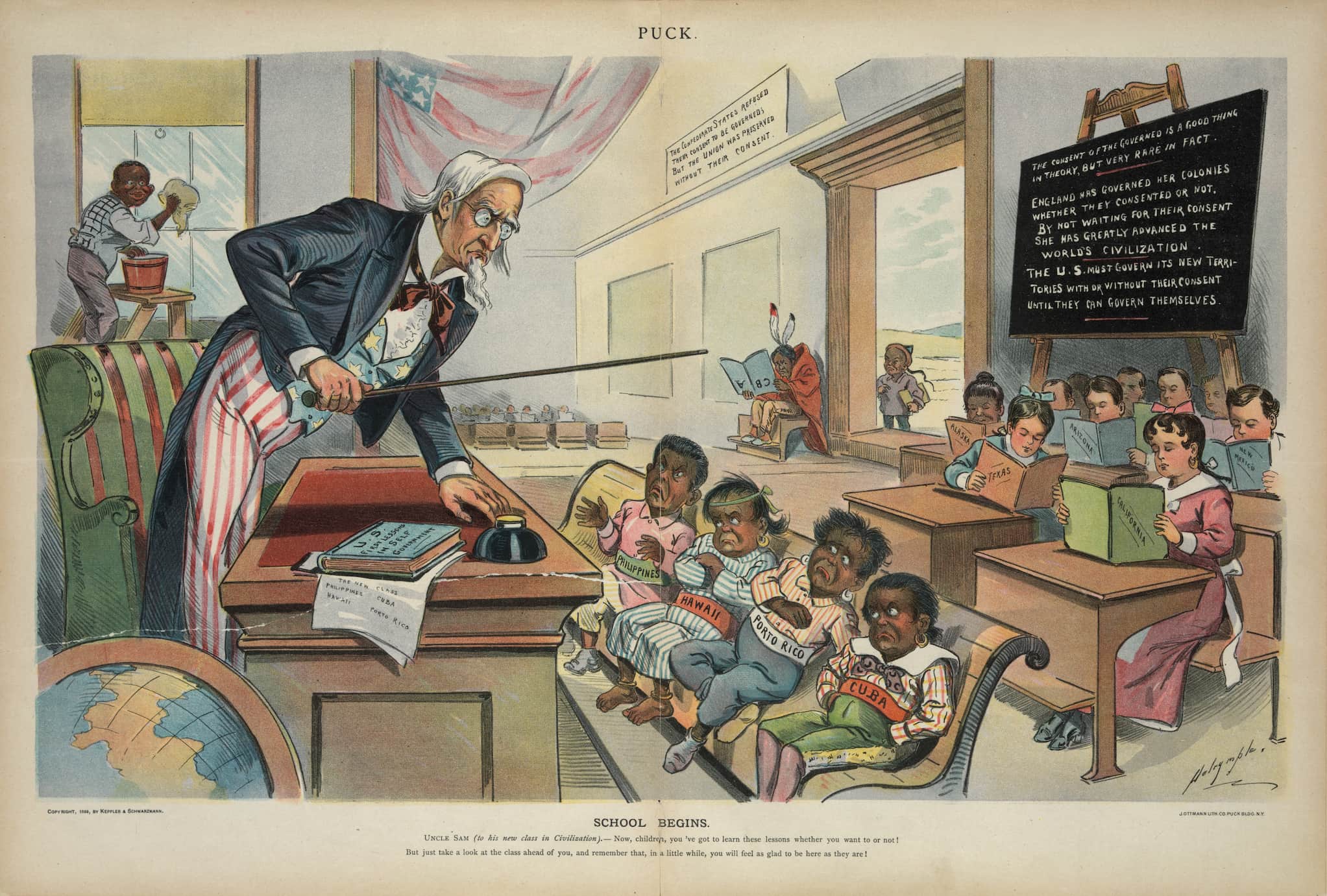
Uncle Sam’s Civilization Class
In this depiction, the territories taken over and controlled by the US after the Spanish American War – Puerto Rico, Cuba, Guam, and the Philippines – are shown as inferior, dark, defiant, barbaric characters reflecting the racism within the pro imperialist perspective.
Featured in:
Patsy Takemoto Mink: Fierce and Fearless, Module 3
-
Image
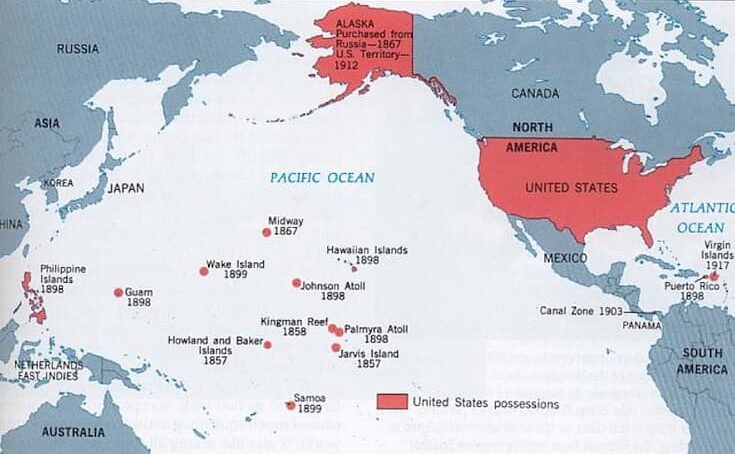
Map of Pacific Rim Countries
This map of the US Pacific and the Caribbean shows the dates in which the US acquired territories.
Featured in:
Patsy Takemoto Mink: Fierce and Fearless, Module 3
-
Text
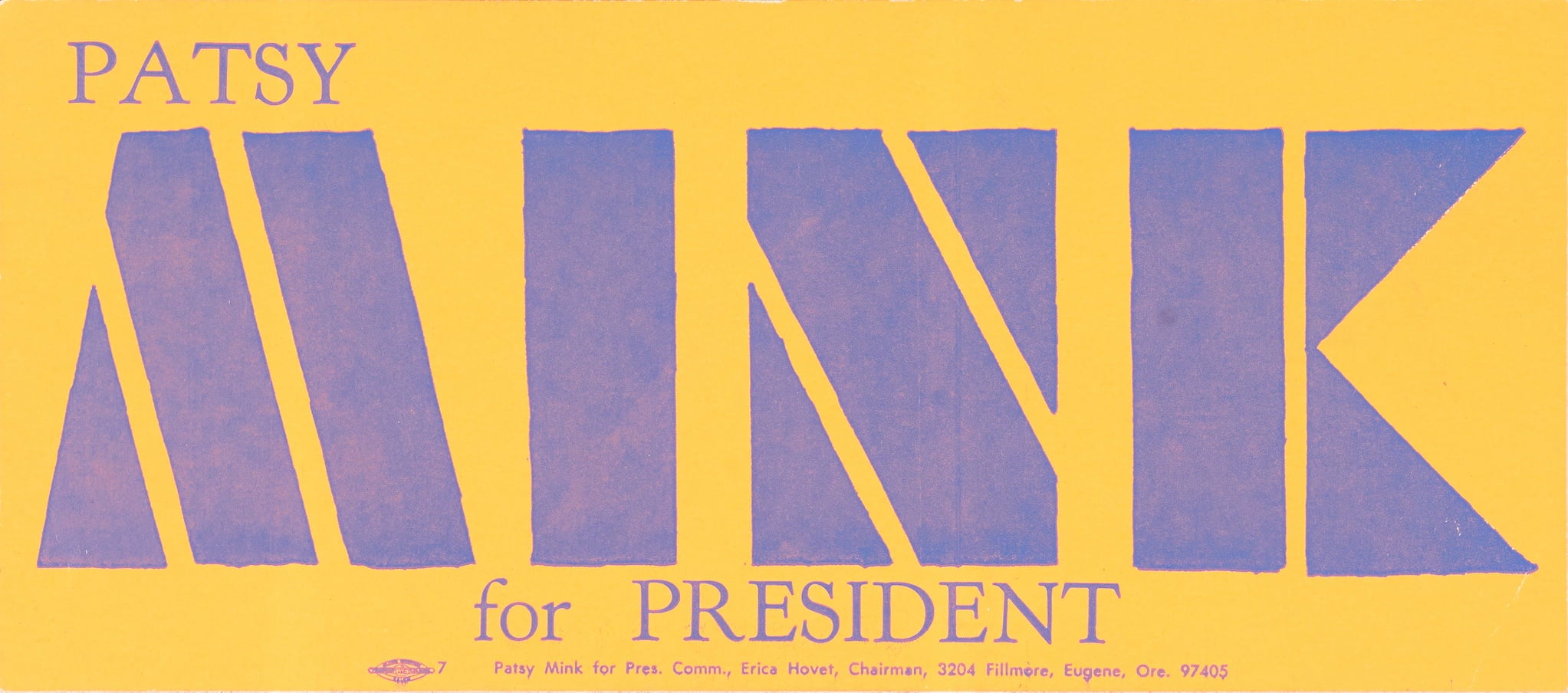
Patsy Mink for President
In 1972, Mink became one of the first women to run for president of the United States. While she did not win, she called attention to the growing movement to end the US war in Vietnam and tend to urgent social needs at home.
Featured in:
Patsy Takemoto Mink: Fierce and Fearless, Module 2
-
Image
Bella Abzug, Nguyen Thi Binh, and Mink
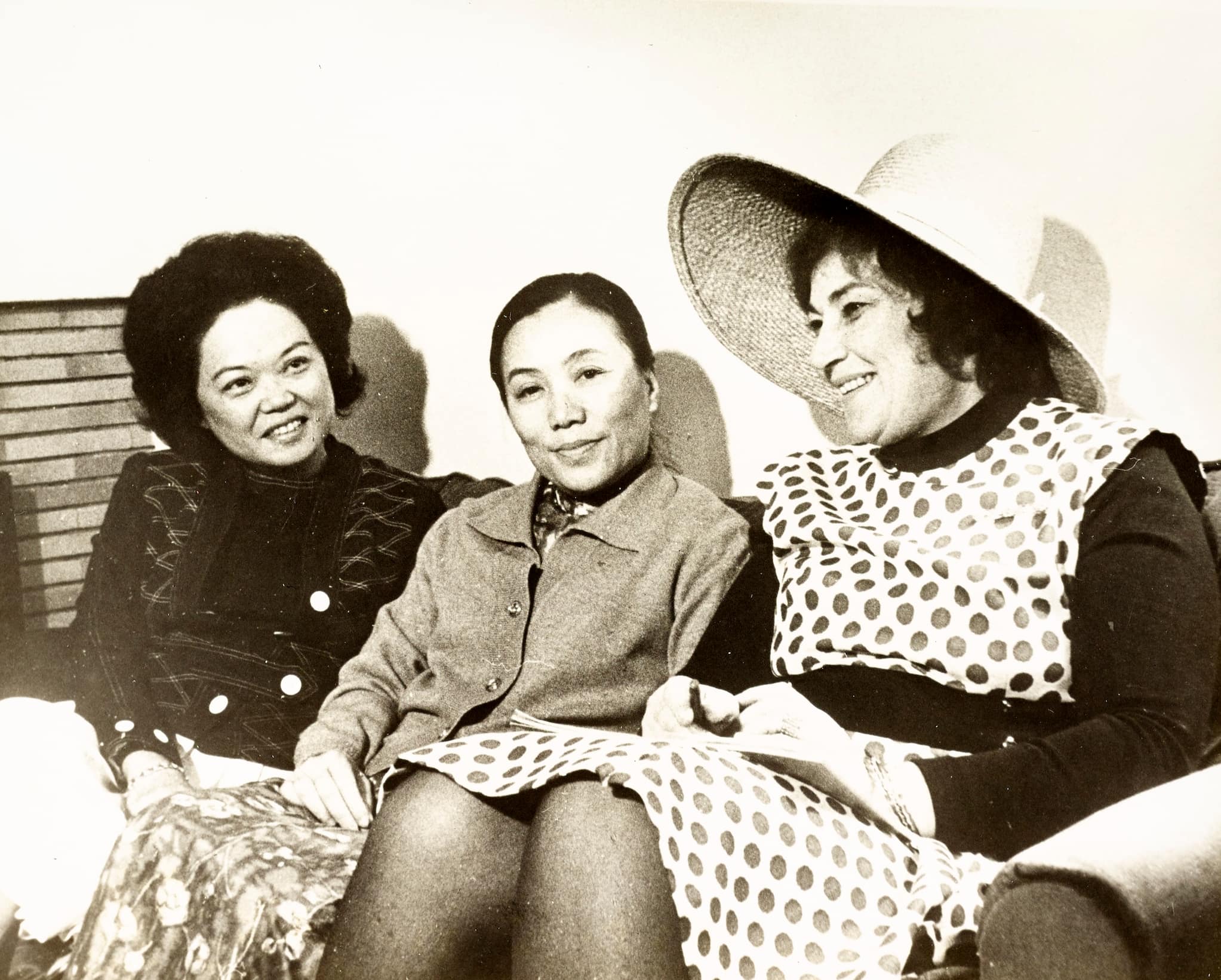
Patsy Mink (left) and US representative Bella Abzug (right) traveled to Paris in 1972 to negotiate peace with Madame Nguyen Thi Binh (center), the only Vietnamese female leader who participated in the negotiations for peace with the United States that resulted in the Paris Peace Accords.
Featured in:
Patsy Takemoto Mink: Fierce and Fearless, Module 2
-
Image
1970 Asian Americans for Peace Rally
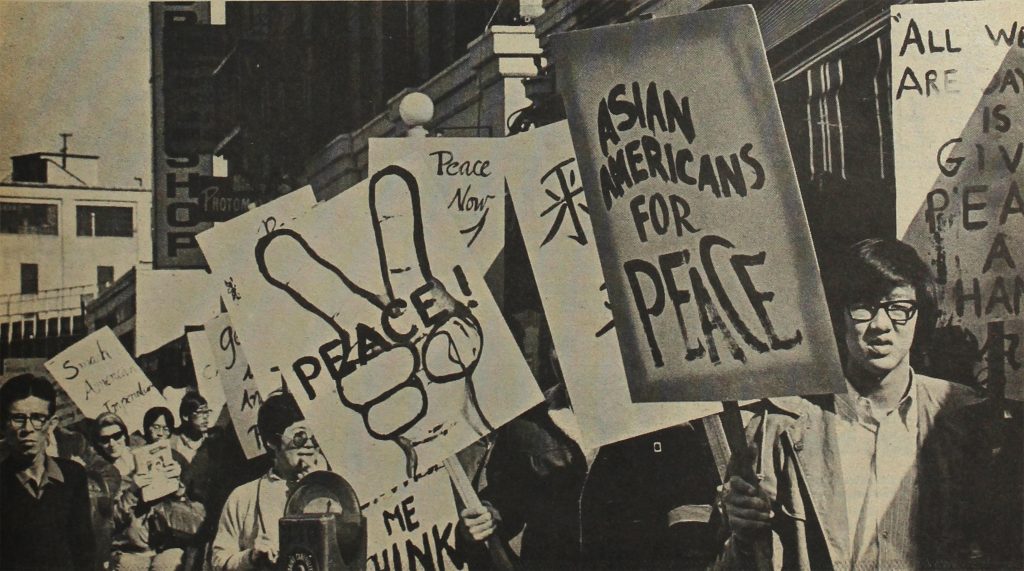
Mink strongly advocated for the end of the Vietnam War, stating: “All Vietnamese stooping in the rice fields are pictured as the enemy, sub-human without emotions and for whom life is less valuable than for us.”
Featured in:
Patsy Takemoto Mink: Fierce and Fearless, Module 2
-
Image
Patsy Mink with President Lyndon B. Johnson
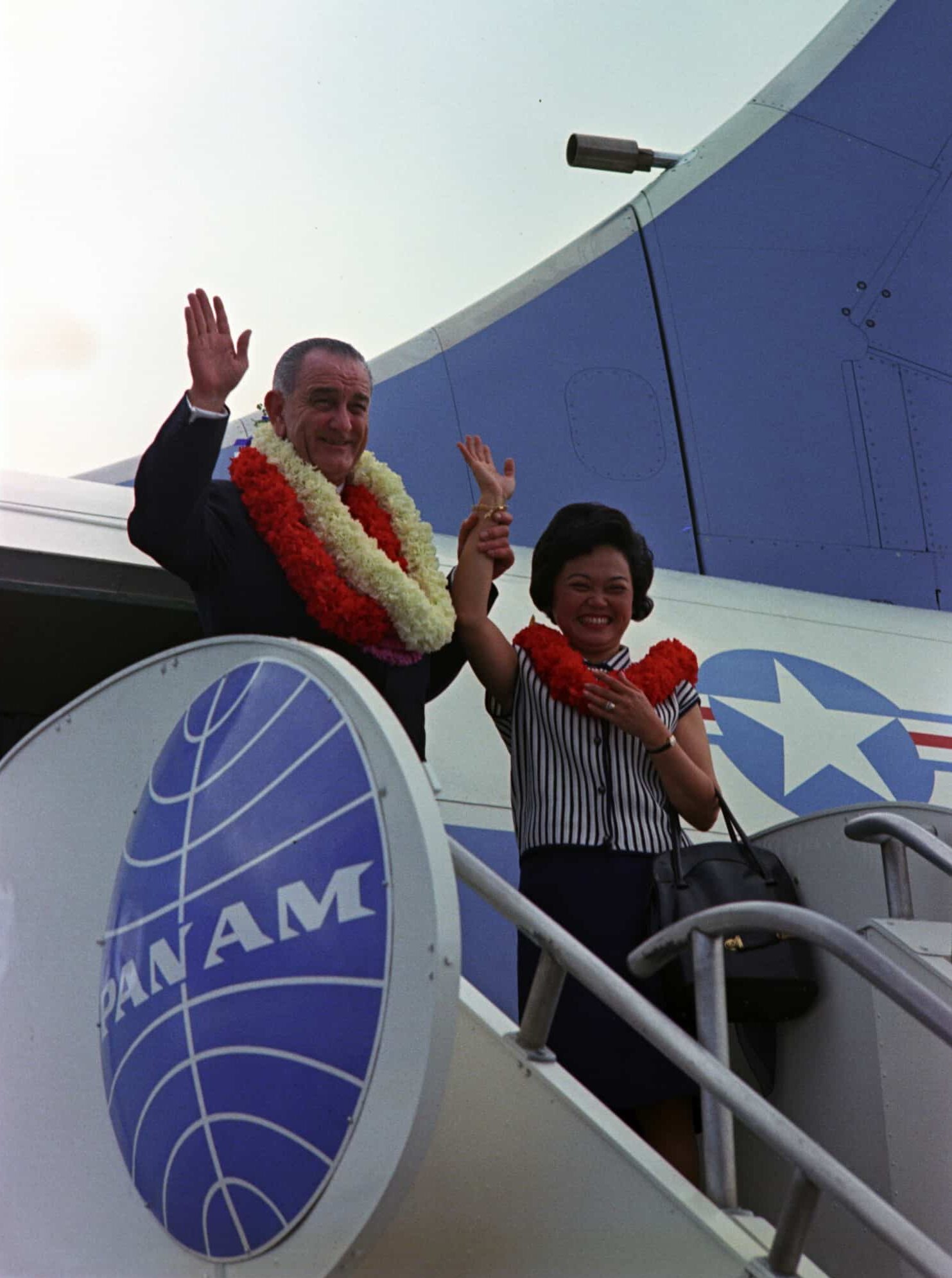
As a Democrat, Patsy Mink allied with the leader of her party, President Lyndon B. Johnson, on domestic policies such as utilizing government resources to help the poor while pushing back on his international policies.
Featured in:
Patsy Takemoto Mink: Fierce and Fearless, Module 2