



Search the Media Repository
Discover the curated images, videos, and primary sources featured throughout Foundations and Futures
History is more than just text on a page; it is the photographs, voices, and artifacts of the people who lived it. The images and recordings featured across Foundations and Futures are part of a meticulously curated media repository. Whether you are building a lesson plan or investigating an artifact, you can use this database to trace the provenance of our media: discover who created an asset, the historical context behind it, and how it can be used to bring Asian American and Pacific Islander experiences into your classroom.
Multimedia
Chapters
-
Image
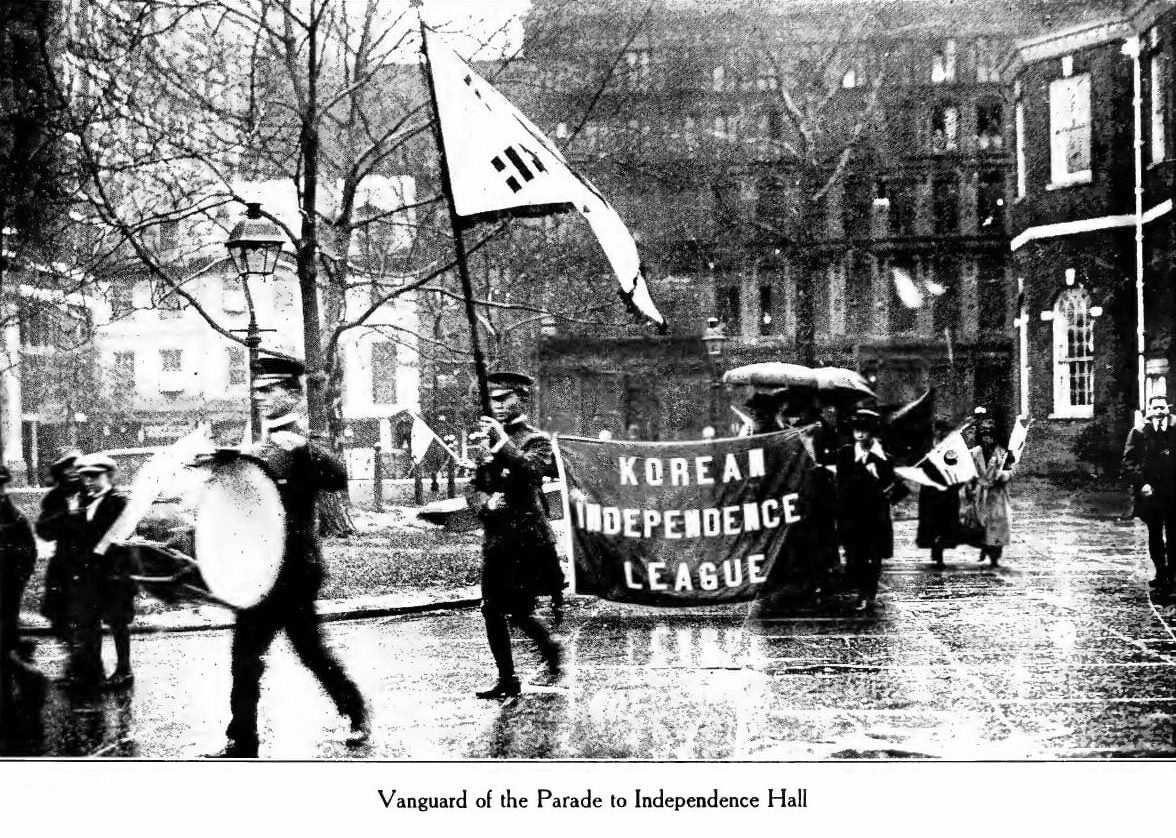
1919 First Korean Congress in Philadelphia Meeting
First Korean Congress in Philadelphia, April 1919. The goal of the meeting was to mobilize Koreans in the United States and win support from influential white Americans for the Korean independence cause.
Featured in:
Korean Americans, Module 1
-
Image
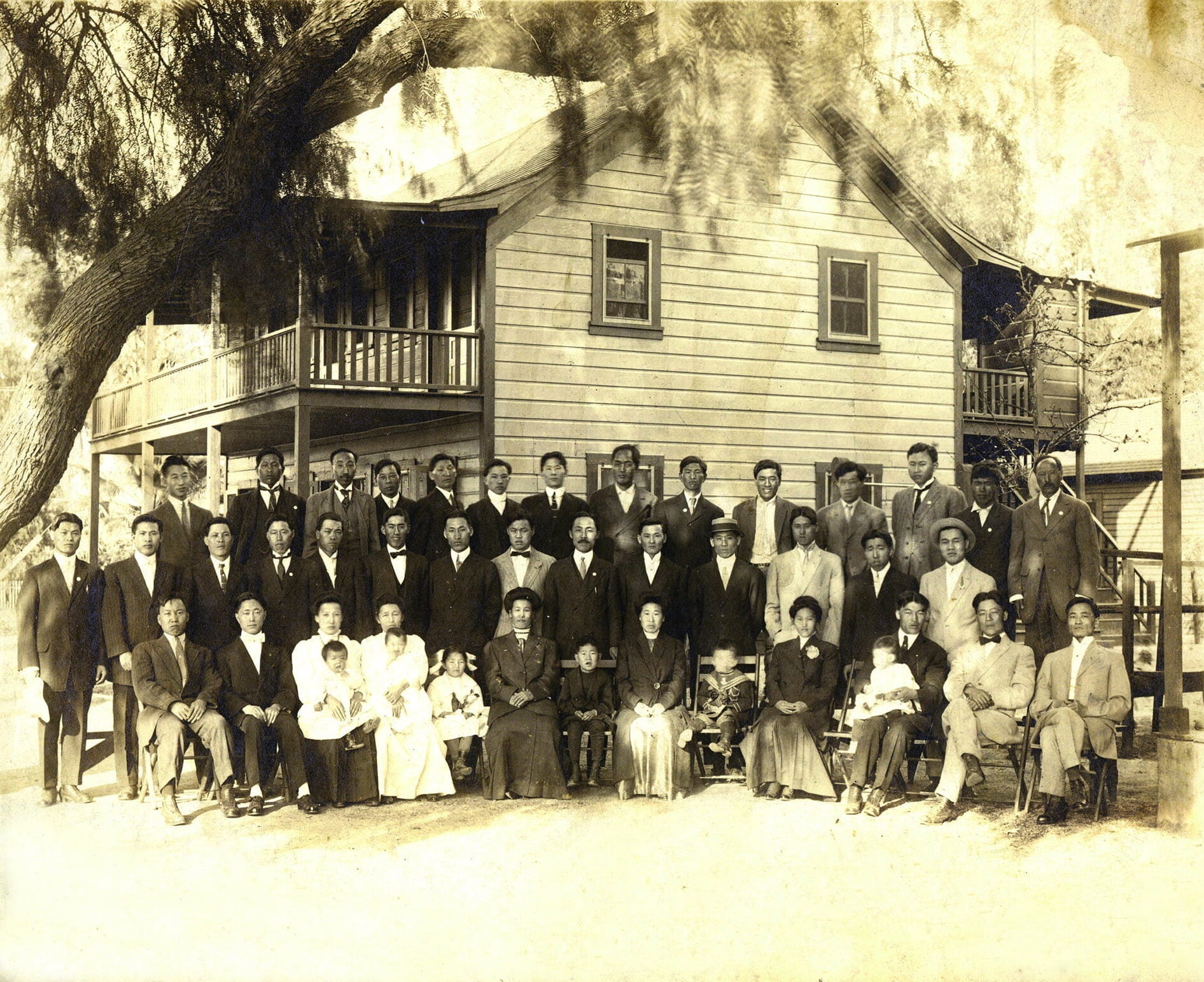
1911 Korean National Association of North America
The Korean National Association of North America, pictured here at their 1911 meeting in Riverside, California, was an influential organization founded in support of promoting Korea’s independence from Japanese colonial rule.
Featured in:
Korean Americans, Module 1
-
Video
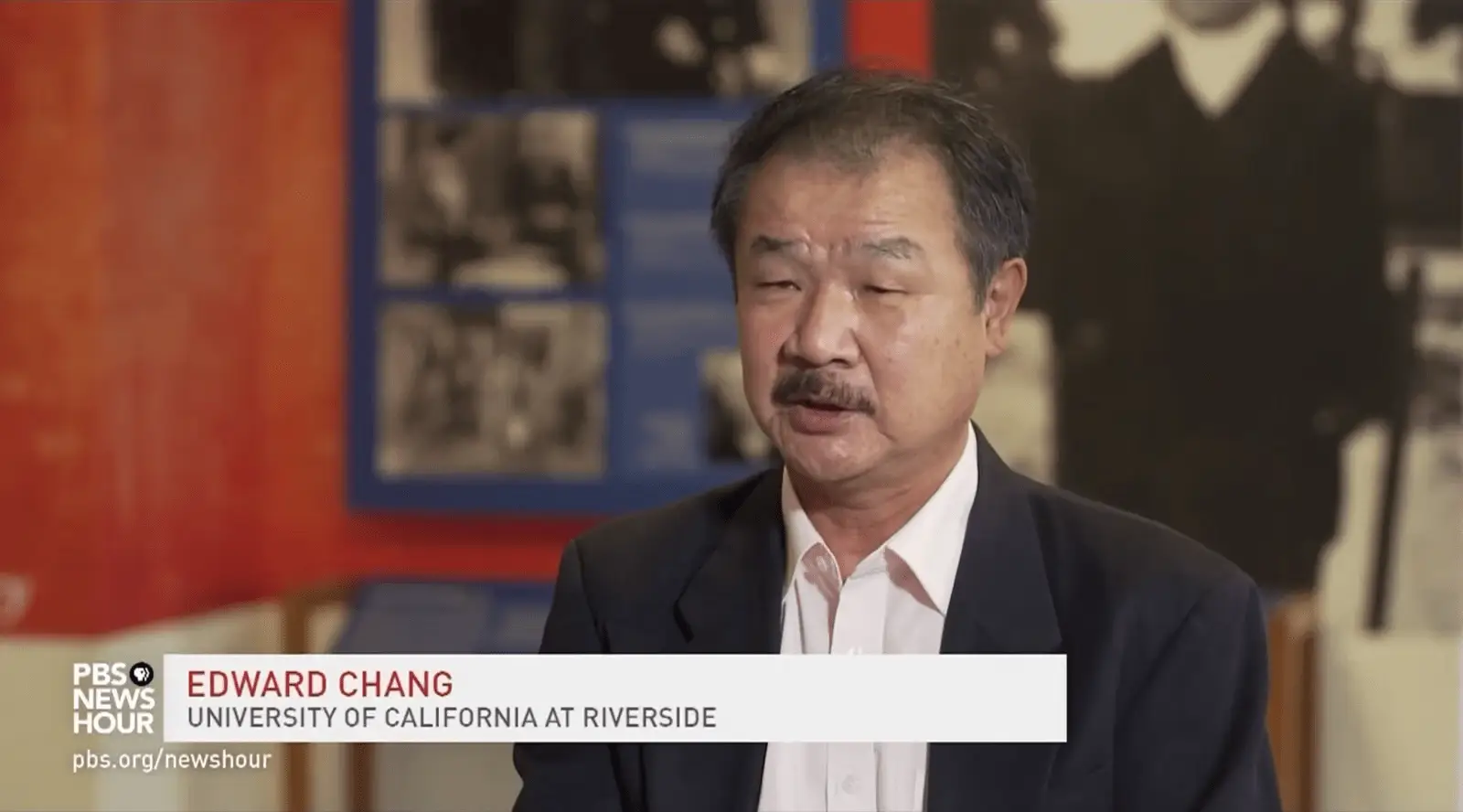
Pachappa Camp, America’s first Koreatown
An early wave of Korean immigrants formed one of the first Korean American communities at Pachappa Camp in Riverside, California. Pachappa Camp is sometimes called “America’s first Koreatown.”
Featured in:
Korean Americans, Module 1
-
Image
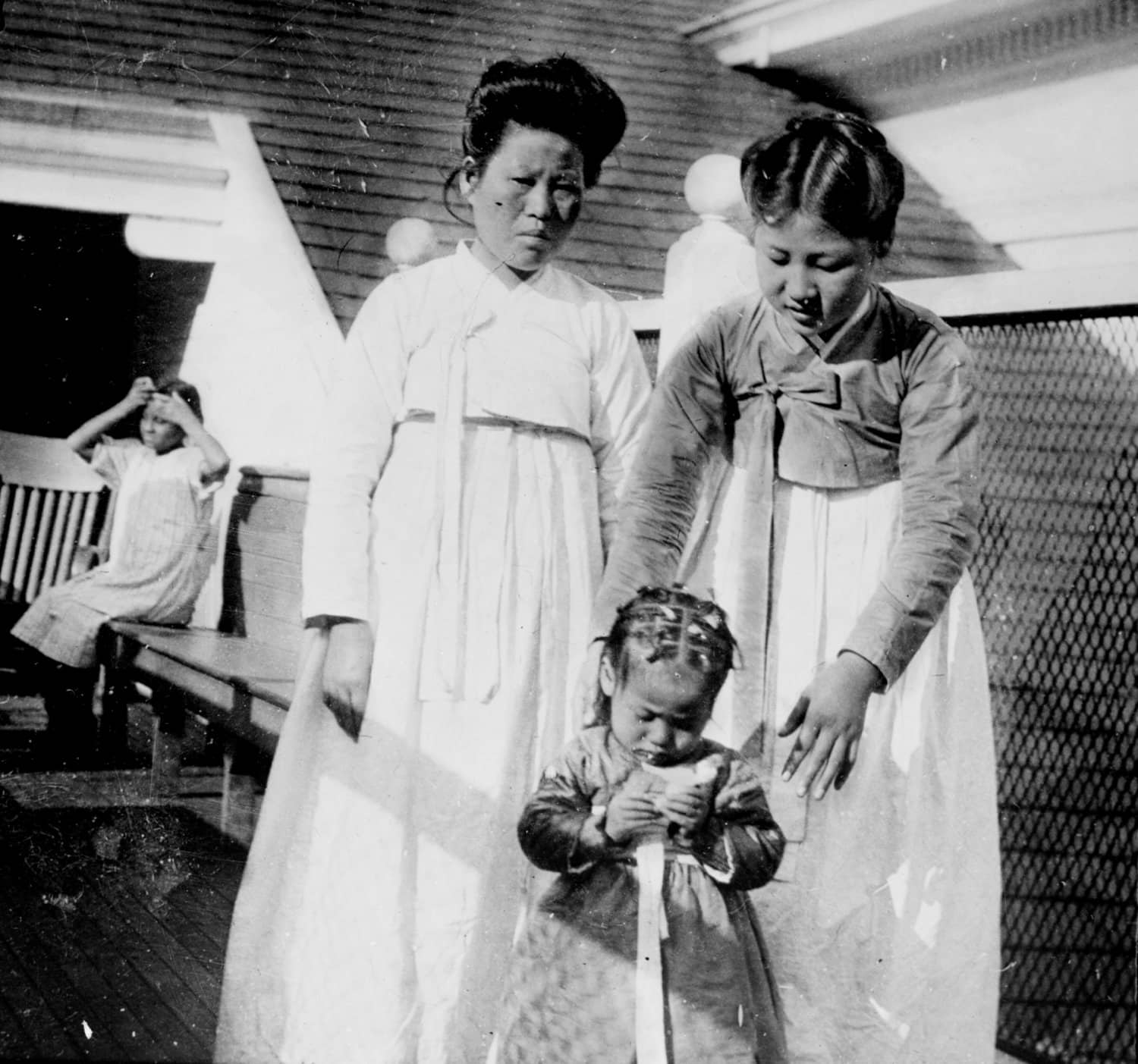
Angel Island Immigration Station
Two Korean women and a child dressed in traditional clothing at Angel Island Immigration Station. The Station, housed on Angel Island in the San Francisco Bay, was active between 1910 and 1940.
Featured in:
Korean Americans, Module 1
-
Image
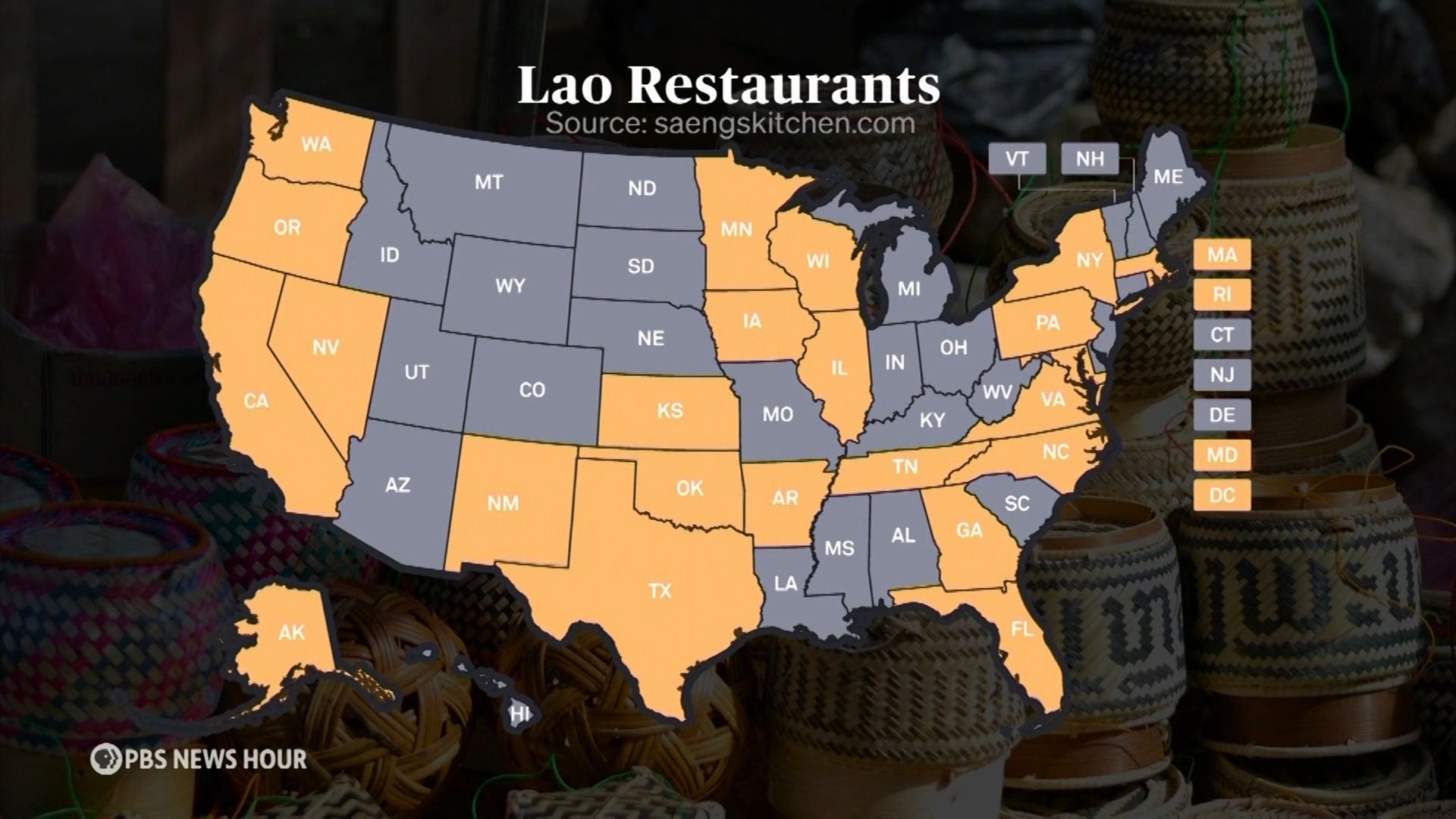
Map of Lao Restaurants
Lao-centered restaurants now stretch across the US from Morganton, North Carolina, to Wasilla, Alaska. The Lao Food Movement has become a way for Lao and Laotian Americans to shape their identity and presence in America since their resettlement in the late 1970s.
Featured in:
Laotian Americans, Module 5
-
Video
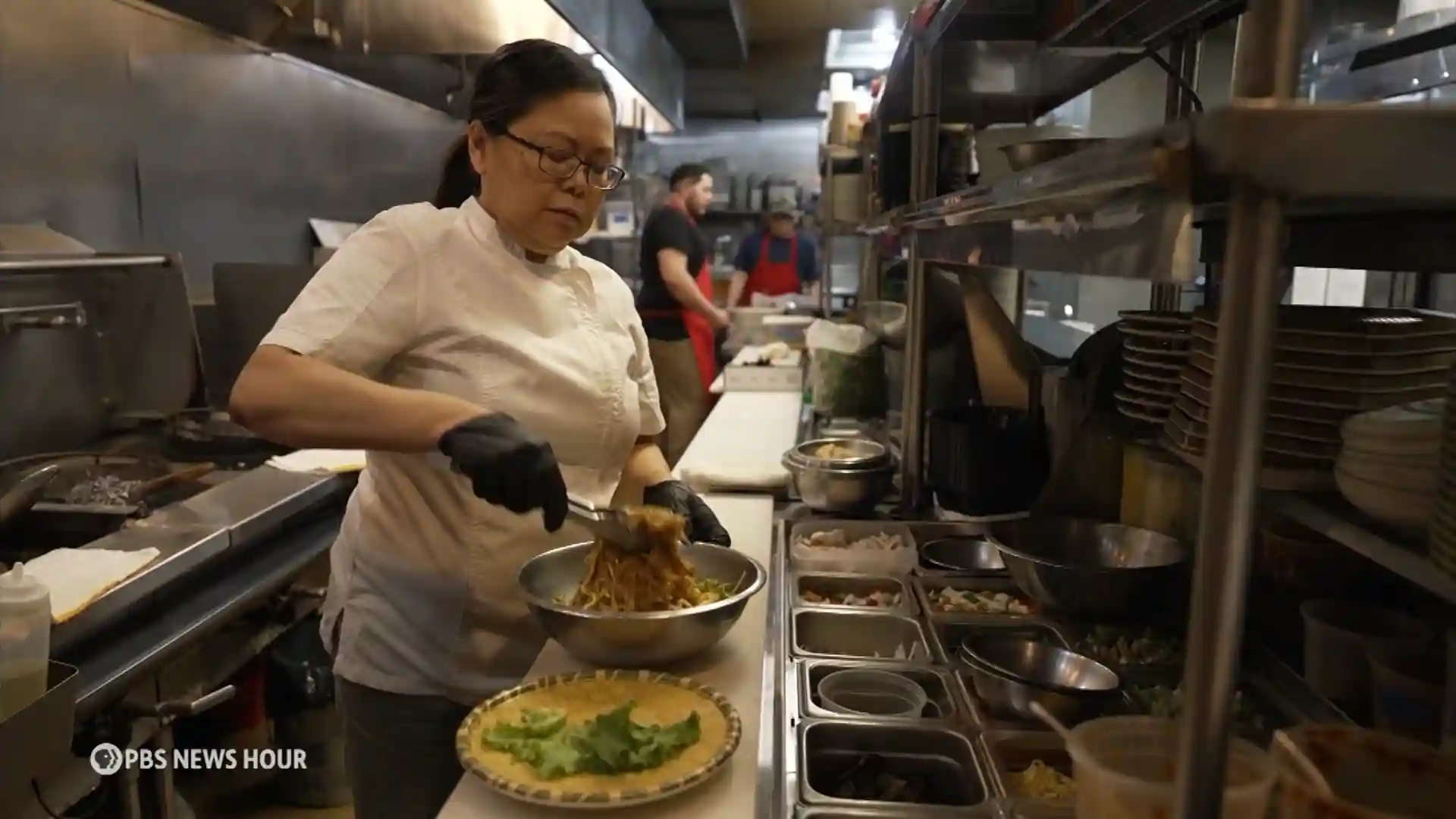
Lao Food Movement
Chef Seng Luangrath is known as the godmother of the Lao Food Movement for encouraging Laotian American chefs across the US to embrace and celebrate their heritage through cooking.
Featured in:
Laotian Americans, Module 5
-
Image
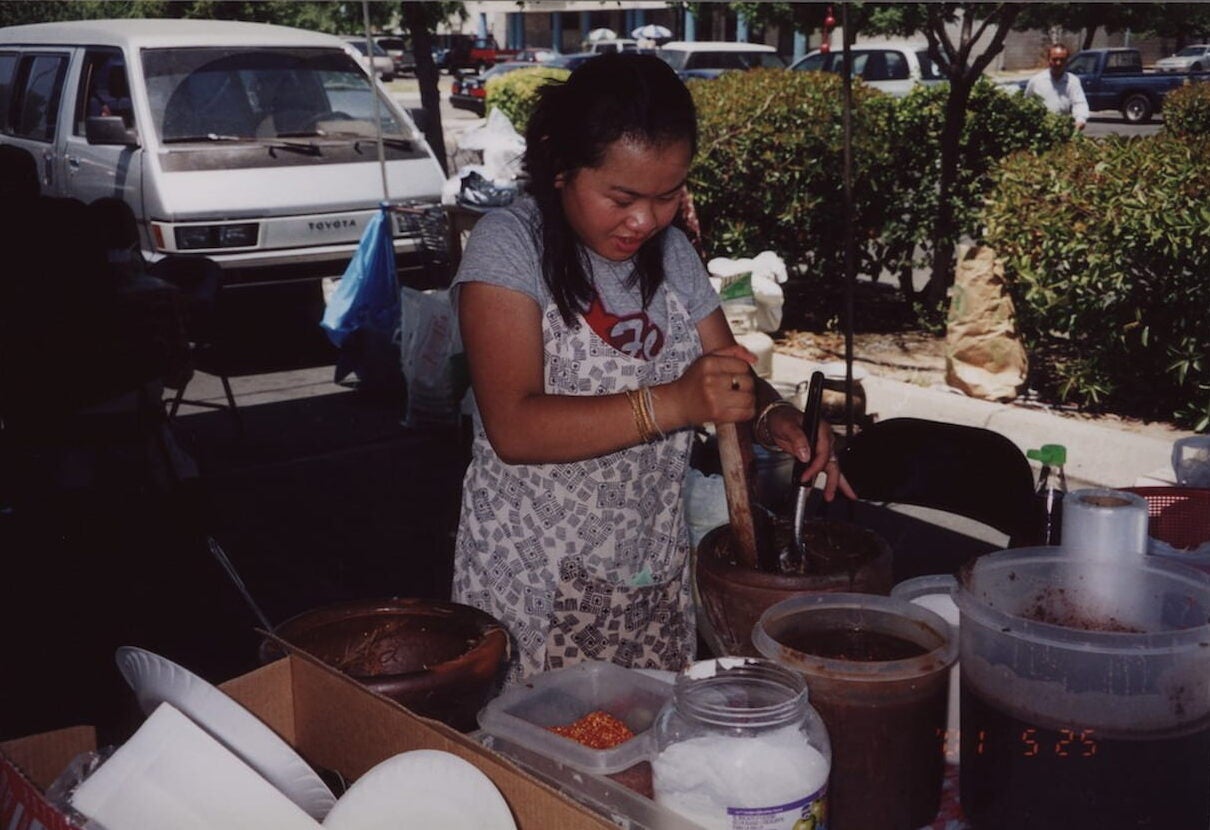
Woman Makes Papaya Salad
Woman making papaya salad in Fresno, California. Making papaya salad, or tam mak hoong, is common at Lao events.
Featured in:
Laotian Americans, Module 5
-
Video
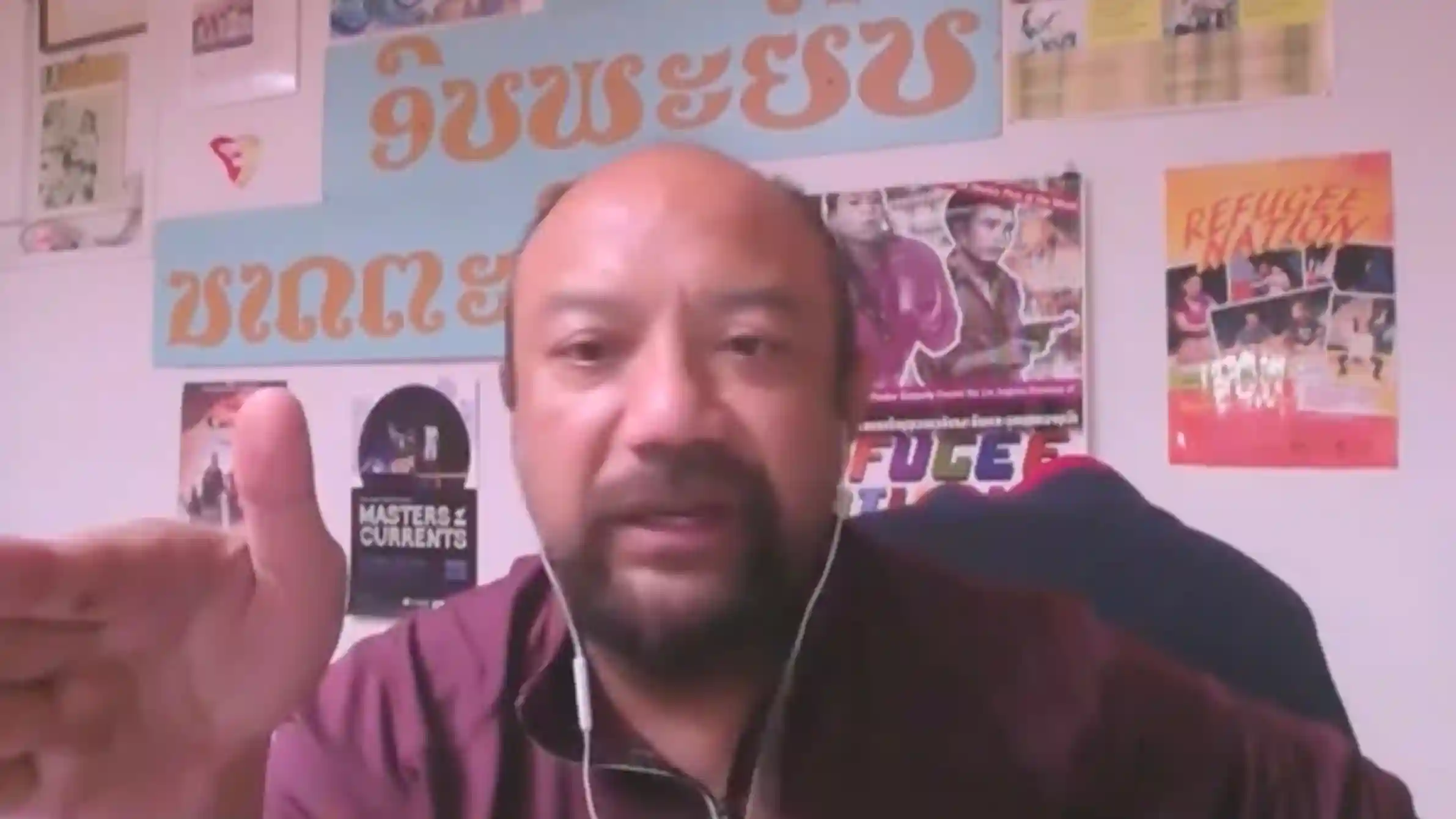
Ova Saopeng Oral History
This video shows Saopeng’s reflection on the Refugee Nation play and the importance of transmitting knowledge and history from the first to the 1.5 and second generations.
Featured in:
Laotian Americans, Module 5
-
Image
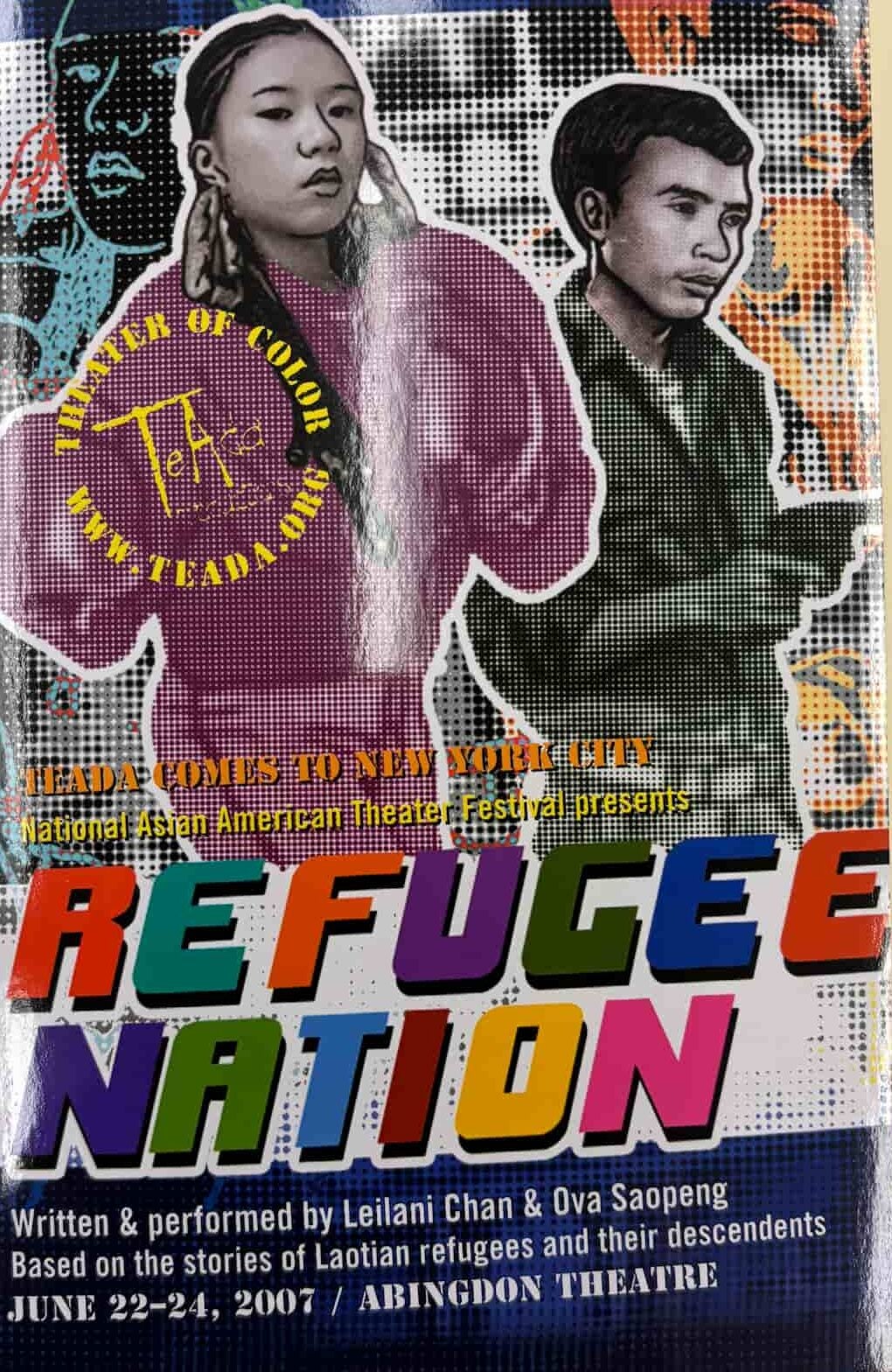
Refugee Nation
A flyer for the play Refugee Nation (2007) by Leilana Chan and Ova Saopeng, based on the stories of Laotian refugees, at Abingdon Theatre in New York City as part of National Asian American Theater Festival.
Featured in:
Laotian Americans, Module 5
-
Text
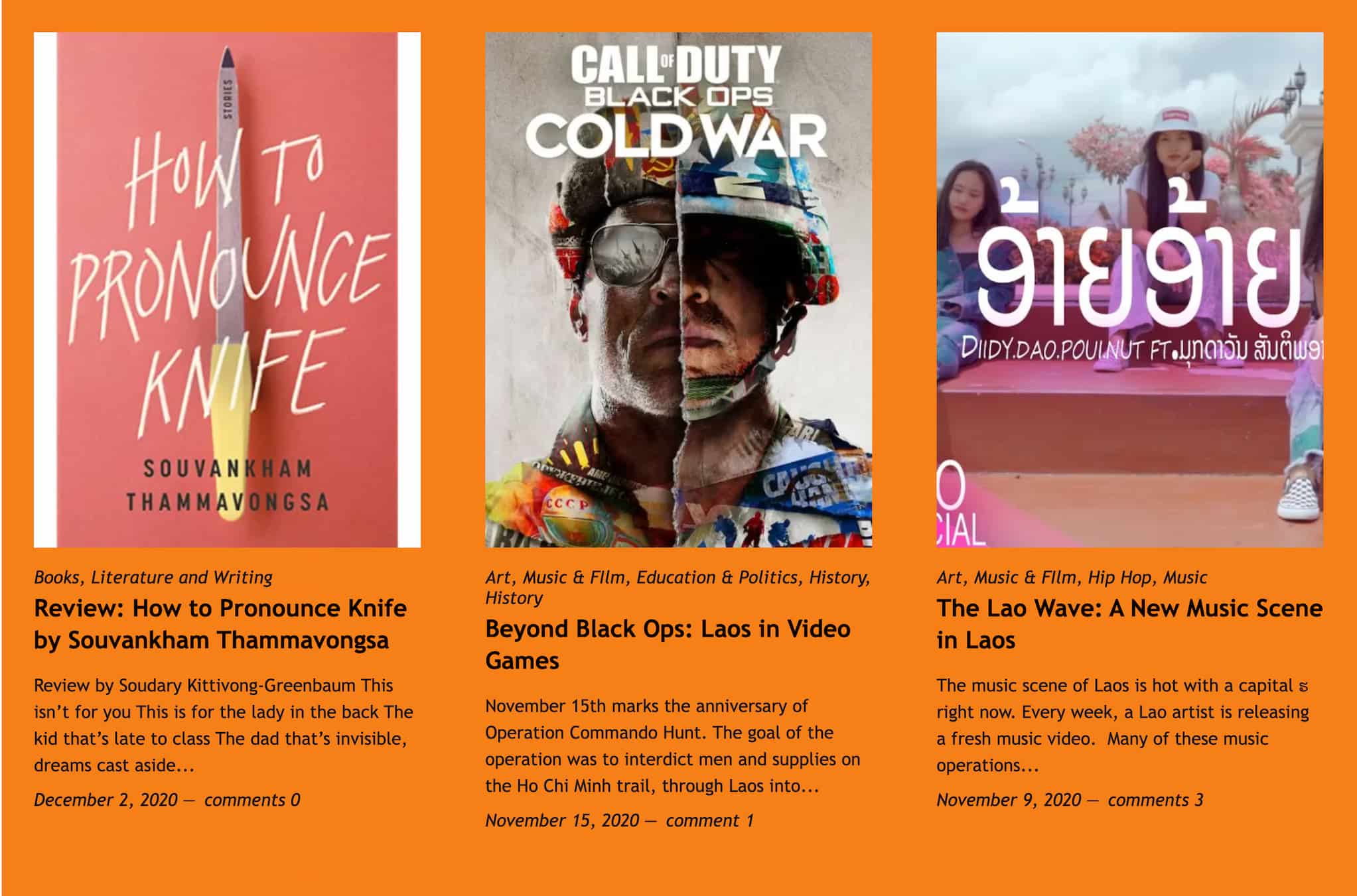
Stories from Little Laos on the Prairie
With over a thousand published stories, Little Laos on the Prairie has been “amplifying Lao’d voices” since 2011. Students can browse their website and explore a variety of stories, poetry, and reviews.
Featured in:
Laotian Americans, Module 5
-
Image
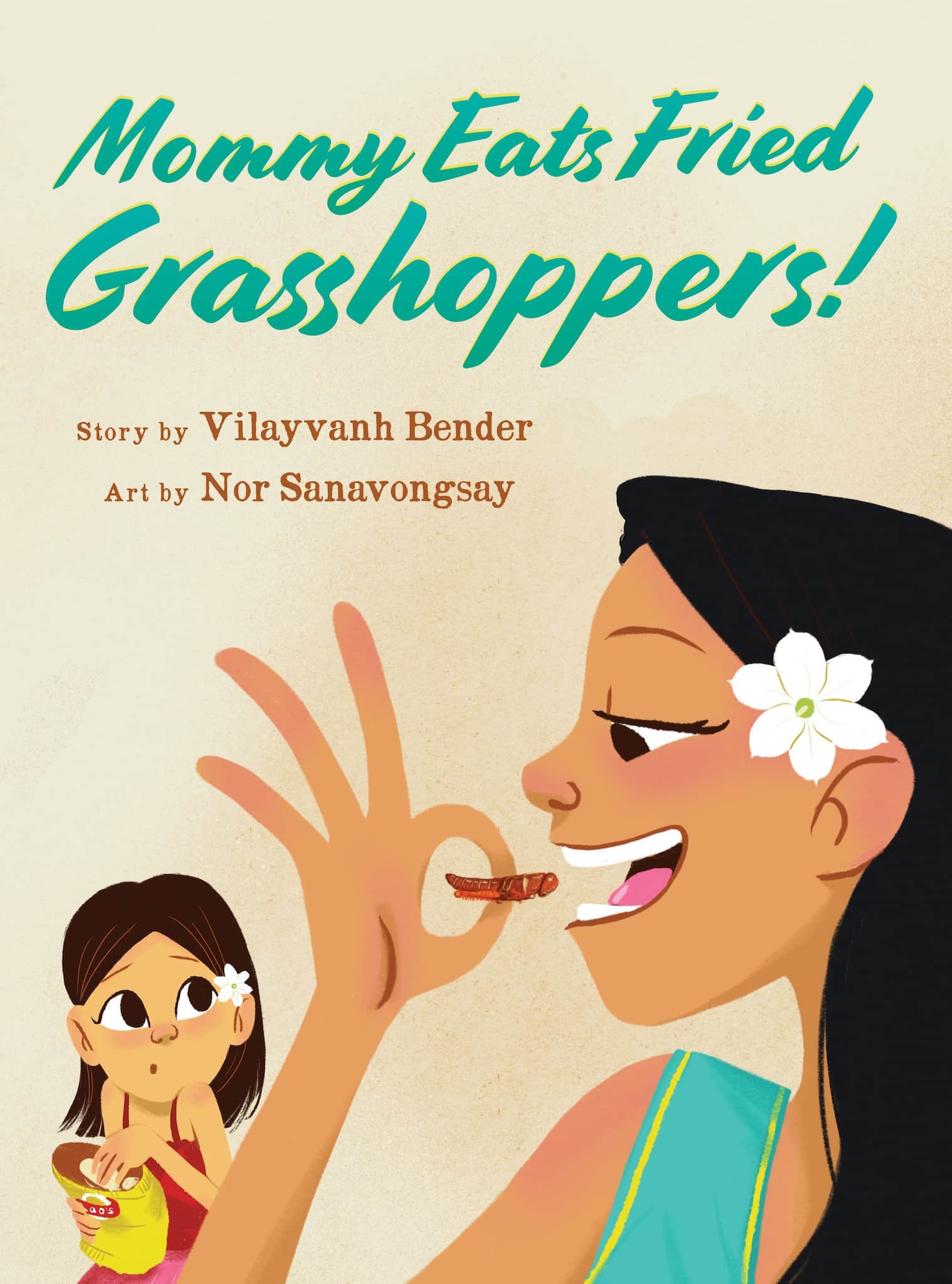
Mommy Eats Fried Grasshoppers
Mommy Eats Fried Grasshoppers (2018), one of several books published by Sahtu Press, tells a story of generational and cultural differences between mother and daughter.
Featured in:
Laotian Americans, Module 5
-
Image
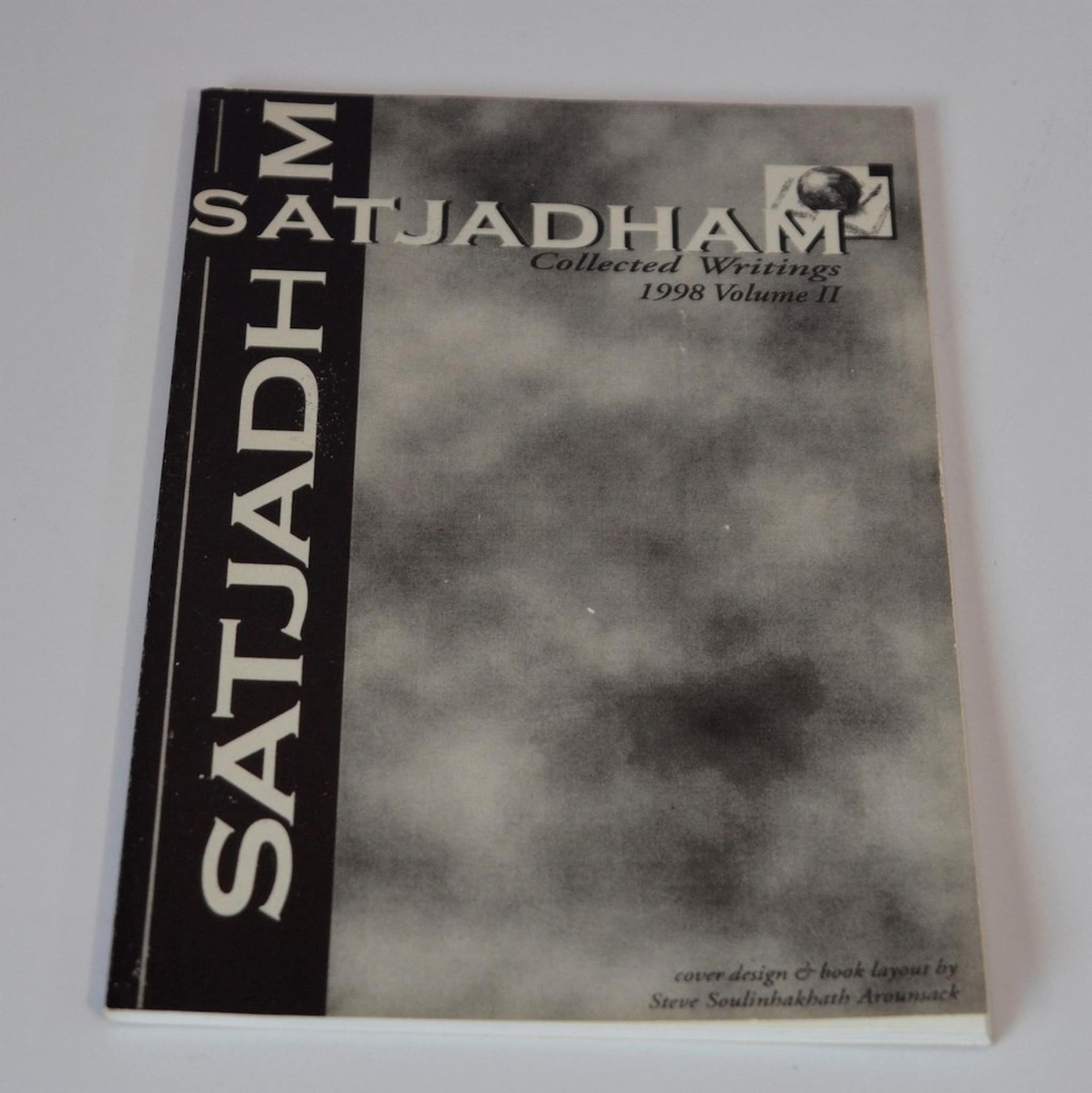
SatJaDham Collected Writings
SatJaDham Collected Writings (1998) is one of five small anthologies produced by the members of SatJaDham Lao Literary Project.
Featured in:
Laotian Americans, Module 5
-
Image
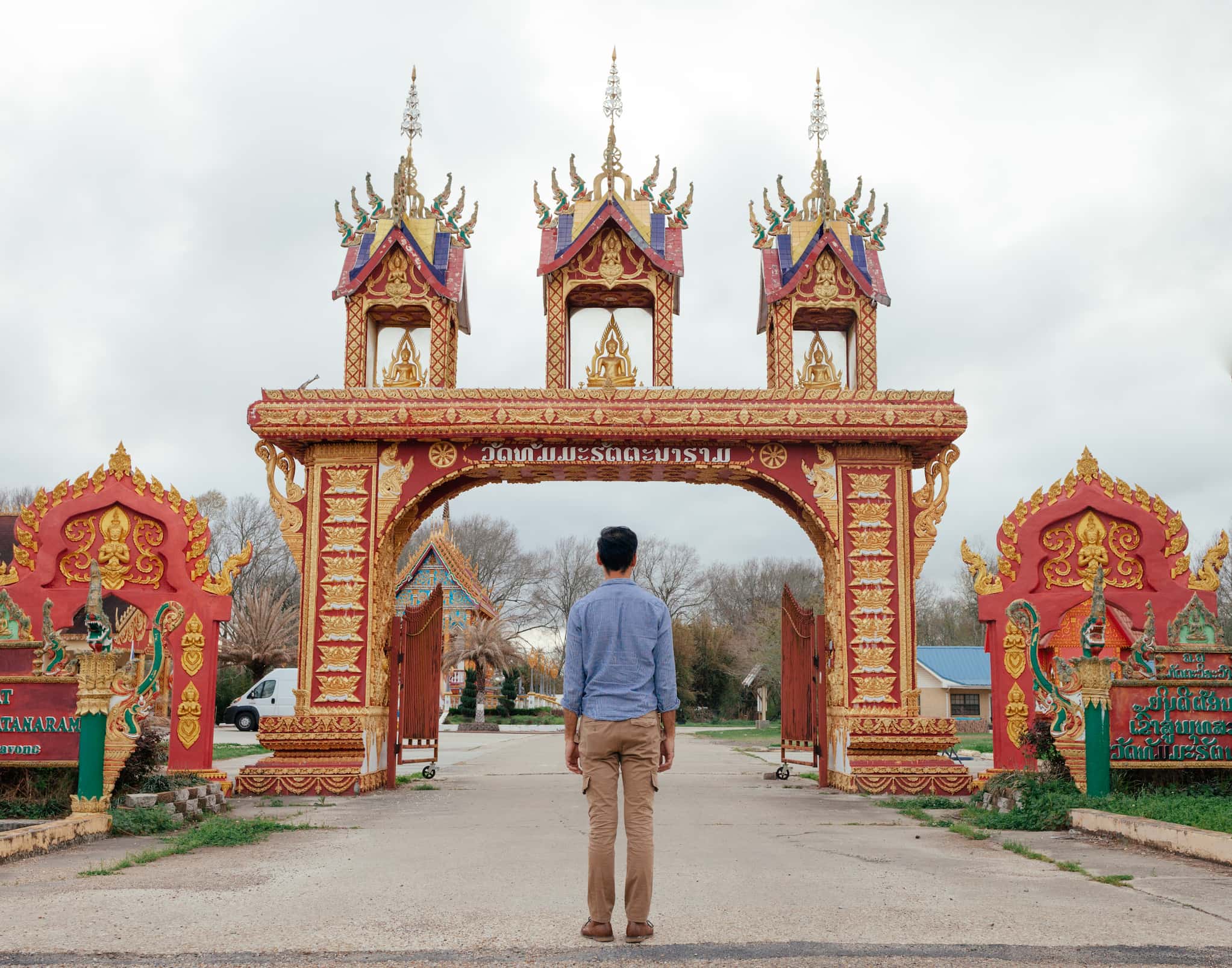
Entrance of Wat Thammarattanaram
In an image from the audio-visual series Finding American: Stories of Immigration from All 50 States, Phanat Xanamane stands before Wat Thammarattanaram Buddhist Temple, which Lao refugees built through community donations and mutual-aid relationships.
Featured in:
Laotian Americans, Module 4
-
Image
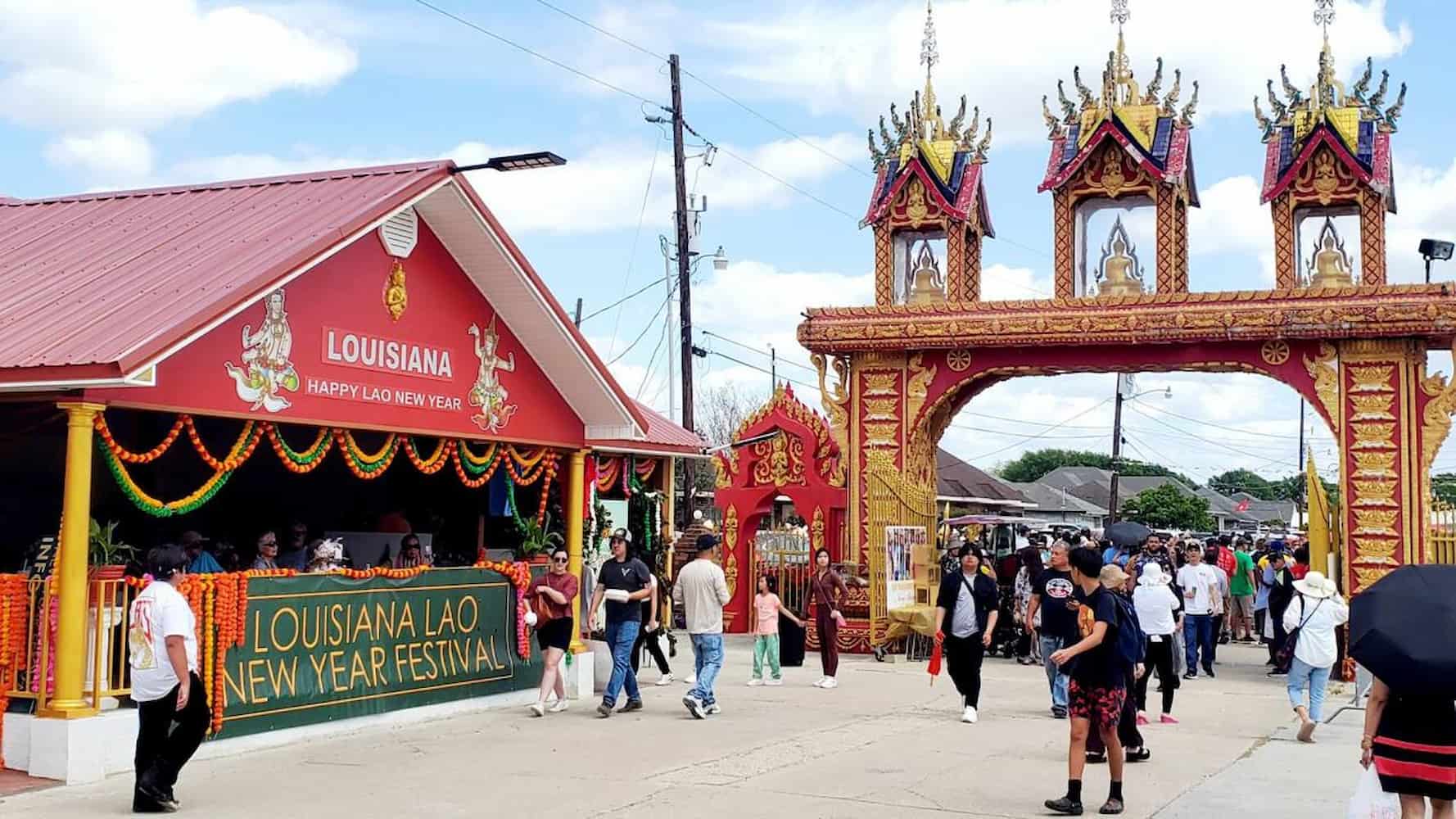
Louisiana Lao New Year Festival
The Louisiana Lao New Year Festival is held annually at Wat Thammarattanaram on Champa Avenue in Broussard, Louisiana.
Featured in:
Laotian Americans, Module 4
-
Image
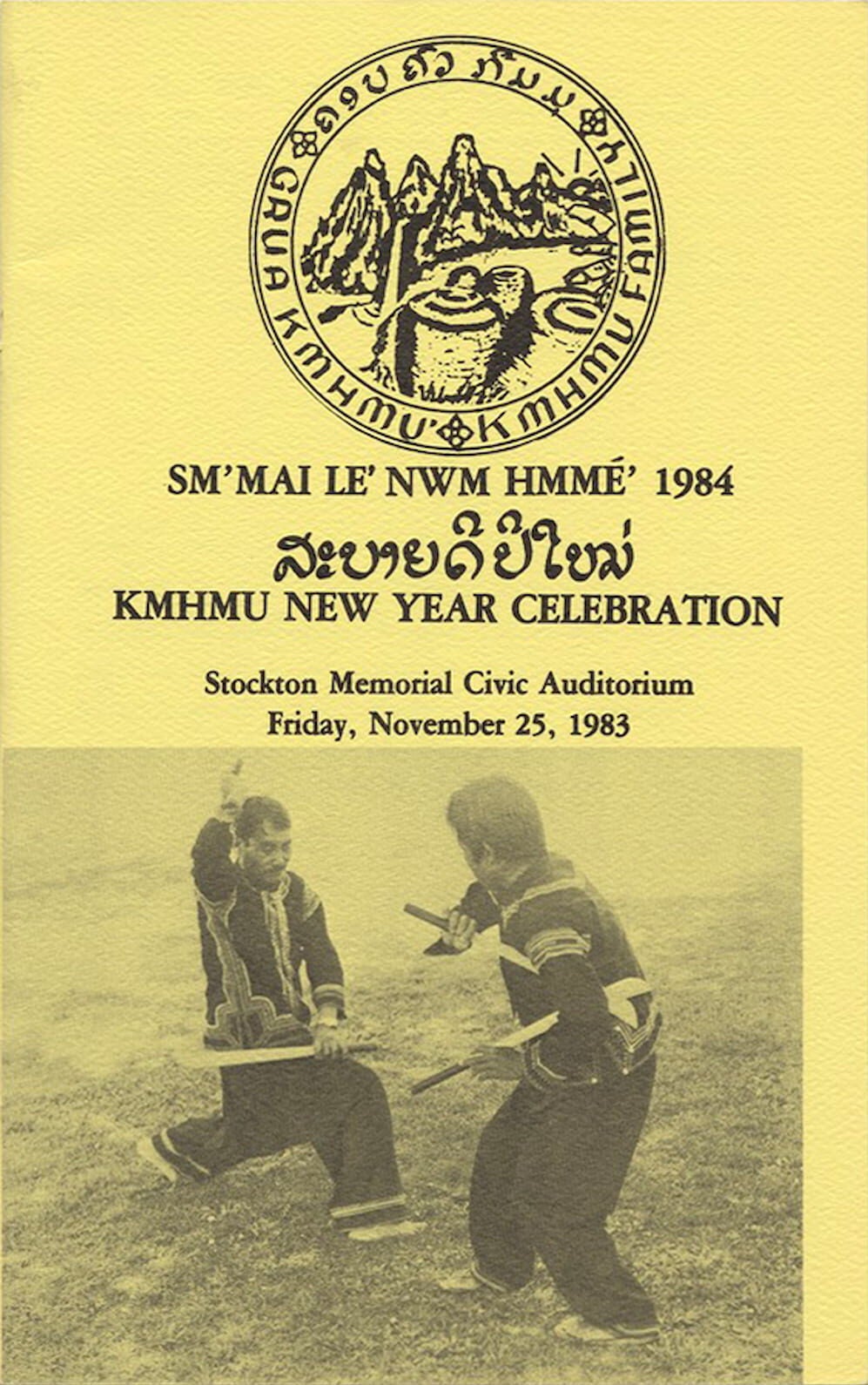
Khmu New Year Celebration
This flyer for the Khmu New Year on November 25, 1983, demonstrates the importance of continuing their cultural heritage and traditions with the sword dance.
Featured in:
Laotian Americans, Module 4
-
Image
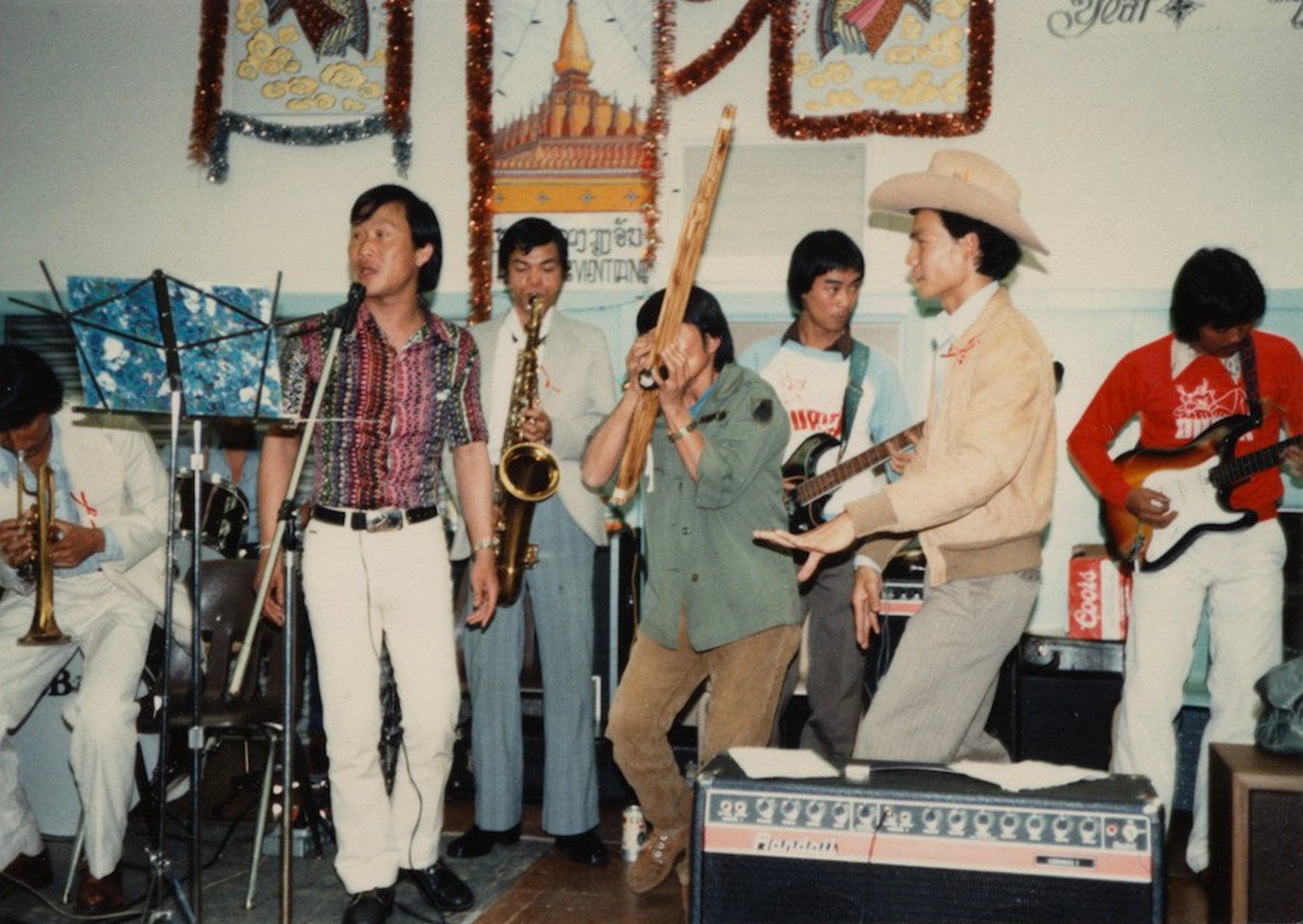
Lao New Year Party
Despite the small numbers of Lao refugees in 1981, the community still found ways to continue their culture and celebrate the new year in San Rafael, California.
Featured in:
Laotian Americans, Module 4
-
Video
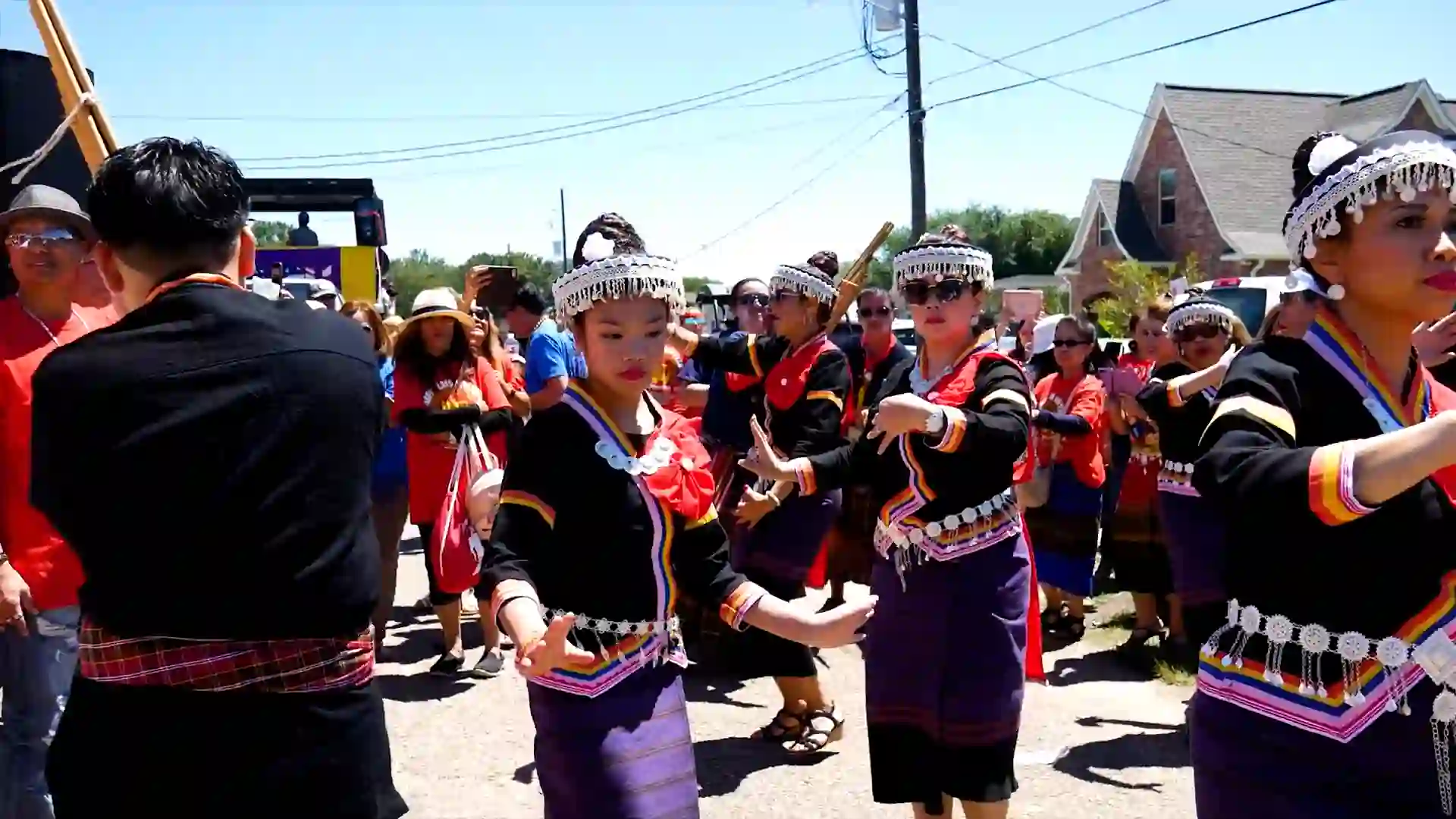
Lao New Year Festival
Scenes from the 2019 Louisiana Lao New Year Festival, featuring live performances, cultural traditions, and street food vendors.
Featured in:
Laotian Americans, Module 4
-
Image
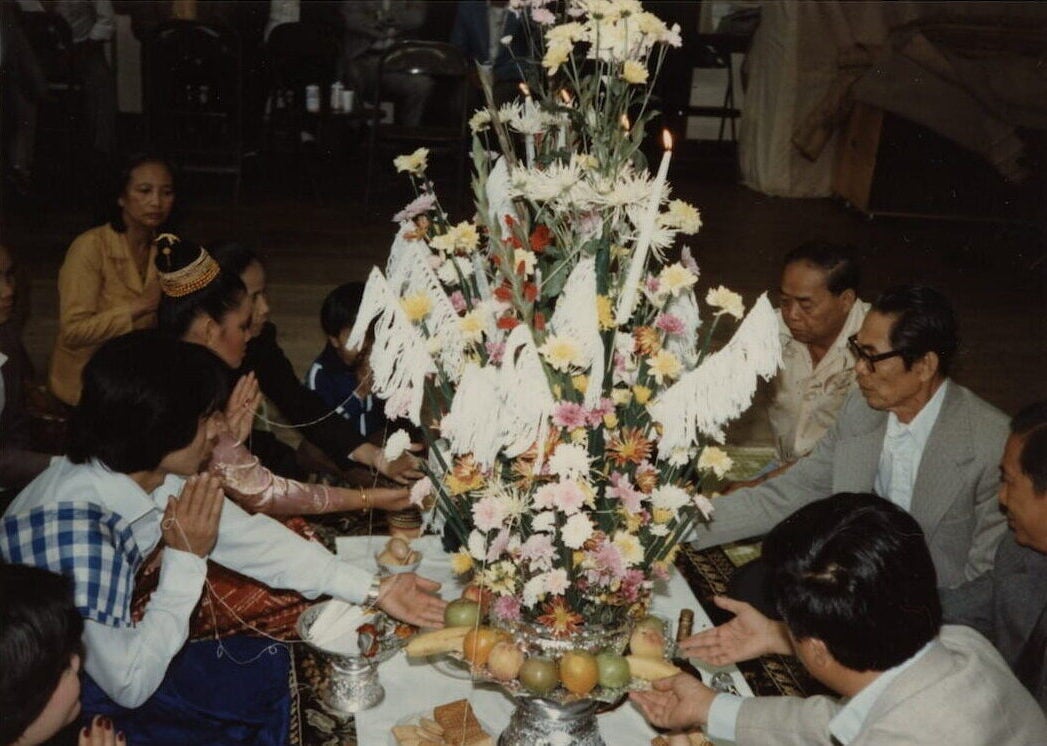
Baci Ceremony
The baci ceremony, also known as su kwan (“calling of the spirit”) is held to commemorate special occasions like marriage, giving birth, a wedding, the Lao New Year and more to maintain balance and promote harmony.
Featured in:
Laotian Americans, Module 4
-
Image
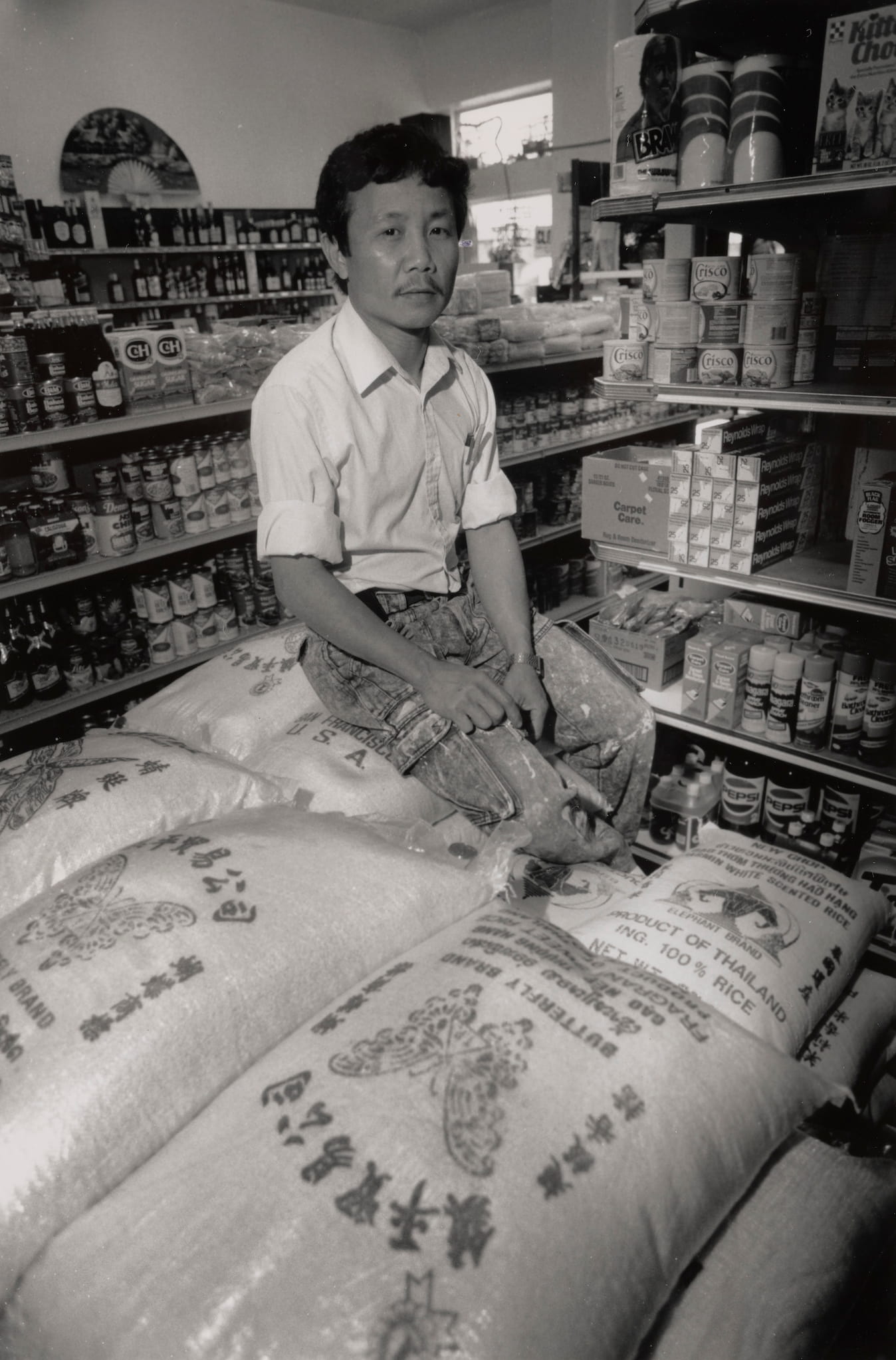
Khamchanh Louanphixay in His Store
Lao stores provided goods and food products familiar to Lao refugees, such as rice from Thailand. Pictured: Khamchanh Louanphixay inside his Lao store Nam San Market.
Featured in:
Laotian Americans, Module 4
-
Image
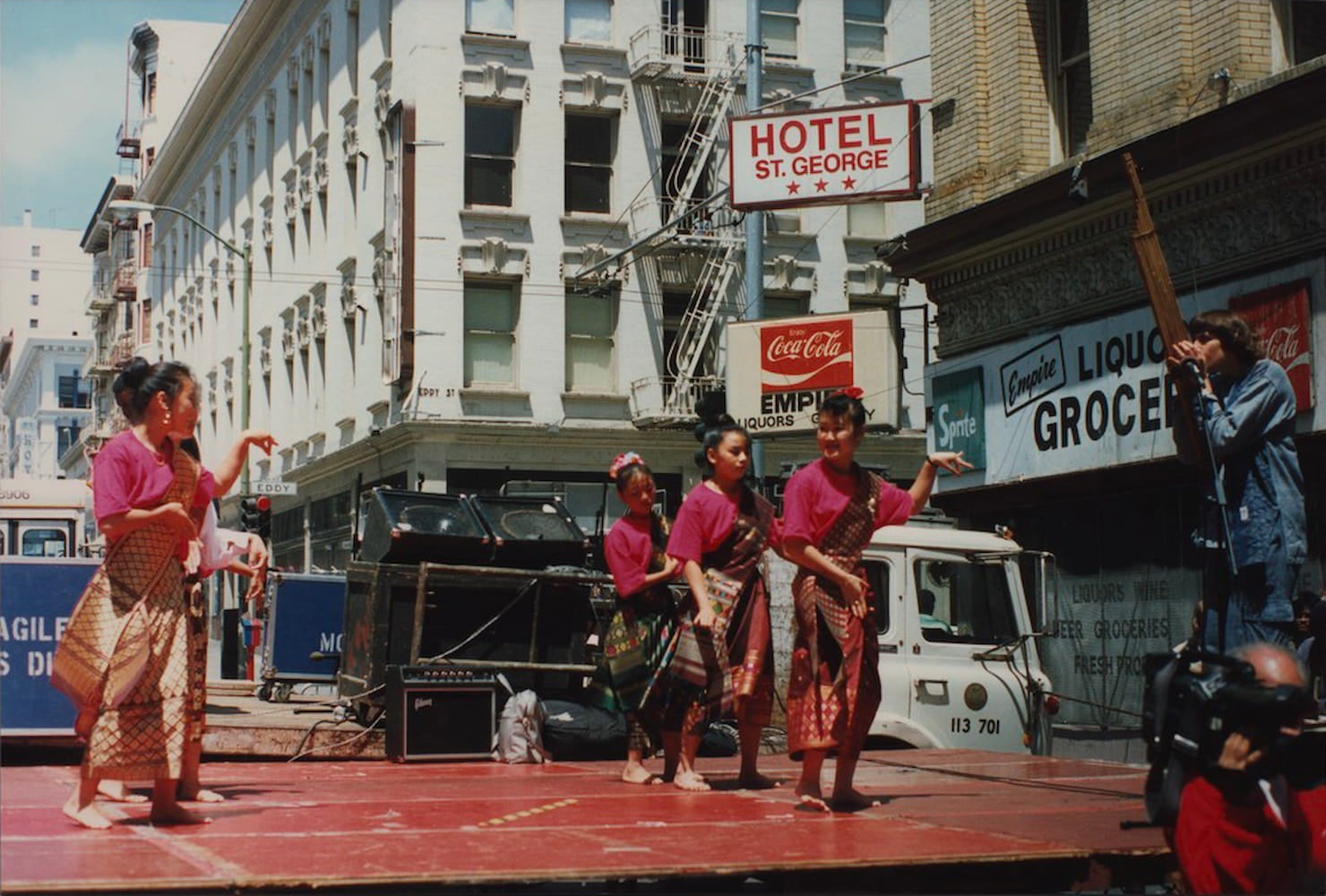
San Francisco Street Fair Performance
Many Lao refugees engaged in events highlighting their identities and culture, such as this street fair in the Tenderloin district of San Francisco.
Featured in:
Laotian Americans, Module 4