



Search the Media Repository
Discover the curated images, videos, and primary sources featured throughout Foundations and Futures
History is more than just text on a page; it is the photographs, voices, and artifacts of the people who lived it. The images and recordings featured across Foundations and Futures are part of a meticulously curated media repository. Whether you are building a lesson plan or investigating an artifact, you can use this database to trace the provenance of our media: discover who created an asset, the historical context behind it, and how it can be used to bring Asian American and Pacific Islander experiences into your classroom.
Multimedia
Chapters
-
Video
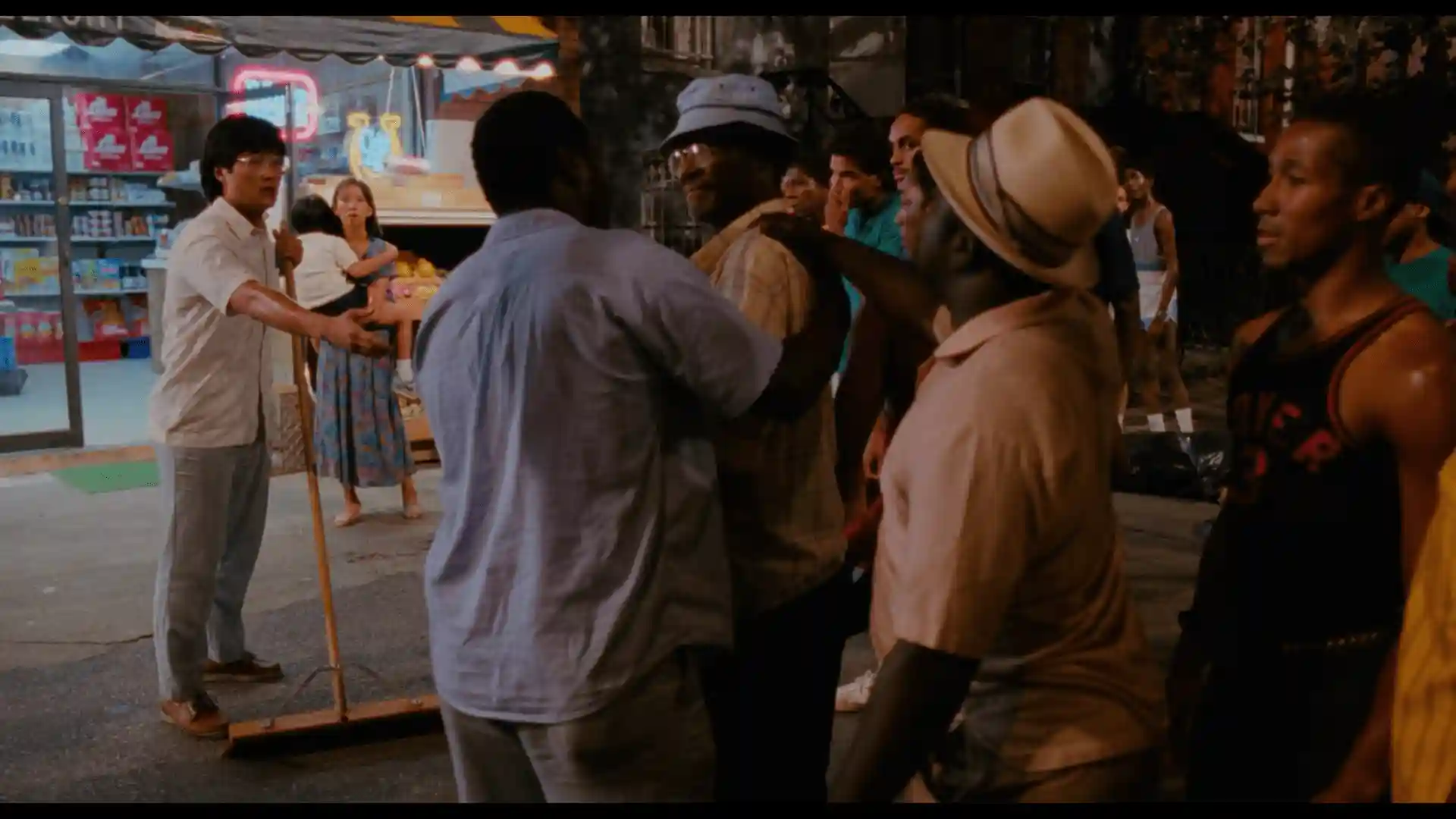
Do The Right Thing Clip
Spike Lee’s film Do the Right Thing (1989) portrays tensions between Korean business owners and Black locals. Shouting “You, me, same!” to Black rioters, the Korean deli owner attempted to point out the similarities of minority groups in the US.
Featured in:
Korean Americans, Module 4
-
Image
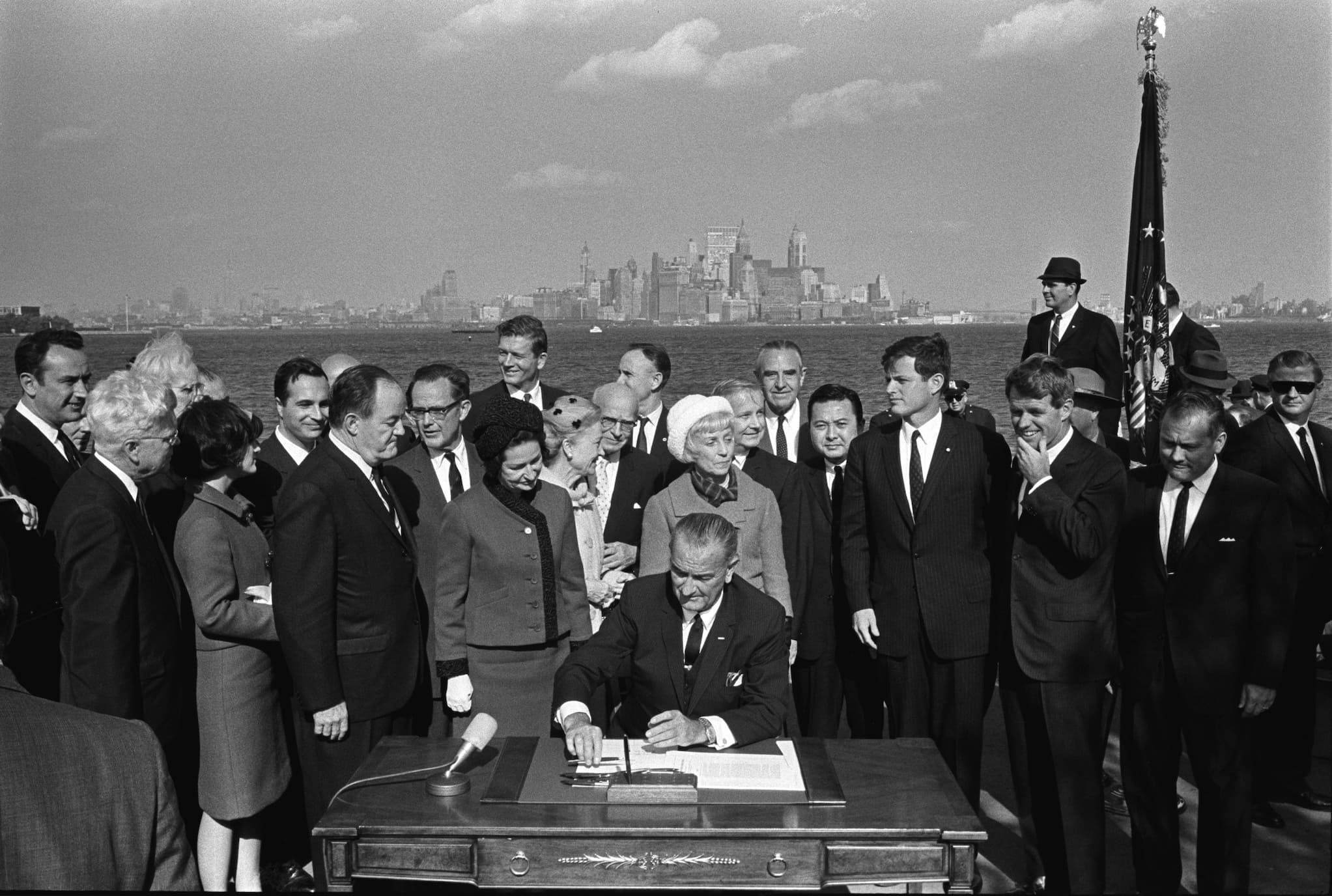
President Lyndon B. Johnson Signs 1965 Immigration Act
President Lyndon B. Johnson signs the 1965 Immigration, or Hart-Celler, Act at Ellis Island, New York. This law dramatically increased Korean immigration between 1970s and 1980s, altering the dominant class and educational background of the population.
Featured in:
Korean Americans, Module 4
-

Video
Lindsey Peifer’s Adoption Story
Lindsey Peifer reflects on reunion with her biological father and the significance of visiting the chestnut trees he planted in Korea.
Featured in:
Korean Americans, Module 3
-
Video
Julie Sinn’s Adoption Story
Julie Sinn raises questions about the “what ifs” associated with adoption.
Featured in:
Korean Americans, Module 3
-
Video
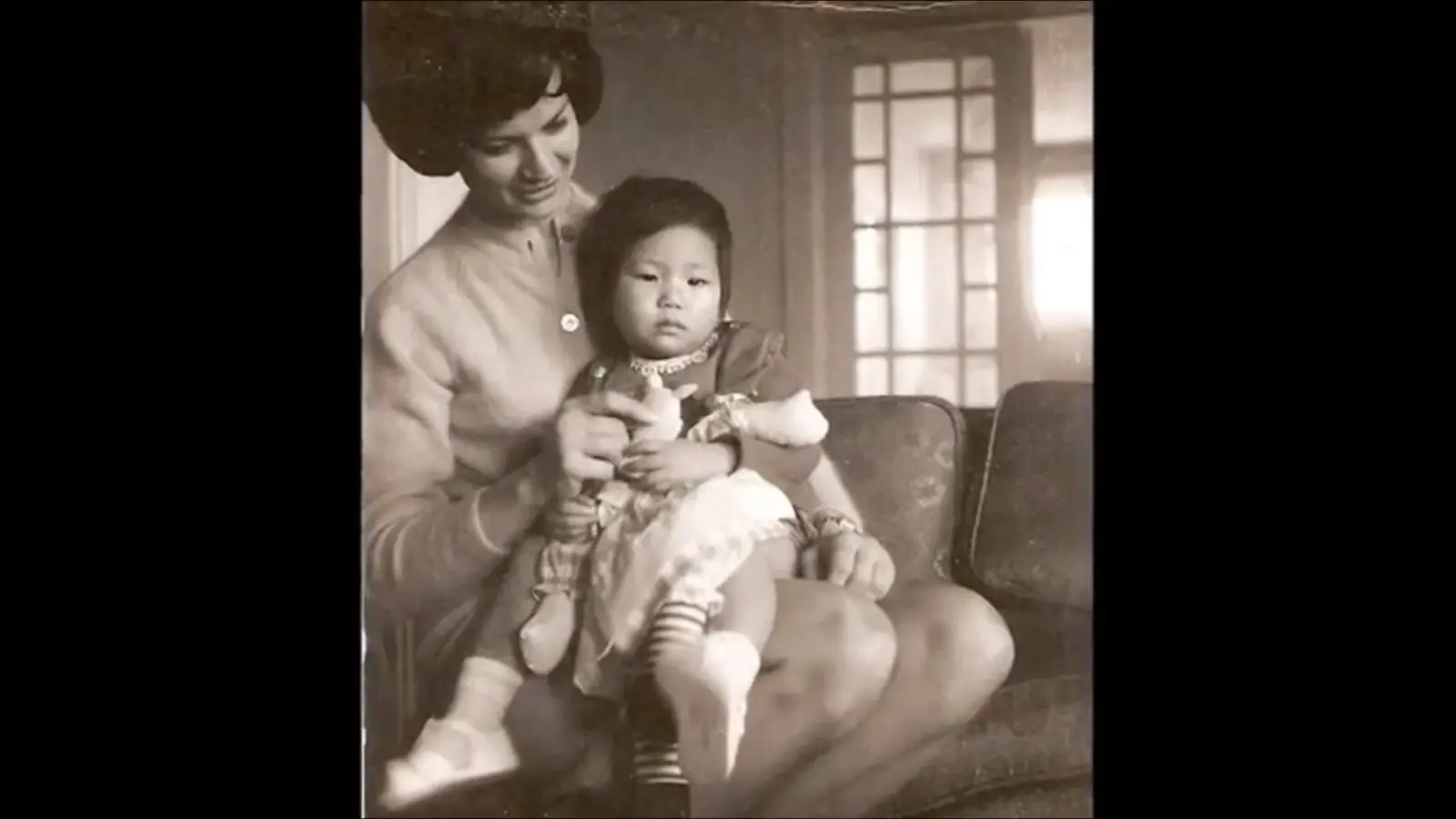
Suzanne Johnson’s Adoption Story
Suzanne Johnson recounts how her identities as a Korean and adopted person were affected by her adoptive family.
Featured in:
Korean Americans, Module 3
-
Audio
Three Dreams of Korea: Notes on Adoption
An audio version of “Three Dreams of Korea: Notes on Adoption,” by Lee Herrick, California Poet Laureate (2022-2023).
Featured in:
Korean Americans, Module 3
-
Image
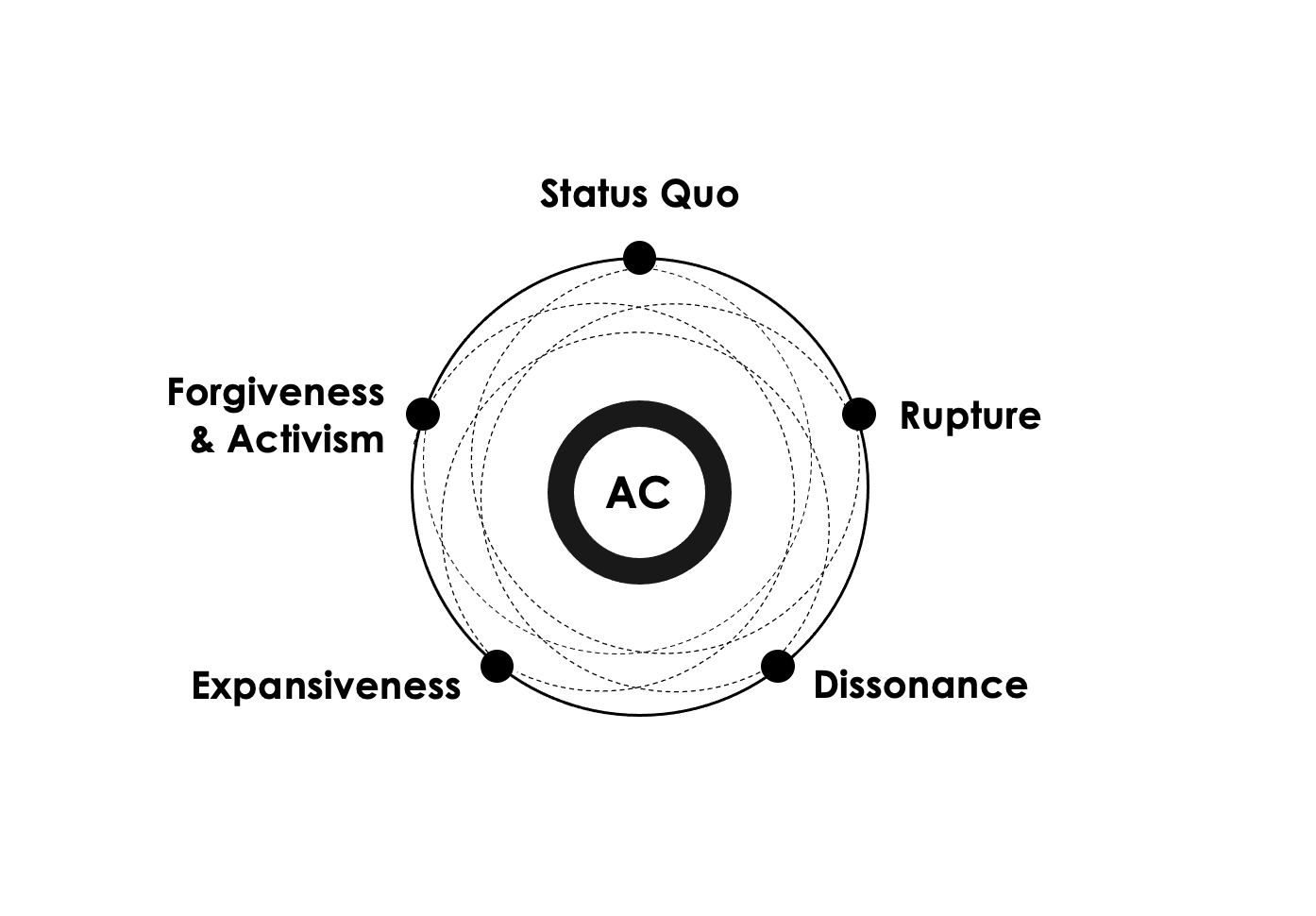
The Adoptee Consciousness Model
Developed by Susan F. Branco, JaeRan Kim, Grace Newton, Stephanie Kripa Cooper-Lewter, and Paula O’Loughlin, the Adoptee Consciousness Model reflects the touchstones in an adoptee’s journey. It contrasts a linear model of “adoption is the best option” to questioning adoption processes.
Featured in:
Korean Americans, Module 3
-
Image
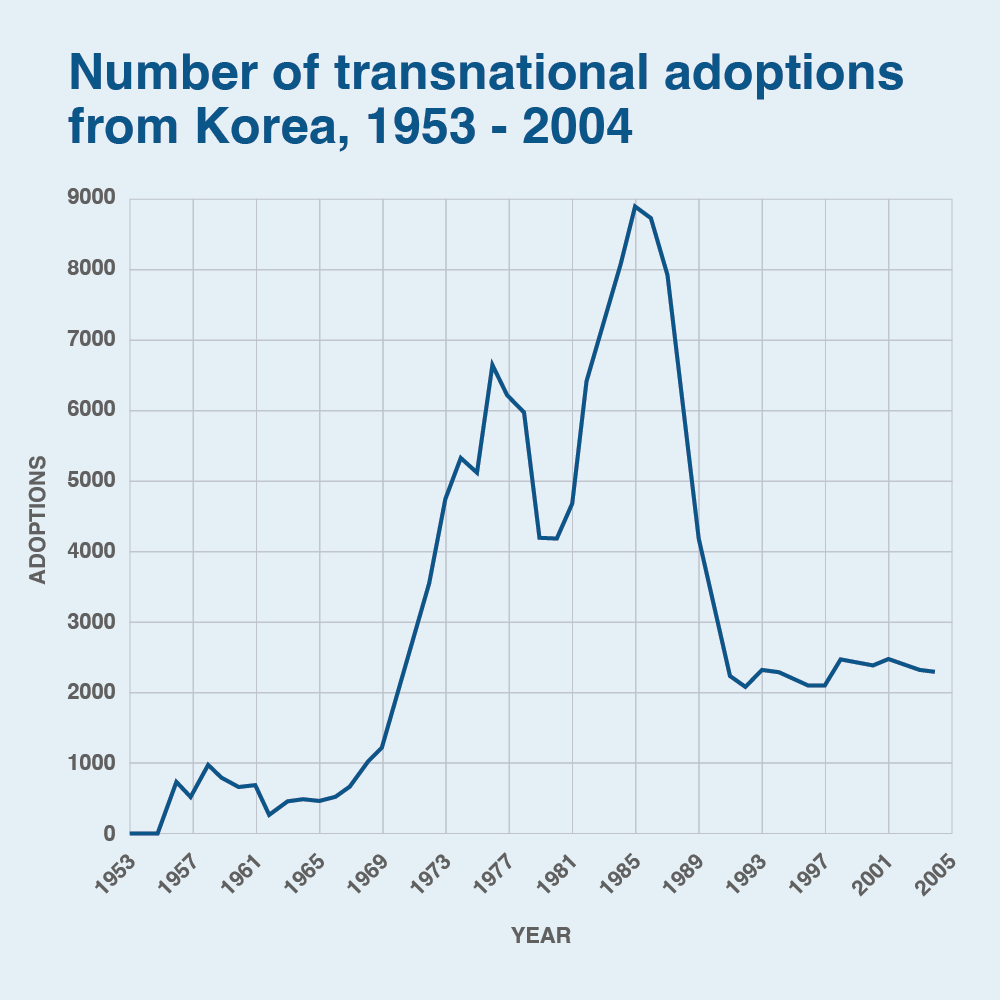
Transnational Adoptions From Korea
This graph features the number of transnational adoptions from Korea from its origins in 1953 through 2004. Korean transnational adoption is still ongoing into 2025. Data from Ministry of Health and Welfare, Republic of Korea.
Featured in:
Korean Americans, Module 3
-
Video
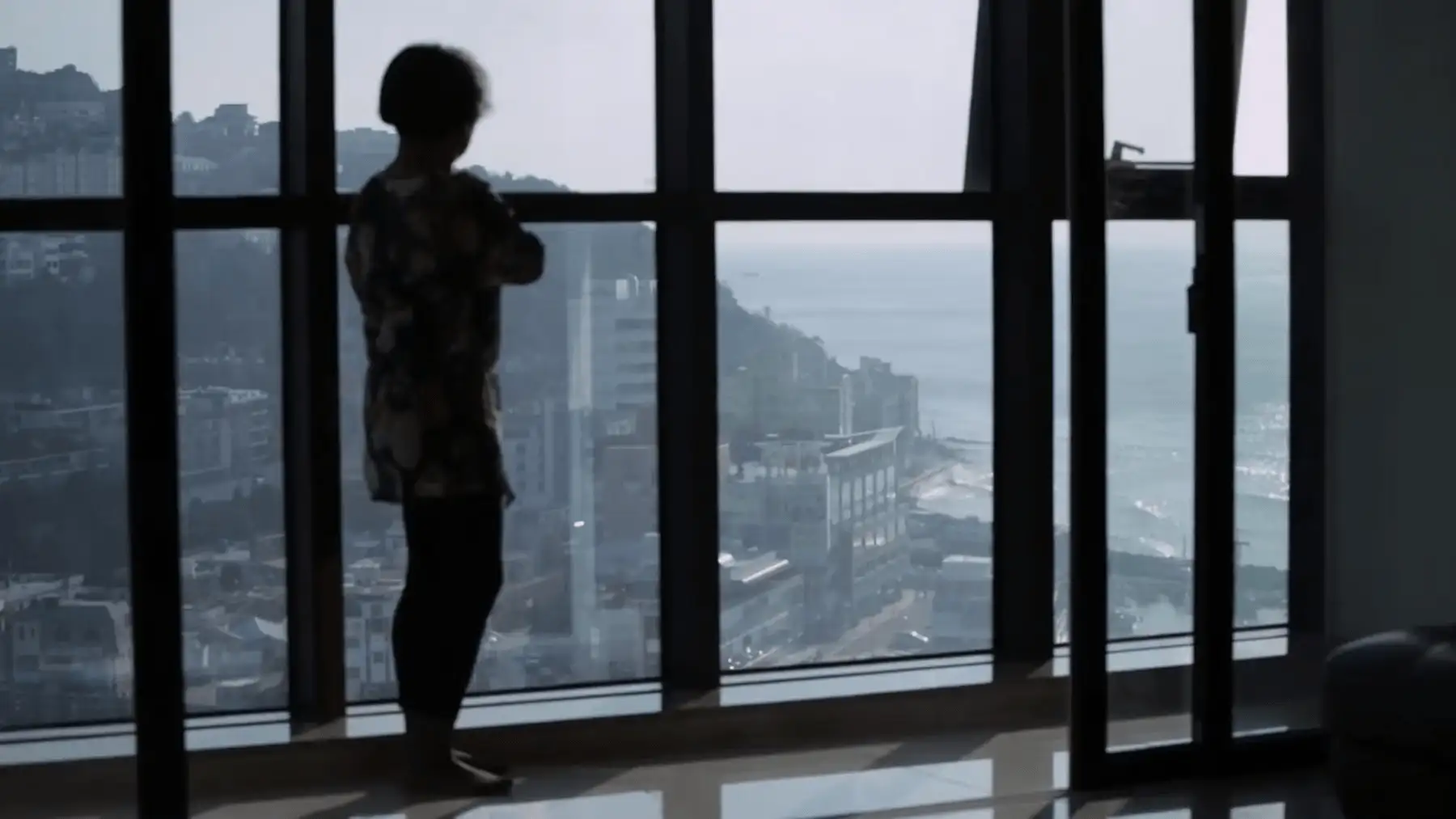
Geographies of Kinship Trailer
Geographies of Kinship documents four adult adoptees as they return to their country of birth and recover lost personal histories. They question policies and become advocates for birth family and adoptee rights, support for single mothers, and historical reckoning.
Featured in:
Korean Americans, Module 3
-
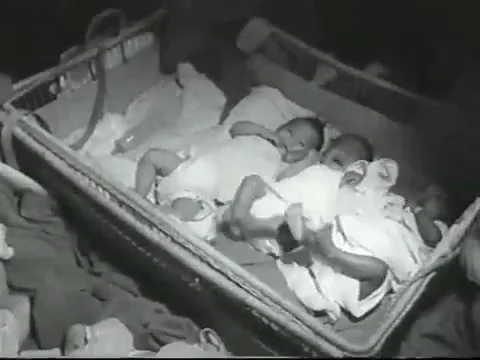
Video
Universal Newsreel: Harry Holt Brings Korean War Orphans to Seattle
On December 2, 1957, Universal Newsreel released footage of Harry Holt bringing eighty Korean orphans to Seattle, Washington.
Featured in:
Korean Americans, Module 3
-
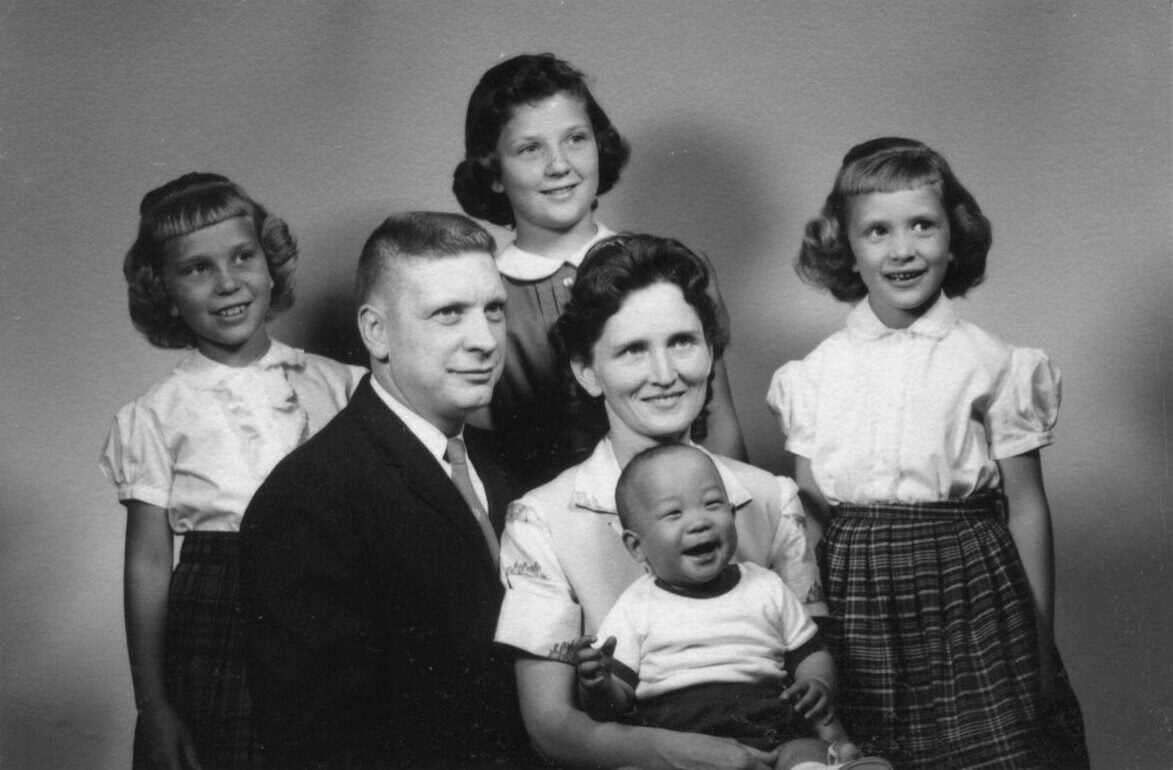
Image
American Family with Adopted Korean Son
More than two hundred thousand Korean children have been adopted into other countries since the end of the Korean War in 1953, with roughly two-thirds of these children arriving in the United States.
Featured in:
Korean Americans, Module 3
-
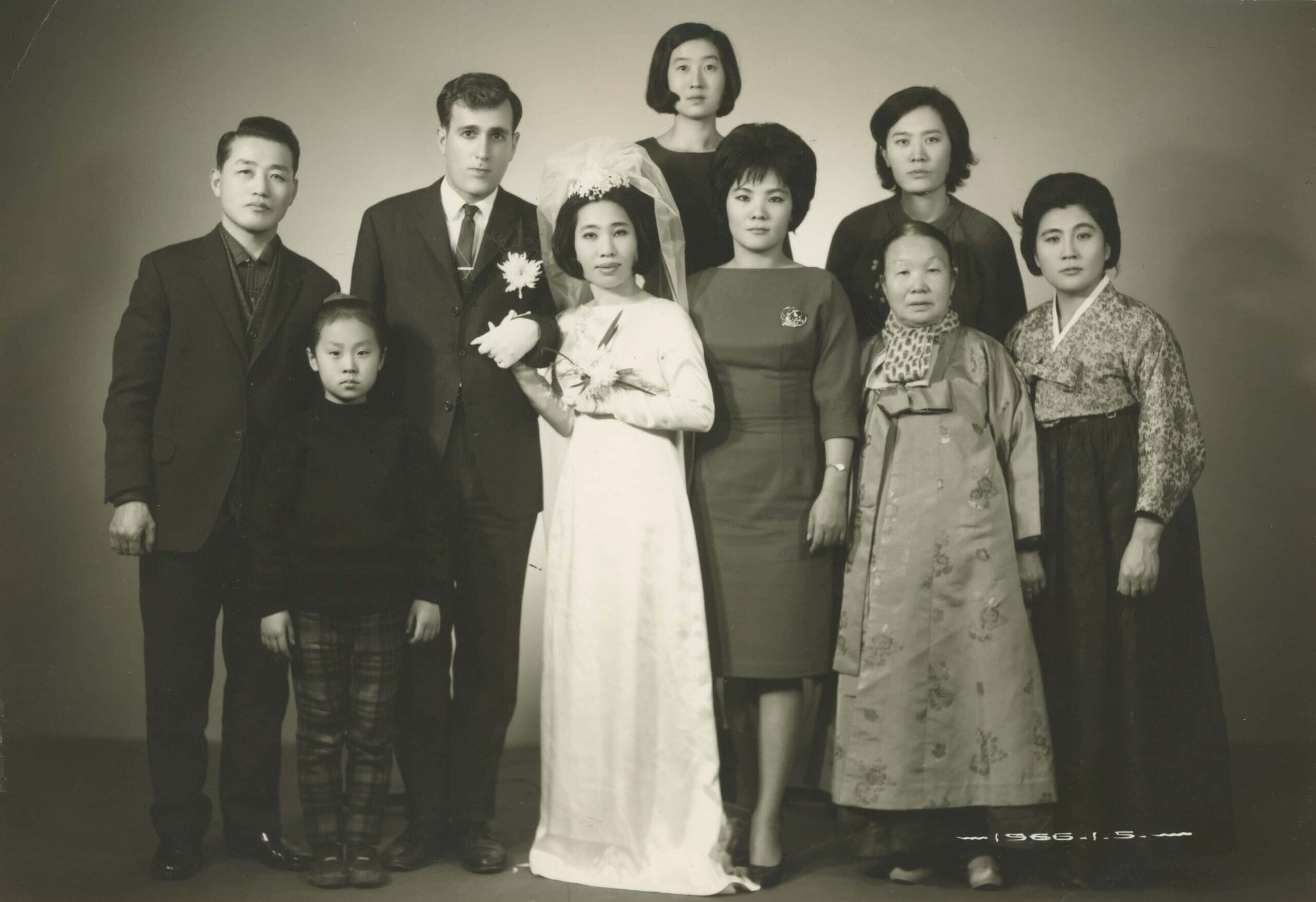
Image
Ui Chin & Robert Smith Family Wedding Portrait
Korean brides became an anchor for a burgeoning Korean American population. After the 1965 Immigration Act introduced family reunification, Korean American women sponsored their families to migrate to the US.
Featured in:
Korean Americans, Module 2
-
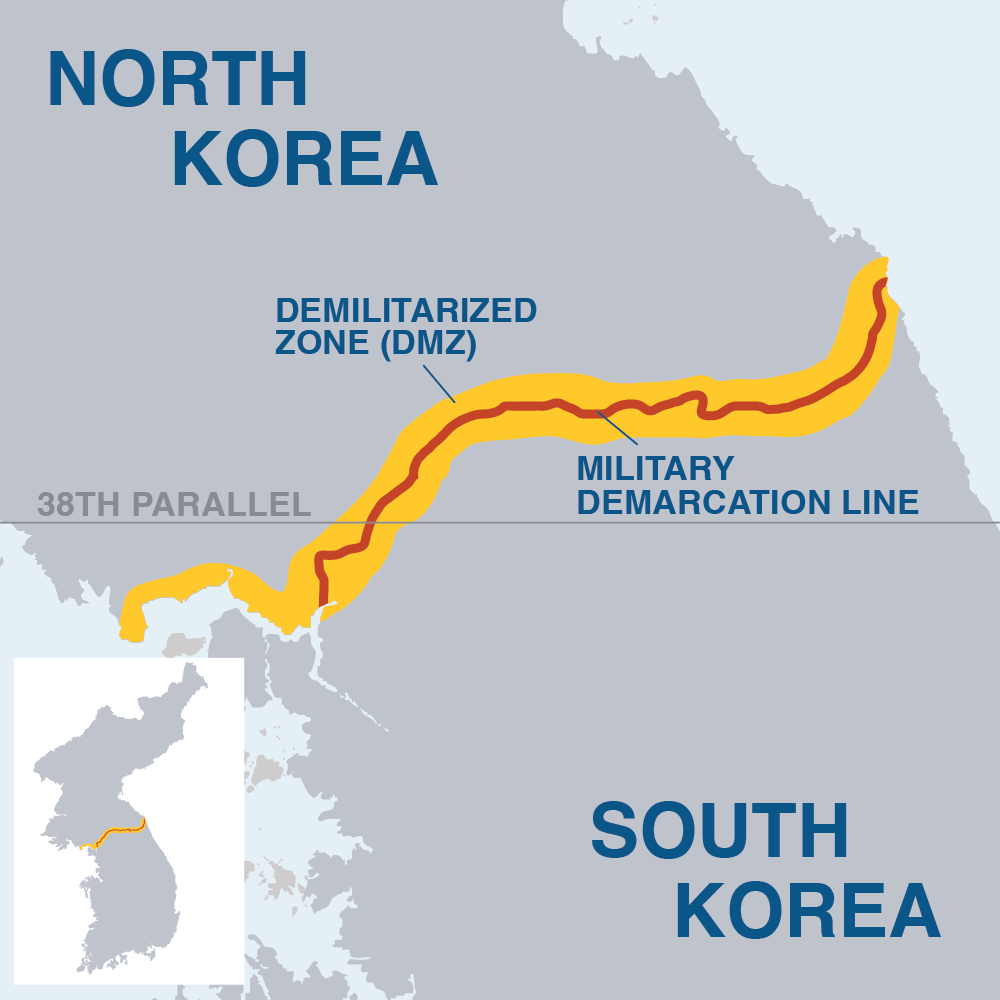
Image
Korean Demilitarized Zone
The Korean Demilitarized Zone (DMZ) is a strip of land running across the Korean Peninsula. It serves as a buffer zone between North and South Korea as a result of the division at the 38th parallel after Japan’s surrender in WWII.
Featured in:
Korean Americans, Module 2
-
Text
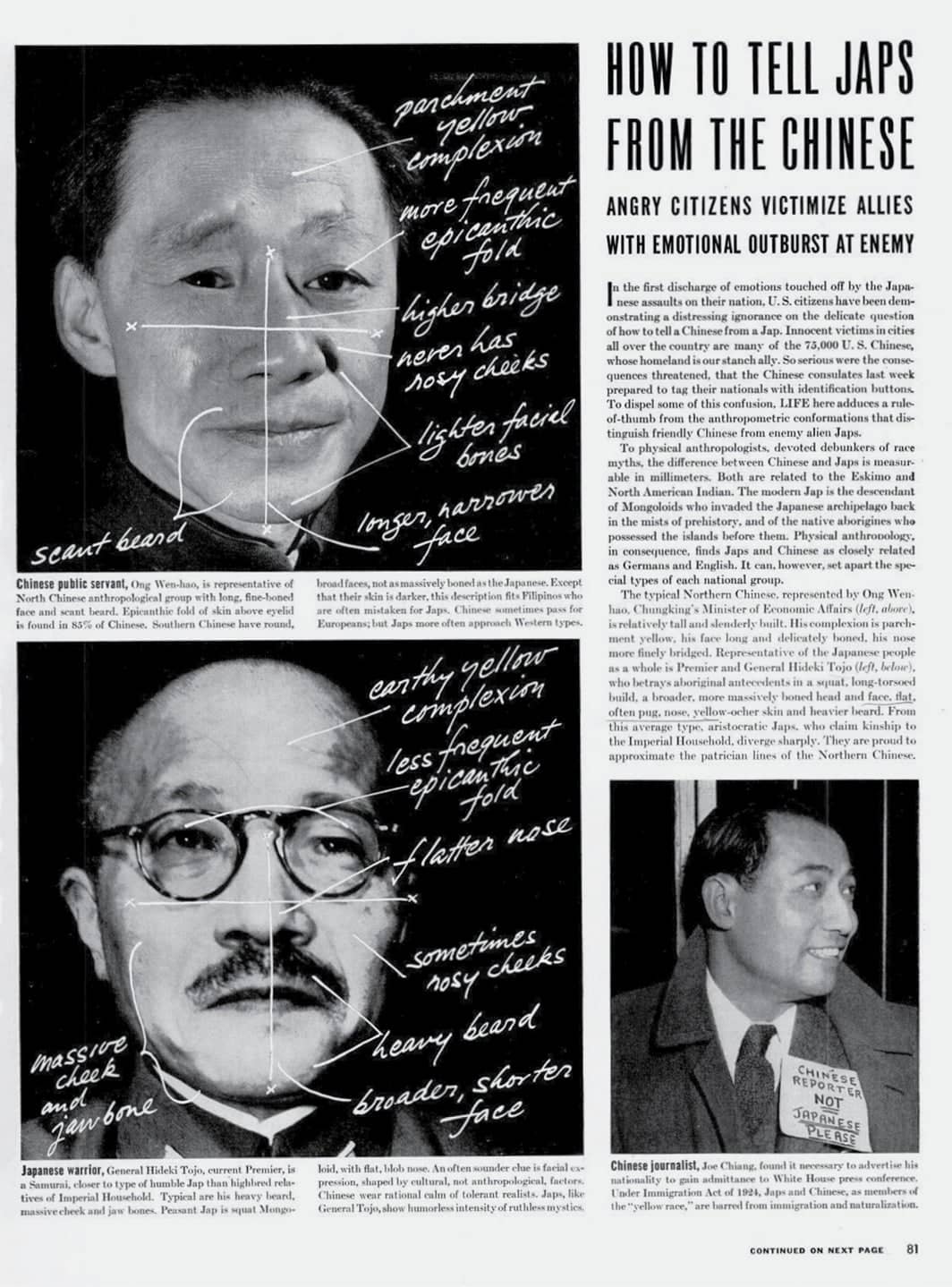
Distinguishing Between Japanese and Chinese People
LIFE magazine (Dec 1941) used offensive racial distinctions to differentiate between Japanese and “friendly” Chinese allies. While Koreans did not identify as either, they were often mistaken as “enemy aliens” and subject to verbal abuse and even physical violence.
Featured in:
Korean Americans, Module 2
-
Image
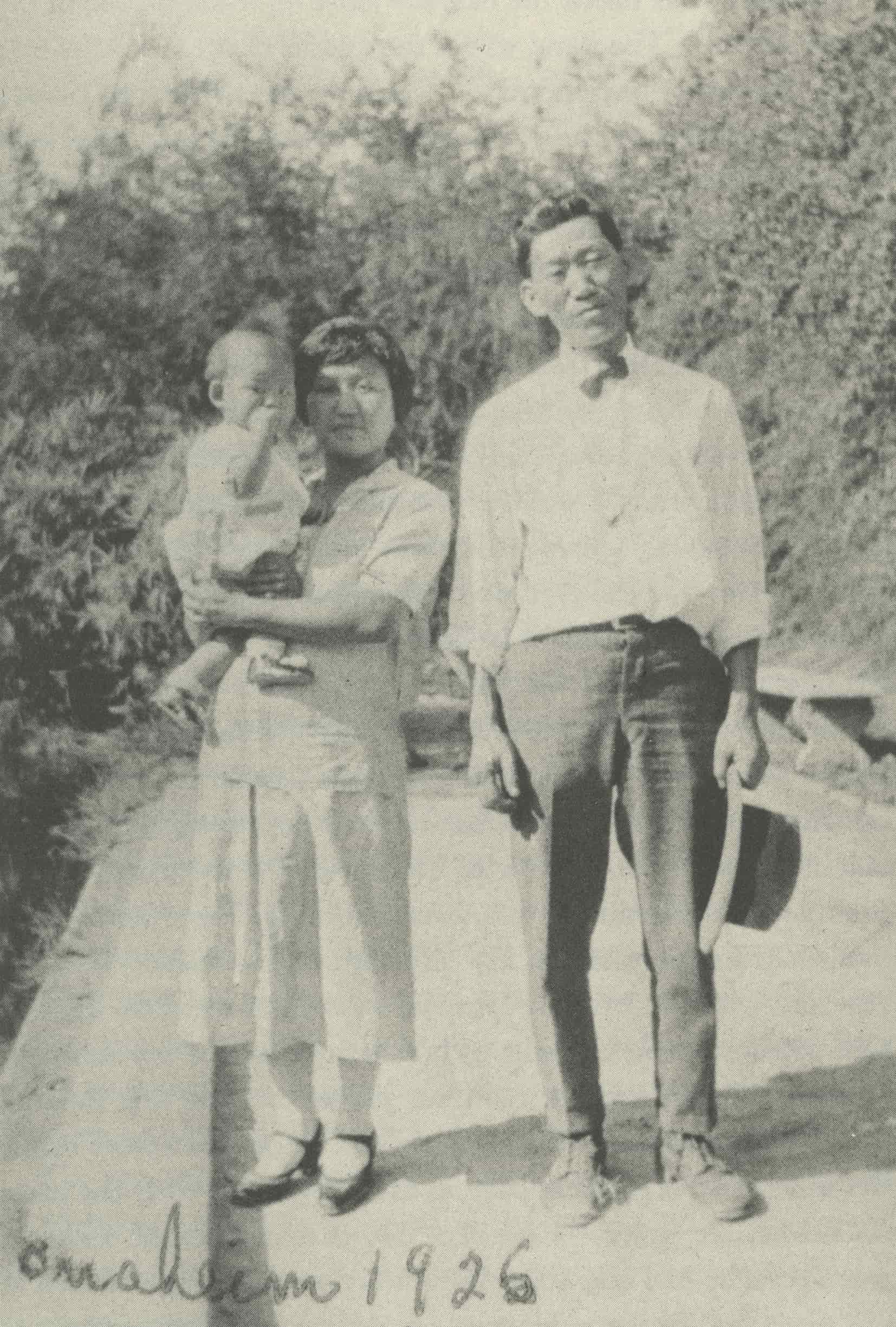
Mary Paik Lee And Family
Mary Paik Lee; her husband, HM Lee; and son, Henry, in Anaheim, California, in 1926. The Hawaiʻi-based family would face racial discrimination and harassment in the wake of the 1941 attack on Pearl Harbor.
Featured in:
Korean Americans, Module 2
-
Image
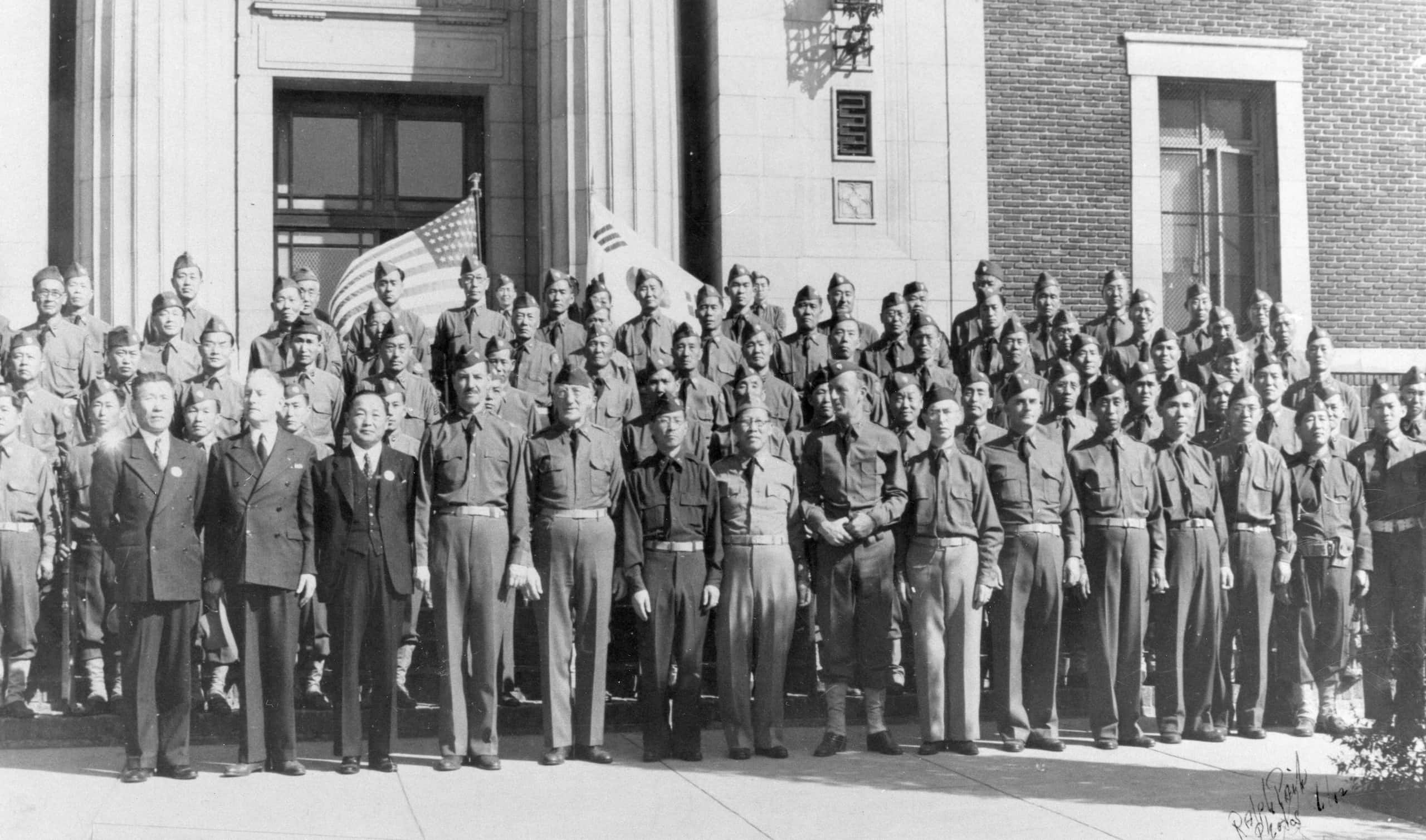
The U.S. National Guard Tiger Brigade
The US National Guard Tiger Brigade, pictured here in 1943, was formed by patriotic Korean American men ineligible to serve in the US military.
Featured in:
Korean Americans, Module 2
-
Video
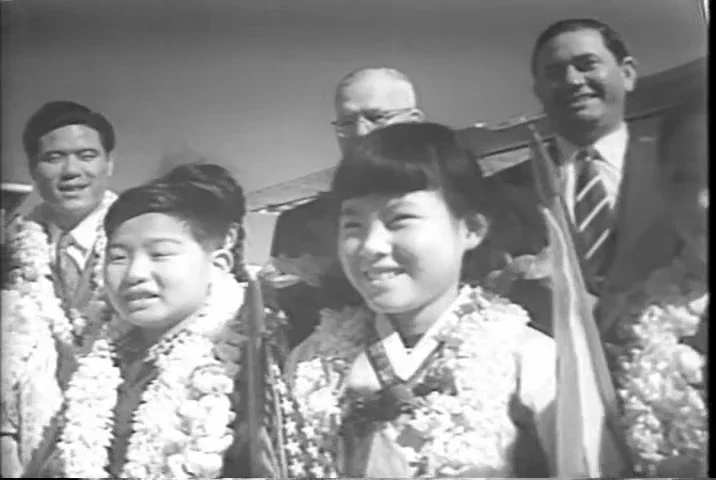
The Korean Children’s Choir Visits the US
The Korean Children’s Choir visited the United States in 1954 in an effort by both the Korean and American governments to promote adoption.
Featured in:
Korean Americans, Module 1
-
Image
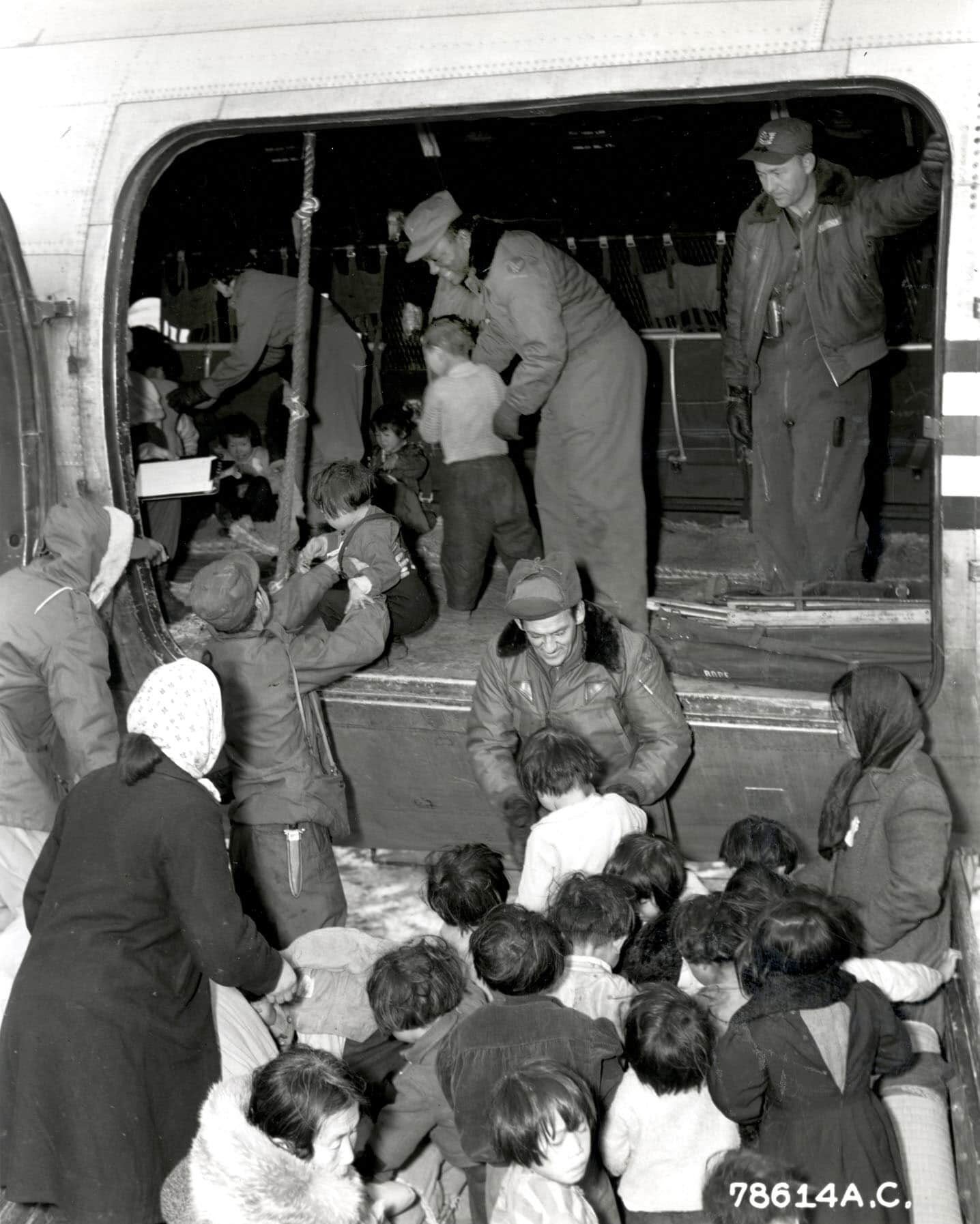
Korean War Aftermath
USAF Airmen give a helping hand in the aftermath of the Korean War. American families saw these images of Korean children and perceived them as in need of rescue.
Featured in:
Korean Americans, Module 1
-
Image
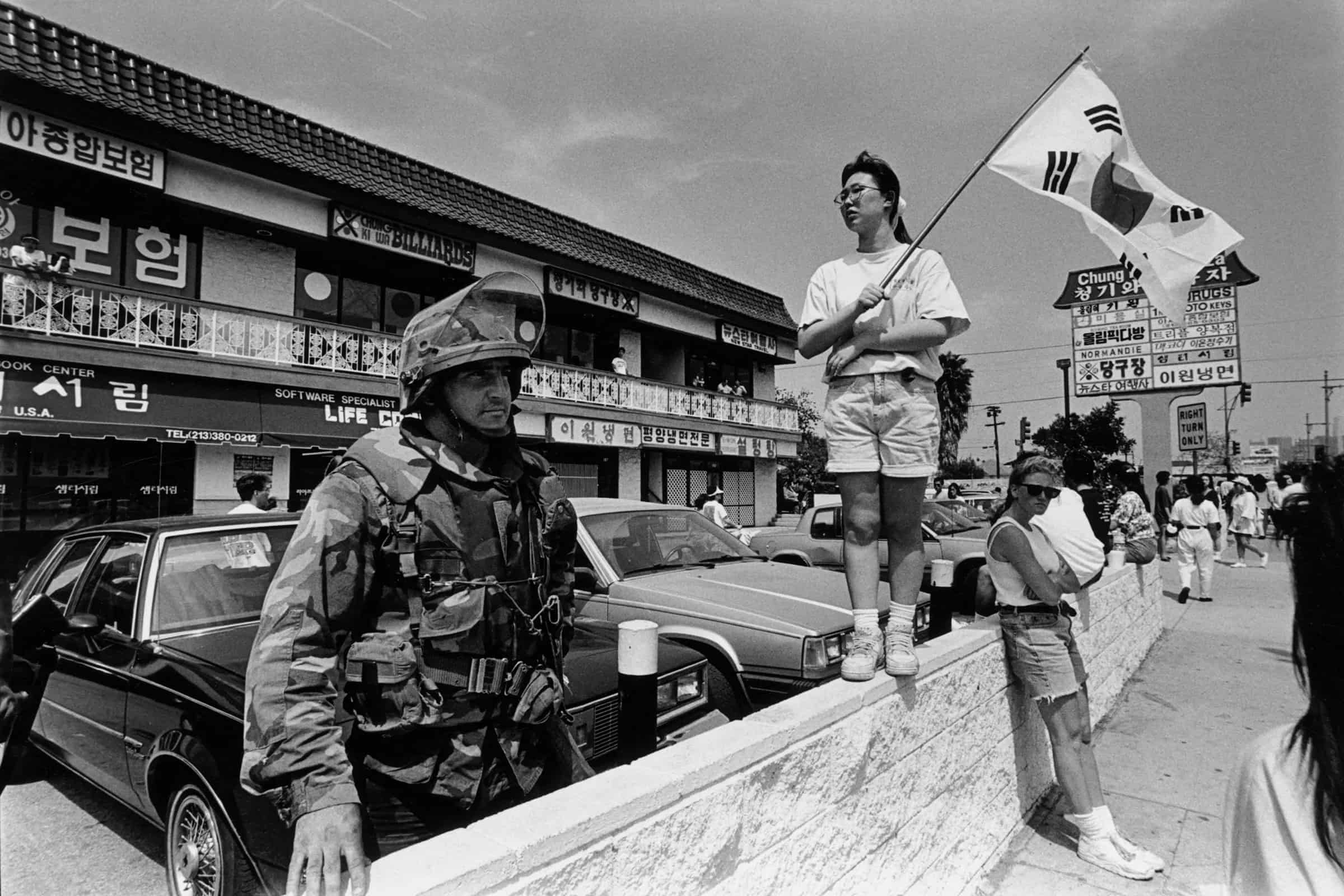
1992 Korean Pride Parade
The Korean Pride Parade in the midst of the 1992 Los Angeles riots, also known as the Los Angeles uprising, included the presence of the National Guard.
Featured in:
Korean Americans, Module 1
-
Image
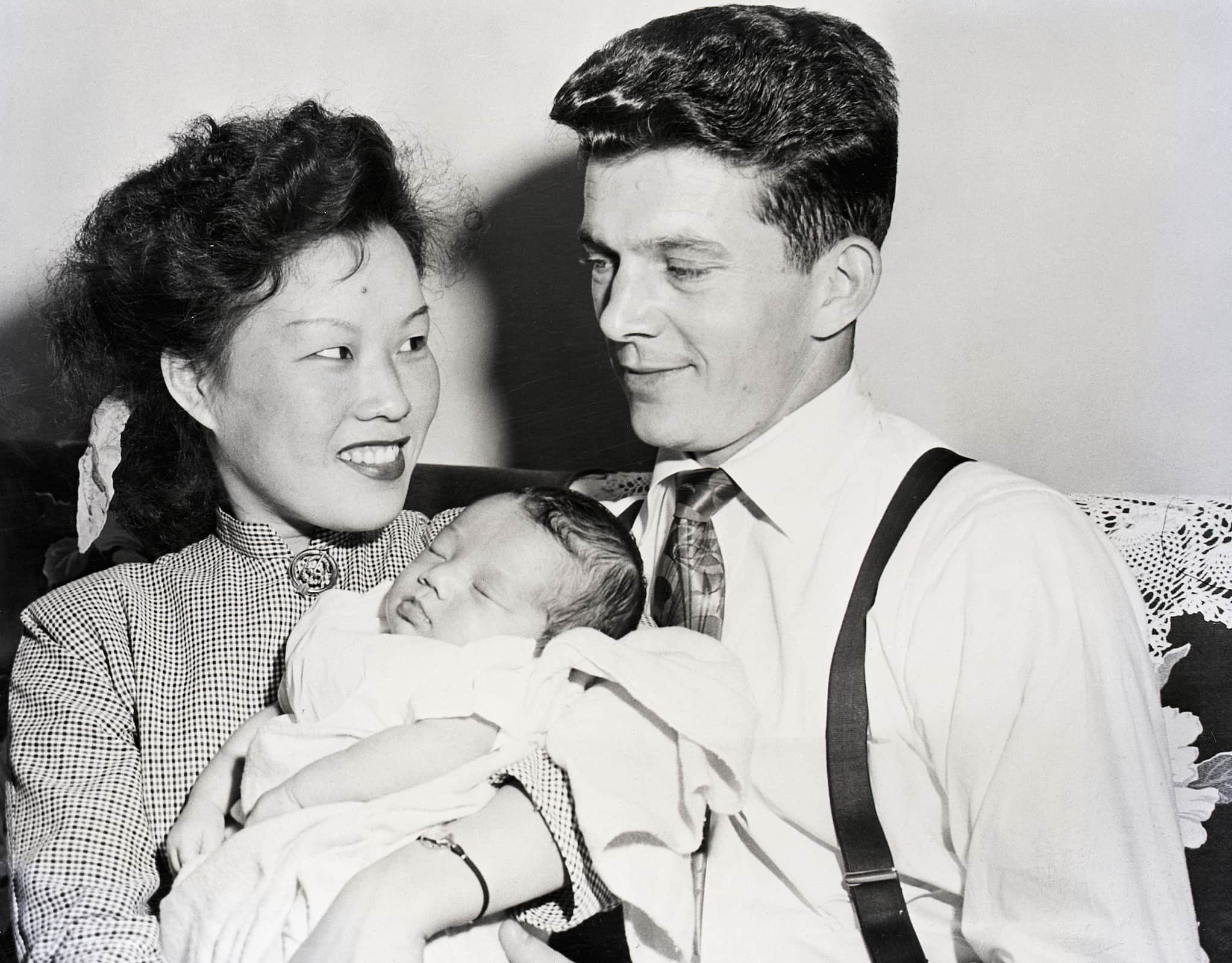
Korean Military Bride With Husband And Child
Sergeant Morgan and wife “Blue,” pictured in LIFE magazine in 1951, were part of the second major wave of Korean immigration as American soldiers began relationships with Korean women, sometimes bringing them back to the United States and having multiracial children.
Featured in:
Korean Americans, Module 1