





Search the Media Repository
Discover the curated images, videos, and primary sources featured throughout Foundations and Futures
History is more than just text on a page; it is the photographs, voices, and artifacts of the people who lived it. The images and recordings featured across Foundations and Futures are part of a meticulously curated media repository. Whether you are building a lesson plan or investigating an artifact, you can use this database to trace the provenance of our media: discover who created an asset, the historical context behind it, and how it can be used to bring Asian American and Pacific Islander experiences into your classroom.
Multimedia
Chapters
-
Image
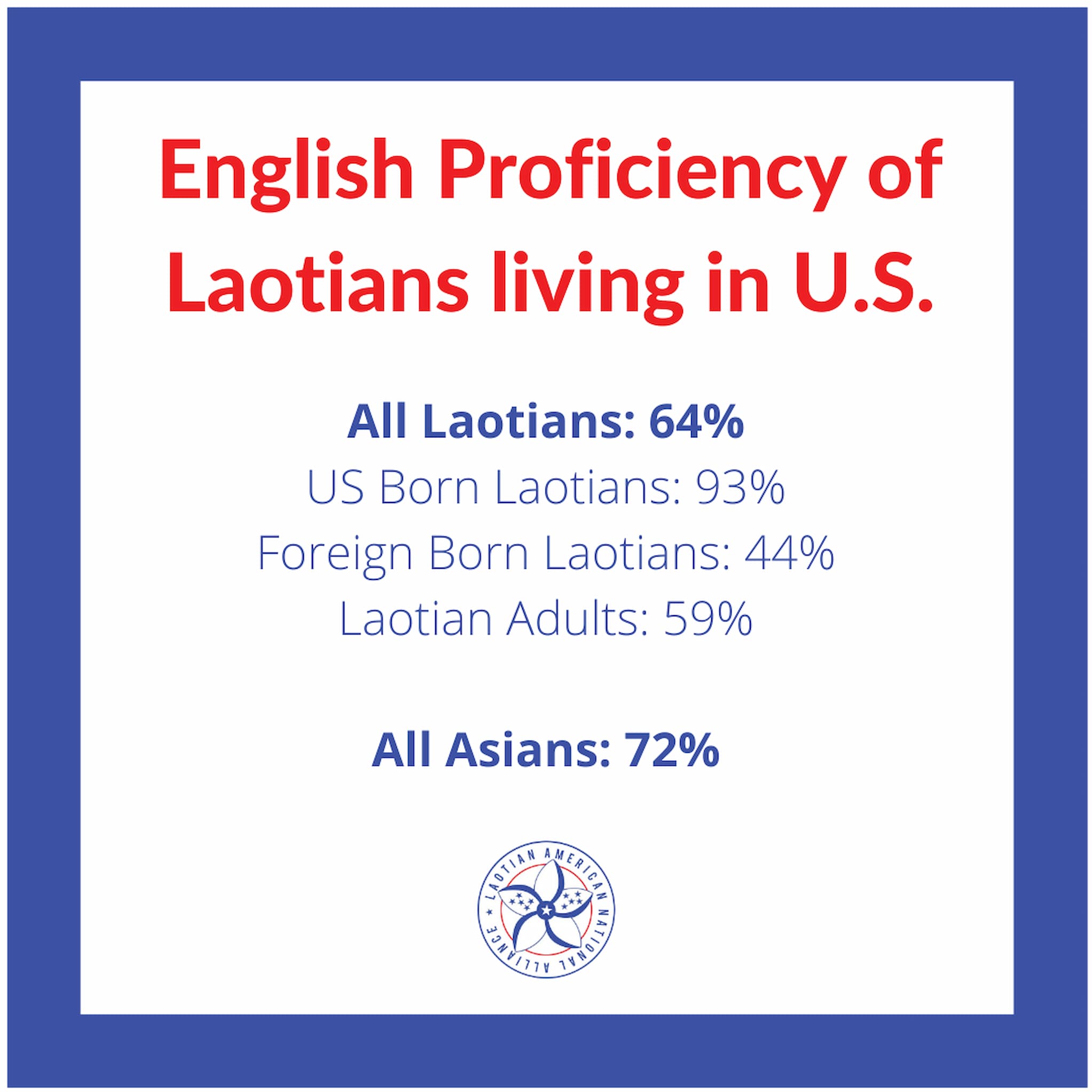
English Proficiency of Laotians
These graphics created by the Laotian American National Alliance (LANA) provide a statistical snapshot of Laotian Americans in the US using 2019 data from the Pew Research Center.
Featured in:
Laotian Americans, Module 1
-
Image
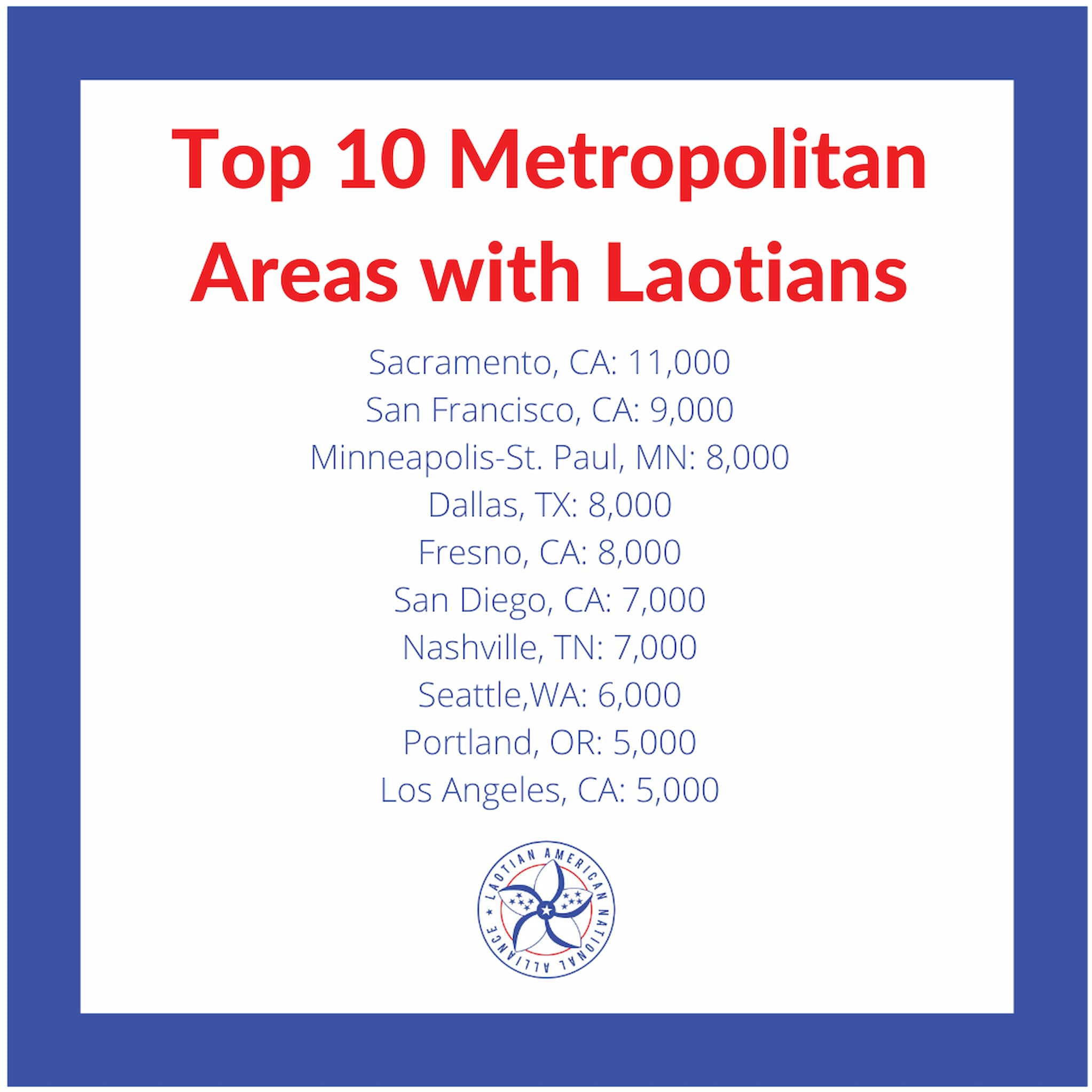
Top Metropolitan Areas with Laotians
These graphics created by the Laotian American National Alliance (LANA) provide a statistical snapshot of Laotian Americans in the US using 2019 data from the Pew Research Center.
Featured in:
Laotian Americans, Module 1
-
Image
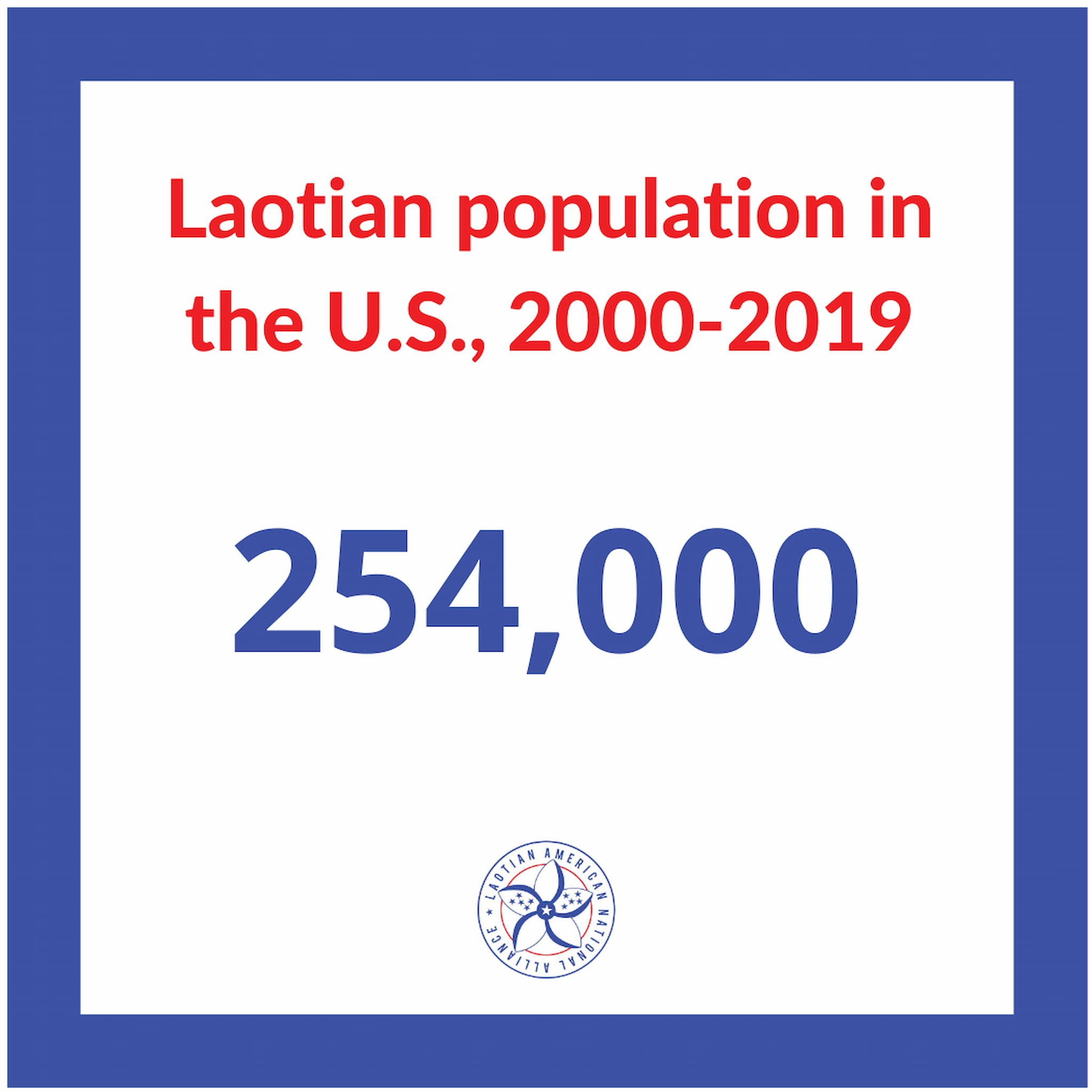
U.S. Laotian Population from 2000 – 2019
These graphics created by the Laotian American National Alliance (LANA) provide a statistical snapshot of Laotian Americans in the US using 2019 data from the Pew Research Center.
Featured in:
Laotian Americans, Module 1
-
Image
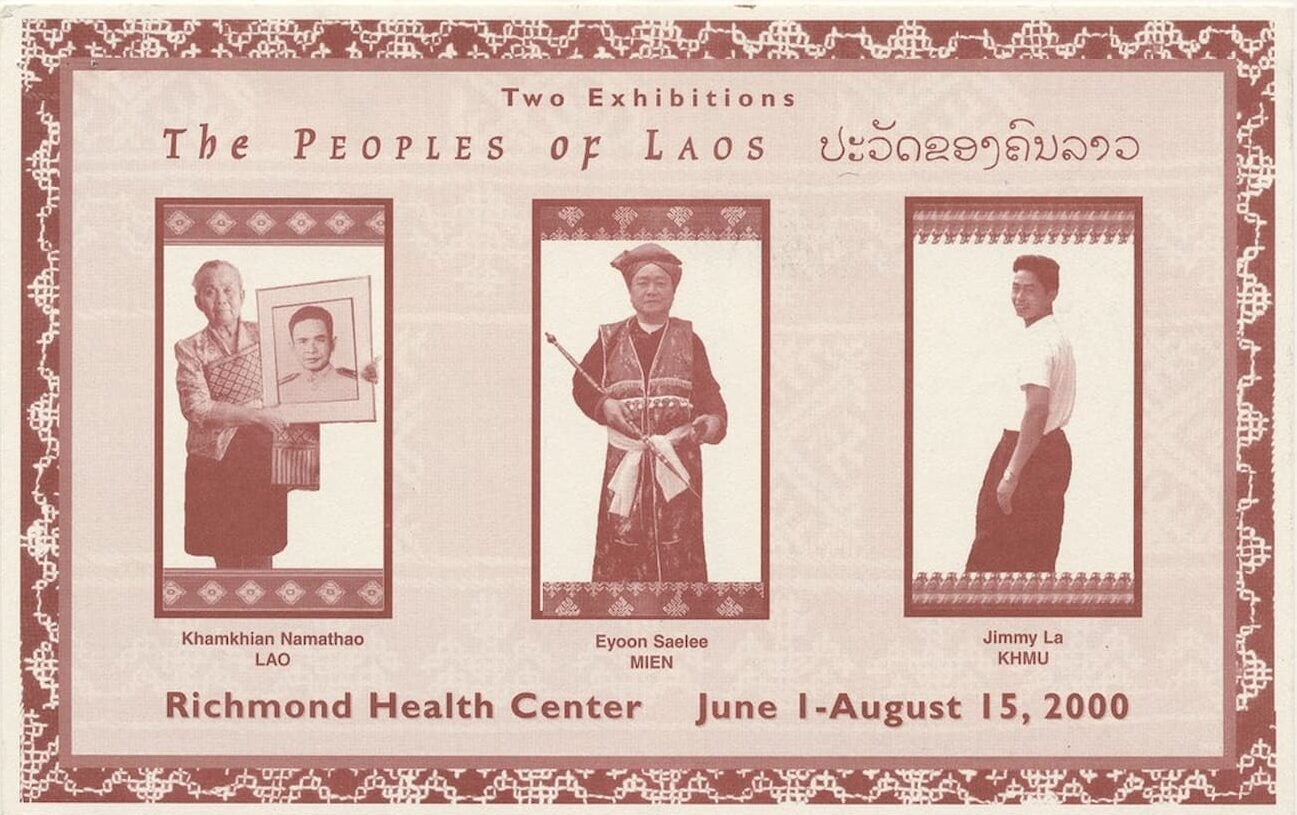
The Peoples of Laos Exhibit
When refugees from Laos arrived in the United States, they were lumped together as “Laotians” regardless of ethnic distinction. In 2000, the Richmond Health Center hosted an exhibition of the peoples of Laos that highlighted its diverse ethnic groups.
Featured in:
Laotian Americans, Module 1
-
Image
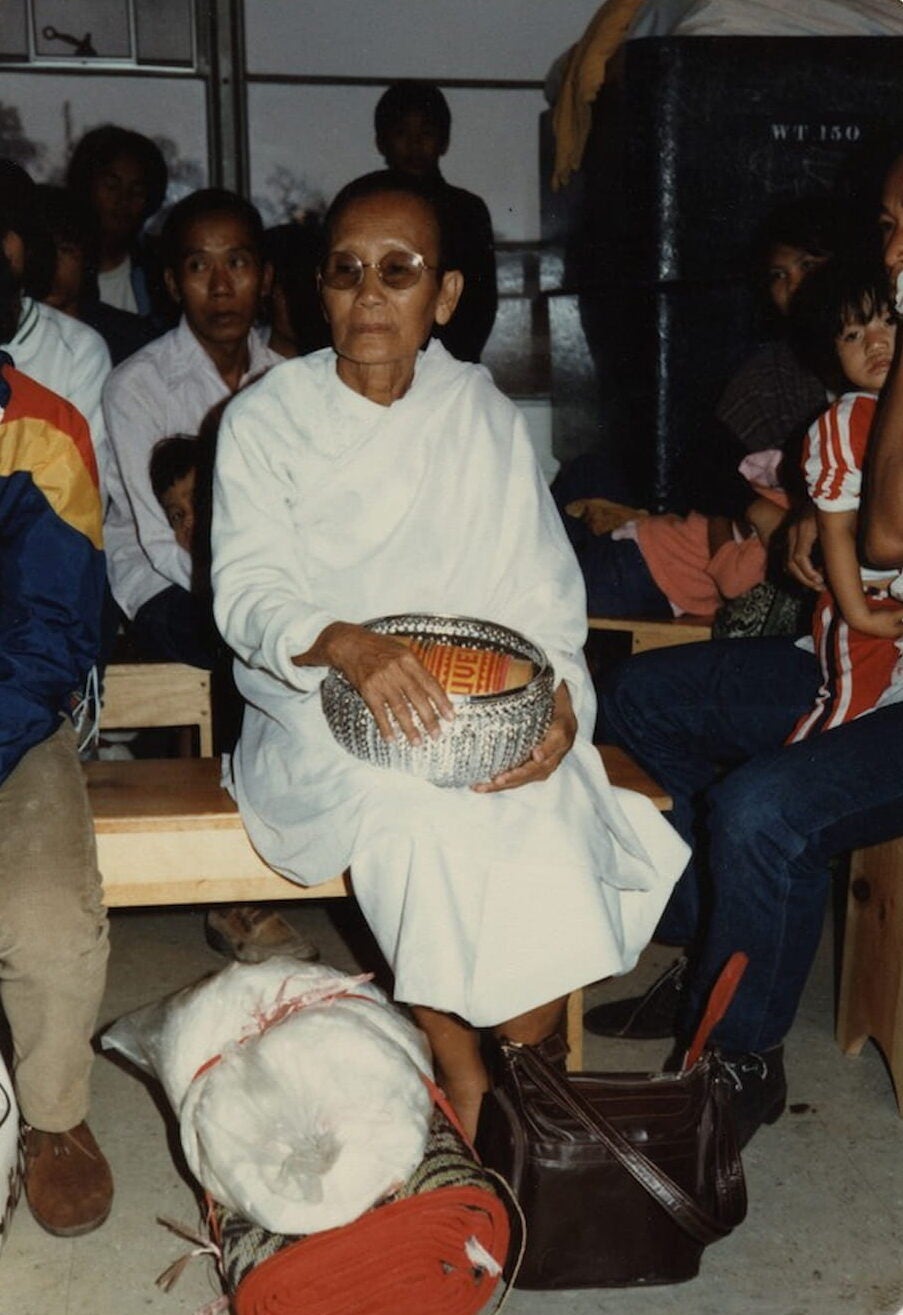
Refugee at Hamilton Air Force Base
A Lao refugee arriving to Hamilton AFB with her bag, mat, purse, thip khao, and silver bowl used for various ceremonies.
Featured in:
Laotian Americans, Module 1
-
Image
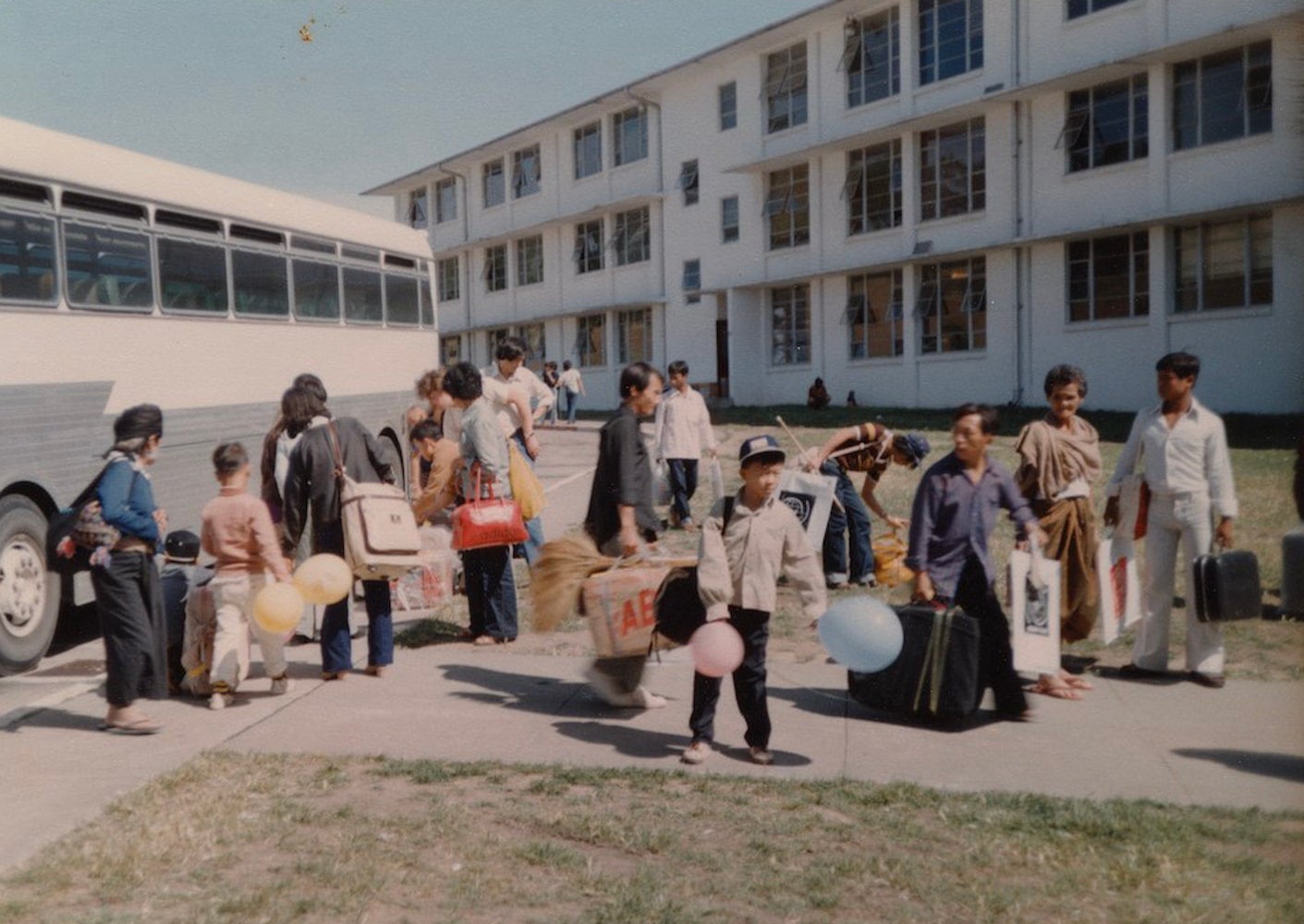
Refugees Arrive At Air Force Base
Refugees from Laos arriving at Hamilton Air Force Base in Marin County, California, with only what they could carry with them. The base was a Refugee Transit Center from 1980 to 1983.
Featured in:
Laotian Americans, Module 1
-
Image
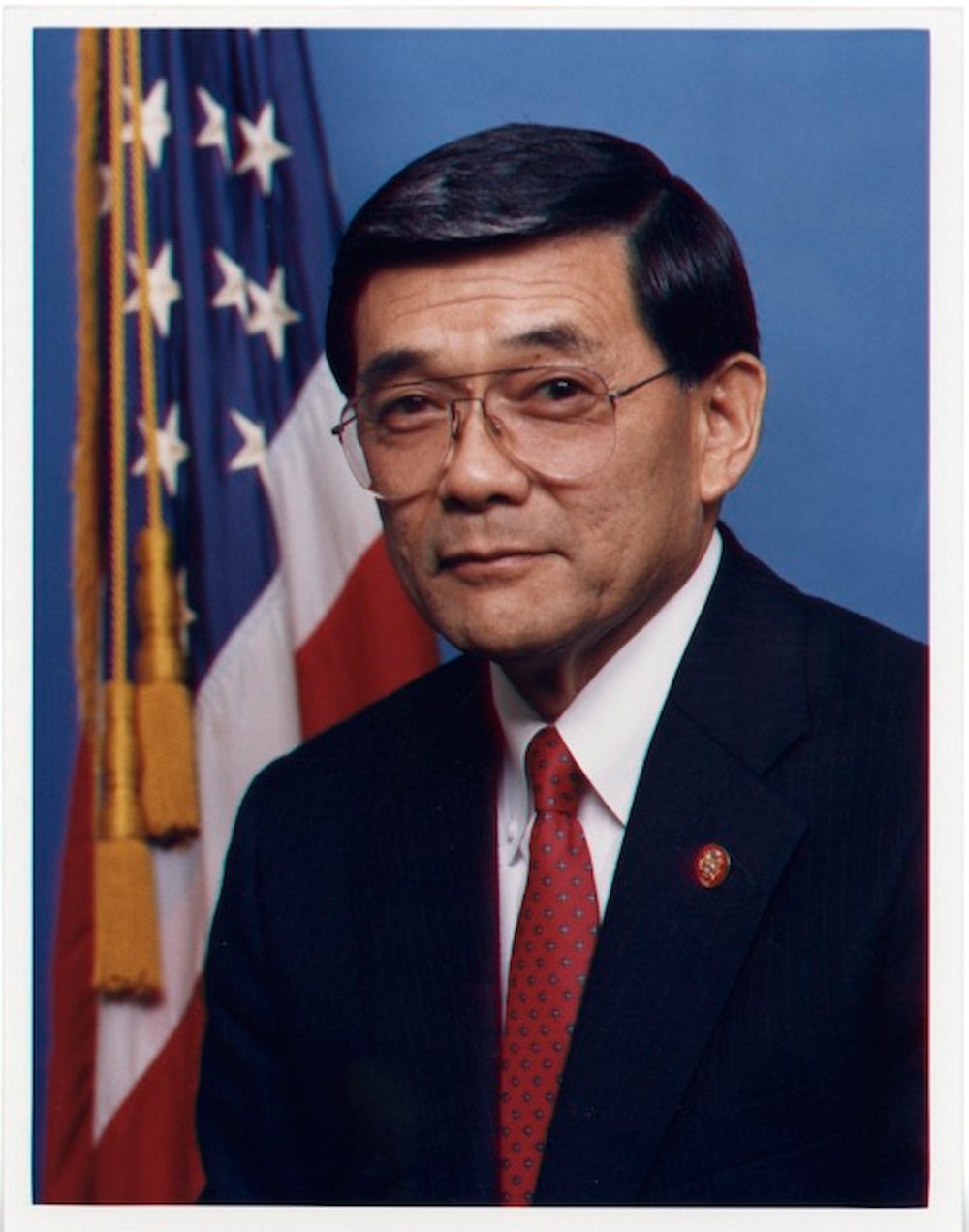
Norman Mineta Portrait
In 1975, Norman Mineta was elected as the first Japanese American member of Congress from the continental US. After serving twenty-one years, he was named to cabinet positions under both Presidents Bill Clinton and George W. Bush.
Featured in:
Japanese Americans, Module 5
-
Video
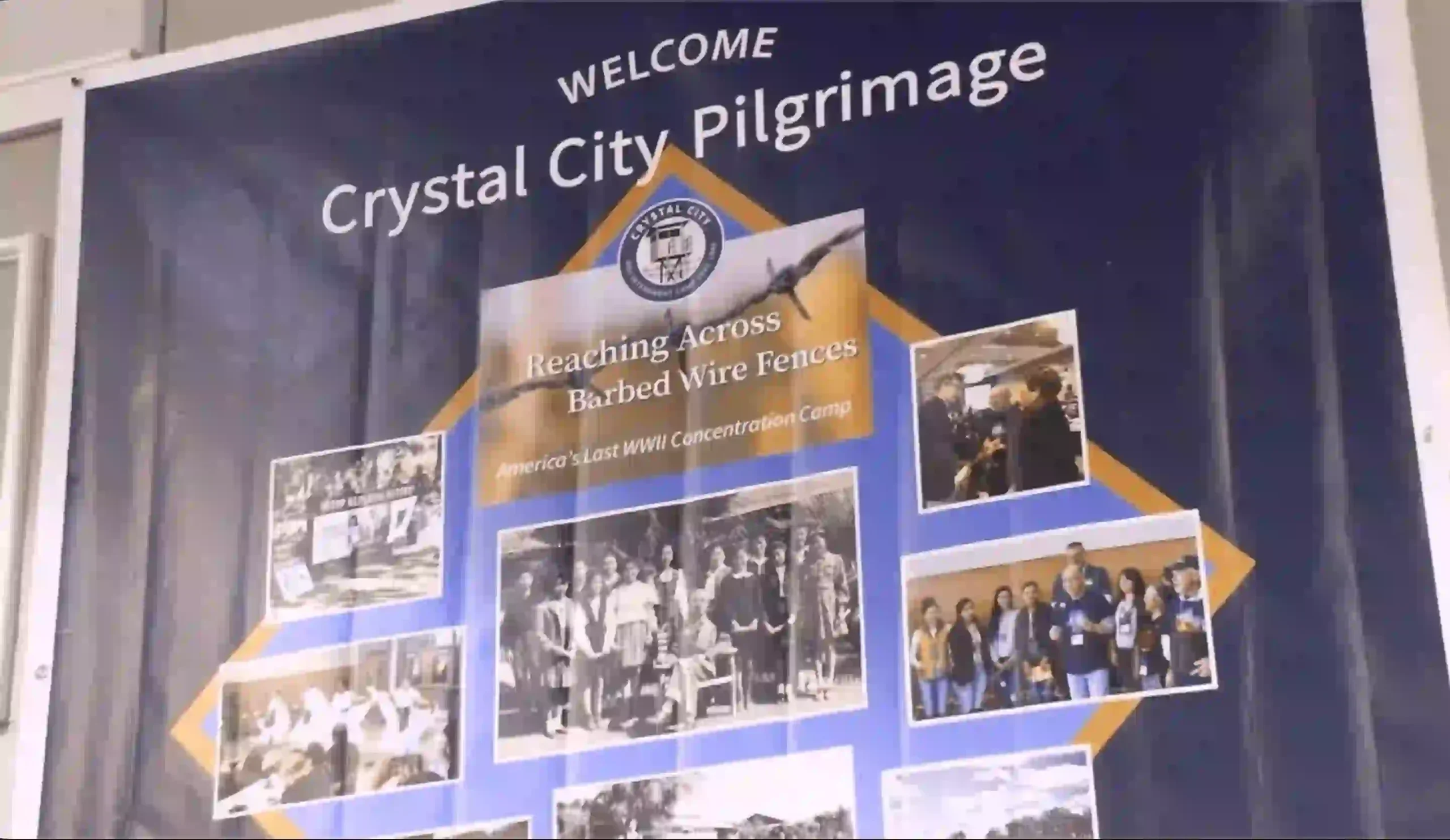
2023 Crystal City Pilgrimage
Eighty years after the wartime incarceration, pilgrimages to the various concentration camp sites are perhaps more numerous and better attended then they have ever been. “Reaching Across Barbed Wire Fences” documents the 2023 Crystal City Pilgrimage.
Featured in:
Japanese Americans, Module 5
-
Image
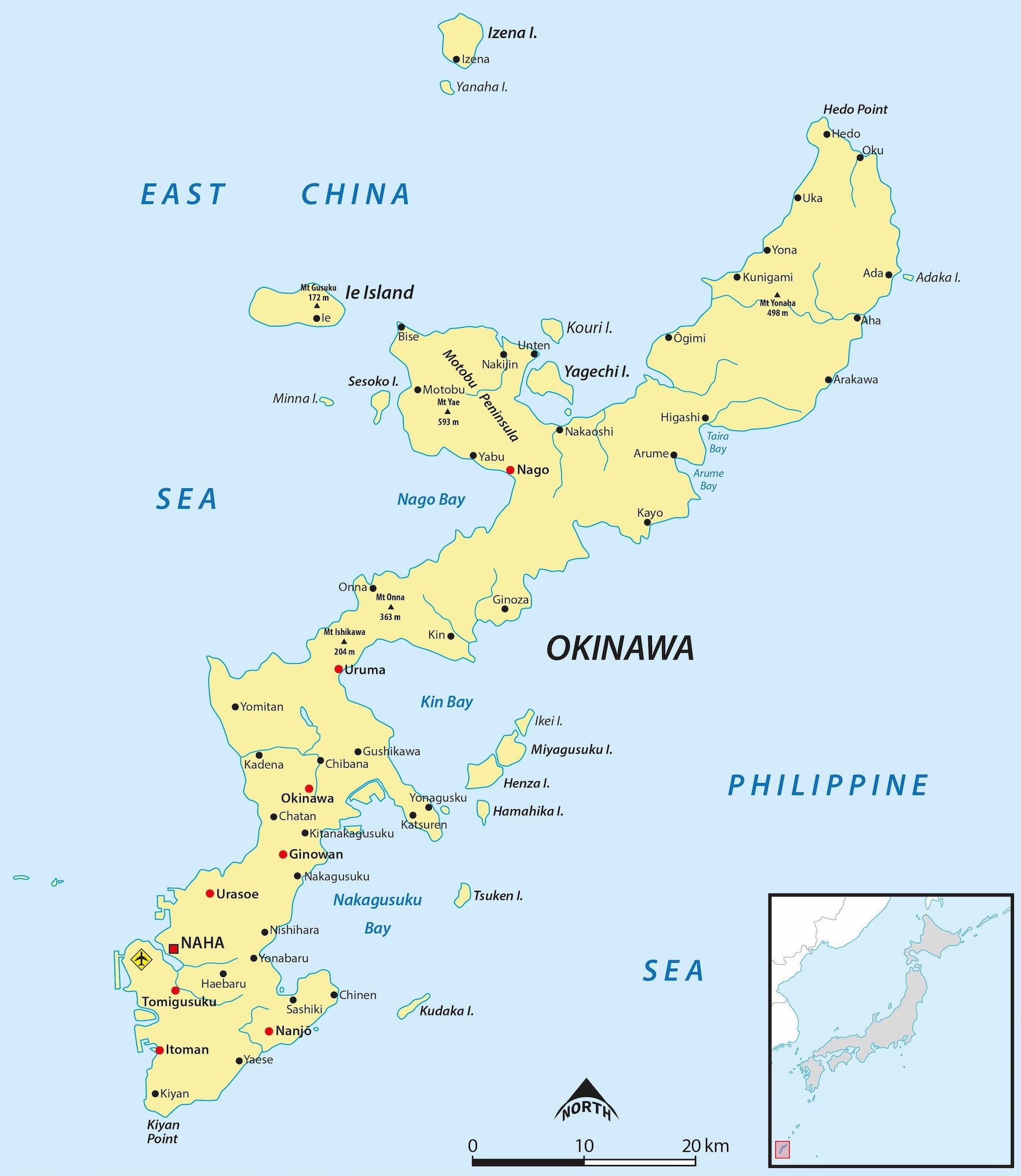
Map of Okinawa
Map of Okinawa, the largest island of the Ryukyu archipelago.
Featured in:
Japanese Americans, Module 5
-
Image
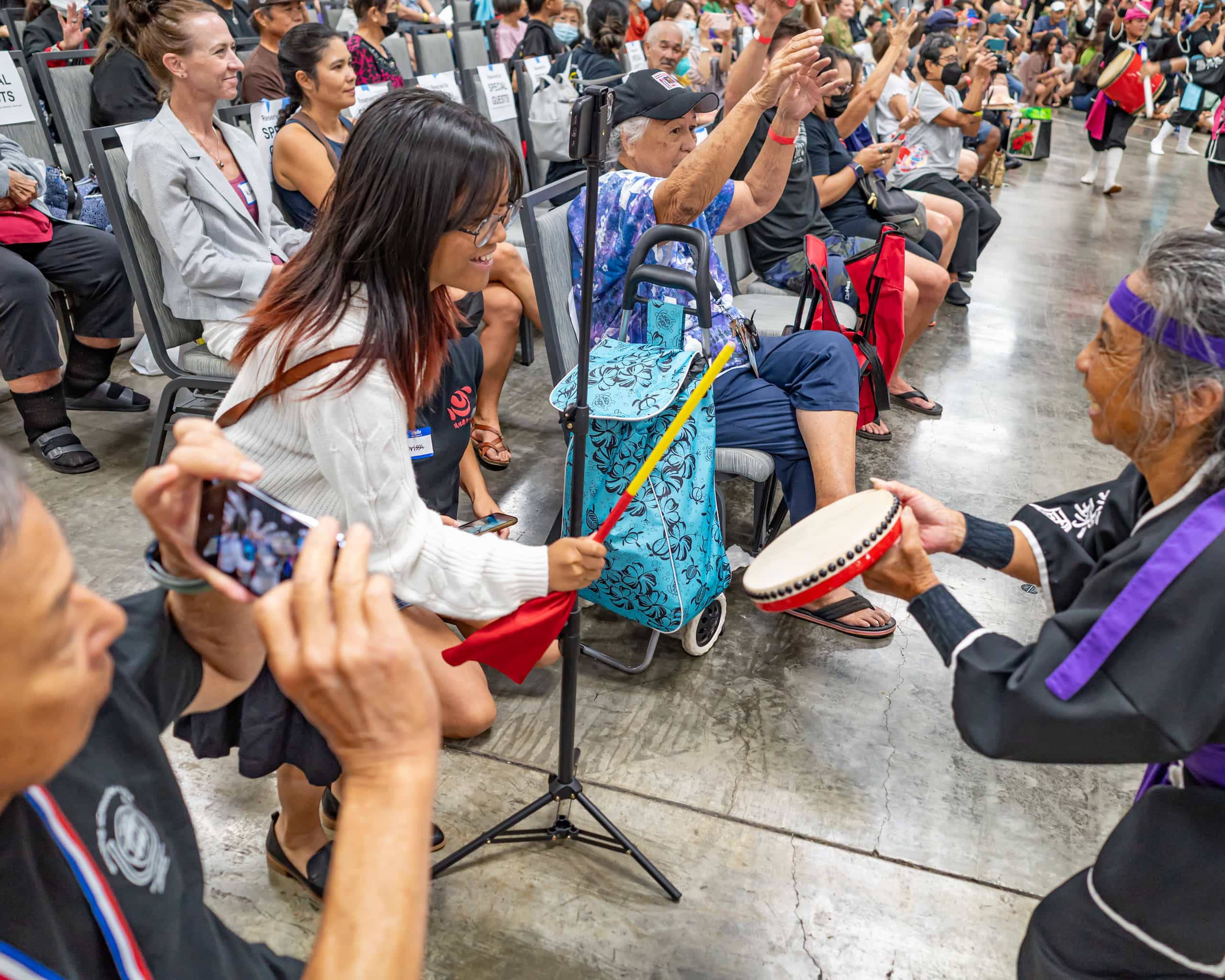
2023 Okinawan Festival
Annual Okinawan Festivals in Honolulu, Hawaiʻi celebrate Okinawan American culture every Labor Day Weekend. Photo courtesy of Cliff Kimura.
Featured in:
Japanese Americans, Module 5
-
Video
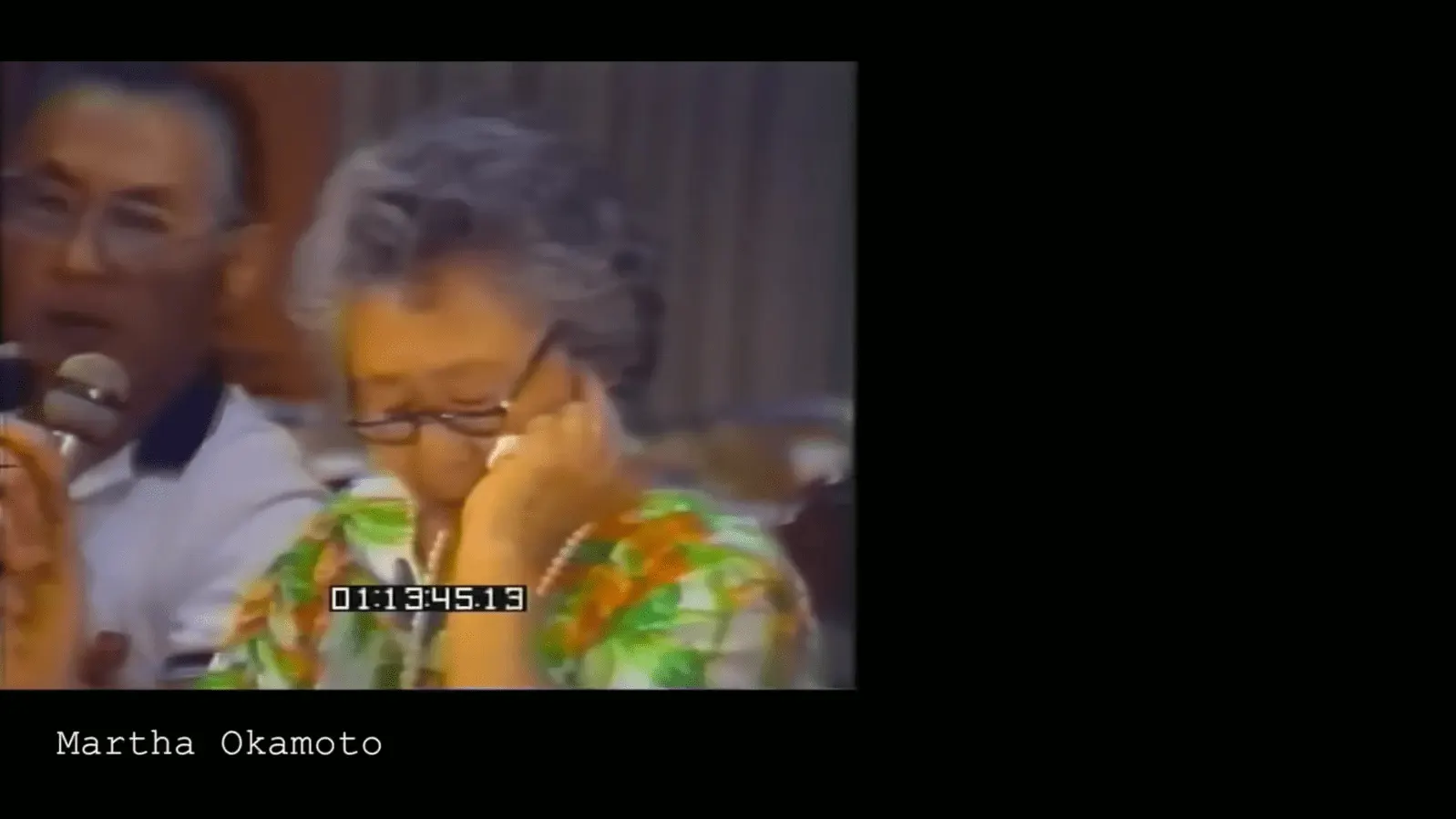
CWRIC Testimonies
In the summer and fall of 1981, hundreds of Japanese Americans testified before the Commission on Wartime Relocation and Internment of Civilians. Their often emotional testimony became a turning point in how the community remembered the wartime incarceration.
Featured in:
Japanese Americans, Module 5
-
Text
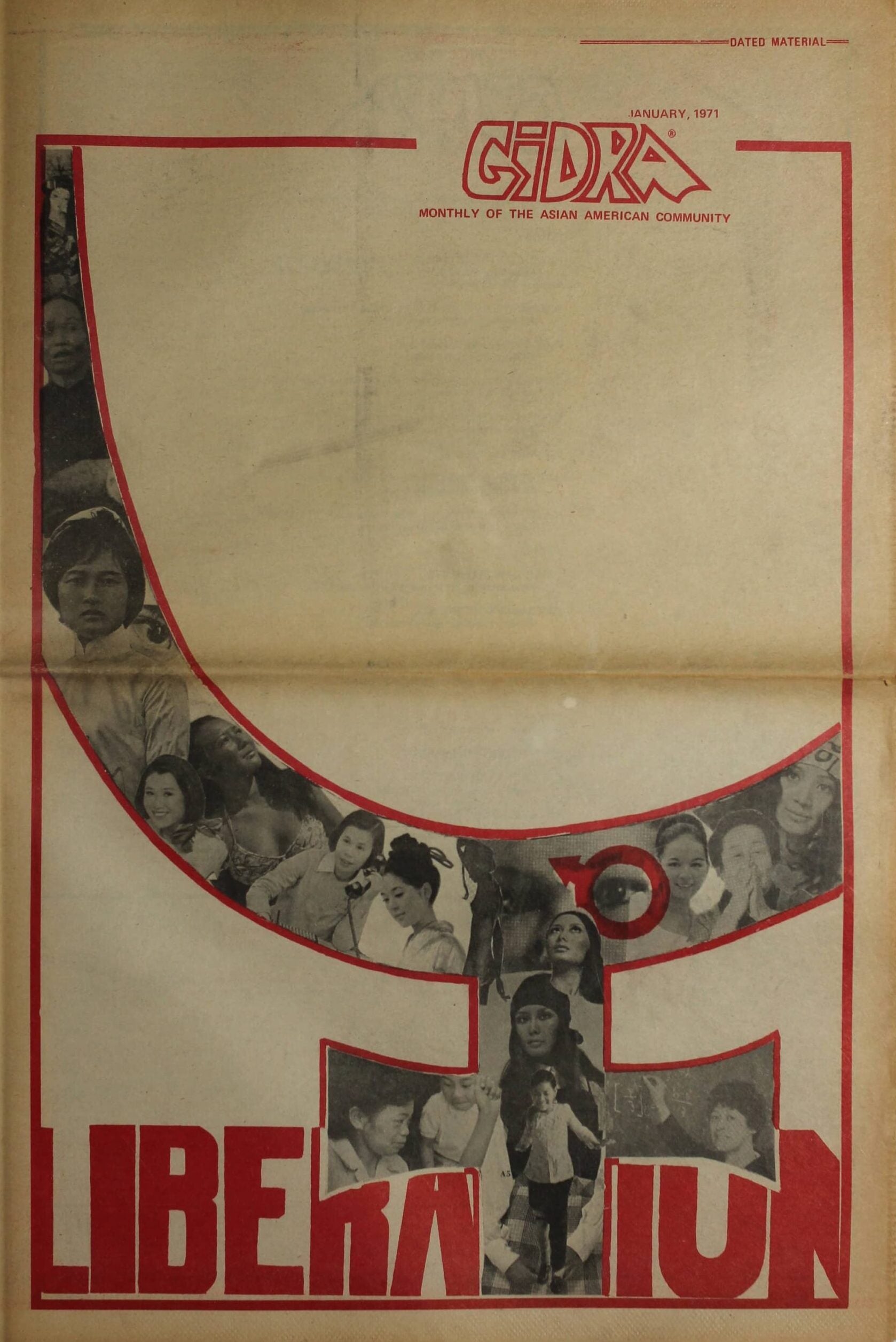
January 1971 Cover of Gidra
Published in Los Angeles and led by a largely Sansei staff, Gidra was a monthly newspaper that became the leading voice of the Asian American Movement
Featured in:
Japanese Americans, Module 5
-
Image
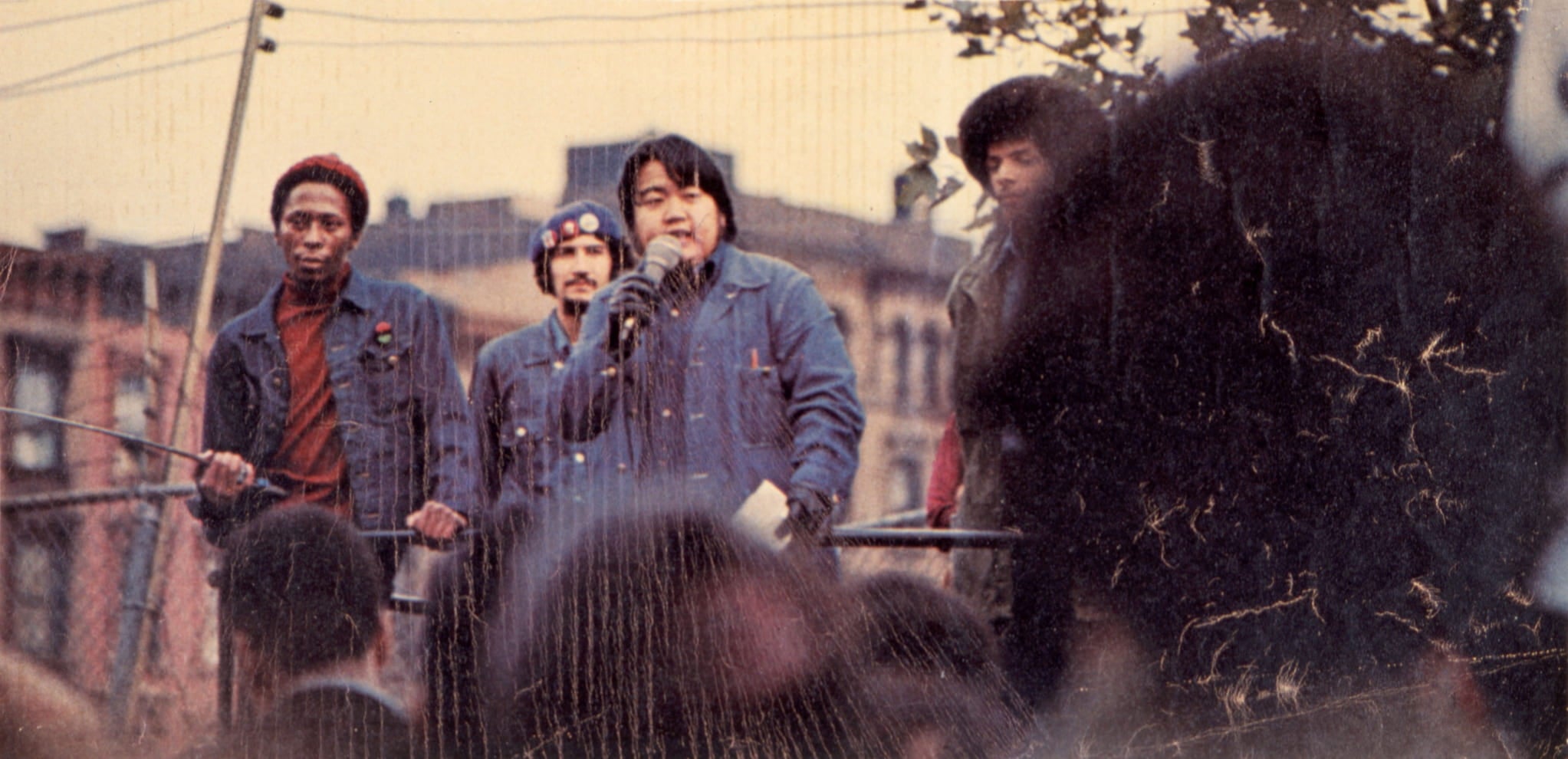
Warren Furutani at a New York Rally
Sansei activists, like Warren Furutani, were inspired to fight for social change alongside other communities of color in the 1960s and 1970s. He is shown speaking at a New York rally, alongside African American and Chicano activists.
Featured in:
Japanese Americans, Module 5
-
Image
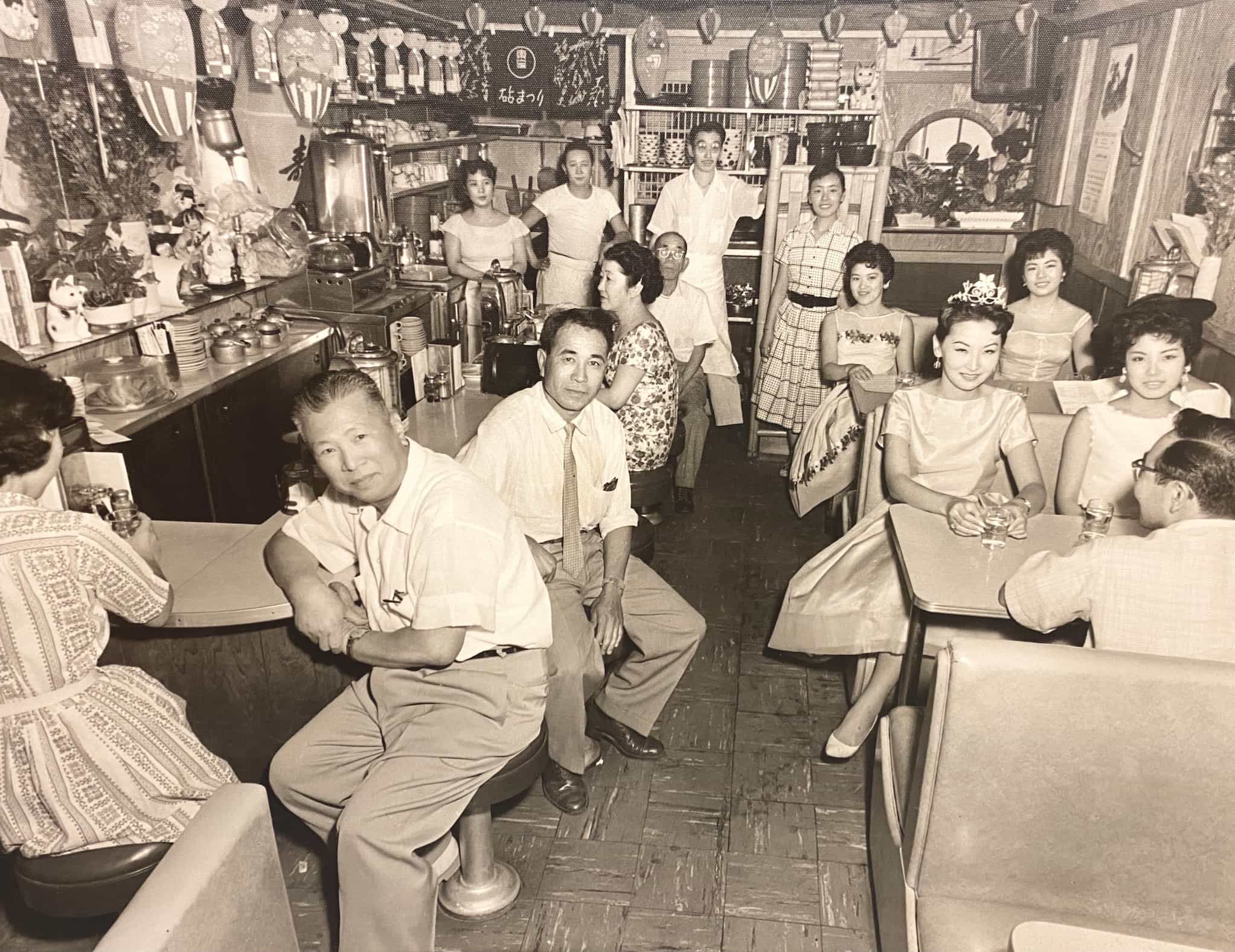
Opening Day at Koharu Restaurant
Despite the forced exclusion of Japanese Americans during World War II, Little Tokyos reemerged in most of the major cities on the West Coast. Koharu Restaurant circa 1959 showcase strong communities in areas like Los Angeles’s Little Tokyo.
Featured in:
Japanese Americans, Module 4
-
Image
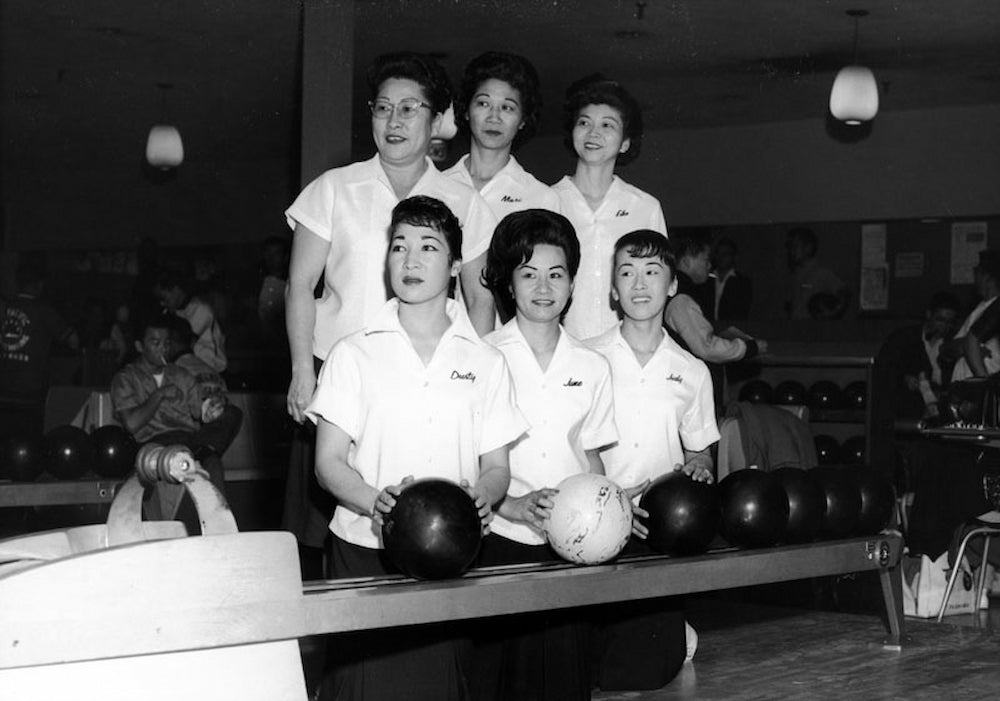
Champion Women’s Bowling Team
Embracing American hobbies, bowling became a popular community activity among Nisei and Sansei after World War II. In Los Angeles, the women’s team at the Holiday Bowl were no exception.
Featured in:
Japanese Americans, Module 4
-
Image
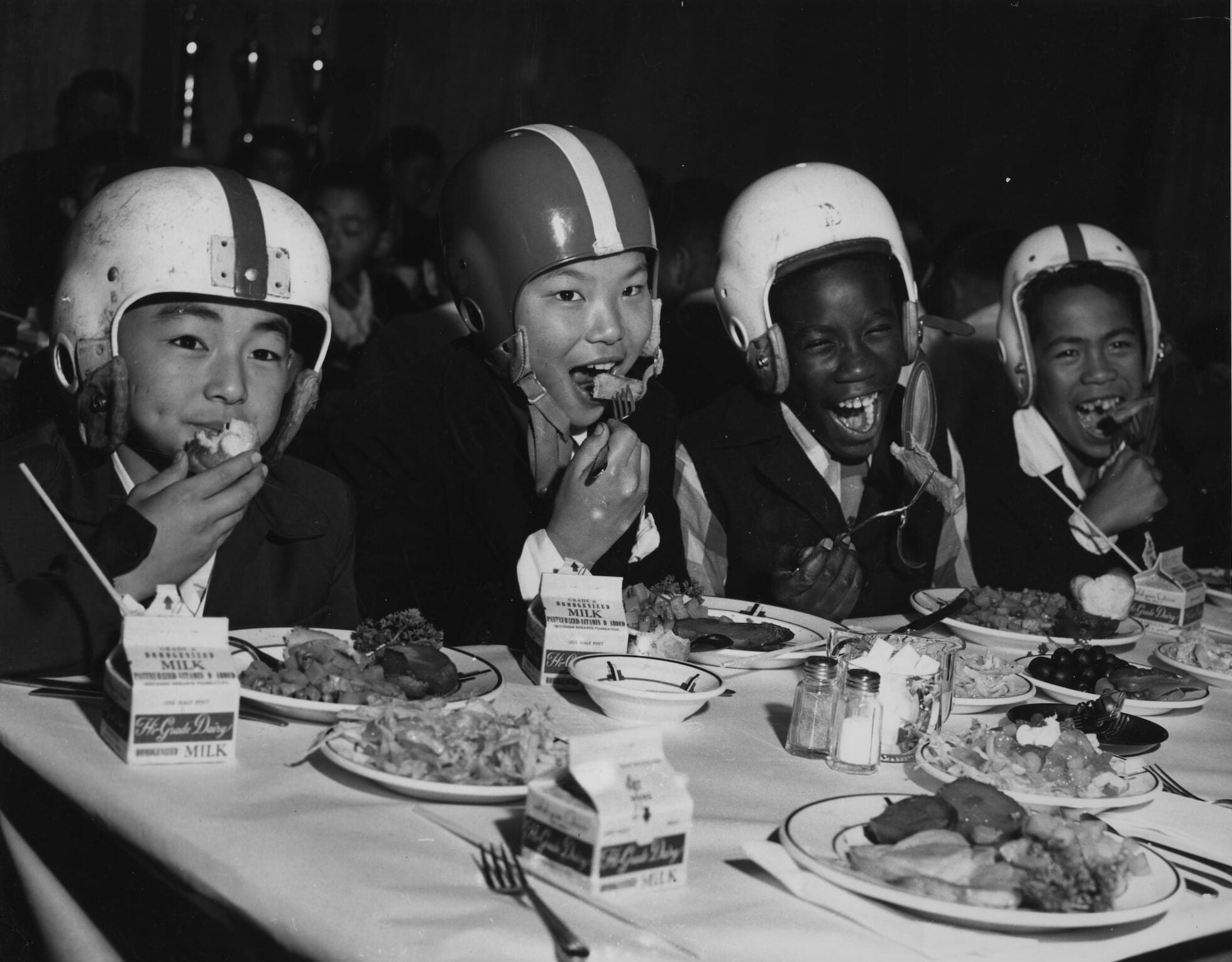
Sansei and African American Youth Football Players
Many Sansei grew up in multiethnic communities after the war. This image shows a banquet sponsored by the Seattle Nisei Veterans Committee for a youth football team, Seattle, 1953.
Featured in:
Japanese Americans, Module 4
-
Image
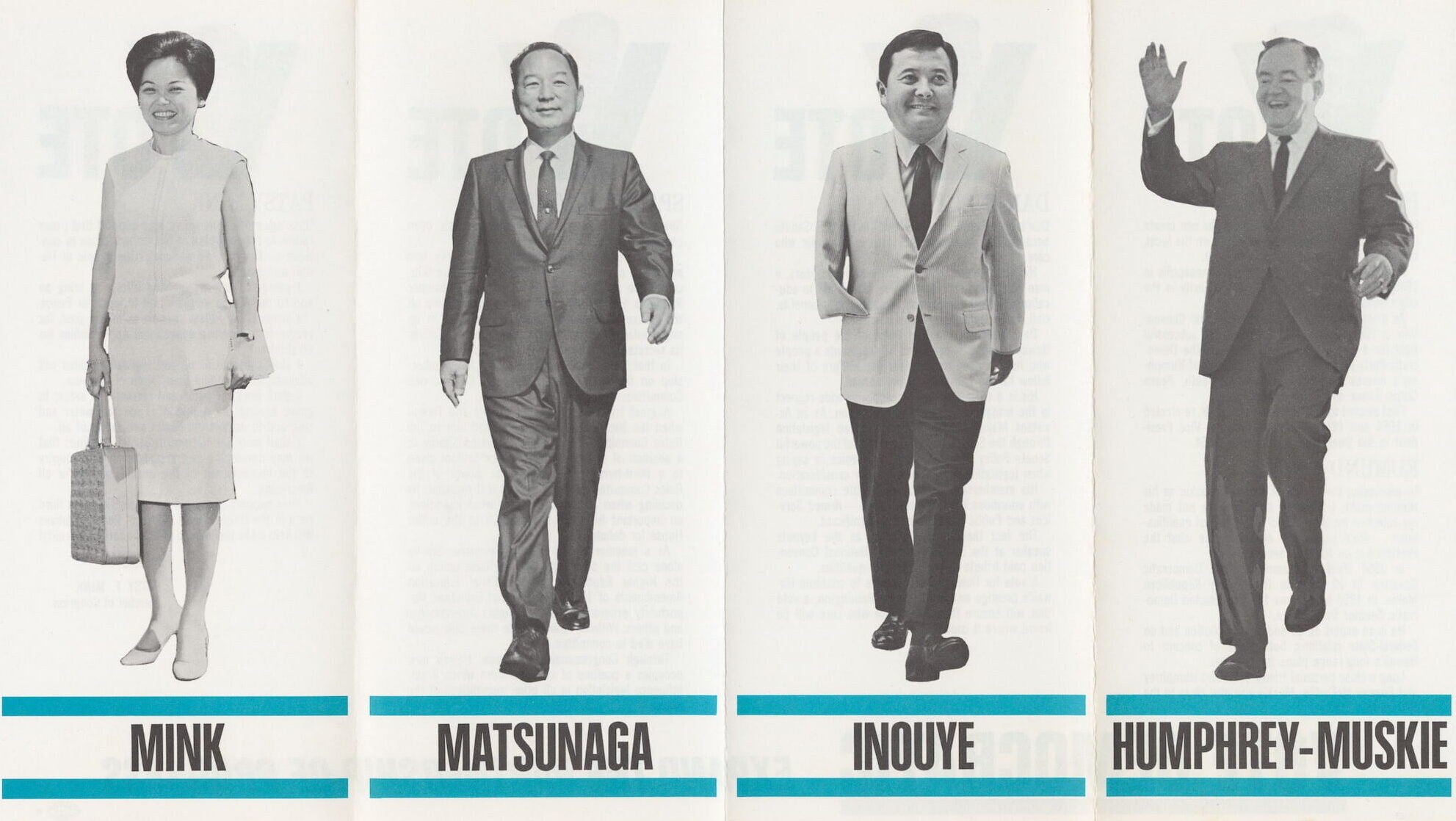
1968 Political Campaign Pamphlet
Japanese Americans in the Democratic Party became dominant figures in Hawaiʻi politics after Hawaiʻi became a state in 1959. This 1968 campaign pamphlet for Hawaiʻi Democratic Party candidates highlights Patsy Mink, Spark Matsunaga, Daniel Inouye, and Hubert Humphrey.
Featured in:
Japanese Americans, Module 4
-
Text
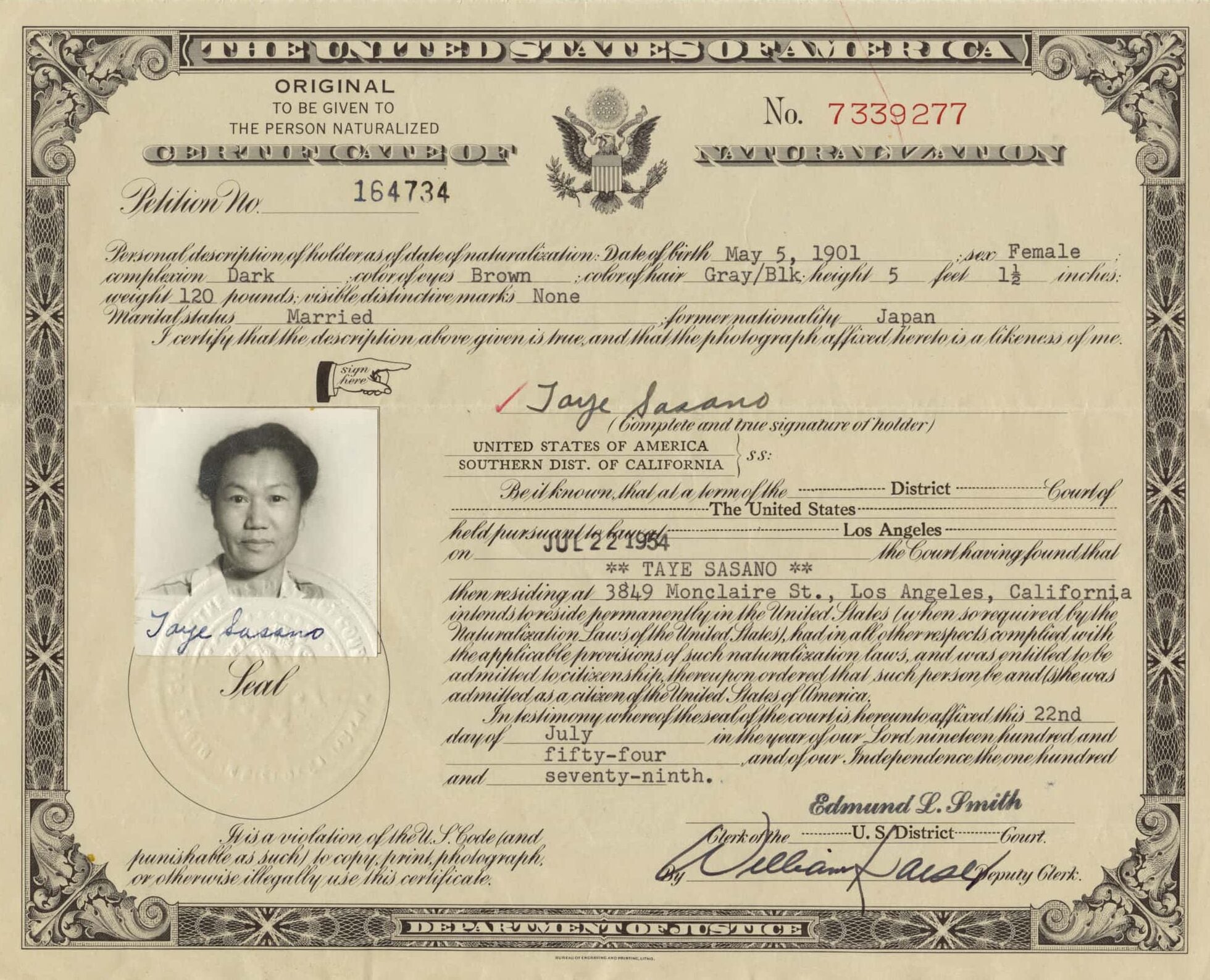
Naturalization Certificate of Taye Sasano
Taye Sasano was one of thousands of Issei who applied for and received naturalized citizenship after the passing of the McCarran-Walter Act in 1952.
Featured in:
Japanese Americans, Module 4
-
Video
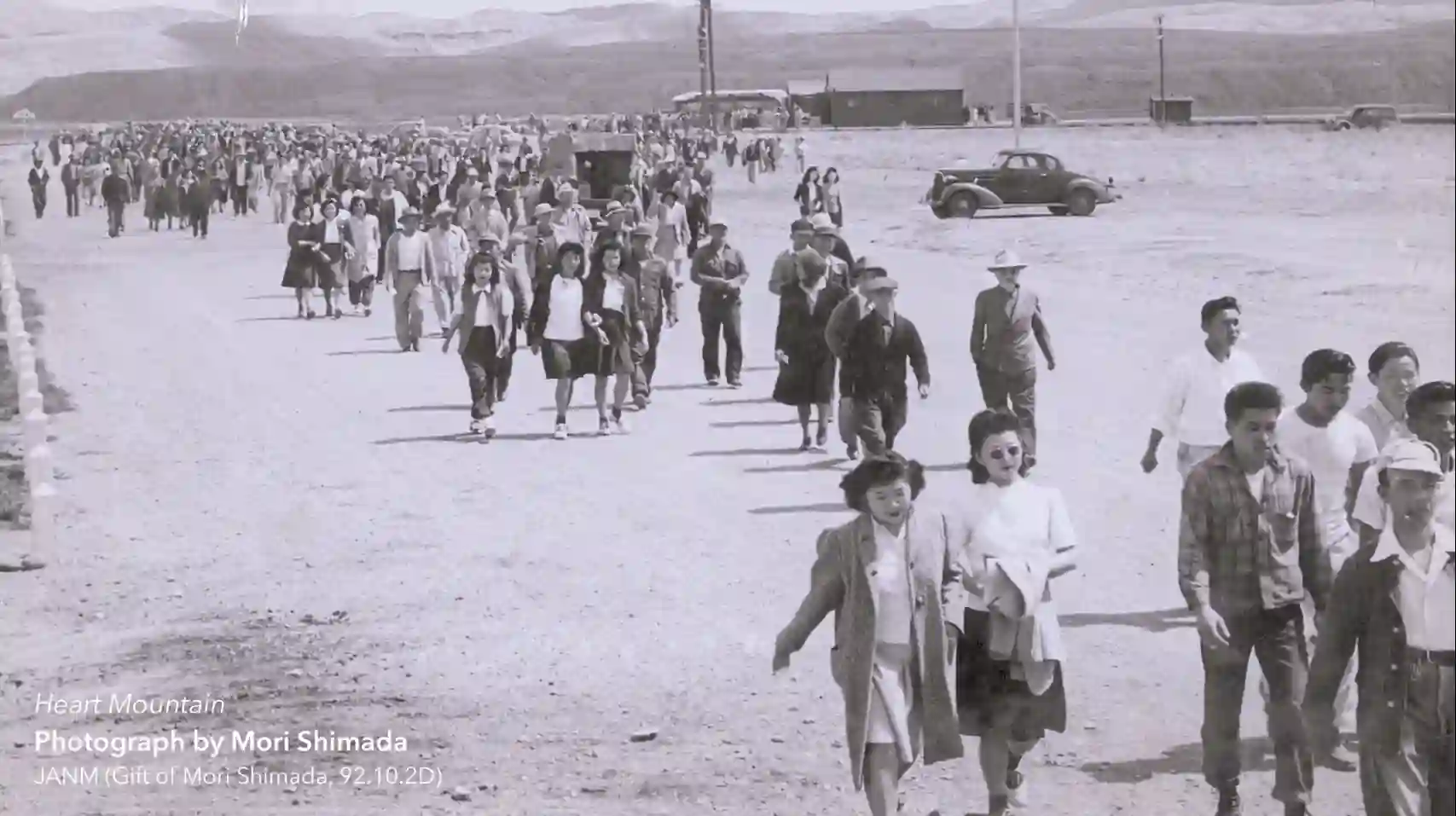
Incarcerees Return to Southern California
Due to housing shortages in Southern California, thousands of Japanese Americans newly released from the concentration camps lived in federal trailer camps upon their return in 1945–47.
Featured in:
Japanese Americans, Module 4
-
Image
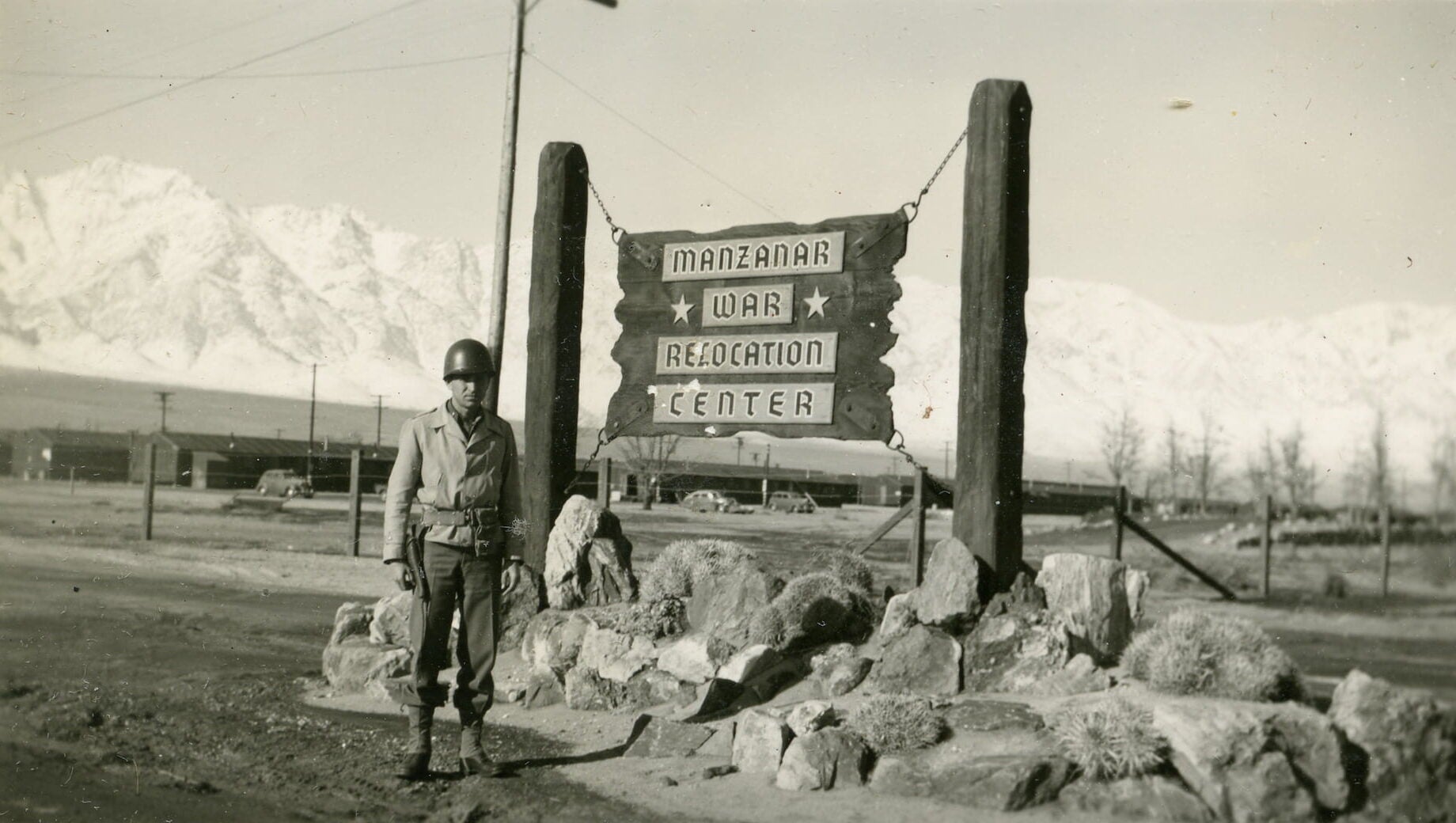
Manzanar Entrance
While Japanese Americans were forcibly removed from their homes, the government used euphemisms to downplay the violation of their civil rights. The entrance to the Manzanar War Relocation Center even appears welcoming, reinforcing the misleading idea that Japanese Americans were ‘evacuees.’
Featured in:
Japanese Americans, Module 3


