



Search the Media Repository
Discover the curated images, videos, and primary sources featured throughout Foundations and Futures
History is more than just text on a page; it is the photographs, voices, and artifacts of the people who lived it. The images and recordings featured across Foundations and Futures are part of a meticulously curated media repository. Whether you are building a lesson plan or investigating an artifact, you can use this database to trace the provenance of our media: discover who created an asset, the historical context behind it, and how it can be used to bring Asian American and Pacific Islander experiences into your classroom.
Multimedia
Chapters
-
Video
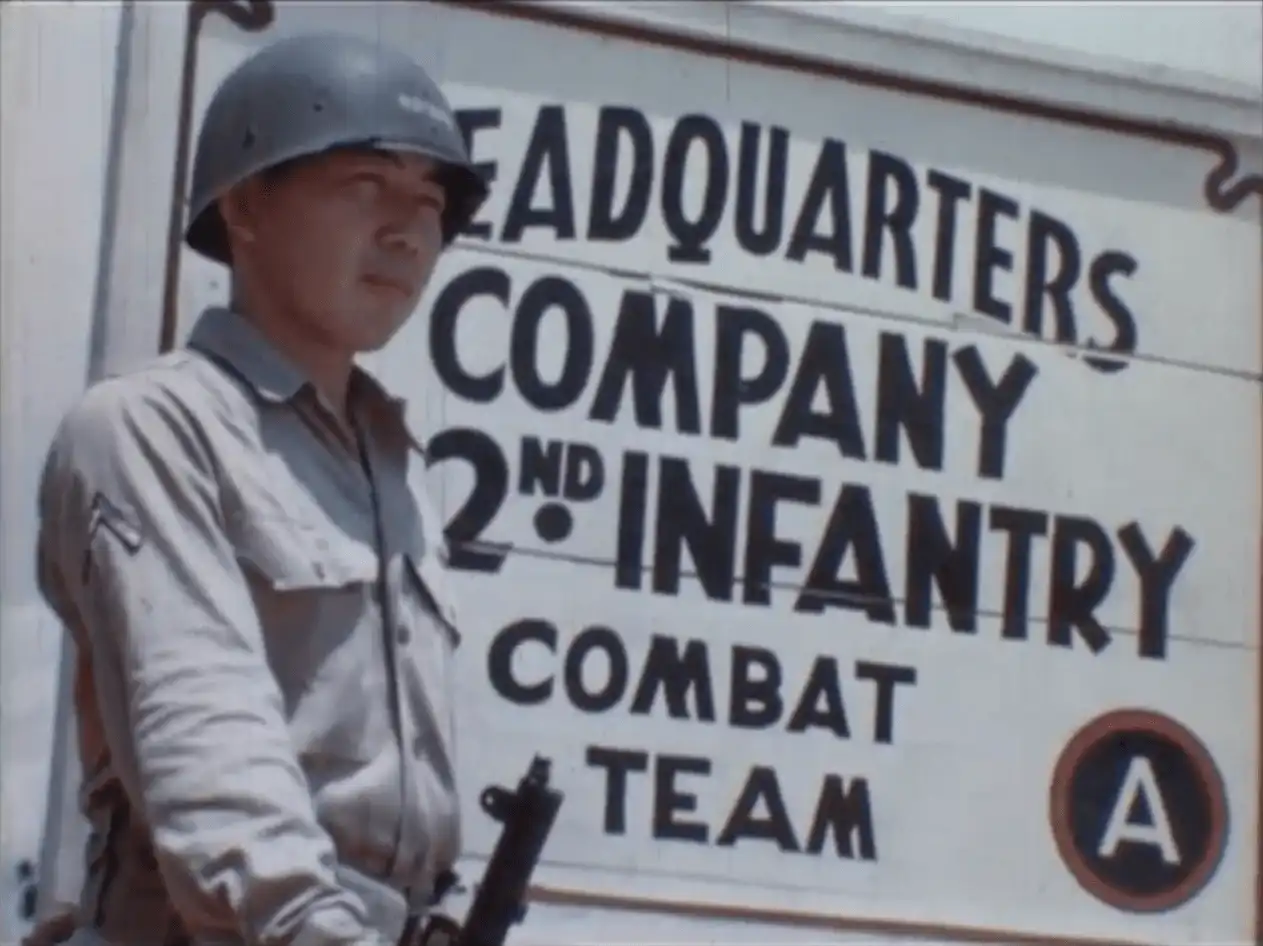
“A Challenge to Democracy”
This clip from a 1944 WRA propaganda film provides a clue as to how Japanese American military service was portrayed to both Japanese American and non-Japanese American audiences.
Featured in:
Japanese Americans, Module 3
-
Image
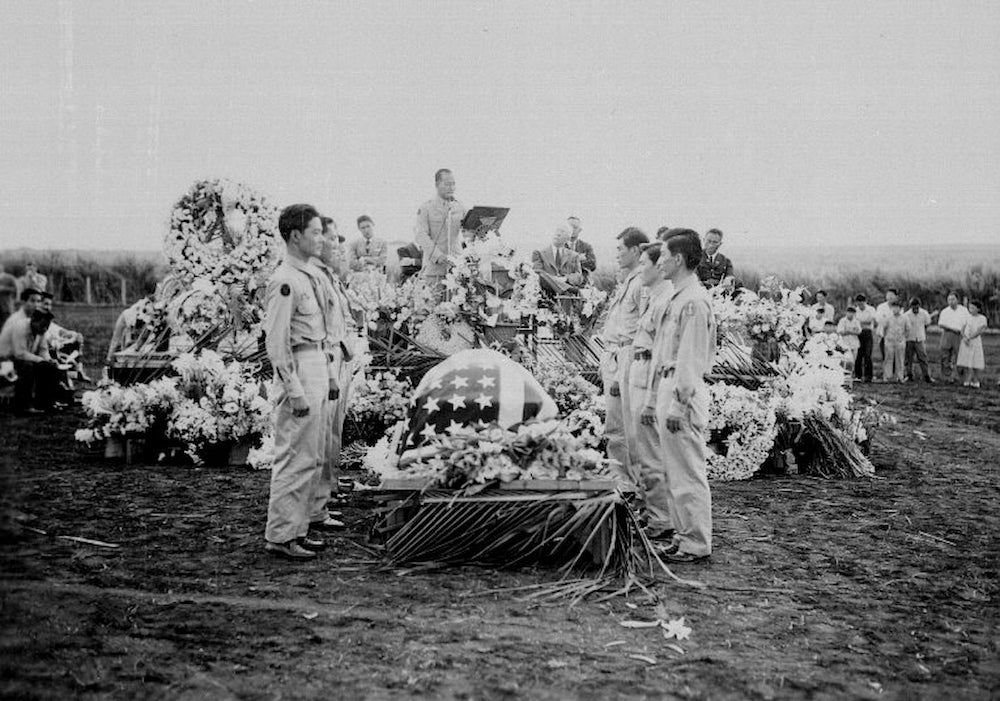
Nisei Soldiers of the 442nd Regimental Combat Team Funeral
Funeral for soldier killed as a member of the 442nd Regimental Combat Team, Oʻahu, Hawaiʻi.
Featured in:
Japanese Americans, Module 3
-
Image
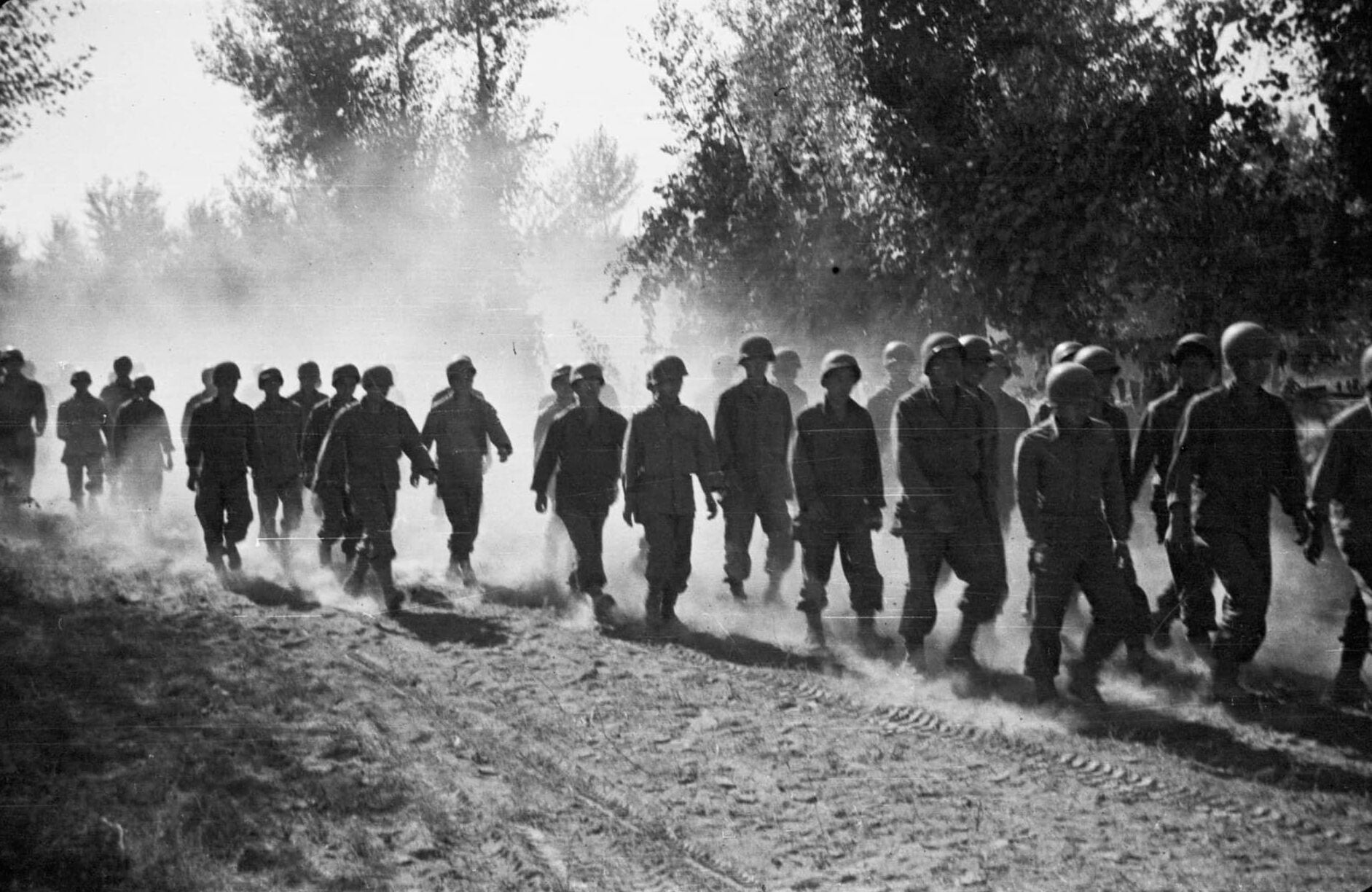
Nisei Soldiers of the 442nd Regimental Combat Team Marching
Nisei soldiers of the 442nd Regimental Combat Team fought in Germany, Italy, and France.
Featured in:
Japanese Americans, Module 3
-
Image
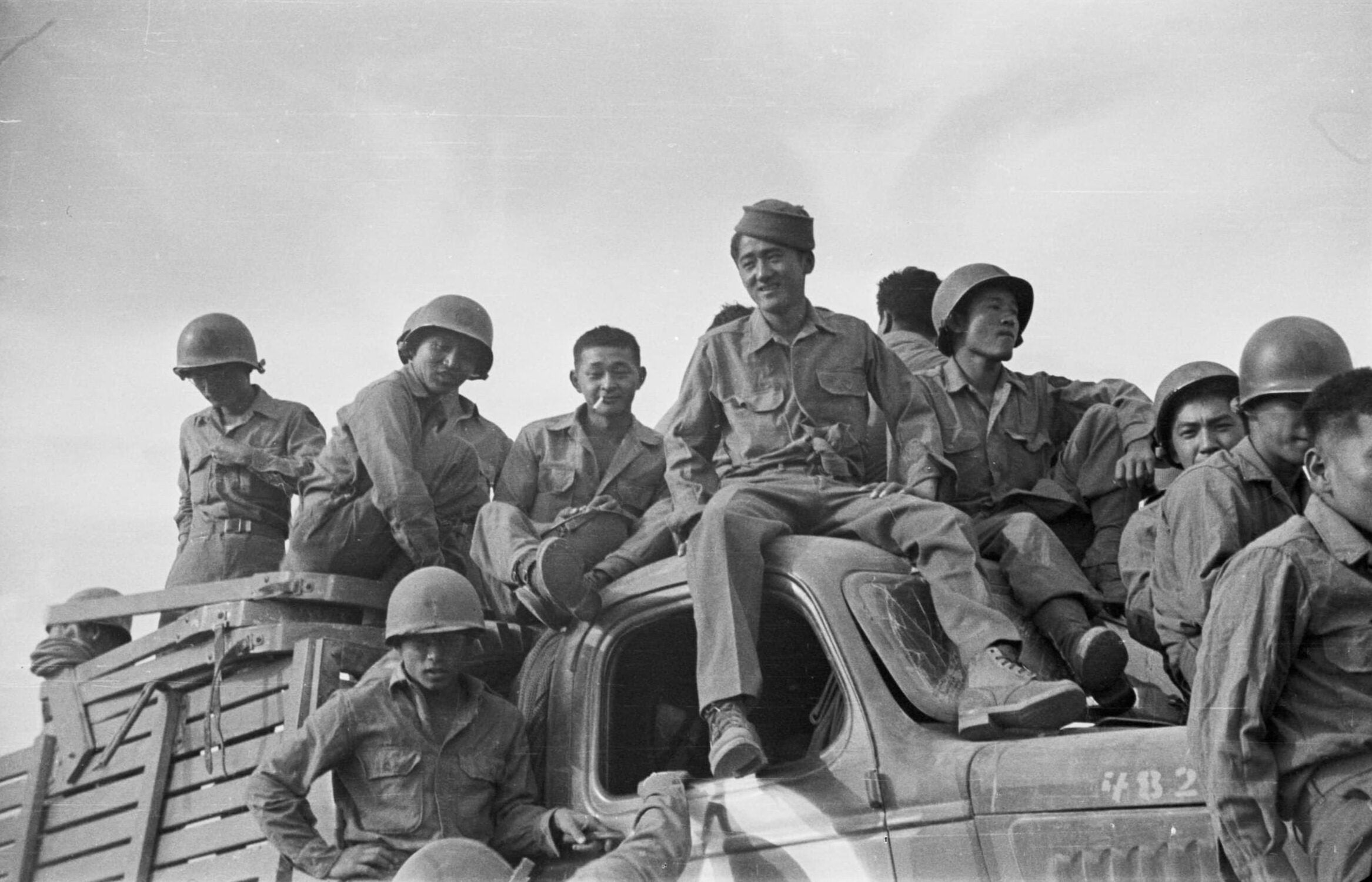
Nisei Soldiers of the 442nd Regimental Combat Team
Nisei soldiers of the 442nd Regimental Combat Team in Europe, 1944–45, became one of the most highly decorated units in American military history for its size and length of service.
Featured in:
Japanese Americans, Module 3
-
Image
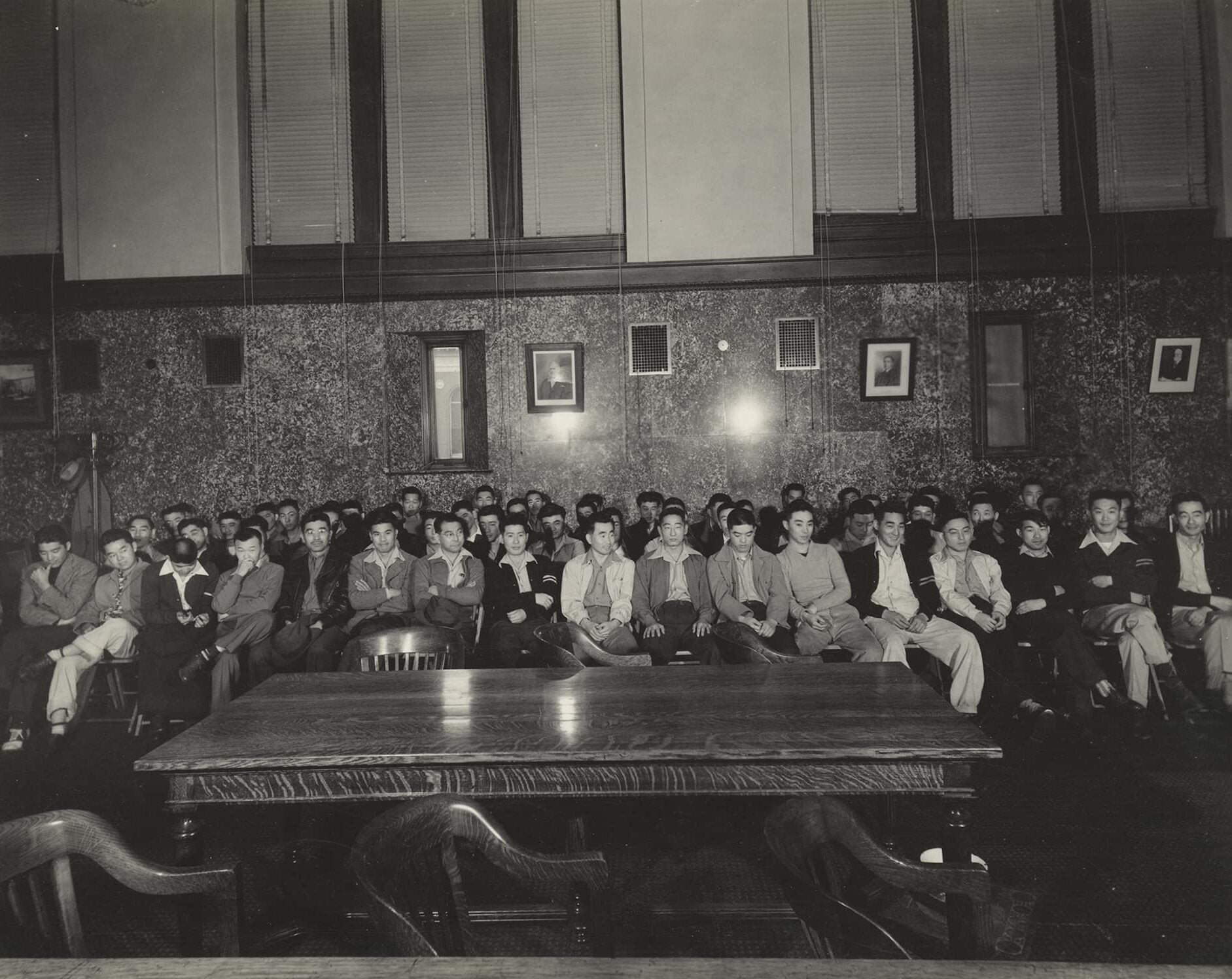
Mass Trial Hearing
Sixty-three Nisei who resisted the draft while incarcerated at the Heart Mountain, Wyoming, camp were tried and convicted in the largest mass trial in Wyoming’s history. This image shows the trial of Nisei draft resisters, Cheyenne, Wyoming, June 12, 1944
Featured in:
Japanese Americans, Module 3
-
Video
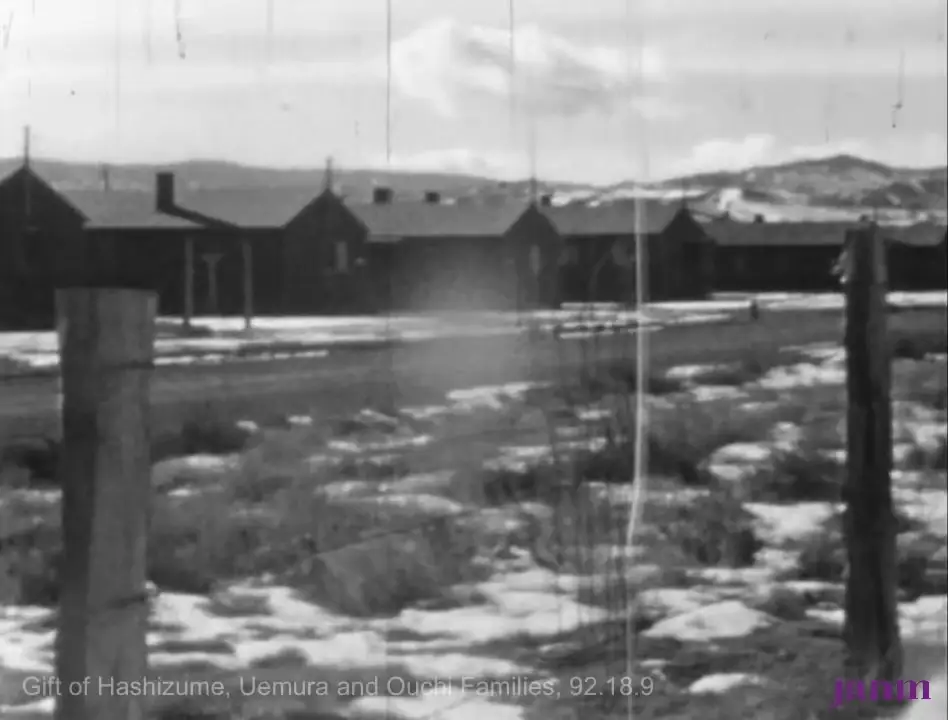
Heart Mountain Concentration Camp
Home movie footage from the Heart Mountain concentration camp in Wyoming captures the stark desert landscape where Japanese American families tried to create a sense of normalcy during their forced removal.
Featured in:
Japanese Americans, Module 3
-
Image
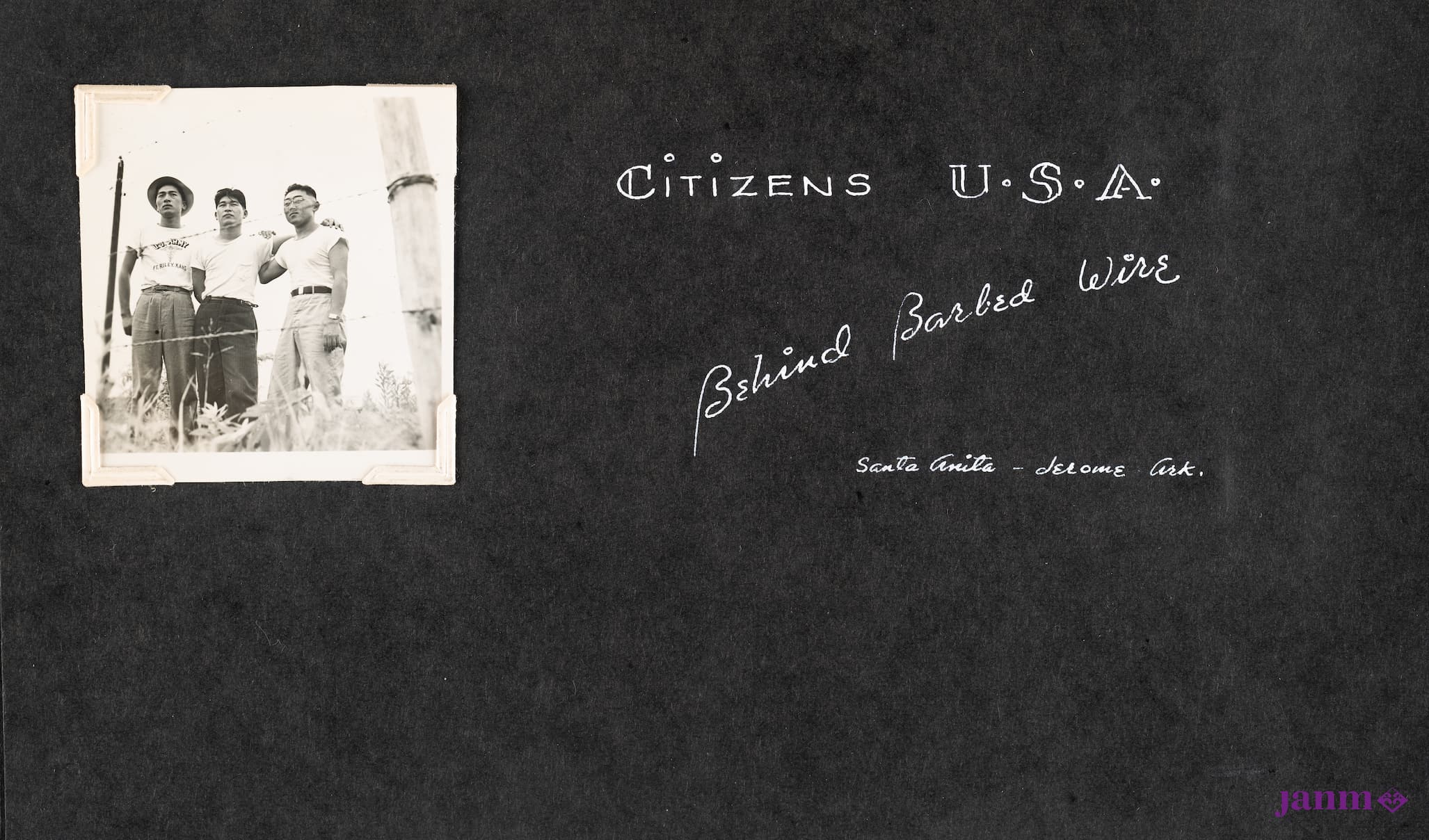
Citizens Behind Barbed Wire
A page from a scrapbook by Kiku and Mary Masaoka, who were incarcerated in Santa Anita, California and Jerome, Arkansas. Despite administrative attempts to make life as normal as possible, inmates never forgot they were being held behind barbed wire.
Featured in:
Japanese Americans, Module 3
-
Image
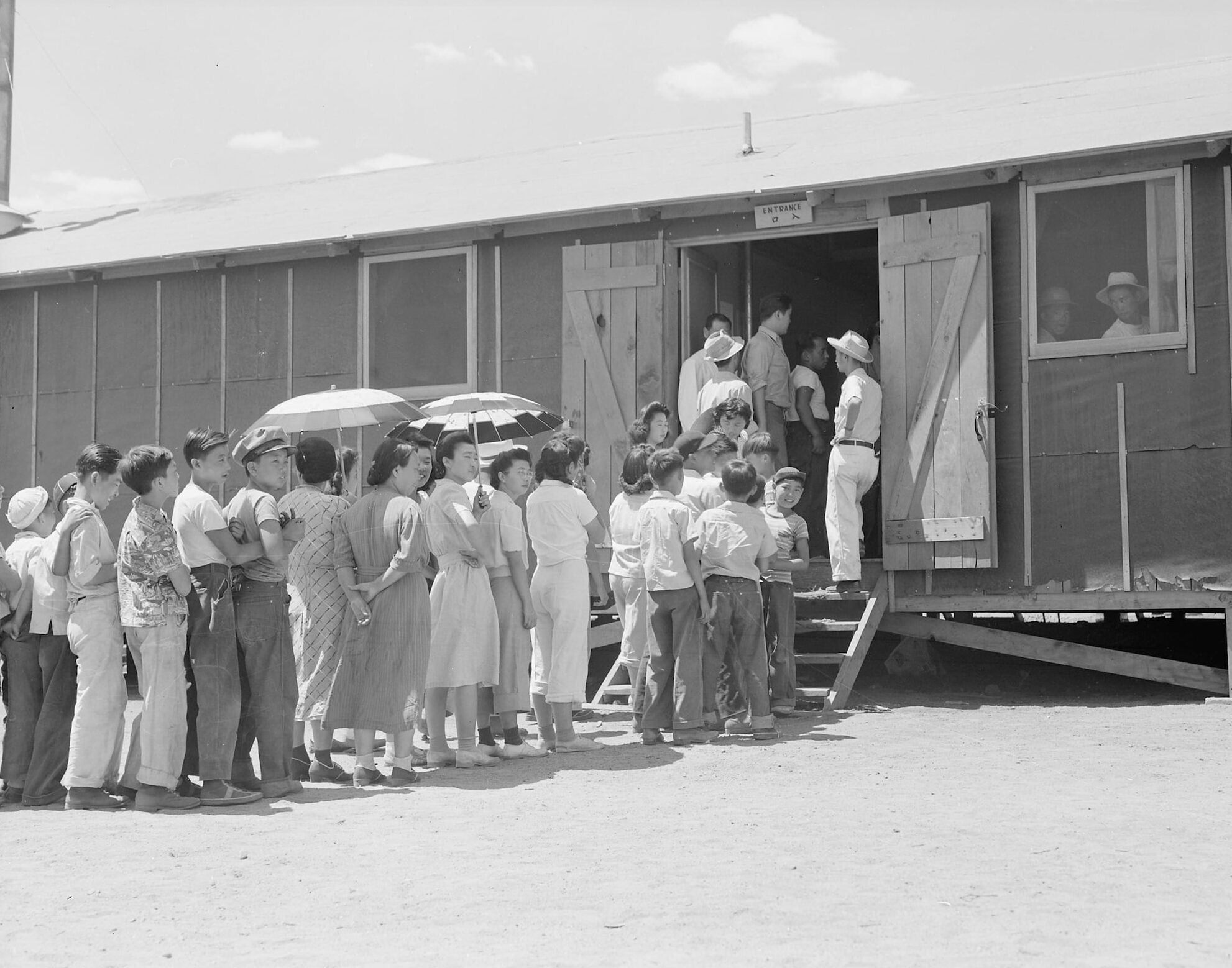
Waiting For the Mess Hall
Photographed by Dorothea Lange, this image shows the long lines inmates had to wait in before entering the mess hall at Manzanar, July 1942. Many recounted the many lines they had to endure as part of camp life
Featured in:
Japanese Americans, Module 3
-
Image
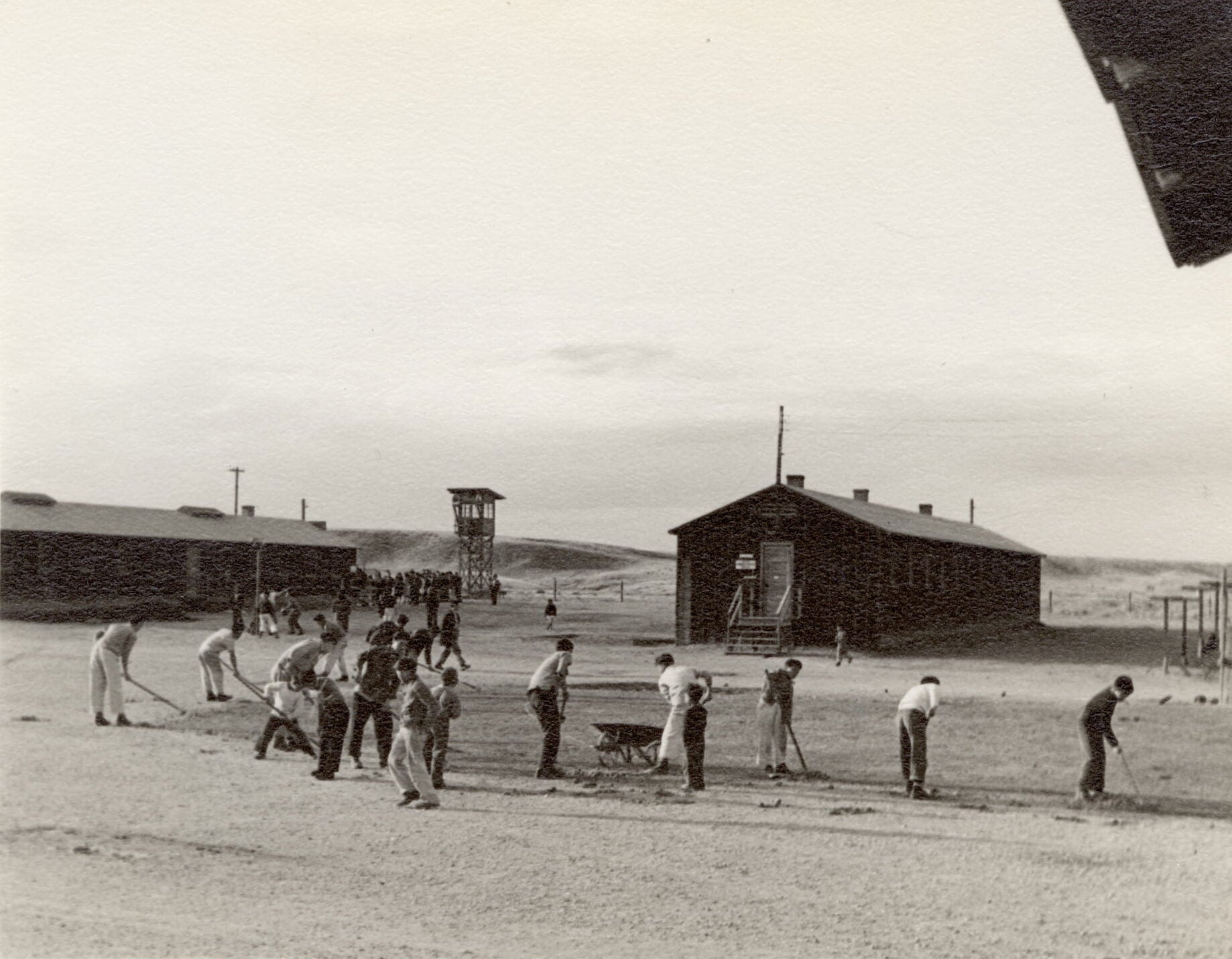
Camp Maintenance
Concentration camps were run as if they were small towns. Many incarcerees staffed these positions, receiving one-tenth of what white WRA staffers were paid for similar work. This image shows the stark reality for Heart Mountain incarcerees in Wyoming.
Featured in:
Japanese Americans, Module 3
-
Image
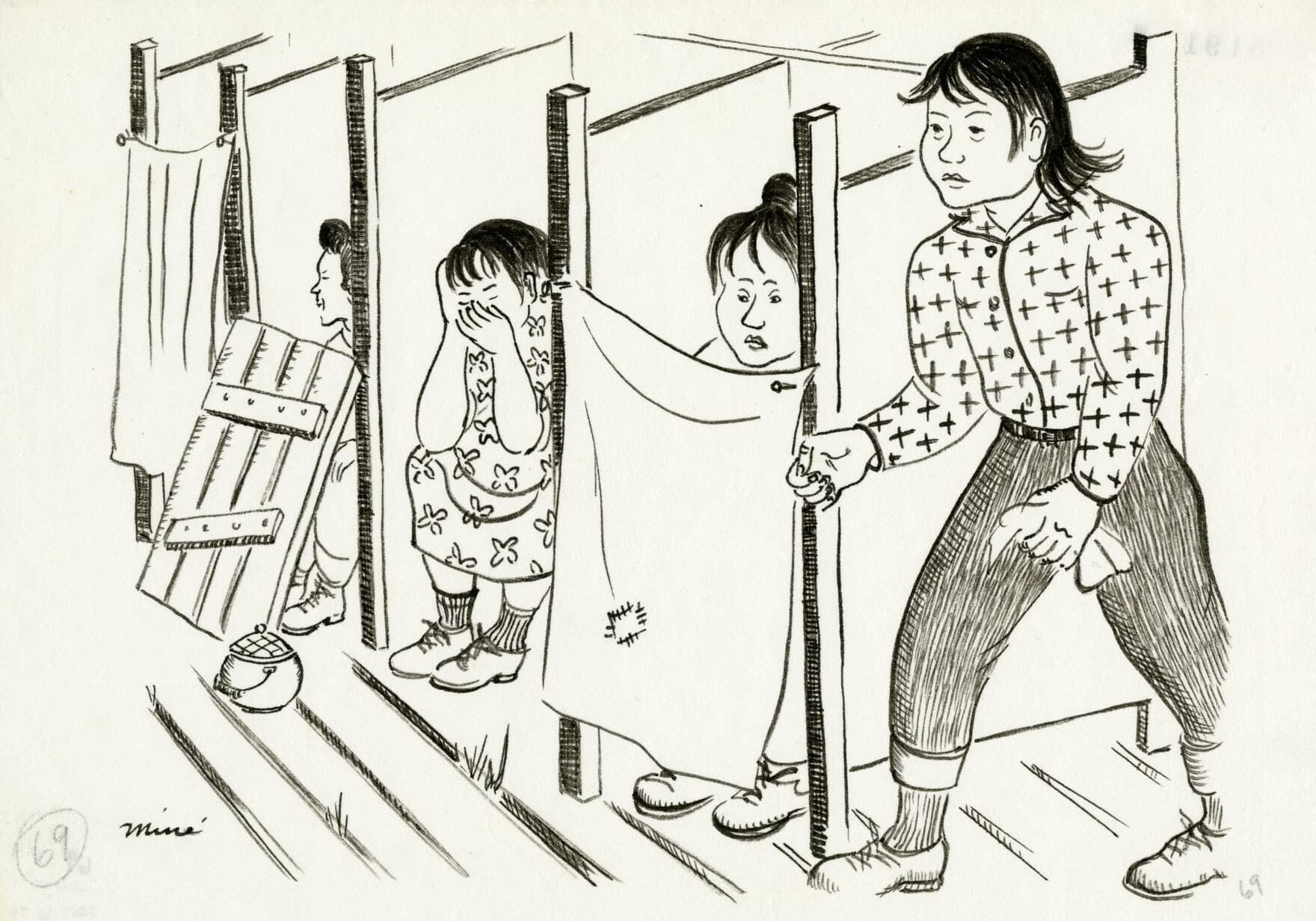
Miné Okubo’s Community Toilets at the Tanforan Assembly Center
Nisei artist Miné Okubo documented her family’s incarceration in drawings that were later published as a book titled Citizen 13660 (1946). This image illustrates the lack of privacy in communal bathrooms at the Tanforan Assembly Center, 1942.
Featured in:
Japanese Americans, Module 3
-
Image
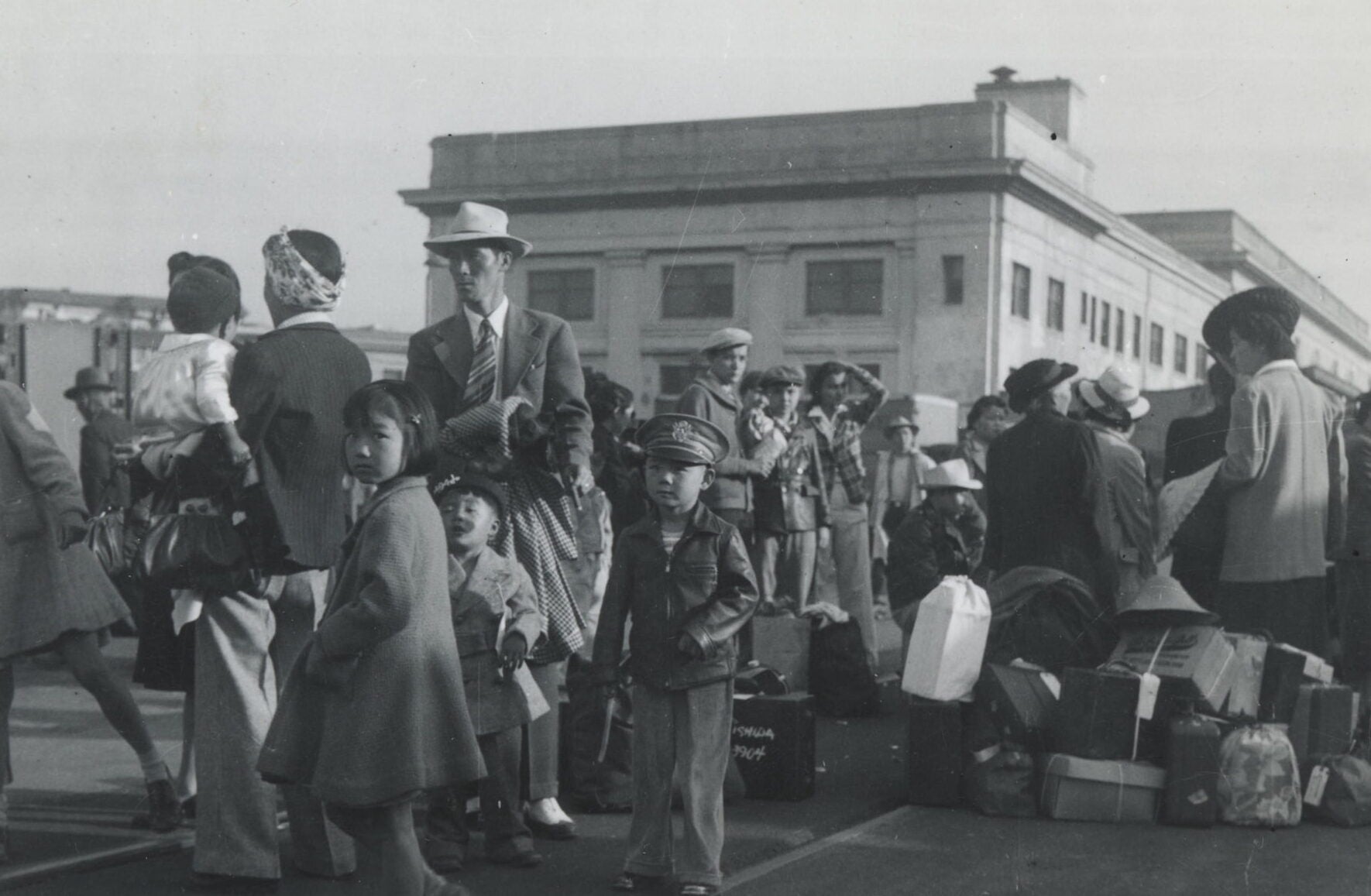
Forcibly Removed Japanese Americans Bound for Manzanar
Thousands of Japanese Americans were forced from their homes, uncertain of their futures. In this image, they gathered at Old Union Station in downtown Los Angeles in May 1942, where they were transported to Manzanar concentration camp in central California.
Featured in:
Japanese Americans, Module 3
-
Image
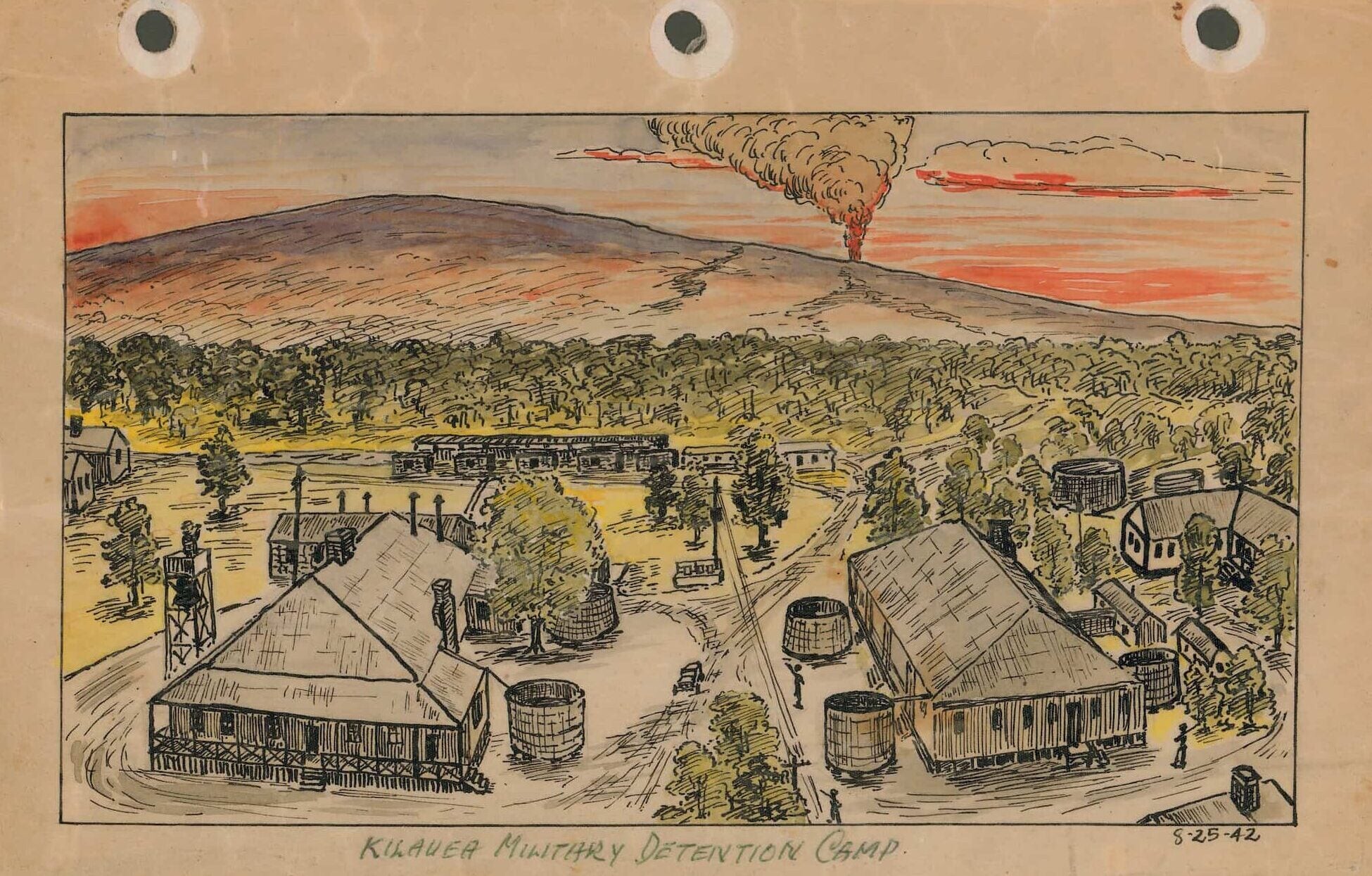
Kilauea Military Detention Camp by George Hoshida
A young Issei artist and leader in the Hilo, Hawaiʻi, Japanese American community, George Hoshida documented his internment following his arrest and detention in Kilauea Military Detention Camp, 1942
Featured in:
Japanese Americans, Module 3
-
Video
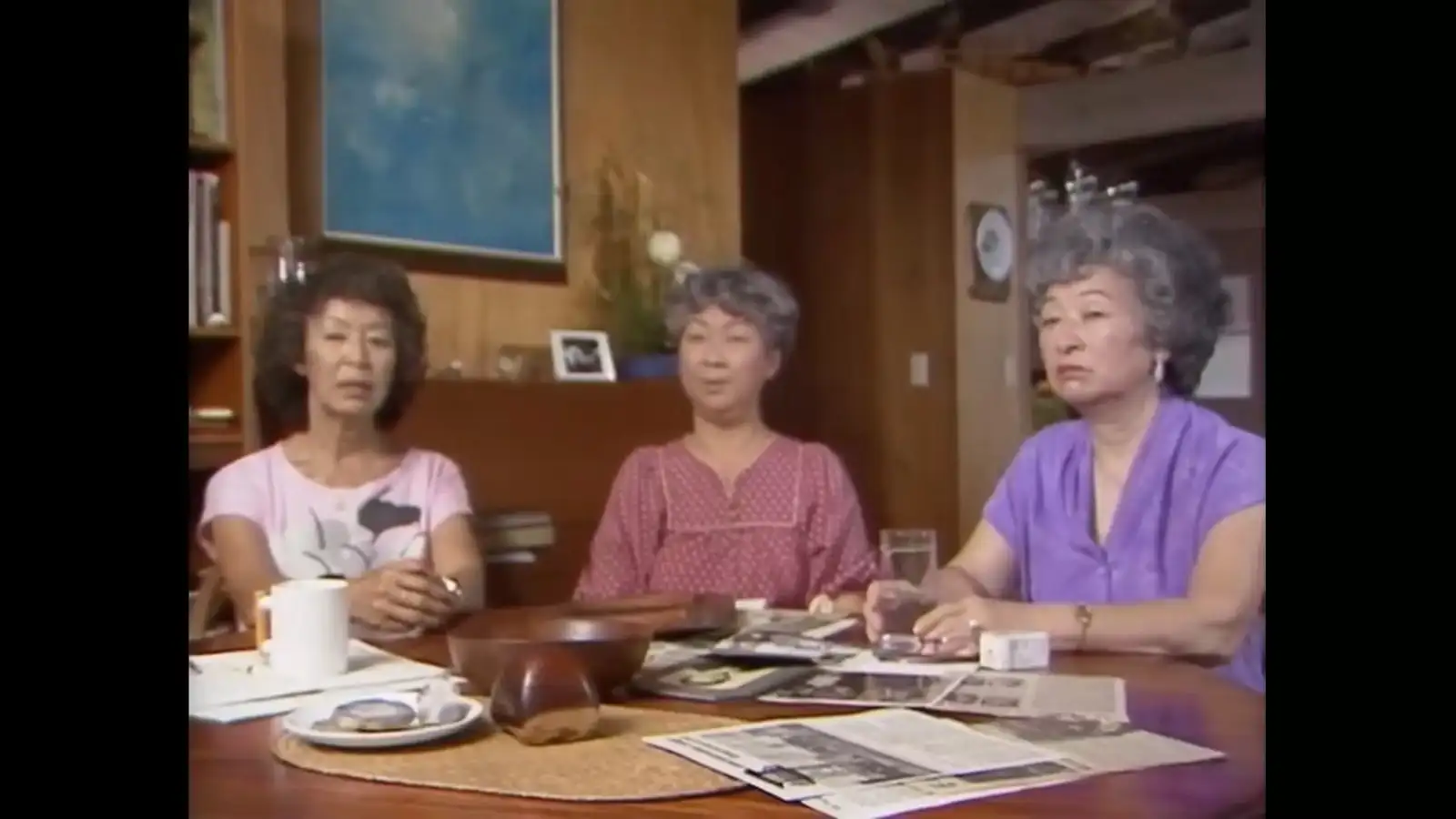
Interview with Kay Uno Kaneko, Hana Shepard, and Mae Matsuzaki
By December 10, nearly 1,300 such men had been detained, with another 1,000 arrested by February 1942. George Uno was among them. Interviewed by filmmaker, Loni Ding, Hana Uno Shepard recalls the arrest and internment of her father.
Featured in:
Japanese Americans, Module 3
-
Image
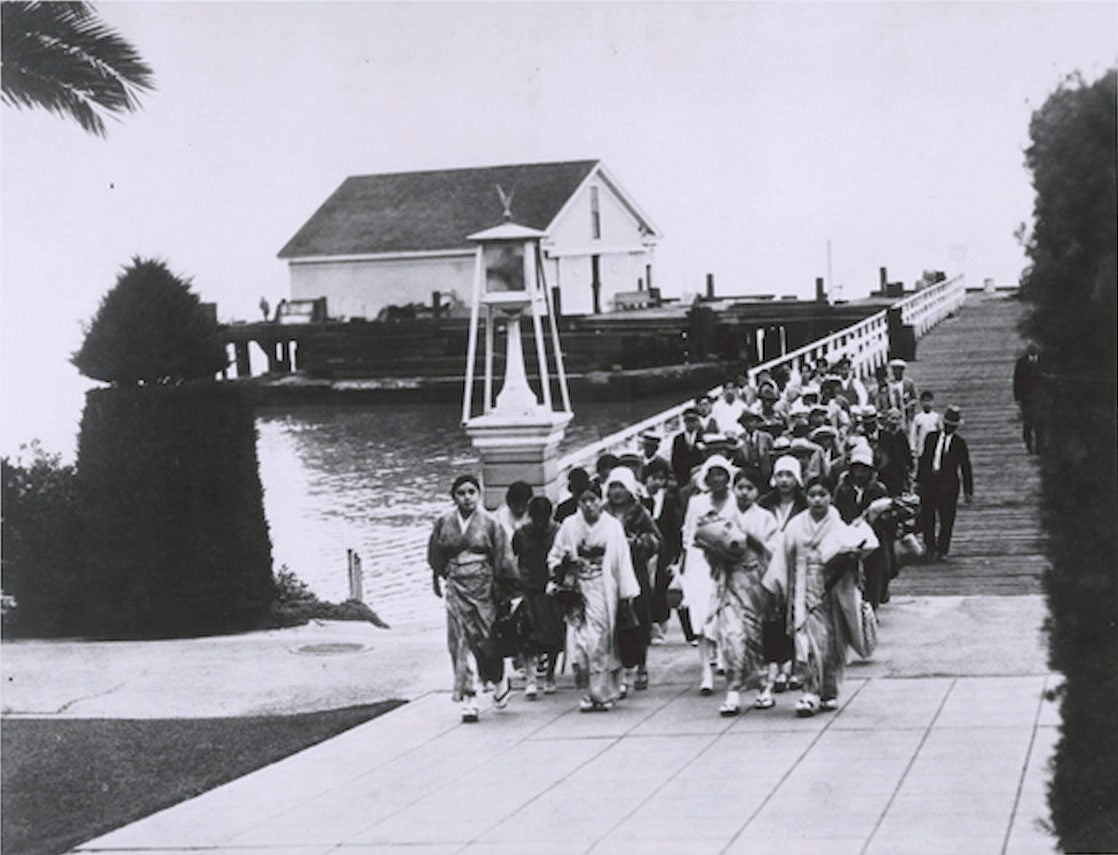
Japanese Immigrants at Angel Island
About 85,000 Japanese immigrants—roughly one-third of the total from Japan—arrived via Angel Island in San Francisco Bay, including many picture brides.” This image shows the arrival, likely Japanese picture brides, onto Angel Island in the 1910s.
Featured in:
Japanese Americans, Module 2
-
Image
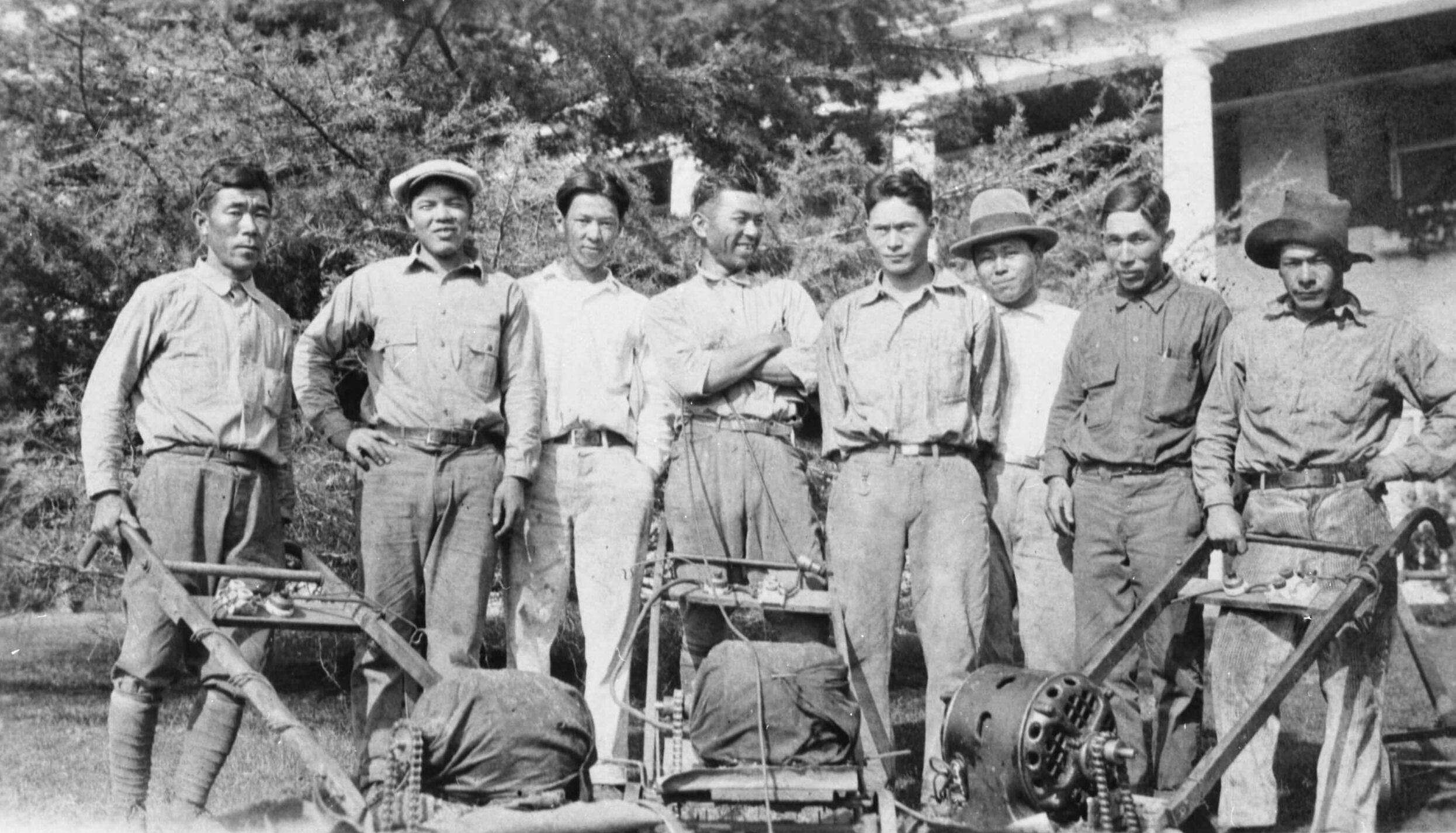
Japanese American Gardeners in Los Angeles
Most Japanese Americans were farmers or worked in occupations tied to agriculture. As such, residential landscape gardening became one of the most popular urban occupations for Japanese Americans men. This image shows Japanese American gardens in Los Angeles, 1928.
Featured in:
Japanese Americans, Module 2
-
Video
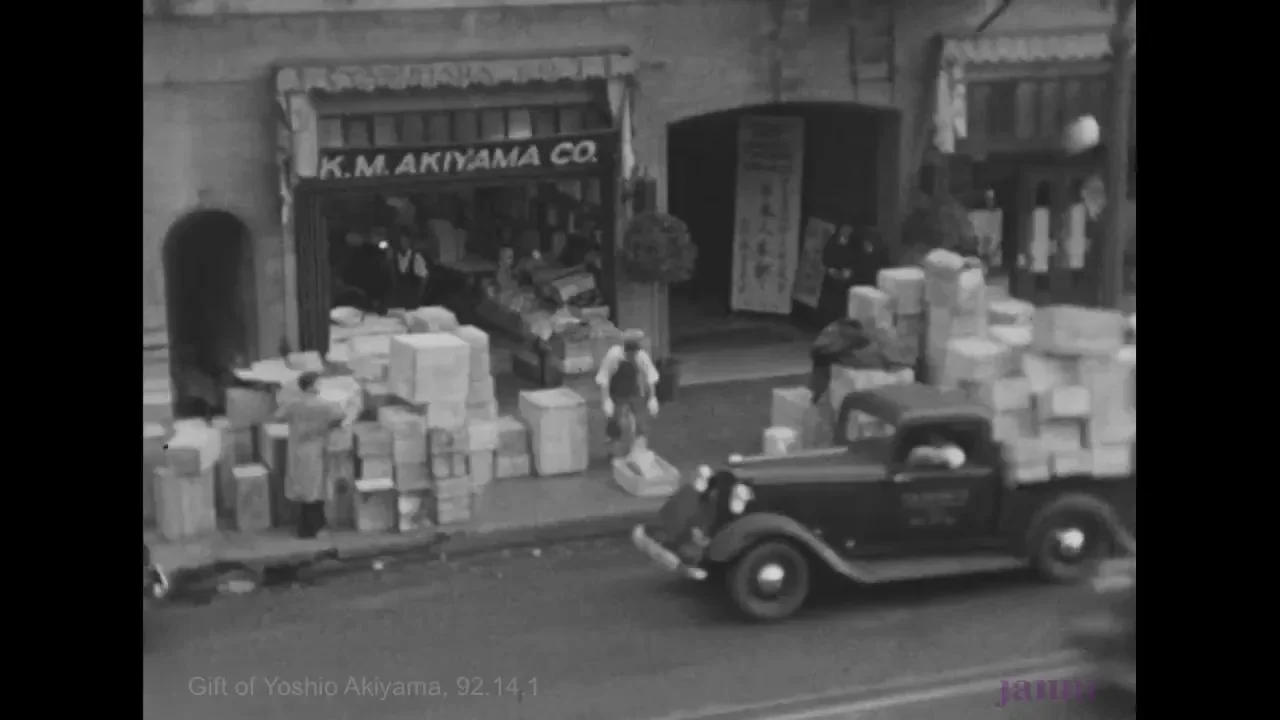
K.M. Akiyama Co. in Little Tokyo
Japanese American businesses flourished in Little Tokyos up and down the West Coast in the 1930s. This is footage of K.M. Akiyama Co in Los Angeles’s Little Tokyo.
Featured in:
Japanese Americans, Module 2
-
Image
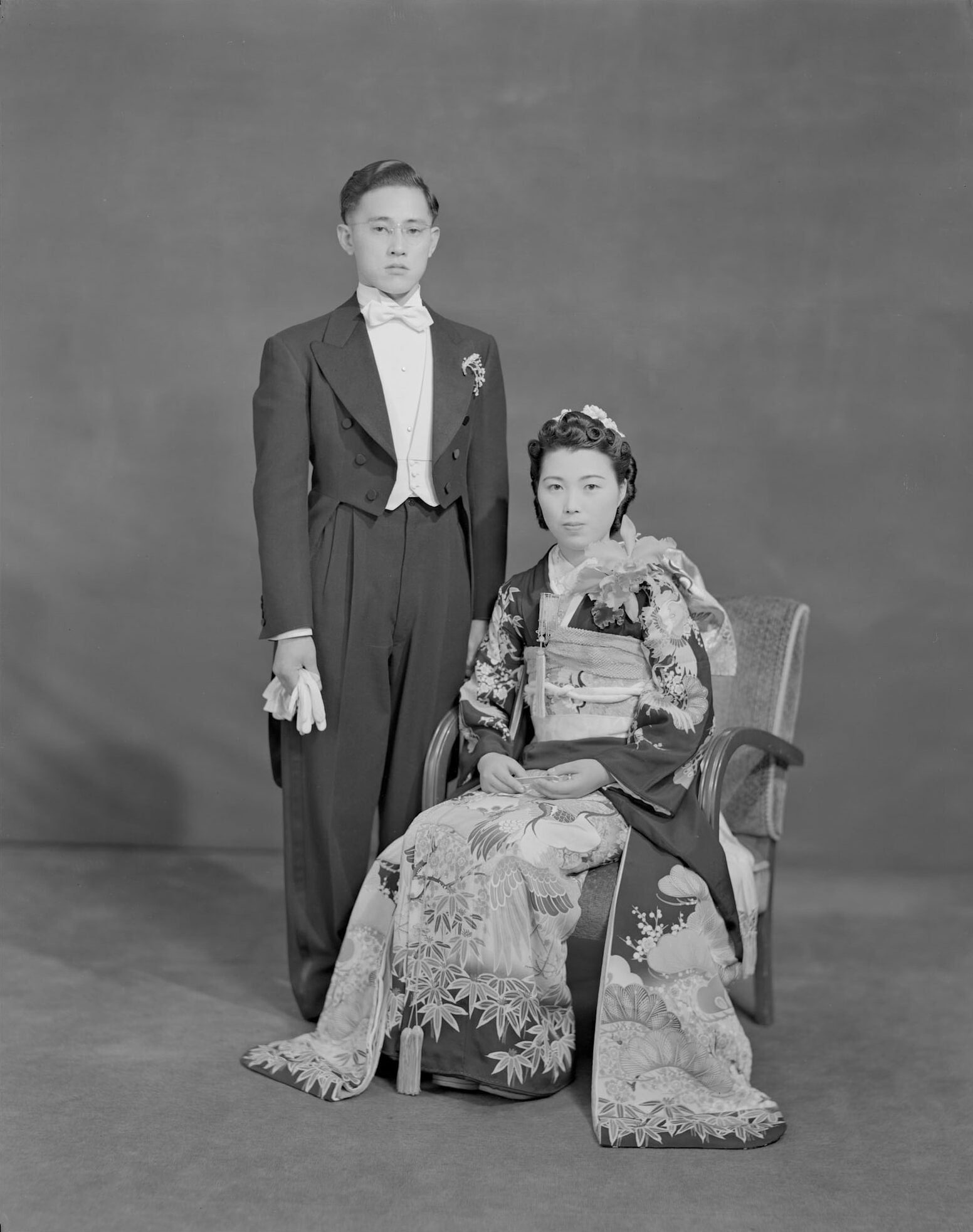
Japanese Americans in the American Legion Parade
Japanese Americans take part in an American Legion parade in Los Angeles, ca. late 1930s. As international tensions rose in the 1930s, many Japanese Americans sought to highlight both their American patriotism and their pride in their Japanese heritage.
Featured in:
Japanese Americans, Module 2
-
Image
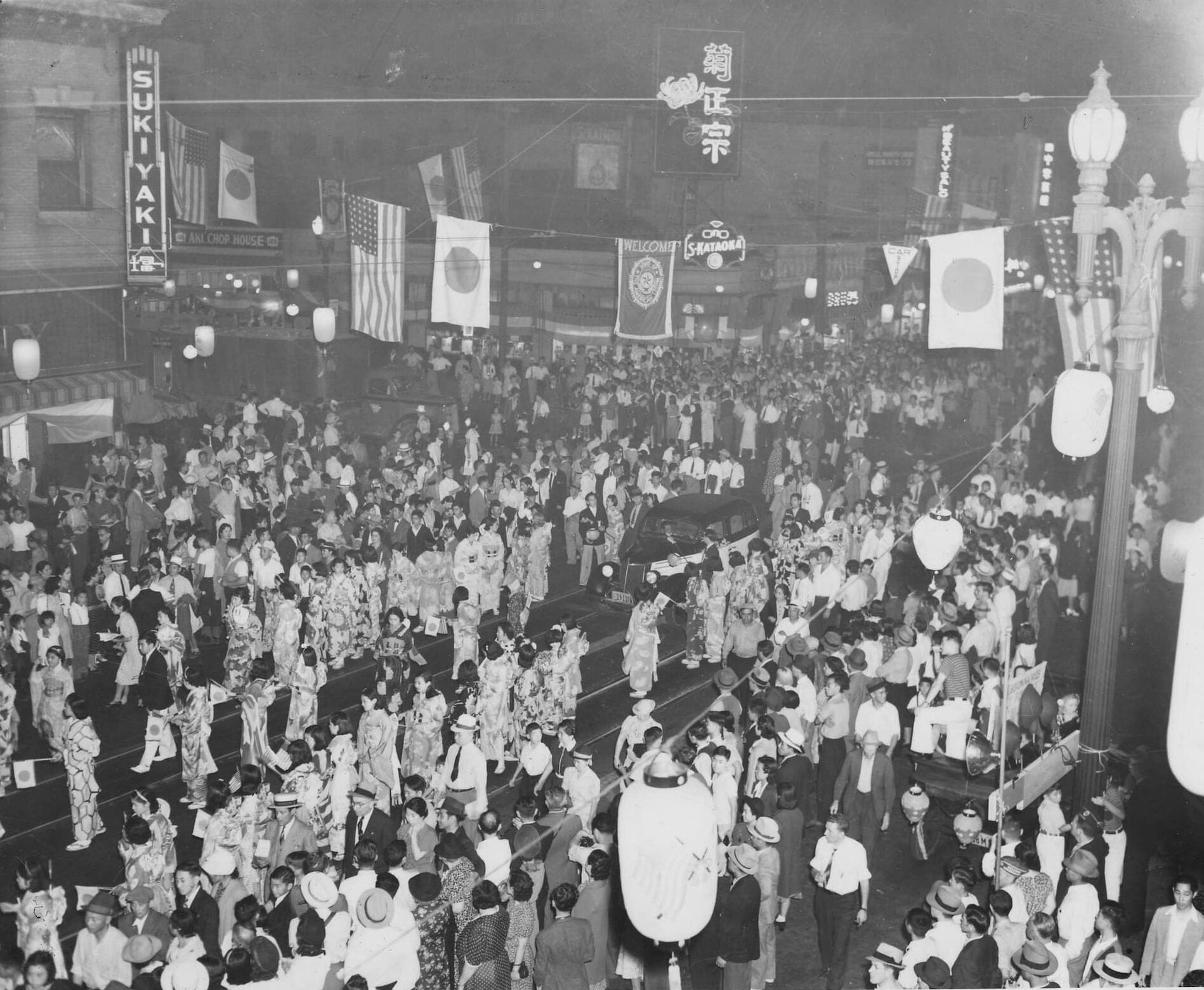
1939 Wedding Portrait
Many aspects of Japanese American culture such as this 1939 Buddhist wedding mixed traditional Japanese and Western elements. In this image taken in 1939, notice the groom’s tuxedo while the woman dons a kimono, embracing both cultures.
Featured in:
Japanese Americans, Module 2
-
Image
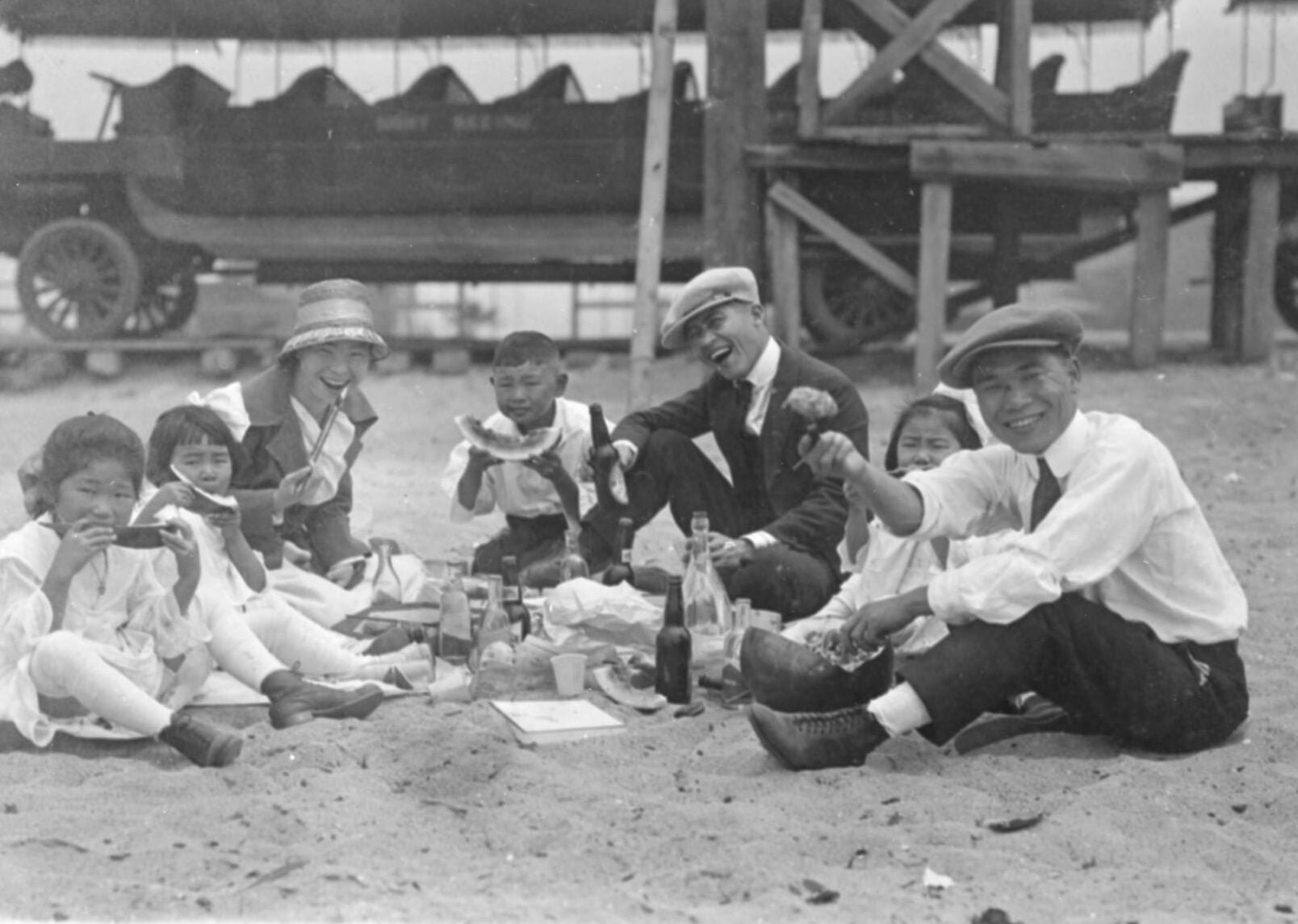
Japanese Family Picnic
The uptick of marriages among Japanese immigrants in the 1910s led to a baby boom. By the 1920s and 1930s, Japanese American family life flourished.
Featured in:
Japanese Americans, Module 2
-
Video
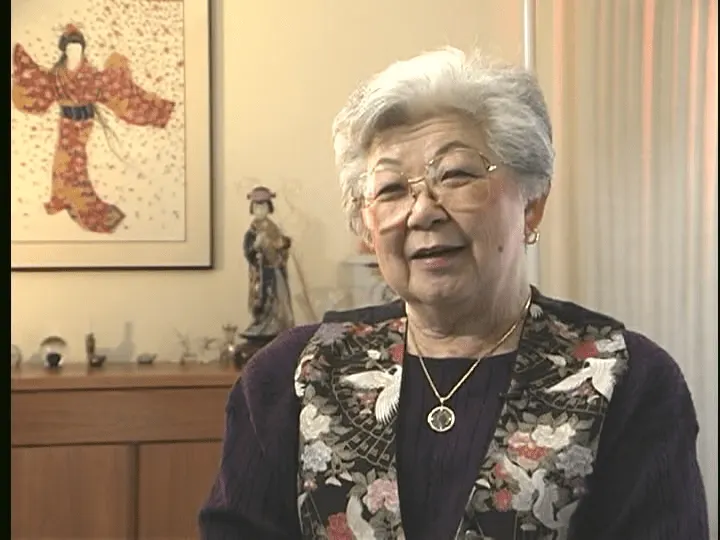
Mary Hirata Interview
Picture bride refers to an early 20th century practice of immigrant workers who would pair brides and grooms by photographs. Women would then join her new husband. Mary Hirata recalls her mother’s experience as a picture bride.
Featured in:
Japanese Americans, Module 2