



Search the Media Repository
Discover the curated images, videos, and primary sources featured throughout Foundations and Futures
History is more than just text on a page; it is the photographs, voices, and artifacts of the people who lived it. The images and recordings featured across Foundations and Futures are part of a meticulously curated media repository. Whether you are building a lesson plan or investigating an artifact, you can use this database to trace the provenance of our media: discover who created an asset, the historical context behind it, and how it can be used to bring Asian American and Pacific Islander experiences into your classroom.
Multimedia
Chapters
-
Image
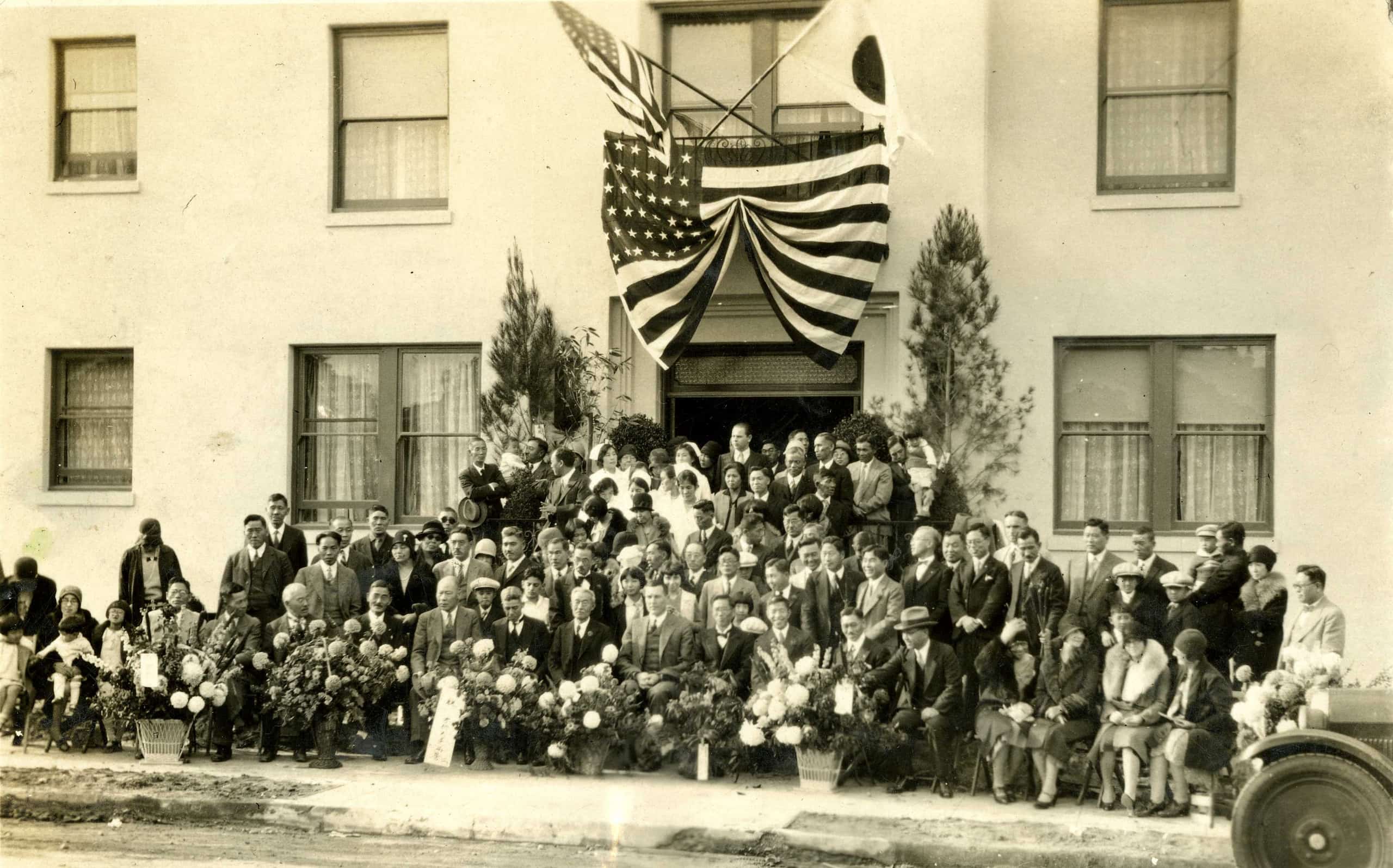
Opening of the Japanese Hospital of Los Angeles
Japanese immigrant doctors successfully challenged alien land laws in the California Supreme Court that initially prevented them from building the hospital. In 1929, they celebrated the opening of the Japanese Hospital of Los Angeles.
Featured in:
Japanese Americans, Module 2
-
Image
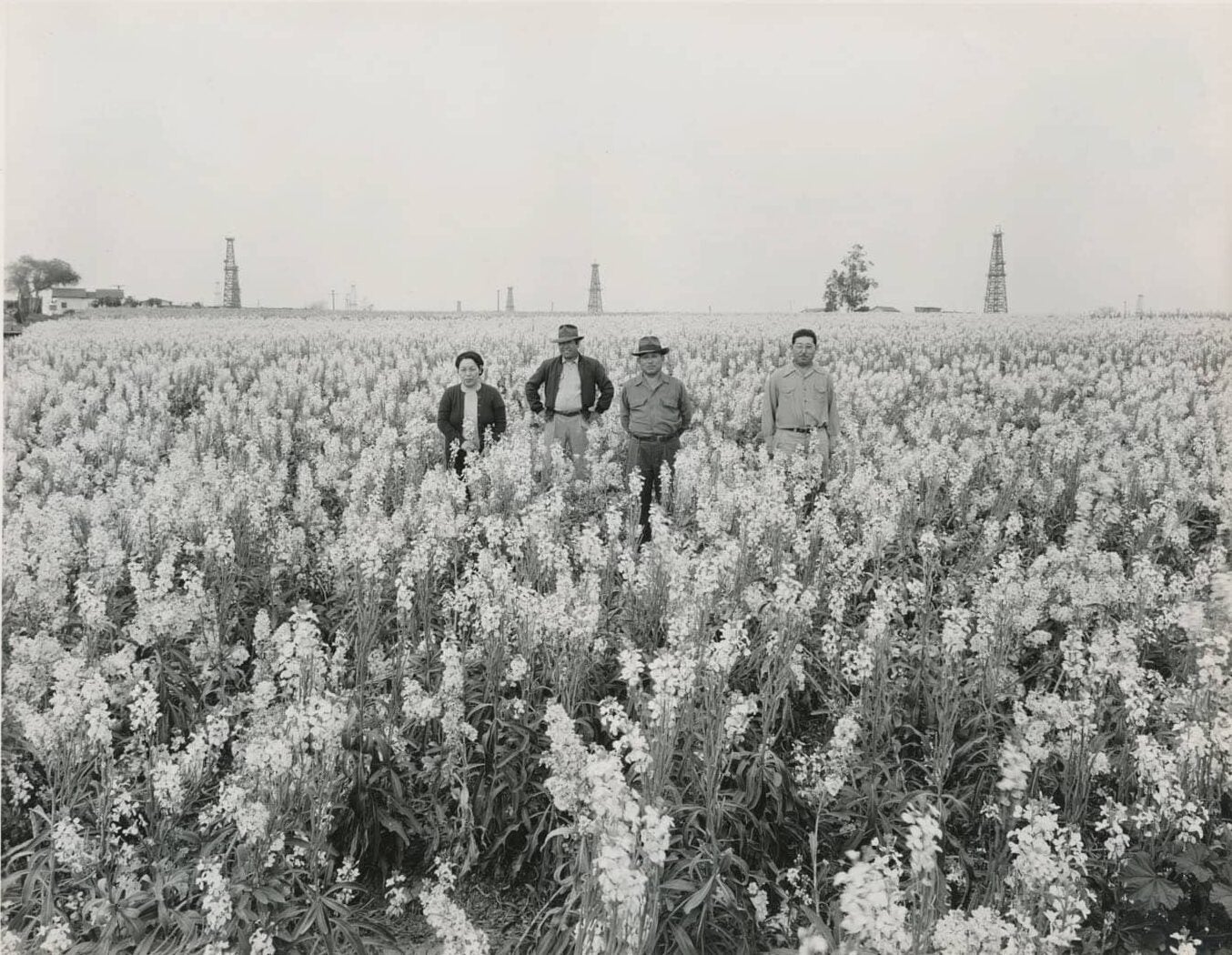
Japanese American Flower Growers
Both vegetables and flowers were popular crops for Japanese American farmers in California and the West before World War II. This image shows Japanese American flower growers in Compton, California.
Featured in:
Japanese Americans, Module 2
-

Image
First Fishing Outing of the Nanka Fishing Club
Fishing was a popular job or hobby for Japanese immigrants as many had grown up with fishing in their home country. This image shows the first fishing outing of the Nanka Fishing Club in the early 1920s.
Featured in:
Japanese Americans, Module 2
-
Image
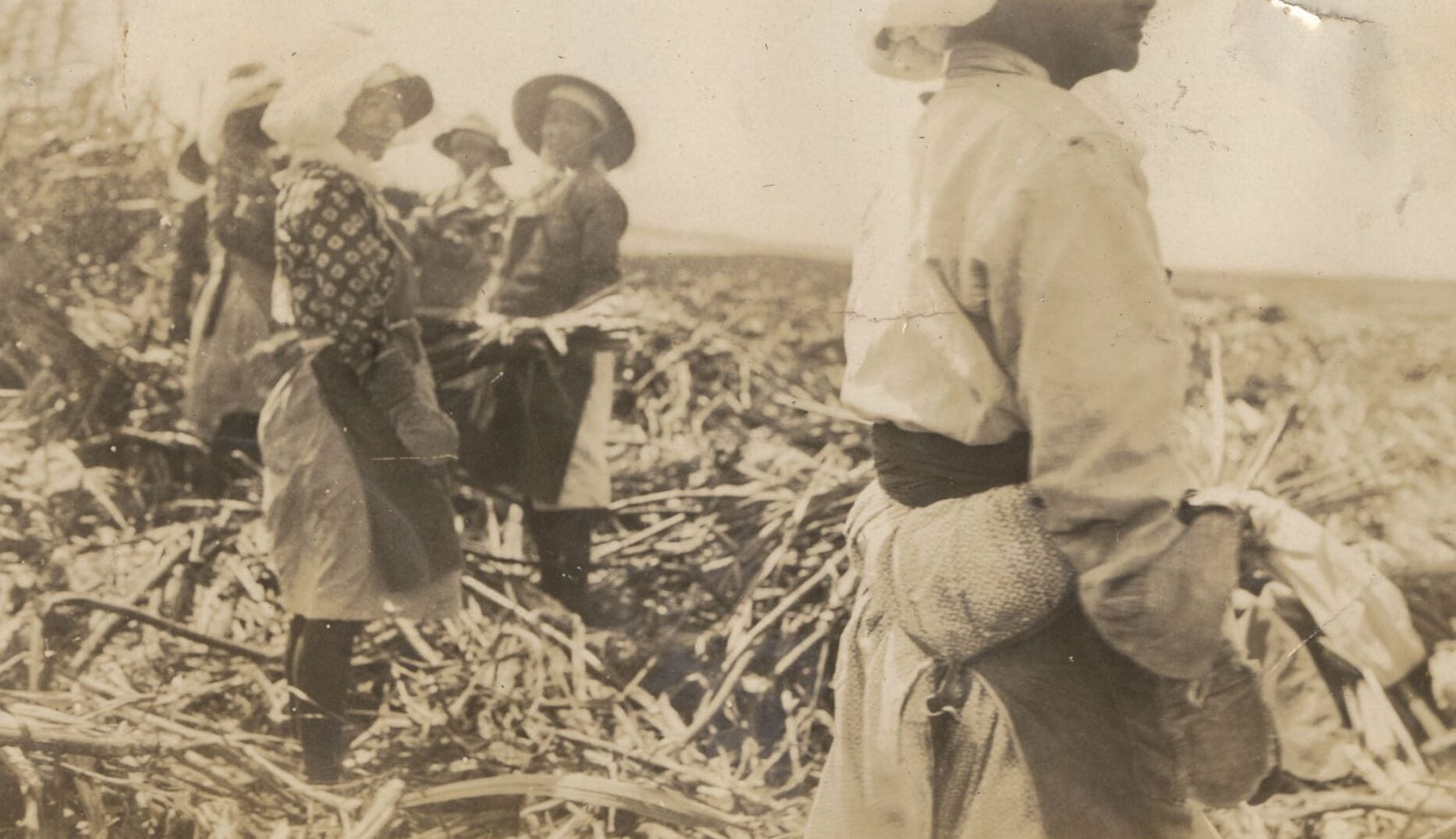
Sugar Cane Plantation Laborers
Many women traveled to Hawaiʻi for better lives, but once on the islands, they worked grueling hours on sugar cane plantations. As soon as couples and families could, they would leave for the mainland for better opportunities.
Featured in:
Japanese Americans, Module 2
-
Text
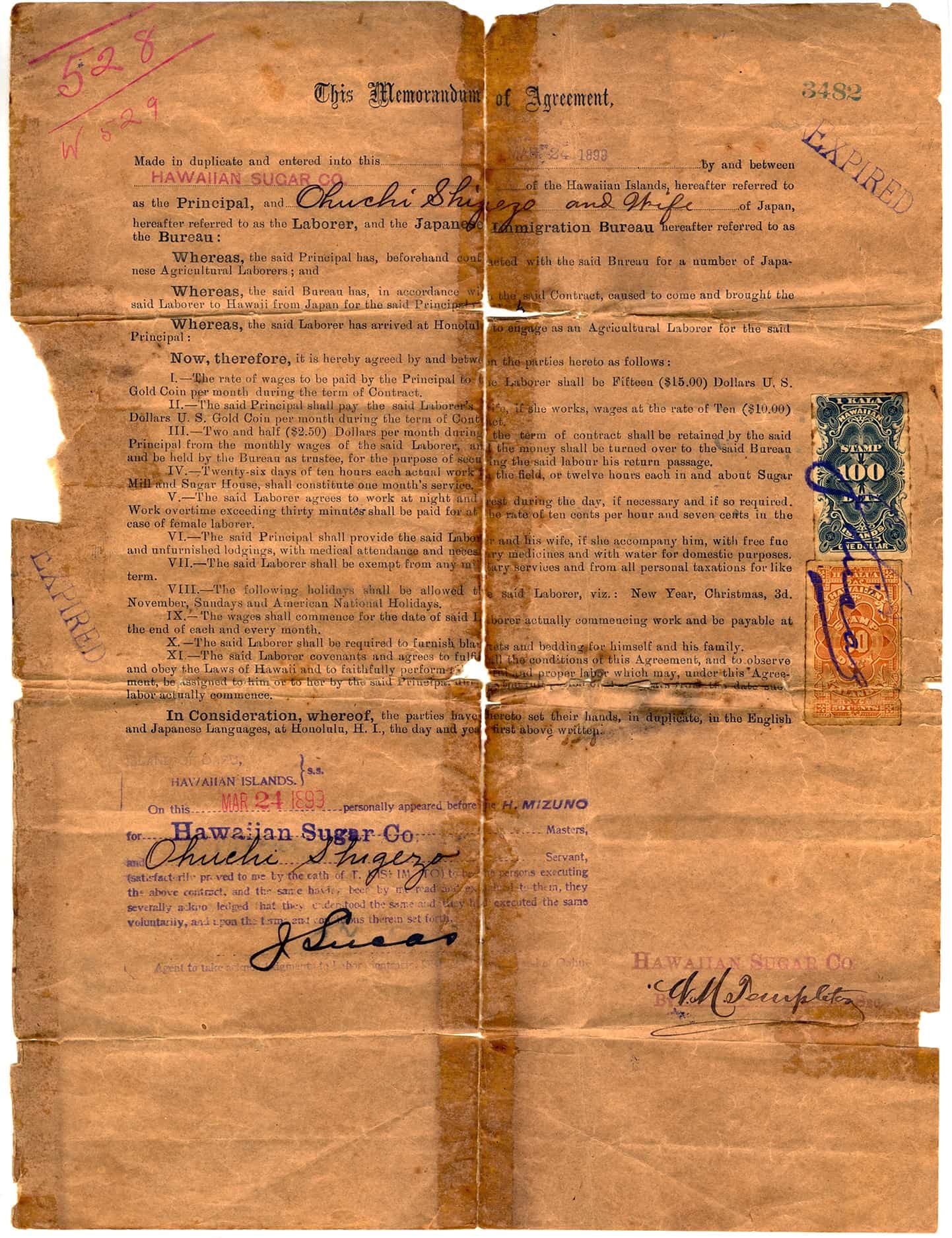
Plantation Labor Contract
Japanese laborers who worked on Hawaiian sugar plantations typically signed labor contracts like the Ouchi labor contract of 1899 which specified wages and work expectations. Trapped by these contracts, some tried to escape while others organized.
Featured in:
Japanese Americans, Module 2
-
Image
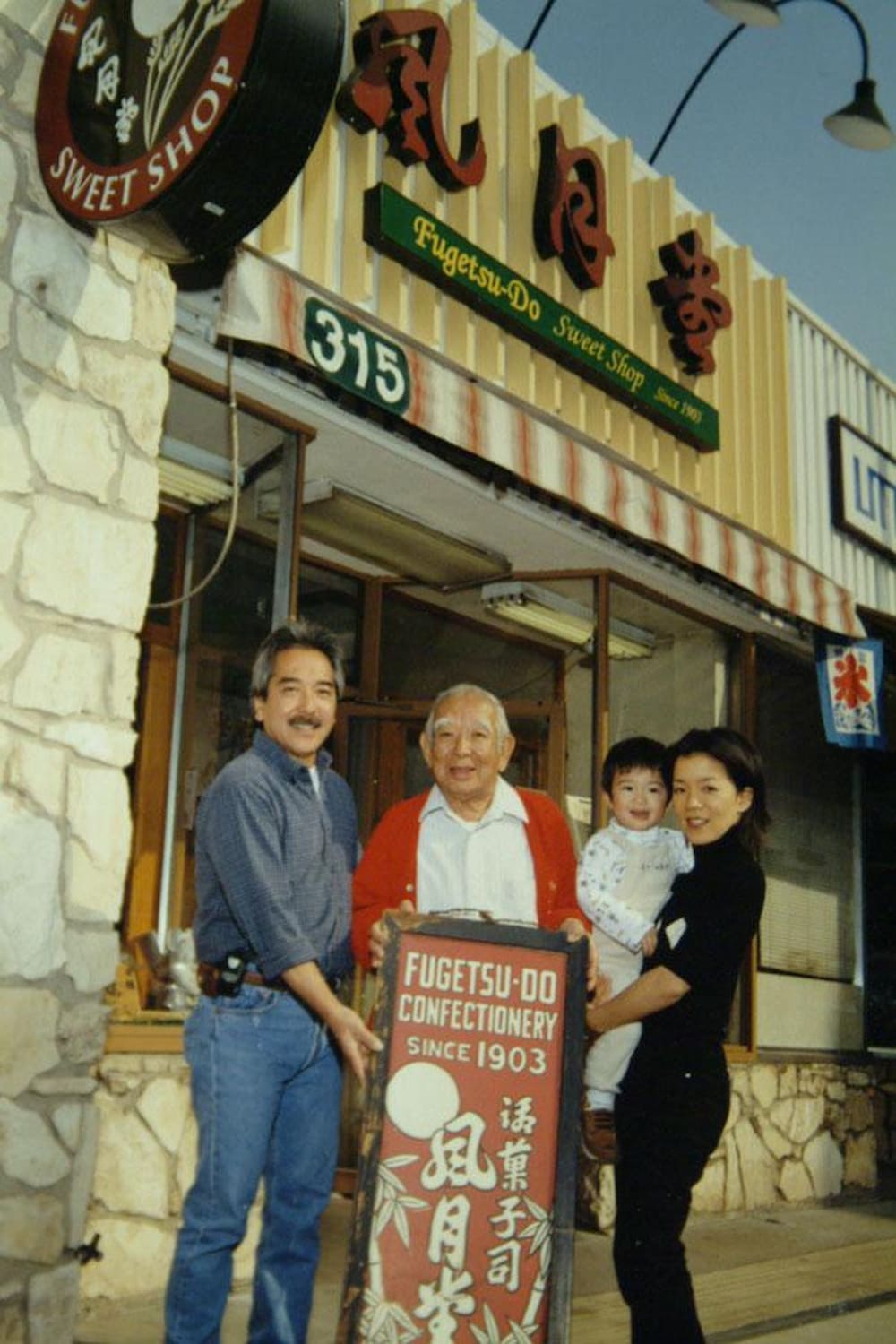
Kito Family and Their Fugetsu-Do Shop
Brian, Roy, Korey, and Tomoko Kito, three generations of the Kito family, stand outside of Fugetsu-Do, their Japanese sweet shop on East First Street in Los Angeles’s Little Tokyo, c. 2002.
Featured in:
Japanese Americans, Module 1
-
Image
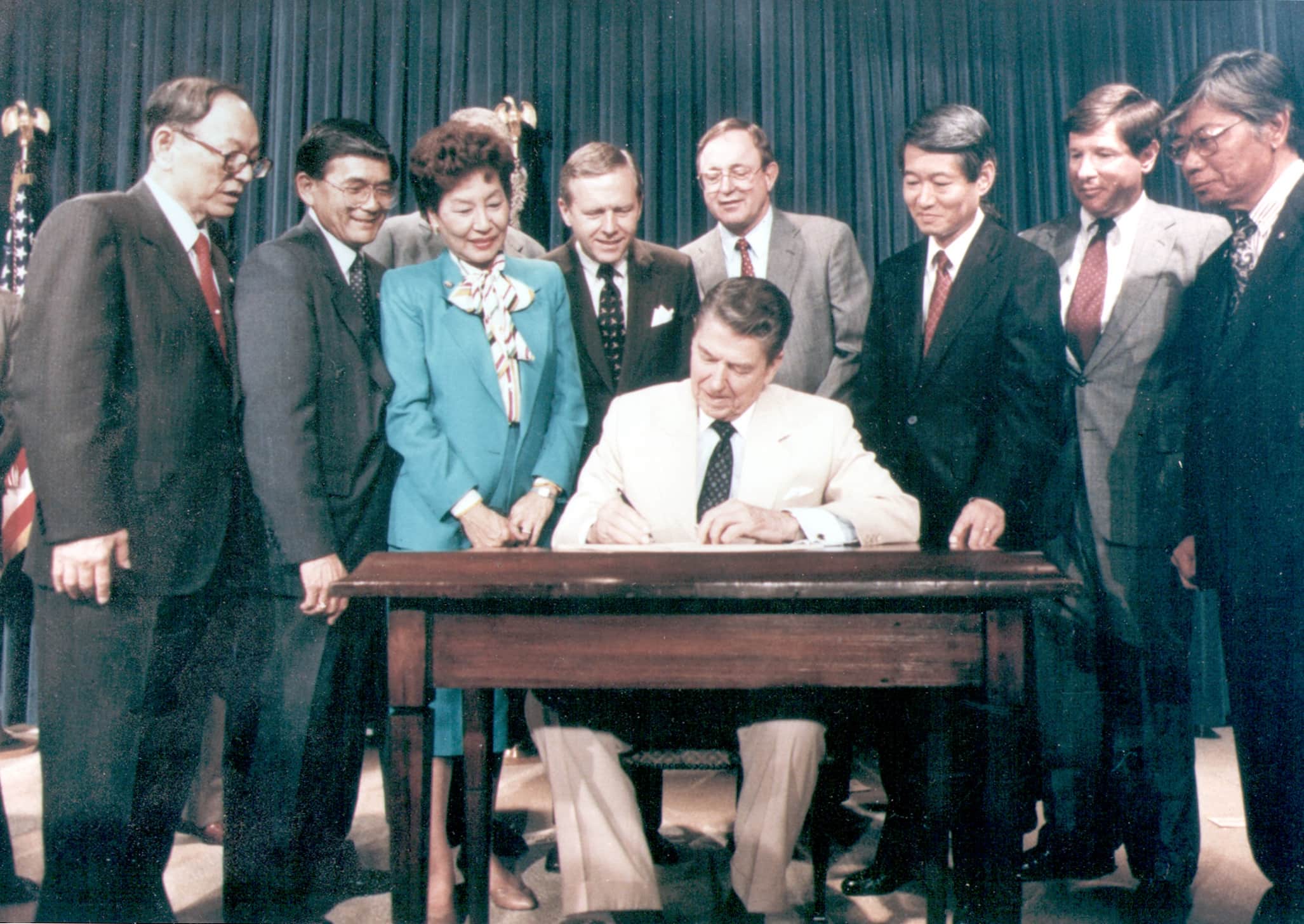
The Signing of HR 442, The Civil Liberties Act of 1988
After over 40 years, President Ronald Reagan signs the Civil Liberties Act of 1988 into law, the culmination of the movement for redress and reparations. This included a presidential apology and monetary redress of $20,000 per person for surviving incarcerees
Featured in:
Japanese Americans, Module 1
-
Image
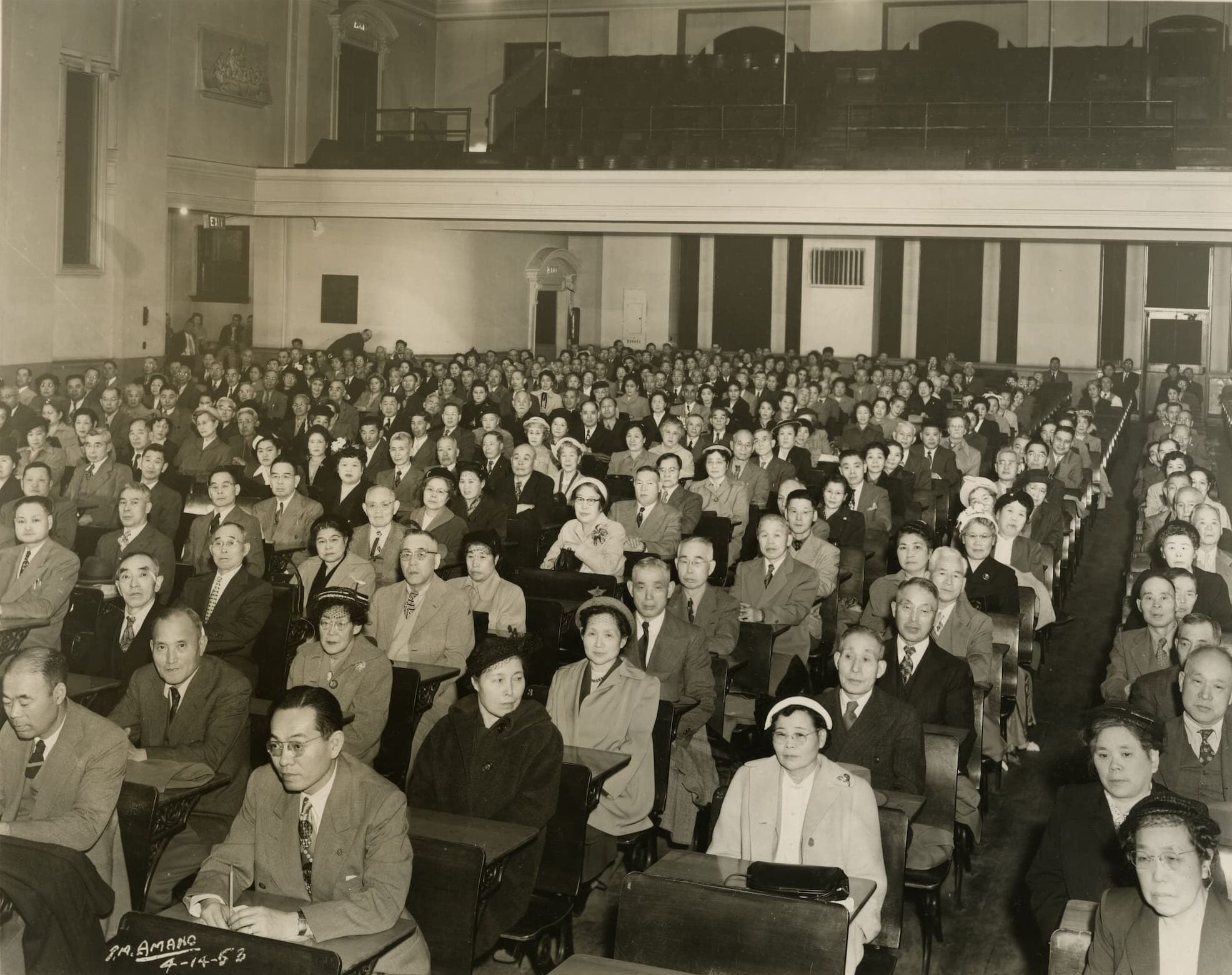
Issei Naturalization Ceremony
Despite the travails of World War II, many Issei opted to become US citizens once the ban on naturalization was lifted in 1952. This photograph captures the excitement during a mass naturalization ceremony for Issei in Seattle, April 14, 1953.
Featured in:
Japanese Americans, Module 1
-
Image
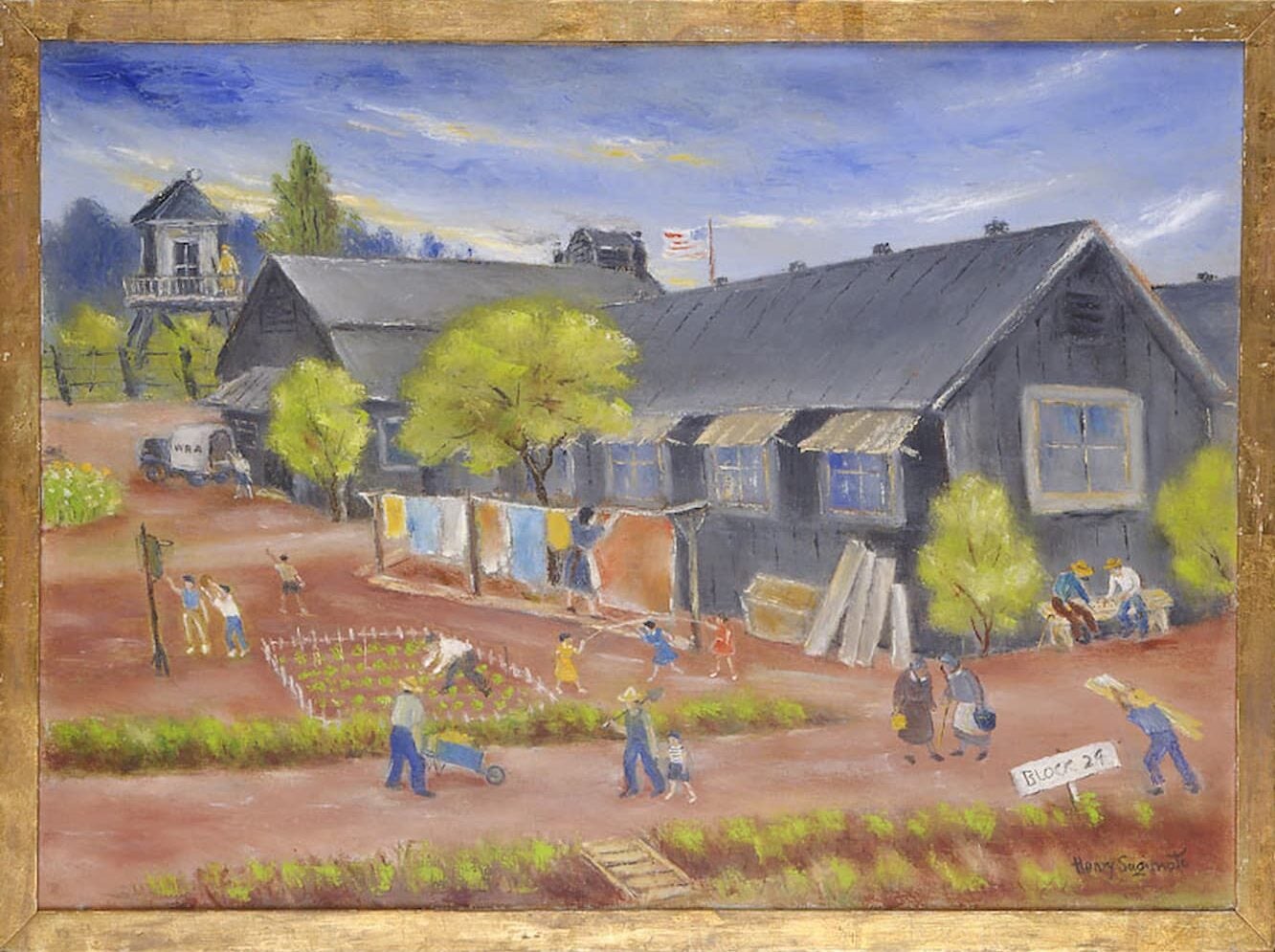
Henry Sugimoto’s Camp Jerome Painting
Artists like Henry Sugimoto, Dick Sata, and Doris Ota Saito documented camp conditions in their art. This painting by Henry Sugimoto depicts Jerome, Arkansas camp, showcasing the contradiction between gardens created by inmates and the barracks, guard towers, and American flag in the background.
Featured in:
Japanese Americans, Module 1
-
Image
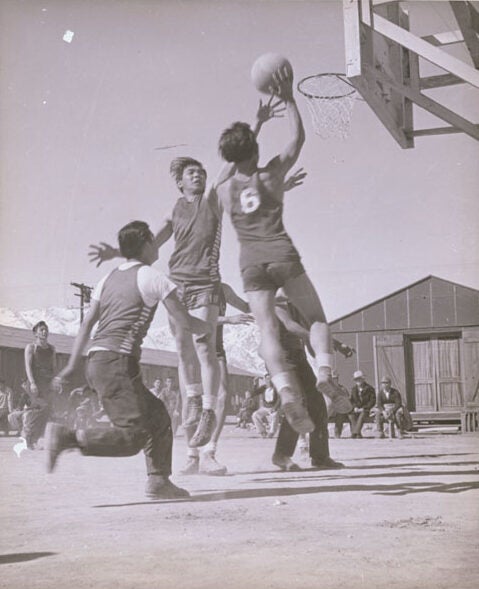
Concentration Camp Basketball
Sports and other recreational activities played an important role in making concentration camp life bearable for the incarcerated population. To play, courts, fields, and stages all had to be built by Japanese Americans themselves. This game takes place at Manzanar.
Featured in:
Japanese Americans, Module 1
-
Image
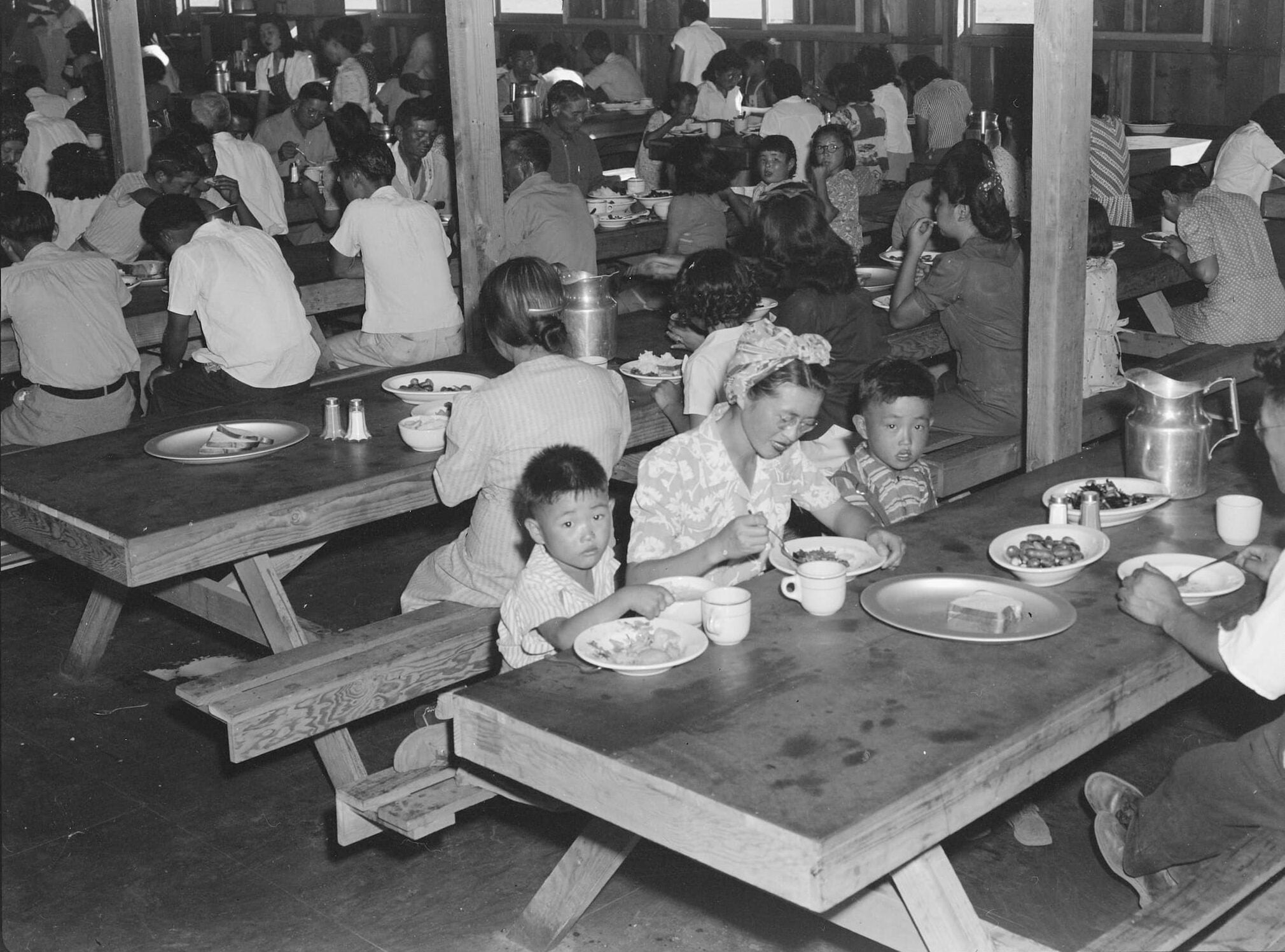
Concentration Camp Mess Hall
Japanese Americans were housed in military style barracks with communal bathroom and meal facilities. Because much of concentration camp life was communal, leading everyone to be with friends rather than family, this weakened their own immediate family bonds. Photographed by Dorothea Lange, this photo was captured in Manzanar, CA, July 1942.
Featured in:
Japanese Americans, Module 1
-
Image
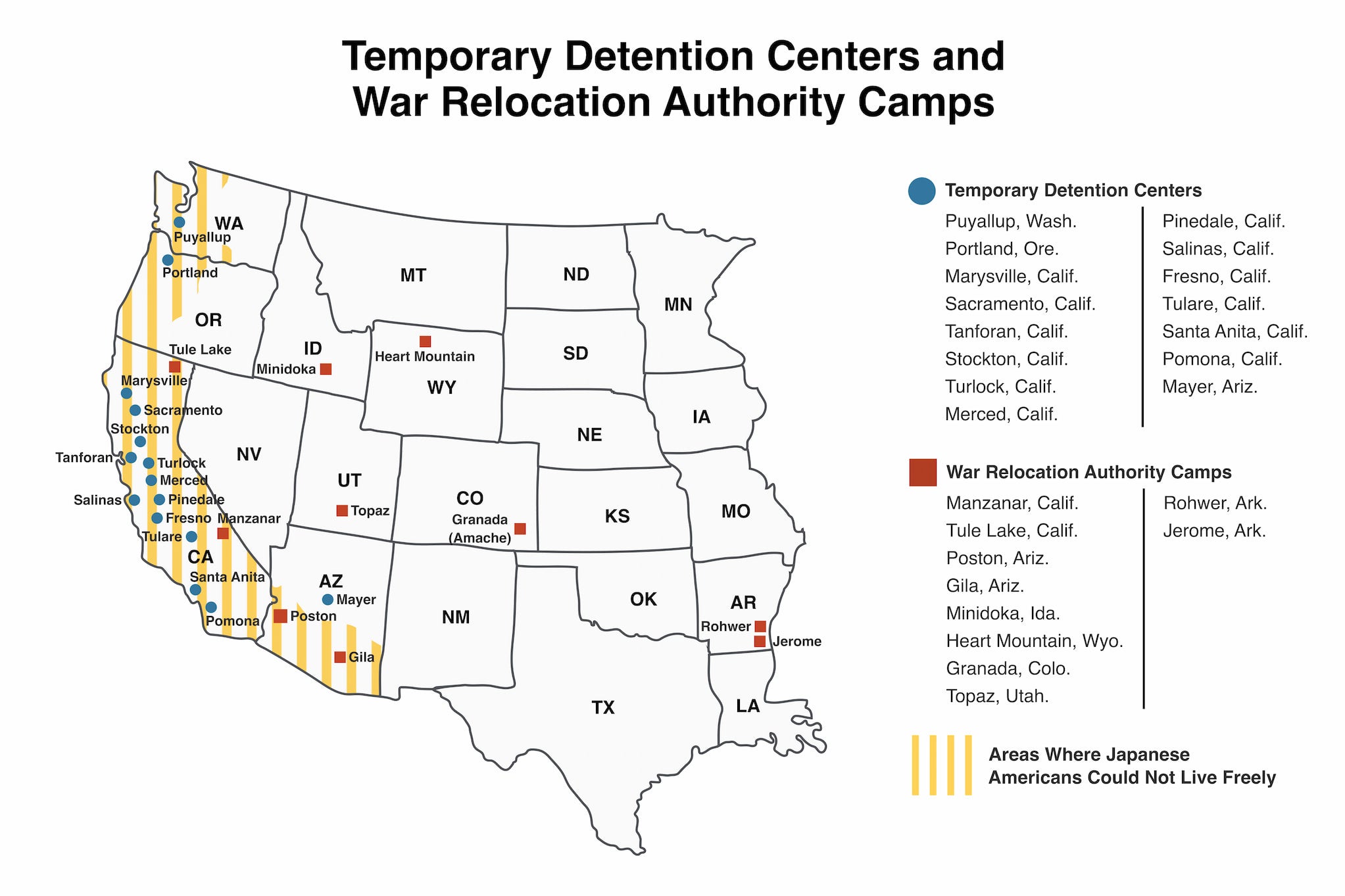
Temporary Detention Centers and War Relocation Authority Camps Map
A total of about 110,000 people were forcibly removed from their homes and sent to ten governmental concentration camps located in isolated areas of the country. By contrast, Japanese Americans from Hawaiʻi were not forcibly removed, but were surveillanced.
Featured in:
Japanese Americans, Module 1
-
Video
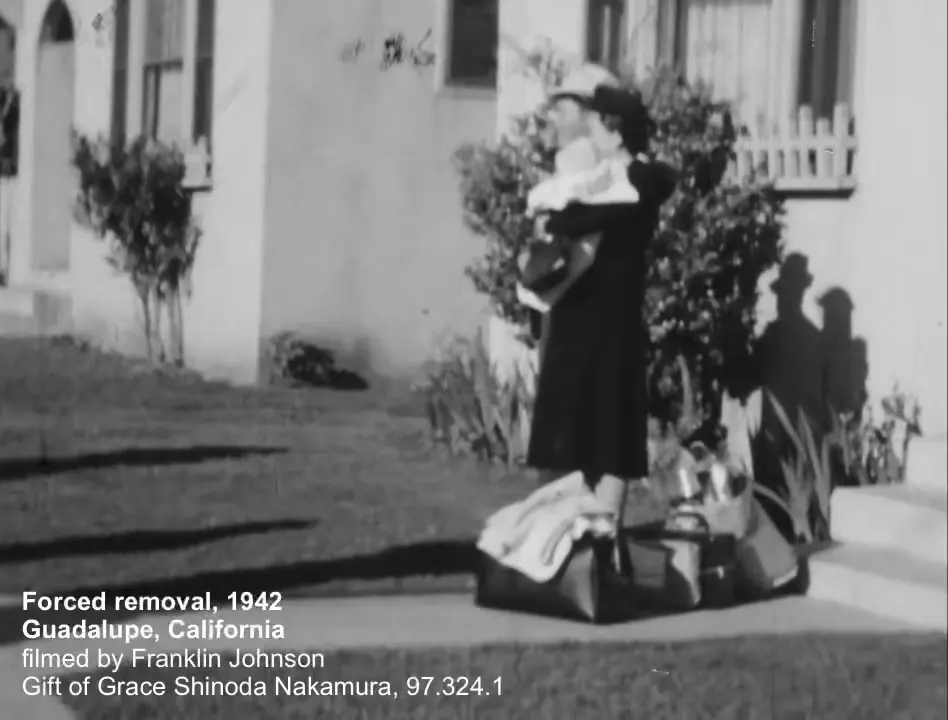
Forced Removal from Guadalupe, California
In 1942, President Franklin D. Roosevelt issued Executive Order 9066. There were no charges, no trials, no findings of guilt. This rare footage shows Japanese Americans being transported to Tulare Assembly Center from Guadalupe, CA.
Featured in:
Japanese Americans, Module 1
-
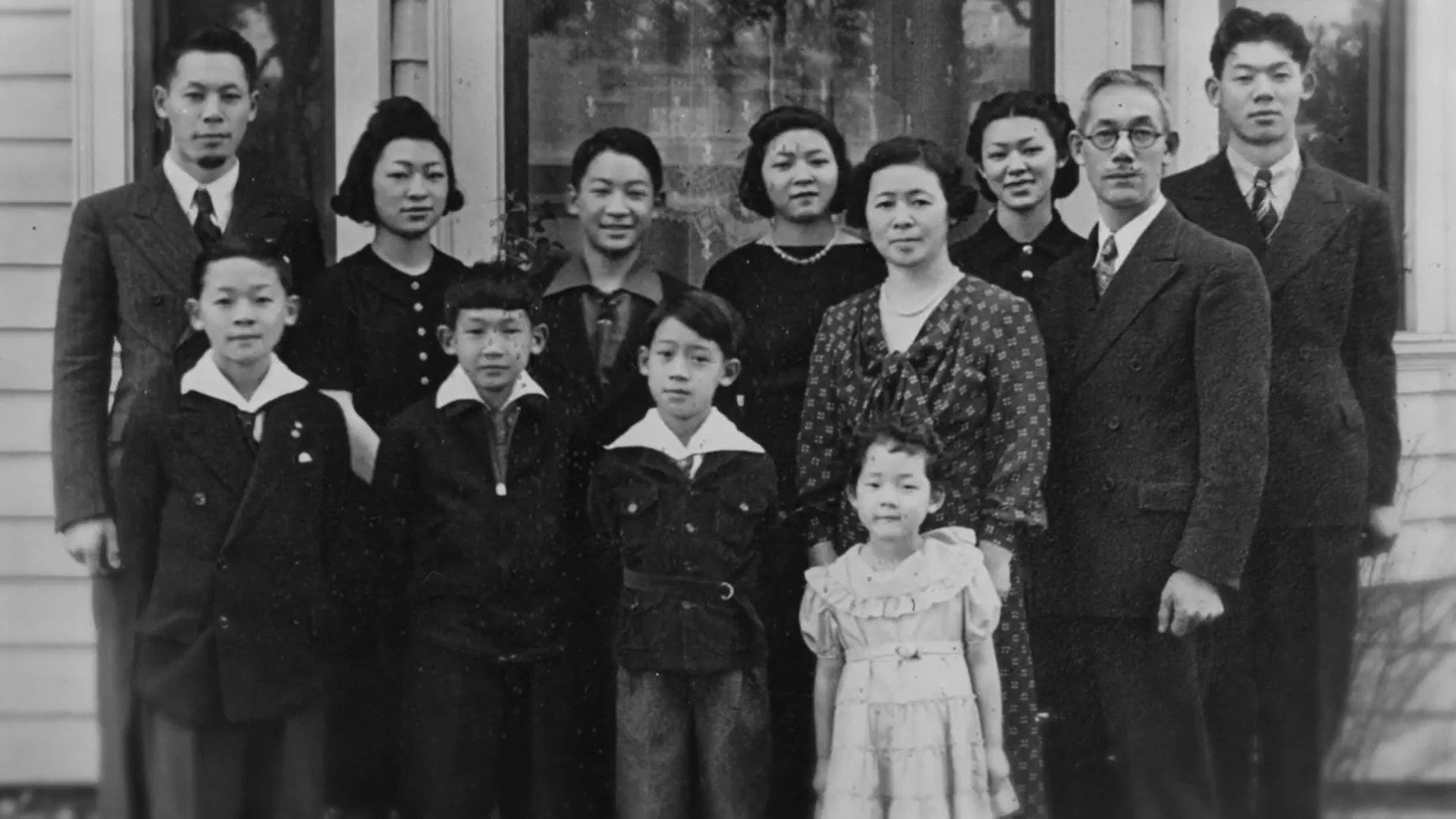
Image
The Uno Family
Raised as an American family, the Uno family settled in Los Angeles with their 10 children. Still, segregation banned them from mainstream organizations and the comfort of being with others like themselves.
Featured in:
Japanese Americans, Module 1
-
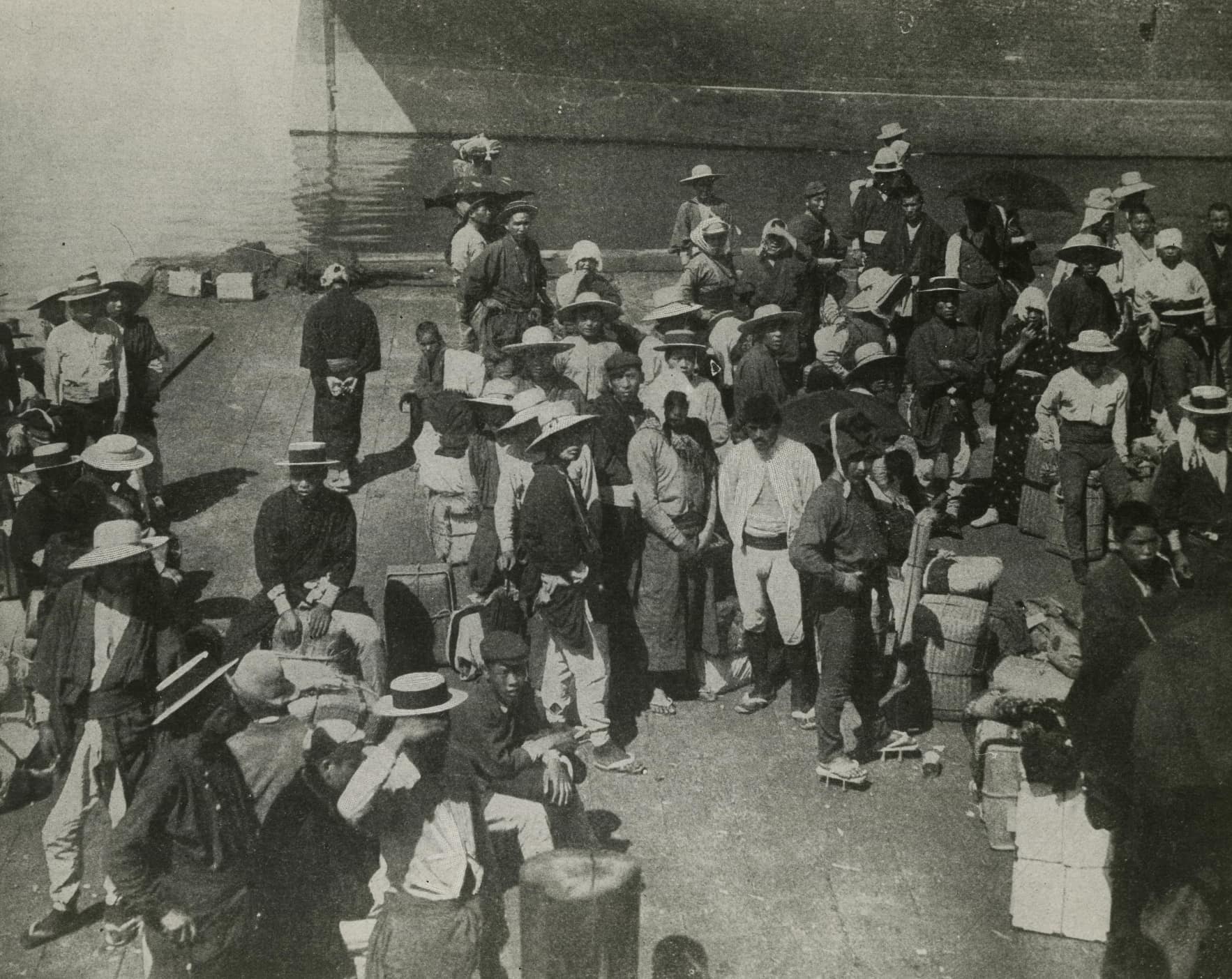
Image
Japanese Contract Laborers
Drawn by stories of riches and opportunities in a rapidly changing Japan, Japanese contract laborers often came first to the sugar plantations of Hawaiʻi, then to the Western region of the United States.
Featured in:
Japanese Americans, Module 1
-
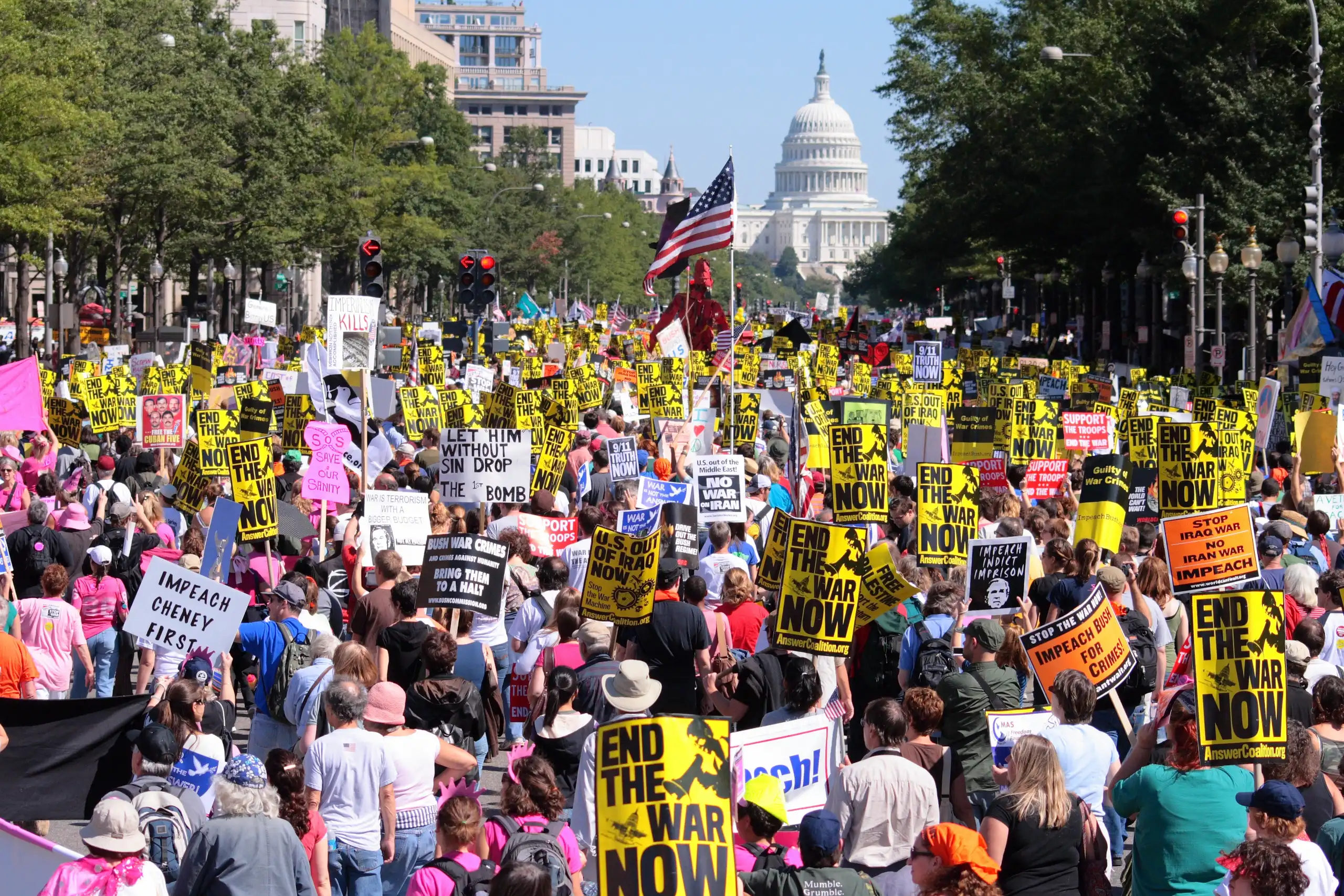
Image
Invasion of Iraq Protest
This image is just one example of the widespread anti-war protests that took place before and during the Invasion of Iraq. The war was met with global criticism.
-
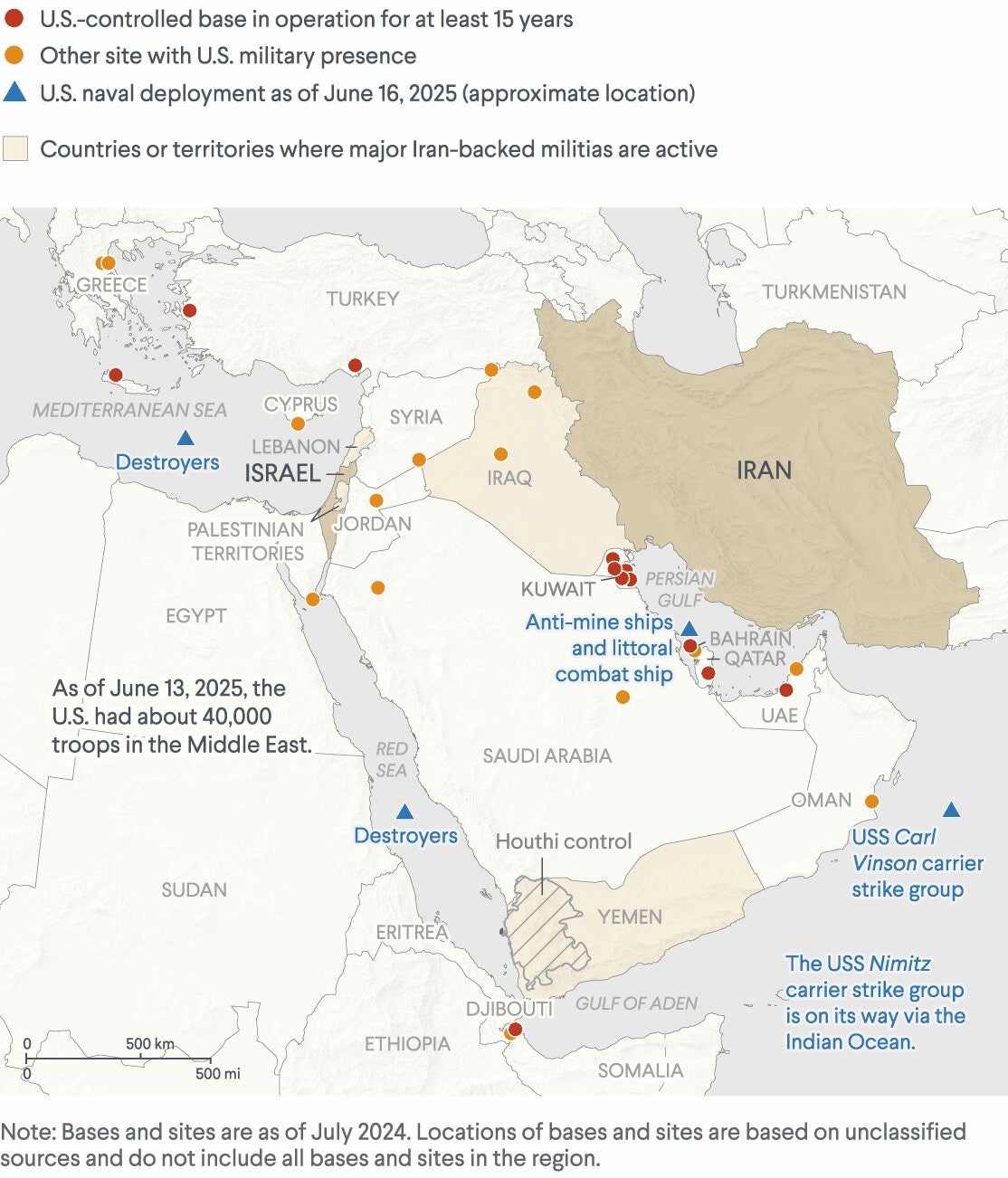
Image
U.S. Military Presence in the Middle East
This map breaks down US military presence in the Middle East as of 2025. The expansion of this presence is one of the Gulf War’s lasting legacies.
-
Image
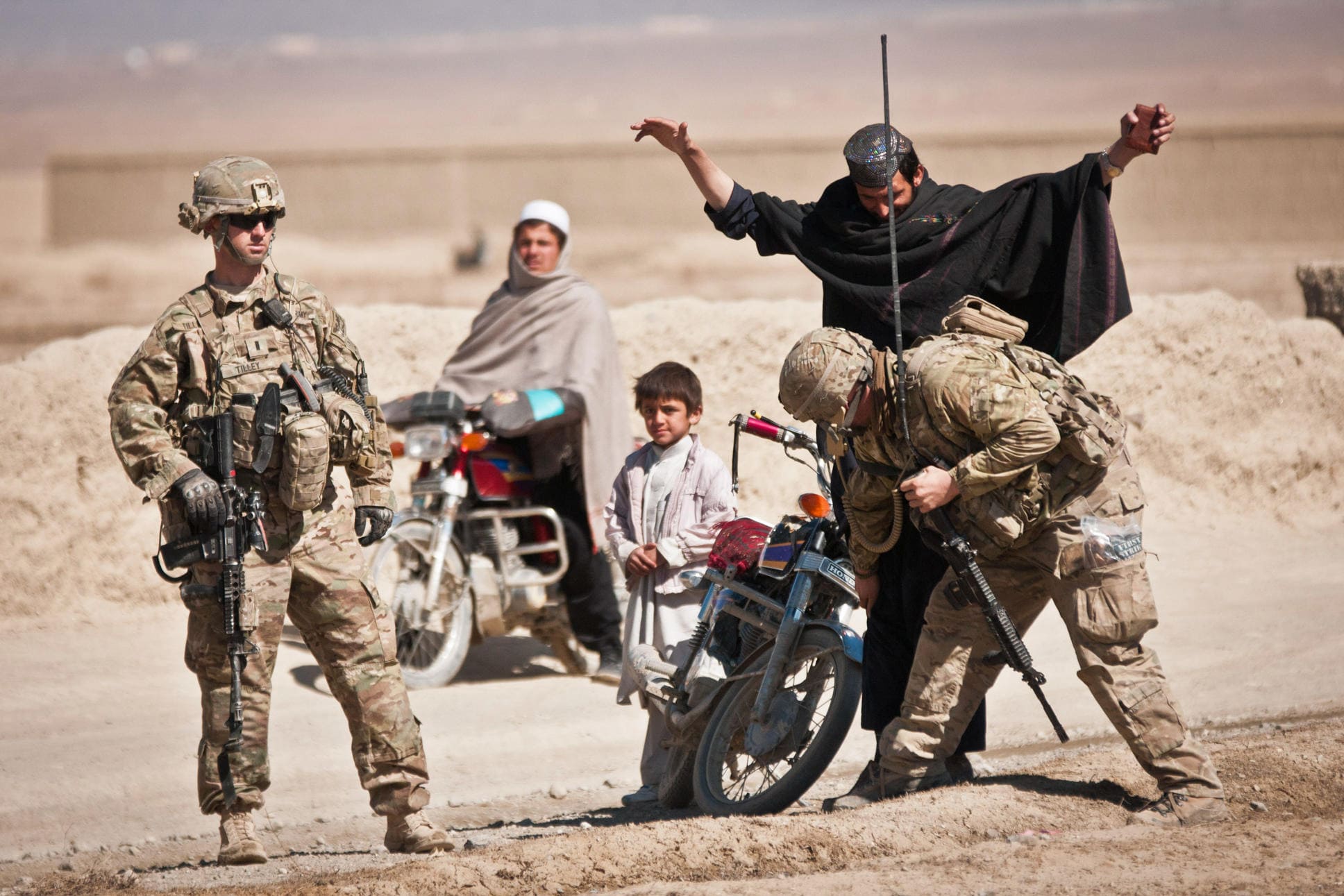
Checkpoint Operations In Afghanistan
US and Afghan forces conduct checkpoint operations near COP Yosef Khel in 2012. Officially, the war in Afghanistan that was part of the larger War on Terror lasted from 2001 to 2021. It is considered the longest war fought by American troops abroad.
-
Video
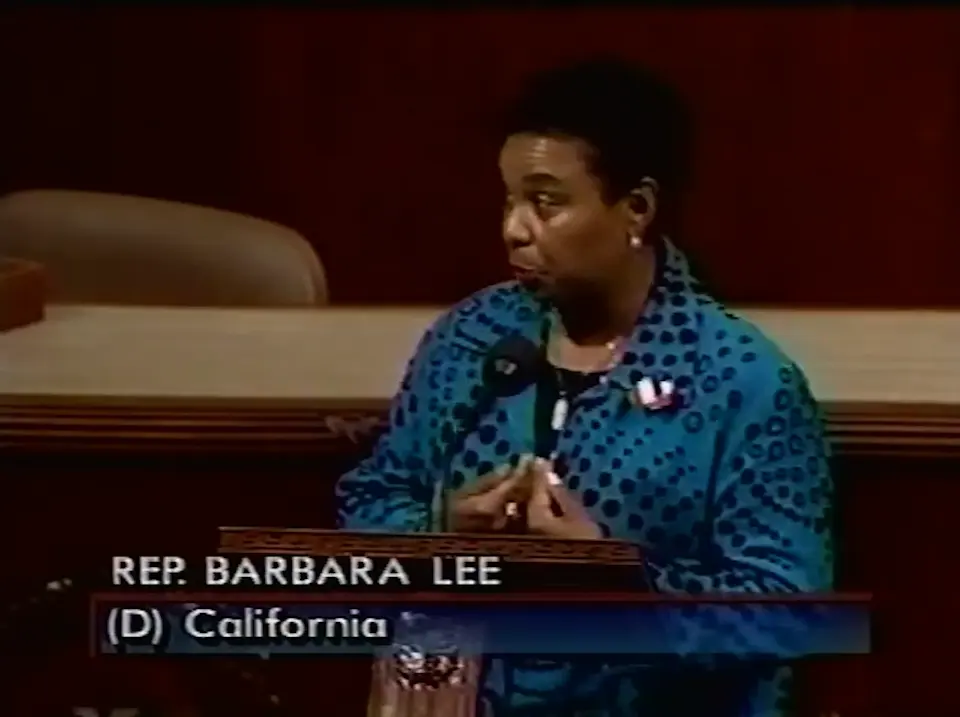
Rep. Barbara Lee’s Speech
Representative Barbara Lee was the only member of Congress to oppose going to war in Afghanistan.
-
Image
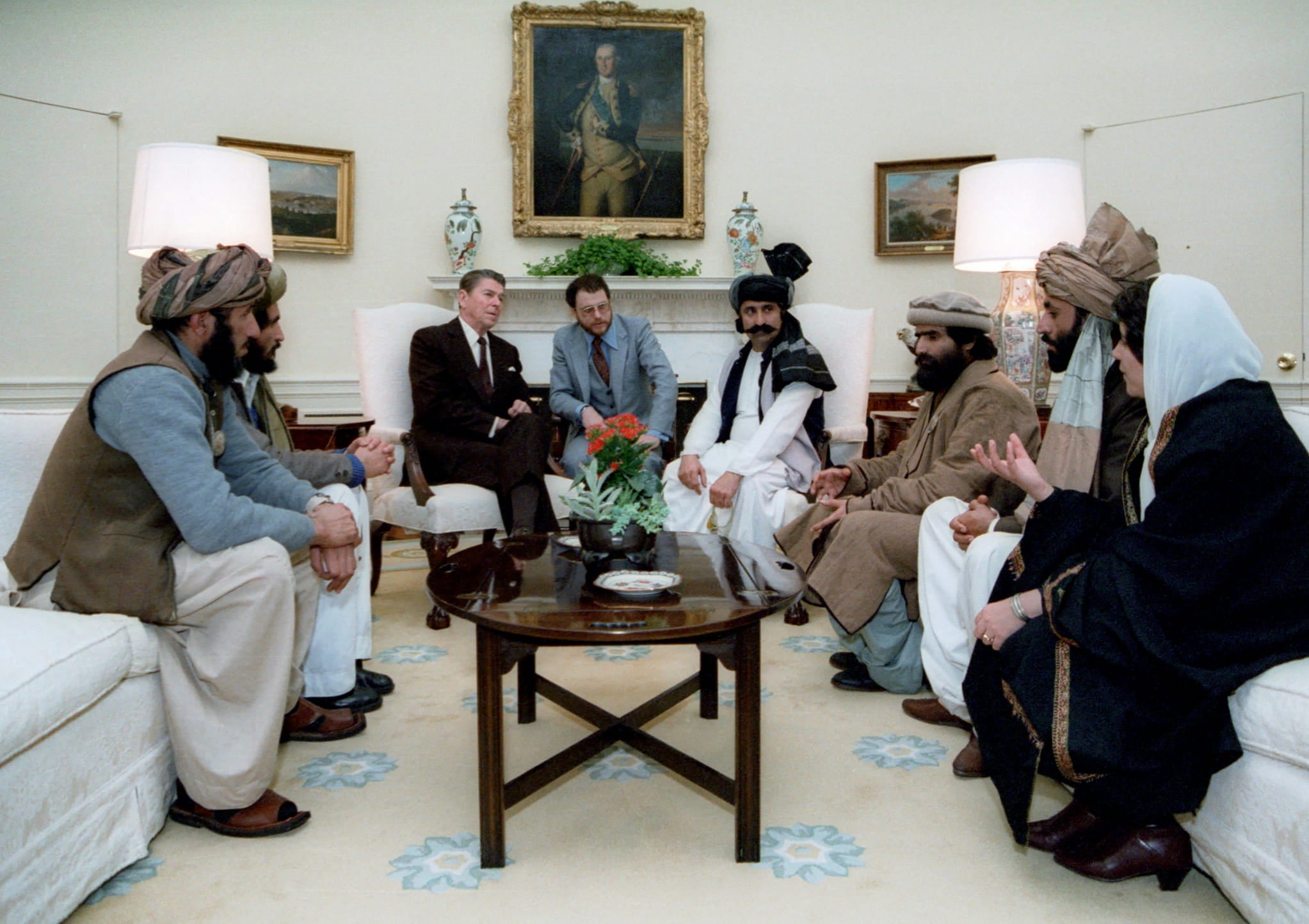
Operation Cyclone Meeting
President Ronald Reagan (third from left) meeting with mujahideen in the Oval Office in 1983. Under a covert operation called Operation Cyclone, the CIA supplied the mujahideen with billions of dollars in aid, as well as state of the art weapons and military training.