



Search the Media Repository
Discover the curated images, videos, and primary sources featured throughout Foundations and Futures
History is more than just text on a page; it is the photographs, voices, and artifacts of the people who lived it. The images and recordings featured across Foundations and Futures are part of a meticulously curated media repository. Whether you are building a lesson plan or investigating an artifact, you can use this database to trace the provenance of our media: discover who created an asset, the historical context behind it, and how it can be used to bring Asian American and Pacific Islander experiences into your classroom.
Multimedia
Chapters
-
Image
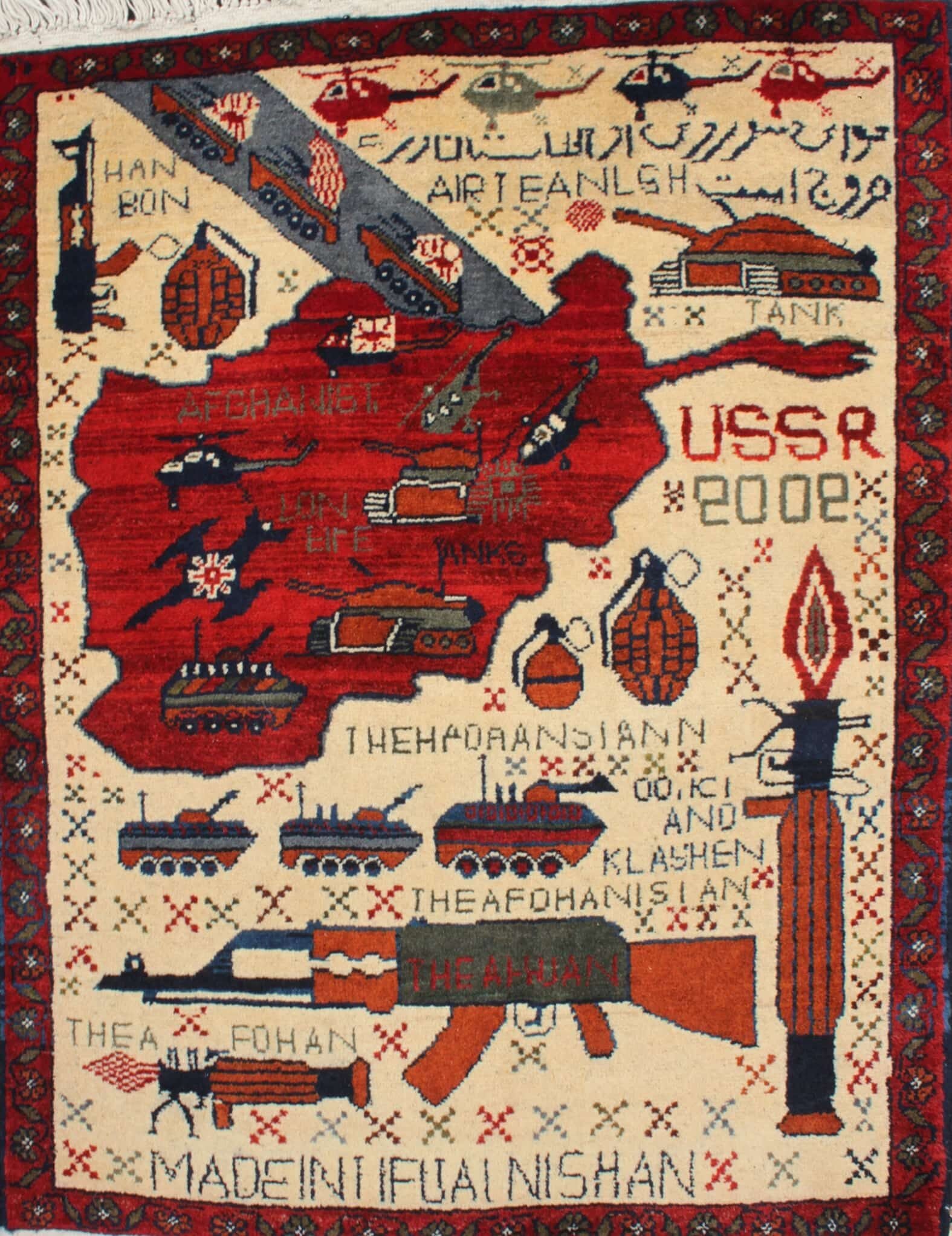
War Rug Depicts Exodus
This rug depicting the exodus of Soviet troops from Afghanistan is an example of a war rug. War rugs have become increasingly popular in Afghanistan since the 1970s as a way for traditional artisans to process the impact of war.
-
Video
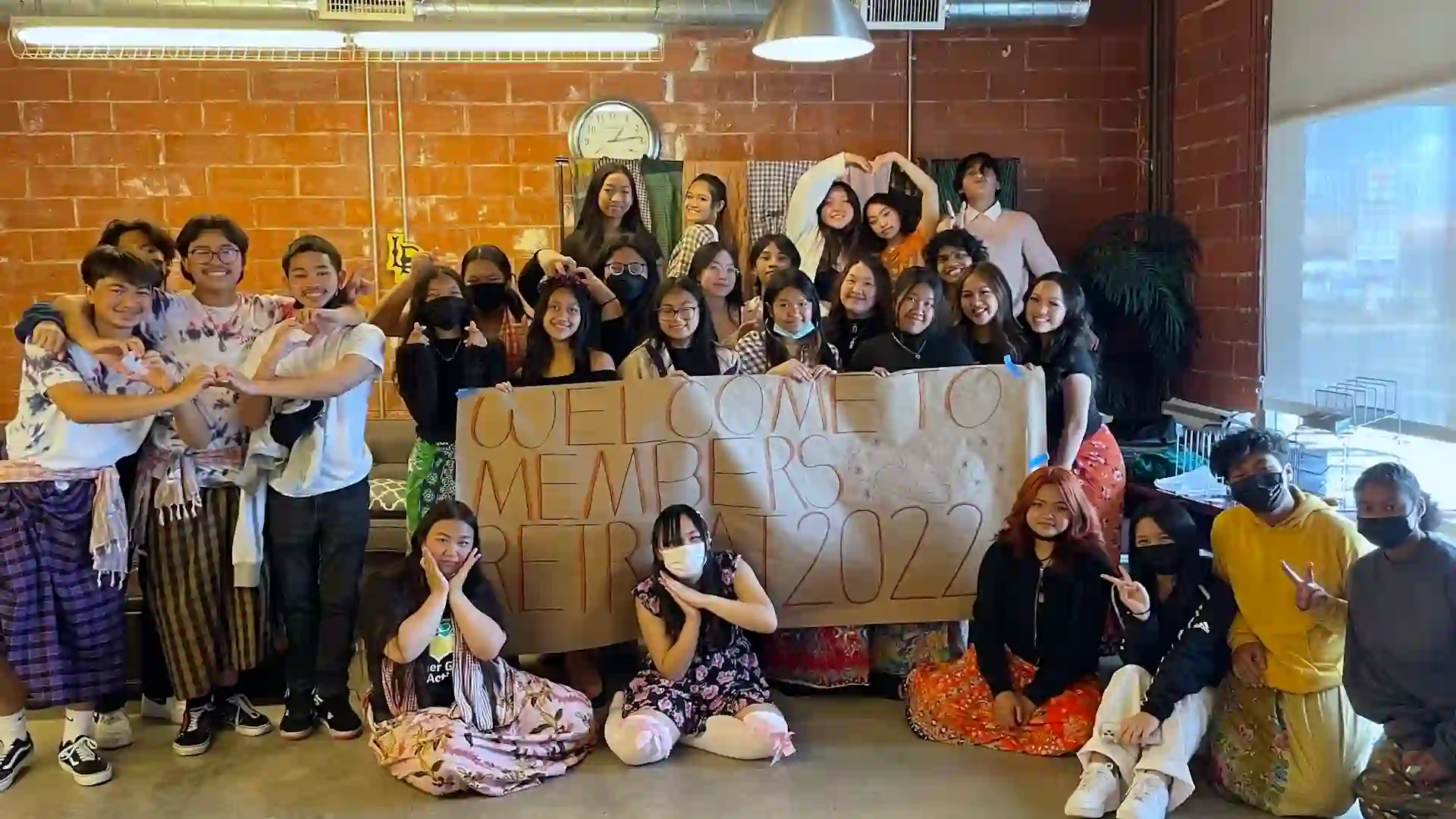
Khmer Girls in Action 25th Anniversary
For over twenty-five years, Khmer Girls in Action (KGA) has been a home for Southeast Asian youth in Long Beach, California, to learn about their culture and identity, build their leadership, and organize change for themselves and their families.
-
Image
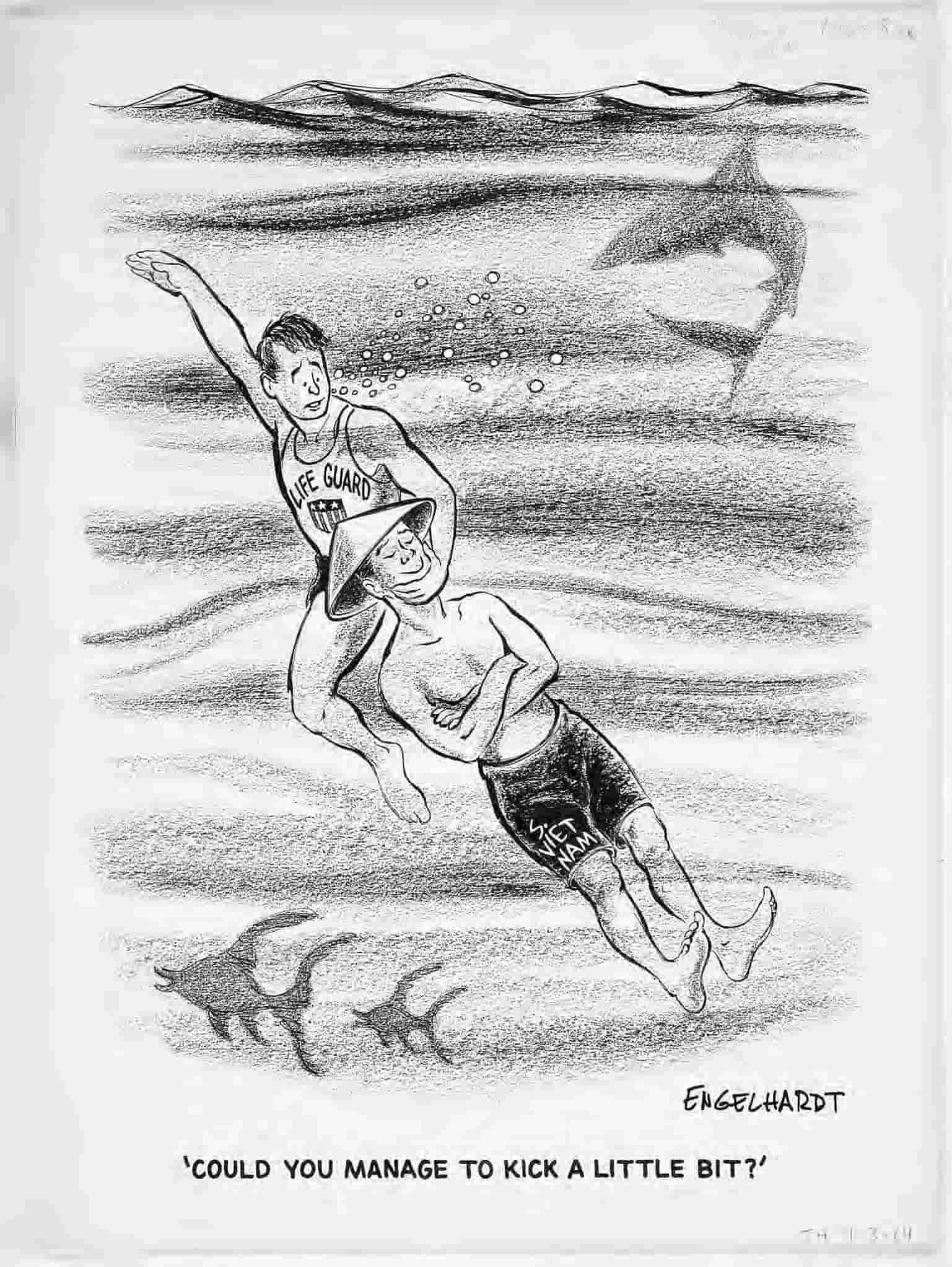
Political Cartoon on Vietnamese Refugees
This political cartoon from The St. Louis Post-Dispatch (c. 1964) demonstrates a simplistic view of Vietnamese refugees. The problematic depiction echoes government and media narratives from this time that perpetuate stereotypes of Vietnamese refugees as a burden to American society.
-
Image
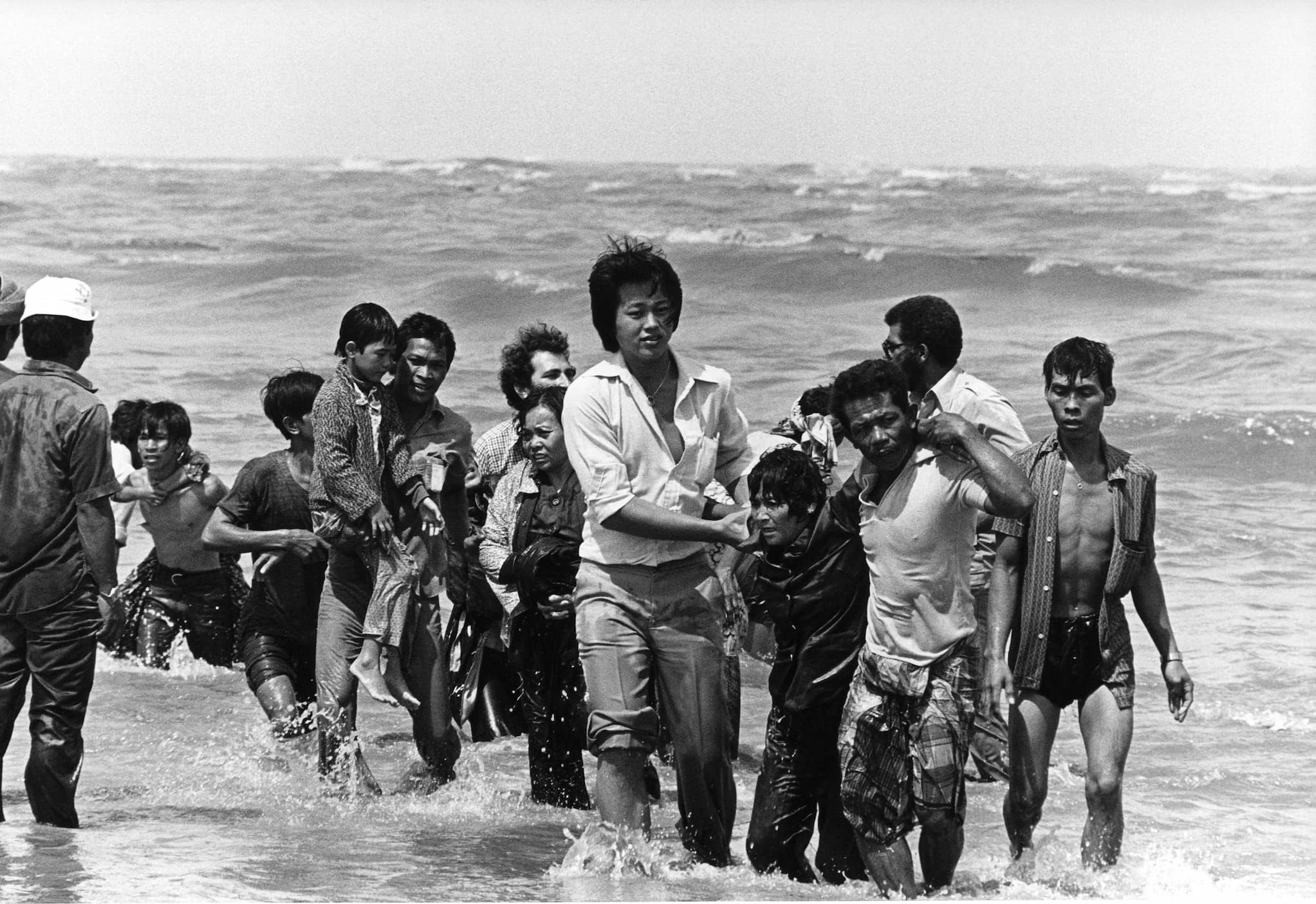
Vietnamese Refugees Arrive in Malaysia
In the years following the Fall of Saigon, many refugees left Vietnam in unseaworthy and overcrowded boats. This image shows a group of refugees arriving in Malaysia in December 1978 after their boat sank meters from shore.
-
Image
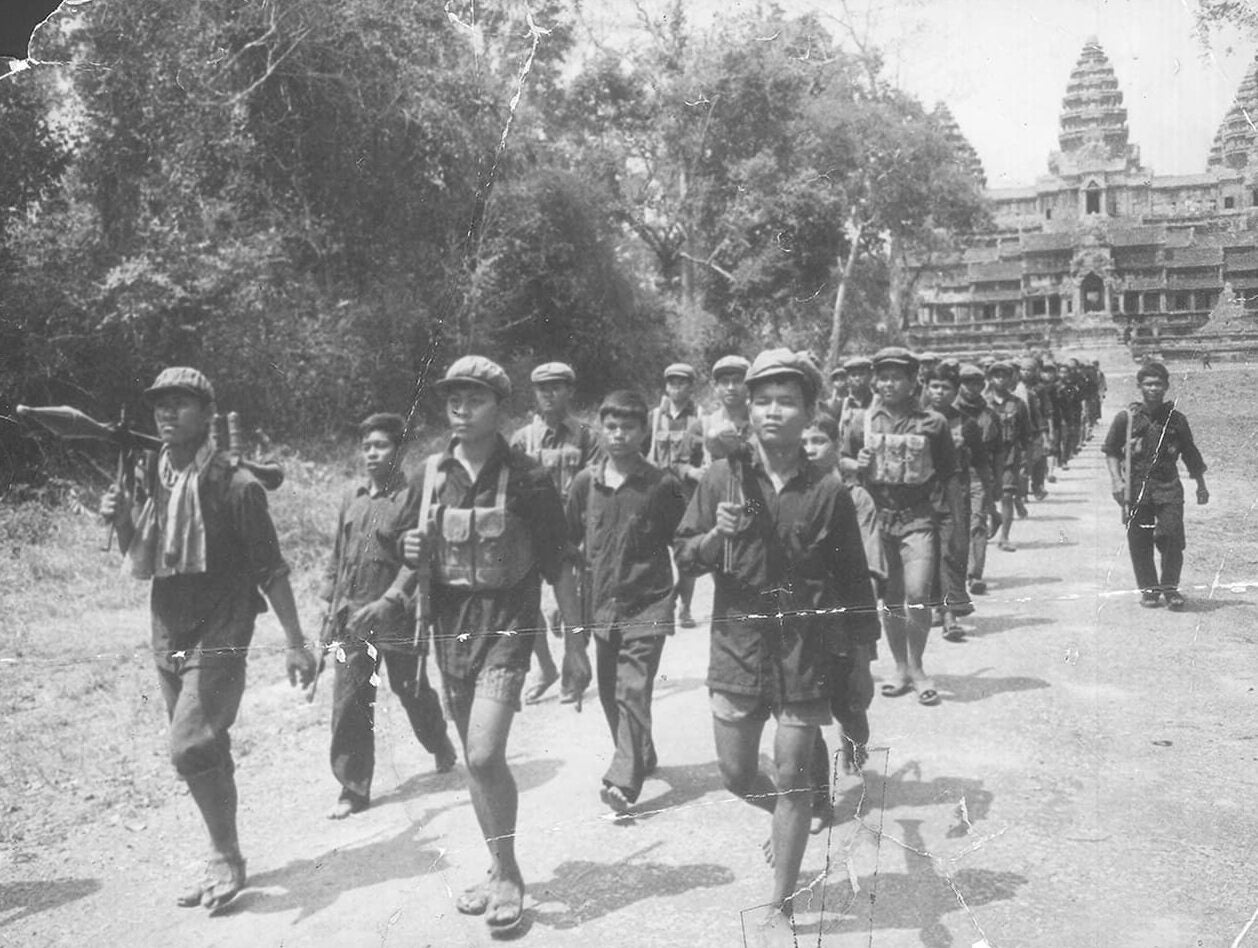
Khmer Rouge Soldiers March
Khmer Rouge soldiers marching at Angkor Wat. The Communist Party of Kampuchea espoused a radical agrarian nationalist ideology and was responsible for the Cambodian genocide that killed up to two million people between 1975-1979.
-
Image
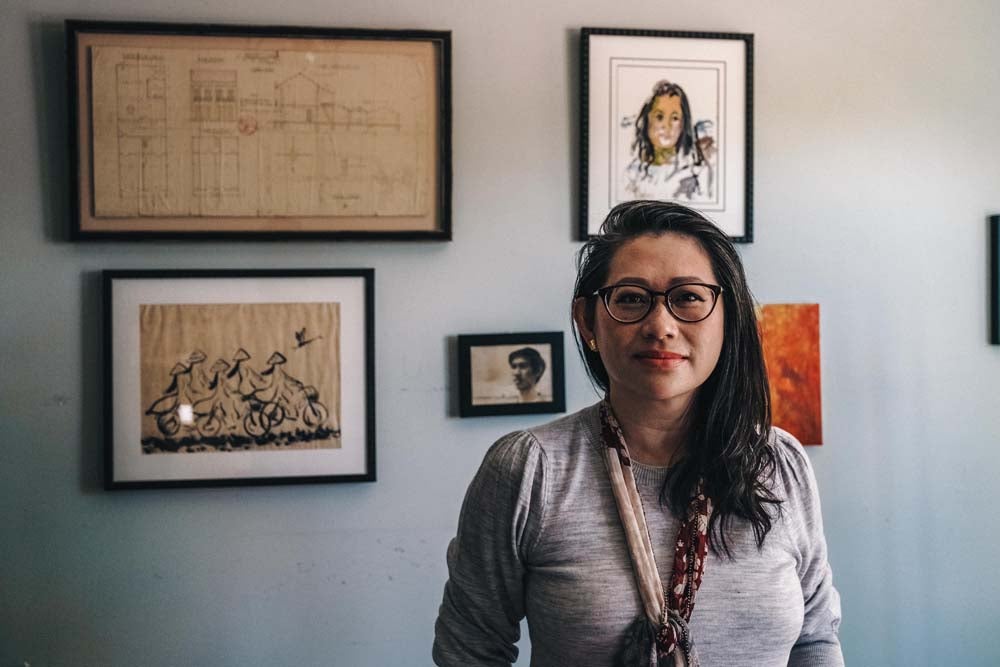
Kim Luu-Ng
Now a Los Angeles-based immigration attorney protecting others from human trafficking and political violence, Kim Luu-Ng fled South Vietnam as a young child with her family. Their refugee journey took them from Vietnam to Hong Kong, Kentucky, and, eventually, California.
-
Video
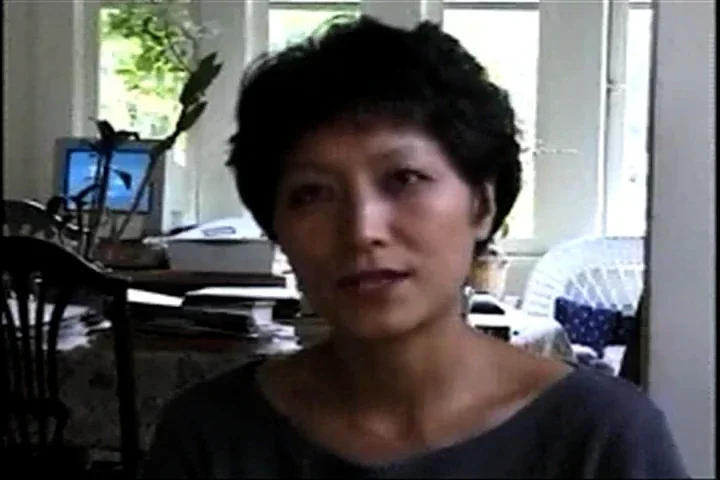
Deann Borshay Liem Interview
Filmmaker Deann Borshay Liem was sent from Korea at age eight to her adoptive family in California. In her documentary First Person Plural (2000), she explores her family history. Here she discusses navigating family dynamics in the making of the film.
-
Video
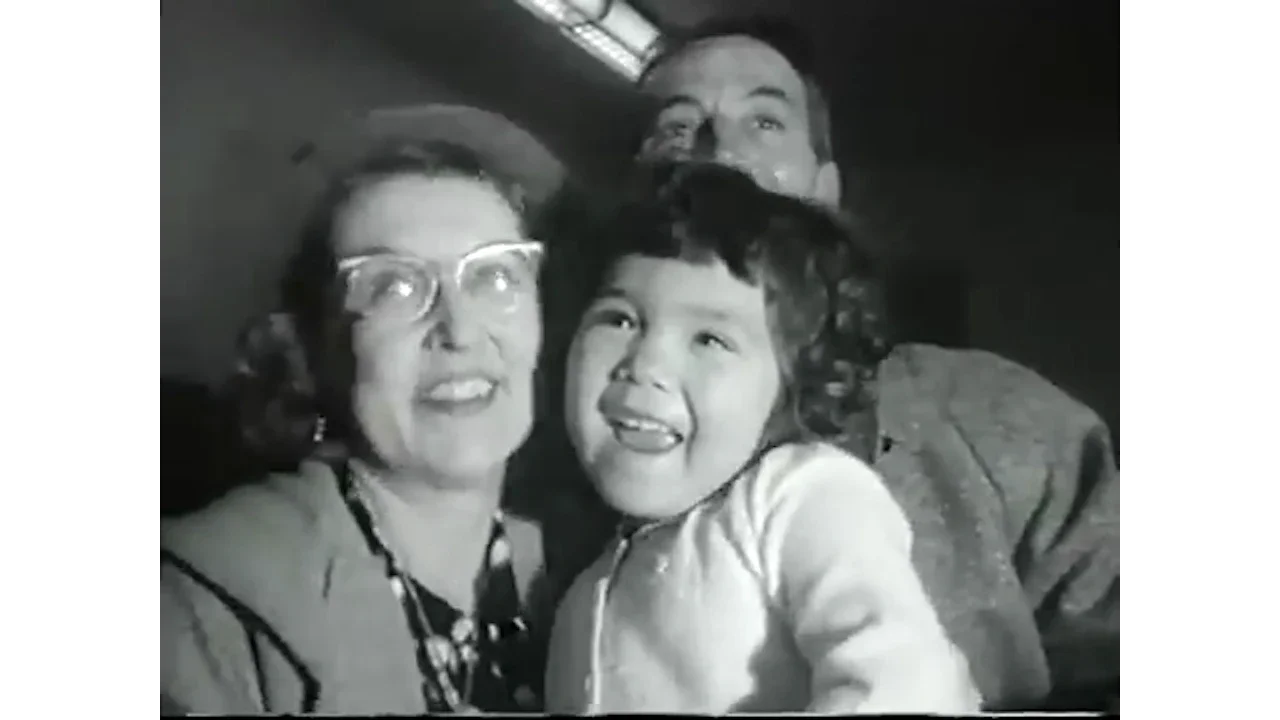
Harry Holt Brings Korean War Orphans to Seattle
On December 2, 1957, Universal Newsreel released footage of Harry Holt bringing 80 Korean orphans to Seattle, WA.
-
Image
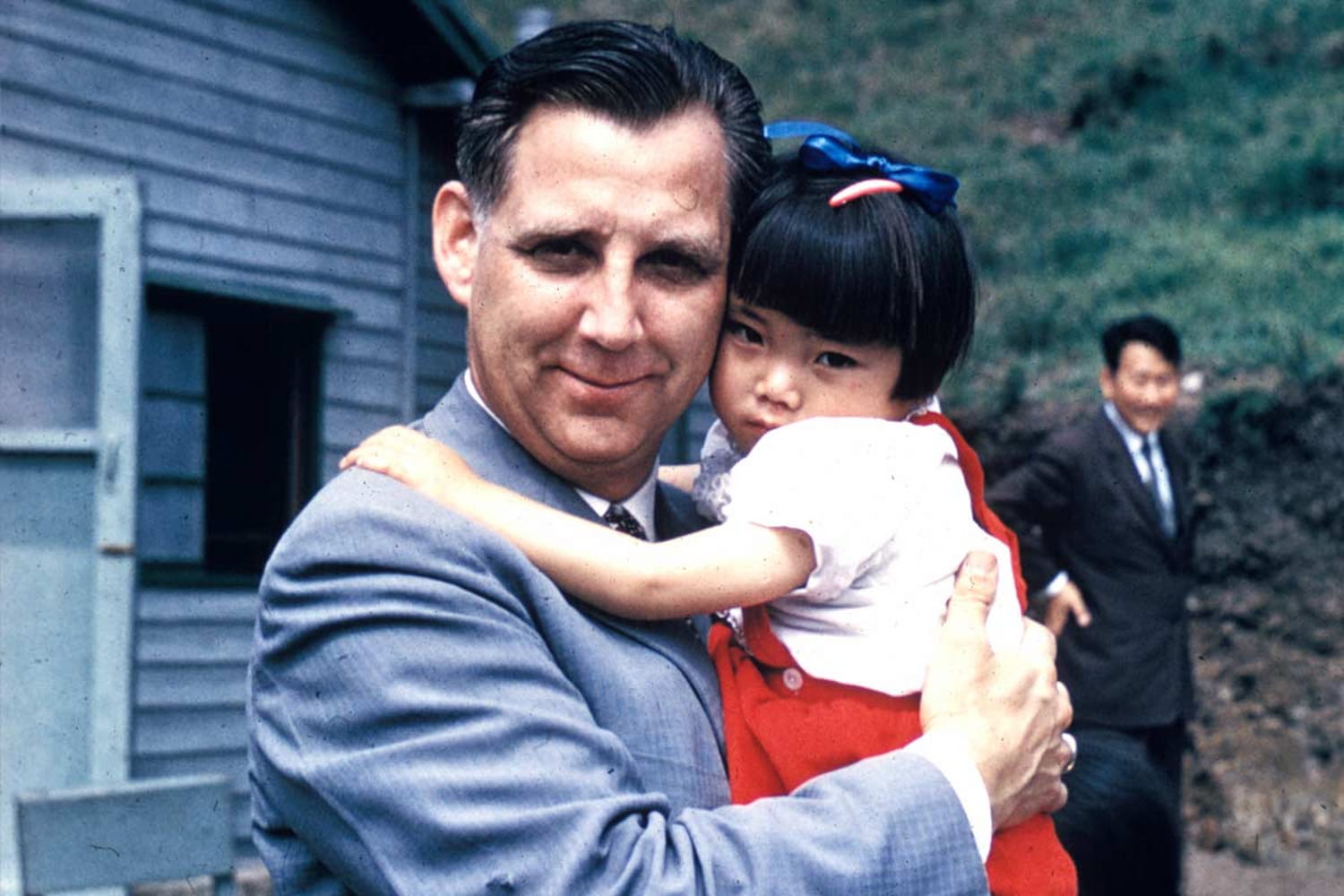
Reverend Everett Swanson
Reverend Everett Swanson founded the Everett Swanson Evangelistic Association (now called Compassion International) in 1952 to advocate for adopting Koreans orphaned during the war.
-
Image
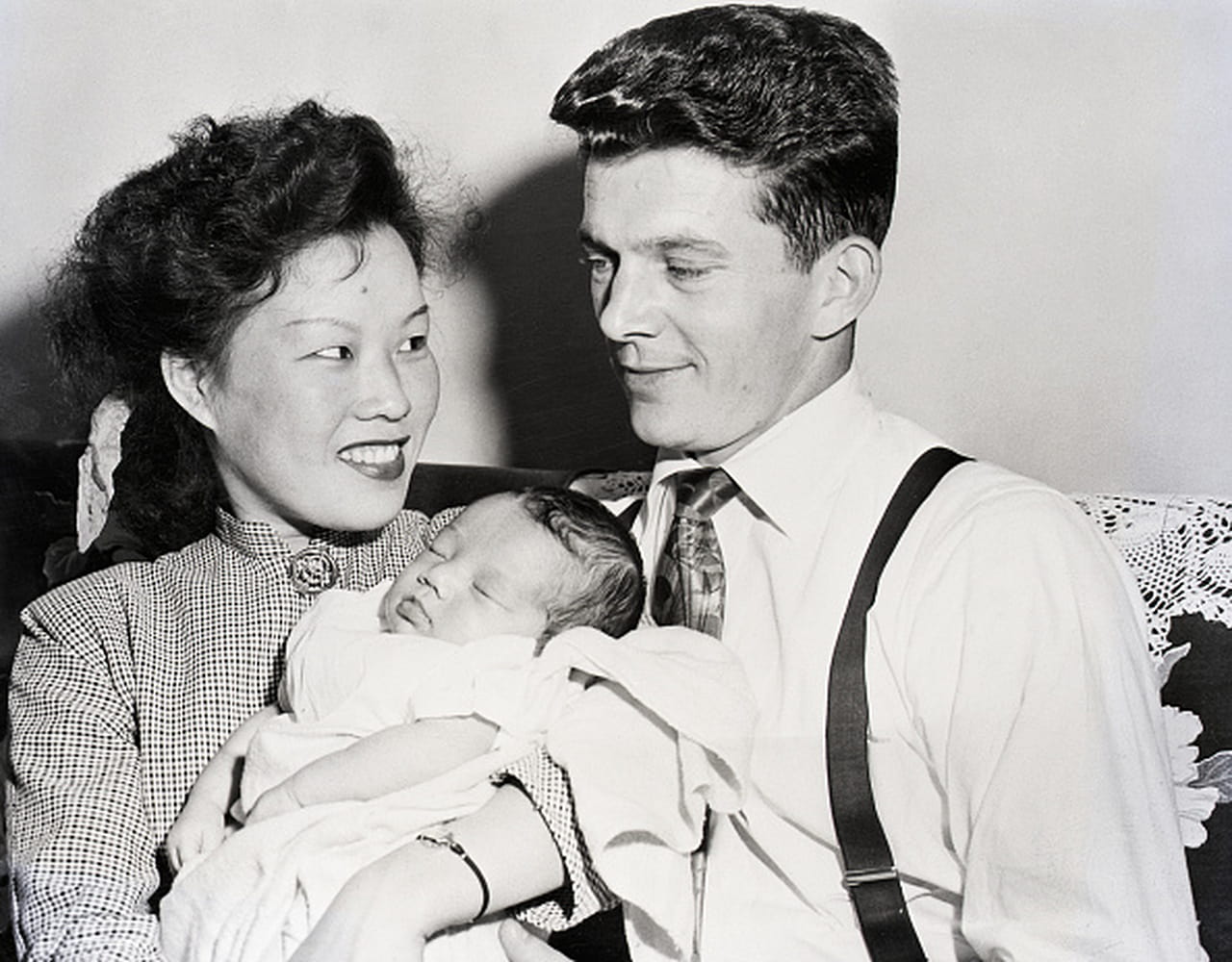
Korean War Bride
Sergeant Johnnie Morgan (right) with his Korean wife, Yoong Soon (left), and their newborn daughter Yvonne Arlene. Nearly 100,000 military brides from Korea immigrated to the United States between the end of World War II and the end of the 20th century.
-
Image
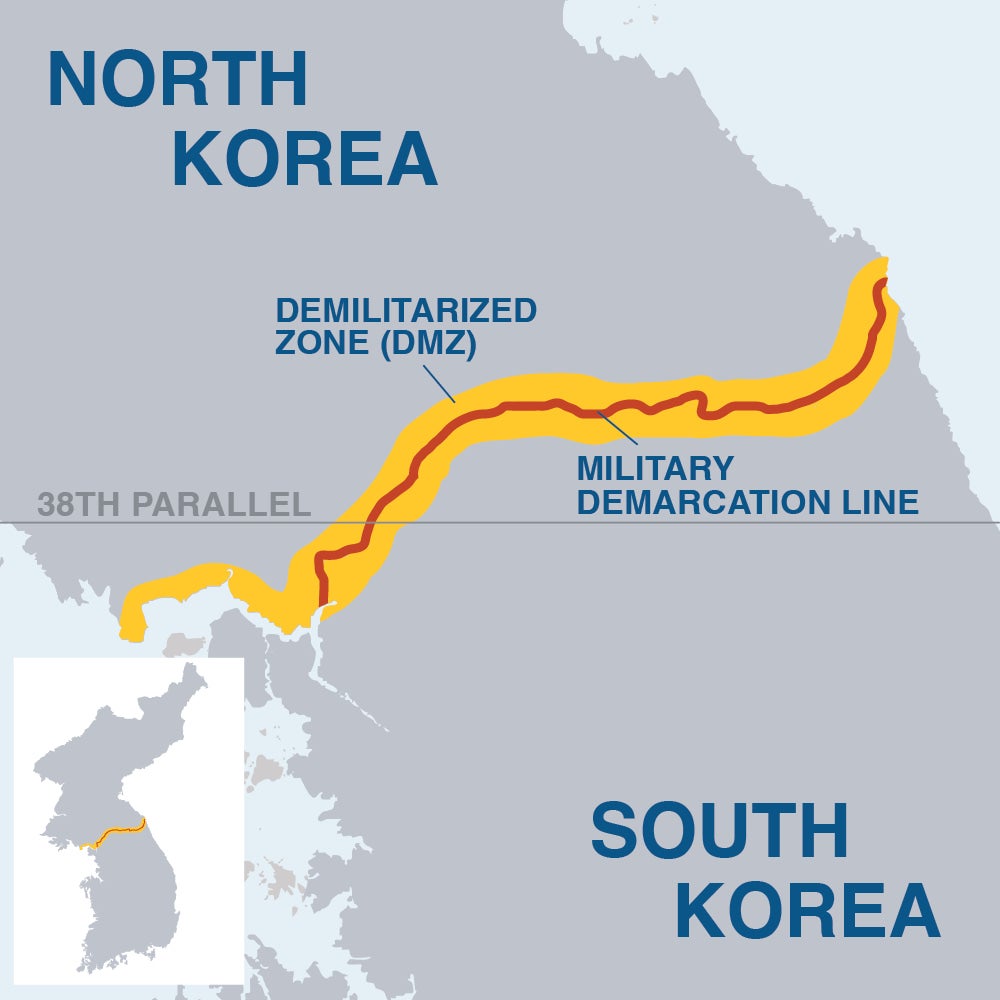
The Demilitarized Zone
The Demilitarized Zone (DMZ) at the 38th parallel separating North Korea from South Korea was established by the Armistice Agreement in 1953.
-
Text
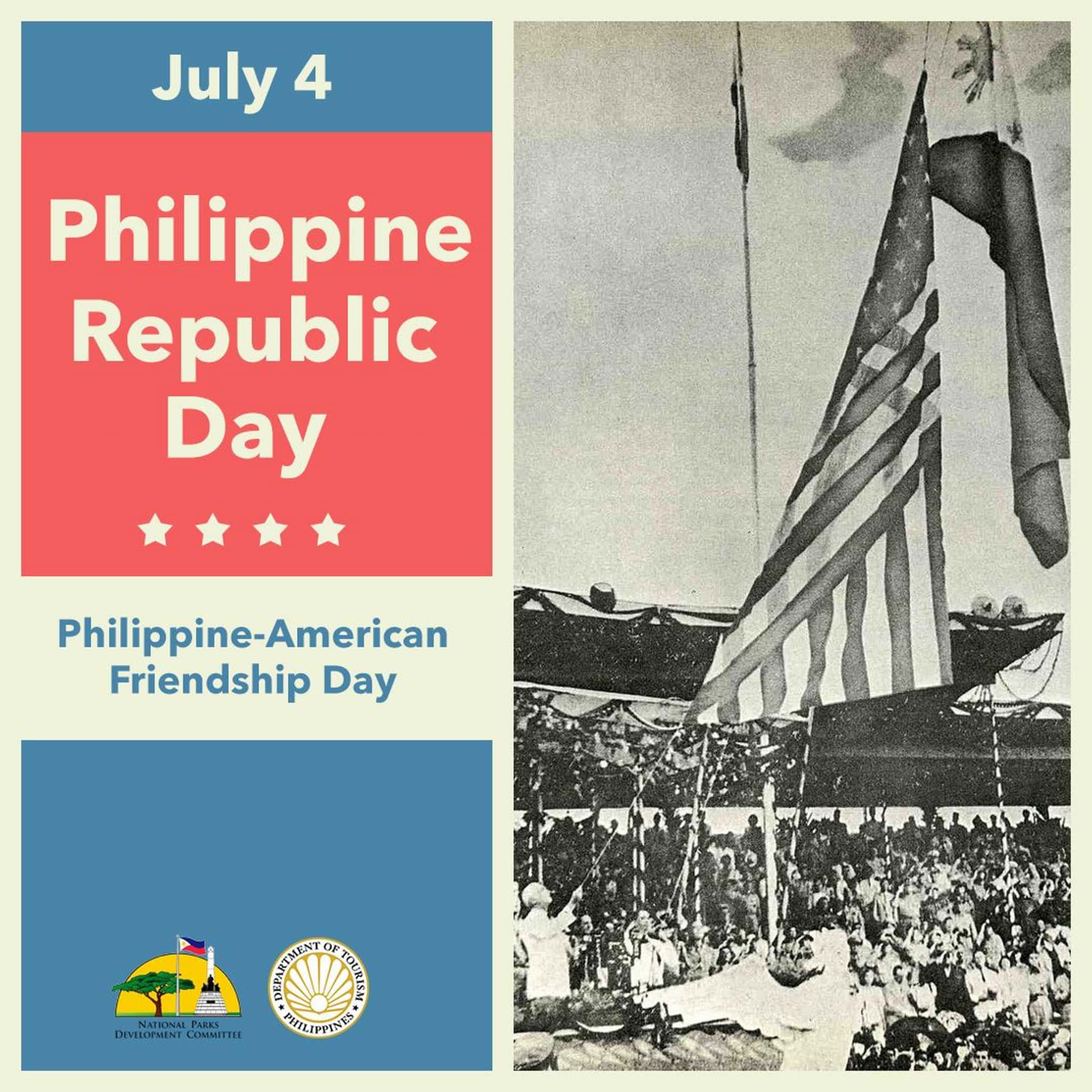
Philippine Republic Day
The Treaty of Manila recognized the independent Republic of the Philippines on July 4, 1946. Though freed from formal colonialism, the nation was left to rebuild after the devastation of war with little financial support from the US.
-
Image
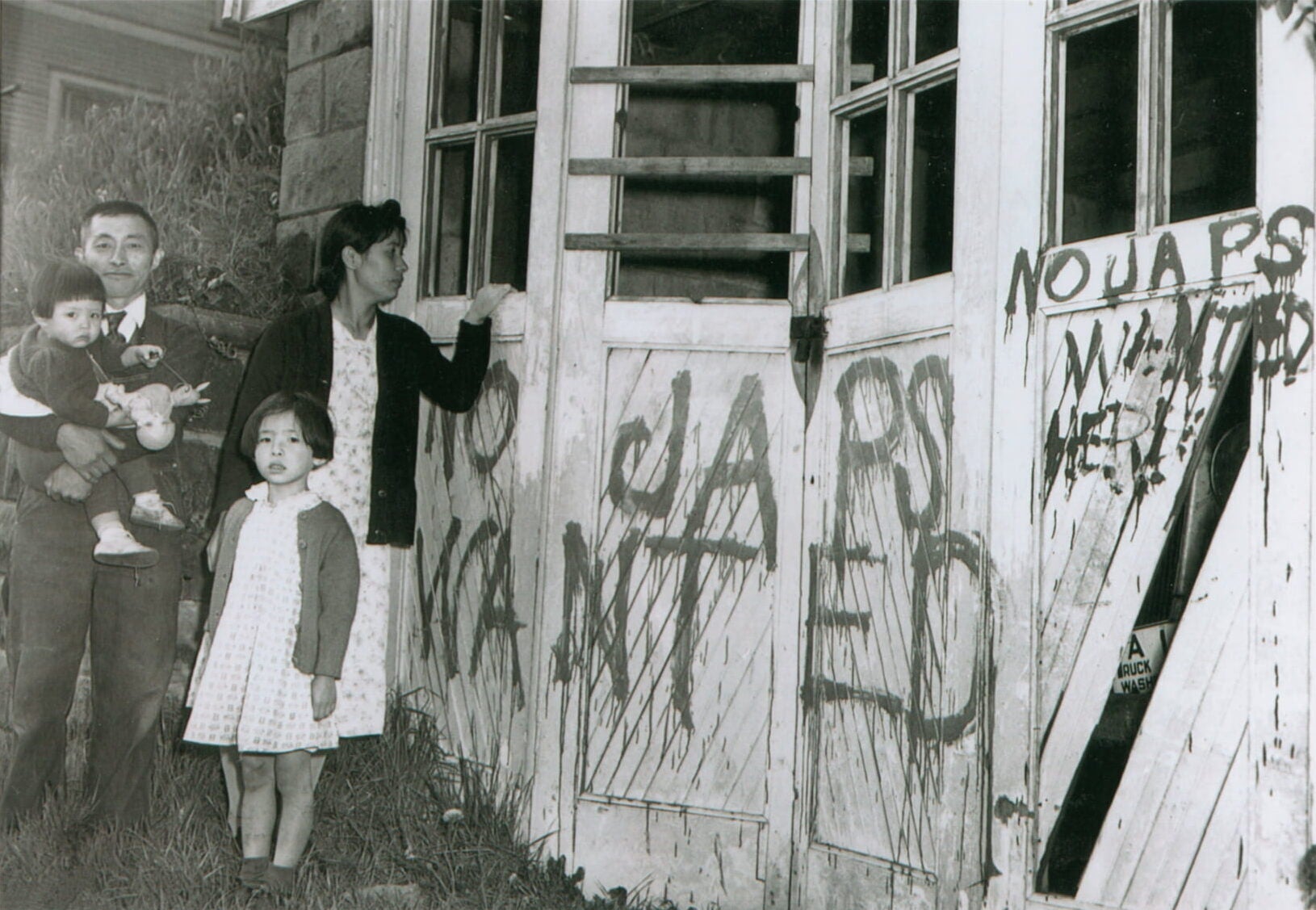
Nagaishi Family’s Home Vandalized
The Nagaishi family return home to Seattle after three years’ incarceration at Minidoka War Relocation Center in Idaho to find their garage vandalized with the words “No Japs Wanted.”
-
Text
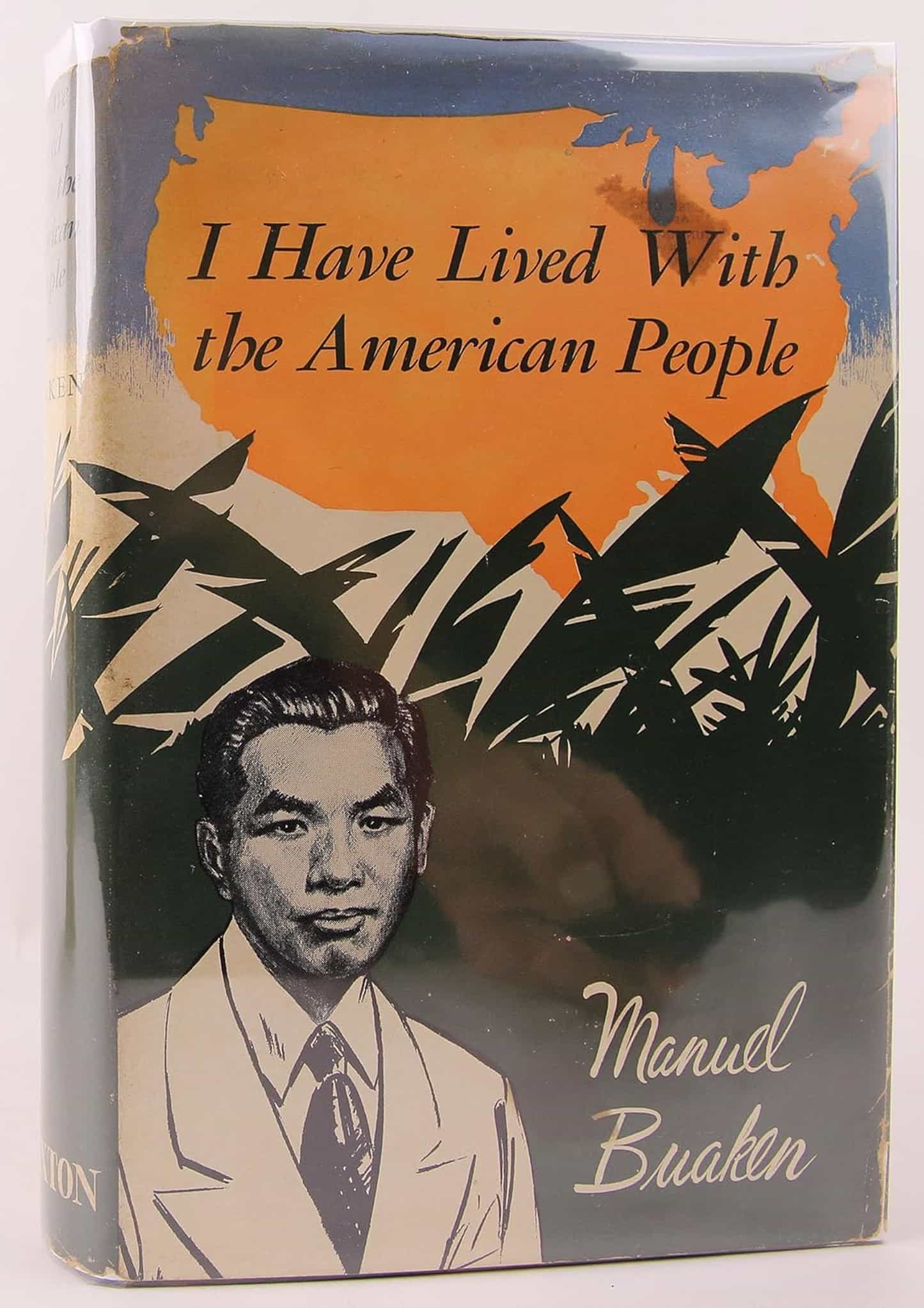
I Have Lived With the American People by Manuel Buaken
Manuel Buaken, a US Army veteran and noted writer, described the heartbreak of Filipino immigrants: “We came to the United States to learn the best, and we found that our place here was in the blind spot of America.”
-
Text
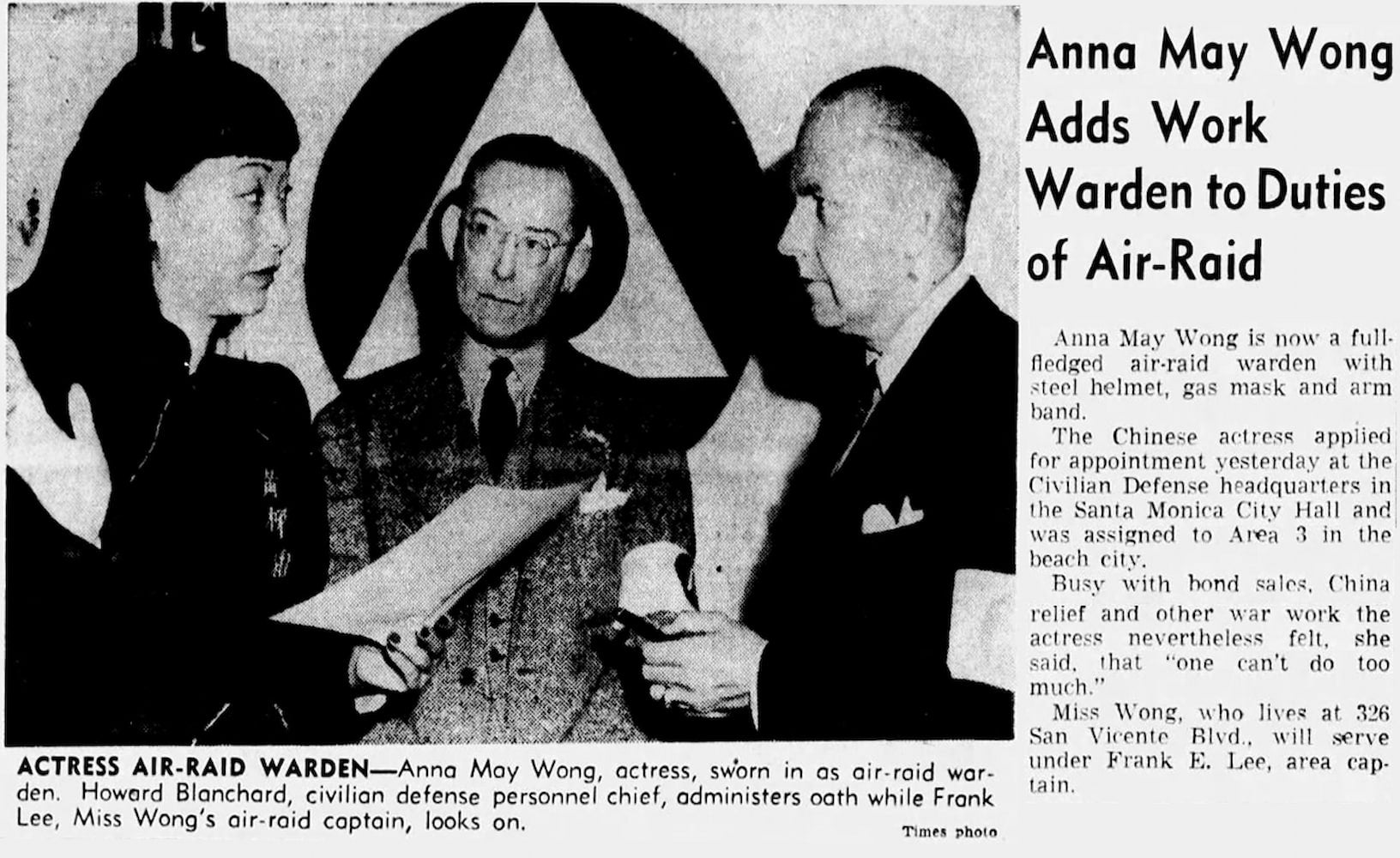
Anna May Wong’s Wartime Volunteer Work
Chinese American film star Anna May Wong volunteered as an Air-Raid Warden during World War II. “As an American-born Chinese,” she said, “I feel it is a privilege to be able to do my little bit in return for the many advantages bestowed upon me by a free democracy.”
-
Video
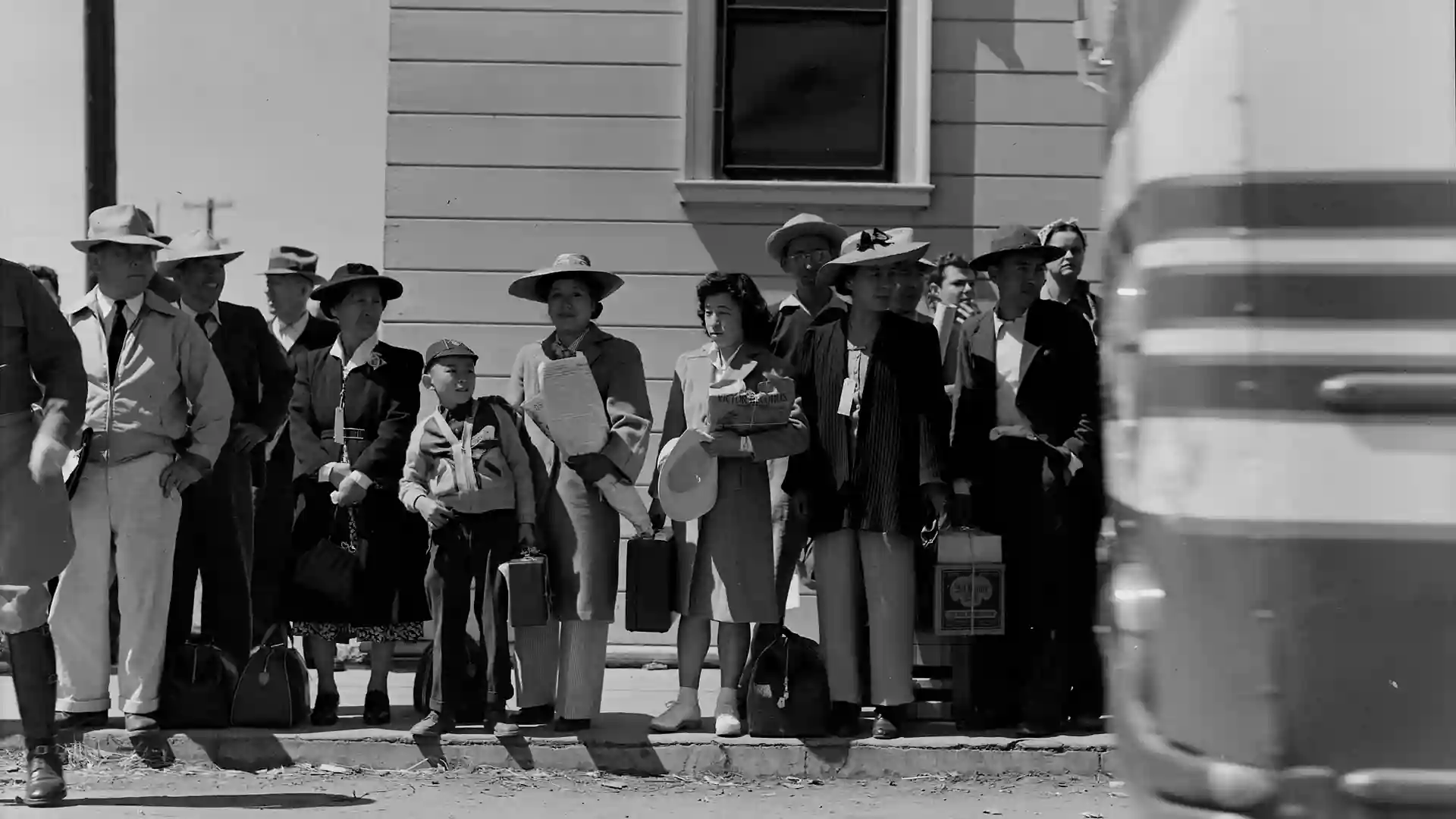
Gordon Hirabayashi Interview
Gordon Hirabayashi explains why he refused to obey the curfew and evacuation orders for Japanese Americans, actions that resulted in his arrest and eventual case in front of the US Supreme Court. The court ruled against him in 1943.
-
Video
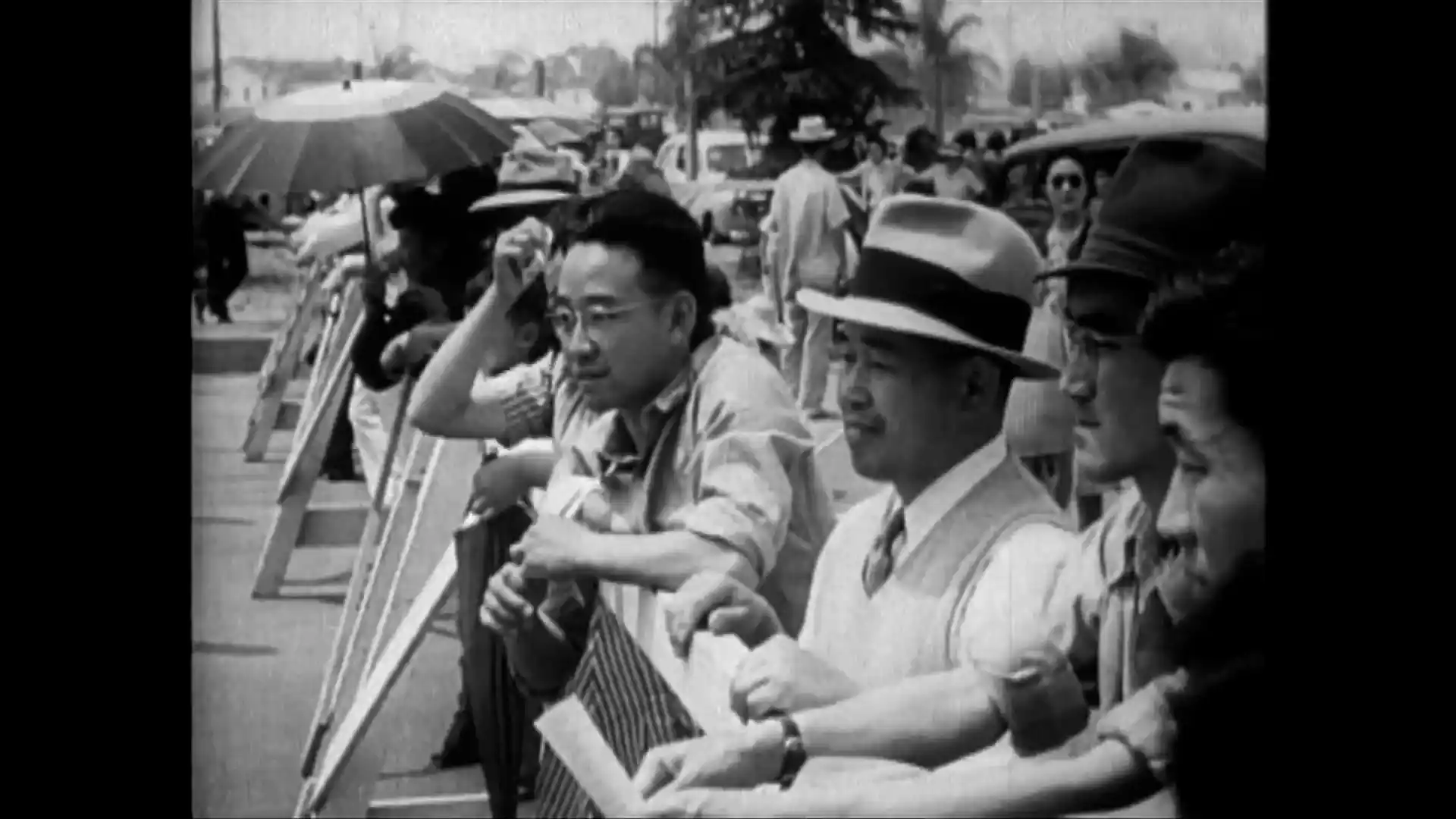
Masao Watanabe Interview
Masao Watanabe recounts being incarcerated at Puyallup Assembly Center in Washington State. The film shows the conditions of the camps and depicts the way communities were forced to live during the mass incarcerations resulting from Executive Order 9066.
-
Image
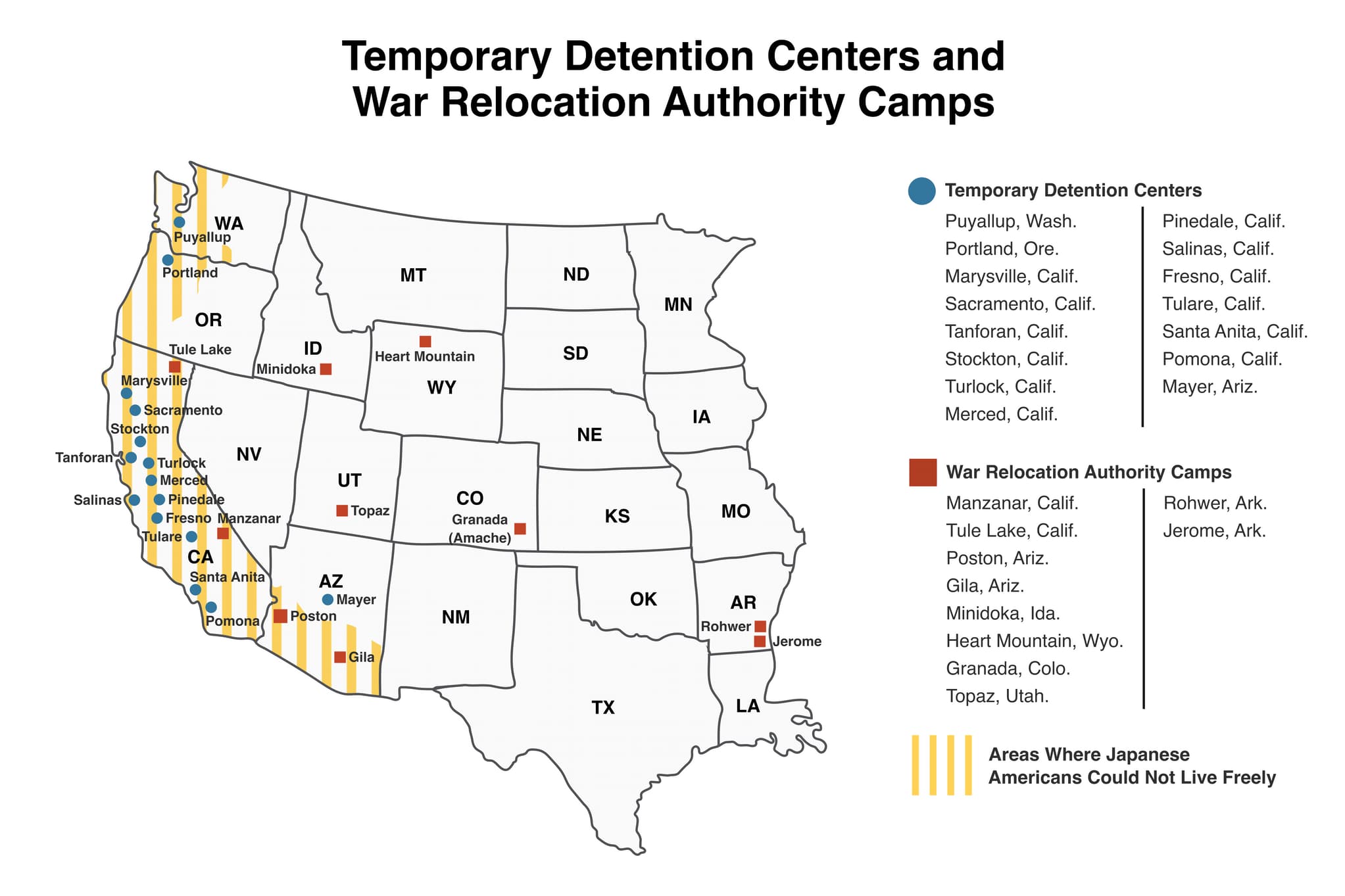
Temporary Detention Centers and War Relocation Authority Camps
Evacuees under Executive Order 9066 were first held in temporary detention centers along the West Coast (often horse-racing tracks), and eventually moved to ten concentration camps located beyond the West Coast military exclusion zone.
-
Video
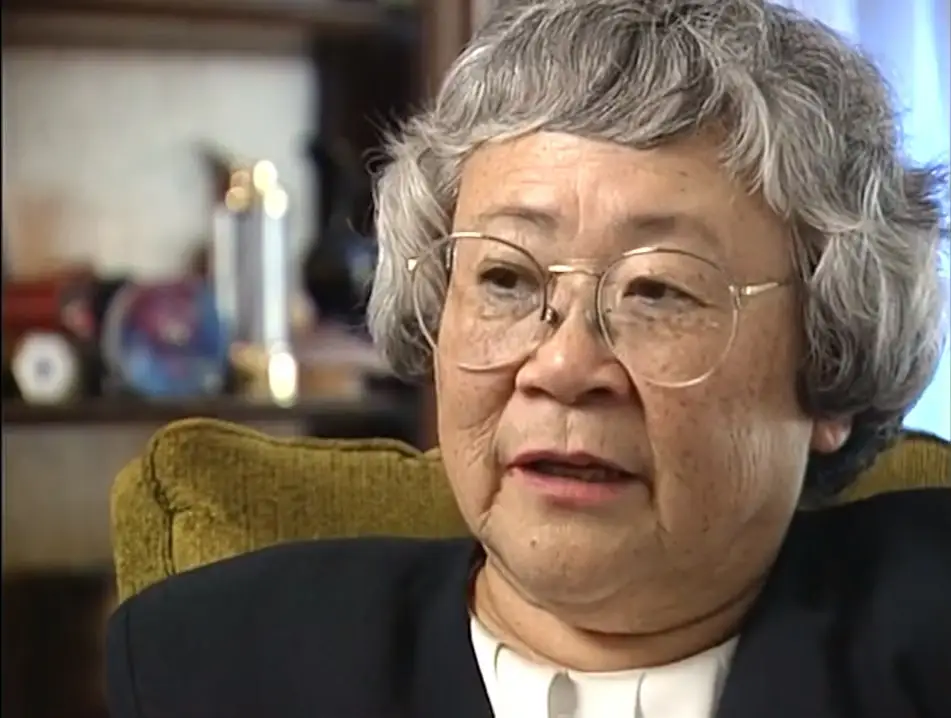
Akiko Kurose Interview
In this oral history project, Akiko Kurose talks about the beginning of WWII as a young Japanese American woman living in Seattle.
-
Image
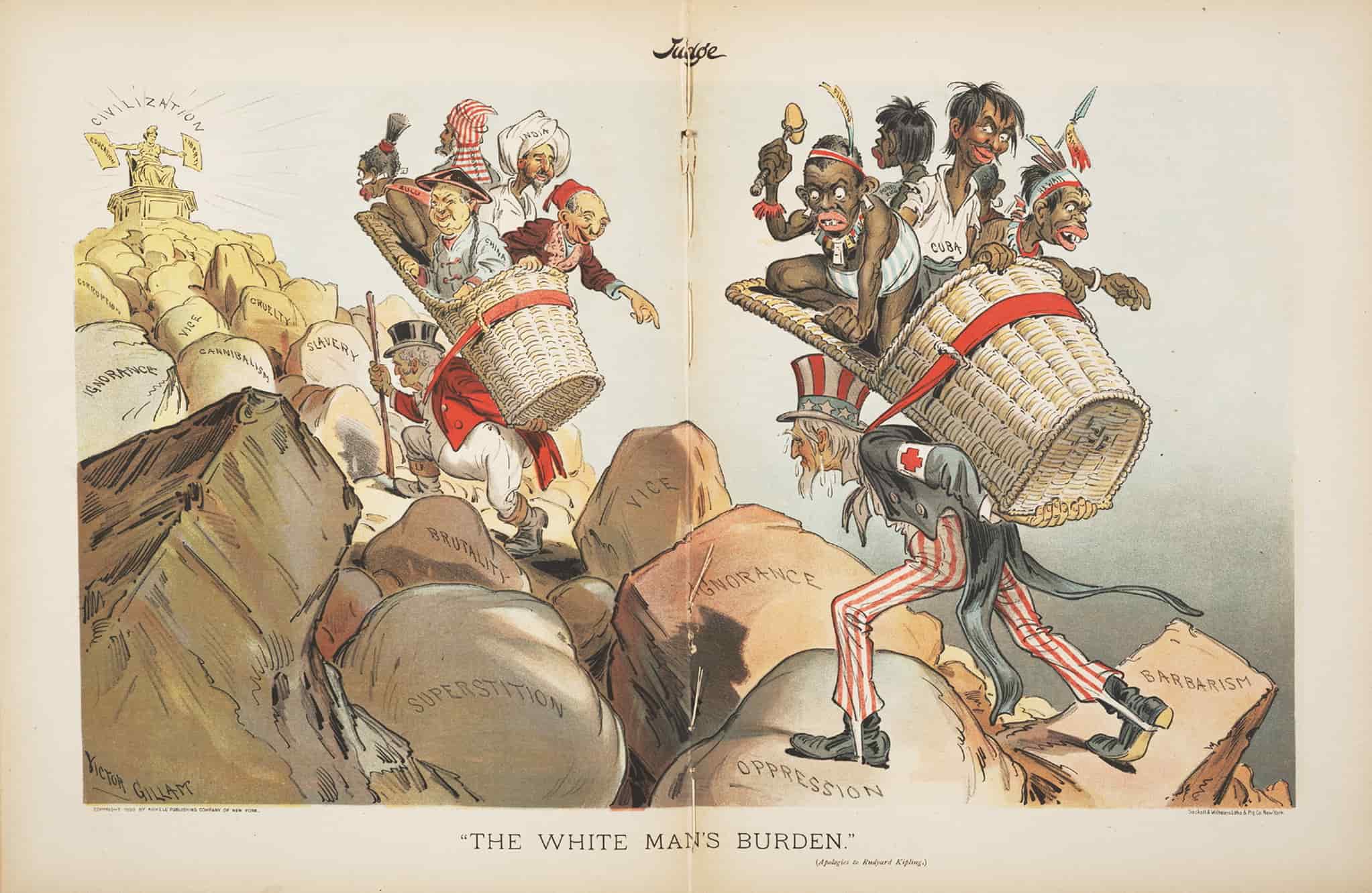
“The White Man’s Burden”
The cartoonist depicts Uncle Sam struggling to ascend a formidable mountain with all of the attributes of native people forming the rocks beneath him: barbarism, superstition, vice, brutality, and even cannibalism, among others.