



Search the Media Repository
Discover the curated images, videos, and primary sources featured throughout Foundations and Futures
History is more than just text on a page; it is the photographs, voices, and artifacts of the people who lived it. The images and recordings featured across Foundations and Futures are part of a meticulously curated media repository. Whether you are building a lesson plan or investigating an artifact, you can use this database to trace the provenance of our media: discover who created an asset, the historical context behind it, and how it can be used to bring Asian American and Pacific Islander experiences into your classroom.
Multimedia
Chapters
-
Image
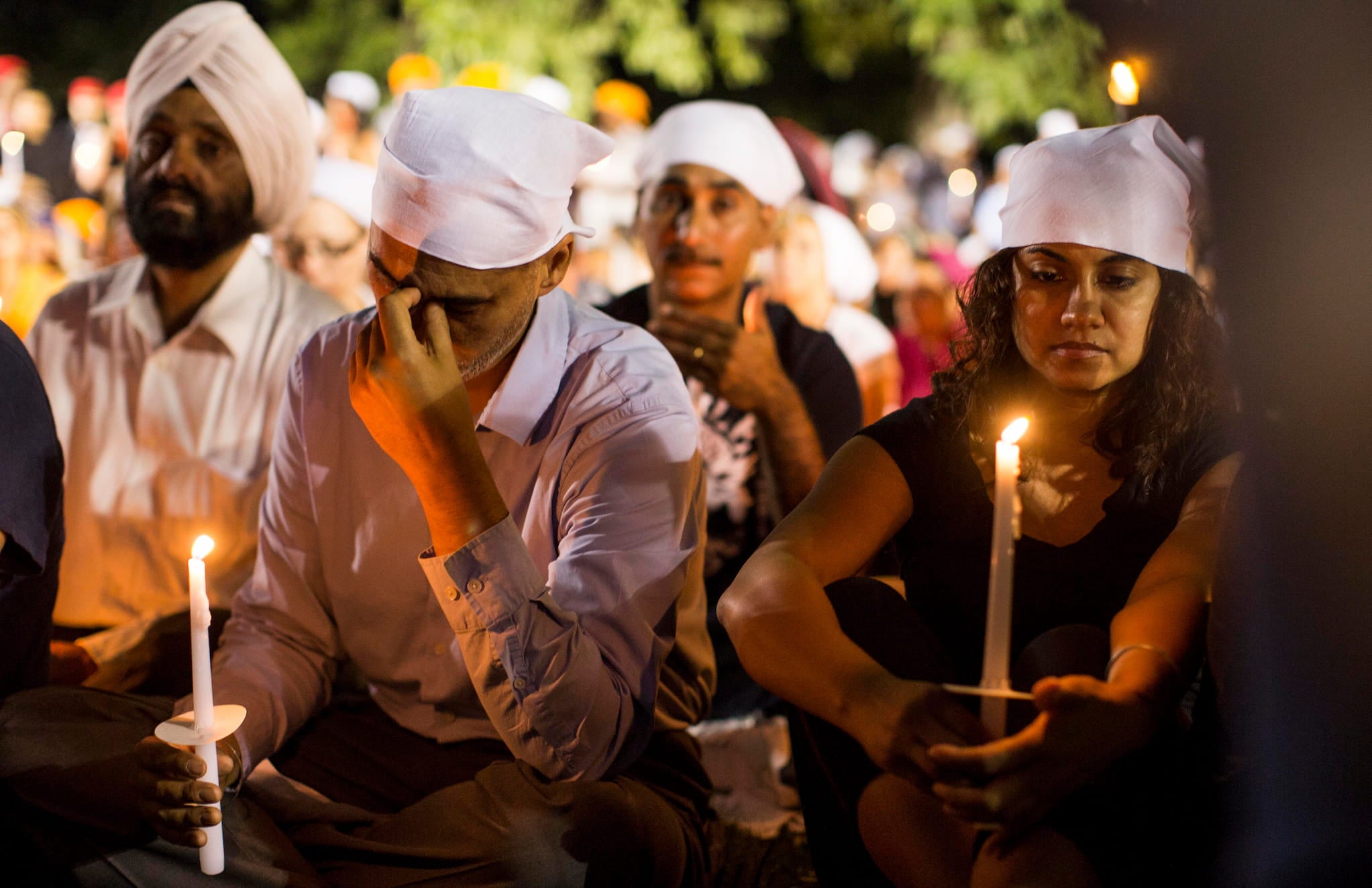
Vigil for Victims of Sikh Temple Shooting
Mourners gather at a candlelight vigil in Oak Creek, Wisconsin, for the victims of a mass shooting at the Sikh Temple of Wisconsin, in 2012.
Featured in:
Indian Americans, Module 5
-
Video
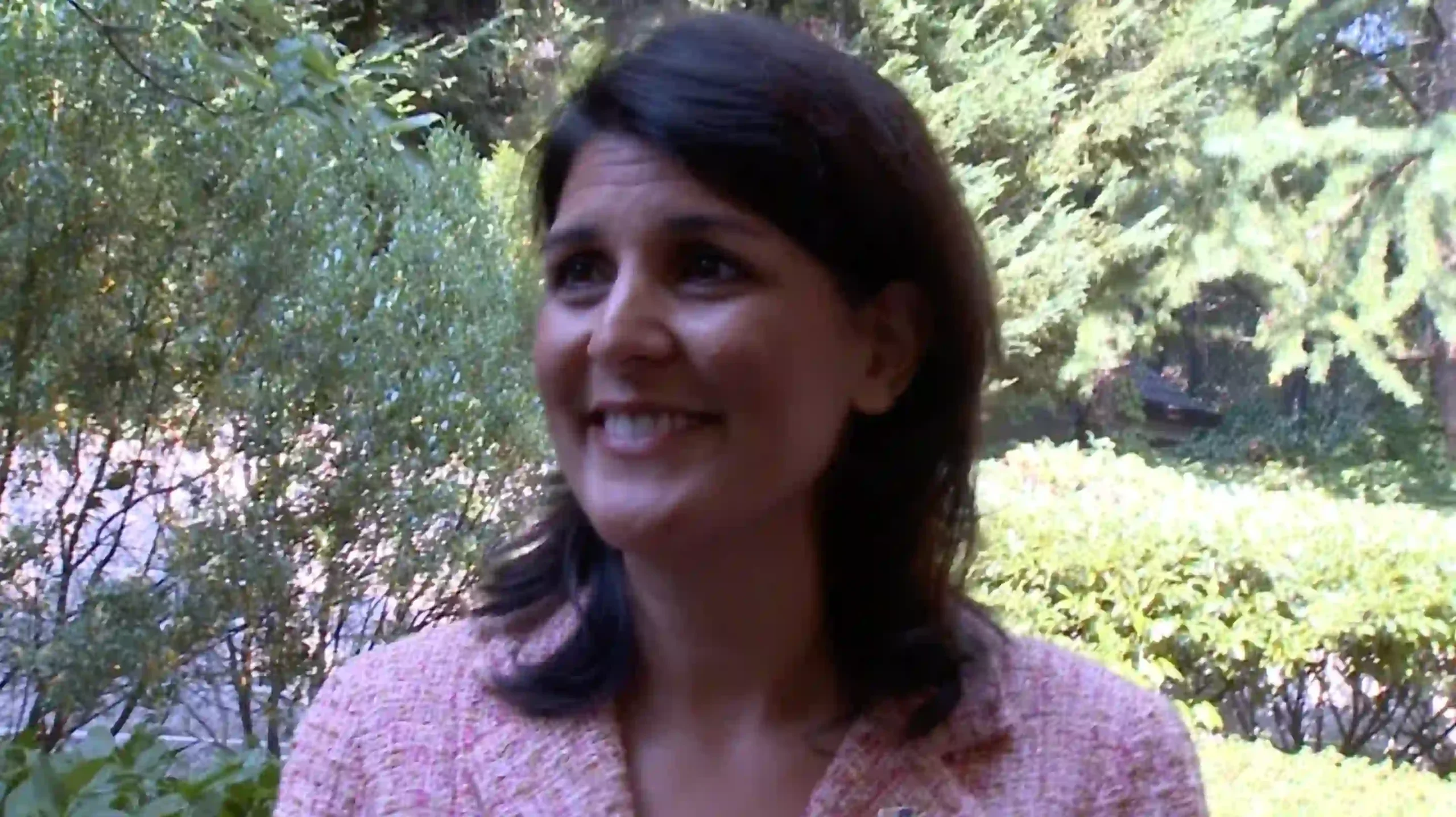
Nikki Haley Discusses Her Heritage
Nikki Haley discusses her Indian American heritage in 2010 when she first ran for Governor of South Carolina.
Featured in:
Indian Americans, Module 5
-
Video
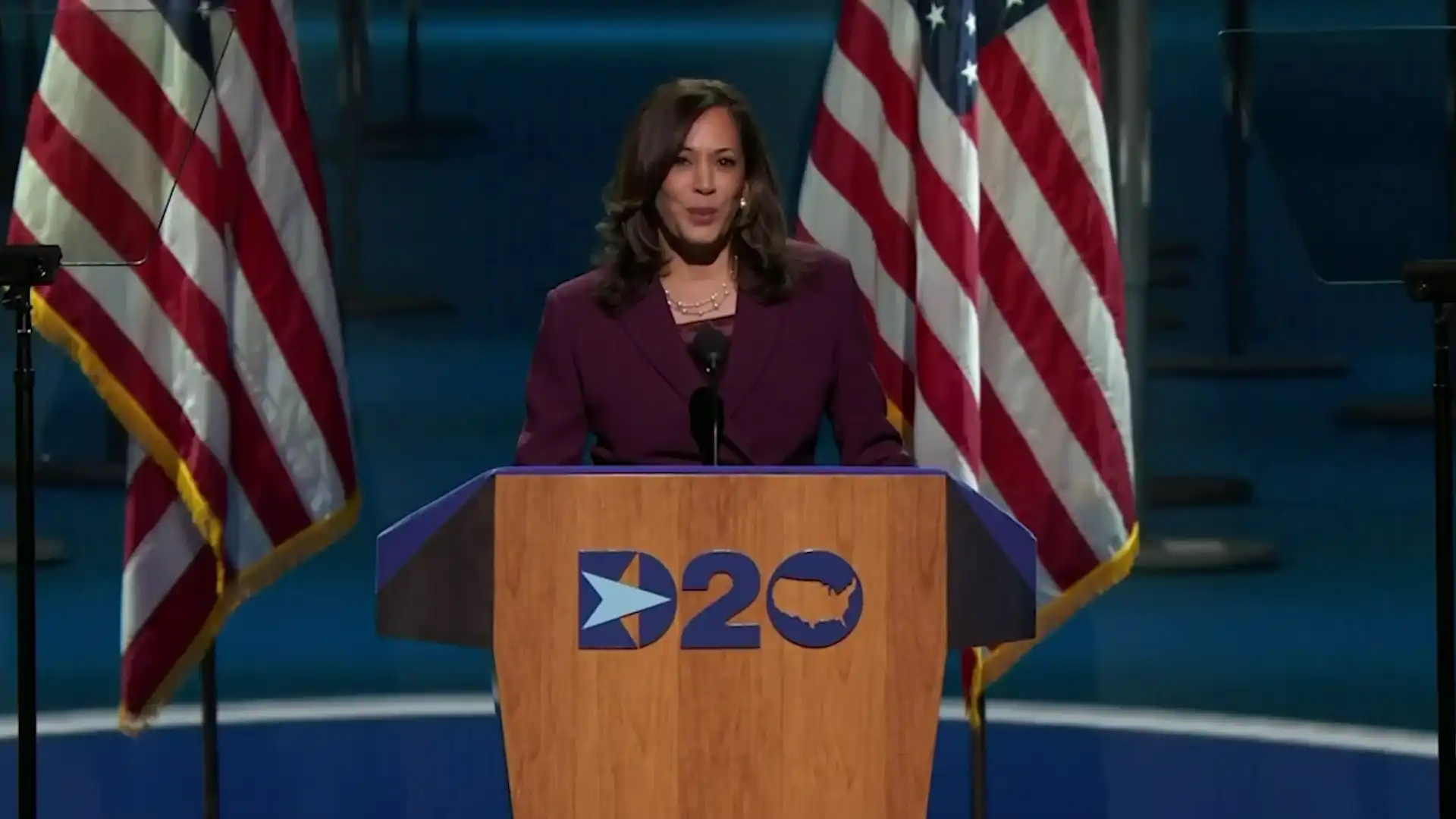
Kamala Harris at DNC 2020
In 2020, Kamala Harris spoke at the Democratic National Convention on the importance of family.
Featured in:
Indian Americans, Module 5
-
Image
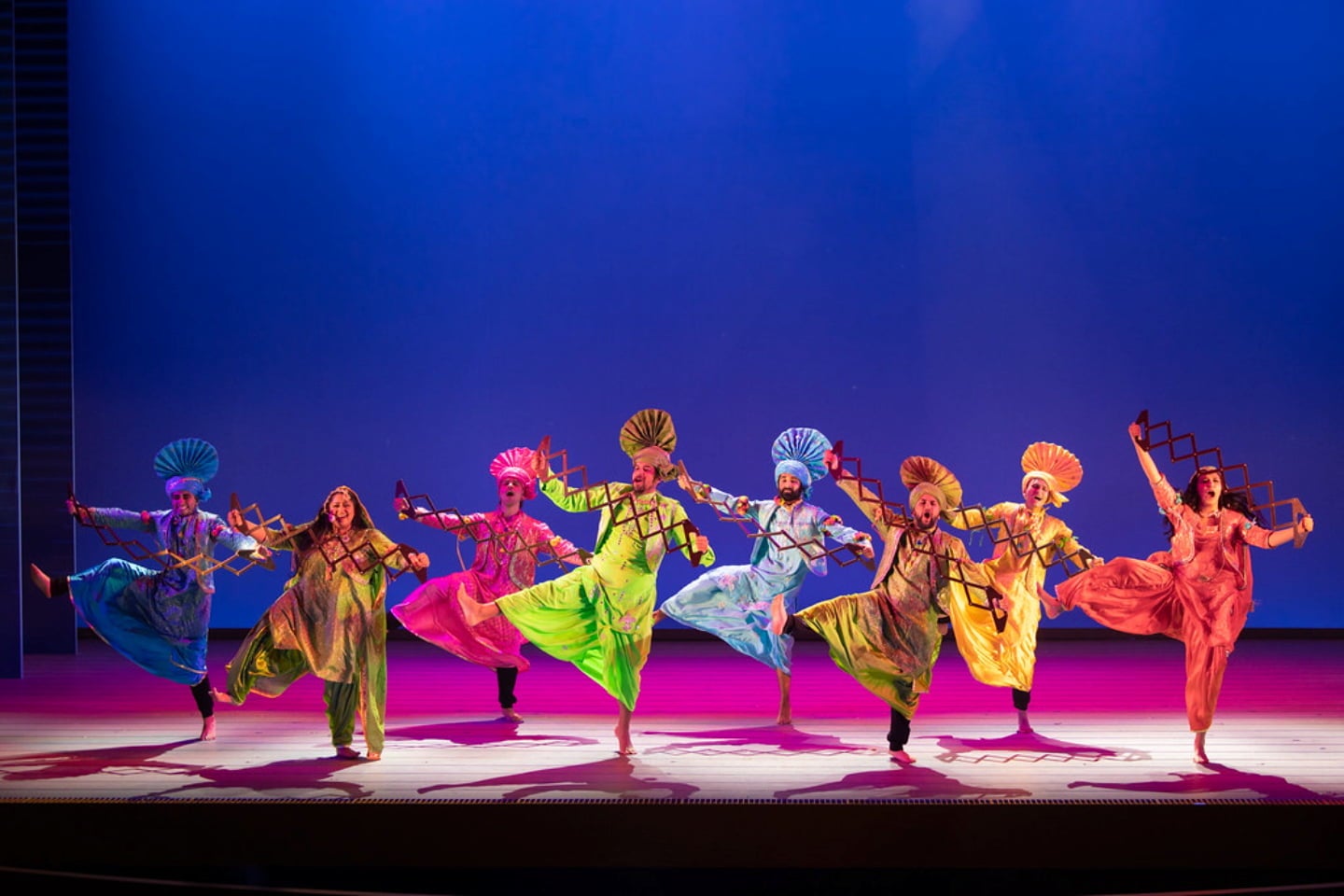
Bhangra Dancers
Bhangra dancers in an exuberant performance use saip (also sapp or chikka), a Punjabi instrument that expands and collapses to produce loud clapping noises.
Featured in:
Indian Americans, Module 4
-
Image
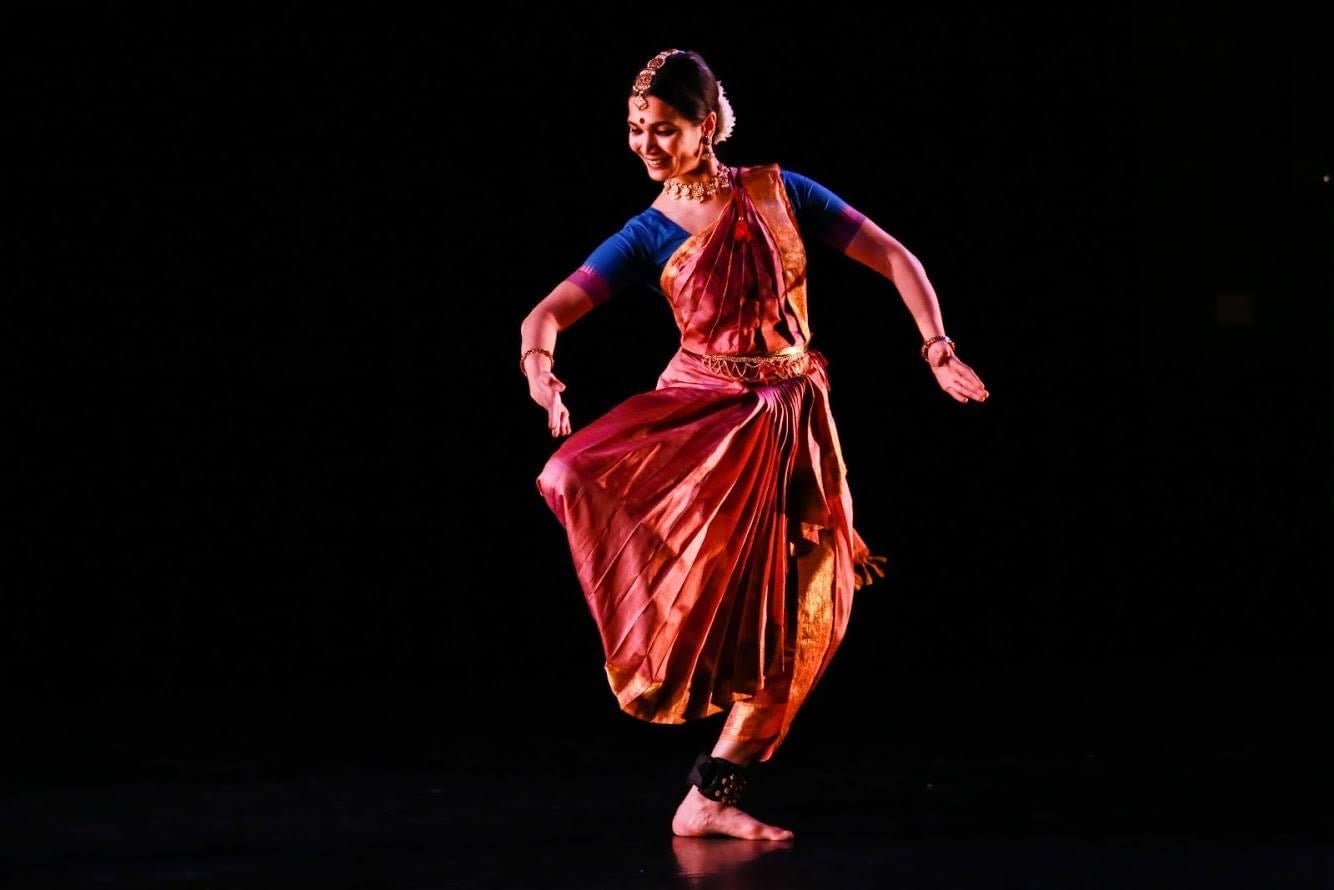
Bharatnatyam Performance
A performance of Bharatnatyam, a well-known classical Indian dance, in Cambridge, Massachusetts.
Featured in:
Indian Americans, Module 4
-
Video
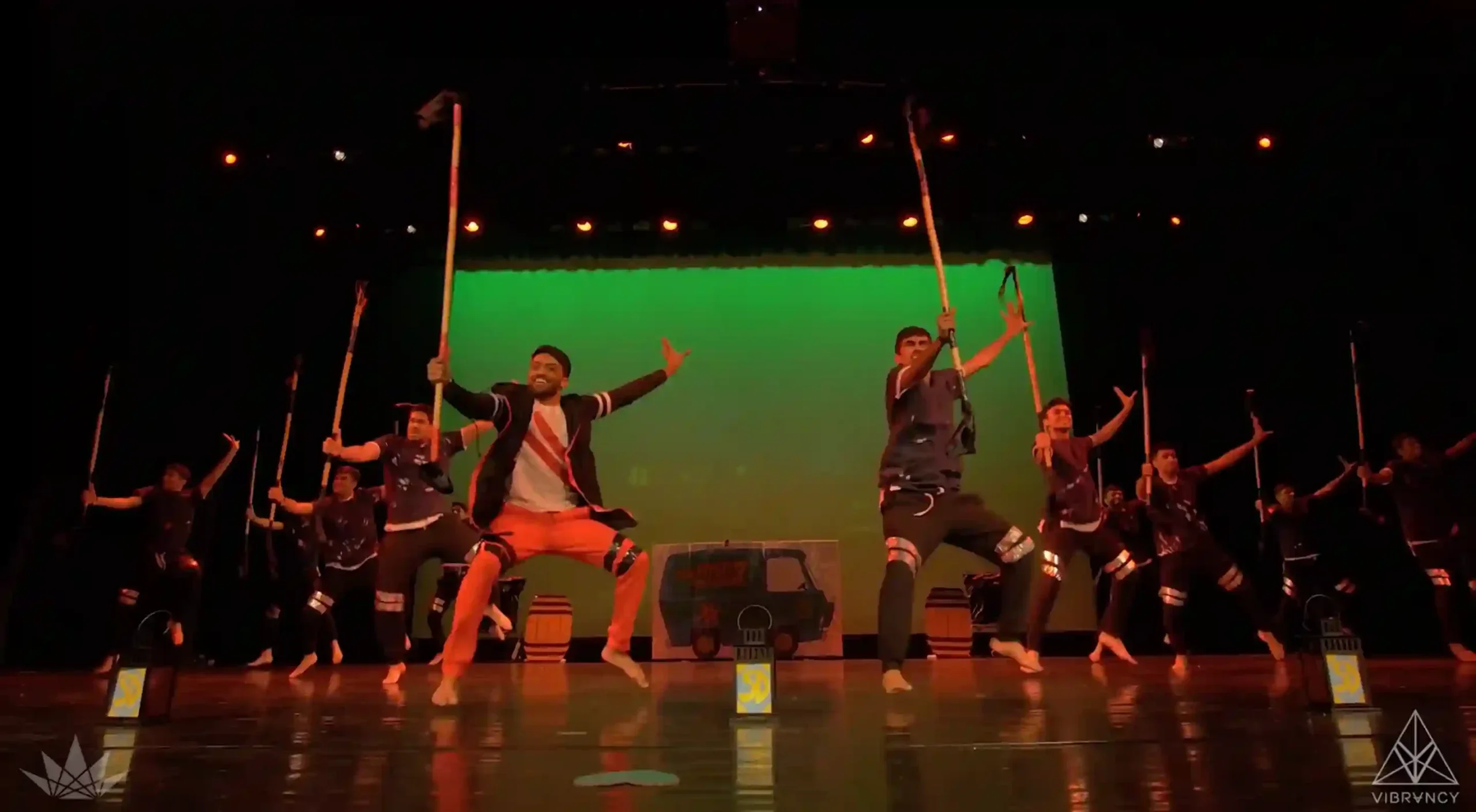
Bollywood Dance Championship
A bhangra-inspired dance routine features Punjabi music infused with hip-hop, performed by an Ohio State University dance team in 2018.
Featured in:
Indian Americans, Module 4
-
Video
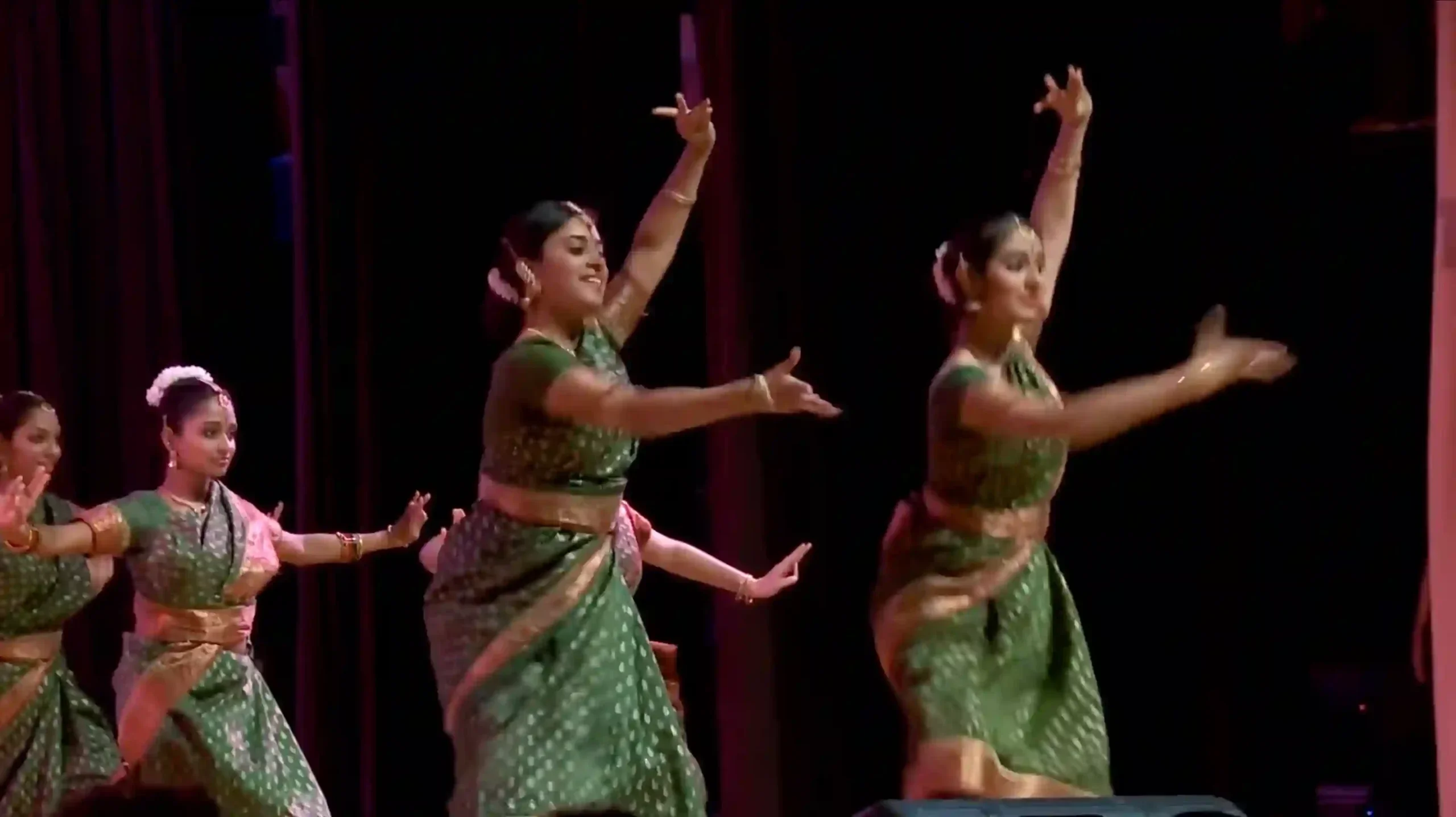
The South Asian Student Association Cultural Show
The South Asian Students Association at the University of Chicago produces their annual cultural show.
Featured in:
Indian Americans, Module 4
-
Video
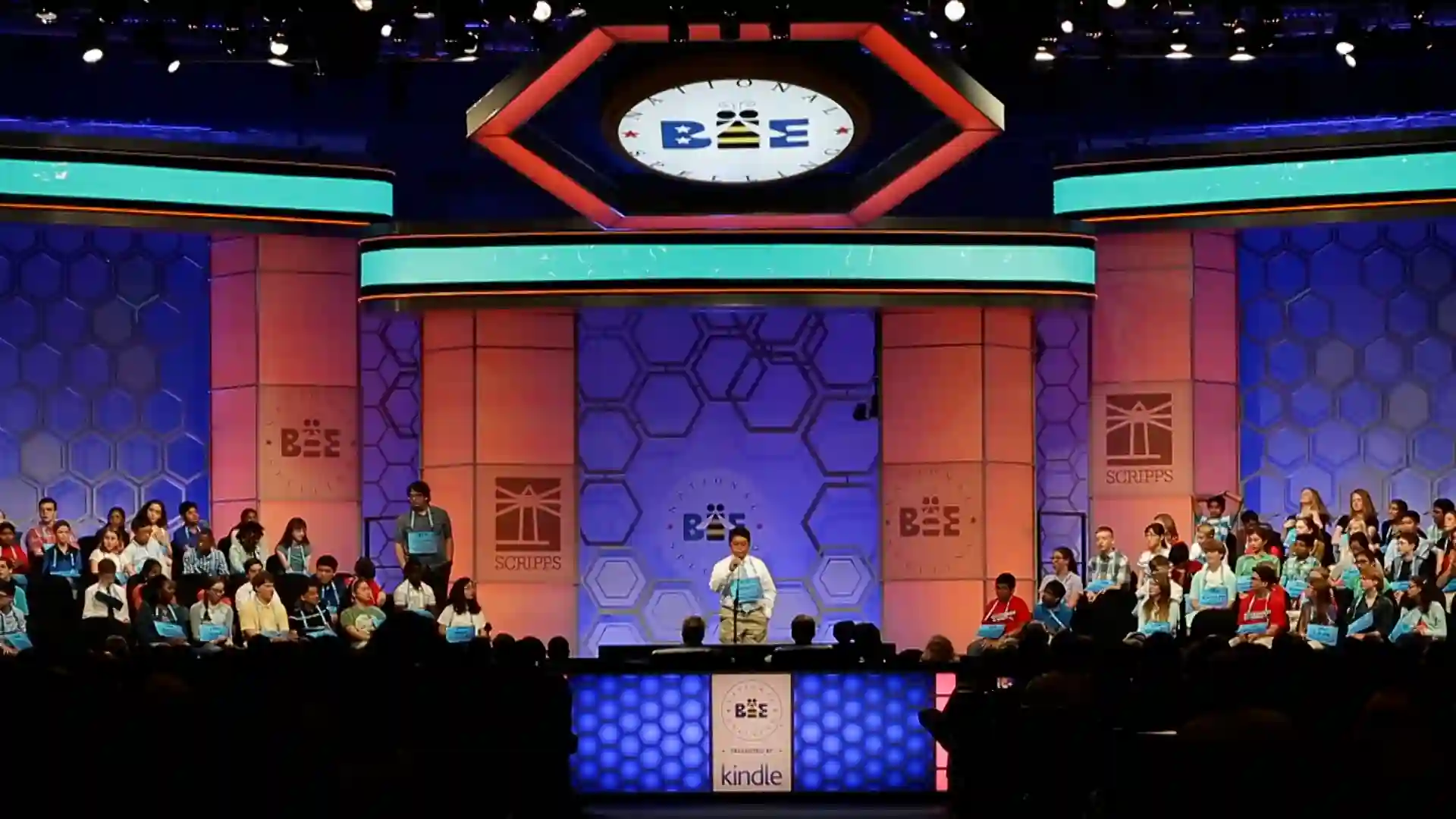
Behind the Dominance of Indian American Spellers
Indian American contestants have dominated the Scripps National Spelling Bee for many years.
Featured in:
Indian Americans, Module 4
-
Image
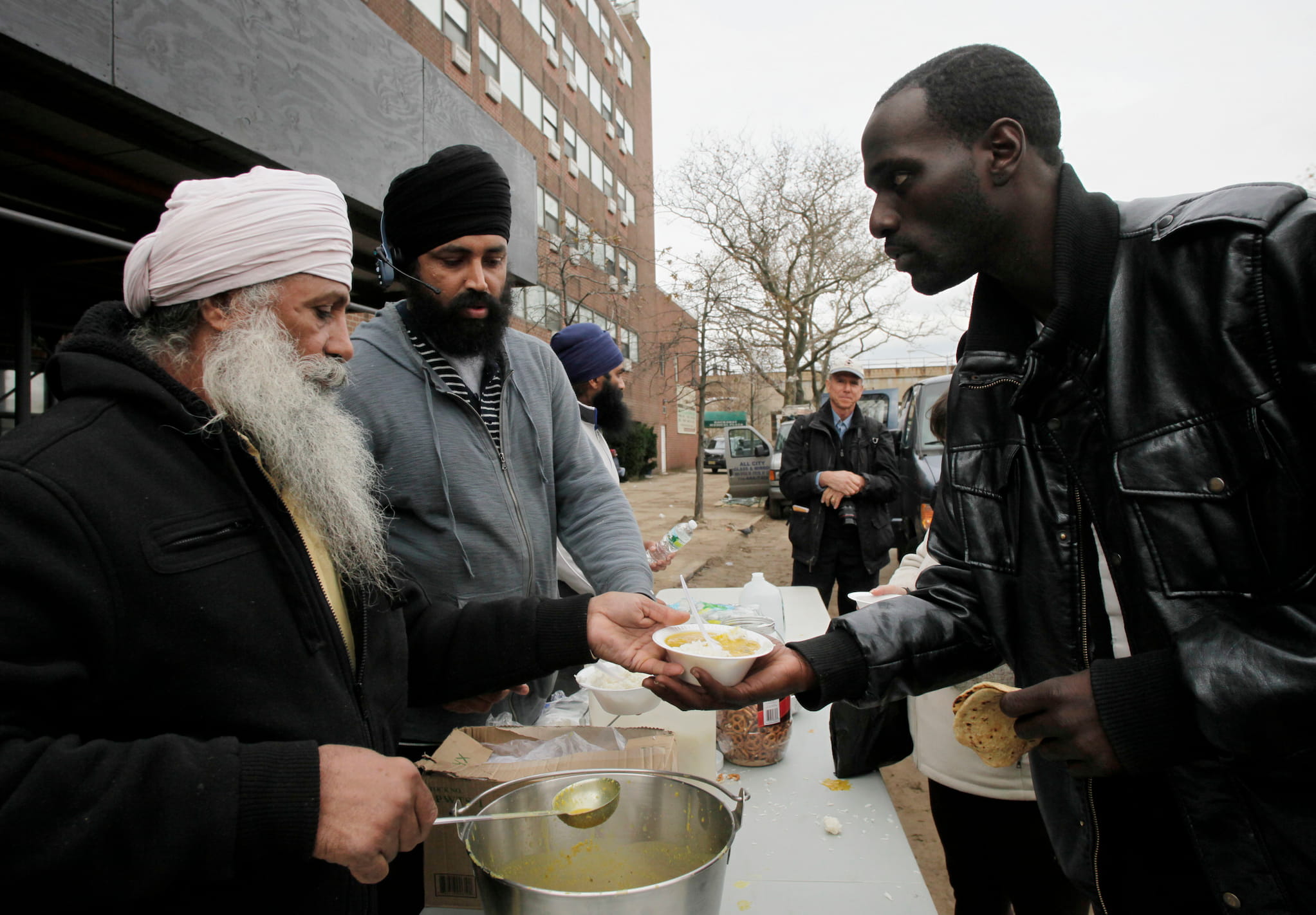
Sikh Community Center Volunteers
Serving hot meals in New York City after Hurricane Sandy in 2012, Sikh volunteers exemplify a tradition of seva (service).
Featured in:
Indian Americans, Module 3
-
Image
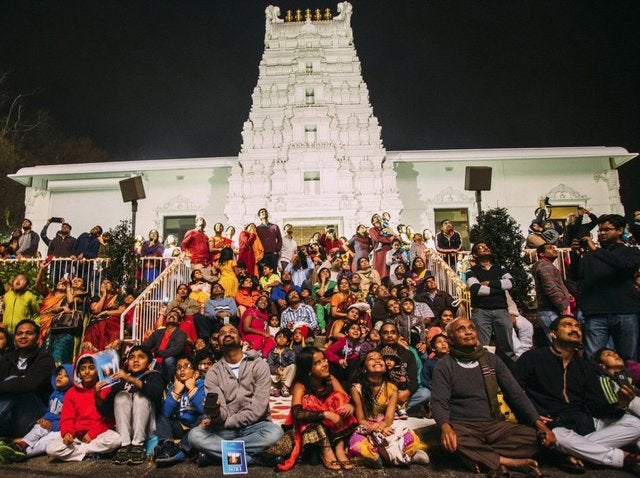
Devotees at the Sri Venkateswara Temple
Devotees gather at the Sri Venkateswara Temple near Pittsburgh, Pennsylvania, as seen in the Pittsburgh Post-Gazette.
Featured in:
Indian Americans, Module 3
-
Image
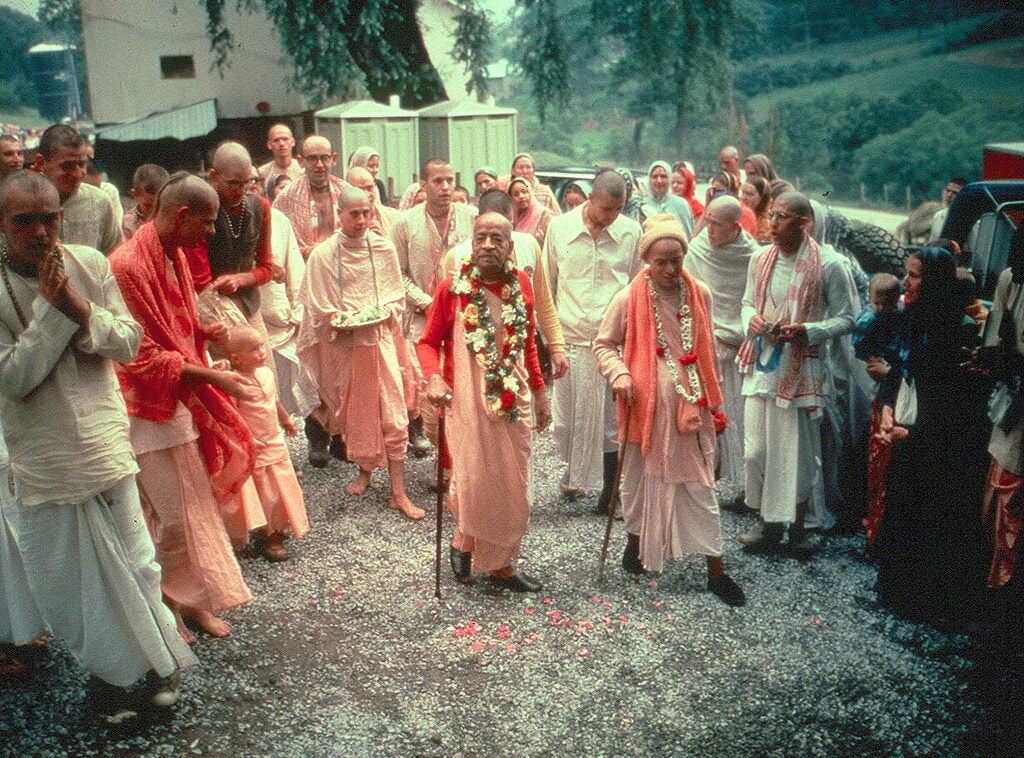
Srila Prabhupada with Hare Krsnas
Srila Prabhupada with Hare Krsnas, Hindu devotees in America.
Featured in:
Indian Americans, Module 3
-
Image
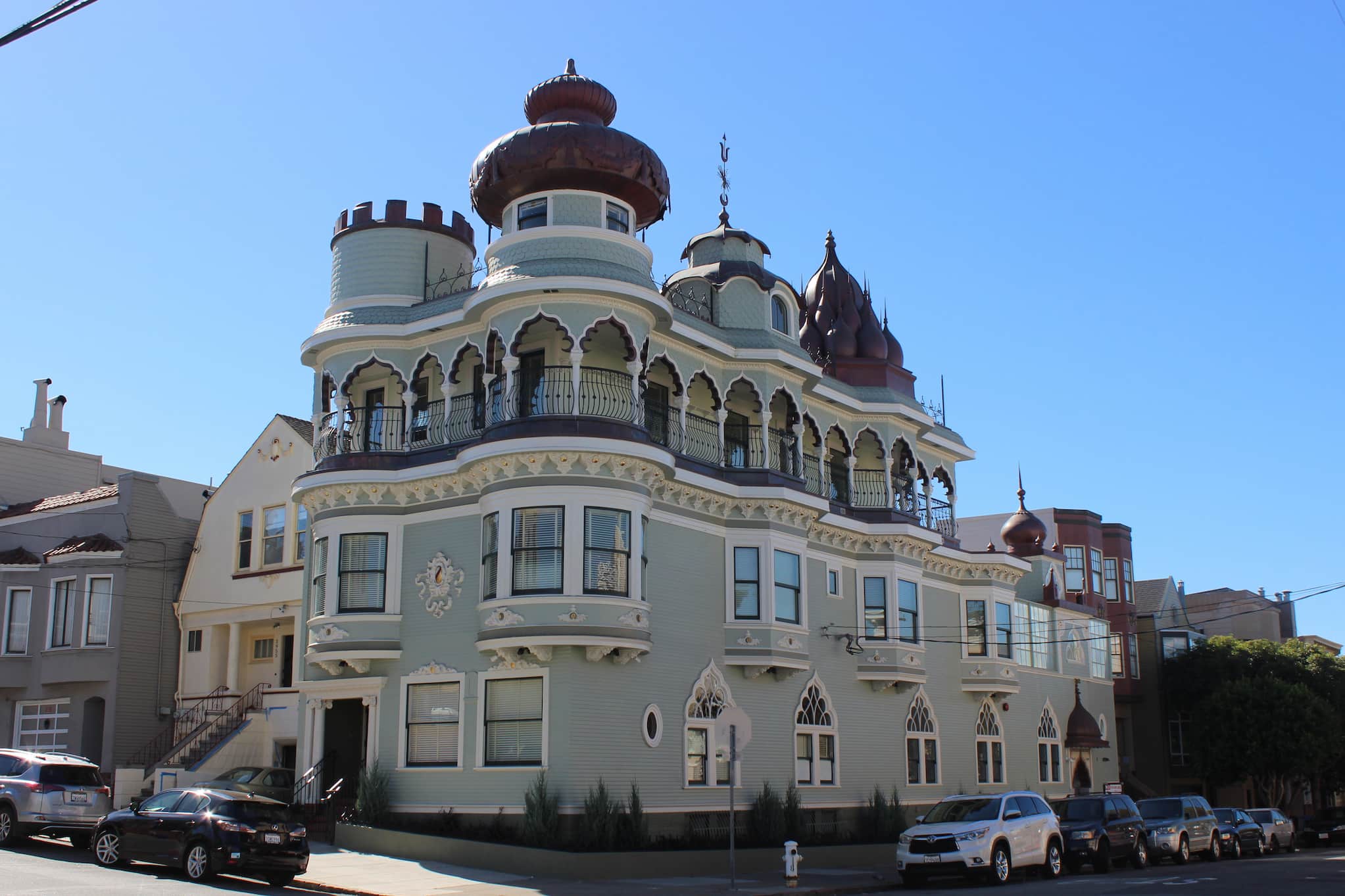
Old Vedanta Temple
The Old Vedanta Temple in San Francisco, California, was the first Hindu temple established in the United States.
Featured in:
Indian Americans, Module 3
-
Image
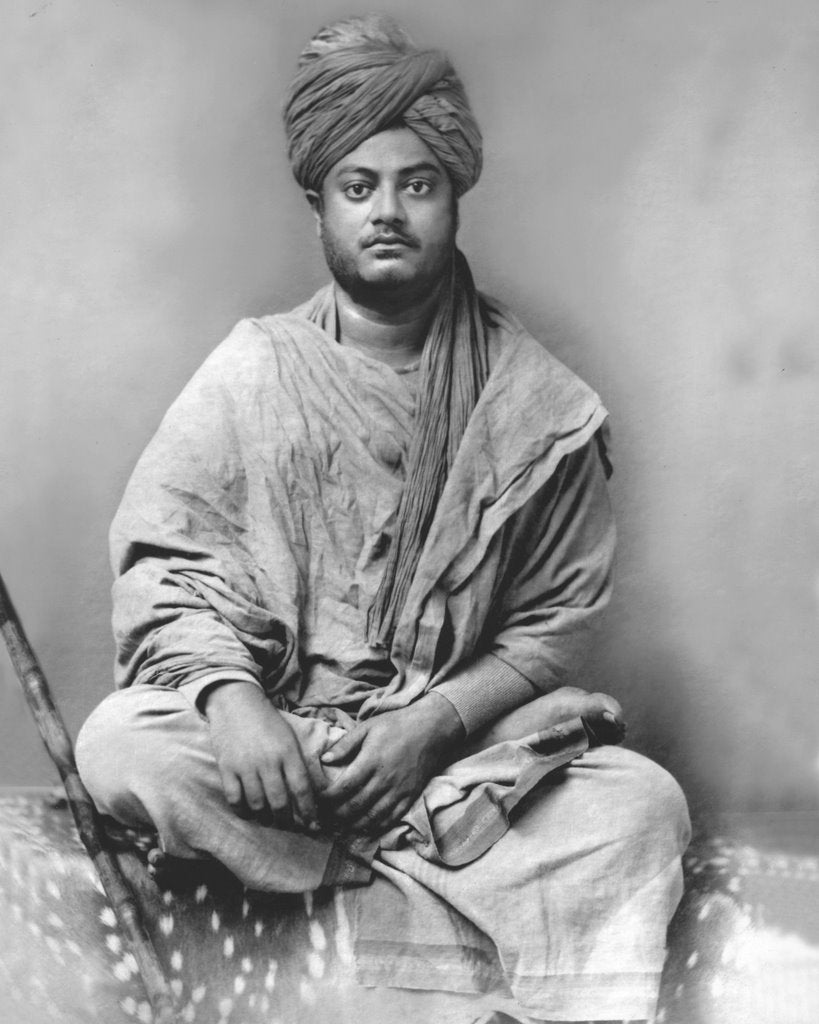
Swami Vivekananda
Swami Vivekananda, “Guru to the world,” first came to America in 1893. He is often credited with introducing yoga to the United States.
Featured in:
Indian Americans, Module 3
-
Image
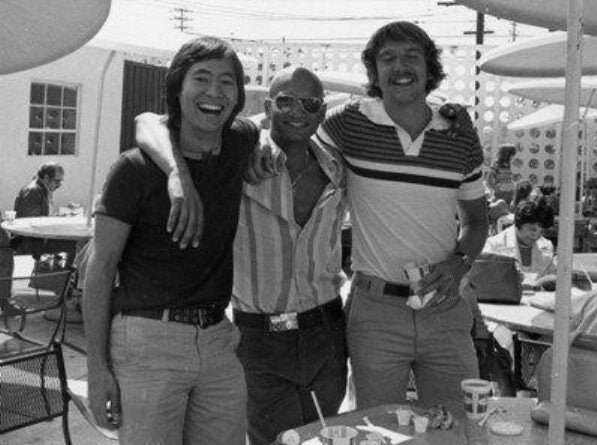
Indian American Navroze Mody
Navroze Mody (middle), an Indian American who was murdered as a victim of racial violence.
Featured in:
Indian Americans, Module 2
-
Text
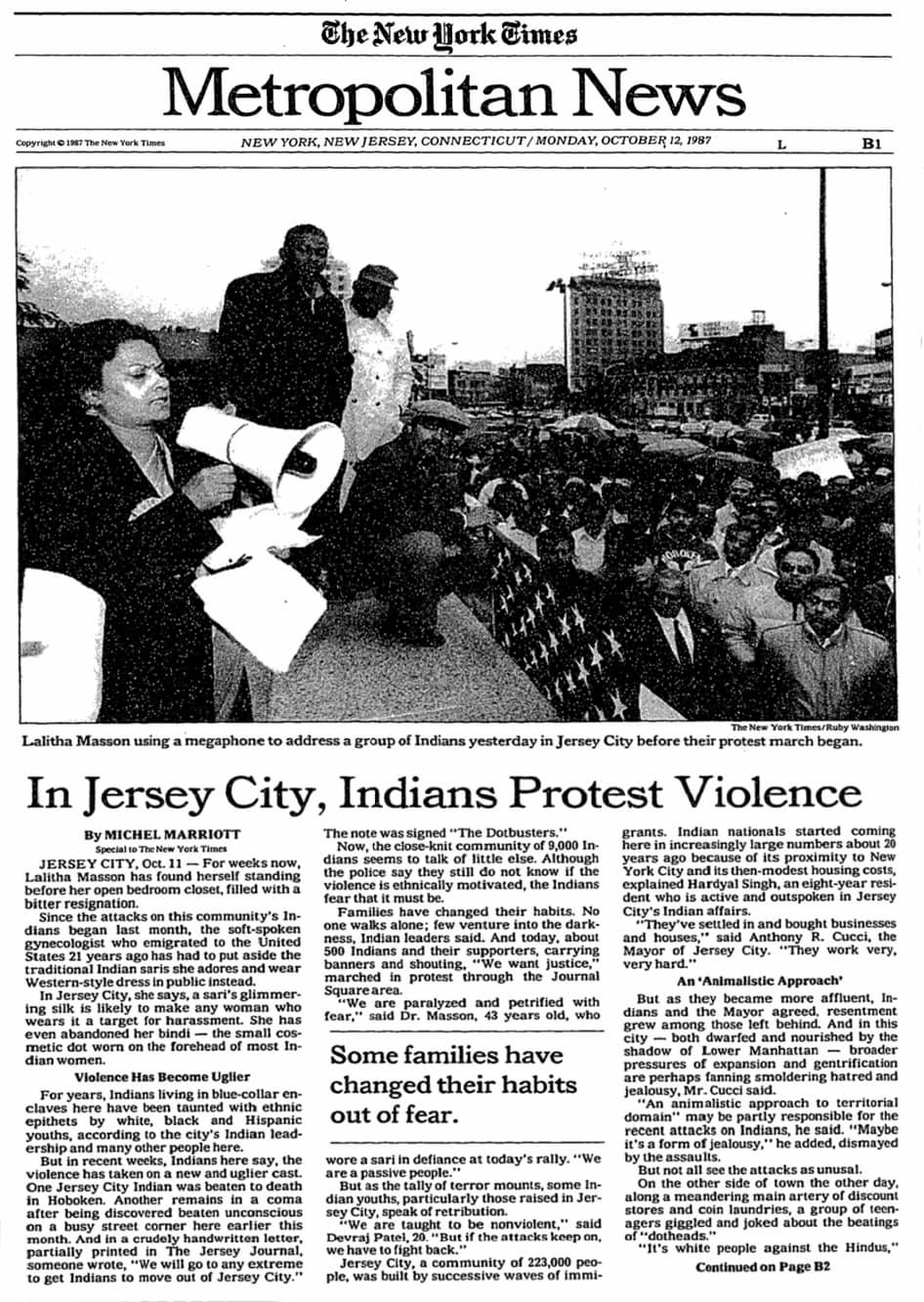
“In Jersey City, Indians Protest Violence”
The New York Times in 1987 wrote of Indians in Jersey City protesting the anti-Indian violence of the “Dotbusters.”
Featured in:
Indian Americans, Module 2
-
Video
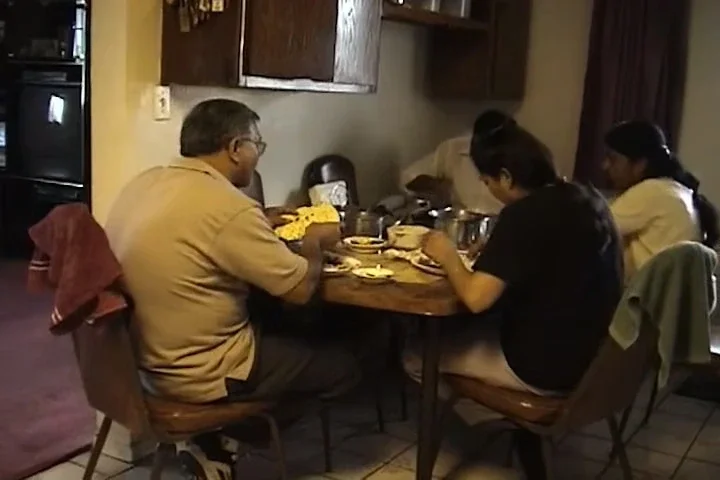
“No Vacancy” Excerpt
Excerpt from short film “No Vacancy,” about an Indian American filmmaker’s experience of growing up in a motel.
Featured in:
Indian Americans, Module 2
-
Image
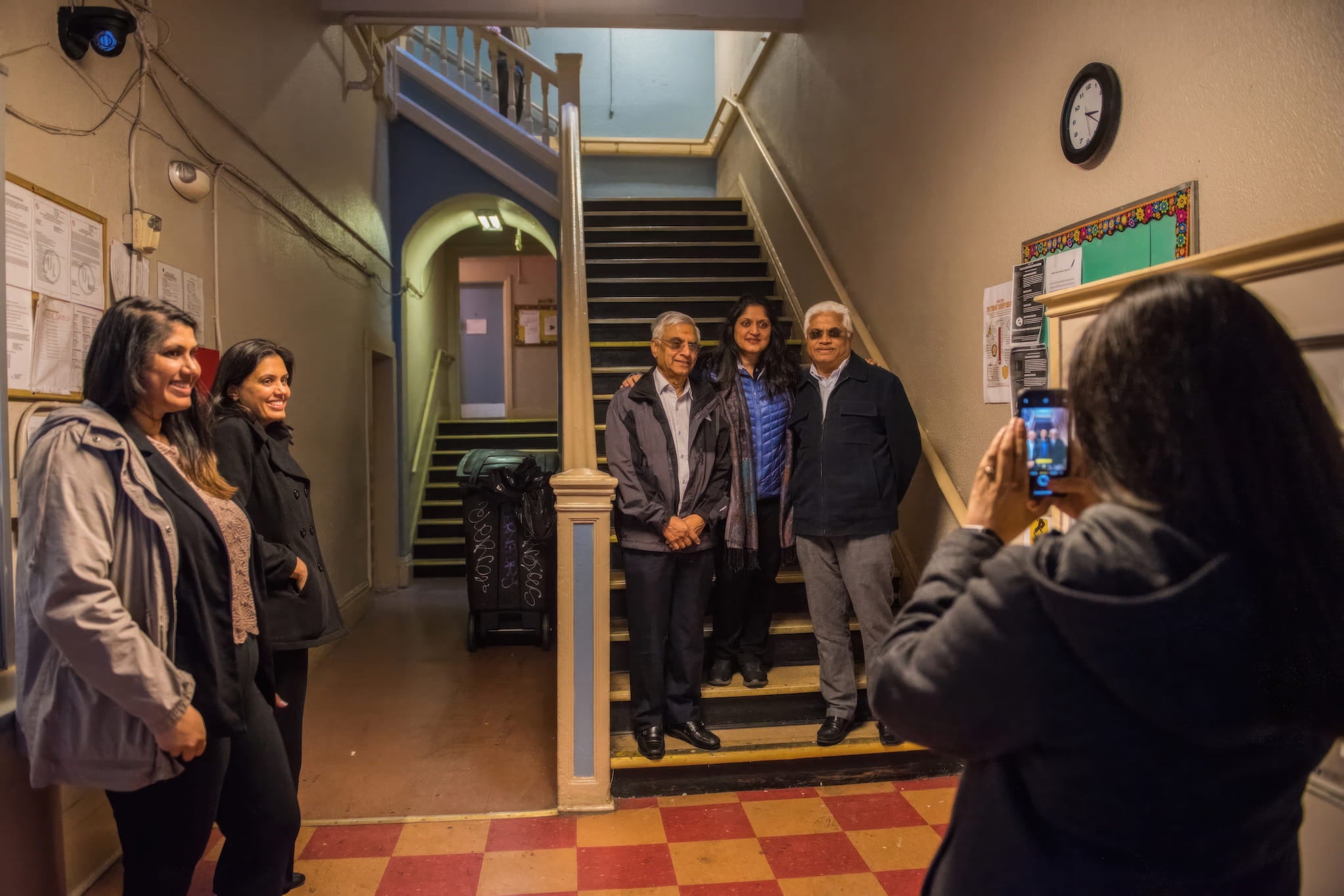
Pratima Patel and Family at Hotel
Pratima Patel takes a photo of her father (at right) and his siblings as her sisters look on. In the early 1970s their Gujarati grandfather bought the Vincent Hotel in San Francisco. The granddaughters now run and own twelve properties.
Featured in:
Indian Americans, Module 2
-

Audio
In Search of Bengali Harlem
Author and filmmaker Vivek Bald discusses his research of the migration of thousands of South Asian men who worked on British colonial steamships, who then jumped ship after arriving in American ports in order to escape British colonial rule. They married African American and Puerto Rican women, raising interfaith and interracial families.
Featured in:
Indian Americans, Module 2
-
Image
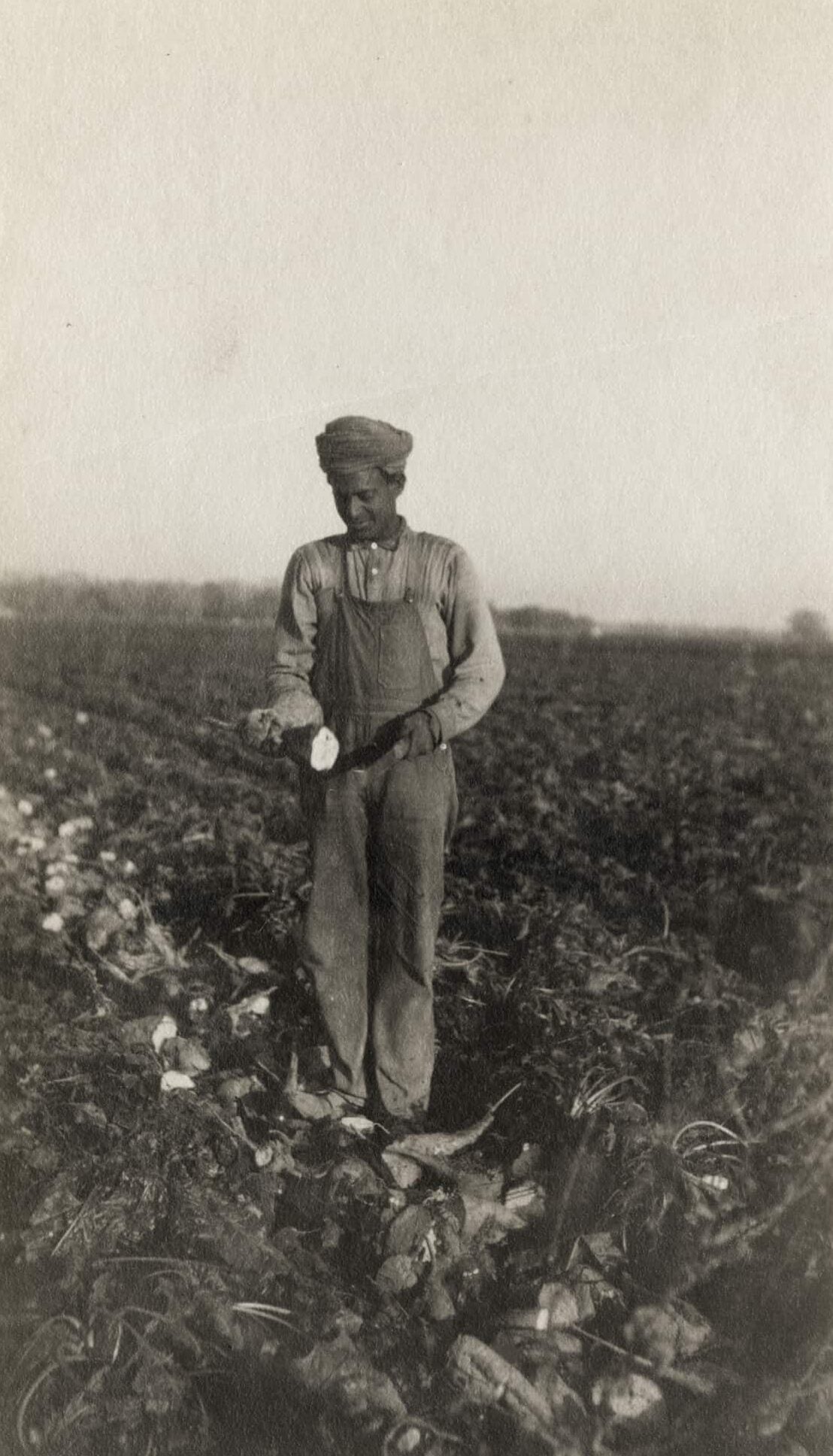
An Indian Immigrant Worker Harvests Beets
An Indian immigrant worker harvests beets in Hamilton City, California, in the early twentieth century.
Featured in:
Indian Americans, Module 2
-
Image
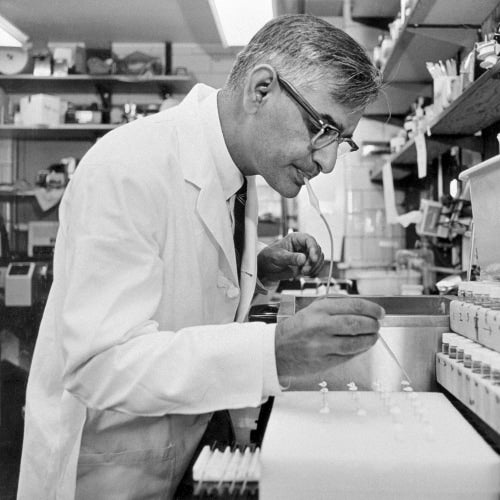
Har Gobind Khorana
Har Gobind Khorana arrived in the US from India in 1960, and in 1968 won the Nobel Prize for Physiology or Medicine.
Featured in:
Indian Americans, Module 1