


Search the Media Repository
Discover the curated images, videos, and primary sources featured throughout Foundations and Futures
History is more than just text on a page; it is the photographs, voices, and artifacts of the people who lived it. The images and recordings featured across Foundations and Futures are part of a meticulously curated media repository. Whether you are building a lesson plan or investigating an artifact, you can use this database to trace the provenance of our media: discover who created an asset, the historical context behind it, and how it can be used to bring Asian American and Pacific Islander experiences into your classroom.
Multimedia
Chapters
-
Image
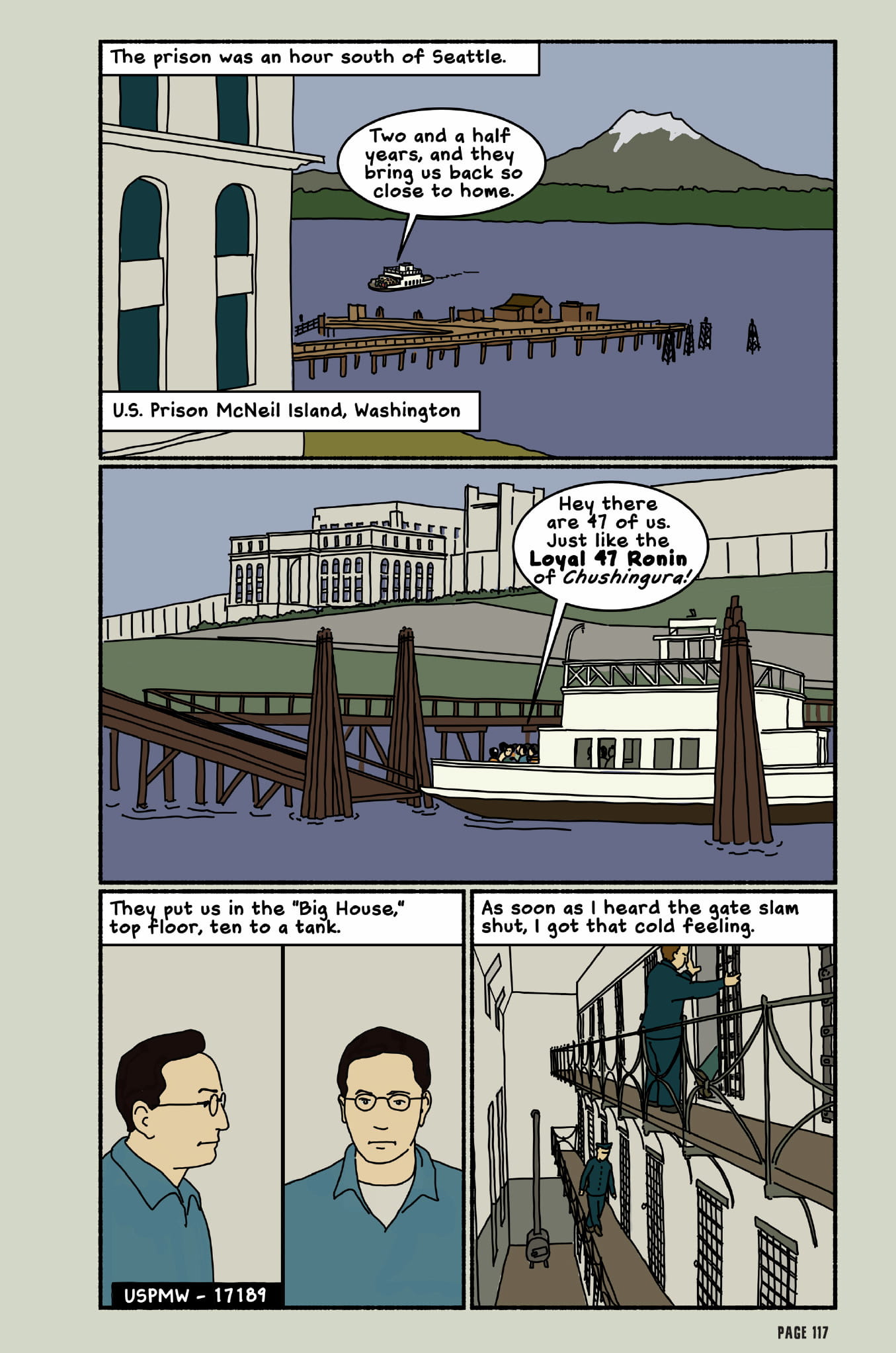
We Hereby Refuse p8
This excerpt from the graphic novel We Hereby Refuse chronicles Jim and Gene Akutsu’s decisions to resist the draft, their subsequent trials, and imprisonment
-
Image
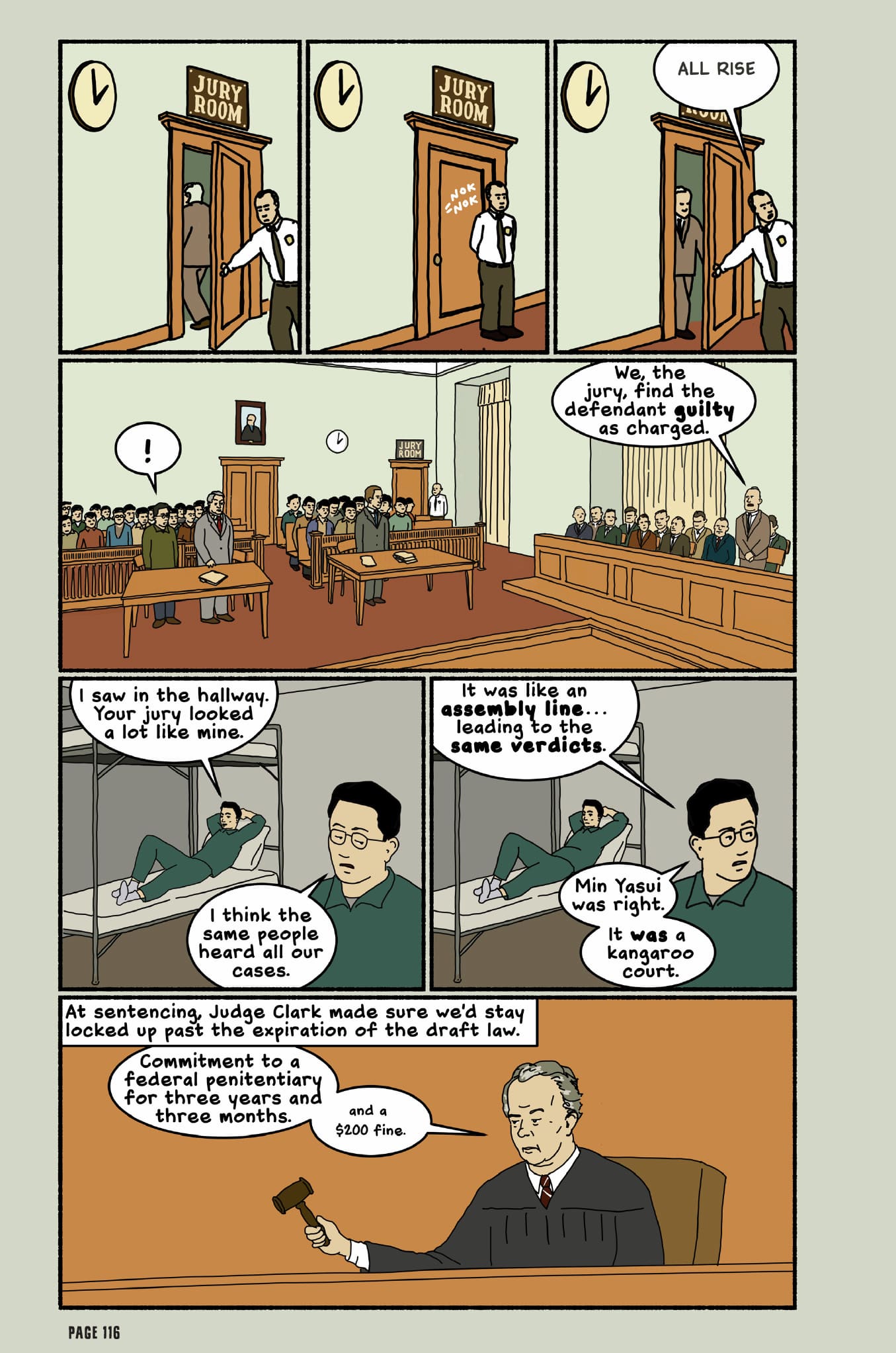
We Hereby Refuse p7
This excerpt from the graphic novel We Hereby Refuse chronicles Jim and Gene Akutsu’s decisions to resist the draft, their subsequent trials, and imprisonment
-
Image
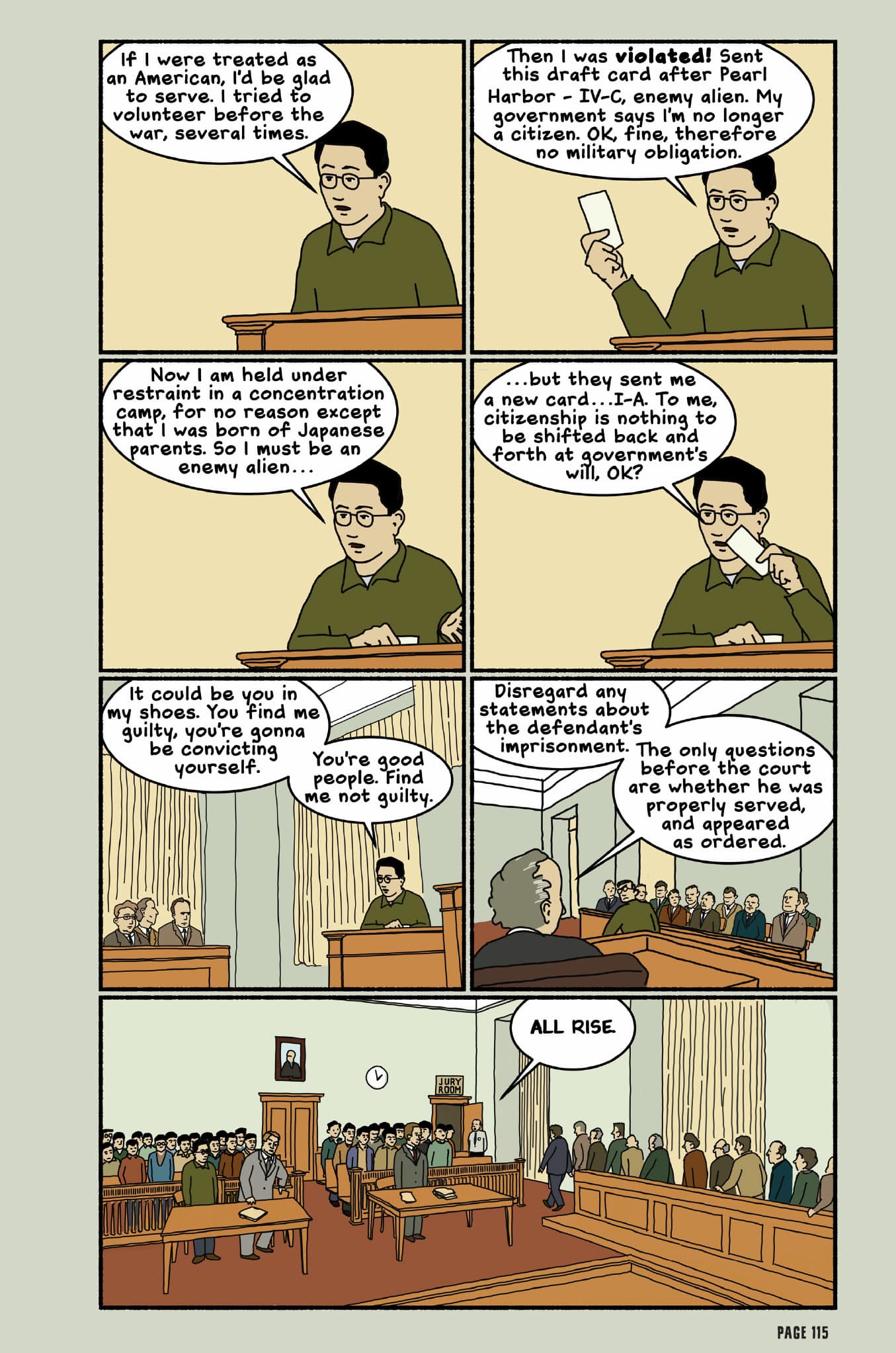
We Hereby Refuse p6
This excerpt from the graphic novel We Hereby Refuse chronicles Jim and Gene Akutsu’s decisions to resist the draft, their subsequent trials, and imprisonment
-
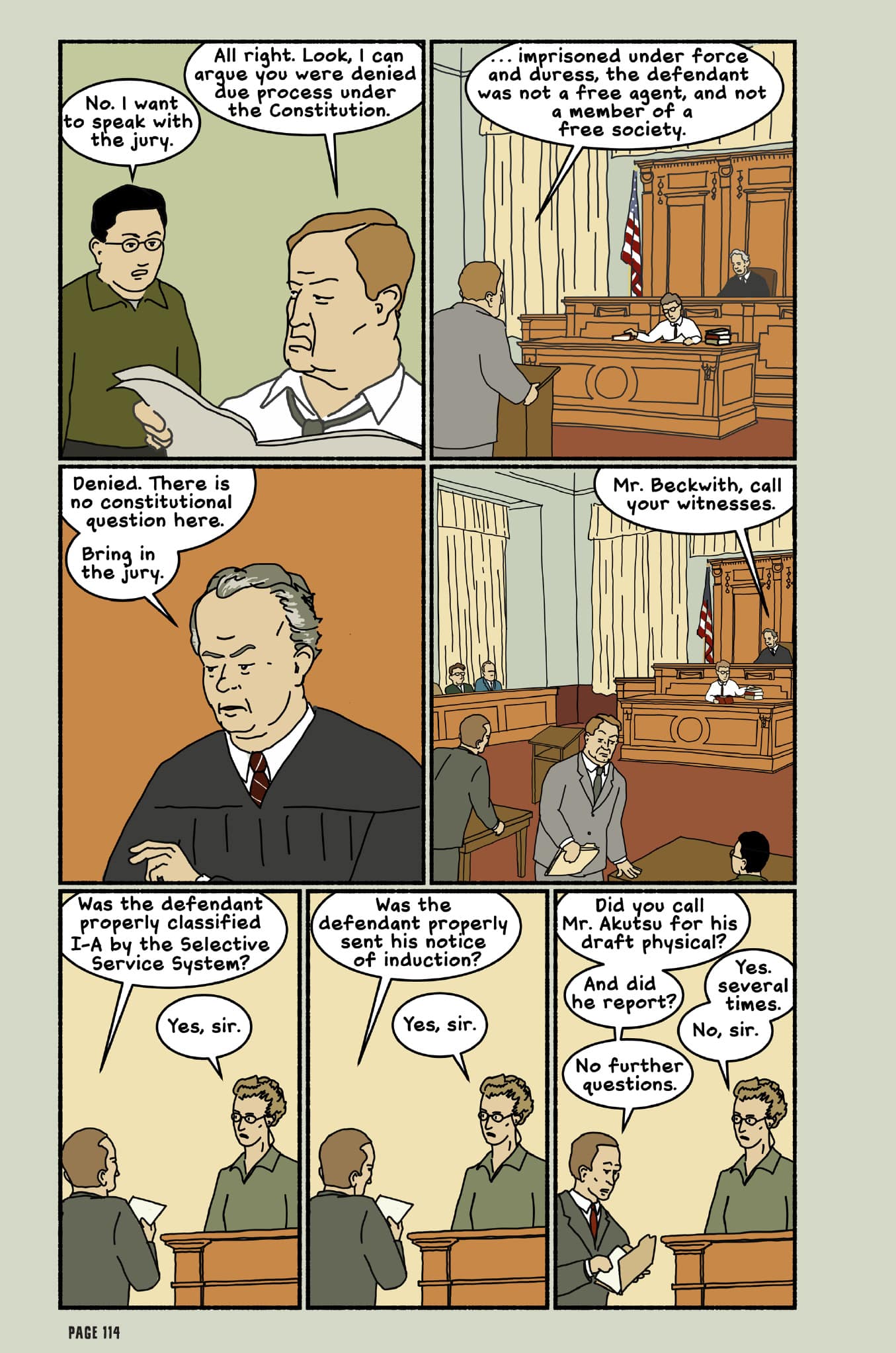
Image
We Hereby Refuse p5
This excerpt from the graphic novel We Hereby Refuse chronicles Jim and Gene Akutsu’s decisions to resist the draft, their subsequent trials, and imprisonment
-
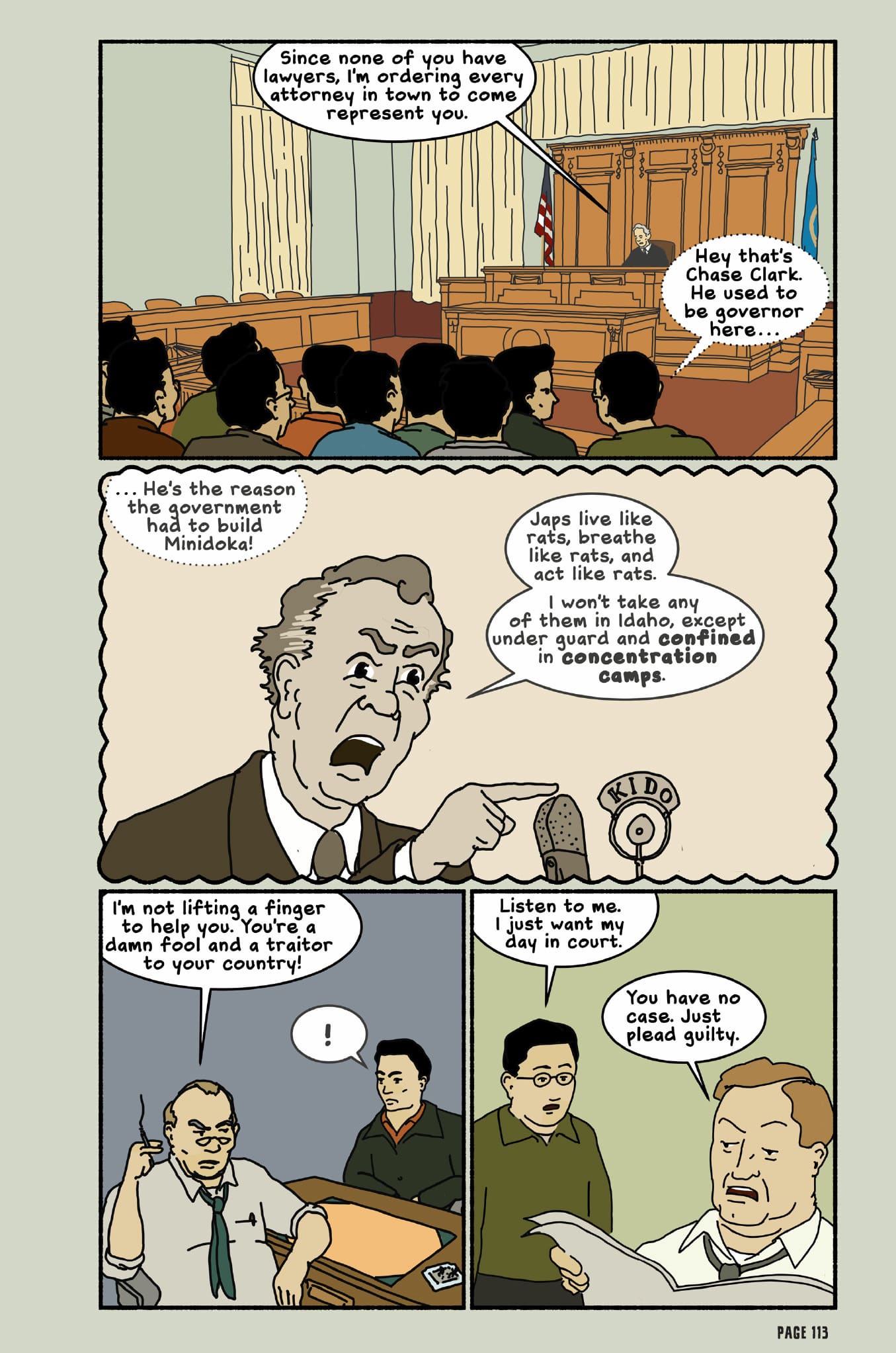
Image
We Hereby Refuse p4
This excerpt from the graphic novel We Hereby Refuse chronicles Jim and Gene Akutsu’s decisions to resist the draft, their subsequent trials, and imprisonment
-
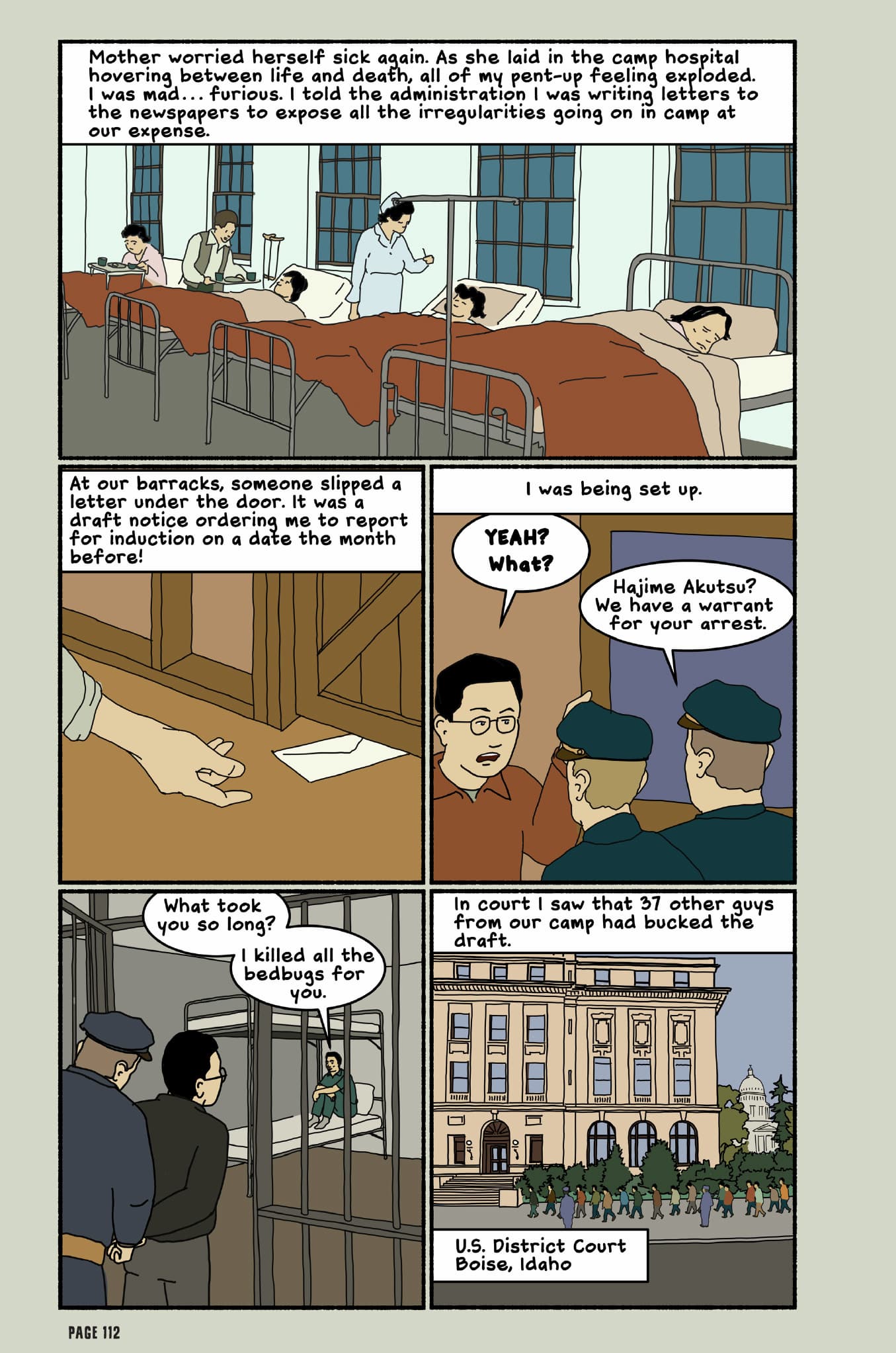
Image
We Hereby Refuse p3
This excerpt from the graphic novel We Hereby Refuse chronicles Jim and Gene Akutsu’s decisions to resist the draft, their subsequent trials, and imprisonment
-
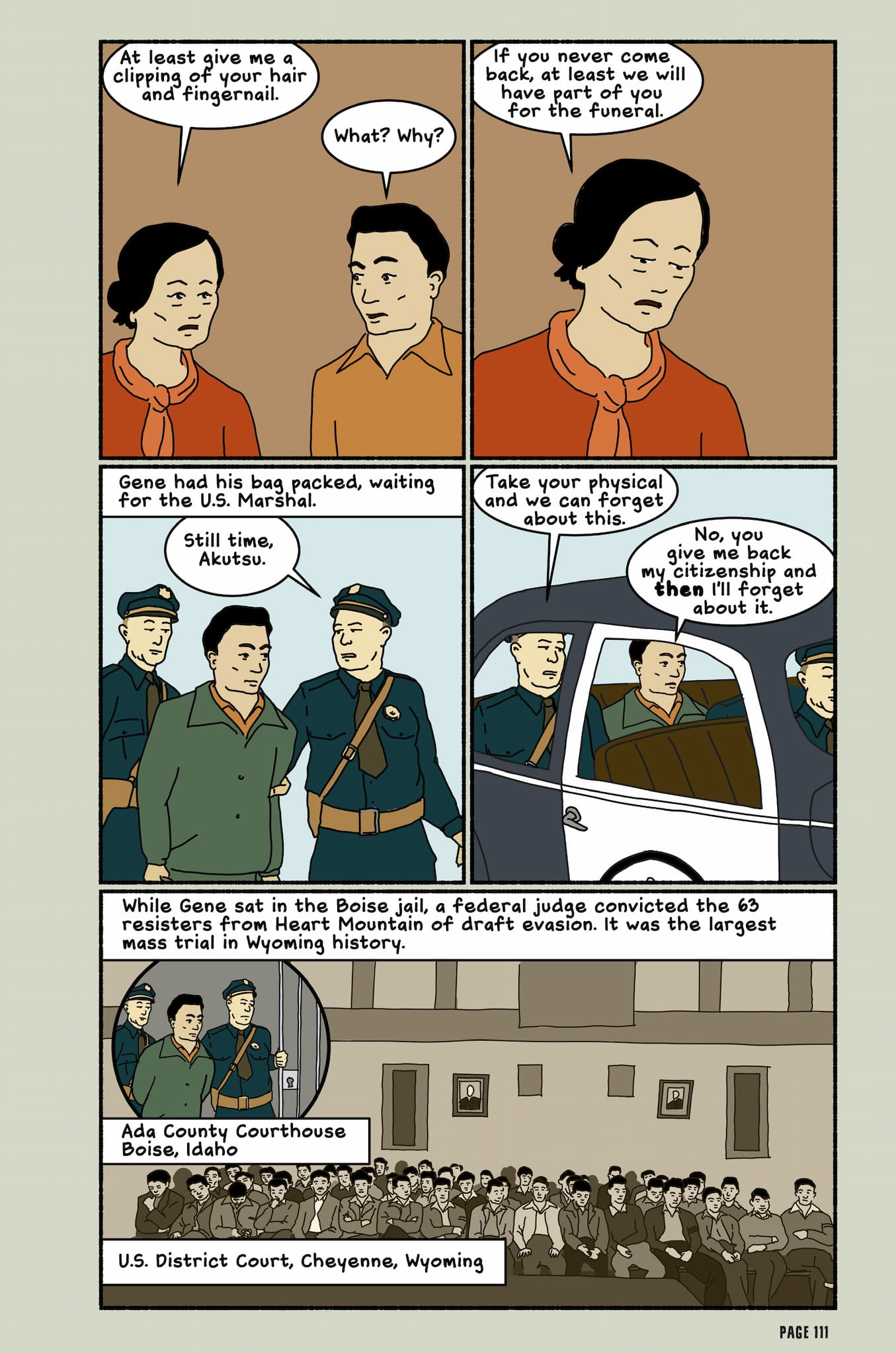
Image
We Hereby Refuse p2
This excerpt from the graphic novel We Hereby Refuse chronicles Jim and Gene Akutsu’s decisions to resist the draft, their subsequent trials, and imprisonment
-
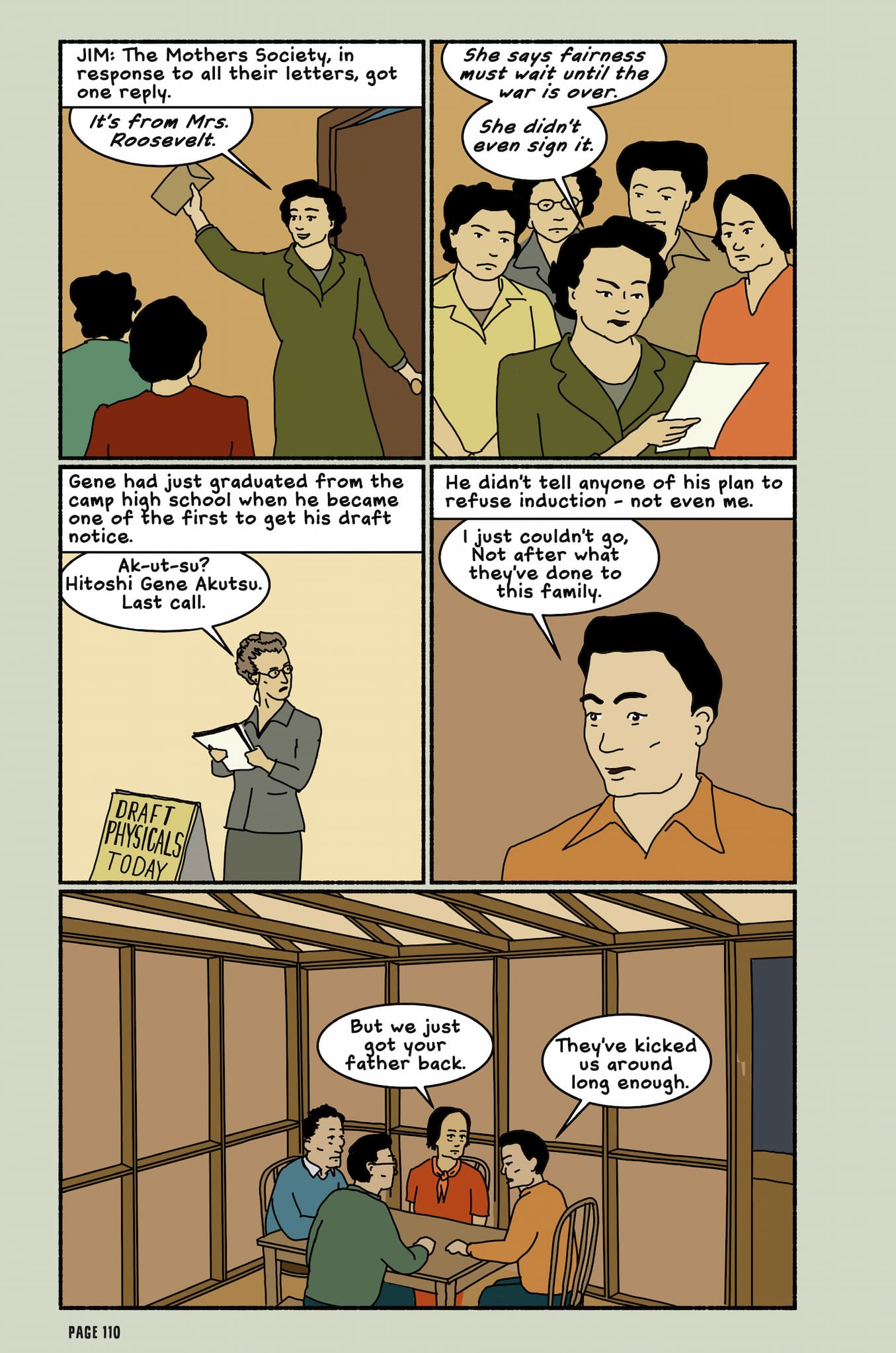
Image
We Hereby Refuse p1
This excerpt from the graphic novel We Hereby Refuse chronicles Jim and Gene Akutsu’s decisions to resist the draft, their subsequent trials, and imprisonment
-
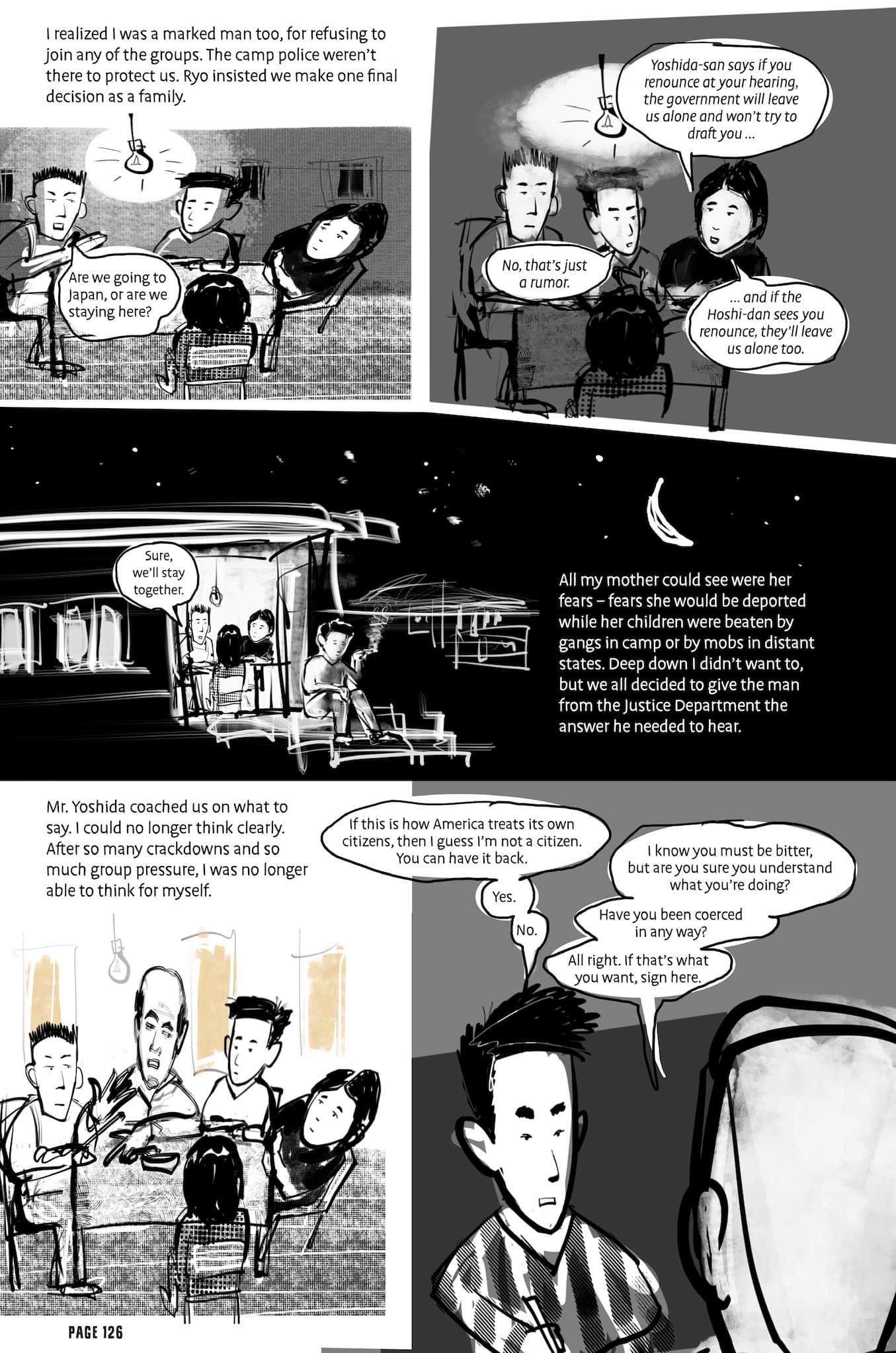
Image
We Hereby Refuse (Page 3)
Excerpt from We Hereby Refuse on the real-life story of Hiroshi Kashiwagi.
-
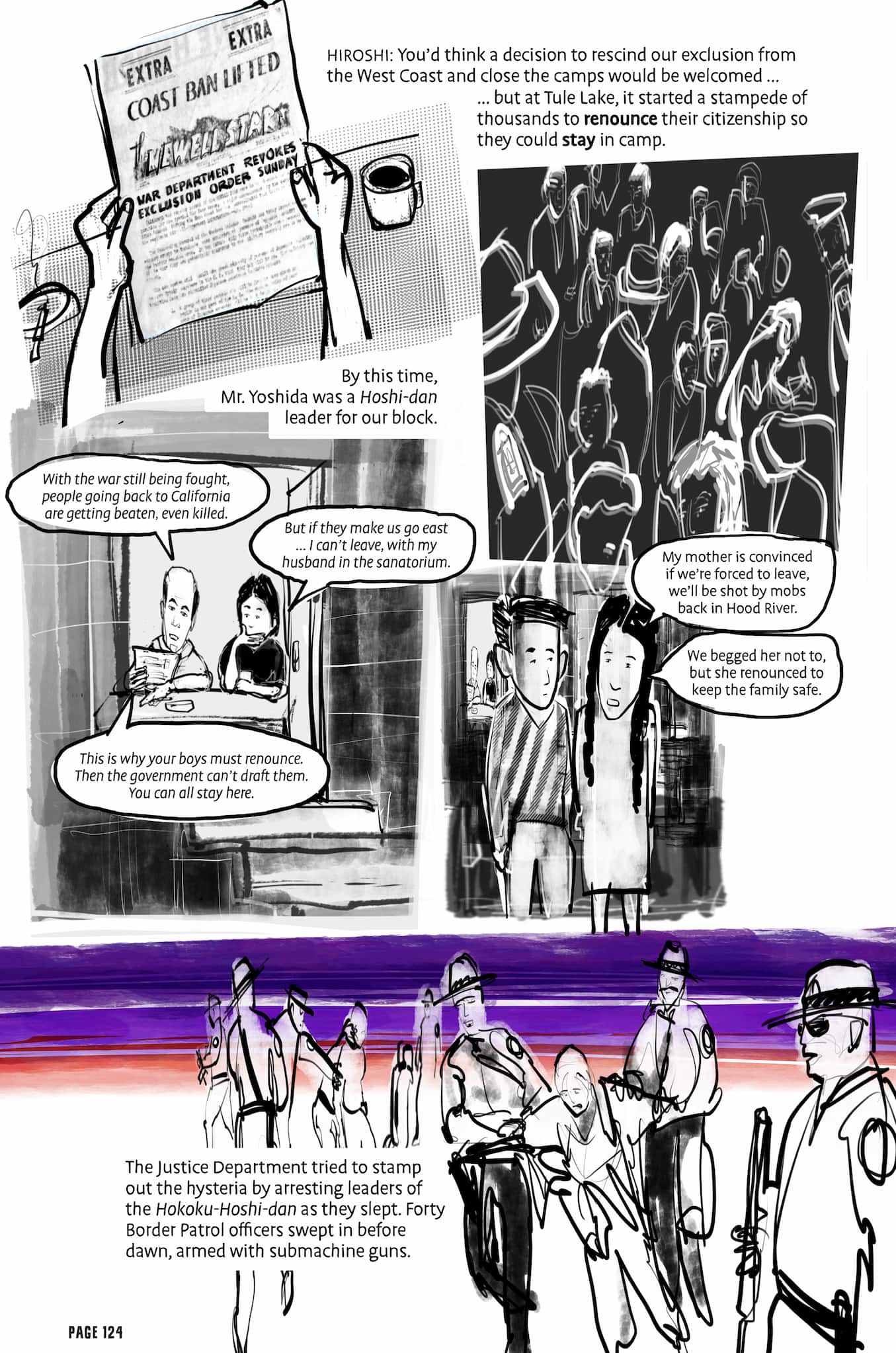
Image
We Hereby Refuse (Page 2)
Excerpt from We Hereby Refuse on the real-life story of Hiroshi Kashiwagi.
-
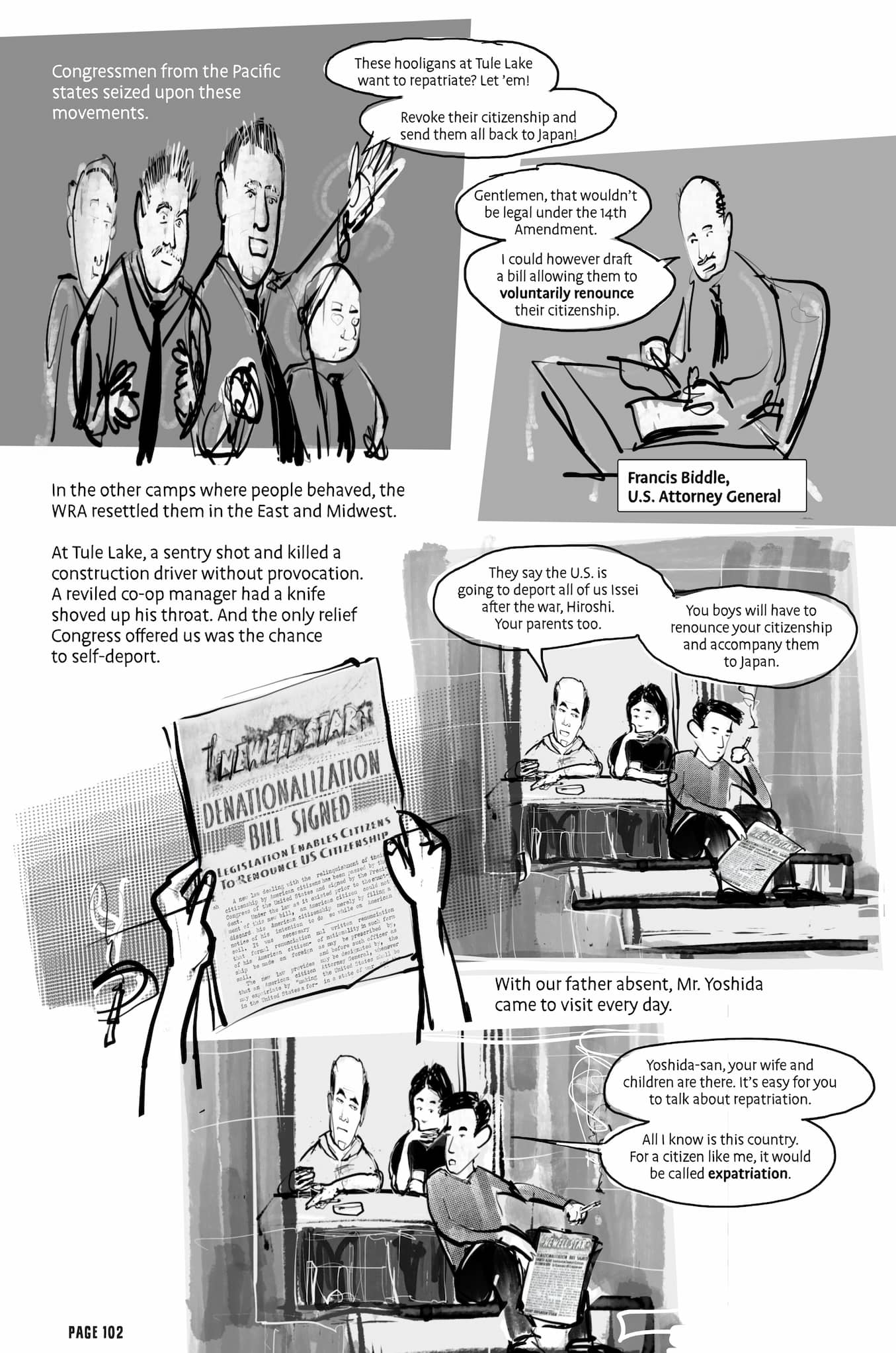
Image
We Hereby Refuse (Page 1)
Excerpt from We Hereby Refuse on the real-life story of Hiroshi Kashiwagi.
-
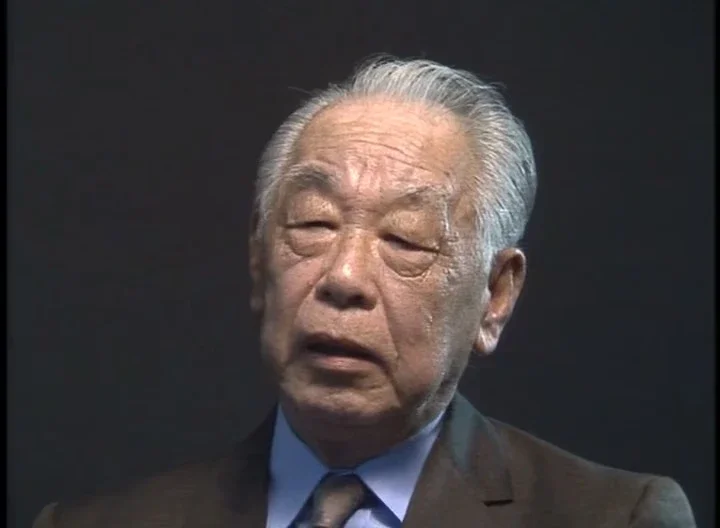
Video
James Omura Interview
In this clip, journalist James Omura provides a perspective critical of the JACL and Mike Masaoka.
-
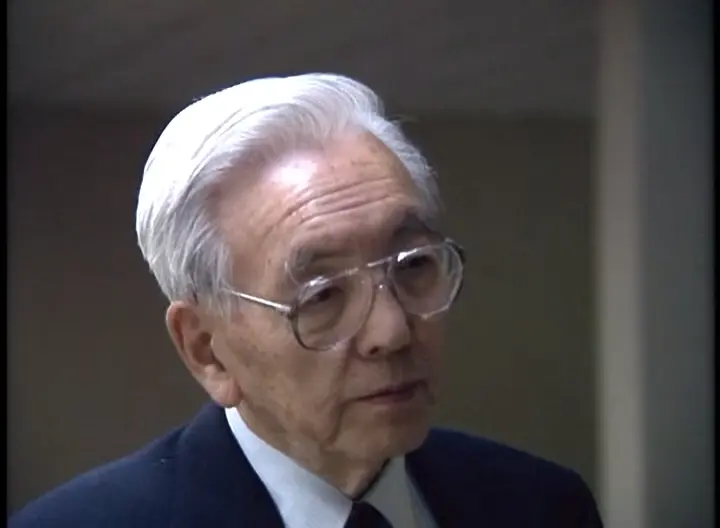
Video
Bill Hosokawa Interview
In this clip, Bill Hosokawa, a longtime columnist for the JACL’s newspaper, discusses why the JACL urged Japanese Americans to cooperate with the government.
-
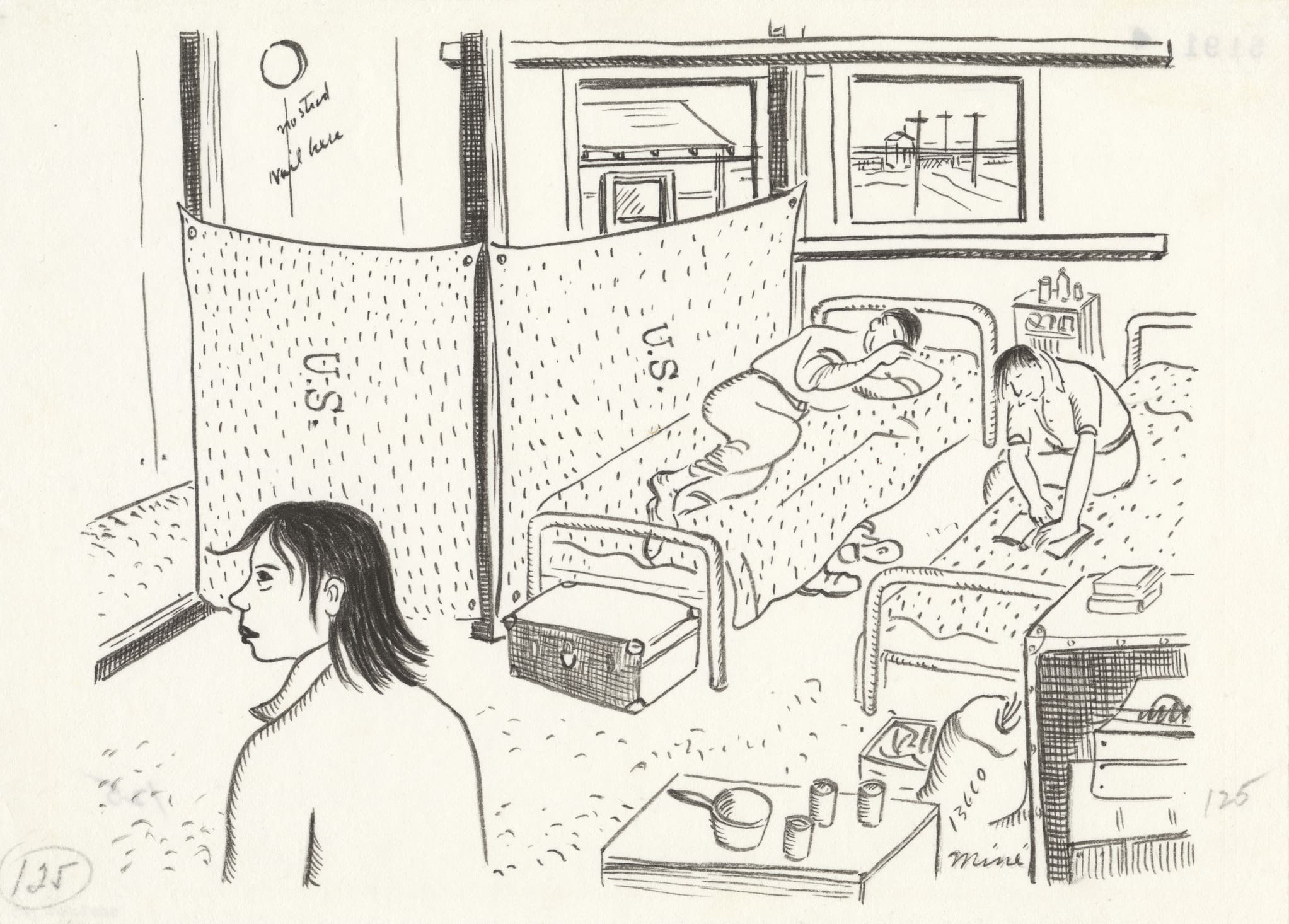
Image
[Interior of Mine and Toku’s barrack, Central Utah Relocation Project, Topaz, Utah, 1942]
Artist Miné Okubo drew this illustration of the barrack room in the Topaz, Utah camp that she and one of her brothers shared with a student from California. They hung blankets around Miné’s cot to give her some privacy.
-
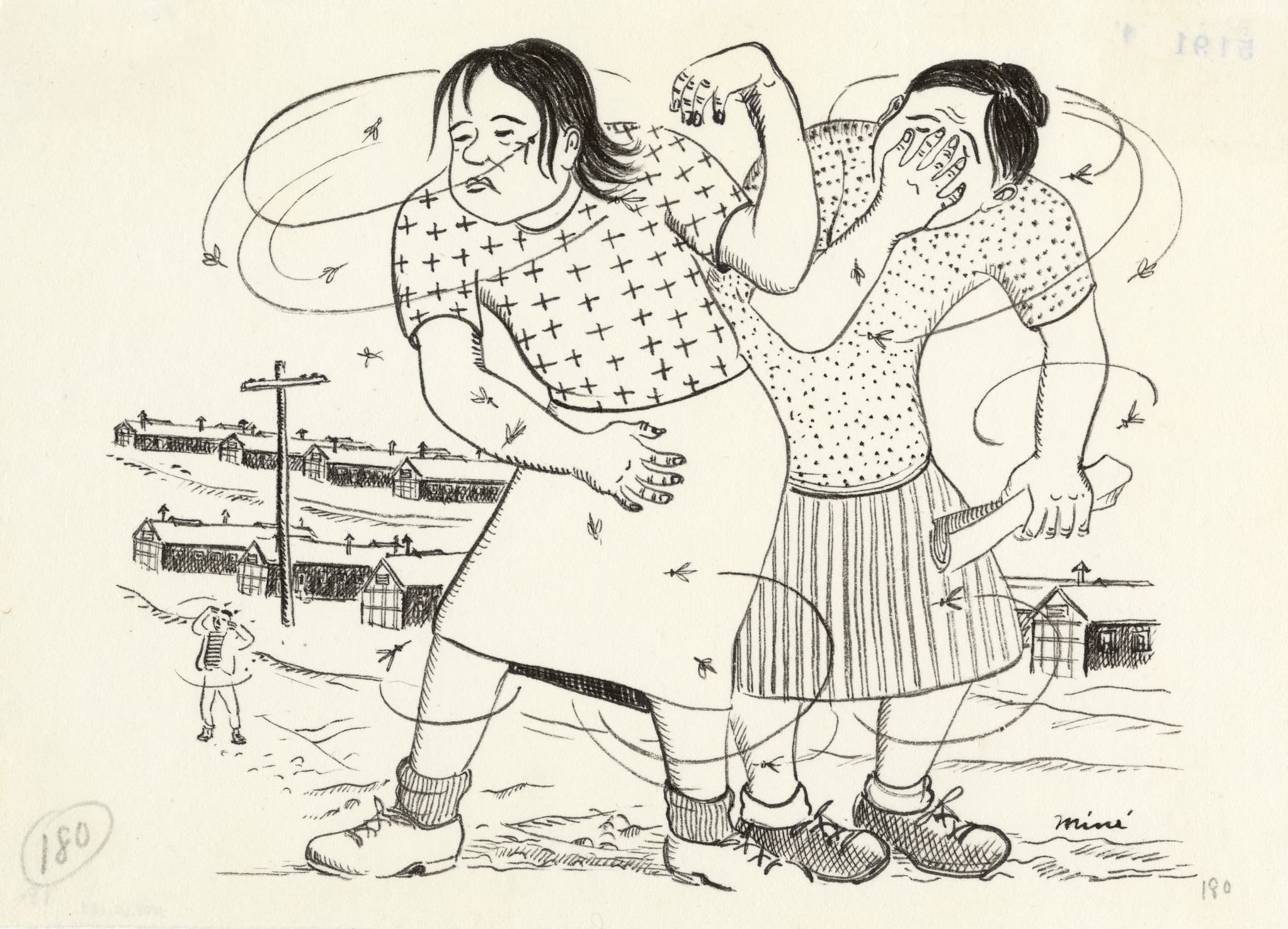
Image
[Summertime heat and mosquitos, Central Utah Relocation Project, Topaz, Utah, 1942-1944]
Bugs were one of the challenges inmates faced at many of the camps. This drawing by artist Miné Okubo captures the annoyance of flying bugs at the Topaz, Utah camp.
-
Image
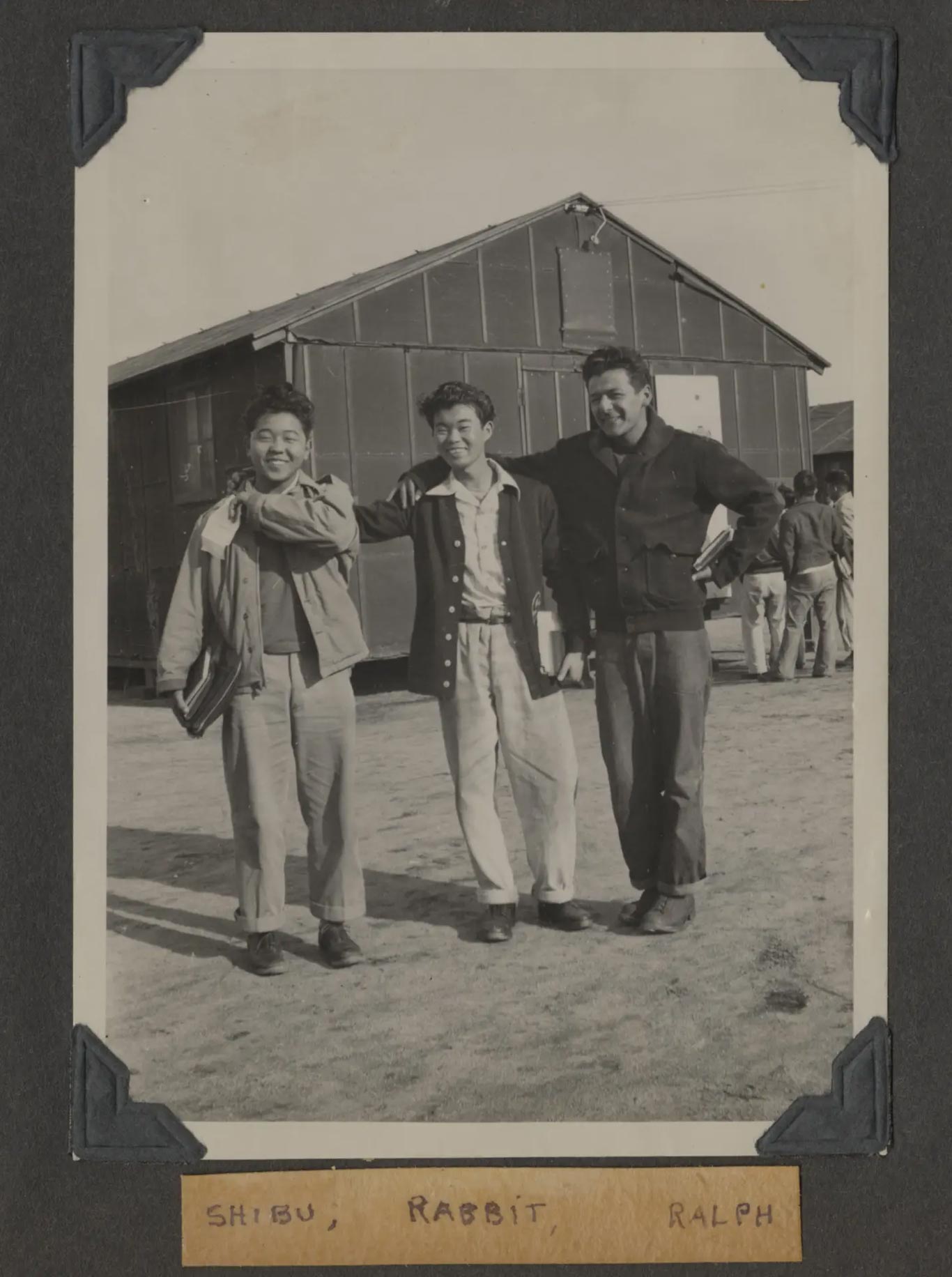
Ralph Lazo and His Classmates (Shibu, Rabbit)
Ralph Lazo was a seventeen-year-old student at Belmont High School in Los Angeles when he joined many of his best friends whom the government forced into a camp called Manzanar. Ralph graduated from high school there and was class president. In this photo, Ralph poses with two friends at Manzanar.
-
Video
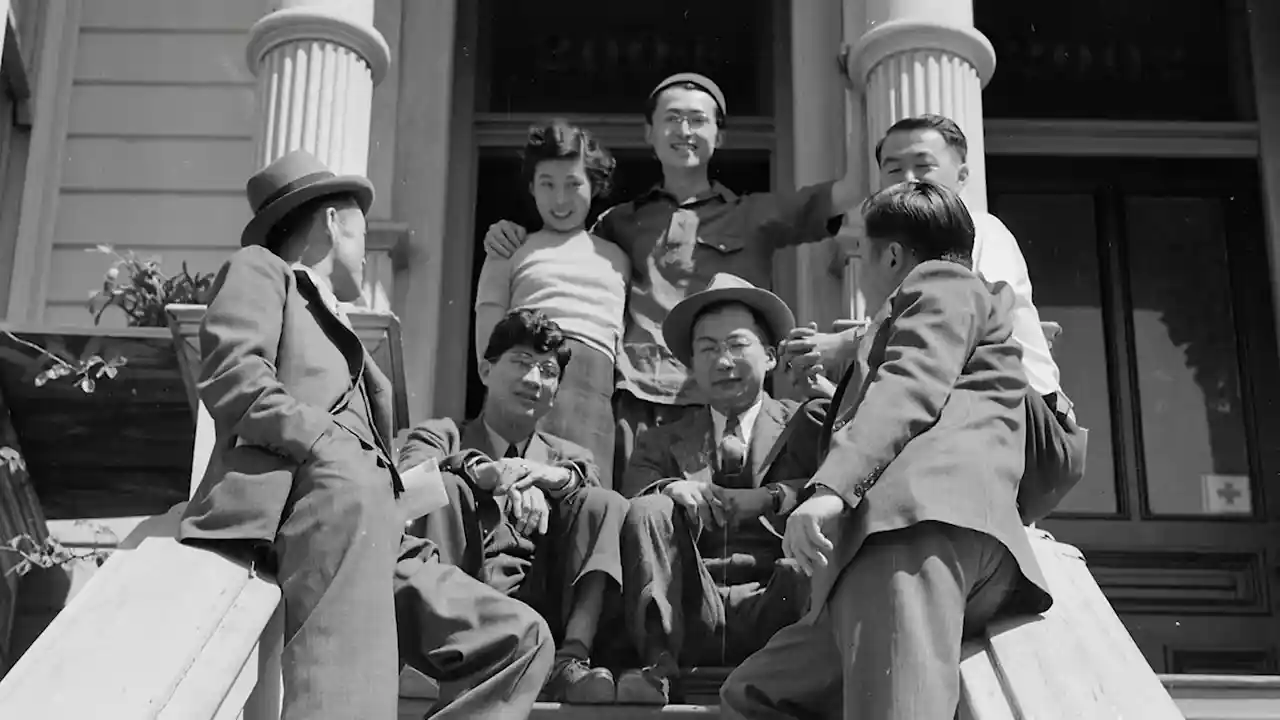
Alternative Facts: The Lies of Executive Order 9066
View this excerpt from the film Alternative Facts: The Lies of Executive Order 9066 to learn more about the Office of Naval Intelligence report.
-
Image
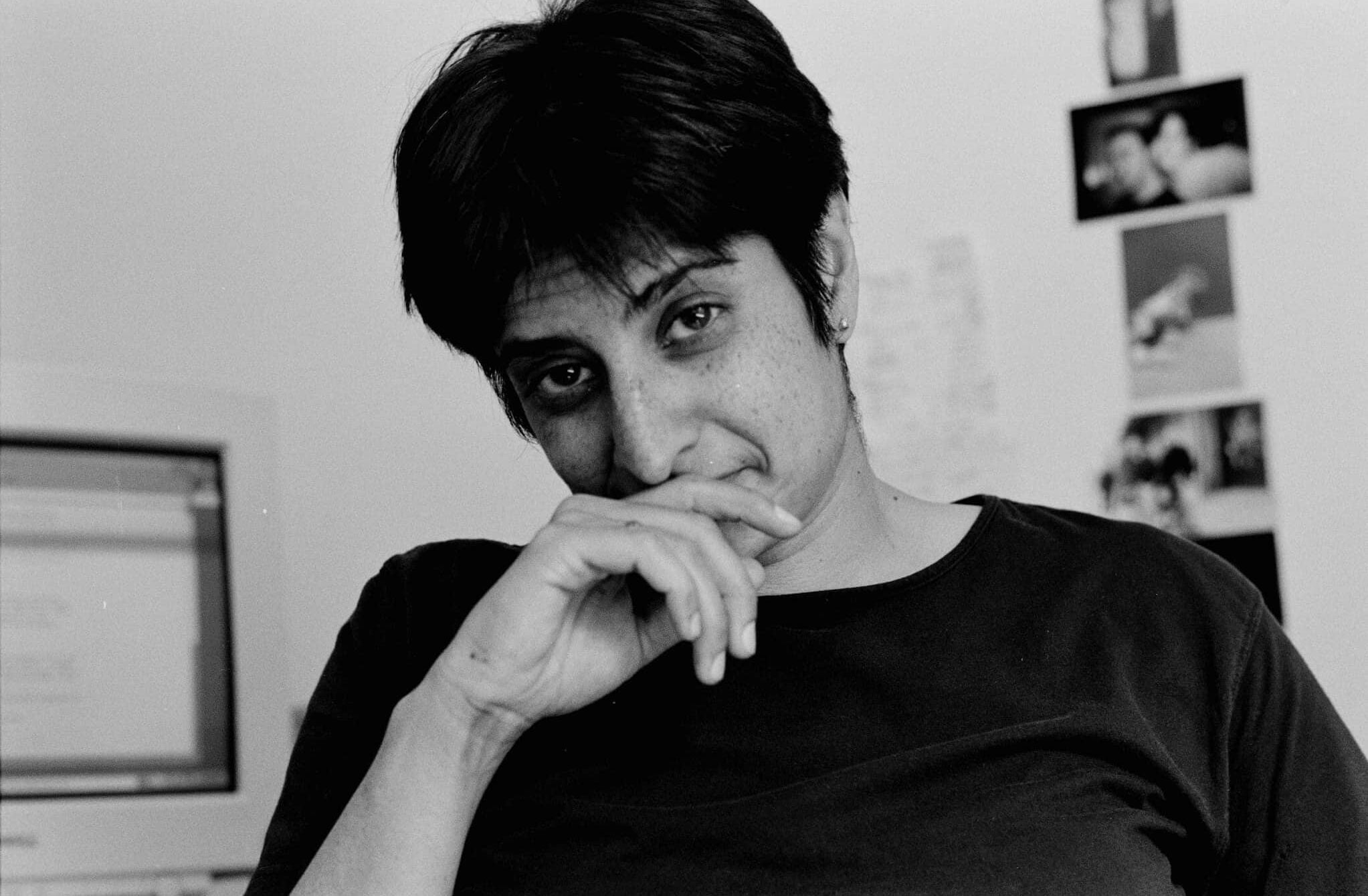
Urvashi Vaid Portrait
Urvashi Vaid, former Executive Director of the National LGBTQ Task Force in the United States.
Featured in:
Indian Americans, Module 5
-
Image
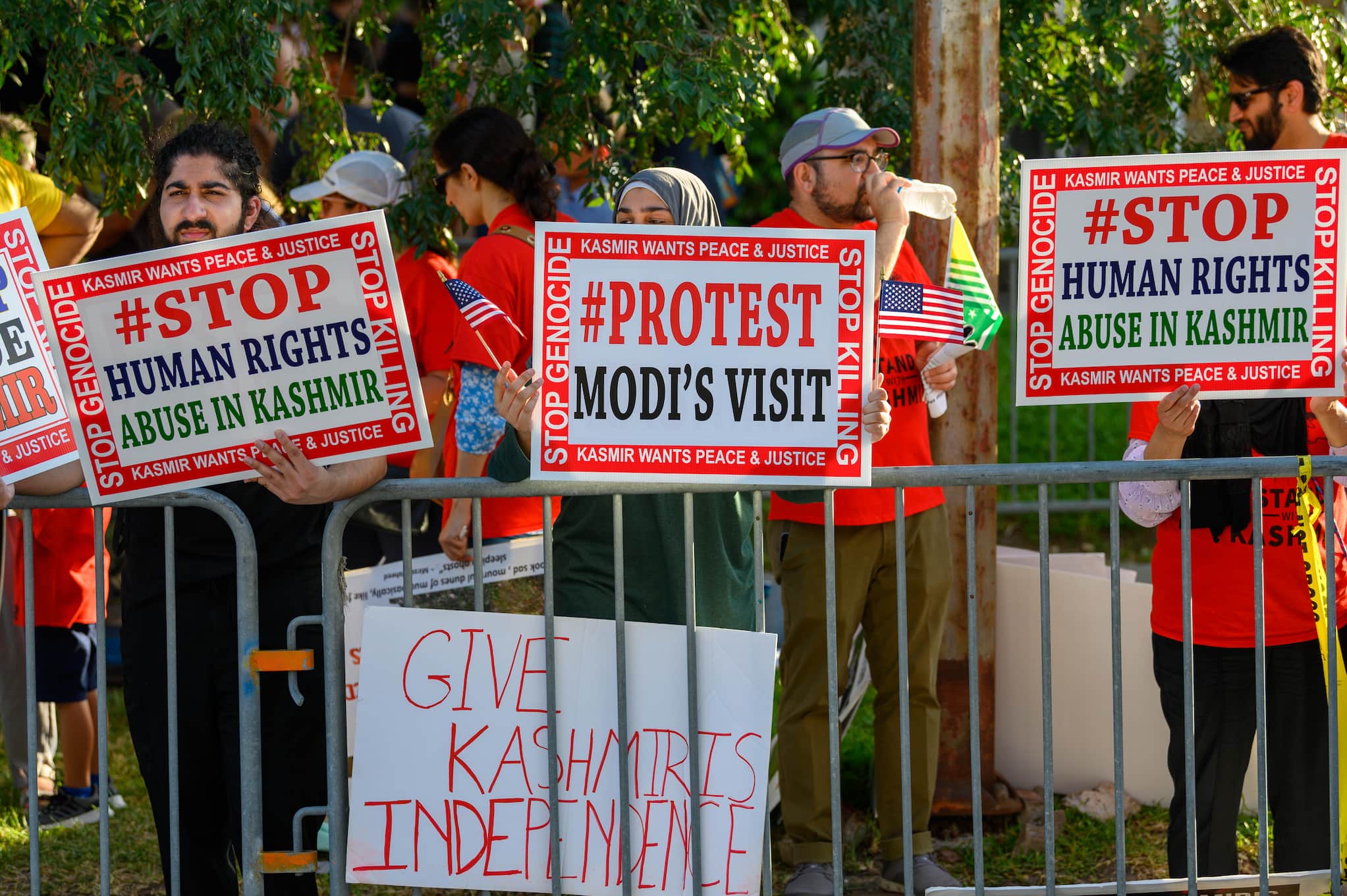
Demonstrators Protest Indian Government
Demonstrators gather outside of the Democratic primary debate venue in Houston, Texas in September 2019. They hold signs raising awareness around India’s government policies and actions.
Featured in:
Indian Americans, Module 5
-
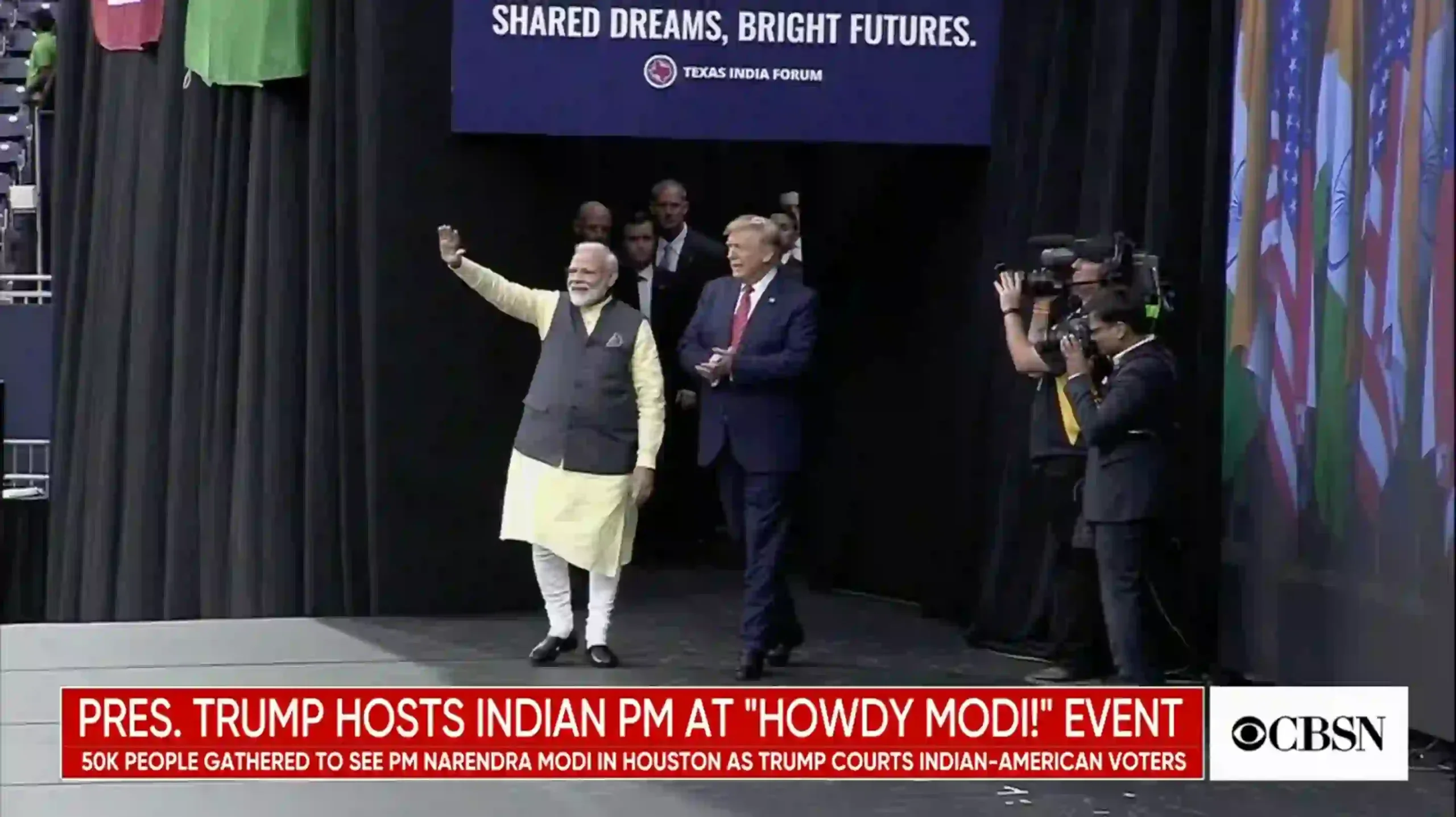
Video
President Trump and Prime Minister Narendra Modi
President Trump and Indian Prime Minister Narendra Modi address Indian American crowds in Houston, Texas, in 2019.
Featured in:
Indian Americans, Module 5