



Search the Media Repository
Discover the curated images, videos, and primary sources featured throughout Foundations and Futures
History is more than just text on a page; it is the photographs, voices, and artifacts of the people who lived it. The images and recordings featured across Foundations and Futures are part of a meticulously curated media repository. Whether you are building a lesson plan or investigating an artifact, you can use this database to trace the provenance of our media: discover who created an asset, the historical context behind it, and how it can be used to bring Asian American and Pacific Islander experiences into your classroom.
Multimedia
Chapters
-
Image
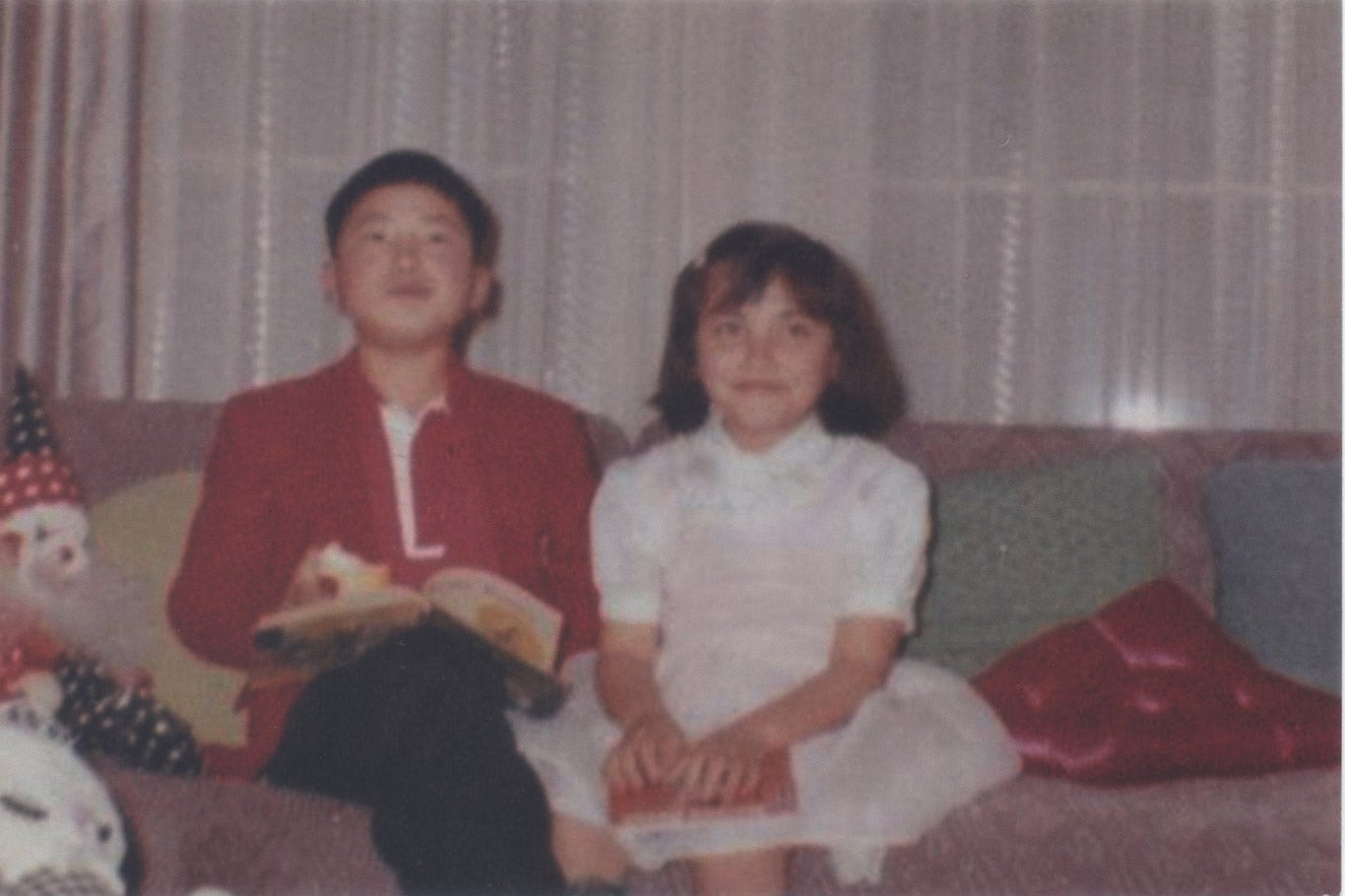
Chol Soo Lee Childhood Photo
Chol Soo Lee in an undated childhood photo.
-
Text
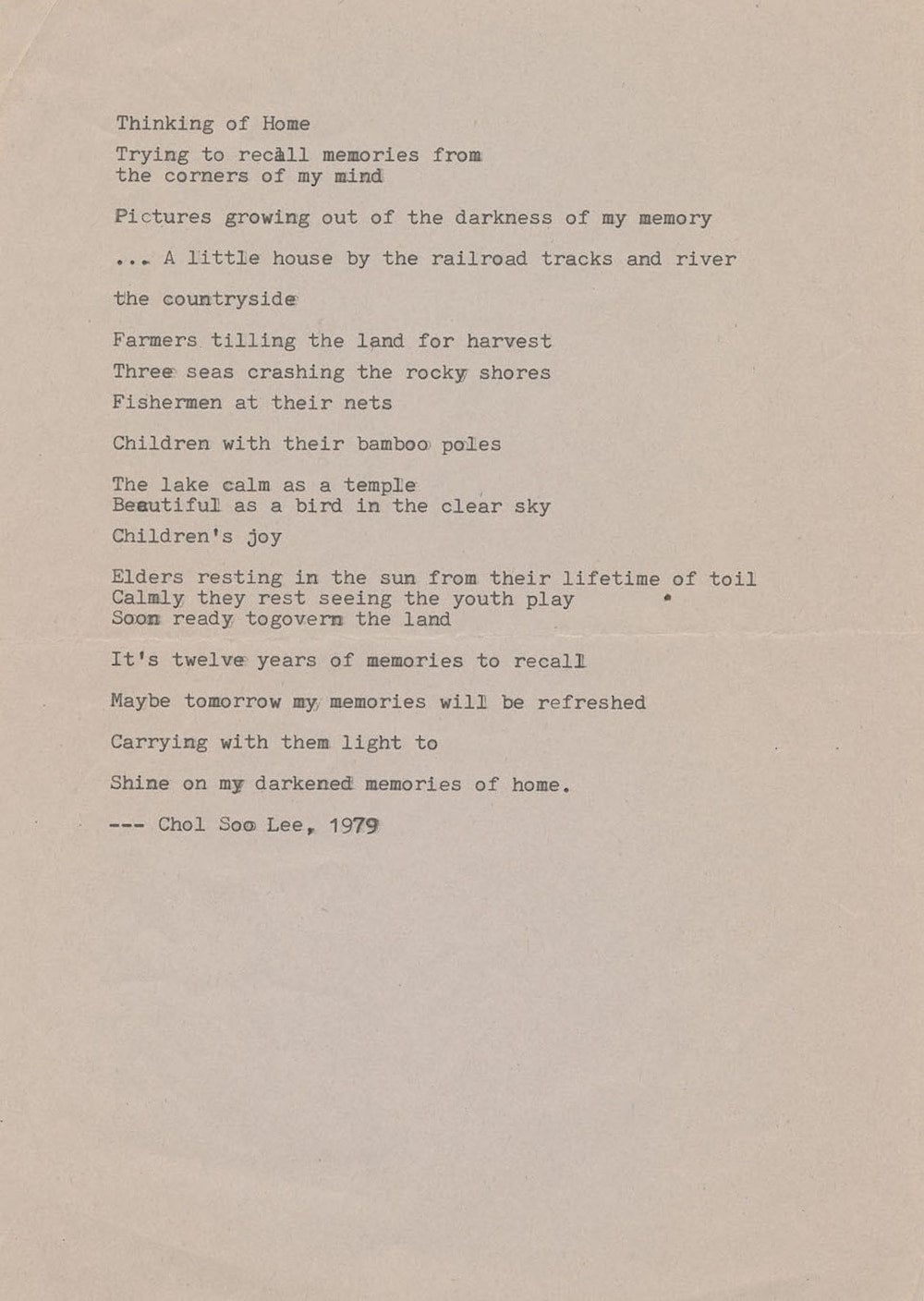
“Thinking of Home”
Chol Soo Lee typed this draft of his poem, “Thinking of Home,” dated 1979, and mailed it to K. W. Lee, who would grow into a life-changing figure in Chol Soo’s life. The poem recalls memories of his motherland, Korea.
-
Image
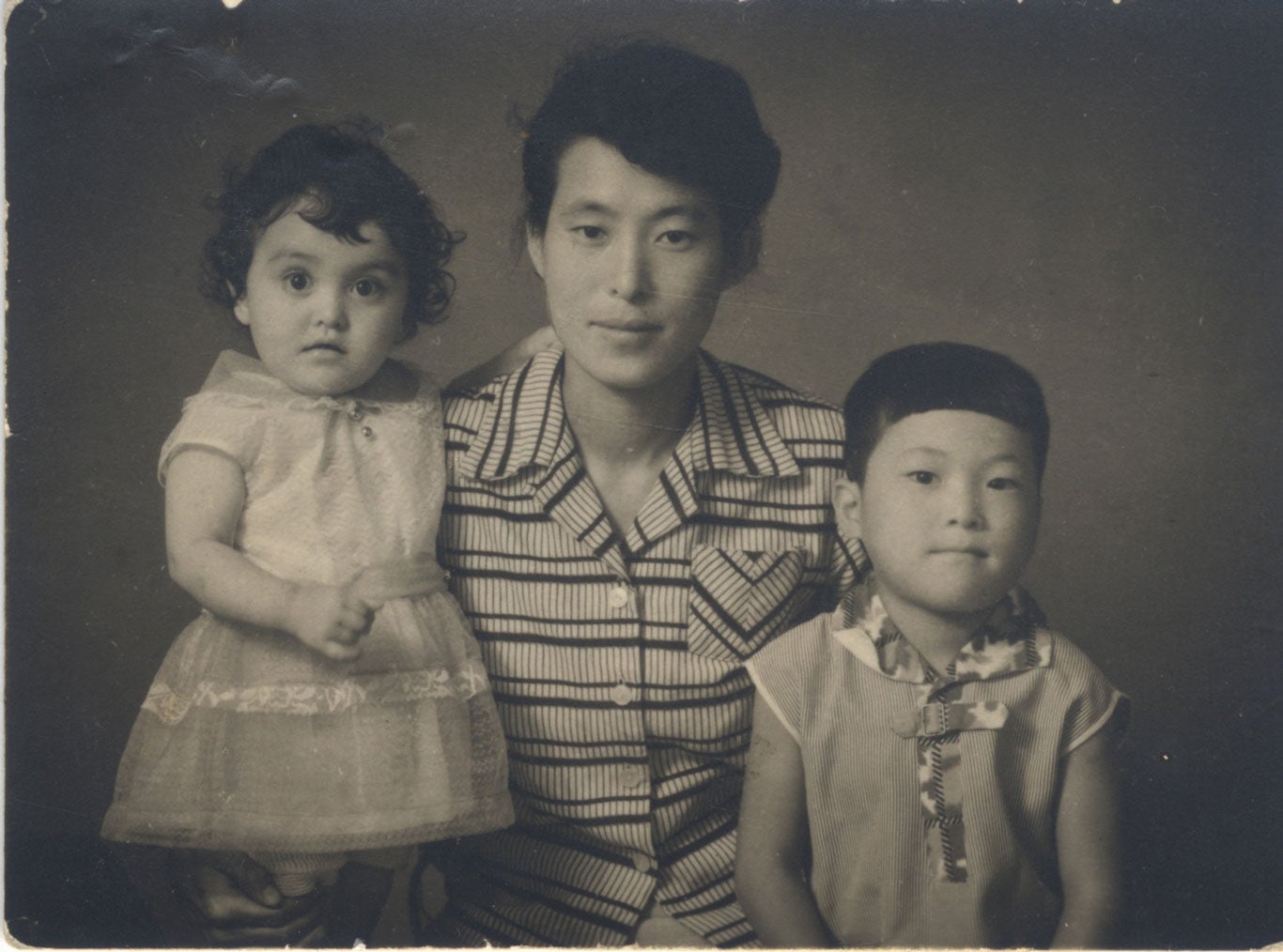
Chol Soo Lee With Mom and Sister
Chol Soo Lee with his mother and half-sister, in an undated photo.
-
Image
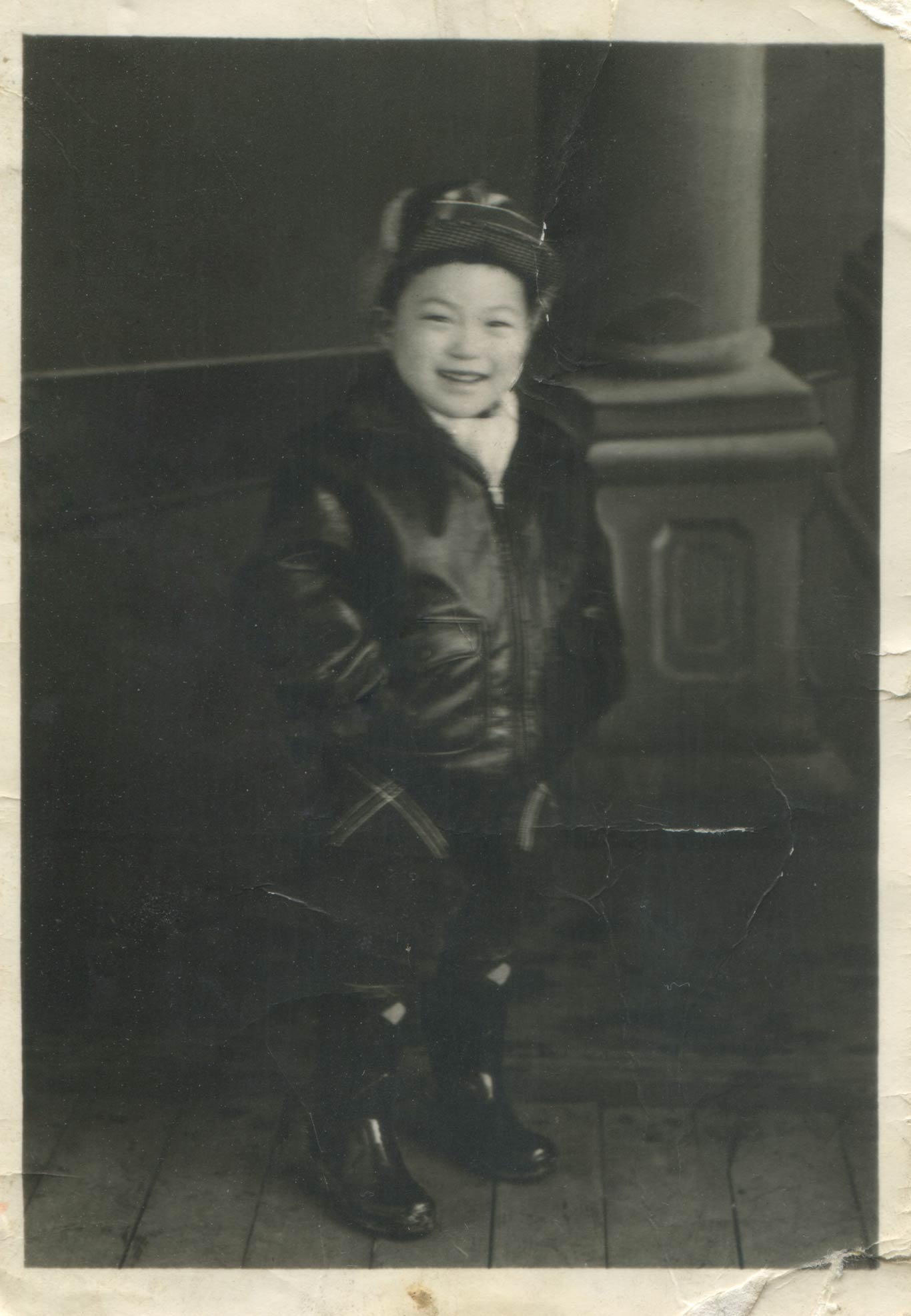
Chol Soo Lee Childhood Portrait
A childhood photo of Chol Soo Lee, taken in his native Korea.
-
Image
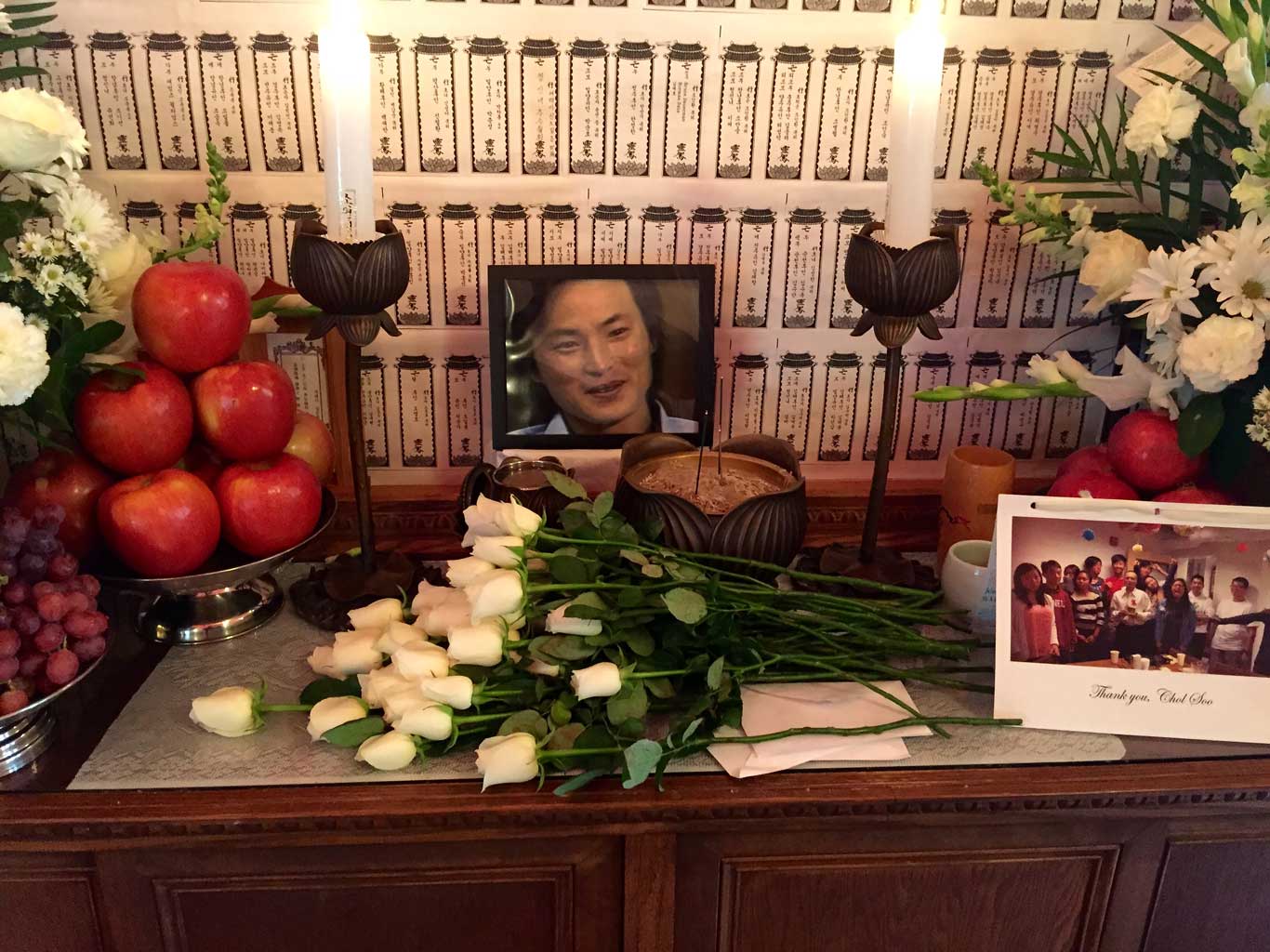
Memorial Altar for Chol Soo Lee
Chol Soo Lee died on Dec. 2, 2014, at the age of 62 from health complications related to his burn injuries. Many of those who had rallied to his side decades earlier attended his funeral on Dec. 9, 2014, in San Bruno, California, and laid flowers at this altar.
-
Image
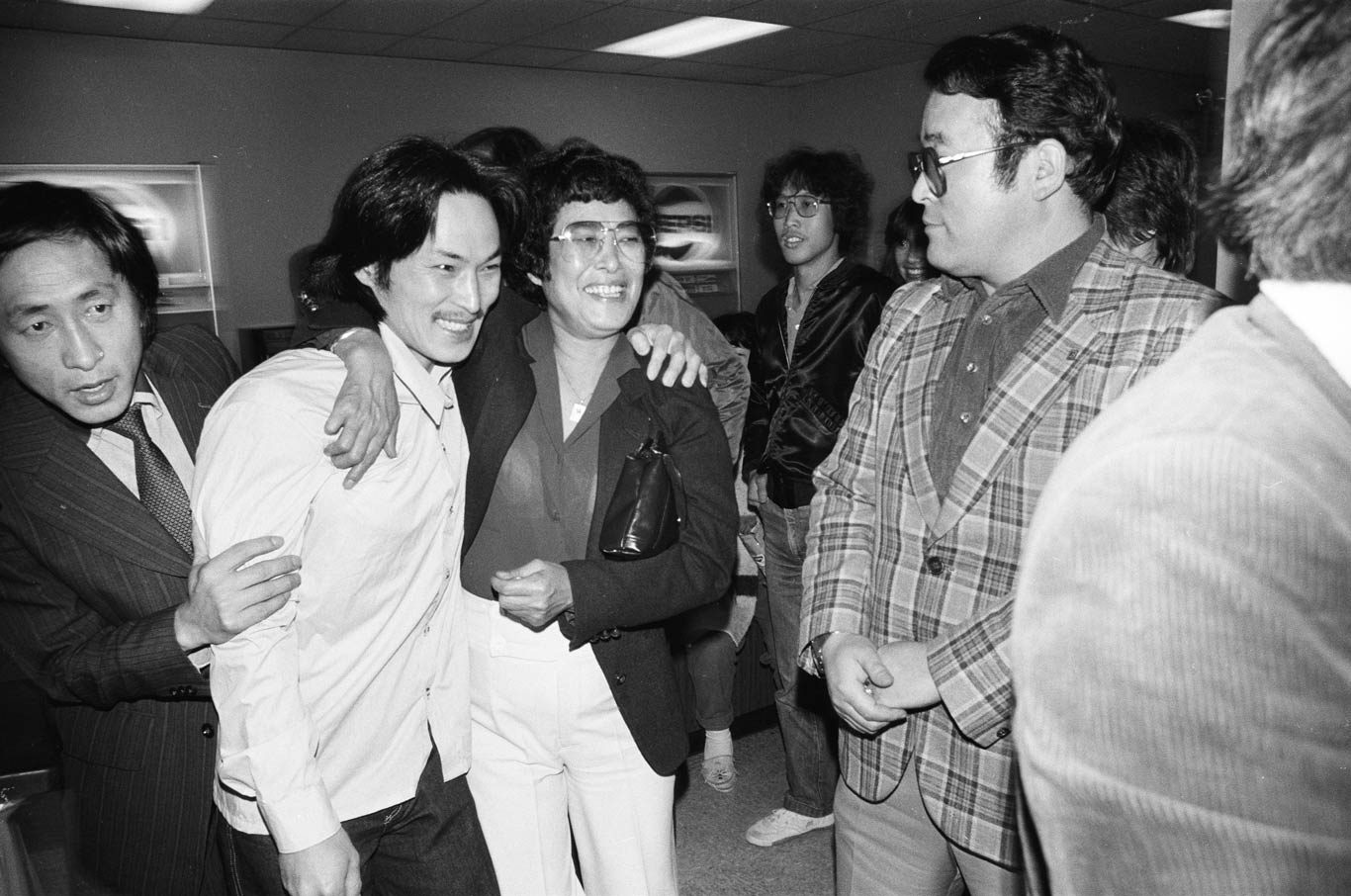
Chol Soo Lee Smiling Upon Release
Chol Soo Lee, flanked by his mother, walks into freedom on March 28, 1983, after 10 years in prison.
-
Text
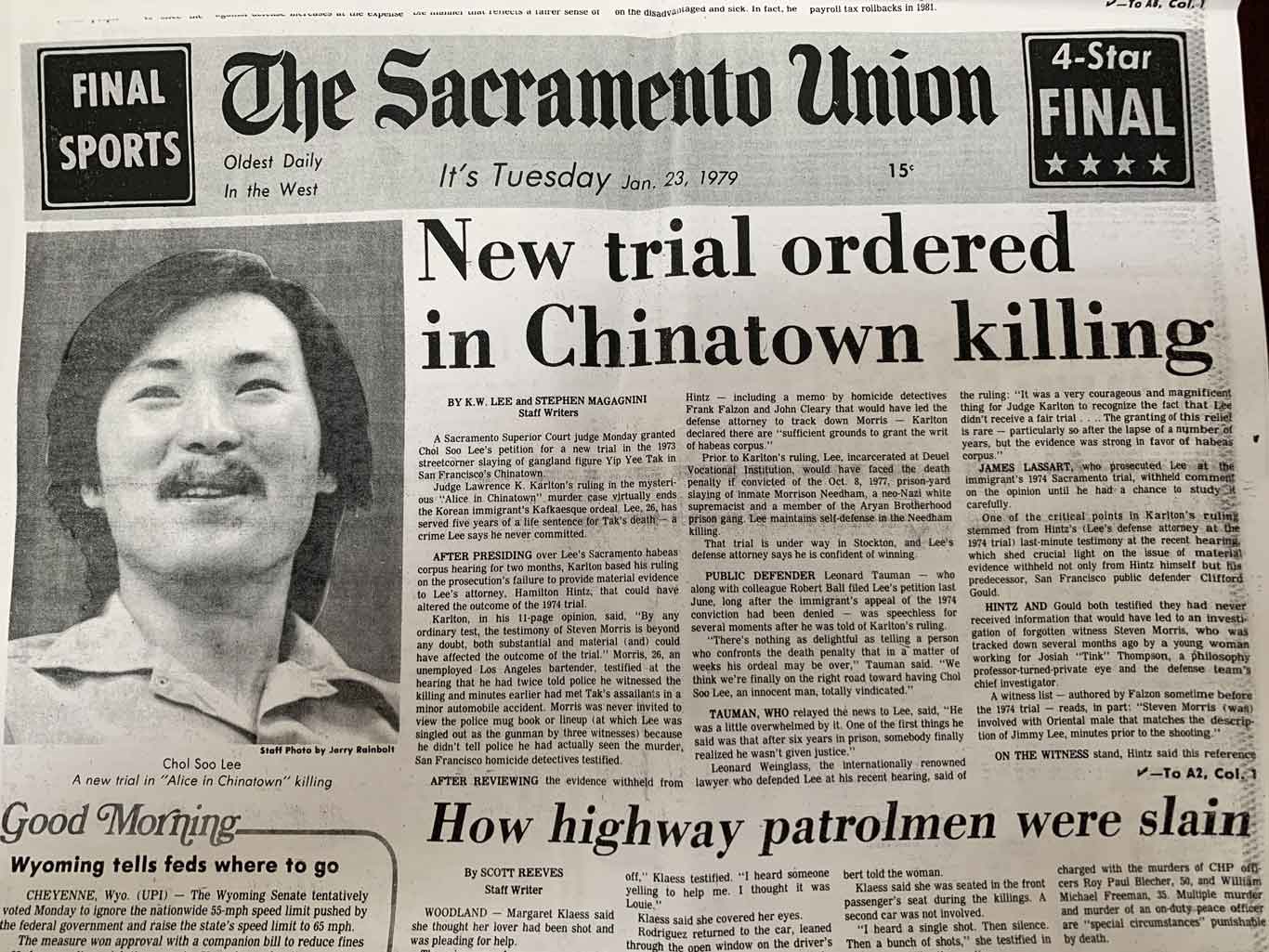
“New Trial Ordered in Chinatown Killing”
K. W. Lee and fellow Sacramento Union staff writer Stephen Magagnini provided persistent coverage of the Chol Soo Lee case, including discovering a crucial witness in the Chinatown murder case. Thanks to that witness, a Sacramento judge ordered a new trial.
-
Video
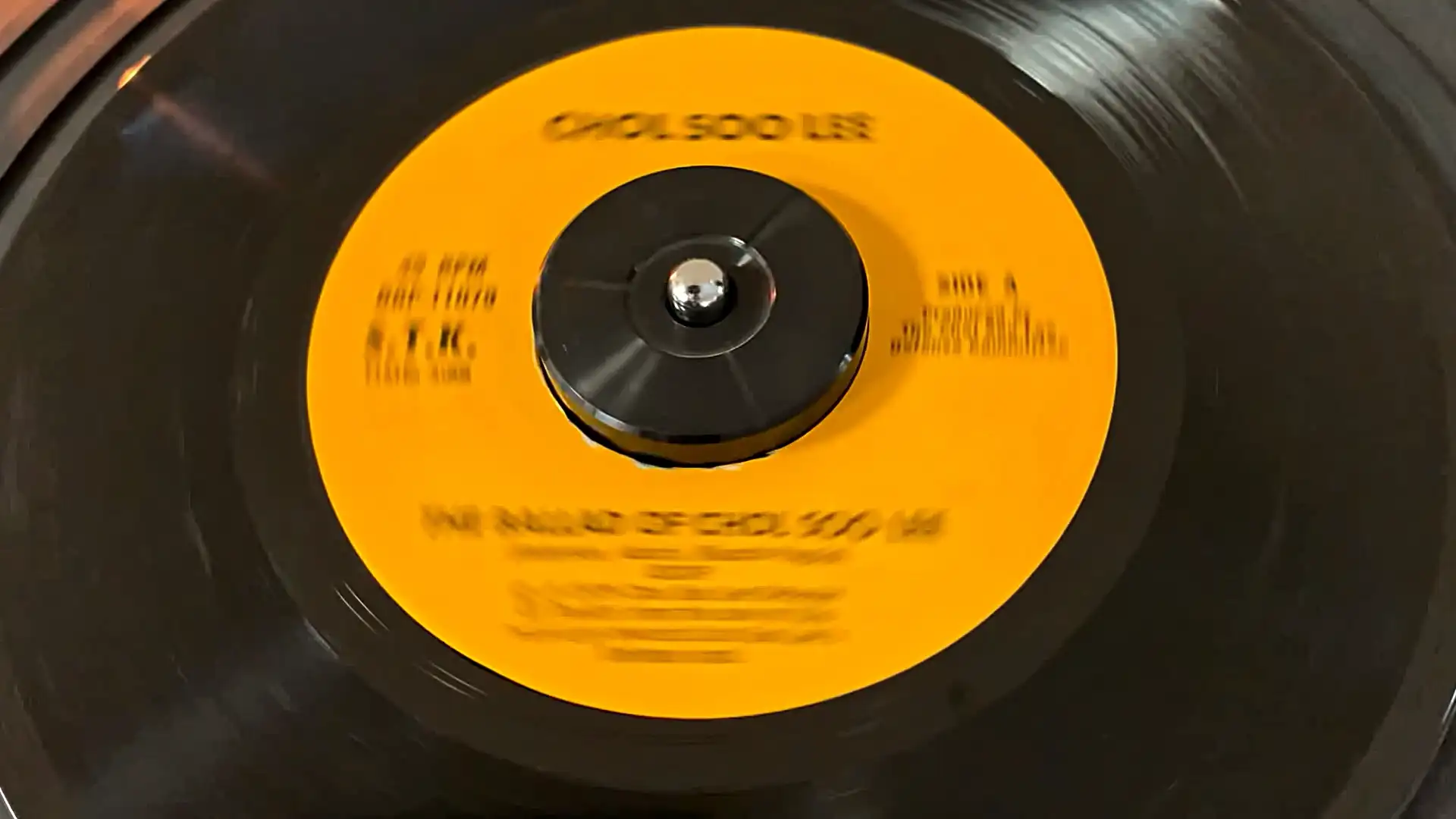
Ballad of Chol Soo Lee
This scene from the documentary film Free Chol Soo Lee features the protest song, “The Ballad of Chol Soo Lee,” produced by the Chol Soo Lee Defense Committee. The song is performed by Siu Wai Anderson, Sam Takimoto, Robert Kikuchi-Yngojo, Peter Yoshiro Horikoshi, Duke Santos, and Jeff Adachi.
-
Image
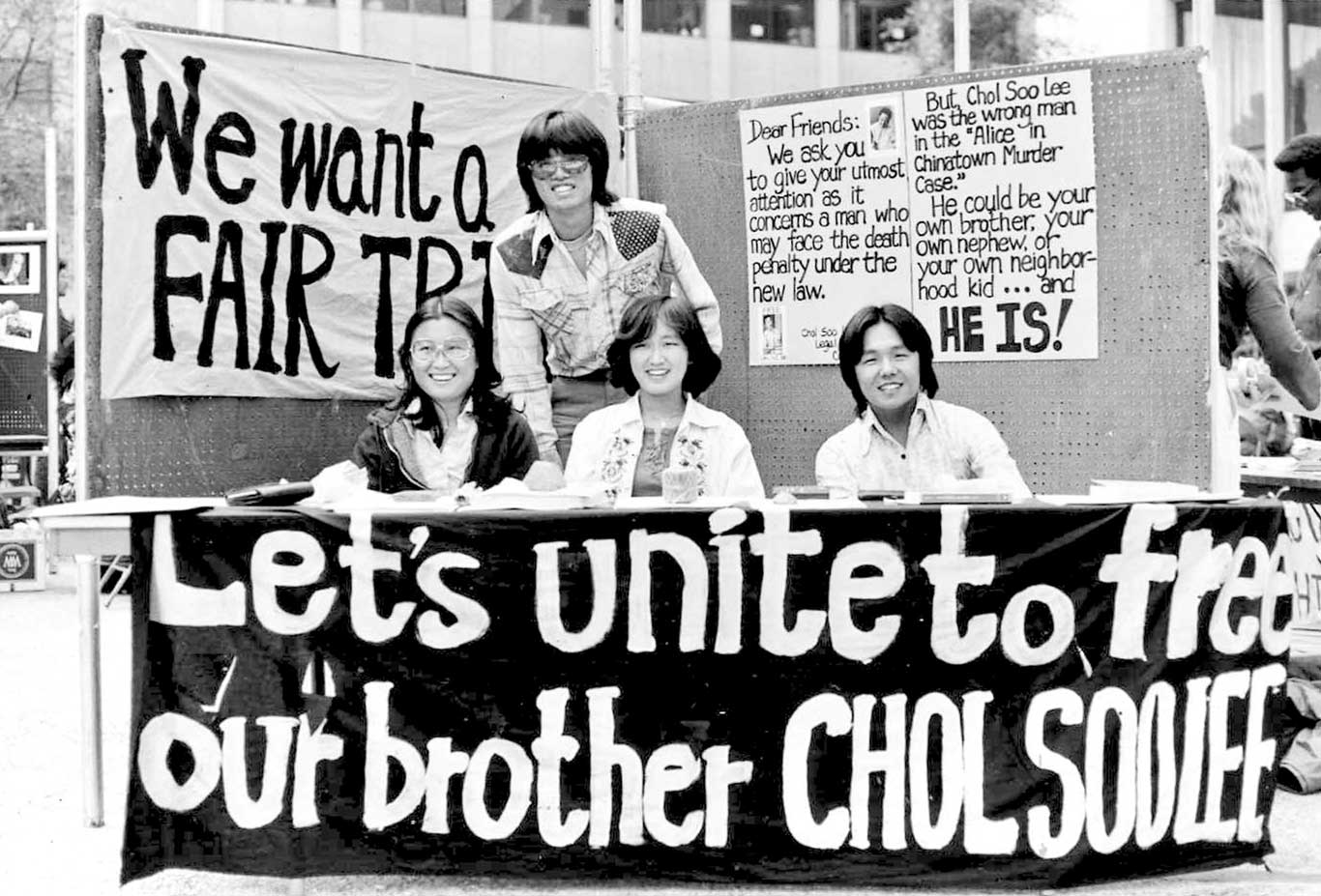
Fundraising Booth for Chol Soo Lee
Young activists set up an informational and fundraising booth at a local event in San Francisco, circa 1978.
-
Image
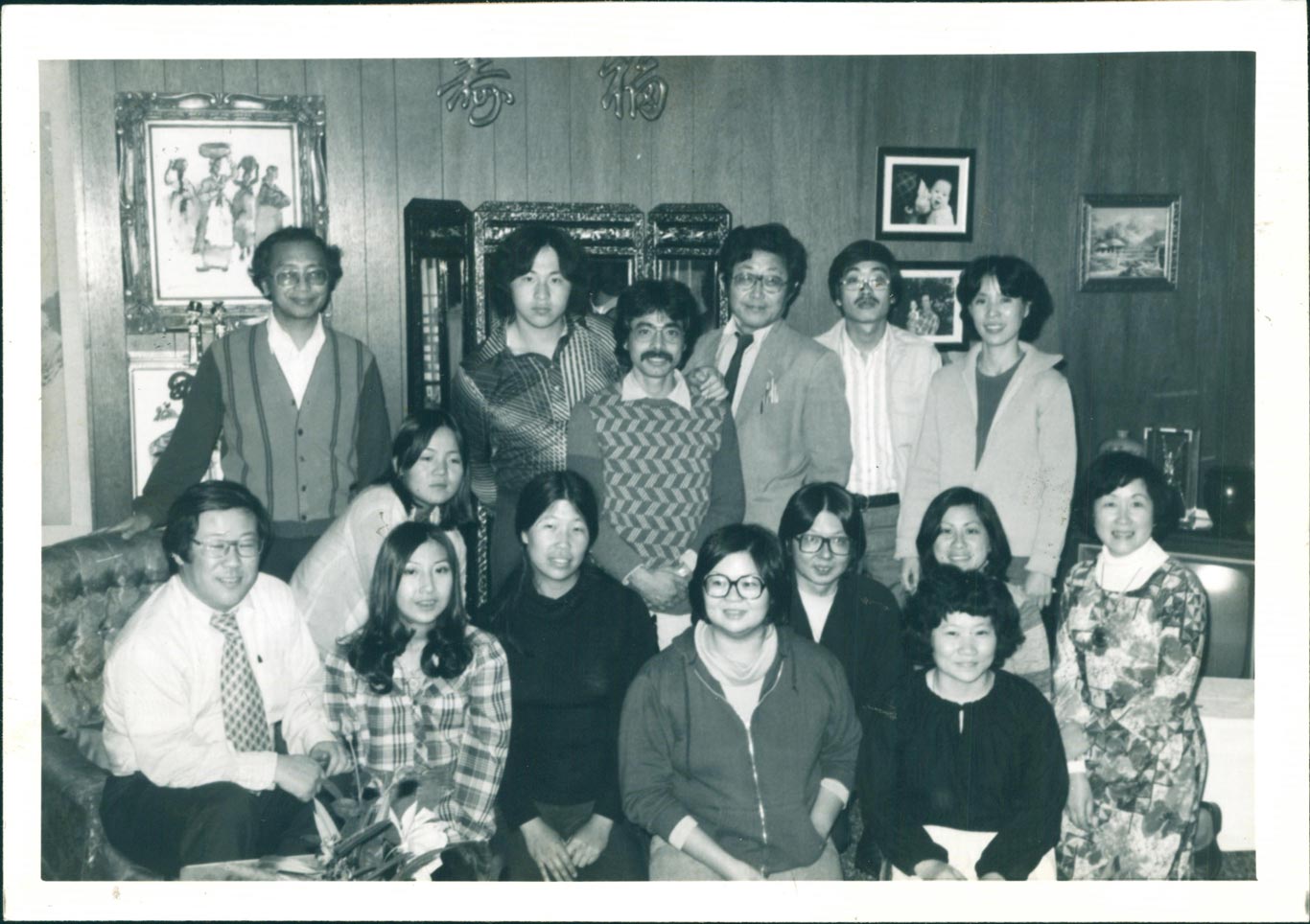
First Chol Soo Lee Defense Committee Meeting
Activists gather in Sacramento for one of the earliest meetings of the Chol Soo Lee Defense Committee in 1978.
-
Text
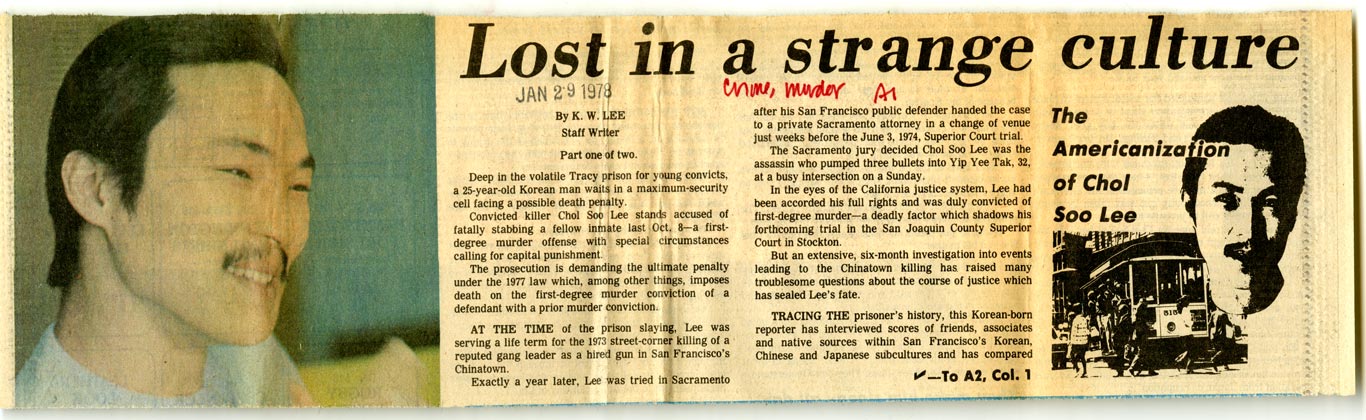
“Lost in a Strange Culture”
In this 1978 Sacramento Union article, K. W. Lee humanizes the plight of Chol Soo Lee, who had an optimistic view of America upon immigrating, but ended up serving a life sentence in one of California’s most violent prisons.
-
Image
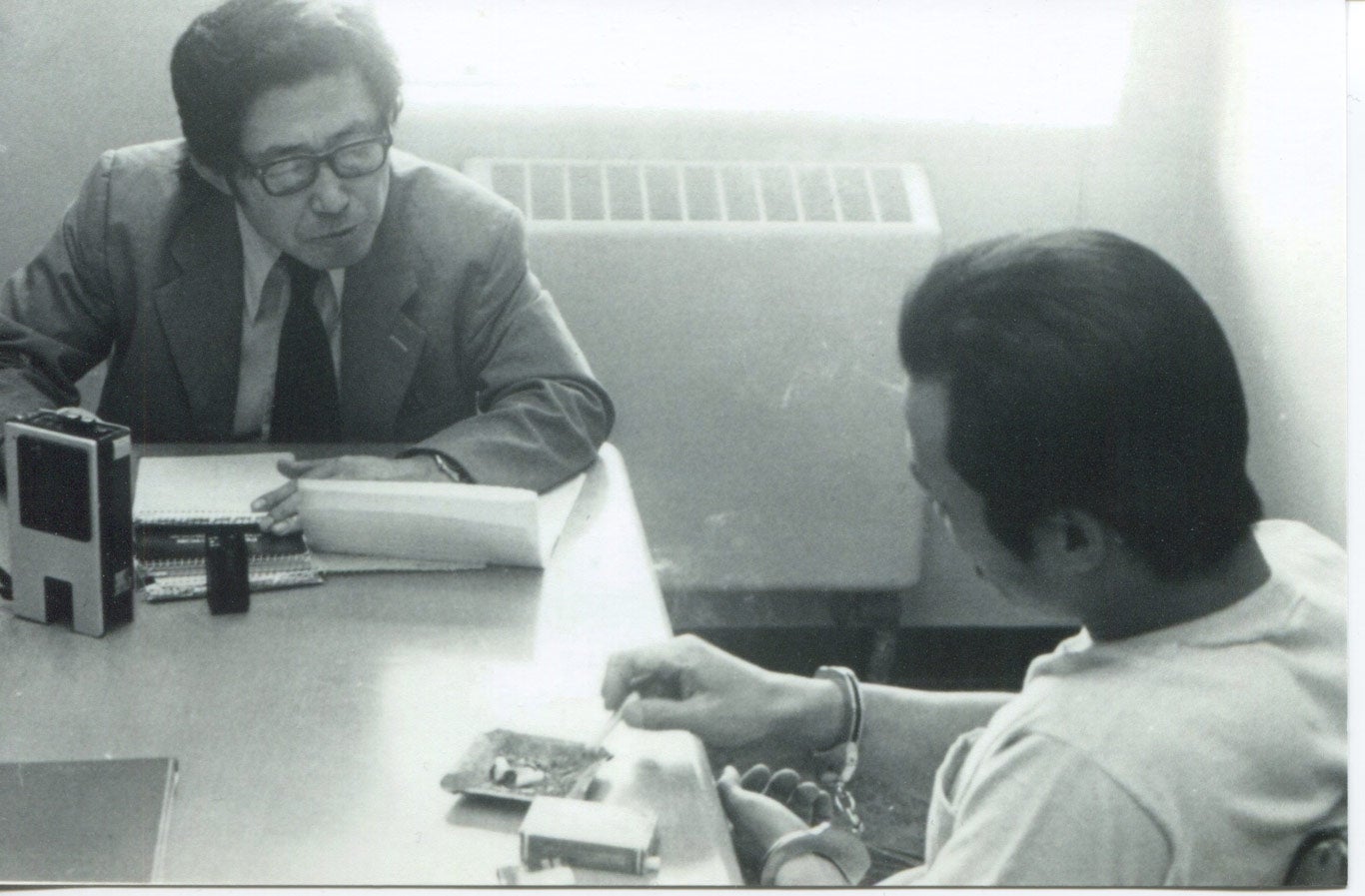
K.W. Lee Meets Chol Soo Lee in Prison
Sacramento Union investigative reporter K. W. Lee interviews Chol Soo Lee at Deuel Vocational Institution in Tracy, California, in 1977.
-
Text
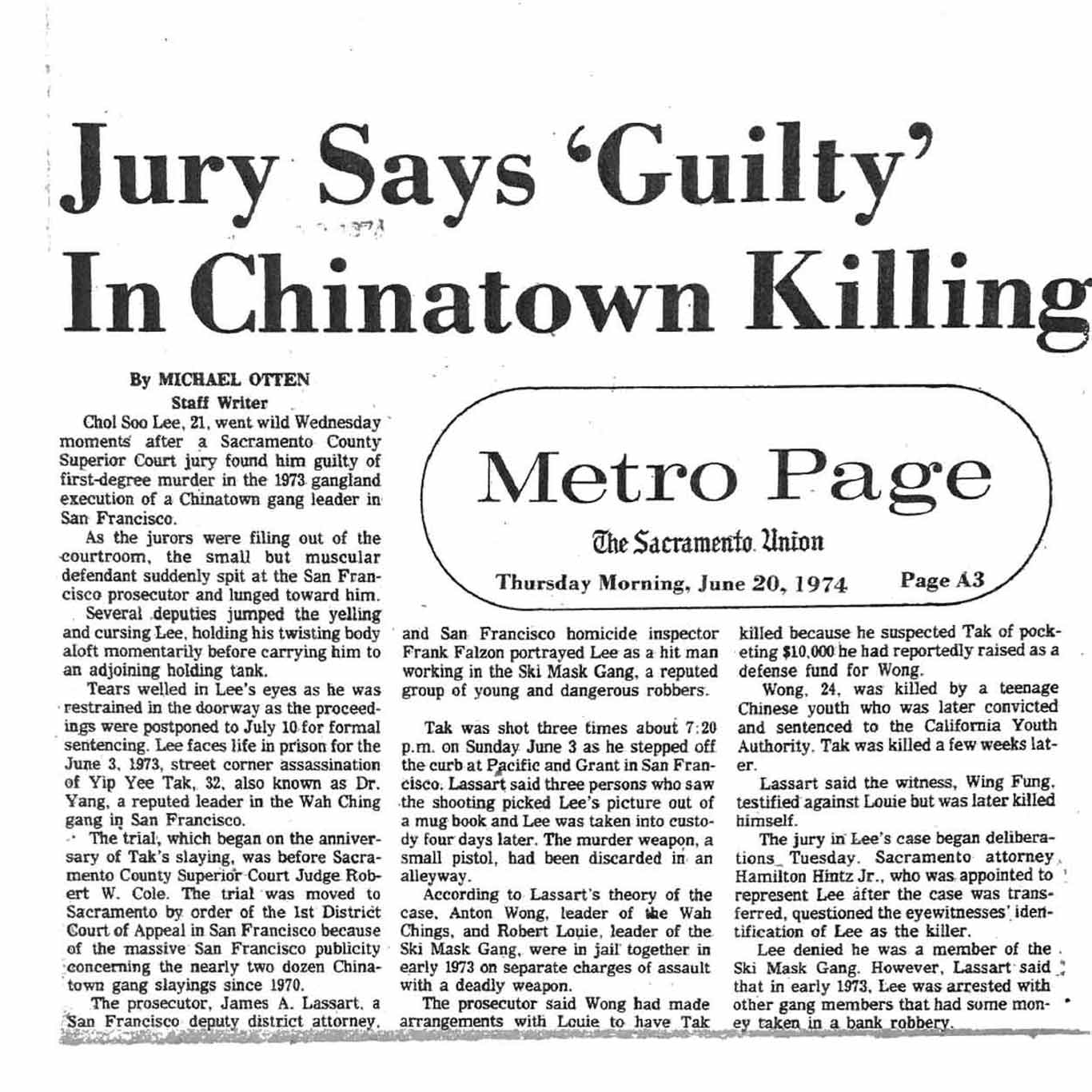
“Jury Says ‘Guilty’ in Chinatown Killing”
This article in the Sacramento Union, dated June 20, 1974, records Chol Soo Lee’s reaction to his conviction for the murder of Yip Yee Tak.
-
Image
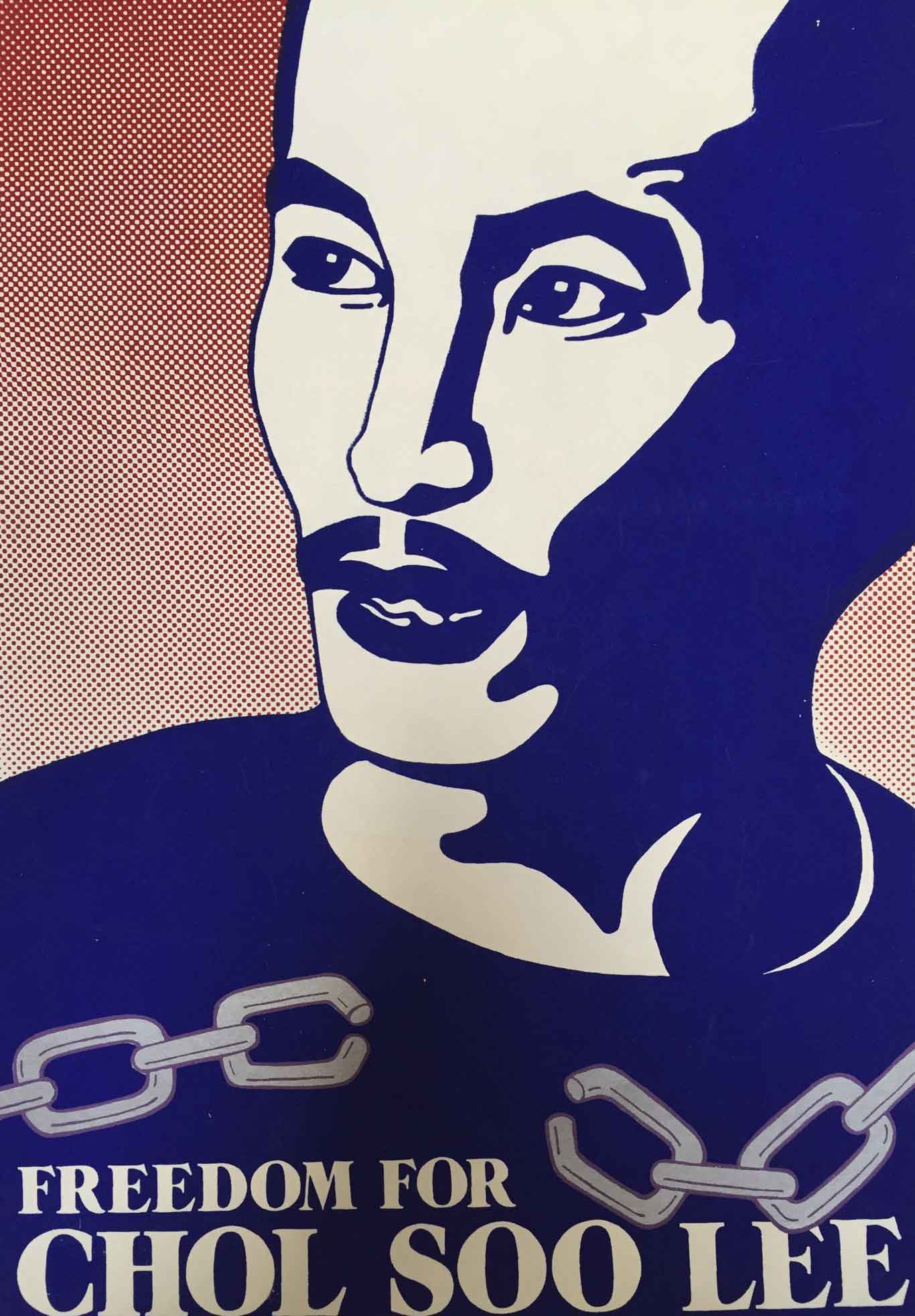
Freedom for Chol Soo Lee Poster
This 1977 photo (left) of Chol Soo Lee, taken in prison, became the inspiration for artist Wes Senzaki’s poster created for the movement to free Chol Soo Lee.
-
Image
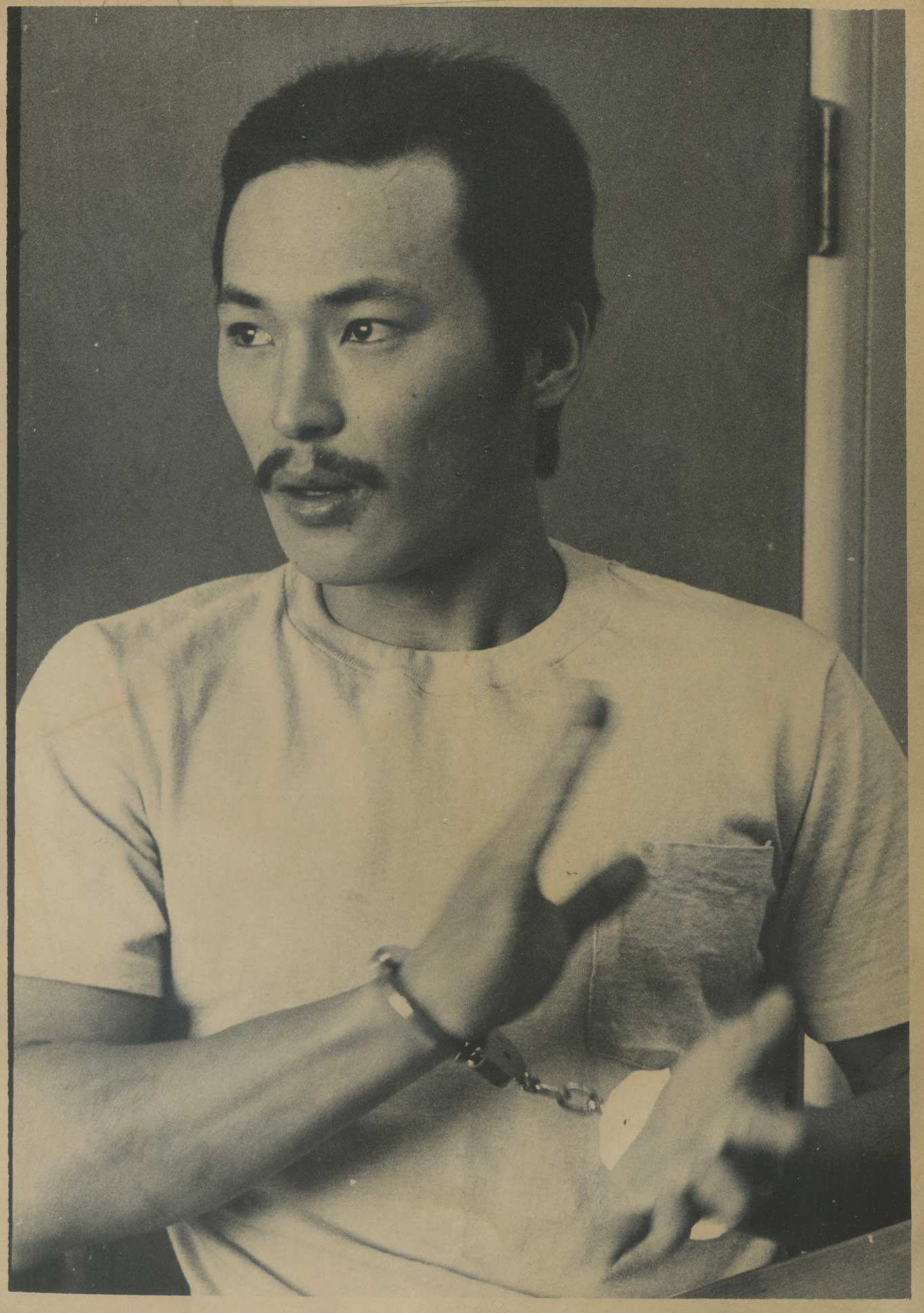
Chol Soo Lee Imprisoned
This 1977 photo (left) of Chol Soo Lee, taken in prison, became the inspiration for artist Wes Senzaki’s poster created for the movement to free Chol Soo Lee.
-
Video
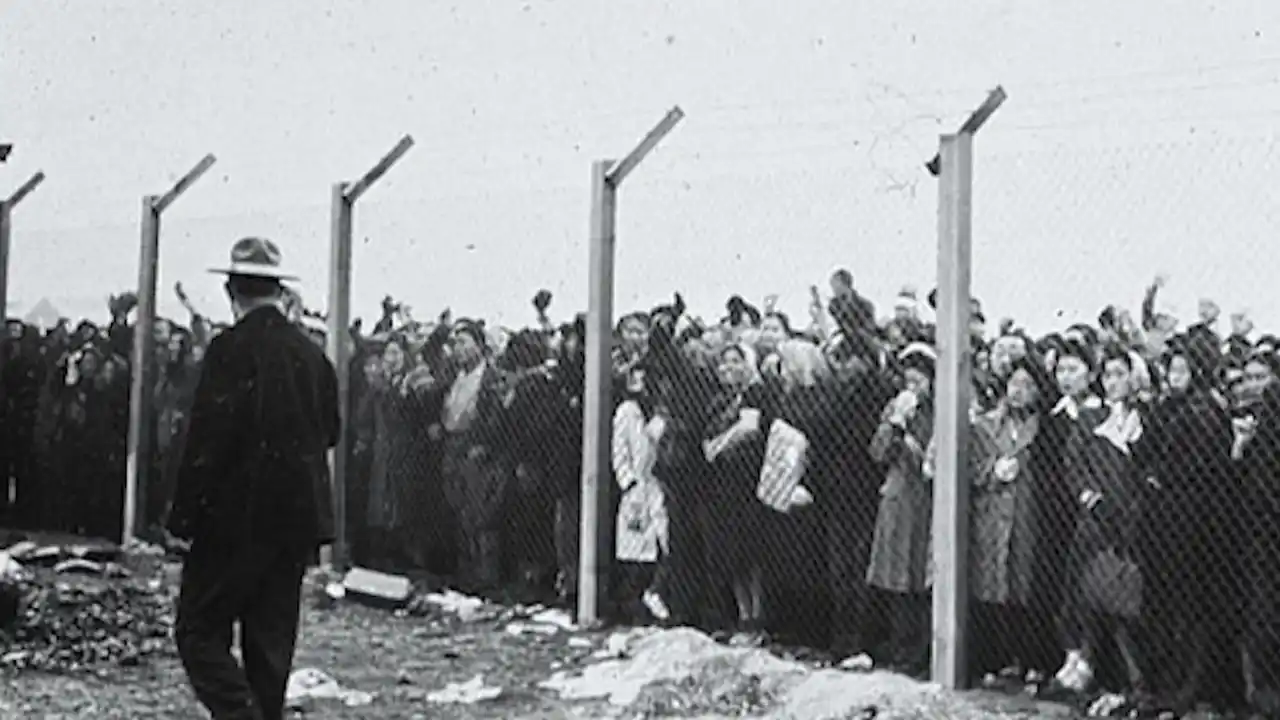
Alternative Facts: The Lies of Executive Order 9066
View this clip from the documentary Alternative Facts: The Lies of Executive Order 9066 to learn how military officials altered and destroyed evidence so they could justify to the US Supreme Court the mass removal and incarceration of Japanese Americans.
-
Image
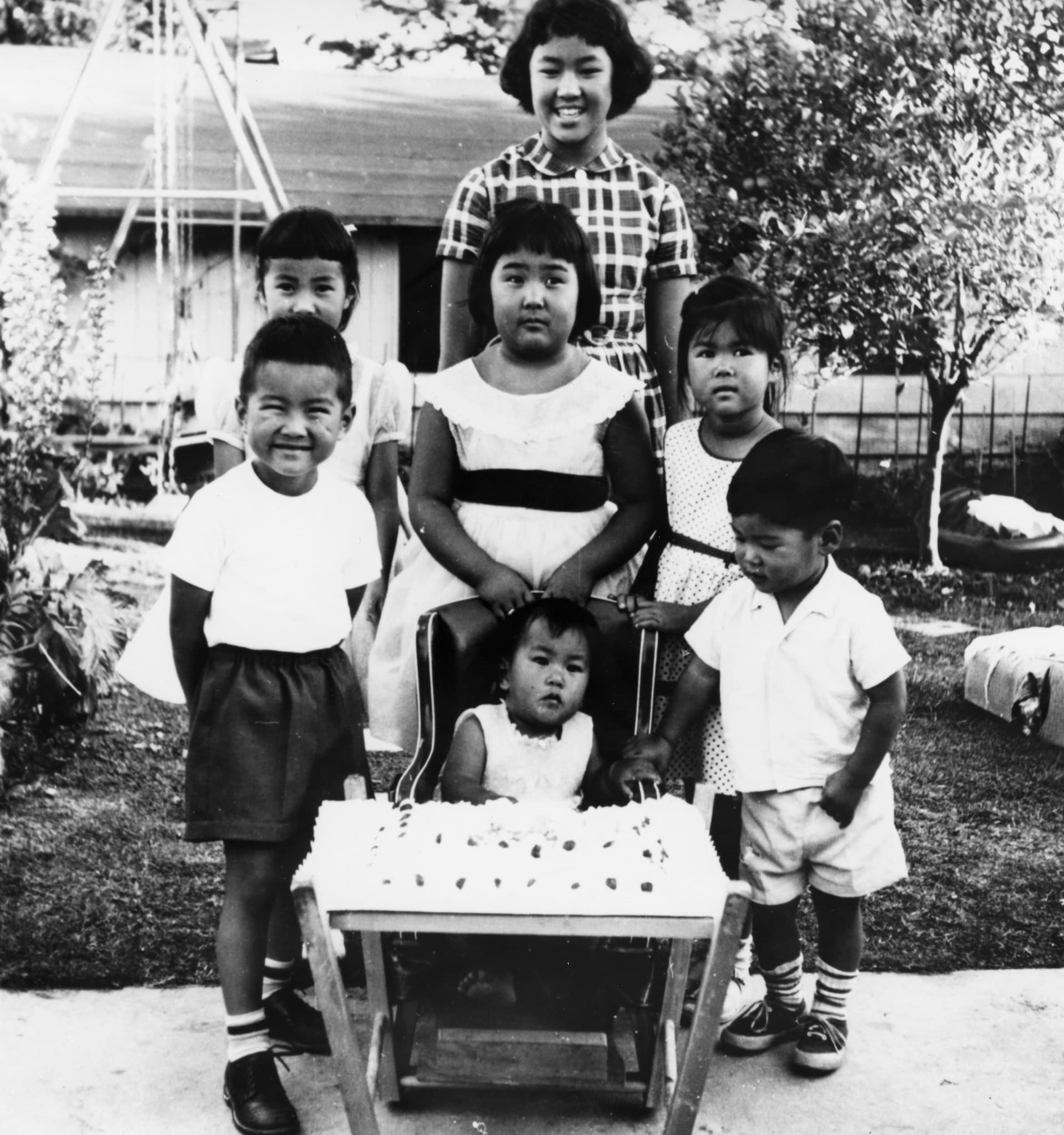
Japanese American Children
Many Nisei strove to assimilate and to provide their Sansei (third-generation Japanese Americans) children, like those pictured in this 1956 photo, opportunities to succeed in American society. Many Sansei grew up unaware that the U.S. government had imprisoned their parents and grandparents.
-
Text
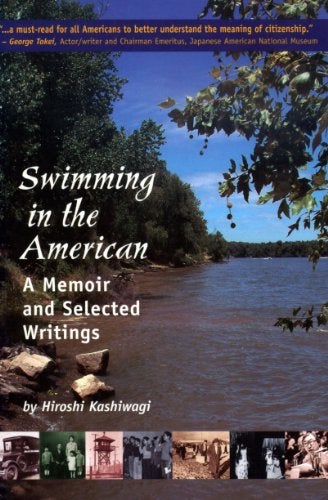
Swimming in the American
In this essay, Hiroshi Kashiwagi describes how attorney Wayne Collins painstakingly helped to secure the U.S. citizenship of thousands of Nisei, like Kashiwagi, who had renounced their citizenship under duress at the Tule Lake camp. Kashiwagi also recounts the circumstances of his renunciation and why he reacted negatively to the “loyalty questionnaire.”
-
Image
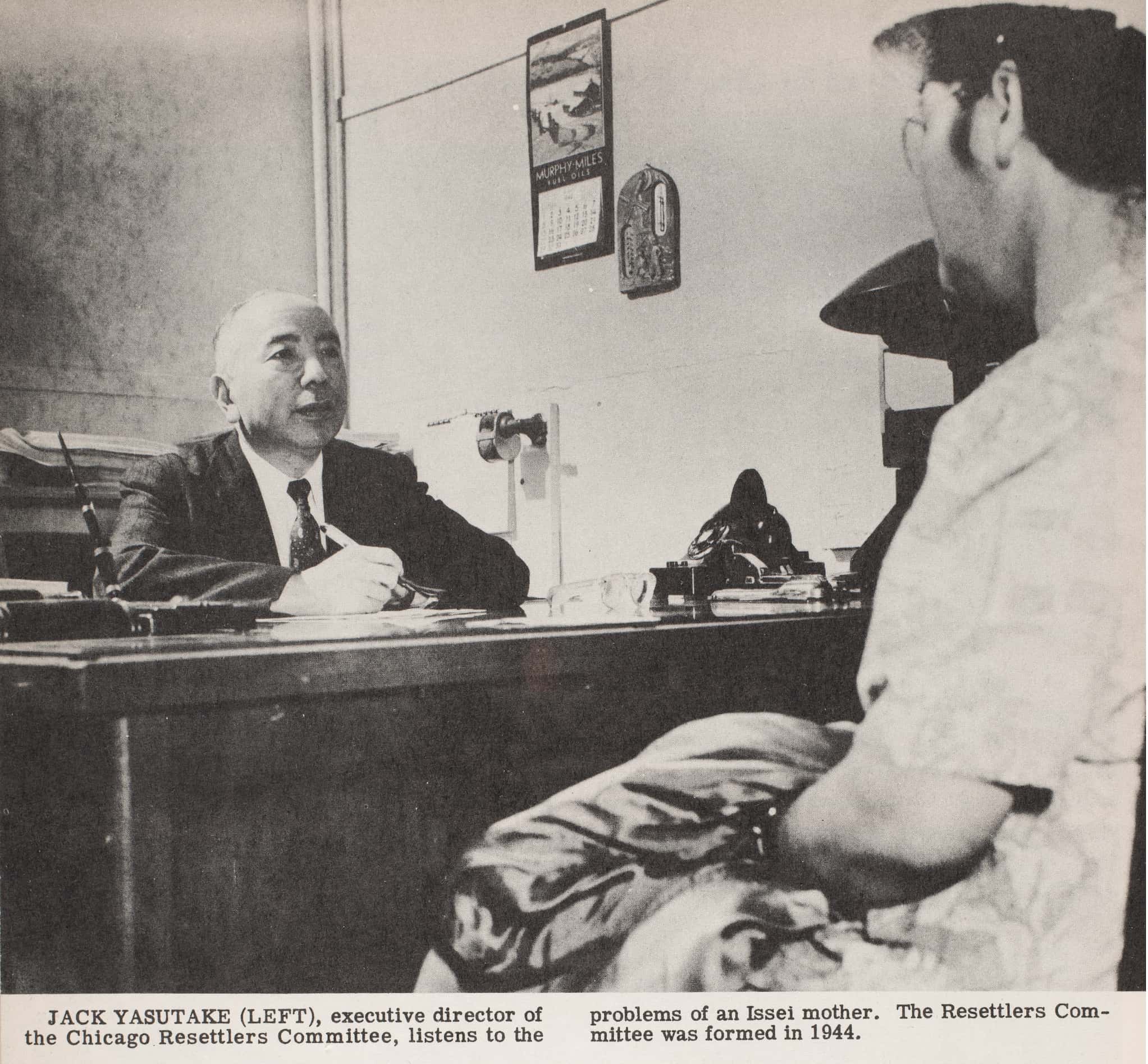
Chicago Resettlement Committee
In 1945, Japanese Americans formed the Chicago Resettlers Committee to assist former inmates find housing and jobs. In this photo, the group’s executive director meets with a person in need of help.
-
Image
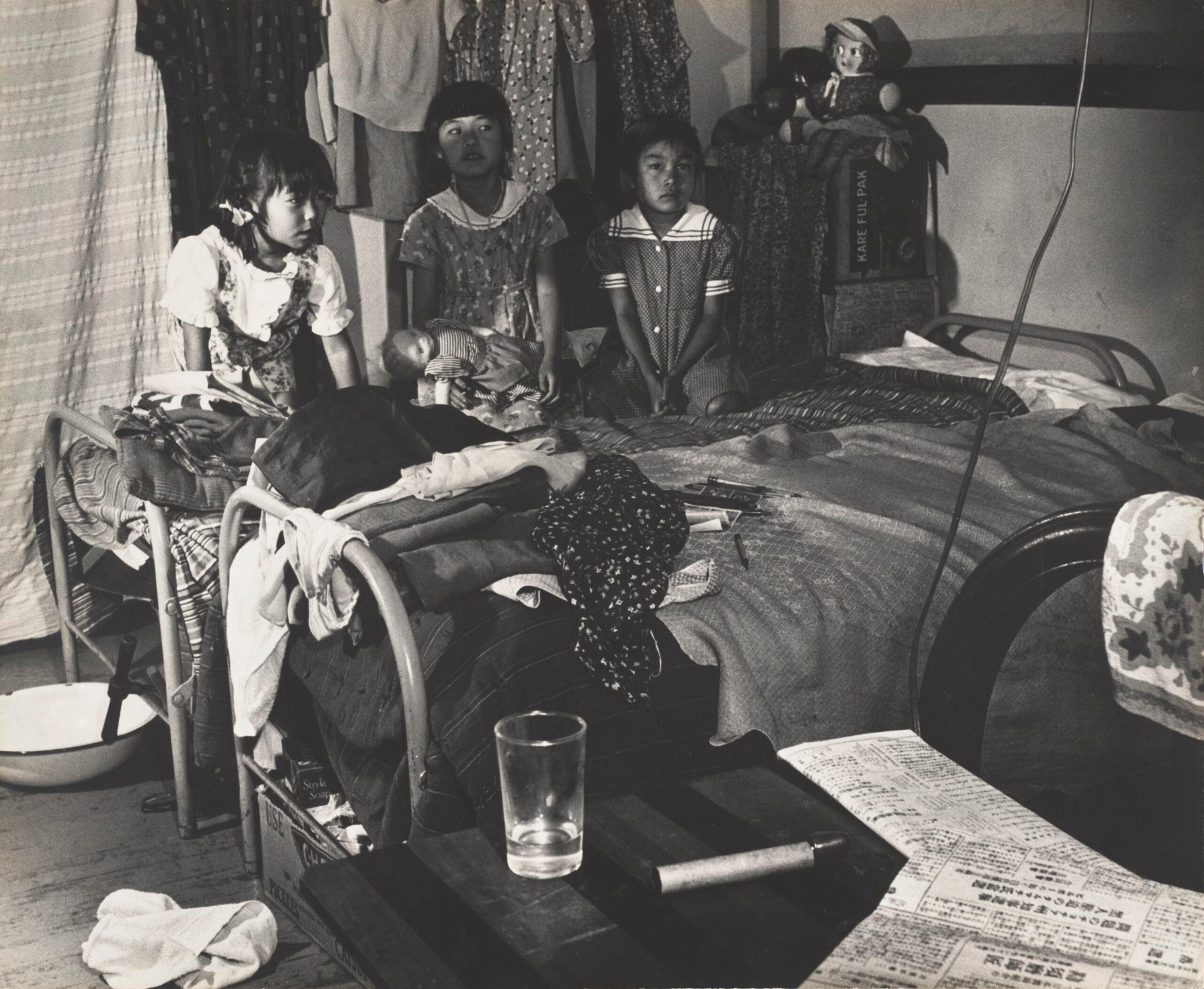
Evergreen Hotel
These girls lived in the Evergreen Hostel in the Boyle Heights neighborhood of Los Angeles after their families left camps. The hostel, one of several on the West Coast for returning Japanese Americans, provided a bed and food for $1–$1.50 a day.