





Street life of Ross Alley in San Francisco’s Chinatown depicts Chinese men with queue hairstyle, wearing hats, and shanku – shirts and trousers.
Module 1: Overview
Is it possible to be both Chinese and American?
Chinese American history spans over a hundred fifty years. Immigrants from China were the first Asian groups to immigrate to the United States in large numbers, and they remain one of the largest Asian American ethnic groups today. With such an extended history, it should be no surprise that Chinese immigrants have shaped and transformed the United States.
Chinese people have contributed to the economic and political development of the United States, from aiding industrialization to participating in labor organizing, unions, and civil rights movements. Because most early immigrants from China settled in California and the West, the Chinese populations developed these areas by working as miners, farmers, loggers, fishers, and railroad builders. They also worked as domestic servants, launderers, cooks, and healers. They were essential laborers, but anti-Chinese racism and discriminatory policies affected their treatment and ability to move freely.
This module offers a brief overview of the long history of Chinese people in the United States. By learning about their lives, we can trace the fluctuating, often volatile relationship between China and the United States. For example, wartime alliances and divisions often affected immigration, employment opportunities, and everyday living conditions for Chinese Americans. This chapter also explores the experiences of Chinese communities at the individual, familial, and community level, as well as in legal and professional circumstances.
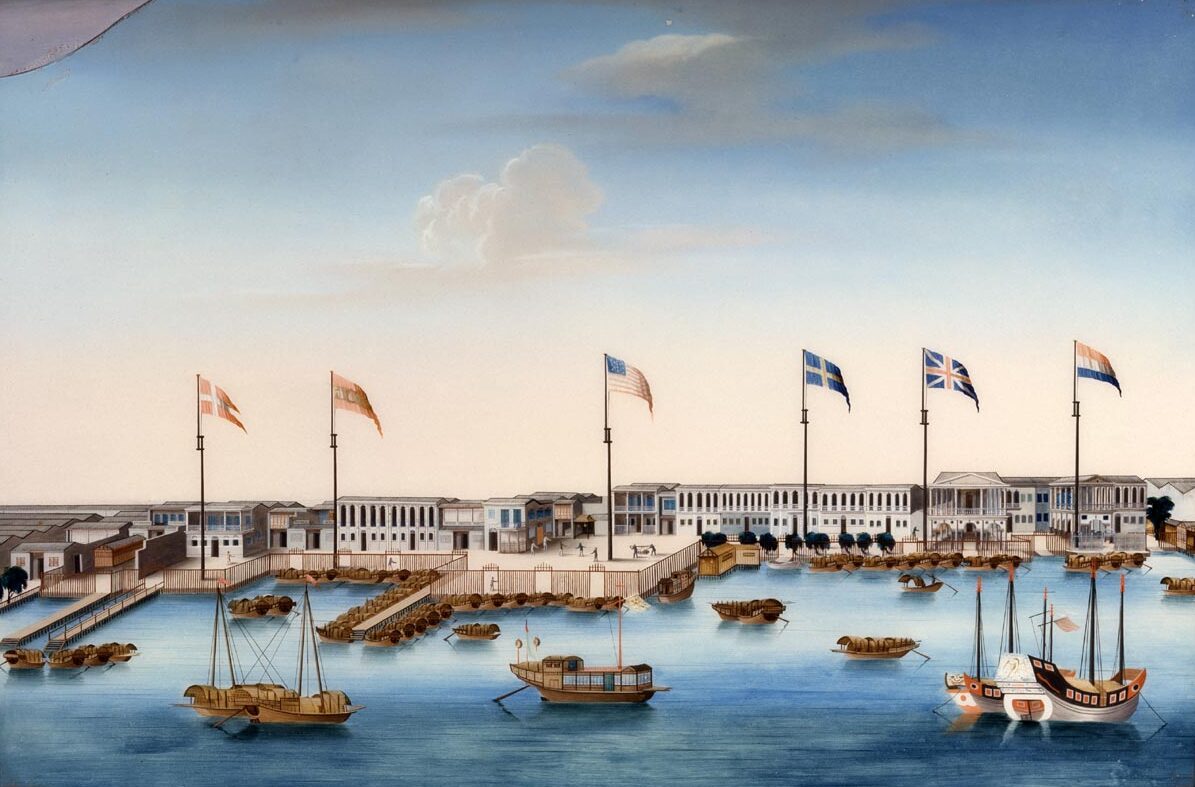
Image 09.01.01a — Canton Harbor and factories (with foreign flags, 1805) was a port on the banks of the Pearl River in Guangzhou that became China’s main trading hub with the West.
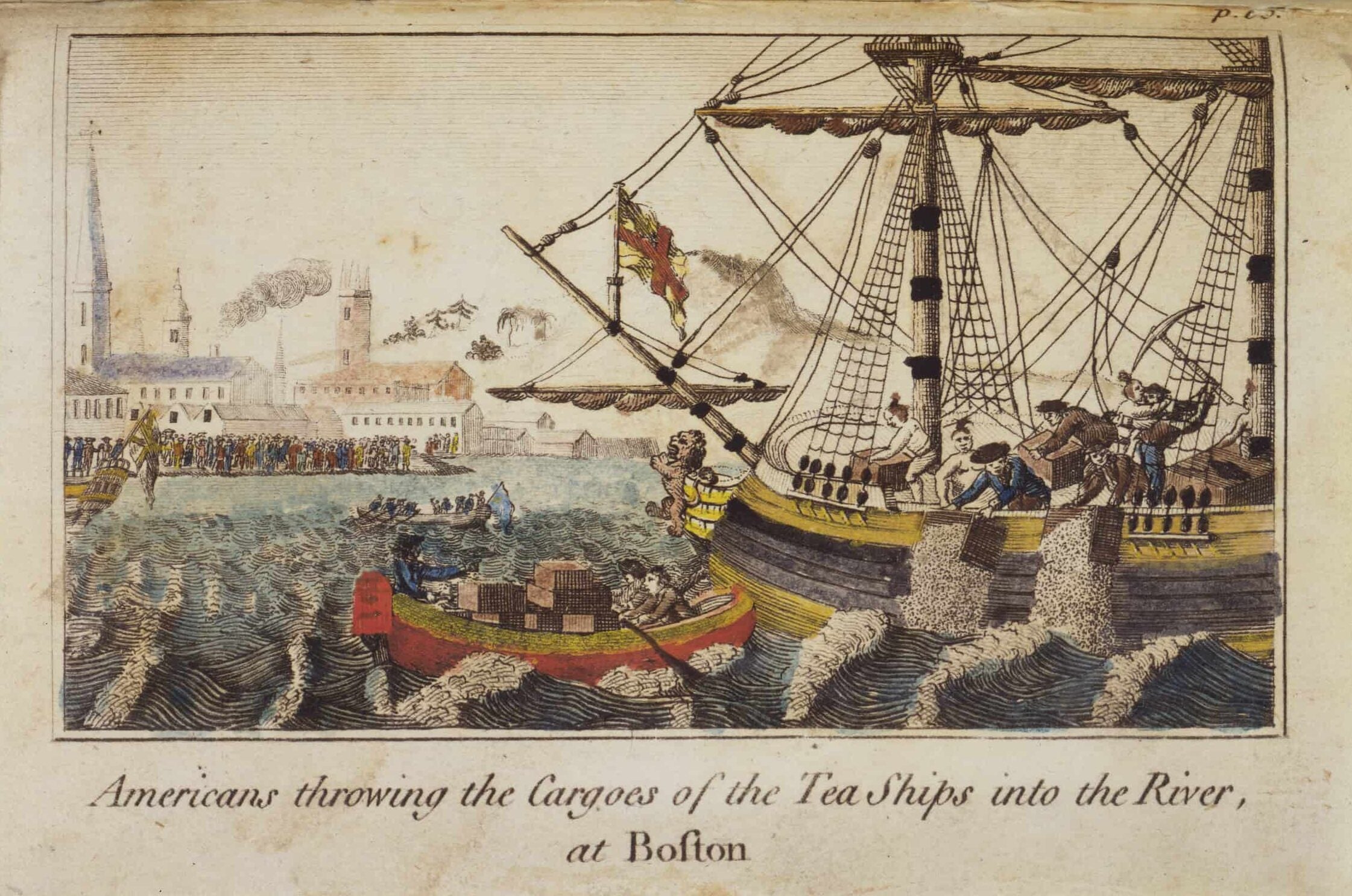
Image 09.01.01b — The Boston Tea party saw Americans throwing the cargoes of British merchant ships into Boston Harbor, 1773.
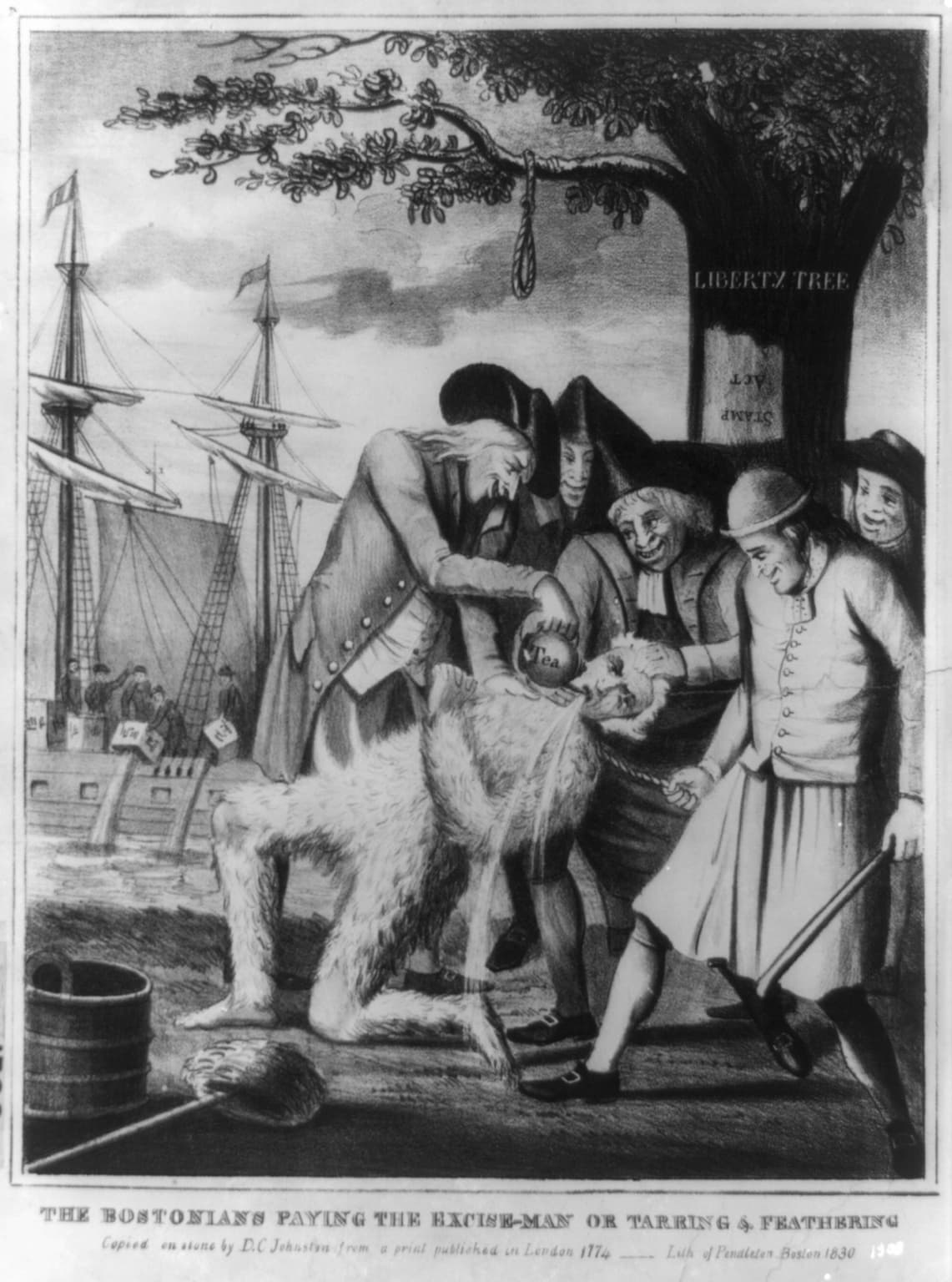
Image 09.01.01c — A Boston mob forcibly pours tea into the mouth of a Loyalist they have tarred and feathered. On the left, revolutionaries pour British tea into the harbor in response to what they viewed as oppressive taxes.



More to explore
How has labor shaped the way Chinese Americans are understood?
How do shifting relations between China and the United States affect how Chinese Americans are perceived?
How have different generations of Chinese Americans navigated their identity?
From Gold Mining to the Railroads
In 1848, the discovery of gold in California led to the first wave of mass emigration from China to the US. Between 1849 and 1852, hundreds of thousands of Chinese immigrants came to search for “Gold Mountain” in California. More than twenty thousand Chinese men worked in mining or miner services. In 1852, California passed a Foreign Miners Tax, which imposed special fees on miners who were not US citizens. The Foreign Miners Tax targeted Chinese immigrants in particular since many were not legally eligible for citizenship and tax collectors targeted enforcement on Chinese and Latino miners. At the time of its passage, many Chinese workers in the state were affected.
As the Gold Rush era ended, California turned to industrialization to develop its economy. The Central Pacific Railroad Company formed with the goal of building a railroad from California to Utah. This railroad would connect with the Union Pacific Railroad that stretched westward from Nebraska to Utah. The Central Pacific Railroad Company hired Chinese workers to work on this massive railway. As a result, Chinese immigrants built the first transcontinental railroad that connected California to the rest of the nation.
It is important to note that the labor Chinese men performed was extremely dangerous and arduous, and they were paid less than their white counterparts. In 1867, Chinese railroad workers united across work sites in the Sierra Nevada mountains and went on strike to protest low wages and poor working conditions. These early experiences demonstrate how Chinese immigrants have long defended themselves in the face of racial violence and discrimination in the US.
Agriculture and Manufacturing in the West
After the completion of the Transcontinental Railroad in 1869, thousands of Chinese people were out of work. They soon found opportunities in the growing agricultural and manufacturing sectors across the West, especially in California. As Chinese immigrants continued to develop the land and economy of this newly incorporated state, they faced mob violence and discriminatory policies.
Chinese agricultural workers helped produce wheat, and later, fruits and vegetables. California’s economy flourished because of this labor. Chinese farmworkers faced low wages and exploitation in these jobs. In addition, white growers took the credit for this economic success, boasting self-reliance and concealing the essential and substantial labor force behind this success.
Other Chinese immigrants also found work in San Francisco’s factories, handling shoes, wool, tobacco, and other labor-intensive jobs. Even though these jobs required significant time and energy, they paid very little—and Chinese people were paid even less than their white counterparts. Seeking to work independently and on their own terms, some Chinese men started their own laundry service businesses.
There was a major gender imbalance of Chinese immigrants, with men comprising most of the immigrant population. However, starting in the mid-nineteenth century, and owing to political instability in China, many Chinese women were kidnapped, trafficked, and sold into sexual slavery in the United States. Some were forced into the sex industry, and others decided to earn incomes doing sex work, depending on their resources and living conditions. Instead of offering protection to these trafficked women and vulnerable workers, the US government passed its first immigration restriction law, Page Act of 1875, to curb the influx of sex workers.
The general public also imposed gendered stereotypes on Chinese men and women. The media and white American public called Chinese men weak and not “masculine” because they did laundry services, which was considered “women’s work.” Public narratives also characterized Chinese women as immoral “prostitutes.” Neither stereotype served to address the harsh labor conditions and treatment of Chinese people, but rather stigmatized them and justified violence against them.
The Chinese immigrant population concentrated in San Francisco, California, and the community soon developed into a Chinatown. San Francisco’s Chinatown is one of the largest and most famous ethnic enclaves for Chinese immigrants and their descendants. While many Chinatowns formed due to racial segregation limited where they could live, Chinatowns in other cities across the United States became important hubs for immigrants to live and find work. They were also vital places for Chinese immigrants to form communities and to protect each other, particularly during the Chinese exclusion era.
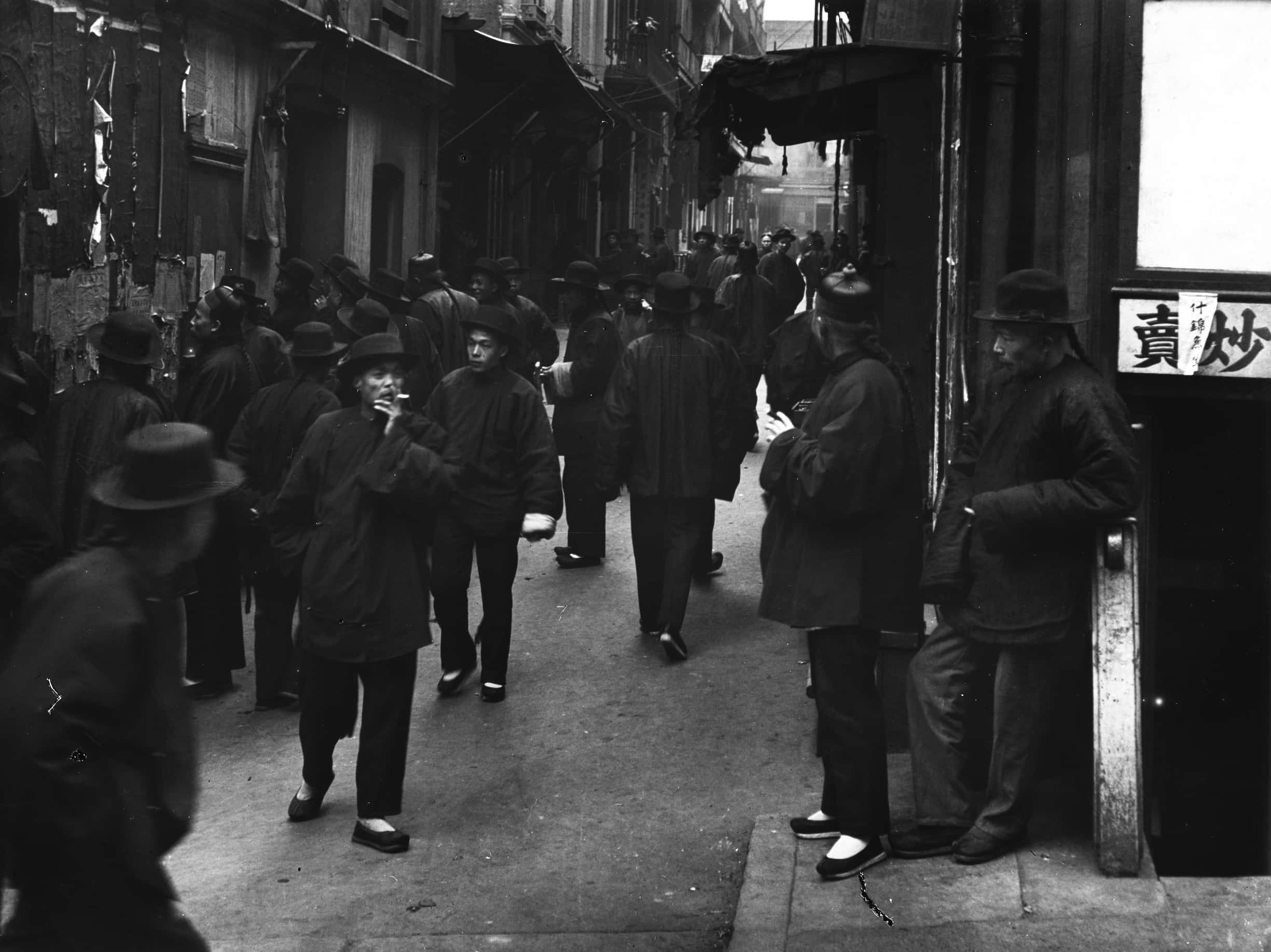
Image 09.01.02 — “The Street of the Gamblers (Ross Alley)” reveals street life in San Francisco’s Chinatown, 1898. Chinatowns became important places for Chinese immigrants to live, find work, and form communities.
Chinese Exclusion Era
The Chinese exclusion era (1882–1943) began with the passage of the Chinese Exclusion Act of 1882. White-led labor unions, hoping to eliminate labor competition, played major roles in passing such legislation. The US government gradually began regulating immigration through new processes and built detention centers such as Angel Island Immigration Station, located in the San Francisco Bay. The new immigration system required people to go through invasive medical examinations, interrogations, and long confinements. Immigrants from multiple countries went through Angel Island, but most of the incoming population was Chinese, who also had the longest detainments.
The Chinese Exclusion Act had major social and cultural impacts on the Chinese immigrant community. The overall population decreased in size as a result of the act, but Chinese people found ways around these restriction policies. The exclusion laws legally barred Chinese people from entering the country, but they never fully kept Chinese people out of the United States. These laws would eventually be repealed but would resurface again in future laws, including immigration restrictions and border control targeting other Asian groups as well as Latin American arrivals.
A Second Generation Comes of Age
In the early twentieth century, after decades of restriction and exclusion laws, a substantial group of second-generation Chinese Americans came of age. They navigated family pressure, racism, and apprehension about the future. Many broke barriers and created places of belonging for themselves.
Many Chinese children experienced racist bullying at US schools. Community activist Eva Lowe recalled frequent fights between Italian and Chinese boys in San Francisco’s streetcars after school, and the white girls at her high school refused to sit at tables where Chinese students ate their lunches. In places that had established Chinatowns, such as San Francisco and Los Angeles, Chinese American high school students organized their own social clubs, parties, and dances.
Some young Chinese American adults felt a generational divide, sometimes clashing with the values of their households and families. Journalist and writer Flora Belle Jan, who had grown up in Fresno, California, expressed the frustration she felt with having to be a “good Chinese girl” in the eyes of her immigrant parents. “I am an American and I can’t accept all the old Chinese ways and ideas,” says Jan. 1 Young women tended to face more parental restriction and domestic responsibilities than young men.
For those who could afford college, Chinese Americans created more inclusive spaces there. For example, some universities banned Chinese students from living in the dorms, so students set up their own residences. Restricted from joining existing fraternities and sororities, Chinese Americans also formed their own.
After graduating high school or college, second-generation Chinese Americans had difficulty finding work. Some worked for Chinatown businesses, while others worked for white-owned businesses as “exotic” employees, wearing Asian costumes at restaurants. Some were able to find jobs relevant to their educational background, but they still faced racial discrimination in the workplace. During the Great Depression, in the 1930s, jobs became even harder to find. Some thousands of this generation moved to China for work—until the onset of World War II and Japanese occupation forced them back to the United States.
US-China Alliances and Divisions
As the United States entered global conflict during World War II, China became a vital ally in the war with Japan. Because of this, Chinese Americans experienced more job opportunities and an overall shift in attitudes about them within the country. Thousands joined the war effort, serving in the US armed forces and non-combat units. Others built and maintained warships and aircraft.
In 1943, Congress finally repealed the Chinese Exclusion Act of 1882. Although the immigration system still had restrictive quotas, this marked a new beginning for the Chinese American community. The repeal, along with the subsequent passage of the War Brides Act of 1945 and the War Fiancées Act of 1946, allowed more Chinese immigrants to enter the United States. Families that had previously been separated could finally reunite. More women, children, and educated elites arrived in the US, and the Chinese American population increased dramatically.
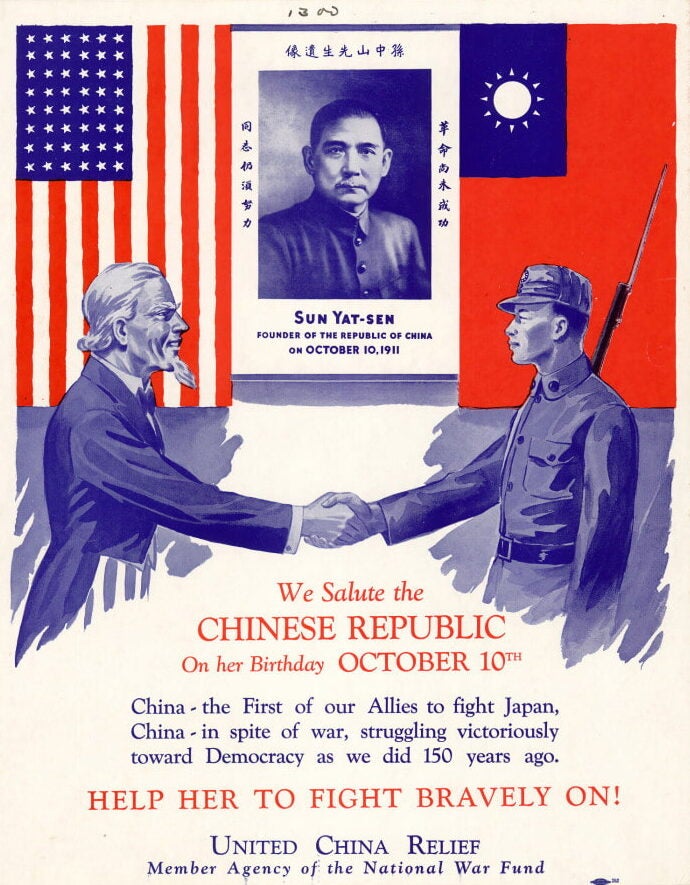
Image 09.01.03 — An American poster from 1942 advocating foreign aid for China, a key ally of the United States against Japan during World War II.
However, after World War II ended, this US–China alliance gradually eroded during the Cold War Era. During this period of conflict and tension between capitalist Western nations and Communist nations, the US found itself at odds with China and its rising Communist party. In 1950, the party’s leader, Mao Zedong, formed an alliance with the Soviet Union. Additionally, the Korean War (1950–1953) led to clashes between the US, which supported South Korea, and China, which supported North Korea.
As a result of these increasing tensions, Chinese Americans once again became suspect in the eyes of the wider American public. The Federal Bureau of Investigation (FBI) and the US Immigration and Naturalization Service (INS) placed the Chinese community under surveillance, suspecting that there were spies among them. Agents harassed and interrogated people in Chinatowns, even pulling children from schools to question them. Chinese Americans were subject to arrest, interrogation, and deportation—even if they were US citizens.
Contrary to this treatment, the US media began publishing articles praising Chinese Americans as exemplary minorities, raising their children to be exceptional students and community members. Whether they were praised for their individual accomplishments or vilified for their proximity to China, neither image captured the complicated experiences of Chinese Americans. Despite repressive policies, state violence, and racial stereotypes and narratives, Chinese Americans continued to form families, households, friendships, and communities.
Contemporary Chinese America
Since the passage of the Immigration and Nationality Act of 1965, the Chinese American community has increased exponentially. Both the complex history of Chinese Americans and the growing population in more recent years have shaped and expanded the community’s understanding of cultural identity. While most immigrants in the 1850s arrived from southern China, Chinese Americans today can trace their lineage to all over mainland China, but also Taiwan, Vietnam, Malaysia, and other nations.
Not only do Chinese Americans hold diverse lineages, but this population also has vast differences in class and education. There are some who have elite educational experiences, and others who did not attend college. There are some who are wealthy, and others who live in poverty.
The population has also spread out over time. While early immigrants clustered in Chinatowns, recent generations live in a wide range of locations. Though most live in major metropolitan areas, there are also significant Chinese American communities in smaller cities. Many resettled in suburbs, which are residential neighborhoods farther away from city centers. Chinatowns also remain an important hub for jobs, goods, and services for the community, particularly those with limited English proficiency.
Despite their immense growth, Chinese Americans continue to face racism, violence, and government surveillance. For example, in the 1990s through recent years, the US government has suspected Chinese American scientists of trading military intelligence with China, with almost all these accusations having been proven false. At the onset of the global COVID-19 pandemic in 2020, President Donald Trump often referred to the virus as the “China virus” or “Kung flu,” encouraging the American public to blame China for the crisis. By extension, Chinese Americans, and Asian Americans more broadly, experienced heightened levels of racism and violence during this period. A majority of this violence was aimed at elders and women.
With such a long history in the United States, Chinese Americans have contributed significantly to the country’s development, growth, and economy. Despite facing discrimination, violence, and racism, the community still took root and grew. They created ways of life around the exclusion laws against them, started their own businesses when workplaces discriminated against them, built their own support networks, and rallied together to fight for justice and equality.
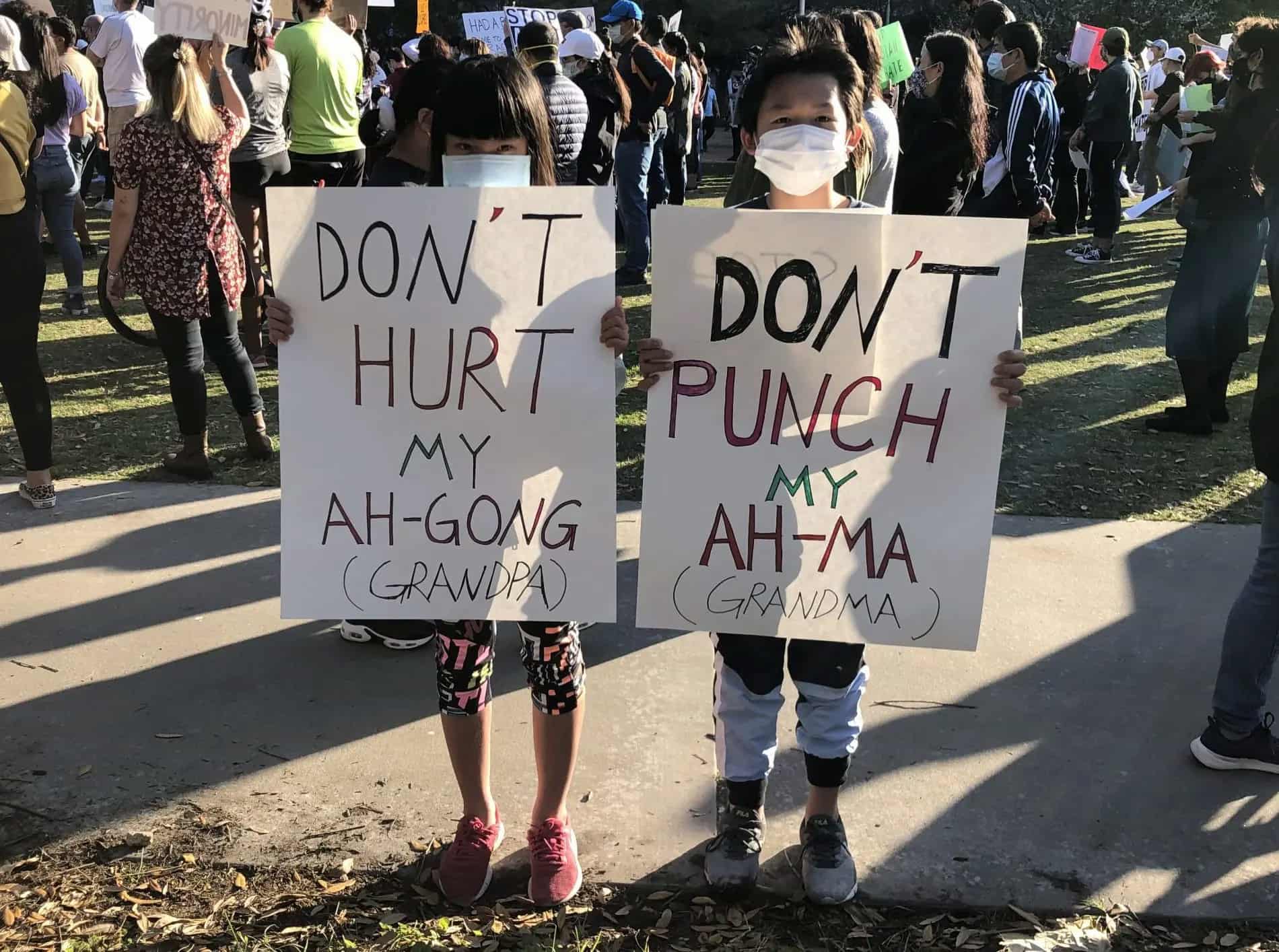
Image 09.01.04 — Two children rally against anti-Asian violence in Houston, March 2021. Asian Americans experienced heightened levels of racism and violence during the COVID-19 pandemic.
Glossary terms in this module
Central Pacific Railroad Where it’s used
The first railroad to connect California to the rest of the US. Thousands of Chinese laborers were employed at very low wages and subjected to harsh working conditions to construct the most dangerous parts of the railroad.
Chinese Exclusion Act of 1882 Where it’s used
Considered the first significant piece of legislation to restrict immigration into the United States, this federal law prohibited the immigration of Chinese laborers for ten years.
Cold War Where it’s used
A period of tensions and global competition between the United States and the Soviet Union between the end of World War II and the collapse of the Soviet Union in 1992.
Communism/Communist Where it’s used
A political economic system and ideology where the means of production are owned collectively and there is no class differentiation.
human trafficking (trafficked) Where it’s used
The act of transporting a person using threats or coercion with the purpose of exploitation. A key part of trafficking is the lack of autonomy the individual has in being transported. Human trafficking can take forms beyond sexual exploitation, such as forced labor.
Immigration and Nationality Act of 1965 Where it’s used
This act, also known as the Hart-Celler Act, abolished discriminatory national origins quotas and replaced it with immigration system based on family relationships and job skills. The law significantly increased immigration from Asia.
Page Act of 1875 Where it’s used
Considered the US’s first restrictive federal immigration law, the act restricted immigration from Asia, specially targeting Chinese women among others, including anyone considered “undesirable,” such as prostitutes and convicted criminals.
Endnotes
1 Judy Yung, Unbound Feet: A Social History of Chinese Women in San Francisco (University of California Press, 1995), 123.