




Flyer for the 2015 CCF with information on date and time at center. In each corner there are four different photos of people and a sakman.
Module 4: CHamoru Cultural Festival
Is CHamoru migration a choice?
Cultural festivals provide a unique way of understanding a diasporic community because they enable culture and identity to change, mix, and hybridize with other cultural expressions and evolve over time. Oceanic peoples have a long history of coming together to reaffirm the strength of their communities through small and large-scale gatherings.
Festivals today are a popular means of coming together. Major gatherings include Suva, Fiji’s Festival of Pacific Arts and Culture (FestPac) established in 1972; Auckland, New Zealand’s Pasifika Festival established in 1993; and San Diego, California’s Pacific Islander Festival established in 1995. Attendees and participants in these events experience a circulation and migration of people, trade, ideas, arts, and cultures similar to what has moved throughout Oceania for millennia.
This module explores the importance of the Chamorro Cultural Festival (CCF), a celebration and commemoration of CHamoru culture held annually in San Diego, California, since 2009. It also explores how diasporic CHamorus maintain close connections to the Mariana Islands and is a large-scale expression of how CHamoru festivals strengthen diasporic communities.
Why do CHamorus gather at festivals?
What do the Chamorro Cultural Festival’s activities reveal about CHamoru identity?
Why is CHamoru merchandise an important part of the festival?
CHE’LU and the Creation of the Chamorro Cultural Festival
Diasporic CHamorus living in California find cultural connections to their home islands and to other Micronesian communities in the state through community-building activities and events facilitated by local cultural organizations. The CCF was established in 2009 by the fifteen officers and board members of Chamorro Hands in Education Links Unity (CHE’LU). CHE’LU is committed to the preservation, promotion, and perpetuation of CHamoru culture, language, and health. It supports the process of building CHamoru “villages” in new geographic spaces.
The term che’lu means “sibling” in the CHamoru language. It is often used within close friendships and, at times, to show peace or a desire for friendship. Using this term for the organization’s name reflects the deep relationships among CHamorus in the US and conveys an aspiration to bring Islanders together in meaningful ways. It demonstrates a need to move away from specific island-centered identities and to be inclusive of CHamoru identities more broadly. With a unified diaspora in mind, CHE’LU set out to create the largest gathering of CHamorus outside of the Mariana Islands through its festival.
The CCF provides an opportunity for attendees to commemorate the common history of different CHamorus groups through relationship-building with other CHamorus. Starting in 2010, CHE’LU began scheduling the CCF in March to coincide with Chamorro Month in Guam (Guåhan) as a way of reflecting the strong connections between those in the diaspora and those in the home islands. The Guam Visitors Bureau (GVB) and Marianas Visitors Authority (MVA) are sponsors of the festival. Every year, thousands of CHamoru pour into San Diego, California, traveling from all over the US, the Marianas Islands, and even the Middle East (where some CHamoru soldiers are stationed) to experience the CCF’s offerings of foods, art, performances, workshops, culturally-based activities, and vendors of identity merchandise.
In 2017 CHE’LU’s former chair, David Atalig, served as the festival’s master of ceremonies and offered the prize of a T-shirt for the person who had traveled the farthest to attend the festival, saying:
“Some people say they came from Iraq because they’re in San Diego on their leave. But they know they’ve made their leave during CCF … People fly in from the Bay Area or Vegas. People drive from Vegas, Arizona, Texas … We have a large percentage [of attendees] coming from more than fifty miles away.” 1
CHamoru Identity Making at CCF
The first CCF in 2009 attracted about 1,500 attendees. From 2009 to 2013, the one-day event was held at the Jacobs Center for Neighborhood Innovation, located about four miles east of the San Diego Bay and the North Island Naval Air Station. The swelling support for the festival and its growing attendance necessitated a move to a larger venue and longer duration.
From 2014 to 2022, the festival extended to three days and moved to the campus of the California State University, San Marcos. In 2019, over ten thousand people attended the festival, the vast majority from throughout the CHamoru diaspora, including the Mariana Islands. The first two days were exclusively for festival events, and the third was a conference for traditional CHamoru dancing and chanting led by Uno Hit (“We Are One”)—an educational program of the CHE’LU, teaching CHamoru youth in the diaspora about their histories, values, and language through cultural arts.
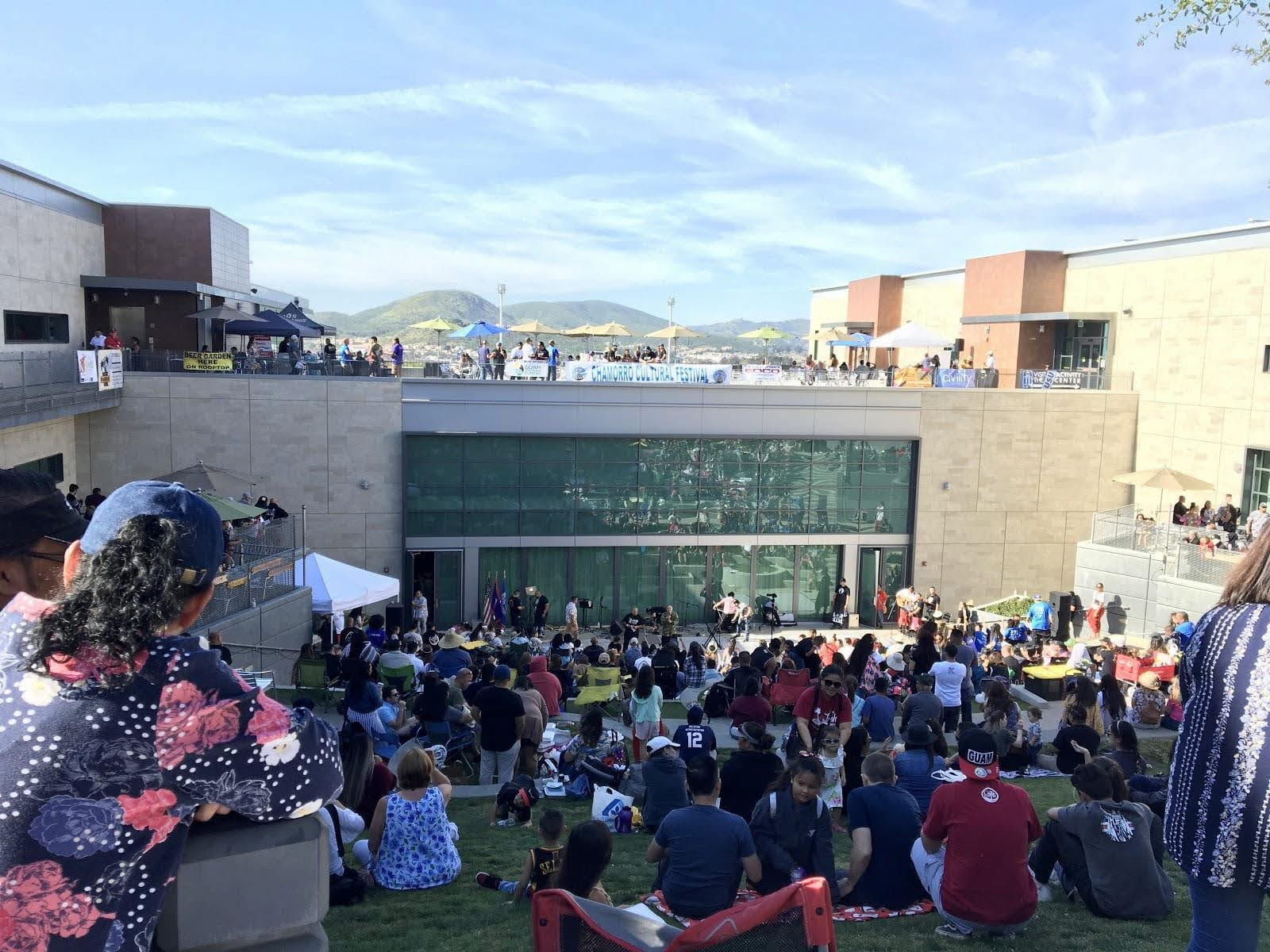
Image 21.04.02 — The CCF brings together thousands of festival attendees as seen in this picture from 2019 at California State University, San Marcos.
An important part of understanding how the CCF bridges diasporic CHamoru communities and those within the Mariana Islands is through its festival program booklet. Beginning in 2016, the GVB and MVA began including messages in the festival program to congratulate CHE’LU on the event and to welcome CHamorus back to the Mariana Islands.
The GVB and MVA support the filming of the festival’s musical performances, interviews with cultural practitioners, and other events at the CCF, making them available online for worldwide viewing. They also distribute promotional giveaways at their booths. Their presence at the festival helps to mitigate the feelings of separation on the part of CHamorus, who see themselves severed from their homelands due to the islands’ political statuses with the US.
The CCF, as an annual experience, provides an enduring space for CHamorus in the diaspora to think through their relationship to home as well as their relationship to one another, often bridging gaps created by historical political ruptures.
The CCF Offers a Learning Experience
The majority of the CCF program booklet is dedicated to promoting the cultural workshops scheduled. These workshops typically include lessons on how to kamyu (grind coconut); weave, build, and navigate canoes; carve ifit wood and shell jewelry; play the belebaotuyan (a CHamoru musical instrument); make amot (medicine); and maintain health and fitness.
The majority of the workshops feature CHamoru vocabulary and short educational lessons to ensure learning continues beyond the festival. For example, the program announcement for the “Kutturan Leksion—Sakman Workshop” (Cultural Lesson—Canoe Workshop) highlights how the cultural practitioners for this activity will talk about the historical significance of wayfinding for CHamorus.
The festival’s activities incorporate discussions on how science, technology, engineering, and mathematics (STEM) are critical components of building a sakman (canoe) and making it a reality. The display of a sakman (also known as a flying proa), a traditional CHamoru outrigger sailing vessel, also reinforces CHamoru histories and cultural ties.
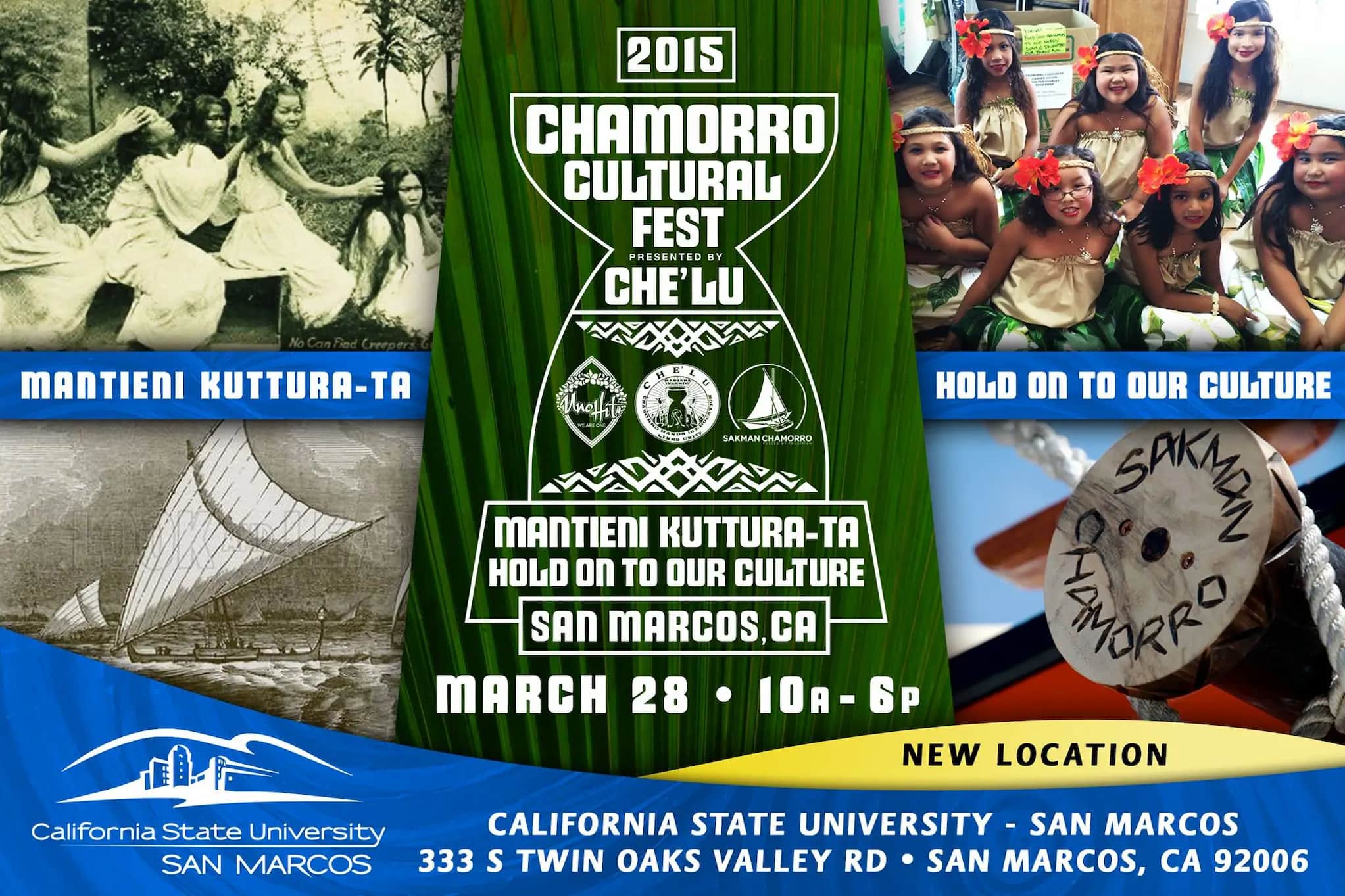
Image 21.04.03c — Although programs and flyers for the CCF change in design from year to year, they consistently emphasize cultural celebration and connections to the Mariana Islands.

For CCF attendees, learning is dynamic and engaging. Cultural practitioners share their contemporary CHamoru identity, which is deeply fixed in a common genealogy and heritage. Native communities still greatly admire the traditional skill competence they associate with cultural identity. For many, historical artifacts serve as anchors to the values of the past that can be resurrected in the present through study.
The skills of the cultural masters and the work that they help others to create during the festival play a major role in affirming CHamoru identity. The interest in learning these skills also underscores the importance of these activities for CHamorus in the US who are seeking ways to create relationships and strengthen ties with the Mariana Islands. The collaboration between CCF attendees and cultural practitioners reaffirms the desire to maintain connections to other CHamorus as well. These workshops help to strengthen different parts of CHamoru identity through access to cultural traditions and practices and to water the roots from the home islands while strengthening diasporic CHamoru communities.
A Meeting Place and a Market Place
Diasporic CHamoru experiences are grounded in Indigenous epistemologies, histories, languages, and cultural values, but are also subject to changes in their new geographic contexts. For CHamorus in California, material culture is a means of expressing their Indigeneity and connection to their home islands.
As an identity-based festival, CCF provides an opportunity to purchase objects from CHamoru-owned businesses. Diasporic CHamorus who might not have the ability to return to the home islands are able to express cultural pride through their purchases. At the festival, purchasing clothing, food, and cultural objects is not a superficial expression, but, rather, a mode of identity formation and reaffirmation of cultural roots and traditions.
The 2016 CCF had eighty-three vendors, many traveling on a Pacific Islander festival circuit through California and Arizona. David Atalig notes the enthusiasm for CHamoru-related objects and clothing on the part of sellers and buyers alike, saying that when you see someone wearing or using CHamoru merchandise:
“[Y]ou know they’re CHamoru … It makes people connect. Today’s capitalism created brands that identify with a race or a group of people. So we try to use that to market. We try to get those companies to come. It helps build an identity, bringing people together.” 2
CHamoru and other Islander-owned brands emerged as a way for Pacific people to literally wear their ethnic and regional identities on their sleeves. A piece of apparel helps to signify that the person wearing it is a member of a specific Pacific ethnic group. It also denotes the person’s positionality as an Indigenous Pacific person, a way Islanders can maintain connections with the Mariana Islands.
Purchasing identity clothing can be interpreted as taking a political and resistant stance to an outsiders’ understanding of the Pacific. It makes a claim to land, space, identity, and enables new ideas of what it means to be from the Marianas. Through ownership of aesthetically-pleasing, thought-provoking designs with regionally-specific motifs and references to CHamoru language and proverbs, CHamoru consumers can represent themselves in ways that are empowering and project cultural-pride and belonging to a place.
CHamoru brand names available at the festival, including Crowns, Magas, and Låguas & Gåni, validate the consumers’ ethnic roots and identify them as part of a larger Oceanic region. It is important to note that some of these clothing companies are based in the Mariana Islands and that their products, therefore, make a figurative migration to the US through the festival circuit, helping diasporic CHamoru communities connect to the islands.
The CCF mobilizes diasporic CHamoru communities; it opens a space to reflect on cultural histories and how they are woven into the fabric of their contemporary existence. While there are rich displays of culture and tradition, the festival has yet to fully incorporate spaces for contestation and engagement with CHamoru colonial histories. The CCF is the largest gathering of CHamorus outside of the islands. Therefore, it can offer a unique space to explore and engage with the hard realities of colonialism in the Mariana Islands and facilitate healing and hope for attendees and participants.
As the author of this chapter, I’m comforted in knowing that I am one of many Islanders abroad that bring “home” with them wherever I go. I am expanding the understanding of what the Mariana Islands are and finding new and innovative ways to stay grounded in my CHamoru roots. American colonialism has forced a process of severe disconnection from our culture and history and prompted an outmigration in numbers that I have never experienced before. Yet, I see our stories from the diaspora as a means of mending these colonial ruptures and of better understanding the various experiences of CHamoru throughout Oceania and beyond.
Glossary terms in this module
colonialism Where it’s used
The process in which one country or people controls another place or people through partial or full political control for an extended period. Colonialism has lasting economic, social, and cultural effects even after the period of formal colonization is over.
diaspora Where it’s used
The dispersal, movement, migration, or scattering of a people from their established or ancestral homeland.
material culture Where it’s used
The physical objects, resources, and spaces that people use to define their culture. Examples of material culture consists of tools, art, buildings, and any other ponderable objects produced or used by humans.
Oceania Where it’s used
Region made up of thousands of islands throughout the Central and South Pacific Ocean, including Australasia, Melanesia, Micronesia, and Polynesia.
proa Where it’s used
A type of CHamoru voyaging canoe.
wayfinding Where it’s used
The process of orienting and traveling from place to place.