




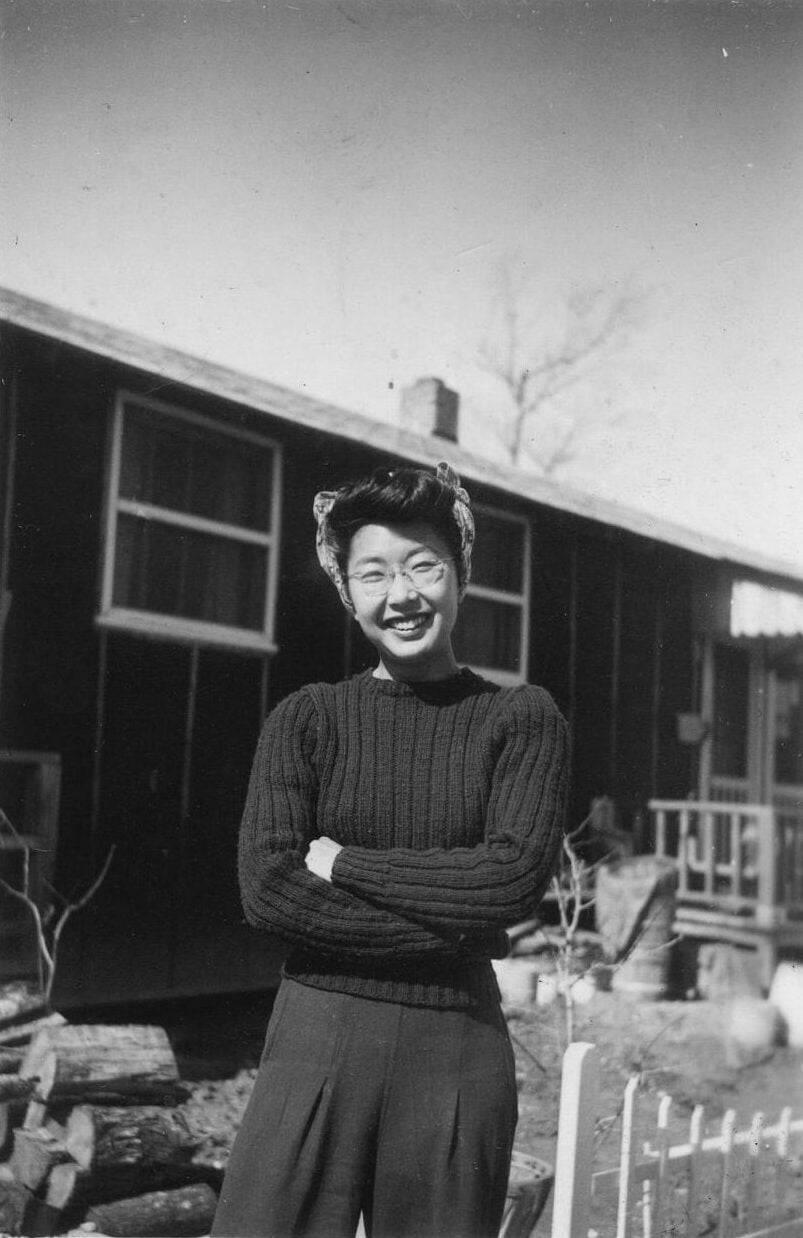
Japanese American Yuri Kochiyama dressed in a wool sweater, slacks and head scarf, smiles with arms crossed in front of the barracks in Santa Anita.
Module 1: Overview: Digital Exhibition
Do Yuri Kochiyama’s life experiences explain her political consciousness, solidarity, and activism?
This chapter begins with a digital exhibit on the extraordinary life and activism of Yuri Kochiyama. The exhibit utilizes the extensive materials in the Yuri Kochiyama archival collection gathered by the Asian American Studies Center of the University of California, Los Angeles. The primary source documents, letters, and artifacts allow for deeper exploration and research into Yuri Kochiyama’s legacy. The digital exhibit was curated to offer an overview of Yuri’s life with attention to some of the most significant moments in her life and themes of her activist practice.
What were pivotal moments in Yuri Kochiyama’s life that moved her to participate in actions and mobilize for change?
How did the forces of history shape Yuri Kochiyama’s consciousness?
In what ways did Yuri Kochiyama’s political consciousness and activism evolve throughout her life?
Yuri Kochiyama
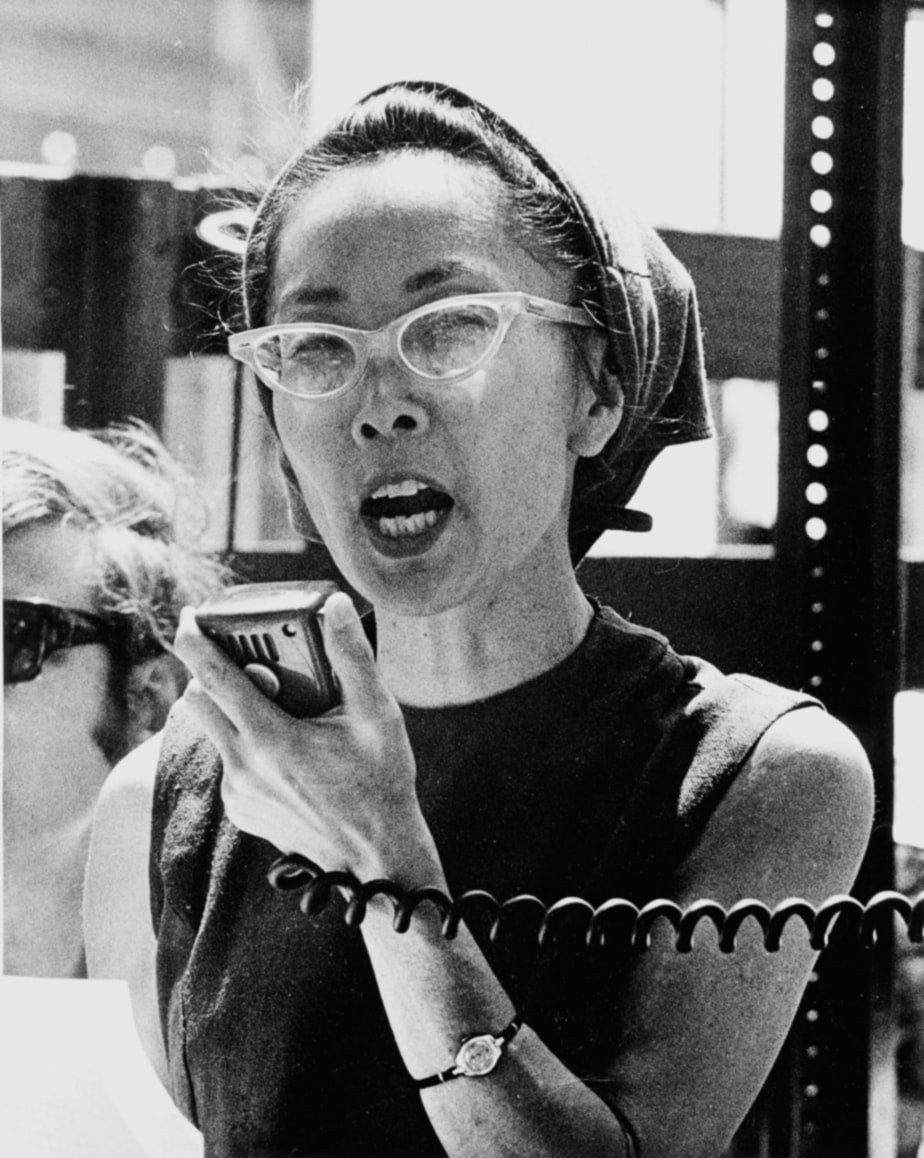
Image 38.01.01 — Yuri Kochiyama at Central Park anti-war demonstration, c. 1968.
Yuri Kochiyama (1921-2014) is one of the most distinguished Asian American activists of the 20th century. She is best known for her work promoting Afro-Asian solidarity.
Her experiences living in US concentration camps during World War II gradually shaped her social consciousness. During the 1950s, she supported Asian American issues and followed the events of the emerging Civil Rights Movement. In 1960, Yuri, her husband, and six children moved to Harlem. There Yuri got involved in the Black movement and met Malcolm X.
Remember that consciousness is power. Consciousness is education and knowledge. Consciousness is becoming aware. It is the perfect vehicle for students. Consciousness-raising is pertinent for power, and be sure that power will not be abusively used, but used for building trust and goodwill domestically and internationally. Tomorrow’s world is yours to build.
— Yuri Kochiyama —
Part I
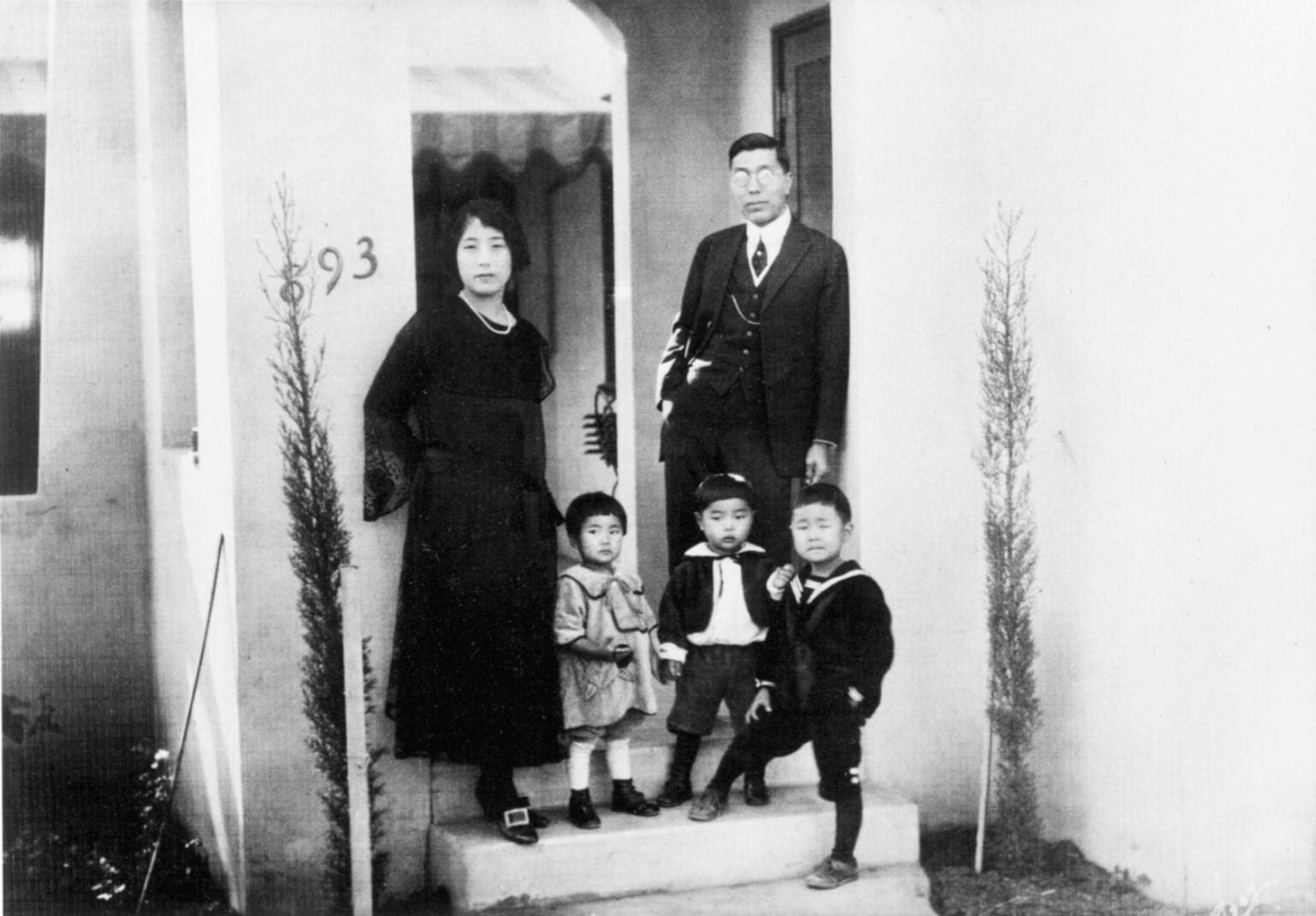
Image 38.01.02a — The Nakahara family at their San Pedro home, circa 1924. Tsuya (left) and Seiichi (right) with children Yuri, Pete and Arthur.
Mary Yuri Nakahara was born on May 19, 1921, in San Pedro, CA, the child of immigrants from Japan. Her father, Seiichi Nakahara, was a fishmerchant entrepreneur with social connections to the Japanese elite, and her mother, Tsuyako “Tsuma” (Sawaguchi) Nakahara, was a college-educated homemaker and occasional piano teacher.
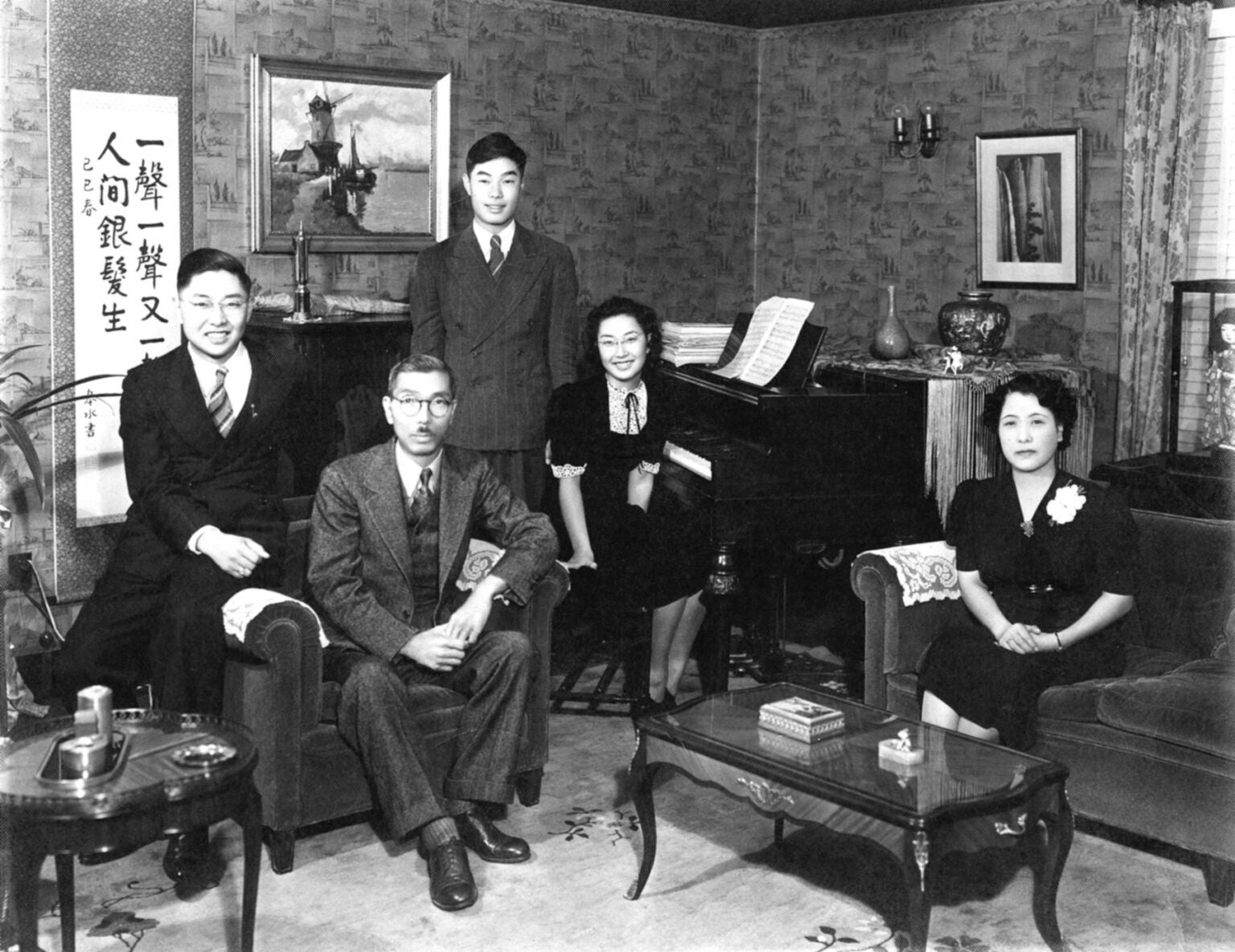
Image 38.01.02b — The Nakahara family in their San Pedro home, 1938. (From left) Arthur, Seiichi, Peter (standing), Yuri, and Tsuya.
She grew up with her older brother, Art, and her twin brother, Pete. They were part of the “Nisei” generation, or children of Japanese immigrants.
Despite their middle-class comforts, her family experienced residential segregation and other forms of racism. Anti-Japanese racism was widespread even before World War II.
Growing up, Yuri was actively involved in community service and extracurricular activities. This was a time when racism excluded the participation of most Nisei in mainstream organizations.
When she later gained an awareness of racism, these experiences would have an impact on her.
Yuri’s father had recently had ulcer surgery when the FBI agents took him away.
His health greatly deteriorated during his six weeks in detention. The government released him only when he was near death. Mr. Nakahara died the next day, on January 21, 1942, at his family home. He was 54 years old.
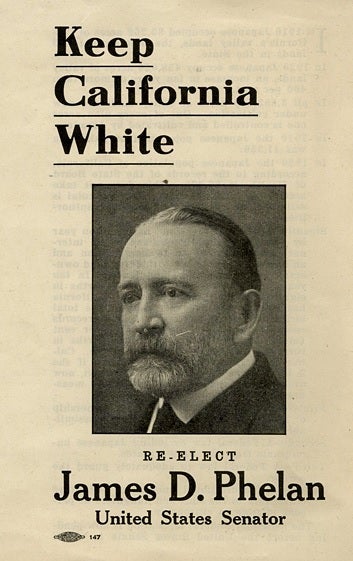
The problems for Japanese Americans did not begin with Japan’s bombing of Pearl Harbor. As early as 1900, an anti-Japanese movement began to grow. This included White supremacists wanting to “Keep California White.”
There were many laws that discriminated against Japanese Americans, including the Alien Land Act of 1913 barring Japanese Americans from purchasing land and the Immigration Act of 1924 banning immigration from Japan.
Yuri too experienced anti-Japanese racism. She couldn’t believe that people began to see her as suspect, this in her hometown where she seemed to have been so accepted.
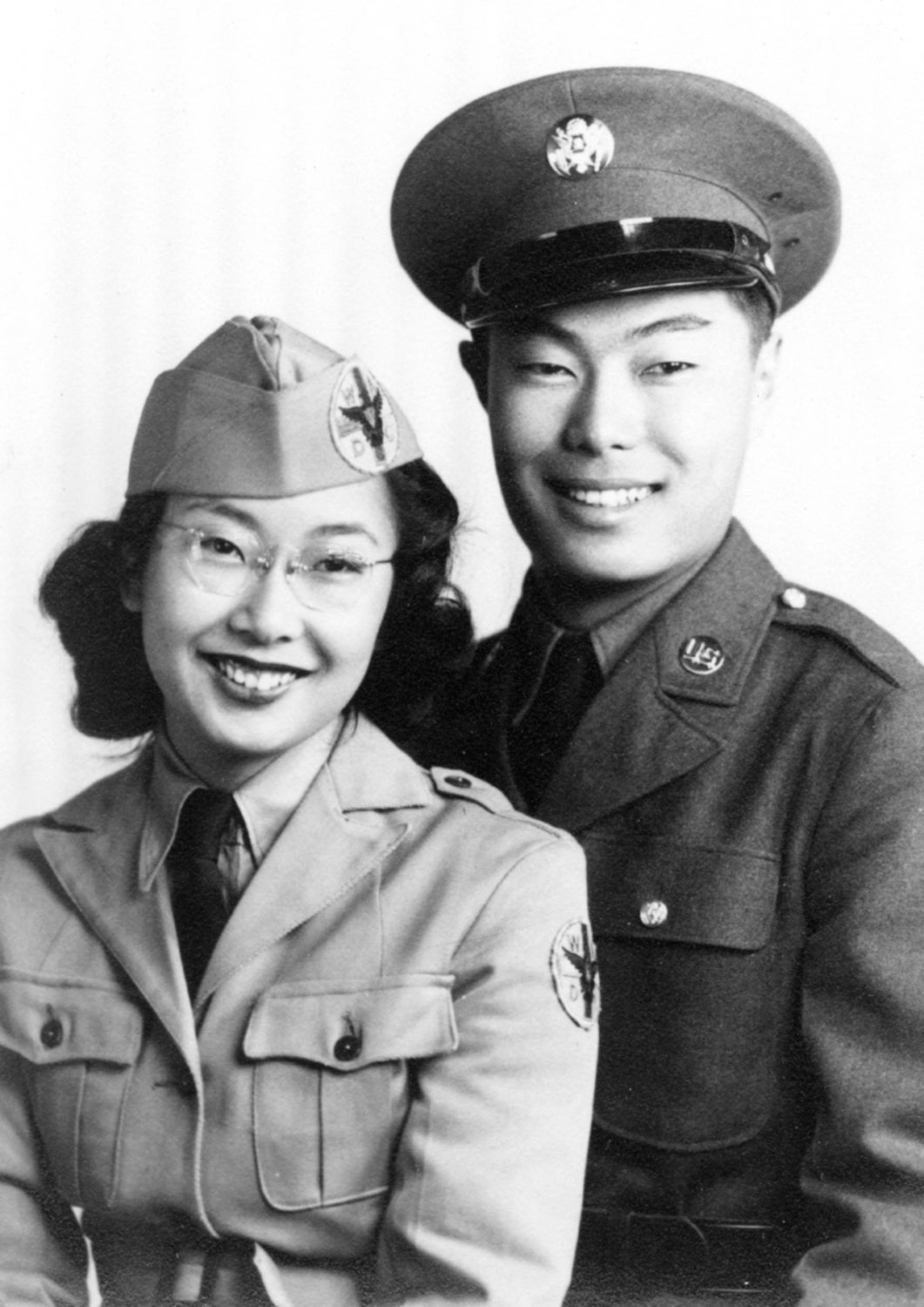
Yuri’s twin brother, Pete, decided he wanted to join the US Army. It was a confusing time, with Mr. Nakahara accused of being a danger to national security, while his son was allowed to serve in the US Armed Forces.
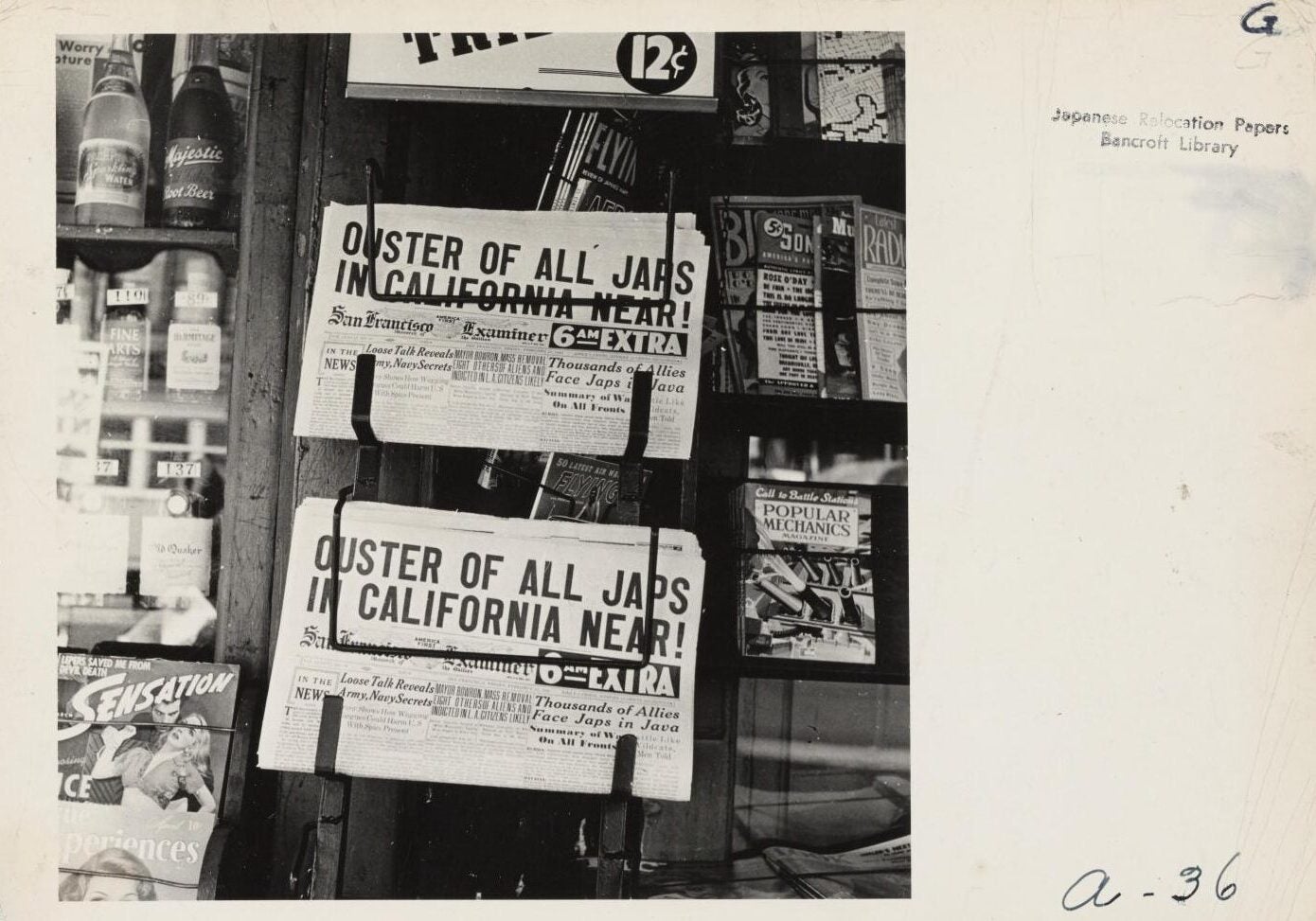
On February 19, 1942, President Franklin D. Roosevelt issued Executive Order 9066. In the Spring of 1942, the US military began posting “evacuation notices,” giving one week’s notice to all Japanese American families in California and parts of Washington, Oregon, and Arizona.
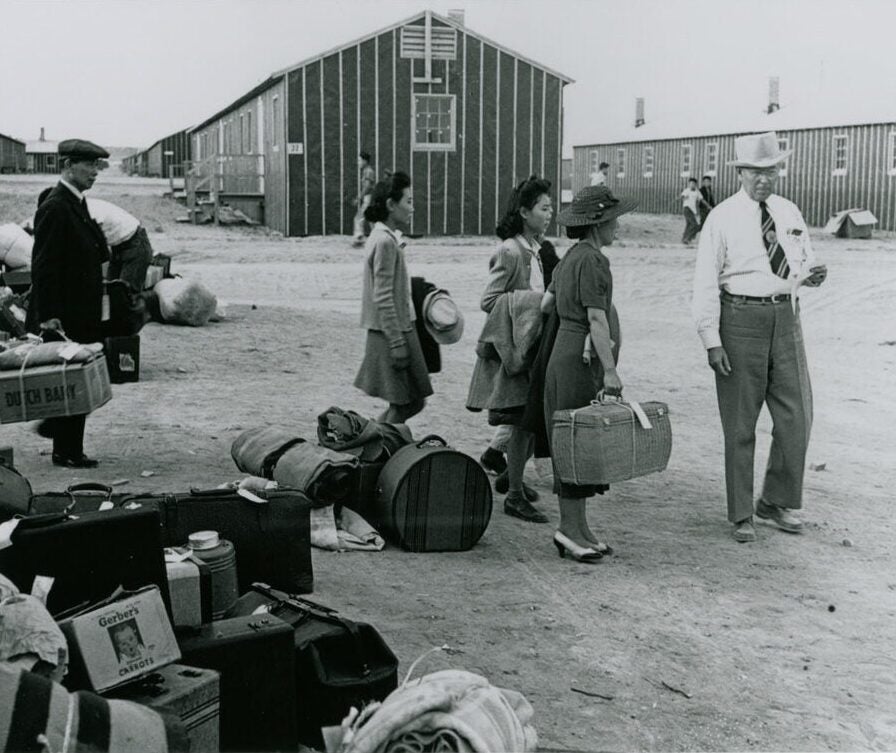
Yuri, her brother Art and her mother, like the other 110,000 Japanese Americans, had to pack their belongings and prepare to leave. They were allowed to take only what they could carry. Yuri was 20 years old.
Yuri and her family were sent to the Santa Anita “assembly center.” The conditions were harsh. Their new “home” smelled like the horses that had just recently lived there. They were forbidden from leaving.
Yuri stayed active, in part as a way to cope. She continued to teach Sunday School and also worked as a nurse’s aid for a meager $8 a month.
After seven months, Yuri and her family were moved to Jerome, Arkansas, one of the ten more permanent concentration camps.
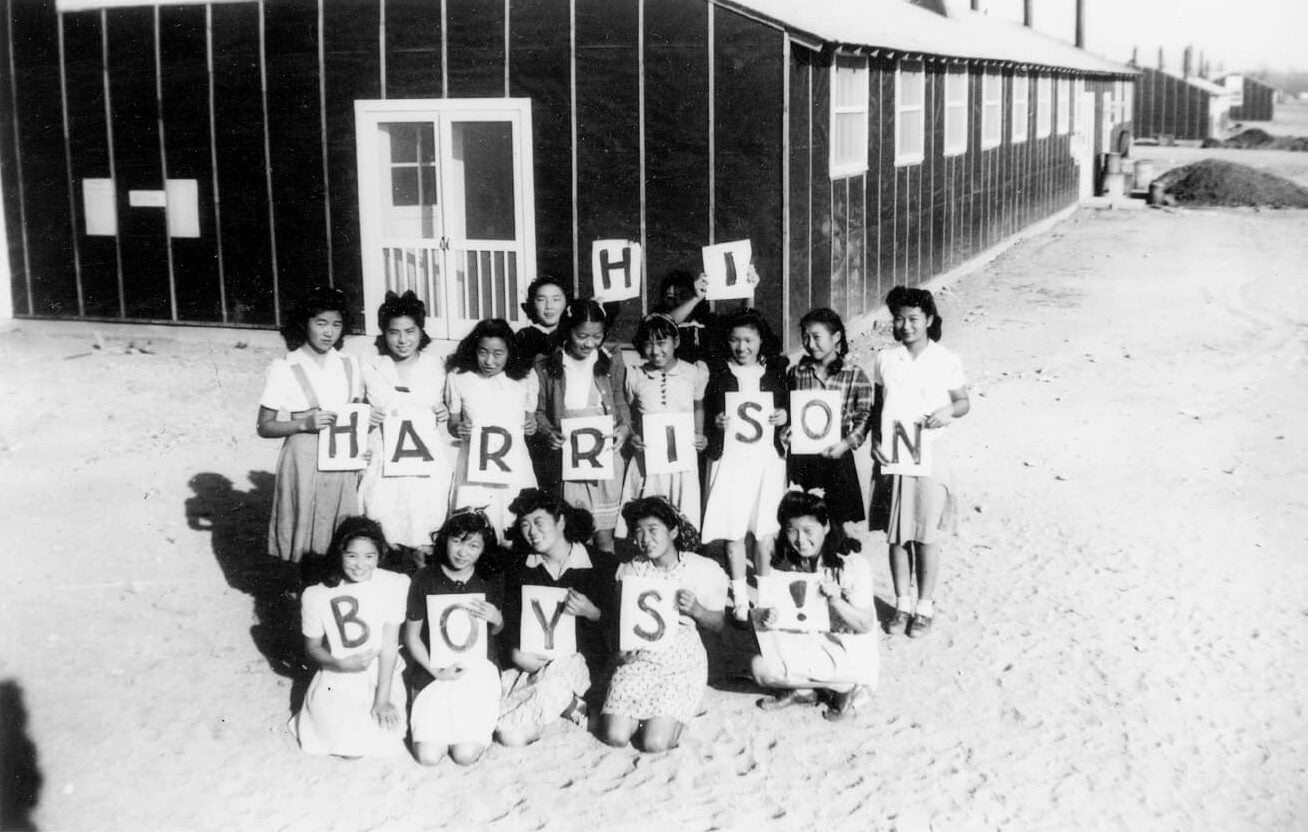
Image 38.01.02j — The Junior Crusaders at Jerome AK internment camp, welcoming Nisei GI’s visiting from Fort Harrison, Indiana (circa 1944). Photograph taken by one of the Fort Harrison Nisei soldiers.
In Santa Anita, and continuing in Jerome, Yuri transformed her Sunday School class into a letter writing campaign to support Japanese Americans in the US military.
The Crusaders, as they named themselves, were soon writing to hundreds of soldiers as well as to Japanese American orphans and tuberculosis patients.
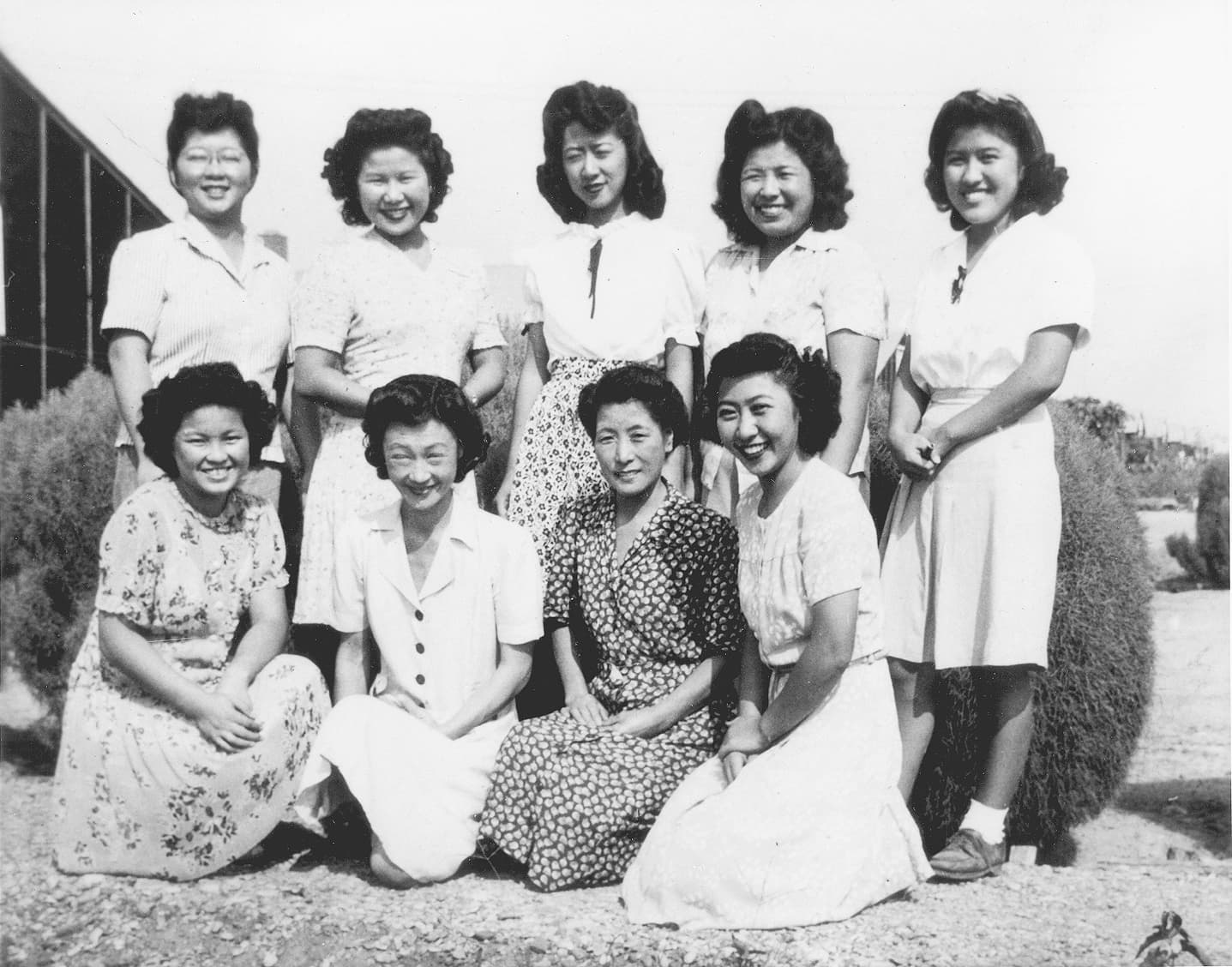
Image 38.01.02k — Yuri’s mom (kneeling, second from right) with Senior Crusaders. Jerome, Arkansas internment camp, circa 1944.
In Santa Anita, and continuing in Jerome, Yuri transformed her Sunday School class into a letter writing campaign to support Japanese Americans in the US military.
The Crusaders, as they named themselves, were soon writing to hundreds of soldiers as well as to Japanese American orphans and tuberculosis patients.
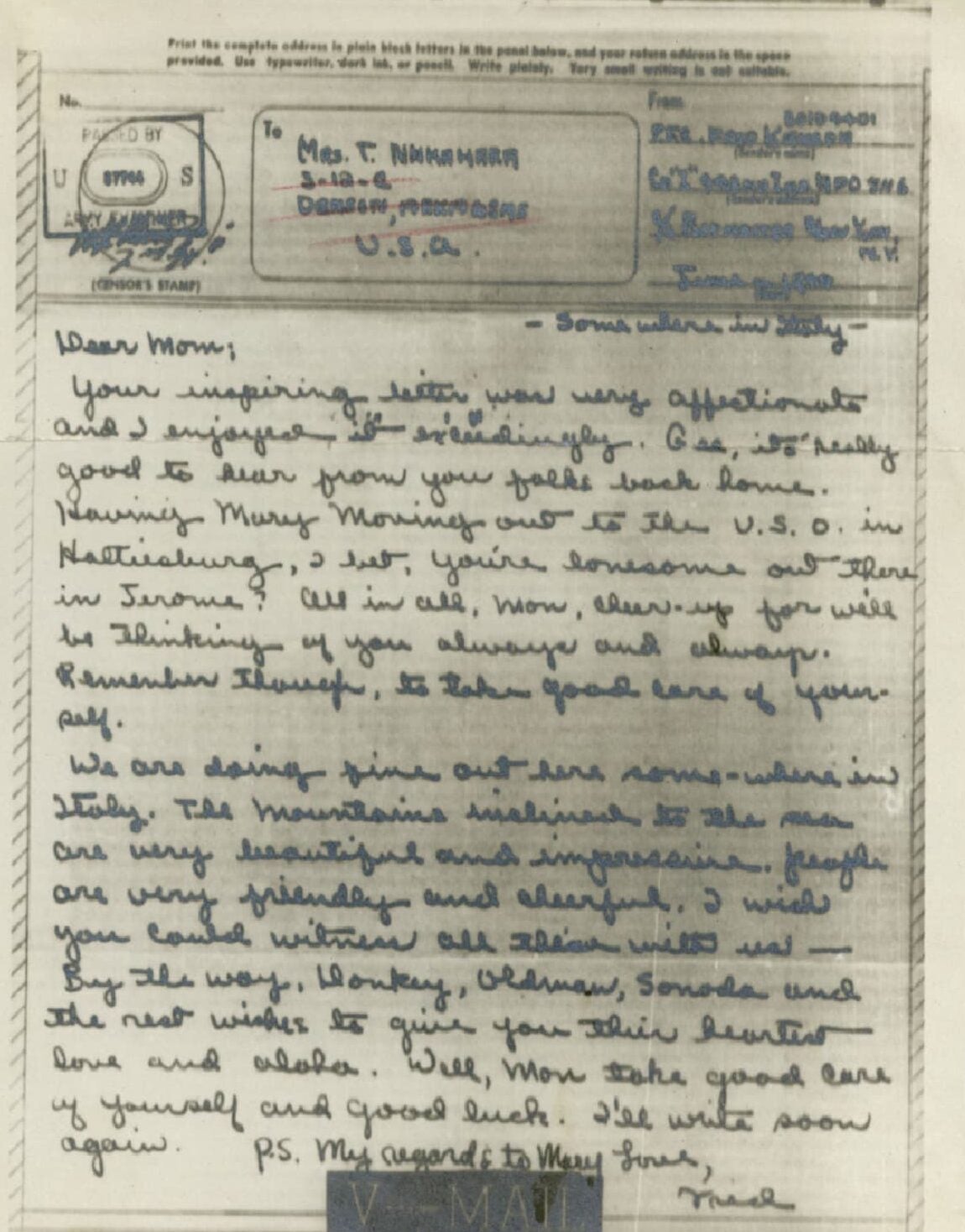
In Jerome, Yuri printed excerpts from soldiers’ letters in her Jerome camp newspaper column, “Nisei in Khaki.”
This letter is from a Nisei soldier stationed in Italy, written to Mrs. Nakahara in the Jerome concentration camp. He affectionally calls her “mom.” Mrs. Nakahara actively supported the young women in their letter writing to Nisei soldiers.
Yuri also worked at the USO in the Jerome concentration camp. USOs, or United Service Organizations, existed widely to provide services and entertainment to US soldiers, and continue today.
At the Jerome USO, she met and fell in love with Pvt. Bill Kochiyama, a soldier in the US Army.
Yuri left Jerome to work in the USO in Hattiesburg, Mississippi.
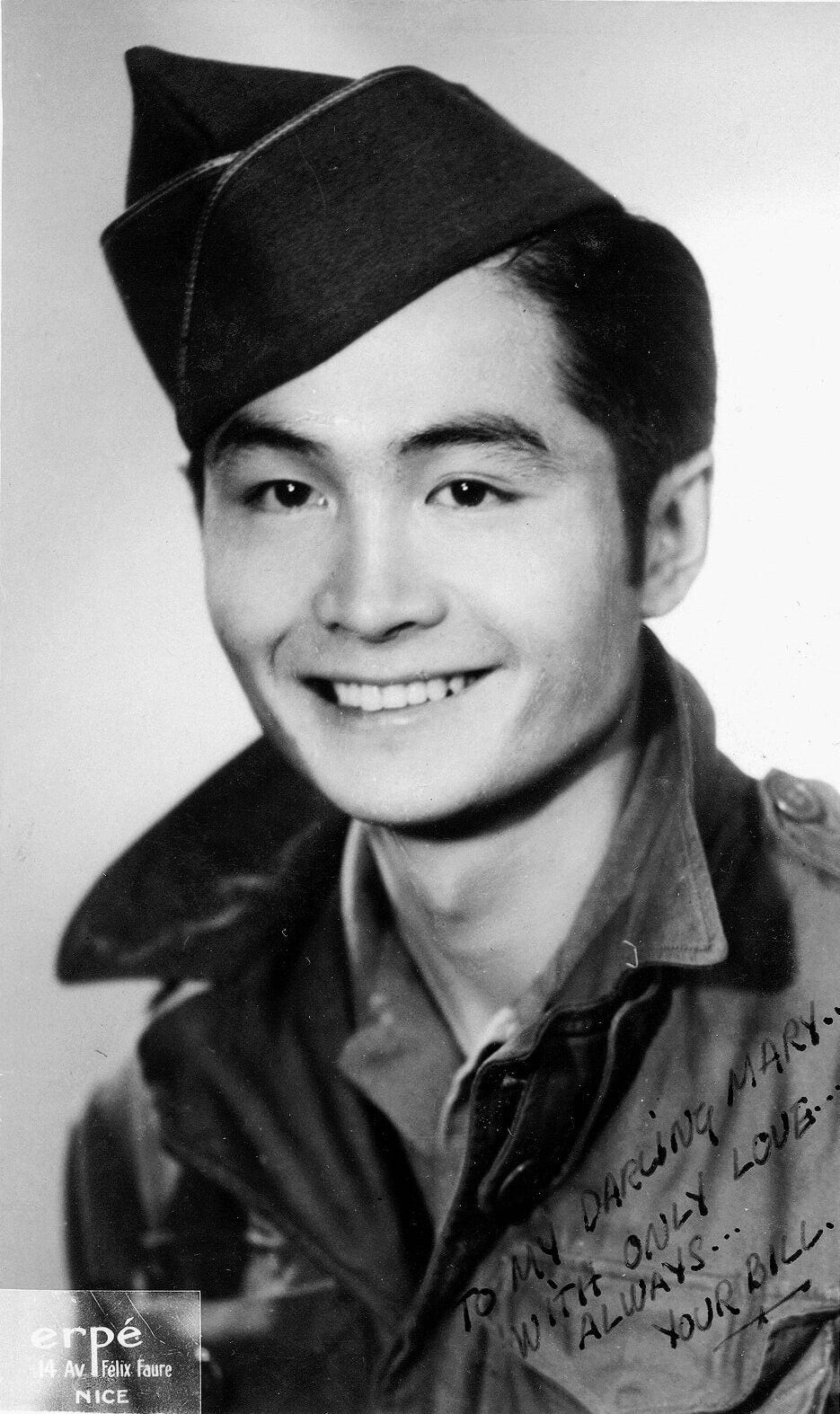
Image 38.01.02m — Bill in uniform, France 1944. “To my darling Mary.. With only love.. Always.. Your Bill”
Yuri also worked at the USO in the Jerome concentration camp. USOs, or United Service Organizations, existed widely to provide services and entertainment to US soldiers, and continue today.
At the Jerome USO, she met and fell in love with Pvt. Bill Kochiyama, a soldier in the US Army.
Yuri left Jerome to work in the USO in Hattiesburg, Mississippi.
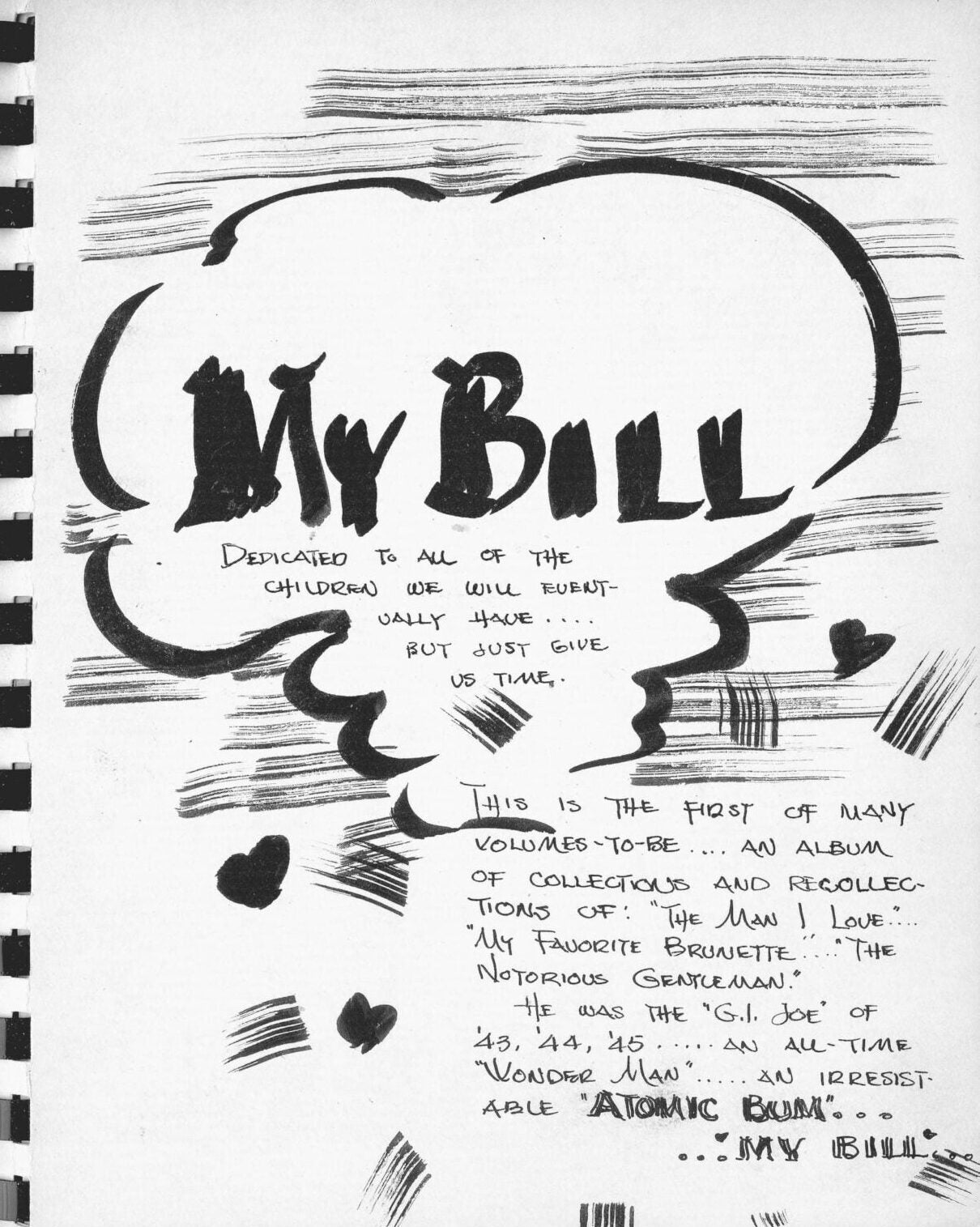
Image 38.01.02n — The frontpage of Yuri’s scrapbook “My Bill”. “My Bill. Dedicated to all of the children we will eventually have… but just give us time. This is the first of many volumes-to-be… An album of collections of: “The Man I Love…” “My Favorite Brunette…” “The Notorious Gentleman.” He was the “G.I. Joe” of ’43, ’44, ’45 …. an all-time “wonder Man” … an irresistable “Atomic Bum”… “My Bill”.
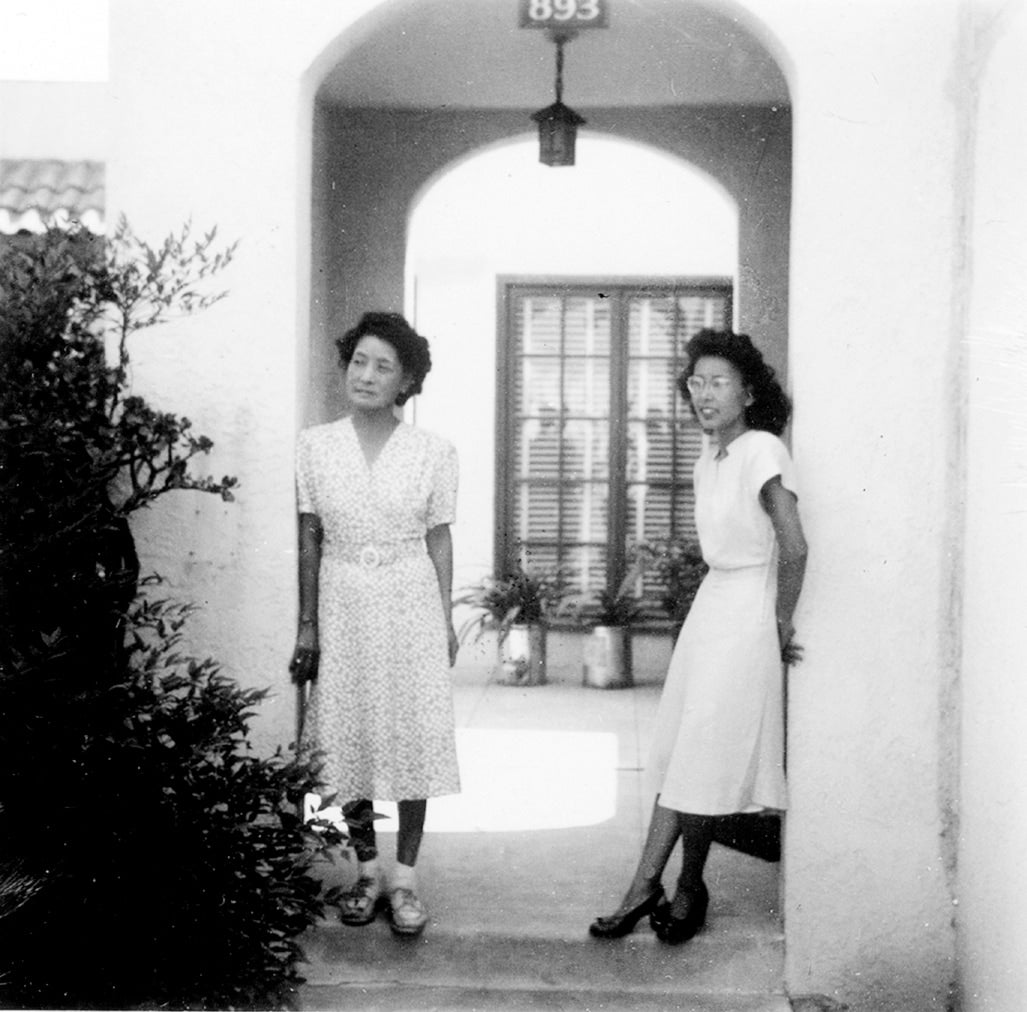
Image 38.01.02o — Yuri and her mom, 1945. With the help of neighbors, Yuri and her mom were able to return to their San Pedro home (893 W. 11th Street) after the war.
President Franklin D. Roosevelt rescinded his Executive Order 9066 allowing Japanese Americans to return to the West Coast beginning in January 1945. Yuri and her mother returned to their home in San Pedro.
Yuri, like other Japanese Americans, faced a mixed reception back in California. Some like her neighbors were helpful; others spate racist statements at them. Yuri, for example, worked at different waitressing jobs to earn a living. But inevitably, a customer or co-worker refused to interact with a “Jap” and she was asked to leave.
Part II
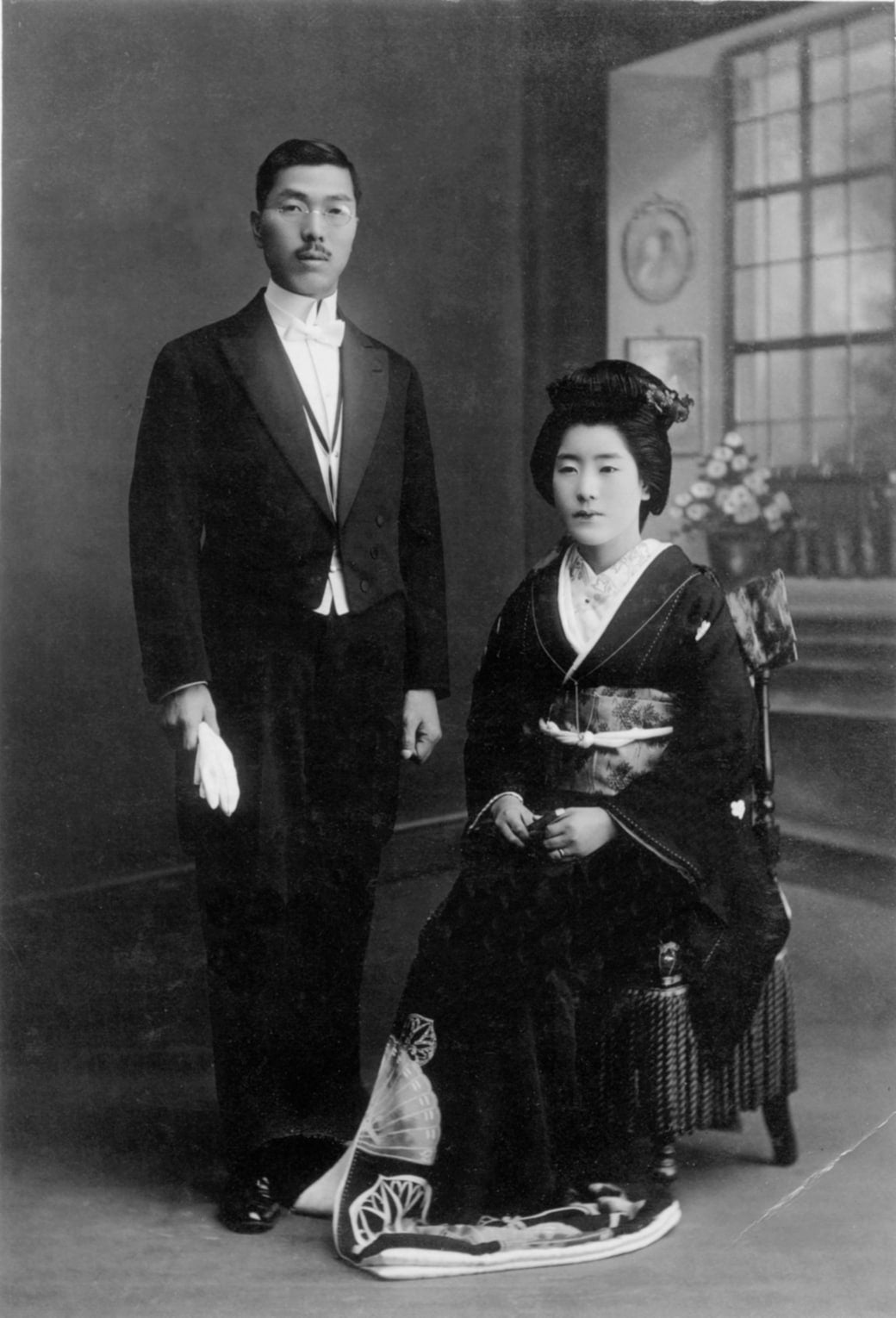
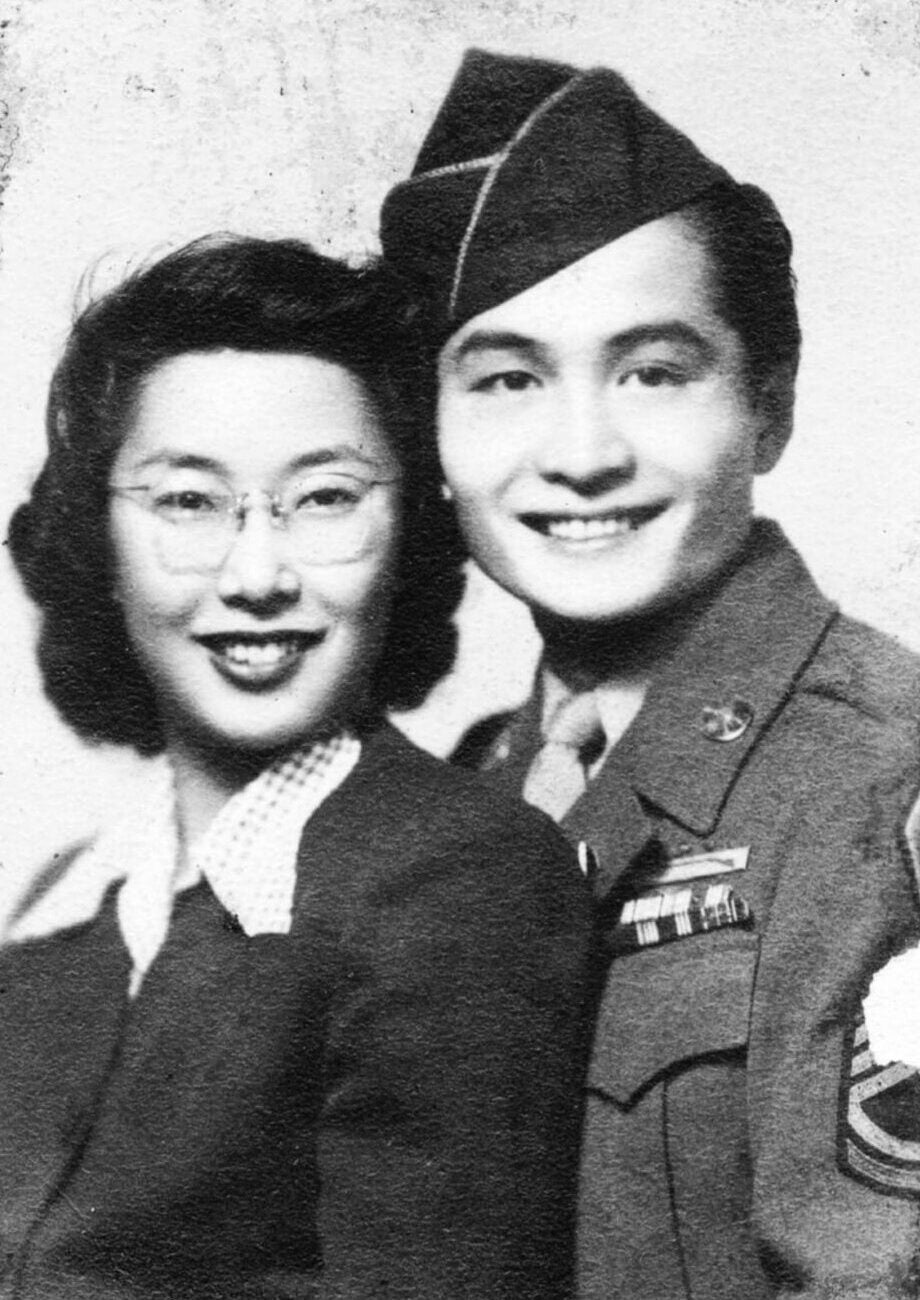
When her fiancé Bill Kochiyama returned from the warfront in Europe, Yuri excitedly traveled to meet him in New York City, where he had grown up. They married on February 9, 1946.
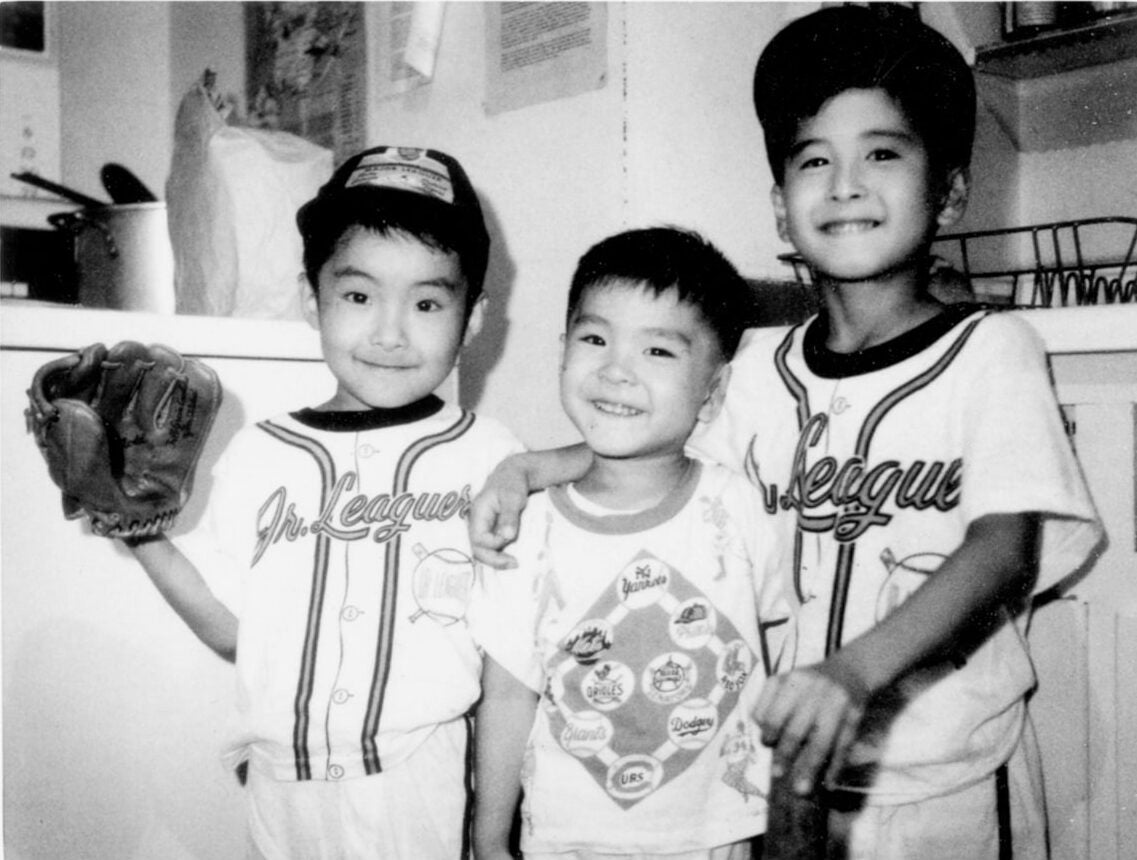
Yuri and Bill would go on to have six children: Billy, Audee, Aichi, Eddie, Jimmy, and Tommy. They provided an active life for their children, who participated in sports, especially their beloved baseball, Boys Scouts, Girls Scouts, and the Presbyterian Christian church. Her children also had opportunities to dance and model professionally or serve as extras in television shows.
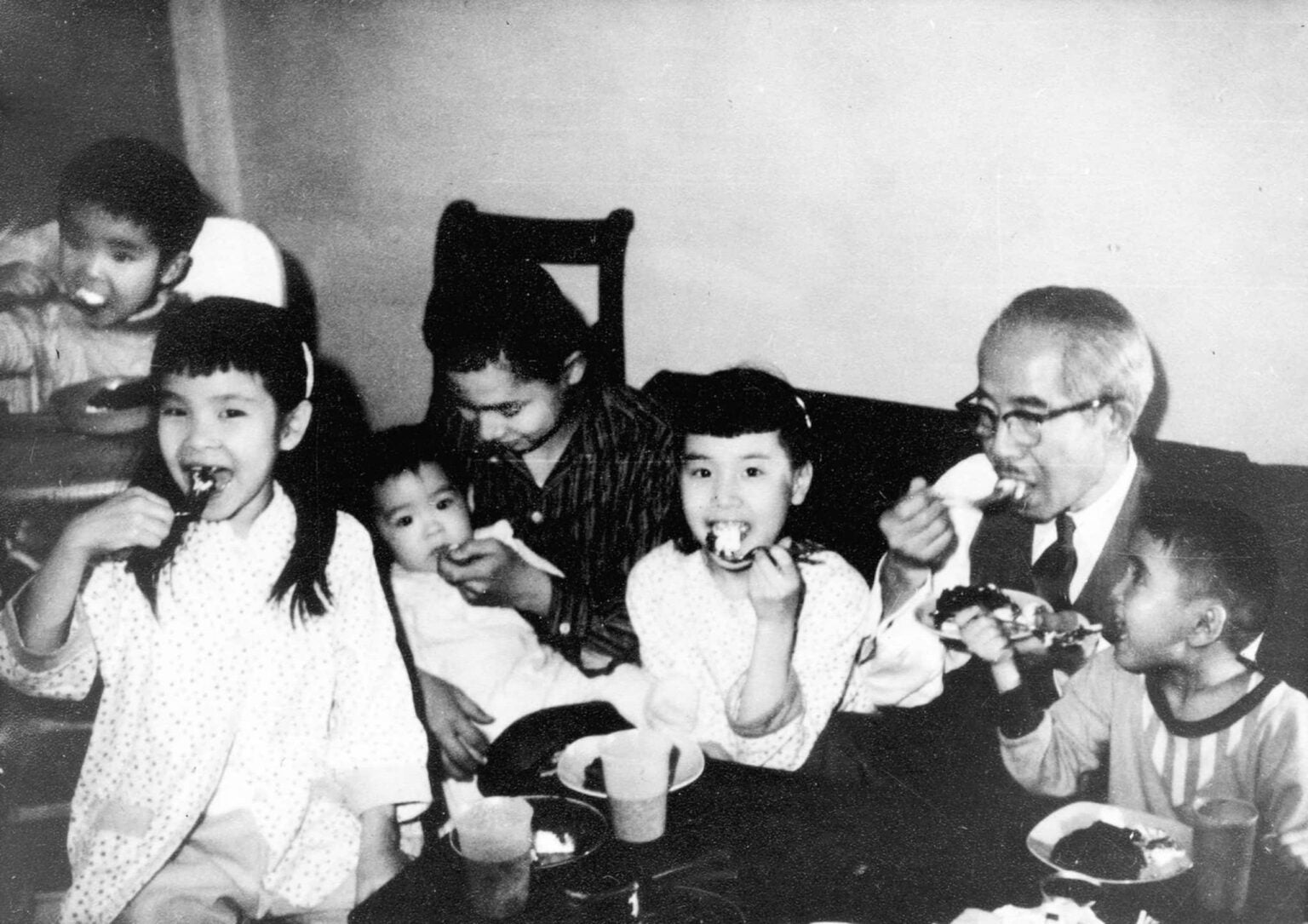
Image 38.01.03b — Eating birthday cake with Grandpa (circa 1959). (From left) Jimmy, Aichi, Tommy, Billy, Audee, Grandpa Kochiyama, and Eddie
When her fiancé Bill Kochiyama returned from the warfront in Europe, Yuri excitedly traveled to meet him in New York City, where he had grown up. They married on February 9, 1946.
Yuri and Bill would go on to have six children: Billy, Audee, Aichi, Eddie, Jimmy, and Tommy. They provided an active life for their children, who participated in sports, especially their beloved baseball, Boys Scouts, Girls Scouts, and the Presbyterian Christian church. Her children also had opportunities to dance and model professionally or serve as extras in television shows.
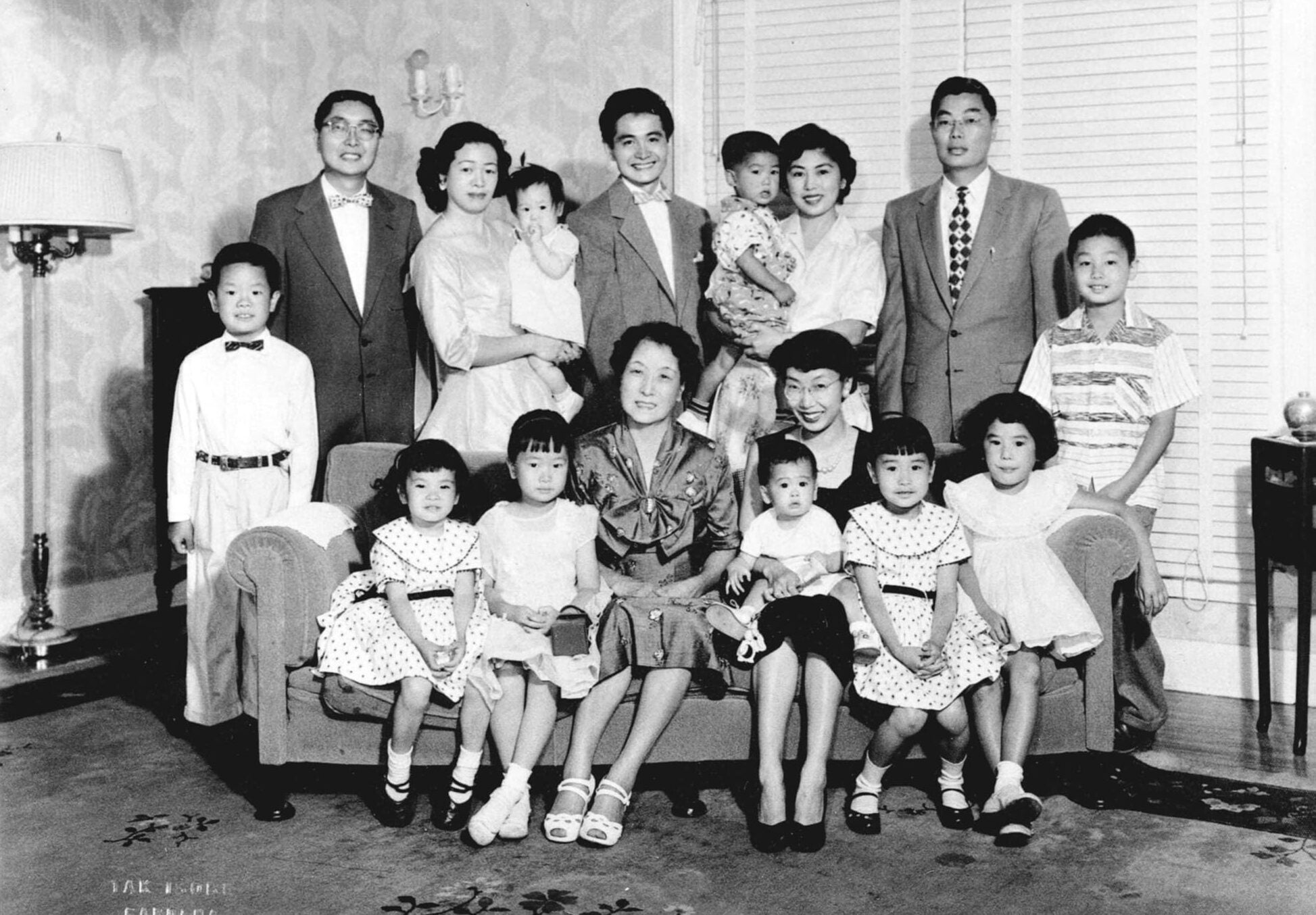
Image 38.01.03c — A rare gathering of all the Nakahara/Kochiyama families in San Pedro, 1955, visiting Mom/Grandma for Mother’s Day.
When her fiancé Bill Kochiyama returned from the warfront in Europe, Yuri excitedly traveled to meet him in New York City, where he had grown up. They married on February 9, 1946.
Yuri and Bill would go on to have six children: Billy, Audee, Aichi, Eddie, Jimmy, and Tommy. They provided an active life for their children, who participated in sports, especially their beloved baseball, Boys Scouts, Girls Scouts, and the Presbyterian Christian church. Her children also had opportunities to dance and model professionally or serve as extras in television shows.
When her fiancé Bill Kochiyama returned from the warfront in Europe, Yuri excitedly traveled to meet him in New York City, where he had grown up. They married on February 9, 1946.
Yuri and Bill would go on to have six children: Billy, Audee, Aichi, Eddie, Jimmy, and Tommy. They provided an active life for their children, who participated in sports, especially their beloved baseball, Boys Scouts, Girls Scouts, and the Presbyterian Christian church. Her children also had opportunities to dance and model professionally or serve as extras in television shows.
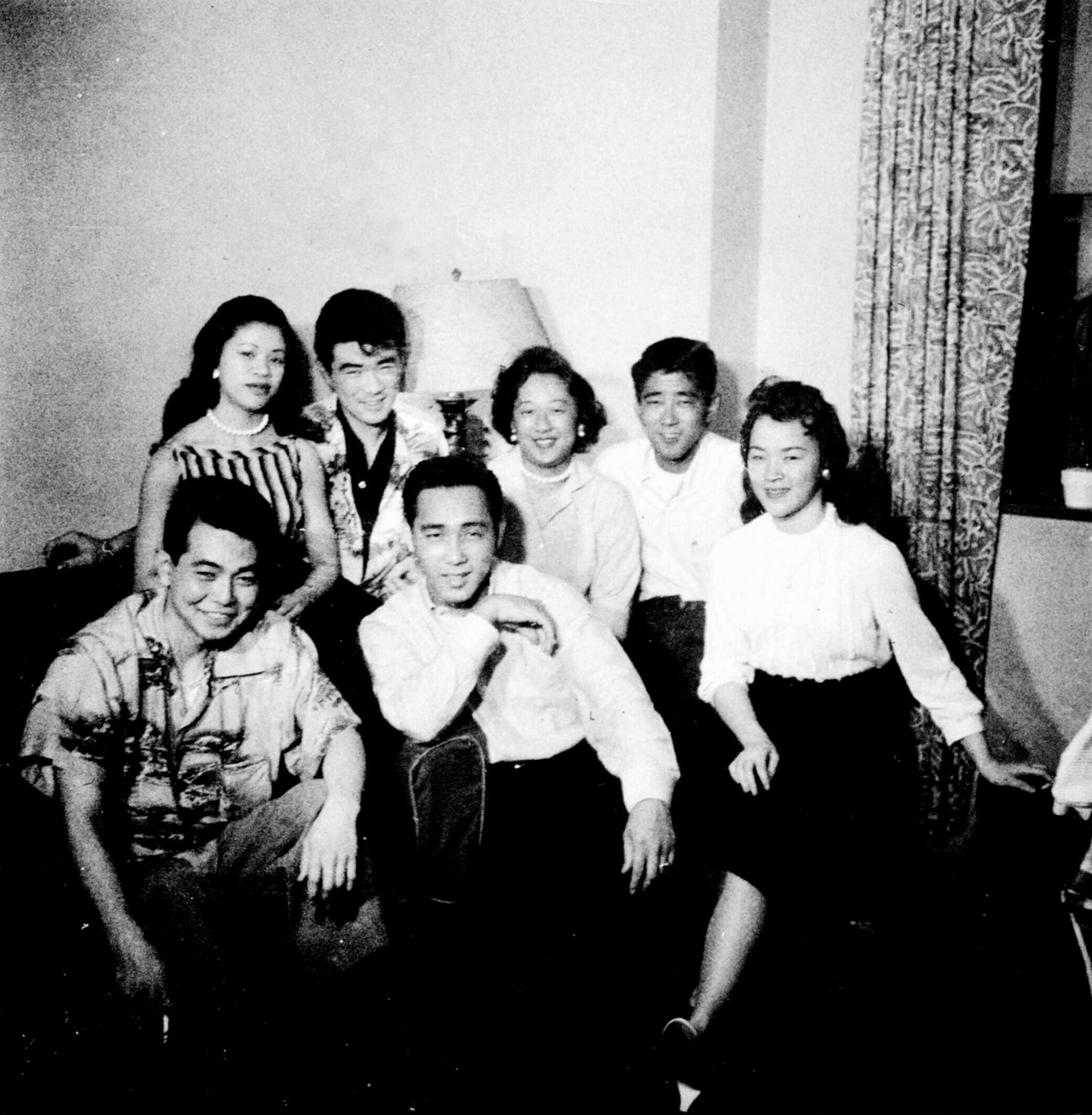
Image 38.01.03e — The Kochiyama family opened its home to the Nisei-Sino Service Organization on Friday nights (early 1950s).
In the 1950s, Yuri and Bill were active in community service. They worked to support Nisei veterans as well as Japanese and Chinese American soldiers being sent to the Korean War.
They also opened their home for social gatherings, often with a hundred people crammed into their apartment every weekend, including the Nisei-Sino Service Organization (NSSO), pictured here.
The NSSO visited and organized dances for the “Hiroshima Maidens.” These young women spent a year in New York undergoing reconstructive surgeries and recovering from the disfiguring and painful impact of the US atomic bombing of Hiroshima.
The Kochiyamas published an eight-page family newsletter, Christmas Cheer, every year from 1950 to 1968. Here is a page featuring a story on the Hiroshima Maidens.
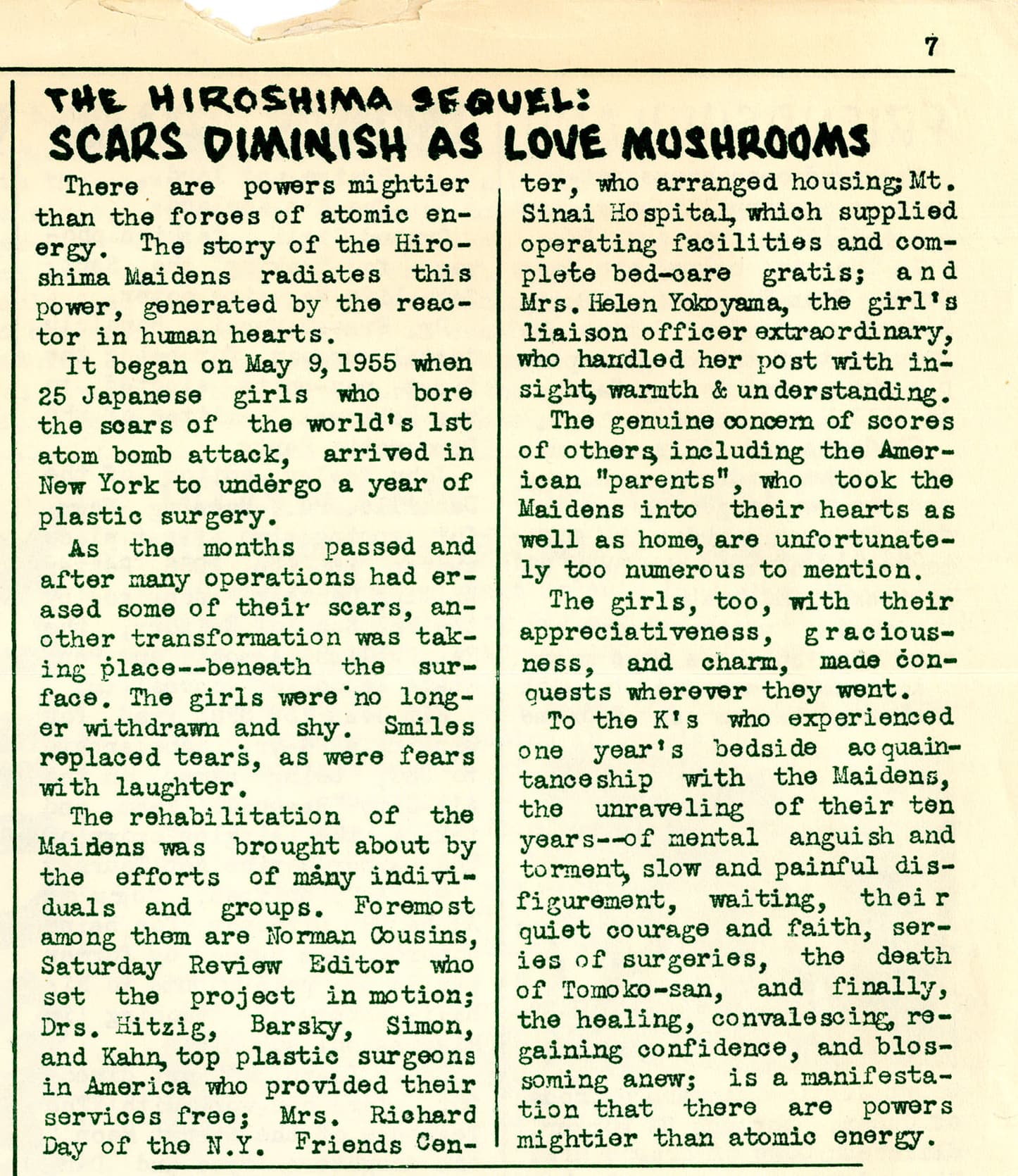
Image 38.01.03f — Kochiyama family Christmas Cheer article, “The Hiroshima Sequel: Scars Diminish as Love Mushrooms.”
As the Civil Rights Movement grew, Yuri began inviting activists to speak at the Kochiyama’s weekend open houses.
One particularly moving visitor was James Peck, who in 1961, traveled as part of interracial Black-White teams to protest the non-enforcement of desegregation laws.
White mobs violently beat the Freedom Riders at many stops. James Peck himself was beaten so badly, he required 57 stitches.
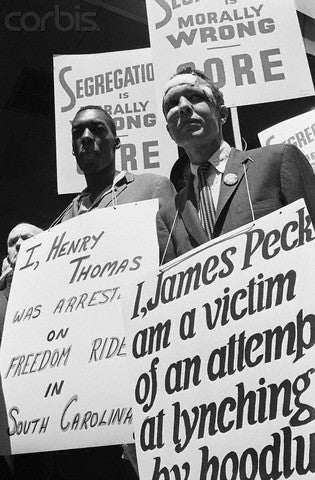
Image 38.01.03g — 17 May 1961, Manhattan, New York, New York, USA — 5/17/1961-New York, NY: James Peck (R) marches in a picket line outside the Trailways Bus Station, in the Port Authority Terminal
In 1960, the Kochiyamas moved to Harlem. Harlem was a Black community steeped in a tradition of fervent Black political and cultural resistance.
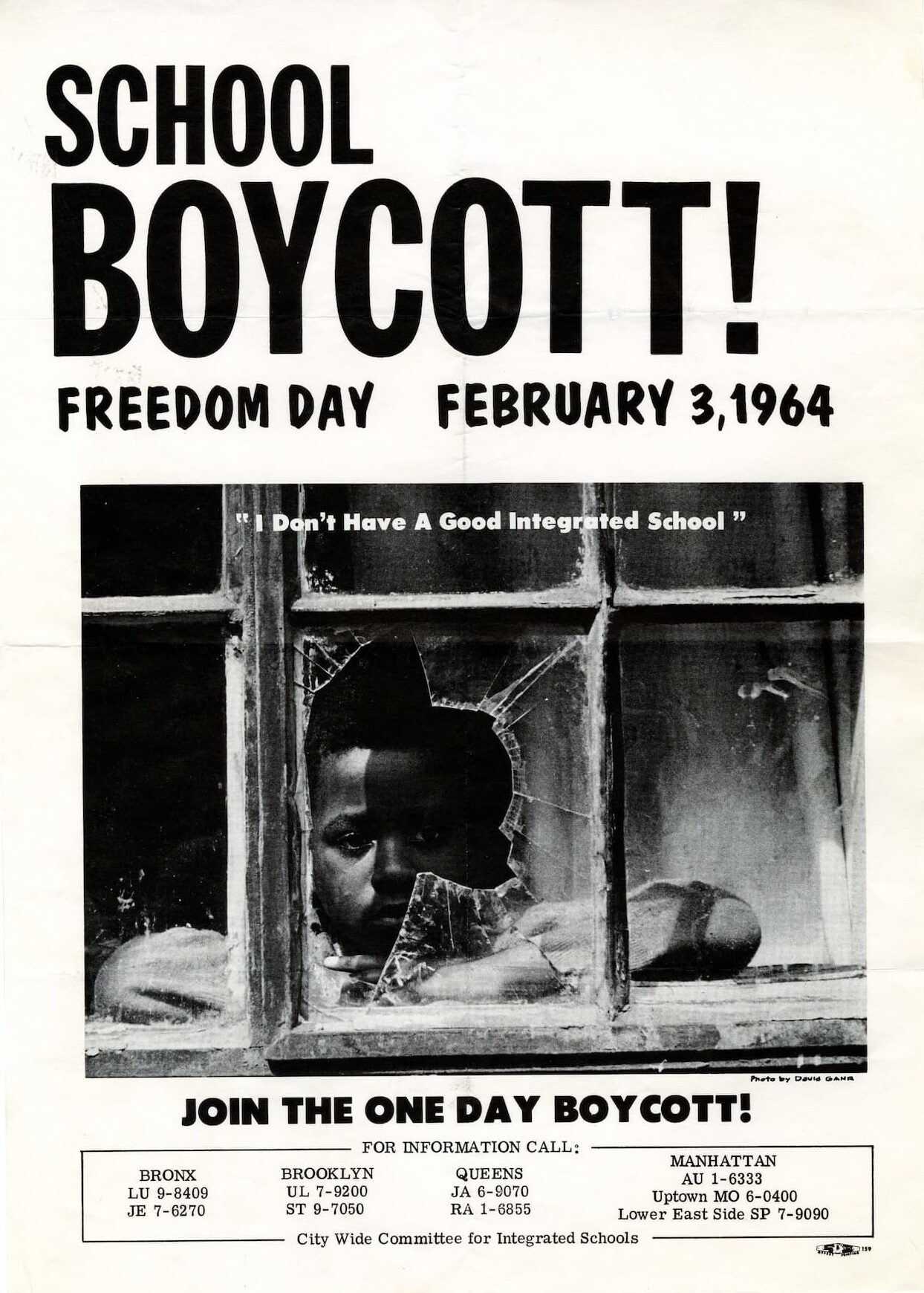
Yuri and her family worked with the Harlem Parent’s Committee, organizing school boycotts to demand quality education for inner-city children. Hundreds of thousands of students and more than 3,500 teachers supported the boycott.
Part III
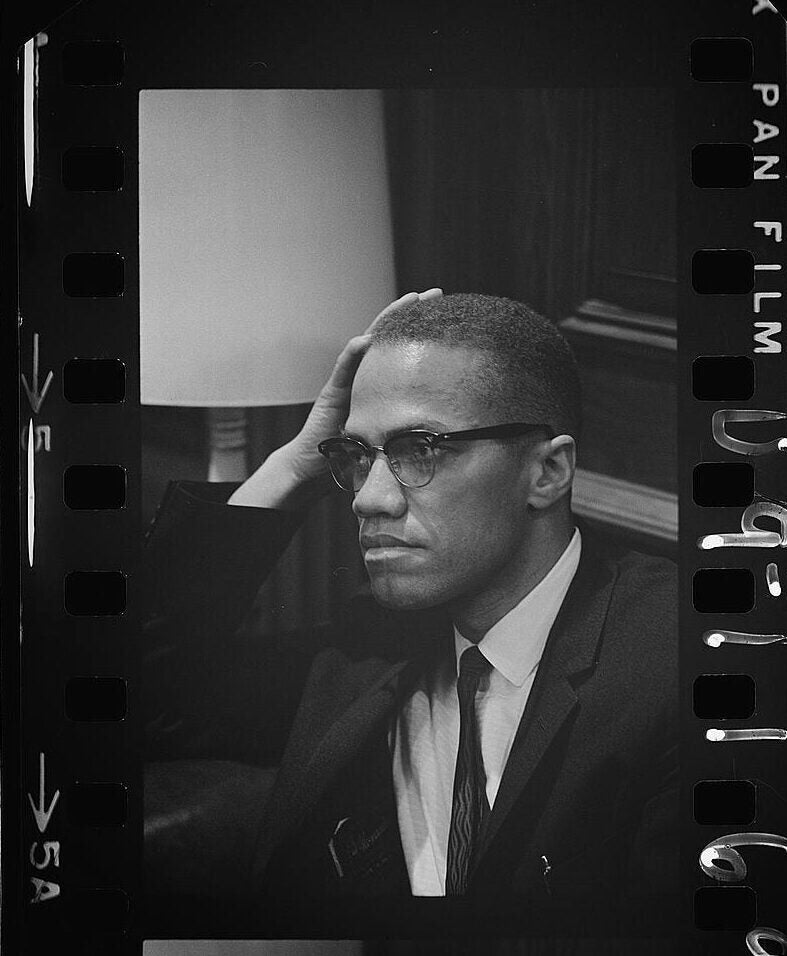
In October 1963, Yuri met the person who would transform her life, Malcolm X. When she walked up to him, she surprised herself by speaking so candidly. She said, “I admire the kinds of things you’re saying, but I don’t agree with you about something…Your harsh stance on integration.”
Malcolm X’s response was not harsh or dismissive, but instead he invited her to attend his newly formed Organization of Afro-American Unity’s Liberation School every Saturday morning.
What Yuri learned at the OAAU Liberation School profoundly shaped her thinking about racism.
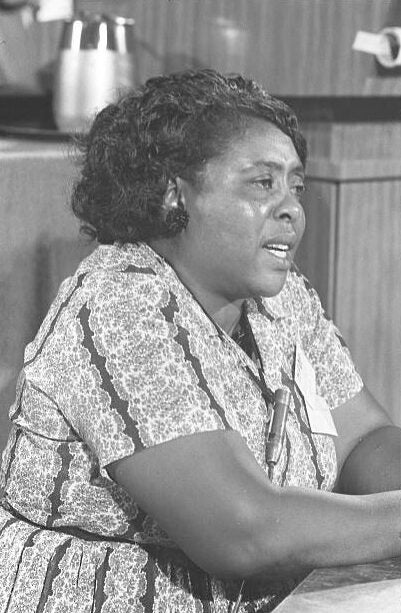
One day, she heard a recording of Fannie Lou Hamer, the renowned leader of the Southern voting rights struggles, describing the life of poverty that she and other poor Black people experienced in Mississippi.
It was especially disturbing to hear Hamer, who like Yuri was a middle-aged mother, describe how White prison guards pressured two Black male prisoners to viciously beat her while she was in jail.
Yuri’s ideas were changing quickly. She was no longer seeing racism as individual attitudes and bigotry, but instead as a structural problem, as embedded in the very institutions and history of society.
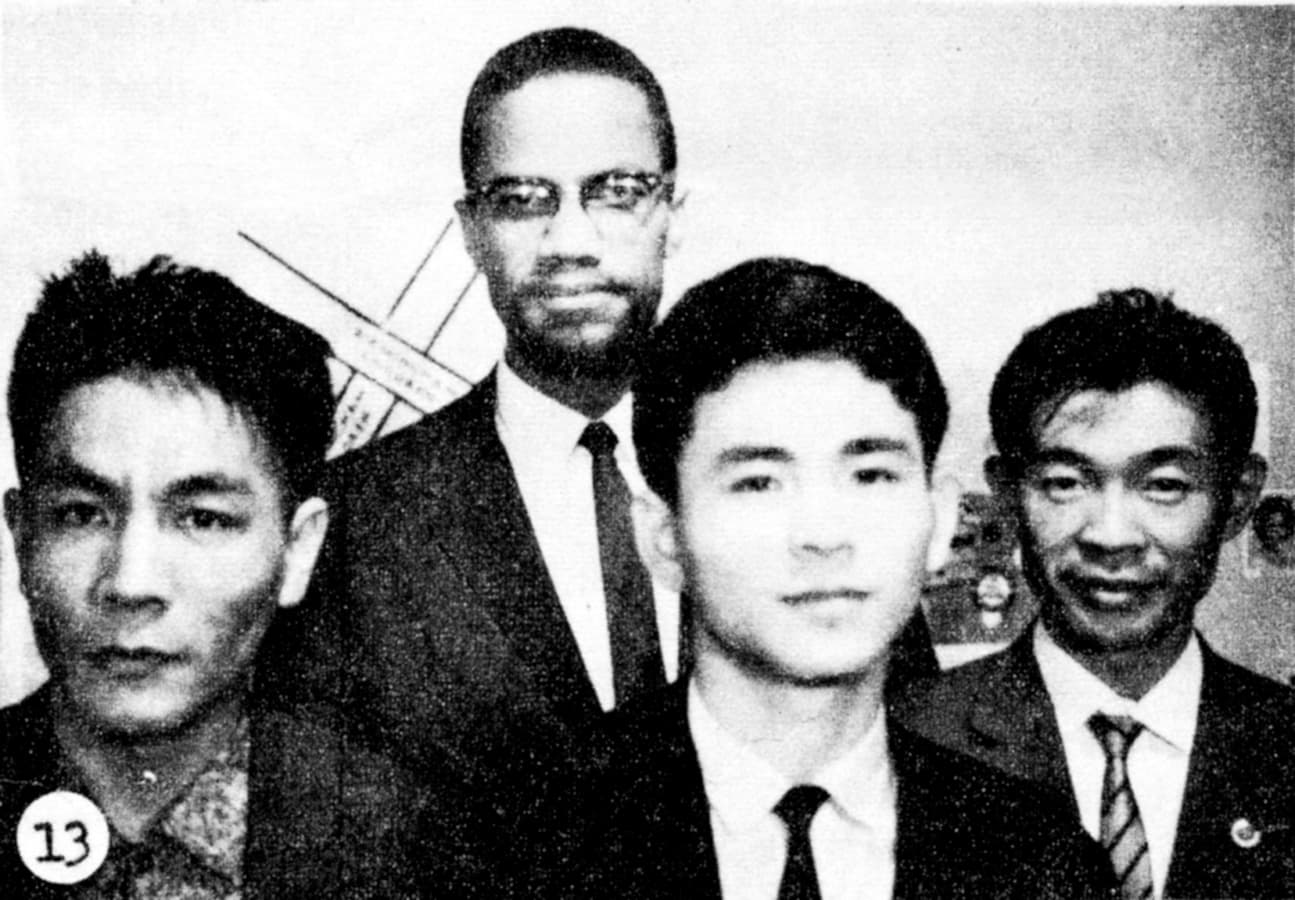
Image 38.01.04c — Malcolm X meeting with Japanese journalists at the Kochiyama home, June 6, 1964. (From left) Ryuji Hamai (writer), Nobuya Tsuchida (interpreter), and Akira Mitsui (reporter) — delegates of the Hiroshima-Nagasaki World Peace Study Mission. Photograph from family newsletter Christmas Cheer, Volume 15 (1964), p. 6.
At Yuri’s invitation, Malcolm X came to the Kochiyama’s home to meet Japanese Hibakusha (atomic bomb survivors) and journalists traveling on a world peace tour. The meeting was held at the Kochiyama home in Harlem, on June 6, 1964.
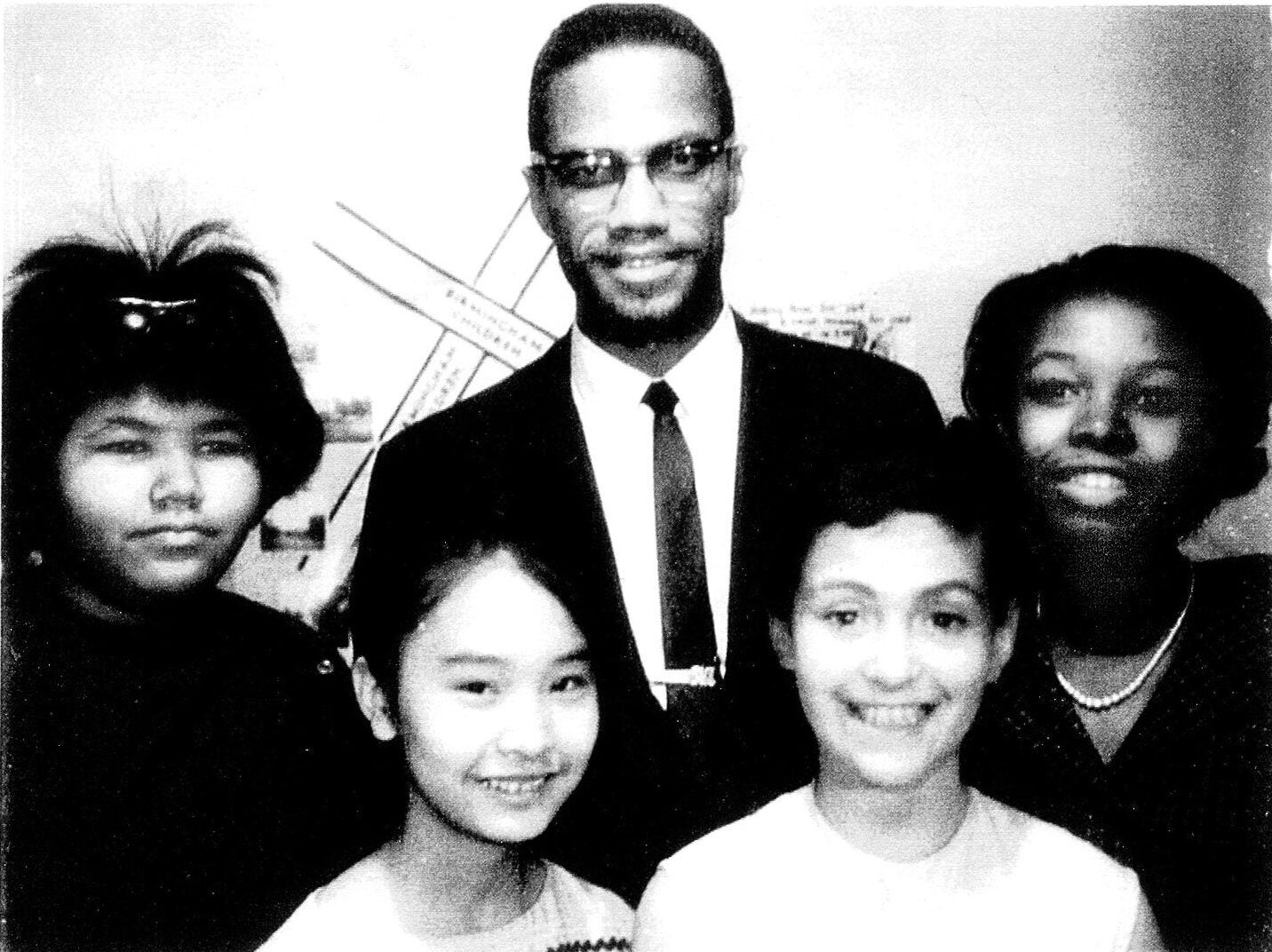
Image 38.01.04d — Malcolm X with Audee and three other teens on June 6, 1964 at the Kochiyama home.
At Yuri’s invitation, Malcolm X came to the Kochiyama’s home to meet Japanese Hibakusha (atomic bomb survivors) and journalists traveling on a world peace tour. The meeting was held at the Kochiyama home in Harlem, on June 6, 1964.
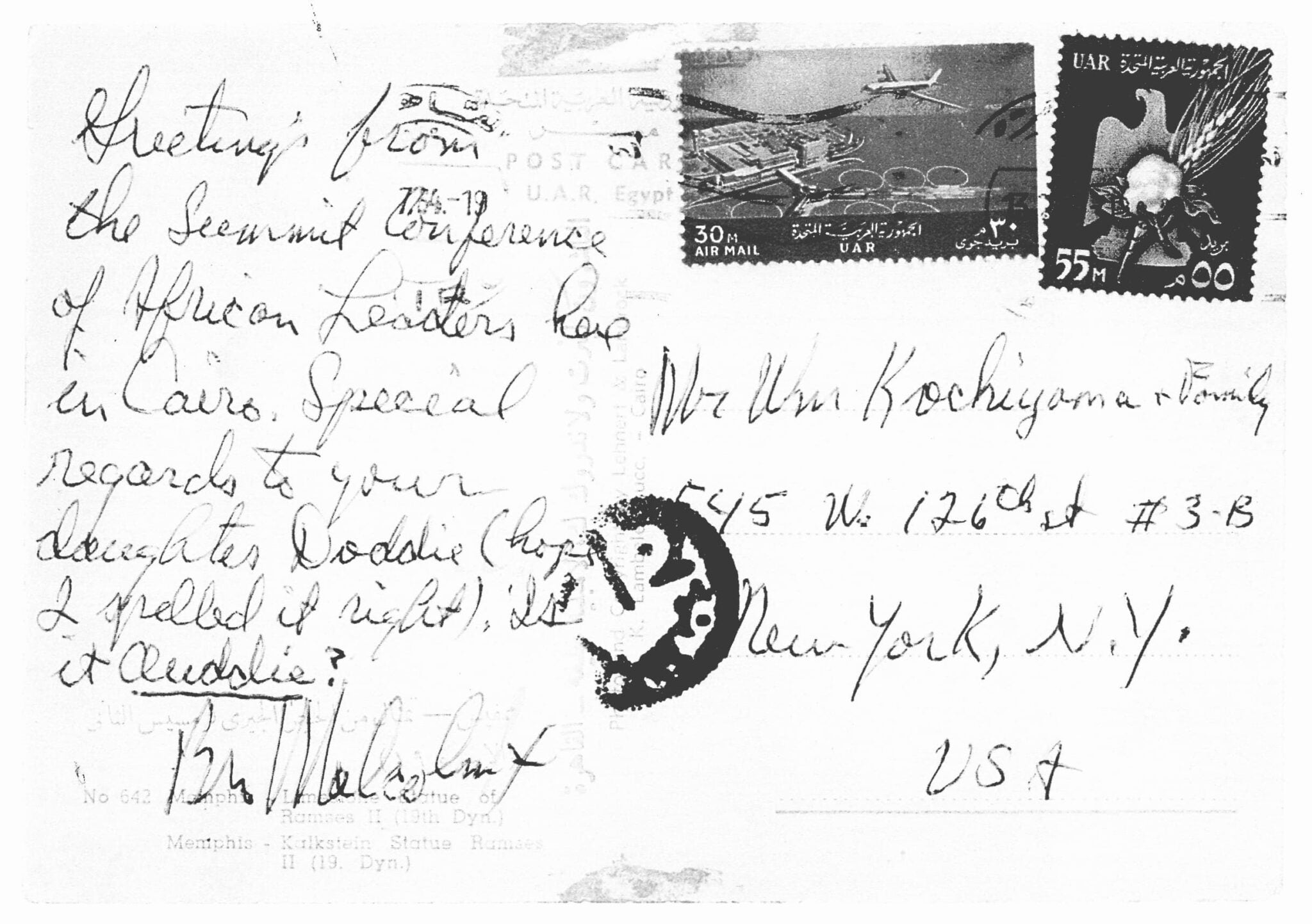
While traveling in Africa, the Middle East, and Europe in 1964, Malcolm X sent the Kochiyamas eleven postcards. This one is postmarked from Cairo.
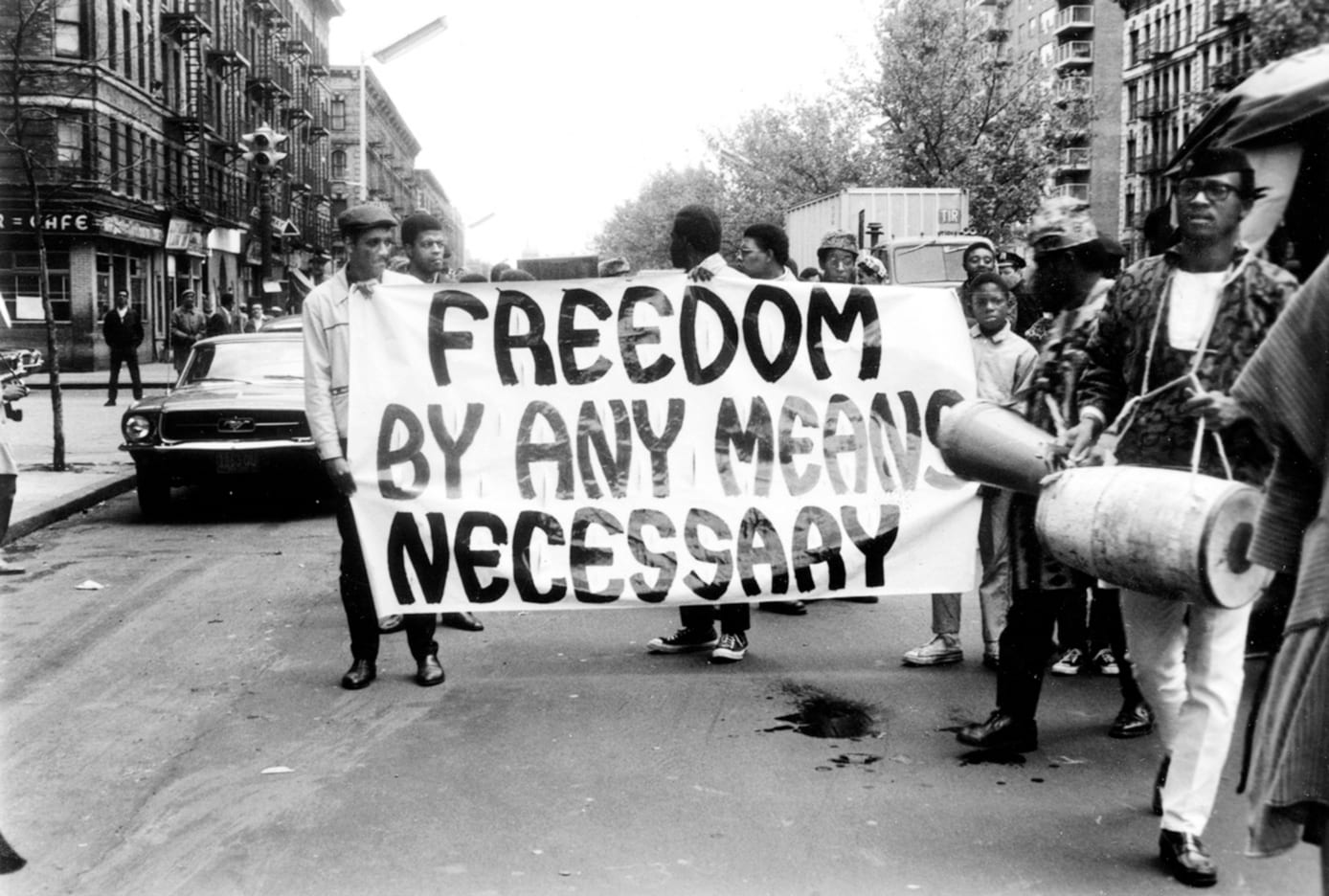
Image 38.01.04i — Organization of African American Unity at a rally commemorating the life of Malcolm X, Harlem (circa 1965).
Following the assassination of Malcolm X, a number of Black organizations formed to carry forward Malcolm’s vision for Black liberation. Having been associated with Malcolm’s people at the OAAU, Yuri was soon working with the most militant Black nationalist organizations in Harlem, including the Republic of New Africa.
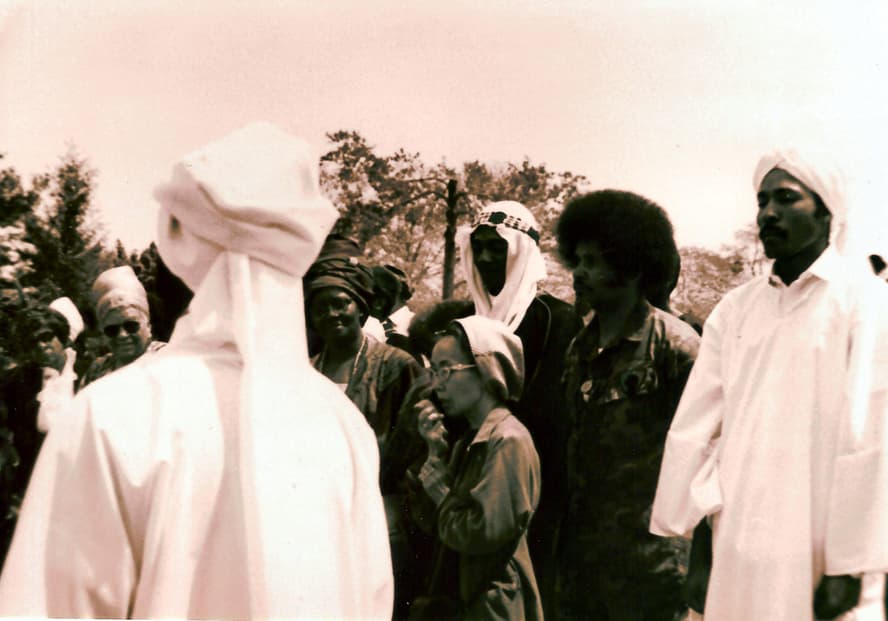
Yuri speaking at a commemoration of Malcolm X’s birthday at Malcolm’s gravesite in New York, early 1970s.
In the 1960s, the police and FBI intensified their surveillance of Black activists. Yuri’s friends and fellow activists were targeted and arrested, often because their activism challenged the established order. Yuri immersed herself in the political prisoner movement. She constantly wrote letters to prisoners, visited people in prison, and helped to organize campaigns for their release.
Yuri came to be regarded as a central person in the struggle to free and support political prisoners.
Her own experiences with wartime incarceration experiences, and the injustices involved, fueled her work.
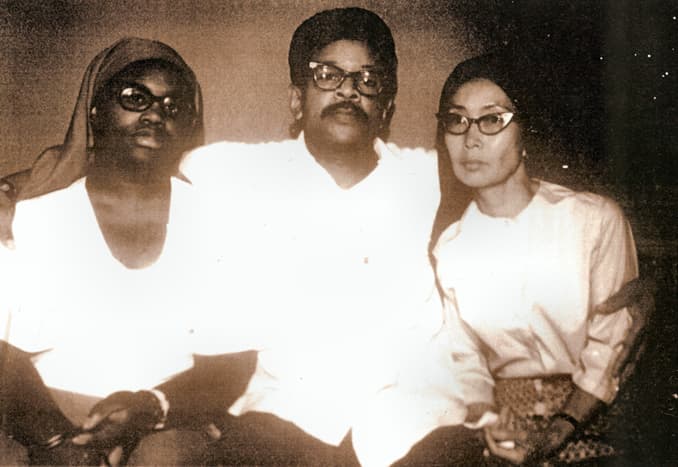
Image 38.01.04k — Safiya Bukhari (left) was one of the political prisoners who Yuri supported. In the early 1970s, Yuri became Sunni Muslim and studied and worshipped with Imam Rasul Suliman (center) at the Sankore Mosque in Greenhaven prison, in New York.




Part IV
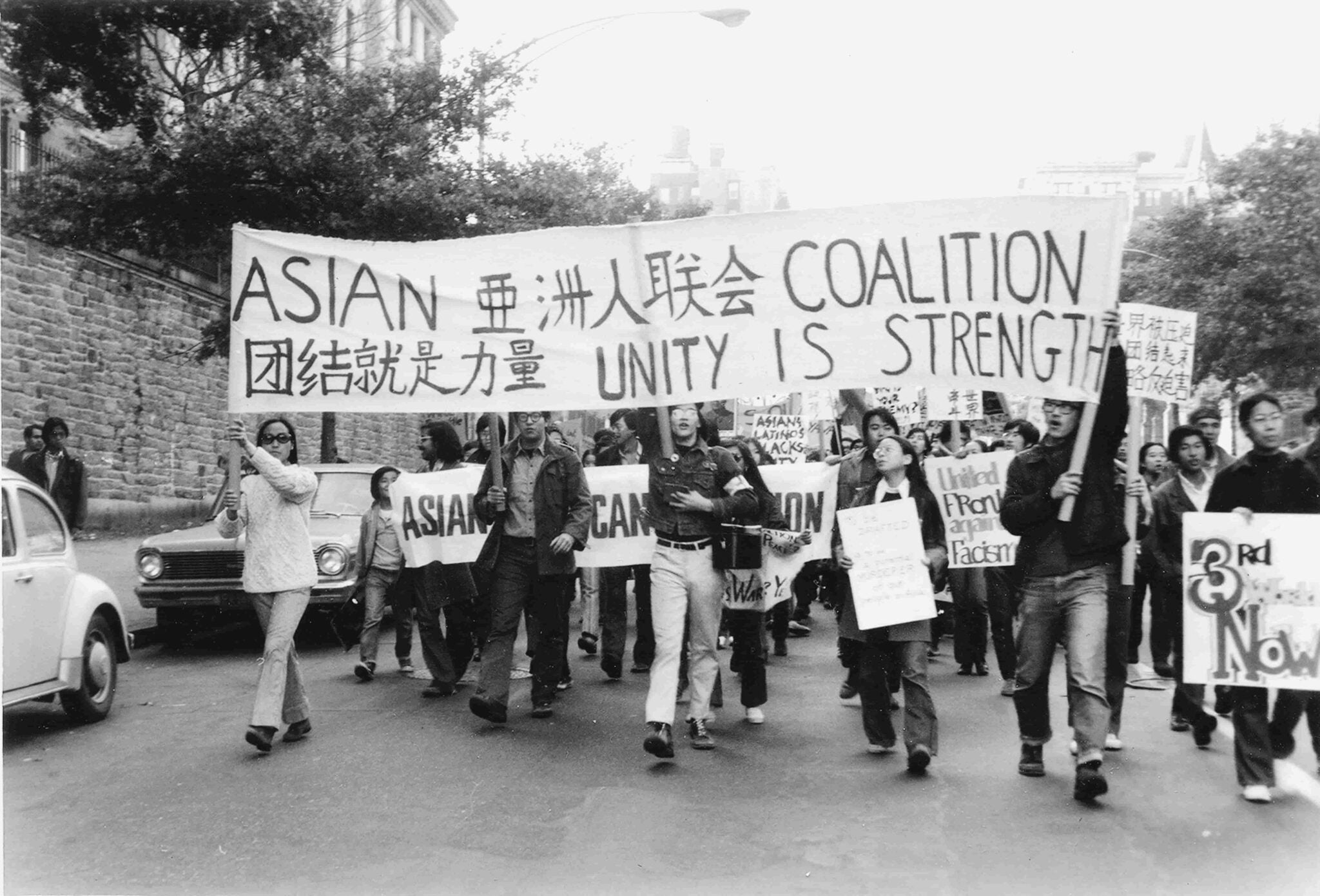
Image 38.01.05a — Asian Americans demonstrating in Manhattan against the Vietnam War. Photo by Yuri Kochiyama.
As the Asian American Movement emerged nationwide in the late 1960s, Yuri joined Asian Americans for Action in New York City. She was a featured speaker at Hiroshima Day events, opposing US militarism and imperialism in Vietnam, Okinawa, and elsewhere.
Yuri supported ethnic studies at the City College of New York and the hiring of Chinese constructions workers at Confucius Plaza.
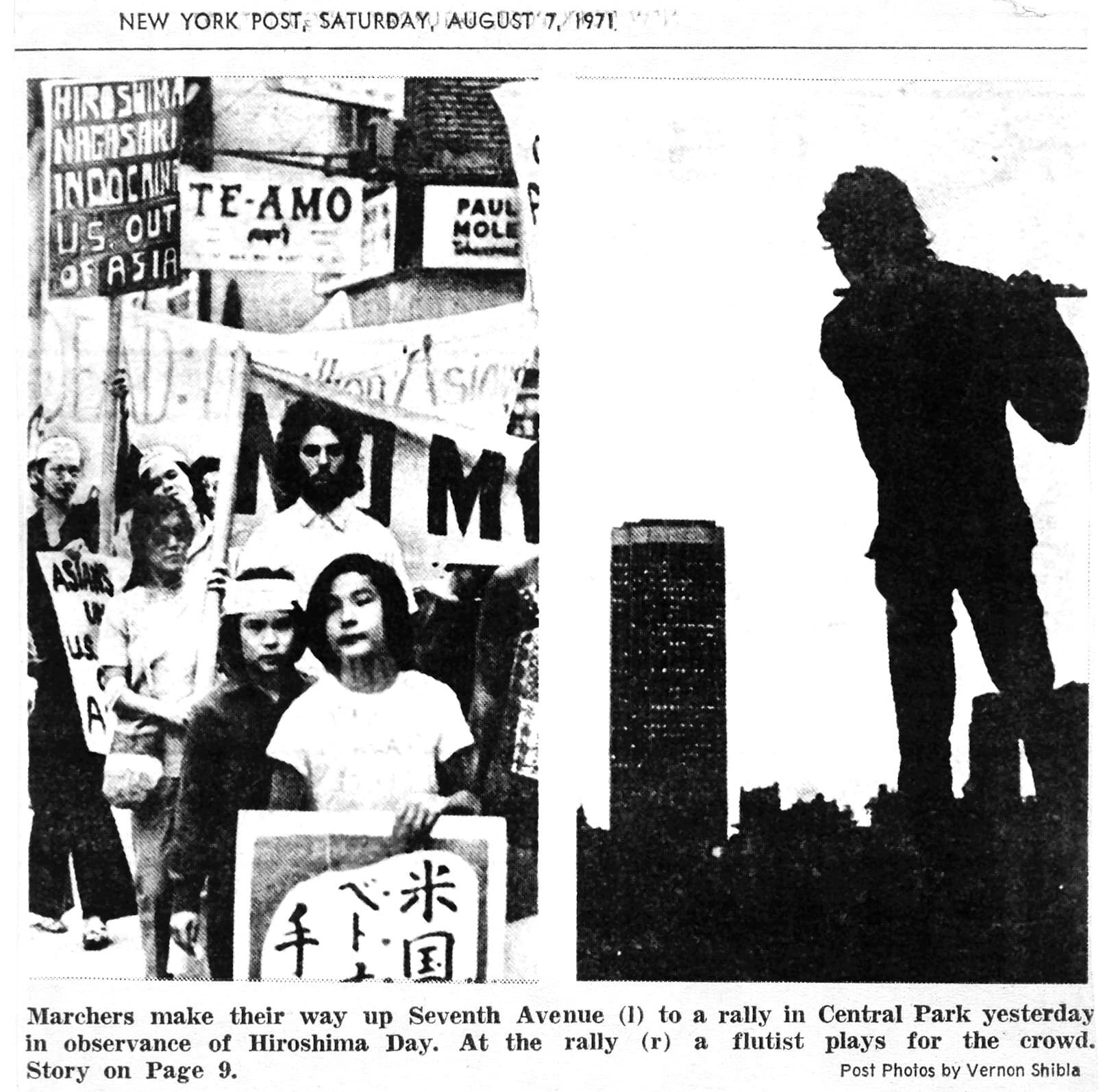
Image 38.01.05b — Tommy (with headband) and Jimmy in a demonstration to commemorate the bombings of Hiroshima and Nagasaki at Central Park, August 6, 1971.
When the Asian American Movement started in the late 1960s, young activists admired Yuri for her dedication to the Movement and for her connections with Black radicalism. Asian American activists from the West Coast would travel to New York to visit with Yuri and other Japanese American activists with long histories of struggle. Yuri became a foremost bridge between East Coast and West Coast Asian American activists and between the Black and Asian movements.
Not only Yuri, but her husband and children as well, were active in various struggles for justice.
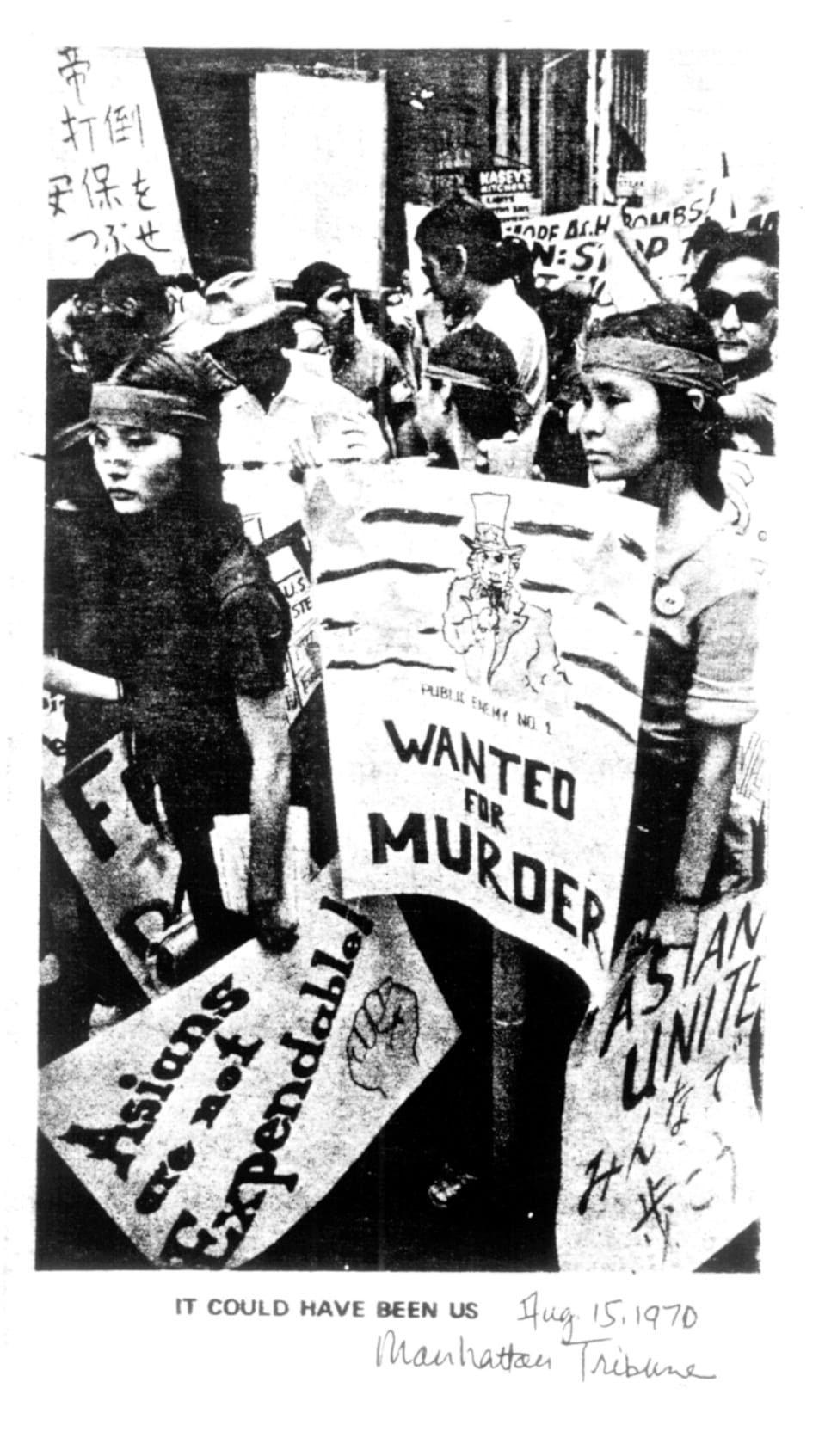
Image 38.01.05c — Yuri’s children participated in the movement. Audee (LEFT), Aichi (RIGHT), and Bill (BEHIND AICHI) at a demonstration against the Vietnam War, August 15, 1970.
When the Asian American Movement started in the late 1960s, young activists admired Yuri for her dedication to the Movement and for her connections with Black radicalism. Asian American activists from the West Coast would travel to New York to visit with Yuri and other Japanese American activists with long histories of struggle. Yuri became a foremost bridge between East Coast and West Coast Asian American activists and between the Black and Asian movements.
Not only Yuri, but her husband and children as well, were active in various struggles for justice.
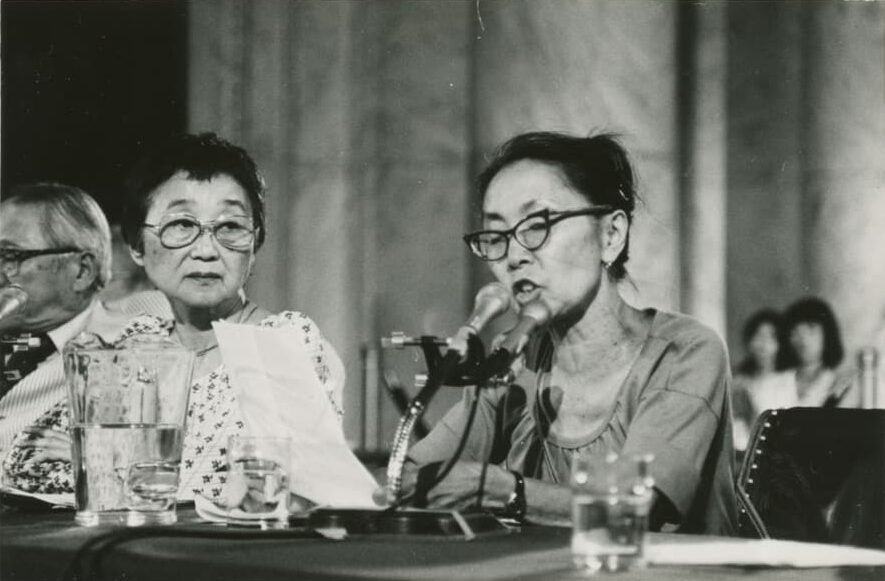
Yuri and Bill got involved in the nationwide movement for Japanese American redress and reparations in the 1970s and 1980s. Bill and Yuri helped to found the East Coast Japanese Americans for Redress (ECJAR). Bill testified at the Congressional hearings of the Commission on Wartime Relocation and Internment of Civilians (CWRIC) in New York City, and Yuri did so in Washington, DC.
Yuri consistently called for Black reparations alongside the demand for Japanese American redress.
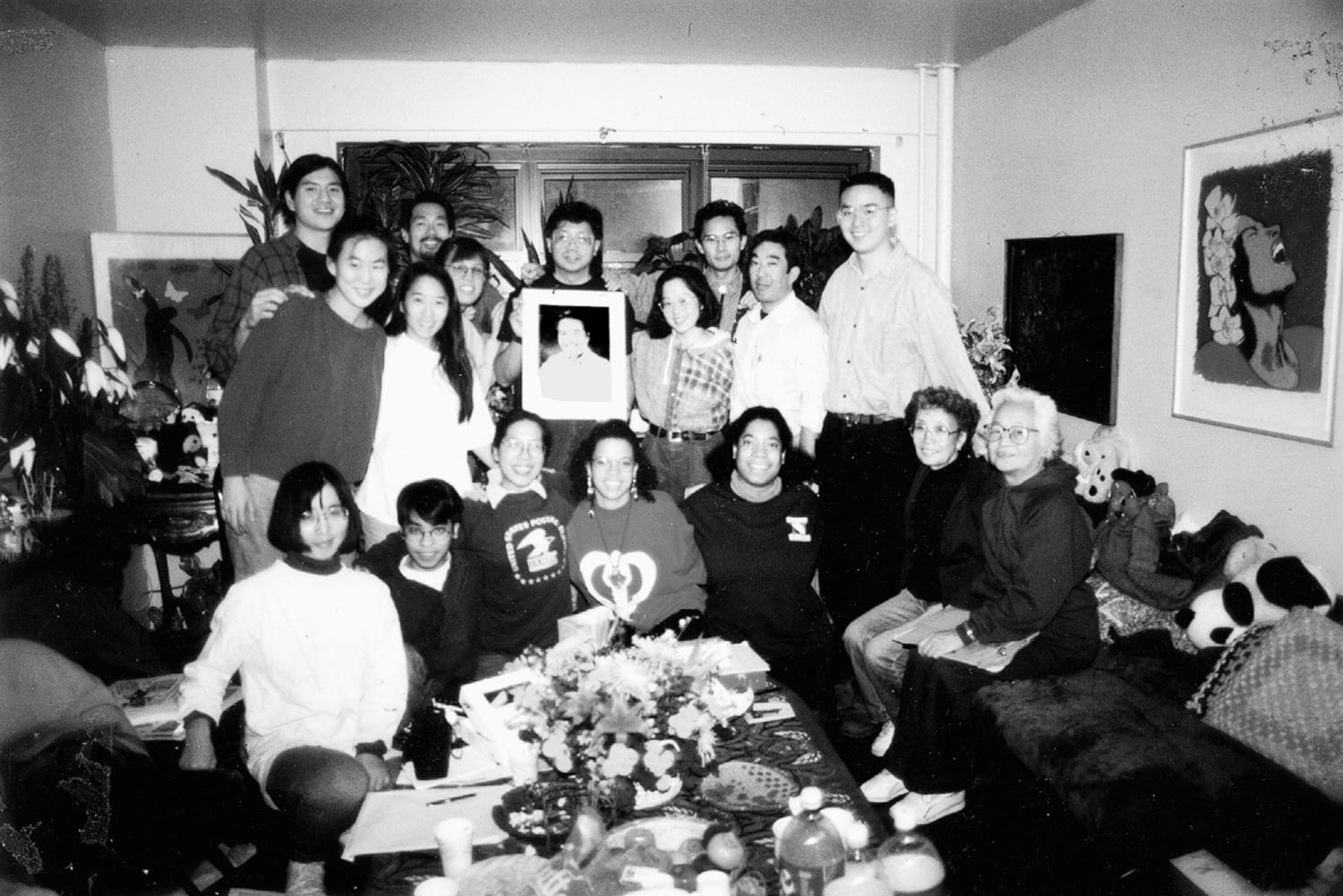
Image 38.01.05e — New York Chapter of the David Wong Committee, 1994. Bill (center); Yuri and Kazu Iijima (seated at right).
Yuri continued her grassroots activism throughout her life. In the 1990s, she formed prisoner support groups for Asian American prisoners and drew Asian Americans into the struggle for political prisoners.
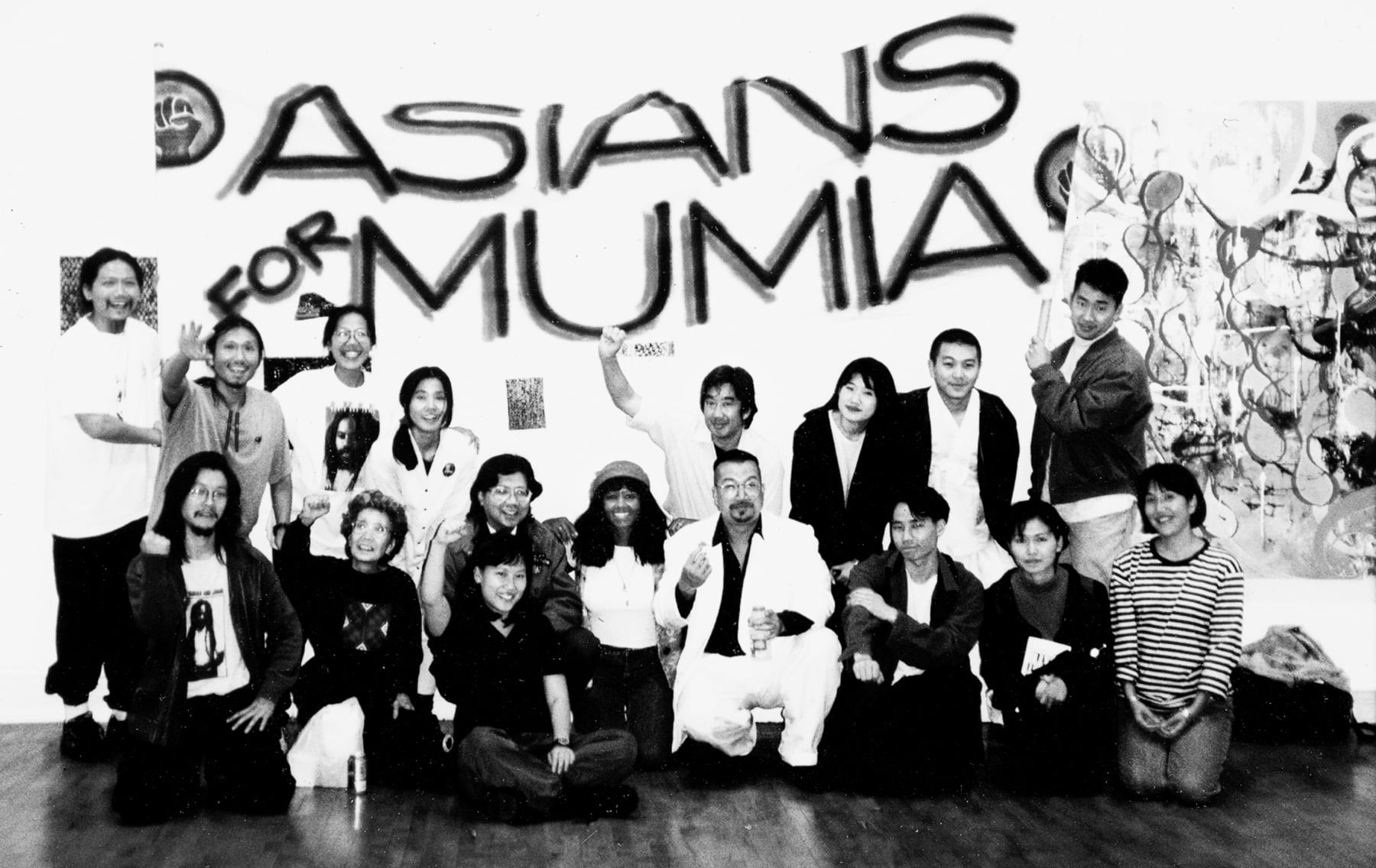
Image 38.01.05f — Asians for Mumia, New York City, 1996. Yuri was a strong supporter of Mumia Abu-Jamal, the renowned political prisoner and former Black Panther, since his arrest and imprisonment in the early 1980s. When Mumia was facing the death sentence in 1995, Yuri formed Asians for Mumia and drew Asian Americans into the struggle for political prisoners.
Yuri continued her grassroots activism throughout her life. In the 1990s, she formed prisoner support groups for Asian American prisoners and drew Asian Americans into the struggle for political prisoners.
Yuri inspired the formation of the Asian Prisoner Support Committee. APSC emerged from the campaign to support the San Quentin 3 (Eddy Zheng, Viet Mike Ngo, and Rico Riemedio) who were put in solitary confinement for their work to establish ethnic studies in the San Quentin prison in Northern California.
The APSC, formed in 2002, has organized against Southeast Asian deportation cases, led programs in prisons, and designed culturally relevant reentry programs.
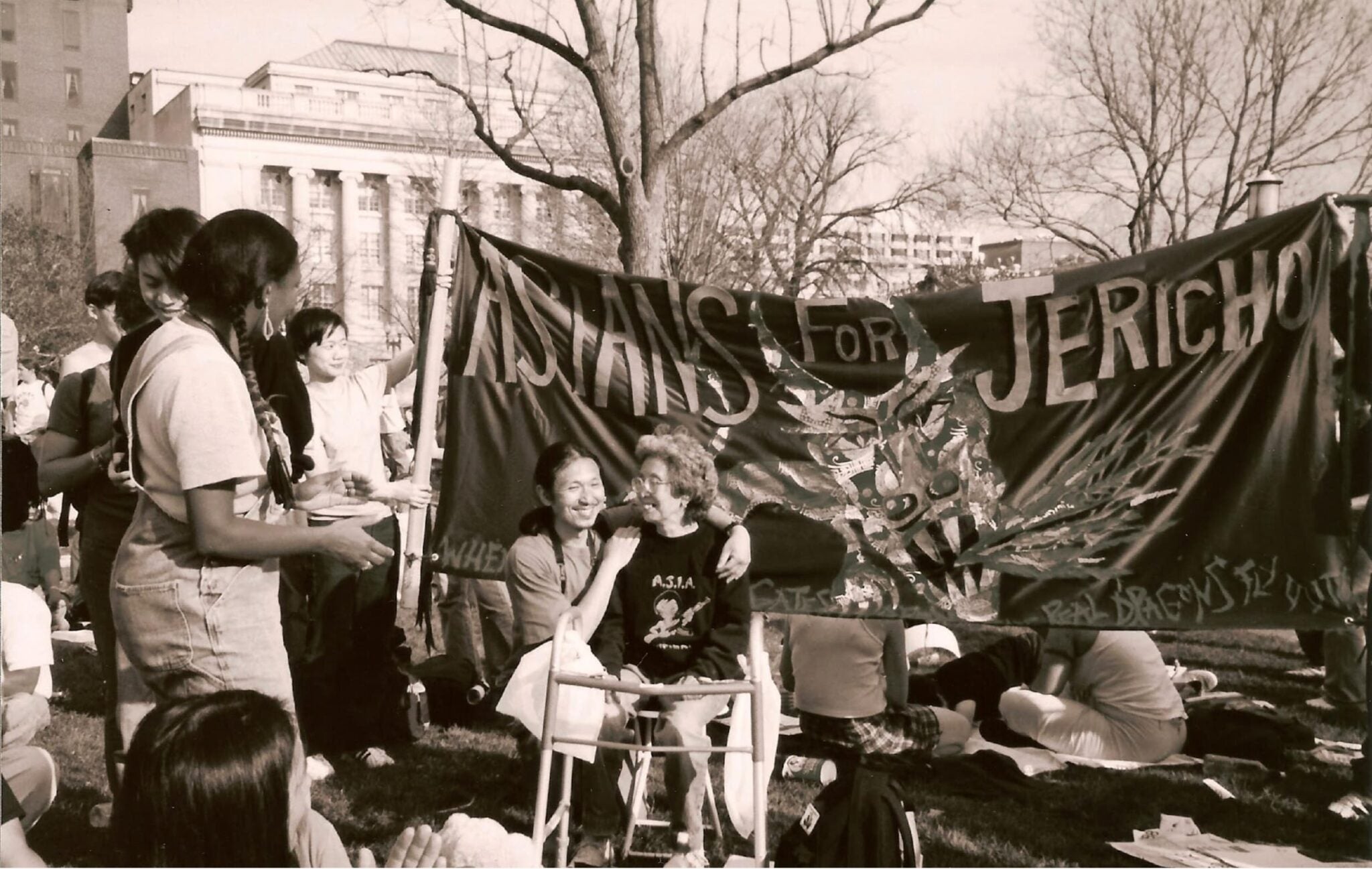
Image 38.01.05g — Yuri with Wayne Lum, a leader of the David Wong and Yu Kikumura support committees, in front of the Asian contingent’s banner at the Jericho rally for political prisoners on March 27, 1998, in Washington DC. Photo by Diane Fujino.
In the 1990s, Yuri Kochiyama grew to national prominence as one of the most influential Asian American activists of the 20th century. Asian American college students across the nation began inviting her to be their featured speaker.
In 1999, Yuri moved to Northern California to be closer to family as her health deteriorated. Living in Oakland, the birthplace of the Black Panther Party, enabled her to work closely with activists there and to immerse herself in West Coast activism.
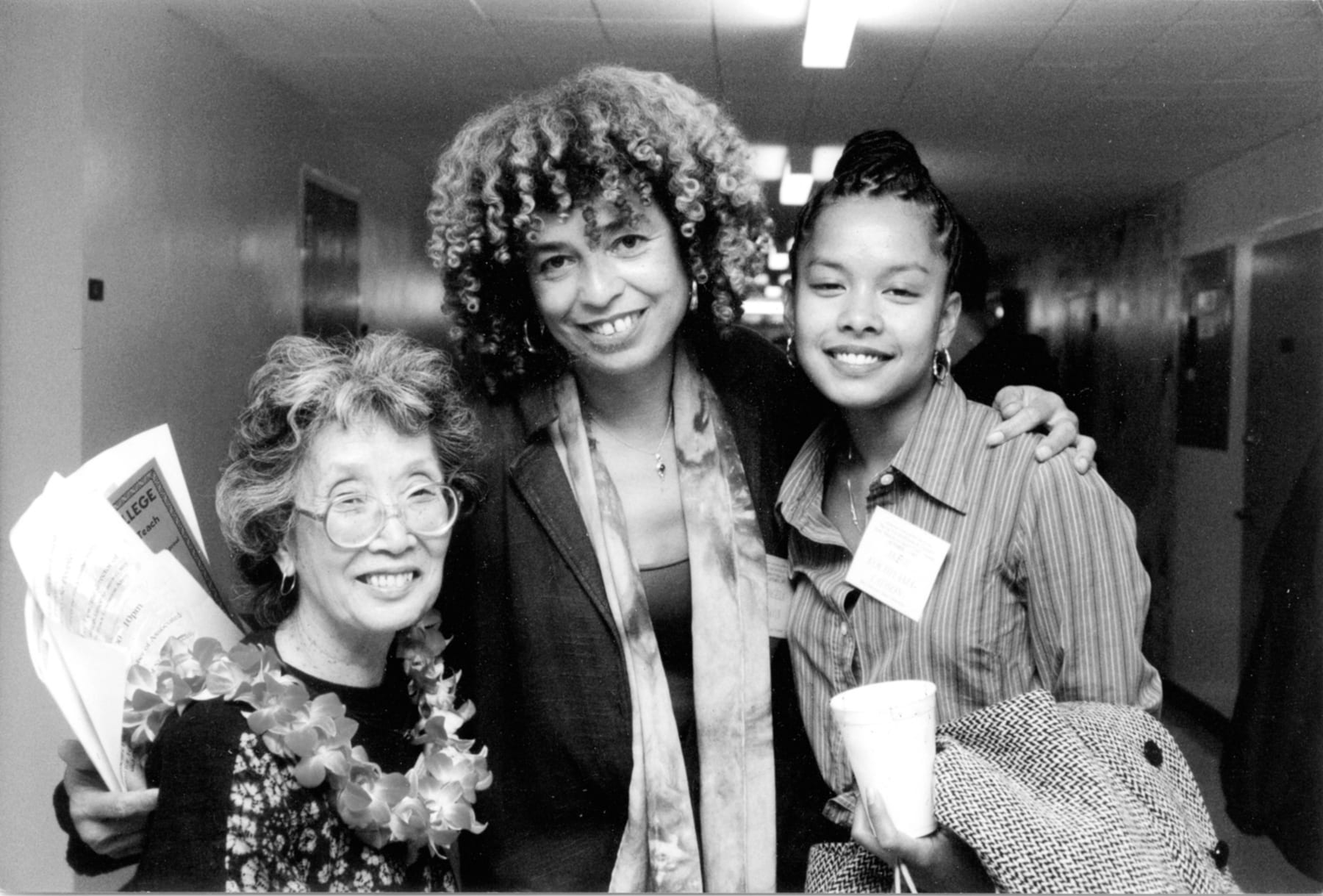
Image 38.01.05h — Yuri, Angela Davis and Akemi Kochiyama, October 1997. Angela Davis moderated the African/Asian Round Table at San Francisco State University.
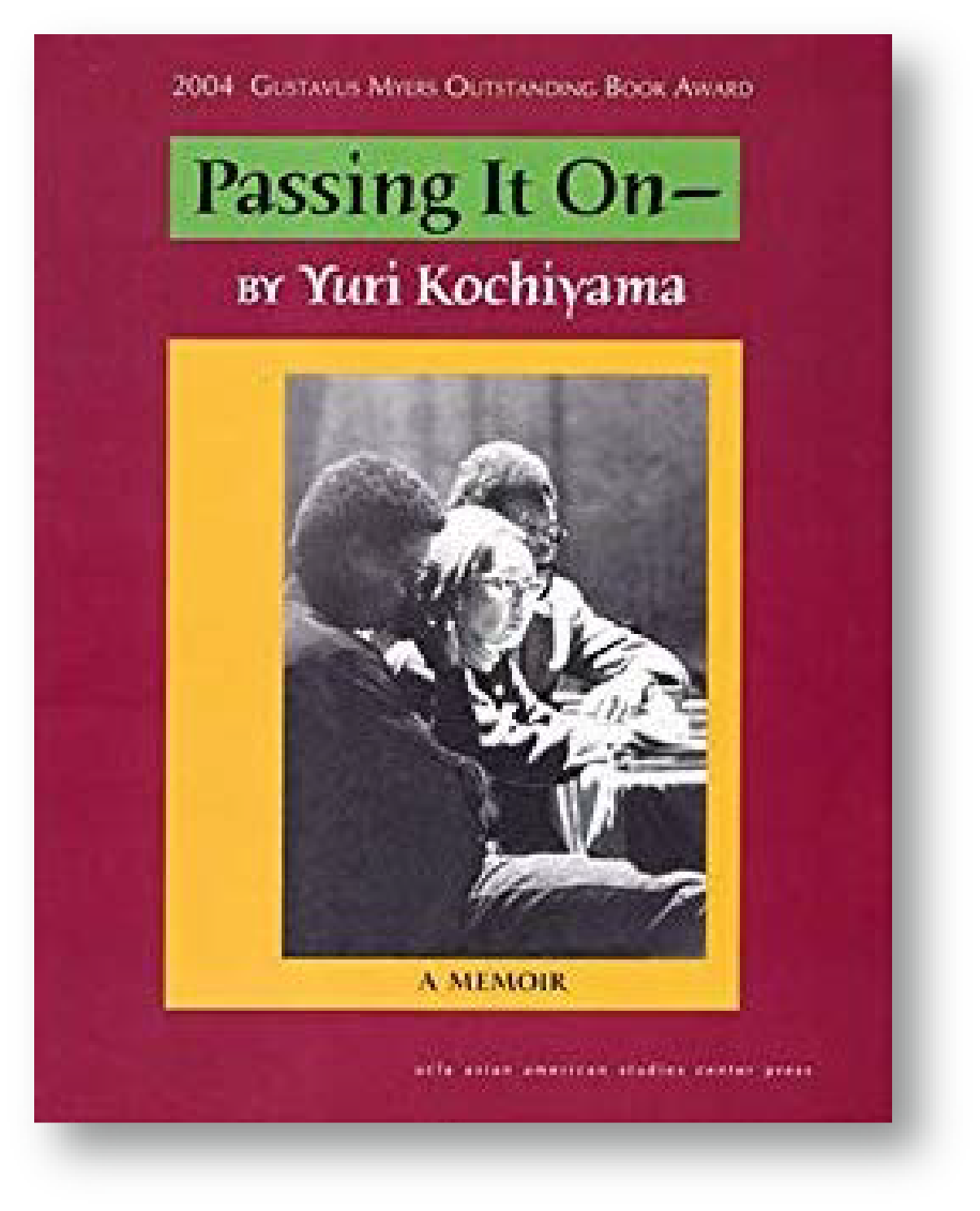
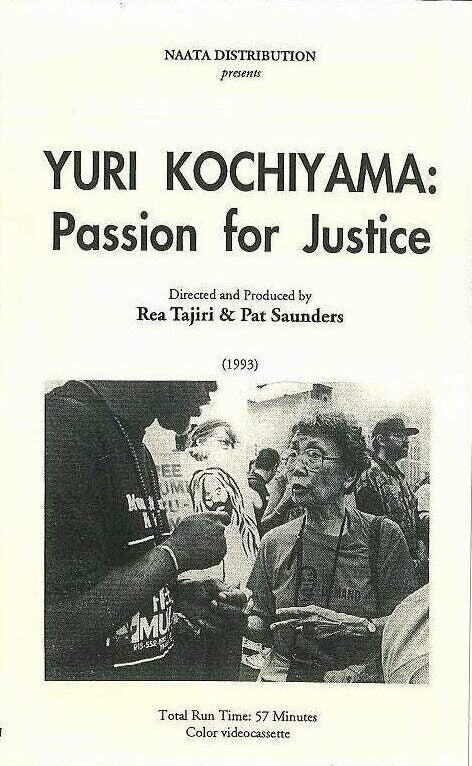
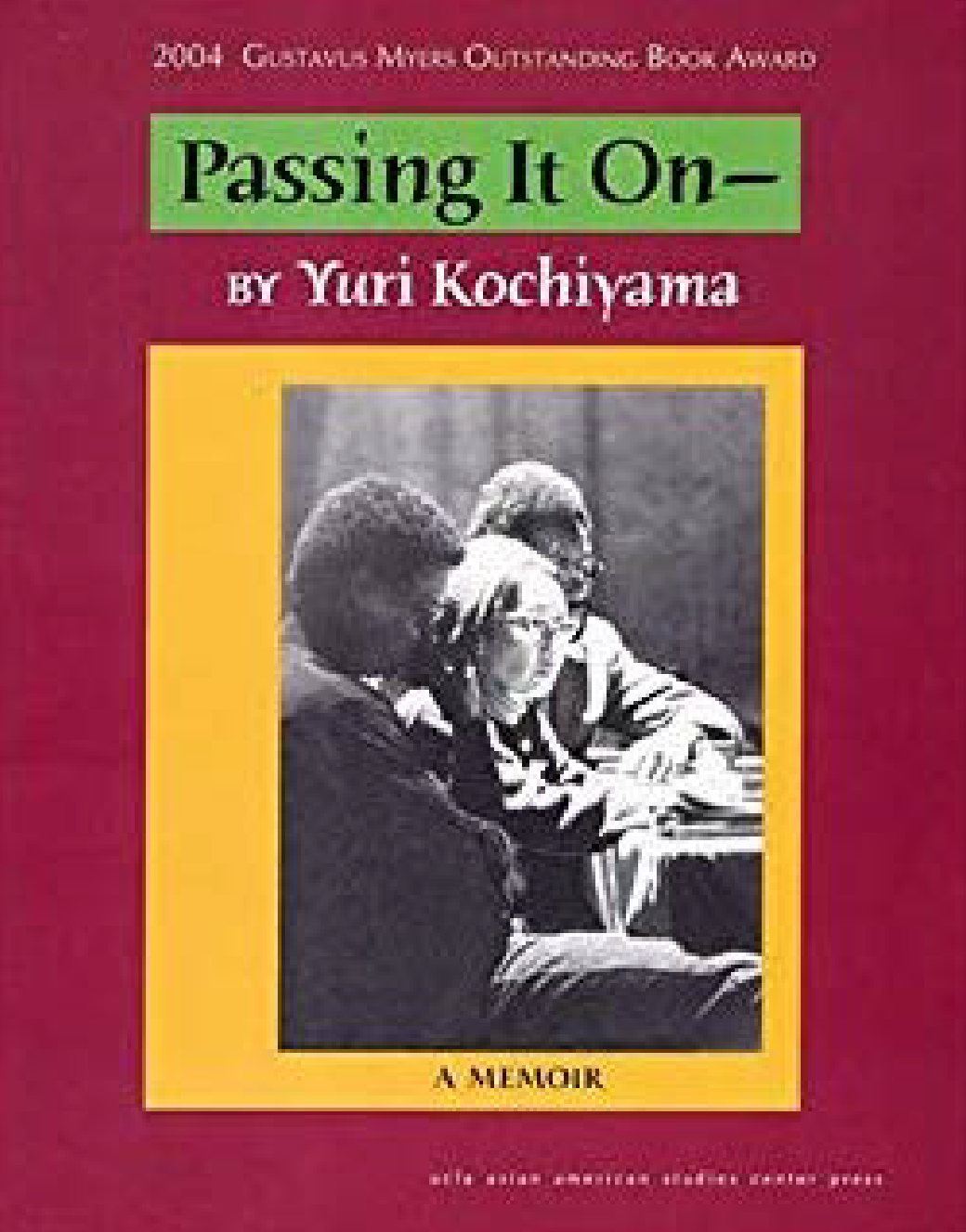
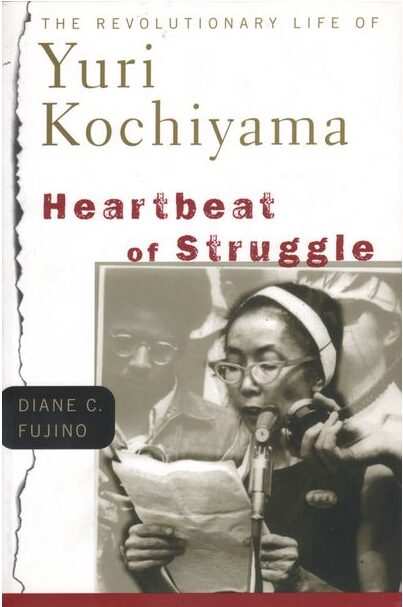
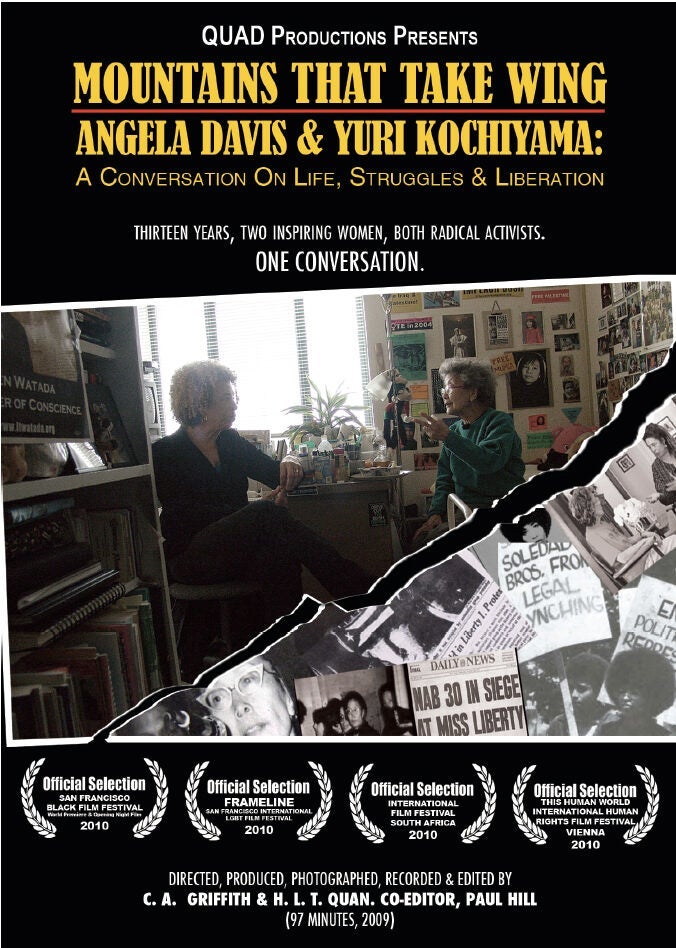
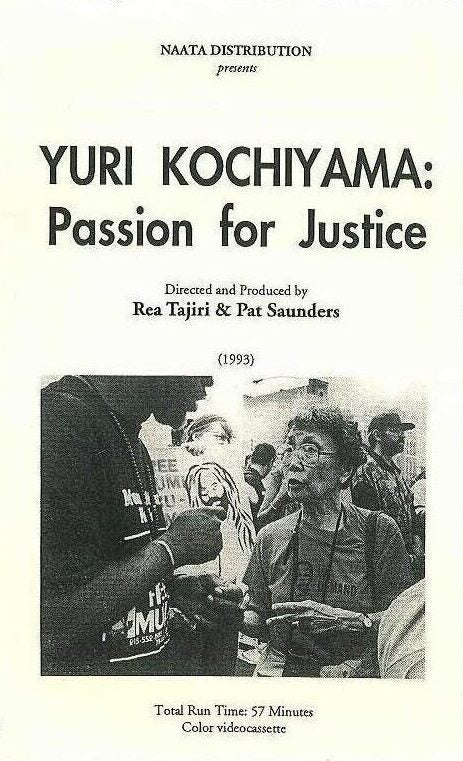
Reflecting Yuri’s growing national stature, UCLA’s Asian American Studies Center invited her to write her memoir, Passing It On, published in 2004. Diane Fujino’s biography, Heartbeat of Struggle, came out the following year. Two documentaries have been made about her: Pat Saunders and Rea Tajiri’s “Passion for Justice” (1993) and C.A. Griffith and H.L.T. Quan’s “Mountains that Take Wings.”
After Yuri passed away on June 1, 2014, her family organized beautiful memorials in Oakland, Los Angeles, and New York.
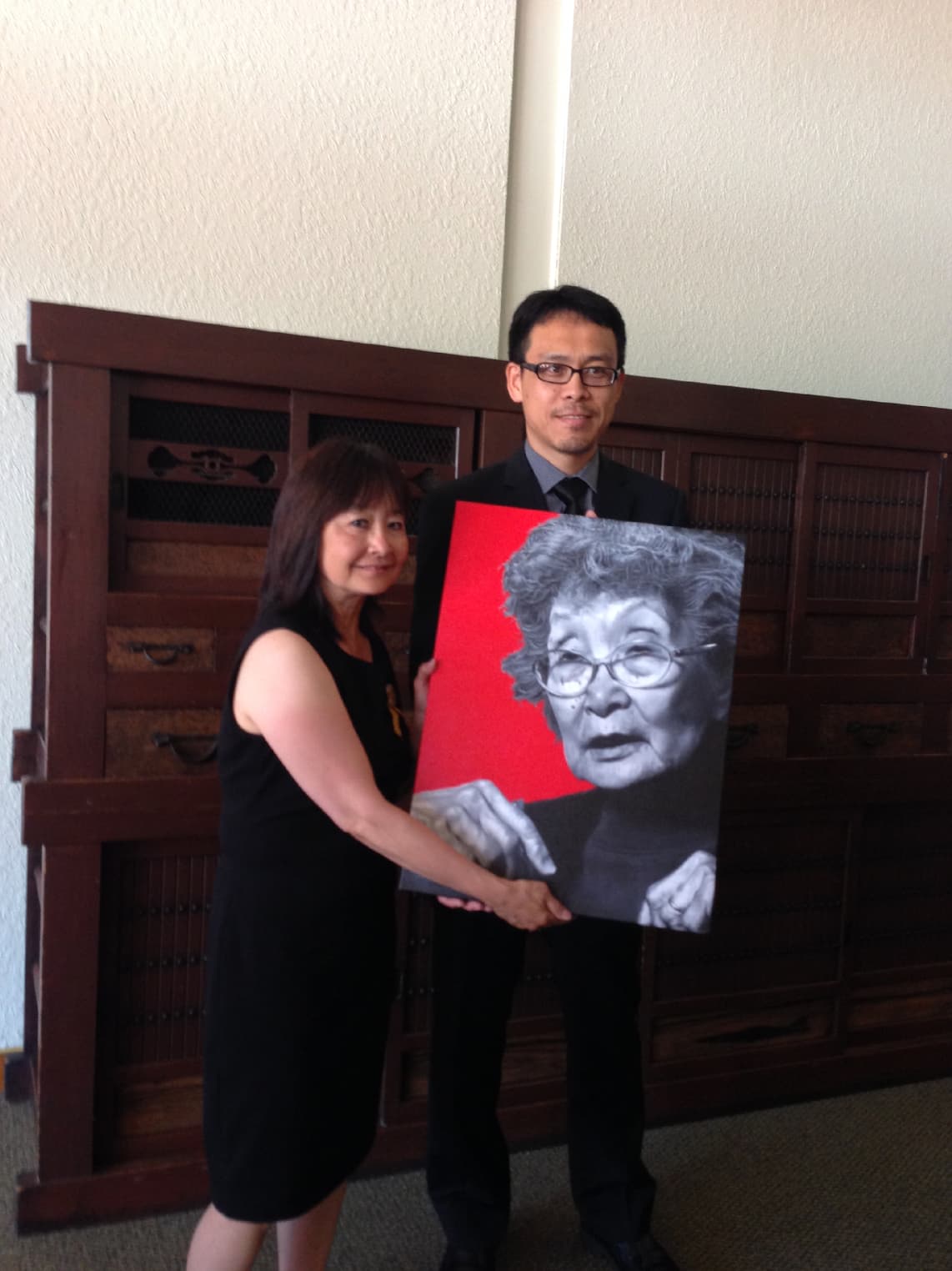
Image 38.01.05i — Artist Shuji Nakamura presents his painting to Audee Kochiyama-Holman, at Yuri’s Los Angeles memorial. Nakamura created the portrait for the “RISE: Love. Revolution. The Black Panther Party” exhibit, Los Angeles, 2014. Photo by Diane Fujino.
One of the most renowned Asian American activists, Yuri has had a notably impact on political activism and popular culture. A small sampling includes:
* The Blues Scholars’s song, “Yuri Kochiyama”
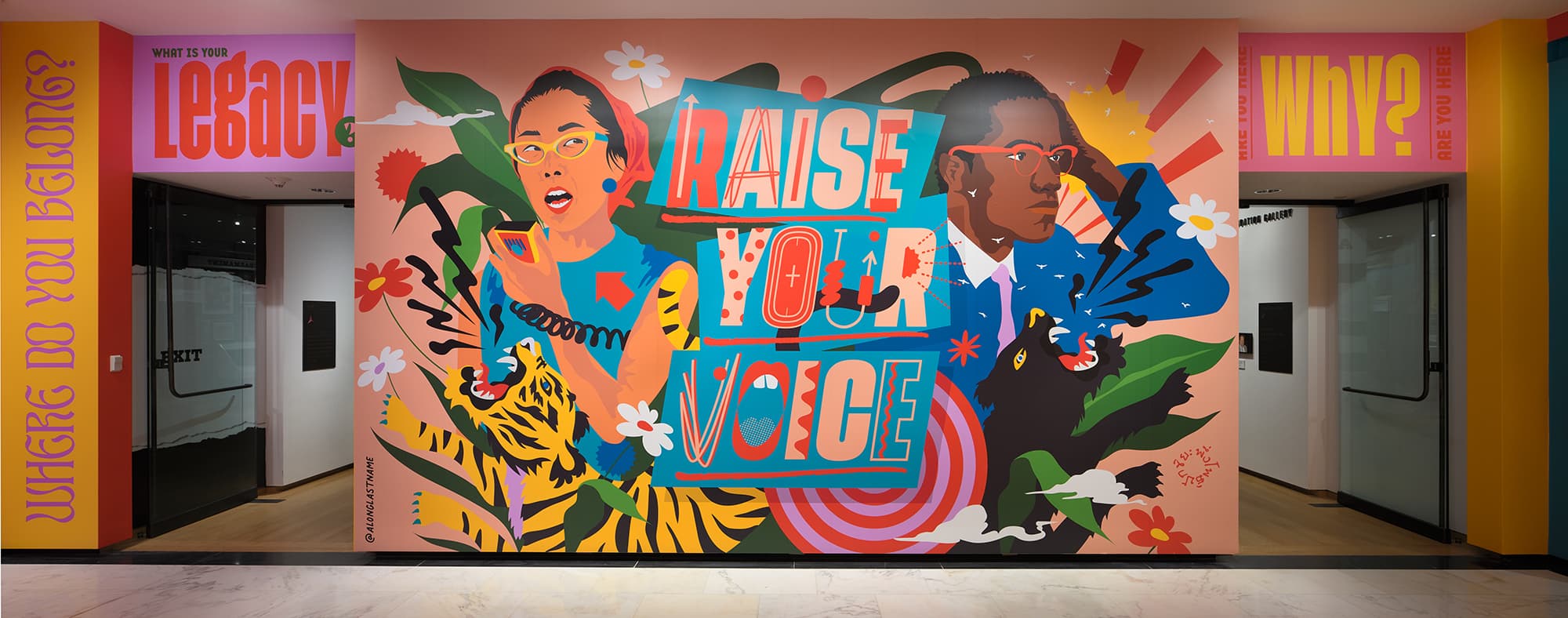
* The Asian American Women Artists Association curated an art exhibition, “Shifting Movements: Art Inspired by the Life & Activism of Yuri Kochiyama,” San Francisco, 2016.
* The Asian Law Caucus established the annual Yuri Kochiyama Impact Award.
* The corporate giant, Google, recognized Kochiyama with a Google Doodle in 2016.
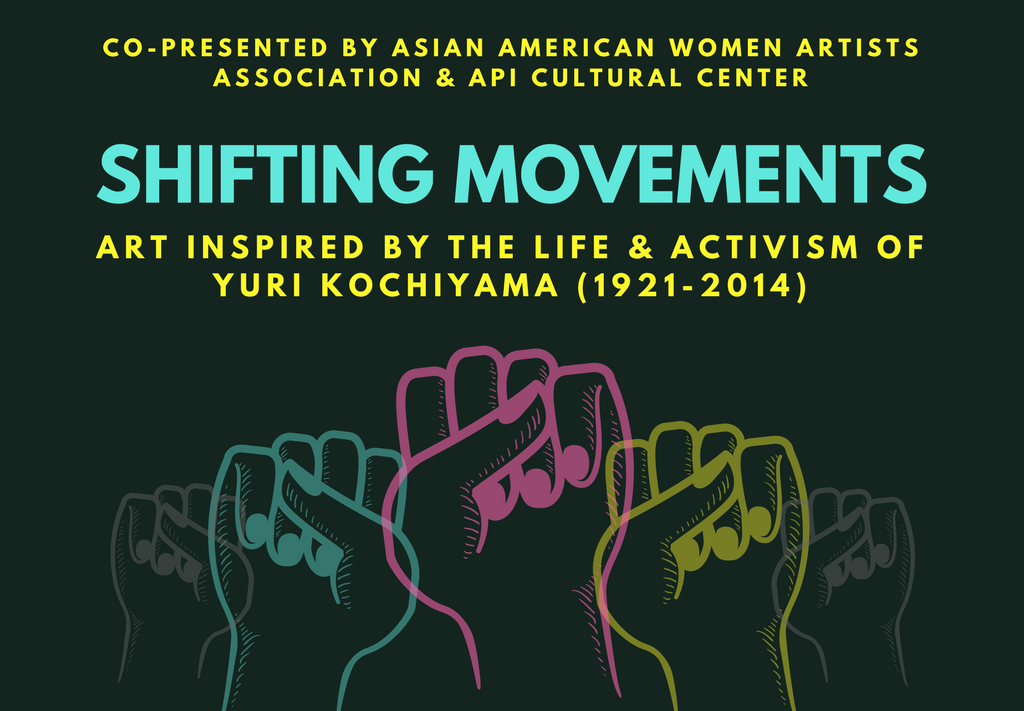
Image 38.01.05j — Graphic design by Melanie Elvena. Courtesy of the Asian American Women Artists Association.
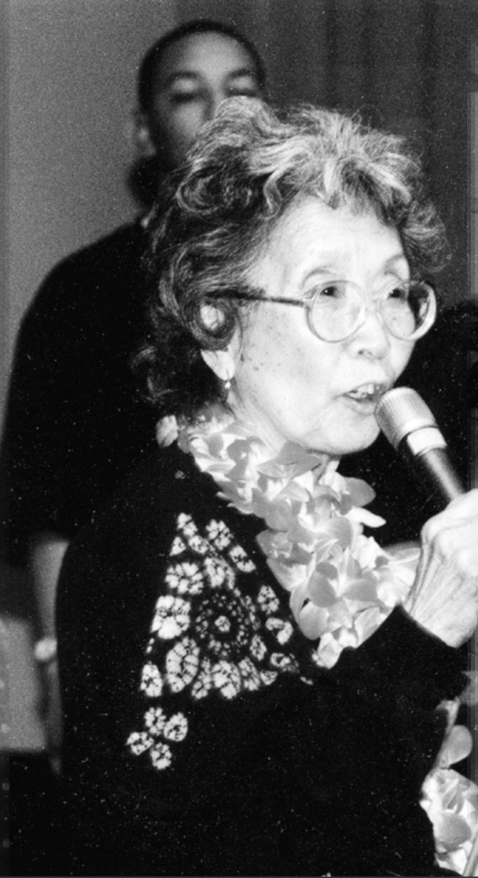
Image 38.01.05k — Yuri speaking at the African/Asian Round Table, held at San Francisco State University, 1997.
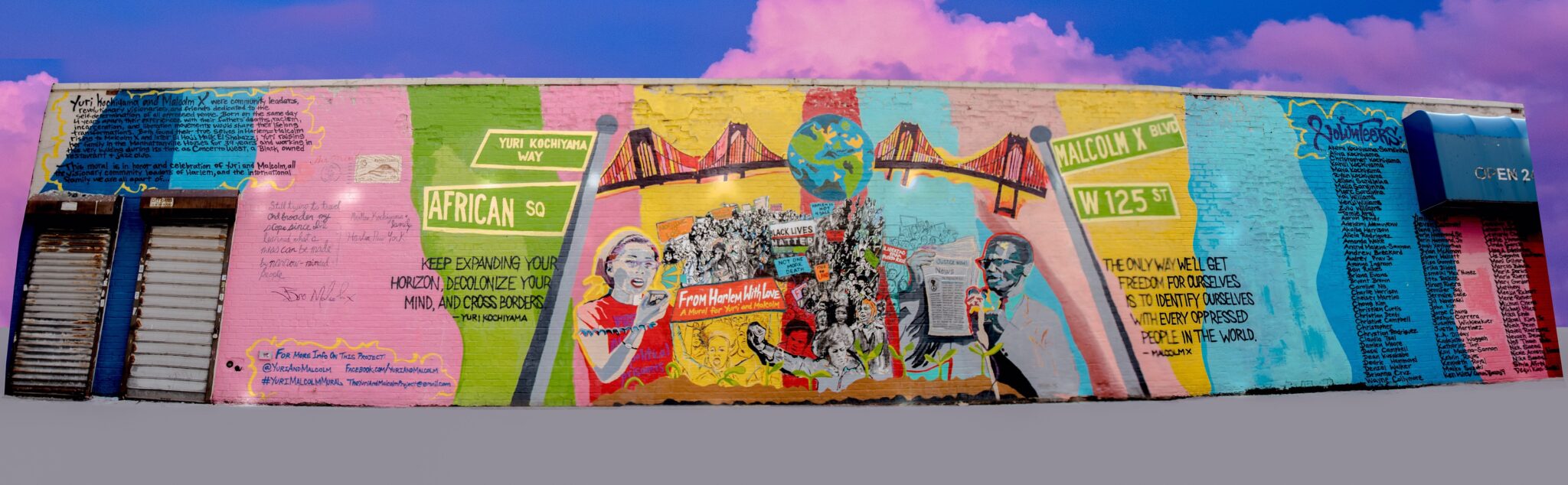
Working against the ongoing invisibility of Asian American activism, countless people across the nation are invoking Yuri Kochiyama as a legendary Asian American activist. Her renown only increased for a new generation in the wake of the Movement for Black Lives and new waves of anti-Asian violence during the Covid-19 pandemic.