





Module 2: Japanese Americans During World War II: The Lasting Impact of Imprisonment
Do Yuri Kochiyama’s life experiences explain her political consciousness, solidarity, and activism?
In this module, we explore Japanese Americans’ lives before and during the Second World War (WWII) through the lens of Yuri Kochiyama and her family history. In particular, the story of Japanese Americans during the 1940s is examined through two incarcerations: Yuri’s father’s removal and imprisonment in 1941 and the family’s forced displacement in 1942.
Yuri’s personal story impacted not only her racial and political consciousness but also encapsulates the lives and minds of the 120,000 Japanese Americans who experienced the harrowing ordeal of mass race-based incarceration.
What was Yuri Kochiyama’s life like before World War II and did it change during the war?
In what ways did wartime incarceration shape Yuri Kochiyama’s social consciousness?
Was it irony or fate that Yuri Kochiyama’s brother would enlist in the army during World War II?
Growing Up Japanese American
My parents were Issei (first-generation Japanese) so our home life was traditional in that we spoke Japanese and ate Japanese food and were expected to behave as proper Japanese children. Outside our home, though, I was very much an “All-American” girl.
– Yuri Kochiyama, Passing It On: A Memoir 1
Yuri Kochiyama’s parents, Seiichi Nakahara and Tsuyako Sawaguchi, represented the Issei, the first wave or first generation of Japanese immigrants who came to the US between 1868 and 1924. Her father had been a high school principal in Japan, but when he immigrated in 1907 to the US, his first jobs included picking oranges and working at a fish cannery. The majority of Japanese immigrants in the early twentieth century toiled as farmers and laborers, especially in sugarcane plantations in Hawaiʻi, agricultural fields in California, or as domestic help for wealthier families.
After Yuri’s father was able to open a small fish market with a few family members, he made enough money to return to Japan to marry Tsuyako Sawaguchi, a high school English teacher in Japan. Together, they came back to the US in 1918 where they raised their three children Arthur Masao and twins Mary Yuriko (Yuri) and Peter Minoru in San Pedro, California. The twins were born on May 19, 1921.
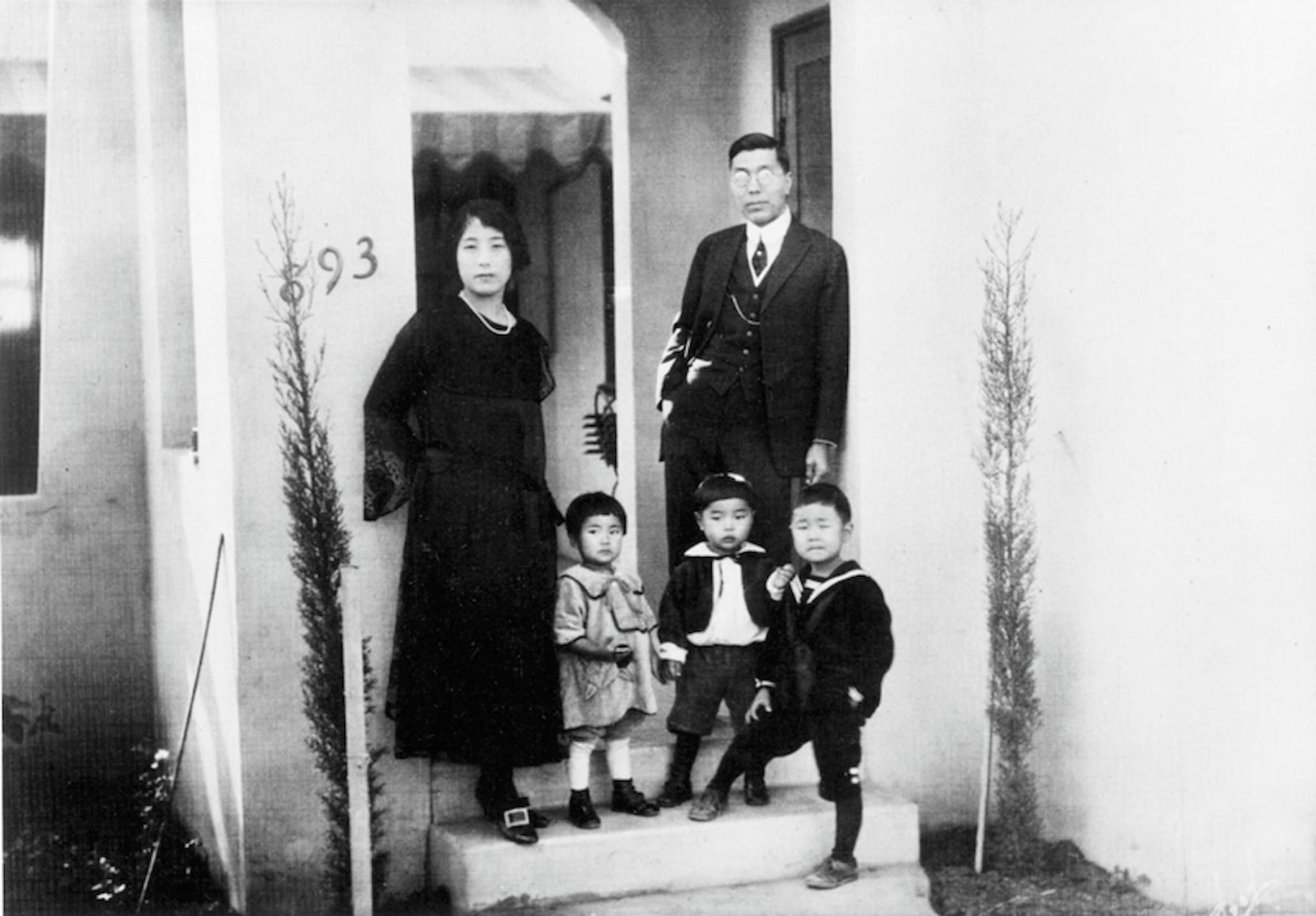
Image 38.02.01 — The Nakahara family, with children Yuri (left) and brothers Peter and Art in San Pedro, California, c. 1924. Despite their middle-class lifestyle, racial segregation laws limited where they could live.
In her 2004 memoir, Yuri recalls that growing up in the mostly white and working-class neighborhood in the port of San Pedro was comfortable and less harsh than the lives of fishermen and farmers who worked inland. She also remembers that while attending grade school, she did not experience discrimination as her neighborhood seemed “void of racism.”
While Yuri did not recall experiencing racial discrimination as a young girl, harsh anti-Japanese hostility existed for decades before WWII. Racial segregation laws, for example, meant that her family could not live in the white part of town, despite being economically well off. As a result, Japanese Americans built community together, supported Japanese-owned businesses, and promoted Japanese culture.
Most Nisei, or second-generation like Yuri, were culturally segregated into Japanese spaces. Yuri, however, joined mainstream school organizations, which was unusual among the Nisei. She was the first girl at San Pedro High School to earn a varsity letter, and she also covered sports for a local newspaper, riding her bike as many as twenty miles to Gardena. She also taught Sunday school and was a counselor in numerous girls’ clubs.
Starting in the early 1940s, Yuri and other Nisei were asked to leave one organization after another. In one case, a captain in the Women’s Ambulance and Defense Corps of America (WADCA) told Yuri and her Nisei friends that they were not welcome as their Japanese ancestry made others feel uneasy. Though she and her friends wanted to remain in the WADCA, they decided to exit the organization gracefully. Her response typified her quiet acceptance in this period of growing anti-Japanese hostility.
Reflection Question
What can support or solidarity look like when a friend or someone you know is asked to leave a social group or community organization because of their race?
World War II and the Detention of Japanese Americans
On December 7, 1941, Yuri Kochiyama was twenty years old when her father was taken from the family. It was the same day Japan dropped bombs on the US military base in Pearl Harbor in Hawaiʻi. Her father had just returned home from the hospital, where he had undergone treatment for a stomach ulcer, when three FBI agents came to the door to take her father into custody. Though he was still very weak, they pulled him from bed, instructed him to put on his bathrobe and slippers, and hustled him out of the house. The FBI refused to tell Yuri and the family where they were taking her father.
Because the FBI did not tell them where Mr. Nakahara was taken, Yuri’s mother’s looked everywhere to find her husband. They later discovered that the FBI and police had detained approximately seven hundred Japanese Americans within forty-eight hours of the Pearl Harbor bombing. By March 1942, that number rose to three thousand.
The US government claimed to be targeting “suspicious” Japanese immigrants, but rather than relying on the findings of investigations carried out many months before Pearl Harbor that found Japanese Americans to be overwhelmingly loyal to the United States, the FBI rounded up and arrested the leaders of the community, including influential businessmen, produce distributors, farmers, Shinto and Buddhist priests, Japanese language school teachers, and consular officials.
Why were Japanese Americans singled out for mass imprisonment, especially when the US was also at war with Germany and Italy? Decades later, a US Congressional report acknowledged that race prejudice, war hysteria, and failure of political leadership were all factors in Japanese incarceration. At this time, equally, it was difficult for the Nakaharas to ignore the false rumors that Mr. Nakahara was an enemy spy. Yuri herself recalled, “the fact that Pop was taken in made it look like he had done something wrong.” 2 Yuri remembers in her memoir how the family reacted when they finally found out where their father was:
“A lawyer called back to say he located Pop. He was at the federal penitentiary on Terminal Island. Mom visited Pop to give him his diabetes medication, but the officials refused to administer the medicine to Pop or even grant Mom visitation rights. Because he was never given any of his medications, Pop became so sick that they had to transfer him to a hospital. He was placed in a large room with a wounded seaman from Wake Island. Mom feared for Pop’s life because they were extremely hostile to him. They placed a sheet around his bed that read “Prisoner of War.” Mom begged the authorities to give him a private room, but she was ignored.” 3
After six weeks of imprisonment and medical neglect, Mr. Nakahara was gravely ill. The authorities released him, only to die in his family home the next day. He was fifty-four years old. Yuri wrote in her memoir many years later that she would never forget what happened to her father. That she had witnessed what the US government did to her father with her own eyes ingrained in her young mind the pain of discrimination and lasting effects of racism. In her father’s instance, there was senseless degradation, brutality, and hatred based upon racism.
Mass Incarceration of Japanese Americans
Following Yuri Kochiyama’s father’s death in 1942, life continued to be chaotic and stressful for Japanese Americans. For two months after Pearl Harbor, the highest US political and military officials strategized about whether or not to remove Japanese Americans from their homes and how they might do so. Some recognized that Japanese Americans were not a threat to US national security and as US citizens, had Constitutional rights, while others believed that Japanese Americans would support the Japanese military. In the end, on February 19, 1942, President Franklin D. Roosevelt signed Executive Order 9066, which set in motion the establishment of “military areas” from which “any or all persons may be excluded.” The order never mentioned any ethnic or racial group, but it was designed with Japanese Americans in mind.
In the spring of 1942, the US government displaced over 120,000 Japanese Americans from California and parts of Washington, Oregon, and Arizona to relocation centers throughout the country. Two-thirds of those detained were US citizens, and the immigrants among them were denied US naturalized citizenship. The Japanese American community has argued that terms such as “evacuation” and “relocation center” are euphemisms for the “forced removal” and “concentration camp” in which Japanese Americans actually lived.
Like other Japanese American families, the Nakaharas could take only what they could carry. They had no idea where they would be going. Yuri recalled in her memoir:
“All we knew was to be prepared for rough living. They told us to bring hardy clothes like jeans and comfortable shoes like sneakers. We weren’t allowed to bring radios and anything that could be interpreted as a weapon, not even baseball bats or knives…I took pictures of all my friends to remember them by. I also took stationary, envelopes, and stamps so I could stay in touch with my friends…The hardest part for me was leaving my friends.” 4
On Friday, April 3, 1942, Yuri, her older brother Art, and their mother made the forty-mile trek from San Pedro, California, to the Santa Anita Assembly Center in Arcadia, California, which had recently been converted from horse stables at the Santa Anita Park racetrack to incarceration barracks. Her brother Pete had already joined the US Army. Upon arrival, they were shocked by the presence of armed guards who were not there to help but to guard them.
Yuri’s diary entries reveal an optimistic naiveté that helped her cope with the hysteria, racism, and uncertainty of the times. She recorded in her diary that first day, writing: “it seemed as though most of the people were quite disappointed. My mother complained it smelled like horses were still living in it [barracks].” She also described the lack of privacy, but even on this point, she put a positive spin on the situation. She wrote, “Around 8:30, the little girl to the right of us yelled out, ‘Good night everybody over there!’ It was cute. We yelled back, ‘Good night to you too.’” Indeed, she wrote, “but not until I myself actually come up against prejudice and discrimination will I really understand the problems of the Nisei.”
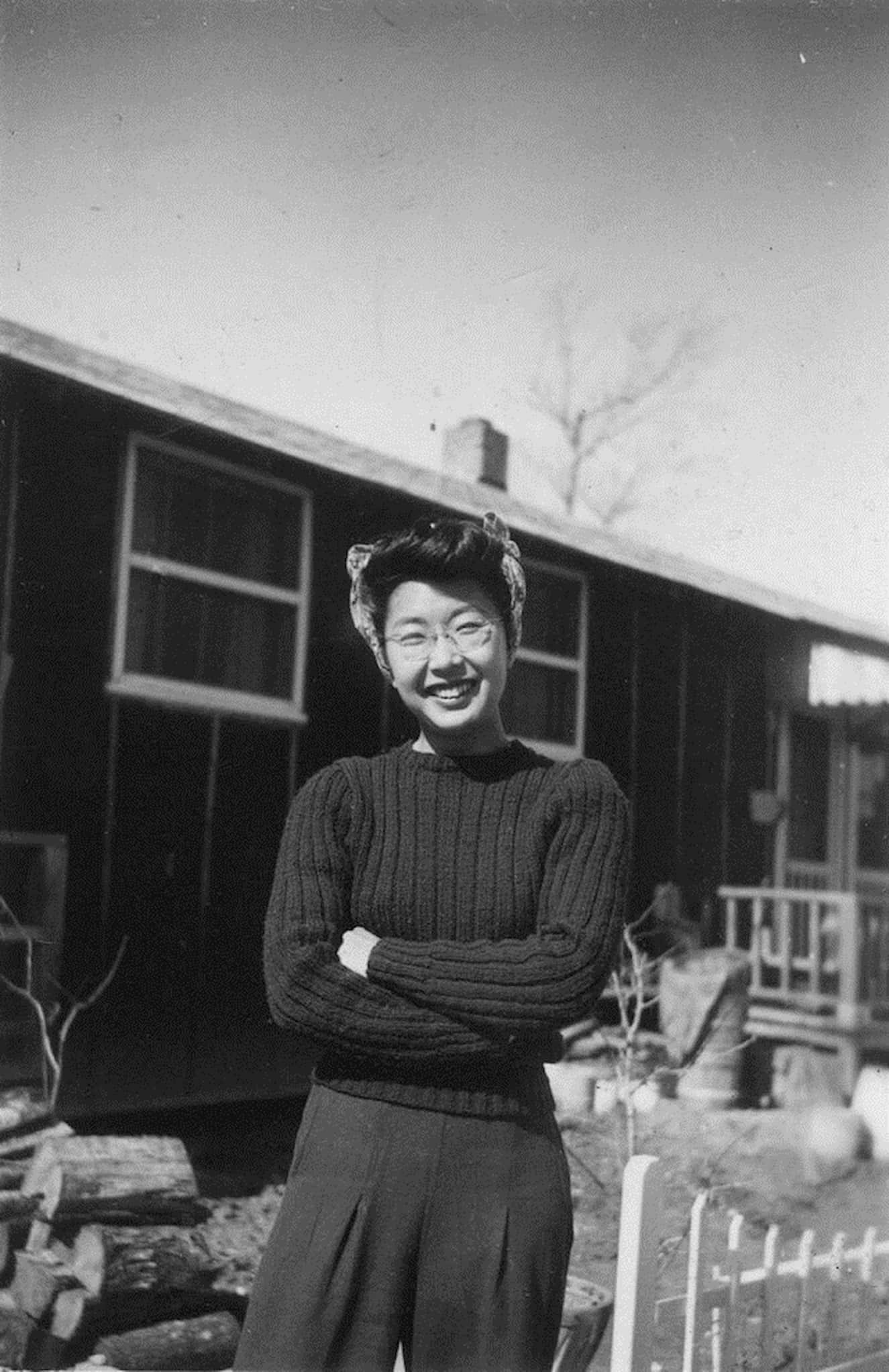
Image 38.02.02 — Yuri Kochiyama, age twenty-one, in front of a barracks at Santa Anita, California, where Japanese Americans were forced to live in small and barren units, c. 1942.
At Santa Anita, Yuri organized her Sunday school class of teenage girls to write letters to Japanese American soldiers and called the group the Crusaders. Many of the girls, including Yuri, had a brother or relative in the military. They were worried that their fellow US soldiers may see the Nisei soldiers as the enemy. The Crusaders began by writing to half a dozen soldiers, but their campaign quickly expanded. Many others also had a brother, cousin, or friend in the service. More girls came each Sunday with names and addresses of soldiers who should receive letters. The group soon exchanged thousands of letters with soldiers overseas.

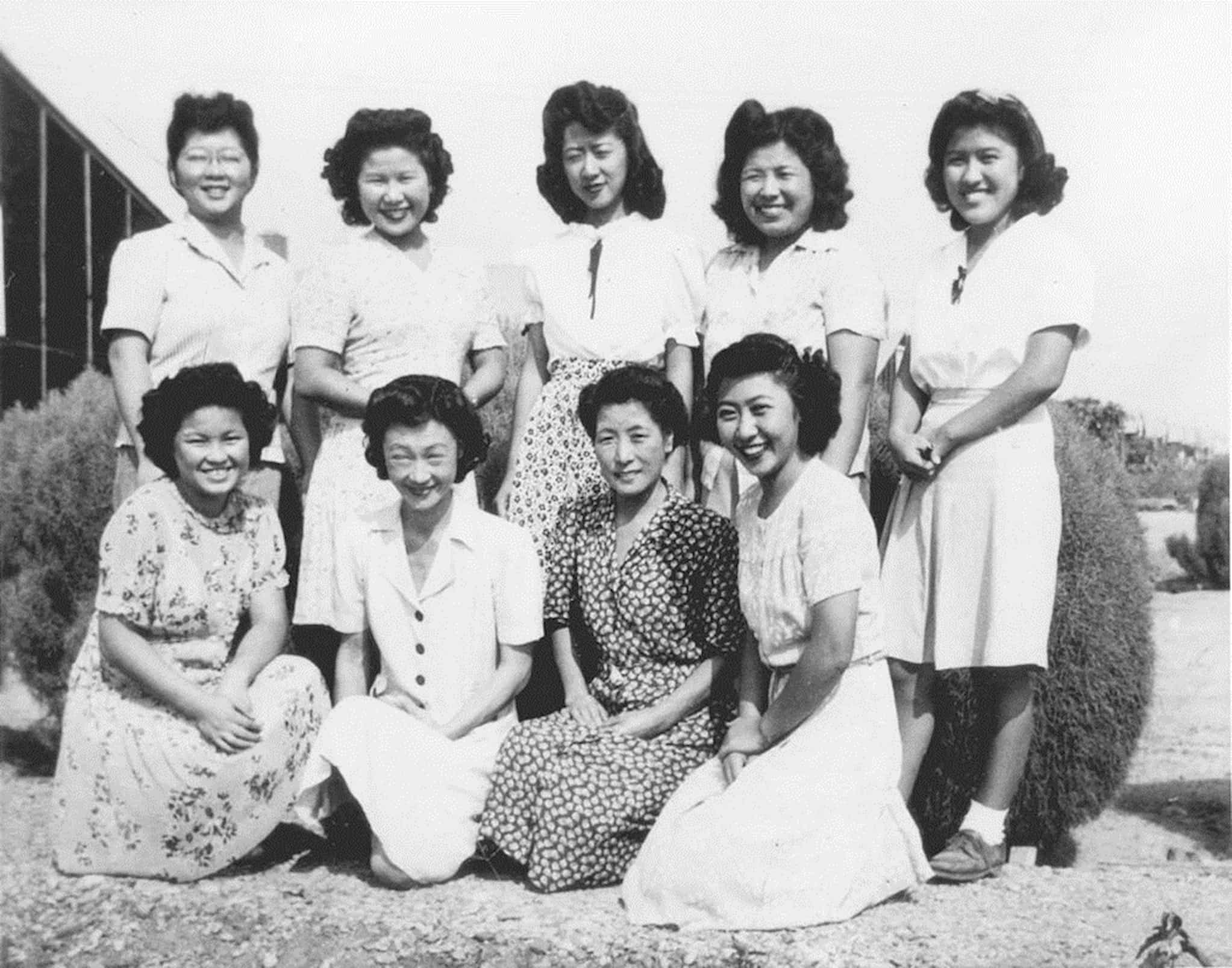
Image 38.02.03 — Yuri Kochiyama’s mother (kneeling, second from right) with the Senior Crusaders, a group Yuri organized to write letters to Japanese American soldiers overseas during World War II. Photographed at Jerome, Arkansas concentration camp, c. 1944.
Yuri and her family were later moved to another concentration camp in Jerome, Arkansas. In early 1943, following the so-called “loyalty questionnaire” administered by the US government in all ten concentration camps, internees who responded “favorably” could leave the camps to work or attend school as long as they did not return to the West Coast. After spending more than two years in forced confinement, Yuri went to work at the United Service Organization (USO) in Hattiesburg, Mississippi, to support Nisei soldiers.
Before leaving Jerome, Yuri work at the Jerome USO, which provided dancing, entertainment, housing, and general support for Nisei soldiers stationed at Camp Shelby, Mississippi, who made weekend visits to Jerome. It was there that she met Bill Kochiyama, a handsome Nisei soldier who swept her off her feet. Just before Bill was scheduled to leave for overseas military duty in April 1944, he asked Yuri to marry him.
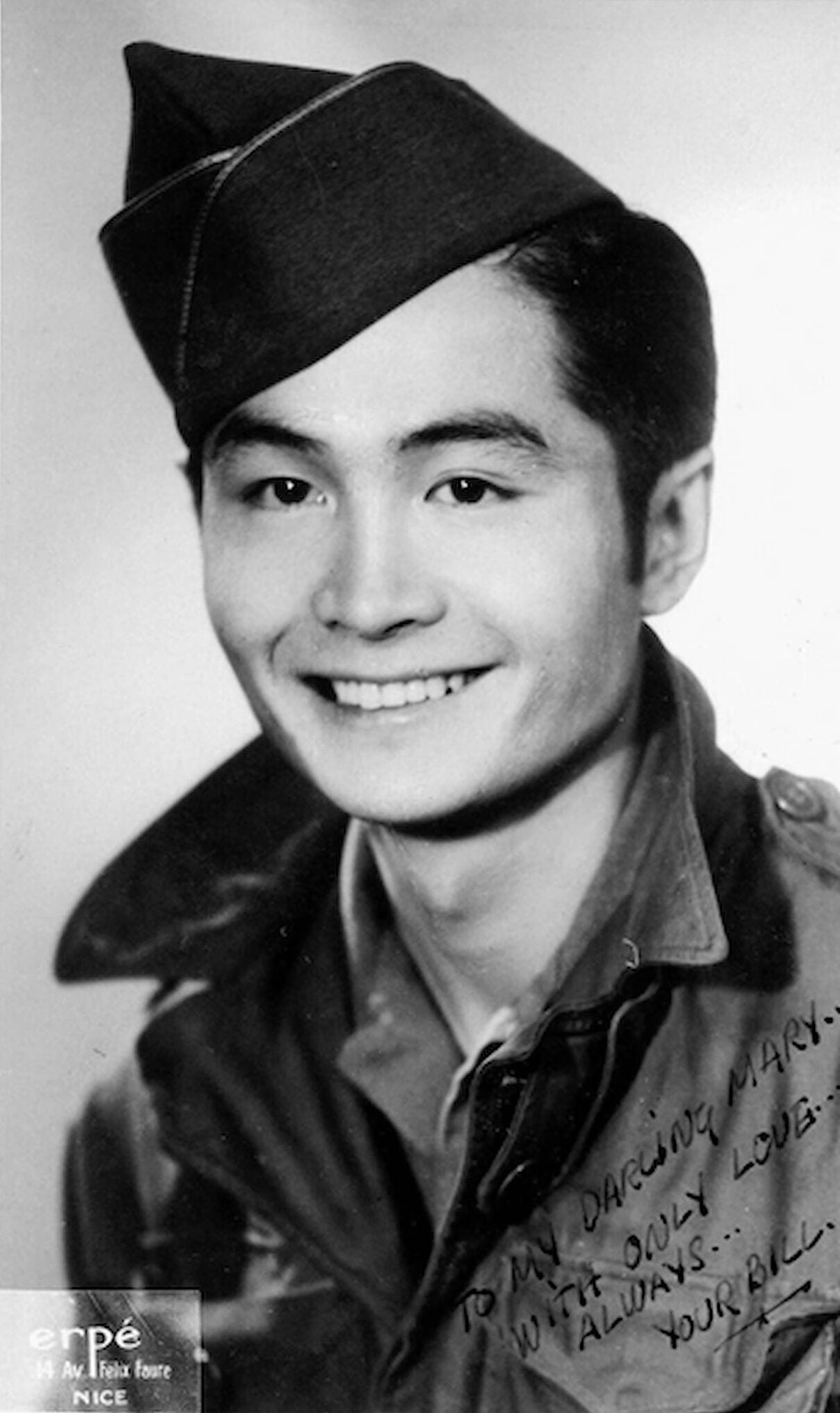
Image 38.02.04 — Yuri met her future husband, Bill Kochiyama, a soldier in the US Army, while working at the United Service Organization in the Jerome, Arkansas concentration camp. They endured the long distance while he was on the battlefield overseas. Letters helped to ease the separation.
The wartime experience transformed Yuri in uneven ways. She maintained a naive optimism that diminished the impact of racism in her life, even as she was forced to face the existence of discrimination. In one case, one of her Nisei friends was rejected from fourteen nursing schools, one of which admitted in the rejection letter that her race was the reason for her denial:
“We are very sorry to tell you that we are not permitted to take Japanese girls in training for the duration of the war. Our staff, sisters, and nurses do not have anything against your people, but public sentiment is such that we dare not take that chance.” 5
This experience upset Yuri. While she struggled to acknowledge the existence of anti-Japanese racism during her early twenties spent at the Santa Anita incarceration camp, she was upset by such rejections based on race.
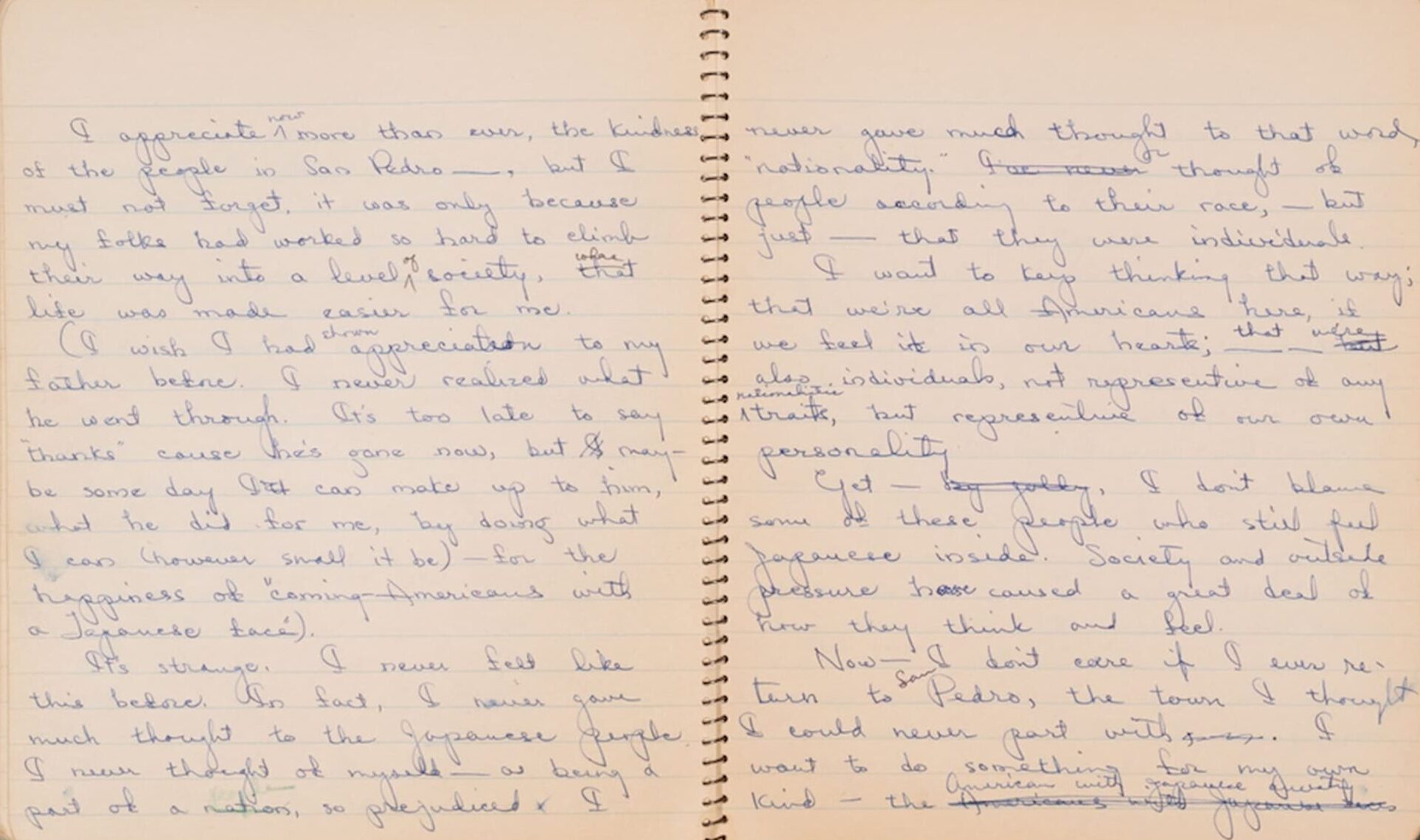
Text 38.02.05 — This entry from Yuri’s concentration camp diary from May 12, 1942 shows her struggling to remain patriotic while recognizing American prejudice against her community. What can we learn about how ideas about race can change?
Yuri later reflected on her racial awakening in her memoir: “what happened to Japanese Americans after Pearl Harbor made me see the world and America with entirely new eyes: Japanese American eyes.” 6 Her life after her years incarcerated would change the trajectory of her life devoted to social justice and political movements.
Glossary terms in this module
Executive Order 9066 Where it’s used
On February 19, 1942, President Franklin D. Roosevelt gave the US military the power to exclude anyone they saw as a threat from special “military areas.” Although Japanese Americans were not specifically mentioned, this led to their mass incarceration.
political consciousness Where it’s used
One’s understanding and awareness of political issues and ideology, and how these things shape society and one’s life experience.
Endnotes
1 Yuri Nakahara Kochiyama, Passing It On: A Memoir, edited by Marjorie Lee, Akemi Kochiyama-Sardinha, and Audee Kochiyama-Holman (UCLA Center for Asian American Studies Press, 2004), xxiii.
2 Diane C. Fujino, Heartbeat of Struggle: The Revolutionary Life of Yuri Kochiyama (University of Minnesota Press, 2005), xviii.