





Laotian refugees debark from a bus parked in front of a building at Hamilton Air Force Base. They carry their belongings.
Module 1: Introduction: Laotian Americans
Despite the US Secret War in Laos, have Laotian Americans found home in the United States?
Laotian Americans is used as an umbrella term to refer to individuals in the US who trace their ancestry to Laos. The Laotian American population encompasses diverse ethnic groups such as Lao, Khmu, Tai Dam, and Iu-Mien residing in the United States. For Laotian Americans, their lives as refugees in the US have predominantly been associated with the outmigration and fallout resulting from the Secret War (1954–1975), a clandestine US military and Central Intelligence Agency (CIA) operation carried out during the Vietnam War. According to the Pew Research Center, Laotian Americans are the thirteenth largest Asian group living in the US.
This first module provides a brief history of the US Secret War, the diverse ethnic groups known as Laotian Americans, their resettlement process as refugees in the US, and how a sense of home is forged. Finding home means more than a house or a job; it means creating a sense of belonging and familiarity in new places.
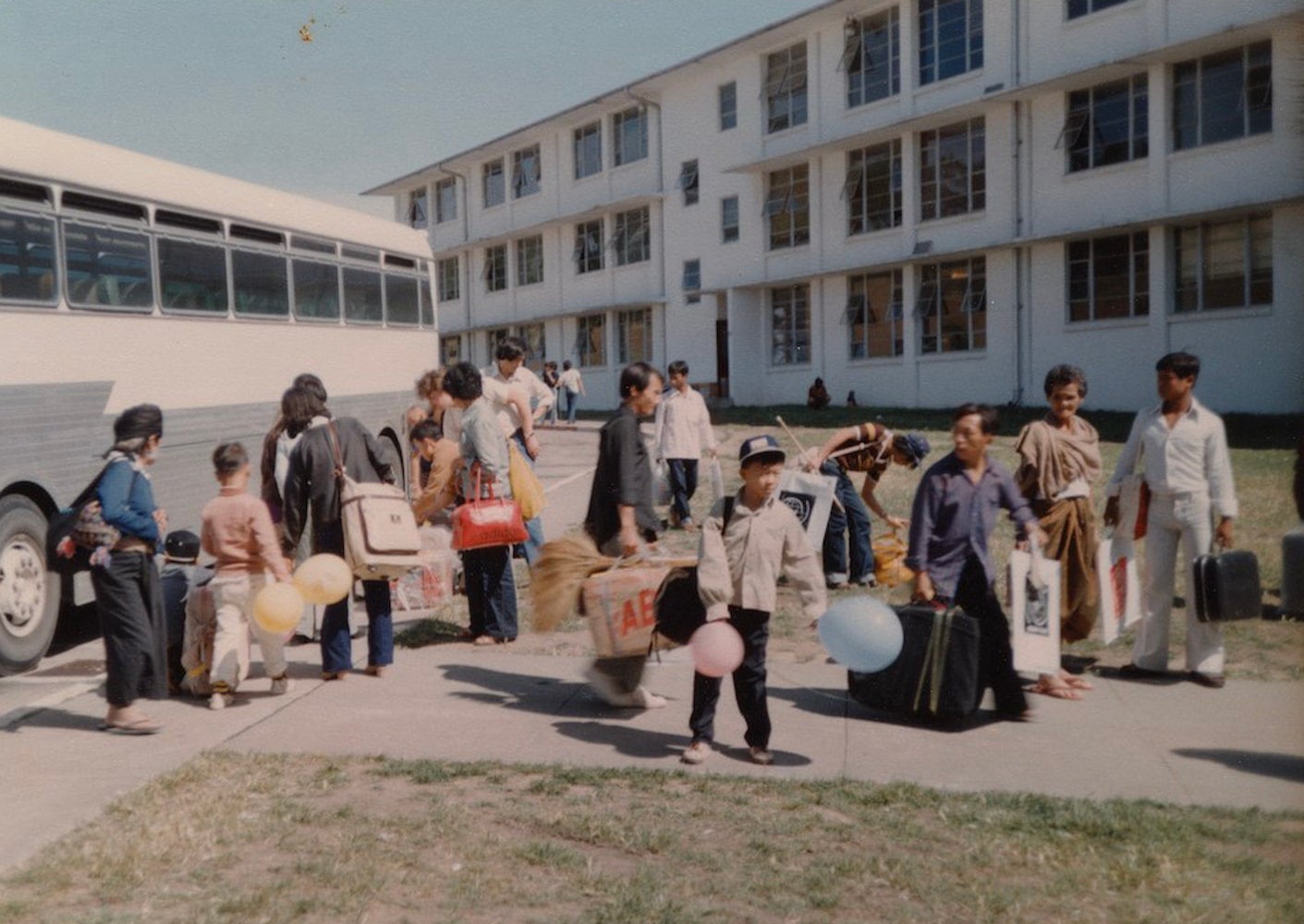
Image 15.01.01a — Refugees from Laos arriving at Hamilton Air Force Base in Marin County, California, with only what they could carry with them. The base was a Refugee Transit Center from 1980 to 1983.
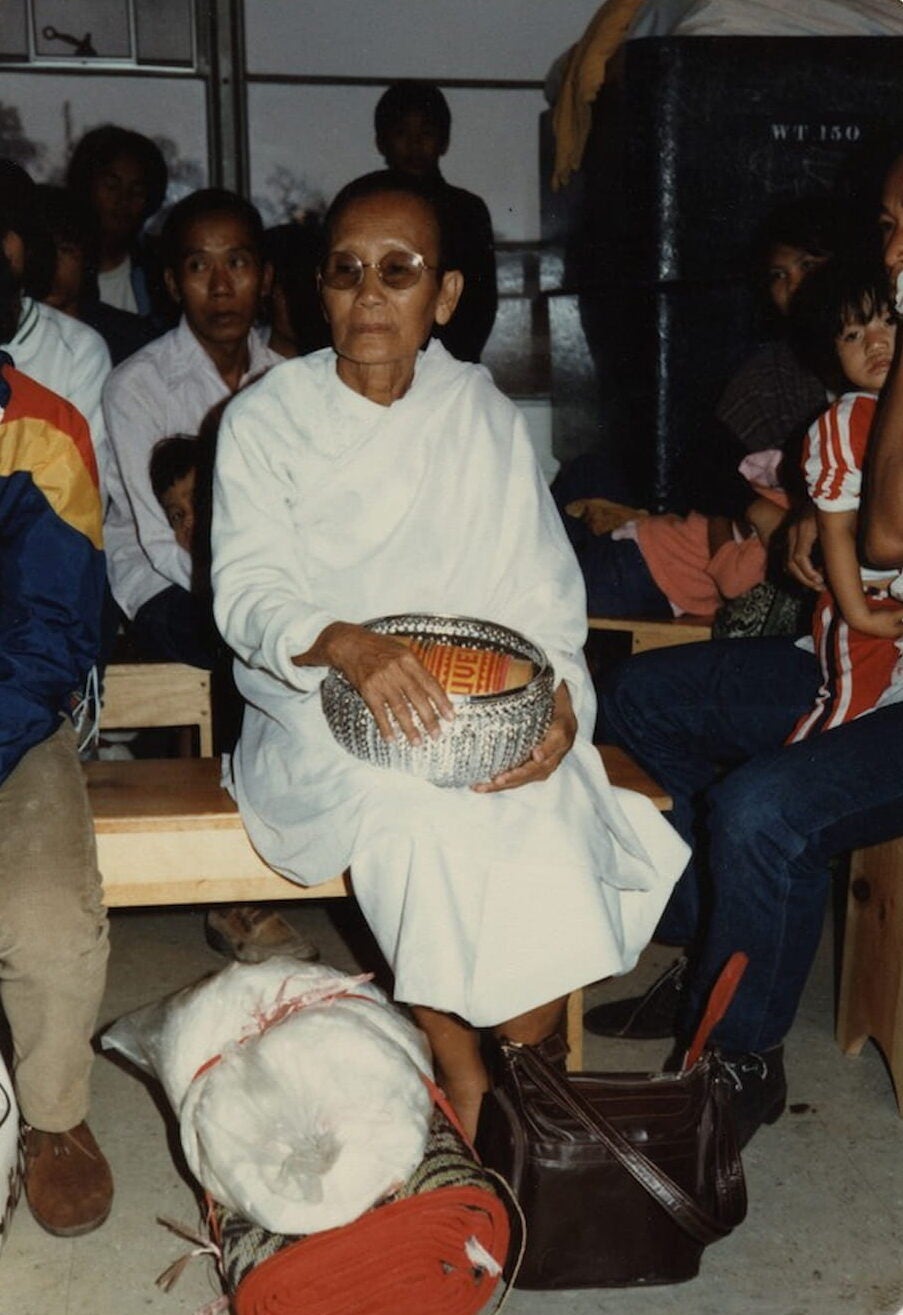
Image 15.01.01b — A Lao refugee arriving at Hamilton Air Force Base (with her bag, mat, purse, thip khao (woven basket used to serve rice), and silver bowl used for various ceremonies.


Who are Laotian Americans?
Why did Laotian refugees resettle in the United States?
How did Laotian Americans build a sense of home in America?
War and Displacement
In the aftermath of the US Secret War in Laos, tens of thousands of Laotians were killed and a quarter of the population was displaced. A landlocked country in Southeast Asia, the US viewed Laos as a key battleground region in the fight against communism during the Cold War. The Cold War was a period that emerged after World War II between the US and the Soviet Union, and their respective allies. The Cold War ended in 1991 with the collapse of the Soviet Union.
The US intervention in Laos began in 1954, and between 1964 and 1973, the US conducted surveillance missions and secret bombings to cut off communist supply lines into South Vietnam. The US also provided aerial support at the request of the Royal Lao Government, a Western-friendly regime. Between 1964 and 1973, the US dropped over two million tons of bombs, more than all the bombs combined during World War II, onto a country slightly larger than the state of Utah. This is equivalent to a planeload of bombs being dropped every eight minutes, twenty-four hours a day, for the duration of nine years. Today, Laos is the most bombed nation per capita in history.
When the war ended in 1975, the US withdrew from Vietnam, Laos, and Cambodia. In Laos, the Pathet Lao forces, a group allied with North Vietnam and the Soviet Union during the Vietnam War, took political control of the country. Fear of persecution, imprisonment, ongoing conflict, economic insecurity, and agricultural crisis in Laos pushed greater refugee migration. Many people left everything behind and took only what they could carry with them. They risked their lives on a difficult journey to reach one of seven crowded refugee camps in Thailand before their resettlement to third-party countries.
The US received the largest number of refugees from Laos, while smaller numbers were resettled in France, Canada, and Australia. According to the 2020 census, over 250,000 Laotian Americans reside in the US, with the largest communities in California. Cities such as Minneapolis-St. Paul, Minnesota; Dallas-Fort Worth and Houston, Texas; Seattle, Washington; Charlotte and Greensboro, North Carolina; and Nashville, Tennessee, are also home to growing Laotian Americans outside of California, reflecting continued growth across the US.
Laotian Americans
During French colonial rule from 1893 to 1945, identifying the peoples of Laos was based on general administrative reports and rough categorization methods for colonial tax purposes. French administrators used “Laotien” as a broader colonial strategy to simplify, categorize, and identify the country’s inhabitants based on space or language. As Vattana Pholsena and Martin Stuart-Fox note, the simplified categories and distinctions reflected French attitudes of Laos as a “remote colonial backwater.” Laos was understood as an extension of Vietnam.
When Laos gained independence from France after the Franco-Lao Treaty of 1953, the tripartite system in place to categorize and ethnically classify the Lao people resembled earlier French colonial classifications. The terms Lao Lum, “valley Lao or lowland Lao,” Lao Theung, “midland Lao,” and Lao Sung, “highland Lao” foreground geography or the altitudes at which they live. As Charles Zuckerman notes, the word “Lao” before Lum-Theung-Sung recognizes all ethnic groups’ contribution to the struggle of national liberation when the Lao revolutionary government came to power in 1975. This classification is still in use in Laos. The term Laotian is used in official, academic, or US contexts to refer to anyone from Laos.
While Laotian Americans refer to all ethnic groups from Laos, the term does not recognize the ethnic diversity of the people of Laos. The Lao People’s Democratic Republic (the Lao PDR) recognizes fifty ethnic groups’ by name, and continues to use the three broad categories (or tripartite system). The fifty ethnic groups can be further broken down into two hundred subgroups, and the specificity of each ethnic group’s language, culture, food, religion, and geopolitical region provides a richness and depth that deserves recognition within the growing Laotian American community.
The Lao Lum have been the dominant group in politics and culture for most of the country’s history, and the Lao language is the national language. The Lao Theung refers to the Mon-Khmer and Austroasiatic groups throughout the country, including the Khmu, Lamet, Loven, Lue, and others. The Lao Sung refers to Hmong and Iu-Mien groups who migrated from southern China in the nineteenth century.
Laotian Americans are recent Asian migrants to the US. When speaking to someone unfamiliar with the history of Laos and the US Secret War, the terms Laotian or Laotian American collectively identify and connect their shared history of war and displacement. Aggregating ethnic groups into larger racial groups, e.g., Asian, African, Latino, and Indigenous Americans, is a common practice in the US. This practice can serve as a tool to build collective identity and political power such as the pan-ethnic label “Asian American.” Still it equally risks obscuring the distinct histories, needs, and identities of the many ethnic groups within the larger categories.
In this sense, the various ethnic groups from Laos have sought to distinguish themselves within the broader “Laotian American.” While the category may be for promoting, advocating, and advancing coalitions and community-building efforts, it also erases the importance of distinct ethnic-specific dialects, religions, resettlement histories, identities, and cultural traditions.
Recognizing the diverse ethnic groups and experience, a project by the Center for Lao Studies, “Between Two Worlds: Untold Stories of Refugees from Laos,” explores the experiences of refugees from Laos and Laotian American history through the representation of four homes. Highlighted in The Contra Costa Pulse, these four homes (also refer to rooms or stages) trace the Laotian American journey from their homeland to the US, representing the loss of “home” for Lao, Khmu, Hmong, and Iu-Mien. The homes begin with 1) life in Laos including a typical kitchen, 2) the reeducation camp where some Laotians were captured when Laos fell to communism, 3) life in the refugee camp in Thailand before moving to the US, and 4) life in the US when Laotian refugees arrived in the late 1970s and 1980s. The traveling exhibit began in 2018, and invites visitors to reflect on the fragile concept of “home” by showing how refugees from Laos survive and navigate “between two worlds” through loss and creative adaptation.
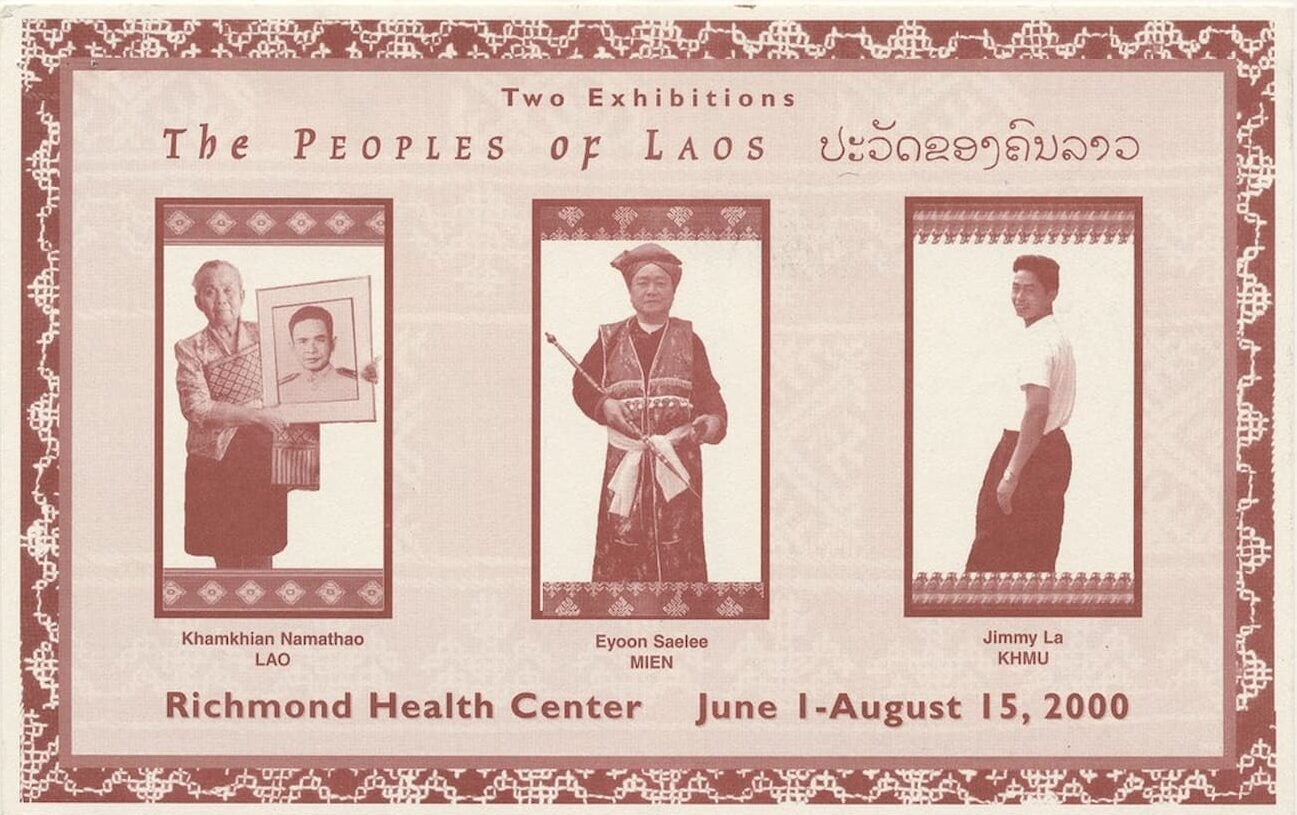
Image 15.01.02 — When refugees from Laos arrived in the United States, they were lumped together as “Laotians” regardless of ethnic distinction. In 2000, the Richmond Health Center in California hosted an exhibition of the peoples of Laos that highlighted its diverse ethnic groups.
Southeast Asian Refugee Resettlement in the United States
After the Vietnam War, the US reframed defeat into a moral victory through humanitarian efforts like refugee resettlement. Before the Fall of Saigon in 1975, immigration to the US from Laos, Cambodia, and Vietnam was almost nonexistent. Against the growing anti-refugee sentiment in the US, the US Congress passed the 1975 Indochina Refugee Migration and Assistance Act. President Gerald Ford signed the Act on May 23, 1975, and it was amended in 1976 to include refugees from Laos.
Five years later, President Jimmy Carter signed the Refugee Act of 1980, which increased the annual ceiling for refugees from 17,400 to 50,000, expanded eligibility for asylum, and established a new Office of Resettlement to assist refugees in resettling and adjusting to life in America. The Refugee Act of 1980 also redefined the term “refugee” in US law as any person with a “well-founded fear of persecution,” a standard established by the United Nations’ 1951 Refugee Conventions and its 1967 Protocols.
Between 1975 and 1985, 760,000 refugees arrived from Vietnam, Laos, and Cambodia. Southeast Asian refugees arrived in two waves. The first wave, from 1975 to 1978, primarily consisted of Vietnamese refugees from urban areas. Many were academics, military officials, and professionals employed by the US government. They entered through one of four camps: Camp Pendleton in California, Fort Chaffee in Arkansas, Eglin Air Force Base in Florida, and Fort Indiantown Gap in Pennsylvania. The first wave included a small number of Cambodians, Hmong soldiers and their families, as well as some Lao refugees who supported or worked for the US government.
The second wave of refugees, from 1979 to 1985, arrived in large numbers. The refugees were from rural, less affluent regions. They were generally poor, less educated, and came from agricultural backgrounds who mostly escaped harsh political and economic conditions under the newly installed governments. After the Pathet Lao took political control in 1975, a large number of Laotians fled out of fear of persecution and imprisonment for supporting the old government or Americans. Throughout the 1980s and into the 1990s, Southeast Asian refugees continued to be admitted in significant numbers. A majority of refugees from Laos were part of the second wave.
The first wave of refugees benefited from their education and professional experience, and arrived through the sponsorship program. The second wave was admitted as refugees through various programs including family reunification. The resettlement programs for Southeast Asian refugees included eligibility for welfare assistance, food stamps, public healthcare, English as a Second Language programs, and job training. As part of the second wave, my family was sponsored by a family member in the US. We arrived at Travis Air Force Base in Fairfield, California before resettling in Stockton.
Even with such assistance and aid, the resettlement experiences of Southeast Asian refugees’ varied. The US resettlement policy emphasized the dispersal of refugees throughout the country to prevent the settlement of large ethnic communities that may put undue strain on local and state resources. In the hands of private organizations subcontracted by the US government, some refugees were resettled into impoverished neighborhoods with affordable housing. Others were assigned sponsors from local church congregations who handled housing logistics, job training, and English language instruction.
After resettlement, some refugees engaged in secondary migration where they voluntarily moved for job opportunities, larger ethnic communities, assistance programs that welcomed Southeast Asians, and places with better or similar climates to Laos. Although resettlement agencies viewed secondary migration as a failure of dispersal policies, Laotians saw this as necessary, where shared experiences, cultural familiarity, and support networks provided a sense of community and belonging.
There are over 250,000 Laotian Americans living in the US. This number includes the growing American-born generations and individuals who identify as mixed-race. A significant number of refugees from Laos were resettled in California, Minnesota, Wisconsin, Rhode Island, Illinois, Texas, Washington, and Oregon because of the growing ethnic communities in urban areas.
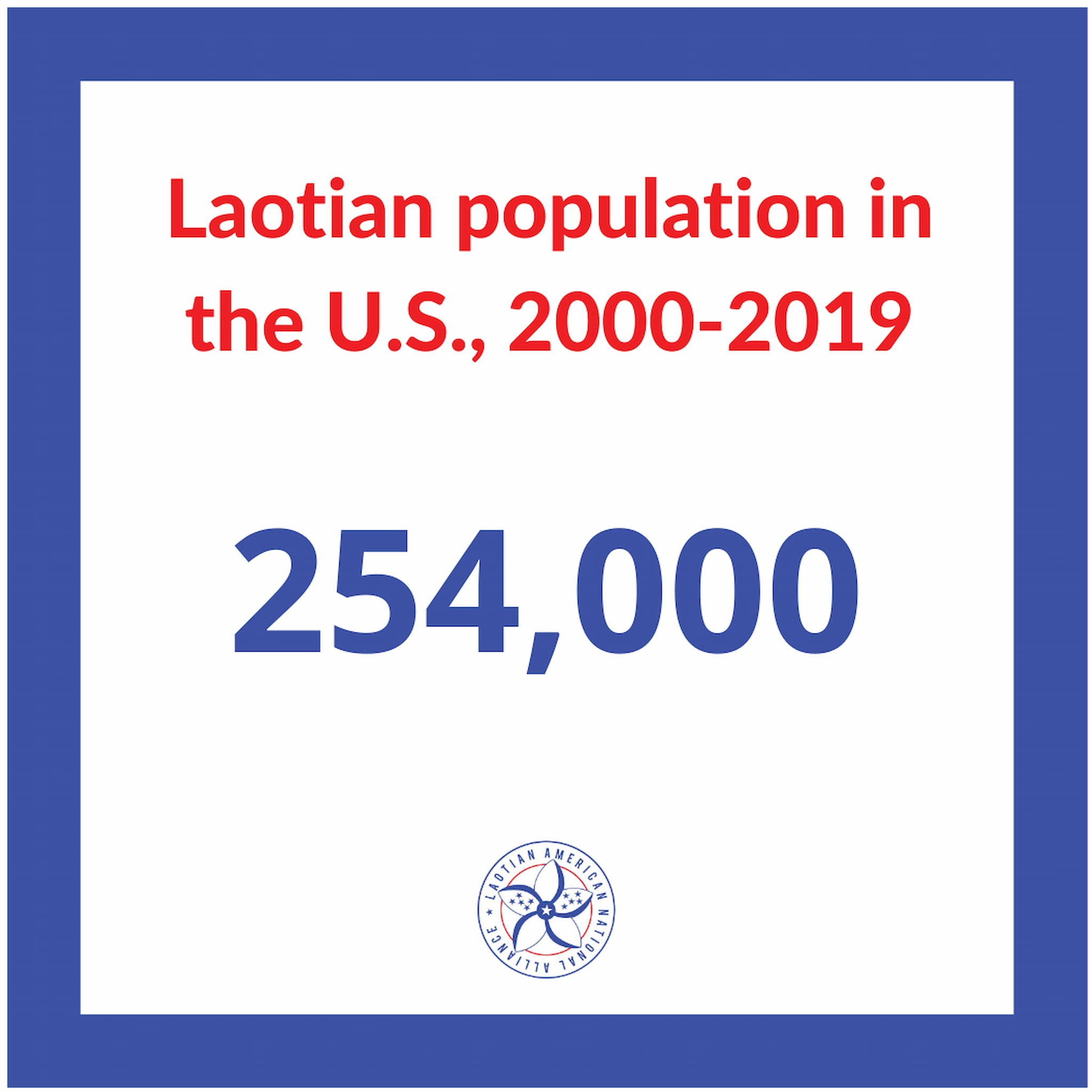
Image 15.01.03a — These graphics created by the Laotian American National Alliance (LANA) provide a statistical snapshot of Laotian Americans in the US using 2019 data from the Pew Research Center.
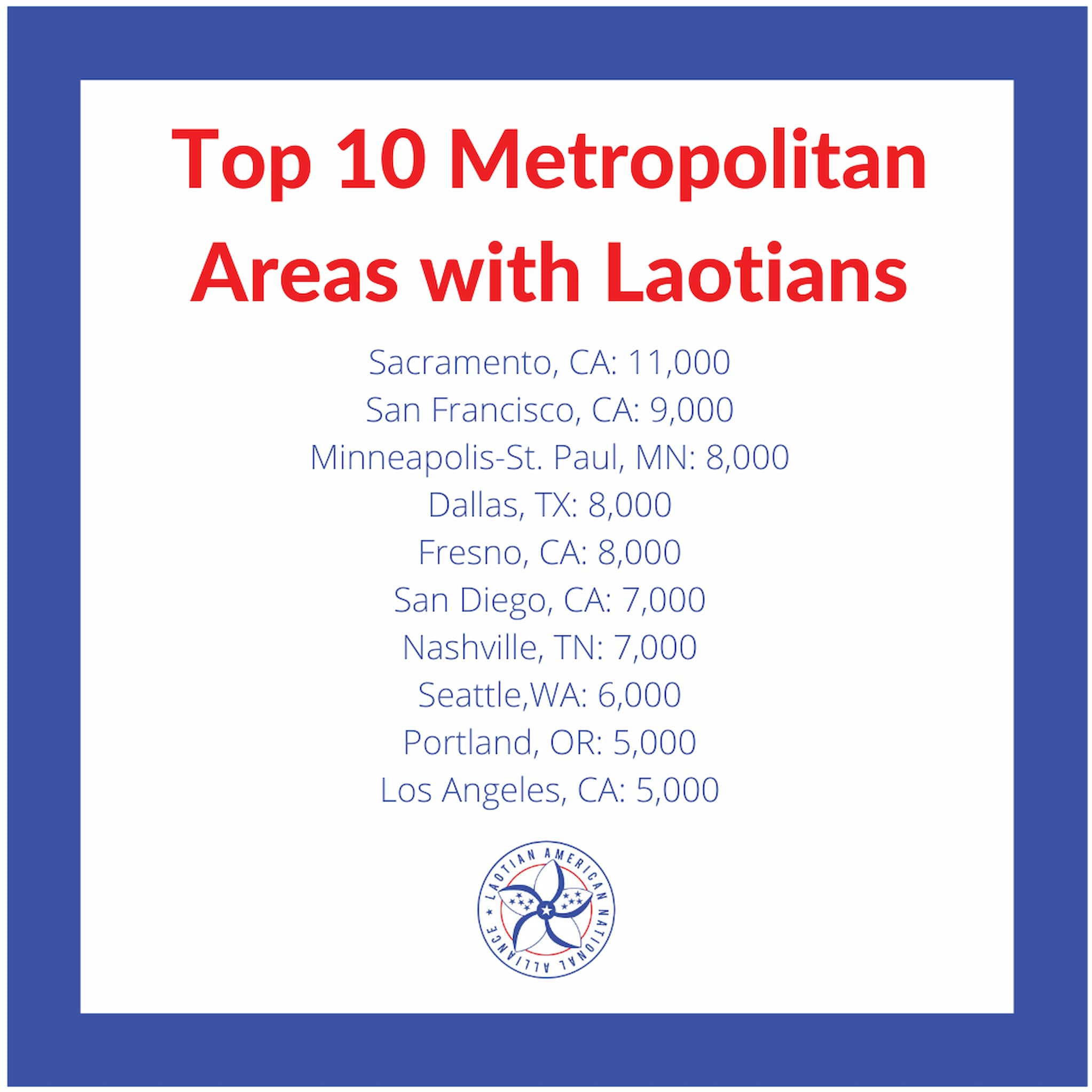
Image 15.01.03b — These graphics created by the Laotian American National Alliance (LANA) provide a statistical snapshot of Laotian Americans in the US using 2019 data from the Pew Research Center.
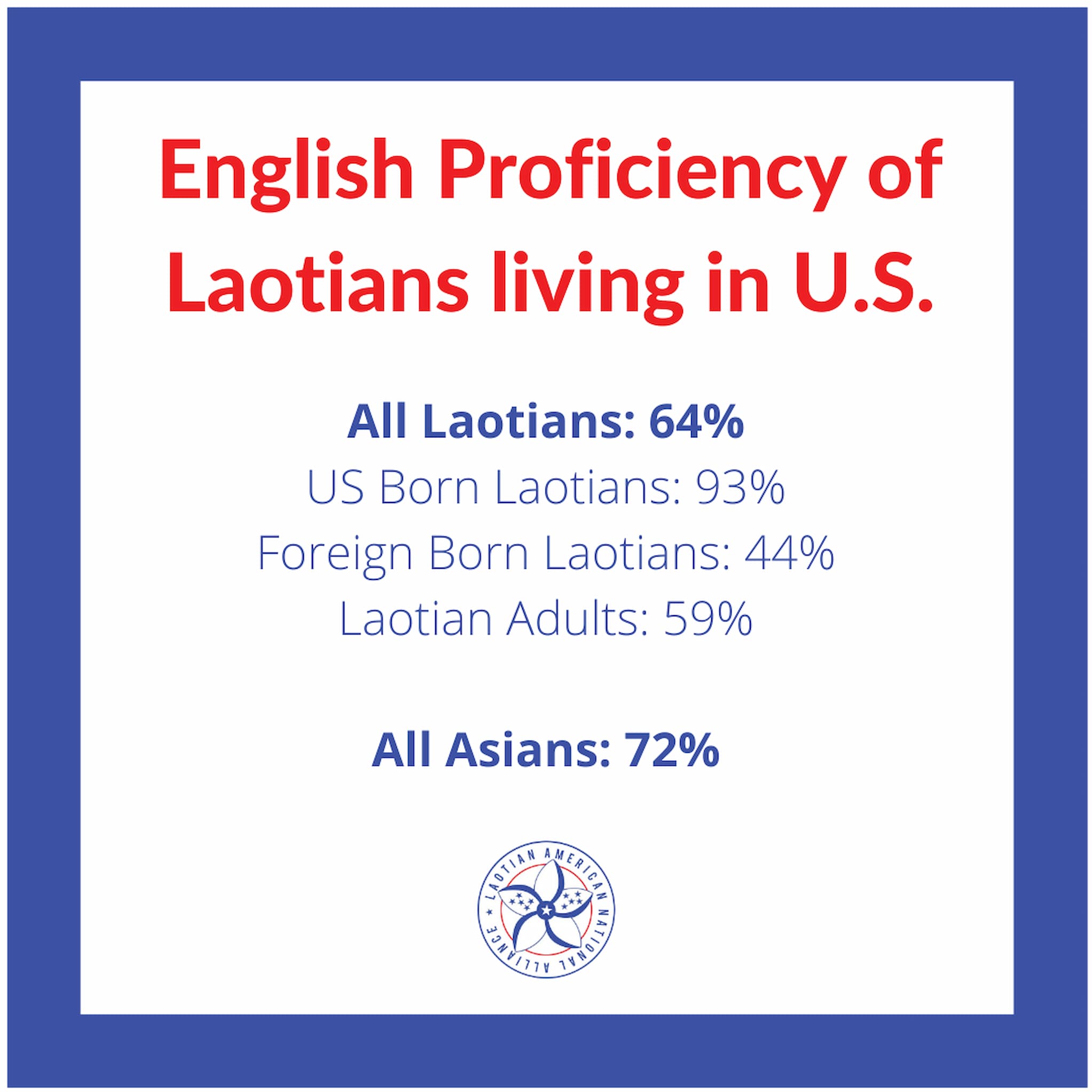
Image 15.01.03c — These graphics created by the Laotian American National Alliance (LANA) provide a statistical snapshot of Laotian Americans in the US using 2019 data from the Pew Research Center.
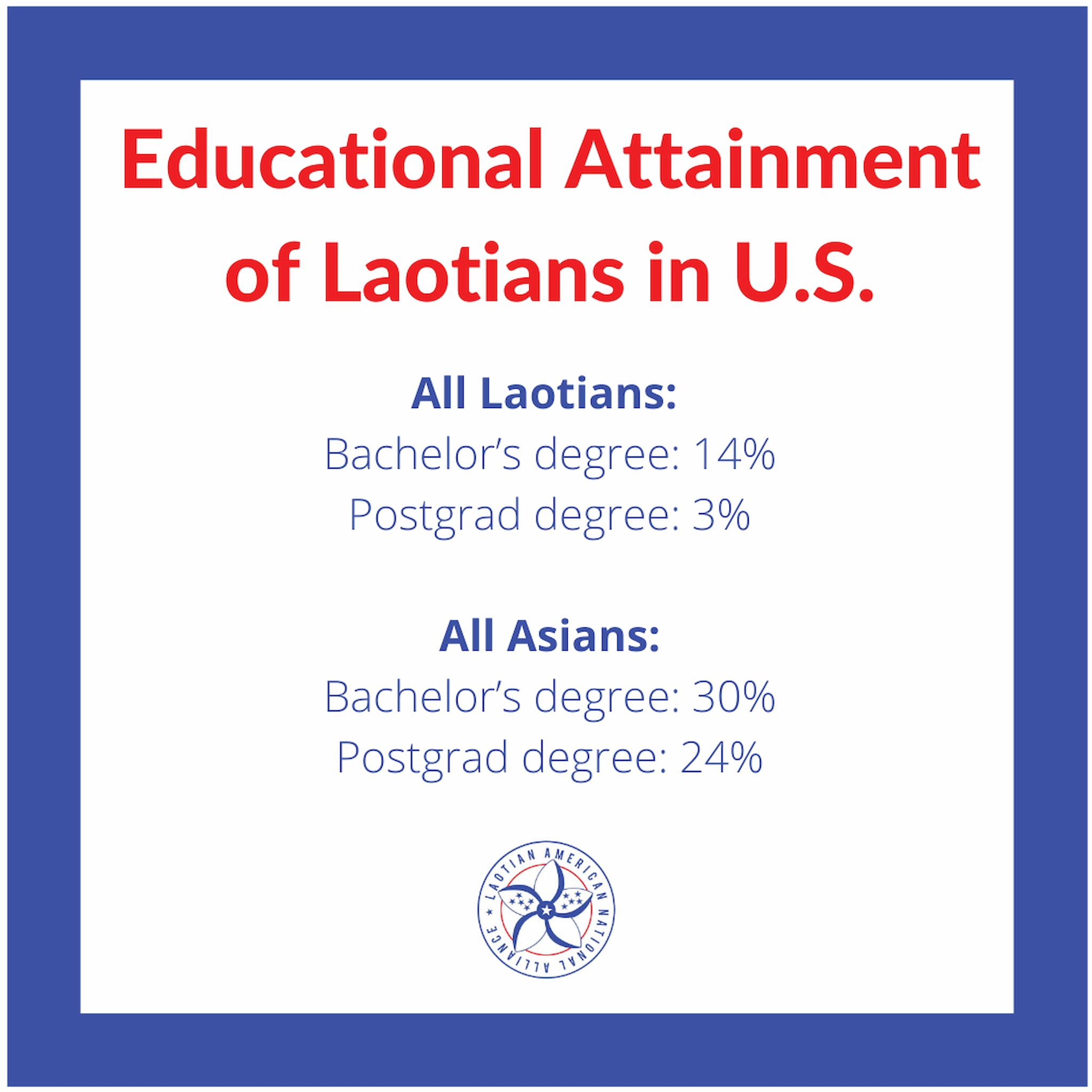
Image 15.01.03d — These graphics created by the Laotian American National Alliance (LANA) provide a statistical snapshot of Laotian Americans in the US using 2019 data from the Pew Research Center.




Life in America, Home in Diaspora
Laos is a predominantly agricultural country where a significant portion of the population relies on subsistence farming. As part of the second wave, many Laotian refugees in the US came from rural backgrounds. They continued to farm in the US, whether in backyards, community gardens, or small plots of land to create a sense of familiarity, purpose, and self-reliance.
They planted traditional vegetables such as green tiger stripe eggplants, lemongrass, purple and white waxy beans, sticky corn, bottle gourds, coriander, yard-long red beans, and green and red chili peppers that had been passed down through generations. By growing familiar vegetables, they “make” home by reconnecting with the values of life as they knew in Laos.
Seeds provided Laotian Americans with food to eat, and allowed them to connect to family history. By way of seeds, I understand my family’s stories, memories, and traditions that have been passed down through generations. Seeds remind my parents of a life rooted in Laos, where families farmed together, shared meals from their harvests, and lived in abundance before war disrupted everything. Seeds also tell the stories of refuge.
When my family resettled in Stockton, California, in 1980, my parents gardened where they could – in empty lots, in front of the apartment complexes, and in a shared community garden provided by local services. Their rural background in Laos also led them to seek farm work in California’s Central Valley, which provided them a familiar way to earn a living without needing strong English skills. My mother, Chome Sisavath continues to plant and harvest vegetables in her backyard from the same line of seeds she carried from Laos, or traded with other Laotian refugees in the US. Having these seeds, such as pumpkin, corn, and gourd was important because she did not know what kinds of vegetables were available in the US. She notes this helped her bring a piece of Laos to America. The seeds she carried also allowed her to grow vegetables in the Ban Nam Yao refugee camp, where I was born.
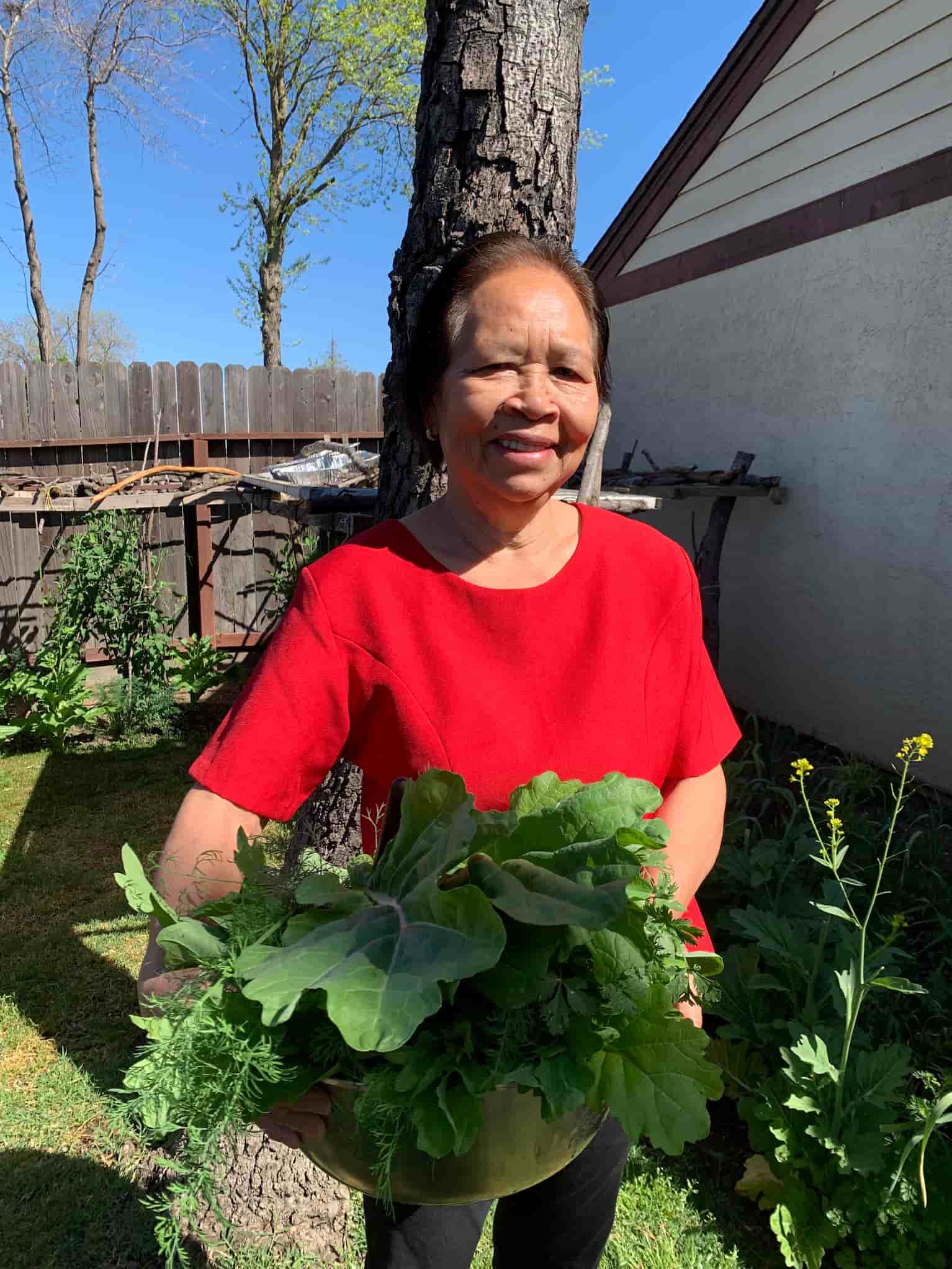
Image 15.01.04 — The author’s mother, Chome Sisavath, harvesting vegetables from her backyard in Sacramento, California.
Many refugees from Laos continue to farm and grow traditional vegetables that can be found in local Southeast Asian grocery stores, at farmers’ markets and restaurants, and on family dining tables. In the late 1970s and early 1980s, private community-based programs such as the Rural Economics Alternative Project in Stockton, California, played a role in helping refugees sell their produce through farmers markets in the Central Valley.
In Fresno, grocery stores such as Golden Bowl and Vientiane Market are cultural hubs for immigrants and refugees. They are places of familiarity to buy local heritage vegetables and seek services and resources. Southeast Asian farmers continue the legacy of Asian American farmers who have farmed in the US since the nineteenth century such as Japanese, Chinese, Koreans, and Filipino Americans.
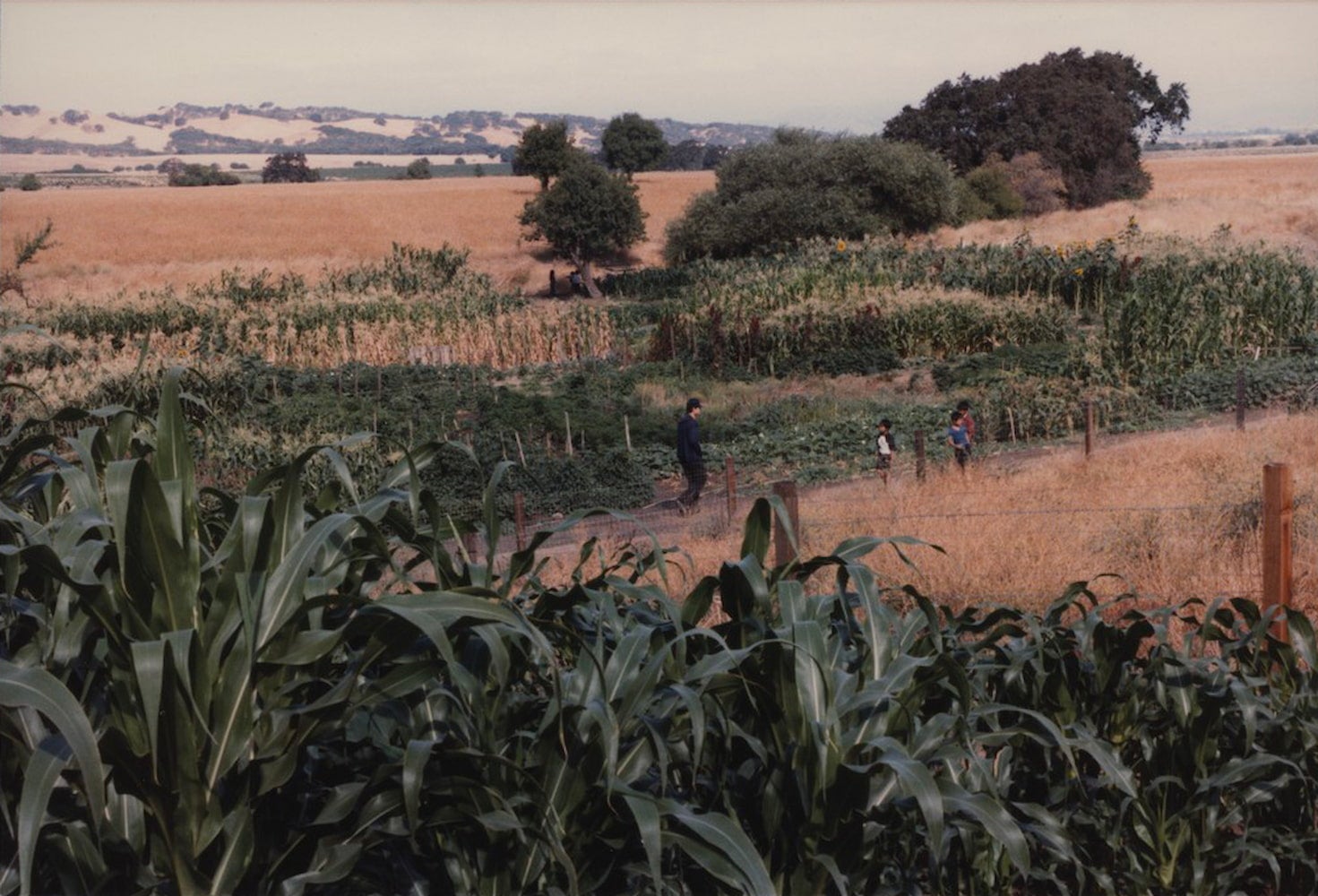
Image 15.01.05a — Lao farmer (center) and three children (center right) in a field in Livermore, California, with rows of corn in the foreground.
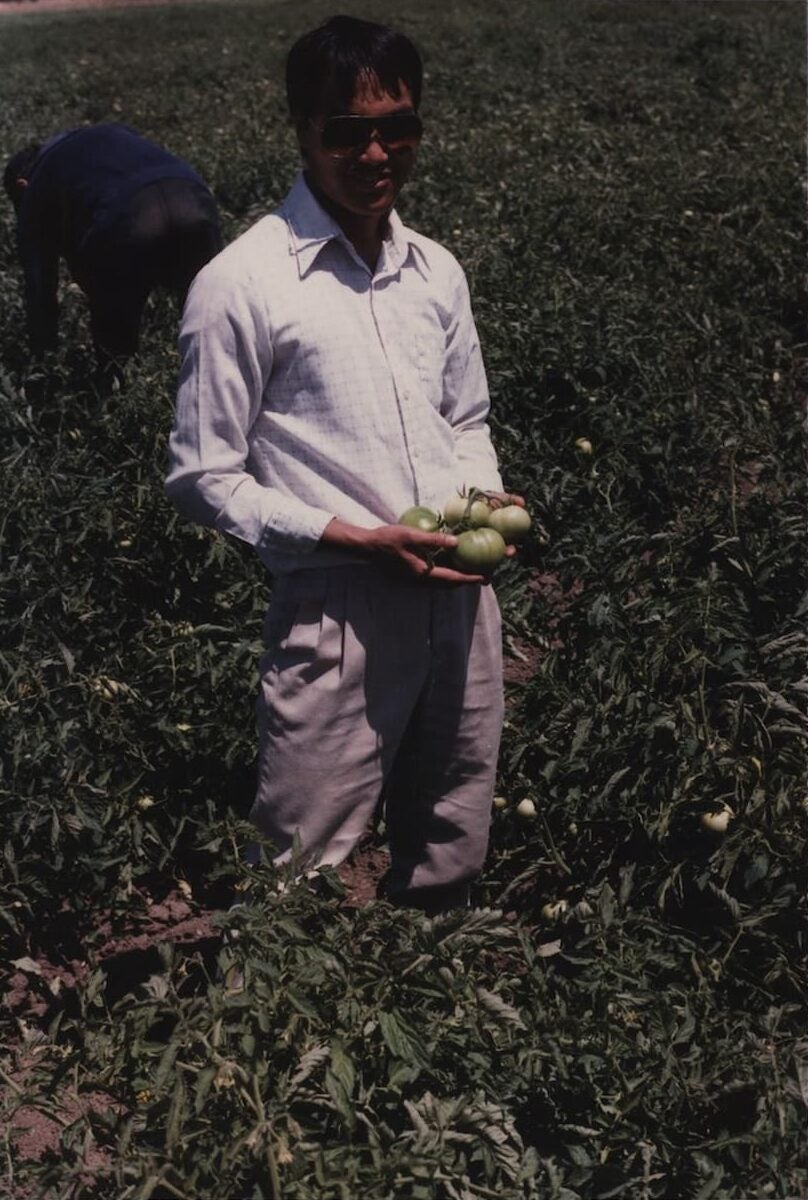
Image 15.01.05b — A Lao farmer holding green tomatoes in Livermore, California.


Making a home in a new country can be a challenging process for refugees, who are often resettled in poor, urban neighborhoods. In the 1980s, Laotian Americans resettled in Richmond and San Pablo, California. Their status as poor, racial minorities living in low-income, unhealthy, and heavily policed neighborhoods made them vulnerable to the traps of urban poverty. For example, Drew Scrap Metals, a recycling metal company contaminated the soil with heavy metals such as lead and cadmium where some families lived and cultivated vegetable gardens.
Richmond has long been recognized as a toxic “hot spot” due to its proximity to major industrial facilities, most notably the Chevron oil refinery. More than 350 facilities encircled the city, including hazardous waste incinerators, oil refineries, dry cleaners, manufacturers of pesticides, fertilizers, and other petroleum-based chemicals. These facilities contributed to high levels of air pollution, environmental degradation, and health disparities among the city’s predominantly low-income and other communities of color.
Lacking access to information on the toxins and pollution in the soil, air, and water, Laotian Americans collaborated with the Asian Pacific Environmental Network (APEN), an Asian Pacific Islander organization dedicated to environmental justice. APEN helped form the Laotian Organizing Project (LOP) in 1995 to bring together Laotian Americans. In the aftermath of the chemical explosion at the Chevron oil refinery in March 1999, LOP launched a campaign challenging the “English-only” emergency warning system.
Since the emergency response system was in English only, residents did not understand the alert to “shelter-in-place.” Although LOP met many challenges, especially gaining trust within the Laotian American community, the grassroots organization successfully pressured the government to include multiple languages in the county’s warning systems. LOP’s campaign demonstrated how marginalized communities, even in hostile settings, can come together and demand environmental justice, where everyone has the right to live, work, learn, play, and thrive in a clean and healthy environment.
Conclusion
This module introduced students to the diverse ethnic groups from Laos, their resettlement in America, and how they seek the comfort of familiarity in a new place. Shaped by the loss of home and life as they knew it in Laos, Laotian Americans continue to actively imagine and create what “home” means for them. Some plant seeds to be rooted in their new homes in the US. Others come together to address the government’s ongoing failure to protect its most vulnerable communities and to provide a healthy environment. Laotian American acts of belonging even in unfamiliar and unwelcoming places reflects their experiences of maintaining and negotiating a sense of home.
Glossary terms in this module
home Where it’s used
Home has different meanings from the interpersonal to national levels, be they imagined connections or physical spaces. It represents a lived space of growth and conflict and a geographical place where one belongs as a family and community within a village, city, or country.
Laotian American Where it’s used
Americans who trace their ancestry to Laos.
Laotian Organizing Project Where it’s used
The Asian Pacific Environmental Network (APEN) formed the Laotian Organizing Project in 1995 in order to build political leadership and mobilize Laotian refugees residing in Richmond, California.
refugee Where it’s used
A person forced to flee their country due to persecution, war, or violence, and is unable to return due to a well-founded fear of persecution. This is a legal term defined by the United Nations 1951 Refugee Convention, and supplemented by its 1967 Protocol.
Refugee Act of 1980 Where it’s used
In the aftermath of the Vietnam War, hundreds of thousands of refugees from Vietnam, Laos, and Cambodia fled political chaos and danger in their homelands. American policy concerning refugees needed to change. Passed unanimously by the Senate and signed into law by President Jimmy Carter on April 1, 1980, to create a process for admitting refugees and providing support for their resettlement in the US. The Act raised the annual ceiling for refugees from 17,400 to 50,000.
Secret War Where it’s used
During the Vietnam War, the US Central Intelligence Agency conducted a covert operation in Laos. The US recruited and trained Hmong and other ethnic groups in Laos to combat North Vietnamese forces and the Pathet Lao. From 1964 to 1973, the US dropped more than two million tons of bombs on Laos.


