




From the point of view of a naval landing craft, a group walks across the beach with their belongings. Behind them, a crowd stands on sand and waves.
Module 4: Militarism and Resilience
Have colonialism and migration impacted the way Micronesians maintain their various cultures?
Micronesians are disproportionately affected by the US military presence on the islands and atolls, and they negatively impact the land, ocean, and people by devastating the environment and destroying Micronesians’ relationship to the land and seas. Yet, stories and storytelling persist to show that the people continue to resist militarization and colonial destruction, even while living outside their home islands.
This module focuses on the US military’s occupation, seizure of land, displacement of Micronesians, and its continued influence in disrupting the life and customs of the Indigenous Pacific Islanders.
What is the role of Micronesians in the US military?
Why does the US military focus on Micronesia, and how does the presence of the US military impact Micronesian life?
How has the US military impacted the environment and are there signs of resistance?
Micronesians and the US Military: Land Loss, Nuclear Testing, and Illness
The United States has long utilized Micronesia as part of its strategic agenda in the Pacific Ocean, exercising colonial control by seizing and occupying portions of Indigenous islands and atolls, instituting military governance over civilian populations, and using the subregion for national security purposes.
On Guåhan (Guam) in the Mariana islands, roughly one-third of the island or 30,000 acres remains under US military jurisdiction. Many of these lands, especially in areas like Tiyan and Sumay, were obtained through force and eminent domain during the time between WWII and the Organic Act (1950), often with little or no compensation to CHamoru landowners. No manåmko (respected elderly) or their descendants and surviving ancestors have received what could be considered equitable reparations. In another example, a US Marine base initiated in 2023 cleared over a thousand acres of traditional CHamoru forest and compromised protected wildlife reserves further diminishing access to ancestral plants used in ceremony, medicine, and local markets. In these ways, military expansion continues unabated.
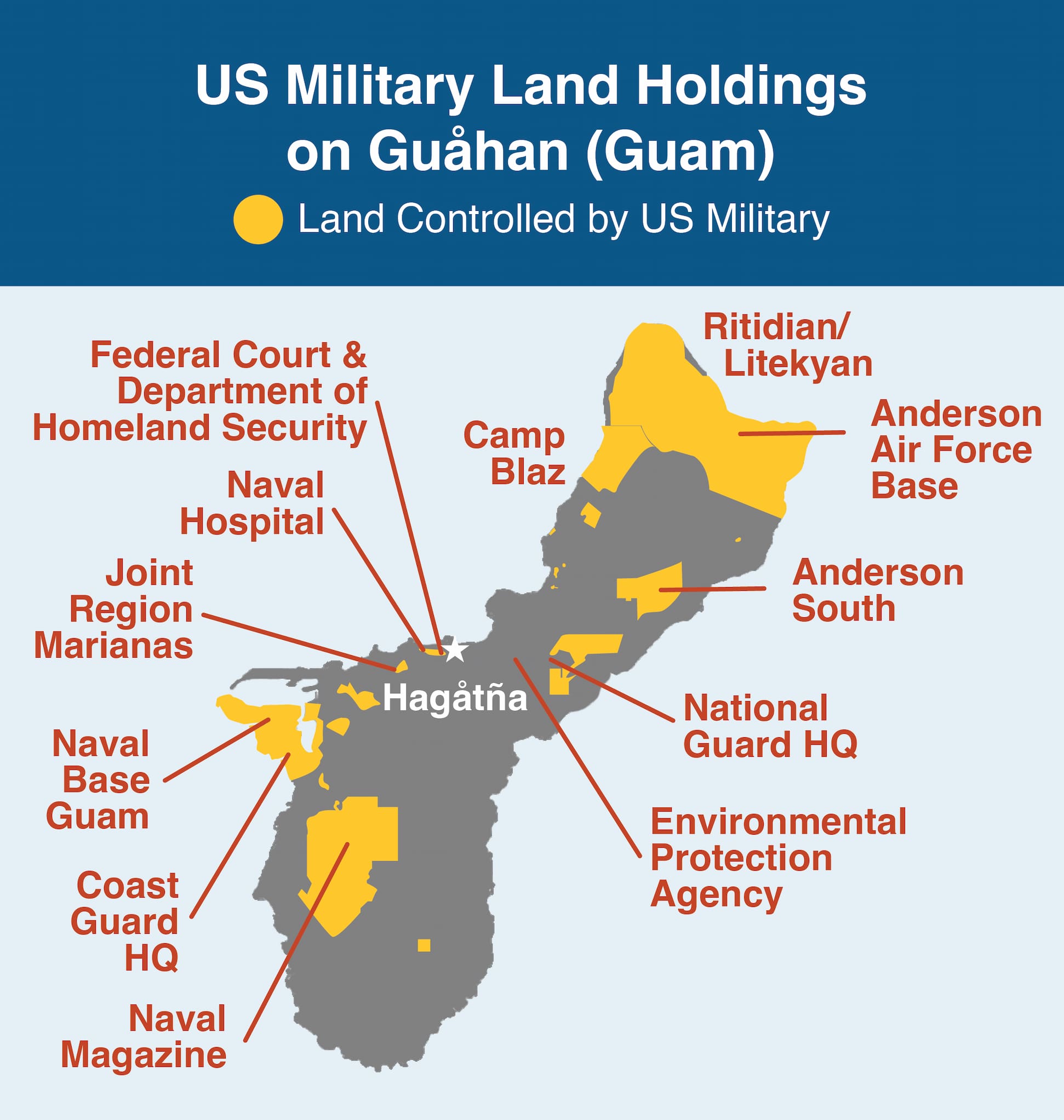
Image 23.04.01 — On Guåhan (Guam), about 30 percent of land is under US military jurisdiction.
Micronesia has been used by the US government as a military Pacific Proving Grounds, a name designated by the US government for several Micronesian atolls from 1946 to 1962 where they conducted nuclear tests. During this time, the US conducted sixty-seven nuclear detonations across Bikini and Enewetak Atolls in the Republic of the Marshall Islands, with a cumulative yield over 100 megatons, which is equivalent to dropping a Hiroshima bomb every day for two decades. The Castle Bravo test in1954 released fifteen megatons of radioactive fallout contaminating land, homes, and food sources on Rongelap, Utrik, and Bikini Atolls.
Forced relocations left many Marshallese stranded, with some never able to return home. Others became nomadic, disconnected from ancestral lands permanently. The Runit Dome on Enewetak, intended to contain the nuclear debris, is now structurally compromised, raising fears of radioactive leakage into the ocean. Health impacts persist with elevated rates of cancer (especially thyroid and leukemia), reproductive disorders, psychological trauma, and displacement from ancestral homelands. Scientific data estimates tens of thousands of excess cancer deaths globally linked to Marshall Islands testing fallout.
The anthropologist Holly Barker reports an epidemic of birth defects, cancer, mental disability, thyroid disorders, and suicides among the local population. In one instance, her oral testimonial documents included an account of a Marshallese mother watching one son die shortly after birth as his skin peeled off and nursing her second child gently holding parts of his brain as he was missing the back of his skull.
In the fallout from operations and tests of the US Pacific Proving Grounds, it is evident that the Marshallese lack the basic medical infrastructure to deal with this disaster. In Holly Barker’s words, “There is no oncologist in the Marshall Islands, no chemotherapy, no cancer registry, and no nationwide screening program for early detection of cancer.” 1 As a result, poisons and toxic nuclear fallout from these nuclear weapons testings continue to have local, regional, and global impacts even today.
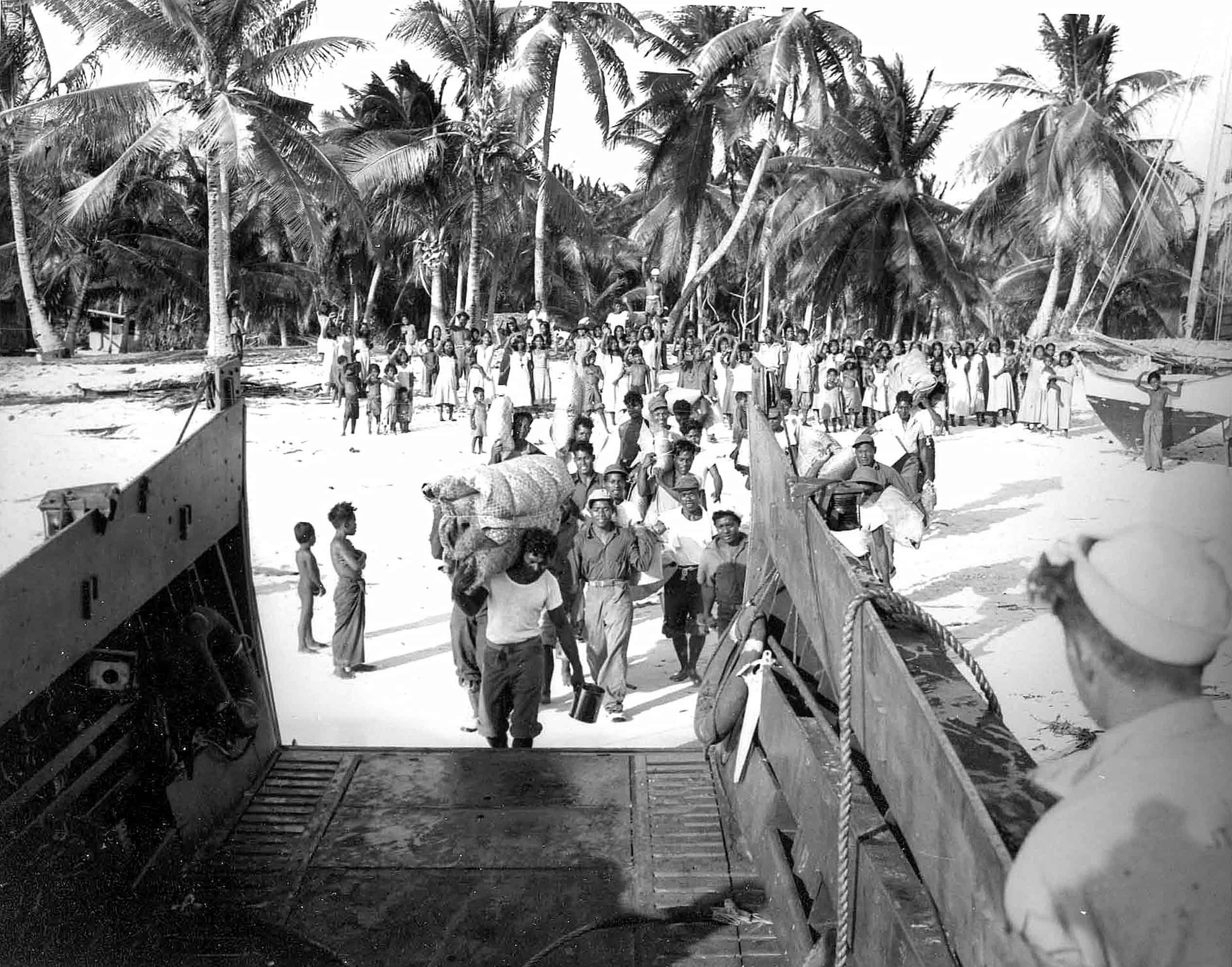
Image 23.04.02a — In 1946, prior to the first nuclear “test,” the people of Bikini left their home for what they believed to be temporary relocation, reassured by the US that they would be able to return after the testing.
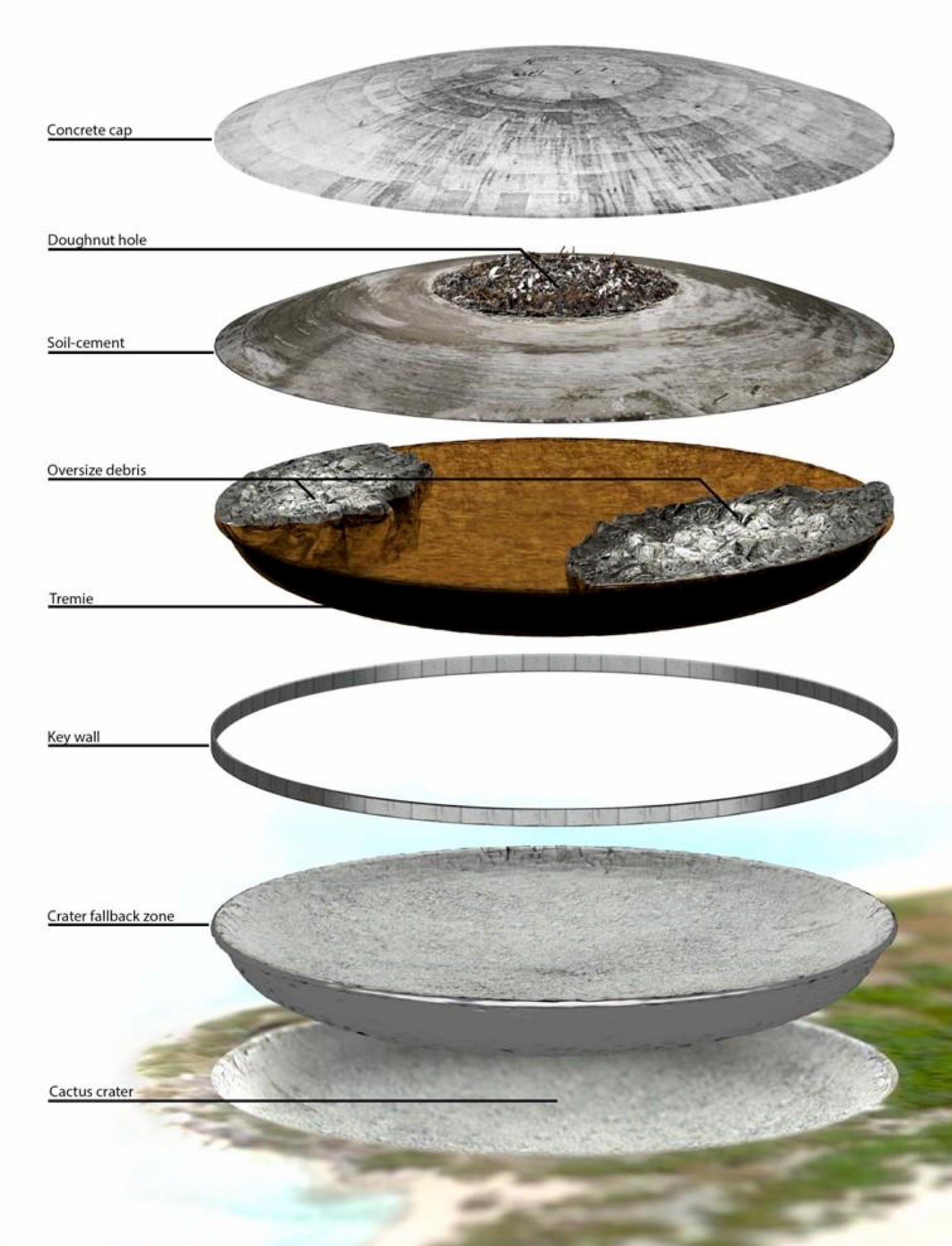
Image 23.04.02c — This graphic illustrating the Runit Dome design elements clearly shows that the bottom layer of the dome is not lined with concrete. The unlined base of the dome makes it porous, allowing water to enter and seep out with nuclear debris.


The US Environmental Protection Agency (EPA) has designated more than one hundred military bases as Superfund sites, meaning they are polluted locations with hazardous waste materials that require long-term cleanup. In 2026, Guåhan continues to have two Superfund sites—Andersen Air Force Base and Ordot Landfill—which are both polluted by the US military.
An investigation in 1982 revealed that eight separate locations throughout the Federated States of Micronesia and Belau housed a Superfund site, as they contained polychlorinated biphenyls (PCBs). Known as the PCB Wastes Superfund site, it was removed from the EPA’s national priorities list in 1986. Together, these examples illustrate the legacy of US military and nuclear expansionism in Micronesia.
The military’s negative impacts on the environment also cause the largest contribution to climate change catastrophes. Such environmental destruction displaced Micronesians who moved away to relocate to other places in the US. Today, the US continues its military control through a global empire, which impacts oceanic island environments because of continued military training, weapons testing, open burning, bombing, detonation of weapons, and nuclear testing fallout.
Military Service and Veterans of Micronesia
This military control, ironically, has created a cycle of Micronesians being dependent upon the US to provide economic opportunities, healthcare and resources. This dependency cycle has repercussions for the peoples of Micronesia. Veterans who once served in the US military today receive little support within the region. For this reason, many veterans relocate to the US to access resources such as specialized medical service and veterans benefits.
People of Micronesia have long served in the US military and enlist at some of the highest rates across all branches. In the Mariana Islands archipelago, this legacy of military service dates back to the early 1930s when the US government began allowing CHamoru men to enlist in the US Navy. Today, the enlistment rate for the Indigenous CHamoru people of the Mariana Islands is an estimated fourteen people per ten thousand. Overall, it is estimated that one out of every eight adults in Guåhan have served in the military, which is the highest rate of service anywhere in the US.
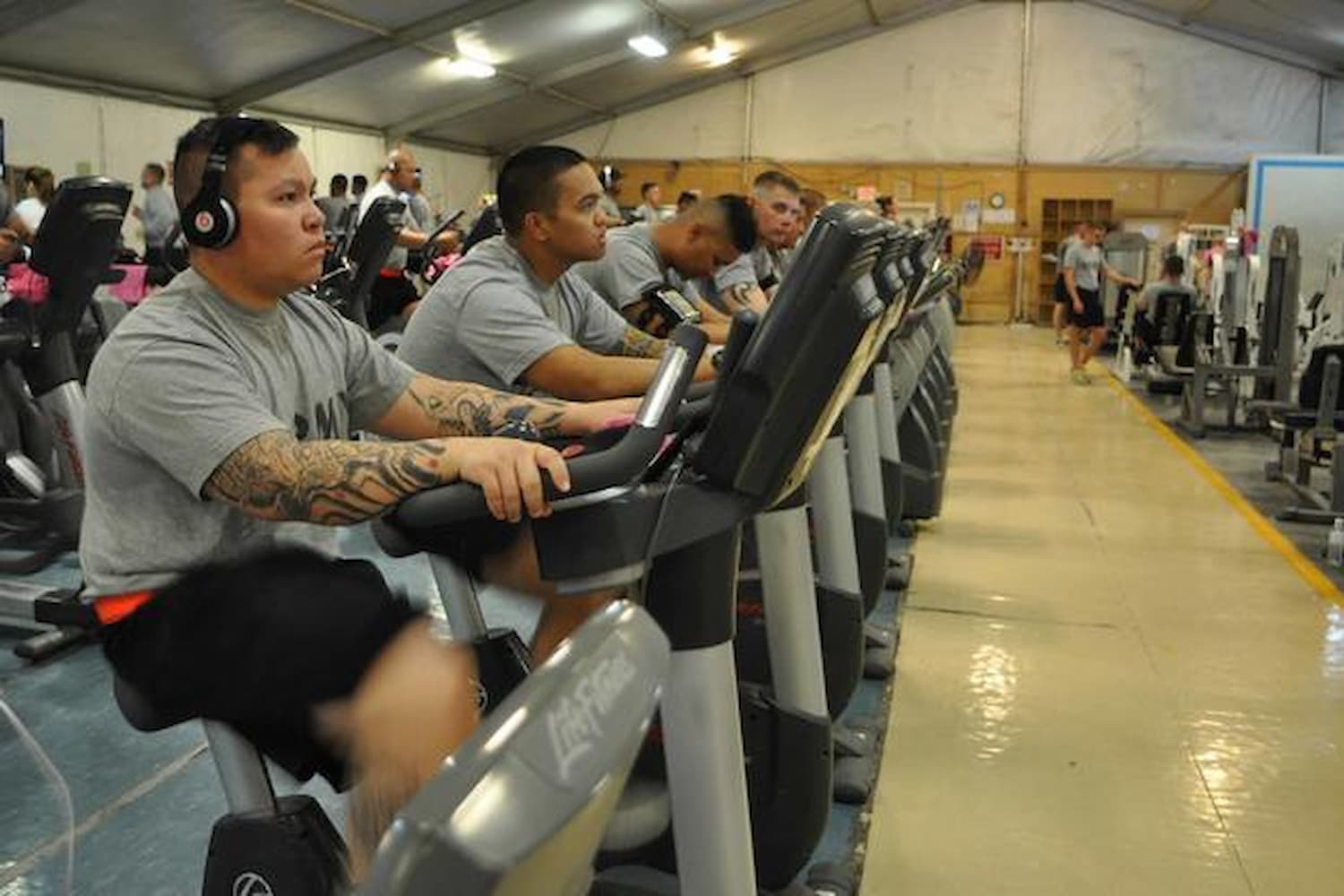
Image 23.04.03b — Donovan Santos (left), around age nineteen, photographed on November, 16 2013, at Kandahar Airfield, Kandahar province, Afghanistan, during his deployment. The two men to his right are also from Guåhan (Guam).

The 2020 census data reveals 14 percent, or 21,700 people, were active-duty military personnel or their dependents stationed in Guåhan from assignments with the US Armed Forces. Additionally, the Federated States of Micronesia (FSM) is its own nation under the Compact of Free Association (COFA), and FSM citizens are allowed to join the US military without the requirement of permanent residency or US citizenship.
This combination of military service, US Armed Forces assignments, and the international agreements under COFA signed with the US provides for millions of dollars in aid annually, but only on the condition that defense responsibility and the potential construction of military bases remains within the jurisdiction of the US military. In 2019, there were 1,500 citizens per capita from the FSM that served in the US forces and fought in America’s wars. The four states that make up the FSM (Chuuk, Kosrae, Pohnpei, and Yap) are often ahead of every US state in Army recruits per capita. Given the facile ways to join the US armed forces in Micronesia and the limited education and employment opportunities in other economies, the trend of high enlistment rates for military service also continues throughout the region in places like the Mariana Islands.
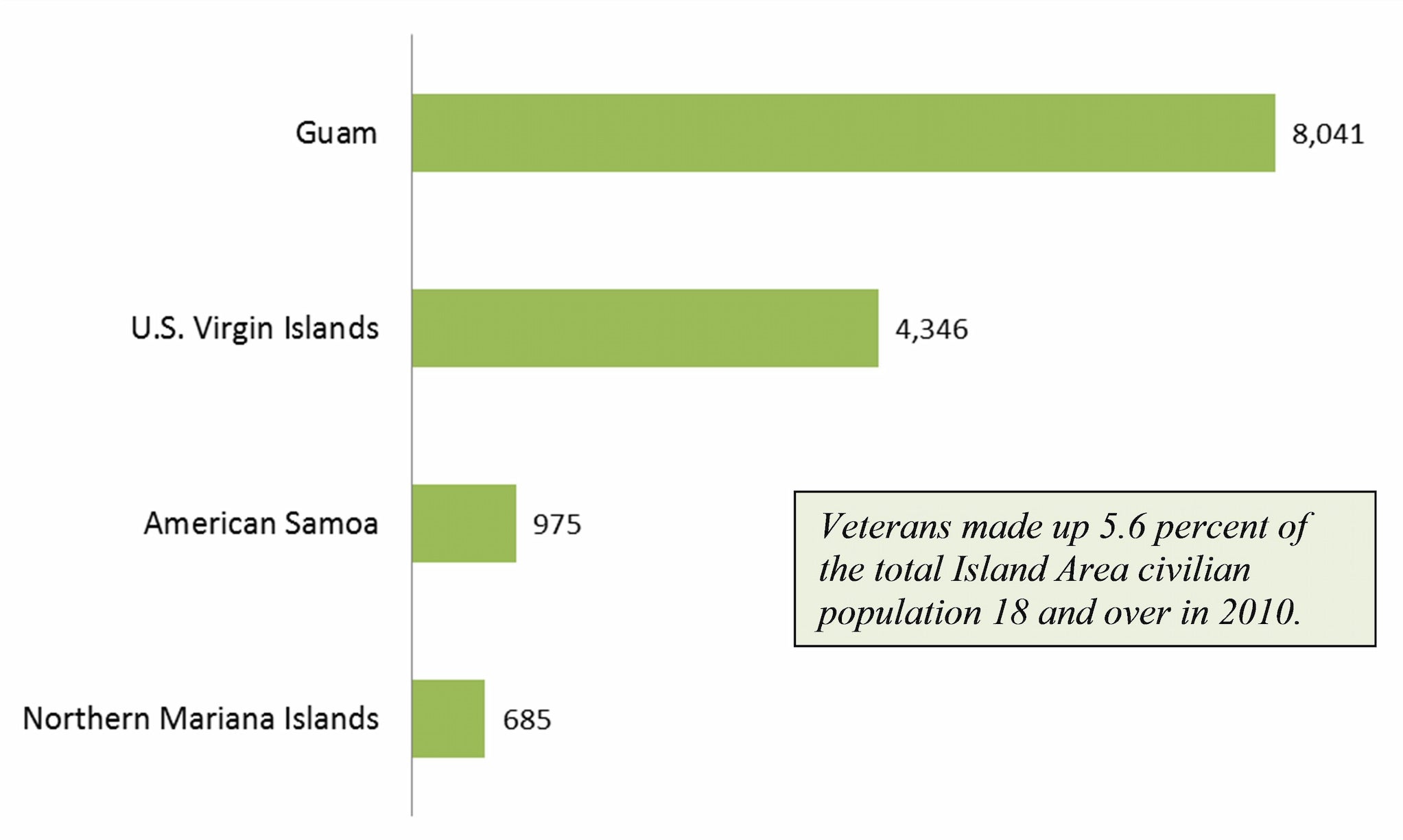
Image 23.04.04 — This figure from the US Census charts the total number of veterans eighteen years and over by island area in 2010. Guåhan (Guam) has the highest number in the group. Source: US Census Bureau, 2010 Island Area Census
The film Island Soldier (2017) interweaves the personal stories of Micronesian soldiers in the US military and their families back home in the FSM. It tells of US colonial control and how it keeps Micronesians dependent upon military service. The situation of military dependency affects veterans from the FSM, as well as the Republic of Marshall Islands and the Republic of Belau. They all remain in the US to access healthcare through the Department of Veterans Affairs. If they return to their island home, no such health services are available due to federal law prohibitions.
For Micronesian veterans living in the US, the decision to stay away from their island homes is often a forced choice that they must make because they need healthcare and medical services unavailable on their islands. While the US provides some economic support in exchange for the use of land for military purposes, this arrangement has stunted more sustainable homegrown economic development.
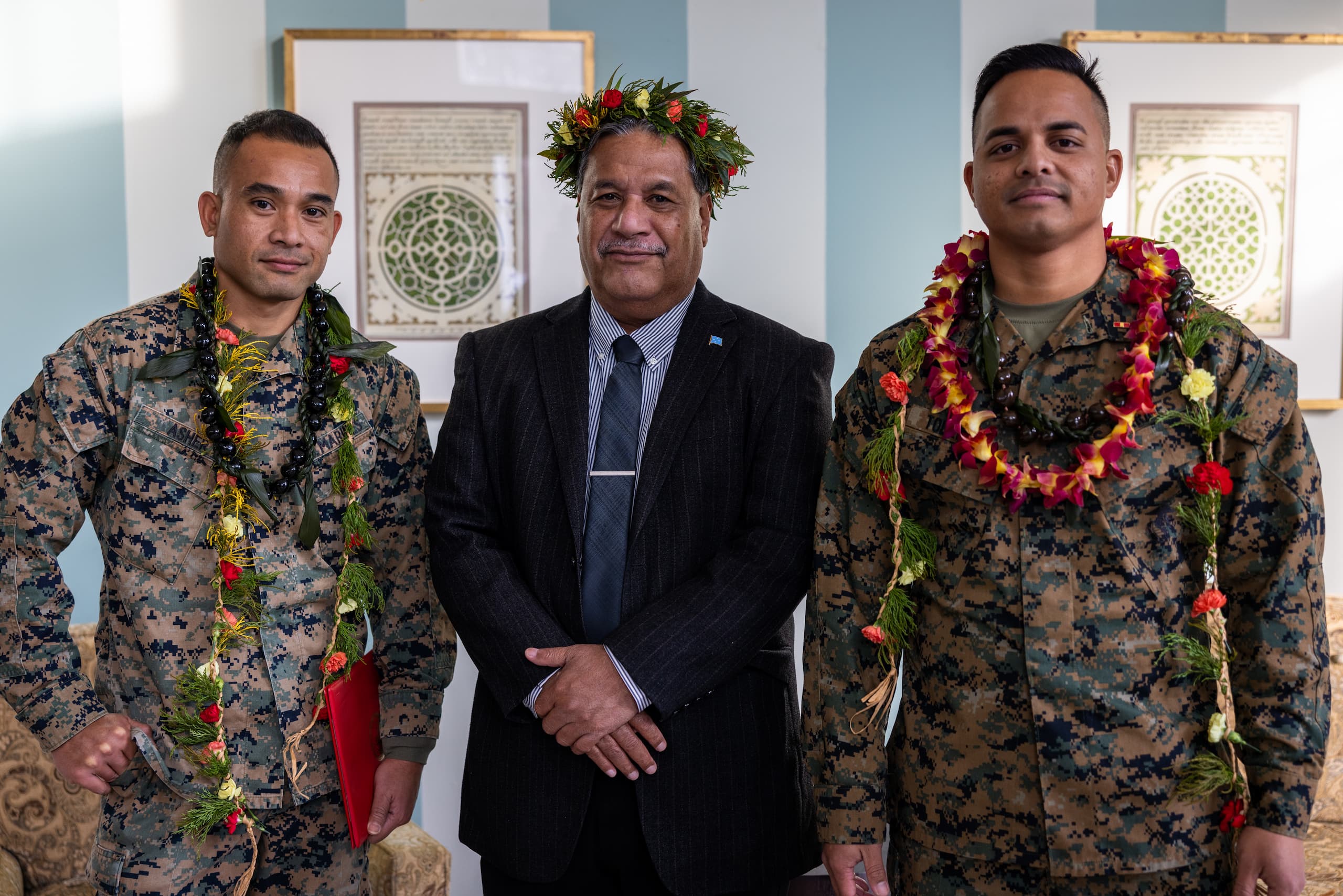
Image 23.04.05 — In 2023, at Marine Corps Base Quantico, Virginia, Federated States of Micronesia (FSM) Ambassador Akillino H. Susaia (center) attended the promotion ceremony of Staff Sergeants Steve J. Asher (left) and Jerry A. Tolenoa (right), both from Kosrae and the first from FSM to be promoted to US Marine Warrant Officers.
The presence of the US military has been formidable and relentless. Even when the US government provides support in the form of access, aid or climate disaster relief, it still has not taken responsibility for its nuclear testing fallout on the environment and people. People lack information about military use of their air, land, waters, and economic policies that take place without their consent. Rather than security in the region, the presence of the US military makes the islands into targets for other nation-states.
Impact of the Military
High enlistment rates coupled with lack of a sustainable economy, adequate financial benefits, or funding for basic medical services from the Office of Veteran Affairs, prompted people of Micronesia to begin organizing for just compensation and rights for veterans and active-duty military personnel. Advocacy for island veterans has been going on since concerns were raised in the 1990s about the need for medical services. While there may be some compensation to veterans living outside the US, there is a lack of care for veterans living in the Freely Associated States. For this reason, many nonprofit organizations serving Micronesian communities have raised their voices at the state and federal levels.
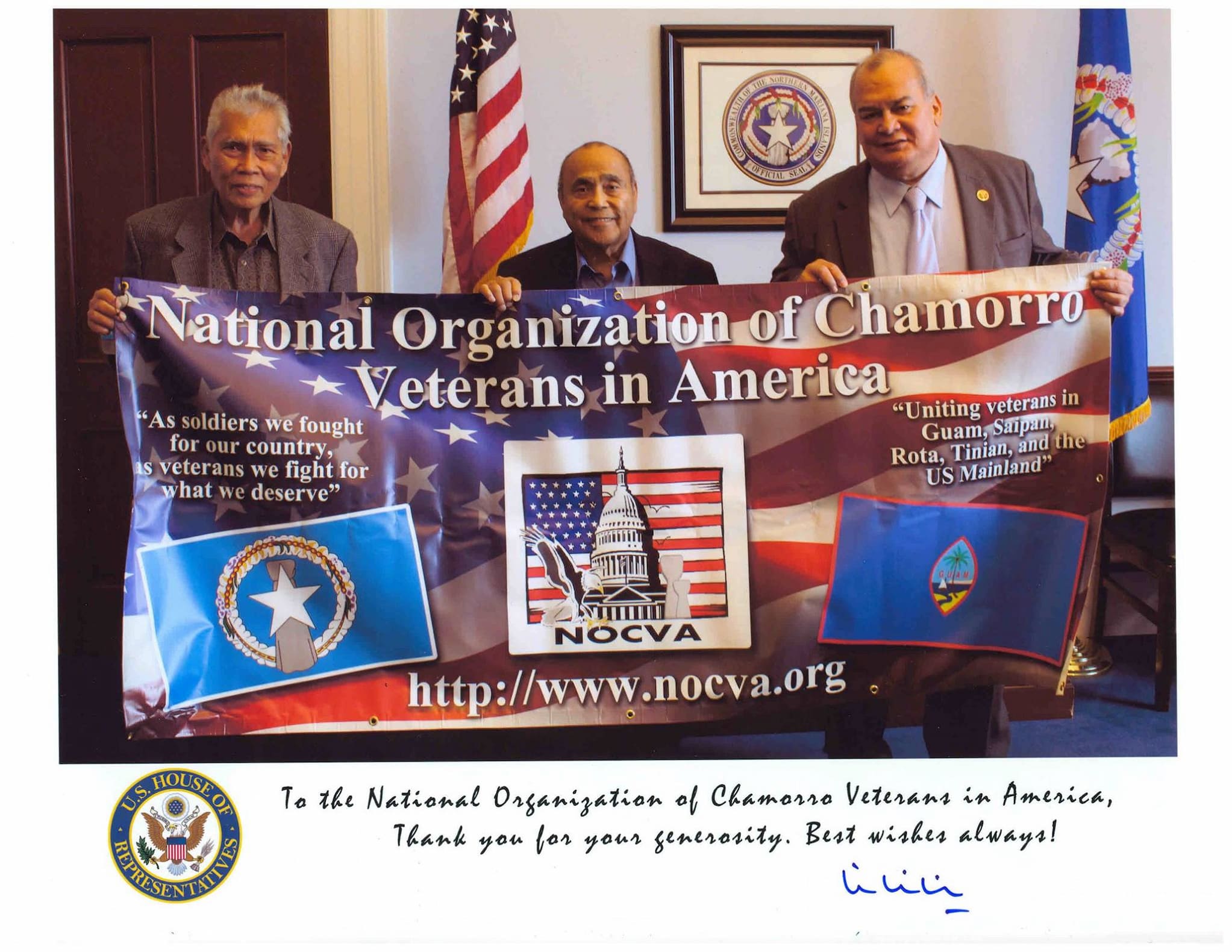
Image 23.04.06 — In 2015, co-founders of National Organization of Chamorro Veterans in America (NOCVA), Cel Aguigui (left) and Larry Cruz (center) met with US Congressman Gregorio “Kilili” Camacho Sablan (right), the first to represent the people of the Northern Mariana Islands in the US House of Representatives.
Since the twentieth century, toxins have persisted within the Marshall Islands due to the US testing of the “Bravo” hydrogen bomb in 1954. Using local histories of peaceful protest and cultural practices like voyaging in the form of “sail-ins,” since the 1950s, the Marshallese have challenged colonial control and protested US military violence. Since the 1970s, the harmful military impacts also persist in Guåhan, where radiation contaminated Cocos Island Lagoon where the US Marines washed down its ships that had been involved in the initial cleanup attempt in the Marshall Islands.
In 1982, nearly 1,000 Kwajalein Marshallese navigated their canoes to multiple islands that the US military had declared off-limits as an act of resistance. They reclaimed their lands, successfully disrupting planned missile tests and pressured the US to renegotiate the Compact of Free Association (COFA) agreement with the Marshall Islands. Although the US established the Nuclear Claims Tribunal in 1983 with the stated purpose of paying compensation to Marshallese for their exposure to radioactive fallout, the toxic environmental and public health problems associated with nuclear testing persist and still have an impact on all of Micronesia.
Activism to resist colonial control by the military continues in the twenty-first century. In March 2009 then Guåhan representative Madeleine Bordallo introduced an amendment to the 1990 Radiation Exposure Compensation Act (RECA) bill that demanded the inclusion of Guåhan within the list of affected “downwinder” areas affected by atmospheric nuclear testing in Micronesia. Despite this effort and the tireless work of Pacific Association for Radiation Survivors (PARS), as of 2025 the people of Guåhan have not received compensation for their suffering, nor do they qualify for compensation for downwind exposure. In Guåhan, the US Andersen Air Force Base is also a source of toxic contamination through dumpsites just outside the base, leaching chemicals into the underground aquifer beneath the base.
Conclusion
Ongoing military control creates conditions for Micronesians to critique and raise their voices in resistance to US colonial structures that claim to serve and protect the people and the environment. Micronesians show their resilience through their protest and advocacy, guided by ancestral knowledge and stories from the past.
Glossary terms in this module
atoll Where it’s used
A ring-shaped series of islands, coral reefs, or islets surrounding a body water called a lagoon.
Compact of Free Association (COFA) Where it’s used
A series of treaties between the Federated States of Micronesia, the Republic of Belau (Palau), and the Republic of the Marshall Islands with the US, granting citizens of Micronesia to join the US military without requirements of residency or US citizenship, live and legally work in the US without a visa, and access to social and health programs. In exchange, the US has exclusive access to these islands, and significant military and veto power.
dependency Where it’s used
A territory under the jurisdiction of a nation and reliant upon it for support and resources, such as Guåhan (Guam) to the US.
eminent domain Where it’s used
A government power to seize private property and convert it for public use, it is also referred to as “taking” or “condemnation.”
Freely Associated States Where it’s used
Sovereign states of the Marshall Islands, Federated States of Micronesia, and Belau (Palau) that receive economic aid from the US as part of a bilateral relationship outlined in the Compact of Free Association.
Indigenous Where it’s used
Refers to someone or something that originates from a region, predating colonialism.
Pacific Ocean Where it’s used
The largest of the Earth’s oceans, Pacific Islanders often refer to this area as “Oceania” which is a vast geographical region that encompasses the islands, cultures, and peoples of Melanesia, Micronesia, and Polynesia.
Endnotes
1 Holly Barker, quoted in “The Effect of Nuclear Testing on the Marshallese,” Bulletin of the Atomic Scientists, October 27, 2007. https://thebulletin.org/2007/10/the-effect-of-u-s-nuclear-testing-on-the-marshallese/#:~:text=In%20Barker’s%20words%2C%20%22There%20is,O’Leary%20was%20energy%20secretary