




Ms. Marvel comic book cover. Kamala Khan pulls apart her lilac, patterned tunic to reveal a blue superhero suit with yellow lightning bolt beneath.
Module 3: Texture: Building Ethnic Community and Infrastructure
Do Pakistani Americans fit under the broad umbrella of an “Asian American” panethnic identity?
Soon after arriving in the United States during the 1960s and 1970s, Pakistani Americans began building key institutions such as cultural and religious organizations and ethnic entrepreneurial economies to support their growing communities. They founded houses of worship. They celebrated and reconstituted cultural practices from Pakistan in both fresh and familiar ways, imbuing those practices with new, uniquely American meanings and significance.
Subsequent generations continue to expand and transform this basic ethnic infrastructure to serve the needs of their changing communities across the United States. The constructed nature of ethnic culture means that being Pakistani American signifies different things to the different people who identify as such.
This module is about Pakistani American institutions that foster ethnic identity and community.
In what ways do Pakistani Americans construct an ethnic identity?
What ethnic institutions have Pakistani Americans established?
What role does religion play in their ethnicity?
Ethnic Identity
Like other Asians living in diaspora, Pakistani Americans maintain deep ties to their country of origin, while simultaneously assimilating in the US. Although physical distance forces immigrants to reconfigure their identity in the US, they still maintain behaviors and outlooks from before migration. Their ethnic identity in the US, then, merges with new perspectives, behaviors, and social norms. More importantly, Pakistani Americans of all generations continue to assign new significance to existing ethnic traditions, creating a dynamic and constantly changing culture.
Ethnic identity transcends well beyond outward expressions of Pakistani-ness. The ways in which Pakistani Americans feel a sense of belonging to the United States and Pakistan varies by individual and is often impacted by their reception after arrival, social integration, inter-generational adjustments, and degree of racialization, among other factors. It is also impacted by the relationship between India and Pakistan. Ethnicity can be understood as a combination of how Pakistani Americans view themselves and how the host society views and treats them.
Another perspective is to examine Pakistani Americans’ transnational ethnic identity. Transnationalism refers to the social, economic, and political processes that extend beyond national borders. Such a conception of ethnic identity could explain the flows and exchanges of peoples, ideas, and things across borders. Pakistani Americans might keep themselves apprised of developments in Pakistan’s politics, such as in the 2020s when much of the Pakistani diaspora supported the deposed former Prime Minister of Pakistan, Imran Khan.
Immigrants also send remittance payments to provide economic assistance to family members in Pakistan. They donate generously to Pakistani charity projects, including the construction of healthcare clinics, water wells, schools, and for the provision of food. While Pakistan has a large middle class, it also suffers from a high level of poverty and inequality. Such transnational pathways demonstrate the profound sense of responsibility Pakistani Americans feel toward the family members they left behind and to the underclass who still live in Pakistan.
Pakistani American social and cultural life normatively coheres around the concept of family. Its foundational structures are marriage, children, eldercare, and strong kinship networks. This emphasis on traditional family structure and gender roles leaves little room for Pakistani Americans whose lifestyles fall outside conventional cultural norms. For example, divorcees, singles, LGBTQIA+ people, and others may find few supportive resources for their specific needs within the Pakistani American community. Consequently, they have formed their own organizations, including South Asian feminist networks and LGBTQIA+ rights groups.
Numerous Pakistani American artists, writers, performers, and musicians also explore themes about identity through their work. Through the use of intentionally provocative lyrics, The Kominas, a Boston-based Pakistani American punk band, challenge stereotypes about South Asians and Muslim Americans. Pakistani American author Fatimah Asghar calls for a radical expansion of how communities define and accept being Muslim.
More to explore
Video
01:10
Pakistani American Punk Rock
The Kominas’ song “4 White Guys” from their 2016 album Stereotypes. Formed in 2005 on the East Coast, The Kominas have several members who are Pakistani American. The band has several self-released albums and their songs are often political, with wry humor.
Relatedly, Pakistani Americans have established a modest presence in mainstream US media including television, movies, comedy, social media, and print, as well as the visual and literary arts. While the struggle to break out of roles based on anti-Muslim stereotypes and storylines (e.g. terrorists and fundamentalists) continues, a few Pakistani Americans such as Kumail Nanjiani, Sophia Ali, and Geoffrey Arend have found popular success.
Pakistani Americans also work behind the scenes as screenwriters and producers. Filmmaker Nausheen Dadabhoy’s work explores themes of belonging and Pakistani Americans’ everyday struggles. Comic book editor Sana Amanat co-created Pakistani American superheroine Kamala Khan for the Ms. Marvel comic book and, later, the television series. Young Pakistani Americans were energized by the main storyline featuring a Pakistani American character. Many viewed it as a turning point for the greater inclusion and media presence of Pakistani Americans.
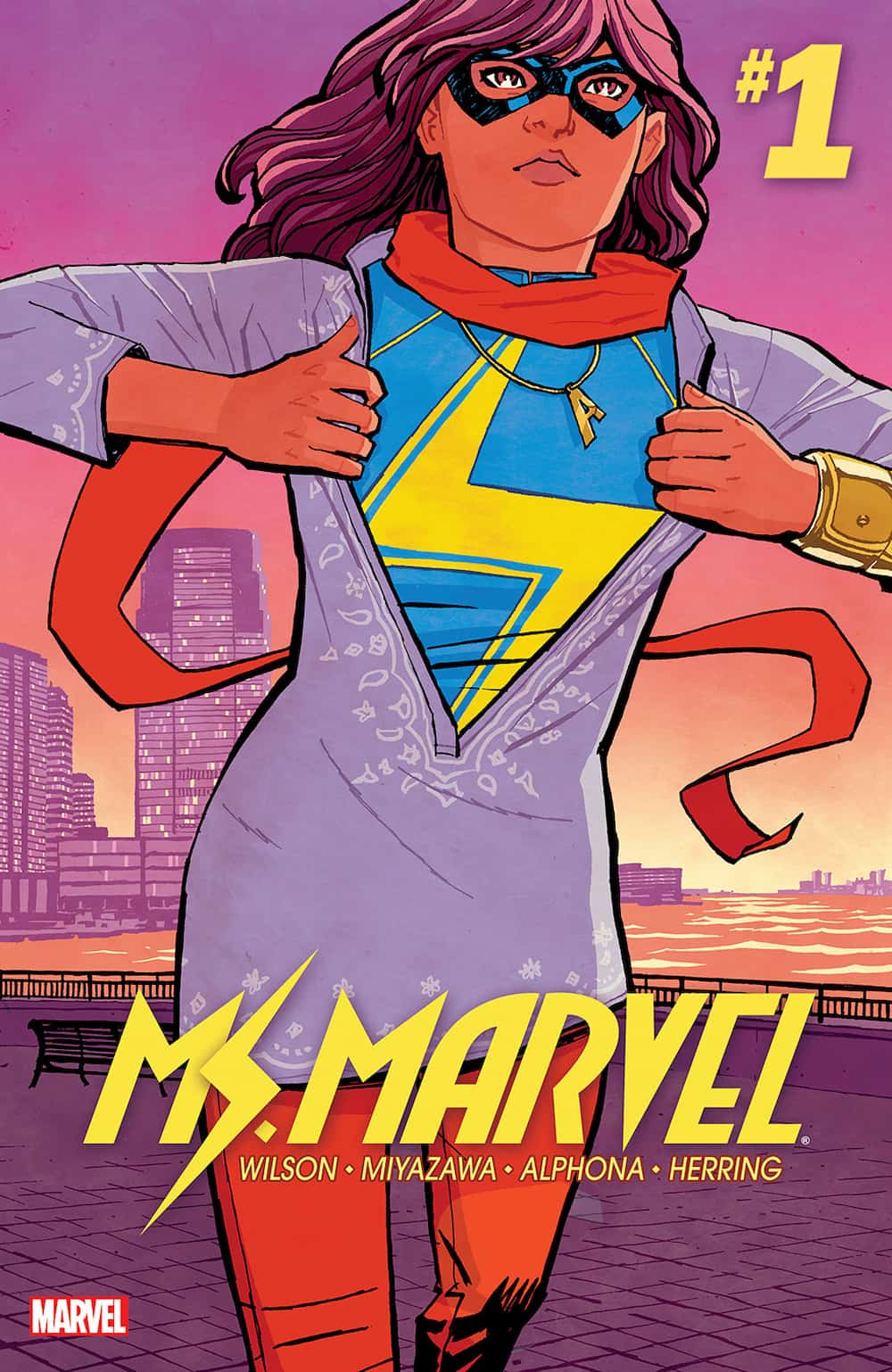
Image 16.03.03 — Pakistani American teenager, Kamala Khan from Jersey City, New Jersey, becomes superhero Ms. Marvel, co-created by Sana Amanat. Young Pakistani Americans were energized, seeing this as a turning point for the greater inclusion and media presence of Pakistani Americans.
Pakistani American youth continue to forge their own ways of belonging to Pakistani American ethnic culture. As they build their social networks among co-ethnics and others, the degree to which they identify as Desi, American, Pakistani, and South Asian varies. Some families experience intergenerational or cultural conflicts, while others find new ways of bridging their American and Pakistani identities.
Some expressions of Pakistani American identity include ethnic clothing, music, TV programs, and celebrations. Ethnic organizations and ethnic enclaves reinforce these aspects of shared culture. Social celebrations during which Muslim Pakistani Americans express ethnic culture include weddings, Eid, Ramadan, Muharram, the birth of a new baby, first Ramadan fasts, or the first reading of the Qur’an, as well as Pakistan National Day. Pakistani Americans of other faiths, like Zoroastrians, Christians, Hindus, and Sikhs celebrate the customary holidays of their faiths, along with celebrations of major life milestones. Some of these holidays are Nowruz, Christmas, Diwali, and Vaisakhi, respectively. One of the most important vehicles for the expression of ethnicity is ethnic organizations.
Ethnic Socio-Cultural Organizations
Pakistani American ethnic organizations can be found across the United States. Some are based on the idea of a shared Pakistani identity, while others coalesce around smaller ethno-linguistic identities. In larger urban areas, cultural organizations arranged around a national Pakistani identity coexist alongside smaller groups formed along Pakistan’s regional and linguistic divisions, such as Punjab and Hyderabad. Some merge culture and religion. Other organizations have been founded on the basis of professional occupation or business ownership, such as the Association of Physicians of Pakistani Descent of North America (APPNA), the Organization of Pakistani Entrepreneurs (OPEN), and several “young professionals” groups across the country.
In many cases, Pakistani organizations grew out of or were affiliated with local university chapters of the Pakistan Students Association (PSA), a nationally registered international student organization established in the early 1950s. The founders of the Pakistan Association of Greater Houston were student activists in their respective college and university’s PSA. The latter arrange and host cultural events and activities for international students from Pakistan. International student groups support their members’ transition into student life in the United States while promoting cultural understanding and serving as a bridge between the PSA and other campus populations.
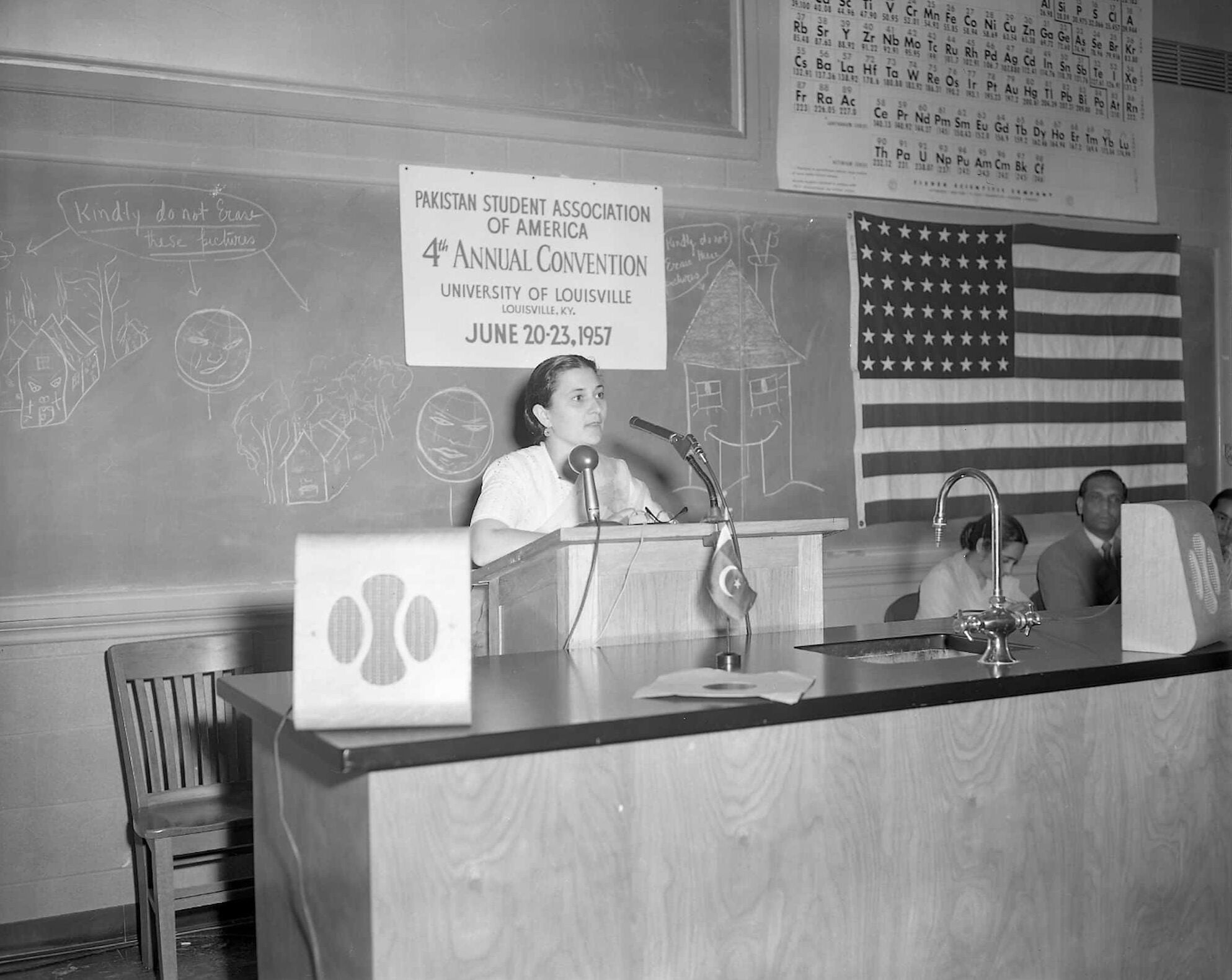
Image 16.03.04 — Begum Haya-Ud-Din moderates a panel discussion at the 4th annual convention of the Pakistan Student Association (PSA) in Louisville, Kentucky, 1957. The PSA was composed of students in American colleges and universities.
Similarly, citywide cultural organizations and religious institutions help build social bonds between community members, both foreign- and native-born, by arranging social, cultural, and educational activities, and through the use of Pakistani music, fashion, sports, and film. Ethnic organizations also serve the immigrant community’s practical needs by hosting educational events, senior citizens’ clubs, job fairs, and medical and dental clinics.
Sports, in particular, rely on the popularity of cricket, a game played across South Asia since the rule of the British Empire. Sri Lankan, Indian, Bangladeshi, and Pakistani Americans play each other in matches across the United States. The largest cricket field in the country is located just outside Houston, Texas.
The annual Pakistan National Day celebrations on August 14 are among such organizations’ largest events. Across the US, Pakistani Americans express their national pride through parades, hoisting the Pakistani flag, and singing the Pakistani national anthem, Pak Sar Zameen (Thy Sacred Land). They arrange variety shows, complete with Pakistani drama, comedy, dance, fashion, and music. Event attendees enjoy cultural traditions such as Urdu poetry, Punjabi songs, Sindhi dances, Balochi clothes, and their ethnic foods.
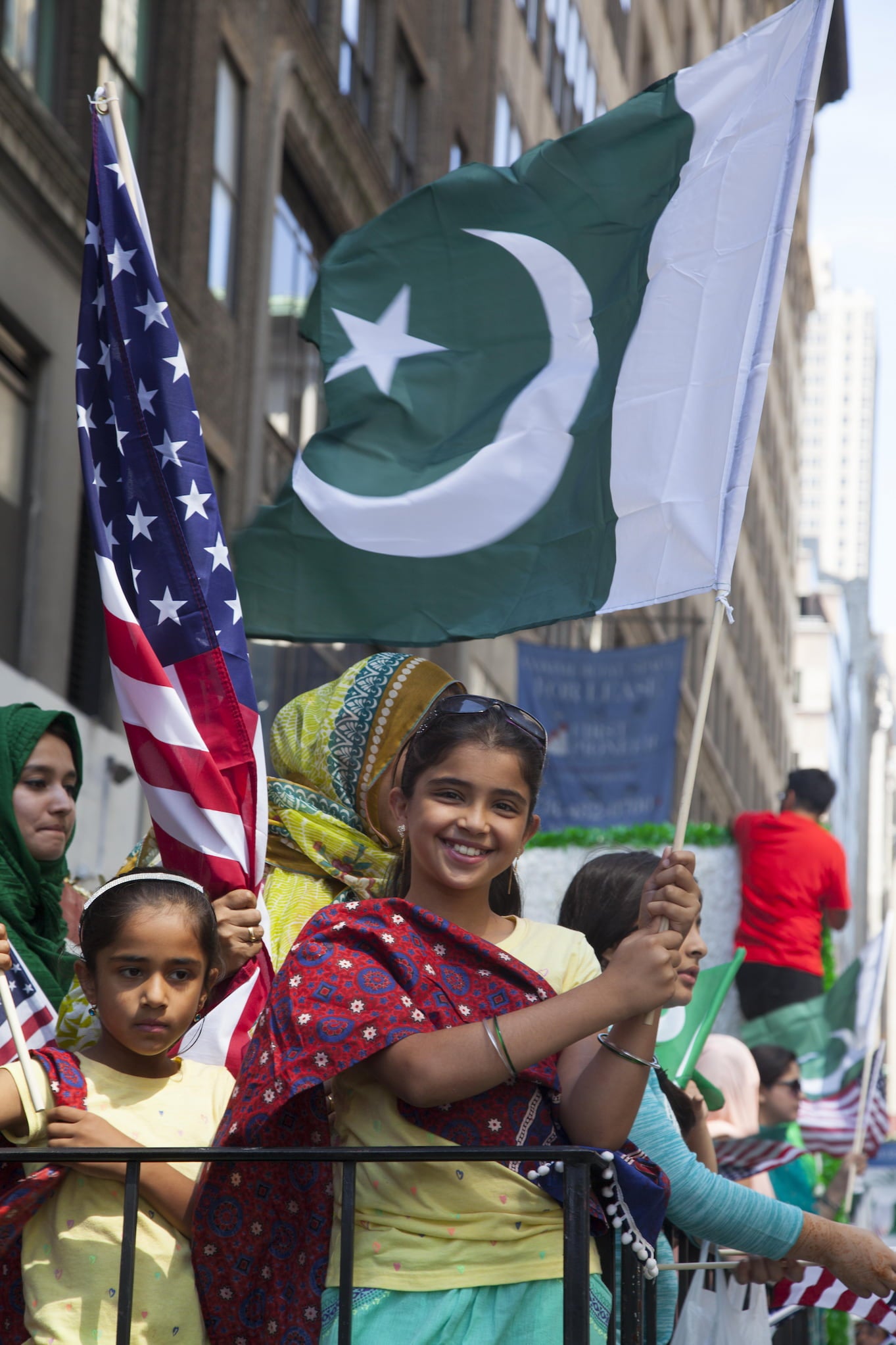
Image 16.03.05a — Proud Pakistani Americans take part in the Pakistan Independence Day Parade on Madison Avenue in New York City, 2016.
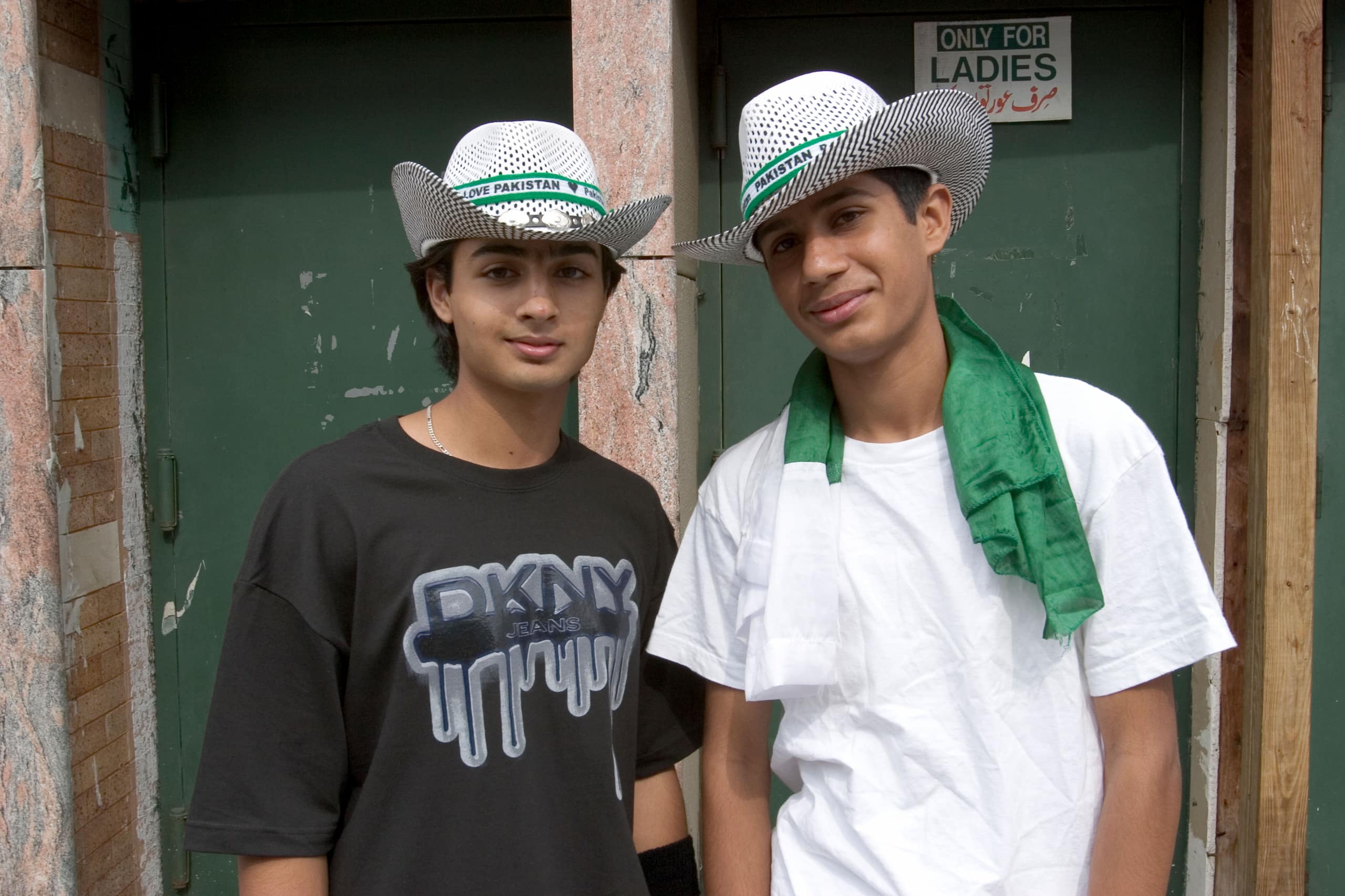
Image 16.03.05b — Pakistani Americans in the Flatbush section of Brooklyn, New York, celebrate Pakistan Independence Day in 2004.


Ethnic Economic Enclaves
As the Pakistani immigrant population increased in the United States from the 1970s, Pakistani Americans founded or joined ethnic economic enclave. That is, they opened businesses across cities and suburbs, alongside other ethnic businesses. The ethnic economy provides goods imported from Pakistan and offers services that cater mostly to a Pakistani American clientele. Pakistani ethnic businesses are frequently found next door to other South Asian shops, as they attempt to appeal to a broad South Asian American customer base.
A few examples of such heavily mixed Asian Indian, Pakistani, and Bangladeshi commercial districts in North America include Chicago’s Devon Street, Houston’s Hillcroft Street, Toronto’s Gerrard Street and its suburb of Mississauga, Fremont in the San Francisco Bay Area, Los Angeles’ Artesia, Norcross in Atlanta, and Brooklyn’s “Little Pakistan.” The enclaves often represent multiethnic spaces alongside Arab, Iranian, Afghan, Mexican, and other immigrant businesses. In other words, the enclaves do not have firm internal or external boundaries.
Ethnic economic enclaves are home to an entire range of Pakistani “mom and pop” shops, including small grocery stores, restaurants and food trucks, as well as clothing boutiques that serve Pakistani Americans. Some offer direct imports from Pakistan, while others provide community services including insurance, medical care, travel agencies, event venues, and beauty salons. These small businesses are geared to serve the Pakistani diasporic community, but they welcome all customers and strengthen local economies. The presence of Muslims in South Asian ethnic enclaves often leads to the establishment of mosques, Islamic bookstores, and halal meat butchers, adding a distinctly religious layer to the enclaves.
More to explore
Image
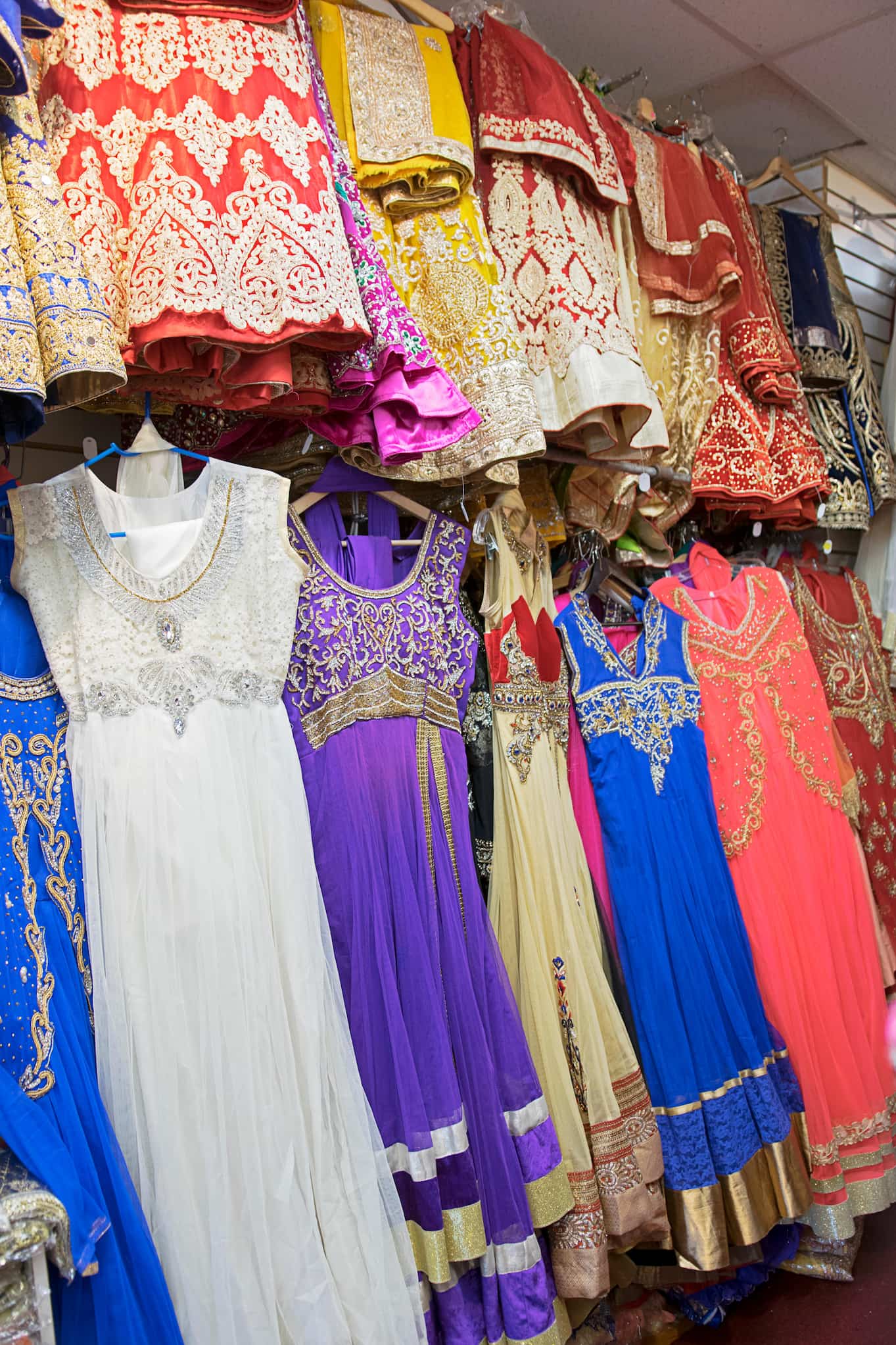
Pakistani Embroidered Dress and Jewelry
A number of shalwar kameez and other South Asian clothing for sale at a store in Queens, New York.
Ethnic economic enclaves provide access to culture, goods, and spaces for community. For Pakistani Americans, shopping for Pakistani goods or eating at Pakistani restaurants can mean many different things. For Pakistani immigrants in particular, the sounds of spoken Urdu and Punjabi, the hum of Pakistani music, the advertisement and signage in Urdu script, the aroma of Pakistani food, and the presence of Pakistani people foster a sense of community, easing their nostalgic longing for home. For future generations, ethnic enclaves may be a comforting way to maintain intergenerational cultural connections. They also become part of a Pakistani American social fabric in the US that creates new ways of consuming culture.
While such commercial districts are similar to the Chinatowns, Japantowns, or Koreatowns on the West Coast or the Little Italy, Little Germany, and Little Syria in New York City, there are also some important differences. The “Asia towns” of past centuries resulted from de facto racial segregation that barred the residence of Asians in predominantly white neighborhoods. Those older Asia towns surely offered support and camaraderie to community members and served Asian Americans in their acclimation to the US. In other words, Asian Americans lived there because they had few other options due to racial and housing discrimination. Property owners refused to lease homes or rent rooms to Asians.
Whereas these earlier enclaves tended to be mixed-use residential and commercial neighborhoods, recent Pakistani American enclaves are likely to be commercial areas operating businesses only. In some places, land-use zoning statutes or real estate development patterns separate residential from commercial zones. Consequently, Pakistani Americans often live and socialize elsewhere.
Religion
As in Pakistan, well over 95 percent of Pakistani Americans are Muslim, and most are of the Sunni denomination, with about 10 to 15 percent from the Shi’a sect of Islam. Other religious factions within the Pakistani community in the US include Christians, Hindus, Zoroastrians, Buddhists, and Sikhs. Places of worship for Pakistani Americans include mosques, Ismaili jamatkhanas, Sikh gurdwaras, Christian churches, and Zoroastrian and Hindu temples. In some instances, they have founded their own congregations such as the Philadelphia-based Pakistani New Life Church. More often, they join other multi-ethnic congregations, such as the Dar-e-Mehr Zoroastrian Temple in Pomona, New York, which serves both Iranian and South Asian Zoroastrians, or the Stockton Gurdwara in California, which was the first Sikh temple in the US.
Pakistani Americans numbered about 550,000 in the 2020 census. When compared to 3.5 million Americans with ancestry from across the Middle East and North Africa (MENA) regions, they have been active participants in establishing religious institutions such as houses of worship, parochial schools, Sunday schools, social service and relief organizations, and community service organizations.
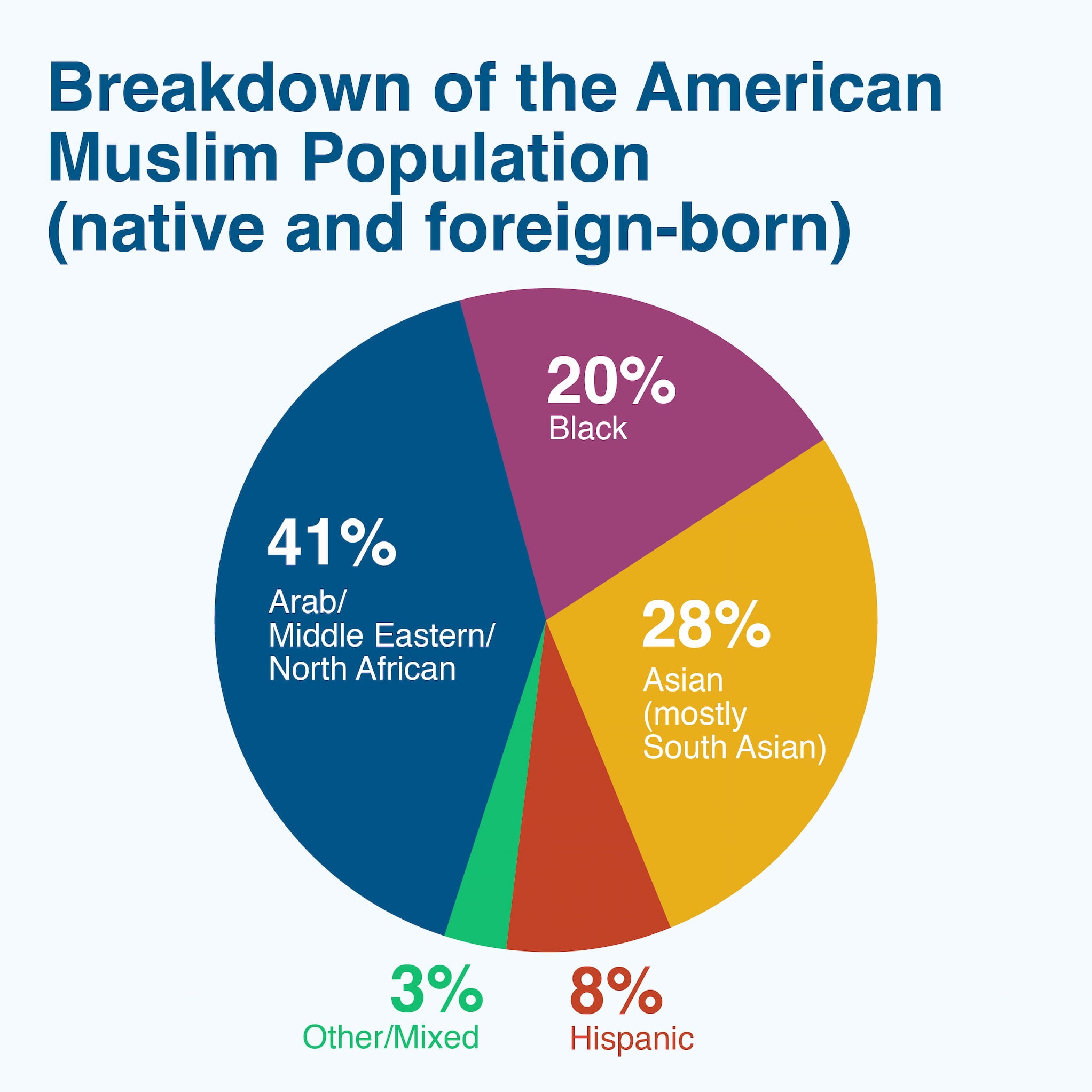
Image 16.03.08 — A breakdown of the American Muslim population (both native-and foreign-born). Source: Pew Research Center.
As with any religion, the level of observance varies among Pakistani-American Muslims and ranges from the unaffiliated and non-observant to the culturally engaged or the deeply faithful. For observant Muslim Pakistani Americans, Islam may shape aspects of their lives, such as modest clothing choices including headscarves or halal food. For those who regularly attend mosques, activities might include daily prayers, classes, children’s Sunday school, full-time parochial schools, family social evenings, Ramadan iftars, and youth groups. Moreover, Pakistani American women often organize Urdu language and Quranic study classes at community members’ homes.
Pakistani American Muslims express religion in their daily lives in a variety of ways. For cultural Muslims, Islam may be a matter of the heart, without the implementation of its ritual practice. They might derive meaning instead from the cultural traditions associated with Islamic celebrations such as Eid and Ramadan observed a few times a year. Yet some others observe the basic pillars of daily prayer and weekly fasting. Men may grow their beards as a marker of their faith. Some Muslim families consume only halal meat slaughtered in accordance with Islamic law, and most avoid drinking alcohol.
Many Pakistani women dress modestly and wear a headscarf (hijab) to cover their hair, while others choose to do neither. Some countries such as France have enforced bans on hijabs, believing that hijab-wearing is patriarchal, based on male control over women. Such assumptions paint Muslim men as tyrants and Muslim women as timid. Muslim women of all ages, including Pakistani Americans, often embrace wearing a hijab as a symbol of their religious practice and pride as American Muslims.
There are over one thousand mosques in the United States. Most mosques are multi-ethnic, reflecting the diversity of Muslims in the United States. Pakistani congregants interact and build community with Arabs, Indonesians, African Americans, Afghans, Nigerians, Latinos, and white Americans. The practice of Islam in the United States therefore merges the ethnic traditions of numerous cultures within a uniquely American framework. Pakistani-American Muslims may view themselves as part of a global panethnic community of believers in Islam. Yet, other mosques form along clear ethnic lines, with a majority of their worshippers coming from a single ethnicity and conducting services in their native language.
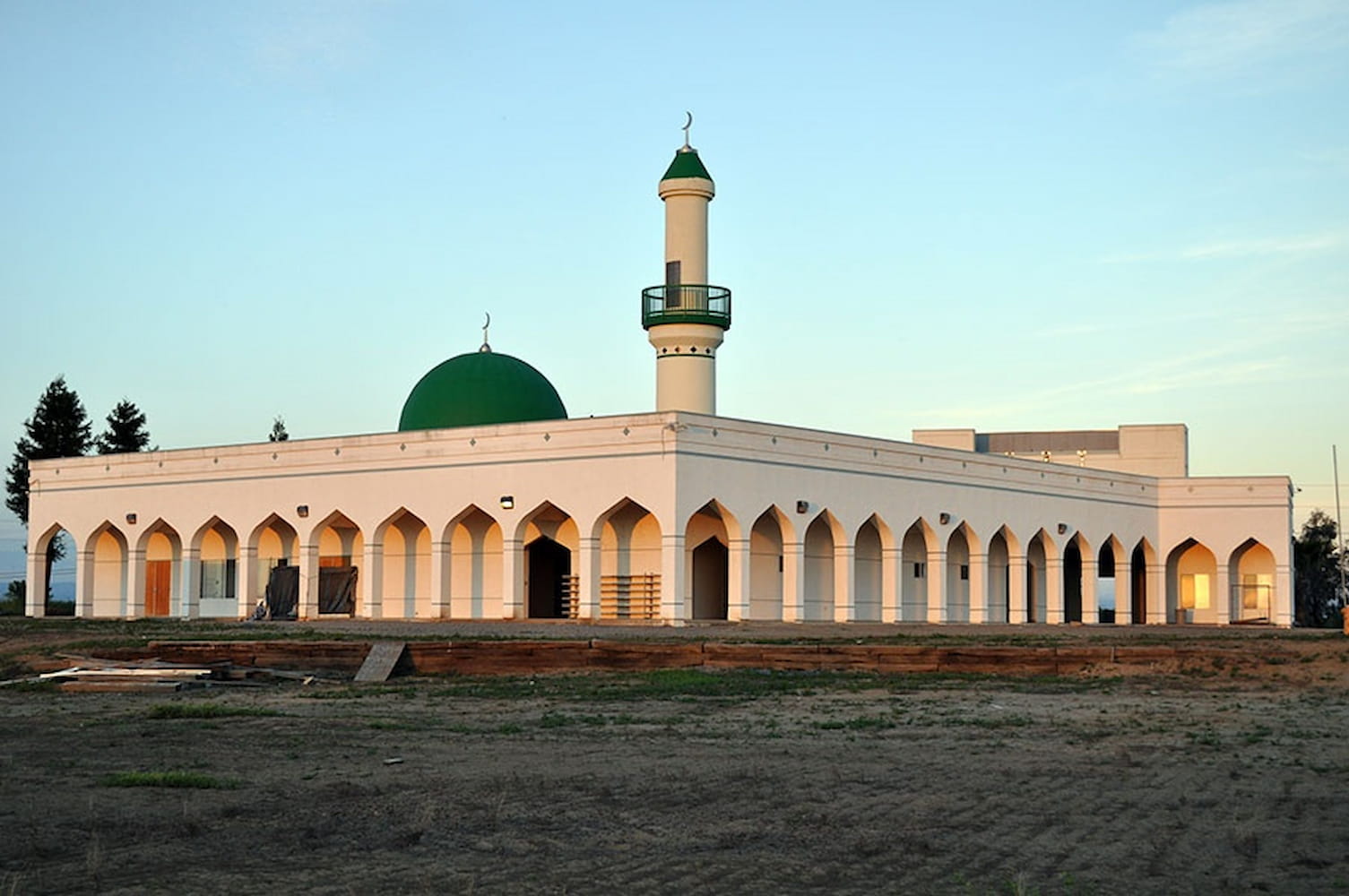
Image 16.03.09 — This Muslim Guide image of the Islamic Center of Yuba City in California was built on acres of land owned by Pakistani American farmers. Just after its completion, it was burned down by arsonists in 1994. The mosque was rebuilt in 2000.
Conclusion
Like the many co-ethnic communities that exist in diaspora, Pakistani Americans find comfort and meaning in shared ethnic spaces and communities. They nevertheless experience, express, and understand ethnic culture in a variety of ways. Their generation as immigrants, class background, gender, and religious practices determine how embedded they become in ethnic enclaves and how they express their ethnic identities.
As might be expected, the first generation often carries deep memories of upbringings in Pakistan. Although they live in the United States as Americans, many also maintain a connection to Pakistan. Subsequent generations of Pakistani Americans create anew their networks and links to Pakistan while constructing meaningful aspects of Pakistani American culture and identity. Regardless of their backgrounds and circumstances, they reconstruct their ethnic identity, adapting and acculturating to their own version of Pakistani-Americanness to foster a sense of belonging in the United States.
Glossary terms in this module
ethnic economic enclave Where it’s used
An ethnic enclave with more ethnic businesses than residents. Oftentimes, the employees and owners of these ethnic businesses are unable to afford living in the same area as the business for which they work.
South Asians Where it’s used
South Asians are people with ancestry traced back to Afghanistan, Bangladesh, Bhutan, India, Maldives, Pakistan, Nepal, Sri Lanka, and Myanmar (Burma).