



Search the Media Repository
Discover the curated images, videos, and primary sources featured throughout Foundations and Futures
History is more than just text on a page; it is the photographs, voices, and artifacts of the people who lived it. The images and recordings featured across Foundations and Futures are part of a meticulously curated media repository. Whether you are building a lesson plan or investigating an artifact, you can use this database to trace the provenance of our media: discover who created an asset, the historical context behind it, and how it can be used to bring Asian American and Pacific Islander experiences into your classroom.
Multimedia
Chapters
-
Image
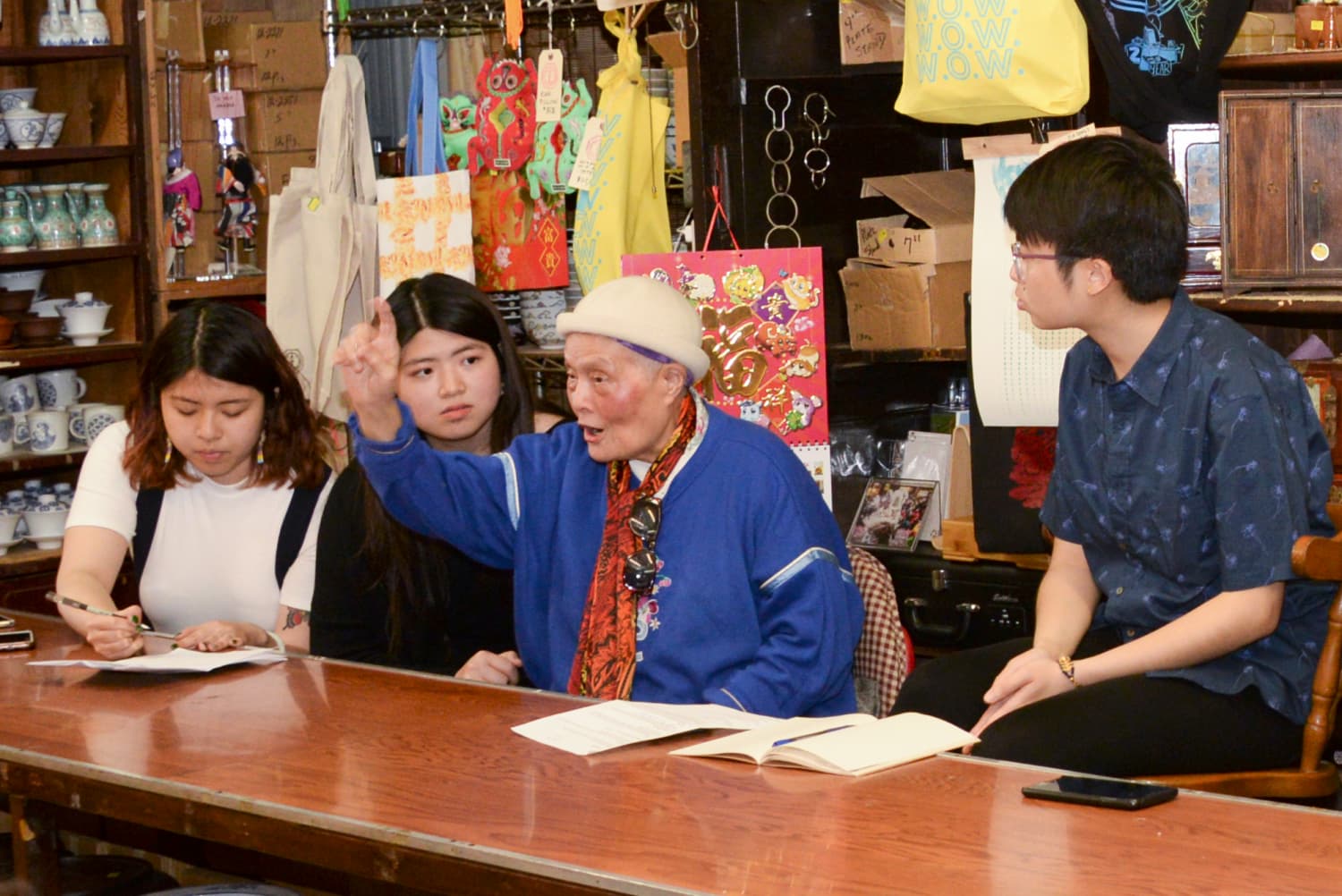
Empowering Younger Generations
Shui Mak Ka (center, with raised hand) continues to use her voice and union experience to empower younger generations to organize.
-
Video
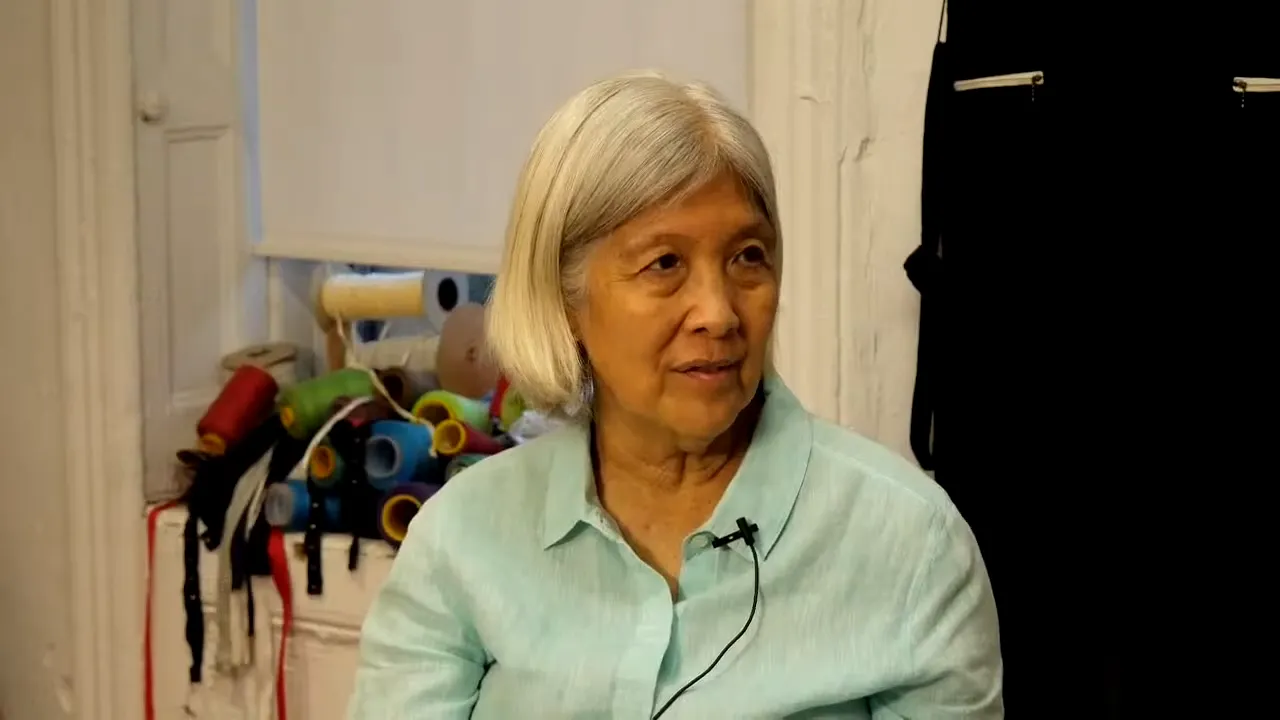
9/11 Effect on New York Garment Factories
In this clip, May Chen discusses how the closure of Lower Manhattan after the 9/11 terrorist attacks prevented workers and suppliers from accessing Chinatown garment factories. These barriers brought the Chinatown garment industry to a standstill.
-
Video
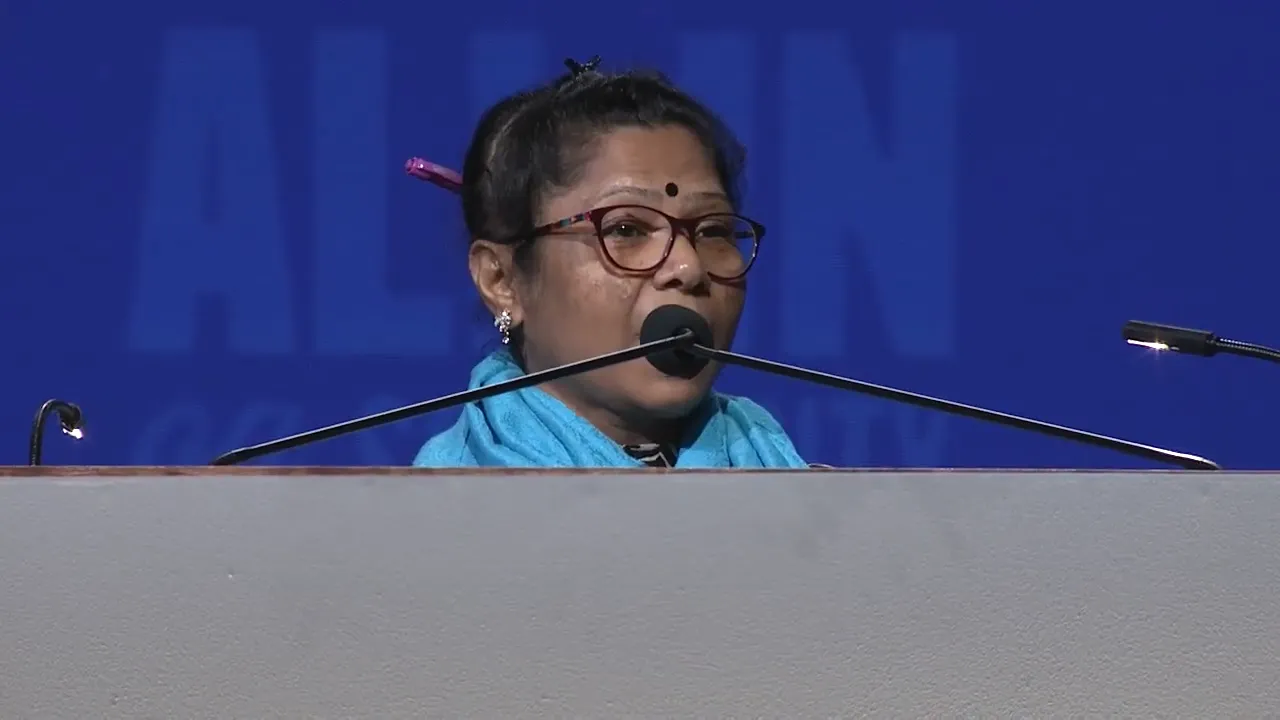
Bangladeshi Activist Addresses Convention
Bangladeshi worker and activist Kalpona Akter addresses an audience at the 2025 United Steelworkers Convention. United Steelworkers is a labor union in North America. This clip shows the power of organizing and an international solidarity of workers.
-
Image
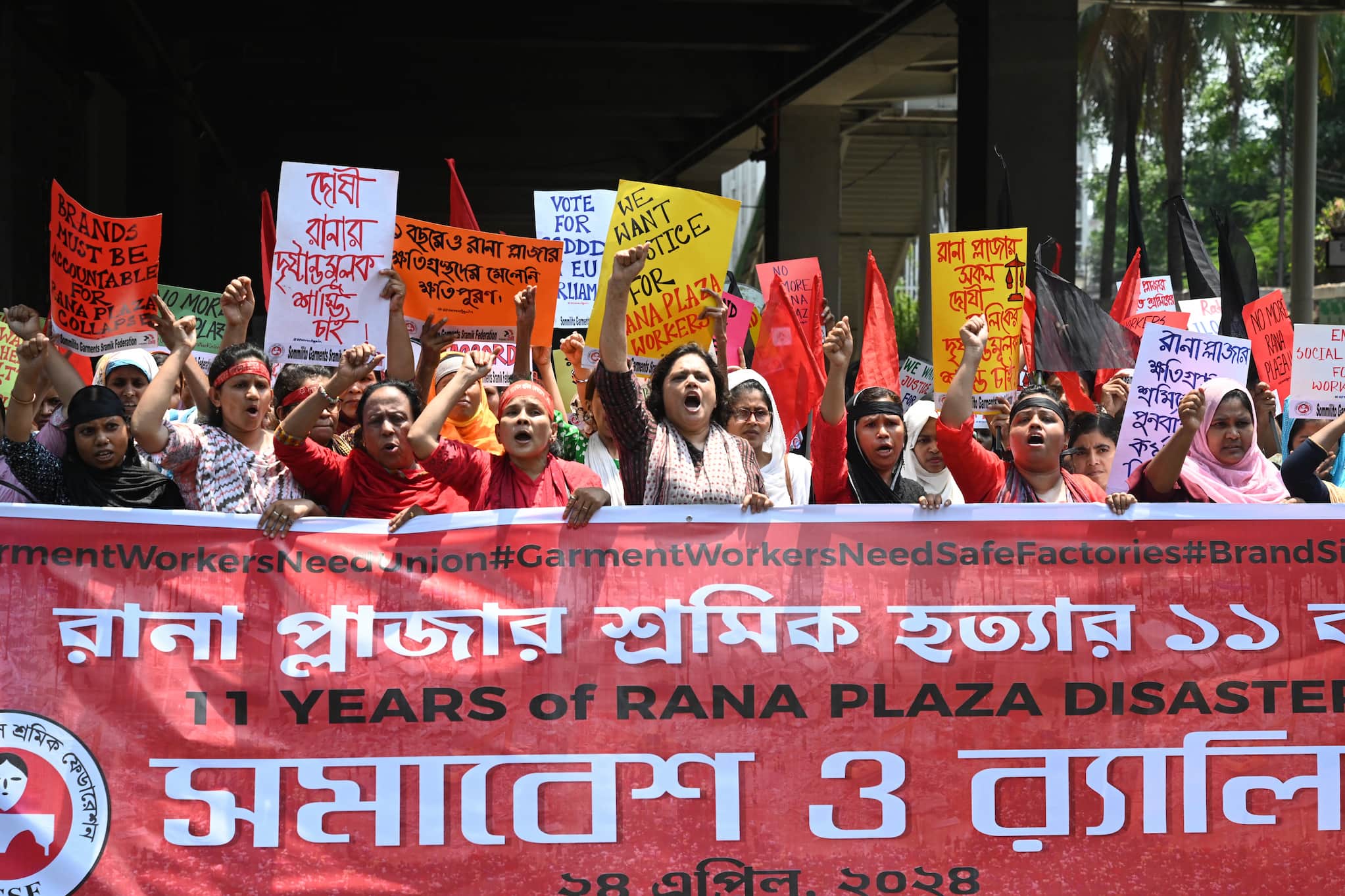
Garment Workers Protest in Bangladesh
Garment workers in Dhaka, the capital of Bangladesh, participate in a 2024 rally on the anniversary of the Rana Plaza building collapse to raise awareness of workers’ need for unionizing and safe working conditions.
-
Image
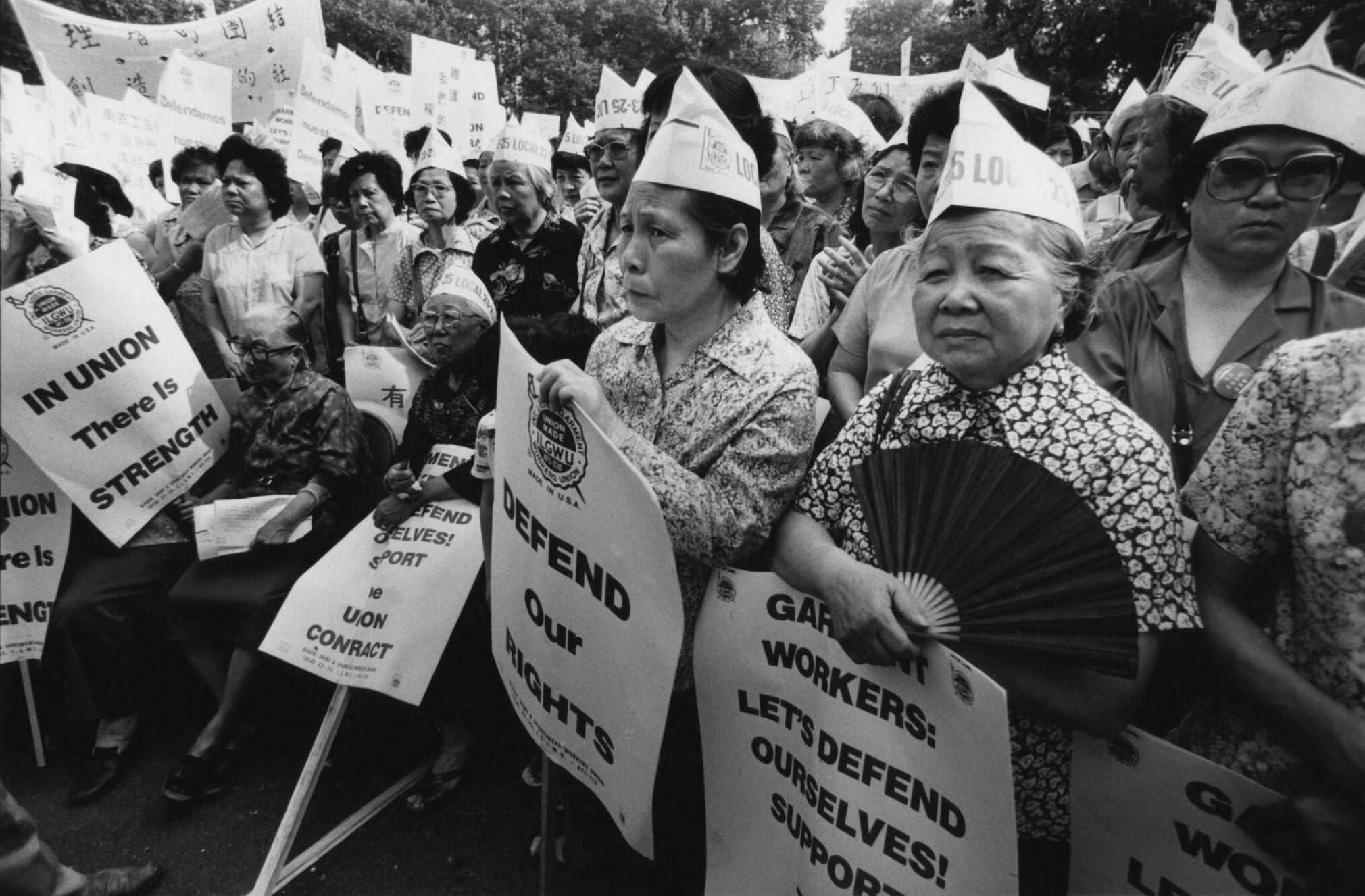
Women Supporters at Rally
An intergenerational group of Chinese women garment workers and supporters listen intently to speakers at the rally.
-
Text
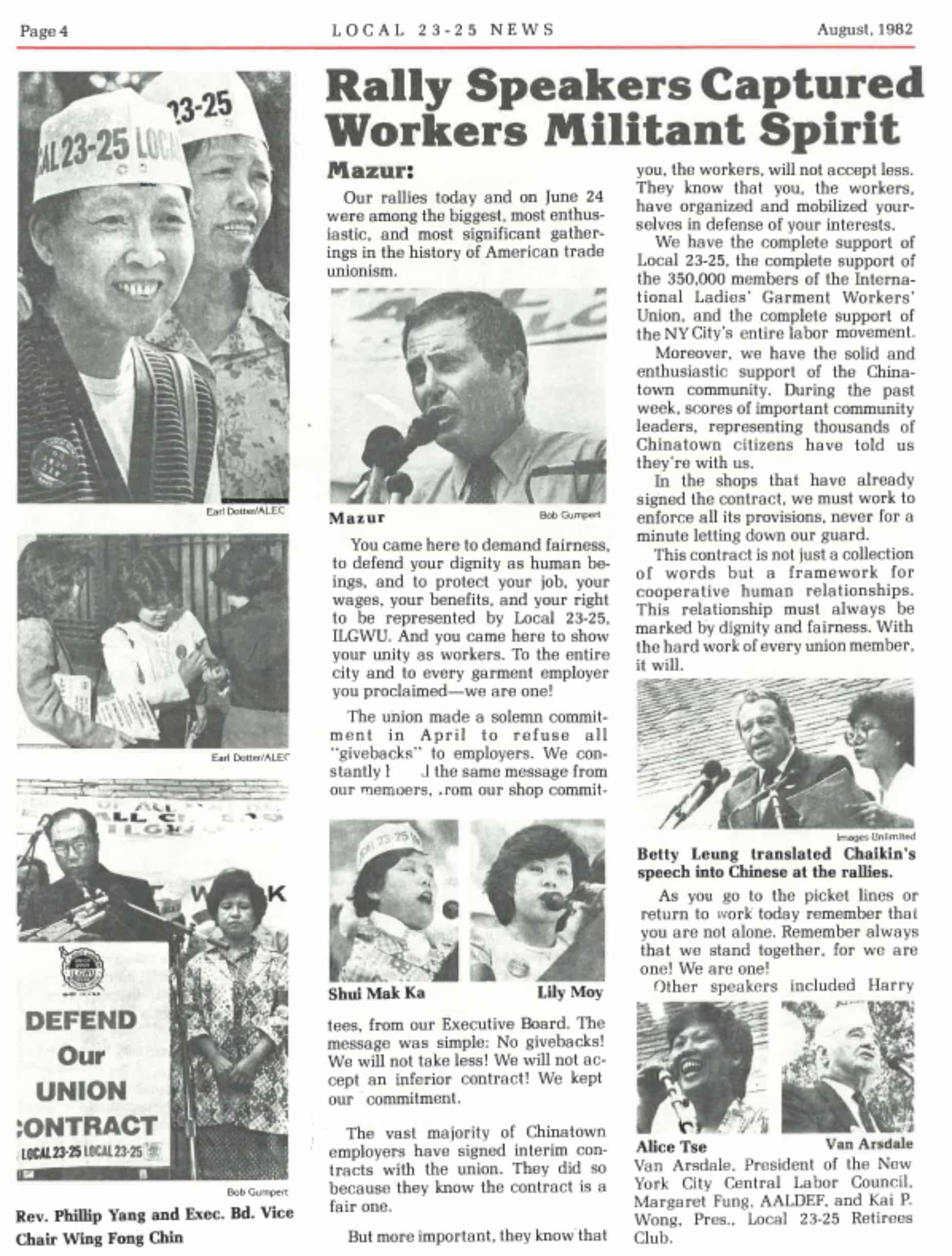
Local 23-25 Newsletter
This page from the Local 23-25 News describes the rallies, with organizing efforts illustrated throughout the 10 pages. These newsletters were published in Chinese, Spanish, and English.
-
Video
Crowd At June 1982 Rally
This clip of the Columbus Park rally in New York City’s Chinatown on June 24, 1982, captures the ILGWU’s successful efforts in uniting people across generations, cultures, and languages. Attendees hold up pro-union signs in English, Chinese, and Spanish.
-
Video
Effort To Defend Union Contract
This clip captures the environment leading up to the union’s mass effort to mobilize workers to defend the union contract. The union’s mobilizing tactics were culturally sensitive to the Chinatown garment worker community.
-
Image
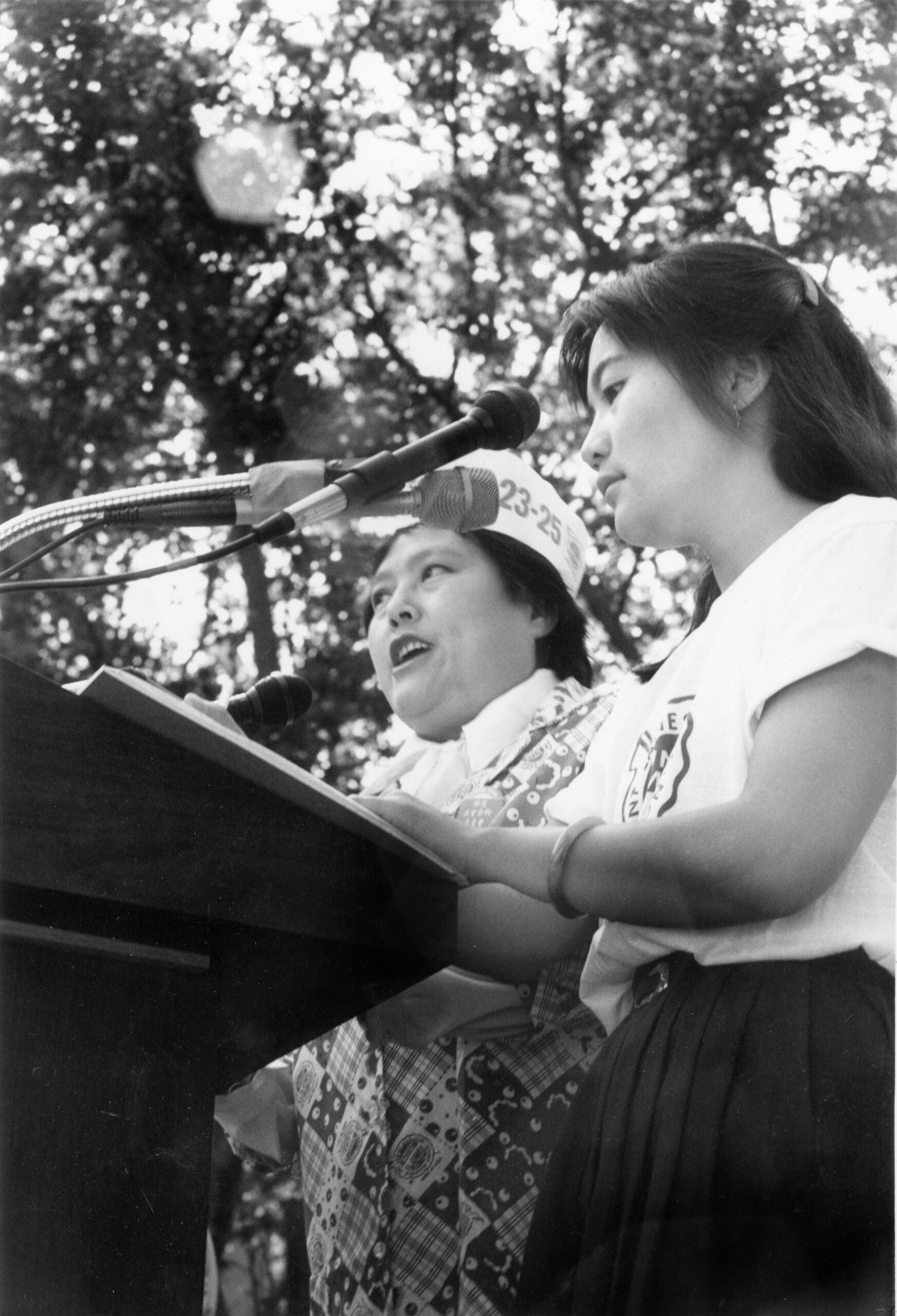
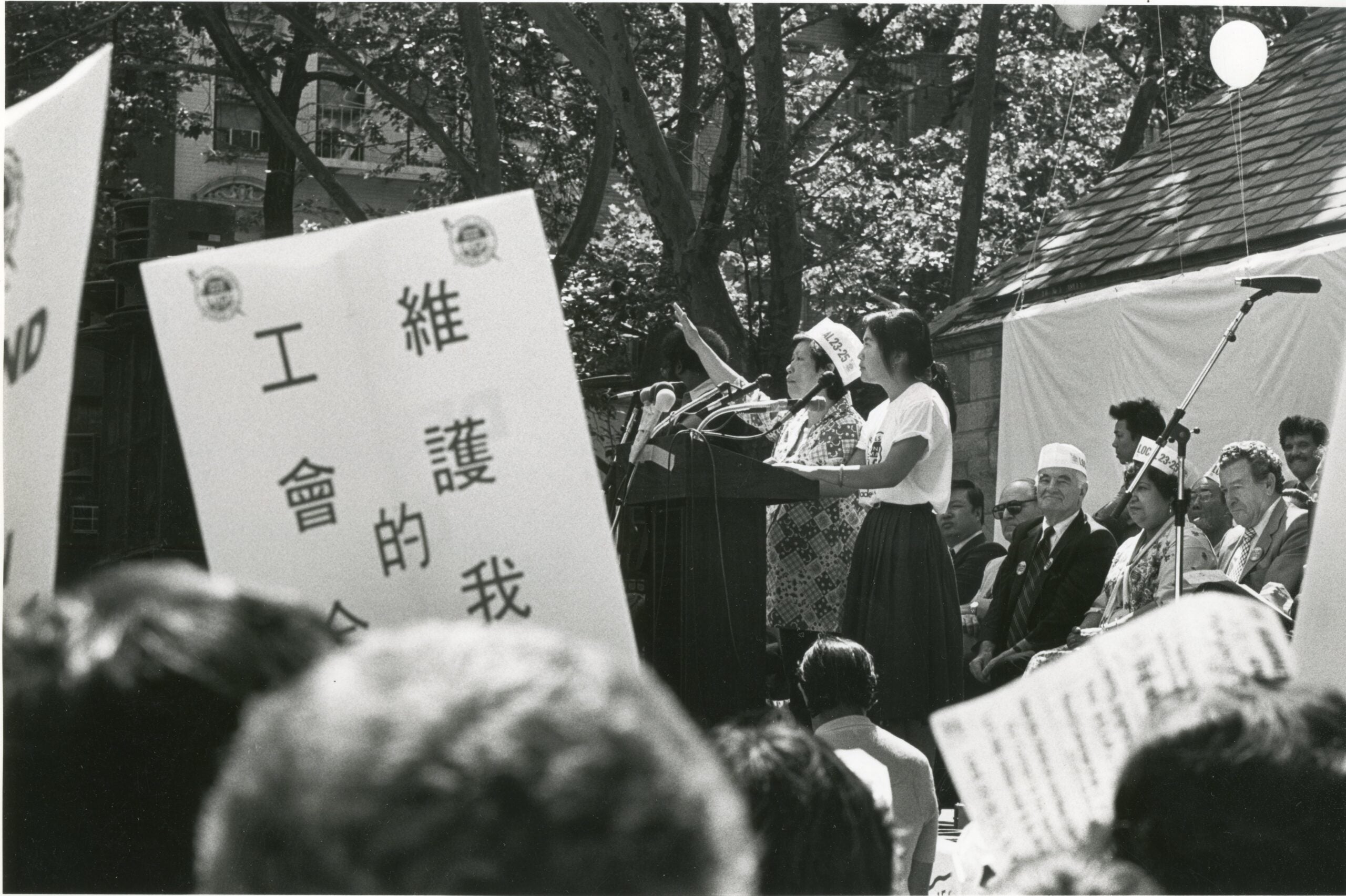
Calls For Unity At Rally
Mrs. Ka (left) addresses the Columbus Park rally in New York City’s Chinatown with calls for unity. Shiree Teng (right) interprets Mrs. Ka’s speech into English.
-
Image
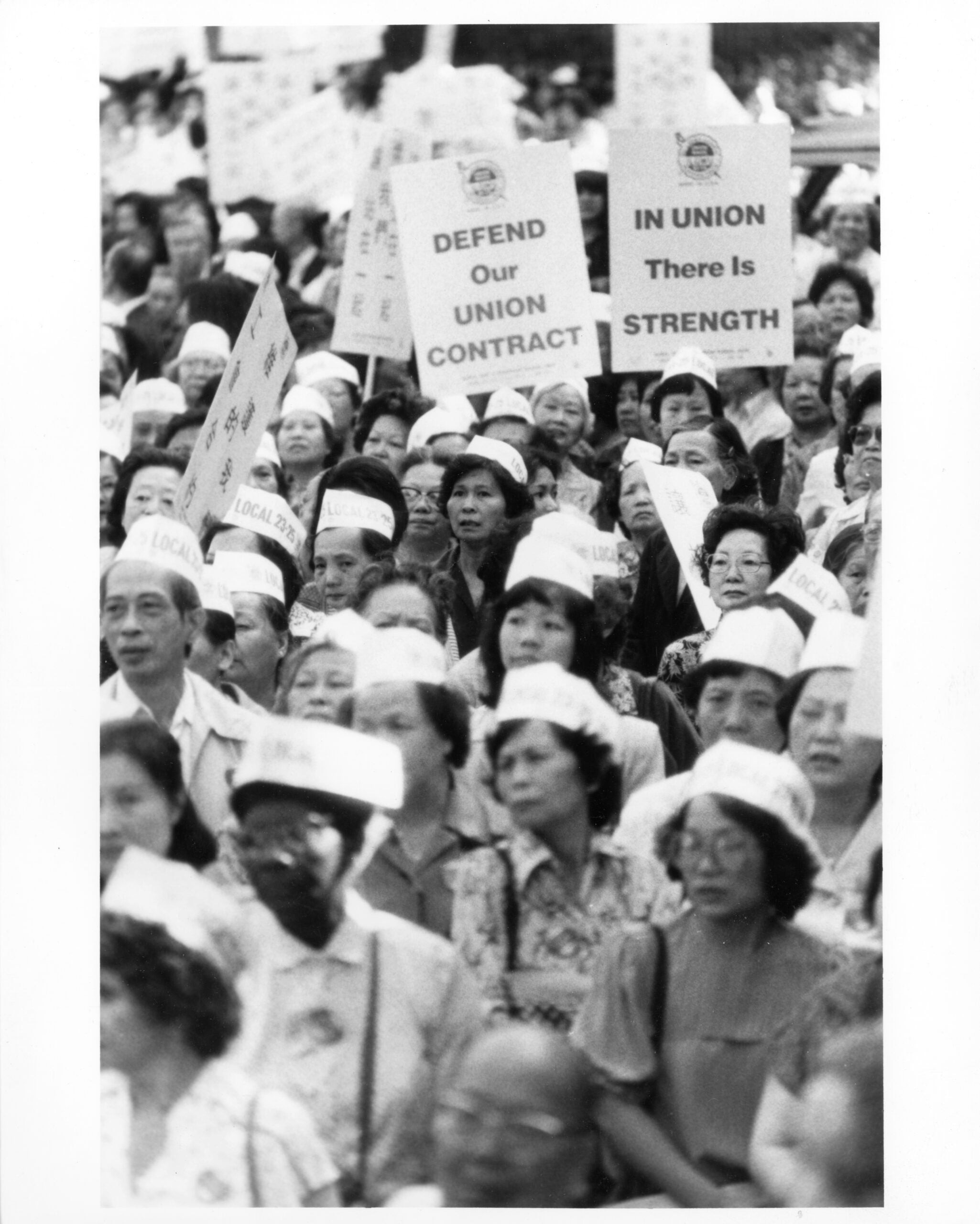
In Union There Is Strength
Workers and supporters gathered at the Columbus Park rally in New York City’s Chinatown hold signs that read “In union there is strength,” and “Defend our union contract.”
-
Image
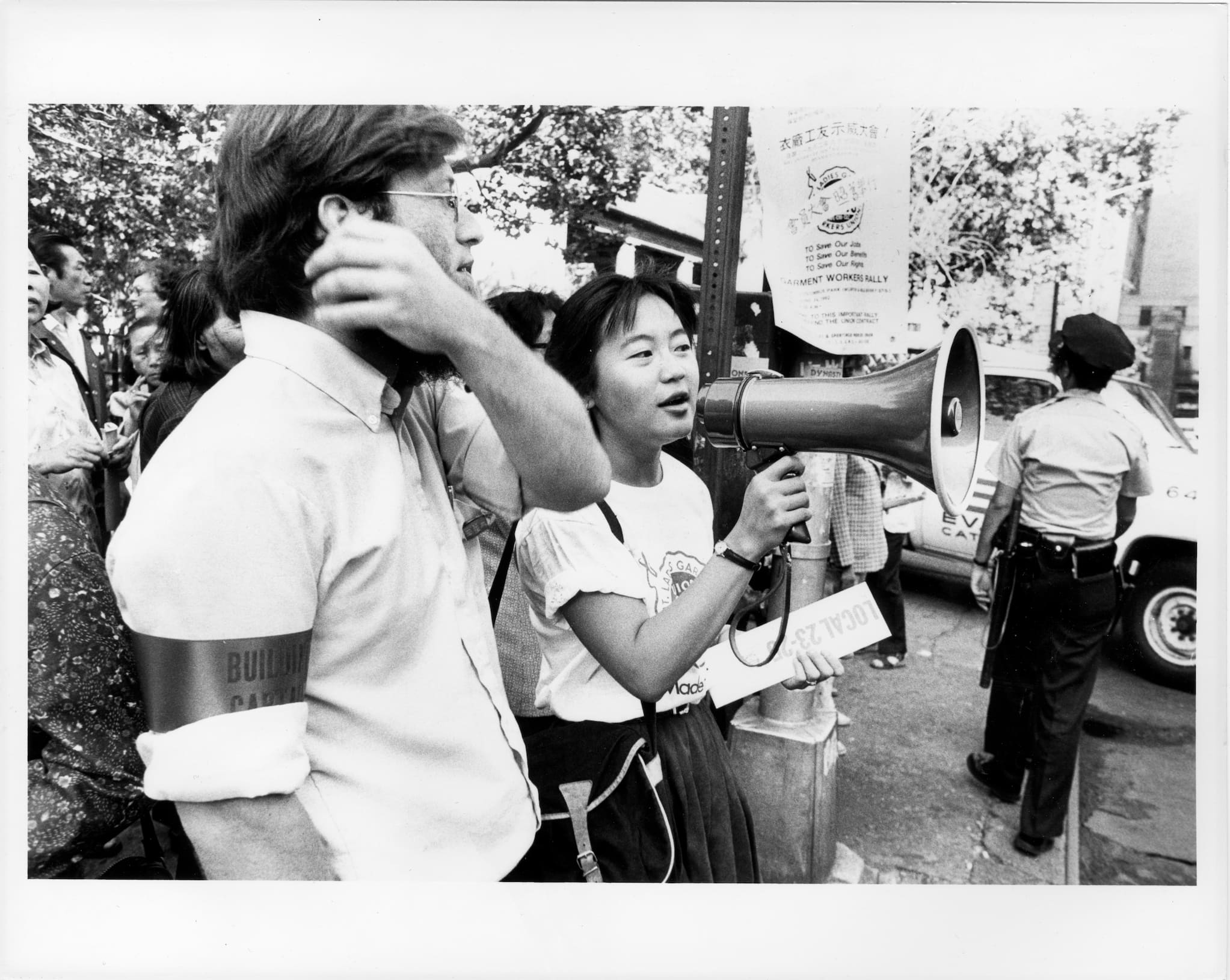
Rally Organizer Shiree Teng
Organizer and interpreter Shiree Teng with a loudspeaker at the Columbus Park rally in New York City’s Chinatown. Support to defend the union contract was multigenerational.
-
Image
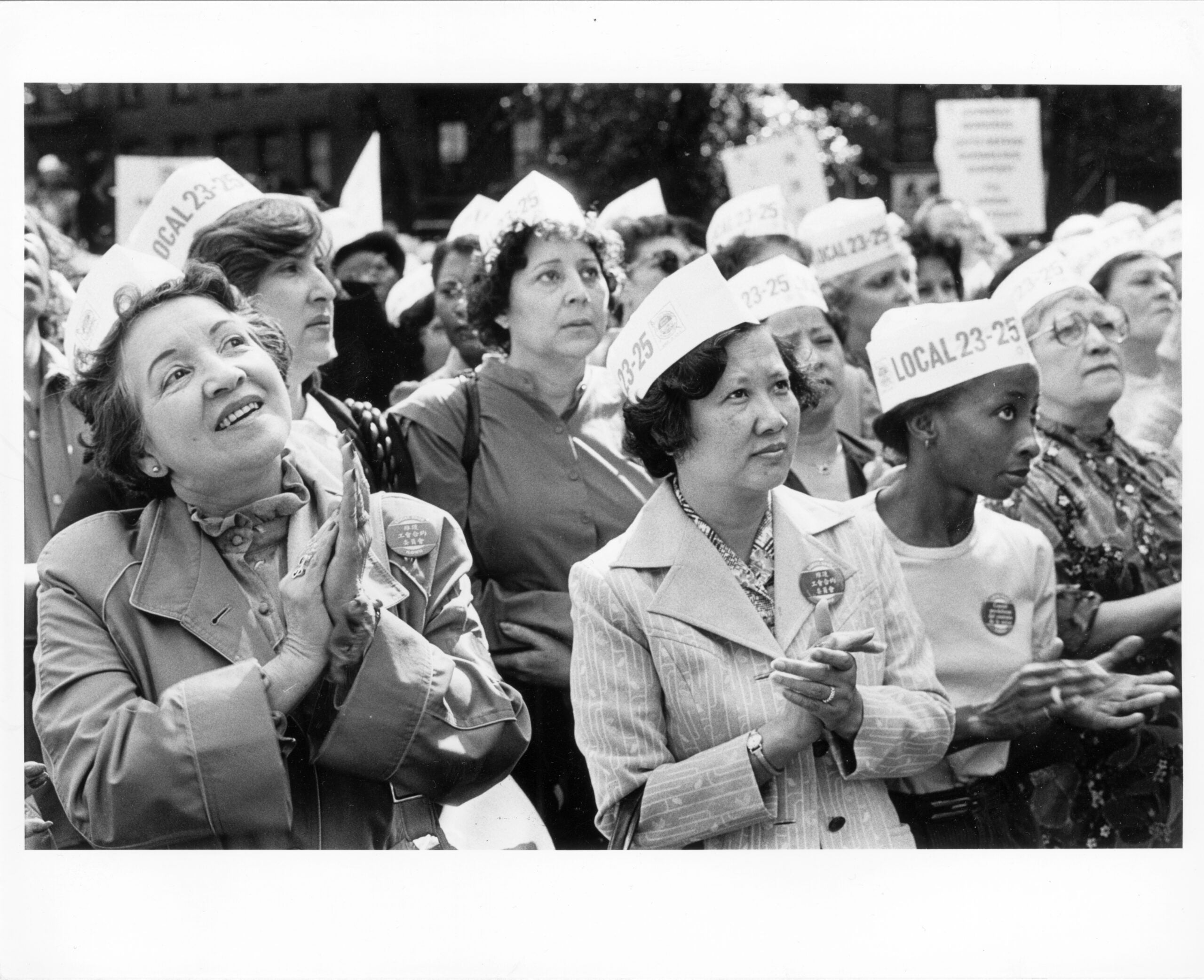
Columbus Park Rally Audience
A multiracial group of union supporters listen to the speeches at the Columbus Park rally in New York City’s Chinatown.
-
Image
Alice Ip Addresses Rally
Alice Ip spoke at the rallies in Columbus Park in New York City’s Chinatown on June 24 and July 15, 1982: “The workers all know how hard it is to make a living. We will struggle to the end until we win!”
-
Image
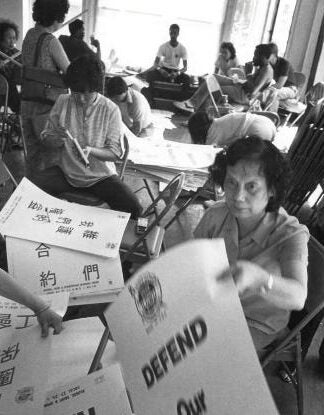
Sign Making for Columbus Park Rally
Worker volunteers, members of the Committee to Defend the Union Contract, mobilize to make signs for the Columbus Park rally in New York City’s Chinatown.
-
Image
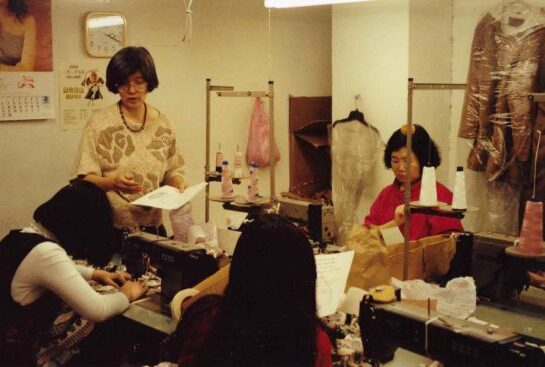
Building Support of Union Contract
May Chen (standing) distributes leaflets to New York Chinatown garment workers as part of the mobilizing effort to support the union contract.
-
Image
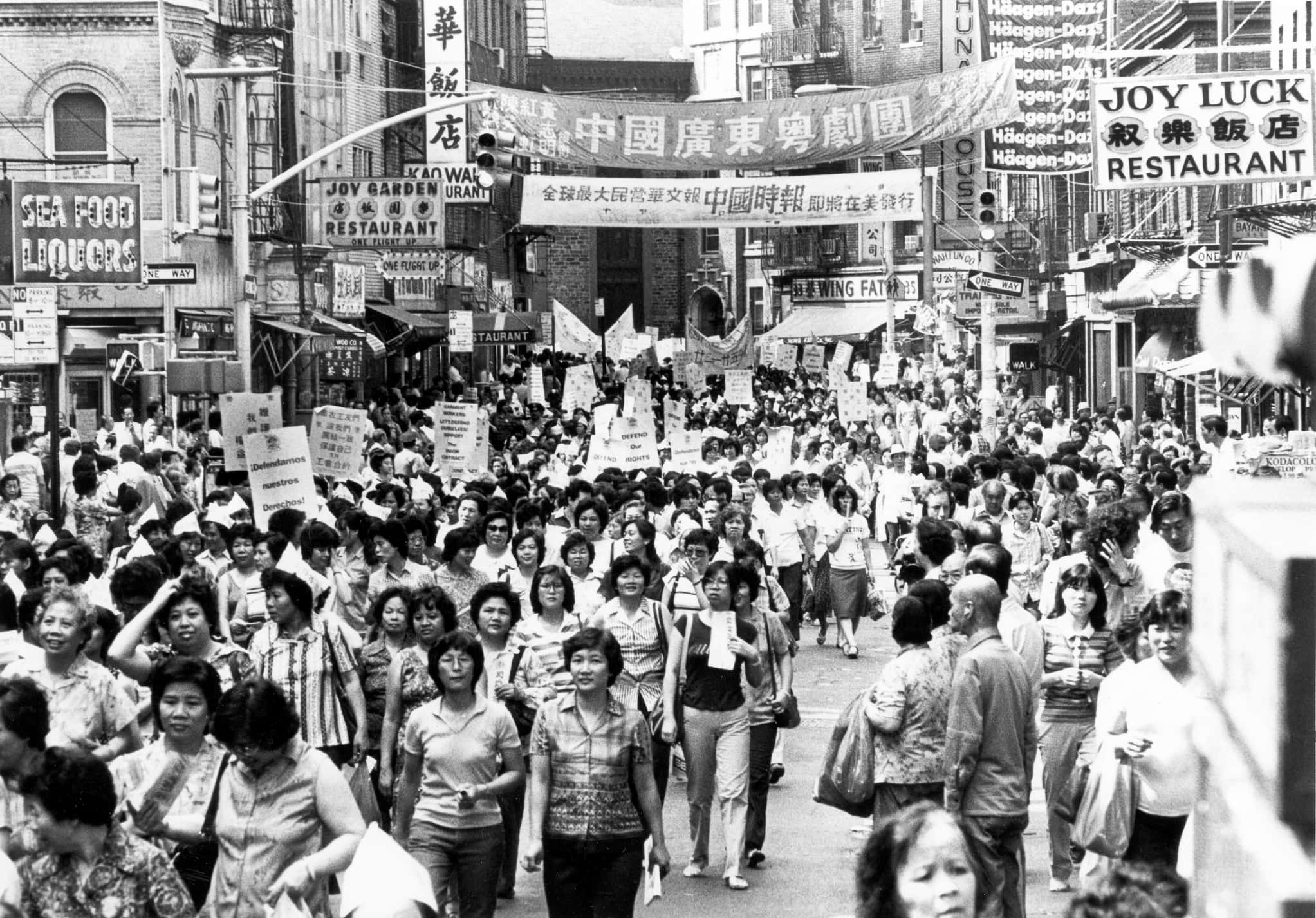
Garment Workers March
Twenty thousand garment workers and their supporters marched through New York City’s Chinatown following a rally in Columbus Park on July 15, 1982.
-
Video
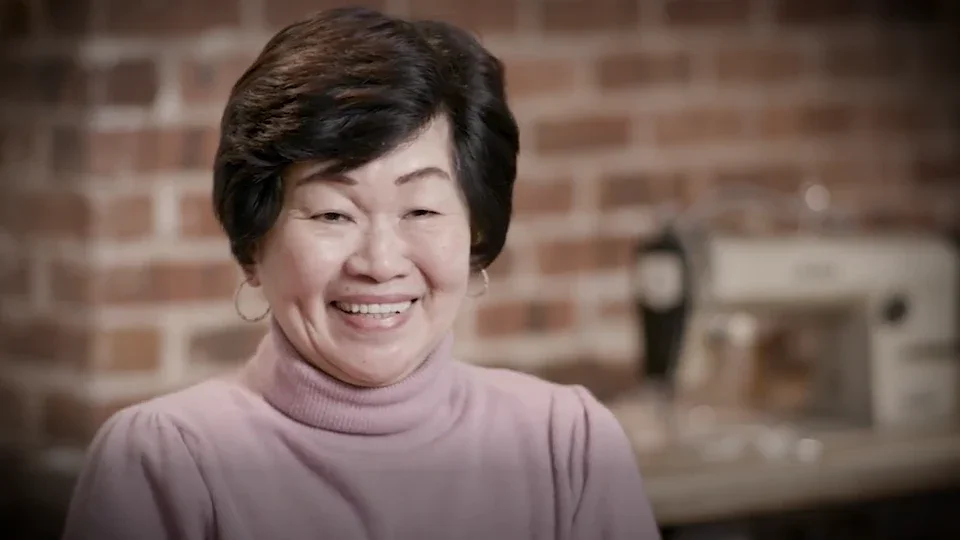
Union Pride
Connie Ling expresses pride in her work and a deep identification with the ILGWU union label. The union label song further highlights the union label as a symbol of solidarity amongst union workers.
-
Video
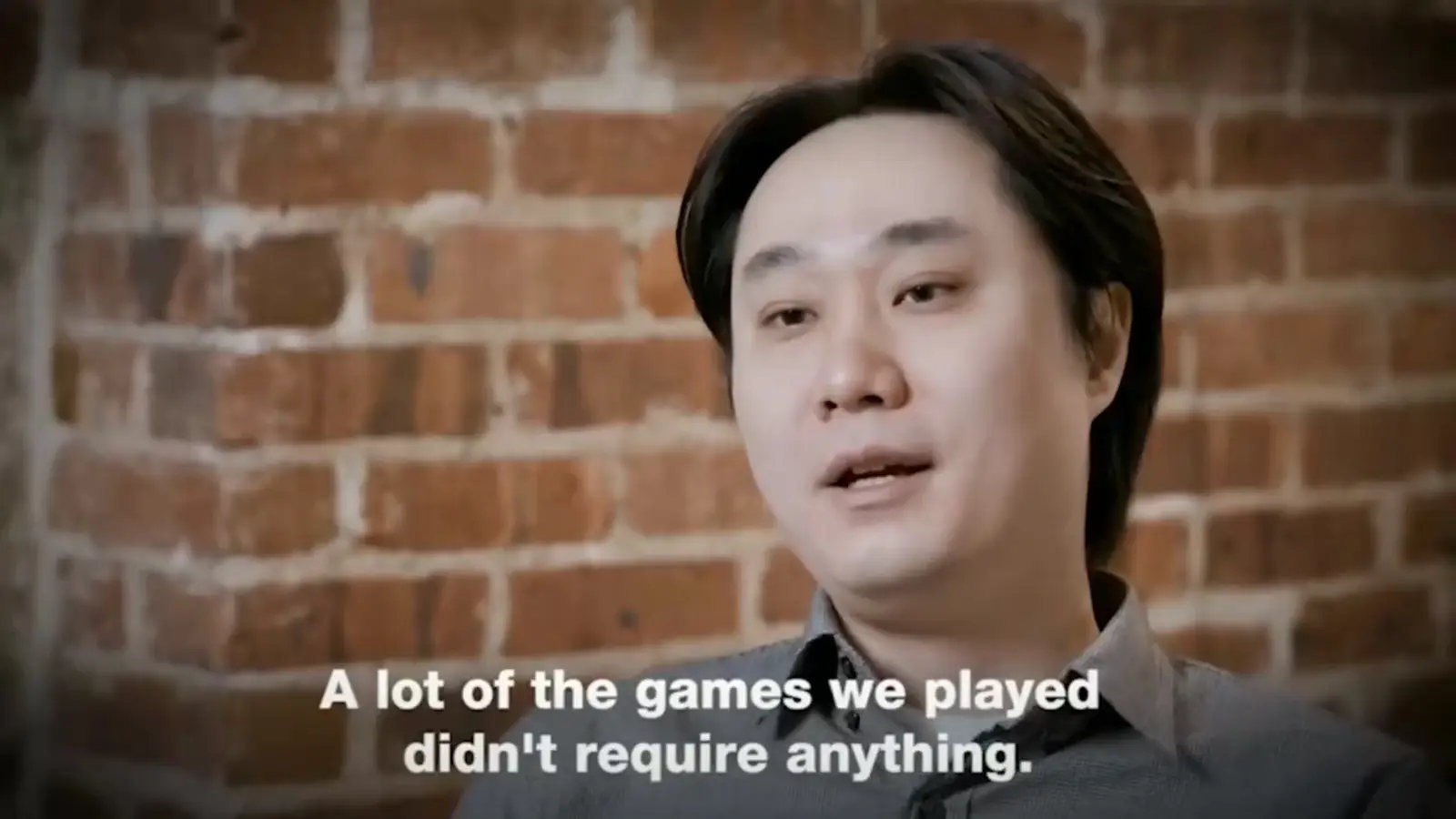
Afterschool Factory Experience
Thomas Yu shares a story from childhood about going to the garment factory after school and hiding from labor inspectors. His experience highlights the dangers of bringing children to the factory and the need for childcare services for garment workers.
-
Image
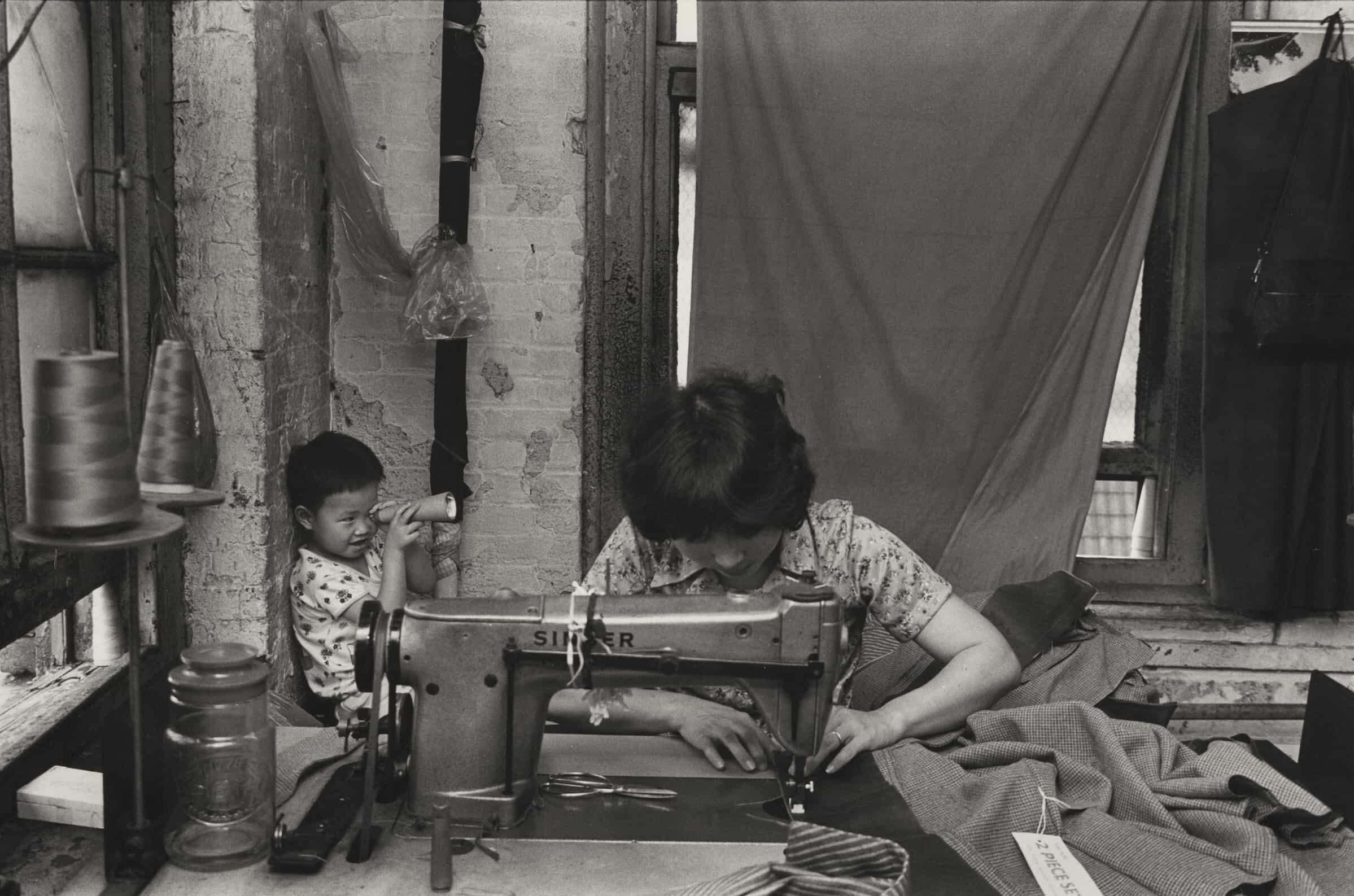
Factory Worker With Child
A Chinatown factory worker in New York City is hard at work while her child sits behind her. The lack of childcare services forced many mother garment workers to bring their children to their workplaces.
-
Image
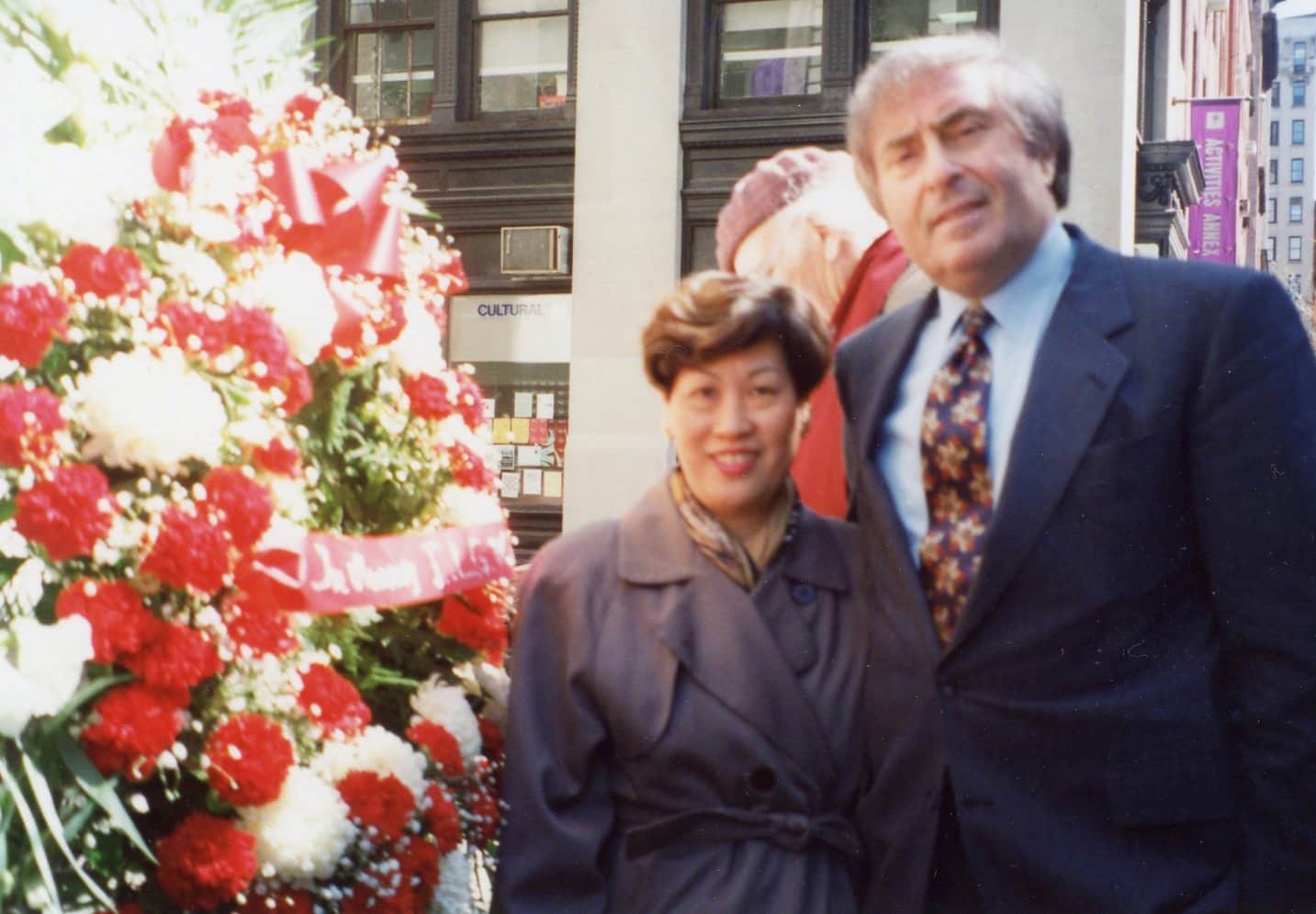
Triangle Fire Memorial
Alice Ip (left) with ILGWU President Jay Mazur (right) at the Triangle Fire Memorial in New York City, c. 1990.